Author: Admin

  • Thoughtful Second Trimester Gifts For Mom

    Thoughtful Second Trimester Gifts For Mom

    Finding the perfect present for an expectant mother can feel a bit tricky, especially for those new to it. You want something that’s useful and shows you care during a special time. The second trimester is a wonderful period in pregnancy, and thoughtful second trimester gifts can make it even more comfortable and enjoyable.

    This guide will break down great gift ideas simply, step by step, so you can find exactly what you’re looking for.

    Key Takeaways

    • Discover practical items that ease pregnancy discomfort.
    • Explore self-care and relaxation options for expectant mothers.
    • Learn about personalized gifts that add a special touch.
    • Identify comfort-boosting items for the changing body.
    • Find ideas for gifts that support the mother’s well-being.

    Comforting Second Trimester Gifts

    The second trimester often brings a bit more energy and a growing baby bump. This stage is perfect for gifts that focus on comfort and self-care as the body continues to change. Many expecting mothers start experiencing new aches and pains, or simply a need for more relaxation.

    Offering items that address these needs shows great consideration.

    Pillows and Support

    As the belly grows, sleeping can become more challenging. Pregnancy pillows are designed to offer support for the back, hips, and belly, making it easier to find a comfortable sleeping position. These come in various shapes, like C-shapes, U-shapes, and wedge styles, each providing different types of support.

    Choosing the right one can significantly improve sleep quality.

    • Body Pillows for Pregnancy

      A full-body pregnancy pillow is a popular choice because it supports multiple areas of the body simultaneously. It can be tucked between the legs, placed behind the back, and used to rest the head. This comprehensive support helps align the spine and reduce pressure points, which are common issues during the second trimester.

      Many are made with soft, breathable fabrics to keep the mother cool and comfortable throughout the night. The versatility allows mothers to adjust their sleeping positions easily without losing support.

    • Lumbar Support Cushions

      For mothers who sit for long periods, a lumbar support cushion can be a lifesaver. These smaller pillows fit into the curve of the lower back, providing extra padding and promoting better posture. This helps alleviate back pain, which can become more pronounced as the pregnancy progresses.

      These are also great for use in car seats or office chairs, making them a versatile gift for daily comfort.

    • Pregnancy Wedge Pillows

      A smaller, more portable option is a pregnancy wedge pillow. These are ideal for targeted support, such as placing under the belly when lying on the side or behind the back for extra support when sitting up. They are lightweight and easy to move around the house, providing relief exactly where it’s needed most.

      Their compact size also makes them great for travel.

    Soothing Skincare and Bath Products

    Skin changes are common during pregnancy, including dryness, stretching, and sensitivity. Gifts that pamper the skin can be incredibly soothing. Gentle, natural skincare products are often preferred by expectant mothers.

    The second trimester is a good time to stock up on items that help manage these changes and provide a moment of calm.

    Natural Lotions and Oils

    Look for lotions and oils made with natural ingredients like shea butter, cocoa butter, coconut oil, or almond oil. These are rich in moisturizing properties that can help keep skin supple and reduce itching. Many are specifically formulated to help prevent stretch marks by improving skin elasticity.

    Ingredients like lavender or chamomile can add a calming aromatherapy element.

    A common statistic is that over 70% of pregnant women experience skin changes, including stretch marks and itching. Providing high-quality, natural skincare can offer significant relief and comfort.

    • Stretch Mark Creams and Oils

      These products are designed to nourish the skin and improve its elasticity, which is crucial as the belly expands. Ingredients like vitamin E, hyaluronic acid, and plant-based oils work together to keep the skin hydrated and prevent dryness. Regular application can make a noticeable difference in comfort and the appearance of stretch marks.

      It’s important to choose products free from harsh chemicals like parabens and phthalates, which some mothers prefer to avoid during pregnancy.

    • Soothing Bath Bombs and Salts

      Warm baths can be very relaxing, especially during pregnancy. Bath bombs and Epsom salts infused with calming scents like lavender can enhance this experience. Epsom salts are known for their muscle-relaxing properties, which can help ease pregnancy aches.

      Ensure the products are made with natural fragrances and are gentle on sensitive skin. Avoid anything too hot, as excessive heat is not recommended during pregnancy.

    • Gentle Cleansers and Moisturizers

      As hormones shift, skin can become more prone to breakouts or dryness. A set of gentle, fragrance-free cleansers and moisturizers can help maintain a healthy skin barrier. These products cleanse without stripping natural oils and hydrate without clogging pores.

      Looking for options with ingredients like glycerin, ceramides, or hyaluronic acid can provide deep hydration.

    Relaxation and Self-Care

    Pregnancy is a time of significant physical and emotional change. Gifts that encourage relaxation and self-care are highly valued. The second trimester is often when expectant mothers can enjoy these activities a bit more, as morning sickness might be subsiding and energy levels can be higher than in the first or third trimesters.

    Comfortable Loungewear

    Soft, comfortable clothing is essential for pregnant women. Loungewear that accommodates a growing bump and is easy to wear around the house provides a sense of ease and well-being.

    • Maternity Pajamas

      These are designed with features like stretchy waistbands, adjustable straps, and easy nursing access for after the baby arrives. Soft fabrics like cotton or modal make them extra comfortable for sleeping and lounging. Having a few sets of comfortable pajamas can make a big difference in daily comfort.

    • Cozy Robes

      A plush robe is perfect for wrapping up in after a bath or just for relaxing at home. Look for lightweight, breathable materials that aren’t too hot, especially as body temperature can increase during pregnancy. A robe that has deep pockets is also a practical bonus.

    • Maternity Leggings and Tops

      Comfortable leggings with a supportive belly band are a staple for many pregnant women. Soft, stretchy tops that can accommodate a growing belly are also great for everyday wear. Sets that coordinate can make getting dressed simple and stylish.

    Mindfulness and Relaxation Aids

    The mental well-being of an expectant mother is just as important as her physical health. Gifts that promote mindfulness and stress reduction can be very beneficial.

    • Journals and Gratitude Books

      A pregnancy journal provides a space for mothers to record their thoughts, feelings, and experiences throughout their pregnancy. This can be a wonderful way to process emotions and create a keepsake. Gratitude journals help focus on the positive aspects of the experience, promoting a more optimistic outlook.

    • Meditation Apps or Classes

      Subscription to a meditation app or a gift certificate for a prenatal yoga or meditation class can offer valuable tools for relaxation and stress management. These practices can help mothers stay calm and centered during a time of change. Many apps offer guided meditations specifically for pregnancy.

    • Aromatherapy Diffusers and Essential Oils

      Aromatherapy can create a calming atmosphere. A diffuser with a selection of pregnancy-safe essential oils like lavender, chamomile, or bergamot can help promote relaxation and reduce anxiety. It’s important to use essential oils safely and ensure they are diluted properly and used in well-ventilated areas.

    Practical Second Trimester Gifts

    Beyond comfort, practical gifts that make everyday life easier are always appreciated. The second trimester is when many women start preparing more actively for the baby’s arrival, and useful items can be a great help.

    Nursery Preparation Items

    While full nursery setups might be for later, small, useful items for the baby’s space can be perfect for the second trimester. These gifts can help expectant parents feel more prepared without being overwhelming.

    • Baby Monitor with Advanced Features

      A reliable baby monitor is a must-have. Modern monitors offer features like high-definition video, two-way talk, temperature sensors, and even breathing monitors. These can provide peace of mind for new parents, allowing them to keep an eye and ear on their baby from another room.

      Safety and ease of use are key considerations.

    • Diaper Caddy Organizer

      A portable diaper caddy keeps all essentials like diapers, wipes, creams, and changes of clothes organized and easily accessible. This is incredibly useful for moving between rooms or for quick changes. Many are designed with multiple compartments and sturdy handles.

    • Soft Baby Blankets and Swaddles

      A few high-quality, soft baby blankets are always welcome. These are versatile for swaddling, cuddling, or laying the baby down. Organic cotton or bamboo fabrics are often preferred for their softness and breathability.

    Mom-Focused Practicalities

    Gifts that support the mother directly are also incredibly useful. These can range from everyday aids to items that simplify tasks.

    • Insulated Water Bottle

      Staying hydrated is vital during pregnancy. A good insulated water bottle keeps water cold for hours, encouraging the mother to drink more throughout the day. Many come with convenient straw lids or handles.

    • Meal Delivery Service or Gift Certificate

      Cooking can become tiring as pregnancy progresses. A gift certificate for a meal delivery service or a few pre-prepared meals can be a huge help, providing healthy, delicious options without the need for cooking. This is especially appreciated in the later stages of pregnancy and after the baby arrives.

    • Comfortable, Supportive Shoes

      Feet and ankles can swell during pregnancy. Comfortable, supportive shoes with good cushioning and easy on-and-off features are a practical and thoughtful gift. Look for wide-fitting options if swelling is a concern.

    Personalized and Thoughtful Second Trimester Gifts

    Sometimes, the most cherished gifts are those that are personalized and show extra thought. These gifts can create lasting memories and feel especially meaningful.

    Custom Keepsakes

    Items that commemorate the pregnancy and the baby’s arrival are treasured keepsakes. The second trimester is a perfect time to start thinking about these as the baby’s features become clearer on ultrasounds.

    • Custom Ultrasound Art

      A beautiful piece of art created from an ultrasound image can be a unique and touching gift. These can be printed on canvas, made into jewelry, or incorporated into other keepsakes. It’s a visual reminder of the growing life within.

    • Personalized Baby Book

      A baby book where parents can record milestones, add photos, and write memories is a classic gift. Personalized versions often include the baby’s name or birth date, making them even more special.

    • Engraved Jewelry

      A necklace or bracelet engraved with the baby’s initials, a due date, or a special message can be a deeply personal gift for the mother to wear and cherish.

    Experience-Based Gifts

    Gifts that provide enjoyable experiences can create lasting memories. The second trimester, often a period of increased energy, is ideal for these.

    • Prenatal Massage Gift Certificate

      A professional prenatal massage can be incredibly relaxing and help relieve muscle tension and pregnancy discomfort. Therapists trained in prenatal massage know how to position and support the mother safely and comfortably. This is a wonderful way to promote relaxation and well-being.

    • Photography Session Voucher

      A maternity photoshoot can capture beautiful memories of this unique time. A voucher for a professional photographer allows the mother to create stunning images to look back on for years to come. It’s an opportunity to celebrate her changing body and anticipation.

    • Baby Shower or Blessingway Experience

      If the timing aligns, contributing to or organizing a baby shower or a more intimate blessingway ceremony can be a meaningful gift. These events celebrate the mother-to-be and her upcoming arrival, often with a focus on support and pampering.

    Gift Ideas for the Partner

    It’s important not to forget the partner or support person. They are going through this experience too and can benefit from thoughtful gestures.

    Supportive Items

    • Comfortable Loungewear for Partners

      Just like the mother, partners can appreciate comfortable clothing for relaxing at home. Cozy sweatpants, soft t-shirts, or a nice hoodie can be a good choice.

    • Books on Pregnancy and Parenting

      Educational resources can help partners feel more prepared and involved. Books that offer advice, tips, and a partner’s perspective can be very valuable.

    • Couples Massage or Spa Day Voucher

      A chance for the couple to relax together before the baby arrives can be a wonderful bonding experience. A voucher for a couples massage or a shared spa treatment offers a break from pregnancy preparations.

    Common Myths Debunked

    Myth 1: Second trimester gifts must be baby-focused.

    This is a common misconception. While baby items are wonderful, the second trimester is a critical period for the mother’s comfort and well-being. Gifts that support her physical and emotional health are equally, if not more, important at this stage.

    Focusing solely on the baby can overlook the significant changes the mother is experiencing.

    Myth 2: All pregnancy skincare is safe.

    Not all skincare products are created equal, and some ingredients should be avoided during pregnancy due to potential risks. It’s important to choose products that are specifically formulated for pregnant women, using natural, gentle ingredients. Always check ingredient lists for anything concerning.

    Myth 3: Only expensive gifts are meaningful.

    Meaningful gifts are about thoughtfulness, not price. A handmade item, a perfectly chosen comfort item, or an offer of practical help can be far more cherished than a costly but impersonal present. The intention and care behind the gift are what truly matter.

    Myth 4: You need to wait until the third trimester for maternity items.

    Many women start needing maternity support and comfort items in the second trimester as their bodies change significantly. Investing in comfortable maternity wear, support pillows, or skincare during this period can greatly enhance the mother’s experience.

    Frequently Asked Questions

    Question: What is the best type of pillow for a pregnant person in their second trimester?

    Answer: A full-body pregnancy pillow offers comprehensive support for the back, belly, and hips, which is ideal for improving sleep comfort during the second trimester as the baby bump grows.

    Question: Are natural essential oils safe to use for relaxation during pregnancy?

    Answer: Yes, many natural essential oils like lavender and chamomile are considered safe for relaxation when used properly, meaning they are diluted and used in a well-ventilated space. Always check with a healthcare provider if you have concerns.

    Question: What are some good practical gifts for expectant mothers?

    Answer: Practical gifts include insulated water bottles for hydration, meal delivery service vouchers for easier eating, comfortable maternity shoes, or helpful nursery organizers like a diaper caddy.

    Question: Should I buy baby items or gifts for the mom-to-be?

    Answer: Both are great, but during the second trimester, gifts that focus on the mother’s comfort and well-being are particularly appreciated as her body is undergoing significant changes.

    Question: How can I make a second trimester gift more personal?

    Answer: Personal touches include custom ultrasound art, engraved jewelry, a personalized baby book, or a voucher for a maternity photoshoot. These create lasting memories.

    Conclusion

    Choosing second trimester gifts is about supporting the mom-to-be. Focus on comfort items like supportive pillows and soothing skincare. Practical gifts such as meal vouchers or comfortable clothing also help.

    Personalized keepsakes and relaxation experiences add a special touch. Thoughtful presents make this special time even better.

  • Second Trimester How Many Weeks Explained Simply

    Second Trimester How Many Weeks Explained Simply

    Many expecting parents wonder about the specifics of pregnancy weeks, and the second trimester how many weeks is often a point of confusion. It can be tricky to keep track of all the changes and timings when you’re new to this! But don’t worry, this guide will break it down for you in a super simple way.

    We’ll walk through it step-by-step so you know exactly where you stand. Get ready to feel more confident about your pregnancy timeline.

    Key Takeaways

    • The second trimester begins around week 13 and ends around week 27 of pregnancy.
    • This phase is often called the “golden period” of pregnancy.
    • Knowing your exact week helps in tracking baby’s development.
    • It’s important to understand the week count for appointments and planning.
    • This guide clarifies the exact weeks of the second trimester.

    Understanding Pregnancy Weeks

    Pregnancy is typically measured in weeks, starting from the first day of your last menstrual period. This system is used by doctors and midwives worldwide to track fetal development and schedule important check-ups. Understanding how these weeks are counted is key to making sense of your pregnancy timeline.

    Many expectant parents find themselves asking, “second trimester how many weeks” because it feels like a significant milestone where many changes occur.

    The total duration of a typical pregnancy is about 40 weeks. This count might seem a bit strange at first, as conception usually happens about two weeks after your last period. However, this standardized method ensures consistency for everyone.

    It provides a clear framework for doctors to monitor your health and your baby’s growth. Keeping track of these weeks helps you anticipate developmental leaps and prepare for what’s ahead. It’s a simple way to organize the amazing process of growing a baby.

    Why Week Counting Matters

    Knowing the exact week of your pregnancy is incredibly important for several reasons. Firstly, it helps you understand your baby’s developmental stage. Each week brings new milestones for your little one, from the formation of tiny organs to the start of kicks you can feel.

    Tracking these milestones can be incredibly exciting and reassuring. You can see how far you’ve come and what’s coming next.

    Secondly, your healthcare provider uses your gestational age, measured in weeks, to schedule prenatal appointments and important tests. For example, certain ultrasounds and screening tests are recommended at specific points within each trimester. Being aware of your week count ensures you don’t miss these crucial check-ups, which are designed to monitor both your well-being and your baby’s health.

    It also helps in planning for things like maternity leave or preparing your home for the baby’s arrival.

    Finally, understanding the week count can help manage expectations and prepare for common pregnancy symptoms. Different trimesters bring different kinds of experiences, from morning sickness to feeling more energetic. Knowing which week you’re in gives you a better idea of what symptoms might be around the corner or if they are starting to fade.

    This knowledge empowers you to make informed decisions and feel more in control during your pregnancy.

    The Second Trimester Explained

    The second trimester of pregnancy is often considered the “golden period” by many expecting parents. This phase typically runs from week 13 to week 27 of gestation. After the sometimes challenging first trimester, characterized by fatigue and nausea for many, the second trimester often brings a welcome sense of renewed energy and relief from early pregnancy symptoms.

    Your body is adjusting, and you start to feel more like yourself again, making it a time many enjoy.

    During these weeks, your baby experiences significant growth and development. You’ll likely start to feel your baby’s movements, often described as flutters or kicks. This is a truly magical milestone for many parents.

    Your growing baby is developing senses, strengthening muscles, and preparing for life outside the womb. Physically, you’ll notice your baby bump becoming more prominent, a clear sign of the life growing within you. This period is filled with exciting changes and a growing connection with your little one.

    When Does the Second Trimester Start?

    The second trimester officially kicks off when you reach the 13th week of pregnancy. This marks the end of the first trimester, which typically spans from week 1 to week 12. So, if your last menstrual period started on a certain date, and you count 13 full weeks from that day, you are entering the second trimester.

    This transition is usually a cause for celebration, as many of the more intense early symptoms start to ease up.

    Many women report feeling a noticeable difference as they move into week 13. The fatigue that often plagued them in the first trimester may lessen, and the nausea might subside. This is because the placenta, which supports your baby’s growth, is now fully formed.

    It takes over many of the hormone production tasks, leading to a more stable hormonal environment. This can translate into feeling more energetic and generally more comfortable.

    The weeks of the second trimester are 13, 14, 15, 16, 17, 18, 19, 20, 21, 22, 23, 24, 25, 26, and 27. This period covers a substantial portion of the pregnancy, offering a time for bonding and experiencing the joy of pregnancy without the overwhelming discomforts that can occur earlier or later. It’s a time when many parents choose to announce their pregnancy and actively plan for their baby’s arrival.

    You can often start seeing your baby’s features more clearly on ultrasounds during this period too.

    Key Milestones in the Second Trimester

    The second trimester is packed with amazing developments for both you and your baby. One of the most cherished milestones is feeling those first kicks. Around weeks 18-25, you might start to feel gentle flutters that soon grow into more distinct kicks and rolls.

    This connection with your baby is incredibly special and confirms the active life growing inside you.

    For your baby, this period is crucial for growth and development. Around week 20, your baby’s senses are sharpening. They can hear sounds from the outside world, like your heartbeat and your voice.

    Their skin is developing and may appear wrinkled as it fills out. Fingerprints and footprints are forming, unique identifiers that will stay with them forever. They are also gaining weight rapidly and their organs are maturing.

    You’ll also likely have your anatomy scan, usually around week 20. This detailed ultrasound allows your doctor to check your baby’s organs, limbs, and overall growth to ensure everything is developing as expected. It’s also often when you can find out your baby’s sex, if you choose to.

    This scan provides invaluable information about your baby’s health and can be a very emotional experience for parents.

    When Does the Second Trimester End?

    The second trimester concludes as you reach the 28th week of pregnancy. This means that weeks 13 through 27 are all part of this middle stage. Upon completing week 27, you are about to enter the third trimester, which is the final push towards delivery.

    Knowing this endpoint helps you mentally prepare for the shift in your body and the baby’s rapid growth that characterizes the final months of pregnancy.

    Reaching the end of the second trimester signifies that your baby is growing stronger and bigger. They are developing more complex systems, and their chances of survival if born prematurely increase significantly after this point. While every week is important, crossing the threshold into the third trimester often brings a mix of excitement and anticipation for the impending birth.

    You’re entering the home stretch!

    The transition from week 27 to week 28 is a clear marker that the final stage of pregnancy is about to begin. This is when your healthcare provider might start discussing labor and delivery more frequently. You’ll also likely notice your baby’s movements becoming more pronounced as they have less space to move freely.

    It’s a time for reflection on the journey so far and preparation for what’s to come.

    Second Trimester How Many Weeks Progression

    As you move through the second trimester, each week brings its own set of advancements for your baby and changes for your body. Understanding this progression helps you appreciate the dynamic nature of pregnancy. From the first fluttery movements to visible kicks, the second trimester is a period of profound connection and visible growth.

    It’s where many of the imagined aspects of pregnancy start to feel very real.

    This phase is a crucial period for fetal organ development. The lungs begin to develop alveoli, the tiny air sacs needed for breathing after birth. The digestive system matures, and the baby can swallow amniotic fluid.

    The immune system also starts to develop, preparing the baby to fight off infections. These internal developments are just as important as the external changes, ensuring your baby is well-equipped for life outside the womb.

    For you, the physical changes become more noticeable. Your center of gravity shifts, potentially leading to back pain. You might experience swelling in your feet and ankles.

    Skin changes, like the appearance of the linea nigra (a dark line down your abdomen), are also common. These are all normal adaptations of your body to accommodate your growing baby. Staying hydrated and eating nutritious foods supports both your body and your baby’s development during this busy phase.

    Weeks 13-16 Early Second Trimester

    Entering weeks 13 to 16 marks the early stage of the second trimester. During these weeks, your baby is growing rapidly. Their head will start to look more proportionate to their body, and their facial features become more defined.

    They will begin to develop reflexes, like swallowing and kicking. Your uterus is expanding noticeably, and you might start to show a distinct baby bump.

    This period is often characterized by increased energy levels for the mother. The hormonal shifts that caused fatigue and nausea in the first trimester begin to stabilize. You might feel more like yourself again, with more stamina for daily activities.

    Many women find this a great time to exercise, if cleared by their doctor, and to start planning for the baby’s arrival. The risk of miscarriage significantly decreases after the first trimester, bringing a sense of relief and joy.

    By week 16, your baby can move their joints and limbs. They might even be starting to suck their thumb, a habit that can comfort them. Their ears are developing, and they can start to hear some sounds.

    Their skin is still very thin and translucent, and you can sometimes see tiny blood vessels beneath it. It’s an exciting time as your baby transforms from a tiny embryo into a recognizable fetus with developing human features.

    Weeks 17-22 Mid Second Trimester

    Weeks 17 through 22 represent the heart of the second trimester. This is a period of significant fetal growth and development, often accompanied by exciting milestones for expectant parents. Your baby is becoming more active, and this is typically when most women start to feel those first unmistakable movements, commonly known as “quickening.” These movements can range from gentle flutters to more distinct kicks and rolls.

    Your baby’s sensory organs are maturing rapidly during this stage. Their hearing is developing, allowing them to perceive sounds from outside the womb, such as your voice or music. Their eyes are developing too, although they remain closed for now to protect their delicate retinas.

    The brain continues to grow and develop complex neural connections. By week 20, your baby is about the size of a banana and weighs around 10-12 ounces.

    Physically, you’ll likely notice your baby bump growing more prominent. Your doctor will probably schedule your anatomy scan around week 20. This detailed ultrasound is a highlight for many parents, as it allows for a thorough examination of your baby’s anatomy and development.

    It’s also often when parents discover their baby’s sex, if they choose to know. This scan is a critical tool for ensuring your baby is healthy and developing on track. The size of your baby around week 22 is about 7-9 inches from head to toe and they weigh close to a pound.

    Weeks 23-27 Late Second Trimester

    As you approach the end of the second trimester, from weeks 23 to 27, your baby continues to grow and prepare for life outside the womb. Their lungs are developing the ability to breathe air, though they are not yet mature enough for independent breathing. Their skin is becoming less transparent as fat begins to deposit beneath it, helping to regulate body temperature after birth.

    Their hair may also start to grow.

    Your baby’s movements will become stronger and more frequent. You might even be able to see visible kicks or bulges on your abdomen when they move. This is a sign of a healthy, active baby.

    Their senses are further refined, and they can respond to light and sound. They are also developing a sleep-wake cycle, which you might start to notice. The duration of these cycles will become more regular as pregnancy progresses.

    At this stage, you might experience new physical sensations. Some women report feeling Braxton Hicks contractions, which are practice contractions for labor. These are usually irregular and don’t cause pain.

    Your body is continuing to adapt to the growing baby, and you might experience increased swelling, heartburn, or shortness of breath. Regular check-ups with your healthcare provider are essential to monitor your health and your baby’s well-being as you approach the final trimester. By week 27, the baby weighs about 2 pounds and is 14-15 inches long.

    Common Second Trimester Concerns Addressed

    While the second trimester is often a more comfortable period, it’s normal to have questions and concerns. Many expectant parents worry about their baby’s development, their own physical changes, or potential complications. Addressing these common concerns proactively can help ease anxiety and allow you to enjoy this special time more fully.

    Knowing what to expect and understanding normal pregnancy changes is key to a less stressful experience.

    One of the most frequent questions revolves around baby’s movements. When should you feel them? Are they strong enough?

    What if you don’t feel them as much one day? These are valid inquiries. Another area of concern can be common discomforts like back pain, heartburn, or swelling.

    Understanding the causes and simple remedies for these issues can make a big difference in your comfort levels. Your healthcare provider is your best resource for personalized advice.

    It’s also important to stay informed about potential issues without becoming overly worried. Learning about signs of premature labor or other complications, and knowing when to seek medical attention, is part of responsible pregnancy care. This section aims to provide clear, simple answers to these common worries, offering reassurance and practical guidance so you can focus on the joy of your pregnancy.

    You are not alone in these feelings.

    Baby Movement Worries

    Feeling your baby move is a significant and exciting milestone, but it can also be a source of anxiety. Many first-time parents worry if they are feeling enough movement, or if the movements are strong enough. It’s important to remember that every baby is different, and their movement patterns can vary.

    You might feel subtle flutters initially, which can be easily mistaken for gas or indigestion. As your baby grows, these movements become stronger and more distinct.

    The timing of when you first feel movement also varies. While some women feel kicks as early as 16 weeks, others might not feel them until 22 weeks or even later, especially if they are first-time mothers or have an anterior placenta (where the placenta is positioned at the front of the uterus, which can cushion movements). Your healthcare provider will advise you on when to expect to feel movements and what to do if you have concerns.

    If you become concerned about decreased fetal movement, it’s always best to contact your healthcare provider immediately. They can perform a check-up, possibly including a non-stress test, to monitor your baby’s well-being. They will reassure you that changes in movement can happen for various reasons, such as your baby being in a quiet sleep cycle or repositioning themselves.

    Trust your instincts, but also rely on your doctor’s expertise for peace of mind.

    Managing Common Discomforts

    The second trimester often brings a welcome decrease in nausea and fatigue, but it also introduces new physical discomforts. Back pain is very common as your posture changes to accommodate your growing belly. Wearing supportive shoes, maintaining good posture, and doing gentle stretches can help alleviate this.

    Sleeping on your side with a pillow between your knees also offers relief.

    Heartburn and indigestion are also frequent complaints. As your uterus expands, it puts pressure on your stomach, and pregnancy hormones can relax the valve between your esophagus and stomach. Eating smaller, more frequent meals, avoiding trigger foods (like spicy or fatty foods), and not lying down immediately after eating can help manage this.

    Your doctor might recommend safe antacids if needed.

    Swelling, particularly in the ankles and feet, is another common issue. This is due to increased fluid retention and pressure from your growing uterus. Elevating your feet whenever possible, avoiding long periods of standing, and staying hydrated can help reduce swelling.

    If swelling is sudden or severe, or accompanied by other symptoms like headaches or vision changes, it’s crucial to contact your doctor, as it could indicate a more serious condition like preeclampsia.

    When to Seek Medical Advice

    While the second trimester is generally smooth sailing, it’s crucial to know when to contact your healthcare provider. Any significant bleeding, severe abdominal pain, or a gush of fluid from your vagina are signs that require immediate medical attention. These could indicate potential complications that need prompt evaluation.

    Changes in fetal movement patterns should always be discussed with your doctor. If you notice a significant decrease in your baby’s kicks or movements, don’t hesitate to call. Your provider will want to assess your baby’s well-being.

    High fever, severe headaches, vision changes, or sudden, significant swelling can also be signs of serious conditions like preeclampsia and need prompt medical evaluation.

    It’s also wise to reach out if you have persistent vomiting that prevents you from keeping food or fluids down, or if you experience painful urination, which could signal a urinary tract infection. Your healthcare provider is there to guide you through any concerns, big or small. Trust your intuition and communicate openly with your medical team to ensure the best possible outcome for you and your baby.

    Don’t hesitate to ask questions, no matter how minor they may seem.

    Common Myths Debunked

    Myth 1: You’ll feel your baby move consistently from week 16.

    Reality: While some women feel their baby move around week 16, it’s not a universal experience. First-time mothers may not feel movements until closer to week 20-22, and factors like placenta position can influence when and how strongly movements are felt. It’s more important to notice a pattern of movement once you start feeling them, rather than focusing on a specific week for initial sensations.

    Myth 2: You can’t exercise during the second trimester.

    Reality: Moderate exercise is generally safe and beneficial during the second trimester for most healthy pregnancies. In fact, it can help manage weight gain, improve mood, reduce back pain, and prepare your body for labor. Always consult your doctor before starting or continuing an exercise routine, and choose low-impact activities like walking, swimming, or prenatal yoga.

    Myth 3: All women experience the “glow” of pregnancy.

    Reality: The pregnancy glow is often attributed to increased blood flow and hormonal changes, but not everyone experiences it. Some women may have clearer skin, while others might experience acne or other skin changes. Instead of a universal glow, think of it as a time of significant physiological adaptation, where each woman’s experience is unique and valid.

    Myth 4: You must gain a specific amount of weight each week.

    Reality: Weight gain recommendations vary based on your pre-pregnancy weight and individual health. While there are general guidelines, your doctor will monitor your weight gain at appointments and provide personalized advice. Focus on a balanced, nutritious diet rather than strict calorie counting, as rapid or insufficient weight gain can have implications for your health and your baby’s development.

    Frequently Asked Questions

    Question: When does the second trimester officially start?

    Answer: The second trimester officially starts at the beginning of week 13 of pregnancy.

    Question: How many weeks are in the second trimester?

    Answer: The second trimester covers weeks 13 through 27, making it approximately 15 weeks long.

    Question: Is the second trimester the easiest part of pregnancy?

    Answer: Many people find the second trimester to be the easiest because common early pregnancy symptoms like fatigue and nausea often subside, and energy levels tend to increase.

    Question: When can I expect to feel my baby move?

    Answer: Most women start feeling their baby’s movements, or “quickening,” between weeks 16 and 25 of pregnancy, with first-time moms often feeling them later.

    Question: What is the main purpose of the anatomy scan?

    Answer: The anatomy scan, usually done around week 20, is to check your baby’s development, organs, and overall health to ensure everything is progressing normally.

    Conclusion

    The second trimester, spanning weeks 13 through 27, is a significant phase of your pregnancy. It’s a time when many enjoy increased energy and start to truly connect with their growing baby through movement. Knowing the exact weeks helps track development and prepare for appointments.

    Embrace this exciting middle stage as you and your baby grow stronger together.

  • Pregnancy Test 2 Days Before Period Guide

    Pregnancy Test 2 Days Before Period Guide

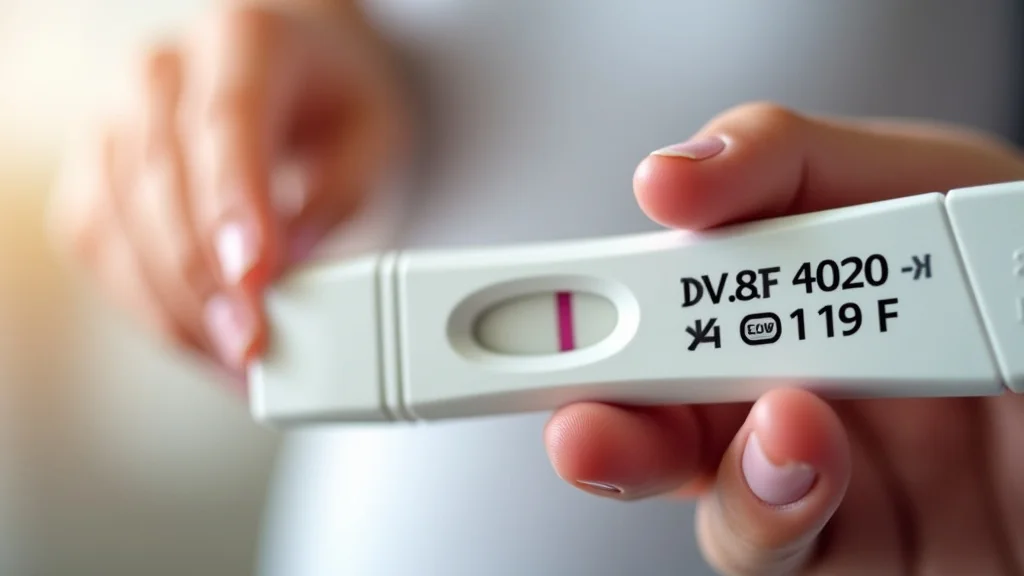
    Wondering if you can take a pregnancy test 2 days before your period It’s a common question for many people who are eager to know the results as soon as possible Sometimes it feels tricky to figure out the best time to test especially if you’re new to this Don’t worry we’ll make it super simple and walk you through exactly what you need to know to get an accurate answer We’ll cover all the basics so you can feel confident about using a pregnancy test 2 days before period and then we’ll look at what happens next.

    Key Takeaways

    • You can often get an accurate result with a pregnancy test 2 days before your period is due.
    • Home pregnancy tests detect the hormone hCG which rises after conception.
    • Early testing increases the chance of detecting low hCG levels.
    • The best time for an early test is with your first morning urine.
    • Understanding how pregnancy tests work helps you interpret results correctly.
    • Waiting a few extra days can sometimes provide a more definitive answer.

    When Can You Test For Pregnancy

    Understanding Early Pregnancy Detection

    Taking a pregnancy test can be an emotional experience and knowing when to take it is key Many people want to find out as early as possible to plan their next steps A pregnancy test works by detecting a hormone called human chorionic gonadotropin or hCG This hormone is only produced after a fertilized egg implants in the uterus and begins to grow The amount of hCG in your body doubles roughly every 48 to 72 hours in the early stages of pregnancy

    This rapid increase in hCG is why testing early can be successful However the earlier you test the lower the level of hCG will be in your urine This means that some pregnancy tests might not be sensitive enough to detect these very low levels which could lead to a false negative result This is a common reason why people might think a pregnancy test 2 days before period doesn’t work

    How Pregnancy Tests Work

    Home pregnancy tests are designed to detect hCG in your urine These tests usually have a small absorbent stick that you hold in your urine stream or dip into a collected sample After a few minutes the test will show a result typically through lines or symbols A positive result means hCG was detected and you are likely pregnant A negative result means hCG was not detected or was too low to measure

    The sensitivity of a pregnancy test is measured in milli-international units per milliliter or mIU/mL A more sensitive test can detect lower levels of hCG For instance a test with a sensitivity of 10 mIU/mL will detect hCG earlier than a test with a sensitivity of 25 mIU/mL When testing 2 days before your period it’s best to use a highly sensitive test to increase your chances of getting an accurate positive result

    • Sensitivity Matters: Higher sensitivity tests detect lower hCG levels meaning they can show a positive result earlier.
    • Urine Concentration: First morning urine is usually more concentrated and contains higher levels of hCG making it ideal for early testing.
    • Implantation Timing: Implantation usually happens about 6 to 12 days after ovulation. Testing too soon after implantation means hCG levels might be too low to detect.

    The Role of hCG In Pregnancy Tests

    Human chorionic gonadotropin hCG is a hormone produced by the cells that will form the placenta It’s the primary hormone that pregnancy tests look for as soon as conception occurs and implantation happens your body starts producing hCG The levels rise very quickly in the initial weeks of pregnancy

    The exact timing of implantation can vary but it typically occurs between 6 and 12 days after ovulation If ovulation happened closer to 6 days ago and implantation occurred very early your hCG levels might be just starting to climb This is where testing 2 days before your period comes into play

    Some very sensitive tests can detect hCG at levels as low as 5 to 10 mIU/mL If your hCG levels reach this point even 2 days before your expected period you could get a positive result However if implantation happened later or your hCG levels are rising more slowly the test might not be sensitive enough to detect it

    Real-life Example Sarah ovulated on day 14 of her cycle and her fertile window was days 12 to 14 She had unprotected sex on day 13 Implantation occurred around day 9 after ovulation which was day 23 of her cycle Her period was due on day 28 Sarah decided to test on day 26 two days before her period using a sensitive early detection test She got a faint positive line This was because her hCG levels had reached the detection threshold of the test.

    Factors Affecting Early Test Accuracy

    Several things can influence the accuracy of a pregnancy test taken 2 days before your period is due The most important factor is the sensitivity of the test itself A test with a higher sensitivity will pick up lower amounts of hCG

    The concentration of hCG in your urine is also critical First-morning urine is typically the most concentrated because you haven’t had any fluids for several hours This means hCG levels will be higher in the morning compared to later in the day if you test too early your hCG levels might simply be too low for any test to detect regardless of its sensitivity

    The timing of ovulation and implantation also plays a huge role Everyone’s cycle is a little different If you ovulated later than you thought or if implantation took longer to occur your hCG levels might not be high enough yet to give a positive result A false negative can occur if you test too early even if you are pregnant

    • Test Sensitivity A test rated at 10 mIU/mL is more likely to detect early pregnancy than one rated at 25 mIU/mL.
    • Urine Dilution Drinking lots of fluids before testing can dilute your urine and lower hCG concentration making results less reliable.
    • Irregular Cycles If your menstrual cycles are irregular it can be harder to pinpoint when your period is due and thus when to test accurately.

    Can You Take A Pregnancy Test 2 Days Before Period

    Yes you can often take a pregnancy test 2 days before your period is due and get an accurate result However this depends on a few key factors that we’ll explore Understanding these factors helps you know what to expect and how to get the most reliable outcome

    The Likelihood Of An Accurate Result

    The likelihood of getting an accurate result when testing 2 days before your period is quite high with modern sensitive tests Many women do find out they are pregnant this early Many home pregnancy tests are sensitive enough to detect the hCG levels that are typically present around 2 days before your expected period is due

    However it’s not a guarantee For a result to be accurate your body needs to have produced enough hCG for the test to detect This means implantation must have occurred and your hCG levels must have risen to a detectable amount If implantation happened later in your cycle or if your hCG levels are rising more slowly you might receive a false negative result

    This means the test shows you are not pregnant but you actually are This is why sometimes it’s recommended to re-test a few days later if you get a negative result and your period still hasn’t arrived A pregnancy test 2 days before period is a great option for early detection but it’s important to be aware of the possibilities of both accurate positives and potential false negatives.

    Statistic According to a study by the American College of Obstetricians and Gynecologists over 90 percent of women can detect pregnancy with a sensitive home pregnancy test 5 days before their missed period This suggests a high likelihood of accuracy even 2 days before.

    What To Expect With Early Testing

    When you test 2 days before your period you might see different types of results A clear positive result is exciting and usually indicates pregnancy A clear negative result means hCG wasn’t detected which could mean you’re not pregnant or it’s too early to detect

    Sometimes you might see a very faint positive line This can be an indication of early pregnancy especially with sensitive tests However faint lines can sometimes be ambiguous It’s often recommended to re-test with a new test in a day or two if you get a faint line to confirm the result If you get a faint positive and then a clear positive later it’s very likely you are pregnant

    It’s also important to consider that your menstrual cycle might not be perfectly regular If you ovulated later than usual then 2 days before your “expected” period might actually be too soon to detect pregnancy This is why understanding your ovulation date if possible can be helpful for early testing

    • Clear Positive A strong, clear line indicates a high probability of pregnancy.
    • Clear Negative No line or only the control line appears meaning hCG was not detected.
    • Faint Positive A very light line might indicate very early pregnancy or a potential evaporation line. Re-testing is advised.

    The Importance Of Testing At The Right Time

    Testing at the right time is crucial for getting an accurate pregnancy test result If you test too early even with a sensitive test you might get a false negative This happens because the level of hCG in your urine is not yet high enough for the test to detect

    For example if implantation occurs 10 days after ovulation and your period is due in 14 days testing on day 12 might be too soon if your hCG levels are still very low Testing on day 13 or 14 would give your body more time to produce hCG making the result more reliable

    A pregnancy test 2 days before period offers a good balance for many It allows for early detection while still giving your body a reasonable amount of time to produce detectable hCG levels However if accuracy is your absolute top priority waiting until the day of your missed period or a few days after is often recommended for the most definitive results

    Sample Scenario Maya usually has a 28-day cycle Ovulation typically happens around day 14 She had unprotected sex on day 14 Her period is due on day 28 Maya wants to know if she is pregnant so she decides to test on day 26 two days before her period She uses a highly sensitive test and gets a faint positive line She decides to wait and test again on day 28 and gets a much stronger positive result indicating she is indeed pregnant.

    How To Get The Most Accurate Early Pregnancy Test

    To maximize your chances of getting an accurate result when you take a pregnancy test 2 days before your period there are several steps you can take These steps focus on using the right test and timing it correctly

    Choosing The Right Pregnancy Test

    Not all pregnancy tests are created equal When you’re testing early it’s important to choose a test that is specifically designed for early detection These tests are usually labeled as “early result” or “highly sensitive” They have a lower detection threshold for hCG meaning they can detect pregnancy sooner

    Look for tests that specify a sensitivity level typically 10 mIU/mL or even lower Some tests claim to detect pregnancy up to 6 days before a missed period These are generally the most sensitive options available over-the-counter Always check the packaging for information on sensitivity and when the test can accurately detect pregnancy

    Tip A 10 mIU/mL test is generally considered sensitive enough for early testing 2 days before your period.

    Using Your First Morning Urine

    As mentioned before first morning urine is the most concentrated urine you will have throughout the day This is because you haven’t consumed any liquids for several hours during sleep allowing hCG hormones to build up to their highest concentration in your urine

    If you’re planning to take a pregnancy test 2 days before your period it’s highly recommended to use your first morning urine for the test This increases the chances of detecting even low levels of hCG if they are present Drinking a lot of water right before you test can dilute your urine and potentially lead to a false negative result even if you are pregnant

    So even if you’re tempted to test later in the day if you’re getting a pregnancy test 2 days before period saving that first urine sample is your best bet for an accurate reading.

    • First Morning Urine The most concentrated urine sample for optimal hCG detection.
    • Avoid Over-Hydration Drink normally but avoid excessive fluids before testing to keep urine concentrated.
    • Follow Test Instructions Always read and follow the specific instructions for the pregnancy test you are using.

    Interpreting Faint Positive Lines

    Seeing a faint positive line on a pregnancy test can be confusing and often leads to questions about accuracy A faint line typically means that a small amount of hCG has been detected by the test

    In early pregnancy when hCG levels are still rising a faint line is often a sign that you are pregnant However it’s important to remember that evaporation lines can also appear on some tests as the urine dries Evaporation lines are usually colorless and appear after the time limit specified in the test instructions

    If you see a faint line it’s best to confirm the result by testing again in a day or two with a new test or by visiting your doctor A stronger line on a re-test is a good indicator that you are pregnant If you are still unsure it’s always best to consult with a healthcare professional for confirmation

    Case Study Emily tested 2 days before her period was due and saw a very faint line She felt anxious and unsure She repeated the test the next morning with first-morning urine and the line was noticeably darker This increased her confidence that she was pregnant She then scheduled an appointment with her doctor who confirmed her pregnancy.

    Common Myths Debunked

    Myth 1: You Must Wait Until Your Period Is Late To Test

    This is a common misconception While waiting until your period is late is the most foolproof way to get an accurate result it’s not the only way Many modern pregnancy tests are sensitive enough to detect pregnancy hormones as early as 5 days before a missed period including 2 days before your period is due provided implantation has occurred and hCG levels are sufficient. Testing early can provide peace of mind or allow for prompt medical attention if needed.

    Myth 2: All Pregnancy Tests Are The Same

    This is not true Pregnancy tests vary significantly in their sensitivity levels A test’s sensitivity is measured in mIU/mL and the lower the number the more sensitive the test is For early testing it is crucial to select a highly sensitive test often labeled as “early detection” or “ultra-sensitive” which can detect lower concentrations of hCG than standard tests.

    Myth 3: A Faint Positive Line Means You Are Definitely Not Pregnant

    A faint positive line on a pregnancy test can be an indicator of early pregnancy It means that the test has detected a small amount of hCG hormone While it can sometimes be due to an evaporation line or other factors it is often a sign that implantation has occurred and your body is producing hCG. Re-testing with a new test a day or two later or seeking confirmation from a healthcare provider is the best course of action if you see a faint line.

    Myth 4: Testing Too Early Will Harm A Potential Pregnancy

    Testing too early will not harm a potential pregnancy The only potential issue with testing too early is that you might get an inaccurate result a false negative This happens because the level of hCG hormone may not yet be high enough for the test to detect. The pregnancy itself will not be negatively affected by taking a test on your 2 days before period.

    Frequently Asked Questions

    Question: Can I get a false negative if I test 2 days before my period

    Answer: Yes it is possible to get a false negative if you test 2 days before your period This can happen if the level of hCG hormone in your urine is not yet high enough for the test to detect it or if you used a less sensitive test. Re-testing in a few days or after your missed period is recommended.

    Question: What is the earliest I can take a pregnancy test

    Answer: Some highly sensitive pregnancy tests can detect pregnancy as early as 5 days before your expected period. However accuracy increases significantly when you test closer to your missed period.

    Question: How soon after conception can a pregnancy test detect pregnancy

    Answer: A pregnancy test can typically detect pregnancy about 10 to 14 days after conception once implantation has occurred and hCG levels start to rise. Testing 2 days before your period is usually around this timeframe or slightly earlier.

    Question: What does a faint line on an early pregnancy test mean

    Answer: A faint line usually means that a small amount of hCG has been detected which could indicate you are in the very early stages of pregnancy. It’s often recommended to re-test in a day or two to confirm the result.

    Question: Should I use my first morning urine for an early pregnancy test

    Answer: Yes using your first morning urine is highly recommended for early pregnancy tests because it is the most concentrated and will have the highest level of hCG if pregnancy has occurred.

    Final Thoughts

    Testing for pregnancy 2 days before your period is a common and often accurate practice with sensitive tests Use first morning urine and a highly sensitive test to maximize your chances of a correct result If you get a faint line re-test later or consult a doctor to be sure of the outcome.

  • Third Trimester Abortion Data Explained Simply

    Third Trimester Abortion Data Explained Simply

    Sometimes big topics can feel a bit tricky to learn about, especially when you’re just starting out. Things like third trimester abortion data can seem complicated at first glance. But really, it’s just about looking at information and understanding what it means.

    We’ll break it all down in a way that’s easy to follow, step by step. You’ll see that understanding this data is more straightforward than you might think.

    Key Takeaways

    • We will explore what constitutes third trimester abortion data.
    • The post will clarify the reasons why this data is collected and studied.
    • Common challenges in accessing and interpreting this information will be discussed.
    • We will cover the importance of reliable sources for accurate data.
    • The process of finding and analyzing this specific type of data will be simplified.
    • Understanding this data helps in discussions about reproductive health policies.

    Understanding Third Trimester Abortion Data

    Third trimester abortion data refers to statistics and information collected about abortions that occur late in pregnancy, typically after 24 weeks of gestation. This data is crucial for public health research, policy-making, and understanding reproductive health trends. It helps researchers and policymakers assess the circumstances surrounding these procedures, identify any emerging patterns, and develop informed approaches to reproductive healthcare.

    Gathering this information involves collecting details such as the gestational age at the time of the procedure, the reasons for seeking the abortion, the methods used, and any associated health outcomes.

    The collection and analysis of this data are often handled by government health agencies, research institutions, and organizations that focus on maternal and child health. They aim to provide a clear picture of a complex aspect of healthcare. The goal is not just to count numbers but to gain insights that can lead to better support and care for individuals.

    What Is Included in This Data

    Third trimester abortion data typically includes several key pieces of information. The most critical is the gestational age of the pregnancy when the abortion is performed. This is usually measured in weeks.

    Data also covers the reasons why the abortion is sought at this later stage. These reasons can be varied and often involve serious medical conditions affecting the pregnant person or the fetus, or they can arise from discovery of a severe fetal anomaly.

    Information about the type of procedure used is also part of the data. This helps in understanding medical practices and safety protocols. Furthermore, demographic information about the individuals seeking these abortions might be collected to identify any specific groups that require more support or attention.

    Health outcomes, such as any complications or follow-up care needed, are also vital components. This comprehensive approach ensures that the data reflects the full scope of these medical situations.

    Why This Data Is Important

    Collecting and studying third trimester abortion data is vital for several reasons. First, it provides essential insights into rare but critical medical situations. Understanding the circumstances and reasons behind later-term abortions helps in developing appropriate medical protocols and support systems for individuals facing these difficult decisions.

    This data can highlight when medical interventions are necessary to preserve the health or life of the pregnant person or to address severe fetal conditions.

    Second, this data informs public health policies. By analyzing trends and patterns, policymakers can better understand the needs of their communities and allocate resources effectively. This can lead to improvements in healthcare access, counseling services, and medical care for those who require abortions later in pregnancy.

    It also helps in tracking the overall landscape of reproductive healthcare services.

    Third, the information contributes to medical research. It allows healthcare providers and researchers to study the safety and effectiveness of different medical approaches used in later-term abortions. This knowledge can lead to advancements in medical techniques and better patient care.

    For example, studies based on this data can reveal how specific procedures impact patient recovery and long-term health.

    Challenges in Data Collection

    Collecting accurate and comprehensive third trimester abortion data presents several challenges. One significant hurdle is the rarity of these procedures. Because they occur late in pregnancy, they are less common than earlier abortions, making it harder to gather large sample sizes for statistical analysis.

    This rarity can sometimes lead to data being less robust than for more common medical events.

    Another challenge is the sensitive nature of the information. Strict privacy regulations are in place to protect individuals seeking these services. While essential for privacy, these regulations can sometimes make it difficult for researchers to access detailed information, even when anonymized.

    Ensuring data accuracy also requires consistent reporting from various healthcare providers, which can vary in uniformity across different regions or facilities.

    Furthermore, the reasons for seeking a third-trimester abortion are often complex and deeply personal. Capturing these nuances accurately within data collection forms can be difficult. This complexity can make definitive categorization challenging.

    The logistical aspects of tracking cases over time and ensuring all relevant data points are captured can also be demanding.

    Accessing and Interpreting Third Trimester Abortion Data

    Finding and making sense of third trimester abortion data requires knowing where to look and how to interpret the numbers. Reliable sources are key. Government health departments, such as the Centers for Disease Control and Prevention (CDC) in the United States or similar bodies in other countries, are primary places for official statistics.

    Academic research papers published in peer-reviewed medical journals also offer valuable insights. These often present findings from specific studies.

    When you find data, it’s important to look at the details. What specific time frame does it cover? What definitions are being used?

    For example, how is “third trimester” defined? Understanding these specifics helps you know exactly what the numbers represent. Sometimes data is presented as raw numbers, while other times it’s shown as percentages or rates.

    Knowing the difference helps you understand the scale of the information.

    Where to Find Reliable Data

    The most dependable sources for third trimester abortion data are usually official government health organizations and reputable research institutions. In the United States, the Centers for Disease Control and Prevention (CDC) regularly publishes reports on abortion surveillance. These reports often include data broken down by gestational age.

    Another valuable resource is the Guttmacher Institute, a research organization that focuses on sexual and reproductive health. They conduct extensive research and publish reports and statistics on abortion trends in the United States and globally. Their work often provides detailed analyses that go beyond simple numbers.

    For international data, organizations like the World Health Organization (WHO) may offer reports or statistics related to reproductive health, though specific third-trimester data might be harder to find in broad global overviews. University research departments specializing in public health or obstetrics and gynecology are also excellent sources for studies and analyses. Always check the publication date to ensure you are using the most current information available.

    Interpreting Statistical Information

    When looking at third trimester abortion data, it’s important to understand what the statistics mean. Often, you will see numbers presented as percentages. For instance, if a report states that 1.5% of abortions occurred at or after 21 weeks, it means that for every 100 abortions, about 1 or 2 happened in the later stages of pregnancy.

    This helps to put the numbers into perspective, showing how relatively infrequent these later-term procedures are.

    You might also see discussions about reasons for these procedures. These are often categorized. For example, data might show that a significant portion of later abortions are due to diagnosed fetal anomalies that are incompatible with life, or to severe health risks for the pregnant person.

    Understanding these categories is key to grasping the context. It is also useful to note the sample size of the data; larger sample sizes generally lead to more reliable results.

    It is also important to distinguish between the total number of abortions and the rate of abortions. A rate is usually expressed per a certain number of people, like per 1,000 women of reproductive age. Rates provide a better comparison over time or between different populations than raw numbers alone.

    Key Data Points to Look For

    When examining third trimester abortion data, several key points are essential to note for a complete picture. First, always look for the gestational age at which abortions are reported. This is typically broken down into ranges, such as 21-24 weeks and over 24 weeks.

    This range is crucial for defining “third trimester” in statistical contexts.

    Next, consider the reported reasons for the abortion. This is often a critical data point because it sheds light on the medical necessity or severe circumstances that lead to later-term procedures. Common categories include severe fetal abnormality, risk to the pregnant person’s life or health, or other medical reasons.

    Also, pay attention to the source of the data and the methodology used. Was it collected from a specific state, country, or a national registry? Understanding the scope of the data helps in understanding its applicability.

    Finally, note any demographic information provided, such as age or racial/ethnic background, as this can highlight disparities or specific needs within different groups.

    Contextualizing Third Trimester Abortion Statistics

    It is important to contextualize third trimester abortion statistics to understand their true meaning. These statistics represent a small fraction of all abortions performed. The vast majority of abortions occur earlier in pregnancy.

    This context is vital because it highlights that third-trimester procedures are outliers, often undertaken due to unique and severe circumstances.

    The reasons for seeking a third-trimester abortion are typically profound. They often involve complex medical diagnoses that may only become apparent later in pregnancy. These can include severe fetal anomalies that are incompatible with life, or serious health risks to the pregnant person that arise or worsen as the pregnancy progresses.

    The decision-making process in these situations is usually very difficult and involves extensive medical consultation.

    Therefore, when looking at data, it’s not just about the number of procedures but the underlying factors driving those numbers. It’s about understanding the medical necessity and ethical considerations involved in these sensitive situations. This perspective helps in forming a balanced view of reproductive healthcare.

    The Rarity of Later-Term Abortions

    Third trimester abortions are exceptionally rare events. Across most developed countries with available data, abortions performed after 20 weeks of gestation account for a very small percentage of all abortions. For example, in the United States, data from the CDC often shows that abortions at 21 weeks or later represent a small single-digit percentage of the total.

    This means that out of hundreds of thousands of abortions performed annually, only a few thousand fall into this later-term category.

    This rarity is partly due to how pregnancies are typically managed. Most individuals seek abortion services earlier in pregnancy when they become aware of the pregnancy or make their decision. Later-term abortions often occur because of circumstances that develop or are discovered later.

    These can include the diagnosis of a severe fetal anomaly, serious maternal health complications, or, in some cases, barriers to accessing earlier care. The rarity underscores that these are not routine procedures.

    The low numbers mean that statistical analyses require careful interpretation. Small changes in these numbers can appear significant, but they may not represent a widespread trend. Researchers often use specialized statistical methods to account for the low frequency of these events.

    Understanding this rarity is key to avoiding misinterpretations of the data.

    Reasons Behind Later Abortions

    The reasons individuals seek abortions in the third trimester are typically very serious and often medically driven. One of the most common reasons is the diagnosis of a severe fetal anomaly. These are conditions where the fetus has significant health problems that may be incompatible with life, or would result in a severely impaired quality of life.

    Often, these diagnoses are made through prenatal testing or imaging later in pregnancy.

    Another significant category of reasons involves the health and life of the pregnant person. Sometimes, a serious medical condition may develop or worsen during pregnancy, posing a grave risk to the pregnant person’s life or long-term health. These situations require careful consideration by medical professionals and the patient.

    Access to care can also be a factor. In some instances, individuals may face significant legal, financial, or logistical barriers that prevent them from obtaining an abortion earlier. These barriers can unfortunately delay access to care, leading to procedures being performed later in pregnancy.

    Understanding these varied and often tragic reasons is essential for a complete picture of third trimester abortion data.

    Comparison of Data Trends

    Comparing third trimester abortion data across different regions or time periods can reveal important insights, although consistency in reporting is a challenge. For example, data from the United States often shows a consistent trend where abortions at 21 weeks or later make up a small percentage of total abortions. The Guttmacher Institute has reported figures indicating that abortions performed after 20 weeks gestation account for about 1% of all abortions in the U.S.

    Region/Source Approximate Percentage of Abortions at or After 21 Weeks
    United States (Guttmacher Institute) ~1%
    United States (CDC – varies by reporting states) Often slightly higher or lower than Guttmacher, depending on reporting
    European Countries (general trend) Varies significantly; some have strict gestational limits, others allow later abortions for medical reasons.

    Trends in gestational limits for abortion services can significantly influence these statistics. Countries or states with earlier gestational limits will naturally have fewer reported third-trimester abortions, as they become legally unavailable after a certain point. Conversely, regions allowing abortions later in pregnancy for medical reasons might see a slightly higher, though still small, proportion.

    When comparing data, it is crucial to look at the specific legal frameworks and reporting standards in place. Without this context, direct comparisons can be misleading. For instance, the availability of comprehensive prenatal screening and diagnosis later in pregnancy can also influence the number of cases identified and subsequently considered for third-trimester abortion.

    Ethical and Legal Considerations

    Discussions around third trimester abortion data are often intertwined with significant ethical and legal considerations. These late-term procedures raise complex questions for society, medical professionals, and individuals. The ethical debates frequently center on the moral status of the fetus at this stage of development and the pregnant person’s autonomy and well-being.

    Legally, many jurisdictions have placed restrictions on abortion, with varying gestational limits. These laws are often influenced by societal views and public discourse. Understanding the legal landscape is essential when interpreting any data, as it directly shapes the availability and accessibility of these services.

    The data itself can inform these legal discussions by providing context on the circumstances and frequency of these procedures.

    Legal Frameworks and Gestational Limits

    The legality of third trimester abortions is highly variable, largely depending on the specific laws of a country or, in federal systems like the United States, often the individual state. Many countries and U.S. states have laws that prohibit or severely restrict abortions after a certain point in pregnancy, commonly around 20-24 weeks of gestation.

    These gestational limits are frequently tied to viability, the point at which a fetus can survive outside the womb, though this definition itself can vary.

    However, most legal frameworks include exceptions to these strict gestational limits. These exceptions are typically made for cases where the pregnant person’s life is at risk, or their physical or mental health is in severe jeopardy. They are also often invoked when a severe fetal anomaly is diagnosed that is incompatible with life or would result in significant suffering for the child.

    These exceptions are where most third trimester abortions occur.

    The specific wording and interpretation of these exceptions can vary, leading to different legal outcomes and affecting the data collected. For instance, what constitutes a sufficient “risk to health” can be a point of legal debate and medical judgment. Understanding these nuances is critical to grasping why third trimester abortions happen and how data is reported.

    Ethical Debates Surrounding Later Abortions

    Ethical debates surrounding third trimester abortions are deeply complex and often impassioned. A central point of contention is the moral status of the fetus. As a fetus develops, its potential for sentience and survival increases, leading to differing views on when it acquires rights or moral consideration.

    Some ethical viewpoints hold that life begins at conception and that abortion at any stage is morally impermissible.

    Conversely, other ethical perspectives emphasize bodily autonomy and the pregnant person’s right to make decisions about their own health and future. These viewpoints often prioritize the well-being of the pregnant person, especially when facing severe medical risks or devastating diagnoses about the fetus. The concept of “hard cases” is frequently brought up, referring to situations where there are no easy answers, and difficult choices must be made.

    Another ethical dimension involves the role of medical professionals. Doctors and healthcare providers must balance their duty to their patients with their own moral or ethical beliefs, while also adhering to legal requirements. The ethical framework often involves principles like beneficence (acting in the patient’s best interest), non-maleficence (do no harm), and justice (fairness in treatment).

    These debates highlight the profound human and moral questions involved.

    Impact of Data on Policy and Research

    Third trimester abortion data has a significant impact on both policy and research in reproductive health. For policymakers, this data provides empirical evidence to inform legislative decisions. For example, understanding the specific reasons and circumstances leading to later-term abortions can influence debates on gestational limits, exceptions to those limits, and the types of support services that should be available.

    The data can help policymakers make decisions based on facts rather than solely on emotional or ideological arguments.

    In research, this data is invaluable for improving medical care. By studying the outcomes of later-term procedures, researchers can identify best practices for patient safety and care. It can also help in understanding the effectiveness of different medical approaches used in these sensitive situations.

    Furthermore, the data can shed light on the barriers individuals face in accessing reproductive healthcare, prompting research into solutions that improve access and reduce the need for later-term procedures.

    The ethical considerations, as illuminated by the data, also guide research directions. For instance, research may focus on improving prenatal diagnostics to provide clearer information to families earlier in pregnancy or on developing better support systems for those facing difficult pregnancy decisions. The data acts as a foundation for continued investigation and improvement.

    Common Myths Debunked

    Myth 1: Third trimester abortions are common and performed routinely.

    Reality: This is not true. Third trimester abortions are very rare. They account for a tiny fraction of all abortions, often less than 1% of procedures performed.

    When they do occur, it is usually due to severe medical complications for the pregnant person or serious fetal anomalies discovered late in pregnancy.

    Myth 2: People seeking later-term abortions are undecided or frivolous.

    Reality: Decisions for third trimester abortions are almost always made under difficult and often tragic circumstances. These are typically the result of discovering severe fetal conditions, life-threatening maternal health risks, or facing significant barriers to accessing earlier care. These are not casual decisions but often the result of extensive medical consultation and personal crisis.

    Myth 3: Data on third trimester abortions is easily accessible and abundant.

    Reality: While some data exists, it can be challenging to find comprehensive and consistently reported information. The rarity of these events means sample sizes can be small, and variations in reporting standards across different regions or institutions can make direct comparisons difficult. Access is also limited by privacy regulations.

    Myth 4: All third trimester abortions are the same type of procedure.

    Reality: The medical procedures used for third trimester abortions can vary depending on the specific medical circumstances, gestational age, and the patient’s health. These procedures are complex and are performed by highly trained medical professionals. The specific methods are chosen to ensure the best possible safety and care for the individual.

    Frequently Asked Questions

    Question: What is generally considered the third trimester of pregnancy?

    Answer: The third trimester of pregnancy typically begins around the 28th week of gestation and continues until birth, usually around 40 weeks.

    Question: Why are third trimester abortions uncommon?

    Answer: They are uncommon because most people become aware of pregnancy and seek abortion services much earlier. Later-term abortions are usually sought due to severe medical reasons or discoveries made late in pregnancy.

    Question: Where can I find official statistics on abortion?

    Answer: Official statistics are often published by government health agencies like the CDC or reputable research organizations such as the Guttmacher Institute.

    Question: Are there legal restrictions on third trimester abortions?

    Answer: Yes, many places have strict gestational limits, but exceptions are often made for life-threatening situations for the pregnant person or severe fetal anomalies.

    Question: What are common reasons for seeking a third trimester abortion?

    Answer: Common reasons include the diagnosis of severe fetal abnormalities incompatible with life, or significant risks to the pregnant person’s health or life.

    Summary

    Understanding third trimester abortion data involves recognizing its rarity and the serious circumstances behind these procedures. Reliable sources like the CDC and Guttmacher Institute provide statistics that shed light on gestational ages, reasons, and legal contexts. Data helps inform policy and medical research.

    Ethical and legal discussions are vital, with exceptions to gestational limits typically for severe medical reasons. This information offers clarity on a complex aspect of reproductive health.

  • Pregnancy at Seven Weeks: What To Expect

    Pregnancy at Seven Weeks: What To Expect

    Thinking about pregnancy at 7 weeks can feel a little overwhelming if this is your first time. So much is happening, and it’s easy to wonder if everything is normal. You might be noticing some new things about your body or feeling a bit different.

    That is completely okay! This stage is a big step for many new parents. We will walk through it together, step by simple step.

    Get ready to learn what your body is doing and what comes next.

    Key Takeaways

    • You are about seven weeks along in your pregnancy.
    • Your baby is growing very fast with many important developments.
    • You might start experiencing early pregnancy symptoms.
    • It’s important to focus on healthy habits for you and the baby.
    • Knowing what to expect helps ease worries about pregnancy at 7 weeks.

    Pregnancy At Seven Weeks Your Baby’s Big Changes

    At seven weeks pregnant, your baby is undergoing remarkable growth. This tiny human is no longer just a cluster of cells; they are developing rapidly, forming vital organs and body parts. You can imagine a small bean or a grape.

    This is the kind of size we are talking about. Every day brings new milestones for this developing life inside you. It’s a time of incredible, unseen transformation.

    Tiny Body Formations

    By seven weeks, your baby has formed crucial structures. Their head is becoming more defined, with tiny indentations that will become eyes and ears. Small buds are appearing where arms and legs will grow.

    Fingers and toes are starting to take shape, though they are still webbed. The heart, which began as a simple tube, is now beating and has chambers. It pumps blood throughout this tiny, developing body.

    The digestive tract is also forming. The intestines are growing, and a little stomach is developing. The umbilical cord, a lifeline connecting you and your baby, is becoming more established.

    It ensures your baby receives nutrients and oxygen. Even though it’s too early to see distinct features, the basic blueprint for a human is well underway.

    Organ Development Accelerates

    Many essential organs are beginning to form and develop at seven weeks. The brain is growing at an astonishing rate. The spinal cord is also developing rapidly.

    These are the foundations for everything that makes us who we are. Lungs are starting to form in the chest cavity. The kidneys are developing, and a tiny pancreas is beginning to appear.

    These organs will continue to mature throughout the pregnancy.

    The skeletal system is also starting its development. Small bone structures are beginning to appear. These will eventually form the baby’s bones and cartilage.

    It’s amazing to think that so much complex development is happening in such a small space. This rapid organogenesis is a hallmark of early pregnancy.

    Baby’s Size And Appearance

    At pregnancy at 7 weeks, your baby is roughly the size of a blueberry or a jellybean. They typically measure about 0.5 inches (1.3 cm) from crown to rump. This is a significant jump from just a week earlier.

    The head is disproportionately large compared to the rest of the body, as is common in early fetal development. This large head houses the rapidly growing brain.

    The body is beginning to straighten out a bit. The tail-like appendage seen in earlier weeks is disappearing. The limbs are becoming more defined.

    Although you cannot see it yet without specialized equipment, the tiny face is starting to take shape. The mouth, nose, and jaw are all forming.

    Sample Scenario: First Ultrasound

    Imagine you have your first ultrasound around this time. The technician points to a tiny flickering light on the screen. This is your baby’s heartbeat.

    You see a small, indistinct shape that is your little one. The technician might point out the developing head and the beginning of limb buds. This early glimpse offers a tangible connection to the life growing within you.

    It confirms the progress of the pregnancy at 7 weeks.

    Your Body’s Changes During Pregnancy At Seven Weeks

    Your body is working hard to support the developing baby. Pregnancy at 7 weeks brings about noticeable changes, primarily driven by hormonal shifts. These changes can range from subtle to quite significant.

    They are all signs that your body is adapting to nurture new life. Understanding these common symptoms can help you prepare and manage them.

    Common Early Symptoms

    Many people experience common early pregnancy symptoms by seven weeks. Morning sickness, which can occur at any time of day, is one of the most well-known. This can include nausea and sometimes vomiting.

    Hormonal changes are the main cause. Your body is producing more progesterone and estrogen. These hormones can affect your digestive system.

    Fatigue is another very common symptom. You might feel unusually tired. This is because your body is using a lot of energy to support the pregnancy.

    Increased blood volume and hormonal changes contribute to this tiredness. Breast tenderness and swelling are also frequent. Your breasts are preparing for breastfeeding, and this causes them to feel sore and larger.

    Hormonal Influences

    The surge in hormones like human chorionic gonadotropin (hCG) and progesterone plays a huge role. hCG is the hormone detected in pregnancy tests. It signals your body to keep producing progesterone.

    Progesterone helps maintain the uterine lining, preventing menstruation and supporting the pregnancy. These hormones also affect your mood. You might experience mood swings or feel more emotional.

    These hormonal shifts are essential for a healthy pregnancy. They ensure the uterus is receptive and the pregnancy continues. While some symptoms can be uncomfortable, they are generally signs that everything is progressing as it should.

    Changes In Your Body

    While a visible baby bump might not be apparent yet, your uterus is growing. It is now about the size of a grapefruit. You might feel mild cramping or stretching sensations.

    This is normal as your uterus expands. Some people also notice changes in their sense of smell. Certain odors can become more intense or bothersome.

    Increased urination is another common change. Your kidneys are working harder, and the growing uterus can put pressure on your bladder. You might find yourself needing to go to the bathroom more often.

    These bodily adjustments are all part of the pregnancy experience at seven weeks.

    Sample Scenario: Managing Morning Sickness

    Sarah, a first-time mom-to-be, found morning sickness challenging at seven weeks pregnant. She discovered that eating small, frequent meals helped. Bland foods like crackers and toast were easier to keep down.

    Staying hydrated was also key. She sipped on water and ginger ale throughout the day. She also found that fresh air and avoiding strong smells in her home made a big difference.

    These simple strategies helped her manage this common symptom.

    Taking Care Of Yourself At Seven Weeks Pregnant

    Focusing on your health is vital during pregnancy at 7 weeks. What you do now directly impacts your baby’s development. This means making healthy choices for both your well-being and the baby’s.

    Good nutrition, adequate rest, and avoiding harmful substances are key.

    Nutrition For Two

    Eating a balanced diet is crucial. Your body needs nutrients to support both you and your growing baby. Focus on fruits, vegetables, whole grains, and lean proteins.

    Ensure you are getting enough folic acid, which is essential for preventing neural tube defects. Many healthcare providers recommend a prenatal vitamin. These ensure you get key nutrients like folic acid, iron, and calcium.

    It’s also important to stay hydrated. Drink plenty of water throughout the day. Avoid excessive caffeine.

    Limit processed foods and sugary drinks. These offer little nutritional value. Healthy eating now sets a good foundation for the rest of your pregnancy.

    Rest And Sleep

    Fatigue is a significant symptom at this stage. Prioritizing rest is essential. Aim for 8-10 hours of sleep per night.

    If possible, take naps during the day. Listen to your body. If you feel tired, rest.

    Your body is undergoing immense changes. Adequate sleep helps your body cope with the demands of pregnancy. It also supports your immune system.

    Creating a relaxing bedtime routine can help you fall asleep faster. Avoid screens before bed. Make sure your bedroom is dark and quiet.

    Comfortable pillows can also make a difference, especially as your body changes.

    Avoiding Harmful Substances

    It is critical to avoid alcohol, smoking, and recreational drugs. These substances can cause serious harm to your developing baby. They can lead to birth defects, developmental problems, and other complications.

    If you smoke or use drugs, talk to your doctor about quitting resources.

    Be mindful of medications as well. Always consult your doctor before taking any medication, including over-the-counter drugs and herbal supplements. Some medications are not safe during pregnancy.

    Your doctor can advise you on what is safe. Limit exposure to certain environmental hazards too. This includes some chemicals and radiation.

    Exercise During Pregnancy

    Moderate exercise is generally beneficial during pregnancy. It can help manage weight gain, reduce back pain, and improve mood. Activities like walking, swimming, and prenatal yoga are often recommended.

    Always consult your doctor before starting or continuing an exercise program. They can advise on safe activities and intensity levels.

    Avoid high-impact activities or sports where you might fall. Listen to your body and don’t overdo it. If you experience any unusual symptoms like bleeding or severe pain, stop exercising and contact your doctor.

    Sample Case Study: Healthy Pregnancy Habits

    Maria started focusing on healthy habits from the moment she found out she was pregnant. At pregnancy at 7 weeks, she was already taking her prenatal vitamins consistently. She

    Common Questions About Pregnancy At Seven Weeks

    As you navigate this exciting time, many questions might arise. Understanding common concerns can provide peace of mind. Here are some frequently asked questions about pregnancy at 7 weeks.

    Frequently Asked Questions

    Question: Is it normal to feel very tired at seven weeks pregnant

    Answer: Yes, extreme fatigue is very common at seven weeks pregnant. Your body is working hard to support the growing baby, and hormonal changes contribute to this tiredness. Prioritizing rest and sleep is important.

    Question: When will I start showing a baby bump

    Answer: Most people do not show a visible baby bump at seven weeks pregnant. Your uterus is growing, but it is still contained within your pelvis. When you start showing depends on individual factors like your body shape and whether this is your first pregnancy.

    Question: Can I have sex during the first trimester

    Answer: Yes, for most healthy pregnancies, having sex is safe during the first trimester. Unless your doctor has advised otherwise due to specific concerns like bleeding or a history of miscarriage, it is generally not harmful to the baby.

    Question: What symptoms should I be worried about

    Answer: While many symptoms are normal, you should contact your doctor if you experience severe abdominal pain, heavy vaginal bleeding, or a sudden loss of pregnancy symptoms. These could indicate a problem.

    Question: How much weight should I gain at seven weeks

    Answer: Weight gain recommendations vary, but typically, only a small amount of weight gain is expected by seven weeks. Some may gain 1-2 pounds, while others might even lose a little due to morning sickness. Focus on healthy eating rather than strict weight gain targets at this stage.

    Common Myths Debunked

    Myth 1: You should avoid all exercise when pregnant.

    This is not true. Moderate exercise is generally encouraged during pregnancy. It can help maintain fitness, manage weight gain, and reduce discomfort.

    Activities like walking, swimming, and prenatal yoga are safe and beneficial for most pregnant individuals. Always consult your doctor before starting or continuing any exercise routine.

    Myth 2: All pregnant people experience severe morning sickness.

    While morning sickness is common, its severity varies greatly. Some individuals experience mild nausea, while others have intense vomiting. Many pregnant people have very little or no morning sickness at all.

    The experience is highly individual.

    Myth 3: You can feel your baby move at seven weeks pregnant.

    It is not possible to feel your baby move at seven weeks. The baby is still very small, about the size of a blueberry. The first movements, often called “quickening,” are usually felt much later, typically between 16 and 25 weeks of pregnancy.

    Myth 4: You need to eat twice as much food because you are eating for two.

    While your nutritional needs increase, you do not need to double your food intake at seven weeks. In the first trimester, the calorie increase is minimal, around 100-200 extra calories per day. The focus should be on nutrient-dense foods, not just eating more.

    Summary

    Pregnancy at 7 weeks is a time of rapid development for your baby and significant changes in your body. You are past the earliest stages and your little one is forming essential organs and body parts. While common symptoms like fatigue and nausea can be challenging, they are usually normal signs of a healthy pregnancy.

    Focusing on good nutrition, rest, and avoiding harmful substances is key. Understanding what to expect helps you enjoy this special time.

  • Pregnancy Test 2 Lines What It Means

    Pregnancy Test 2 Lines What It Means

    Seeing two lines on a pregnancy test can be exciting but also a little confusing for some. It’s a common sight, but what exactly does it signal, and how sure can you be? Many people wonder if two lines always mean pregnancy for sure.

    This guide will break it all down simply, step by step. We’ll help you feel confident about what you’re seeing and what comes next.

    Key Takeaways

    • A pregnancy test showing two lines usually means you are pregnant.
    • The second line appears because the test detects a pregnancy hormone.
    • Sometimes, faint lines can appear, and this post explains why.
    • Following test instructions is vital for accurate results.
    • Understanding how pregnancy tests work makes results clearer.
    • This post offers simple advice for interpreting your test results.

    What Does Two Lines Mean On A Pregnancy Test

    When you take a home pregnancy test, it works by checking your pee for a hormone called human chorionic gonadotropin (hCG). This hormone is made by your body shortly after a fertilized egg attaches to the lining of your uterus. It’s a signal that pregnancy has begun.

    Most tests have a control line and a test line. The control line shows the test is working correctly. The test line shows if hCG is present.

    So, if you see two lines, it means both the control line and the test line have appeared. This strongly suggests that the test has detected hCG in your urine. Therefore, the most common and likely meaning of two lines on a pregnancy test is that you are pregnant.

    It’s a moment that can bring a mix of emotions and thoughts. This is why knowing the basics helps a lot.

    The Science Behind Two Lines

    The magic behind the two lines lies in the chemical reaction on the test strip. Inside the test are special chemicals that stick to hCG. When your urine flows over the test area, if hCG is present, it attaches to these chemicals.

    This forms a colored line. The control line has a separate, built-in mechanism to show that the test itself is functioning. It’s designed to appear every time the test is used correctly, regardless of pregnancy.

    The intensity of the second line can vary. A very dark second line usually means hCG levels are high, which might indicate you are further along in your pregnancy. A fainter second line could mean hCG levels are still low.

    This can happen if you tested very early or if the pregnancy is in its very early stages. It doesn’t necessarily mean the result is wrong; it just reflects the amount of hormone present.

    The accuracy of a pregnancy test depends on several factors. Using the test correctly is the most important. This includes checking the expiration date, following the timing for reading the results, and using the right type of urine sample.

    Most tests recommend using first-morning urine because it is more concentrated, making hCG easier to detect. For example, a study showed that testing with first-morning urine can increase the detection rate of early pregnancy by up to 10% compared to testing later in the day.

    Common Pregnancy Test Brands And How They Work

    Many brands of pregnancy tests are available, but they all follow similar principles. Popular brands like First Response, Clearblue, and E.P.T. use a method called immunoassay.

    This is a lab technique that uses antibodies to detect specific substances, in this case, hCG. The test strip is coated with antibodies that bind to hCG. When hCG is present in the urine, it binds to these antibodies, triggering a color change that forms the visible line.

    Each brand might have slight variations in how the lines appear or how sensitive their tests are. Some digital tests show “Pregnant” or “Not Pregnant” in words. Others use lines.

    For line tests, typically two lines mean pregnant, and one line means not pregnant. It’s always best to read the specific instructions for the brand you are using, as they can differ.

    For instance, some tests might show two faint lines for a positive result, while others require a darker second line to be considered positive. This is why understanding the instructions is a key part of getting a clear answer. Misinterpreting faint lines is a common reason for confusion.

    Interpreting Your Pregnancy Test Results

    Interpreting your pregnancy test results correctly is essential. The most common result indicating pregnancy is two lines. However, there are nuances to consider, such as the darkness of the lines and the timing of the reading.

    Always wait for the full time specified in the instructions before reading the test. Reading it too early might result in only one line appearing, even if you are pregnant.

    Reading the test too late can also cause issues. Some tests can develop evaporation lines after the recommended reading time. An evaporation line is a faint, colorless line that appears when urine evaporates from the test stick.

    This line is not a positive result. It’s a common mistake to mistake an evaporation line for a positive pregnancy sign.

    Here’s a simple breakdown of common results:

    • Two clear lines: This is a strong positive result, indicating pregnancy.
    • One clear line: This is a negative result, indicating no pregnancy detected.
    • One faint line and one clear line: This is usually a positive result, indicating pregnancy. The faintness can mean early pregnancy.
    • No lines or an invalid test: This means the test didn’t work correctly. You should try again with a new test.

    Faint Lines And What They Might Mean

    A faint second line is one of the most confusing results people encounter. Many women ask, “Does a faint line mean pregnant?” The answer is usually yes. A faint line still indicates the presence of hCG in your urine, even if the amount is small.

    This often happens when you test early in your pregnancy, before your hCG levels have risen significantly.

    If you see a faint line, it’s a good idea to retest in a day or two. As your pregnancy progresses, your hCG levels will increase, and the line should become darker. This is a natural part of early pregnancy.

    It’s not usually a cause for concern. For example, a study published in the Journal of Obstetrics and Gynaecology found that 20% of women who tested positive with a faint line went on to have a confirmed pregnancy with darker lines on subsequent tests.

    It’s also important to consider the possibility of an evaporation line. These are colorless and appear in the test window after the specified reading time has passed, due to urine evaporation. They look different from a true positive line, which will have color.

    If you’re unsure, it’s always best to consult your doctor or retest.

    When To Take A Pregnancy Test

    Timing is key for an accurate pregnancy test. Most tests are designed to detect hCG after you have missed your period. Testing too early can lead to a false negative result, meaning the test says you are not pregnant when you actually are.

    This is because hCG levels might not be high enough yet to be detected.

    The best time to take a pregnancy test is usually at least one week after you have missed your period. Some highly sensitive tests claim to detect pregnancy a few days before a missed period, but they are less reliable than waiting. If you have irregular periods, it can be harder to know when to test.

    In such cases, it’s often recommended to wait about three weeks after unprotected sex.

    Here’s a general guideline:

    1. After a missed period: This is the most reliable time.
    2. One week after ovulation: If you are tracking ovulation, this is a good window.
    3. After experiencing early pregnancy symptoms: Symptoms like nausea or fatigue might prompt testing, but waiting for a missed period is more accurate.

    For example, if you ovulate around day 14 of a 28-day cycle, you would typically take a test on or after day 28. If you get a negative result but still suspect you are pregnant, wait a few days and test again. Many women who get an early negative result find out they are pregnant when they test again later.

    Factors Affecting Pregnancy Test Accuracy

    While home pregnancy tests are generally very accurate, certain factors can influence their reliability. Understanding these can help you get the most precise results. The most common reasons for inaccurate results include testing too early, not following instructions, and certain medical conditions or medications.

    Using the test correctly is paramount. This involves ensuring the test stick is not expired, that you use the recommended urine sample (often first-morning urine for higher hCG concentration), and that you read the result within the specified timeframe. A significant number of inaccurate results stem from user error, such as not letting the test sit long enough or reading it too late.

    For instance, a study by the FDA revealed that a considerable percentage of reported test inaccuracies were due to users not following instructions precisely. This highlights the importance of carefully reading and adhering to the manufacturer’s guide for your specific test brand.

    Common Mistakes And How To Avoid Them

    One of the biggest mistakes is testing too soon. Your body needs time to produce enough hCG for the test to detect. If you test before your missed period, you might get a false negative.

    Another common error is reading the test outside the recommended time frame. Waiting too long can lead to evaporation lines, which can be mistaken for positive results. Conversely, reading it too early might mean the hCG hasn’t had enough time to register on the test strip.

    Improper urine collection can also affect results. Some tests require a midstream stream of urine, while others need you to dip the stick into a collected sample. Using diluted urine can make it harder to detect hCG.

    This is why using first-morning urine, which is more concentrated, is often advised. Always double-check the instructions for your specific test to ensure you are performing it correctly.

    Here are some simple ways to avoid common mistakes:

    • Always check the expiration date: Expired tests are unreliable.
    • Use first-morning urine: This is usually the most concentrated.
    • Read the instructions carefully: Every test is a little different.
    • Wait for the correct time to read the result: Don’t read it too soon or too late.
    • Store tests properly: Keep them in a cool, dry place away from humidity.

    Medical Conditions And Medications

    Certain medical conditions and medications can interfere with pregnancy test results, although this is rare. For example, some rare tumors can produce hCG, leading to a false positive result. Fertility treatments that involve hCG injections can also cause a positive test, even if pregnancy has not occurred.

    If you are undergoing fertility treatments, it’s crucial to discuss this with your doctor before taking a home pregnancy test.

    Certain medications, such as some diuretics or antihistamines, are generally not known to affect pregnancy test results. However, if you are taking any prescription medications and are concerned about interference, it’s always best to speak with your healthcare provider. They can offer personalized advice based on your specific situation.

    In most cases, these factors are not a concern for the average user.

    A condition called phantom hCG can sometimes occur, where a pregnancy test shows positive results without actual pregnancy. This is extremely uncommon. If you have persistently positive tests without confirmed pregnancy, your doctor can investigate further.

    What To Do After A Positive Pregnancy Test

    So, you’ve seen two lines, and you believe you are pregnant. Congratulations! The next step is to confirm this with a healthcare professional.

    While home pregnancy tests are very reliable, a doctor’s confirmation is essential for your health and the health of your pregnancy. They can perform more sensitive tests and begin prenatal care.

    Scheduling an appointment with your doctor or a local clinic is the most important action. This appointment will usually involve confirming the pregnancy, discussing your health history, and providing guidance on the next steps of your pregnancy. Your doctor can also estimate your due date more accurately.

    Here’s what typically happens after a positive test:

    1. Schedule a doctor’s appointment: Call your OB-GYN or family doctor.
    2. Discuss your medical history: Be prepared to share details about your health.
    3. Undergo further testing: This might include blood tests for hCG or an ultrasound.
    4. Begin prenatal care: This includes advice on diet, vitamins, and lifestyle.

    For instance, a doctor might order a blood test to measure the exact amount of hCG in your bloodstream. This can help confirm the pregnancy and give an indication of how far along you might be. An early ultrasound may also be scheduled to visualize the pregnancy and check for a heartbeat.

    Confirming Pregnancy With A Doctor

    A doctor’s visit serves multiple purposes. They will confirm the pregnancy, usually through a blood test or an ultrasound. Blood tests can detect hCG earlier and in smaller amounts than urine tests.

    An ultrasound can visualize the gestational sac and, later, the developing fetus and heartbeat. This confirmation is crucial for starting appropriate prenatal care and ensuring a healthy pregnancy.

    Your doctor will also ask about your last menstrual period to estimate your due date. They will review your medical history, including any past pregnancies, medical conditions, or family history of genetic issues. This information helps them provide the best possible care throughout your pregnancy.

    They will also discuss important lifestyle choices, such as nutrition, exercise, and avoiding harmful substances.

    Prenatal care is vital for monitoring your health and the baby’s development. It helps identify and manage any potential complications early on. This proactive approach is key to a healthy outcome for both mother and child.

    Starting Prenatal Care

    Once your pregnancy is confirmed, starting prenatal care is your next priority. This care involves regular check-ups with your healthcare provider throughout your pregnancy. These appointments are designed to monitor your health and the baby’s growth and development, as well as to address any concerns you might have.

    Prenatal care often begins with a visit to an obstetrician (OB-GYN) or a midwife. During these visits, you’ll discuss your health, receive guidance on nutrition, exercise, and take prenatal vitamins, which are essential for the baby’s development. Your doctor will likely provide you with a schedule of upcoming appointments, which typically become more frequent as your pregnancy progresses.

    Key aspects of starting prenatal care include:

    • Taking prenatal vitamins: These contain folic acid, which helps prevent neural tube defects in the baby.
    • Eating a healthy diet: Focus on fruits, vegetables, whole grains, and lean proteins.
    • Avoiding harmful substances: This includes alcohol, tobacco, and certain drugs.
    • Getting enough rest: Adequate sleep supports your body and the pregnancy.

    For example, folic acid is a critical nutrient recommended for all women of childbearing age, not just those who are pregnant, because many pregnancies occur before a woman knows she is pregnant. Starting prenatal care ensures you receive timely advice on these crucial elements for a healthy pregnancy.

    Common Myths Debunked

    Myth 1: A very faint line always means a chemical pregnancy.

    Reality: A faint second line usually indicates a positive pregnancy, especially if it appears within the test’s time frame and has color. It simply means the hCG hormone levels are low, which is common in very early pregnancy. While some faint lines can indicate a chemical pregnancy (a very early miscarriage), it doesn’t automatically mean this.

    Retesting in a few days or consulting a doctor for a blood test is the best way to confirm and monitor hCG levels.

    Myth 2: You can get a false positive result from being stressed or thinking about pregnancy a lot.

    Reality: Stress does not cause a false positive on a pregnancy test. Home pregnancy tests detect the presence of hCG. Psychological factors like stress or wishful thinking do not influence the chemical reaction that causes the lines to appear.

    If a test shows two lines, it is because hCG has been detected in your urine, not because of your mental state.

    Myth 3: All pregnancy tests are exactly the same.

    Reality: While most pregnancy tests work on the same principle of detecting hCG, their sensitivity levels can vary significantly. Some tests are more sensitive than others, meaning they can detect lower levels of hCG. This is why some tests might show a positive result a few days earlier than others.

    Always read the instructions to understand the sensitivity of the specific test you are using.

    Myth 4: You must use first-morning urine for any test.

    Reality: While first-morning urine is recommended by many tests because it is more concentrated and can detect lower levels of hCG, it’s not always mandatory. Many modern, highly sensitive tests can provide accurate results at any time of day, especially once you have missed your period. However, if you are testing very early, or if you suspect a faint line, using first-morning urine is still the best practice for maximum accuracy.

    Frequently Asked Questions

    Question: Can pregnancy test 2 lines mean anything else besides pregnancy

    Answer: Typically, pregnancy test 2 lines strongly indicate pregnancy because the test detects the hormone hCG. In very rare cases, certain medical conditions or treatments might cause a positive result, but this is uncommon. If you have concerns, it’s always best to consult a doctor.

    Question: How soon can pregnancy test 2 lines show up

    Answer: Most home pregnancy tests can detect pregnancy from the first day of your missed period. Some highly sensitive tests might show two lines a few days earlier, but it’s generally best to wait until after your missed period for the most accurate results.

    Question: What if I see one dark line and one faint line on my pregnancy test

    Answer: A dark line and a faint line usually mean you are pregnant. The faint line indicates that hCG is present, but at a lower level. This is common in early pregnancy.

    Retesting in a couple of days might show a darker second line.

    Question: Can medications cause a false positive pregnancy test

    Answer: Generally, most common medications do not cause false positive results on pregnancy tests. However, fertility treatments involving hCG injections can lead to a positive test. If you are taking specific medications and are concerned, speak with your doctor.

    Question: Should I see a doctor if my pregnancy test has 2 lines

    Answer: Yes, if your pregnancy test shows two lines, it is highly recommended to schedule an appointment with your doctor. They can confirm the pregnancy, discuss your health, and guide you on the next steps for prenatal care.

    Conclusion

    Seeing two lines on a pregnancy test is usually a clear sign of pregnancy. This happens because the test detects the pregnancy hormone hCG. Faint lines can still mean pregnancy, especially if you test early.

    Always follow the test instructions carefully to avoid errors. Confirming your result with a doctor is the next important step.

  • Third Trimester Abortion Legal Rights Explained Simply

    Third Trimester Abortion Legal Rights Explained Simply

    Figuring out topics like third trimester abortion legal facts can seem really confusing at first. There’s a lot of information out there, and it’s easy to get lost. But don’t worry, we’ll break it all down in a way that’s easy to grasp.

    This guide will walk you through the important points step by step.

    Key Takeaways

    • You will learn about the legal landscape surrounding third trimester abortion legal access.
    • Key court cases and their impact on abortion rights will be discussed.
    • Understanding the medical reasons for late-term abortions will be clearer.
    • Information on current laws and potential future changes will be provided.
    • The role of state versus federal laws in this area will be explained.

    Understanding Late-Term Abortions

    Late-term abortions, often referred to as abortions performed in the third trimester of pregnancy, involve complex legal and medical considerations. The term “late-term” itself can be interpreted differently, but in a legal context, it typically refers to procedures performed after the point of fetal viability, generally considered to be around 24 weeks of gestation, though this can vary. The question of third trimester abortion legal access is often debated due to differing views on when life begins and the rights of the fetus versus the pregnant person.

    These procedures are rare and usually arise when there are severe medical complications discovered late in pregnancy that threaten the life or health of the pregnant person, or when the fetus has a condition that is incompatible with life. Understanding the reasons behind these decisions is as important as understanding the legal framework.

    When Are Third Trimester Abortions Performed

    Third trimester abortions are exceedingly uncommon. They are almost always necessitated by unforeseen and severe medical circumstances. These can include conditions where the pregnant person’s life is at immediate risk due to complications like severe preeclampsia, placental abruption, or uterine rupture.

    Additionally, if a serious fetal anomaly is diagnosed late in pregnancy, one that means the fetus would not survive after birth or would experience extreme suffering, a third trimester abortion may be considered. These are never elective procedures; they are always medically indicated to preserve the life or health of the pregnant individual or to prevent severe suffering. The decision is made in close consultation with medical professionals.

    For instance, a condition called amniotic fluid embolism, though rare, can occur late in pregnancy and be life-threatening to the mother, sometimes requiring immediate intervention that might involve ending the pregnancy. Another scenario could be the discovery of a severe congenital heart defect in the fetus that is deemed incompatible with long-term survival, presenting a difficult choice for the parents and medical team. These situations are emotionally and medically challenging.

    Medical Circumstances Requiring Late-Term Abortion

    • Life-threatening maternal health complications such as eclampsia, hemorrhage, or sepsis.
    • Severe fetal anomalies incompatible with life or causing extreme suffering.
    • Conditions discovered late that pose an immediate and severe risk to the pregnant person’s physical or mental health.

    When a pregnant person faces a life-threatening condition, medical teams act swiftly. The focus is on saving the life of the mother, and ending the pregnancy becomes a necessary medical intervention. This is different from abortions performed for social or economic reasons, which are generally not considered in the third trimester.

    The medical community prioritizes patient safety and well-being above all else in these critical moments.

    Fetal Viability And Legal Implications

    The concept of fetal viability is central to the legal debate surrounding third trimester abortions. Fetal viability refers to the point at which a fetus can survive outside the uterus, with or without medical assistance. Historically, the Supreme Court case Roe v.

    Wade (1973) established a framework where states could regulate or ban abortions after fetal viability, except when necessary to save the life or health of the pregnant person. However, the legal landscape has shifted significantly since then. Planned Parenthood v.

    Casey (1992) reaffirmed the core right to abortion but

    Following the Supreme Court’s decision in Dobbs v. Jackson Women’s Health Organization (2022), which overturned Roe v. Wade, the authority to regulate or ban abortion was returned to individual states.

    This means that laws regarding third trimester abortion legal status vary drastically from one state to another. Some states have enacted near-total bans on abortion, including in the third trimester, with very limited exceptions for the life of the pregnant person. Other states have maintained broader access, allowing abortions up to the point of viability or even later under certain circumstances.

    This patchwork of laws creates significant challenges for individuals seeking care.

    The legal definition of “life of the pregnant person” is also crucial and can be interpreted differently by states. In some states, it might mean a direct, imminent threat to life. In others, it could encompass a broader interpretation of preserving health, including mental health.

    This ambiguity can lead to difficult situations for both patients and healthcare providers.

    Key Court Cases And Their Impact

    • Roe v. Wade (1973) established a constitutional right to abortion, generally permitting state regulation after fetal viability.
    • Planned Parenthood v. Casey (1992) modified Roe, introducing the undue burden standard and affirming the right to abortion before viability.
    • Dobbs v. Jackson Women’s Health Organization (2022) overturned Roe v. Wade, returning abortion regulation to the states.

    The overturning of Roe v. Wade has led to a significant increase in legal challenges and varying state policies. Many states moved quickly to ban or severely restrict abortion access.

    For individuals in states with strict bans, seeking a third trimester abortion might require traveling to another state where it is legal, which can be costly and logistically difficult.

    Current Legal Landscape For Third Trimester Abortions

    The current legal landscape for third trimester abortion legal access is highly fragmented and subject to ongoing legal and political battles. Following the Dobbs decision, many states have implemented trigger laws or passed new legislation that severely restricts or prohibits abortion at all stages of pregnancy. In these states, third trimester abortions are typically only permitted if there is a clear and present danger to the pregnant person’s life.

    Even in these cases, the definition of “life-threatening” can be narrow, leading to delays and uncertainty.

    In contrast, some states have laws that protect abortion access throughout pregnancy, including the third trimester, often with specific requirements such as mandatory waiting periods or counseling. Even in states with protected access, performing a third trimester abortion is a significant medical procedure that requires specialized facilities and experienced medical professionals. The rarity of these procedures means that access can still be challenging due to a lack of providers or the logistical difficulties of arranging for care at such a late stage of pregnancy.

    Statistics show that abortions performed in the third trimester are very rare, accounting for less than one percent of all abortions performed in the United States. When they do occur, they are almost always due to serious medical reasons. For example, the Guttmacher Institute, a research organization that supports abortion rights, reported that in 2020, approximately 0.8% of abortions occurred at or after 21 weeks of gestation.

    The overwhelming majority of these are performed due to severe fetal anomalies or serious health risks to the pregnant person.

    State Variations In Abortion Laws

    The variation in state laws is the most significant factor influencing third trimester abortion legal access. After Dobbs, states have enacted laws that range from near-total bans to broad protections for abortion access.

    Examples Of State Law Differences

    • States with near-total bans: These states, such as Texas, Idaho, and West Virginia, generally prohibit abortions from conception, with very narrow exceptions, often only to save the pregnant person’s life. In these states, third trimester abortions are virtually impossible to obtain legally.
    • States with gestational limits: Some states allow abortions up to a certain point in pregnancy, such as 20 or 24 weeks. Beyond these limits, exceptions are typically very limited.
    • States protecting abortion access: States like California, New York, and Illinois have laws that protect abortion access throughout pregnancy, with specific regulations that may apply in later stages. In these states, third trimester abortions are legally accessible when medically necessary.

    For example, if a person in Texas needs a third trimester abortion due to a severe medical complication discovered late in pregnancy, their legal options within the state are extremely limited. They might have to travel to a state like New Mexico or Colorado, where abortion is legal up to the point of viability and beyond with limited restrictions, incurring significant travel costs, accommodation expenses, and time away from work.

    The Role Of Medical Professionals

    Medical professionals play a critical role in determining when a third trimester abortion is medically necessary. They must navigate complex ethical and legal considerations. The decision to perform a late-term abortion is never taken lightly and involves extensive consultation with specialists.

    Healthcare providers must ensure they are complying with state laws while providing the best possible care to their patients.

    In states with restrictive laws, healthcare providers may face legal risks or professional repercussions for performing abortions, even when medically indicated. This can create a chilling effect, where providers may be hesitant to offer necessary care due to fear of prosecution. Consequently, patients may struggle to find providers willing or legally able to perform these procedures.

    Ethical Considerations For Providers

    • Balancing patient autonomy and well-being with legal requirements.
    • Providing comprehensive counseling and support to patients facing difficult decisions.
    • Ensuring patient safety through appropriate medical protocols and follow-up care.

    A common scenario involves a pregnant person who experiences a sudden, severe health crisis late in pregnancy. If the attending physician determines that continuing the pregnancy poses an immediate threat to the patient’s life, they must act. The legal framework in their state will dictate the specific procedures and documentation required.

    In states that have broad exceptions for the life of the mother, the physician would proceed with the necessary medical intervention.

    Challenges And Access To Care

    Accessing a third trimester abortion legal procedure presents significant challenges, largely due to the legal restrictions and the specialized nature of the care required. Many healthcare facilities are unwilling or unable to provide these services due to legal risks, moral objections, or a lack of trained personnel. This scarcity of providers means that individuals seeking late-term abortions often face long waiting lists or must travel considerable distances to find care.

    The financial burden associated with these procedures is also substantial. Travel, accommodation, and the medical costs themselves can amount to thousands of dollars. For many, especially those with limited financial resources, this makes accessing necessary care nearly impossible.

    Support networks and abortion funds play a vital role in helping individuals overcome these financial and logistical barriers, but their resources are often stretched thin.

    The emotional toll on individuals seeking late-term abortions cannot be overstated. These are often deeply wanted pregnancies that have encountered devastating complications. The process of seeking and obtaining a late-term abortion involves difficult medical decisions, potential legal hurdles, and immense emotional distress.

    Support from family, friends, and mental health professionals is crucial during this challenging time.

    Barriers To Accessing Late-Term Abortions

    • Restrictive state laws and bans on abortion.
    • Scarcity of qualified healthcare providers and facilities offering late-term abortions.
    • High financial costs associated with travel, accommodation, and medical procedures.
    • Lack of insurance coverage for abortion services in many plans.
    • Stigma and emotional distress surrounding late-term abortion decisions.

    Consider a scenario where a person discovers a severe fetal anomaly at 28 weeks gestation, a condition that will result in the fetus being stillborn or dying shortly after birth with significant suffering. If they live in a state that permits abortions up to viability with exceptions for severe fetal anomalies, they might be able to obtain the procedure within their state, though still facing logistical hurdles. However, if they reside in a state with a strict ban, they would need to travel to a state where this is legal, adding immense stress and cost to an already devastating situation.

    Legal And Practical Hurdles

    The legal hurdles are paramount. Many states have laws requiring multiple physician consultations, mandatory waiting periods, and parental consent or notification for minors, which can be particularly difficult to navigate in the context of a third trimester abortion. Even when a procedure is legally permissible, practical barriers like finding an available appointment can add weeks to the process.

    The legal framework surrounding third trimester abortion legal rights is a constantly evolving area. Advocacy groups and legal organizations are actively working to challenge restrictive laws and expand access to care. However, the political climate in many parts of the country makes the path forward uncertain and challenging for those seeking these vital medical services.

    Common Myths Debunked

    Myth 1: Third trimester abortions are performed for convenience

    This is untrue. Third trimester abortions are extremely rare and are almost always performed due to severe medical complications that threaten the pregnant person’s life or health, or when the fetus has a condition incompatible with life. These are not elective procedures.

    Myth 2: All states allow third trimester abortions

    This is incorrect. Following the overturning of Roe v. Wade, laws vary significantly by state.

    Many states have banned or severely restricted abortion in the third trimester, with very limited exceptions. Only a few states permit abortion throughout pregnancy.

    Myth 3: Medical professionals can easily provide third trimester abortions

    This is a misconception. Providing third trimester abortions requires specialized skills, facilities, and a significant amount of medical expertise. Many healthcare providers and institutions do not offer these services due to legal risks, ethical objections, or a lack of necessary resources, making access difficult even in states where they are legal.

    Myth 4: Third trimester abortions are safe and simple

    While all medical procedures carry risks, third trimester abortions are more complex and carry greater risks than abortions performed earlier in pregnancy. They are major medical procedures that require careful consideration and highly skilled medical teams. The risks are weighed against the potential risks of continuing the pregnancy.

    Frequently Asked Questions

    Question: What is considered a third trimester abortion?

    Answer: A third trimester abortion is generally considered an abortion performed after 24 weeks of pregnancy, which is typically when a fetus is considered potentially viable outside the womb.

    Question: Are third trimester abortions legal everywhere in the United States?

    Answer: No, legality varies significantly by state. Following the overturning of Roe v. Wade, many states have banned or severely restricted third trimester abortions.

    Question: Why are third trimester abortions performed?

    Answer: They are usually performed when the pregnant person’s life or health is at severe risk, or when the fetus has a condition that is incompatible with life or would cause extreme suffering.

    Question: How common are third trimester abortions?

    Answer: Third trimester abortions are very rare, accounting for a small fraction of one percent of all abortions performed.

    Question: What happens if I need a third trimester abortion but live in a state where it is banned?

    Answer: You may need to travel to another state where abortion is legal. This can involve significant travel and financial costs.

    Summary

    The legal status of third trimester abortions is complex and varies greatly by state. These procedures are rare and typically arise from severe medical necessity. Understanding your state’s specific laws and available resources is essential for anyone facing these difficult circumstances.

  • Second Trimester ICD 10 Codes Explained

    Second Trimester ICD 10 Codes Explained

    Learning to code medical terms can seem tricky at first, especially when you encounter specific phrases like second trimester icd 10. For those new to medical coding, pinpointing the exact code for a particular stage of pregnancy might feel a little confusing. But don’t worry, it’s simpler than it looks.

    We’ll break down exactly how to find and use these codes in easy steps. Get ready to feel more confident about coding pregnancy-related visits.

    Key Takeaways

    • You will learn what ICD-10 codes are.
    • You will discover how to find codes for the second trimester.
    • You will see examples of common second trimester conditions and their codes.
    • You will understand why accurate coding is important.
    • You will gain confidence in using these codes.

    What Are ICD-10 Codes

    ICD-10 stands for International Classification of Diseases, Tenth Revision. It’s a system used worldwide to classify diseases, injuries, and other health conditions. Think of it as a universal language for healthcare providers to describe why a patient is seeking medical care.

    Each code represents a specific diagnosis, symptom, or cause of injury.

    These codes are essential for many reasons. They help track public health trends, manage patient records, and process insurance claims. Without standardized codes, it would be very difficult to compare health data across different regions or healthcare systems.

    For medical coders, mastering these codes is a key part of their job, ensuring that patient encounters are documented accurately for billing and statistical purposes.

    The Purpose of ICD-10

    The primary goal of the ICD-10 system is to provide a consistent way to record and report health information. This consistency allows for better analysis of health trends and outcomes. It also helps in planning healthcare services and allocating resources effectively.

    Every diagnosis, from a common cold to a complex pregnancy complication, has a corresponding ICD-10 code. This code is then used by healthcare facilities to bill insurance companies or government payers for services rendered. The accuracy of these codes directly impacts the revenue cycle of a healthcare organization.

    Coding for Pregnancy Stages

    Pregnancy is a unique and dynamic period, and medical coding reflects this by having specific categories for different stages. The ICD-10 system provides detailed codes to describe the health of a pregnant person and their developing fetus. These codes help track progress, identify potential risks, and ensure appropriate care is given.

    When a pregnant patient visits their doctor, the provider will document their condition. The coder’s job is to translate that documentation into the correct ICD-10 code. This is especially important for stages like the second trimester, where specific concerns or changes may arise.

    Finding Second Trimester ICD-10 Codes

    The second trimester of pregnancy typically spans from week 13 to week 28. During this time, many significant fetal developments occur, and the pregnant person experiences various bodily changes. Identifying the correct ICD-10 codes for this period involves looking at pregnancy-specific categories.

    The main category for pregnancy, childbirth, and the puerperium in ICD-10 is ‘O’ codes. Within this broad category, further subcategories are used to specify the trimester, any complications, or the reason for the encounter. For the second trimester, coders will look for codes that reflect this specific period.

    Pregnancy Codes in ICD-10

    The ICD-10-CM (Clinical Modification) manual organizes codes in a hierarchical manner. For pregnancy, the primary codes begin with the letter ‘O’. These are further broken down by specific conditions, trimesters, and outcomes of pregnancy.

    For instance, codes related to normal pregnancy in the second trimester would fall under a specific ‘O’ code range.

    When coding for a routine prenatal visit in the second trimester without complications, coders often use codes like O09.522 (Supervision of other high-risk pregnancy second trimester). This code indicates that the patient is receiving care during their second trimester and is considered at high risk for reasons not specified elsewhere. The “2” at the end of the code signifies the second trimester.

    Key Information for Coding

    To select the most accurate code, a coder needs specific details from the medical record. This includes the exact number of weeks of gestation, whether the pregnancy is normal or complicated, and the specific reason for the visit. For example, a visit for nausea in the second trimester would have a different code than a visit for monitoring gestational diabetes.

    The ICD-10 system often requires additional characters to specify the trimester. These characters are crucial for differentiating care provided at different stages of pregnancy. Always refer to the latest ICD-10-CM guidelines for the most up-to-date coding practices.

    Common Second Trimester Conditions and Codes

    The second trimester is often considered the “golden period” of pregnancy, as many initial discomforts subside. However, new symptoms and conditions can arise. Accurately coding these conditions helps ensure proper patient care and billing.

    Some common issues during the second trimester include urinary tract infections, increased fatigue, back pain, and the onset of gestational diabetes or preeclampsia. Each of these conditions, when occurring during the second trimester, requires a specific ICD-10 code that reflects both the diagnosis and the trimester.

    Specific ICD-10 Codes for Second Trimester

    Here are some examples of common conditions and their associated ICD-10 codes for the second trimester. Remember that the final character of many pregnancy codes indicates the trimester. The character ‘2’ generally signifies the second trimester.

    Condition ICD-10 Code (Second Trimester) Explanation
    Normal Pregnancy Supervision O09.522 Supervision of other high-risk pregnancy, second trimester. This is used for routine visits when specific high-risk factors are noted but not detailed elsewhere.
    Gestational Diabetes Mellitus O24.422 Gestational diabetes mellitus in pregnancy, second trimester. This code is used when gestational diabetes is diagnosed during the second trimester.
    Preeclampsia O14.92 Unspecified preeclampsia, second trimester. Used when preeclampsia is diagnosed without further specification during the second trimester.
    Urinary Tract Infection O98.822 Other infection of amniotic sac and membranes, not elsewhere classified, second trimester. (Note: UTIs often fall under specific infection codes like N39.0, with the pregnancy code as a secondary diagnosis for context).
    Anemia in pregnancy O99.022 Anemia complicating pregnancy, childbirth, and the puerperium, second trimester. Used for various types of anemia impacting the pregnancy.

    It’s important to note that for conditions like anemia or urinary tract infections, the specific condition code (e.g., D50.0 for iron deficiency anemia, N39.0 for UTI) would be listed first, with the pregnancy complication code (like O99.022 or O98.822) listed as a secondary diagnosis to provide context within the pregnancy.

    Importance of Trimester Specificity

    Specifying the trimester is vital because certain conditions have different implications and management strategies depending on the stage of pregnancy. For instance, the risks associated with gestational diabetes or preeclampsia can change as the pregnancy progresses. Using trimester-specific codes allows healthcare providers and researchers to track these conditions more accurately and understand their impact over time.

    Furthermore, insurance payers often require trimester-specific codes for accurate reimbursement. Failure to use the correct trimester designation can lead to claim denials or delays in payment. This highlights the practical importance of precise coding in a healthcare setting.

    Example Scenario

    Imagine a patient, Sarah, comes in for her routine 16-week prenatal check-up. She is feeling generally well, with no specific complaints or complications noted. The provider performs a standard examination and confirms the pregnancy is progressing normally.

    In this case, the coder would look for a code that represents routine pregnancy supervision in the second trimester.

    A suitable code might be O09.522 if the provider has noted her as being at “other high risk” without further detail, or potentially a more general code if available for normal supervision. The key is that the code reflects the patient’s status at 16 weeks, which falls squarely within the second trimester.

    Documentation for Accurate Coding

    Accurate medical coding relies heavily on detailed and precise documentation by the healthcare provider. The coder translates the physician’s notes into standardized codes, so the quality of the documentation directly affects the quality of the coding. For the second trimester, specific details are crucial.

    Providers should clearly document the estimated date of delivery (EDD) or the current gestational age in weeks at each visit. They should also meticulously record any signs, symptoms, or diagnosed conditions. Vague notes can lead to ambiguity, making it challenging for coders to select the most appropriate ICD-10 code.

    What Providers Should Document

    For second trimester visits, physicians should aim to document:

    • The gestational age of the pregnancy in weeks.
    • The patient’s chief complaint or reason for the visit.
    • Any new diagnoses or management of existing conditions.
    • The outcome of the examination and any recommended treatment or follow-up.

    For example, if a patient presents with swelling in the ankles and elevated blood pressure, the provider must document these findings clearly. This documentation allows the coder to assign a code for preeclampsia (e.g., O14.92 for unspecified preeclampsia in the second trimester), rather than a code for a routine visit.

    How Coders Use Documentation

    Coders act as a bridge between clinical documentation and billing. They review the patient’s chart and identify all diagnoses, symptoms, procedures, and services provided. Using this information, they select the most specific ICD-10 code available.

    The principle of “if it’s not documented, it wasn’t done” applies here.

    If a provider mentions “possible” or “suspected” conditions, coders typically do not assign codes for these unless they are confirmed or actively managed. Therefore, clear documentation of confirmed diagnoses is paramount for accurate coding. For the second trimester, this includes any specific pregnancy-related complications.

    Example Scenario with Documentation Detail

    Consider a patient at 24 weeks gestation who complains of frequent urination and a burning sensation. The provider performs a urinalysis, which confirms a urinary tract infection (UTI). They prescribe antibiotics.

    The medical record should clearly state “Urinary tract infection, confirmed” and “24 weeks gestation.”

    A coder would then use the appropriate ICD-10 code for UTI (N39.0) and link it to the pregnancy context. They might also use a code like O98.822 (Other infection of amniotic sac and membranes, not elsewhere classified, second trimester) as a secondary diagnosis if the UTI is deemed a complication specifically impacting the pregnancy at this stage, or if the provider documents it as such. The specificity ensures appropriate care tracking and billing.

    The Importance of Accurate Second Trimester ICD-10 Coding

    Accurate coding goes beyond just billing. It plays a critical role in patient care, public health tracking, and medical research. For the second trimester, using the correct ICD-10 codes ensures that healthcare providers have a complete picture of the patient’s health status and the progress of the pregnancy.

    When codes are applied correctly, they help in identifying trends in maternal health. This data can inform public health policies, guide research into pregnancy complications, and improve healthcare outcomes for future mothers and babies. For instance, consistent coding for gestational diabetes helps track its prevalence and effectiveness of interventions.

    Impact on Patient Care

    Correct ICD-10 codes ensure that a patient’s medical history accurately reflects their health journey. For a pregnant individual in their second trimester, this means that subsequent healthcare providers can quickly understand any potential risks or conditions they are managing. This continuity of care is vital.

    For example, if a patient had preeclampsia noted with code O14.92 during the second trimester, any future visits or hospitalizations can be better managed by healthcare teams who understand this history. This proactive approach helps prevent complications and ensures the best possible care for both parent and baby.

    Billing and Reimbursement

    In the healthcare industry, accurate coding is directly linked to reimbursement from insurance companies and government payers. The ICD-10 code submitted on a claim tells the payer what service was provided and why. If the codes are incorrect, incomplete, or outdated, it can lead to claim rejections, audits, and financial losses for the healthcare facility.

    For second trimester visits, using codes that specify the trimester ensures that the payer understands the context of the care. For instance, a code for a condition that is specifically a pregnancy complication will be reimbursed differently than the same condition in a non-pregnant individual. This is why accuracy is not just good practice, but a financial necessity.

    Public Health and Research

    The aggregate data from ICD-10 codes is invaluable for public health initiatives and medical research. When millions of patient records are coded consistently, researchers can identify patterns, study the effectiveness of treatments, and monitor the incidence of various diseases and conditions.

    For pregnancy, this means tracking rates of gestational diabetes, preeclampsia, preterm births, and other critical outcomes. This data helps public health organizations develop targeted interventions and prevention strategies to improve maternal and infant health outcomes across populations. The second trimester is a key period for monitoring and intervening in many of these conditions.

    Common Myths Debunked

    Myth 1: All second trimester pregnancy codes start with ‘O’ and end with ‘2’.

    Reality: While many codes related to pregnancy and childbirth begin with ‘O’, and ‘2’ often signifies the second trimester, this is not universally true for all conditions. Some common conditions during pregnancy, like a urinary tract infection (N39.0) or anemia (D50.0), have their own primary codes. The pregnancy-related complication or supervision code is then added as a secondary diagnosis to provide context.

    Always consult the ICD-10-CM coding manual for the specific code and its required characters.

    Myth 2: You only need one ICD-10 code per patient visit.

    Reality: A single patient visit can involve multiple diagnoses or conditions that need to be coded. For example, a patient might be receiving care for gestational diabetes (O24.422) and also be experiencing nausea and vomiting of pregnancy (O21.1). In such cases, both codes would be listed, with the principal diagnosis (the main reason for the encounter) listed first.

    The order of the codes is also important for accurate billing and data analysis.

    Myth 3: ICD-10 codes are the same worldwide.

    Reality: While the World Health Organization (WHO) publishes the International Classification of Diseases (ICD), different countries often adapt it for their own use. The United States uses ICD-10-CM (Clinical Modification) and ICD-10-PCS (Procedure Coding System), which include more detail than the base ICD-10 used in many other countries. This means that ICD-10 codes can vary slightly in structure and specificity depending on the region.

    Myth 4: You can use any code for a pregnancy condition as long as it mentions pregnancy.

    Reality: Specificity is key in ICD-10 coding. For the second trimester, it’s not enough to simply use a code that indicates pregnancy; you must also select a code that accurately reflects the specific condition and the trimester. Using a less specific code could lead to improper billing, inadequate tracking of health trends, and potential claim denials.

    Always aim for the most precise code available in the ICD-10-CM manual.

    Frequently Asked Questions

    Question: What is the primary purpose of ICD-10 codes for the second trimester?

    Answer: The primary purpose is to accurately document and classify diagnoses, symptoms, and reasons for encounters related to pregnancy during the second trimester for billing, statistical tracking, and patient care continuity.

    Question: How do I know if a pregnancy complication code needs to be used with a primary condition code?

    Answer: Generally, if a condition complicates a pregnancy, childbirth, or the puerperium, and has a specific ICD-10-CM code within the ‘O’ chapter or other relevant chapters that specifies the pregnancy, it is used. However, for common conditions like UTIs or anemia, the primary condition code (e.g., N39.0 for UTI) is used first, and a pregnancy complication code is added as a secondary diagnosis if applicable.

    Question: Can the same condition have different ICD-10 codes depending on the trimester?

    Answer: Yes, many pregnancy-related conditions have specific codes that include a character indicating the trimester. For example, gestational diabetes has different codes for the first, second, and third trimesters.

    Question: What should I do if I’m unsure about the correct ICD-10 code for a second trimester condition?

    Answer: Always refer to the official ICD-10-CM coding guidelines and the most current ICD-10-CM code book. If still uncertain, consult with a certified medical coder or a coding supervisor for clarification.

    Question: How important is it to include the gestational age in weeks for second trimester coding?

    Answer: It is very important. Gestational age is often a required element for accurate coding, as many pregnancy codes are trimester-specific. Documenting the exact weeks of gestation helps ensure the correct code is selected.

    Final Thoughts

    Choosing the right second trimester ICD-10 code ensures accurate patient records, proper billing, and valuable health data. By understanding the ‘O’ codes, focusing on trimester specificity, and always relying on detailed provider documentation, coders can confidently assign the correct codes. This practice supports better healthcare outcomes for expectant parents and their babies.

  • Pregnancy Symptoms Week 7 Guide

    Pregnancy Symptoms Week 7 Guide

    When you’re just starting out on your pregnancy path, figuring out all the little changes happening can feel like a lot. Especially around week 7, things can get a bit confusing with all the new feelings popping up. It’s totally normal to wonder what’s going on.

    This guide is here to make it simple. We’ll walk through everything you might be feeling, step-by-step, so you can feel confident and informed about your pregnancy symptoms week 7. Get ready to learn what to expect next!

    Key Takeaways

    • You will learn about the common physical changes during week 7 of pregnancy.
    • Understand the emotional shifts that can occur this early on.
    • Discover how to manage common symptoms like nausea and fatigue.
    • Get insights into what your body is doing internally at week 7.
    • Find out when to seek professional advice from a doctor.

    Pregnancy Symptoms Week 7 What To Expect

    Week 7 of pregnancy marks a significant time as your baby continues to grow rapidly. You are likely to start experiencing a variety of symptoms, some of which may be quite noticeable. These changes are your body’s way of adapting to support the developing life inside you.

    Understanding these signs can help you prepare and manage your well-being during this exciting phase. This section will explore the most common physical and emotional changes you might encounter during this week.

    Early Physical Changes

    At week 7, many expectant mothers notice an increase in their energy levels fluctuating. While some might feel more tired than usual, others may experience a surge of energy. This can be due to hormonal shifts, particularly the rise in progesterone.

    Your breasts might continue to feel tender, swollen, and heavier. This is a common early sign of pregnancy as your body prepares for breastfeeding. You might also notice your areolas, the darker skin around your nipples, becoming larger and darker.

    Some women experience frequent urination during this period. Your kidneys are working harder to filter waste from both your body and the baby’s. This can lead to more trips to the bathroom, day and night.

    Another common symptom is morning sickness, which can actually happen at any time of day. It often includes nausea and sometimes vomiting. The intensity varies greatly from person to person; for some, it’s mild, while for others, it can be quite disruptive.

    • Breast Tenderness and Swelling: Your breasts are likely to feel sensitive and enlarged due to hormonal changes preparing for lactation.

    This tenderness is often one of the first signs noticed by many women. The increased blood flow to the breasts and the hormonal activity make them feel fuller and more sensitive to touch. Wearing a supportive bra can help alleviate discomfort.

    Some women also find that their nipples become more sensitive.

    • Frequent Urination: Increased blood volume and changes in kidney function can lead to more frequent bathroom visits.

    Your body is processing more fluid than usual. Hormones also relax the bladder muscles, contributing to the urge to urinate more often. It’s important to stay hydrated, so don’t limit your fluid intake, even with frequent trips to the restroom.

    This symptom is a sign that your body is working efficiently to support the pregnancy.

    • Fatigue: A profound sense of tiredness is common as your body uses more energy to support the pregnancy.

    The hormonal surge, especially progesterone, can make you feel incredibly sleepy. Your body is working overtime to build the placenta and support the growing baby. Getting enough rest is key, even if it means adjusting your daily schedule.

    Napping when you can is highly recommended.

    Emotional and Mental Shifts

    Pregnancy brings a whirlwind of emotions, and week 7 is no exception. Hormonal fluctuations can lead to mood swings, making you feel more sensitive or emotional than usual. You might find yourself crying at things that wouldn’t normally bother you, or feeling unusually happy or irritable.

    These mood changes are a normal part of early pregnancy and are often temporary.

    Some women experience heightened anxiety or worries about the pregnancy. It’s natural to think about the health of the baby and the changes ahead. This can be a good time to practice relaxation techniques or talk to a partner, friend, or healthcare provider about your feelings.

    Keeping open communication lines can be very helpful for managing these emotional shifts.

    • Mood Swings: Fluctuations in hormones can cause you to experience a range of emotions, from happiness to irritability.

    These shifts are often unpredictable and can be tiring. It helps to acknowledge your feelings without judgment. Engaging in activities you enjoy and practicing self-care can make a difference.

    Sometimes, just knowing that these mood changes are normal can be reassuring.

    • Heightened Emotions: You might find yourself feeling things more intensely, whether it’s joy, sadness, or frustration.

    This heightened emotional state is a direct result of the rapid hormonal changes occurring in your body. It’s important to be kind to yourself during this time. Allow yourself to feel your emotions and communicate them to your support system.

    They are a temporary part of the early pregnancy experience.

    Understanding Your Body At Week 7

    At week 7, the tiny life within you is developing at an astonishing pace. Your baby, now about the size of a blueberry, has distinct facial features forming and the beginnings of limbs. Internally, vital organs like the heart, brain, and lungs are starting to take shape.

    This rapid development requires a significant amount of your body’s resources and energy, contributing to many of the symptoms you might be experiencing.

    Your body is undergoing substantial physiological changes to accommodate and nourish this growing embryo. Blood volume increases significantly to deliver oxygen and nutrients. Hormonal production ramps up to maintain the pregnancy and prepare your body for childbirth and beyond.

    Understanding these internal processes can provide context for the external symptoms you feel.

    Hormonal Changes And Their Effects

    The most significant driver behind many early pregnancy symptoms is the dramatic increase in pregnancy hormones. Human chorionic gonadotropin (hCG) is produced by the developing placenta and is what pregnancy tests detect. Its levels rise rapidly in early pregnancy, contributing to nausea and fatigue.

    Progesterone, another key hormone, plays a vital role in maintaining the uterine lining and preventing early miscarriage. It also relaxes smooth muscles throughout the body, which can lead to digestive issues like constipation and bloating.

    Estrogen levels also climb, further supporting the pregnancy and contributing to breast changes and increased vaginal discharge. These hormones are like messengers, telling your body to adapt and prepare for the demands of pregnancy. While sometimes uncomfortable, these hormonal shifts are essential for a healthy pregnancy.

    Managing their effects often involves lifestyle adjustments and listening to your body’s needs.

    • Human Chorionic Gonadotropin (hCG): This hormone is the primary signal of pregnancy and causes many early symptoms.

    hCG levels can double every 48-72 hours in the first few weeks of pregnancy, peaking around 8-11 weeks. This rapid rise is responsible for the intensity of nausea and vomiting experienced by some women. It also signals the body to continue producing progesterone to support the pregnancy.

    • Progesterone: Essential for maintaining the uterine lining and supporting fetal development.

    Progesterone’s muscle-relaxing effect can slow down digestion, leading to bloating and constipation. It also contributes to fatigue and can affect mood. Its role is critical in preventing premature contractions and ensuring the pregnancy progresses smoothly.

    • Estrogen: Supports fetal growth and development and contributes to pregnancy symptoms.

    Estrogen increases blood flow, which can lead to swollen breasts and an increase in vaginal discharge. It also plays a role in breast development and prepares the body for lactation. Its presence is crucial throughout pregnancy.

    Internal Developments At Week 7

    During week 7, the embryo’s structure is becoming more defined. The head is proportionally large, and the beginnings of facial features like nostrils, eyes, and a mouth are visible. Tiny limb buds are elongating into arms and legs, and hands and feet with webbing are starting to form.

    The heart, which began beating around week 5, is now developing its four chambers and beats much faster than an adult heart.

    The digestive tract is also forming, with the stomach and intestines developing. The kidneys are beginning to form and will soon start producing urine. Tiny buds that will become teeth are also present within the gums.

    While you cannot see these changes directly, they are the reason behind many of the bodily sensations you might be experiencing. Your body is working hard to create the perfect environment for this intricate development.

    • Facial Features Formation: The embryo develops distinct facial features, including nostrils, eyelids, and a mouth.

    These are crucial steps in forming a recognizable face. The development of eyes, for instance, involves complex processes that begin early on. The initial structures are very simple but are the foundation for later, more detailed formations.

    • Limb Bud Elongation: Arms and legs begin to grow longer, with hands and feet starting to take shape.

    These limb buds are like small bumps that grow and differentiate into arms, legs, hands, and feet. The webbing between the fingers and toes will eventually disappear as the digits separate. This is a rapid period of growth for the limbs.

    • Organ Development: Key organs such as the heart, brain, lungs, and kidneys are forming.

    The heart is already beating, pumping blood throughout the tiny body. The brain is rapidly differentiating into different regions. The lungs are developing their basic structure, and the kidneys are beginning their function.

    This is a critical period for organogenesis.

    Managing Common Pregnancy Symptoms Week 7

    Dealing with pregnancy symptoms week 7 can be challenging, but there are many simple ways to find relief. The key is to listen to your body and implement strategies that work best for you. Focusing on self-care, making small dietary adjustments, and ensuring adequate rest can significantly improve your comfort levels during this time.

    This section offers practical tips and advice for managing some of the most common discomforts, from nausea to fatigue. By adopting these simple strategies, you can navigate this early stage of pregnancy with greater ease and well-being. Remember that you are not alone, and many effective methods exist to help you feel your best.

    Combatting Nausea and Vomiting

    Nausea, often called morning sickness, can be one of the most disruptive symptoms. The good news is that it typically subsides by the second trimester for most women. For now, try eating small, frequent meals throughout the day instead of three large ones.

    This helps keep your stomach from getting too empty, which can worsen nausea.

    Some foods might trigger your nausea more than others. Bland foods like crackers, toast, rice, and bananas are often well-tolerated. Staying hydrated is also important, but try sipping fluids between meals rather than drinking large amounts during meals.

    Cold foods and drinks can sometimes be easier to handle than hot ones. Ginger, in various forms like ginger ale, ginger candies, or ginger tea, is a popular remedy for nausea.

    • Eat Small, Frequent Meals: Avoid an empty stomach by snacking throughout the day.

    This helps stabilize blood sugar levels and reduces the chance of feeling overly hungry, which can trigger nausea. Focus on simple carbohydrates that are easy to digest. Examples include dry toast, plain crackers, or a small bowl of oatmeal.

    • Choose Bland Foods: Opt for foods that are easy on your stomach.

    Think of items like plain pasta, white rice, boiled potatoes, or applesauce. These foods are less likely to cause an upset stomach. Avoid spicy, greasy, or heavily seasoned foods which can exacerbate nausea.

    • Stay Hydrated Sip by Sip: Drink fluids between meals to avoid overwhelming your stomach.

    Water is best, but clear broths, diluted fruit juices, or electrolyte drinks can also be helpful. Some women find sucking on ice chips or popsicles beneficial for staying hydrated.

    • Try Ginger: Natural ginger can help soothe an upset stomach.

    You can find ginger in candies, teas, or even as fresh ginger root to add to water. Ensure the ginger products you choose are safe for pregnancy. Check with your doctor if you have any concerns about specific remedies.

    Managing Fatigue and Sleep Issues

    Extreme fatigue is very common during early pregnancy. Your body is working overtime, and it’s essential to get as much rest as possible. Listen to your body’s signals and take naps when you feel tired, even if it’s just for a short period during the day.

    Prioritize sleep at night by creating a relaxing bedtime routine.

    Making your bedroom a sanctuary for sleep can help. Keep it dark, quiet, and cool. Avoid screens like phones and TVs close to bedtime, as the blue light can interfere with sleep.

    If you’re having trouble falling asleep or staying asleep, talk to your doctor. They might offer suggestions or rule out any underlying issues.

    • Prioritize Rest and Naps: Allow yourself to sleep whenever you feel tired.

    Even short naps can make a big difference in your energy levels. Try to schedule naps during your lunch break or when you have downtime at home. This is your body telling you it needs to conserve energy.

    • Create a Relaxing Bedtime Routine: Wind down before bed with calming activities.

    This could include reading a book, taking a warm bath, or listening to soothing music. Avoiding caffeine and heavy meals close to bedtime can also improve sleep quality.

    • Ensure a Comfortable Sleep Environment: Make your bedroom conducive to sleep.

    This means keeping it dark, quiet, and at a comfortable temperature. Investing in comfortable pillows and bedding can also enhance sleep quality, especially as your body continues to change.

    Addressing Other Common Discomforts

    Other symptoms you might experience at week 7 include headaches, breast pain, and increased vaginal discharge. Headaches can sometimes be linked to hormonal changes, dehydration, or fatigue. Staying hydrated and getting enough rest can help alleviate them.

    If headaches are severe or persistent, consult your doctor.

    Breast pain can continue to be a bothersome symptom. Wearing a comfortable, supportive bra, even at night, can offer some relief. Increased vaginal discharge, known as leukorrhea, is normal and generally odorless.

    It’s your body’s way of cleaning and protecting the vaginal area. However, if the discharge changes color, has a strong odor, or causes itching, contact your healthcare provider.

    • Soothe Headaches: Stay hydrated and get enough rest to manage headaches.

    If headaches persist, discuss safe pain relief options with your doctor. Sometimes, mild headaches are simply a sign your body is adjusting to new hormonal levels.

    • Comfortable Bras for Breast Pain: Wear supportive bras to alleviate discomfort.

    This can reduce pressure and provide much-needed support as your breasts continue to change. Look for seamless, non-underwire options for maximum comfort.

    • Normal Vaginal Discharge: Be aware of normal discharge and report any changes.

    This clear, milky-white discharge is a sign of a healthy pregnancy. However, any unusual color, odor, or itching should be discussed with your doctor to rule out infection.

    When To Seek Medical Advice

    While most pregnancy symptoms are normal, there are times when you should contact your healthcare provider. It’s always best to err on the side of caution when you have concerns about your health or the pregnancy. Your doctor is your best resource for personalized advice and to ensure everything is progressing as it should.

    Don’t hesitate to reach out if you experience severe pain, unusual bleeding, or any symptoms that feel alarming. Regular prenatal check-ups are crucial for monitoring your health and the baby’s development. These appointments allow your doctor to address any potential issues early on and provide guidance tailored to your specific situation.

    Signs That Warrant A Doctor’s Visit

    Some symptoms require immediate medical attention. Severe abdominal pain, especially if it’s cramping or on one side, could indicate an ectopic pregnancy or other serious issues. Vaginal bleeding, even if it’s light spotting, should always be reported to your doctor.

    While some spotting can be normal, it’s important to have it checked out to rule out complications like miscarriage or placental problems.

    Other warning signs include severe or persistent vomiting that leads to dehydration, high fever, intense headaches accompanied by vision changes, or significant swelling in your hands and face. These symptoms could be indicative of conditions like hyperemesis gravidarum (severe nausea and vomiting) or preeclampsia, which require prompt medical evaluation and management.

    • Severe Abdominal Pain: Intense cramping or pain, especially on one side, needs immediate medical assessment.

    This type of pain can be a sign of serious complications that require urgent care. Your doctor will need to investigate the cause to ensure your safety and the health of the pregnancy.

    • Vaginal Bleeding: Any bleeding, spotting or heavy, should be reported to your doctor.

    While light spotting can sometimes be normal, any bleeding warrants a professional evaluation to determine the cause and ensure there are no complications threatening the pregnancy.

    • Persistent Vomiting and Dehydration: If you cannot keep fluids down and show signs of dehydration, seek medical help.

    This can lead to dangerous electrolyte imbalances and requires medical intervention to manage and prevent further complications for both you and the baby.

    • Other Concerning Symptoms: Report severe headaches, vision changes, or sudden swelling.

    These can be signs of more serious pregnancy-related conditions that need prompt diagnosis and treatment by a healthcare professional.

    Common Myths Debunked

    Myth 1: All women experience severe morning sickness.

    Reality: Morning sickness, or nausea and vomiting, varies greatly. Some women experience it intensely, while others have very mild symptoms or none at all. Its severity is not an indicator of the pregnancy’s health.

    Many factors, including individual hormone levels and genetics, influence its presentation.

    Myth 2: You need to eat double for two during pregnancy.

    Reality: While your nutritional needs increase, you don’t need to eat double the amount of food. In the first trimester, the calorie increase is minimal, about 100-300 extra calories per day in the second and third trimesters. The focus should be on nutrient-dense foods rather than simply increasing quantity.

    Myth 3: Fatigue means something is wrong with the pregnancy.

    Reality: Extreme fatigue is a very common and normal symptom of early pregnancy. It’s your body’s way of telling you it needs energy to support the developing baby and placenta. As long as it’s not accompanied by other concerning symptoms, it’s usually a sign that your body is working hard.

    Myth 4: You can feel your baby moving at week 7.

    Reality: It is too early to feel fetal movements at week 7. The embryo is still very small, and its movements are not yet strong enough to be felt by the mother. Fetal movements, often called “quickening,” are typically felt between 16 and 25 weeks of pregnancy.

    Frequently Asked Questions

    Question: Will my pregnancy symptoms change from week to week?

    Answer: Yes, pregnancy symptoms often change as your pregnancy progresses. Hormonal levels shift, and your body continues to adapt, which can lead to new symptoms or the fading of others. What you experience one week might be different the next.

    Question: How long does morning sickness typically last?

    Answer: Morning sickness usually lasts through the first trimester, often peaking around weeks 9-12. For many women, symptoms significantly improve or disappear by the second trimester, though some may experience it for longer.

    Question: Is it normal to feel emotional during early pregnancy?

    Answer: Absolutely. Hormonal surges are a major factor in mood swings and heightened emotions during early pregnancy. It’s normal to feel happy, sad, anxious, or irritable, sometimes all within the same day.

    Question: Can I still exercise during week 7?

    Answer: For most healthy pregnancies, moderate exercise is encouraged. However, it’s crucial to consult your doctor before starting or continuing any exercise routine. They can advise on safe activities and intensity levels for your specific situation.

    Question: What if I experience bleeding at week 7?

    Answer: Any vaginal bleeding during pregnancy should be reported to your doctor immediately. While light spotting can sometimes be harmless, it’s important to get it checked to rule out any potential complications and ensure the health of your pregnancy.

    Wrap Up

    Week 7 of pregnancy brings a mix of exciting developments and common symptoms. Your body is working hard to nurture a growing life, leading to changes like fatigue and nausea. Remember that these are normal parts of the process.

    Prioritize rest, nutrition, and self-care. Listen to your body and reach out to your doctor with any concerns for a healthy and happy pregnancy experience.

  • Pregnancy Test 2 Lines One Very Light Explained

    Pregnancy Test 2 Lines One Very Light Explained

    Seeing two lines on a pregnancy test can be exciting, but what if one line is super faint? This is super common, especially if you’re testing early. It can make you wonder if it’s a positive result or not.

    Don’t worry, this post will make it clear. We’ll walk through what a faint line means and what you should do next, step-by-step. Get ready to have your questions answered simply and easily.

    Key Takeaways

    • A faint positive line on a pregnancy test usually means you are pregnant.
    • The faintness often indicates low levels of hCG in your urine.
    • Testing too early or with diluted urine can cause a faint line.
    • Retesting after a few days or confirming with a doctor is recommended.
    • Different test brands may show faint lines with varying intensity.

    What a Faint Line Really Means

    When you look at a pregnancy test and see two lines, but one is very faint, it’s a sign that your body might be producing the pregnancy hormone called hCG. This hormone, human chorionic gonadotropin, is what pregnancy tests detect. When a fertilized egg implants in your uterus, your body starts making hCG.

    The amount of hCG usually doubles about every 48 to 72 hours in early pregnancy. So, a faint line suggests that there’s some hCG present, but perhaps not a very high amount yet.

    This is especially common when you take the test very early in your pregnancy, before your hCG levels have had a chance to rise significantly. It can also happen if the test was exposed to too much liquid, like if you held it in the stream for too long, or if your urine was very diluted because you drank a lot of fluids before testing. These factors can affect how clearly the second line appears.

    Why Faint Lines Appear

    Pregnancy tests work by detecting hCG in your urine. They have a special strip that reacts to this hormone. If there’s enough hCG, the strip changes color, showing a positive result.

    When the line is faint, it means there’s hCG, but the concentration is low. This low concentration can be due to several reasons. The most frequent reason is testing too early in the pregnancy.

    Your hCG levels might just be starting to climb.

    Another reason could be the sensitivity of the test itself. Some tests are more sensitive than others and can detect lower levels of hCG. If you are using a less sensitive test, you might need a higher hCG level to get a clear second line.

    Also, the time of day you test matters. First-morning urine is usually the most concentrated, meaning it will have the highest hCG levels, making a faint line more likely to show up as a clear positive later on.

    Factors Affecting Line Intensity

    Several factors influence how dark or faint a line appears on a pregnancy test. The amount of hCG in your urine is the primary driver. If hCG levels are just starting to rise, the line will be faint.

    As pregnancy progresses and hCG levels increase, the line will become darker. This is why retesting after a few days is often recommended; you’ll see if the line gets darker, indicating a progressing pregnancy.

    The type of pregnancy test you use also plays a role. Digital tests often give a simple “Pregnant” or “Not Pregnant” result, removing the ambiguity of faint lines. However, traditional line tests can vary in their sensitivity.

    Some are designed to detect very low levels of hCG, which might result in a faint line even at an early stage. The timing of the test is also critical. Testing on the day your period is due or a few days after will yield more accurate results than testing very early.

    Hydration levels are another significant factor. If you drink a lot of water before taking the test, your urine will be more diluted. This can dilute the hCG concentration, leading to a fainter line, even if you are pregnant.

    For this reason, healthcare providers often suggest using your first-morning urine, as it’s typically the most concentrated.

    Early Pregnancy and hCG Levels

    Understanding hCG levels is key to interpreting a faint line. After conception, hCG is produced by the cells that will eventually form the placenta. It enters your bloodstream and then your urine.

    Within days of implantation, hCG can be detected. However, the amount is very small at first. For example, at around 10 days after ovulation, hCG levels might be between 2 and 50 mIU/mL.

    Most home pregnancy tests can detect hCG at levels of 20-25 mIU/mL or higher.

    So, if you test at 10-12 days past ovulation, and your hCG is just starting to increase, you might see a faint line. As your pregnancy advances, hCG levels can rise rapidly. By 14 days past ovulation, levels might be between 50 and 100 mIU/mL, and by 21 days, they could be 200-1000 mIU/mL or more.

    This increase in hCG is why a second line becomes progressively darker on subsequent tests if the pregnancy is progressing normally.

    The Role of Diluted Urine

    When you take a pregnancy test, you want the highest concentration of hCG possible in your urine. If you drink a large amount of water right before testing, you dilute your urine. Imagine adding a lot of water to a glass of juice; the flavor becomes less intense.

    Similarly, adding a lot of water to your urine dilutes the hCG, making it harder for the test to detect and show a strong line. This is why many test instructions advise against drinking excessive fluids before testing.

    This dilution effect can be particularly misleading in early pregnancy when hCG levels are naturally low. A test taken with diluted urine might show no line or a very faint line, even if pregnancy has occurred. This is why it’s often best to test with your first-morning urine.

    This urine has been concentrated overnight, meaning any hCG present will be at its highest concentration, increasing the chances of a clear positive result if you are pregnant.

    Common Scenarios with Faint Lines

    Let’s look at a couple of situations where a faint line might appear. Sarah is trying to get pregnant and takes a pregnancy test 10 days after she thinks she ovulated. She sees a very faint second line.

    She’s unsure if this means she’s pregnant. This is a very common scenario. Her hCG levels are likely just starting to rise.

    If she waits two days and tests again, the line might be much darker. This shows her hCG has increased.

    Another example is Maria. She took her test after drinking a big bottle of water. She gets a faint line.

    Later that day, after not drinking for a few hours, she takes another test. This time, the second line is much clearer and darker. This demonstrates how hydration can impact the test result.

    It’s important to remember that even a faint line is often a positive result.

    Scenario 1 Waiting to Test

    Imagine you’re eagerly waiting to find out if you’re pregnant. You might be tempted to test as soon as possible. Home pregnancy tests are most accurate on or after the first day of your missed period.

    If you test before this, your hCG levels may not be high enough to produce a strong, visible line. So, you might see a very faint line. This is often a sign of a chemical pregnancy, which is a very early miscarriage, or simply that it’s too early to detect.

    For instance, if a woman tested 5 days before her expected period, and she got a faint positive, it’s very likely her hCG is low. By waiting a few days, say until her missed period, her hCG levels would have likely doubled. This increase would then show up as a clearer, darker line on the test.

    Patience is key when interpreting early results, and following the test’s instructions regarding when to test is crucial.

    Scenario 2 Using Different Brands

    You might use one brand of pregnancy test and see a faint line. Then, you decide to use a different brand to confirm, and that one shows a clearer line, or perhaps no line at all. This can happen because different brands have different sensitivities.

    Some tests are designed to detect lower levels of hCG than others. A very sensitive test might pick up a faint line at an early stage when a less sensitive test would still show a negative result.

    For example, Brand A might have a sensitivity of 20 mIU/mL of hCG, while Brand B has a sensitivity of 25 mIU/mL. If your hCG level is 22 mIU/mL, Brand A might show a faint line, while Brand B would not show a line. This doesn’t necessarily mean you aren’t pregnant with Brand B; it just means your hCG level wasn’t high enough to be detected by that specific test’s sensitivity.

    Using a digital test can often avoid this confusion as they provide a clear word result.

    Interpreting Your Test Results

    When you see that faint line, it’s important to stay calm and interpret it correctly. A faint line on a pregnancy test usually indicates a positive result. The intensity of the line is related to the amount of hCG in your urine.

    A faint line means there is hCG present, but in a lower concentration than what would produce a dark, obvious line. This is often seen in very early pregnancy.

    However, it’s also important to consider how long you’ve waited to take the test and the instructions that came with it. Some tests can show a “faint positive” if they are read after the recommended time window. This is called an evaporation line, which is a colorless mark that can appear when urine evaporates from the test strip after the result is no longer valid.

    Always read the test within the specified time frame.

    The Evaporation Line Factor

    Evaporation lines are a common source of confusion with pregnancy tests. These lines appear when urine on the test strip begins to dry and evaporate. They are typically colorless or very pale gray and can sometimes be mistaken for a faint positive line.

    The key difference is that evaporation lines usually appear after the designated reading time. Most pregnancy tests have a window of about 5-10 minutes for accurate results.

    If you check the test after, say, 30 minutes, and see a faint line, it’s likely an evaporation line. This happens because as the urine dries, it can leave behind a faint residue that mimics a positive line. To avoid this confusion, always follow the test’s instructions precisely regarding when to read the result.

    If you’re unsure, it’s best to take another test later or a different brand.

    What to Do Next

    So, you’ve seen a faint line. What’s the next step? The most recommended action is to retest.

    Wait a day or two and take another pregnancy test, preferably with your first-morning urine. This allows your hCG levels to increase, which should result in a darker, clearer line if you are pregnant. You can use the same brand or a different one, or even consider a digital test for a straightforward answer.

    Another crucial step is to schedule an appointment with your doctor or a healthcare provider. They can perform a blood test, which is more sensitive and can detect hCG levels earlier and more accurately than urine tests. A doctor can also confirm your pregnancy and discuss the next steps for prenatal care.

    They can also help rule out any other potential causes for unusual test results.

    Factors Influencing Test Sensitivity

    The sensitivity of a pregnancy test refers to the lowest level of hCG it can detect. This is usually measured in milli-international units per milliliter (mIU/mL). A more sensitive test has a lower mIU/mL detection limit, meaning it can detect pregnancy earlier.

    For example, a test with a sensitivity of 10 mIU/mL will detect hCG at a lower level than a test with a sensitivity of 25 mIU/mL.

    This difference in sensitivity is a major reason why you might get different results or line intensities from different brands. It’s also why testing too early can lead to faint lines. Your hCG levels simply haven’t reached the detection threshold of the test yet.

    Understanding test sensitivity can help you choose the right test and interpret your results more accurately.

    Comparing Test Sensitivities

    When you look at pregnancy test packaging, you might see information about sensitivity, often listed as the mIU/mL detection level. For example, some tests advertise as “early detection” and might have a sensitivity of 10 or 15 mIU/mL. Standard tests might be around 20 or 25 mIU/mL.

    More sensitive tests are better for detecting pregnancy in the days leading up to a missed period, but they can also be more prone to showing faint lines if your hCG is just beginning to rise.

    Here’s a simple comparison table:

    Test Sensitivity (mIU/mL) Likely Detection Timeframe Result with Low hCG
    10-15 Up to 6 days before missed period Likely faint positive if pregnant
    20-25 Around missed period May show faint positive or negative
    30-50 After missed period Likely clear positive if pregnant

    This table shows how a test with higher sensitivity can detect pregnancy earlier. However, it also highlights why a faint line might appear with lower hCG levels using a more sensitive test.

    How Dilution Affects Sensitivity

    Even with a highly sensitive test, diluted urine can mask a positive result. If your hCG level is, for example, 20 mIU/mL, and you are using a 10 mIU/mL sensitive test, you should get a positive result. However, if you drink a lot of water beforehand, your urine might become so diluted that the effective hCG concentration drops to, say, 8 mIU/mL.

    In this case, even the sensitive test might not detect it, showing a negative result or a very, very faint line that might be missed.

    This is why it’s always best to use your first-morning urine when taking a pregnancy test, especially if you are testing early or if you’ve had ambiguous results. First-morning urine is the most concentrated, ensuring that any hCG present is in its highest concentration for that day, giving the test the best chance to detect it accurately.

    When to Seek Medical Advice

    If you’ve taken a pregnancy test and are still unsure about the result, or if you have a history of pregnancy complications, it’s always wise to consult a healthcare professional. They can provide definitive testing and guidance. A doctor can confirm your pregnancy with a blood test and discuss your options and next steps.

    Persistent faint lines, or a situation where you continue to get faint positive results over several days, might warrant a discussion with your doctor. While often indicating early pregnancy, in rare cases, it could be related to other hormonal factors or conditions. Seeking professional medical advice ensures you have accurate information and appropriate care.

    Confirming Pregnancy with a Doctor

    A doctor’s visit is the most reliable way to confirm a pregnancy. They can perform two main types of tests: a urine test (similar to at-home tests, but often more sensitive) and a blood test. Blood tests are considered more accurate, especially in the early stages of pregnancy.

    There are two types of blood tests: qualitative, which simply detects the presence of hCG, and quantitative, which measures the exact amount of hCG in your blood.

    A quantitative blood test is particularly useful. As mentioned, hCG levels typically double every 48-72 hours in early pregnancy. By measuring the hCG level, a doctor can get a good idea of how far along the pregnancy is and monitor its progression.

    This can help rule out any concerns and provide peace of mind.

    Possible Reasons for Unusual Results

    While a faint line is most commonly a sign of early pregnancy, there can be other reasons for unusual test results. One is indeed an evaporation line, as discussed earlier, which occurs when a test is read too late. Another is taking the test too early, before hCG levels are high enough to be clearly detected.

    Some medications containing hCG, such as those used in fertility treatments, can also cause a false positive result.

    Less common reasons can include certain medical conditions that affect hormone levels, or very rarely, a type of pregnancy called a molar pregnancy, which involves abnormal growth of the placenta and can produce very high hCG levels. These are rare, but they are reasons why a doctor’s confirmation is always recommended.

    Common Myths Debunked

    Myth 1: A faint line means you’re not really pregnant.

    Reality: A faint line usually indicates that hCG is present in your urine, meaning you are likely pregnant. The faintness simply suggests lower hCG levels, common in early pregnancy or when testing before a missed period. It’s a positive sign, though often requires retesting to confirm.

    Myth 2: Only cheap pregnancy tests give faint lines.

    Reality: The cost of a pregnancy test doesn’t determine the intensity of the line. Faint lines are related to hCG levels and test sensitivity, not price. Expensive tests can also show faint lines if hCG levels are low, and vice versa.

    Myth 3: If you get a faint line, it’s definitely a chemical pregnancy.

    Reality: While a faint line can sometimes be associated with a chemical pregnancy (a very early miscarriage), it is most often a sign of a healthy, progressing early pregnancy. The best way to know is to retest and consult a doctor.

    Myth 4: You can’t get pregnant if your test shows one faint line.

    Reality: The presence of a faint line, even if lighter than the control line, typically signifies a positive result. It means hCG has been detected. It is not a negative result.

    Frequently Asked Questions

    Question: What if my pregnancy test has two faint lines

    Answer: If your pregnancy test shows two faint lines, it usually means you are pregnant. Both lines indicate the presence of hCG, but at lower levels. Retesting in a day or two is recommended to see if the lines become darker.

    Question: Can drinking a lot of water affect a faint line

    Answer: Yes, drinking a lot of water before taking a pregnancy test can dilute your urine. This might make a faint line appear even fainter or disappear altogether, potentially leading to a false negative result.

    Question: How long after implantation can a faint line appear

    Answer: A faint line can appear as early as 10-12 days after ovulation, which is when implantation typically occurs and hCG levels begin to rise. However, it’s more common to see a clearer line closer to your missed period.

    Question: Should I take another pregnancy test if I see one faint line

    Answer: Absolutely. If you see one faint line, it’s highly recommended to take another test a day or two later, preferably with first-morning urine. This will help confirm the result as hCG levels increase.

    Question: Are digital pregnancy tests better for faint lines

    Answer: Digital pregnancy tests offer a clear “Pregnant” or “Not Pregnant” result, eliminating the ambiguity of faint lines. They are a good option if you want a straightforward answer, though they may not detect pregnancy quite as early as some sensitive line tests.

    Summary

    Seeing a faint line on a pregnancy test, like pregnancy test 2 lines but one very light, often means you are pregnant. The faintness usually points to early stages of pregnancy with lower hCG levels. Retesting after a few days, especially with first-morning urine, is the best next step.

    Confirming with your doctor offers the most certainty and allows for proper care. Trust that a faint line is most often a positive sign.