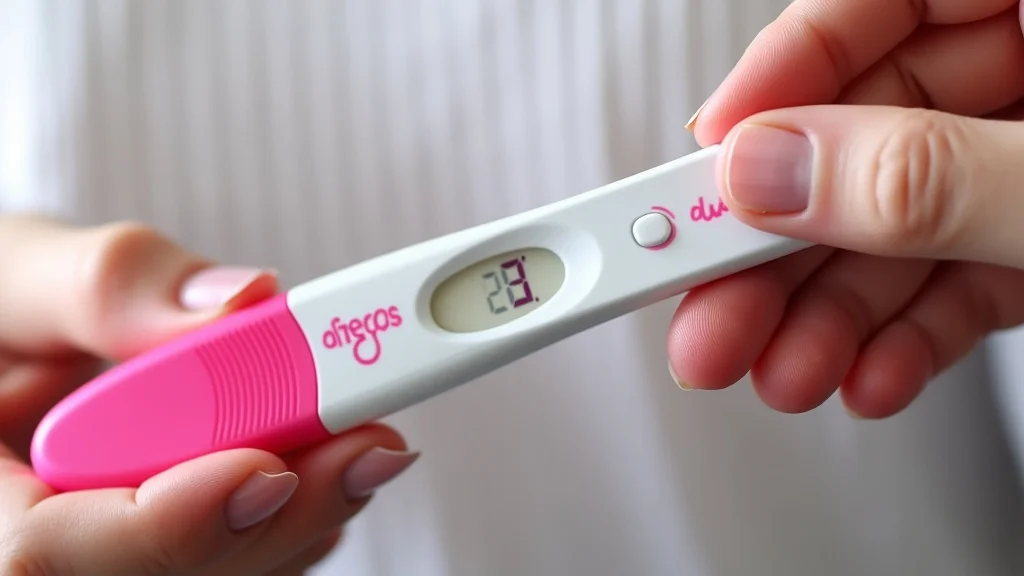
Seeing two lines on a pregnancy test can be exciting but also a little confusing for some. It’s a common sight, but what exactly does it signal, and how sure can you be? Many people wonder if two lines always mean pregnancy for sure.
This guide will break it all down simply, step by step. We’ll help you feel confident about what you’re seeing and what comes next.
Key Takeaways
- A pregnancy test showing two lines usually means you are pregnant.
- The second line appears because the test detects a pregnancy hormone.
- Sometimes, faint lines can appear, and this post explains why.
- Following test instructions is vital for accurate results.
- Understanding how pregnancy tests work makes results clearer.
- This post offers simple advice for interpreting your test results.
What Does Two Lines Mean On A Pregnancy Test
When you take a home pregnancy test, it works by checking your pee for a hormone called human chorionic gonadotropin (hCG). This hormone is made by your body shortly after a fertilized egg attaches to the lining of your uterus. It’s a signal that pregnancy has begun.
Most tests have a control line and a test line. The control line shows the test is working correctly. The test line shows if hCG is present.
So, if you see two lines, it means both the control line and the test line have appeared. This strongly suggests that the test has detected hCG in your urine. Therefore, the most common and likely meaning of two lines on a pregnancy test is that you are pregnant.
It’s a moment that can bring a mix of emotions and thoughts. This is why knowing the basics helps a lot.
The Science Behind Two Lines
The magic behind the two lines lies in the chemical reaction on the test strip. Inside the test are special chemicals that stick to hCG. When your urine flows over the test area, if hCG is present, it attaches to these chemicals.
This forms a colored line. The control line has a separate, built-in mechanism to show that the test itself is functioning. It’s designed to appear every time the test is used correctly, regardless of pregnancy.
The intensity of the second line can vary. A very dark second line usually means hCG levels are high, which might indicate you are further along in your pregnancy. A fainter second line could mean hCG levels are still low.
This can happen if you tested very early or if the pregnancy is in its very early stages. It doesn’t necessarily mean the result is wrong; it just reflects the amount of hormone present.
The accuracy of a pregnancy test depends on several factors. Using the test correctly is the most important. This includes checking the expiration date, following the timing for reading the results, and using the right type of urine sample.
Most tests recommend using first-morning urine because it is more concentrated, making hCG easier to detect. For example, a study showed that testing with first-morning urine can increase the detection rate of early pregnancy by up to 10% compared to testing later in the day.
Common Pregnancy Test Brands And How They Work
Many brands of pregnancy tests are available, but they all follow similar principles. Popular brands like First Response, Clearblue, and E.P.T. use a method called immunoassay.
This is a lab technique that uses antibodies to detect specific substances, in this case, hCG. The test strip is coated with antibodies that bind to hCG. When hCG is present in the urine, it binds to these antibodies, triggering a color change that forms the visible line.
Each brand might have slight variations in how the lines appear or how sensitive their tests are. Some digital tests show “Pregnant” or “Not Pregnant” in words. Others use lines.
For line tests, typically two lines mean pregnant, and one line means not pregnant. It’s always best to read the specific instructions for the brand you are using, as they can differ.
For instance, some tests might show two faint lines for a positive result, while others require a darker second line to be considered positive. This is why understanding the instructions is a key part of getting a clear answer. Misinterpreting faint lines is a common reason for confusion.
Interpreting Your Pregnancy Test Results
Interpreting your pregnancy test results correctly is essential. The most common result indicating pregnancy is two lines. However, there are nuances to consider, such as the darkness of the lines and the timing of the reading.
Always wait for the full time specified in the instructions before reading the test. Reading it too early might result in only one line appearing, even if you are pregnant.
Reading the test too late can also cause issues. Some tests can develop evaporation lines after the recommended reading time. An evaporation line is a faint, colorless line that appears when urine evaporates from the test stick.
This line is not a positive result. It’s a common mistake to mistake an evaporation line for a positive pregnancy sign.
Here’s a simple breakdown of common results:
- Two clear lines: This is a strong positive result, indicating pregnancy.
- One clear line: This is a negative result, indicating no pregnancy detected.
- One faint line and one clear line: This is usually a positive result, indicating pregnancy. The faintness can mean early pregnancy.
- No lines or an invalid test: This means the test didn’t work correctly. You should try again with a new test.
Faint Lines And What They Might Mean
A faint second line is one of the most confusing results people encounter. Many women ask, “Does a faint line mean pregnant?” The answer is usually yes. A faint line still indicates the presence of hCG in your urine, even if the amount is small.
This often happens when you test early in your pregnancy, before your hCG levels have risen significantly.
If you see a faint line, it’s a good idea to retest in a day or two. As your pregnancy progresses, your hCG levels will increase, and the line should become darker. This is a natural part of early pregnancy.
It’s not usually a cause for concern. For example, a study published in the Journal of Obstetrics and Gynaecology found that 20% of women who tested positive with a faint line went on to have a confirmed pregnancy with darker lines on subsequent tests.
It’s also important to consider the possibility of an evaporation line. These are colorless and appear in the test window after the specified reading time has passed, due to urine evaporation. They look different from a true positive line, which will have color.
If you’re unsure, it’s always best to consult your doctor or retest.
When To Take A Pregnancy Test
Timing is key for an accurate pregnancy test. Most tests are designed to detect hCG after you have missed your period. Testing too early can lead to a false negative result, meaning the test says you are not pregnant when you actually are.
This is because hCG levels might not be high enough yet to be detected.
The best time to take a pregnancy test is usually at least one week after you have missed your period. Some highly sensitive tests claim to detect pregnancy a few days before a missed period, but they are less reliable than waiting. If you have irregular periods, it can be harder to know when to test.
In such cases, it’s often recommended to wait about three weeks after unprotected sex.
Here’s a general guideline:
- After a missed period: This is the most reliable time.
- One week after ovulation: If you are tracking ovulation, this is a good window.
- After experiencing early pregnancy symptoms: Symptoms like nausea or fatigue might prompt testing, but waiting for a missed period is more accurate.
For example, if you ovulate around day 14 of a 28-day cycle, you would typically take a test on or after day 28. If you get a negative result but still suspect you are pregnant, wait a few days and test again. Many women who get an early negative result find out they are pregnant when they test again later.
Factors Affecting Pregnancy Test Accuracy
While home pregnancy tests are generally very accurate, certain factors can influence their reliability. Understanding these can help you get the most precise results. The most common reasons for inaccurate results include testing too early, not following instructions, and certain medical conditions or medications.
Using the test correctly is paramount. This involves ensuring the test stick is not expired, that you use the recommended urine sample (often first-morning urine for higher hCG concentration), and that you read the result within the specified timeframe. A significant number of inaccurate results stem from user error, such as not letting the test sit long enough or reading it too late.
For instance, a study by the FDA revealed that a considerable percentage of reported test inaccuracies were due to users not following instructions precisely. This highlights the importance of carefully reading and adhering to the manufacturer’s guide for your specific test brand.
Common Mistakes And How To Avoid Them
One of the biggest mistakes is testing too soon. Your body needs time to produce enough hCG for the test to detect. If you test before your missed period, you might get a false negative.
Another common error is reading the test outside the recommended time frame. Waiting too long can lead to evaporation lines, which can be mistaken for positive results. Conversely, reading it too early might mean the hCG hasn’t had enough time to register on the test strip.
Improper urine collection can also affect results. Some tests require a midstream stream of urine, while others need you to dip the stick into a collected sample. Using diluted urine can make it harder to detect hCG.
This is why using first-morning urine, which is more concentrated, is often advised. Always double-check the instructions for your specific test to ensure you are performing it correctly.
Here are some simple ways to avoid common mistakes:
- Always check the expiration date: Expired tests are unreliable.
- Use first-morning urine: This is usually the most concentrated.
- Read the instructions carefully: Every test is a little different.
- Wait for the correct time to read the result: Don’t read it too soon or too late.
- Store tests properly: Keep them in a cool, dry place away from humidity.
Medical Conditions And Medications
Certain medical conditions and medications can interfere with pregnancy test results, although this is rare. For example, some rare tumors can produce hCG, leading to a false positive result. Fertility treatments that involve hCG injections can also cause a positive test, even if pregnancy has not occurred.
If you are undergoing fertility treatments, it’s crucial to discuss this with your doctor before taking a home pregnancy test.
Certain medications, such as some diuretics or antihistamines, are generally not known to affect pregnancy test results. However, if you are taking any prescription medications and are concerned about interference, it’s always best to speak with your healthcare provider. They can offer personalized advice based on your specific situation.
In most cases, these factors are not a concern for the average user.
A condition called phantom hCG can sometimes occur, where a pregnancy test shows positive results without actual pregnancy. This is extremely uncommon. If you have persistently positive tests without confirmed pregnancy, your doctor can investigate further.
What To Do After A Positive Pregnancy Test
So, you’ve seen two lines, and you believe you are pregnant. Congratulations! The next step is to confirm this with a healthcare professional.
While home pregnancy tests are very reliable, a doctor’s confirmation is essential for your health and the health of your pregnancy. They can perform more sensitive tests and begin prenatal care.
Scheduling an appointment with your doctor or a local clinic is the most important action. This appointment will usually involve confirming the pregnancy, discussing your health history, and providing guidance on the next steps of your pregnancy. Your doctor can also estimate your due date more accurately.
Here’s what typically happens after a positive test:
- Schedule a doctor’s appointment: Call your OB-GYN or family doctor.
- Discuss your medical history: Be prepared to share details about your health.
- Undergo further testing: This might include blood tests for hCG or an ultrasound.
- Begin prenatal care: This includes advice on diet, vitamins, and lifestyle.
For instance, a doctor might order a blood test to measure the exact amount of hCG in your bloodstream. This can help confirm the pregnancy and give an indication of how far along you might be. An early ultrasound may also be scheduled to visualize the pregnancy and check for a heartbeat.
Confirming Pregnancy With A Doctor
A doctor’s visit serves multiple purposes. They will confirm the pregnancy, usually through a blood test or an ultrasound. Blood tests can detect hCG earlier and in smaller amounts than urine tests.
An ultrasound can visualize the gestational sac and, later, the developing fetus and heartbeat. This confirmation is crucial for starting appropriate prenatal care and ensuring a healthy pregnancy.
Your doctor will also ask about your last menstrual period to estimate your due date. They will review your medical history, including any past pregnancies, medical conditions, or family history of genetic issues. This information helps them provide the best possible care throughout your pregnancy.
They will also discuss important lifestyle choices, such as nutrition, exercise, and avoiding harmful substances.
Prenatal care is vital for monitoring your health and the baby’s development. It helps identify and manage any potential complications early on. This proactive approach is key to a healthy outcome for both mother and child.
Starting Prenatal Care
Once your pregnancy is confirmed, starting prenatal care is your next priority. This care involves regular check-ups with your healthcare provider throughout your pregnancy. These appointments are designed to monitor your health and the baby’s growth and development, as well as to address any concerns you might have.
Prenatal care often begins with a visit to an obstetrician (OB-GYN) or a midwife. During these visits, you’ll discuss your health, receive guidance on nutrition, exercise, and take prenatal vitamins, which are essential for the baby’s development. Your doctor will likely provide you with a schedule of upcoming appointments, which typically become more frequent as your pregnancy progresses.
Key aspects of starting prenatal care include:
- Taking prenatal vitamins: These contain folic acid, which helps prevent neural tube defects in the baby.
- Eating a healthy diet: Focus on fruits, vegetables, whole grains, and lean proteins.
- Avoiding harmful substances: This includes alcohol, tobacco, and certain drugs.
- Getting enough rest: Adequate sleep supports your body and the pregnancy.
For example, folic acid is a critical nutrient recommended for all women of childbearing age, not just those who are pregnant, because many pregnancies occur before a woman knows she is pregnant. Starting prenatal care ensures you receive timely advice on these crucial elements for a healthy pregnancy.
Common Myths Debunked
Myth 1: A very faint line always means a chemical pregnancy.
Reality: A faint second line usually indicates a positive pregnancy, especially if it appears within the test’s time frame and has color. It simply means the hCG hormone levels are low, which is common in very early pregnancy. While some faint lines can indicate a chemical pregnancy (a very early miscarriage), it doesn’t automatically mean this.
Retesting in a few days or consulting a doctor for a blood test is the best way to confirm and monitor hCG levels.
Myth 2: You can get a false positive result from being stressed or thinking about pregnancy a lot.
Reality: Stress does not cause a false positive on a pregnancy test. Home pregnancy tests detect the presence of hCG. Psychological factors like stress or wishful thinking do not influence the chemical reaction that causes the lines to appear.
If a test shows two lines, it is because hCG has been detected in your urine, not because of your mental state.
Myth 3: All pregnancy tests are exactly the same.
Reality: While most pregnancy tests work on the same principle of detecting hCG, their sensitivity levels can vary significantly. Some tests are more sensitive than others, meaning they can detect lower levels of hCG. This is why some tests might show a positive result a few days earlier than others.
Always read the instructions to understand the sensitivity of the specific test you are using.
Myth 4: You must use first-morning urine for any test.
Reality: While first-morning urine is recommended by many tests because it is more concentrated and can detect lower levels of hCG, it’s not always mandatory. Many modern, highly sensitive tests can provide accurate results at any time of day, especially once you have missed your period. However, if you are testing very early, or if you suspect a faint line, using first-morning urine is still the best practice for maximum accuracy.
Frequently Asked Questions
Question: Can pregnancy test 2 lines mean anything else besides pregnancy
Answer: Typically, pregnancy test 2 lines strongly indicate pregnancy because the test detects the hormone hCG. In very rare cases, certain medical conditions or treatments might cause a positive result, but this is uncommon. If you have concerns, it’s always best to consult a doctor.
Question: How soon can pregnancy test 2 lines show up
Answer: Most home pregnancy tests can detect pregnancy from the first day of your missed period. Some highly sensitive tests might show two lines a few days earlier, but it’s generally best to wait until after your missed period for the most accurate results.
Question: What if I see one dark line and one faint line on my pregnancy test
Answer: A dark line and a faint line usually mean you are pregnant. The faint line indicates that hCG is present, but at a lower level. This is common in early pregnancy.
Retesting in a couple of days might show a darker second line.
Question: Can medications cause a false positive pregnancy test
Answer: Generally, most common medications do not cause false positive results on pregnancy tests. However, fertility treatments involving hCG injections can lead to a positive test. If you are taking specific medications and are concerned, speak with your doctor.
Question: Should I see a doctor if my pregnancy test has 2 lines
Answer: Yes, if your pregnancy test shows two lines, it is highly recommended to schedule an appointment with your doctor. They can confirm the pregnancy, discuss your health, and guide you on the next steps for prenatal care.
Conclusion
Seeing two lines on a pregnancy test is usually a clear sign of pregnancy. This happens because the test detects the pregnancy hormone hCG. Faint lines can still mean pregnancy, especially if you test early.
Always follow the test instructions carefully to avoid errors. Confirming your result with a doctor is the next important step.
Leave a Reply