Blog

  • Pregnancy Week By Due Date Calculator Explained

    Pregnancy Week By Due Date Calculator Explained

    Figuring out when your baby might arrive can feel a bit tricky at first. You might wonder if counting weeks from your last period is the best way, or if there’s an easier method. It’s totally normal to have questions about your due date.

    This guide makes the pregnancy week by due date calculator simple. We will walk through it step by step so you can feel confident.

    Key Takeaways

    • You can easily find your estimated due date by knowing your last menstrual period.
    • Pregnancy is typically counted in weeks, totaling 40 weeks from the start of your last period.
    • A due date is an estimate, and babies often arrive a bit before or after this date.
    • Using a pregnancy week by due date calculator simplifies this process.
    • Knowing your due date helps with planning and appointments.

    Understanding Your Due Date

    Knowing your baby’s expected birthday is exciting. It helps you plan for the arrival and communicate with your doctor. Many people find the idea of a due date a bit confusing at first.

    This section breaks down how it works in a simple way.

    What is a Due Date

    A due date, also called an estimated date of confinement (EDC), is the date your doctor or midwife thinks your baby will be born. It is based on common pregnancy timelines. It is not an exact science, but rather a helpful guide.

    Most pregnancies last about 40 weeks. This count starts from the first day of your last menstrual period (LMP). This might seem strange because conception usually happens about two weeks after your LMP.

    However, this is the standard way doctors date a pregnancy. It is used because it is easier to pinpoint the start of your last period than the exact moment of conception.

    The 40-week mark is just an average. Many babies arrive between 37 and 42 weeks. Babies born before 37 weeks are considered premature.

    Babies born after 42 weeks are considered overdue.

    Your doctor will likely use an ultrasound early in your pregnancy to get a more precise idea of your due date. This is because ultrasounds are very accurate at measuring a baby’s size in the early stages of development. This measurement can help confirm or adjust the due date calculated from your LMP.

    Calculating Your Due Date By Hand

    You can calculate your due date by hand, though it takes a few steps. It is good to know the method, even if you use a calculator.

    The most common method is Naegele’s Rule. To use this rule, you need the first day of your last menstrual period (LMP). Take the first day of your LMP, subtract three months, and then add seven days.

    For example, if your LMP started on March 15th, you would subtract three months to get to December 15th. Then, you add seven days, making your estimated due date December 22nd.

    Let’s try another example. If your LMP started on October 20th, subtracting three months brings you to July 20th. Adding seven days makes the due date July 27th of the following year.

    This method works well for most women with regular menstrual cycles. However, it might not be as accurate if your cycles are irregular. If your periods are not predictable, using an early ultrasound is a more reliable way to determine your due date.

    It is important to remember that this is an estimation. Many factors can influence when your baby is ready to be born. Your body, your baby’s development, and other personal circumstances all play a role.

    Why Manual Calculation Can Be Tricky

    Calculating your due date manually can be confusing, especially if you are not used to doing date math. Remembering to add or subtract months and days correctly can be a challenge. For instance, dealing with the change in years can sometimes trip people up.

    Irregular menstrual cycles are another big reason why manual calculation might not be perfect. If you do not know the exact start date of your last period, or if your periods come at different times each month, the starting point for Naegele’s Rule is unclear. This makes the entire calculation less accurate.

    For many expecting parents, the simplicity of a pregnancy week by due date calculator is a welcome relief. These tools take the guesswork out of the math. They provide a quick and easy answer without the need for complex date adjustments.

    This allows you to focus on other exciting parts of your pregnancy.

    How A Pregnancy Week By Due Date Calculator Works

    A pregnancy week by due date calculator is a wonderful tool that simplifies finding your baby’s estimated arrival date. It takes the guesswork out of manual calculations and gives you a clear answer. This section explains the simple mechanics behind these helpful online tools.

    The Input Needed

    To use most pregnancy calculators, you only need one key piece of information: the first day of your last menstrual period (LMP). This is the same information used for manual calculations like Naegele’s Rule, but the calculator does the math for you.

    Some calculators might also ask for the length of your typical menstrual cycle. This is helpful for those with irregular cycles. If your cycles are usually 28 days, the calculator will use that.

    If they are typically 35 days, it will adjust its calculations accordingly. Knowing your cycle length helps make the estimated due date more personal and accurate for you.

    Other calculators might allow you to input your ovulation date if you know it. Ovulation is the time when an egg is released from the ovary, which is when conception usually occurs. If you tracked ovulation or had it confirmed by your doctor, this can also be used to estimate your due date.

    Finally, some advanced calculators may ask for the date of your first positive pregnancy test. While this is less common for calculating the initial due date, it can sometimes be used as a rough cross-reference. The most crucial information remains the LMP.

    The Calculation Process

    Once you input your LMP, the calculator uses a standard formula. The most common formula is a variation of Naegele’s Rule. It typically adds 40 weeks (280 days) to the first day of your LMP.

    So, if your LMP was March 15th, the calculator will count 280 days forward from that date. It will then present you with the estimated due date. This is usually around 40 weeks and 0 days of gestation.

    This method assumes a consistent 28-day cycle. For those with different cycle lengths, the calculator adjusts the 280-day count.

    If you provide your cycle length, the calculator might adjust the 280-day count. For example, if your cycle is 35 days, it might add an extra week to the calculation period. If your cycle is shorter, say 21 days, it might subtract a week.

    This personalization makes the due date estimate more tailored to your body’s natural rhythm.

    The calculator then converts this total number of days or weeks into a calendar date. It presents this date clearly for you. It’s designed to be quick and easy, removing any need for manual counting or date manipulation.

    Benefits of Using a Calculator

    Using a pregnancy week by due date calculator offers many advantages, especially for first-time parents. It provides instant results, eliminating the stress of manual date calculations. This means you get your estimated due date in seconds, allowing you to move on to other pregnancy planning tasks.

    These calculators are also very user-friendly. You do not need any special knowledge about pregnancy or dates. You simply input the required information, and the calculator does the rest.

    This accessibility makes them a great tool for everyone.

    Accuracy is another key benefit. While no calculator can predict the exact day of birth, they use established formulas to provide a highly reliable estimate. When used with the correct LMP, the results are generally very close to what your doctor would calculate.

    Finally, many pregnancy calculators offer additional information. They might show you which week of pregnancy you are currently in, how many weeks and days are left until your due date, and even what developmental stage your baby is in for that particular week. This extra context can be very helpful and reassuring during your pregnancy.

    When To Use A Pregnancy Week By Due Date Calculator

    A pregnancy week by due date calculator can be a valuable tool at various points during your pregnancy journey. Knowing when to use it can help you get the most out of its features.

    Early In Pregnancy

    The most common time to use a pregnancy week by due date calculator is very early on. As soon as you suspect you might be pregnant or have confirmed it with a home test, you can use the calculator. Inputting the first day of your last menstrual period will give you an initial estimate of your due date.

    This early estimate is incredibly helpful for several reasons. It allows you to start thinking about the timeline of your pregnancy. You can begin to mentally prepare for the baby’s arrival.

    It also helps you schedule your first prenatal appointment with your doctor or midwife. Knowing your approximate due date is essential for them to book you in for the correct checks and scans.

    For some, this early information can also help them decide when to tell friends and family. It provides a concrete date to work with. This can make the exciting news feel more real and tangible.

    Many women find comfort in having this initial estimate early on. It provides a sense of control and organization during a time that can feel overwhelming. The simplicity of the calculator makes this step easy and stress-free.

    Tracking Progress Throughout Pregnancy

    Beyond the initial estimate, a pregnancy week by due date calculator is useful for tracking your progress throughout the entire pregnancy. Many online calculators will tell you not only your due date but also your current week of pregnancy. They can also tell you how many days or weeks are left until your baby is due.

    Knowing what week you are in helps you understand what is happening with your baby’s development. Each week brings new milestones. The calculator can help you connect these developmental stages to your own pregnancy timeline.

    This can make the experience feel more concrete and exciting.

    For example, at 12 weeks, your baby is developing rapidly, and your calculator will tell you that. By 28 weeks, your baby is starting to open their eyes, and the calculator will place you in that crucial third trimester. This ongoing tracking can be a great motivator and source of information.

    It also helps in planning for major milestones. You can look ahead to when certain tests are typically done, like the anatomy scan around 20 weeks. Knowing your current week of pregnancy allows you to anticipate these important events.

    When Your Cycle Is Irregular

    If you have irregular menstrual cycles, a pregnancy week by due date calculator can be even more valuable. For women with regular cycles, pinpointing the LMP is usually straightforward. However, if your cycles vary significantly in length, determining the exact start of your last period and how it relates to ovulation can be difficult.

    In such cases, the calculator can still provide a reasonable starting point. By inputting the known LMP, it gives an estimate based on standard assumptions. However, it is especially important for women with irregular cycles to have their due date confirmed by an early ultrasound.

    Doctors often rely on early scans to date pregnancies more accurately when there is uncertainty about the LMP or cycle length.

    Even with an irregular cycle, the calculator can still be a helpful tool for initial planning. It gives you a date to discuss with your healthcare provider. They can then use ultrasound measurements to refine the due date and provide a more precise timeline.

    The calculator serves as a useful first step in this process.

    Many calculators also offer an option to input cycle length. If you have an estimate of your average cycle length, even if it’s irregular, inputting this can improve the calculator’s accuracy. It helps tailor the calculation to your specific body.

    Factors Affecting Your Due Date Accuracy

    While a pregnancy week by due date calculator is a fantastic tool, it’s important to remember that your due date is an estimate. Several factors can influence its accuracy. Understanding these can help you manage expectations and prepare for different scenarios.

    Irregular Menstrual Cycles

    As mentioned, irregular menstrual cycles are a primary reason why due dates calculated from the LMP might be less accurate. If your ovulation time varies from month to month, the standard 40-week calculation based on your LMP will be off. For example, if you ovulate later than usual, your baby might be born a few days or even a week later than the calculated due date.

    This is why healthcare providers often use an ultrasound in the first trimester. Ultrasounds measure the size of the fetus, which is a very accurate way to determine gestational age, especially in the early weeks. This scan can help confirm or adjust the due date, providing a more reliable estimate than LMP alone for those with irregular cycles.

    Even with a regular cycle, minor variations in ovulation can occur. These can lead to slight discrepancies between the calculated due date and the actual birth date.

    Ovulation Timing

    The due date is calculated based on the assumption of ovulation occurring around day 14 of a 28-day cycle. However, ovulation can happen earlier or later than this. If you ovulate later than expected, your pregnancy will be longer than the standard 40 weeks.

    Conversely, if you ovulate earlier, your pregnancy might be shorter.

    Some women track their ovulation using methods like basal body temperature charting or ovulation predictor kits. This information can make the due date calculation more precise. If you know you ovulate consistently on a certain day of your cycle, you can communicate this to your doctor.

    Even with these methods, variations can occur. The body is complex, and factors like stress, illness, or changes in diet can sometimes affect ovulation timing. Therefore, while tracking ovulation can improve accuracy, it does not guarantee an exact due date.

    Early Ultrasound Confirmations

    An early pregnancy ultrasound, typically performed between 6 and 13 weeks, is considered the most accurate method for dating a pregnancy. During this scan, the healthcare provider measures the length of the fetus from crown to rump. This measurement is highly correlated with gestational age in the early stages of development.

    Based on this measurement, the doctor can provide a very precise estimated due date. This date is often considered more reliable than one calculated solely from the LMP, especially if there are any doubts about the accuracy of the LMP or if the menstrual cycles are irregular.

    If an early ultrasound is performed, the due date determined by that scan usually supersedes the date calculated by a pregnancy week by due date calculator based on LMP alone. However, the calculator remains a great tool for initial estimation and personal tracking.

    Individual Baby Development and Birth Timing

    It is crucial to understand that a due date is an average. Not all babies adhere to this average timeline. Some babies are simply ready to be born a little earlier, while others need a bit more time in the womb.

    Factors like genetics, the baby’s position in the womb, and maternal health can all play a role in when labor begins. The baby’s lungs and digestive system need to be mature enough to thrive outside the womb. This maturation process can vary from one baby to another.

    For these reasons, it is very common for babies to be born within a week or two on either side of the estimated due date. A pregnancy lasting 37 to 42 weeks is generally considered full-term. Therefore, while your calculator provides a specific date, think of it as a target rather than a strict deadline.

    Common Myths Debunked

    Frequently Asked Questions

    Question: How accurate is a pregnancy week by due date calculator

    Answer: A pregnancy week by due date calculator is generally quite accurate when you provide the correct first day of your last menstrual period and have a regular cycle. However, it’s an estimate, and early ultrasounds are considered more precise for dating a pregnancy.

    Question: Can I use my conception date instead of LMP

    Answer: Some advanced calculators might allow you to input your conception date if you know it accurately. However, most standard calculators rely on the first day of your last menstrual period (LMP) as it is usually easier to recall.

    Question: What if my menstrual cycles are irregular

    Answer: If your cycles are irregular, a calculator can still give you a starting estimate. However, it is highly recommended to confirm your due date with an early ultrasound, as this is the most accurate method for irregular cycles.

    Question: How many weeks pregnant am I if my LMP was March 1st

    Answer: If your LMP was March 1st, and today’s date is June 10th, you would be approximately 14 weeks pregnant. A calculator will provide a precise number of weeks and days remaining until your estimated due date.

    Question: Is the due date the exact day my baby will be born

    Answer: No, the due date is an estimate. Most babies are born within a two-week window before or after the estimated due date. It serves as a helpful guide, not a strict deadline.

    Summary

    Using a pregnancy week by due date calculator is simple. You just need your last menstrual period’s start date. The calculator uses this to estimate your baby’s arrival.

    This takes the guesswork out of manual calculations. It helps you track your pregnancy week by week. Remember, your due date is an estimate, and babies arrive when they are ready.


  • Common Second Trimester Questions Answered

    Common Second Trimester Questions Answered

    So, you’ve reached the second trimester! Many parents find this period exciting but also a bit confusing. You might have a lot of second trimester questions popping into your head.

    It’s totally normal to feel this way, especially if it’s your first time. We’re here to make it simple and clear for you. Let’s go through everything step-by-step so you feel confident and prepared for what’s ahead.

    Key Takeaways

    • You’ll learn about common physical changes happening to your body.
    • Discover what to expect regarding baby’s development and movements.
    • Understand important tests and appointments during this stage.
    • Get tips on managing common symptoms like fatigue and aches.
    • Find out how to prepare for the final trimester with confidence.

    Understanding Your Second Trimester

    The second trimester is often called the “golden period” of pregnancy. Many of the uncomfortable symptoms from the first trimester fade away, and you might start feeling more energetic. This is also when your baby really begins to grow and develop rapidly.

    You’ll likely start to feel those first precious kicks and flutters. It’s a time of big changes, both for you and your growing little one. Knowing what to expect can help you enjoy this special phase even more.

    Physical Changes During the Second Trimester

    Your body is going through amazing transformations. Your growing baby needs more space, and your uterus is expanding significantly to accommodate them. This means your belly will become more noticeable, and you might gain weight steadily.

    Many women experience a boost in energy as morning sickness subsides. However, new sensations can arise. Your skin might change, with some women developing a linea nigra, a dark line down the middle of their belly.

    Breast changes continue, preparing for breastfeeding.

    • Weight Gain: Expect a healthy weight gain of about one pound per week during this trimester. This is normal and important for your baby’s growth and development.

      This weight gain supports the increasing demands of your baby, the placenta, and the amniotic fluid. It also helps build reserves for labor and breastfeeding. Your doctor will monitor your weight gain to ensure it falls within a healthy range for your individual needs.

    • Skin Changes: You might notice changes like melasma (dark patches on the face) or the linea nigra. These are common hormonal effects.

      Melasma, often called the “mask of pregnancy,” usually fades after delivery. The linea nigra, a vertical line appearing on the abdomen, is also temporary. These skin changes are harmless and a sign your body is adapting to pregnancy hormones.

    • Increased Energy Levels: Many women feel a renewed sense of energy after the first trimester fatigue.

      This surge in energy is a welcome change for many expectant mothers. It allows you to prepare for the baby’s arrival, perhaps by nesting or setting up the nursery. Enjoy this period of increased vitality.

    Baby’s Development and Movements

    Your baby is growing at an incredible pace. By the end of the second trimester, they will be a significant size, with all their organs formed and functioning. This is the stage where they start practicing important skills.

    Milestones in Baby’s Growth

    • Organ Development: All major organs are now formed and begin to mature. The baby can hear sounds from the outside world.

      This development means your baby is becoming more responsive to their environment. They can distinguish your voice from others and react to loud noises. It’s a fascinating time of rapid biological progress.

    • First Movements (Quickening): You’ll likely start feeling your baby move between weeks 16 and 25. These first kicks and flutters are known as quickening.

      These movements are subtle at first, often described as gas bubbles or butterflies. As the baby grows stronger, the kicks will become more noticeable and distinct. Feeling these movements is a reassuring sign of a healthy pregnancy.

    • Senses Developing: The baby’s senses are sharpening. They can taste the amniotic fluid, which changes based on what you eat.

      This exposure to different flavors through the amniotic fluid may even influence their food preferences later in life. It’s a unique way your baby interacts with your body and its nourishment.

    Common Second Trimester Symptoms and Management

    While the second trimester is often easier, some symptoms can still arise. These are usually manageable with simple lifestyle adjustments and self-care.

    Managing Discomforts

    • Back Pain: As your belly grows, your posture can change, leading to backaches.

      To ease back pain, practice good posture. Avoid standing for long periods. Wearing supportive shoes and using a pregnancy pillow for sleep can also help.

      Gentle stretching and prenatal yoga are beneficial.

    • Leg Cramps: These sudden, painful muscle spasms, especially in the calves, are common.

      To prevent leg cramps, ensure you’re getting enough calcium and magnesium. Staying hydrated is also key. Stretching your calf muscles before bed can help.

      If a cramp occurs, gently flex your foot towards your shin.

    • Heartburn: Pregnancy hormones can relax the valve between your esophagus and stomach, causing acid reflux.

      Eat smaller, more frequent meals. Avoid spicy or fatty foods that trigger heartburn. Try to stay upright after eating and elevate your head while sleeping.

      Antacids safe for pregnancy can provide relief.

    • Nasal Congestion and Nosebleeds: Hormonal changes can cause swelling in your nasal passages.

      Using a humidifier can help. Saline nasal sprays can also provide relief. Avoid picking your nose, which can worsen nosebleeds.

      If nosebleeds are frequent or heavy, consult your doctor.

    Prenatal Care and Appointments

    Your regular prenatal check-ups continue during the second trimester, usually once a month. These appointments are vital for monitoring your health and your baby’s development.

    Key Appointments and Tests

    • Mid-Pregnancy Ultrasound: Around 18-22 weeks, you’ll likely have a detailed anatomy scan.

      This ultrasound checks your baby’s physical development thoroughly, including all organs and body parts. It helps identify any potential health concerns. It’s also a wonderful opportunity to see your baby in more detail, often seeing their face and movements.

    • Glucose Screening Test: This test screens for gestational diabetes, a condition that can develop during pregnancy.

      It’s usually done between weeks 24 and 28. You’ll drink a sugary liquid, and your blood sugar will be tested an hour later. If this test shows high levels, you might need a follow-up diagnostic test.

    • Rh Antibody Screen: If you are Rh-negative, you’ll likely have this test.

      This is to check for antibodies that could harm your baby if they are Rh-positive. If antibodies are present or you’re Rh-negative and the baby is Rh-positive, you may need an injection of Rh immune globulin.

    Nutrition and Lifestyle in the Second Trimester

    Eating well and staying active supports both your health and your baby’s development. Your nutritional needs increase, and your body can handle more moderate exercise.

    Dietary Recommendations

    • Balanced Diet: Focus on whole foods, including lean proteins, fruits, vegetables, and whole grains.

      These foods provide essential vitamins and minerals. For example, leafy greens offer folate, crucial for preventing neural tube defects. Lean proteins like chicken and fish support your baby’s growth and your own energy levels.

    • Hydration: Drink plenty of water throughout the day.

      Staying hydrated is vital for preventing constipation, reducing swelling, and supporting amniotic fluid levels. Aim for at least 8-10 glasses of water daily.

    • Iron Intake: Iron needs increase to support increased blood volume.

      Include iron-rich foods like red meat, beans, and fortified cereals. If your doctor recommends it, consider an iron supplement. Iron is essential for preventing anemia.

    Safe Exercise During Pregnancy

    Moderate exercise is generally safe and beneficial. It can help manage weight gain, improve sleep, and reduce back pain.

    • Low-Impact Activities: Opt for activities like walking, swimming, or prenatal yoga.

      These activities are gentle on your joints and reduce the risk of injury. Swimming is particularly good as the water supports your weight, easing pressure on your body.

    • Listen to Your Body: Avoid overexertion and stop if you feel pain or discomfort.

      Pregnancy changes your body’s limits. Pay attention to signals from your body and rest when needed. Avoid exercises with a high risk of falling.

    • Avoid Certain Positions: Some positions, like lying flat on your back for extended periods, should be avoided.

      This is because pressure on a major vein can reduce blood flow. Your prenatal provider can offer specific guidance on safe exercises and positions.

    Preparing for the Third Trimester and Beyond

    As the second trimester winds down, it’s a good time to start thinking about the final stages of pregnancy and what comes after. Planning ahead can reduce stress.

    Essential Preparations

    • Childbirth Education Classes: These classes can help you and your partner prepare for labor and delivery.

      They cover topics like stages of labor, pain management options, and what to expect in the hospital. Understanding the process can make you feel more in control.

    • Baby Gear: Start gathering essential baby items like a crib, car seat, and stroller.

      Having these ready well in advance means less stress closer to your due date. Researching and selecting safe, practical items is key.

    • Hospital Bag: Pack your hospital bag a few weeks before your due date.

      Include essentials for yourself, your partner, and the baby. Knowing your bag is ready provides peace of mind.

    Common Myths Debunked

    Myth 1: You can feel your baby move from the very beginning of the second trimester.

    Reality: While some women might feel slight flutters early in the second trimester, it’s more common to feel distinct kicks between weeks 16 and 25. The exact timing varies greatly among individuals.

    Myth 2: Heartburn means your baby will have a lot of hair.

    Reality: There’s no scientific evidence to support this old wives’ tale. Heartburn is caused by hormonal changes and pressure from the growing uterus, not by the baby’s hair.

    Myth 3: You need to eat a lot of extra food for two.

    Reality: While your nutritional needs increase, you don’t need to double your food intake. The general recommendation is an additional 300-500 calories per day in the second and third trimesters, focusing on nutrient-dense foods.

    Myth 4: All pregnant women get stretch marks.

    Reality: Not everyone develops stretch marks. Genetics play a big role, along with how quickly you gain weight and your skin’s elasticity. Many factors influence whether you get them.

    Frequently Asked Questions

    Question: When will I start showing more?

    Answer: Most women start to show more in their second trimester as the uterus grows and the baby gains size. For first-time mothers, this might be around 20 weeks, while those who have been pregnant before might show a bit earlier.

    Question: Is it normal to feel tired again in the second trimester?

    Answer: While many women experience a surge in energy, some may still feel tired. Listen to your body and rest when you can. Ensure you are getting enough iron and staying hydrated, as these can impact energy levels.

    Question: How much weight should I gain in the second trimester?

    Answer: A typical healthy weight gain is about one pound per week during the second trimester. Your healthcare provider will monitor your weight gain and advise based on your individual needs and starting weight.

    Question: Can I still have sex in the second trimester?

    Answer: For most uncomplicated pregnancies, sex is safe throughout pregnancy. As your belly grows, you may need to experiment with different positions for comfort. If you have any concerns, discuss them with your doctor.

    Question: What if I feel my baby move much earlier or later than expected?

    Answer: It’s important to communicate any concerns about your baby’s movements to your healthcare provider. They can reassure you or investigate if there’s any cause for concern. Every pregnancy is unique.

    Final Thoughts

    You’ve explored the common second trimester questions and found clear answers. This trimester brings exciting growth for your baby and physical shifts for you. Managing symptoms like back pain and heartburn is achievable with simple steps.

    Staying informed about prenatal care, nutrition, and safe exercise helps you feel prepared. Embrace this phase with confidence, knowing you are doing great.

  • Understanding Second Trimester Quadruple Screening

    Understanding Second Trimester Quadruple Screening

    Many new parents find the second trimester quadruple screening a bit confusing. It sounds complicated, but it’s really about checking on your baby’s health. We’ll break it down into easy steps so you can feel confident about what it means for you and your growing little one.

    Get ready to learn all about it in a way that makes sense.

    Key Takeaways

    • You will learn what the second trimester quadruple screening measures.
    • We will explain how the screening test is performed.
    • You will find out what the results of the screening can indicate.
    • We will discuss the next steps after receiving your screening results.
    • You will understand the importance of this screening for prenatal care.

    What Is Second Trimester Quadruple Screening

    The Basics of Second Trimester Quadruple Screening

    The second trimester quadruple screening is a blood test done between 15 and 20 weeks of pregnancy. This test looks for certain substances in your blood. These substances can give clues about your baby’s risk for specific birth defects.

    It’s a way to gather important information about your pregnancy.

    This screening is common because it offers valuable insights without being invasive. It helps doctors and parents make informed decisions about further testing or care. It’s a part of routine prenatal care for many expectant mothers.

    Purpose of the Quadruple Screen

    The main goal of the quadruple screen is to assess the risk of certain genetic conditions. These conditions include Down syndrome, Edwards syndrome (Trisomy 18), and open neural tube defects like spina bifida. It does not diagnose these conditions but rather identifies pregnancies that might have a higher chance of them.

    The test measures four specific substances in the mother’s blood:

    • Alpha-fetoprotein (AFP): A protein made by the baby.
    • Human chorionic gonadotropin (hCG): A hormone produced by the placenta.
    • Unconjugated estriol (uE3): Another hormone produced by the placenta and baby.
    • Inhibin-A: A hormone produced by the placenta.

    Changes in the levels of these substances can suggest an increased risk. For example, high levels of AFP can indicate an open neural tube defect. Lower levels of AFP, hCG, estriol, and inhibin-A might suggest a higher risk of Down syndrome.

    When is the Screening Performed

    This screening test is typically done during the second trimester of pregnancy. The ideal window is between 15 weeks and 20 weeks and 6 days gestation. This timing is important because the levels of the four substances being measured are at optimal levels for detection during this period.

    Performing the test too early or too late might affect the accuracy of the results. Your healthcare provider will schedule the blood draw within this window. If you miss this window, alternative screening options might be discussed.

    Understanding the Quadruple Screen Results

    The results of the quadruple screen are reported as a risk assessment. This means the report will state the likelihood of your baby having one of the conditions. It’s usually given as a ratio, like 1 in 300 for Down syndrome.

    A result considered “low risk” means your baby has a small chance of having the condition. A “high risk” result indicates a greater chance. It is important to remember that a high-risk result does not mean your baby definitely has the condition.

    It only means further testing is recommended.

    Factors like your age, weight, and ethnicity are also factored into the calculation. These can influence the levels of the substances measured. Your doctor will explain what your specific risk numbers mean.

    How The Screening Is Done

    The Process of the Quadruple Screen

    Getting the second trimester quadruple screening is a straightforward process. It involves a simple blood draw from the mother. There is no risk to the baby during this procedure.

    The blood sample is then sent to a laboratory for analysis. Specialized equipment and trained professionals analyze the levels of the four key substances. The laboratory uses sophisticated algorithms to calculate the risk based on your results and other factors.

    The Blood Draw

    A healthcare professional, usually a nurse or phlebotomist, will perform the blood draw. They will clean a small area on your arm, typically near the elbow. Then, they will insert a needle into a vein to collect a small amount of blood into a vial.

    The procedure is quick, often taking only a few minutes. You might feel a small pinch when the needle is inserted. Afterward, a bandage will be applied to the site.

    It’s generally a painless experience for most people.

    It’s a good idea to drink plenty of water before your appointment. This can make it easier for the healthcare provider to find a vein. You can also relax and take deep breaths during the process.

    Laboratory Analysis

    Once collected, your blood sample is sent to a specialized laboratory. Here, scientists use advanced techniques to measure the precise amounts of AFP, hCG, uE3, and inhibin-A. These are complex biochemical assays performed with high accuracy.

    The laboratory also receives information about your pregnancy, such as your estimated due date and your age. This information is crucial for accurate risk calculation. The lab uses sophisticated software that combines all these data points.

    The software compares your measured hormone levels to established ranges for pregnancies of similar gestational age and maternal characteristics. It then calculates a statistical risk for each condition screened. This entire analytical process is designed for precision and reliability.

    Interpreting Your Results

    Interpreting the results is a collaborative process between you, your doctor, and sometimes a genetic counselor. The report will detail your risk scores for each screened condition. It’s vital to understand that these are risk assessments, not diagnoses.

    A low-risk result suggests that the chance of your baby having a birth defect is small, similar to the general population. A high-risk result means further diagnostic testing may be recommended. These tests can confirm or rule out a condition.

    Your healthcare provider will guide you through the interpretation. They will discuss what the numbers mean in your specific situation. Open communication is key to making the best decisions for your pregnancy.

    What The Results Mean

    Understanding Your Screening Outcomes

    The results of the second trimester quadruple screening can bring clarity to your pregnancy. They help you and your healthcare team understand the potential risks. It’s important to approach these results with accurate information.

    Whether your results are low-risk or high-risk, your doctor will provide guidance. They will help you understand the implications and discuss any next steps. This information empowers you to make informed choices for your baby’s health.

    Low-Risk Results

    If your screening results come back as low-risk, it’s generally good news. This means the test suggests your baby has a very small chance of having the specific conditions screened for. For most parents, this brings a sense of relief and allows them to continue their pregnancy with less worry about these particular issues.

    A low-risk result does not guarantee a perfectly healthy baby. Other rare conditions are not detected by this screening. However, it significantly lowers the statistical probability of the conditions the quadruple screen is designed to detect.

    Your doctor will still recommend regular prenatal care.

    Even with low-risk results, continuing with regular check-ups and following your doctor’s advice is essential. This ensures your overall pregnancy health is monitored.

    High-Risk Results

    A high-risk result means the screening suggests an increased chance that your baby might have one of the conditions being tested. For example, a high-risk result for Down syndrome indicates a greater likelihood than in the general population. It is crucial to understand that this is a screening test, not a diagnostic test.

    This means a high-risk result does not definitively confirm a diagnosis. It simply means further, more accurate diagnostic testing is recommended. Your healthcare provider will discuss these options with you.

    They will explain the benefits and limitations of each.

    Common follow-up diagnostic tests include amniocentesis or chorionic villus sampling (CVS). These tests can provide a definitive diagnosis. The decision to pursue further testing is entirely yours.

    Next Steps After Screening

    The path forward after your second trimester quadruple screening results depends entirely on the outcome. If you receive low-risk results, your pregnancy can continue with routine prenatal care. Your doctor will keep monitoring your health and your baby’s development as usual.

    If your results indicate a high-risk scenario, your doctor will discuss your options. This typically involves offering diagnostic tests like amniocentesis or CVS. These procedures can provide a more certain diagnosis.

    A genetic counselor may also be involved to help you understand the implications of the results and the choices available to you.

    Your healthcare team is there to support you at every step. They will provide information and guidance so you can make the best decisions for your family. The goal is always to ensure the healthiest possible outcome for you and your baby.

    Factors Affecting Results

    What Can Influence Screening Outcomes

    Several factors can influence the results of the second trimester quadruple screening. While the test is designed to be accurate, understanding these influences can provide a clearer picture. These factors help explain why results might appear a certain way.

    It’s important to discuss any relevant personal health information with your doctor. This helps ensure the screening results are interpreted in the most accurate context possible. They are key pieces of the puzzle.

    Maternal Age

    Maternal age is one of the most significant factors influencing the risk assessment for chromosomal abnormalities like Down syndrome. The older a woman is when she becomes pregnant, the statistically higher her risk of having a baby with a chromosomal condition. This is due to age-related changes in egg quality.

    The quadruple screen algorithm accounts for your age. It uses this information to adjust the risk calculation. For example, a specific level of hCG might represent a higher risk for a younger woman compared to an older woman.

    This is why age is a critical component in the interpretation of the screening results. It helps to contextualize the hormone levels measured in your blood.

    Gestational Age Accuracy

    The accuracy of dating your pregnancy, meaning knowing exactly how many weeks pregnant you are, is very important for the quadruple screen. The levels of the four substances measured change throughout the pregnancy. The laboratory relies on accurate gestational age to compare your results to the expected ranges.

    If your gestational age is not precisely known, the results might be less accurate. This can happen if you haven’t had an early ultrasound or if your menstrual cycle is irregular. Your doctor will often confirm gestational age with an ultrasound, typically done earlier in the pregnancy.

    Having precise gestational dating ensures the calculated risk is based on the correct reference points. This leads to more reliable screening outcomes.

    Maternal Weight

    Maternal weight is another factor that the quadruple screen calculation takes into account. This is because the volume of blood drawn and the concentration of substances within it can be influenced by a woman’s body mass. A higher body weight can dilute the concentration of certain hormones in the blood.

    For example, higher levels of AFP might be considered normal in a woman who weighs more than a woman of a lower weight, even if the absolute amount of AFP produced by the fetus is the same. The laboratory software adjusts for this variation.

    Accurate recording of your weight at the time of the blood draw helps the system provide a more precise risk assessment. It ensures the reference ranges used are appropriate for your body size.

    Multiple Gestations

    Pregnancies involving twins, triplets, or more can affect the results of the quadruple screen. In a multiple pregnancy, the levels of certain hormones, like AFP, tend to be higher because there are multiple fetuses producing these substances. The placenta in each pregnancy also contributes to hormone levels.

    The laboratory and healthcare providers use adjusted reference ranges for multiple gestations. This is crucial for interpreting the results correctly. A result that might be considered high for a singleton pregnancy could be normal for a twin pregnancy.

    If you are carrying multiples, it is essential to inform your healthcare provider. This ensures the screening is interpreted appropriately for your unique situation.

    Common Myths Debunked

    Myth 1 The quadruple screen is a diagnostic test

    This is a common misunderstanding. The quadruple screen is a screening test, not a diagnostic test. It assesses the risk or likelihood of certain conditions.

    A high-risk result does not mean your baby has the condition; it means further testing is recommended to confirm or rule out a diagnosis. Diagnostic tests like amniocentesis or CVS can provide a definitive answer.

    Myth 2 A low-risk result means the baby is guaranteed to be healthy

    While a low-risk result is reassuring and indicates a very small chance of the screened conditions, it does not guarantee a perfectly healthy baby. The quadruple screen only checks for specific genetic conditions and open neural tube defects. It does not detect all possible birth defects or health issues.

    Regular prenatal care remains important for overall health monitoring.

    Myth 3 The screening is dangerous for the baby

    The second trimester quadruple screening is a maternal blood test. It poses no direct risk to the baby. The blood is drawn from the mother’s arm.

    This is a safe procedure for both the mother and the developing fetus. Diagnostic tests like amniocentesis, which may follow a high-risk screen, do carry a small risk, but the screening itself is safe.

    Myth 4 Results are always black and white

    The results are reported as a risk assessment, usually as a ratio. This means they are statistical probabilities, not absolute certainties. Some results may fall into a gray area, where the risk is slightly elevated but not definitively high.

    Your healthcare provider will discuss these nuances with you, and may recommend further discussions with a genetic counselor.

    Frequently Asked Questions

    Question: How long does it take to get the results of the quadruple screen?

    Answer: Typically, it takes about one to two weeks to receive the results of the second trimester quadruple screening from the laboratory.

    Question: Can I have the quadruple screen done if I am pregnant with twins?

    Answer: Yes, the quadruple screen can be performed in pregnancies with twins or other multiples, but the interpretation of the results will be adjusted for multiple gestations.

    Question: What is the difference between screening and diagnostic testing?

    Answer: Screening tests, like the quadruple screen, identify individuals who may be at higher risk for a condition. Diagnostic tests, such as amniocentesis or CVS, are more invasive but can definitively confirm or rule out a specific condition.

    Question: What happens if I have a high-risk result?

    Answer: If you have a high-risk result, your healthcare provider will discuss your options for further diagnostic testing to confirm or rule out the condition. They will also offer counseling to help you understand the implications.

    Question: Can the quadruple screen detect all birth defects?

    Answer: No, the quadruple screen is designed to assess the risk for specific chromosomal abnormalities and neural tube defects. It does not detect all possible birth defects or health issues a baby might have.

    Final Thoughts

    The second trimester quadruple screening offers valuable insights into your pregnancy. It helps identify potential risks for certain conditions. By understanding the process and what the results signify, you can make informed decisions with your healthcare team.

    This screening is a tool to support a healthy pregnancy journey.

  • Third Trimester Fluconazole Usage Guide

    Third Trimester Fluconazole Usage Guide

    It can be a bit confusing when you first look into using medication during pregnancy, especially when it comes to things like third trimester fluconazole. Many people aren’t sure if it’s safe or what to watch out for. This guide is here to make it super simple.

    We’ll walk through everything step by step so you feel confident. Let’s get started on clearing up any questions you have about this topic.

    Key Takeaways

    • You will learn what fluconazole is used for during pregnancy.
    • We will discuss safety considerations for third trimester fluconazole.
    • You will find out about potential side effects and risks.
    • We will cover important questions to ask your doctor.
    • This post will help you make informed decisions about treatment.

    Understanding Fluconazole in Pregnancy

    What Is Fluconazole and Why Is It Used

    Fluconazole is a type of antifungal medicine. It works by stopping the growth of fungi, which are tiny organisms that can cause infections. These infections can happen in various parts of the body. For pregnant women, yeast infections are a common reason for needing antifungal treatment. Yeast infections are very common during pregnancy because of the hormonal changes. These changes can make it easier for yeast to grow.

    When a pregnant person gets a yeast infection, it can cause discomfort. Itching and irritation are common symptoms. If left untreated, it could potentially lead to other issues, though this is rare. Doctors sometimes prescribe fluconazole when other treatments have not worked or when the infection is more serious. It is important to know that fluconazole is a prescription medicine. This means you need a doctor’s order to get it. You should never take it without talking to your healthcare provider first. They will decide if it is the right treatment for you.

    How Fluconazole Works

    Fluconazole targets a specific enzyme in fungal cells called lanosterol 14-alpha-demethylase. This enzyme is really important for making a substance called ergosterol. Ergosterol is a key part of the fungal cell membrane. Think of the cell membrane as the outer wall of a tiny house that keeps everything inside. By blocking the production of ergosterol, fluconazole weakens this outer wall.

    When the cell membrane is not formed correctly, it becomes leaky. The fungal cell can no longer hold its shape or carry out its normal functions. Eventually, the weakened cell dies. This stops the infection from spreading and helps clear it up. It is a targeted approach that focuses on the fungal cells, but it’s still important to consider its use in pregnancy due to potential effects on the developing baby.

    Fluconazole Use During Different Trimesters

    The use of fluconazole during pregnancy is carefully considered based on the trimester. In the first trimester, when a baby’s organs are forming, doctors are usually very cautious about prescribing any medication. Some studies have suggested a possible link between high doses of fluconazole in early pregnancy and birth defects. Because of this, fluconazole is often avoided in the first trimester unless absolutely necessary.

    In the second trimester, the risks may be lower, but doctors still weigh the benefits against the potential risks. By the third trimester, the baby’s major organs are mostly developed. However, fluconazole can still cross the placenta and reach the baby. The decision to use third trimester fluconazole depends on the severity of the infection, the mother’s symptoms, and other treatment options. A doctor will always discuss these factors thoroughly with the patient.

    Safety and Considerations for Third Trimester Fluconazole

    Potential Risks and Side Effects

    When considering fluconazole, especially during the third trimester, it’s important to discuss potential risks and side effects with your doctor. While generally considered safe when prescribed appropriately by a healthcare professional, some risks exist. For the mother, common side effects can include nausea, headaches, stomach pain, and changes in taste. Less common but more serious side effects can occur, though they are rare.

    For the baby, the main concern is that fluconazole can pass through the placenta. While the risk of major birth defects is considered low with standard doses, especially in the later stages of pregnancy, it’s not zero. Some research has looked into potential effects on fetal development, but more studies are needed for a complete picture. Doctors carefully monitor pregnant individuals and their babies when fluconazole is prescribed. They aim to use the lowest effective dose for the shortest possible time.

    When Is Third Trimester Fluconazole Recommended

    The decision to use fluconazole in the third trimester is made on a case-by-case basis. It is typically reserved for situations where other, potentially safer treatments have not been effective or are not suitable. Common reasons include persistent or severe yeast infections that are causing significant discomfort or are not responding to topical treatments like creams or suppositories. Sometimes, if an infection is particularly stubborn, a doctor might prescribe oral fluconazole to ensure it is cleared before the baby’s birth.

    This is because untreated infections can sometimes cause problems during labor and delivery. For example, a severe yeast infection could potentially be passed to the baby during birth. However, the benefits of treating the infection must clearly outweigh the potential risks of the medication for both mother and baby. Your doctor will consider your specific health history and the severity of your symptoms before making a recommendation.

    Alternatives to Oral Fluconazole

    Before turning to oral fluconazole, doctors often explore other treatment options that may be considered safer for use during pregnancy. Topical antifungal medications are usually the first line of defense for yeast infections. These come in various forms, such as vaginal creams, ointments, or suppositories. Examples include clotrimazole, miconazole, and nystatin. These medications are applied directly to the affected area and generally have minimal absorption into the bloodstream, making them a lower-risk choice.

    In some cases, a healthcare provider might suggest lifestyle changes to help manage or prevent yeast infections. This can include wearing breathable cotton underwear, avoiding harsh soaps or scented feminine hygiene products, and managing blood sugar levels if diabetes is present. For very mild symptoms, sometimes even just maintaining good hygiene can help the body clear the infection on its own. Your doctor will guide you through all available options to find the best approach for your situation.

    How to Talk to Your Doctor About Treatment

    Having an open and honest conversation with your healthcare provider is key when discussing any medication during pregnancy. When it comes to third trimester fluconazole, don’t hesitate to ask questions. Start by asking why the doctor is recommending this specific treatment. Inquire about the potential benefits for you and your baby. It’s also important to ask about any possible side effects or risks associated with the medication for both of you.

    Ask what alternatives might be available and why fluconazole is being chosen over those. Understand the dosage, how long you should take it, and what to do if you miss a dose. Don’t be afraid to express any concerns or anxieties you have. Your doctor is there to help you make informed decisions and ensure the safest possible outcome for you and your growing baby. They can provide the most accurate and personalized advice based on your health.

    Common Myths Debunked

    Myth 1: Fluconazole is always dangerous during pregnancy

    The reality is that while caution is advised, particularly in the first trimester, fluconazole is not automatically dangerous in all stages of pregnancy. When prescribed by a doctor for specific medical reasons, especially in the third trimester, the benefits can outweigh the risks. Doctors carefully assess individual situations and use the lowest effective dose.

    Myth 2: All antifungal medications are unsafe during pregnancy

    This is not true. Many antifungal treatments, particularly topical ones like creams and suppositories, are considered safe and are often the first choice for treating yeast infections in pregnant individuals. The safety profile can vary depending on the specific medication and the stage of pregnancy.

    Myth 3: A yeast infection during pregnancy will always harm the baby

    While it’s best to treat yeast infections during pregnancy, a mild to moderate infection that is not treated will not automatically harm the baby in most cases. However, severe or untreated infections can sometimes lead to complications or be passed to the baby during birth. It’s always best to consult with a doctor for proper diagnosis and treatment.

    Myth 4: If my doctor prescribes fluconazole, I must take it

    Your doctor’s recommendation is important, but you always have the right to ask questions and understand all your options. If you are prescribed fluconazole, discuss your concerns, ask about alternatives, and make a decision you feel comfortable with. It’s a collaborative process between you and your healthcare provider.

    Frequently Asked Questions

    Question: Can I take fluconazole for a yeast infection in my third trimester

    Answer: Your doctor will decide if fluconazole is appropriate for you in the third trimester. They will consider the severity of your infection and weigh the benefits against any potential risks.

    Question: What are the common side effects of fluconazole for pregnant women

    Answer: Common side effects can include nausea, headaches, and stomach discomfort. Serious side effects are rare but can occur. Your doctor will monitor you closely.

    Question: Are topical antifungals safer than oral fluconazole during pregnancy

    Answer: Topical antifungal treatments like creams and suppositories are often considered the first-line treatment because they are absorbed less into the body. They are generally viewed as having a lower risk profile during pregnancy.

    Question: How long do I need to take third trimester fluconazole

    Answer: The duration of treatment will depend on your specific infection and your doctor’s recommendations. It is usually for a short period to clear the infection effectively.

    Question: Should I worry about birth defects if I took fluconazole earlier in pregnancy

    Answer: If you took fluconazole earlier in pregnancy, discuss this with your doctor. They can assess your specific situation. While there is some concern with high doses in early pregnancy, standard doses later on carry a lower risk.

    Conclusion

    Using third trimester fluconazole is a decision made carefully with your doctor. It is prescribed when other treatments are not working for fungal infections. Your healthcare provider will discuss the safety and potential side effects for you and your baby.

    They will help you understand all the options to ensure the best care. Always follow your doctor’s advice for a healthy pregnancy.

  • Pregnancy Test 2 Lines Meaning Explained

    Pregnancy Test 2 Lines Meaning Explained

    Seeing two lines on a pregnancy test can be exciting or a bit confusing when you’re new to it. Many people wonder exactly what those lines mean and if they can be sure about the result. It’s completely normal to have questions, and we’re here to make it simple.

    This guide will walk you through everything you need to know about the pregnancy test 2 lines meaning in easy steps. Let’s clear things up so you feel confident about what your test is telling you.

    Key Takeaways

    • A positive pregnancy test typically shows two lines.
    • The presence of two lines generally indicates pregnancy.
    • Different test brands may have slightly different line appearances.
    • Factors like test sensitivity can affect line intensity.
    • Understanding how pregnancy tests work helps interpret results.
    • Always follow the specific instructions for your test kit.

    Understanding Pregnancy Test 2 Lines Meaning

    When you take a home pregnancy test, the way it works is by detecting a hormone called human chorionic gonadotropin (hCG) in your urine. Your body starts making hCG shortly after a fertilized egg attaches to the uterine lining. This hormone is often called the “pregnancy hormone” because it’s only produced in significant amounts during pregnancy.

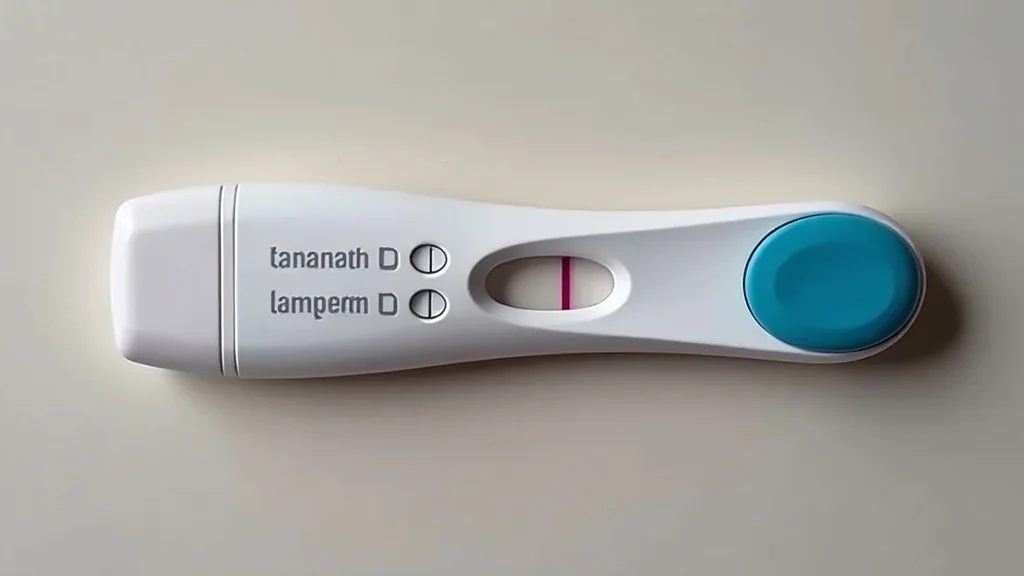
    Most pregnancy tests have a control line and a test line. The control line shows up to confirm the test is working correctly. The test line appears if hCG is present in your urine.

    So, when you see two lines, it usually means that both the control line and the test line have appeared, indicating a positive result.

    The intensity of the second line, the test line, can vary. Sometimes it’s faint, and other times it’s very dark. This can depend on how much hCG is in your urine.

    A stronger line often means higher hCG levels, which can suggest you are further along in your pregnancy or having multiples. However, even a faint line is usually considered a positive result.

    How Pregnancy Tests Detect hCG

    Pregnancy tests use a special chemical that reacts to hCG. This chemical is usually applied to a strip of paper or a plastic stick. When you urinate on the absorbent tip, the urine travels up the strip.

    If hCG is present, it binds to antibodies on the test strip. These antibodies are linked to a dye. When hCG is detected, the dye is released, causing the test line to appear.

    The control line uses a separate mechanism, often with a pre-applied dye that reacts to any liquid. This ensures that the test itself is functioning properly. Without a control line, you wouldn’t be able to trust the result of the test line, even if it appears.

    There are different types of pregnancy tests, like strip tests, midstream tests, and digital tests. Strip tests are the most basic, requiring you to dip the strip into a collection of urine. Midstream tests have a wand that you urinate on directly.

    Digital tests provide a clear word result like “Pregnant” or “Not Pregnant.” No matter the type, the underlying principle of detecting hCG remains the same.

    The Significance of Two Lines

    The most common and widely understood pregnancy test 2 lines meaning is a positive result. This signifies that your body is producing hCG, which is a strong indicator of pregnancy. It’s a moment of significant news for many, and it’s important to know that this result is generally very reliable.

    However, it’s also good to be aware that sometimes a positive result can occur when a person is not actually pregnant. This is rare and is often due to specific medical conditions or certain medications. This is why doctors often recommend a follow-up test or blood test to confirm the pregnancy.

    The appearance of the lines can also be influenced by how concentrated your urine is. Testing with your first urine in the morning, when hCG levels are typically highest and urine is most concentrated, can lead to a clearer and stronger positive result. This is why many test instructions recommend morning testing.

    Interpreting Line Intensity

    The darkness of the second line, the test line, can be a point of curiosity. A very faint line can sometimes cause confusion. This usually happens in the early stages of pregnancy when hCG levels are just starting to rise.

    The test is still detecting the hormone, but there isn’t as much of it yet.

    A faint line almost always means positive. It signifies the presence of hCG, even if it’s in a small amount. Some women like to track the darkness of the line over a few days to see it get stronger, which can be a visual confirmation of the pregnancy progressing.

    This is not a diagnostic tool but can be reassuring for some.

    Conversely, a very dark line suggests higher levels of hCG. This could mean that pregnancy has progressed further than a faint line might indicate, or it could be a sign of a multiple pregnancy. It’s important to remember that line darkness alone is not definitive proof of how far along you are or if you are carrying more than one baby.

    A doctor’s visit is needed for accurate dating and confirmation.

    Here’s a simple breakdown of what line intensity often means:

    • Very Dark Line: High hCG levels, likely further along in pregnancy or potential for multiples.
    • Clear Line: Indicates a definite positive result, with sufficient hCG present.
    • Faint Line: Low but detectable hCG levels, common in early pregnancy. Still a positive result.

    Factors Affecting Pregnancy Test Results

    Several factors can influence the accuracy of a pregnancy test, even when you’re seeing two lines. Understanding these can help you feel more confident in your result. The most crucial factor is timing.

    Pregnancy tests detect hCG, which your body only starts producing after implantation. This typically happens about 6 to 12 days after ovulation.

    Taking a test too early, before your body has had enough time to produce a detectable amount of hCG, can lead to a false negative result. This means you might be pregnant, but the test shows only one line because hCG levels are too low to be detected yet.

    The sensitivity of the pregnancy test itself plays a big role. Tests vary in how low a level of hCG they can detect. More sensitive tests can detect pregnancy a few days earlier than less sensitive ones.

    Always check the packaging for the test’s sensitivity, usually measured in milli-international units per milliliter (mIU/mL).

    Here are some common factors that can affect results:

    • Testing Too Early: Not enough hCG has built up to be detected. This can lead to a false negative.
    • Diluted Urine: Drinking a lot of fluids before testing can dilute your urine, lowering hCG concentration. This is why first-morning urine is often recommended.
    • Test Expiration: An expired test may not work correctly and could give an inaccurate result. Always check the expiration date.
    • Reading The Test Too Late: Pregnancy tests have a specific window for reading results. Reading it after the designated time can sometimes cause a “evaporation line,” which might be mistaken for a positive.

    How to Ensure Accurate Testing

    To get the most accurate reading from your pregnancy test, following the instructions precisely is key. Each test kit is slightly different, so don’t assume all tests work the same way. Pay close attention to when to take the test (e.g., first morning urine) and how long to wait before checking the result.

    Here is a step-by-step approach to ensure accuracy:

    1. Read The Instructions Carefully: Before you even open the test, read the entire instruction booklet that comes with it.
    2. Choose The Right Time To Test: For the most reliable results, test after you’ve missed your period or at least 14 days after ovulation. Testing with first-morning urine is often best, especially in early pregnancy.
    3. Prepare For The Test: Ensure you have a clean collection container if needed and that the test is at room temperature.
    4. Perform The Test As Directed: Whether it’s dipping the strip or urinating on the stick, follow the exact method.
    5. Wait For The Correct Amount of Time: Do not check the test too soon or too late. Most tests require waiting between 3 to 10 minutes.
    6. Interpret The Results Within The Specified Timeframe: Look at the test result within the recommended window. Lines that appear after the specified reading time might be evaporation lines and not an indication of pregnancy.

    If you get an unclear result, like a very faint line or a result you weren’t expecting, it’s often best to wait a couple of days and test again, or consult with your doctor. They can perform a blood test, which is even more sensitive for detecting hCG and can confirm pregnancy earlier and more definitively.

    Common Myths Debunked

    Myth 1: A Faint Line Means The Result Isn’t Real

    This is a common worry, but a faint line is still a positive sign. It means your body is producing hCG, even if the levels are low. Low hCG is typical in the very early stages of pregnancy, sometimes just a few days after implantation.

    The test is sensitive enough to detect even small amounts of the hormone. If you see a faint second line within the proper testing time, it is generally considered a positive result. Waiting a few days and testing again with first-morning urine can help you see a stronger line if the pregnancy is progressing.

    Myth 2: You Can Get A Positive Result From Illness

    While some medical conditions and certain medications can affect pregnancy test results, simple illnesses like a cold or flu typically do not cause a positive pregnancy test. The only hormone a standard pregnancy test detects is hCG. This hormone is almost exclusively produced during pregnancy.

    Some fertility treatments, however, involve hCG injections, which can cause a temporary positive result. It’s important to tell your doctor about any medications you are taking when you take a pregnancy test.

    Myth 3: Digital Tests Are Always More Accurate Than Line Tests

    Both digital and line-based pregnancy tests work by detecting hCG. The accuracy of both types is very similar, provided they are used correctly and at the right time. Digital tests offer the convenience of a clear “Pregnant” or “Not Pregnant” readout, which can eliminate interpretation confusion.

    However, line tests are often just as accurate, and sometimes the intensity of the line on a line test can give an indication of how far along in the pregnancy you might be (though this is not a precise measurement). The key to accuracy for any test is following the instructions.

    Myth 4: The Color Of The Lines Matters

    For most pregnancy tests, the color of the lines themselves (besides the standard color of the dye used by the manufacturer) doesn’t matter. What matters is that a line appears in the test window, indicating the presence of hCG. Some tests use pink dye, and others use blue dye, but the color of the actual line that forms is determined by the test’s chemical reaction.

    As long as the test line is visible and appears within the correct timeframe, it signifies a positive result, regardless of the shade.

    Frequently Asked Questions

    Question: What does a single line on a pregnancy test mean

    Answer: A single line on a pregnancy test typically indicates a negative result, meaning no detectable hCG was found in your urine. This suggests you are not pregnant. However, if you tested very early, it could be a false negative, and retesting in a few days might be advisable.

    Question: Can I take a pregnancy test anytime

    Answer: It’s best to take a pregnancy test after you’ve missed your period or at least 14 days after you think you ovulated. Testing with your first urine in the morning is often recommended because it’s more concentrated and will have higher levels of hCG if you are pregnant.

    Question: How soon can a pregnancy test detect pregnancy

    Answer: Most home pregnancy tests can detect pregnancy about 10 to 14 days after ovulation. Some highly sensitive tests may be able to detect pregnancy a few days earlier, but for the most accurate results, waiting until after you miss your period is recommended.

    Question: What if the lines are different colors

    Answer: Pregnancy tests use specific dyes to show lines. The color of the line itself (e.g., pink or blue) depends on the brand of the test and is not indicative of the pregnancy status. As long as a line appears in the test window within the correct timeframe, it is considered a positive result.

    Question: Should I see a doctor after a positive pregnancy test

    Answer: Yes, it is highly recommended to see a doctor after a positive home pregnancy test. They can confirm the pregnancy, usually through a blood test or ultrasound, and discuss your prenatal care options. This is also important to rule out any complications or ectopic pregnancies.

    Conclusion

    Seeing two lines on a pregnancy test is the most common way to know you are pregnant. It means the test detected hCG in your urine, signaling that conception has likely occurred. Even a faint line usually means positive.

    Always follow the test’s instructions for the most reliable results. If you get a positive result, schedule an appointment with your doctor to confirm and begin your prenatal care.

  • Navigating Third Trimester Food Aversion

    Navigating Third Trimester Food Aversion

    Feeling a bit picky about food when you’re so close to meeting your baby? That’s totally normal! Many expecting parents experience third trimester food aversion.

    It can feel challenging, especially if you’re trying to eat healthy. But don’t worry, this guide will help you with simple steps to manage it. We’ll explore why it happens and how you can still get the nutrition you need without the stress.

    Get ready for some easy tips that make a big difference.

    Key Takeaways

    • Understand why third trimester food aversion occurs.
    • Learn strategies for managing aversions to specific foods.
    • Discover how to ensure adequate nutrient intake despite aversions.
    • Find tips for eating when you feel nauseous or full.
    • Explore ways to enjoy meals again before your baby arrives.

    Understanding Third Trimester Food Aversion

    As your pregnancy progresses into the final stretch, your body is going through significant changes. These shifts can directly influence your appetite and food preferences, leading to a phenomenon known as third trimester food aversion. This isn’t just about not liking a certain food anymore; it can be a strong, almost instinctual pushback against tastes, smells, or even textures that you previously enjoyed.

    For many first-time parents, this can be surprising and confusing, as they might expect their appetite to increase as the baby grows. The challenge lies in figuring out how to nourish both yourself and your growing baby when common, healthy foods suddenly seem unappealing or even cause discomfort. This section will lay the groundwork for understanding these changes, explaining the common reasons behind them, and setting the stage for practical solutions.

    Why Does Third Trimester Food Aversion Happen

    During the third trimester, your baby is growing rapidly, and your body is working overtime to support this growth. Hormonal changes continue to play a big role. Progesterone levels are high, which can slow down digestion.

    This can lead to feelings of fullness and discomfort, making you less inclined to eat large meals or certain types of food. Additionally, the physical pressure from your expanding uterus on your stomach can make it difficult to eat much at one time. Sometimes, changes in your sense of smell can make certain foods smell stronger and more off-putting than before.

    These combined factors can create a perfect storm for developing aversions to foods you once loved. It’s your body’s way of adapting to the demands of late pregnancy. Your body might also be signaling a need for different nutrients or avoiding things it perceives as potentially harmful, although this is less scientifically proven for specific aversions.

    Common Triggers for Aversions

    Several factors can trigger these sudden dislikes. Strong smells are a frequent culprit. Foods that were once neutral or pleasant might now seem overwhelming.

    This can include anything from garlic and onions to certain spices or even the smell of cooking meat. Textures also play a significant part. Some people develop an aversion to mushy foods, while others can’t stand anything too chewy or too crunchy.

    Certain food groups might also become difficult to stomach. For instance, some pregnant individuals find themselves unable to eat red meat, fish, or even specific vegetables. This can be frustrating because these are often the very foods recommended for essential nutrients like iron and protein.

    The key is to identify what specific aspect of the food is causing the aversion – is it the smell, the texture, the taste, or the overall feeling it leaves you with?

    Physical Sensations Associated with Aversions

    When you encounter a food you’re averse to in the third trimester, you might experience a range of physical sensations. Nausea is a common one, even if you haven’t felt sick for a while. You might feel a slight queasiness or an intense urge to stop eating immediately.

    Heartburn and indigestion can also be exacerbated by certain foods, making you steer clear of them. Some women report a feeling of heaviness or bloating after eating a trigger food, even if it was a small portion. This discomfort can create a negative association with the food, making you anticipate the unpleasant feeling before you even take a bite.

    It’s your body’s way of saying, “Not right now,” or “This isn’t working for me.” Paying attention to these signals is crucial for finding alternative foods that are easier to tolerate.

    Strategies for Managing Food Aversions

    Dealing with third trimester food aversion requires a flexible and creative approach to eating. It’s not about forcing yourself to eat things you can’t stand, but rather about finding smart ways to get the nutrients you and your baby need. This involves making small, manageable changes to your diet and meal routines.

    Think of it as a puzzle where you need to find the right pieces that fit your current needs. We’ll explore practical tips that can help you overcome these challenges and make meal times more pleasant again. These strategies are designed to be easy to implement and will provide you with options when your usual go-to foods are off the table.

    Experimenting with Different Food Preparations

    Sometimes, the way a food is prepared can make all the difference. If you can’t stand the smell of roasted broccoli, perhaps you can tolerate it steamed and blended into a soup. If chicken is too much for you, maybe finely ground chicken in meatballs or a mild chicken broth is more manageable.

    Changing cooking methods can alter the smell and texture, making a food more appealing. For example, instead of a large piece of grilled fish, a flaky, baked white fish might be easier to digest and less pungent. You can also try different seasonings.

    A food that is unappealing with strong spices might be fine with simple salt and pepper or a squeeze of lemon. Don’t be afraid to get creative in the kitchen and experiment with various ways to present familiar foods.

    Example Scenario 1

    Sarah used to love hearty lentil soups. In her third trimester, the smell of cooked lentils became unbearable, causing immediate nausea. She tried to eat them plain, but it didn’t help.

    Her partner suggested trying lentil pasta. She found that the texture of lentil pasta mixed with a mild tomato sauce and some grated cheese was much more palatable. She also discovered that she could add finely diced, cooked carrots and zucchini to the sauce, which she could tolerate.

    This way, she still got the fiber and protein from lentils without the overwhelming smell and texture of the soup. She learned that a different form of the same nutrient could be a lifesaver.

    Focusing on Tolerable Foods and Nutrients

    When faced with aversions, it’s important to identify the foods you can eat and build your meals around them. Even if your options are limited, you can still get the necessary nutrients. For instance, if red meat is out, focus on other iron sources like fortified cereals, leafy greens (if tolerated), or even supplements as recommended by your doctor.

    If vegetables are difficult, try fruits, which are often easier to digest and packed with vitamins. Smoothies are a great way to pack in nutrients from fruits, a few tolerated veggies, and protein sources like yogurt or protein powder. Keep a running list of what you can eat without feeling sick.

    This list becomes your go-to resource when you’re unsure what to prepare or eat.

    • Hydration is Key

      When your appetite is low, it’s easy to get dehydrated. Sipping water throughout the day is crucial. Sometimes, bland, clear liquids can be more appealing than solid food.

      Consider drinking fluids between meals rather than with meals to avoid filling up too quickly. Herbal teas, diluted juices, or even just ice chips can help you stay hydrated. Proper hydration supports digestion and can sometimes help alleviate nausea.

    • Small, Frequent Meals

      Instead of trying to eat three large meals, aim for five to six smaller meals or snacks throughout the day. This can be less overwhelming for your stomach and helps maintain a steadier supply of nutrients. Keeping easy-to-grab snacks on hand, like crackers, fruit, or yogurt, can make it easier to get something in your system regularly.

      Listen to your body; if you feel hungry, eat a small portion. If you feel full, don’t force yourself to finish.

    • Nutrient-Dense Choices

      When you can only eat a little, make sure those small amounts are packed with nutrition. Focus on foods that offer a good balance of carbohydrates, proteins, and healthy fats. For example, a small bowl of oatmeal with nuts and berries is better than a plain bagel.

      A hard-boiled egg or a small handful of almonds can provide protein and healthy fats. Even if your diet seems restrictive, try to incorporate nutrient-dense options whenever possible to support your baby’s development.

    Timing Your Meals Wisely

    Your energy levels and appetite can fluctuate throughout the day. Some pregnant individuals find they feel better and can eat more in the morning, while others experience a surge in appetite later in the afternoon or evening. Pay attention to when you generally feel your best and try to schedule your most substantial meals or snacks during those times.

    If mornings are tough, focus on light, bland options and save more complex meals for when you feel up to it. For some, avoiding eating right before bedtime can also help reduce heartburn and improve sleep quality. Experiment with different meal timings to find what works best for your body.

    Incorporating Supplements When Necessary

    Despite your best efforts, it might be challenging to meet all your nutritional needs through food alone, especially with significant aversions. This is where prenatal vitamins and other supplements can be invaluable. Your doctor or midwife can recommend specific supplements to ensure you’re getting enough iron, calcium, vitamin D, and other essential nutrients.

    It’s important to discuss any supplements you’re considering with your healthcare provider to ensure they are safe and appropriate for your pregnancy. They can also advise on the best way to take them, especially if certain vitamins cause stomach upset.

    Nutritional Considerations in the Third Trimester

    The third trimester is a critical period for your baby’s growth and development. They are rapidly gaining weight, and their organs are maturing. This means your nutritional needs are higher than ever, particularly for energy, protein, iron, calcium, and omega-3 fatty acids.

    Addressing third trimester food aversion while ensuring adequate intake of these vital nutrients can feel like a balancing act. This section will detail the key nutrients important during this stage and provide practical advice on how to obtain them, even when your appetite is compromised. We will look at specific food sources and how to incorporate them effectively.

    Key Nutrients for Late Pregnancy

    During the final months of pregnancy, your baby’s brain development is still a major focus. Omega-3 fatty acids, especially DHA, are vital for this. Your baby is also storing iron for the first few months after birth, so ensuring you have enough iron is crucial to prevent anemia in both you and your baby.

    Calcium is essential for your baby’s bone development, and protein is needed for the growth of all their tissues. Iron needs can increase significantly, with recommendations often being around 27 mg per day. Calcium intake should be around 1000 mg per day, and protein needs increase by about 25 grams per day compared to pre-pregnancy levels.

    These are significant amounts that can be hard to get if you’re experiencing aversions to nutrient-rich foods.

    • Iron

      Iron is critical for carrying oxygen in your blood and preventing fatigue and anemia. Animal sources like lean red meat, poultry, and fish are easily absorbed. Plant-based sources include spinach, beans, lentils, and fortified cereals.

      However, it’s important to note that iron from plant sources is not absorbed as efficiently. Pairing these with vitamin C-rich foods like oranges or bell peppers can significantly boost absorption. Many women require iron supplements in the third trimester due to increased blood volume and fetal iron demands.

    • Calcium

      Calcium is essential for building your baby’s bones and teeth. It also plays a role in your baby’s heart, nerves, and muscles. Good sources include dairy products like milk, cheese, and yogurt.

      Non-dairy options include fortified plant-based milks, tofu made with calcium sulfate, and leafy green vegetables like kale. If you struggle to get enough calcium from your diet, your healthcare provider might suggest a calcium supplement.

    • Protein

      Protein is the building block for your baby’s cells and tissues. It’s also important for your own body’s increased demands. Excellent sources include lean meats, poultry, fish, eggs, dairy products, beans, lentils, nuts, and seeds.

      Even if you can’t eat large portions, incorporating a protein source into each meal or snack can help meet your needs. For example, a small serving of Greek yogurt or a handful of almonds can contribute significantly.

    • Omega-3 Fatty Acids

      DHA, a type of omega-3 fatty acid, is crucial for your baby’s brain and eye development. Fatty fish like salmon, mackerel, and sardines are the best sources. However, if fish is an aversion, you can find DHA in fortified eggs or consider an algae-based DHA supplement.

      Ensure any fish you consume is low in mercury, as recommended by health authorities.

    Dealing with Specific Food Aversions

    If you suddenly can’t stand the smell of cooked chicken, try eating it cold in a sandwich, or perhaps chicken broth is more palatable. If your usual iron-rich meal of steak is out of the question, focus on incorporating smaller amounts of fortified cereals or dark leafy greens. Don’t aim for perfection; aim for progress.

    If you can only tolerate a few bites of a nutrient-dense food, that’s better than nothing. The goal is to find any way to get essential nutrients in, even if it’s not the ideal meal you once enjoyed. This adaptability is key to managing the challenges of third trimester food aversion.

    Sample Scenario 2

    Maria was craving fresh salads with grilled chicken. In her third trimester, the thought of cooked chicken made her feel ill. She enjoyed smoothies but found adding protein made them too heavy.

    She discovered that she could tolerate very small portions of scrambled eggs in the morning and small cubes of firm tofu added to pasta dishes. She also started incorporating a scoop of unflavored protein powder into her morning orange juice, which she could barely taste. By switching to a combination of these smaller, more frequent protein sources throughout the day, she managed to keep her protein intake up without the distress of eating large amounts of chicken.

    The Role of Hydration and Fiber

    Staying hydrated is extremely important in the third trimester. It helps prevent constipation, which can be common as your body prepares for labor. It also aids in nutrient absorption.

    If you’re finding it hard to eat, focusing on hydrating foods like fruits and vegetables can be helpful. Fiber is also essential for digestive health. Whole grains, fruits, and vegetables are great sources.

    If aversions limit these, consider incorporating gentle fiber sources that are easier to tolerate, such as oatmeal or psyllium husk mixed with water, if approved by your doctor. Sometimes, a glass of water with a squeeze of lemon can be surprisingly refreshing and easier to drink than plain water.

    Making Mealtime More Enjoyable

    The final weeks of pregnancy should ideally be a time of anticipation, not dreading mealtimes. When facing third trimester food aversion, it’s important to find ways to make eating less of a chore and more of a positive experience. This involves reducing stress around food, creating a pleasant environment, and focusing on enjoyment rather than obligation.

    By implementing some simple, yet effective, strategies, you can reclaim some pleasure from your meals and ensure you and your baby are well-nourished. Let’s explore how you can transform your mealtime experience from a challenge into a comfort.

    Creating a Calming Meal Environment

    The atmosphere in which you eat can greatly impact your appetite and digestion. Try to make mealtime a relaxing experience. This might mean eating at a table rather than in front of the TV, or perhaps eating with your partner or family.

    Turn off distracting devices and focus on the food and the company. Gentle lighting and soft background music can also create a more peaceful setting. If your home environment feels stressful, even small adjustments like eating a snack on your balcony or in a quiet corner of the house can make a difference.

    A calm mind can lead to a more receptive stomach.

    Mindful Eating and Portion Control

    Mindful eating means paying attention to your body’s hunger and fullness cues without judgment. Even if you can only eat a small amount, focus on savoring each bite. Notice the textures, smells, and flavors of the food you are consuming.

    This can not only make eating more enjoyable but also help you recognize when you’ve had enough. Portion control is also vital; large meals can feel overwhelming. Using smaller plates can help you serve yourself less food, making it feel more manageable.

    If you find yourself still hungry after a small portion, wait a few minutes before deciding if you want more. This allows your body to register that it’s eating.

    Involving Your Support System

    Talk to your partner, friends, or family about what you’re experiencing. They can offer emotional support and practical help, such as preparing meals or going grocery shopping. Sometimes, just having someone to share your concerns with can ease the burden.

    They can also help you find new recipes or foods to try. Don’t hesitate to ask for help; most people are happy to support an expecting parent. Their understanding and assistance can make a significant difference in managing the challenges of third trimester food aversion.

    Example of Support

    When Emily’s partner noticed her struggle with meal preparation due to her aversions, he stepped in. He researched recipes for bland, easy-to-digest foods and took over the grocery shopping. He learned to prepare smoothies with hidden spinach and protein powder that Emily could tolerate.

    He also made sure to have small, pre-portioned snacks readily available for her throughout the day. This support system reduced Emily’s stress significantly, allowing her to focus on her well-being and the impending arrival of her baby.

    Focusing on Comfort Foods (Wisely)

    While it’s important to get nutrients, sometimes reaching for a “comfort food” that you can tolerate is better than eating nothing at all. This doesn’t mean indulging in unhealthy options exclusively, but rather finding a balance. If plain toast is all you can manage one meal, that’s okay.

    If a simple bowl of plain pasta provides some sustenance, embrace it. The goal is to keep some food intake going. As your appetite improves or your aversions shift, you can gradually reintroduce more nutrient-dense options.

    The key is not to judge yourself for what you can or cannot eat but to work with your body’s current limitations.

    Common Myths Debunked

    Myth 1: Third trimester food aversion means something is wrong with the baby.

    Reality: This is a very common and normal part of pregnancy for many women. It’s usually due to the significant hormonal and physical changes your body is undergoing. The pressure from your growing uterus on your stomach, combined with hormonal shifts, can lead to changes in appetite and food preferences.

    It is rarely an indication that there is a problem with the baby’s health. If you have serious concerns, always consult with your healthcare provider.

    Myth 2: You must eat a lot of diverse foods to keep your baby healthy.

    Reality: While a varied diet is ideal, your body is incredibly resilient, and your baby will draw nutrients from your reserves if necessary. The focus during aversions should be on consuming any nutrient-dense foods you can tolerate consistently, rather than stressing about eating a wide variety. Prenatal vitamins play a crucial role in filling nutritional gaps.

    Your healthcare provider can guide you on ensuring essential nutrient intake even with limited food choices.

    Myth 3: Food aversions mean you’re a picky eater.

    Reality: This is a physiological response to pregnancy hormones and physical changes. It’s not a matter of personal preference or being difficult. Your body is sending signals, and it’s important to listen to them rather than forcing yourself to eat foods that make you feel unwell.

    This aversion is temporary and typically resolves after childbirth.

    Myth 4: You need to drastically change your diet and eat only “superfoods.”

    Reality: While focusing on nutrient-dense foods is beneficial, the most important thing is to eat something that you can keep down. If “superfoods” are unappealing, try to find simpler, more tolerable options that provide essential nutrients. Consistency in eating what you can manage is more important than perfection.

    Small, regular meals often work better than trying to force down a large, “perfect” meal.

    Frequently Asked Questions

    Question: What is the main reason for third trimester food aversion?

    Answer: The main reasons are the significant hormonal shifts, especially high progesterone levels, and the physical pressure from your growing uterus on your stomach, which slows digestion and reduces stomach capacity.

    Question: Can third trimester food aversion affect my baby’s nutrition?

    Answer: While it can be challenging, your baby will prioritize its needs, drawing nutrients from your body if necessary. Focusing on nutrient-dense foods you can tolerate and taking prenatal vitamins helps ensure your baby receives essential nourishment.

    Question: How long does third trimester food aversion usually last?

    Answer: It typically lasts until the end of the third trimester and often resolves shortly after giving birth as hormone levels return to normal and physical pressure eases.

    Question: What if I can’t stand the smell of almost all food?

    Answer: Try eating cold foods, as they often have less odor. Focus on bland options like crackers, toast, plain yogurt, or fruit. Staying hydrated with clear liquids like water or diluted juice can also help.

    Consider eating in a well-ventilated area.

    Question: Should I take extra supplements if I have food aversions?

    Answer: It’s best to discuss this with your healthcare provider. They can assess your diet and recommend specific supplements, such as iron or a more comprehensive prenatal vitamin, to ensure you and your baby are getting adequate nutrients.

    Wrap Up

    Third trimester food aversion is a common pregnancy challenge. By understanding its causes and focusing on tolerable foods, smart preparation, and consistent hydration, you can manage it. Listen to your body, make small adjustments, and don’t hesitate to seek support.

    Prioritizing nutrient intake through the foods you can eat and appropriate supplements ensures both you and your baby thrive as you approach your due date.

  • Pregnancy Week By Week Huggies Guide

    Pregnancy Week By Week Huggies Guide

    Tracking your pregnancy can feel like a big task when you’re expecting your little one. Many parents-to-be find pregnancy week by week huggies a common way to follow along, but it can also be a bit tricky to sort out all the details at first. Don’t worry, we’re here to make it simple.

    We’ll walk you through everything step-by-step so you know just what to expect. Let’s get started on this exciting path.

    Key Takeaways

    • You will learn what changes happen during pregnancy each week.
    • We explain how your baby grows and develops week by week.
    • Understand the common symptoms and what they mean.
    • Discover tips for staying healthy and comfortable throughout your pregnancy.
    • Find out when to expect certain milestones and appointments.
    • Get clear information to help you feel prepared and confident.

    Understanding Pregnancy Week By Week

    Pregnancy Week By Week Huggies Explained

    Pregnancy is a truly amazing process, and it’s natural to want to know what’s happening every step of the way. The concept of ‘pregnancy week by week’ helps break down this nine-month period into manageable chunks. For new parents, this approach is often the easiest way to grasp the changes occurring in both the mother’s body and the developing baby.

    It provides a clear timeline, allowing you to anticipate milestones and understand what to expect during each stage. Think of it as a roadmap for your pregnancy adventure.

    What Does Week By Week Mean?

    Pregnancy is typically measured in weeks, starting from the first day of your last menstrual period. This method accounts for 40 weeks of gestation, divided into three trimesters. Each week brings unique developments for your baby and different bodily changes for you.

    Tracking your progress week by week allows for a more detailed view of your baby’s growth, from a tiny cluster of cells to a fully formed infant. It also helps in understanding common pregnancy symptoms that might arise.

    The “huggies” aspect often relates to the feeling of closeness and anticipation as you await your baby. It’s about nesting, preparing, and feeling that growing bond. This week-by-week guide aims to capture that nurturing feeling, providing comfort and information as your family grows.

    We want you to feel supported and informed throughout this special time.

    Why Track Week By Week?

    Tracking your pregnancy week by week offers a structured way to monitor development. It helps in planning for appointments, understanding necessary tests, and preparing for birth. Knowing what to expect can reduce anxiety and empower you with knowledge.

    For example, knowing that your baby’s fingers and toes are developing around week 8 can be fascinating. Similarly, understanding that you might start feeling tired around week 4 is helpful for managing your energy levels.

    This detailed approach allows for a more personalized pregnancy experience. You can celebrate each developmental stage of your baby and better manage your own physical and emotional changes. It’s a way to connect more deeply with the process of bringing new life into the world.

    Baby’s Development Week By Week

    The growth of a baby from conception to birth is astonishing. Tracking this development week by week highlights the incredible transformation. We will explore key developmental stages and what they mean for your little one.

    The First Trimester Weeks 1-12

    The first trimester is a period of rapid growth and fundamental development. It’s a time when your baby goes from a fertilized egg to a recognizable human form. Many significant milestones occur during these first 12 weeks.

    Early Weeks: Conception to Week 4

    In the very first weeks, conception occurs, and the fertilized egg begins to divide and travel to the uterus. By the end of week 4, a tiny embryo has implanted in the uterine wall. This embryo is smaller than a poppy seed but has already started forming crucial structures that will develop into the baby’s brain, spinal cord, and heart.

    The placenta also begins to form, which will nourish the baby throughout the pregnancy.

    Weeks 5-8: Organ Formation

    During weeks 5 through 8, the embryo grows significantly. The heart starts beating, and primitive structures for the eyes, ears, and limbs begin to appear. The neural tube, which forms the brain and spinal cord, closes.

    By week 8, the embryo is about the size of a raspberry and has a distinct head and body, with tiny buds that will become arms and legs. It’s a critical period for organogenesis, meaning the basic organs are starting to take shape.

    A fascinating development in this period is the formation of the baby’s digestive system. The foundations for the stomach, intestines, and pancreas are laid down. Also, early cartilage models for bones begin to form.

    Weeks 9-12: The Fetal Stage Begins

    Around week 9, the embryo officially becomes a fetus. This means all the major body parts are present, although they are still developing. The fetus grows rapidly, and external features become more defined.

    Fingers and toes are no longer webbed. The ears are forming, and the eyes are more developed, though the eyelids are fused shut for now. By the end of week 12, the fetus is about 3 inches long and weighs about an ounce.

    Most major organs are functional.

    This stage also sees the development of fingernails and toenails. The fetus can also start making small, spontaneous movements, though you won’t feel them yet. The sex organs begin to develop, but it’s usually too early to see the baby’s sex on an ultrasound.

    The Second Trimester Weeks 13-28

    The second trimester is often called the “golden period” of pregnancy because many women experience increased energy and a decrease in nausea. This is also a time of significant growth for the baby.

    Weeks 13-16: Rapid Growth and Movement

    Your baby continues to grow, and their skin is developing. They start to move more actively, kicking and stretching. While you might not feel these movements yet, they are crucial for muscle development.

    The baby’s digestive system is maturing, and they may begin to swallow amniotic fluid. The skeleton is hardening.

    By week 16, the baby can be around 4.5 inches long and weigh about 3 ounces. Their facial features are becoming more distinct. If it’s a boy, the prostate gland is developing; if it’s a girl, the uterus and ovaries are in place.

    Weeks 17-20: Feeling the Kicks

    Many expectant mothers start to feel the baby’s movements, often described as flutters or bubbles, around weeks 18-20. This is known as quickening. The baby’s skin is covered in a protective, waxy coating called vernix caseosa, which protects their delicate skin from the amniotic fluid.

    Fine hair called lanugo also starts to grow.

    During this period, the baby’s hearing develops, and they can begin to hear sounds from outside the womb. Their taste buds are also developing.

    Weeks 21-28: Gaining Weight and Developing Senses

    Your baby is rapidly gaining weight and size. By week 28, they can be around 10 inches long (from head to bottom) and weigh about 2 pounds. The lungs are developing air sacs, preparing for breathing outside the womb, though they are not yet fully mature.

    The eyes can now open and close, and the baby can respond to light. Brain development is accelerating.

    The baby’s sleep-wake cycles become more established. They spend a lot of time sleeping but also active periods of kicking and stretching. The lanugo begins to shed, and the vernix caseosa thickens.

    The Third Trimester Weeks 29-40

    The final trimester is about maturation and preparation for birth. Your baby gains significant weight, and their organs continue to develop and prepare for life outside the womb.

    Weeks 29-32: Final Preparations

    Your baby’s bones are hardening, except for the skull, which remains soft and flexible to allow for passage through the birth canal. The lungs are becoming more mature, producing surfactant, a substance that helps prevent the air sacs from collapsing. The baby’s brain continues to develop rapidly.

    They are also practicing swallowing and breathing motions.

    By week 32, the baby can be around 11.5 inches long (head to bottom) and weigh about 3.75 pounds. Most babies will have turned head-down in preparation for birth.

    Weeks 33-36: Maturation and Positioning

    The baby’s body fat increases, helping them regulate their body temperature after birth. Their skin becomes smoother as the lanugo disappears. The fingernails and toenails continue to grow.

    The digestive system is now fully developed.

    The baby is getting crowded in the uterus, so movements might feel less vigorous but will still be present. Most babies settle into a head-down position during these weeks, which is ideal for delivery.

    Weeks 37-40: Ready for Birth

    By week 37, your baby is considered full-term. Their lungs are mature, and their immune system is developing antibodies from you. They are gaining about half a pound per week in these final weeks.

    The umbilical cord continues to provide nutrients and oxygen.

    Your baby’s appearance is now very similar to a newborn, with smooth skin and fully developed features. They are ready to meet you. The birth process is initiated by hormonal signals from both the mother and the baby.

    Mother’s Body Changes Week By Week

    Your body undergoes incredible changes to support and nurture your growing baby. Understanding these changes can help you adapt and feel more comfortable.

    The First Trimester Changes

    The initial weeks of pregnancy often bring about the most noticeable hormonal shifts. These can manifest as fatigue, mood swings, and nausea, commonly known as morning sickness.

    Early Symptoms: Fatigue and Nausea

    Hormonal surges, particularly progesterone and hCG (human chorionic gonadotropin), are the primary drivers of early pregnancy symptoms. Increased progesterone can make you feel tired, while hCG can trigger nausea and vomiting. Many women also experience frequent urination as their body’s blood volume increases.

    Breast tenderness and a missed period are classic signs.

    Some women experience a heightened sense of smell, making certain odors unbearable. Food cravings or aversions are also common. These changes are your body’s way of adapting to the immense task of growing a baby.

    Physical and Emotional Shifts

    Beyond nausea, you might notice changes in your skin, such as the “mask of pregnancy” (chloasma) or acne. Your uterus begins to grow, which can cause mild cramping or a feeling of fullness. Emotionally, you might feel a range of feelings from excitement to anxiety.

    It’s a time of significant adjustment.

    The Second Trimester Changes

    As your body adjusts to the hormonal changes, many of the uncomfortable symptoms from the first trimester may lessen. This period is often marked by a growing belly and increased well-being.

    Growing Belly and Energy Levels

    By the second trimester, your uterus has grown significantly, and your baby bump becomes more apparent. Many women report feeling more energetic as their bodies adapt. You might also notice changes in your skin and hair, often appearing healthier.

    Backaches can begin to develop as your posture shifts.

    You may also experience increased appetite and weight gain. Your body is working hard to provide for your baby’s rapid growth.

    New Sensations and Discomforts

    As your baby grows, you might start feeling round ligament pain, which is a sharp, stabbing sensation in your lower abdomen or groin, caused by the stretching of ligaments supporting the uterus. Swelling in your ankles and feet can also become more common. Some women experience heartburn due to hormonal changes affecting the digestive system.

    You might also notice changes in your libido. For some, it increases; for others, it decreases. It’s a very individual experience.

    The Third Trimester Changes

    The third trimester is characterized by significant physical changes as your body prepares for labor and delivery. Discomforts can increase, but so does the excitement of meeting your baby.

    Physical Preparations for Birth

    Your baby’s descent into the pelvis (lightening) can occur weeks or days before labor, making breathing easier but increasing pressure on your bladder. You might experience Braxton Hicks contractions, which are practice contractions that can be irregular and painless. Swelling can become more pronounced, and your breasts may start to produce colostrum, a precursor to breast milk.

    Your posture will likely change further to accommodate your large belly, potentially leading to more significant back pain. Pelvic pressure can also increase.

    Emotional Readiness and Nesting

    As your due date approaches, you might experience a mix of emotions, including anticipation, anxiety, and a strong desire to prepare your home for the baby (nesting). Sleep disturbances can be common due to discomfort and frequent bathroom trips.

    You might also feel a sense of nesting, an instinctual urge to organize and prepare your living space for the new arrival. This can involve cleaning, decorating, and gathering baby essentials.

    Common Pregnancy Week By Week Huggies Questions

    It’s normal to have many questions as you go through pregnancy. Here, we answer some frequently asked questions about tracking your pregnancy week by week.

    Frequently Asked Questions

    Question: When does the baby start moving?

    Answer: Most women feel their baby’s first movements, called quickening, between weeks 16 and 20 of pregnancy. However, this can vary, and some women may feel it earlier or later. The first movements often feel like flutters or bubbles.

    Question: What is morning sickness and when does it usually stop?

    Answer: Morning sickness, which can include nausea and vomiting, is very common in early pregnancy, often starting around week 6. For most women, it peaks around week 9 and usually subsides by the end of the first trimester, around week 12 to 14, though it can sometimes last longer.

    Question: How much weight should I expect to gain during pregnancy?

    Answer: Recommended weight gain varies based on your pre-pregnancy weight. Generally, for a healthy weight individual, a gain of 25-35 pounds is suggested. Your healthcare provider will offer personalized guidance on healthy weight gain for you.

    Question: Can I exercise during pregnancy?

    Answer: Yes, moderate exercise is generally safe and beneficial during pregnancy for most women. It can help manage weight gain, reduce backaches, improve mood, and prepare your body for labor. Always consult your doctor before starting or continuing an exercise routine.

    Question: What are Braxton Hicks contractions?

    Answer: Braxton Hicks contractions are irregular, usually painless tightening of the uterus that occur throughout pregnancy. They are your body’s way of practicing for labor. They differ from true labor contractions in that they don’t get stronger, closer together, or more regular.

    Common Myths Debunked

    There are many old wives’ tales and myths about pregnancy. Let’s clear up some common misconceptions.

    Myth 1: You’re eating for two

    While your nutritional needs increase during pregnancy, you are not eating for two full-sized adults. During the first trimester, your calorie needs don’t significantly change. In the second and third trimesters, you typically need only an additional 300-500 calories per day, focusing on nutrient-dense foods.

    Overeating can lead to excessive weight gain, which can cause complications.

    Myth 2: Heartburn means your baby will have a lot of hair

    The idea that heartburn directly correlates to a baby having a full head of hair is a popular myth with no scientific basis. Heartburn is caused by hormonal changes that relax the esophageal sphincter, allowing stomach acid to back up into the esophagus. It’s also exacerbated by the growing uterus pressing on the stomach.

    While some babies are born with more hair than others, it’s not linked to your heartburn.

    Myth 3: You can’t have sex during pregnancy

    For most healthy pregnancies, sex is safe throughout all three trimesters. The baby is well-protected by the amniotic sac and the muscular uterus. Unless your doctor advises against it due to specific complications like placenta previa or a history of preterm labor, sexual activity is generally fine and can even be beneficial for mood and bonding.

    Myth 4: Lifting your arms above your head will cause the umbilical cord to wrap around the baby’s neck

    This is a widespread myth that isn’t true. Lifting your arms above your head has no impact on the position of the umbilical cord. Umbilical cord entanglement happens for various reasons during fetal development and is not influenced by common activities like reaching up.

    Sample Scenarios

    To help illustrate pregnancy week by week, consider these scenarios.

    1. Sarah is 8 weeks pregnant and feels constantly tired and nauseous. She uses a pregnancy app to track her week by week progress. Knowing her baby is undergoing critical organ development helps her understand that her fatigue is normal and a sign her body is working hard. She focuses on small, frequent meals to manage her nausea.
    2. Mark and Emily are 20 weeks pregnant and excited because Emily felt the first flutter kicks from their baby. They look at their pregnancy week by week guide and see that this is the typical time for quickening. This milestone brings them closer to their baby and builds their anticipation for the arrival.
    3. Maria is 35 weeks pregnant and starting to feel discomfort from Braxton Hicks contractions. She refers to her pregnancy week by week resources to understand that these are normal practice contractions and not a sign of labor. This knowledge helps her remain calm and prepared for the actual labor process.

    Statistics on Pregnancy Tracking

    Many expectant parents actively track their pregnancy. Here are some insights:

    Aspect Tracked Percentage of Parents Who Track
    Baby’s Growth 75%
    Mother’s Symptoms 68%
    Due Date Reminders 85%
    Baby’s Movements 55%

    A study found that 85% of expectant mothers use a mobile app or website to track their pregnancy week by week. This tool helps them stay informed about their baby’s development and their own bodily changes. These tracking methods provide a sense of control and preparedness during a time of significant life change.

    Final Thoughts

    Following your pregnancy week by week provides a clear path through this incredible time. From the earliest cell divisions to the final preparations for birth, each week holds its own importance. You’ve learned about your baby’s growth and your body’s amazing adaptations.

    Stay informed, listen to your body, and enjoy the journey as you prepare to meet your little one.

  • Understanding the Second Trimester Range

    Understanding the Second Trimester Range

    Many new parents find the second trimester range a bit confusing at first. It’s a busy time with lots of changes, and knowing what to expect can feel overwhelming. But don’t worry!

    We’ll break it down super simply, step by step. We’ll cover what’s happening and what it means for you and your baby. Get ready to feel more confident!

    Key Takeaways

    • The second trimester typically spans from week 13 to week 28 of pregnancy.
    • This period is often called the “golden period” due to easing of early pregnancy symptoms.
    • Significant fetal development occurs, including organ formation and movement detection.
    • Maternal changes include a growing belly, increased energy, and potential new physical sensations.
    • Common checks and tests are performed during this timeframe to monitor health.
    • Understanding this phase helps parents prepare for the coming months.

    The Second Trimester Range Explained

    The second trimester is a really exciting phase of pregnancy. It generally starts around the beginning of your fourth month and wraps up at the end of your sixth month. This timeframe is usually considered weeks 13 through 28 of your pregnancy.

    For many, this is when the initial, often uncomfortable, symptoms of early pregnancy start to fade. Things like extreme tiredness and morning sickness might become less severe, allowing you to feel more like yourself again. It’s a time when you often have more energy, which is great for enjoying this stage and preparing for your baby’s arrival.

    Defining the Weeks

    Knowing the specific weeks for the second trimester is helpful. It officially begins at week 13 and concludes at the end of week 28. This is a substantial chunk of time, giving you about three months to experience these changes.

    Each week brings its own set of developments for your baby and can bring new feelings or physical shifts for you. Keeping track helps you anticipate what’s coming next and discuss specific milestones with your doctor.

    Think of it as a spectrum of development. The early weeks might focus on rapid organ growth, while the later weeks in this trimester are more about the baby growing bigger and stronger. This gradual progression means your experience of the second trimester will likely change as you move through it.

    Why It’s the Golden Period

    This part of pregnancy gets called the “golden period” for good reason. Many of the challenging symptoms from the first trimester, like nausea and fatigue, start to disappear. You might suddenly feel a surge of energy.

    This renewed vitality allows you to enjoy your pregnancy more and perhaps even get a head start on planning for your baby. It’s a time of feeling more comfortable and connected to your growing baby.

    The feeling of well-being can be significant. Instead of feeling unwell, you can focus on the joy and wonder of growing a new life. This shift in energy and comfort is a welcome change for most expectant mothers.

    Fetal Development During the Second Trimester Range

    During the second trimester, your baby goes through an incredible amount of growth and development. This is when many of their major organ systems really start to take shape and become functional. You’ll notice big changes in size, movement, and sensory development.

    It’s a period of rapid progress where the tiny embryo begins to look more like a fully formed baby, preparing for life outside the womb.

    Organ Formation and Function

    By the start of the second trimester, the basic structures of your baby’s organs are in place. Now, these organs begin to mature and start performing their functions. The digestive system starts to develop, and the baby might begin to swallow amniotic fluid.

    The kidneys start to produce urine, which is a key part of the amniotic fluid cycle. The lungs are developing but are not yet ready for breathing air. The heart, already beating since early pregnancy, becomes stronger and its valves fully form.

    Amniotic Fluid is the liquid that surrounds your baby in the womb. It’s crucial for protecting the baby, regulating temperature, and allowing for movement which helps development. The baby swallows this fluid, and their kidneys filter it out, creating a continuous cycle that is vital for their health and development.

    This process is a fascinating example of how the body prepares for its functions even before birth.

    The First Movements

    One of the most exciting milestones of the second trimester is feeling your baby move. These first movements are often described as flutters or gentle kicks, sometimes called “quickening.” For first-time mothers, this might happen around 18-25 weeks, while those who have been pregnant before might feel them a little earlier, perhaps between 16-18 weeks. These movements are a sign that your baby is growing stronger and developing their muscles.

    Quickening refers to the pregnant person’s perception of fetal movement. Initially, these sensations are subtle and can easily be mistaken for gas or digestion. As the baby grows and becomes more active, these movements become stronger and more distinct, providing a tangible connection between mother and child.

    Feeling these kicks is a profound experience for many and a clear indicator of a healthy pregnancy.

    Sensory Development

    Your baby’s senses are also developing rapidly during this time. Their hearing improves, and they can start to hear sounds from the outside world, including your voice, your partner’s voice, and even loud noises. They can also begin to see, although their vision is limited in the womb.

    Their eyes are developing, and they might be able to sense light filtering through the uterine wall. The sense of touch is also active, with the baby exploring their environment by touching their face, hands, and the umbilical cord.

    A study published in the journal Child Development noted that fetuses in the third trimester (which follows the second) show clear responses to familiar voices, indicating that auditory learning begins before birth. This suggests that the development of hearing in the second trimester is a critical preparation phase for social interaction after birth.

    Maternal Changes in the Second Trimester Range

    As your baby grows and develops, your body will continue to change to support them. The second trimester often brings noticeable physical changes for the mother. Your body is adapting to accommodate the growing baby, and you might experience a mix of comfortable and less comfortable transformations.

    These changes are normal and are all signs that your pregnancy is progressing well.

    Visible Belly Growth

    By the second trimester, your baby is growing significantly, and this will become visible as your belly expands. The uterus, which was relatively small and contained within your pelvis, now grows upwards and outwards. This is when your “baby bump” becomes more pronounced, and you might need to start wearing maternity clothes for comfort.

    This outward sign of pregnancy is often a source of pride and excitement for expectant parents.

    The rate of belly growth can vary greatly between individuals. Factors like your pre-pregnancy weight, the position of your baby, and whether this is your first pregnancy can all influence how your belly looks and feels. What’s important is that your healthcare provider monitors this growth at your appointments.

    Energy Levels and Sleep

    As mentioned earlier, many women experience a surge of energy during the second trimester, often referred to as the “honeymoon phase” of pregnancy. The fatigue that plagued the first trimester usually subsides. This increased energy can be a welcome relief, allowing you to enjoy activities and prepare for the baby.

    However, as the pregnancy progresses further into the second trimester, sleep can become more challenging. Finding a comfortable sleeping position can be difficult with a growing belly, and you might experience leg cramps or frequent urination.

    To combat sleep difficulties, many find using extra pillows helpful for support. Sleeping on your side, preferably your left side, is often recommended as it can improve circulation to the baby and your kidneys. Some find that limiting fluids before bed helps reduce nighttime bathroom trips.

    Common Physical Sensations

    Beyond the growing belly and energy shifts, you might experience other physical sensations. You might feel occasional aches and pains as your body adjusts. This can include back pain due to the changing center of gravity and the loosening of ligaments.

    Some women experience swelling in their hands and feet, especially as the day goes on. Skin changes are also common, such as the appearance of the linea nigra (a dark line down the abdomen) or stretch marks. Heartburn and indigestion can also become more frequent as the growing uterus puts pressure on your stomach.

    A common sensation that can be concerning but is usually harmless is round ligament pain. This is a sharp or dull ache that can be felt on one or both sides of the lower abdomen, often when you change positions quickly, cough, or sneeze. It’s caused by the stretching of the ligaments that support the uterus.

    If you experience any severe or persistent pain, it’s always best to consult your doctor.

    Medical Checks During the Second Trimester Range

    The second trimester is a critical period for monitoring both your health and your baby’s development. Your healthcare provider will schedule regular appointments to track your progress. These visits often include important tests and screenings that provide valuable information about the pregnancy.

    Being informed about these checks helps you understand what to expect and why they are important for a healthy pregnancy outcome.

    Routine Prenatal Appointments

    Throughout the second trimester, you’ll typically have prenatal appointments every four weeks. During these visits, your doctor or midwife will check your blood pressure, weigh you, and measure the size of your uterus to ensure your baby is growing properly. They will also listen to your baby’s heartbeat and ask you about any symptoms or concerns you might have.

    These regular check-ups are vital for catching any potential issues early on.

    These appointments are also your opportunity to ask questions. Don’t hesitate to voice any worries or curiosities you have about your pregnancy, your baby’s development, or your own well-being. Your healthcare provider is there to support you through every stage.

    Important Screenings and Tests

    Several key screenings and tests are common during the second trimester. The anatomy scan, also known as a Level 2 ultrasound, is usually performed between 18 and 22 weeks. This detailed ultrasound allows doctors to examine your baby’s anatomy thoroughly, checking for any abnormalities in organs, limbs, and other structures.

    It’s also often when you can find out the baby’s sex if you choose to.

    Another important screening is the maternal serum screening (sometimes called the quad screen), which can help assess the risk of certain chromosomal abnormalities in the baby, like Down syndrome. Depending on your medical history and risk factors, your doctor might also recommend a glucose screening test between 24 and 28 weeks to check for gestational diabetes.

    Gestational Diabetes is a type of diabetes that develops during pregnancy. It affects how your cells respond to insulin, leading to higher blood sugar levels. While it can be concerning, it is manageable with diet, exercise, and sometimes medication.

    Early detection through screening is key to managing it effectively and ensuring a healthy pregnancy for both mother and baby. Most cases resolve after the baby is born.

    Monitoring Fetal Well-being

    Beyond specific tests, your healthcare provider continuously monitors fetal well-being. This includes tracking the baby’s growth, heart rate, and movements. If there are any concerns about the baby’s development or well-being, further monitoring might be recommended.

    This could include non-stress tests or biophysical profiles, which use ultrasound to assess the baby’s movement, breathing, and amniotic fluid levels. These methods provide important insights into how the baby is thriving in the womb.

    Non-Stress Test (NST) is a common prenatal test that monitors the baby’s heart rate in response to their own movements. The test is called “non-stress” because it does not involve any artificial stimulation of the baby. It helps assess if the baby is receiving enough oxygen and if their nervous system is functioning well.

    A healthy baby’s heart rate will typically increase with movement.

    Preparing for the Rest of Your Pregnancy

    As the second trimester progresses, it’s a great time to start thinking about and preparing for the third trimester and beyond. You’ll want to consider things like childbirth classes, making a birth plan, and getting your home ready for the baby’s arrival. Taking these steps can help you feel more in control and less anxious as your due date gets closer.

    Childbirth Education Classes

    Taking childbirth education classes is highly recommended during the second trimester. These classes cover a wide range of topics, including labor and delivery, pain management options, breathing techniques, and postpartum care. They also provide a valuable opportunity to ask questions and learn from experienced educators.

    Many couples find these classes help them feel more confident and prepared for the birthing process.

    Some classes might also focus on newborn care, breastfeeding, and what to expect immediately after birth. Understanding these aspects can reduce anxiety and empower you to make informed decisions during and after labor. Many hospitals and birthing centers offer these classes, and online options are also available.

    Creating a Birth Plan

    A birth plan is a written document outlining your preferences for labor and delivery. It can cover things like who you want present, pain management choices, and interventions you are or are not comfortable with. While it’s important to be flexible, as birth can be unpredictable, a birth plan helps communicate your desires to your healthcare team.

    It’s a good idea to discuss your birth plan with your doctor or midwife during your prenatal appointments.

    Remember that a birth plan is a guide, not a strict contract. The health and safety of you and your baby are always the top priorities. Your healthcare provider will work with you to create a plan that is safe and aligns with your wishes as much as possible.

    Getting the Nursery Ready

    As your belly continues to grow, you might feel a nesting instinct kicking in. This is a natural urge to prepare your home for the baby. Setting up the nursery, whether it’s a dedicated room or a corner of your bedroom, is a common task.

    This might include assembling a crib, organizing baby clothes, and setting up a changing station. Having these preparations done in advance can ease your mind and allow you to focus on resting and bonding as your pregnancy continues.

    Practical items to consider include a safe sleeping space for the baby, a place to change diapers, and a comfortable spot for feeding. Don’t feel pressured to have everything perfect; focus on the essentials and gradually add items as you go. The most important thing is creating a safe and loving environment.

    Common Myths Debunked

    Myth 1: All pregnancies feel the same.

    Reality: Every pregnancy is unique. While there are common symptoms and stages, individual experiences can vary significantly. Factors like a person’s health, previous pregnancies, and even the baby’s position can influence how a pregnancy feels.

    What one person experiences might be very different for another.

    Myth 2: You can’t feel the baby move until late in pregnancy.

    Reality: Fetal movements, or quickening, can often be felt as early as 16-25 weeks. For some, these early movements are very subtle and can be mistaken for gas. As the pregnancy progresses, these movements become stronger and more noticeable.

    Myth 3: Morning sickness only happens in the morning.

    Reality: Nausea and vomiting associated with pregnancy, commonly called morning sickness, can occur at any time of the day or night. Some people experience it throughout the day, while others might have it primarily in the afternoon or evening.

    Myth 4: You need to eat for two during pregnancy.

    Reality: While your caloric needs do increase in pregnancy, especially in the second and third trimesters, you don’t need to eat double the amount. The general recommendation is to add an extra 300-500 calories per day, focusing on nutrient-dense foods. It’s about quality, not just quantity.

    Frequently Asked Questions

    Question: When does the second trimester officially start and end?

    Answer: The second trimester typically starts around week 13 and ends at the conclusion of week 28 of pregnancy.

    Question: What are the main benefits of the second trimester?

    Answer: Many people experience a decrease in early pregnancy symptoms like nausea and fatigue, often feeling more energetic and well.

    Question: When can I expect to feel my baby move?

    Answer: Fetal movements, known as quickening, can often be felt between 16 and 25 weeks of pregnancy, with some feeling it earlier.

    Question: What is the anatomy scan, and when is it done?

    Answer: The anatomy scan is a detailed ultrasound usually performed between 18 and 22 weeks to examine the baby’s development and organs.

    Question: Is it normal to have aches and pains during the second trimester?

    Answer: Yes, aches and pains, such as back pain, are common as your body adjusts to supporting a growing baby and your center of gravity shifts.

    Conclusion

    The second trimester range offers a welcome shift with increased energy. Your baby is growing rapidly, developing senses and movement. Your body shows visible changes, supporting this new life.

    Regular medical checks ensure everything is on track for a healthy outcome. Preparing with classes and a birth plan can bring peace of mind. Embrace this exciting stage as you get closer to meeting your little one.

  • Can You Test For Pregnancy Early

    Can You Test For Pregnancy Early

    Wondering about a pregnancy test 2 weeks before missed period is super common, especially if you’re new to trying to conceive or just feeling a bit antsy. It can feel a little tricky to know when to take a test because you don’t want to get a false result. But don’t worry, we’ll walk through this step-by-step, making it really simple.

    What you need to know next will clear things right up.

    Key Takeaways

    • You can often take a pregnancy test earlier than you think.
    • Early testing involves understanding how pregnancy tests work.
    • Timing is key for accurate results with early tests.
    • Different types of tests have varying sensitivities.
    • False negatives are a common concern with early testing.
    • Positive results are usually reliable even when taken early.

    Understanding Early Pregnancy Testing

    Taking a pregnancy test before your expected period is something many people consider. This is often driven by excitement, anticipation, or a desire for early confirmation. The main reason it’s a popular topic is the hope of knowing sooner rather than later.

    However, this early timing can also lead to confusion and potential disappointment if not approached correctly.

    The accuracy of a pregnancy test relies on detecting a specific hormone called human chorionic gonadotropin (hCG). This hormone is produced shortly after a fertilized egg implants in the uterus. Implantation usually happens about 6 to 12 days after ovulation.

    For a pregnancy test 2 weeks before missed period, you’re essentially testing very close to this implantation window, or even before it fully completes for some individuals.

    The challenge for beginners is understanding that hCG levels need time to rise to a detectable amount. Testing too soon might mean hCG levels are too low for the test to pick up, even if you are pregnant. This can result in a false negative, which means the test says you’re not pregnant when you actually are.

    It’s a common pitfall that causes worry and confusion.

    This section will help you grasp the basics of how these tests work and why timing matters so much. We’ll cover the hormone involved and when your body starts producing it. Knowing these details makes a big difference in how you approach testing.

    How Pregnancy Tests Work

    Pregnancy tests, whether they are performed at home or in a doctor’s office, work by detecting the presence of human chorionic gonadotropin (hCG) in your urine or blood. hCG is a hormone that your body begins to produce shortly after a fertilized egg implants into the wall of your uterus. This hormone is often called the “pregnancy hormone” because its levels rise rapidly in early pregnancy.

    Home pregnancy tests use a chemical reaction to detect hCG. When you urinate on the test stick, the hCG in your urine interacts with antibodies on the test strip. If hCG is present above a certain threshold, it triggers a color change or a symbol that indicates a positive result.

    The sensitivity of a test refers to the lowest amount of hCG it can detect.

    Blood tests for hCG are usually done in a doctor’s office. They can detect hCG earlier and in smaller amounts than urine tests. There are two types of blood tests: qualitative, which simply checks if hCG is present, and quantitative, which measures the exact amount of hCG in your blood.

    Quantitative tests are useful for tracking the progress of a pregnancy or for diagnosing certain complications.

    Understanding the sensitivity of your chosen test is important. A highly sensitive test can detect lower levels of hCG, making it more likely to give a positive result earlier. However, even highly sensitive tests are not foolproof if taken too soon.

    • Hormone Detection The core principle is detecting hCG, a hormone produced after implantation.
    • Urine vs. Blood Tests Urine tests are common at home; blood tests are more sensitive and done by doctors.
    • Test Sensitivity Different tests can detect different minimum levels of hCG.
    • Timing is Crucial hCG levels must be high enough for the test to register a positive result.

    For a pregnancy test 2 weeks before missed period, the goal is to catch that hCG rise as early as possible. However, because implantation and subsequent hormone production vary, it’s not always guaranteed to get a clear result. This is why many experts recommend waiting until closer to your missed period for the most reliable outcome.

    The Role of Implantation

    Implantation is a critical early step in pregnancy. It’s when the fertilized egg, now a tiny ball of cells called a blastocyst, attaches itself to the lining of the uterus. This process is not immediate and typically happens about 6 to 12 days after fertilization.

    The exact timing can vary from person to person and even from cycle to cycle.

    Once implantation occurs, the developing placenta begins to produce hCG. The amount of hCG produced increases daily in the early weeks of pregnancy. Initially, the levels are very low.

    For example, a common hCG level around 10 days after ovulation might be between 10 to 50 mIU/mL. A typical home pregnancy test might require at least 25 mIU/mL to show a positive result.

    This window between implantation and the production of enough hCG for detection is what makes testing very early, like for a pregnancy test 2 weeks before missed period, potentially unreliable. If implantation happens on the later side of the 6-12 day window, and your period is due in 14 days, you might be testing just a few days after implantation, when hCG levels are still too low.

    • Implantation Window Occurs 6-12 days after fertilization.
    • Hormone Production Starts hCG is produced by the placenta after implantation.
    • Rising hCG Levels Levels increase daily in early pregnancy.
    • Test Detection Threshold Tests need a minimum hCG level to show a positive result.

    Consider this: If your ovulation happens on day 14 of a 28-day cycle, and implantation occurs 10 days later (day 24), your period would be due around day 28. Testing on day 26, for example, would be 12 days past ovulation and just 2 days after implantation. hCG levels might only be around 5-10 mIU/mL, below the detection limit of most home tests.

    Understanding hCG Levels and Timing

    The amount of hCG in your body is the key factor for detecting pregnancy with a test. After implantation, hCG levels generally double every 48 to 72 hours. This rapid increase means that even a small amount of hCG can become detectable within a few days.

    For instance, if you ovulate and fertilize an egg, and implantation occurs on day 10 after ovulation, your hCG might be around 10 mIU/mL. If you wait until day 12 after ovulation, your hCG could have doubled to 20 mIU/mL. By day 14, it could be 40 mIU/mL, which is within the detectable range for many standard home pregnancy tests (often around 25 mIU/mL).

    This is why testing too early, especially for a pregnancy test 2 weeks before missed period, can be frustrating. You might be pregnant, but the hCG levels simply haven’t risen high enough yet to be picked up by the test’s sensors.

    Here’s a look at typical hCG levels and when they might become detectable:

    Days After Ovulation (Approximate) Typical hCG Levels (mIU/mL) Detectability
    6-10 Trace amounts to 10 Generally not detectable by home tests
    10-12 10-50 May be detectable by highly sensitive tests
    12-14 25-100 Detectable by most home tests
    14-21 100-1000+ Easily detectable by all home tests

    As you can see, the window for a reliable pregnancy test 2 weeks before missed period is very narrow. It’s often more about testing a few days before your period is due, rather than a full two weeks. Testing closer to your missed period increases the chances of your hCG levels being high enough for an accurate result.

    When Is The Best Time To Take A Pregnancy Test

    Determining the right time to take a pregnancy test is crucial for accuracy. While the idea of a pregnancy test 2 weeks before missed period is tempting for those eager to know, it’s important to align testing with biological realities.

    The most reliable time to take a pregnancy test is after your period is officially late. By this point, if you are pregnant, your hCG levels are almost certainly high enough to be detected by even less sensitive tests. This significantly reduces the chance of a false negative result.

    However, many home pregnancy tests are now designed to be sensitive enough to detect pregnancy a few days before your expected period. These are often called “early detection” or “early result” pregnancy tests. They can detect hCG levels as low as 5-10 mIU/mL, whereas standard tests might require 25 mIU/mL or more.

    If you are testing early, it’s generally recommended to wait at least 10-12 days after ovulation. This timeframe increases the likelihood that implantation has occurred and hCG has begun to rise. Testing before this can lead to a false negative, causing unnecessary stress.

    Consider the scenario of someone trying to conceive. If their cycle is usually 28 days and they ovulate around day 14, their period would be expected around day 28. Testing on day 26 or 27 (12-13 days past ovulation) is often the earliest recommended time to get a reasonably accurate result.

    Testing on day 21 (7 days past ovulation) would be much more likely to yield a false negative.

    Testing Too Early The Risks Of False Negatives

    Taking a pregnancy test too early is one of the most common reasons for a false negative result. A false negative occurs when the test indicates you are not pregnant, but you are actually carrying a pregnancy. This happens because your body hasn’t yet produced enough hCG for the test to detect.

    For example, if you’ve taken a pregnancy test 2 weeks before missed period, and implantation only happened a few days prior, your hCG levels might be only 5-10 mIU/mL. Most home pregnancy tests require a minimum of 20-25 mIU/mL to register a positive. In this case, the test would correctly show a negative result, even though pregnancy has begun.

    The disappointment of a false negative can be significant, especially for those who have been trying to conceive for a while. It can lead to confusion about your cycle and fertility. It might also cause you to delay seeking prenatal care, which is important for a healthy pregnancy.

    Here’s why early testing can lead to false negatives:

    • Low hCG Levels Pregnancy hormone levels are too low to be detected by the test.
    • Implantation Timing Varies Implantation can happen at different times, affecting when hCG starts.
    • Ovulation Day Uncertainty It can be hard to pinpoint the exact day of ovulation and therefore the precise time of implantation.
    • Test Sensitivity Limits Even sensitive tests have a minimum detection threshold.

    A study published in the Journal of the American Medical Association found that about 10% of women who tested at 10 days past ovulation (very early testing) received a false negative, compared to less than 1% who tested at 14 days past ovulation.

    If you get a negative result but still suspect you might be pregnant, it’s often recommended to re-test a few days later, closer to your missed period, or consult with a healthcare provider. This is especially true if you’ve taken a pregnancy test 2 weeks before missed period and got a negative result.

    Testing Around Your Missed Period

    Once your period is late, your chances of getting an accurate pregnancy test result increase dramatically. This is because, by this time, if you are pregnant, your hCG levels should have risen significantly. For most women, a missed period means at least 14 days have passed since ovulation, providing ample time for implantation and hCG production.

    If you’re taking a standard home pregnancy test the day your period is due, the accuracy is generally very high, often over 99%. The hCG levels at this point are usually well above the detection threshold of most tests.

    If you’ve had an early negative result, and your period still hasn’t arrived, re-testing around your missed period is a good idea. You might have tested too early for a pregnancy test 2 weeks before missed period, or you might have ovulated later than usual, meaning implantation happened later. Waiting until your period is late covers most of these scenarios.

    Consider the benefits of waiting:

    • Higher Accuracy Significantly reduces the risk of false negatives.
    • Clearer Results Higher hCG levels produce a more defined positive line.
    • Reduced Stress Avoids the anxiety of re-testing multiple times.
    • Better Timing for Healthcare If positive, you can schedule your first prenatal appointment sooner.

    A 2018 study in Obstetrics & Gynecology found that testing on the first day of a missed period correctly identified pregnancy in over 90% of cases. By the first week after a missed period, this number rises to nearly 100%.

    If you get a positive result around your missed period, it’s almost certainly accurate. While extremely rare, false positives can occur due to certain medical conditions or medications, but they are far less common than false negatives from early testing.

    Highly Sensitive Pregnancy Tests

    Highly sensitive pregnancy tests are designed to detect lower levels of hCG. This means they can potentially give you a positive result a few days earlier than standard tests. If you’re aiming for a pregnancy test 2 weeks before missed period, opting for a highly sensitive test is your best bet, though still not guaranteed.

    These tests typically advertise that they can detect hCG as early as 5 or 6 days before your missed period. This is roughly 10-11 days after ovulation, which might be just enough time for implantation to have occurred and for hCG to start appearing in urine, if it occurs early.

    However, it’s important to remember that “early detection” doesn’t mean “certain detection.” Even with a highly sensitive test, if implantation occurs late in the typical window, or if hCG production is slower, you might still get a negative result even if you are pregnant.

    Here’s what to consider with sensitive tests:

    • Earlier Detection Window Can detect pregnancy up to 6 days before a missed period.
    • Lower Detection Threshold Usually detect hCG at 5-10 mIU/mL.
    • Still Not Foolproof Implantation timing and hCG rise rate can affect accuracy.
    • Potential for Faint Lines Early positive results might show a very faint line.

    A 2015 analysis of several studies showed that highly sensitive urine pregnancy tests could detect hCG in approximately 50% of pregnant women 5 days before their missed period, and this rose to about 80% 4 days before. This means there’s still a significant chance of a false negative if you test very early, even with the most sensitive tests.

    If you use a highly sensitive test and get a negative result, but your period still doesn’t arrive, it’s wise to re-test in a few days or consult your doctor. This approach helps manage expectations and increases the chance of an accurate outcome.

    How To Take An Early Pregnancy Test Accurately

    If you’ve decided to take a pregnancy test before your period is due, or are aiming for a pregnancy test 2 weeks before missed period, there are steps you can take to maximize your chances of an accurate result. It’s about being strategic with your testing.

    The first step is to understand your cycle. Knowing when you ovulate is key to estimating when implantation might occur and when hCG levels would start to rise. Tracking ovulation through methods like basal body temperature (BBT) charting, ovulation predictor kits (OPKs), or cervical mucus monitoring can provide valuable insights.

    Once you have an idea of your ovulation date, you can better estimate when to test. For a pregnancy test 2 weeks before missed period, this means you’d likely be testing around 12-14 days past ovulation, assuming your luteal phase (the time between ovulation and your period) is around 14 days.

    If you’re unsure about your ovulation date, it’s generally safer to wait until closer to your expected period. The days leading up to your missed period are when hCG levels are most likely to be detectable.

    Using First Morning Urine

    For any pregnancy test, especially an early one, using your first morning urine is highly recommended. This is because your urine is most concentrated in the morning, after you’ve gone several hours without drinking or urinating. This concentration means any hCG present will be at its highest level, making it easier for the test to detect.

    When you’re trying to get a result for a pregnancy test 2 weeks before missed period, your hCG levels might be very low. Drinking a lot of fluids before testing can dilute your urine, potentially lowering hCG levels below the test’s detection threshold, even if you are pregnant. This could lead to a false negative.

    To prepare for testing with first morning urine:

    • Avoid Drinking Excess Fluids Limit your fluid intake the night before and the morning of the test.
    • Test Immediately Use the collected urine as soon as possible.
    • Don’t Go “Just in Case” If you need to urinate before your first morning sample, try to hold it for a bit if possible to allow your bladder to fill and concentrate.

    This practice is a simple but effective way to increase the sensitivity of the test. It’s a small change that can make a big difference in getting a clear, accurate result when you’re testing early.

    Reading Test Results Carefully

    Interpreting pregnancy test results, especially early ones, requires careful attention to detail. Many tests have specific instructions on how long to wait before reading the result and how to interpret different types of indicators (lines, plus signs, digital readouts).

    For a pregnancy test 2 weeks before missed period, or any early test, reading the result within the specified timeframe is crucial. Waiting too long can sometimes cause an evaporation line to appear, which can be mistaken for a positive result, leading to confusion. Conversely, reading too early might mean hCG levels haven’t reached the detection point yet.

    Here’s how to approach reading your test:

    • Follow Instructions Exactly Each test kit has specific instructions for how long to wait before reading.
    • Note the Timeframe Most tests need 3-5 minutes for the result to appear.
    • Look for Clear Indicators Understand what a positive and negative result looks like for your specific test.
    • Beware of Evaporation Lines These are faint, colorless lines that appear after the test has dried. They are not positive results.

    Some digital tests clearly spell out “Pregnant” or “Not Pregnant,” which minimizes interpretation errors. If you see a very faint positive line on an analog test, it’s usually considered a positive result, especially if it appears within the recommended time frame. However, for absolute certainty, especially with faint lines from very early testing, it’s best to confirm with a doctor or re-test later.

    A scenario to consider: You take a pregnancy test 2 weeks before missed period and see a very faint line appear after 5 minutes. You might be excited but also unsure. It’s advisable to wait a couple of days and test again, or get a blood test from your doctor to confirm.

    This approach helps avoid the stress of a potentially uncertain early result.

    When To Confirm With A Doctor

    Even with a highly sensitive test, if you receive a positive result, especially an early one, it’s essential to confirm it with a healthcare professional. A doctor can perform a blood test, which is generally more accurate and can detect lower levels of hCG than urine tests. Blood tests can also help estimate how far along the pregnancy is.

    If you’ve taken a pregnancy test 2 weeks before missed period and it comes back positive, your doctor will likely schedule an appointment to confirm the pregnancy and begin prenatal care. This initial appointment might involve a physical examination, blood work, and possibly an ultrasound to date the pregnancy and check for its viability.

    If you get a negative result from an early home test but your period is still delayed, your doctor can offer further testing. They can perform more sensitive tests or investigate other reasons for a missed period, such as hormonal imbalances or stress, which can sometimes mimic pregnancy symptoms.

    Confirming with a doctor is important for several reasons:

    • Accurate Confirmation A doctor’s confirmation is the most reliable way to know if you are pregnant.
    • Prenatal Care Start Enables timely initiation of essential prenatal care.
    • Rule Out Other Issues Helps identify any underlying medical conditions.
    • Dating the Pregnancy Provides an accurate estimate of your due date.

    A meta-analysis of studies on early pregnancy testing indicated that while home tests are highly accurate when used correctly around the time of a missed period, medical confirmation remains the gold standard. This is particularly true for those who have tested very early or have experienced prior pregnancy complications.

    Common Myths Debunked

    Myth 1: Any pregnancy test can accurately detect pregnancy two weeks before your period.

    Reality: While some highly sensitive tests might detect pregnancy this early, it’s not guaranteed. Standard tests often require higher hCG levels than are typically present two weeks before a missed period. Testing too early risks a false negative because hCG levels may still be too low for the test to detect.

    Myth 2: A faint line on a pregnancy test means you are not pregnant.

    Reality: A faint line, if it appears within the test’s specified reading time, usually indicates a positive result. It means hCG is present, though in lower amounts. This is common with early testing.

    However, to be sure, it’s best to re-test a few days later or confirm with a doctor.

    Myth 3: Drinking a lot of water before a pregnancy test makes it more accurate.

    Reality: For early pregnancy tests, drinking a lot of water can actually make the test less accurate. It dilutes your urine, potentially lowering the hCG concentration below the test’s detection limit. Using first morning urine, which is more concentrated, is generally recommended for early testing.

    Myth 4: If you have pregnancy symptoms, you are definitely pregnant.

    Reality: Many early pregnancy symptoms, such as fatigue, nausea, and breast tenderness, can also be caused by other factors, including premenstrual syndrome (PMS) or hormonal fluctuations. While these symptoms can be indicators, they are not definitive proof of pregnancy. A pregnancy test is needed for confirmation.

    Frequently Asked Questions

    Question: Can I take a pregnancy test 14 days before my period is due

    Answer: It might be possible with a highly sensitive test, but accuracy is not guaranteed. Testing closer to your missed period is generally more reliable.

    Question: What is the earliest I can take a home pregnancy test

    Answer: Many sensitive home pregnancy tests can detect pregnancy up to 6 days before your missed period, roughly 10-11 days after ovulation.

    Question: What does a very faint positive line mean

    Answer: A faint positive line usually means hCG is present, but at a low level. It typically indicates pregnancy, especially if it appears within the recommended testing time.

    Question: How can I increase my chances of an accurate early pregnancy test result

    Answer: Use first morning urine, choose a highly sensitive test, and try to test as close to your expected period as possible for the best accuracy.

    Question: If my early test is negative but I still feel pregnant, what should I do

    Answer: Wait a few days and test again, ideally closer to your missed period. If your period remains absent, consult your doctor for further testing and advice.

    Final Thoughts

    Testing for pregnancy early, like a pregnancy test 2 weeks before missed period, is possible with sensitive tests. However, it carries a higher risk of false negatives. Waiting until your period is late greatly improves accuracy.

    Always use first morning urine for early tests and follow instructions carefully. Confirming any positive result with a doctor is the surest way to know.

  • Third Trimester Flying Made Easy

    Third Trimester Flying Made Easy

    Traveling during the last few months of pregnancy, often called the third trimester flying phase, can feel a bit overwhelming. Many expectant parents wonder if it’s safe and what to expect. It’s completely normal to have questions, but flying when you’re very pregnant doesn’t have to be stressful.

    This guide is here to help, offering simple tips and clear steps to make your travel smooth. We’ll cover what you need to know so you can relax and enjoy your trip.

    Key Takeaways

    • Learn how airlines handle pregnant travelers in the third trimester.
    • Discover essential items to pack for comfort and safety on the plane.
    • Understand the importance of medical advice before booking flights.
    • Find tips for staying comfortable and healthy during the flight.
    • Get advice on managing potential travel challenges during late pregnancy.

    Planning Your Third Trimester Flying

    Planning a flight during your third trimester requires careful consideration of both airline policies and your personal health. Most airlines are accustomed to pregnant passengers and have guidelines in place. These policies often include restrictions on when you can fly, especially close to your due date, and may require a doctor’s note.

    Understanding these rules upfront can save you a lot of hassle and worry. It’s also wise to book flights with some flexibility if possible, in case your baby decides to arrive a little early.

    Airline Policies for Late Pregnancy

    Airlines generally allow pregnant women to fly up to a certain point in their third trimester. For most domestic flights, this limit is often around 36 weeks. International flights might have earlier cutoffs, sometimes around 28-32 weeks.

    Always check the specific airline’s policy before you book. They might ask for a medical certificate from your doctor stating your due date and confirming you are fit to fly. This certificate usually needs to be dated within a few days of your flight.

    Some airlines may have forms you need to fill out.

    • When to Stop Flying: Most airlines permit travel up to 36 weeks for single pregnancies and 32 weeks for multiple pregnancies.
    • Doctor’s Note Requirements: A note from your healthcare provider is often necessary, especially after 28 weeks. It should confirm your due date and good health for travel.
    • Travel Insurance: Ensure your travel insurance covers pregnancy-related issues. Standard policies may have exclusions for late-term pregnancy.

    When you look at airline websites, search for their specific policies on pregnant passengers. You’ll find that they are quite detailed. For instance, United Airlines states that pregnant women can fly until seven days before their due date for domestic flights, but require a doctor’s note for travel within seven days of the due date.

    For international travel, their rules can differ. Delta Air Lines has similar guidelines, often allowing travel up to 38 weeks for single pregnancies. It’s always best to call the airline directly if you have any doubts or unique circumstances.

    They can provide the most accurate and up-to-date information for your specific situation.

    Choosing the Right Flight

    When selecting a flight for your third trimester flying, consider factors that will make your journey more comfortable. Non-stop flights are usually preferable to avoid the stress of changing planes and the increased risk of DVT (deep vein thrombosis) associated with multiple takeoffs and landings. If a layover is unavoidable, choose one that is longer than usual.

    This gives you ample time to get to your next gate without rushing and allows for breaks to walk around. Consider the time of day for your flight, too. Early morning flights can sometimes be less crowded and more peaceful, potentially offering more space to stretch out.

    • Direct Flights: Opt for non-stop flights whenever possible to minimize interruptions and reduce the time spent sitting.
    • Flight Duration: Shorter flights are generally better. If you must take a long flight, break it up with movement.
    • Seat Selection: Try to book an aisle seat. This makes it easier for you to get up and walk around frequently, which is important for circulation.

    Selecting a seat strategically can significantly improve your experience. An aisle seat is highly recommended. It gives you the freedom to stand up and move around without disturbing other passengers.

    This is crucial for preventing blood clots and reducing swelling in your legs and feet. Many expectant mothers also find the bulkhead seats or seats with extra legroom to be more comfortable. These seats are usually at the front of a section or in exit rows.

    However, exit row seats may have restrictions for pregnant individuals due to safety reasons. Always check with the airline regarding their specific policies for these seats. Booking these seats might incur an additional fee, but the comfort they provide can be well worth the cost during late pregnancy.

    Preparing for Your Trip

    Getting ready for travel when you’re heavily pregnant involves more than just packing your suitcase. It’s about ensuring your comfort, health, and peace of mind. Think about what you’ll need during the flight and at your destination.

    Staying hydrated, comfortable, and prepared for any minor discomforts can make a big difference in how you feel. A little preparation goes a long way in making your third trimester flying experience a positive one.

    Packing Essentials for Comfort and Safety

    Your carry-on bag is your best friend when traveling in the third trimester. Pack items that will help you stay comfortable and address common pregnancy-related issues. Comfortable clothing is key.

    Think loose-fitting dresses, leggings, and soft tops that don’t constrict your growing belly. Comfortable, slip-on shoes are also a must, as your feet might be swollen. Bring a supportive travel pillow designed for pregnancy, as it can provide much-needed lumbar and belly support.

    • Maternity Support Belt: This can offer extra support for your belly and back during long periods of sitting or walking.
    • Snacks: Pack healthy, non-perishable snacks like fruit, nuts, and granola bars. Airplane food can be unpredictable, and it’s good to have options.
    • Medications and Supplements: Bring any prescribed medications and your prenatal vitamins. Keep them in their original containers.
    • Hydration: An empty reusable water bottle is useful. You can fill it up after you go through security. Staying hydrated is crucial.
    • Comfort Items: A light blanket, warm socks, and a good book or entertainment can make the flight more enjoyable.

    Consider packing a small toiletry bag with essentials like lip balm, hand sanitizer, and a toothbrush. Travel-sized toiletries are convenient. A change of clothes can also be a lifesaver in case of spills or unexpected delays.

    Don’t forget any necessary documents, like your doctor’s note and identification, kept easily accessible. For example, if you’re flying from London to New York, having your doctor’s note handy ensures a smooth process with the airline. Many women also find compression socks beneficial for reducing swelling and the risk of blood clots.

    These are readily available online and in pharmacies.

    Staying Healthy on the Plane

    Health is paramount when flying in the third trimester. The main concern is preventing blood clots, also known as deep vein thrombosis (DVT). To minimize this risk, it’s vital to move around as much as possible.

    Get up from your seat and walk to the restroom or galley every hour, or at least every two hours. Do gentle in-seat exercises, such as ankle circles and calf raises, to keep your blood flowing. Staying well-hydrated is also incredibly important.

    The air on planes is very dry, which can dehydrate you quickly. Drink plenty of water throughout the flight.

    • Movement is Key: Aim to walk the aisle every 30-60 minutes.
    • In-Seat Exercises: Perform simple movements like rotating your ankles and flexing your feet.
    • Hydration Plan: Drink water regularly and avoid excessive caffeine and alcohol, which can dehydrate you.
    • Compression Stockings: Wearing these can significantly improve circulation and reduce swelling.

    Avoid crossing your legs for extended periods, as this can impede blood flow. Ensure you have enough legroom to stretch your legs out. If you have a history of blood clots or other medical conditions, discuss this with your doctor before flying.

    They may recommend specific precautions or medication. For example, some women might be advised to take aspirin or a mild blood thinner. Listening to your body is also essential.

    If you feel unwell, dizzy, or experience any unusual pain, alert the cabin crew immediately. They are trained to handle medical situations and can provide assistance.

    During the Flight Experience

    Once you are on the plane, your focus shifts to comfort and managing the flight itself. The confined space and changing cabin pressure can present unique challenges during late pregnancy. Knowing how to manage these can make a significant difference.

    Small adjustments and proactive steps can turn a potentially uncomfortable journey into a manageable one. Enjoying your flight means being prepared for what to expect in the cabin.

    Comfortable Seating and Space Management

    Making the most of your seat is crucial for comfort. As mentioned, an aisle seat is ideal for easy access to the aisle for movement. If you managed to secure a bulkhead seat, you’ll appreciate the extra legroom.

    However, be aware that these seats may not have under-seat storage bins due to the wall. This means your carry-on might need to be stowed in the overhead bin, which can be inconvenient. If you are in a standard row, try to recline your seat slightly to relieve pressure on your back and belly.

    Using your travel pillow strategically can help you find a comfortable position.

    • Pillow Placement: Use your maternity pillow to support your back, side, or between your knees.
    • Adjusting Your Position: Shift your weight frequently and avoid staying in one position for too long.
    • Managing Swelling: Keep your feet elevated if possible, using a footrest or a small bag.

    If you have a travel companion, they can help with retrieving items from overhead bins or the luggage rack. Communicate your needs clearly with the flight attendants. They are there to assist you and can provide extra pillows or blankets.

    Some airlines might even have a small stool or footrest available upon request. Remember to listen to your body. If you feel any discomfort, try adjusting your position or take a short walk.

    For instance, if you feel pressure building in your lower back, try leaning forward slightly or using your pillow for support. Staying relaxed is also important, as tension can exacerbate discomfort.

    Dealing with Common Flight Discomforts

    Several common discomforts can arise during air travel in the third trimester. Swelling in the feet and ankles is very common. This is due to gravity and the pressure changes in the cabin.

    Wearing compression socks, staying hydrated, and moving regularly helps manage this. Nausea can also be an issue for some pregnant individuals. Bland snacks, ginger candies, or medication prescribed by your doctor can help.

    Heartburn is another frequent complaint. Eating smaller, more frequent meals and avoiding spicy or fatty foods can offer relief. Ensure you have antacids approved by your doctor in your carry-on.

    • Swelling Management: Elevate your feet and wear compression stockings.
    • Nausea Relief: Opt for bland foods, ginger, and fresh air.
    • Heartburn Control: Eat small meals and avoid trigger foods.
    • Leg Cramps: Gentle stretching and hydration can prevent and ease cramps.

    The cabin air pressure changes might also affect some pregnant women. While generally safe, if you feel particularly dizzy or uncomfortable, let a flight attendant know. They can check on you and offer assistance.

    Some women find that mild headaches can occur. Ensuring you are well-hydrated and have had enough to eat can often prevent these. If you experience severe headaches, blurred vision, or abdominal pain, seek medical attention immediately.

    These could be signs of a more serious condition. For example, preeclampsia can sometimes manifest with headaches and vision changes. Always err on the side of caution and report any concerning symptoms.

    Post-Flight Considerations

    Arriving at your destination after a flight in the third trimester brings its own set of considerations. Your body has been through a lot, and it’s important to ease back into things. Taking care of yourself immediately after landing helps you recover and enjoy the rest of your trip.

    It’s about continuing the healthy habits you practiced during your flight.

    Rest and Recovery After Landing

    Once you’ve landed, prioritize rest. Avoid rushing into activities. Find your accommodation and take some time to settle in.

    Lie down, put your feet up, and allow your body to recover from the journey. Hydration is still key. Continue drinking plenty of water to rehydrate.

    Gentle movement is also beneficial, but avoid strenuous activity for the first 24 hours. A short, leisurely walk can help your circulation and ease stiffness.

    • Immediate Rest: Find a comfortable place to sit or lie down upon arrival.
    • Rehydration: Continue to drink water steadily throughout the day.
    • Gentle Movement: Take short walks but avoid intense exercise initially.
    • Monitor Your Body: Pay attention to how you are feeling and rest as needed.

    If you experienced swelling during the flight, elevate your legs whenever possible. This will help reduce fluid buildup. Continue wearing your compression socks for the first day or two if they helped during the flight.

    Listen to your body’s signals. If you feel tired, rest. If you feel up to it, engage in light activities.

    For example, after a flight from Los Angeles to Hawaii, you might want to rest for a few hours before taking a short stroll on the beach. Avoid long car rides or demanding sightseeing immediately after landing. Your body needs time to adjust.

    Staying Prepared for Labor

    When traveling in the third trimester, being prepared for the possibility of labor starting is essential. Ensure you know the location of the nearest hospital or birthing center at your destination. Keep your healthcare provider’s contact information readily accessible.

    Have a packed hospital bag packed and ready to go in your accommodation, even if you’re just visiting. This bag should contain essentials for you and the baby.

    • Know Local Hospitals: Research and locate the nearest medical facilities.
    • Emergency Contacts: Keep important phone numbers handy.
    • Hospital Bag Ready: Pack a bag with essentials for yourself and the baby.
    • Travel Insurance Details: Ensure you have your policy information easily accessible.

    It’s also wise to have a backup plan in case of early labor. This might involve having a friend or family member who can assist you or knowing transportation options to the hospital. If you are traveling internationally, be aware of the healthcare system and any potential language barriers.

    Having a travel companion who can help advocate for you can be very reassuring. For instance, if you are traveling to a country where you don’t speak the language, having someone with you who does can make a huge difference in a medical emergency. Always ensure your travel insurance covers emergency medical evacuation if necessary.

    Common Myths Debunked

    Myth 1: Flying in the third trimester is always dangerous for the baby.

    Reality: For most healthy pregnancies, flying in the third trimester is generally safe when appropriate precautions are taken and airline policies are followed. The main risks are to the mother, such as DVT or discomfort, rather than direct harm to the baby from the flight itself. The baby is well-protected within the womb, and the cabin environment is safe.

    The primary concern is the mother’s well-being and comfort.

    Myth 2: You can’t fly after 28 weeks of pregnancy.

    Reality: This is not true. While many airlines do require a doctor’s note after 28 weeks, most allow travel up to 36 weeks for single pregnancies and 32 weeks for multiple pregnancies. It is crucial to check the specific airline’s policy, as these vary widely.

    The 28-week mark is often when airlines begin to require medical documentation.

    Myth 3: All pregnant women experience severe discomfort and health issues when flying.

    Reality: While discomfort is common, it varies greatly among individuals. Many pregnant women fly comfortably in their third trimester by taking proactive steps like staying hydrated, moving frequently, and using comfort aids like pillows. Severe issues are less common in healthy pregnancies and are often manageable with preparation and medical advice.

    Frequently Asked Questions

    Question: What is the safest way to sit on a plane during the third trimester?

    Answer: The safest and most comfortable way is to choose an aisle seat, wear compression socks, and move around frequently. Elevating your feet when possible also helps.

    Question: Can I fly if I have a high-risk pregnancy?

    Answer: Flying with a high-risk pregnancy requires explicit approval from your doctor. Many airlines will not allow travel without a letter from your physician confirming you are fit to fly.

    Question: How much water should I drink on a flight?

    Answer: It’s recommended to drink plenty of water throughout the flight, aiming for at least 8 ounces per hour. Avoid excessive caffeine and alcohol, which can contribute to dehydration.

    Question: What if my water breaks on the plane?

    Answer: While rare, if your water breaks on the plane, notify the cabin crew immediately. They are trained to handle such situations and will follow emergency protocols. The flight may be diverted to the nearest suitable airport.

    Question: Do I need to tell the airline I am pregnant?

    Answer: It’s highly recommended to inform the airline about your pregnancy, especially when booking, and to be aware of their policies for pregnant passengers. This ensures you have the correct documentation and understand any restrictions.

    Final Thoughts

    Traveling during your third trimester flying phase is achievable with good planning. Focus on airline policies, pack smart for comfort, and prioritize health on board. Rest and recovery after landing are key.

    Being prepared for labor ensures peace of mind.