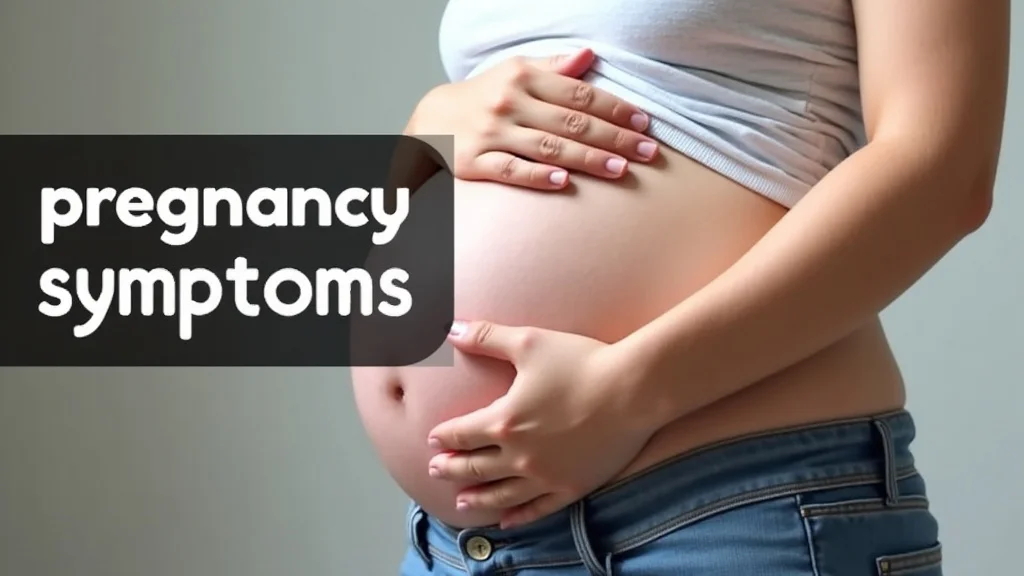
When you’re just starting out on your pregnancy path, figuring out all the little changes happening can feel like a lot. Especially around week 7, things can get a bit confusing with all the new feelings popping up. It’s totally normal to wonder what’s going on.
This guide is here to make it simple. We’ll walk through everything you might be feeling, step-by-step, so you can feel confident and informed about your pregnancy symptoms week 7. Get ready to learn what to expect next!
Key Takeaways
- You will learn about the common physical changes during week 7 of pregnancy.
- Understand the emotional shifts that can occur this early on.
- Discover how to manage common symptoms like nausea and fatigue.
- Get insights into what your body is doing internally at week 7.
- Find out when to seek professional advice from a doctor.
Pregnancy Symptoms Week 7 What To Expect
Week 7 of pregnancy marks a significant time as your baby continues to grow rapidly. You are likely to start experiencing a variety of symptoms, some of which may be quite noticeable. These changes are your body’s way of adapting to support the developing life inside you.
Understanding these signs can help you prepare and manage your well-being during this exciting phase. This section will explore the most common physical and emotional changes you might encounter during this week.
Early Physical Changes
At week 7, many expectant mothers notice an increase in their energy levels fluctuating. While some might feel more tired than usual, others may experience a surge of energy. This can be due to hormonal shifts, particularly the rise in progesterone.
Your breasts might continue to feel tender, swollen, and heavier. This is a common early sign of pregnancy as your body prepares for breastfeeding. You might also notice your areolas, the darker skin around your nipples, becoming larger and darker.
Some women experience frequent urination during this period. Your kidneys are working harder to filter waste from both your body and the baby’s. This can lead to more trips to the bathroom, day and night.
Another common symptom is morning sickness, which can actually happen at any time of day. It often includes nausea and sometimes vomiting. The intensity varies greatly from person to person; for some, it’s mild, while for others, it can be quite disruptive.
- Breast Tenderness and Swelling: Your breasts are likely to feel sensitive and enlarged due to hormonal changes preparing for lactation.
This tenderness is often one of the first signs noticed by many women. The increased blood flow to the breasts and the hormonal activity make them feel fuller and more sensitive to touch. Wearing a supportive bra can help alleviate discomfort.
Some women also find that their nipples become more sensitive.
- Frequent Urination: Increased blood volume and changes in kidney function can lead to more frequent bathroom visits.
Your body is processing more fluid than usual. Hormones also relax the bladder muscles, contributing to the urge to urinate more often. It’s important to stay hydrated, so don’t limit your fluid intake, even with frequent trips to the restroom.
This symptom is a sign that your body is working efficiently to support the pregnancy.
- Fatigue: A profound sense of tiredness is common as your body uses more energy to support the pregnancy.
The hormonal surge, especially progesterone, can make you feel incredibly sleepy. Your body is working overtime to build the placenta and support the growing baby. Getting enough rest is key, even if it means adjusting your daily schedule.
Napping when you can is highly recommended.
Emotional and Mental Shifts
Pregnancy brings a whirlwind of emotions, and week 7 is no exception. Hormonal fluctuations can lead to mood swings, making you feel more sensitive or emotional than usual. You might find yourself crying at things that wouldn’t normally bother you, or feeling unusually happy or irritable.
These mood changes are a normal part of early pregnancy and are often temporary.
Some women experience heightened anxiety or worries about the pregnancy. It’s natural to think about the health of the baby and the changes ahead. This can be a good time to practice relaxation techniques or talk to a partner, friend, or healthcare provider about your feelings.
Keeping open communication lines can be very helpful for managing these emotional shifts.
- Mood Swings: Fluctuations in hormones can cause you to experience a range of emotions, from happiness to irritability.
These shifts are often unpredictable and can be tiring. It helps to acknowledge your feelings without judgment. Engaging in activities you enjoy and practicing self-care can make a difference.
Sometimes, just knowing that these mood changes are normal can be reassuring.
- Heightened Emotions: You might find yourself feeling things more intensely, whether it’s joy, sadness, or frustration.
This heightened emotional state is a direct result of the rapid hormonal changes occurring in your body. It’s important to be kind to yourself during this time. Allow yourself to feel your emotions and communicate them to your support system.
They are a temporary part of the early pregnancy experience.
Understanding Your Body At Week 7
At week 7, the tiny life within you is developing at an astonishing pace. Your baby, now about the size of a blueberry, has distinct facial features forming and the beginnings of limbs. Internally, vital organs like the heart, brain, and lungs are starting to take shape.
This rapid development requires a significant amount of your body’s resources and energy, contributing to many of the symptoms you might be experiencing.
Your body is undergoing substantial physiological changes to accommodate and nourish this growing embryo. Blood volume increases significantly to deliver oxygen and nutrients. Hormonal production ramps up to maintain the pregnancy and prepare your body for childbirth and beyond.
Understanding these internal processes can provide context for the external symptoms you feel.
Hormonal Changes And Their Effects
The most significant driver behind many early pregnancy symptoms is the dramatic increase in pregnancy hormones. Human chorionic gonadotropin (hCG) is produced by the developing placenta and is what pregnancy tests detect. Its levels rise rapidly in early pregnancy, contributing to nausea and fatigue.
Progesterone, another key hormone, plays a vital role in maintaining the uterine lining and preventing early miscarriage. It also relaxes smooth muscles throughout the body, which can lead to digestive issues like constipation and bloating.
Estrogen levels also climb, further supporting the pregnancy and contributing to breast changes and increased vaginal discharge. These hormones are like messengers, telling your body to adapt and prepare for the demands of pregnancy. While sometimes uncomfortable, these hormonal shifts are essential for a healthy pregnancy.
Managing their effects often involves lifestyle adjustments and listening to your body’s needs.
- Human Chorionic Gonadotropin (hCG): This hormone is the primary signal of pregnancy and causes many early symptoms.
hCG levels can double every 48-72 hours in the first few weeks of pregnancy, peaking around 8-11 weeks. This rapid rise is responsible for the intensity of nausea and vomiting experienced by some women. It also signals the body to continue producing progesterone to support the pregnancy.
- Progesterone: Essential for maintaining the uterine lining and supporting fetal development.
Progesterone’s muscle-relaxing effect can slow down digestion, leading to bloating and constipation. It also contributes to fatigue and can affect mood. Its role is critical in preventing premature contractions and ensuring the pregnancy progresses smoothly.
- Estrogen: Supports fetal growth and development and contributes to pregnancy symptoms.
Estrogen increases blood flow, which can lead to swollen breasts and an increase in vaginal discharge. It also plays a role in breast development and prepares the body for lactation. Its presence is crucial throughout pregnancy.
Internal Developments At Week 7
During week 7, the embryo’s structure is becoming more defined. The head is proportionally large, and the beginnings of facial features like nostrils, eyes, and a mouth are visible. Tiny limb buds are elongating into arms and legs, and hands and feet with webbing are starting to form.
The heart, which began beating around week 5, is now developing its four chambers and beats much faster than an adult heart.
The digestive tract is also forming, with the stomach and intestines developing. The kidneys are beginning to form and will soon start producing urine. Tiny buds that will become teeth are also present within the gums.
While you cannot see these changes directly, they are the reason behind many of the bodily sensations you might be experiencing. Your body is working hard to create the perfect environment for this intricate development.
- Facial Features Formation: The embryo develops distinct facial features, including nostrils, eyelids, and a mouth.
These are crucial steps in forming a recognizable face. The development of eyes, for instance, involves complex processes that begin early on. The initial structures are very simple but are the foundation for later, more detailed formations.
- Limb Bud Elongation: Arms and legs begin to grow longer, with hands and feet starting to take shape.
These limb buds are like small bumps that grow and differentiate into arms, legs, hands, and feet. The webbing between the fingers and toes will eventually disappear as the digits separate. This is a rapid period of growth for the limbs.
- Organ Development: Key organs such as the heart, brain, lungs, and kidneys are forming.
The heart is already beating, pumping blood throughout the tiny body. The brain is rapidly differentiating into different regions. The lungs are developing their basic structure, and the kidneys are beginning their function.
This is a critical period for organogenesis.
Managing Common Pregnancy Symptoms Week 7
Dealing with pregnancy symptoms week 7 can be challenging, but there are many simple ways to find relief. The key is to listen to your body and implement strategies that work best for you. Focusing on self-care, making small dietary adjustments, and ensuring adequate rest can significantly improve your comfort levels during this time.
This section offers practical tips and advice for managing some of the most common discomforts, from nausea to fatigue. By adopting these simple strategies, you can navigate this early stage of pregnancy with greater ease and well-being. Remember that you are not alone, and many effective methods exist to help you feel your best.
Combatting Nausea and Vomiting
Nausea, often called morning sickness, can be one of the most disruptive symptoms. The good news is that it typically subsides by the second trimester for most women. For now, try eating small, frequent meals throughout the day instead of three large ones.
This helps keep your stomach from getting too empty, which can worsen nausea.
Some foods might trigger your nausea more than others. Bland foods like crackers, toast, rice, and bananas are often well-tolerated. Staying hydrated is also important, but try sipping fluids between meals rather than drinking large amounts during meals.
Cold foods and drinks can sometimes be easier to handle than hot ones. Ginger, in various forms like ginger ale, ginger candies, or ginger tea, is a popular remedy for nausea.
- Eat Small, Frequent Meals: Avoid an empty stomach by snacking throughout the day.
This helps stabilize blood sugar levels and reduces the chance of feeling overly hungry, which can trigger nausea. Focus on simple carbohydrates that are easy to digest. Examples include dry toast, plain crackers, or a small bowl of oatmeal.
- Choose Bland Foods: Opt for foods that are easy on your stomach.
Think of items like plain pasta, white rice, boiled potatoes, or applesauce. These foods are less likely to cause an upset stomach. Avoid spicy, greasy, or heavily seasoned foods which can exacerbate nausea.
- Stay Hydrated Sip by Sip: Drink fluids between meals to avoid overwhelming your stomach.
Water is best, but clear broths, diluted fruit juices, or electrolyte drinks can also be helpful. Some women find sucking on ice chips or popsicles beneficial for staying hydrated.
- Try Ginger: Natural ginger can help soothe an upset stomach.
You can find ginger in candies, teas, or even as fresh ginger root to add to water. Ensure the ginger products you choose are safe for pregnancy. Check with your doctor if you have any concerns about specific remedies.
Managing Fatigue and Sleep Issues
Extreme fatigue is very common during early pregnancy. Your body is working overtime, and it’s essential to get as much rest as possible. Listen to your body’s signals and take naps when you feel tired, even if it’s just for a short period during the day.
Prioritize sleep at night by creating a relaxing bedtime routine.
Making your bedroom a sanctuary for sleep can help. Keep it dark, quiet, and cool. Avoid screens like phones and TVs close to bedtime, as the blue light can interfere with sleep.
If you’re having trouble falling asleep or staying asleep, talk to your doctor. They might offer suggestions or rule out any underlying issues.
- Prioritize Rest and Naps: Allow yourself to sleep whenever you feel tired.
Even short naps can make a big difference in your energy levels. Try to schedule naps during your lunch break or when you have downtime at home. This is your body telling you it needs to conserve energy.
- Create a Relaxing Bedtime Routine: Wind down before bed with calming activities.
This could include reading a book, taking a warm bath, or listening to soothing music. Avoiding caffeine and heavy meals close to bedtime can also improve sleep quality.
- Ensure a Comfortable Sleep Environment: Make your bedroom conducive to sleep.
This means keeping it dark, quiet, and at a comfortable temperature. Investing in comfortable pillows and bedding can also enhance sleep quality, especially as your body continues to change.
Addressing Other Common Discomforts
Other symptoms you might experience at week 7 include headaches, breast pain, and increased vaginal discharge. Headaches can sometimes be linked to hormonal changes, dehydration, or fatigue. Staying hydrated and getting enough rest can help alleviate them.
If headaches are severe or persistent, consult your doctor.
Breast pain can continue to be a bothersome symptom. Wearing a comfortable, supportive bra, even at night, can offer some relief. Increased vaginal discharge, known as leukorrhea, is normal and generally odorless.
It’s your body’s way of cleaning and protecting the vaginal area. However, if the discharge changes color, has a strong odor, or causes itching, contact your healthcare provider.
- Soothe Headaches: Stay hydrated and get enough rest to manage headaches.
If headaches persist, discuss safe pain relief options with your doctor. Sometimes, mild headaches are simply a sign your body is adjusting to new hormonal levels.
- Comfortable Bras for Breast Pain: Wear supportive bras to alleviate discomfort.
This can reduce pressure and provide much-needed support as your breasts continue to change. Look for seamless, non-underwire options for maximum comfort.
- Normal Vaginal Discharge: Be aware of normal discharge and report any changes.
This clear, milky-white discharge is a sign of a healthy pregnancy. However, any unusual color, odor, or itching should be discussed with your doctor to rule out infection.
When To Seek Medical Advice
While most pregnancy symptoms are normal, there are times when you should contact your healthcare provider. It’s always best to err on the side of caution when you have concerns about your health or the pregnancy. Your doctor is your best resource for personalized advice and to ensure everything is progressing as it should.
Don’t hesitate to reach out if you experience severe pain, unusual bleeding, or any symptoms that feel alarming. Regular prenatal check-ups are crucial for monitoring your health and the baby’s development. These appointments allow your doctor to address any potential issues early on and provide guidance tailored to your specific situation.
Signs That Warrant A Doctor’s Visit
Some symptoms require immediate medical attention. Severe abdominal pain, especially if it’s cramping or on one side, could indicate an ectopic pregnancy or other serious issues. Vaginal bleeding, even if it’s light spotting, should always be reported to your doctor.
While some spotting can be normal, it’s important to have it checked out to rule out complications like miscarriage or placental problems.
Other warning signs include severe or persistent vomiting that leads to dehydration, high fever, intense headaches accompanied by vision changes, or significant swelling in your hands and face. These symptoms could be indicative of conditions like hyperemesis gravidarum (severe nausea and vomiting) or preeclampsia, which require prompt medical evaluation and management.
- Severe Abdominal Pain: Intense cramping or pain, especially on one side, needs immediate medical assessment.
This type of pain can be a sign of serious complications that require urgent care. Your doctor will need to investigate the cause to ensure your safety and the health of the pregnancy.
- Vaginal Bleeding: Any bleeding, spotting or heavy, should be reported to your doctor.
While light spotting can sometimes be normal, any bleeding warrants a professional evaluation to determine the cause and ensure there are no complications threatening the pregnancy.
- Persistent Vomiting and Dehydration: If you cannot keep fluids down and show signs of dehydration, seek medical help.
This can lead to dangerous electrolyte imbalances and requires medical intervention to manage and prevent further complications for both you and the baby.
- Other Concerning Symptoms: Report severe headaches, vision changes, or sudden swelling.
These can be signs of more serious pregnancy-related conditions that need prompt diagnosis and treatment by a healthcare professional.
Common Myths Debunked
Myth 1: All women experience severe morning sickness.
Reality: Morning sickness, or nausea and vomiting, varies greatly. Some women experience it intensely, while others have very mild symptoms or none at all. Its severity is not an indicator of the pregnancy’s health.
Many factors, including individual hormone levels and genetics, influence its presentation.
Myth 2: You need to eat double for two during pregnancy.
Reality: While your nutritional needs increase, you don’t need to eat double the amount of food. In the first trimester, the calorie increase is minimal, about 100-300 extra calories per day in the second and third trimesters. The focus should be on nutrient-dense foods rather than simply increasing quantity.
Myth 3: Fatigue means something is wrong with the pregnancy.
Reality: Extreme fatigue is a very common and normal symptom of early pregnancy. It’s your body’s way of telling you it needs energy to support the developing baby and placenta. As long as it’s not accompanied by other concerning symptoms, it’s usually a sign that your body is working hard.
Myth 4: You can feel your baby moving at week 7.
Reality: It is too early to feel fetal movements at week 7. The embryo is still very small, and its movements are not yet strong enough to be felt by the mother. Fetal movements, often called “quickening,” are typically felt between 16 and 25 weeks of pregnancy.
Frequently Asked Questions
Question: Will my pregnancy symptoms change from week to week?
Answer: Yes, pregnancy symptoms often change as your pregnancy progresses. Hormonal levels shift, and your body continues to adapt, which can lead to new symptoms or the fading of others. What you experience one week might be different the next.
Question: How long does morning sickness typically last?
Answer: Morning sickness usually lasts through the first trimester, often peaking around weeks 9-12. For many women, symptoms significantly improve or disappear by the second trimester, though some may experience it for longer.
Question: Is it normal to feel emotional during early pregnancy?
Answer: Absolutely. Hormonal surges are a major factor in mood swings and heightened emotions during early pregnancy. It’s normal to feel happy, sad, anxious, or irritable, sometimes all within the same day.
Question: Can I still exercise during week 7?
Answer: For most healthy pregnancies, moderate exercise is encouraged. However, it’s crucial to consult your doctor before starting or continuing any exercise routine. They can advise on safe activities and intensity levels for your specific situation.
Question: What if I experience bleeding at week 7?
Answer: Any vaginal bleeding during pregnancy should be reported to your doctor immediately. While light spotting can sometimes be harmless, it’s important to get it checked to rule out any potential complications and ensure the health of your pregnancy.
Wrap Up
Week 7 of pregnancy brings a mix of exciting developments and common symptoms. Your body is working hard to nurture a growing life, leading to changes like fatigue and nausea. Remember that these are normal parts of the process.
Prioritize rest, nutrition, and self-care. Listen to your body and reach out to your doctor with any concerns for a healthy and happy pregnancy experience.
Leave a Reply