Author: Admin

  • Third Trimester Scans Explained Simply

    Third Trimester Scans Explained Simply

    As your pregnancy moves into the final stretch, you might be wondering about the scans that happen late in the game. These are called third trimester scans during pregnancy, and for many new parents-to-be, they can seem a little confusing or even a bit worrying. What exactly are they checking for?

    Why are they needed? Don’t fret! This guide breaks everything down in a super simple, step-by-step way.

    We’ll cover what to expect and why these check-ups are important for your little one’s arrival.

    Key Takeaways

    • Third trimester scans check on your baby’s growth and well-being.
    • These scans help doctors make sure your baby is developing as expected.
    • They can also spot potential issues before your baby is born.
    • Scans in the third trimester give valuable information about the placenta and amniotic fluid.
    • Understanding these scans can help ease worries and prepare you for birth.

    Why Third Trimester Scans Are Important

    The third trimester is a critical time for your baby’s development. They are growing rapidly and preparing for life outside the womb. During this period, regular check-ups, including ultrasound scans, are essential to monitor their progress and ensure everything is on track.

    These scans provide a window into your baby’s health, allowing healthcare providers to catch any potential concerns early.

    This phase of pregnancy is when your baby gains most of their weight and their organs mature. It’s also when their position in the uterus becomes important for delivery. Third trimester scans help assess these vital aspects, offering reassurance and guidance to expectant parents and medical teams alike.

    They are a standard part of prenatal care, designed to give the best possible start for both mother and baby.

    Monitoring Baby’s Growth

    One of the main goals of third trimester scans is to check how well your baby is growing. Doctors measure different parts of your baby’s body, like their head, abdomen, and thigh bone. These measurements help estimate the baby’s weight.

    This information tells the doctor if the baby is growing at a normal rate.

    If a baby is growing too slowly or too quickly, it can sometimes signal an issue. For example, slow growth might mean the placenta isn’t providing enough nutrients. Fast growth could suggest conditions like gestational diabetes in the mother.

    The scan data helps the medical team decide if any special care is needed before birth.

    Assessing Baby’s Well-being

    Beyond just growth, scans in the third trimester look at your baby’s overall well-being. One key aspect is checking the amount of amniotic fluid surrounding the baby. This fluid is vital for cushioning the baby, allowing them to move, and helping their lungs develop.

    Another important check is the blood flow through the umbilical cord. This cord is the baby’s lifeline, delivering oxygen and nutrients from the mother. By examining the blood flow, doctors can ensure the baby is receiving everything they need.

    They also look at the baby’s breathing movements and muscle tone.

    Placental Health and Function

    The placenta plays a crucial role throughout pregnancy, acting as the link between you and your baby. In the third trimester, scans evaluate the placenta’s position and health. The placenta should ideally be attached to the top or side of the uterus.

    If it’s too low and covers the cervix, it’s called placenta previa, which can cause bleeding and might require a C-section.

    Doctors also assess how mature the placenta is. Over time, the placenta naturally ages, and its ability to function can change. Scans can sometimes show signs of aging or other issues, like calcification, which might affect how well it supports the baby’s growth.

    This information helps predict how the placenta will perform during labor and delivery.

    What to Expect During a Third Trimester Scan

    Getting a scan in the third trimester is much like the ultrasounds you might have had earlier in your pregnancy. The process is non-invasive and generally painless. You’ll lie down on an examination table, and a trained sonographer will apply a clear gel to your belly.

    This gel helps the ultrasound waves travel better.

    Then, the sonographer will move a handheld device called a transducer over your abdomen. This device sends sound waves into your body, which then bounce back and are converted into images on a screen. You’ll be able to see your baby, their movements, and their heartbeat.

    The scan typically takes about 20 to 40 minutes, depending on what needs to be checked.

    The Ultrasound Procedure

    You might be asked to have a full bladder before the scan. This can help push the uterus up and provide clearer images of your baby. The sonographer will systematically scan different views of your baby.

    They will measure various anatomical landmarks to assess growth and development.

    You’ll see a 2D image on the screen, and sometimes 3D or 4D imaging is available, which can give you a more realistic view of your baby’s face. The sonographer will be looking for specific indicators of your baby’s health, such as consistent growth patterns, sufficient amniotic fluid levels, and normal umbilical cord flow. They will also check the baby’s position, noting whether they are head-down, breech, or transverse.

    Common Measurements and Checks

    Several key measurements are typically taken during a third-trimester scan. These include the biparietal diameter (BPD), which measures the width of the baby’s head; the head circumference (HC); the abdominal circumference (AC); and the femur length (FL), which is the length of the thigh bone. These measurements are plotted on growth charts to see if the baby is following the expected growth curve.

    Doctors also assess the amniotic fluid index (AFI), which quantifies the amount of amniotic fluid. Low fluid (oligohydramnios) or excessive fluid (polyhydramnios) can sometimes indicate problems. The umbilical cord is checked for the number of arteries and veins and for any signs of compression or knots.

    Finally, the location and appearance of the placenta are noted.

    Interpreting the Results

    The sonographer usually provides immediate feedback during the scan, pointing out your baby’s features and confirming the heartbeat. After the scan, the images and measurements are reviewed by a radiologist or obstetrician. They will then discuss the findings with you.

    It’s important to ask questions if anything is unclear.

    Most results are reassuring, showing a healthy, growing baby. However, if any potential concerns are identified, the doctor will explain them clearly and outline the next steps. This might involve further monitoring, specific advice, or plans for delivery.

    The goal is always to ensure the best possible outcome for you and your baby.

    What Third Trimester Scans Look For

    The primary aim of these scans is to confirm your baby is healthy and ready for birth. They help healthcare providers assess several critical factors that influence the delivery plan and the baby’s well-being after birth. By looking closely at growth, fluid levels, and placental function, doctors can anticipate any needs your baby might have.

    These assessments are particularly important if you have underlying health conditions or if previous pregnancies had complications. They provide valuable data that complements regular prenatal check-ups, ensuring a comprehensive approach to your care during the final stages of pregnancy. It’s all about preparedness and ensuring a safe arrival.

    Baby’s Position for Birth

    By the third trimester, most babies have settled into a head-down position, which is ideal for a vaginal birth. A third trimester scan will confirm your baby’s presentation. If the baby is still breech (feet or bottom first) or in a transverse (sideways) position close to your due date, your doctor will discuss the options with you.

    Sometimes, babies will turn closer to labor. If the baby remains in a non-head-down position, a C-section might be recommended to ensure a safe delivery. Knowing the baby’s position in advance allows for better planning and reduces surprises during labor.

    This is a key piece of information for the medical team.

    Assessing Amniotic Fluid Levels

    Amniotic fluid is essential for your baby’s development, cushioning them and allowing them to move freely. Too little fluid (oligohydramnios) can restrict movement and may affect lung development. Too much fluid (polyhydramnios) can sometimes be linked to issues like diabetes or problems with the baby swallowing fluid.

    Scans measure the deepest vertical pocket of amniotic fluid and calculate the amniotic fluid index (AFI). These assessments help determine if the fluid levels are within the normal range. If they are outside the normal range, further investigation or intervention might be necessary to protect the baby’s health.

    Detecting Potential Complications

    While most pregnancies proceed without major issues, third trimester scans can help identify potential complications. These might include growth restrictions (IUGR), where the baby is not growing as expected, or conditions like preeclampsia, which can affect blood pressure and organ function in the mother. The scans can also detect abnormalities in the baby’s organs or bones.

    If any potential complications are found, your healthcare team will work with you to manage them. This could involve closer monitoring, medication, or scheduling an earlier delivery if necessary. Early detection and intervention significantly improve outcomes for both mother and baby.

    The scans act as an important screening tool.

    Evaluating Fetal Movement and Tone

    During a third trimester scan, the sonographer will often observe the baby’s movements and muscle tone. This includes watching for fetal breathing movements, limb movements, and general activity. A decrease in fetal movement can sometimes be a sign that the baby is not doing well.

    These observations, combined with other measurements, give a comprehensive picture of the baby’s health. A well-toned baby who is moving regularly is a good indicator of well-being. If there are concerns about fetal movement or tone, further tests might be recommended to ensure the baby is receiving adequate oxygen and nutrients.

    Navigating Your Third Trimester Scans

    It’s natural to feel a mix of excitement and perhaps some nervousness about your final pregnancy scans. Remember that these appointments are a positive step, designed to give you peace of mind and ensure your baby’s health. Being informed about what to expect can make the experience much smoother.

    Don’t hesitate to communicate with your healthcare provider. Ask questions about the scan, what the results mean, and any steps you might need to take. Your medical team is there to support you through every stage of your pregnancy, ensuring you and your baby are well cared for.

    Preparing for Your Scan Appointment

    To prepare for your third trimester scan, you might be advised to drink plenty of water beforehand to ensure a full bladder. This helps to get a clearer view of your baby. Wear comfortable clothing that allows easy access to your abdomen.

    Bringing a partner or a friend can be helpful for support and to share the experience.

    It’s also a good idea to make a list of any questions you have for the sonographer or doctor. This ensures you don’t forget anything important during your appointment. Think about what information you are most interested in, such as the baby’s position, estimated weight, or gender if you are having it confirmed.

    Understanding the Information Provided

    The sonographer will usually point out key features of your baby on the screen, like the heartbeat, hands, and feet. They will explain the measurements being taken. After the scan, the radiologist or obstetrician will provide a more detailed report.

    This report will summarize all the findings and confirm your baby’s well-being.

    If any concerns arise, the doctor will discuss them with you in detail. They will explain what the findings mean for your pregnancy and what the recommended course of action is. They will ensure you have a clear understanding of the next steps, whether that involves continued monitoring or specific birth plans.

    Your active participation is encouraged.

    When to Seek Additional Information

    If you have any specific concerns about your baby’s movements or any other aspect of your pregnancy, always discuss them with your doctor or midwife. They can advise whether an extra scan is needed or if other tests are appropriate. Trust your instincts and don’t hesitate to reach out for medical advice.

    Sometimes, parents want to know more about their baby’s development. If you’re curious about genetic screening or specific fetal development markers, have a conversation with your healthcare provider. They can offer information and options tailored to your pregnancy and medical history.

    Open communication is key.

    Common Myths Debunked

    Myth 1: Third trimester scans are only for confirming the baby’s gender.

    This is not true. While confirming the gender can be a happy part of the scan, the primary purpose of third trimester scans is to assess the baby’s growth, well-being, and position for birth. Doctors are checking for any potential health issues or complications to ensure a safe delivery.

    Gender is a secondary consideration.

    Myth 2: Ultrasound scans can be harmful to the baby.

    Ultrasound uses sound waves, not radiation, and has been used safely in pregnancy for decades. There is no evidence to suggest that diagnostic ultrasounds, when used appropriately, cause harm to the baby. They are considered a safe diagnostic tool by medical professionals worldwide.

    Myth 3: If the baby is growing well, there’s no need for a third trimester scan.

    Even in uncomplicated pregnancies, third trimester scans provide valuable information beyond just growth. They assess amniotic fluid levels, placental function, umbilical cord blood flow, and fetal position. These factors are crucial for planning a safe birth and can reveal issues not apparent from growth alone.

    Myth 4: All babies are head-down by the third trimester scan.

    While many babies do position themselves head-down by the third trimester, it’s not a guarantee. Some babies remain in a breech or other position. The scan confirms the baby’s presentation, which is important information for delivery planning.

    If the baby is not head-down, your doctor will discuss the best course of action.

    Frequently Asked Questions

    Question: When are third trimester scans usually performed?

    Answer: Third trimester scans are typically performed between 28 and 40 weeks of pregnancy. The exact timing can vary depending on your individual pregnancy and your doctor’s recommendations.

    Question: Do I need to do anything special to prepare for the scan?

    Answer: Often, you’ll be asked to drink water beforehand to have a full bladder. This helps to get clearer images of your baby. Wearing comfortable clothing is also recommended.

    Question: Can I find out the baby’s gender during a third trimester scan?

    Answer: Yes, if the baby is positioned favorably and the scan can get a clear view, the gender can often be determined during a third trimester scan. However, this is not the primary medical purpose of the scan.

    Question: What happens if the scan shows a problem?

    Answer: If a problem is detected, your doctor will discuss the findings with you in detail. They will explain what the issue is, its potential impact, and the recommended course of action, which may include further monitoring or specific interventions.

    Question: Will I get to keep pictures of my baby from the scan?

    Answer: Many clinics offer printed photos or even short video clips of the scan as a keepsake. It’s a good idea to ask your sonographer if this is something they provide.

    Final Thoughts

    Third trimester scans during pregnancy are a vital part of ensuring your baby’s health and a safe arrival. These scans check growth, position, and well-being, offering valuable insights for your medical team. They provide reassurance and help prepare for the birth.

    Trust the process and know these checks are for your baby’s best start.

  • Pregnancy Test One Line Clear Other Faint Explained

    Pregnancy Test One Line Clear Other Faint Explained

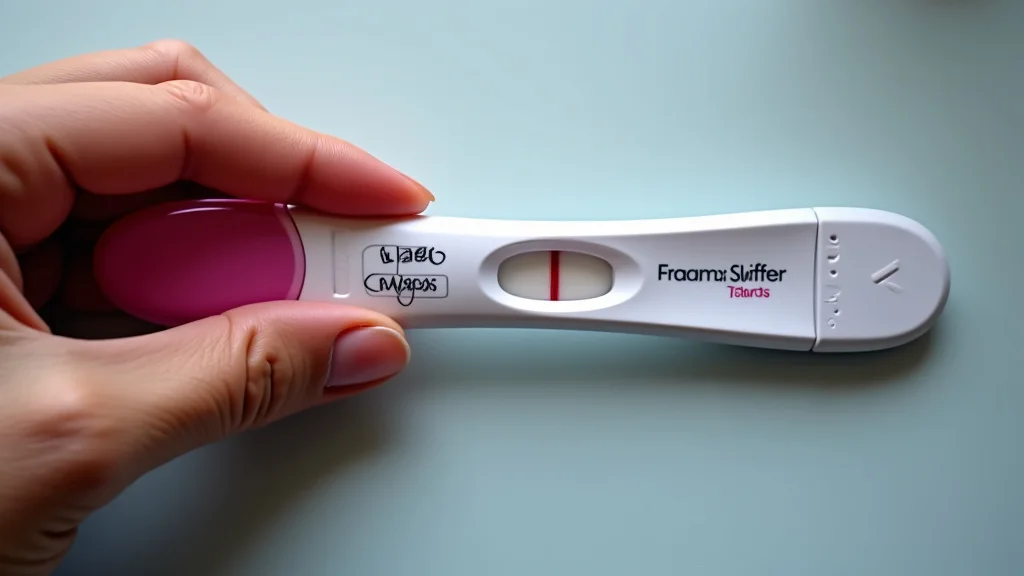
    Seeing a pregnancy test one line clear other faint can be confusing, especially when you’re hoping for a clear answer. Many people wonder if that faint line really means something or if it’s just wishful thinking. It’s a common situation, and we’re here to make it simple.

    Let’s break down exactly what that faint line means and what you should do next. We will guide you through each step to give you the confidence you need.

    Key Takeaways

    • Understand what a faint positive line indicates on a pregnancy test.
    • Learn the best times and ways to take a pregnancy test for accurate results.
    • Discover how different types of pregnancy tests might show results.
    • Know when to retest and what follow-up steps are recommended.
    • Gain clarity on the science behind pregnancy test lines.

    Understanding Pregnancy Test Lines

    Pregnancy tests work by detecting a hormone called human chorionic gonadotropin (hCG) in your urine. This hormone is produced shortly after a fertilized egg attaches to the uterine lining. Home pregnancy tests have a test line and a control line. The control line shows that the test is working. The test line appears if hCG is present.

    How Pregnancy Tests Detect hCG

    A pregnancy test stick contains a special paper treated with chemicals. When urine flows over this paper, it reacts with any hCG present. If hCG is detected, a chemical reaction happens, causing a line to appear. The intensity of this line usually depends on how much hCG is in your urine. A strong, dark line means a high level of hCG. A faint line means there is some hCG, but the level is lower.

    The Significance of a Faint Positive Line

    When you see a pregnancy test one line clear other faint, it typically means you are pregnant. The faintness suggests that the hCG levels are still low. This is very common in the early days of pregnancy. Your body is just starting to produce hCG, and the amount is not yet high enough for a very dark line. It’s crucial not to dismiss a faint line as a negative result.

    Why a Faint Line Appears

    Several factors can contribute to a faint positive line. The most common reason is testing too early. If you test before your missed period, your hCG levels might be too low to produce a strong line. Another reason could be diluting your urine by drinking too much fluid before testing. This makes the hCG concentration lower. Some tests also have varying sensitivities to hCG.

    Interpreting Test Results

    Always read your pregnancy test’s instructions carefully. They will explain what different lines mean. Generally, any visible line in the test area, no matter how faint, indicates a positive result. Some tests might show a faint evaporation line if you wait too long to read the result. This is why it’s important to check the test within the recommended timeframe.

    Factors Affecting Test Accuracy

    Getting an accurate result from a pregnancy test is important. Several things can influence whether you get a clear answer or a confusing one like a faint line. Knowing these factors helps you take the test correctly.

    Timing Your Pregnancy Test

    The best time to take a pregnancy test is on the day of your missed period. Testing too early can lead to a false negative, meaning the test says you aren’t pregnant when you are. This happens because hCG levels are still very low. Some highly sensitive tests can detect pregnancy a few days before your missed period, but even then, a faint line is possible. Waiting until a full week after your missed period increases the accuracy significantly.

    Urine Concentration

    The concentration of hCG in your urine is key to an accurate test. First-morning urine is usually the most concentrated because you haven’t been drinking or urinating for several hours. This means any hCG will be more concentrated, making it easier for the test to detect. Drinking a lot of fluids before testing can dilute your urine, potentially leading to a fainter line or even a false negative.

    Test Sensitivity

    Pregnancy tests vary in their sensitivity to hCG. Some tests are designed to detect lower levels of hCG, meaning they can detect pregnancy earlier. These are often called “early detection” tests. A less sensitive test might require higher hCG levels to show a positive result. If you get a faint line on one test, using a different brand with higher sensitivity might give you a clearer result.

    Expiration Dates

    Using an expired pregnancy test can lead to inaccurate results. The chemicals in the test stick can degrade over time, affecting their ability to detect hCG. Always check the expiration date on the packaging before using a test. An expired test might not work correctly, leading to false negatives or unreliable lines.

    What to Do After a Faint Positive Line

    Seeing a faint line can bring up many emotions and questions. The most important thing is to stay calm and know what your next steps should be. A faint line is usually a good sign, but it’s wise to confirm it.

    Retest After a Few Days

    If you get a faint positive result, the best course of action is to retest in a few days. Your hCG levels should have increased, which may result in a darker, clearer positive line. Try to use your first-morning urine for this retest. This ensures the highest possible concentration of hCG. Waiting two to three days is usually sufficient for levels to rise noticeably.

    Consider a Digital Pregnancy Test

    Digital pregnancy tests offer a different way to read results. Instead of lines, they display words like “Pregnant” or “Not Pregnant.” This can eliminate the confusion of interpreting faint lines. If you’re still unsure after a faint line on a traditional test, a digital test can provide a very clear answer. Some digital tests also indicate how many weeks pregnant you might be.

    Consult Your Doctor

    Regardless of your test results, it’s always a good idea to contact your doctor or healthcare provider. If you received a faint positive line, they can perform a blood test to confirm the pregnancy and check your hCG levels. Blood tests are more sensitive than urine tests and can detect pregnancy earlier and more accurately. They can also begin prenatal care and answer any questions you may have.

    The Science Behind Pregnancy Tests

    Understanding the science can demystify why you see a pregnancy test one line clear other faint. These tests are designed to be user-friendly, but knowing how they work can boost your confidence.

    How the Test Strips Work

    Pregnancy test strips contain antibodies that bind to hCG molecules. When you urinate on the stick, your urine travels up the strip. If hCG is present, it binds to these antibodies. This binding process triggers a chemical reaction that causes a colored dye to appear, forming the control line and the test line.

    The Control Line vs. The Test Line

    The control line is designed to appear every time the test is used correctly. It shows that the urine has flowed properly through the test strip and that the test is functional. The test line is the line that appears if hCG is detected. If you see only the control line, the test is negative. If you see both lines, even if the test line is faint, it indicates a positive result.

    Why Lines Vary in Darkness

    The darkness of the test line corresponds to the concentration of hCG in your urine. A stronger, darker line means a higher concentration of hCG. A faint line indicates a lower concentration. This is why testing early often results in a faint line, as hCG levels are still rising. As the pregnancy progresses, the test line will typically become darker.

    Evaporation Lines

    Sometimes, after the test has been sitting for a while, a faint, colorless line can appear. This is called an evaporation line. It happens as urine dries on the test strip. Evaporation lines are usually gray or colorless and appear outside the test result window. It’s important to read the test results within the time frame specified in the instructions to avoid mistaking an evaporation line for a positive result.

    Real-Life Scenarios and Examples

    Let’s look at a couple of common situations people face when using pregnancy tests. These examples show how different outcomes can occur.

    Scenario 1: Testing Before a Missed Period

    Sarah was feeling a little different and decided to take a pregnancy test two days before her period was due. She used a common brand and saw one clear control line and a very faint second line. She was excited but unsure. She decided to wait two more days and test again. This time, with her first-morning urine, the second line was much darker and clearer. She was indeed pregnant. This showed how testing early can result in a faint line.

    Scenario 2: Using an Early Detection Test

    Maria used an early detection pregnancy test one week before her period. She saw a faint positive line. Concerned it might be an evaporation line, she bought a different brand, a highly sensitive digital test, and took it the next morning. The digital test clearly read “Pregnant.” She then visited her doctor, who confirmed her pregnancy. This highlights how different tests can offer varying clarity.

    Scenario 3: Low hCG Levels Due to Other Factors

    John and Emily were trying to conceive. Emily took a test that showed a faint positive line. They were thrilled, but a week later, her period started. Emily’s doctor explained that sometimes a chemical pregnancy can occur. This is when a fertilized egg implants, producing a small amount of hCG, but the pregnancy does not continue. This resulted in a temporary faint positive line before menstruation.

    Common Myths Debunked

    There are many ideas about pregnancy tests that aren’t quite true. Let’s clear up some of these common myths.

    Myth 1: A faint line means the test is faulty

    The reality is that a faint line on a pregnancy test usually indicates a positive result. It means that the test has detected hCG in your urine, but at a lower concentration. This is very common in early pregnancy. The test is likely working correctly by detecting even small amounts of the pregnancy hormone.

    Myth 2: You can only get an accurate result on the day of your missed period

    While testing on the day of your missed period offers high accuracy, some sensitive tests can detect pregnancy a few days before. However, if you test too early, you might get a faint line or a false negative because hCG levels are still too low to be detected. Waiting increases accuracy, but a faint line before your missed period is not necessarily an error.

    Myth 3: Any visible line means you are definitely pregnant and will have a healthy pregnancy

    A faint line does mean hCG is present, indicating pregnancy. However, it doesn’t guarantee a healthy pregnancy. As mentioned in real-life scenarios, sometimes a chemical pregnancy can occur. It’s important to follow up with a healthcare provider for confirmation and ongoing care.

    Myth 4: You can use substitutes like sugar or toothpaste to test for pregnancy

    These home remedies are not reliable and do not accurately detect hCG. Pregnancy tests use specific chemical reactions to identify the hormone. Using everyday items can lead to misleading results and should be avoided. Always use an approved pregnancy test for accurate information.

    Frequently Asked Questions

    Question: What does a faint line on a pregnancy test mean

    Answer: A faint line on a pregnancy test usually means you are pregnant. It indicates that the test has detected human chorionic gonadotropin (hCG) in your urine, but at a low level. This is common in early pregnancy.

    Question: How soon can I get a faint positive line

    Answer: You can sometimes get a faint positive line as early as 10-14 days after conception, which might be a few days before your missed period. However, this depends on the test’s sensitivity and your individual hCG production.

    Question: Should I trust a faint line

    Answer: Yes, you should generally trust a faint line as a positive result. However, it is highly recommended to retest in a few days with first-morning urine or use a digital pregnancy test for clearer confirmation. Visiting your doctor is also advised.

    Question: What causes a faint line if I’m not pregnant

    Answer: A faint, colorless line that appears after the recommended reading time might be an evaporation line. This is not a positive result. Always read the test within the specified window.

    Very rarely, certain medical conditions can cause false positives.

    Question: How long should I wait to retest after a faint positive

    Answer: It is best to wait two to three days to retest after a faint positive. This waiting period allows your hCG levels to rise, which should result in a darker and clearer positive line on a subsequent test.

    Conclusion

    Seeing a pregnancy test one line clear other faint is a common experience. It typically signifies that you are pregnant, with hCG levels still low. The best approach is to remain calm, retest after a few days, and consult your doctor. This ensures accurate confirmation and allows for proper next steps in your healthcare journey.

  • Navigating Your Qualifying Week In Pregnancy

    Navigating Your Qualifying Week In Pregnancy

    Figuring out your exact due date can feel tricky, especially when you’re just starting out. The qualifying week in pregnancy often brings up a lot of questions because it’s a specific time that needs careful attention. It can seem confusing with all the different calculations out there.

    But don’t worry, we’re going to break it down very simply for you, step by step. This guide will make it easy to understand so you know exactly what you need to.

    Key Takeaways

    • You will learn what a qualifying week in pregnancy means.
    • You will find out why this week is important for your baby’s development.
    • You will discover how to correctly calculate your qualifying week.
    • You will understand the signs to look for during this special time.
    • You will gain confidence in tracking your pregnancy progress.

    Understanding Your Qualifying Week

    Your pregnancy journey is a remarkable process, and certain periods hold special significance. One of these is what’s commonly known as the qualifying week in pregnancy. This term refers to a specific point in your gestation that marks a shift in your baby’s growth and your body’s preparation for birth.

    Understanding this week helps you better track your progress and anticipate what’s coming next. It’s a milestone that many expectant parents focus on as they move closer to meeting their little one.

    What Is The Qualifying Week In Pregnancy

    The qualifying week in pregnancy is not a single, universally defined term with one strict definition across all medical contexts. Instead, it most commonly refers to a period around the 37th week of gestation. This is because at 37 weeks, a pregnancy is considered “early term.” This classification means that the baby is considered developed enough to be born without significant health risks associated with prematurity.

    For many, this marks the point where they can relax a little more, knowing their baby is essentially ready for the world.

    Before this point, a baby born is considered premature. Being “early term” is different from being “full term” (39-40 weeks) or “late term” (41 weeks and beyond). The transition into the early term stage is crucial because many vital organs, especially the lungs, have matured sufficiently to function outside the womb.

    This readiness significantly impacts the baby’s health outcomes if birth occurs around this time. It’s a critical juncture in the final weeks of gestation.

    Why This Week Is So Important

    The significance of the qualifying week in pregnancy, typically around 37 weeks, lies in the substantial developmental milestones your baby achieves. By this stage, the lungs have usually developed enough surfactant, a substance that helps the air sacs in the lungs stay open. This is essential for breathing independently after birth.

    Your baby has also likely gained a good amount of body fat, which helps regulate body temperature.

    This developmental readiness means that if labor begins around the 37-week mark, it’s generally viewed as a normal, healthy event rather than a medical concern for prematurity. For parents, this awareness can bring a sense of anticipation and peace of mind. It signals that the end of the pregnancy is near, and their baby is preparing to transition to life outside the womb.

    The focus shifts from managing potential risks of premature birth to preparing for the arrival of a term infant.

    Calculating Your Qualifying Week

    Determining your qualifying week, especially around the 37-week mark, relies on accurately knowing your due date. The most common method for calculating your due date is based on your last menstrual period (LMP). Your healthcare provider will typically use this date to estimate when you conceived and then calculate your estimated due date (EDD).

    This is often done by adding 40 weeks (or 280 days) from the first day of your LMP.

    Another method used by healthcare providers is an early ultrasound. An ultrasound performed in the first trimester (between 6 and 12 weeks of pregnancy) can provide a more precise estimate of your gestational age and, therefore, your due date. This is because fetal growth is very consistent in early pregnancy.

    Once your EDD is established, counting back 40 weeks gives you the start of your pregnancy. Counting forward 37 weeks from the start of your pregnancy (or 33 weeks from conception) will then point you to your qualifying week for early term delivery.

    It’s important to remember that your EDD is an estimate. Only a small percentage of babies are actually born on their due date. However, the EDD is a vital tool for tracking your pregnancy and understanding these key developmental stages like the qualifying week.

    Regularly discussing your due date and estimated milestones with your doctor or midwife ensures you are both on the same page.

    Milestones During Your Qualifying Week

    As you approach and enter your qualifying week in pregnancy, your baby continues to make impressive progress. These weeks are packed with final preparations for birth and life outside the womb. Understanding these developments can help you appreciate the incredible journey of fetal growth.

    It also highlights why reaching this stage is such a significant marker for both baby and parents.

    Baby’s Growth and Development

    During the qualifying week in pregnancy, your baby is continuing to mature rapidly. Their weight is increasing, often reaching around 6 to 8 pounds (approximately 2.7 to 3.6 kilograms), and their length can be close to 19 to 21 inches (about 48 to 53 centimeters). The lanugo, a fine, downy hair that covered their skin, has mostly disappeared, replaced by vernix caseosa, a cheesy white substance that protects their skin in the amniotic fluid.

    The central nervous system is still developing, with the brain continuing to grow and form complex connections. While the lungs are largely developed in terms of structure, they are still producing surfactant. This substance is crucial for preventing the air sacs in the lungs from collapsing when the baby takes their first breaths.

    Babies born during this early term period usually have a good chance of breathing well, though some may require a little support.

    The digestive system is also becoming more capable of processing milk. Your baby’s sucking and swallowing reflexes are strong, preparing them for feeding after birth. They are also developing their immune system by receiving antibodies from you, which will help protect them from infections in the early months of life.

    This combination of physical and functional maturity is what makes the qualifying week a crucial developmental phase.

    What To Expect For Mom

    For expectant mothers, the qualifying week in pregnancy often brings a mix of excitement and readiness. You might notice increased pressure in your lower belly as the baby drops lower into your pelvis, a process called lightening. This can make breathing easier but may increase pressure on your bladder, leading to more frequent urination.

    Braxton Hicks contractions, or practice contractions, may become more frequent and potentially more intense as your body prepares for labor.

    You might also experience increased vaginal discharge, nesting instincts (a sudden urge to clean and organize your home), and general fatigue as your body works hard. Your healthcare provider will be closely monitoring your health and the baby’s well-being. They will likely schedule more frequent prenatal appointments to check on your blood pressure, the baby’s heart rate, and your cervix.

    One of the key aspects for mothers during this time is to be aware of the signs of labor. While labor can start spontaneously at any time from this point forward, recognizing the early signs is important for preparing and contacting your healthcare provider. This includes regular contractions that are getting stronger, closer together, and last longer, as well as the potential breaking of your water or the loss of the mucus plug.

    Signs Your Baby Might Be Ready

    While there’s no single sign that guarantees your baby is “ready” to be born precisely during your qualifying week in pregnancy, certain indicators suggest they are mature enough for an early term birth. As mentioned, the maturation of the lungs and their ability to produce surfactant is paramount. This development is essential for them to breathe air effectively.

    Another sign is the baby’s ability to regulate their own body temperature. By this stage, they have developed a sufficient layer of subcutaneous fat to help keep them warm. Their sucking and swallowing reflexes are also well-established, indicating readiness for feeding.

    These are all vital functions that a baby needs to thrive outside the womb.

    Your healthcare provider will assess these factors through various means, including ultrasound measurements of fetal growth and amniotic fluid levels, and by monitoring the baby’s heart rate patterns. The fact that you have reached the early term stage of pregnancy is itself a strong indicator that your baby has undergone significant development and is likely prepared for birth.

    Practical Steps During This Time

    Entering the qualifying week in pregnancy is a significant phase, and being prepared can make this transition smoother. It’s a time to focus on practical steps that support your well-being and readiness for labor and delivery. These actions help you feel more in control and less anxious as your baby’s arrival draws nearer.

    Preparing Your Birth Plan

    During your qualifying week in pregnancy, it’s a good time to finalize your birth plan with your healthcare provider. A birth plan is a document outlining your preferences for labor and delivery. It can include details about pain management, who you want present during labor, and your wishes for after the baby is born, such as skin-to-skin contact and breastfeeding.

    Discussing your birth plan ensures your medical team is aware of your wishes. It also gives you an opportunity to ask any last-minute questions you might have about the birthing process. While flexibility is key, as birth can be unpredictable, having a plan can provide peace of mind.

    Your provider can explain what is medically feasible and what alternatives might be necessary, ensuring a safe and positive birth experience.

    Packing Your Hospital Bag

    With your qualifying week in pregnancy here, having your hospital bag packed and ready is a smart move. This bag should contain essentials for both you and your baby for your hospital stay. For you, pack comfortable clothing, toiletries, a phone charger, and any necessary personal items.

    For your baby, include a few outfits, diapers, and blankets.

    Having the bag ready eliminates stress if labor begins unexpectedly. It ensures you have everything you need without having to scramble at the last minute. It’s also a good idea to have a separate, smaller bag for your partner or support person.

    This preparation allows you to focus on labor and bonding with your newborn without worrying about practicalities.

    Rest and Nutrition

    As your body works harder, prioritizing rest and good nutrition becomes even more important during your qualifying week in pregnancy. Listen to your body and take naps when you feel tired. Ensure you are eating a balanced diet rich in protein, fruits, vegetables, and whole grains to provide the energy you and your baby need.

    Staying hydrated is also key.

    Adequate rest can help your body prepare for the physical demands of labor. Good nutrition ensures your baby continues to grow and develop optimally. It also supports your own recovery postpartum.

    Simple, nutrient-dense meals and snacks can make a big difference in how you feel during these final weeks.

    Statistics On Early Term Births

    The shift into the “early term” category around 37 weeks is statistically significant. Before 2013, the definition of full term was much broader, often starting at 37 weeks. However, medical organizations updated these definitions to better reflect optimal fetal development.

    The American College of Obstetricians and Gynecologists (ACOG) now defines full term as beginning at 39 weeks and 0 days and ending at 40 weeks and 6 days.

    Statistics show that births between 37 weeks and 38 weeks and 6 days, termed “early term,” account for a substantial portion of all deliveries. For instance, in the United States, approximately 11% of all births occurred between 37 and 38 weeks gestation according to data from the Centers for Disease Control and Prevention (CDC) for 2020. While these babies are generally healthy, there can be slight differences in outcomes compared to full-term births.

    Gestational Age Category Approximate Percentage of US Births (2020)
    Before 37 weeks Preterm ~10.5%
    37 weeks 0 days to 38 weeks 6 days Early Term ~11%
    39 weeks 0 days to 40 weeks 6 days Full Term ~57%
    41 weeks 0 days to 41 weeks 6 days Late Term ~15%
    42 weeks 0 days and beyond Post Term ~6.5%

    The updated classifications aim to encourage physicians to avoid medically indicated early deliveries before 39 weeks unless there is a clear medical reason. This is because even the slight differences in development between 37 and 39 weeks can impact a baby’s readiness for life outside the womb, particularly concerning their breathing and feeding abilities.

    Common Myths Debunked

    Myth 1 Your Baby Is Fully Developed At 37 Weeks

    While your baby is considered “early term” at 37 weeks and many vital organs are developed enough for survival outside the womb, they are not completely fully developed. The brain, for example, continues to grow and mature significantly even after birth. The lungs are still producing surfactant, and while they can usually function, they may not be as efficient as in a full-term baby.

    This is why sometimes babies born at 37 weeks might need a short period of observation or support with breathing.

    Myth 2 The Qualifying Week Means Labor Will Start Soon

    The qualifying week in pregnancy, typically around 37 weeks, signifies that your baby is medically ready for birth if labor were to start. However, it does not guarantee that labor will begin immediately. Many babies are born after their due date, and many others arrive before 37 weeks.

    Reaching the early term milestone is about readiness, not a strict timeline for delivery. Your body and baby will signal when they are truly ready.

    Myth 3 All Babies Born At 37 Weeks Are Identical In Development

    Every pregnancy is unique, and babies develop at their own pace. While 37 weeks is the threshold for early term, there can still be variations in a baby’s development. Some babies born at 37 weeks might seem very mature, while others might show a bit more immaturity in certain areas, like lung development.

    This is why individual assessment by healthcare providers is always important.

    Frequently Asked Questions

    Question: What is the main difference between early term and full term?

    Answer: Early term babies are born between 37 weeks and 38 weeks and 6 days of pregnancy. Full term babies are born between 39 weeks and 40 weeks and 6 days of pregnancy. Babies born early term are considered ready for life outside the womb, but full term babies have had a bit more time to develop.

    Question: Can I still have a C-section if I reach my qualifying week?

    Answer: Yes, if a C-section is medically necessary or if it is part of your birth plan and agreed upon with your doctor, you can have one once you are in your qualifying week. The determination of when to deliver, whether vaginally or via C-section, is always based on the health and safety of you and your baby.

    Question: Does the qualifying week affect how my baby will grow after birth?

    Answer: While babies born at 37 weeks generally do very well, there can be slight differences in growth compared to babies born full term. However, with good nutrition and care, most babies born early term catch up quickly. Doctors monitor growth closely in the first year.

    Question: How do I know if my water has broken if I’m in my qualifying week?

    Answer: If you suspect your water has broken, you should contact your healthcare provider immediately. It might feel like a gush or a trickle of fluid. It’s usually clear, odorless, or slightly sweet-smelling.

    Your provider will likely want to examine you to confirm and discuss the next steps for labor and delivery.

    Question: Is it safe to travel during my qualifying week in pregnancy?

    Answer: Travel during the qualifying week in pregnancy should be discussed with your healthcare provider. While many airlines allow travel up to 36 weeks, your doctor’s opinion is most important. They will consider your individual health and the baby’s condition to advise if travel is safe for you at this stage.

    Final Thoughts

    Reaching your qualifying week in pregnancy means your baby is nearing readiness for birth. You’ve tracked their growth and your body’s amazing preparations. Focus on rest and stay connected with your healthcare team.

    You are well-prepared to welcome your little one when they are ready to arrive.

  • Understanding Second Trimester Code

    Understanding Second Trimester Code

    Many new parents hear about “second trimester code” and feel a bit confused. It’s a common topic, especially online, and it can seem tricky at first. But don’t worry, it’s simpler than it sounds!

    We’ll break down what it means with easy steps. You’ll feel much more confident about it soon. Let’s get started on making sense of this for you.

    Key Takeaways

    • Learn what “second trimester code” refers to in practical terms.
    • Discover why this phase is often discussed with specific considerations.
    • Get simple explanations for common concerns related to this stage.
    • Find out how to support a healthy and comfortable second trimester.
    • Understand the basic changes happening during this period.

    What Is Second Trimester Code

    The term “second trimester code” is often used in discussions about pregnancy. It’s not a medical diagnosis but rather a way people talk about the significant changes and considerations during the middle part of pregnancy. This period, typically from week 13 to week 28, is a time when many expecting parents experience increased energy and a noticeable baby bump.

    It’s a phase marked by rapid fetal development and notable shifts in the mother’s body. Understanding the specific needs and common experiences of this stage can help prepare and manage expectations.

    Key Milestones in the Second Trimester

    The second trimester is packed with amazing developments. Your baby grows from about the size of a lemon to roughly the size of a rutabaga. You’ll likely feel those first precious kicks, which is a huge milestone!

    For the mother, energy levels often return after the first trimester fatigue, and nausea may subside. It’s a time for bonding and preparing for the arrival of your little one.

    • Fetal Growth and Development: During these months, your baby’s organs mature, their senses develop, and they begin to move, swallow, and even hiccup. Their skin is no longer transparent, and they start to develop hair.
    • Maternal Physical Changes: You’ll probably notice your belly growing larger, and your body is adapting to support the developing baby. You might experience backaches, swelling in your feet and ankles, and changes in skin pigmentation.
    • Emotional Well-being: As the reality of parenthood sets in, emotions can run high. It’s a time to connect with your partner, family, and friends, and to seek support if needed.

    Common Experiences and How to Manage Them

    While the second trimester is often called the “golden period” due to increased energy, it also brings its own set of common experiences. Many people feel more comfortable and less worried than in the first trimester. However, new sensations and physical changes can still be surprising.

    Knowing what to expect helps a lot.

    One common experience is experiencing leg cramps. These can be quite startling and uncomfortable. They are often caused by changes in circulation and the pressure of the growing uterus.

    Simple things like stretching your legs before bed and staying hydrated can often help. Sometimes, adding a little extra magnesium to your diet, with your doctor’s approval, can make a difference.

    Another frequent occurrence is heartburn or indigestion. As the uterus grows, it puts pressure on your stomach, and hormonal changes can relax the valve between your stomach and esophagus. Eating smaller, more frequent meals, avoiding trigger foods like spicy or greasy items, and not lying down right after eating can offer relief.

    Keeping a food diary can help pinpoint specific culprits.

    You might also notice changes in your skin. The “mask of pregnancy,” or melasma, can cause darker patches on your face. Stretch marks can appear on your abdomen, breasts, and thighs.

    While these are usually permanent, keeping your skin moisturized can help with itching and may make them less noticeable over time. Protecting your skin from the sun is also important for managing melasma.

    Nutrition and Diet for the Second Trimester

    Eating well is super important during the second trimester. Your baby is growing fast, and you need lots of good nutrients to support that growth. Think about a balanced diet filled with fruits, vegetables, lean proteins, and whole grains.

    These give you and your baby the energy and building blocks they need.

    Make sure you’re getting enough iron. Iron is vital for making red blood cells, which carry oxygen to you and your baby. Low iron can lead to anemia, making you feel tired and weak.

    Foods like lean red meat, beans, lentils, and leafy greens are great sources of iron. Vitamin C helps your body absorb iron better, so pairing iron-rich foods with vitamin C sources like citrus fruits or bell peppers is a smart move.

    Calcium and vitamin D are also key for your baby’s bone development. Dairy products, leafy greens, and fortified foods are good choices for calcium. Vitamin D can be found in fatty fish, fortified milk, and through sensible sun exposure.

    Your doctor might recommend a prenatal vitamin to ensure you’re getting all the necessary nutrients. It’s always a good idea to discuss your diet with your healthcare provider to make sure it meets your specific needs.

    Exercise and Physical Activity

    Staying active during the second trimester can make a big difference in how you feel. Exercise can help manage weight gain, improve sleep, and reduce discomforts like back pain. It also helps prepare your body for labor and delivery.

    Gentle activities are usually best. Walking, swimming, and prenatal yoga are excellent choices.

    It’s important to listen to your body and avoid activities that involve a high risk of falling or abdominal impact. Always talk to your doctor before starting or continuing an exercise program. They can advise on safe activities and any modifications you might need.

    Regular movement helps keep your circulation good and can prevent some common second-trimester issues.

    • Benefits of Exercise: Regular physical activity can reduce back pain, improve mood, boost energy levels, and help with better sleep. It also strengthens muscles needed for labor and recovery.
    • Safe Activities: Low-impact exercises like walking, swimming, stationary cycling, and prenatal yoga are generally safe and recommended.
    • When to Stop: If you experience any bleeding, dizziness, or severe pain, stop exercising immediately and consult your doctor.

    Preparing for the Baby’s Arrival

    As the second trimester progresses, many parents start thinking more seriously about preparing for the baby. This might include starting to think about nursery ideas, baby names, or creating a birth plan. It’s a time for planning and nesting.

    You might also want to start attending childbirth education classes. These classes can provide valuable information about labor, delivery, and newborn care, easing anxieties.

    Thinking about practical preparations is also key. This could involve buying essential baby items, like a car seat, crib, and clothing. Many people find it helpful to create a baby registry.

    This helps family and friends know what you need and can prevent duplicate gifts. It’s also a good time to think about who will be your support person during labor and delivery.

    Second Trimester Code Explained

    So, what exactly is this “second trimester code” people talk about? It’s really just a way of saying that this phase of pregnancy has its own unique set of physical and emotional considerations. It’s a period where things can feel more stable and predictable after the first trimester’s uncertainties, but new adjustments are always happening.

    The code isn’t something you need to crack; it’s more about being aware and prepared.

    For example, the “code” might relate to the increased need for certain nutrients like iron and calcium, or the importance of listening to your body when it comes to exercise. It could also refer to the emotional shifts as you get closer to meeting your baby. It’s about recognizing that pregnancy is a dynamic process, and each stage has its own special requirements and wonderful moments.

    Why it’s “code”: People use “code” because it’s not always straightforward. There are many subtle changes and preparations involved. It’s like learning a new language of your body and what it needs.

    Being informed about the common experiences and how to manage them is part of understanding this “code.”

    Practical implications: The practical implications of understanding the second trimester “code” involve making informed choices about your diet, activity level, and healthcare. It means knowing when to seek advice from your doctor and when to trust your body’s signals. It’s about empowering yourself with knowledge.

    Common Myths Debunked

    Myth 1: You’ll feel amazing and energetic the entire second trimester.

    While many people do experience a boost in energy during the second trimester, it’s not a universal experience. Some may continue to feel tired, or new discomforts can arise. It’s important to listen to your body and rest when needed, rather than pushing yourself based on general expectations.

    Energy levels can fluctuate based on individual health, activity, and other factors.

    Myth 2: You can safely try new, strenuous exercises during the second trimester.

    It’s generally recommended to stick to low-impact exercises that you were accustomed to before pregnancy, or to begin new routines very gently under medical guidance. High-impact activities or those with a risk of falling or abdominal trauma should be avoided. Always consult your doctor before starting or significantly changing your exercise regimen.

    Myth 3: Heartburn and indigestion are unavoidable and can’t be managed.

    While heartburn is common, it is manageable for most people. Dietary adjustments, eating smaller meals, avoiding lying down immediately after eating, and elevating the head of your bed can all help. Your doctor can also recommend safe remedies for significant discomfort.

    These symptoms do not have to be endured without relief.

    Myth 4: You only need to think about baby items once you’re in the third trimester.

    Starting to plan and acquire baby essentials during the second trimester can reduce stress later on. It allows you to research and purchase items at a relaxed pace. Waiting until the third trimester might mean a last-minute rush, potentially leading to less informed choices or missed sales.

    Early preparation is key for a smoother transition.

    Frequently Asked Questions

    Question: When does the second trimester officially start?

    Answer: The second trimester typically begins around week 13 of pregnancy and ends around week 28.

    Question: Is it normal to feel the baby move more often in the second trimester?

    Answer: Yes, it is very common and expected to start feeling your baby’s movements, often called “quickening,” during the second trimester as they grow and become more active.

    Question: Should I be taking extra vitamins in the second trimester?

    Answer: Most healthcare providers recommend continuing a prenatal vitamin throughout pregnancy. Your doctor can advise if any specific additional supplements are needed based on your health and diet.

    Question: What are common skin changes during the second trimester?

    Answer: Common skin changes include the linea nigra (a dark line down the abdomen), melasma (darkening of facial skin), and stretch marks on the abdomen, breasts, and thighs.

    Question: How much weight gain is typical in the second trimester?

    Answer: Average weight gain in the second trimester is about one pound per week, but this can vary. Your doctor will monitor your weight gain to ensure it is healthy for you and your baby.

    Final Thoughts

    Understanding second trimester code means recognizing this key stage. It’s about embracing increased energy and growth. Focus on good nutrition and safe activity.

    Prepare for your baby without added stress. You’ve got this phase covered with simple awareness and care.

  • Pregnancy Test On YouTube How To Guide

    Pregnancy Test On YouTube How To Guide

    Thinking about taking a pregnancy test and want to see it done first? Many people look for pregnancy test on youtube. It’s a great way to see exactly how a test works before you do it yourself.

    Sometimes, the instructions can feel a bit confusing, especially if it’s your first time. Don’t worry, we’ll walk through everything super simply. This guide will show you all the easy steps.

    Get ready to feel confident about taking your test.

    Key Takeaways

    • You can learn how to use a pregnancy test by watching videos.
    • Seeing a test done can make it less confusing.
    • This guide breaks down the steps so it’s easy to follow.
    • You will feel more sure of yourself after reading this.
    • We will cover what to do and what happens next.

    Why People Watch Pregnancy Test On YouTube

    Many folks turn to pregnancy test on youtube for a clear visual guide. Seeing someone perform the test can calm nerves and clear up any confusion about the instructions. It feels like having a friend show you how it’s done.

    This makes the actual process feel much more manageable.

    The idea of taking a pregnancy test can bring up a lot of feelings and questions. For many, it’s a new experience, and they want to be sure they are doing it right. YouTube offers a safe space to learn without any pressure.

    You can watch as many times as you need. This helps build confidence before you start.

    Videos often show different types of tests. This helps you know what to expect when you buy one. You can see how to hold the test, when to pee on it, and how long to wait.

    It’s like a practice run without actually taking the test.

    Understanding Pregnancy Tests

    Home pregnancy tests work by detecting a hormone called human chorionic gonadotropin (hCG). This hormone is only made by your body when you are pregnant. It starts to build up soon after a fertilized egg implants in the uterus.

    The test strips or digital displays have a special chemical that reacts with hCG. If hCG is present in your urine, a line or a symbol will appear. The intensity of the line can sometimes indicate how much hCG is in your system, but it is not a definite measure of how far along you are.

    There are many brands and types of pregnancy tests available. Most work on the same basic principle. Some are dip-strips, where you dip the end of the test into a cup of urine.

    Others are midstream tests, where you hold the absorbent end in your urine stream. Digital tests give a clear ‘Pregnant’ or ‘Not Pregnant’ word result.

    How to Choose a Pregnancy Test

    When you go to the store, you’ll see many pregnancy tests. They all do the same job. Some are more sensitive, meaning they can detect hCG earlier.

    If you want to test very early, look for a test that is highly sensitive.

    Read the packaging carefully. It will tell you when the test can be most accurate. Most tests are best used from the day your period is expected.

    Some can detect pregnancy a few days before.

    Cost can also be a factor. Basic strip tests are usually the cheapest. Digital tests often cost a bit more but are easier to read.

    For most people, any reliable brand will work fine. The important thing is to follow the instructions exactly.

    Preparing To Take A Pregnancy Test

    Getting ready for a pregnancy test is simple. The best time to take a test is in the morning. This is because your urine is usually more concentrated then, so it has more hCG if you are pregnant.

    Try not to drink too much liquid right before you take the test. This can dilute your urine. You want the most accurate result possible.

    If your period is late, you can take the test any time of day.

    Find a private place where you won’t be disturbed. The bathroom is usually the best spot. Make sure you have the test kit ready and that you know where the instructions are.

    Gathering Your Supplies

    Before you begin, make sure you have everything you need. You will have your pregnancy test kit. This typically includes the test itself and an instruction leaflet.

    You might also want a clean cup to collect urine if you are using a dip-strip test. Have a clock or timer handy to measure the waiting time precisely. A tissue can be useful too.

    It’s good to have a place to put the test when it’s done, like a flat surface. This way, you can easily see the results. Having all your items within reach makes the process smoother.

    When Is The Best Time To Test

    The timing of your test can really affect the result. For the most accurate outcome, it’s best to wait until you have missed your period. Testing too early can lead to a false negative result.

    This means the test says you’re not pregnant, but you actually are.

    If you don’t want to wait, some very sensitive tests can detect pregnancy a few days before your period is due. However, these tests are more expensive. If you test early and get a negative result, it’s a good idea to test again in a few days if your period still hasn’t arrived.

    Morning urine is often recommended because it is more concentrated. This makes any hCG hormone easier to detect. But if your period is late, you can test any time of day with good accuracy.

    How To Perform A Pregnancy Test A Step-By-Step Guide

    Using a pregnancy test is straightforward when you follow the steps. It’s very similar to what you see in online videos. Let’s break it down so it’s super easy.

    First, read the instructions that come with your specific test. They might have small differences. But the general idea is always the same.

    We will go through the common steps.

    This visual guide aims to make you feel ready. Seeing it done online can help a lot, and now we will describe it clearly here.

    Midstream Test Method

    The midstream test is one of the most common types. It’s easy to use.

    Step 1: Remove the Test. Take the test stick out of its wrapper. Make sure not to touch the absorbent tip.

    Step 2: Pee On The Stick. Hold the absorbent tip in your urine stream for about 5 to 10 seconds. Make sure you pee on it long enough.

    Step 3: Wait For The Results. Lay the test flat on a surface. Check the instruction leaflet for how long to wait. This is usually between 1 to 5 minutes.

    Step 4: Read The Result. Look for lines or symbols that indicate pregnancy. Usually, two lines mean pregnant, and one line means not pregnant. Some tests show a plus sign for pregnant and a minus sign for not pregnant.

    Dip-Strip Test Method

    If you have a dip-strip test, you’ll need a cup.

    Step 1: Collect Urine. Pee into a clean, dry cup. Make sure the cup is clean.

    Step 2: Dip The Strip. Take the test strip out of its wrapper. Dip the absorbent end into the urine you collected. There will be a line on the strip showing how far to dip.

    Dip it for about 5 to 10 seconds.

    Step 3: Wait For Results. Place the strip on a clean, flat surface. Read the instructions for the waiting time, usually 1 to 5 minutes.

    Step 4: Read The Result. Check the strip for lines that show whether you are pregnant or not.

    Digital Test Method

    Digital tests are super easy to read.

    Step 1: Turn It On. Remove the cap and hold the absorbent tip in your urine stream for about 5 seconds.

    Step 2: Wait. Lay the test down. The screen might show a timer as it works.

    Step 3: Read The Display. After a few minutes, the screen will show either “Pregnant” or “Not Pregnant.” It’s very clear.

    Understanding Your Pregnancy Test Results

    Once you’ve taken the test and waited, it’s time to look at the results. Seeing the lines or words can be a big moment. It’s important to know what they mean.

    Most tests have control lines that show the test is working. If there is no control line, the test might be faulty. You may need to take another one.

    If you get a positive result, it’s usually accurate. A negative result might need to be rechecked if you tested too early.

    Interpreting Positive Results

    A positive pregnancy test means you are likely pregnant. This is because the test detected hCG in your urine.

    If you see two lines, a plus sign, or the word “Pregnant” on a digital test, it’s a positive result. For most home tests, a positive result is very reliable.

    The next step after a positive test is to contact a healthcare provider. They can confirm the pregnancy, discuss your health, and help you plan your next steps. They might do a blood test or an ultrasound.

    Interpreting Negative Results

    A negative result means the test did not detect hCG. This usually means you are not pregnant.

    If you tested very early, or if your urine was very diluted, you might get a false negative. This is when the test is negative, but you are actually pregnant. If your period is late and you get a negative result, wait a few days and test again.

    If you continue to get negative results but your period is still missing, talk to your doctor. There could be other reasons for a missed period.

    What If The Result Is Unclear

    Sometimes, a pregnancy test can give an unclear result. This might be a very faint line, or the test might seem faulty.

    A faint line usually means hCG is present, but in a very small amount. This could mean you are very early in the pregnancy. Or it could be an evaporation line, which appears after the test has dried.

    If the result is unclear, it’s best to take another test. Use a different brand or test again the next day. If you are still unsure, consult a doctor.

    Common Myths Debunked

    Myth 1: You can get a pregnancy test result from YouTube videos alone.

    The reality is that YouTube videos show you how to use a test, but they cannot provide your personal result. You must use a real pregnancy test kit yourself to get your own accurate result. Videos are guides, not replacements for the actual test.

    Myth 2: If the line is faint, you are not pregnant.

    This is not always true. A faint line can mean hCG is present, but at a low level. This often happens in the early stages of pregnancy.

    It’s best to re-test in a day or two to see if the line gets darker.

    Myth 3: You can take a pregnancy test at any time of day with the same accuracy.

    While you can test anytime once your period is late, the most accurate results are often obtained using first-morning urine. This is because the concentration of hCG is highest then, making it easier for the test to detect. Testing later in the day with diluted urine might give a false negative.

    Myth 4: Home pregnancy tests are never wrong.

    Home pregnancy tests are very accurate, but they can sometimes be wrong. False negatives can occur if you test too early or don’t follow instructions. False positives are rare but can happen due to certain medical conditions or medications.

    Always confirm with a doctor.

    Frequently Asked Questions

    Question: Can I use a pregnancy test I bought a long time ago?

    Answer: It’s best to use pregnancy tests that are not expired. The chemicals inside the test can break down over time, making the result unreliable.

    Question: Do I need to be very careful about how I hold the test stick?

    Answer: Yes, holding the absorbent tip correctly in the urine stream for the instructed amount of time is crucial for the test to work properly.

    Question: What if my period is irregular? When should I test?

    Answer: If your periods are irregular, it’s best to wait at least 19 days after you think you may have ovulated. Or, test when you would expect your period if it were regular.

    Question: Can stress affect a pregnancy test result?

    Answer: Stress itself doesn’t directly change the result of a pregnancy test, as tests detect hCG. However, stress can sometimes affect your menstrual cycle, leading to a missed period and the urge to test.

    Question: Is it okay to use urine from a toilet bowl?

    Answer: No, you should not use urine from a toilet bowl. Always use a clean cup to collect your urine or pee directly onto the test stick as instructed.

    Summary

    Watching pregnancy test on youtube offers a clear path for beginners. This guide explained how to use tests like midstream or dip-strip types. We covered when to test for accuracy and how to read results.

    If your result is positive, see a doctor. If it’s negative and your period is late, test again. You’ve got this.

  • Third Trimester Screening Explained Simply

    Third Trimester Screening Explained Simply

    Thinking about third trimester screening can feel a bit overwhelming, especially if this is your first time. It’s a common part of pregnancy for many, but understanding what it involves can be tricky. Don’t worry, we’re here to make it easy.

    This guide breaks it all down step-by-step, so you know exactly what to expect and why it’s done. We’ll cover all the details you need to feel confident.

    Key Takeaways

    • Learn what third trimester screening is and why it’s important.
    • Discover the common tests involved in third trimester screening.
    • Understand how these screenings help monitor your baby’s health.
    • Know what to expect during and after the screening process.
    • Gain confidence in discussing third trimester screening with your doctor.

    What Is Third Trimester Screening

    Third trimester screening is a set of medical tests performed during the last few months of pregnancy. These tests help doctors check how your baby is growing and developing. They also look at the health of your placenta.

    This is a very important time for your baby’s final growth spurt.

    These screenings are often done to make sure everything is going smoothly as you get closer to your due date. They can catch potential issues early. This allows doctors to plan the best way to care for you and your baby.

    Why Screen During the Third Trimester

    The third trimester is a critical period for fetal development. Many significant changes happen in these last few months. Your baby gains weight rapidly and prepares for life outside the womb.

    Because so much is happening, it’s a good time to check on their progress.

    Screening during this stage helps identify any signs that the baby isn’t growing as expected or is facing stress. For instance, if the placenta isn’t working well, it might not deliver enough nutrients. This could slow the baby’s growth.

    Third trimester screening helps spot these kinds of problems.

    Doctors use these tests to gather important information. This information guides decisions about labor and delivery. It ensures the safest possible outcome for both mother and child.

    When Does Third Trimester Screening Happen

    The third trimester of pregnancy typically begins around week 28 and continues until birth. Most third trimester screenings are conducted between weeks 32 and 40. The exact timing can depend on your health, your baby’s health, and your doctor’s recommendations.

    Some common reasons for performing these screenings include if you have a pre-existing health condition like diabetes or high blood pressure. They are also recommended if you’ve had issues in previous pregnancies, such as delivering a baby who was too small or too large.

    Sometimes, screenings are done simply as a routine check for babies who are at higher risk for certain problems. This proactive approach ensures that any concerns are addressed promptly.

    Common Tests In Third Trimester Screening

    Several tests can be part of third trimester screening. The most common one is an ultrasound. This uses sound waves to create pictures of your baby inside the womb.

    It helps measure the baby’s size and weight. It also checks their position and looks at the amount of amniotic fluid.

    Another test might be a non-stress test (NST). This monitors the baby’s heart rate. It checks how the heart rate changes when the baby moves.

    A reactive NST, where the heart rate goes up with movement, is a good sign.

    Fetal Ultrasound

    A fetal ultrasound is a primary tool for third trimester screening. It’s a non-invasive test that uses high-frequency sound waves. These waves bounce off tissues and fluid, creating images on a screen.

    For the third trimester, ultrasounds focus on specific measurements and assessments.

    Doctors will measure the baby’s head circumference, abdominal circumference, and femur length (the thigh bone). These measurements are plotted on growth charts to see if the baby is growing at a normal rate. They also check the placenta’s location and appearance.

    The amount of amniotic fluid is evaluated, as too little or too much can indicate a problem.

    A key aspect of the third-trimester ultrasound is assessing fetal well-being. This includes checking the baby’s movements, muscle tone, and breathing efforts, which are signs of maturity and readiness for birth.

    A study published in the Journal of Ultrasound in Medicine noted that third-trimester ultrasounds are crucial for detecting growth restrictions, with a reported accuracy of around 80-90% in identifying small for gestational age infants.

    Non-Stress Test NST

    The non-stress test, or NST, is a simple and safe way to check your baby’s well-being. It monitors your baby’s heart rate and how it responds to their own movements. You’ll have two belts placed around your belly.

    One belt detects the baby’s heart rate. The other detects your contractions, if any.

    You may be asked to press a button on a device whenever you feel the baby move. This helps correlate the baby’s heart rate changes with their activity. The test usually lasts about 20 to 40 minutes.

    A “reactive” NST is considered a good sign. This means the baby’s heart rate has increased appropriately with movement, showing they are getting enough oxygen.

    If the NST is not reactive, it doesn’t necessarily mean there’s a problem. It might just mean the baby was asleep during the test. The doctor may ask you to eat or drink something to wake the baby up, or repeat the test later.

    Sometimes, further testing may be needed if the NST remains non-reactive.

    Biophysical Profile BPP

    A biophysical profile, or BPP, is a more comprehensive test that combines a non-stress test with an ultrasound. It looks at five specific indicators of fetal health. These include the baby’s breathing movements, gross body movements, muscle tone, amniotic fluid volume, and the NST results.

    Each of these indicators is given a score of 0 or 2. A score of 2 means the indicator is normal, and 0 means it’s abnormal. The maximum score is 10.

    A BPP score of 8 or 10 is generally considered reassuring, indicating the baby is doing well. A lower score may prompt further investigation or a recommendation for delivery.

    The BPP helps doctors assess the baby’s oxygen supply and overall health status. It’s particularly useful for babies who may be at risk due to factors like premature rupture of membranes, maternal illnesses, or suspected fetal growth restriction.

    Monitoring Fetal Growth And Well-Being

    The primary goal of third trimester screening is to ensure your baby is growing properly and is healthy. As the baby gets bigger, there’s less room in the uterus, and the placenta works harder. This is why monitoring becomes even more important.

    These tests help doctors detect conditions like intrauterine growth restriction (IUGR). This is when a baby isn’t growing as fast as expected inside the womb. It can be caused by issues with the placenta or problems with the mother’s health.

    Early detection allows for timely intervention.

    Detecting Fetal Growth Issues

    Ultrasound measurements are key to identifying growth problems. If the baby’s measurements are consistently below the expected range for their gestational age, it suggests a growth issue. Doctors will compare these measurements to previous ones and to average growth curves.

    For example, if a baby’s abdominal circumference is significantly smaller than expected, it could mean they are not receiving enough nutrients from the placenta. This might require closer monitoring or even delivery if the situation is serious. Statistics show that IUGR affects about 5-10% of pregnancies.

    Monitoring allows healthcare providers to assess the severity of the growth restriction and plan the best course of action. This could involve recommending changes in diet, more frequent check-ups, or deciding on the optimal timing for delivery.

    Assessing Amniotic Fluid Levels

    Amniotic fluid surrounds the baby in the uterus. It plays a vital role in fetal development. It cushions the baby, allows for movement, and helps maintain a stable temperature.

    The amount of amniotic fluid can tell doctors a lot about the baby’s health.

    Too little amniotic fluid is called oligohydramnios. This can be a sign that the baby’s kidneys are not functioning properly or that there is a problem with the placenta. Too much amniotic fluid is called polyhydramnios.

    This can sometimes indicate that the baby has difficulty swallowing or has other medical issues.

    During an ultrasound, the doctor will measure the amniotic fluid volume. They usually do this using the deepest vertical pocket method or by calculating the amniotic fluid index (AFI). Normal levels are important for a healthy pregnancy.

    Checking Placental Function

    The placenta is like the baby’s lifeline, providing oxygen and nutrients. Third trimester screening can help assess if the placenta is working effectively. Doctors look at the placenta’s position, thickness, and how it’s attached to the uterine wall.

    Sometimes, the placenta may start to age or deteriorate before the end of pregnancy. This can reduce its ability to function properly. An ultrasound can help identify signs of placental insufficiency.

    This might include calcifications or reduced blood flow to the placenta.

    If the placenta is not functioning well, the baby might not be getting enough oxygen and nutrients. This is why checking placental health is a crucial part of third trimester screening. It helps ensure the baby’s well-being as they prepare for birth.

    What To Expect During And After Screening

    Getting third trimester screening is usually a straightforward process. You’ll likely go to a hospital or clinic. You’ll lie down on an examination table.

    A technician or doctor will perform the tests.

    For an ultrasound, a gel will be applied to your belly. A transducer, a wand-like device, will be moved over your skin. This creates the images.

    For an NST, belts will be placed on your abdomen. You might feel some pressure from the belts.

    The Screening Process

    When you arrive for your appointment, you’ll be asked to relax. For an ultrasound, a clear gel is applied to your abdomen. This helps the sound waves travel.

    A transducer is then pressed gently against your skin and moved around. The technician will look at various aspects of your baby’s development and your uterus.

    During a non-stress test, comfortable belts are secured around your belly. One belt monitors the baby’s heart rate, while the other monitors your uterine contractions. You may be given a button to press each time you feel the baby move.

    This helps the healthcare provider correlate fetal movement with heart rate changes.

    The biophysical profile involves both an ultrasound assessment and the NST. The entire process is designed to be as comfortable as possible for you and to provide vital information about your baby’s health.

    Interpreting The Results

    After the tests are completed, your doctor will review the results. They will discuss them with you. They will explain what the findings mean for your pregnancy and your baby’s health.

    For example, a normal NST shows the baby’s heart rate accelerating with movement. A normal ultrasound will show the baby is growing appropriately and has adequate amniotic fluid. If any results are outside the typical range, your doctor will explain the implications.

    They will discuss any necessary next steps.

    It’s important to ask questions if anything is unclear. Your healthcare provider is there to help you understand all aspects of your baby’s development.

    When To Worry

    It’s natural to feel anxious during pregnancy. However, remember that most third trimester screenings show that babies are healthy and developing well. If there are any concerns, your doctor will discuss them with you.

    They will explain the situation clearly.

    Signs that might warrant further investigation include a significant decrease in fetal movements, severe abdominal pain, or vaginal bleeding. If you notice any unusual changes, contact your healthcare provider immediately.

    Most potential issues identified during screening can be managed effectively. Your medical team will work with you to ensure the best possible outcome for you and your baby. Trust your instincts and communicate openly with your doctor.

    Common Myths Debunked

    Myth 1: Third trimester screening is always painful.

    This is not true. Most third trimester screening tests, such as ultrasounds and non-stress tests, are non-invasive and painless. While you might feel some pressure from the ultrasound transducer or the NST belts, it should not cause pain.

    The procedures are designed for your comfort.

    Myth 2: If I feel fine, my baby must be fine too.

    While feeling well is a positive sign, it’s not always an indicator of perfect fetal health. Some complications, like mild fetal growth restriction or changes in amniotic fluid levels, may not present obvious symptoms to the mother. Third trimester screening provides objective medical data.

    It helps detect issues you might not otherwise notice.

    Myth 3: Third trimester screening is only for high-risk pregnancies.

    While certain high-risk factors increase the likelihood of needing these screenings, many healthcare providers recommend them as part of routine prenatal care for all pregnancies. This is because the third trimester is a period of rapid growth and development where subtle issues can arise. Universal screening helps catch potential problems early for everyone.

    Myth 4: All babies look the same on an ultrasound.

    While ultrasounds provide images, each baby is unique. The purpose of third-trimester ultrasounds is not to see a baby’s facial features in detail, but to measure growth, check anatomy, and assess well-being. The detailed measurements and observations are what provide critical health information.

    Frequently Asked Questions

    Question: Is third trimester screening mandatory for all pregnant women?

    Answer: No, third trimester screening is not always mandatory for all pregnant women. It is often recommended based on individual risk factors, maternal health, or previous pregnancy history. Your doctor will advise if it is necessary for your specific situation.

    Question: Can third trimester screening detect all birth defects?

    Answer: Third trimester screening can help detect certain structural abnormalities and growth issues, but it cannot detect all birth defects. Some conditions might not be visible or may develop later in pregnancy. Other specialized tests are used for different concerns.

    Question: How long does a third trimester screening appointment usually take?

    Answer: The duration of a third trimester screening appointment can vary. An ultrasound might take 30-60 minutes, while a non-stress test typically lasts 20-40 minutes. A biophysical profile could take up to an hour.

    Question: Will I get to see pictures of my baby during the screening?

    Answer: Yes, during an ultrasound portion of the screening, you will typically see images of your baby on a screen. Many clinics can provide printed photos as a keepsake.

    Question: What happens if my third trimester screening results are abnormal?

    Answer: If your screening results are abnormal, your doctor will discuss them with you in detail. They may recommend further tests, closer monitoring, or a plan for managing any identified issues to ensure the best outcome for you and your baby.

    Summary

    Third trimester screening is a vital check-up for your baby’s health as pregnancy nears its end. Tests like ultrasounds and NSTs help monitor growth, amniotic fluid, and placental function. These screenings provide valuable insights, allowing doctors to address any concerns proactively.

    This ensures a safe and healthy arrival for your little one.

  • Third Trimester School Tips For Parents

    Third Trimester School Tips For Parents

    Getting ready for the third trimester school year can feel a bit confusing, especially if it’s your first time. You might wonder how to best prepare for this important stage. It’s totally normal to have questions!

    This guide is here to make things super easy. We will walk you through everything step by step so you feel confident. Let’s get started on making this school year a great one!

    Key Takeaways

    • You’ll learn how to prepare for the third trimester of school.
    • We will cover common challenges and how to overcome them.
    • Simple tips will help you manage your schoolwork during this time.
    • Discover ways to stay healthy and energized for school.
    • You will find advice on balancing school and your growing baby.

    Preparing For Third Trimester School

    The third trimester of school is a really important time for students. It marks the final stretch before graduation or the end of a major academic period. Many students might feel tired or overwhelmed as they approach this stage.

    This section will guide you on how to get ready mentally and physically. We will explore effective ways to organize your studies and manage your time. Getting prepared early can make a big difference in your success and well-being.

    Setting Academic Goals

    As you enter the final stage of your school year, setting clear goals is super helpful. These goals should be realistic and achievable. Think about what you want to accomplish in each class.

    For example, a goal might be to improve your grade in a challenging subject or to complete a specific project ahead of schedule. Breaking down big tasks into smaller ones makes them feel less scary. This approach helps you stay focused and motivated throughout the semester.

    • Define your academic priorities for each subject. What are the most important things you need to learn or achieve?

      Knowing your top priorities helps you allocate your study time effectively. Instead of trying to do everything at once, focus on the tasks that will have the biggest impact on your overall grades or understanding. This might involve focusing on key chapters, assignments, or revision topics.

    • Set specific targets for assignments and exams. What grade are you aiming for, and what steps will you take to achieve it?

      Vague goals like “do well on the exam” are hard to measure. Specific targets, such as “achieve an 85% on the final exam,” give you something concrete to work towards. You can then plan your study sessions and practice tests to meet this specific number.

    • Create a study schedule that fits your energy levels and other commitments.

      Some people are morning study people, while others do better at night. Knowing your personal rhythm helps you schedule study sessions when you are most alert and productive. Also, consider any other activities or appointments you have to ensure your study schedule is realistic.

    Gathering Necessary Resources

    Having the right tools and materials is key to successful learning. For the third trimester school period, ensure you have all your textbooks, notes, and study guides readily available. Check if your school or instructors have provided any new resources, like online portals or supplemental readings.

    Organizing these materials digitally or physically can save you a lot of time and reduce stress when you need to find information quickly for assignments or exams.

    • Organize all your course materials. Make sure you have easy access to your notes, textbooks, and any online resources provided by your teachers.

      A tidy workspace and organized notes can prevent panic. You don’t want to waste precious study time searching for a specific page or file. Using folders, binders, or digital organization tools like cloud storage can keep everything in order.

    • Identify any additional learning aids that might be beneficial, such as study apps or online tutorials.

      Sometimes, textbooks and lectures aren’t enough. There are many great apps and websites that offer practice quizzes, explanatory videos, or interactive learning modules. Finding these resources early can boost your comprehension and retention.

    Managing Your Time And Energy

    The third trimester often comes with increased academic demands and personal fatigue. Learning to manage your time effectively is essential. This involves not just scheduling study hours but also ensuring you get enough rest and breaks.

    Balancing schoolwork with personal well-being is crucial for sustained performance and a positive experience. Effective time management helps prevent burnout and ensures you can meet all your academic obligations without feeling constantly stressed.

    Creating A Realistic Schedule

    A well-planned schedule is your best friend during the third trimester school year. It helps you see how much time you have for studying, assignments, and relaxation. Avoid over-scheduling yourself, which can lead to stress and feeling like you’re always behind.

    Instead, build in buffer time for unexpected tasks or simply for resting. Regular breaks are not a sign of weakness; they are vital for maintaining focus and preventing fatigue.

    • Allocate specific blocks of time for studying, attending classes, and completing assignments.

      Assigning tasks to particular times helps create structure. For example, you might dedicate your mornings to attending lectures and your afternoons to reviewing notes or working on assignments. This routine makes it easier to get into a study mode.

    • Include short breaks during study sessions to rest your mind.

      Studying for hours straight can be counterproductive. Taking a 10-15 minute break every hour can help you stay refreshed and focused. Get up, stretch, grab a drink, or do something completely unrelated to schoolwork for a few minutes.

    • Schedule time for meals, exercise, and relaxation. These activities are important for your physical and mental health.

      Don’t let your schedule become all about school. Making time for healthy meals, physical activity, and activities you enjoy is just as important for your overall well-being and academic success. A balanced life leads to a more productive school term.

    Prioritizing Self-Care

    Taking care of yourself is not a luxury; it’s a necessity, especially during the demanding third trimester school period. Ensure you are eating nutritious meals, getting adequate sleep, and engaging in activities that help you de-stress. Simple practices like deep breathing exercises, short walks, or listening to music can make a big difference.

    Your physical and mental health directly impact your ability to learn and perform well academically.

    • Get enough sleep each night. Aim for 7-9 hours of quality sleep to help your body and mind recover.

      Sleep is when your brain consolidates information learned during the day. Not getting enough sleep can lead to poor concentration, decreased memory, and a weakened immune system, all of which hinder your academic progress.

    • Eat a balanced diet with plenty of fruits, vegetables, and whole grains.

      Good nutrition fuels your brain and body. Avoid excessive sugar and processed foods, which can lead to energy crashes. Staying hydrated is also key; drink plenty of water throughout the day.

    • Engage in regular physical activity, even if it’s just a short walk or some stretching.

      Exercise boosts mood, reduces stress, and improves cognitive function. Even light physical activity can help clear your head and make you feel more energized and focused for your studies.

    Academic Strategies For The Final Stretch

    The final phase of the school year requires specific academic strategies to ensure you finish strong. This often involves reviewing material covered throughout the term, preparing for final exams, and completing any major projects or papers. Focusing on effective study techniques and seeking support when needed are key to navigating these challenges successfully.

    These strategies are designed to help you consolidate your learning and perform your best.

    Effective Study Techniques

    Not all study methods are created equal, especially when you need to recall a lot of information. For the third trimester school, consider techniques that promote deeper learning and better retention. Active recall, where you test yourself on material without looking at your notes, is highly effective.

    Spaced repetition, reviewing material at increasing intervals, also helps move information into long-term memory. Experiment with different methods to find what works best for you.

    • Use active recall methods like flashcards or self-quizzing to test your knowledge.

      Instead of passively re-reading your notes, actively try to retrieve information from memory. This process strengthens neural pathways and highlights areas where you need more study. Flashcards are a classic tool, but you can also create practice questions or try to explain topics aloud to yourself.

    • Practice explaining concepts to someone else or to yourself out loud.

      Teaching a subject to another person (or even an imaginary one!) forces you to organize your thoughts and articulate them clearly. This process reveals gaps in your understanding that you might not notice otherwise.

    • Create mind maps or concept maps to visualize connections between different ideas.

      These visual tools help you see the bigger picture and how individual pieces of information fit together. This is particularly useful for subjects with many interconnected concepts, like history or biology.

    Preparing For Final Exams And Projects

    Final exams and major projects often carry significant weight for your overall grade. Start preparing well in advance to avoid last-minute cramming. Break down the material into manageable sections and create a study plan for each.

    For projects, carefully review the requirements and create a detailed outline or proposal. Seeking feedback from instructors or peers early on can help you make necessary adjustments and improve your final submission.

    • Review your notes and textbooks systematically, focusing on key concepts and recurring themes.

      Go back through all the material covered. Identify the most important topics that your instructors emphasized. Often, exams will focus on these core ideas, so prioritizing them in your review is smart.

    • Work through past exam papers or practice questions to get familiar with the exam format and question types.

      This is one of the best ways to prepare for an exam. You can see what kind of questions are asked and how they are phrased. It also helps you gauge how much time you might need for different sections.

    • For projects, create a detailed outline and start working on it as soon as possible.

      A good outline is like a roadmap for your project. It helps you organize your thoughts and ensures you cover all the necessary points. Starting early gives you time to research thoroughly and refine your ideas.

    Seeking Support When Needed

    It is perfectly okay to ask for help when you are struggling. The third trimester school period can be challenging, and support systems are in place to help you succeed. This includes reaching out to your instructors, academic advisors, classmates, or even professional support services offered by your school.

    Don’t hesitate to utilize these resources. Seeking help early can prevent small problems from becoming bigger ones and ensure you stay on track.

    Talking To Instructors And Advisors

    Your instructors and academic advisors are valuable resources. They are there to help you succeed and can offer guidance on academic challenges, course material, or future planning. Don’t be afraid to attend office hours or schedule appointments to discuss your concerns.

    They can provide clarification on assignments, suggest study strategies, or point you toward other campus resources that can offer assistance.

    • Attend your instructors’ office hours to ask questions about course material or assignments.

      Office hours are dedicated times for students to interact with their professors. It’s a less formal setting than a classroom, making it easier to ask specific questions or get one-on-one help with topics you find difficult.

    • Meet with your academic advisor to discuss your academic progress and any challenges you are facing.

      Academic advisors can offer support with course selection, degree planning, and understanding school policies. They can also be a great resource for connecting you with tutoring or counseling services if needed.

    Collaborating With Classmates

    Studying with classmates can be a very effective way to learn. You can share notes, quiz each other, and discuss challenging concepts from different perspectives. Form study groups with reliable peers who are committed to learning.

    When collaborating, ensure that everyone contributes equally and that the focus remains on learning the material, not just completing assignments.

    • Form study groups with classmates to review material and work on problems together.

      Working with peers can make studying more engaging and less isolating. Different students have different strengths and ways of explaining things, which can benefit everyone in the group.

    • Share notes and resources with each other to ensure everyone has access to all necessary information.

      Sometimes, one person might have a clearer note on a particular topic or a resource that others missed. Sharing these materials ensures that everyone in the group is well-equipped for their studies.

    Common Myths Debunked

    Myth 1: You should cram all your studying into the last few weeks.

    This is a common but ineffective strategy. Cramming might help you pass a single test in the short term, but it does not lead to long-term retention of knowledge. For the third trimester school, consistent study habits are far more beneficial.

    Regular review of material over time helps you understand it more deeply and remember it longer. Spreading out your study sessions also reduces stress and prevents burnout.

    Myth 2: You need to be a genius to get good grades.

    Academic success is more about consistent effort, effective strategies, and seeking help when needed, rather than innate talent alone. Many students who achieve good grades work hard, develop strong study habits, and utilize available resources. Your dedication and approach to learning play a much larger role than perceived intelligence.

    Myth 3: Asking for help means you are not smart enough.

    Asking for help is a sign of strength and self-awareness, not weakness. It shows you are proactive about your learning and are committed to understanding the material. Instructors, advisors, and peers are there to support your academic journey.

    Utilizing these resources can help you overcome obstacles and achieve your goals more effectively.

    Frequently Asked Questions

    Question: What is the main focus of the third trimester of school?

    Answer: The main focus is usually on consolidating learned material, preparing for final exams, and completing major projects or assignments that often carry significant weight for overall grades.

    Question: How can I manage fatigue during the third trimester?

    Answer: Prioritize sleep, eat nutritious meals, stay hydrated, and incorporate regular, short breaks into your study schedule. Gentle exercise can also help boost energy levels.

    Question: Is it okay to reduce my workload if I’m feeling overwhelmed?

    Answer: It’s best to discuss your situation with your academic advisor or instructors. They can help you explore options like reducing course load for future terms or finding academic support services to manage your current workload.

    Question: What kind of support is available for students during this period?

    Answer: Schools typically offer various support, including instructor office hours, academic advising, tutoring centers, counseling services, and peer study groups.

    Question: How important are final exams and projects in the third trimester?

    Answer: They are usually very important, often accounting for a large percentage of your final grade. Therefore, dedicated preparation and effort are crucial for success.

    Conclusion

    Preparing for the third trimester school year is all about smart planning and self-care. You can achieve your academic goals by setting clear objectives, managing your time wisely, and using effective study methods. Don’t forget to lean on your support systems like teachers and classmates when you need them.

    You have the tools and the ability to finish this school year strong and feel proud of your accomplishments.

  • Understanding Second Trimester Combined Screening

    Understanding Second Trimester Combined Screening

    Getting to know about the second trimester combined screening can feel a bit confusing at first. It involves a few different parts, and putting them all together might seem like a puzzle. But don’t worry!

    We’re here to make it super clear and simple. We’ll walk through it step by step, so you feel confident. After we look at what it is, we’ll explore why it’s done and what the results mean.

    Key Takeaways

    • The second trimester combined screening checks for certain conditions.
    • It uses a blood test and an ultrasound.
    • The results help estimate the chance of specific genetic issues.
    • It’s a screening test, not a diagnostic test.
    • It provides valuable information for future decisions.

    What Is Second Trimester Combined Screening

    The second trimester combined screening is a very common and helpful way to check on a baby’s health during pregnancy. It’s done between 15 and 20 weeks of pregnancy. This test looks for increased risks of some specific health conditions, like Down syndrome.

    It uses two main parts: a blood test from the mother and an ultrasound scan. This combination gives a more accurate picture than either test alone.

    The Purpose of Second Trimester Combined Screening

    The main goal of the second trimester combined screening is to give parents valuable information about their baby’s health. It’s not about finding a definite answer, but rather about estimating the chances of certain conditions. This helps families prepare and make informed choices about their pregnancy.

    It’s a way to get a clearer view of the baby’s development and well-being during a crucial stage.

    The test specifically screens for conditions that affect the baby’s chromosomes. These include Trisomy 21 (Down syndrome), Trisomy 18 (Edwards syndrome), and Trisomy 13 (Patau syndrome). It also checks for certain birth defects of the brain and spine, like neural tube defects.

    Knowing about these potential risks early on allows for further discussions with healthcare providers and planning for any necessary care.

    When Is It Performed

    This screening is typically performed during the second trimester of pregnancy. The ideal window for the blood test is usually between 15 and 20 weeks of gestation. The ultrasound component, often referred to as a detailed anatomy scan, can also be done within this timeframe, or sometimes slightly later, around 18 to 20 weeks.

    The timing is important because the levels of certain substances in the mother’s blood change as the pregnancy progresses. These levels are what the blood test measures. Similarly, the anatomy scan needs a certain amount of fetal development to accurately assess the baby’s organs and structures.

    Performing the test within this specific period maximizes its effectiveness and reliability.

    Components of the Screening

    The screening involves two key parts that work together. The first part is a maternal blood test. This test measures the levels of specific hormones and proteins in the mother’s blood, such as alpha-fetoprotein (AFP), human chorionic gonadotropin (hCG), unconjugated estriol (uE3), and sometimes inhibin-A.

    These substances are produced by the placenta and the fetus during pregnancy.

    The second part is a detailed ultrasound. This ultrasound is performed by a trained technician or doctor who carefully examines the baby’s physical development. They will measure various parts of the baby, check the heart’s function, and look at the baby’s organs to ensure they are forming correctly.

    They will also look for specific markers that can be associated with an increased risk of certain conditions. A key measurement during this ultrasound is the nuchal translucency (NT), which is the fluid-filled space at the back of the baby’s neck. While NT is a primary marker in first-trimester screening, its measurement can also provide valuable information in the second trimester, especially when combined with other findings.

    Understanding the Results

    Receiving the results of the second trimester combined screening is an important step for expectant parents. It’s vital to remember that this is a screening test, not a definitive diagnosis. This means it doesn’t say for sure if the baby has a condition, but rather it estimates the chance or risk.

    The results are usually given as a ratio, for example, 1 in 500. A lower number, like 1 in 10, indicates a higher chance, while a higher number, like 1 in 10,000, indicates a lower chance.

    Interpreting the Risk Ratios

    The risk ratio is a key part of the screening results. It tells you the likelihood of your baby having one of the conditions screened for. For example, a result of 1 in 300 for Down syndrome means that for every 300 women with similar test results, one baby would be expected to have Down syndrome.

    This ratio is calculated by combining the information from the blood test and the ultrasound measurements.

    Healthcare providers will explain these ratios in detail. They will also compare your individual risk ratio to the general population risk for your age. It’s important to discuss any concerns you have about the numbers with your doctor or a genetic counselor.

    They can help put the results into perspective and explain what they mean for your specific pregnancy.

    What Happens If The Screening Is Positive

    If the screening test indicates a higher chance of a genetic condition, it does not mean your baby definitely has the condition. It simply means that further testing is recommended to get a more conclusive answer. This often involves diagnostic tests, such as amniocentesis or chorionic villus sampling (CVS).

    These tests can provide a definite diagnosis.

    A positive screening result can be worrying, but it’s a chance to gather more information. Your healthcare team will guide you through the options available for diagnostic testing. They will explain the procedures, risks, and benefits of each test.

    This allows you to make an informed decision about the next steps for your pregnancy care. Many women who have a positive screening result do go on to have healthy babies.

    What Happens If The Screening Is Negative

    A negative result from the second trimester combined screening is generally very reassuring. It indicates a low chance of the baby having the specific conditions that were screened for. For instance, a result of 1 in 5,000 for Down syndrome suggests a very low risk.

    This means that further diagnostic testing is typically not recommended.

    While a negative result is positive news, it’s still important to remember that it’s a screening test. It cannot rule out all possible conditions. However, it significantly reduces the likelihood of the screened-for abnormalities.

    Continuing with regular prenatal care and following your doctor’s advice remains essential throughout your pregnancy. A negative screening result allows most expectant parents to feel more at ease as their pregnancy progresses.

    The Ultrasound Component Detailed

    The ultrasound part of the second trimester combined screening is a very important piece of the puzzle. It’s not just a quick look; it’s a detailed examination of your developing baby. A specially trained healthcare professional uses sound waves to create images of your baby inside the uterus.

    This allows them to see the baby’s anatomy, organs, and some physical features.

    During this scan, they will carefully measure different parts of the baby, like the head, abdomen, and long bones. They will also check the baby’s heart rate and look at the amount of amniotic fluid. The technician will examine the baby’s brain, spine, heart, stomach, kidneys, and limbs.

    Certain measurements and observations can help assess the risk of specific genetic conditions or birth defects.

    Measuring Key Markers

    Several measurements are taken during the ultrasound to help assess the baby’s risk. One important marker, though more prominent in first-trimester screening, can still provide information in the second trimester: the nuchal translucency (NT). This is the thickness of the fluid-filled space at the back of the baby’s neck.

    An increased NT can sometimes be associated with an increased risk of chromosomal abnormalities.

    Other important measurements include the nasal bone length. The absence or underdevelopment of the nasal bone can be associated with an increased risk of Down syndrome. The length of the long bones, such as the femur (thigh bone) and humerus (upper arm bone), are also measured and compared to expected growth charts.

    Additionally, the technician will look for any signs of other structural abnormalities, like heart defects or spina bifida.

    Assessing Fetal Anatomy

    A significant part of the second-trimester ultrasound is the detailed assessment of fetal anatomy. This means the technician carefully examines each of the baby’s developing organs and body parts. They look to ensure that everything is forming as it should be and in the correct position.

    For example, they will check that the baby has two arms, two legs, ten fingers, and ten toes.

    The brain is examined for the presence of normal structures. The heart’s four chambers are usually visible, and the major blood vessels are assessed. The kidneys, stomach, and bladder are also checked.

    The placenta’s location and the umbilical cord, which connects the baby to the placenta, are also examined. Any visible abnormalities can provide important information for further care and management of the pregnancy.

    Limitations of Ultrasound Screening

    While the ultrasound is very valuable, it’s important to understand its limitations. It can detect many structural abnormalities, but it cannot see everything. Some conditions may not be visible on ultrasound, or they might develop later in pregnancy.

    The accuracy of the ultrasound can also depend on factors like the baby’s position, the amount of amniotic fluid, and the mother’s body habitus.

    Furthermore, an ultrasound can identify physical anomalies, but it doesn’t directly assess the baby’s chromosomes. This is why it’s combined with a blood test. Even with a thorough ultrasound, it’s possible for a condition to be missed, or for a finding to be interpreted as an abnormality when it is not.

    It is a screening tool, not a foolproof diagnostic method. Therefore, it works best when used in conjunction with other tests.

    The Blood Test Component Explained

    The blood test for the second trimester combined screening is a straightforward procedure that provides crucial biochemical information. A small sample of blood is drawn from your arm, usually by a phlebotomist. This blood is then sent to a specialized laboratory for analysis.

    The lab measures the levels of specific substances that are produced by the mother and the baby during pregnancy.

    These levels can provide clues about the baby’s chromosomal health. Changes in these substances can sometimes indicate an increased chance of certain genetic conditions. The results from this blood test are then combined with the information from the ultrasound and your personal health history to calculate your overall risk.

    It’s a vital part of the screening process.

    Key Hormones and Proteins Measured

    Several key substances are measured in the maternal blood. These include alpha-fetoprotein (AFP), a protein made by the baby’s liver. High levels of AFP can sometimes indicate a neural tube defect, like spina bifida.

    Human chorionic gonadotropin (hCG) is a hormone produced by the placenta.

    Unconjugated estriol (uE3) is another hormone that is measured. It is also produced by the placenta and the baby. Sometimes, inhibin-A is also measured.

    The specific combination of these markers can vary slightly depending on the laboratory and the exact type of screening panel used. Abnormal levels of these markers, in conjunction with other factors, help to estimate the risk of certain chromosomal abnormalities.

    How Blood Levels Relate to Risk

    The levels of these hormones and proteins are not absolute indicators of a condition, but rather they contribute to a risk assessment. For example, in Down syndrome, hCG levels are often higher than average, while estriol levels are often lower than average. In Trisomy 18, both hCG and estriol levels tend to be lower than average.

    These biochemical markers, when analyzed together and correlated with the ultrasound findings, provide a more refined estimate of risk than any single measurement alone. The laboratory uses complex algorithms to interpret these levels in the context of your age, weight, and other relevant information. This integrated approach is what makes the combined screening so effective.

    Factors Affecting Blood Test Results

    It is important to know that several factors can influence the results of the blood test. These can include the accuracy of the due date, the mother’s weight, and whether the mother has certain medical conditions like diabetes. Multiple pregnancies can also affect the levels of these substances.

    The presence of certain medications can also play a role.

    The laboratory takes these factors into account when calculating the risk. This is why providing accurate information about your pregnancy and health is so important. For instance, if the dating scan was done early on and is very accurate, this helps in precise interpretation of the blood levels.

    Similarly, knowing the mother’s exact weight helps the algorithm adjust for metabolism differences. All this information is combined to ensure the most accurate risk assessment possible.

    Next Steps After Screening

    The results from your second trimester combined screening are a guide, not a final destination. Whether your result shows a low risk or a higher risk, it’s important to discuss the next steps with your healthcare provider. They are there to support you and help you understand your options moving forward.

    This is a time for informed decision-making. Your doctor or a genetic counselor can provide detailed explanations and answer any questions you may have. This ensures you feel empowered and confident in the path you choose for your pregnancy care.

    Diagnostic Testing Options

    If your screening results indicate a higher chance of a genetic condition, diagnostic testing might be recommended. The two main diagnostic tests are chorionic villus sampling (CVS) and amniocentesis. CVS is usually performed between 10 and 13 weeks of pregnancy, while amniocentesis is typically done between 15 and 20 weeks, which aligns with the second trimester screening period.

    CVS involves taking a small sample of placental tissue. Amniocentesis involves taking a small sample of amniotic fluid that surrounds the baby. Both procedures carry a small risk of miscarriage, and your doctor will discuss these risks with you.

    These tests analyze the baby’s actual chromosomes, providing a definitive diagnosis rather than just a risk assessment.

    Genetic Counseling

    Genetic counseling is a valuable resource, especially if your screening results are positive or if you have a family history of genetic conditions. A genetic counselor is a healthcare professional who specializes in genetic disorders. They can explain the implications of your screening results in detail and discuss the risks and benefits of further testing.

    They can also help you understand the specific conditions screened for and their potential impact. Genetic counselors provide support and information to help you make informed decisions about your pregnancy. They are an excellent resource for navigating complex medical information and can offer emotional support throughout the process.

    Considering Your Options

    Ultimately, the decision about whether to pursue further testing or what steps to take is entirely yours. After receiving your screening results and discussing them with your healthcare team, you will have a clearer picture of your baby’s health. This information allows you to consider all your options and make choices that are right for you and your family.

    It’s important to give yourself time to process the information and any emotions that may arise. Talking with your partner, family, or friends can also be helpful. Remember that your healthcare providers are there to support you at every stage, ensuring you have the information and care you need to make the best decisions for your pregnancy.

    Common Myths Debunked

    Myth 1 The screening test tells me for sure if my baby has a condition.

    Reality: The second trimester combined screening is a screening test, not a diagnostic test. It estimates the risk or chance of certain conditions. A positive result means a higher chance, but it does not confirm a diagnosis.

    Diagnostic tests like amniocentesis or CVS are needed for a definite answer.

    Myth 2 A negative screening result means my baby is perfectly healthy.

    Reality: A negative screening result indicates a low risk for the specific conditions being screened. However, it cannot detect all possible health problems. Regular prenatal care and attention to your baby’s development are still essential throughout your pregnancy.

    Myth 3 If my screening is positive, I will definitely have a baby with a birth defect.

    Reality: A positive screening result means there is an increased chance, but it does not guarantee a diagnosis. Many babies whose mothers receive a positive screening result are born healthy. Further diagnostic testing is crucial to confirm any concerns.

    Myth 4 Ultrasound alone is enough to screen for genetic conditions.

    Reality: While the ultrasound in the second trimester is very thorough in checking fetal anatomy, it primarily identifies physical markers. The blood test measures specific biochemical markers. Combining both ultrasound and blood test results provides a more accurate risk assessment for certain genetic conditions.

    Frequently Asked Questions

    Question: What is the earliest I can have the second trimester combined screening?

    Answer: The second trimester combined screening typically begins around 15 weeks of pregnancy for the blood test, with the ultrasound often done between 15 and 20 weeks.

    Question: Can I get the second trimester combined screening if I missed the first trimester screening?

    Answer: Yes, the second trimester combined screening is often offered as an option if you did not have first-trimester screening or if your due date needs to be confirmed.

    Question: How long does it take to get the results?

    Answer: It usually takes one to two weeks to receive the results of the second trimester combined screening, as the blood sample needs to be processed and analyzed.

    Question: Is the screening test painful?

    Answer: The blood draw involves a small needle prick, which may cause temporary discomfort. The ultrasound is a non-invasive procedure and is painless.

    Question: Are all genetic conditions screened for?

    Answer: No, the second trimester combined screening typically focuses on a few specific chromosomal abnormalities like Down syndrome, Edwards syndrome, and Patau syndrome, as well as certain neural tube defects. It does not screen for all possible genetic conditions.

    Conclusion

    The second trimester combined screening offers valuable insights into your baby’s health. It uses a blood test and an ultrasound to estimate the risk of certain conditions. Understanding the results helps you prepare and make informed choices.

    Your healthcare team is there to guide you through every step. This screening provides peace of mind for many parents.

  • Pregnancy Test Online Fingerprint Guide

    Pregnancy Test Online Fingerprint Guide

    Finding out if you’re pregnant can bring up a lot of questions. Sometimes, searching for information online can feel a bit confusing, especially when you see terms like pregnancy test online fingerprint. It might sound a little strange or hard to figure out at first.

    But don’t worry, it’s much simpler than it seems. This guide will break it all down for you easily. We’ll walk through everything step-by-step so you feel confident.

    Key Takeaways

    • You can order pregnancy tests online easily.
    • Fingerprint technology isn’t used in current pregnancy tests.
    • Understand how at-home pregnancy tests work.
    • Learn about different types of pregnancy tests.
    • Know when and how to take a pregnancy test correctly.
    • Recognize the signs of early pregnancy.

    Understanding Online Pregnancy Testing

    How At-Home Pregnancy Tests Work

    At-home pregnancy tests are designed to detect a specific hormone in your body. This hormone is called human chorionic gonadotropin, or hCG. Your body starts producing hCG shortly after a fertilized egg implants in the uterus.

    These tests use a chemical reaction to show if hCG is present in your urine. If hCG is detected, the test usually shows a positive result, indicating pregnancy. If no hCG is found, the test will show a negative result.

    The Science Behind hCG Detection

    The tests contain antibodies that bind to the hCG hormone if it’s in your urine sample. This binding triggers a color change or a symbol on the test stick. Different tests have different ways of displaying results.

    Some show lines, others display plus or minus signs, and some have digital readouts. The sensitivity of a test refers to how low a level of hCG it can detect. More sensitive tests can detect pregnancy earlier.

    How Urine Sample is Collected

    Collecting a urine sample for an at-home pregnancy test is straightforward. Typically, you can either hold the absorbent tip of the test directly in your urine stream for a few seconds. Alternatively, you can collect urine in a clean, dry cup and then dip the test stick into it.

    Following the specific instructions provided with your test is very important for accurate results. Using your first morning urine is often recommended because hCG levels are usually most concentrated then.

    Types of Pregnancy Tests Available

    There are several kinds of pregnancy tests you can buy. The most common ones are urine tests that you can do at home. These are widely available at pharmacies, supermarkets, and online.

    They are generally affordable and easy to use. Some tests are more sensitive than others, meaning they can detect pregnancy a few days before your missed period. Digital tests are also popular because they give a clear word result like “Pregnant” or “Not Pregnant.”

    Early Detection Pregnancy Tests

    Early detection tests are designed to be more sensitive to hCG. This allows you to test a few days before your expected period. While convenient, using them too early might result in a false negative if hCG levels are not yet high enough to be detected.

    It’s often best to wait until you’ve missed your period for the most reliable result. Always check the test’s packaging for information on how early it can detect pregnancy.

    Standard Pregnancy Tests

    Standard pregnancy tests are also very reliable, especially when taken after you have missed your period. They work similarly to early detection tests but may require a slightly higher level of hCG to show a positive result. These are often more budget-friendly.

    Their accuracy is excellent when used according to the instructions and at the right time.

    The Convenience of Ordering Online

    Ordering pregnancy tests online offers significant convenience. You can do it from the comfort of your home, at any time of day or night. This is especially helpful if you prefer privacy or have difficulty getting to a store.

    Many online retailers offer a wide selection of brands and types of tests. You can often compare prices and read reviews before making a purchase. Shipping is usually discreet.

    Discreet Packaging and Delivery

    Online stores understand the need for privacy when purchasing sensitive items. Therefore, they typically use plain, unmarked packaging for shipping. This means the delivery box or envelope won’t reveal what’s inside.

    This ensures your purchase remains confidential from neighbors or delivery personnel. Delivery times can vary, but many offer quick shipping options.

    Bulk Purchasing Options

    If you wish to stock up on tests, online retailers often provide bulk purchasing options. Buying multiple tests at once can sometimes lead to cost savings. This is convenient for those who want to keep tests on hand for future use or for multiple testing over a short period.

    It also saves you from making frequent trips to the store.

    Navigating Pregnancy Test Online Fingerprint Queries

    What “Pregnancy Test Online Fingerprint” Actually Means

    The term “pregnancy test online fingerprint” might sound like a high-tech method involving your fingerprints to check for pregnancy. However, in reality, there is no such technology currently used for home pregnancy tests. This phrase likely comes from people searching for ways to test for pregnancy online and perhaps misunderstanding how certain medical or identity verification technologies work.

    It’s a result of combining unrelated concepts in search queries.

    Dispelling the Fingerprint Myth

    It’s important to clarify that your fingerprint is not used for pregnancy testing. Fingerprint scanning is a biometric technology used for identification and security purposes, like unlocking your phone or accessing certain secure areas. Pregnancy tests rely on detecting hormones in urine.

    The idea of a fingerprint pregnancy test is a misconception, possibly stemming from futuristic or science fiction concepts mixing with real-world health tests.

    Why This Search Query Appears

    This type of search query might appear for a few reasons. People are often looking for the easiest and most accessible ways to get a pregnancy test, and “online” suggests convenience. The word “fingerprint” might be mistakenly associated with advanced technology or a highly personal identification method.

    It’s a blend of wanting a quick, accurate, and perhaps very personal way to confirm pregnancy, leading to an unusual but understandable search phrase.

    The Reality of Online Pregnancy Tests

    When you search for “pregnancy test online,” you’re primarily looking for retailers that sell at-home urine pregnancy tests and deliver them to you. These are the standard tests you’d find in a drugstore. They are scientifically proven and widely used.

    The “online” part refers to the purchasing and delivery method, not a new type of test technology itself. You are buying a normal test that you take yourself at home.

    Legitimate Online Retailers

    Many reputable online pharmacies and general retailers sell pregnancy tests. These include major online marketplaces and dedicated health and wellness websites. It’s always a good idea to buy from well-known and trusted sources to ensure you receive genuine, FDA-approved products.

    Always check product reviews and seller ratings if you’re unsure about a specific vendor.

    Misleading Information Online

    Be aware that the internet can sometimes spread misinformation. While the concept of a “fingerprint pregnancy test” isn’t real, you might encounter websites or articles that discuss unverified or pseudoscientific methods. Always rely on scientifically validated tests and consult healthcare professionals for accurate information about pregnancy.

    How to Take an At-Home Pregnancy Test

    When to Take a Pregnancy Test

    The best time to take an at-home pregnancy test is after you have missed your period. Taking it too early can lead to a false negative result because the hCG hormone might not be present in detectable amounts yet. Most tests are accurate when used from the first day of your missed period.

    Some early detection tests can provide results a few days sooner, but waiting until after your missed period offers the highest accuracy.

    Using Your First Morning Urine

    For the most accurate results, especially when testing early, it is recommended to use your first morning urine. During the night, your body concentrates hCG in your urine. This makes it easier for the test to detect if the hormone is present.

    If you need to test at other times of the day, try to limit your fluid intake for a few hours beforehand to ensure your urine is as concentrated as possible.

    Reading the Test Instructions

    Every pregnancy test kit comes with specific instructions. It is vital to read and follow them carefully. Different brands may have slightly different procedures for how long to hold the test in the urine stream or how long to wait before reading the result.

    Not following the instructions exactly can lead to inaccurate results, either a false positive or a false negative.

    Step-by-Step Testing Process

    Here’s a general step-by-step guide for taking an at-home pregnancy test:

    1. Prepare: Gather your test, a clean container if you’re collecting urine, and a timer.
    2. Urinate: Either hold the absorbent end of the test stick in your urine stream for the time specified in the instructions (usually 5-10 seconds) or collect your urine in a clean cup and dip the test stick into it for the indicated time.
    3. Wait: Lay the test flat or place it as instructed. Start your timer. The waiting time is crucial and can range from 1 to 5 minutes, depending on the test.
    4. Read Result: After the waiting period, read the result. Be sure to read it within the specified time frame. Reading it too late can sometimes cause faint lines to appear that might be misinterpreted.

    Interpreting Your Results

    Test results vary by brand. Most tests show results using lines, symbols, or digital displays. A positive result typically appears as two lines, a plus sign, or the word “Pregnant.” A negative result usually shows as one line, a minus sign, or the words “Not Pregnant.” If you see a very faint positive line, it generally still indicates pregnancy, but it’s a good idea to retest in a day or two or consult a doctor to confirm.

    What to Do After Testing

    If your test is positive, congratulations! The next step is to schedule an appointment with your doctor or a healthcare provider to confirm the pregnancy and begin prenatal care. If your test is negative and your period still hasn’t arrived, wait a few days and test again.

    Sometimes a test can be negative if you tested too early. If you continue to get negative results and your period is significantly late, consult your doctor.

    Understanding Pregnancy Test Accuracy

    Factors Affecting Test Accuracy

    The accuracy of an at-home pregnancy test is very high when used correctly and at the right time. However, several factors can influence the results. These include when the test is taken, the sensitivity of the test, how it’s performed, and even certain medical conditions or medications.

    Understanding these factors helps ensure you get a reliable answer.

    Sensitivity of the Test

    Pregnancy tests have different sensitivity levels, meaning they can detect different amounts of hCG. More sensitive tests can detect lower levels of hCG, allowing for earlier testing. For example, a test that detects 10 mIU/mL of hCG is more sensitive than one that detects 25 mIU/mL.

    Choosing a highly sensitive test might allow you to test a few days before your missed period, but it also carries a slightly higher risk of detecting a very early pregnancy that may not continue.

    Understanding mIU/mL

    mIU/mL stands for milli-International Units per milliliter. This is the standard unit of measurement for hCG in the blood or urine. A lower mIU/mL number indicates a higher sensitivity of the pregnancy test.

    For instance, a test with a sensitivity of 10 mIU/mL can detect a pregnancy when hCG levels are as low as 10 units per milliliter of urine. A test with a sensitivity of 25 mIU/mL requires at least 25 units per milliliter to show a positive result.

    Timing of the Test

    As mentioned, timing is crucial. Taking a pregnancy test too early is the most common reason for a false negative result. hCG levels rise rapidly in early pregnancy.

    If you test before your body has produced enough hCG, the test won’t be able to detect it, even if you are pregnant. Waiting until at least the first day of your missed period significantly increases the chances of an accurate positive result.

    Expired or Damaged Tests

    Using an expired pregnancy test can lead to inaccurate results. The chemicals in the test strip can degrade over time, making them less effective at detecting hCG. Similarly, tests that have been stored improperly, such as in extreme heat or humidity, might also be compromised.

    Always check the expiration date on the packaging before using a test. Keep tests in a cool, dry place.

    Medical Conditions and Medications

    Certain medical conditions and medications can interfere with pregnancy test results. For example, some fertility treatments involve hCG injections, which can cause a false positive result if taken shortly before testing. Certain rare medical conditions can also affect hCG levels or the test’s ability to detect them.

    If you are undergoing fertility treatments or have concerns about medications, discuss them with your doctor.

    False Positives and False Negatives

    A false positive means the test indicates you are pregnant when you are not. This is rare but can happen due to hCG from fertility treatments, certain medical conditions, or user error. A false negative means the test shows you are not pregnant when you actually are.

    This is more common and usually occurs when testing too early, using an expired test, or not following instructions correctly.

    Common Myths Debunked

    Myth 1: Fingerprints Can Predict Pregnancy

    This is completely false. Fingerprint technology is used for identification and security, not for medical diagnostics like pregnancy testing. Pregnancy tests detect the hormone hCG in urine.

    Your fingerprints have no relation to your pregnancy status.

    Myth 2: All Home Pregnancy Tests Are the Same

    Not true. While most home pregnancy tests use urine to detect hCG, they vary in sensitivity, format (strips, digital readouts), and how early they can detect pregnancy. Some tests are designed for early detection, while others are standard.

    It’s important to choose a test that fits your needs and timing.

    Myth 3: Sugar Can Be Used to Test for Pregnancy

    This is an old wives’ tale and has no scientific basis. Some methods suggest mixing urine with sugar to see if it clumps. However, this is not a reliable way to determine pregnancy.

    Only tests that detect hCG hormones are scientifically proven and accurate.

    Myth 4: A Very Faint Line Means You’re Not Pregnant

    A faint positive line typically indicates pregnancy. It means that hCG was detected, but at a lower level. This can happen if you are testing very early or if the test is highly sensitive.

    It’s often recommended to retest in a couple of days or consult a doctor for confirmation. The presence of a line, however faint, usually suggests a positive result.

    Frequently Asked Questions

    Question: Can I buy pregnancy tests online without a prescription

    Answer: Yes, you can buy most at-home pregnancy tests online without a prescription. They are considered over-the-counter products and are widely available from many online retailers and pharmacies.

    Question: How soon after unprotected sex can I take a pregnancy test

    Answer: For the most accurate results, it is best to wait until the first day of your missed period. Some highly sensitive tests can detect pregnancy a few days before your missed period, but testing too early can lead to a false negative.

    Question: Are online pregnancy tests as reliable as store-bought ones

    Answer: Yes, pregnancy tests purchased online from reputable sources are generally just as reliable as those bought in a physical store, provided they are genuine and used according to instructions.

    Question: What does it mean if my pregnancy test has a control line but no result line

    Answer: If your pregnancy test shows a control line but no result line, it usually means the test did not detect enough hCG to show a positive result, and it is considered a negative result. Ensure you followed the instructions correctly.

    Question: Can stress affect a pregnancy test result

    Answer: Stress itself does not directly affect the accuracy of a pregnancy test. However, severe stress can sometimes disrupt menstrual cycles, potentially making it harder to determine when to take the test, which could indirectly lead to timing issues and less accurate results.

    Conclusion

    You can easily order pregnancy tests online and have them delivered discreetly. Remember that the term “pregnancy test online fingerprint” is not a real technology; it’s likely a misunderstanding. At-home tests detect hCG in your urine.

    Follow the instructions carefully for accurate results. If you get a positive result, see your doctor.

  • SDP Pregnancy Week By Week Guide

    SDP Pregnancy Week By Week Guide

    Figuring out your pregnancy week by week can seem a bit confusing at first. Many new parents wonder about the best way to track the changes. This guide makes sdp pregnancy week by week simple to follow.

    We will break it down step-by-step so you know exactly what to expect. Get ready for clear, easy steps that will help you feel more confident.

    Key Takeaways

    • You will learn how to easily track your pregnancy week by week.
    • This guide explains common changes you might notice each week.
    • Understand what is happening with your body and your baby.
    • Find tips to help you feel comfortable and prepared.
    • Get simple answers to your pregnancy questions.

    Understanding SDP Pregnancy Week By Week

    Tracking your pregnancy from the start is important for many people. The term sdp pregnancy week by week is used to describe the journey from conception to birth, measured in seven-day increments. This method helps to understand the developmental stages of the baby and the physical changes in the mother.

    It provides a clear timeline for prenatal care, milestones, and preparation for delivery.

    Using weeks as a measurement is helpful because fetal development happens so rapidly. Each week brings new growth and changes. Doctors often use this system to schedule appointments and screenings.

    It offers a structured way to monitor progress. This also allows parents-to-be to anticipate what’s coming next and prepare accordingly. Many resources and apps focus on this week-by-week approach.

    What Does SDP Mean

    SDP stands for Simulated Due Date. It is often used in discussions about pregnancy progression when there is uncertainty about the exact conception date. Instead of relying on a precise date of conception, which can be hard to pinpoint, a simulated due date allows for a standardized way to track development.

    This simulation is typically based on the last menstrual period (LMP), a common starting point for calculating pregnancy timelines.

    The simulated due date system helps healthcare providers and parents create a consistent framework. It ensures that everyone is on the same page regarding the baby’s gestational age. This is vital for medical assessments, identifying potential issues early, and planning for appointments.

    It provides a practical approach to managing pregnancy information week by week.

    Why Week By Week Tracking Is Helpful

    Tracking your pregnancy week by week offers a clear picture of the amazing changes happening. It helps you understand what your baby is doing and how your body is adapting. Knowing what to expect can reduce anxiety and help you feel more in control.

    This consistent tracking also allows for timely medical check-ups, ensuring both your health and your baby’s health are monitored closely.

    Many expectant parents find comfort in knowing the details of each stage. It’s like having a map for your pregnancy adventure. You can anticipate symptoms, plan for appointments, and even prepare for birth.

    This structured approach makes the entire experience feel more manageable and less overwhelming. It’s a way to connect with your pregnancy on a deeper level.

    Common Changes During Pregnancy

    During pregnancy, your body goes through many changes. You might experience morning sickness, fatigue, and changes in your appetite. Your breasts may become tender and larger.

    You might also notice mood swings as your hormones shift. As your pregnancy progresses, you will start to show a baby bump.

    These changes are all normal parts of pregnancy. They are signs that your body is working hard to support your growing baby. Some changes are more noticeable than others.

    For example, you might feel your baby move for the first time. This is often called quickening and can be a very exciting milestone. Staying informed about these potential changes can help you manage them better.

    Tracking Your Pregnancy From Week One

    The journey of pregnancy is usually counted from the first day of your last menstrual period (LMP). This is considered the start of week one, even though conception has not yet occurred. This standard dating method, known as the Naegele’s rule, helps to establish a consistent timeline for monitoring fetal development and scheduling prenatal care.

    This initial phase is crucial for understanding the overall pregnancy duration. By establishing week one based on the LMP, healthcare providers can accurately estimate the due date. This allows for a predictable schedule of ultrasounds, doctor visits, and developmental assessments.

    It provides a common language for discussing the pregnancy’s progress with your doctor and partner.

    Early Pregnancy Signs and Symptoms

    In the very early weeks of pregnancy, you might notice subtle signs. A missed period is often the first indicator. You could also feel unusually tired or experience nausea, commonly known as morning sickness.

    Breast tenderness and frequent urination are other common early symptoms. Some women also report heightened senses of smell or food cravings and aversions.

    These early symptoms are your body’s way of signaling that conception has occurred and a new life is beginning. They are caused by hormonal changes, particularly the rise in human chorionic gonadotropin (hCG). While not every woman experiences all these symptoms, their presence can confirm pregnancy for many.

    It’s important to remember that these signs can vary greatly from person to person.

    The First Trimester Development

    The first trimester spans from week one to week twelve. During this time, the fertilized egg develops into an embryo and then a fetus. Major organs begin to form, including the heart, brain, and limbs.

    By the end of the first trimester, the fetus has all its major body parts, though they are still very small.

    This period is critical for fetal development. The embryo is particularly vulnerable to external factors. Many common pregnancy symptoms like nausea and fatigue are most pronounced during the first trimester.

    It is a time of rapid growth and formation, setting the stage for the months ahead.

    Weeks 1-4 Fertilization and Implantation

    Weeks one to four mark the very beginning of pregnancy. Week one starts with your last menstrual period. Ovulation typically occurs around week two, when an egg is released.

    Fertilization happens if sperm meets the egg, usually in the fallopian tube. The fertilized egg, now called a zygote, begins to divide as it travels to the uterus.

    By about week six or seven, the zygote implants itself in the uterine lining. This implantation is a key event that officially starts the pregnancy. At this point, it is a tiny cluster of cells called a blastocyst.

    Hormones begin to rise, signaling the body to support the pregnancy. Early pregnancy symptoms might start to appear.

    Weeks 5-8 Embryonic Growth

    From week five to eight, the embryo undergoes rapid development. This is when most of the major organs and body systems begin to form. The neural tube, which will become the brain and spinal cord, starts to develop.

    The heart begins to beat, and you might be able to see it on an ultrasound. Limb buds appear, which will grow into arms and legs. Small facial features, like eyes and ears, start to take shape.

    This is a critical period where the embryo is most susceptible to damage from medications, infections, or other harmful substances. It is important to maintain a healthy lifestyle and avoid anything that could harm fetal development. By the end of week eight, the embryo looks more like a tiny human, measuring about an inch long.

    Weeks 9-12 Fetal Development and Organ Formation

    As the first trimester concludes around week twelve, the embryo officially becomes known as a fetus. All essential organs are now formed and beginning to function. The fetus has a distinct human appearance, with fingers, toes, and facial features clearly visible.

    The reproductive organs start to develop, though sex is not yet discernible on a standard ultrasound. The fetus also begins to move, although these movements are too small for the mother to feel.

    During these weeks, the placenta is also well-established and starts taking over hormone production from the corpus luteum. This shift is important for maintaining the pregnancy. Many women find their energy levels begin to increase as the risk of miscarriage decreases.

    This marks a significant milestone in early pregnancy.

    The Second Trimester Growth Spurt

    The second trimester, from week thirteen to week twenty-eight, is often considered the “golden period” of pregnancy. Many early pregnancy symptoms, like nausea and fatigue, tend to subside. You will likely have more energy, and your baby will experience a significant growth spurt.

    This is also when many parents choose to find out the baby’s sex.

    During this time, the fetus grows rapidly in size and weight. Its features become more defined, and its organs mature further. You will start to feel the baby’s movements more distinctly.

    This trimester is typically a time of increased comfort and well-being for the expectant mother.

    Weeks 13-16 Baby’s Proportions Normalize

    By week thirteen, the fetus is about three inches long, and its body proportions start to look more like a baby’s. The head is still large, but the body is catching up. Fingers and toes are fully developed, and fingernails and toenails begin to grow.

    The fetus can now swallow and even suck its thumb. The mother may start to feel the baby’s movements, often described as flutters.

    This stage is characterized by continued organ development and increased activity. The digestive system begins to mature, and the fetus starts producing meconium, the first stool. The mother’s uterus is expanding, and the baby bump becomes more noticeable.

    This period often brings a sense of increased connection to the pregnancy.

    Weeks 17-20 Rapid Growth and Movement

    Weeks seventeen to twenty are marked by rapid fetal growth. The fetus gains weight, and its skin becomes less transparent. A cheesy, white substance called vernix caseosa forms, protecting the baby’s skin in the amniotic fluid.

    Hair may start to grow on the baby’s head. The baby’s hearing develops, and they can react to loud noises.

    Most mothers feel the baby’s movements more strongly during this time. These kicks and turns become more frequent and pronounced. The sex of the baby can usually be determined during an ultrasound around week twenty.

    This is a very exciting time for parents as they can often see their baby interacting within the womb.

    Weeks 21-24 Viability and Sensory Development

    By week twenty-four, the fetus is considered potentially viable, meaning it has a chance of surviving outside the womb with intensive medical care. Its lungs are developing surfactant, a substance crucial for breathing. The fetus’s senses are becoming more refined; they can hear sounds from outside the womb and may respond to them.

    Their sleep-wake cycles become more established.

    The mother will continue to gain weight, and her body is adapting to carry the growing baby. Some women may experience swelling in their feet and ankles. Braxton Hicks contractions, or practice contractions, might begin, which are typically irregular and painless.

    This phase brings the pregnancy closer to the point where the baby could survive if born prematurely.

    Weeks 25-28 Lung Maturation and Weight Gain

    During weeks twenty-five to twenty-eight, the fetus’s lungs continue to mature. The tiny air sacs in the lungs develop further, preparing for breathing. The fetus’s body fat increases, which will help regulate its body temperature after birth.

    Its eyelids, which were fused shut, begin to open. The baby’s brain is growing rapidly, and the surface of the brain starts to show more folds and grooves.

    For the mother, this can be a time of renewed fatigue as the pregnancy progresses. It is important to stay hydrated and eat nutritious foods. Prenatal visits become more frequent, typically every two weeks.

    Monitoring blood pressure and checking for gestational diabetes are common during this period.

    The Third Trimester Preparation for Birth

    The third trimester, from week twenty-nine until delivery, is focused on final preparations. The fetus grows significantly in size and weight, filling out the uterus. Its organs are maturing, and it’s getting ready for life outside the womb.

    The mother’s body also undergoes final changes to prepare for labor and delivery.

    This period can involve increased discomfort for the mother, such as back pain and difficulty sleeping. However, it is also a time of immense anticipation and excitement as the due date approaches. Regular medical check-ups are essential to monitor the health of both mother and baby.

    Weeks 29-32 Baby Continues to Grow and Develop

    In weeks twenty-nine to thirty-two, the fetus continues to gain substantial weight and its skin smooths out. Its bones are hardening, except for the skull, which remains flexible to aid in passage through the birth canal. The fetus’s lungs are nearing full maturity, and it practices breathing movements.

    The baby’s reflexes are well-developed, including swallowing, blinking, and grasping.

    The mother may experience more frequent Braxton Hicks contractions. The baby’s position in the uterus typically shifts to a head-down orientation, preparing for birth. Prenatal visits become weekly, and your doctor will likely check the baby’s position and size.

    You might also start discussing your birth plan.

    Weeks 33-36 Getting Ready for Delivery

    From week thirty-three to thirty-six, the fetus is getting very large and has less room to move freely. Its weight gain continues, and it has accumulated a good amount of body fat. The lungs are now fully mature.

    The baby’s immune system is also strengthening, receiving antibodies from the mother. The baby’s head may “drop” or engage into the pelvis, which can relieve pressure on the mother’s diaphragm but increase pressure on her bladder.

    For the mother, this is a time of final preparations. Nesting instincts may kick in, and it’s a good time to pack your hospital bag. It’s also important to rest as much as possible.

    Discussions about labor, pain management, and postpartum care become central in prenatal appointments.

    Weeks 37-40 Full Term and Beyond

    At week thirty-seven, the baby is considered full-term. This means their lungs are ready for life outside the womb, and they have likely developed all the necessary organs. The baby continues to grow and may gain an ounce or more per day in these final weeks.

    The birth is imminent, and the mother might experience signs of labor such as regular contractions, water breaking, or losing the mucus plug.

    The final weeks are a period of waiting and anticipation. Labor can start at any time. It’s important to be aware of the signs of labor and know when to contact your healthcare provider.

    This marks the culmination of the sdp pregnancy week by week journey, leading to the birth of your baby.

    Common Myths Debunked

    Myth 1: You will feel every single movement your baby makes.

    Reality: While you will feel many of your baby’s kicks, punches, and wiggles, especially as they grow, it is not always possible to feel every single movement. Some movements can be very subtle, or the baby might be positioned in a way that makes their actions harder to detect. As long as your baby is generally active and you are tracking their movements, you don’t need to worry if you miss a few.

    Myth 2: Morning sickness only happens in the morning.

    Reality: Morning sickness, or nausea and vomiting during pregnancy, can occur at any time of day or night. While it’s most commonly called “morning sickness,” many pregnant individuals experience it in the afternoon, evening, or even all day long. The name is more of a historical carryover than a strict description of when the symptoms appear.

    Myth 3: You can’t exercise during pregnancy.

    Reality: Moderate exercise is generally safe and highly recommended during pregnancy for most women. Regular physical activity can help manage weight gain, reduce back pain, improve sleep, and prepare your body for labor. However, it is crucial to consult with your doctor before starting or continuing an exercise routine to ensure it is safe for your specific pregnancy.

    Myth 4: Eating for two means doubling your food intake.

    Reality: “Eating for two” is a common saying, but it does not mean you need to consume twice the amount of food you normally would. During pregnancy, your caloric needs increase, but typically only by an additional 300-500 calories per day, especially in the later stages. The focus should be on nutrient-dense foods to support both your health and your baby’s growth, rather than simply increasing portion sizes.

    Frequently Asked Questions

    Question: How accurate is the estimated due date based on the last menstrual period

    Answer: The estimated due date (EDD) based on your last menstrual period is a good starting point but is not always exact. About 96% of babies are born within two weeks before or after their EDD. It is a best estimate, and most full-term babies are born between 37 and 42 weeks of pregnancy.

    Question: Can I have sex during pregnancy

    Answer: Yes, for most healthy pregnancies, having sex is safe throughout pregnancy. There are generally no health risks to you or your baby. The baby is well-protected inside the amniotic sac and uterus.

    If you have specific concerns, it is always best to discuss them with your healthcare provider.

    Question: What is a common symptom in the first trimester

    Answer: A very common symptom in the first trimester is fatigue, often described as overwhelming tiredness. Nausea and vomiting, also known as morning sickness, are also very prevalent. Breast tenderness and frequent urination are other typical early signs of pregnancy.

    Question: When can I expect to feel my baby move

    Answer: Most women start to feel their baby move, or “quickening,” between 16 and 25 weeks of pregnancy. If this is not your first pregnancy, you might feel movements earlier, sometimes as early as 13-16 weeks. The feeling can be like flutters, bubbles, or even gentle kicks.

    Question: How much weight should I gain during pregnancy

    Answer: The recommended weight gain during pregnancy varies depending on your pre-pregnancy weight. Generally, for women with a healthy BMI, a total gain of 25 to 35 pounds is advised. Your doctor will monitor your weight gain at each prenatal visit and provide personalized recommendations.

    Conclusion

    Following your pregnancy week by week offers clarity and preparation. You now have a simple guide to understand the changes you and your baby experience. This knowledge empowers you to enjoy each stage.

    Embrace the journey with confidence and know you are well-informed for the amazing months ahead.