Author: Admin

  • Pregnancy 3rd Month Care Tips

    Pregnancy 3rd Month Care Tips

    The third month of pregnancy can feel like a big step. Things are really starting to change, and it’s normal to wonder what’s best for you and your baby. Many new parents find this time a little tricky because there’s so much to think about.

    But don’t worry, we’ll break it all down in a way that’s super easy to follow. This guide will help you feel confident about your pregnancy 3rd month care. Let’s get started!

    Key Takeaways

    • Learn about important body changes in the third month of pregnancy.
    • Discover essential nutrition and diet tips for this stage.
    • Understand the role of exercise and rest during your third month.
    • Find out how to manage common pregnancy symptoms effectively.
    • Know the importance of doctor visits and prenatal tests.
    • Discover ways to care for your emotional well-being.

    Understanding Pregnancy 3rd Month Changes

    The third month of pregnancy, typically covering weeks 9 through 12, marks the end of the first trimester. This is a time of significant development for your baby and noticeable changes for you. Your baby is rapidly growing, moving from an embryo to a fetus, with all major organs beginning to form.

    You might start to notice these changes becoming more apparent. This section will guide you through what’s happening in your body and your baby’s development during this key period.

    Baby’s Rapid Development

    By the end of the third month, your baby is about the size of a plum. Their tiny fingers and toes are separating, and they have fingernails and toenails. Their ears are developing on the sides of their head, and their eyes have formed, though their eyelids are fused shut.

    You’ll also see the beginnings of baby teeth. The heart has four chambers and is beating strongly. This rapid growth is exciting, and understanding these milestones can help you appreciate the little life growing inside you.

    Key Developments by Week 12

    • All essential organs are formed and beginning to function.
    • Limbs are fully formed with flexible joints.
    • The baby can make a fist.
    • Sex organs are developing, though it’s usually too early to tell the sex on an ultrasound.
    • The baby has a steady heartbeat.

    These developments highlight the critical nature of this phase. Proper maternal care ensures the best environment for this growth. For example, folic acid intake before and during early pregnancy is vital to prevent neural tube defects.

    A study showed that women who took folic acid supplements reduced the risk of neural tube defects by up to 70%. This underscores the importance of early prenatal nutrition.

    Your Body’s Transformations

    As your baby grows, your body adjusts to support them. You might experience a slight rounding of your belly, though it’s often still subtle at this stage. Hormonal shifts continue to cause various symptoms.

    Nausea and fatigue, common in earlier weeks, may start to lessen for some, while others might still feel them. You may notice changes in your skin, like the linea nigra, a dark line appearing down your abdomen, or melasma, sometimes called the “mask of pregnancy.” Your breasts will continue to enlarge and become more tender.

    Common Physical Changes

    • Slight weight gain is normal and expected.
    • You might feel more energetic as morning sickness subsides.
    • Increased vaginal discharge is common.
    • You may experience mild cramping as your uterus expands.
    • Your emotions might fluctuate due to hormonal changes.

    These physical transformations are all part of making space and providing for your growing baby. It’s important to listen to your body and make adjustments as needed. For instance, if you experience frequent mild cramping, it could be a sign of your uterus stretching.

    However, severe cramping or pain should always be reported to your doctor. Staying informed about these changes helps alleviate worry and allows for proactive self-care.

    Nutrition and Diet During Month Three

    Nutrition plays a starring role in healthy pregnancy, especially as your baby’s organs are rapidly developing. The third month is when you want to ensure you are getting a balanced intake of essential nutrients to support both your health and your baby’s growth. It’s not just about eating more, but eating smarter.

    This section focuses on the best food choices and dietary practices for your third month of pregnancy.

    Essential Nutrients for Growth

    Several key nutrients are paramount during this phase. Folic acid remains crucial for preventing birth defects. Iron is important to prevent anemia, which can cause fatigue.

    Calcium and Vitamin D are vital for your baby’s bone development and will help keep your bones strong. Protein is the building block for your baby’s tissues and organs. Healthy fats, like omega-3 fatty acids, support brain and eye development.

    Nutrient Focus and Sources

    • Folic Acid: Found in leafy green vegetables like spinach, fortified cereals, and citrus fruits. It helps prevent neural tube defects.
    • Iron: Available in lean red meat, poultry, fish, beans, and fortified cereals. Iron is vital for carrying oxygen to your baby and preventing your own fatigue.
    • Calcium: Abundant in dairy products like milk and yogurt, as well as leafy greens and fortified plant-based milks. It builds your baby’s bones and teeth.
    • Protein: Sources include lean meats, fish, eggs, beans, lentils, and nuts. Protein is essential for your baby’s overall growth and development.
    • Omega-3 Fatty Acids: Found in fatty fish like salmon and sardines, as well as flaxseeds and walnuts. These support brain and eye health.

    A balanced diet rich in these nutrients sets a strong foundation. For example, the recommended daily allowance of iron for pregnant women is 27 mg, significantly higher than for non-pregnant women. Consuming iron-rich foods with Vitamin C sources (like orange juice) can improve iron absorption.

    A deficiency in iron can lead to fatigue and other complications.

    Sample Meal Ideas

    Creating balanced meals can be simple and delicious. Focus on whole foods and variety.

    1. Breakfast: Oatmeal made with milk, topped with berries and a sprinkle of flaxseeds. This provides fiber, calcium, and omega-3s.
    2. Lunch: A large salad with grilled chicken or chickpeas, plenty of leafy greens, tomatoes, and a light vinaigrette. Add a side of whole-grain bread.
    3. Dinner: Baked salmon with roasted sweet potatoes and steamed broccoli. This offers lean protein, omega-3s, vitamins, and fiber.
    4. Snacks: Greek yogurt with fruit, a handful of almonds, or a hard-boiled egg.

    These meal ideas are designed to be nutrient-dense and easy to prepare. They incorporate a range of food groups to ensure you get a good spectrum of vitamins and minerals. For instance, Greek yogurt offers more protein than regular yogurt, making it a great snack choice.

    Remember to stay hydrated by drinking plenty of water throughout the day, which aids digestion and nutrient absorption.

    Exercise and Rest During Month Three

    Staying active and getting enough rest are crucial during pregnancy. While fatigue might be a concern, the third month often brings a slight energy boost as early pregnancy symptoms can start to ease. Finding a balance between gentle exercise and adequate rest helps manage your energy levels and prepares your body for the months ahead.

    This part of the guide explores safe and beneficial ways to move your body and recharge.

    Gentle Exercise for Expectant Mothers

    Regular, moderate exercise offers numerous benefits during pregnancy. It can help improve circulation, reduce backaches, boost your mood, and prepare your body for labor. Low-impact activities are best.

    Walking is an excellent and accessible option. Prenatal yoga and swimming are also highly recommended as they are easy on the joints and provide a full-body workout.

    Safe Exercise Practices

    • Walking: Aim for 30 minutes most days of the week. It’s a great cardiovascular exercise.
    • Prenatal Yoga: Focuses on stretching, breathing, and relaxation techniques specifically adapted for pregnant women.
    • Swimming: The buoyancy of water supports your body, reducing joint strain and offering a gentle way to stay fit.
    • Strength Training: Light weights or resistance bands can be used to maintain muscle strength, but avoid heavy lifting and straining.

    It is vital to listen to your body and avoid overexertion. Always consult with your healthcare provider before starting any new exercise program. They can offer personalized advice based on your health and pregnancy.

    For example, if you have a history of preterm labor, certain exercises might be discouraged. A recent survey indicated that about 30% of pregnant women engage in regular physical activity, highlighting room for improvement and the need for more accessible information.

    The Importance of Rest and Sleep

    As your body works hard to support your growing baby, rest is non-negotiable. While energy levels might improve, it’s still essential to prioritize sleep and take breaks throughout the day. Aim for 7-9 hours of quality sleep per night.

    If you’re having trouble sleeping, try using extra pillows to support your belly and back. Short naps during the day can also help combat fatigue.

    Tips for Better Sleep

    • Establish a Routine: Go to bed and wake up around the same time each day.
    • Create a Relaxing Environment: Keep your bedroom dark, quiet, and cool.
    • Avoid Stimulants: Limit caffeine and heavy meals close to bedtime.
    • Find a Comfortable Position: Sleeping on your side, especially the left side, is generally recommended to improve blood flow.

    Adequate rest is not just about feeling less tired; it plays a role in your overall health and the baby’s development. Chronic sleep deprivation can be linked to complications. Many women find that practicing relaxation techniques, such as deep breathing or meditation before bed, can significantly improve sleep quality.

    This holistic approach to rest ensures your body can recover and function optimally.

    Managing Common Pregnancy Symptoms

    The third month of pregnancy, while often a bit easier than the first, can still bring its share of discomforts. Understanding these common symptoms and knowing how to manage them can make a big difference in your well-being. This section covers common issues and offers practical tips to help you feel more comfortable.

    Addressing Nausea and Fatigue

    While morning sickness might be subsiding for many, some women continue to experience nausea. Keeping small, bland snacks handy, like crackers or dry toast, can help. Eating smaller, more frequent meals rather than three large ones can also prevent an empty stomach, which can worsen nausea.

    For fatigue, prioritizing rest and short naps is key. Gentle exercise can surprisingly help boost energy levels for some.

    Strategies for Nausea and Fatigue

    • Bland Snacks: Keep crackers, dry toast, or rice cakes nearby to eat before you even get out of bed.
    • Frequent Small Meals: Avoid an empty stomach, which can trigger nausea and fatigue.
    • Stay Hydrated: Sip water, clear broths, or diluted juices throughout the day.
    • Prioritize Rest: Listen to your body and take naps when needed.

    These simple strategies can significantly reduce the impact of these common symptoms. For example, ginger in various forms, like ginger tea or ginger candies, is often found to be effective in soothing nausea. Remember that what works for one person might not work for another, so experiment to find what best suits you.

    Other Discomforts and Solutions

    Other common issues in the third month include heartburn, constipation, and mood swings. Heartburn can be managed by avoiding spicy or fatty foods, eating slowly, and not lying down immediately after meals. For constipation, increasing fiber intake and drinking more water are essential.

    Regular, gentle exercise also aids digestion. Mood swings are often a result of hormonal changes and can be managed through stress-reduction techniques, adequate rest, and open communication with your partner or a support system.

    Dealing with Specific Symptoms

    • Heartburn: Avoid trigger foods like fried or spicy items. Try antacids recommended by your doctor.
    • Constipation: Increase fiber from fruits, vegetables, and whole grains. Drink plenty of water.
    • Mood Swings: Practice relaxation techniques like deep breathing or meditation. Seek support from loved ones.
    • Leg Cramps: Gentle stretching of the calf muscles before bed, and ensuring adequate calcium and magnesium intake can help.

    For instance, a study in the Journal of Maternal-Fetal and Neonatal Medicine found that women who practiced mindfulness-based stress reduction reported fewer pregnancy-related discomforts and better mood. This shows the power of mental and emotional well-being alongside physical care.

    Doctor Visits and Prenatal Care

    Regular medical check-ups are a cornerstone of a healthy pregnancy. The third month is typically when you’ll have your first significant prenatal visit or continue with a schedule established earlier. These appointments are vital for monitoring your health, your baby’s development, and addressing any concerns you might have.

    This section highlights the importance of these visits and what to expect.

    The Role of Prenatal Appointments

    Your healthcare provider is your primary resource throughout pregnancy. During these visits, they will check your blood pressure, weight, and urine. They will also monitor your baby’s heart rate and growth.

    These appointments are your opportunity to ask questions about anything you are experiencing or concerned about, ensuring you receive the best possible care.

    What Happens at a Prenatal Visit

    • Health Monitoring: Blood pressure, weight, and urine tests are standard to detect issues like gestational diabetes or preeclampsia early.
    • Baby’s Heartbeat: A Doppler device is used to listen to your baby’s heart, confirming their well-being.
    • Growth Assessment: Your provider may measure your fundal height (the distance from your pubic bone to the top of your uterus) to gauge growth.
    • Discussion: You’ll discuss any symptoms, concerns, diet, exercise, and upcoming tests.

    These visits are more than just check-ups; they are partnerships in your pregnancy. For example, early detection of gestational diabetes through routine screening can lead to interventions that prevent complications for both mother and baby. According to the American College of Obstetricians and Gynecologists, timely prenatal care is associated with better pregnancy outcomes.

    Essential Prenatal Tests

    Depending on your medical history and your doctor’s recommendations, several tests might be suggested during or around the third month. These can include blood tests to check for anemia, blood type, and infectious diseases. You might also undergo screenings for chromosomal abnormalities, such as the first-trimester screening, which combines a blood test with an ultrasound measurement.

    Common Screening and Diagnostic Tests

    • Blood Type and Rh Factor Test: Determines your blood type and whether you are Rh-negative, which can require special treatment.
    • Complete Blood Count (CBC): Checks for anemia and infection.
    • First Trimester Screening: A non-invasive test that assesses the risk of certain chromosomal conditions like Down syndrome.
    • Ultrasound: Often performed around 10-12 weeks to confirm pregnancy, check for multiples, and assess early development.

    These tests provide valuable information about your health and your baby’s development. For instance, the first-trimester screening has a high detection rate for chromosomal abnormalities. Understanding the purpose and results of each test is important, and your healthcare provider will guide you through this process, discussing the benefits and limitations of each option.

    Emotional Well-being and Support

    Pregnancy is an emotional rollercoaster, and the third month is no exception. Hormonal fluctuations, combined with the physical changes and anticipation of parenthood, can bring about a wide range of feelings. Prioritizing your mental and emotional health is just as important as your physical health.

    This section offers advice on how to nurture your emotional well-being during this time.

    Managing Mood Swings and Anxiety

    It’s common to experience mood swings, from feeling overjoyed one moment to anxious the next. This is largely due to rapidly changing hormone levels. Acknowledging these feelings without judgment is the first step.

    If anxiety is persistent, or if you’re experiencing symptoms of depression, it’s crucial to speak with your healthcare provider. They can offer support and resources.

    Strategies for Emotional Health

    • Communicate Your Feelings: Talk to your partner, a trusted friend, family member, or therapist.
    • Practice Relaxation Techniques: Deep breathing, meditation, and gentle stretching can help calm the mind.
    • Stay Informed: Understanding pregnancy changes can reduce anxiety caused by the unknown.
    • Seek Professional Help: Don’t hesitate to talk to your doctor if you’re struggling with your mood.

    A supportive environment is incredibly beneficial. Sharing your experiences with other expectant mothers or joining a prenatal support group can provide a sense of community and shared understanding. For example, many online forums and local groups offer a safe space to discuss challenges and celebrate milestones.

    Building Your Support System

    Having a strong support system is vital during pregnancy. This includes your partner, family, friends, and healthcare providers. Lean on them for emotional support, practical help, and information.

    Open communication is key to ensuring your needs are met and you feel cared for. Don’t be afraid to ask for help when you need it.

    Who Can Offer Support

    • Partner: Your partner is your primary support. Include them in appointments and discussions.
    • Family and Friends: Loved ones can offer emotional encouragement and practical assistance.
    • Healthcare Provider: Your doctor or midwife is an invaluable resource for medical and emotional concerns.
    • Support Groups: Connecting with other pregnant individuals offers shared experiences and advice.

    Building this network ensures you have people to turn to for comfort, advice, and practical help. Knowing you have people who care can significantly reduce stress and enhance your overall pregnancy experience. This collective care forms a crucial buffer against the challenges that can arise.

    Common Myths Debunked

    Myth 1: You Need to Eat for Two

    While your nutritional needs increase during pregnancy, you don’t need to double your food intake. The general recommendation is to add only about 300-500 extra calories per day during the second and third trimesters. Focusing on nutrient-dense foods is more important than simply eating larger quantities.

    Overeating can lead to excessive weight gain, which can cause complications.

    Myth 2: You Can’t Exercise While Pregnant

    This is untrue. For most healthy pregnancies, moderate exercise is not only safe but highly beneficial. It can help manage weight gain, reduce backaches, improve sleep, and prepare your body for labor.

    The key is to choose appropriate exercises and listen to your body. High-impact activities or those with a risk of falling should generally be avoided.

    Myth 3: Nausea Means Your Baby Isn’t Getting Enough Nutrients

    For many women, nausea and vomiting (morning sickness) are normal parts of early pregnancy and usually don’t harm the baby. Babies are very efficient at getting the nutrients they need, even if you’re experiencing a tough time with food. If nausea is severe and prevents you from keeping anything down, consult your doctor, as you might need medical intervention to prevent dehydration and malnutrition.

    Myth 4: You Can’t Travel While Pregnant

    Travel is generally safe during pregnancy, especially during the second trimester when many women feel more energetic. However, it’s always best to discuss your travel plans with your healthcare provider. They can advise on the safest modes of transport, destinations, and any necessary precautions.

    Flying is typically safe until around 36 weeks of pregnancy, but airline policies may vary.

    Frequently Asked Questions

    Question: When does the third month of pregnancy start and end?

    Answer: The third month typically covers weeks 9 through 12 of pregnancy. It marks the end of the first trimester.

    Question: Is it normal to still feel tired in the third month?

    Answer: Yes, while some women experience an energy boost, fatigue can still be present. Prioritizing rest is important.

    Question: How much weight should I gain in the third month?

    Answer: Weight gain varies, but a healthy pattern usually involves gaining about 0.5 to 1 pound per week during the second and third trimesters. Your doctor will monitor this.

    Question: Can I continue my regular diet during the third month?

    Answer: It’s important to focus on a balanced, nutrient-rich diet. While you don’t need to eat “for two,” your intake of certain vitamins and minerals, like iron and folic acid, should increase.

    Question: When will I feel my baby move for the first time?

    Answer: Many women feel their baby’s first movements, often called “quickening,” between 16 and 25 weeks of pregnancy. It might feel like flutters or bubbles.

    Summary

    The third month of pregnancy brings exciting developments for your baby and significant changes for you. Focusing on proper nutrition, gentle exercise, adequate rest, and regular medical check-ups ensures a healthy experience. Staying connected with your support system and managing any emotional ups and downs are also key.

    You’ve got this, and this guidance is here to help you feel prepared and confident.

  • Third Trimester Reflux Relief Tips

    Third Trimester Reflux Relief Tips

    As your pregnancy progresses into the third trimester, you might be dealing with a burning feeling in your chest. This is often called heartburn, and for many moms-to-be, it’s a common, though uncomfortable, part of these last few months. It can feel confusing at first, but there are simple ways to manage it.

    Don’t worry, we’ll walk through easy steps to help you feel better. Get ready to discover what helps soothe your third trimester reflux and enjoy these final weeks more comfortably.

    Key Takeaways

    • You will learn why third trimester reflux happens.
    • Discover simple dietary changes that can make a difference.
    • Explore lifestyle adjustments for managing heartburn.
    • Understand when to talk to your doctor about your symptoms.
    • Find practical tips for immediate relief from burning sensations.

    Understanding Third Trimester Reflux

    Pregnancy brings many changes, and one of the most common is experiencing heartburn. This often happens more frequently and intensely during the third trimester. It’s a physical response to the growing baby inside you and hormonal shifts.

    The growing uterus presses on your stomach, and hormones relax the valve between your stomach and esophagus, allowing stomach acid to back up. This can lead to that uncomfortable burning sensation. Many beginners find this symptom surprising and challenging because it can disrupt sleep and daily comfort.

    But there are effective ways to tackle it.

    Why It Happens More in the Third Trimester

    During the third trimester, your baby is growing rapidly. This means your uterus expands significantly, putting direct pressure on your stomach. Imagine a balloon inflating inside a small box; the contents get squeezed.

    Your stomach is pushed upwards, making it easier for stomach acid to flow back into the esophagus. This upward pressure is a primary reason why heartburn often worsens in these final weeks.

    Hormones also play a big role. Specifically, the hormone progesterone, which is high during pregnancy, relaxes muscles throughout your body, including the lower esophageal sphincter (LES). The LES is a muscular valve that acts like a gatekeeper between your esophagus and stomach.

    When it relaxes too much, it doesn’t close tightly. This allows stomach acid, which is essential for digestion but can irritate the esophagus, to escape upwards. This relaxed valve, combined with the increased pressure from your growing uterus, creates the perfect storm for heartburn.

    Many expectant mothers feel this burning sensation for the first time or notice it becoming much more severe as the pregnancy progresses. It’s a very normal, albeit unpleasant, part of carrying a child. Understanding these underlying causes can help you feel more in control and less worried.

    The Role of Hormones

    Hormones are key players in many pregnancy symptoms, and reflux is no exception. Progesterone, the star hormone of pregnancy, is responsible for maintaining the pregnancy and preparing your body for childbirth. However, it has a side effect of relaxing smooth muscles everywhere.

    This includes the muscles of your digestive tract.

    The lower esophageal sphincter (LES) is a ring of muscle at the bottom of your esophagus. Its job is to prevent stomach contents from coming back up. When progesterone relaxes this muscle, the LES can become a bit leaky.

    This allows the strong acids in your stomach, which are vital for breaking down food, to splash back into your esophagus. The esophagus lining isn’t built to handle such acidity, leading to the burning sensation we call heartburn.

    This hormonal effect is present throughout pregnancy, but its impact on reflux might become more noticeable in the third trimester as the body is producing very high levels of progesterone. This, coupled with physical changes, explains the increased intensity of symptoms.

    Pressure from the Growing Uterus

    As your baby grows, so does your uterus. By the third trimester, the uterus takes up a lot more space in your abdomen. It pushes upwards against your diaphragm and stomach.

    Imagine wearing a tight belt; it squeezes your middle. Your growing uterus does something similar to your internal organs.

    Your stomach, which normally sits comfortably in your upper abdomen, gets compressed. This compression can force partially digested food and stomach acid upwards into the esophagus. This physical squeezing is a significant contributor to the discomfort many pregnant women experience.

    Even after eating, your stomach may not have as much room as it usually does, making reflux more likely.

    The intensity of this pressure increases as the baby gets bigger. This is why symptoms often worsen in the later stages of pregnancy. The uterus is at its largest, and the baby has less room to move.

    This sustained pressure makes it difficult for the stomach to empty properly and for the LES to stay firmly shut.

    Dietary Adjustments for Reflux Relief

    What you eat and how you eat can make a big difference in managing third trimester reflux. Certain foods are known triggers for heartburn, while others can help soothe your stomach. Making smart food choices can lead to significant relief.

    It’s about finding a balance that nourishes you and your baby without causing discomfort.

    Common Trigger Foods to Avoid

    Some foods are notorious for causing or worsening heartburn. These often include fatty or fried foods, which take longer to digest and can relax the LES. Spicy foods, citrus fruits, and tomatoes can also irritate the esophagus.

    Chocolate, caffeine, and mint are also on the list for many people. Even carbonated beverages can increase stomach pressure and lead to reflux.

    Avoiding these common culprits can be a game-changer. It’s not about eliminating entire food groups forever, but rather recognizing what specifically bothers you. Keeping a food diary can help you identify your personal triggers.

    This way, you can make informed choices about what to include in your diet.

    For instance, if you notice that your heartburn flares up after a rich, creamy pasta dish, it might be the high fat content that’s the issue. If a glass of orange juice with breakfast leads to an uncomfortable afternoon, consider switching to a different morning beverage. These small adjustments can add up to a much more comfortable third trimester.

    Beneficial Foods for a Soothing Diet

    On the flip side, some foods are known to be gentle on the stomach and can help combat reflux. Lean proteins like chicken and fish, cooked without a lot of oil or spice, are good choices. Non-citrus fruits such as bananas, melons, and pears are often well-tolerated.

    Low-acid vegetables like broccoli, green beans, and carrots can also be beneficial.

    Whole grains like oatmeal and whole wheat bread can absorb stomach acid. Dairy products, especially low-fat milk or yogurt, can provide temporary relief by coating the esophagus. Ginger is also a natural remedy often used to soothe an upset stomach and reduce nausea, and it can sometimes help with heartburn too.

    Small, frequent meals are generally easier to digest than large ones, so consider eating smaller portions more often throughout the day.

    Incorporating these soothing foods can help create a more stable digestive environment. Instead of reacting to problematic foods, you’re proactively choosing options that support digestive comfort. This shift in focus from avoidance to inclusion can make a significant positive impact on your well-being during this crucial time.

    Eating Habits and Portion Control

    How you eat is just as important as what you eat. Eating large meals can overfill your stomach, increasing the chance of acid reflux. Instead, try eating smaller, more frequent meals throughout the day.

    This keeps your stomach from getting too full and reduces pressure.

    Don’t lie down immediately after eating. Give your stomach at least two to three hours to digest food before reclining. This allows gravity to help keep stomach acid down where it belongs.

    Eating slowly and chewing your food thoroughly also aids digestion and can prevent you from swallowing too much air, which can contribute to bloating and reflux.

    Here are some practical tips for meal timing:

    • Eat smaller meals six times a day instead of three large meals.
    • Avoid eating within three hours of bedtime.
    • Sit up straight while eating and for at least an hour afterward.
    • Chew food thoroughly and eat at a relaxed pace.

    These habits can significantly ease the burden on your digestive system and provide welcome relief from heartburn.

    Lifestyle Changes for Third Trimester Reflux

    Beyond diet, several lifestyle adjustments can significantly help manage your third trimester reflux. These changes focus on how you live day-to-day and can complement dietary strategies for a more effective approach to feeling better.

    Elevating the Head of Your Bed

    One of the simplest and most effective methods to reduce nighttime heartburn is to elevate the head of your bed. Raising your head and upper body helps gravity keep stomach acid down. You can do this by placing blocks or books under the legs at the head of your bed.

    Using extra pillows might offer some help, but it’s usually not as effective as physically tilting the bed.

    This elevation creates a gentle slope, encouraging stomach contents to stay in the stomach rather than flowing back into the esophagus. It can make a noticeable difference in sleep quality, allowing you to rest more comfortably without waking up due to burning pain. Aim for an elevation of about 6-8 inches.

    This simple structural change can significantly improve your nighttime experience.

    Here’s how to implement this:

    1. Measure the desired height for elevation (e.g., 6-8 inches).
    2. Acquire sturdy blocks or thick books that can support the weight of your bed.
    3. Carefully lift each leg of the bed at the head and place the supports underneath.
    4. Ensure the bed is stable and not wobbly.

    This physical adjustment works passively throughout the night, providing continuous relief.

    Wearing Loose Clothing

    Tight clothing, especially around your waist, can put extra pressure on your abdomen. This added pressure can squeeze your stomach and push acid upwards. Opting for loose-fitting, comfortable clothing can help alleviate this pressure.

    This is particularly important in the third trimester when your belly is at its largest.

    Think about maternity wear or relaxed-fit outfits. Avoid tight belts, waistbands, or restrictive dresses. This simple change can reduce physical discomfort and contribute to a calmer digestive system.

    It’s a small step that offers noticeable relief and makes everyday movement more comfortable.

    Consider these clothing tips:

    • Choose elastic waistbands that sit below your belly or over it comfortably.
    • Opt for stretchy fabrics that offer flexibility.
    • Avoid button-fly jeans or tight skirts that constrict your midsection.
    • Loose tops and flowing dresses are excellent choices.

    Prioritizing comfort in your attire can have a direct positive impact on managing your reflux symptoms.

    Managing Stress

    Stress can significantly worsen digestive issues, including heartburn. When you’re stressed, your body can produce more stomach acid, and your digestive system might function less efficiently. Finding ways to manage stress during pregnancy is crucial for overall well-being, and it can also help with reflux.

    Simple stress-relief techniques can be very effective. This might include gentle prenatal yoga, meditation, deep breathing exercises, or simply taking time for relaxing activities you enjoy, like reading or listening to calm music. Spending time in nature or talking with a supportive friend or partner can also help reduce feelings of stress and anxiety.

    Prioritizing relaxation can lead to a calmer digestive system.

    Here are some ways to manage stress:

    1. Practice deep breathing exercises for 5-10 minutes daily.
    2. Engage in gentle prenatal exercises or stretching.
    3. Listen to calming music or podcasts.
    4. Spend time outdoors in a peaceful environment.
    5. Talk about your feelings with your partner, a friend, or a healthcare provider.

    Reducing stress levels can create a more serene environment for your body to manage the demands of pregnancy and digestion.

    When to Seek Medical Advice

    While third trimester reflux is common, there are times when it’s important to consult your doctor. Persistent or severe symptoms, or those that interfere significantly with your daily life, should be discussed with a healthcare professional. They can offer personalized advice and ensure there are no other underlying issues.

    Recognizing Severe Symptoms

    Some symptoms might indicate a more serious condition than typical heartburn. If you experience severe chest pain, especially if it radiates to your arm, jaw, or back, seek immediate medical attention. This could be a sign of something other than heartburn.

    Difficulty swallowing, unintentional weight loss, or vomiting blood are also red flags.

    It’s also important to note if your heartburn is accompanied by significant shortness of breath, a feeling of food being stuck in your throat, or persistent nausea. These symptoms warrant a discussion with your doctor to rule out other potential health concerns. Always trust your instincts and reach out for help if you’re worried.

    Key warning signs to report to your doctor include:

    • Sudden, severe chest pain.
    • Pain radiating to the arm, jaw, or back.
    • Difficulty swallowing or the sensation of food getting stuck.
    • Persistent nausea or vomiting.
    • Unexplained weight loss.
    • Black or tarry stools.

    Prompt medical evaluation ensures you receive the appropriate care and peace of mind.

    Medication Options During Pregnancy

    If lifestyle changes and dietary adjustments aren’t enough, your doctor might recommend medication to help manage your reflux. It’s crucial to only take medications that are safe for pregnancy. Antacids are often the first line of defense.

    These medications neutralize stomach acid and provide quick relief.

    Your doctor may also suggest H2 blockers or proton pump inhibitors (PPIs), which reduce the amount of acid your stomach produces. These are generally considered safe during pregnancy when prescribed by a healthcare provider. Never take over-the-counter medications without first consulting your doctor.

    They can advise on the safest and most effective options for your specific situation.

    Here are common medication categories discussed with doctors:

    1. Antacids: Neutralize existing stomach acid. Examples include calcium carbonate and magnesium hydroxide.
    2. H2 Blockers: Reduce the amount of acid produced by the stomach. Examples include famotidine.
    3. Proton Pump Inhibitors (PPIs): Block acid production more effectively than H2 blockers.

      Examples include omeprazole.

    Your doctor will guide you on the best approach based on your symptoms and medical history.

    Pregnancy and Reflux Research

    Medical research continues to explore the nuances of pregnancy-related reflux. Studies show that a significant percentage of pregnant women experience heartburn, with prevalence increasing in later trimesters. For instance, one study indicated that approximately 17% of pregnant women experience heartburn in the first trimester, with this number rising to over 40% by the third trimester.

    This highlights how common and expected it is.

    Research also focuses on the safety and efficacy of various treatment options during pregnancy. The goal is to find the best balance between symptom relief and the safety of both the mother and the baby. Understanding these findings can empower you and your healthcare provider to make informed decisions about your care.

    Many resources and studies are available to support expectant mothers experiencing this common symptom.

    Statistics on third trimester reflux:

    Symptom Prevalence in Third Trimester
    Heartburn/Reflux Over 50%
    Moderate to Severe Heartburn Around 20-25%

    These figures underscore the widespread nature of this condition among pregnant individuals in their final trimester.

    Common Myths Debunked

    Myth 1: Heartburn is always a sign of a serious problem.

    While severe heartburn can sometimes indicate other issues, for most pregnant women, especially in the third trimester, it is a normal and expected symptom due to hormonal changes and the growing uterus. It’s usually benign, though uncomfortable.

    Myth 2: You can’t do anything about heartburn during pregnancy.

    This is untrue. There are many effective strategies for managing pregnancy-related reflux, including dietary adjustments, lifestyle changes like elevating the head of your bed, and, when necessary, pregnancy-safe medications prescribed by your doctor.

    Myth 3: Heartburn means your baby will have a lot of hair.

    This is a popular old wives’ tale with no scientific basis. The amount of hair a baby will have is determined by genetics, not by the mother’s heartburn symptoms. The hormonal and physical factors causing heartburn are unrelated to fetal hair growth.

    Myth 4: Eating spicy food causes heartburn.

    Spicy food is a common trigger, but it doesn’t cause heartburn in the sense of creating the underlying condition. It can aggravate an existing tendency for reflux by irritating the esophagus or relaxing the LES. However, the primary causes in pregnancy are hormonal and physical pressure.

    Frequently Asked Questions

    Question: What is the primary cause of third trimester reflux?

    Answer: The primary causes are hormonal changes that relax the lower esophageal sphincter and the growing uterus pressing on the stomach.

    Question: Can I take antacids for heartburn during pregnancy?

    Answer: Yes, many over-the-counter antacids are considered safe, but it’s always best to check with your doctor first.

    Question: How high should I elevate my bed?

    Answer: Elevating the head of your bed by about 6-8 inches can help gravity keep stomach acid down.

    Question: Are there any foods I should definitely avoid?

    Answer: Common triggers include fatty foods, spicy foods, citrus, chocolate, and caffeine, though individual triggers can vary.

    Question: When should I call my doctor about reflux symptoms?

    Answer: Contact your doctor if you experience severe chest pain, difficulty swallowing, or persistent vomiting.

    Summary

    Third trimester reflux is a common hurdle, but it’s manageable. By understanding why it happens and implementing simple dietary and lifestyle changes, you can find significant relief. Prioritize soothing foods, adjust eating habits, and consider physical adjustments like elevating your bed.

    Don’t hesitate to seek medical advice for persistent or severe symptoms. You’ve got this!

  • Second Trimester Bleeding ICD Coding Made Simple

    Second Trimester Bleeding ICD Coding Made Simple

    Figuring out the right codes for bleeding in the second trimester can feel a bit tricky when you’re just starting out. There are a few reasons why it’s a common challenge. Different causes can lead to bleeding, and knowing which code to use depends on those causes.

    This can make it seem more complicated than it needs to be. But don’t worry! We’ll walk through this step by step.

    We’ll make coding for second trimester bleeding icd clear and easy to follow, so you feel confident.

    Key Takeaways

    • You will learn the most common ICD-10-CM codes used for second trimester bleeding.
    • Understand the difference between various causes of bleeding and how they affect code selection.
    • Discover how to correctly document patient encounters to support accurate coding.
    • Learn about specific scenarios and how to apply the appropriate ICD-10-CM codes.
    • Gain confidence in coding second trimester bleeding with practical examples.

    Understanding Second Trimester Bleeding

    Common Causes and Their ICD Codes

    Second trimester bleeding refers to any vaginal bleeding that occurs between week 14 and week 28 of pregnancy. This can be a worrying symptom for expectant mothers, and it’s important for healthcare providers to accurately diagnose the cause and assign the correct ICD-10-CM codes for proper documentation and billing. The reasons for bleeding during this period can range from relatively minor issues to more serious conditions that require immediate attention.

    Understanding these varied causes is the first step in selecting the right diagnostic code.

    Several conditions can lead to bleeding during the second trimester. These include cervical polyps, cervical infections, subchorionic hematomas, placenta previa, placental abruption, and molar pregnancies. Each of these has specific ICD-10-CM codes associated with them.

    The specificity of the diagnosis is key. For instance, a subchorionic hematoma is different from placenta previa, and their codes reflect this distinction.

    For example, if a patient presents with bleeding and a subchorionic hematoma is identified on ultrasound, the healthcare provider will look for codes that specifically denote this condition. Similarly, if the bleeding is due to placenta previa, a different set of codes will be used. The choice of code also depends on whether the bleeding is current or if it’s a history of such an event, though for active bleeding, the focus is on the current condition.

    The ICD-10-CM coding system is designed to be very specific. This means that the more detailed the clinical documentation, the more precise the code can be. This precision helps in tracking patient outcomes, understanding disease prevalence, and ensuring appropriate reimbursement for services rendered.

    When coding second trimester bleeding, it’s essential to review the physician’s notes thoroughly to capture all relevant diagnostic information.

    Cervical Polyps and Infections

    Cervical polyps are small, finger-like growths that can develop on the cervix. They are usually benign but can cause spotting or bleeding, especially after sexual intercourse or during a pelvic exam. The ICD-10-CM code for cervical polyps is typically K64.3.

    When these polyps cause bleeding during pregnancy, it needs to be coded with an obstetric complication code as well. For example, if a pregnant patient has cervical polyps causing bleeding, the code might be O46.93 (Unspecified hemorrhage of the placenta, third trimester, unspecified trimester, if not specified as first or second) combined with K64.3. However, for second-trimester bleeding specifically due to polyps, the documentation should clarify that the polyps are the cause.

    A more accurate approach would involve coding the pregnancy complication directly. For bleeding related to cervical polyps in pregnancy, especially if it’s not directly tied to placental issues, the coding might lean towards unspecified bleeding in pregnancy.

    Cervical infections can also lead to bleeding. Conditions like cervicitis, which is inflammation of the cervix, can cause it to become more sensitive and prone to bleeding. If an infection is identified as the cause of bleeding, the relevant ICD-10-CM code for the infection would be used alongside an obstetric code.

    For instance, an unspecified cervical infection might be coded with N86 (Cervicitis) or a more specific code if known, and then a code indicating bleeding in pregnancy. When it comes to obstetric complications, codes from Chapter 15 of ICD-10-CM (Pregnancy, Childbirth and the Puerperium) are used. A common code for bleeding in pregnancy, when the specific cause is not fully identified or when it is an early sign, is O46.93 (Unspecified hemorrhage of the placenta, third trimester, unspecified trimester).

    However, for the second trimester, the code would often be O46.9X2 for unspecified hemorrhage in the second trimester. If the bleeding is directly linked to a known cervical issue like cervicitis causing the bleeding, the documentation must clearly state this link.

    It’s vital to remember that the obstetric codes often have a fourth or fifth character indicating the trimester. For second-trimester bleeding, the code will typically end with a ‘2’. For example, if cervical polyps are causing bleeding and the physician documents this link clearly, the coder would look for the most appropriate code for bleeding during pregnancy.

    Codes like O46.8X2 (Other antepartum hemorrhage, second trimester) might be applicable if polyps are considered an ‘other’ cause of bleeding not specifically listed elsewhere in the antepartum hemorrhage section, provided the documentation supports it. Coding often requires a combination of codes to fully represent the patient’s condition.

    Here’s a breakdown of common cervical-related issues and potential coding:

    • Cervical Polyp: K64.3. If it causes bleeding in pregnancy, the primary code will be an obstetric one related to bleeding.
    • Cervicitis: N86. If it leads to bleeding during pregnancy, an obstetric code for bleeding is necessary.

    Accurate documentation is paramount. If the provider notes “bleeding due to cervical polyp,” the coder can use this to select a more specific obstetric code if available or use an unspecified hemorrhage code with the condition noted in the chart. For instance, if there isn’t a direct code for “bleeding from cervical polyp in second trimester,” a code like O46.8X2 (Other antepartum hemorrhage, second trimester) might be used, with K64.3 serving as a secondary diagnosis to explain the cause.

    Subchorionic Hematoma

    A subchorionic hematoma (SCH) is a collection of blood between the chorion (the outer fetal membrane) and the uterine wall. It is one of the most common causes of bleeding in early pregnancy but can persist or occur later, including in the second trimester. Identifying an SCH is crucial for proper coding because it directly impacts the management and prognosis of the pregnancy.

    The ICD-10-CM code for a subchorionic hematoma is typically identified under codes related to placental disorders or complications of pregnancy. While there isn’t a single, universally listed ICD-10-CM code specifically for “subchorionic hematoma,” it is often coded using codes that describe bleeding related to the placenta or gestational complications. A common approach is to use codes from the O46 series (Antepartum hemorrhage) or potentially codes from the O30 series (Multiple gestation) or O32-O37 series if the hematoma is causing a specific maternal issue.

    More specifically, codes like O46.9X2 (Unspecified antepartum hemorrhage, second trimester) can be used when a subchorionic hematoma is identified as the source of bleeding, but the specific type of hemorrhage isn’t detailed further in the code categories. If the provider documents “subchorionic hematoma causing bleeding,” this information is vital. In some cases, the hematoma itself may not have a direct ICD-10 code, but the bleeding it causes falls under antepartum hemorrhage.

    This means codes like O46.0X2 (Antepartum hemorrhage with amniotic infection, second trimester) or O46.8X2 (Other specified antepartum hemorrhage, second trimester) might be considered if the documentation provides more detail about the nature or consequences of the bleeding. O46.8X2 is often a catch-all for bleeding not specified elsewhere.

    A key aspect of coding subchorionic hematomas is the thoroughness of the clinical documentation. The physician’s notes should clearly state the presence of the hematoma and link it to the bleeding episode. For example, a note might read: “Patient presents with vaginal bleeding.

    Ultrasound confirms a 3 cm subchorionic hematoma. Recommend pelvic rest and close monitoring.” This documentation would support using an antepartum hemorrhage code with the second trimester indicator.

    The significance of an SCH often lies in its potential to lead to miscarriage or preterm labor, although many pregnancies with SCHs result in healthy deliveries. The coding system reflects this by classifying the bleeding event. For instance, if the SCH is noted to be large or causing significant concern for pregnancy viability, the provider might use codes that reflect the severity of the condition.

    Statistics show that subchorionic hematomas occur in about 1% to 5% of pregnancies, and a significant portion of these cases involve vaginal bleeding.

    Here are some considerations for coding subchorionic hematomas:

    • Documentation is Key: The physician must document the presence of the hematoma and its relation to the bleeding.
    • Obstetric Codes are Primary: Focus on the O46 series for antepartum hemorrhage.
    • Specificity Matters: If the hematoma causes a specific complication, use the most detailed code available. For example, if it leads to preterm labor warnings, that might influence coding.

    In practice, a coder might see a diagnosis like “Second Trimester Bleeding Secondary to Subchorionic Hematoma.” The primary diagnosis code would be from the O46 series, such as O46.8X2. The subchorionic hematoma, if it has a related code or is a significant secondary condition, might be listed after the primary code, but often the bleeding code adequately captures the clinical picture for billing purposes.

    Placenta Previa and Placental Abruption

    Placenta previa and placental abruption are two serious conditions that can cause bleeding during pregnancy, including the second trimester. They require immediate medical attention and careful coding. Placenta previa occurs when the placenta partially or completely covers the cervix, while placental abruption is the premature separation of the placenta from the uterine wall.

    Both can lead to significant bleeding and pose risks to both mother and baby.

    For placenta previa, the ICD-10-CM codes are found in the O44 series. The specific code depends on whether the previa is complete or partial and whether it is associated with hemorrhage. For a pregnant patient in the second trimester experiencing bleeding due to placenta previa, the code would be O44.1X2 (Placenta previa with hemorrhage, second trimester).

    If the placenta previa is identified but there is no current hemorrhage, the code would be O44.0X2 (Placenta previa without hemorrhage, second trimester). However, since we are discussing bleeding, O44.1X2 is the relevant code.

    Placental abruption is coded under the O45 series. This series addresses accidental or premature separation of the placenta. Similar to placenta previa, the code depends on the specifics of the abruption and if it is associated with hemorrhage.

    For a second-trimester patient with bleeding due to placental abruption, the code would typically be O45.9X2 (Premature separation of placenta, unspecified, second trimester) if the type of abruption or its association with hemorrhage isn’t specified in detail. If there is known hemorrhage, and the abruption is specified, more precise codes within the O45 series would be used. For example, O45.0X2 (Abruptio placentae with complete abruption of placenta, second trimester) or O45.1X2 (Abruptio placentae with partial abruption of placenta, second trimester) would be used if those specifics are documented.

    The presence of hemorrhage is often implied with these codes but can be further specified if the documentation allows for it.

    Statistics highlight the seriousness of these conditions. Placenta previa occurs in about 1 in 200 pregnancies after 20 weeks gestation, and it is associated with a higher risk of severe bleeding. Placental abruption is less common, occurring in about 1% of pregnancies, but it is a leading cause of stillbirth and maternal mortality.

    Therefore, accurate and timely coding is critical for tracking these outcomes and informing healthcare policy.

    Here’s a quick comparison for these serious conditions:

    Condition ICD-10-CM Code (Second Trimester with Hemorrhage)
    Placenta Previa with Hemorrhage O44.1X2
    Premature Separation of Placenta (Unspecified) O45.9X2

    When coding, it’s essential to rely on the physician’s diagnosis. If the documentation states “bleeding due to suspected placenta previa,” the coder should use the appropriate code for placenta previa with hemorrhage. If placental abruption is documented, the corresponding O45 code should be applied.

    The trimester indicator (‘2’ for second trimester) is crucial for accurate reporting. These codes reflect not just the condition but also the timing and severity of the complication.

    Coding Scenarios and Best Practices

    Let’s explore some practical scenarios to solidify your understanding of coding for second trimester bleeding. These examples will help illustrate how to apply the ICD-10-CM codes discussed earlier and highlight best practices for accurate documentation and coding.

    Scenario 1: Bleeding with a Diagnosed Subchorionic Hematoma

    A pregnant patient at 20 weeks gestation presents to the clinic with mild vaginal spotting. An ultrasound reveals a 2 cm subchorionic hematoma. The physician documents “Antepartum hemorrhage, second trimester, secondary to subchorionic hematoma.”

    Coding:

    1. Primary Diagnosis: O46.8X2 (Other specified antepartum hemorrhage, second trimester). This code captures the bleeding event during the second trimester. The physician’s documentation links it to a specific cause (subchorionic hematoma), making O46.8X2 appropriate as it falls under “other specified” when a more direct code for the cause isn’t available or prioritized.
    2. Secondary Diagnosis (if applicable): While there isn’t a specific ICD-10-CM code for subchorionic hematoma itself that would be used as a primary diagnosis in this context, the documentation supports the reason for the hemorrhage code. If the physician had documented a specific complication arising from the hematoma that has its own code, that might be added.

    Scenario 2: Bleeding from Cervical Polyps

    A patient at 24 weeks gestation reports intermittent vaginal bleeding. During the pelvic exam, the physician identifies cervical polyps and notes they are the source of the bleeding. The physician documents “Bleeding due to cervical polyps, second trimester.”

    Coding:

    1. Primary Diagnosis: O46.8X2 (Other specified antepartum hemorrhage, second trimester). Similar to the previous scenario, the bleeding is an antepartum hemorrhage in the second trimester. The polyps are the documented cause.
    2. Secondary Diagnosis: K64.3 (Cervical polyp). This code provides additional information about the underlying condition causing the bleeding, enhancing the clinical picture.

    Scenario 3: Suspected Placental Abruption with Significant Bleeding

    A patient at 26 weeks gestation arrives at the emergency department with sudden, severe vaginal bleeding and abdominal pain. The physician suspects placental abruption and initiates immediate management. The physician’s initial assessment is “Abruptio placentae with hemorrhage, second trimester.”

    Coding:

    1. Primary Diagnosis: O45.9X2 (Premature separation of placenta, unspecified, second trimester). If the physician documented “abruptio placentae with hemorrhage,” and the specifics of the separation (complete/partial) are not yet confirmed, O45.9X2 is appropriate. If the type of abruption was specified (e.g., “partial abruptio placentae”), then O45.1X2 would be used. The presence of hemorrhage is indicated by the clinical scenario and the physician’s notes.

    Best Practices for Coders:

    • Read the Entire Documentation: Never rely on just the final diagnosis line. Review the physician’s notes, operative reports, and discharge summaries for the most accurate and complete picture.
    • Query the Physician: If documentation is unclear, ambiguous, or lacks specificity, do not guess. Query the physician for clarification. For instance, ask if the bleeding was indeed caused by the noted subchorionic hematoma or if the placenta previa was complete or partial.
    • Use the Latest ICD-10-CM Updates: Ensure you are using the most current version of the ICD-10-CM coding manual, as codes and guidelines can be updated annually.
    • Understand Sequelae: Be aware of codes for sequelae (late effects) of conditions, though these are less common for acute bleeding events.
    • Prioritize Obstetric Codes: When bleeding occurs during pregnancy, codes from Chapter 15 of ICD-10-CM (Pregnancy, Childbirth and the Puerperium) are typically the primary diagnosis codes.

    These scenarios and best practices aim to equip you with the knowledge to code second trimester bleeding accurately. Remember, precision in coding directly impacts patient care, research, and financial reporting.

    Common Myths Debunked

    Myth 1: All Second Trimester Bleeding is a Sign of Miscarriage

    This is a common fear, but it’s not true. While bleeding can be a sign of miscarriage, especially in the first trimester, the second trimester has other, often less severe, causes. Conditions like cervical polyps, infections, subchorionic hematomas, or even minor trauma can cause bleeding without endangering the pregnancy itself.

    Many women experience bleeding and go on to have healthy pregnancies. Accurate diagnosis is key to distinguishing between a serious threat and a manageable condition.

    Myth 2: If There’s No Pain, Bleeding Isn’t Serious

    Pain is often associated with serious pregnancy complications, but its absence does not guarantee that bleeding is harmless. Conditions like placenta previa, for instance, can cause painless bleeding. Subchorionic hematomas may also present with bleeding without significant pain.

    Therefore, any vaginal bleeding during pregnancy, regardless of pain, warrants medical evaluation to determine the cause and ensure the well-being of both mother and baby.

    Myth 3: Bleeding Means the Baby Is Hurt

    While bleeding can be alarming, it doesn’t automatically mean the baby is harmed. The baby is protected within the amniotic sac and uterus. The bleeding originates from the mother’s reproductive tract or the placenta.

    Medical professionals will monitor the baby’s well-being closely using tools like fetal heart rate monitoring and ultrasounds. Many times, the baby remains unaffected by the bleeding event itself.

    Myth 4: You Can’t Do Anything About Second Trimester Bleeding

    This is incorrect. While some causes of bleeding may resolve on their own, medical intervention and management are often possible and recommended. Depending on the cause, treatment might include pelvic rest, increased fluid intake, medication, or closer monitoring.

    For serious conditions like placenta previa or abruption, immediate medical care is essential. Your healthcare provider will guide you on the best course of action.

    Frequently Asked Questions

    Question: What is the most common reason for second trimester bleeding?

    Answer: One of the most common causes is a subchorionic hematoma, which is a collection of blood between the uterine wall and the fetal membranes. Other common causes include cervical polyps or infections.

    Question: Should I call my doctor immediately if I experience any bleeding in the second trimester?

    Answer: Yes, it is always recommended to contact your healthcare provider immediately if you experience any vaginal bleeding during pregnancy, regardless of the amount or if you have pain. They will advise you on whether to come in for an evaluation.

    Question: Can bleeding in the second trimester affect the baby’s development?

    Answer: While bleeding can be worrying, the direct impact on the baby’s development depends on the underlying cause. Serious conditions like placental abruption can pose risks, but many causes of bleeding do not harm the baby. Your doctor will monitor the baby’s health.

    Question: Are there any specific ICD-10-CM codes for bleeding due to a threatened pregnancy in the second trimester?

    Answer: Yes, for threatened pregnancy in the second trimester, you might use codes like O46.9X2 (Unspecified antepartum hemorrhage, second trimester) or other codes from the O46 series if the cause is more specified, supported by clinical documentation.

    Question: How does a subchorionic hematoma affect pregnancy outcomes?

    Answer: The outcome of a pregnancy with a subchorionic hematoma varies. Many resolve without complications, leading to healthy births. However, larger hematomas or those that persist may be associated with a higher risk of miscarriage or preterm labor.

    Close monitoring by a healthcare provider is important.

    Summary

    Coding second trimester bleeding involves identifying the specific cause. You’ve learned about common culprits like cervical issues, subchorionic hematomas, placenta previa, and abruption. Each has specific ICD-10-CM codes, often from the O46 or O45 series for bleeding.

    Remember to always rely on clear physician documentation to select the most accurate code. This knowledge helps ensure proper medical records and billing.

  • Can Men Get Pregnant Test Results

    Can Men Get Pregnant Test Results

    It might sound a bit unusual, but the question of a pregnancy test on male comes up more often than you think. People sometimes wonder if it’s possible or what it would mean. It can feel confusing if you’re new to this topic, and finding clear answers can be tricky.

    Don’t worry, though! We’re going to break it down in a super simple way, step by step. What you’ll learn next will clear things right up.

    Key Takeaways

    • You can take a pregnancy test on a male to check for certain biological markers.
    • Home pregnancy tests designed for females will not detect pregnancy in males.
    • Medical tests can detect specific hormones or genetic material related to potential pregnancy in males.
    • The primary reason for testing a male for pregnancy is usually for medical or research purposes, not to confirm a pregnancy in the way a female would.
    • Understanding the science behind these tests is important for clear interpretation.

    Understanding Pregnancy Tests For Males

    The idea of a pregnancy test on male might first bring to mind the common home pregnancy tests that women use. These tests are designed to detect a hormone called human chorionic gonadotropin (hCG) in urine. hCG is produced by the placenta after a fertilized egg implants in the uterus.

    Since biological males do not have a uterus or placenta, they do not produce hCG in the same way a pregnant female does. Therefore, standard home pregnancy tests will not yield a positive result for a male seeking to confirm a pregnancy in the traditional sense. The function of these tests is specific to female reproductive biology.

    Exploring this further requires looking beyond typical over-the-counter options.

    How Home Pregnancy Tests Work

    Home pregnancy tests are remarkably simple yet effective tools. They contain antibodies that react to the presence of hCG in urine. When urine passes over the test strip, if hCG is present, it binds to these antibodies.

    This binding causes a chemical reaction that results in a visible line or symbol on the test, indicating a positive result. The sensitivity of these tests varies, with some detecting lower levels of hCG than others. This allows for early detection, often a few days after a missed period.

    The accuracy of these tests is very high when used correctly, typically over 99 percent.

    The accuracy is dependent on several factors. These include the timing of the test (testing too early may result in a false negative), the concentration of urine (diluted urine can make hCG harder to detect), and following the test instructions precisely. For instance, not waiting the recommended time or using urine that is too diluted can skew results.

    While these tests are reliable for females, their utility for males in confirming a pregnancy is nil. This distinction is key to understanding why the question even arises.

    Why The Question Arises

    The question of a pregnancy test on male often stems from curiosity, misinformation, or sometimes, very specific medical scenarios. In popular culture and general conversation, pregnancy is almost exclusively discussed in the context of females. However, when discussions touch upon reproductive health, gender identity, or complex medical cases, the topic can broaden.

    For example, individuals exploring transgender health might inquire about hormonal changes and their effects. Additionally, scientific research sometimes involves studying hormonal levels in various populations. It’s also possible that someone might be seeking to rule out certain medical conditions that could cause hormonal fluctuations.

    The internet, while a great source of information, can also be a place where unverified claims and myths spread, leading to such unique questions.

    This widespread curiosity highlights a gap in common knowledge about human reproduction and biology. Many people assume that pregnancy testing is a one-size-fits-all concept for females only. However, the biological markers associated with pregnancy, like hCG, can be present in very small amounts in individuals of any sex under certain rare circumstances, often related to specific medical conditions or tumors.

    This is not indicative of carrying a pregnancy. It’s a subtle but important difference. Understanding these nuances is the first step to clarifying the situation.

    Medical Tests and Male Hormone Detection

    While standard home pregnancy tests are not designed for males, medical science offers ways to test for certain biological indicators that might be present in males. These tests are not for confirming a pregnancy in the typical sense but rather for detecting specific substances that could be related to reproductive health or certain medical conditions. For instance, extremely rare tumors can produce hCG.

    Medical professionals can order blood tests to measure hCG levels precisely, which is far more sensitive than urine tests. These blood tests can detect very low concentrations of hCG.

    hCG Levels in Males

    Human chorionic gonadotropin (hCG) is primarily associated with pregnancy in females. However, in very rare cases, a male might have detectable levels of hCG in their blood or urine. This is not because they are pregnant, but usually due to the presence of a specific type of tumor called a germ cell tumor.

    These tumors, often found in the testes, can sometimes produce hCG. When such a tumor is suspected, a doctor will order blood tests to measure hCG levels as part of the diagnostic process. Elevated hCG levels in males are a medical concern that requires further investigation by an oncologist or urologist.

    The presence of hCG in males is a significant medical finding. It is a biomarker that points towards a specific health issue, not reproduction. Doctors use these levels to help diagnose, monitor treatment, and track the recurrence of germ cell tumors.

    The levels can vary greatly depending on the size and type of the tumor. For example, a small tumor might produce only a trace amount of hCG, while a larger one could lead to significantly elevated levels. Regular monitoring of hCG is crucial for patients undergoing treatment for such conditions.

    This medical context is vital to differentiate from the common understanding of pregnancy.

    Blood Tests vs. Urine Tests

    Blood tests for hCG are much more sensitive than urine tests. A urine test, like those used at home, requires a certain concentration of hCG to be present to show a positive result. A blood test can detect much lower levels, even trace amounts.

    This sensitivity makes blood tests valuable for medical diagnostics when a doctor suspects a condition that might involve hCG production, such as the germ cell tumors mentioned earlier. Blood tests can also provide quantitative results, meaning they can give an exact number for the hCG level, which helps doctors track changes over time more accurately.

    For females, blood tests can detect pregnancy as early as 6 to 8 days after ovulation, even before a missed period. This is a significant advantage for early confirmation and the start of prenatal care. In males, the interpretation is entirely different.

    If a blood test reveals hCG, it triggers a medical investigation, not a discussion about fatherhood. The focus shifts immediately to identifying the underlying cause, most commonly a tumor. This highlights the specialized nature of medical testing compared to the general use of home pregnancy kits.

    Here is a comparison of blood and urine tests for hCG detection:

    Feature Urine Test (Home Pregnancy Test) Blood Test (Medical)
    Sensitivity Moderate to High Very High
    Detection Time After missed period (days) As early as 6-8 days after ovulation (days)
    Result Type Qualitative (Positive/Negative) Qualitative or Quantitative (Exact level)
    Primary Use Pregnancy confirmation in females Pregnancy confirmation, monitoring, or medical diagnostics (including in males for specific conditions)
    Availability Over-the-counter Requires doctor’s order

    Genetic Testing and Paternity

    When people talk about a “pregnancy test on male,” they might sometimes be thinking about paternity testing. Paternity tests determine if a specific male is the biological father of a child. These tests analyze DNA, not hormones like hCG.

    DNA is found in the cells of every person and carries genetic information. By comparing the DNA profiles of the potential father, the child, and sometimes the mother, a paternity test can establish a high probability of fatherhood or rule it out. These tests are conducted through specialized labs and involve collecting samples like saliva, blood, or cheek swabs.

    The science behind DNA testing is quite advanced. It looks at specific regions of DNA called short tandem repeats (STRs). These regions have varying numbers of repeating DNA sequences among different individuals.

    By comparing the number of repeats in these STRs between the alleged father and the child, scientists can determine how closely related they are. For example, a child inherits half of their DNA from their mother and half from their father. Therefore, the child’s DNA profile will contain a combination of markers from both parents.

    A paternity test result is usually expressed as a percentage of probability. A very high probability, often 99.9% or higher, indicates that the male is the biological father. A low probability, typically 0%, indicates that he is not.

    These tests are highly accurate and can be performed during pregnancy (prenatal paternity testing) or after the child is born. While often associated with legal matters or confirming family relationships, paternity testing is distinct from a pregnancy test itself. It confirms biological fatherhood, not a current state of pregnancy in the male.

    When A Male Might Be Tested For hCG

    As discussed, the primary medical reason for a male to undergo testing for hCG is to investigate the possibility of a germ cell tumor. These tumors can arise in the testicles or, very rarely, in other parts of the body. Germ cell tumors are a type of cancer that develops from germ cells, which are the cells that give rise to sperm and eggs.

    While these tumors are predominantly found in younger men and adolescents, they can occur at any age. Detecting hCG is one way doctors can help identify and monitor these specific types of cancers.

    Germ Cell Tumors Explained

    Germ cell tumors (GCTs) are a significant concern when detected. They are the most common type of testicular cancer, affecting thousands of men each year. GCTs can be either seminomas or non-seminomas.

    Seminomas are generally slower growing and easier to treat, while non-seminomas can be more aggressive. In some cases, these tumors can produce hormones, including hCG, alpha-fetoprotein (AFP), and lactate dehydrogenase (LDH). Measuring the levels of these tumor markers in the blood helps doctors diagnose the cancer, determine its stage, and assess how well treatment is working.

    The symptoms of GCTs can vary. They often include a painless lump or swelling in either testicle, a feeling of heaviness in the scrotum, or a dull ache in the lower abdomen or groin. Some individuals might experience breast tenderness or growth due to hormonal changes caused by the tumor.

    It’s crucial for men to perform regular self-examinations of their testicles and see a doctor if they notice any changes. Early detection is key to successful treatment outcomes for GCTs.

    Here’s a look at common tumor markers:

    • Human Chorionic Gonadotropin (hCG): Can be elevated in non-seminomas and some seminomas.
    • Alpha-Fetoprotein (AFP): Primarily elevated in non-seminomas. It is not produced by normal testicular tissue or seminomas.
    • Lactate Dehydrogenase (LDH): Often elevated in GCTs, as it is a marker for cell turnover and damage. Its elevation can indicate a larger tumor burden or aggressive disease.

    These markers, when present at elevated levels in a male, are strong indicators for further medical evaluation. They help guide the diagnostic process and treatment planning. The medical community relies heavily on these indicators for effective cancer management.

    The presence of hCG in males is therefore a serious medical sign, not a reproductive one.

    The Role of a Medical Professional

    It is absolutely vital to involve a medical professional when considering any health-related testing, especially when the context is as sensitive as hormone levels or potential tumors. A doctor can accurately assess symptoms, order the appropriate tests, and interpret the results. Self-diagnosing or misinterpreting test results can lead to unnecessary anxiety or delayed treatment for serious conditions.

    If a male experiences any unusual symptoms, such as a lump in the testicle, unexplained pain, or hormonal changes, they should seek medical advice immediately.

    A doctor will discuss the individual’s medical history, perform a physical examination, and decide on the best course of action. This might include blood tests, imaging scans like ultrasounds or CT scans, and potentially a biopsy. The expertise of a healthcare provider ensures that any testing is done safely and effectively, and that the results lead to appropriate care.

    This is particularly important when dealing with hormone levels, as they can be affected by many factors. Trusting the process guided by a medical professional is the safest route.

    Addressing Common Misconceptions

    The internet is a vast place, and with that comes a lot of information, some of which isn’t entirely accurate. When it comes to sensitive topics like pregnancy testing, misunderstandings can easily arise. It’s important to separate fact from fiction to ensure people have reliable information.

    For instance, the idea that a male can get pregnant like a female is biologically impossible. However, the presence of certain markers can lead to confusion.

    Myth 1: Males Can Get Pregnant

    This is perhaps the most fundamental misconception. Biological males do not possess the reproductive organs necessary for carrying a pregnancy, such as a uterus and ovaries. Pregnancy is a biological process that occurs in females.

    While scientific advancements continue, the biological requirements for gestation remain exclusive to females. The question of a pregnancy test on male often arises from an incomplete understanding of these basic biological differences.

    The biological process of conception and pregnancy involves the fertilization of an egg by sperm, implantation of the fertilized egg into the uterine lining, and subsequent development of the fetus within the uterus. Males produce sperm but do not produce eggs or have a uterus. Therefore, a biological male cannot become pregnant.

    Any talk of pregnancy in a male context is typically related to other medical conditions or misconceptions.

    Myth 2: Home Pregnancy Tests Work for Males

    As we’ve covered, home pregnancy tests are designed to detect hCG, a hormone produced by the placenta during pregnancy in females. Males do not produce hCG as part of a pregnancy. Therefore, using a standard home pregnancy test on a male will not indicate pregnancy.

    The test will be negative because the biological mechanism for producing hCG in the context of pregnancy is absent. These tests are highly specific for female reproductive biology.

    While there might be extremely rare instances where a male has detectable hCG due to a tumor, a home pregnancy test is not the tool for this diagnosis. Medical professionals use sensitive blood tests and other diagnostic methods. Relying on a home pregnancy test for any male-specific health concern related to hCG would be misleading and potentially delay necessary medical attention.

    It’s important to use tests for their intended purpose.

    Myth 3: A Positive hCG Test in a Male Means He’s Pregnant

    This myth is a dangerous oversimplification. If a male somehow had a positive hCG result, it would almost certainly be due to a medical condition, most commonly a germ cell tumor. It does not, and cannot, mean that the male is carrying a pregnancy.

    The medical implications of an elevated hCG in a male are serious and require immediate medical attention to rule out or diagnose cancer. This distinction is critical and cannot be stressed enough.

    The medical community treats an elevated hCG in males as a potential indicator of malignancy. Doctors will immediately initiate further diagnostic steps, including blood work for other tumor markers (like AFP and LDH), imaging studies (such as ultrasounds or CT scans), and potentially a biopsy. The goal is to accurately identify the source of the hCG and provide timely and appropriate treatment.

    Ignoring such a result or misinterpreting it as pregnancy would have severe consequences for the individual’s health.

    Frequently Asked Questions

    Question: Can a man take a pregnancy test at home?

    Answer: A man can technically take a home pregnancy test, but it will not detect a pregnancy because he does not produce the necessary hormones for pregnancy.

    Question: What does it mean if a man has hCG in his system?

    Answer: Elevated hCG levels in a man usually indicate the presence of a germ cell tumor, which is a type of cancer. It does not mean he is pregnant.

    Question: Are there any medical conditions that might cause hCG to appear in a male’s blood?

    Answer: Yes, certain types of tumors, particularly germ cell tumors in the testicles, can produce hCG. Very rarely, other conditions might also cause very low levels.

    Question: Can a paternity test be confused with a pregnancy test?

    Answer: No, these are entirely different. A paternity test checks DNA to determine biological fatherhood. A pregnancy test checks for hCG hormones, which are produced during pregnancy in females.

    Question: How can a male find out if he has a medical condition related to hCG?

    Answer: If a male has symptoms or concerns, he should see a doctor. The doctor can order specific blood tests to check for hCG and other markers.

    Final Thoughts

    Exploring the topic of a pregnancy test on male reveals the importance of understanding biological differences and medical science. While home pregnancy tests are for females, medical tests can detect hCG in males, but this indicates a medical condition, not pregnancy. Always consult a doctor for any health concerns.

    Your well-being is paramount.

  • Pregnancy Test On Men A Beginner Guide

    Pregnancy Test On Men A Beginner Guide

    Thinking about a pregnancy test on men might sound a bit unusual at first. Many people only associate pregnancy tests with women. This common thought makes the idea of a pregnancy test on men seem confusing or even impossible for newcomers.

    But don’t worry, it’s simpler than you might think! We’ll walk through it step-by-step to make everything clear. Get ready to learn how this works and what you need to know about pregnancy test on men.

    Key Takeaways

    • Understanding what a pregnancy test for men actually looks for.
    • Discovering the specific situations where these tests might be used.
    • Learning about the science behind how such tests detect biological markers.
    • Exploring the limitations and accuracy of current testing methods.
    • Knowing where to find reliable information and testing options.

    Pregnancy Test On Men What It Means

    When people ask about a pregnancy test on men, they are usually wondering if a man can get pregnant or if there’s a test that can detect pregnancy in a male body. It’s important to clarify that biological males, in the way we commonly understand human reproduction, cannot become pregnant. Pregnancy involves a uterus, ovaries, and the entire process of gestation.

    Men do not possess these biological structures necessary for carrying a child. Therefore, a standard pregnancy test designed to detect hCG (human chorionic gonadotropin) in a woman’s urine or blood is not applicable to men for detecting pregnancy in themselves.

    However, the phrase “pregnancy test on men” can come up in a few different contexts, often leading to confusion. One common scenario is when a man is concerned about paternally transmitted conditions or wants to confirm paternity. In these cases, tests are available, but they are not pregnancy tests for the man.

    They are diagnostic tests focused on genetics or reproductive health. Another less common but sometimes discussed area is research into rare biological conditions or speculative science fiction scenarios. For practical purposes and for beginners looking for straightforward answers, the focus is typically on understanding paternity or specific health markers rather than a man carrying a pregnancy.

    Detecting Paternity And Genetic Links

    The most common reason someone might search for “pregnancy test on men” in a practical sense is related to paternity. While not a pregnancy test for the man himself, DNA testing is frequently used to establish biological fatherhood. This involves analyzing genetic material from a potential father and a child to determine if they share a biological link.

    These tests are highly accurate and provide definitive results.

    The process for DNA paternity testing is straightforward. Samples, typically cheek swabs, are collected from the child and the alleged father. These samples contain DNA, which holds the unique genetic code of an individual.

    Laboratory technicians analyze specific DNA markers. These markers are like genetic fingerprints. By comparing the markers from the child and the alleged father, scientists can determine the probability of them being biologically related.

    A high probability score, often over 99.9%, indicates paternity.

    Here’s a breakdown of how paternity testing works:

    • Sample Collection: Painless cheek swabs are usually preferred for ease and non-invasiveness.
    • DNA Extraction: The DNA is carefully extracted from the cells collected on the swab.
    • Marker Analysis: Specific regions of DNA, known as short tandem repeats (STRs), are analyzed. These regions vary the most between individuals.
    • Comparison: The STR profiles of the child and the alleged father are compared.
    • Report Generation: A detailed report is generated stating the probability of paternity.

    In legal or court-admissible cases, strict chain-of-custody procedures are followed to ensure the integrity of the samples. For personal curiosity, simpler home kits are also available. These tests are distinct from pregnancy tests as they examine inherited genes, not pregnancy hormones.

    Understanding Reproductive Health Markers

    Beyond paternity, discussions around “pregnancy test on men” can sometimes touch upon male reproductive health. While men do not get pregnant, certain hormonal imbalances or health conditions can affect their fertility and overall well-being. Medical professionals might test for various hormones or markers in a man’s body to diagnose issues related to reproduction.

    These tests are diagnostic for the man’s health and are not designed to detect pregnancy.

    For instance, conditions affecting sperm production or hormone levels like testosterone can be investigated. Doctors might order blood tests to check for specific protein levels or hormonal fluctuations that could indicate a medical problem. These are routine diagnostic procedures within urology and endocrinology fields.

    Consider these scenarios:

    • Hormone Levels: A doctor might test for elevated levels of certain hormones if they suspect a tumor or endocrine disorder.
    • Fertility Assessments: Tests can check for factors affecting sperm count, motility, and morphology, which are crucial for conception.
    • Genetic Screening: In some cases, genetic testing might be done to identify inherited conditions that could impact reproductive capabilities.

    These medical tests are specialized and are part of a broader health assessment, not a simple pregnancy test for men.

    The Science Behind Pregnancy Tests For Women

    To fully grasp why a “pregnancy test on men” isn’t a thing in the traditional sense, it’s helpful to know how pregnancy tests for women work. These tests detect a hormone called human chorionic gonadotropin, or hCG. This hormone is produced by cells that will eventually form the placenta shortly after a fertilized egg attaches to the uterine wall.

    hCG is released into the bloodstream and then filtered by the kidneys, appearing in urine. Pregnancy tests, whether in a clinic or a home kit, use antibodies that bind to hCG. When hCG is present in the urine sample, it triggers a chemical reaction that causes a line, a plus sign, or a digital readout to appear, indicating a positive result.

    Key aspects of how pregnancy tests work:

    • Hormone Detection: The primary target is hCG, a hormone exclusively produced during pregnancy.
    • Antibody Technology: Tests contain specific antibodies that react with hCG.
    • Sensitivity Levels: Different tests have varying sensitivity, meaning they can detect hCG at different early stages of pregnancy.
    • Urine or Blood: Most common are urine tests; blood tests are more sensitive and can detect pregnancy earlier.

    The existence and function of hCG are fundamental to why pregnancy tests are specific to biological females. Men do not produce hCG in levels indicative of pregnancy.

    Accuracy And Limitations

    When discussing any type of test, its accuracy and limitations are vital considerations. For standard pregnancy tests designed for women, accuracy is generally very high when used correctly and at the appropriate time. However, even these tests have limitations.

    For instance, testing too early can result in a false negative because hCG levels may not yet be high enough to be detected. Errors in test usage, such as not following instructions precisely or using an expired test, can also affect accuracy. Similarly, certain medical conditions or medications can sometimes interfere with test results, though this is rare.

    For tests related to male reproductive health or paternity, accuracy is also a key factor:

    • Paternity Tests: These are highly accurate, often exceeding 99.9% when performed by reputable labs. Errors are typically due to sample contamination or mishandling, which accredited labs minimize.
    • Hormone Tests: Medical tests for hormone levels are also very accurate when performed by certified laboratories. The interpretation of these results, however, requires a medical professional.
    • False Positives/Negatives: While rare, conditions like certain tumors can produce hCG in men, leading to a false positive on a pregnancy test if a man were to take one. This is an anomaly, not a sign of pregnancy.

    It is crucial to rely on scientifically validated tests and to consult healthcare professionals for accurate diagnosis and interpretation of results.

    When Might Men Be Tested For Pregnancy-Related Hormones

    It is exceptionally rare for a man to be tested for pregnancy-related hormones in the context of pregnancy itself. As established, men do not carry pregnancies. However, in very specific and unusual medical circumstances, a man might have his hCG levels checked.

    This is almost always to rule out or diagnose certain types of tumors, particularly germ cell tumors, which can occur in men and, in rare cases, produce hCG. This is a diagnostic tool for a serious medical condition, not for detecting pregnancy.

    These tests are not home-use pregnancy tests. They are ordered by oncologists or other specialists and conducted in clinical laboratory settings. The presence of hCG in a male’s system is a significant medical indicator that requires prompt investigation.

    Let’s consider the rare instances:

    • Germ Cell Tumors: These tumors, which can arise in various parts of the body, including the testes, can sometimes produce hCG. Elevated hCG levels in men are a strong signal for further diagnostic imaging and treatment.
    • Research Purposes: In advanced medical research, studying hormonal functions might involve analyzing various markers in different sexes, but this is highly specialized and not for general testing.
    • Misunderstanding or Curiosity: Occasionally, individuals might be curious about what a pregnancy test would show for a man, or there might be a misunderstanding of how these tests work, leading to such inquiries.

    It is vital to reiterate that these are not pregnancy tests for men in the sense of them becoming pregnant. They are sophisticated medical diagnostics for rare conditions.

    Common Myths Debunked

    Myth 1 A Man Can Get Pregnant

    The reality is that biological males do not possess the necessary reproductive organs, such as a uterus and ovaries, required to conceive, carry, and give birth to a child. Pregnancy is a biological process unique to individuals with female reproductive anatomy. Therefore, a man cannot become pregnant.

    Myth 2 A Standard Pregnancy Test Will Show A Positive Result For A Man If He’s “Pregnant”

    Standard home pregnancy tests detect human chorionic gonadotropin (hCG), a hormone produced by the placenta. Men do not produce hCG in the way that pregnant women do. While extremely rare medical conditions like certain tumors can cause hCG production in men, a positive result in such a case indicates a medical issue, not pregnancy.

    Myth 3 Paternity Tests Are The Same As Pregnancy Tests For Men

    Paternity tests determine biological parentage by analyzing DNA. Pregnancy tests detect hormones related to gestation. They serve entirely different purposes and analyze different biological indicators.

    A paternity test confirms who the biological father is, while a pregnancy test confirms if a woman is pregnant.

    Myth 4 If A Man Feels “Pregnancy Symptoms,” He Must Be Pregnant

    Men can experience various symptoms like fatigue, nausea, or mood changes. These symptoms can be caused by numerous factors, including stress, illness, hormonal fluctuations unrelated to pregnancy, or even psychological factors. These are not indicators of pregnancy in men, as they lack the biological capacity to be pregnant.

    Frequently Asked Questions

    Question: Can men take a home pregnancy test?

    Answer: While a man can technically take a home pregnancy test, it would not indicate pregnancy because men do not produce the hormone hCG in the way pregnant women do. A positive result would be extremely rare and likely due to an underlying medical condition, not pregnancy.

    Question: What is the purpose of testing hCG in men?

    Answer: Testing hCG in men is almost always done to help diagnose or monitor certain types of tumors, particularly germ cell tumors, which can sometimes produce hCG. It is a medical diagnostic test, not a pregnancy test for the man.

    Question: Are there any medical conditions that mimic pregnancy symptoms in men?

    Answer: Yes, various medical conditions can cause symptoms like fatigue, nausea, or weight changes in men, similar to what some women experience during pregnancy. These can include stress, hormonal imbalances, digestive issues, or other illnesses.

    Question: How can a man confirm paternity?

    Answer: Paternity can be confirmed through DNA testing. Samples are collected from the potential father and child, and their genetic profiles are compared to determine biological parentage with high accuracy.

    Question: If a man is concerned about his reproductive health, what should he do?

    Answer: If a man has concerns about his reproductive health, fertility, or any unusual symptoms, he should consult a doctor or a urologist. They can perform appropriate tests and provide medical advice.

    Summary

    A pregnancy test on men, in the traditional sense, is not possible because men lack the biological capacity to become pregnant. Tests for hCG are for women. If a man needs to confirm paternity, DNA testing is the method.

    For concerns about male reproductive health or rare medical conditions indicated by hCG, a doctor is the best resource for accurate testing and guidance. Focus on the right tests for the right questions.

  • Third Trimester Round Ligament Pain Relief

    Third Trimester Round Ligament Pain Relief

    Feeling sharp, sudden pains in your belly during the third trimester can be really startling. If you’re new to pregnancy, this kind of discomfort, known as third trimester round ligament pain, might seem scary. But don’t worry, it’s super common and usually harmless.

    We’ll walk through simple, easy steps to help you feel better. Get ready to learn exactly what’s happening and how to manage it.

    Key Takeaways

    • Understand what round ligament pain is and why it happens in the third trimester.
    • Learn simple and effective ways to find relief from this discomfort.
    • Discover positions and movements that can help ease the pain.
    • Know when it’s important to talk to your doctor about your pain.
    • Gain confidence in managing pregnancy discomforts during your final months.

    What Is Third Trimester Round Ligament Pain

    Round ligament pain is a common experience for many pregnant people, especially as the pregnancy progresses into the third trimester. It’s often described as a sharp, stabbing, or pulling sensation that can occur on one or both sides of the lower abdomen or in the groin area. This type of pain is caused by the stretching of the round ligaments, which are two thick bands of tissue that run from the front of the uterus down to the groin.

    As the uterus grows larger to accommodate the developing baby, these ligaments stretch and can become irritated.

    In the third trimester, the uterus has grown significantly, putting more tension on these ligaments. This increased tension, coupled with sudden movements or changes in position, can trigger the sharp pain. It’s important to distinguish this pain from more serious conditions, but for most, it’s a normal part of late pregnancy.

    The Anatomy of Round Ligaments

    The round ligaments are not something many people think about before pregnancy. They are cord-like structures that play a role in holding the uterus in its normal position. Each round ligament originates from the upper part of the uterus, near the fallopian tubes, and travels downwards through the inguinal canal—a passage in the abdominal wall—before inserting into the labia majora in the groin area.

    During pregnancy, these ligaments undergo significant changes. They thicken and elongate considerably to support the growing uterus. This stretching is essential for allowing the uterus to expand and shift its position as the baby grows.

    However, this stretching process can make the ligaments more sensitive to pressure or sudden movements.

    Why Pain Intensifies in the Third Trimester

    The third trimester marks the final stage of pregnancy, where the baby is growing rapidly and the uterus reaches its maximum size. This increased size and weight put a constant strain on the round ligaments. The ligaments are stretched to their limits, making them more prone to sudden, sharp pains.

    Activities that were once comfortable may now trigger discomfort. For example, rolling over in bed, getting up too quickly from a chair, coughing, or sneezing can all cause a brief but intense jolt of pain. This is because these actions create rapid movements or pressure changes that pull on the already taut ligaments.

    The expectant parent’s center of gravity also shifts forward, which can further stress these supporting structures.

    Common Triggers for Pain

    Several everyday actions can unexpectedly trigger round ligament pain. Sudden movements are a primary culprit. This includes things like quickly changing positions, such as standing up from a lying or sitting position, or rapidly rolling over in bed.

    Even less obvious actions can cause it. A strong cough or a sudden sneeze can create a quick, forceful contraction of abdominal muscles, which in turn pulls on the stretched ligaments. Similarly, lifting a heavy object, even if it’s just a grocery bag, can put undue stress on the abdominal area and its supporting ligaments.

    Sometimes, simply turning your hips too quickly while walking can be enough to cause a sharp twinge.

    Finding Relief Strategies

    Managing round ligament pain often involves simple, practical adjustments to daily activities and posture. The goal is to reduce the tension on the ligaments and provide comfort when pain occurs. Many of these methods can be implemented at home without the need for medical intervention, though it’s always good to keep your doctor informed.

    Focusing on gentle movements and supportive positioning can make a significant difference. Understanding what triggers the pain is the first step to avoiding it. Once you know what to look out for, you can adapt your routines to minimize discomfort.

    Gentle Movement and Positioning

    When you feel a twinge of pain, it’s important to move slowly and deliberately. Avoid any sudden jerks or quick turns. If you are lying down, try to roll onto your side slowly, bending your knees towards your chest for support.

    When getting up from a seated or lying position, do so gradually.

    Sleeping positions can also help. Many pregnant individuals find relief sleeping on their side, particularly the left side, which can improve circulation and reduce pressure on the uterus. Using pillows for support—between the knees, under the belly, and behind the back—can help maintain a comfortable and stable position, easing pressure on the round ligaments.

    Stretches and Exercises

    Certain gentle stretches can help alleviate tension in the round ligaments. A simple pelvic tilt exercise can be very beneficial. To do this, lie on your back with your knees bent and feet flat on the floor.

    Gently flatten your lower back against the floor, tightening your abdominal muscles and squeezing your buttocks. Hold for a few seconds, then release. This movement can help strengthen and stretch the abdominal muscles, which indirectly supports the ligaments.

    Another helpful stretch involves the child’s pose, often modified for pregnancy. Kneel on the floor with your knees hip-width apart. You can place a pillow between your thighs for support.

    Lean forward, resting your torso on your thighs and extending your arms forward, or rest your arms alongside your body. This pose gently stretches the back and abdomen. Always listen to your body and avoid any stretches that increase pain.

    When to Seek Medical Advice

    While round ligament pain is common, it’s crucial to know when to consult a healthcare provider. If the pain is severe, persistent, or accompanied by other symptoms, it might indicate a different issue. Symptoms that warrant immediate medical attention include vaginal bleeding, fever, chills, severe nausea or vomiting, or a significant decrease in fetal movement.

    Any pain that feels different from the sharp, brief twinges you’ve come to recognize should be discussed with your doctor. They can perform an examination to ensure there are no other complications, such as a urinary tract infection, appendicitis, or other pregnancy-related issues. Ruling out these possibilities is essential for your well-being and the health of your baby.

    Understanding the Causes of Round Ligament Pain

    The primary cause of round ligament pain is the mechanical stretching of these ligaments as the uterus grows. However, understanding the context of this growth and its impact on the body offers deeper insight. Pregnancy hormones also play a role in preparing the body for childbirth by increasing ligament laxity, which can contribute to discomfort.

    The increasing weight of the uterus shifts the body’s center of gravity forward. This change in posture can put additional strain on the abdominal muscles and ligaments. The combination of stretching, hormonal changes, and postural shifts creates a perfect storm for experiencing round ligament pain.

    Hormonal Influences on Ligaments

    During pregnancy, the body releases hormones like relaxin, which is specifically designed to soften ligaments and joints to prepare for labor and delivery. While essential for childbirth, this increased laxity can make ligaments more susceptible to stretching and minor injuries. Relaxin affects not just the pelvic ligaments but also ligaments throughout the body, including the round ligaments.

    This hormonal effect means that the supporting structures around the uterus become more pliable. This can lead to increased sensitivity and a greater likelihood of experiencing pain when these ligaments are stretched or pulled. It’s a natural process, but one that can bring about new physical sensations.

    The Role of Uterine Growth

    The most direct cause of round ligament pain is the rapid growth of the uterus, especially in the second and third trimesters. The uterus expands from a small organ about the size of a pear to one that fills much of the abdominal cavity. This expansion is accommodated by the stretching of the surrounding tissues, including the round ligaments.

    As the uterus gets bigger, it pushes outwards and upwards. The round ligaments, tethering the uterus in place, are pulled taut. Imagine a balloon being inflated inside a fabric sling; the fabric gets stretched very thin.

    This constant tension, combined with sudden movements, is what leads to the sharp, stabbing sensations.

    Baby’s Movements and Positions

    Sometimes, the baby’s own movements can trigger round ligament pain. A sudden kick or a change in the baby’s position within the womb can put pressure on or stretch the ligaments in an unexpected way. This is particularly true if the baby moves forcefully or kicks directly against a stretched ligament.

    The position of the baby can also influence where the pain is felt. If the baby is positioned in a way that puts pressure on one of the round ligaments or surrounding nerves, it can exacerbate the discomfort. While we cannot control the baby’s movements, understanding that they can contribute to the pain can be reassuring.

    When Pain Might Signal Something Else

    While round ligament pain is typically benign, it’s crucial to be aware of other potential causes of abdominal pain during pregnancy. The pregnant body is undergoing so many changes that distinguishing between normal discomforts and more serious issues can be challenging. Healthcare providers are trained to help make this distinction.

    It is always best to err on the side of caution when experiencing new or severe abdominal pain. Your doctor or midwife is your best resource for accurate diagnosis and reassurance. They can assess your symptoms and determine the cause of your pain.

    Distinguishing from Serious Conditions

    Several conditions can cause abdominal pain in pregnancy that require medical attention. Ectopic pregnancy, though less common by the third trimester, can cause severe pain. Molar pregnancy, a rare complication, also presents with abdominal pain and other symptoms.

    More common conditions include appendicitis, kidney stones, gallstones, and preeclampsia. Preeclampsia, a serious condition characterized by high blood pressure, can cause upper abdominal pain, particularly on the right side, under the ribs. Urinary tract infections (UTIs) can also cause discomfort, sometimes mistaken for other types of pain.

    Warning Signs to Watch For

    Pay close attention to the nature of your pain. If the pain is constant, worsening, or does not subside with rest or position changes, it warrants a call to your doctor. Signs such as fever, chills, or unusual vaginal discharge should also be reported immediately.

    Any bleeding, especially bright red vaginal bleeding, is a serious warning sign. Likewise, if you notice a significant decrease in your baby’s movements, contact your healthcare provider right away. These symptoms can indicate complications that require prompt medical assessment.

    Common Myths Debunked

    Myth 1: Round Ligament Pain Means Something Is Wrong With The Baby

    Reality: This is a widespread misconception. Round ligament pain is a common physiological response to the uterus growing and stretching. It is generally not indicative of any harm to the baby.

    The baby is well-protected within the amniotic sac, and the pain is felt by the pregnant parent due to the stretching of connective tissues.

    Myth 2: You Can’t Do Anything To Relieve Round Ligament Pain

    Reality: While you can’t stop the uterus from growing, there are many effective strategies to manage and reduce round ligament pain. Simple adjustments in movement, posture, gentle stretches, and using support devices like pillows can significantly ease discomfort.

    Myth 3: Sharp Pain Always Means Labor Is Starting

    Reality: Sharp pains from round ligament stretching are usually brief and triggered by specific movements. True labor pains, or contractions, tend to be more regular, patterned, and often feel like intense cramping or tightening throughout the abdomen, rather than a sudden twinge on one side.

    Frequently Asked Questions

    Question: Is round ligament pain normal in the third trimester

    Answer: Yes, round ligament pain is very common and considered normal in the third trimester as the uterus grows significantly and stretches these ligaments.

    Question: How long does round ligament pain usually last

    Answer: The pain is typically brief, lasting only a few seconds to a minute. It can occur intermittently throughout the third trimester.

    Question: Can I still exercise with round ligament pain

    Answer: Yes, but it is important to stick to gentle exercises and avoid sudden movements that trigger pain. Always consult with your doctor before continuing or starting an exercise program.

    Question: What is the best sleeping position for round ligament pain

    Answer: Sleeping on your side, especially the left side, with pillows supporting your belly and between your knees, can help alleviate pressure and discomfort.

    Question: Should I call my doctor if I experience round ligament pain

    Answer: While the pain itself is usually harmless, you should call your doctor if the pain is severe, persistent, accompanied by bleeding, fever, or a decrease in baby’s movements, as these could indicate other issues.

    Summary

    Managing third trimester round ligament pain is about gentle care and awareness. You’ve learned it’s a normal part of pregnancy caused by your growing uterus. Simple shifts in how you move and positions you adopt can bring significant relief.

    Remember to listen to your body and always consult your doctor for any concerns, ensuring a more comfortable final stage of your pregnancy.

  • Second Trimester Bloods Explained Simply

    Second Trimester Bloods Explained Simply

    Getting ready for your second trimester blood tests can feel a little confusing, especially if it’s your first time. Many expectant parents wonder what these tests are for and why they are so important. We are here to make it easy to understand.

    This guide will walk you through everything you need to know about your second trimester bloods in a way that makes sense. We will break down the process step by step so you feel prepared and confident.
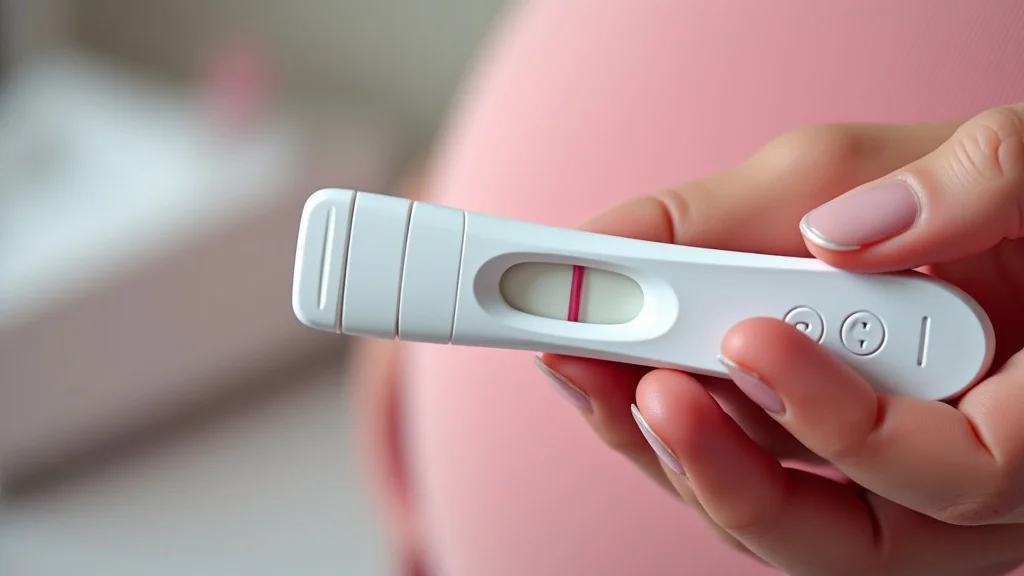
    Key Takeaways

    • You will learn what the second trimester blood tests screen for.
    • Understand why these tests are a vital part of prenatal care.
    • Discover how the results help ensure a healthy pregnancy.
    • Know what to expect on the day of your blood draw.
    • Learn about common follow-up steps based on your results.
    • Feel more prepared and less anxious about this part of your pregnancy.

    What Are Second Trimester Bloods

    The second trimester blood tests are important medical checks done during pregnancy. They help doctors look for certain health conditions that could affect you or your baby. Think of them as a way to get a clearer picture of how everything is progressing.

    These tests are a standard part of prenatal care in many places. They allow healthcare providers to spot potential issues early on, which is key for managing them effectively. This proactive approach helps ensure the best possible outcomes for both mother and child.

    Why Are These Tests Done

    These tests are performed to screen for a variety of conditions. One of the main goals is to check for chromosomal abnormalities in the baby. These include conditions like Down syndrome and spina bifida.

    They also look for other health issues that might affect the mother’s well-being. Identifying these concerns early allows doctors to provide necessary support and care. This can involve further testing, special monitoring, or planning for the baby’s arrival.

    Timing of The Tests

    The usual window for these blood tests is between 15 and 22 weeks of pregnancy. This timing is crucial because certain substances in the blood are at detectable levels during this period. If the tests are done too early or too late, they might not be as accurate.

    Your doctor will tell you the exact timing that is best for your situation. Following these recommendations ensures you get the most reliable information from the tests.

    Common Tests Included

    Several specific tests are often part of the second trimester blood work. These typically include screenings for:

    • Alpha-fetoprotein (AFP)
    • Human chorionic gonadotropin (hCG)
    • Unconjugated estriol (uE3)
    • Inhibin-A

    Each of these markers provides different pieces of information about the pregnancy. For example, AFP levels can indicate the risk of neural tube defects like spina bifida.

    hCG and estriol levels, along with inhibin-A, help assess the risk of chromosomal conditions. Together, these components offer a comprehensive screening profile.

    Understanding AFP Levels

    Alpha-fetoprotein, or AFP, is a protein that the baby’s liver makes. A small amount of it passes into your blood. Measuring AFP levels is a key part of the screening process.

    High AFP levels might suggest a higher risk of a neural tube defect, such as spina bifida, where the baby’s spine does not close completely. Low AFP levels, when combined with other markers like hCG and estriol, can indicate a higher risk for chromosomal conditions like Down syndrome. It is important to remember that these are screening tests, not diagnostic ones.

    The Role of hCG and Estriol

    Human chorionic gonadotropin (hCG) is a hormone produced by the placenta. Its levels change significantly during pregnancy. Unconjugated estriol (uE3) is another hormone made by the placenta and the baby.

    In the second trimester blood tests, the levels of hCG and uE3 are measured alongside AFP. Abnormal levels of hCG and uE3 can suggest an increased risk of certain chromosomal conditions in the baby. For example, lower levels of uE3 are often seen with Down syndrome.

    Inhibin-A and Its Significance

    Inhibin-A is a hormone produced by the ovaries and placenta. It is another important marker used in second trimester blood tests, often as part of a panel called the “quad screen.” High levels of inhibin-A, when looked at with the other markers, can also suggest a higher risk of Down syndrome. The combination of measuring AFP, hCG, uE3, and inhibin-A provides a more comprehensive risk assessment for chromosomal abnormalities than looking at any single marker alone.

    This multi-marker approach enhances the accuracy of the screening.

    What to Expect During The Blood Draw

    The process of getting your second trimester bloods is usually straightforward and similar to any other blood draw. A trained healthcare professional will draw blood from a vein, typically in your arm. They will use a sterile needle and collection tube.

    The amount of blood drawn is usually small, just enough for all the necessary tests. You might feel a slight pinch or sting when the needle is inserted. The entire procedure is generally quick, often taking only a few minutes.

    Preparing for Your Appointment

    For most second trimester blood draws, there are usually no special preparations needed, such as fasting. However, it is always best to check with your doctor’s office beforehand. They will provide specific instructions based on the exact tests ordered.

    Wearing comfortable clothing, especially with sleeves that can be easily rolled up, is a good idea. This makes it easier for the person drawing your blood to access your arm.

    The Procedure Itself

    When you arrive for your appointment, you will likely be asked to sit in a chair. The healthcare provider will clean a small area of your arm with an antiseptic wipe. They might tie a tourniquet around your upper arm to make the veins more visible.

    Once the needle is in place and blood starts flowing into the collection tube, you can relax. The process is quick. After the tube is full, the needle is removed, and a bandage is applied to the site.

    Potential Discomfort

    While the blood draw is generally painless, some people might experience mild discomfort. This can include a brief stinging sensation when the needle goes in or a dull ache afterward. Bruising at the puncture site is also possible but usually resolves within a few days.

    If you feel faint or dizzy during or after the procedure, it is important to let the healthcare provider know immediately.

    After The Blood Draw

    Once the blood draw is complete, you can usually go about your day as normal. The healthcare provider will apply a small bandage to the puncture site. It is a good idea to keep the bandage on for a couple of hours.

    Avoid strenuous activity with the arm that was used for the draw for a short while to prevent bruising or discomfort. If you notice any excessive bleeding, swelling, or pain, contact your doctor.

    Receiving Your Results

    The time it takes to receive your results can vary. It typically takes about one to two weeks for the laboratory to process the tests and send the results back to your doctor. Your doctor will then contact you to discuss the findings.

    They will explain what the results mean in the context of your pregnancy and your individual risk factors. It is important to have this conversation with your healthcare provider to fully understand the implications.

    What Happens If Results Are Abnormal

    If your second trimester blood tests indicate a higher risk for a certain condition, it does not mean your baby definitely has it. These are screening tests designed to identify individuals who might benefit from further diagnostic testing. Your doctor will discuss the next steps, which might include an amniocentesis or chorionic villus sampling (CVS).

    These are diagnostic tests that can provide a more definitive answer about your baby’s health.

    Interpreting Second Trimester Bloods Results

    Understanding the results of your second trimester blood tests involves looking at them as a measure of risk, not a definitive diagnosis. These tests screen for potential issues, and a “positive” result for a certain condition simply means there is an increased chance. Your healthcare provider will explain the specific numbers and what they mean for your pregnancy.

    They will consider your age, family history, and other factors when interpreting the results.

    Risk Factors and Percentages

    The results of the blood tests are usually expressed as a risk percentage. For example, a result might say there is a 1 in 300 chance of having a baby with Down syndrome. This is considered a low risk.

    A result like 1 in 50 would be considered a high risk. It is essential to discuss what these numbers mean in plain language with your doctor. They will help you understand the statistical likelihood and the implications for your pregnancy.

    Chromosomal Abnormalities

    The primary focus of second trimester blood tests is screening for chromosomal abnormalities. These are conditions caused by having too many or too few chromosomes. The most common ones screened for are:

    • Down syndrome (Trisomy 21)
    • Edwards syndrome (Trisomy 18)
    • Patau syndrome (Trisomy 13)

    These conditions can affect a baby’s physical and intellectual development.

    Early detection allows for better planning and support.

    Neural Tube Defects

    Another important aspect screened for is neural tube defects (NTDs). These are birth defects of the brain and spine that happen early in pregnancy. The most common NTD is spina bifida.

    Others include anencephaly, where major parts of the brain are missing. High levels of AFP in the mother’s blood can be an indicator of an increased risk for these conditions. Early identification is crucial for potential interventions or for preparing for a baby with special needs.

    When Further Testing Is Recommended

    If your screening tests show an increased risk, your doctor will recommend further diagnostic tests. These tests can confirm or rule out the presence of a specific condition.

    • Amniocentesis: This procedure involves taking a small sample of amniotic fluid surrounding the baby.

      It is usually done between 15 and 20 weeks. The fluid contains fetal cells that can be analyzed for chromosomal abnormalities and genetic disorders.

    • Chorionic Villus Sampling (CVS): This test analyzes a small sample of placental tissue. It is typically performed earlier in pregnancy, between 10 and 13 weeks.

      CVS can detect chromosomal abnormalities and some genetic disorders.

    These diagnostic tests offer a higher level of certainty than screening tests.

    Example Scenario 1 Screening Results

    Sarah is 28 years old and 18 weeks pregnant. She undergoes the quad screen for her second trimester bloods. Her results come back showing a low risk for chromosomal abnormalities, with a 1 in 5000 chance of Down syndrome and a 1 in 7000 chance of Edwards syndrome.

    Her AFP levels are within the normal range, indicating a low risk for neural tube defects. Her doctor explains that these are excellent results and no further testing is immediately recommended.

    Example Scenario 2 Screening Results

    Maria is 35 years old and 17 weeks pregnant. Her quad screen results show a slightly elevated risk for Down syndrome, with a 1 in 250 chance. Her other markers are within the normal range.

    Her doctor discusses these results with her, explaining that this means there is an increased chance, but it is still more likely that the baby does not have Down syndrome. They offer Maria the option of amniocentesis for a definitive diagnosis. Maria decides to proceed with amniocentesis to get clearer information.

    The Importance of Counseling

    Genetic counseling is an important part of the process, especially if screening results are concerning. A genetic counselor can provide detailed information about the conditions being screened for, the risks and benefits of diagnostic tests, and the implications of the results. They offer emotional support and help you make informed decisions that are right for you and your family.

    This expert guidance is invaluable when facing complex medical information.

    Common Myths Debunked

    Myth 1: Second trimester bloods are diagnostic tests.

    Reality: This is a common misunderstanding. Second trimester blood tests are screening tests, not diagnostic tests. They identify individuals who have an increased risk of certain conditions.

    A positive screening result does not mean your baby has the condition; it means further testing is recommended to confirm or rule it out. Diagnostic tests like amniocentesis or CVS provide a definitive diagnosis.

    Myth 2: A negative screening result means the baby is perfectly healthy.

    Reality: While a negative result significantly lowers the risk of certain conditions, it does not guarantee the absence of all problems. Screening tests are not 100% accurate. There is a small chance of a false negative, where the test suggests a low risk when a condition is actually present.

    It is also important to remember that screening tests may not cover every possible genetic or chromosomal condition.

    Myth 3: If I had first-trimester screening, I don’t need second-trimester bloods.

    Reality: First-trimester screening (like the nuchal translucency scan and blood tests) and second-trimester screening (like the quad screen) often screen for different things or at different levels of detail. While some overlap exists, having both can provide a more comprehensive picture of your pregnancy’s health. Some healthcare providers might recommend one over the other based on specific protocols or your individual situation.

    Always follow your doctor’s advice on which tests are best for you.

    Myth 4: Abnormal blood results mean I should terminate the pregnancy.

    Reality: A screening result indicating an increased risk or a diagnostic test confirming a condition does not automatically mean termination is the only or correct choice. These results provide information to help you make informed decisions. Many parents choose to continue their pregnancy and prepare for a child with special needs, while others may consider all options available to them.

    The decision is entirely personal and should be made with support from your medical team and loved ones.

    Frequently Asked Questions

    Question: When are second trimester bloods typically done?

    Answer: Second trimester blood tests are usually performed between 15 and 22 weeks of pregnancy.

    Question: Do I need to fast before my second trimester blood tests?

    Answer: Typically, fasting is not required for these blood tests. However, it is always best to confirm with your healthcare provider for specific instructions.

    Question: What is the main purpose of second trimester bloods?

    Answer: The main purpose is to screen for potential chromosomal abnormalities in the baby, like Down syndrome, and for neural tube defects, such as spina bifida.

    Question: Will I get a definitive diagnosis from these blood tests?

    Answer: No, these are screening tests, not diagnostic tests. They indicate an increased risk, and further diagnostic tests like amniocentesis may be needed for a confirmed diagnosis.

    Question: How long does it take to get the results of my second trimester bloods?

    Answer: It usually takes about one to two weeks for the laboratory to process the tests and for your doctor to receive and discuss the results with you.

    Wrap Up

    Your second trimester bloods are a valuable tool for monitoring your pregnancy. They help identify potential health concerns early so you can get the best care. Remember, these tests provide important information about risk, not a final diagnosis.

    Discuss any results or questions openly with your doctor. You are in good hands, and these steps help ensure a healthy journey ahead for you and your baby.

  • Can You Take A Pregnancy Test On Your Period

    Can You Take A Pregnancy Test On Your Period

    It might sound a little confusing, but wondering if you can take a pregnancy test on period is actually a common question, especially for folks new to this. Sometimes our bodies do tricky things, and a period might not be what we think it is. Or maybe you’re just trying to be extra sure.

    Don’t worry, it’s totally okay to feel unsure! We’ll break down exactly what you need to know in a super simple way, step by step. This guide will help clear things up so you know what to do next.

    Key Takeaways

    • You can often take a pregnancy test during your period, but timing is key.
    • A pregnancy test detects the hormone hCG, which is present even if you’re bleeding.
    • Heavy bleeding can sometimes affect test accuracy, making it harder to read results.
    • If your period is unusual or you have other pregnancy symptoms, testing is still a good idea.
    • Home pregnancy tests are quite accurate when used correctly.
    • There are specific times that give the most reliable results.

    Understanding Pregnancy Tests And Your Cycle

    Home pregnancy tests work by detecting a hormone called human chorionic gonadotropin (hCG). This hormone is produced shortly after a fertilized egg implants in the uterus. hCG levels rise rapidly in early pregnancy.

    Even if you are experiencing some bleeding, it is possible for hCG to be present if implantation has occurred. This is why the question of taking a pregnancy test on your period arises. For many, it’s a way to get immediate answers when faced with an unexpected situation.

    The confusion often stems from confusing pregnancy bleeding with a regular menstrual period. Implantation bleeding, which can happen when a fertilized egg attaches to the uterine wall, can sometimes be mistaken for a light period. It is usually lighter, shorter, and may be pinkish or brownish in color, unlike a typical menstrual flow.

    However, it can vary greatly from person to person. Knowing the difference helps you understand why testing during a perceived period might be necessary.

    The Hormone hCG Explained

    Human chorionic gonadotropin (hCG) is a vital hormone for maintaining early pregnancy. It is produced by cells that will eventually form the placenta. After conception and implantation, hCG levels start to increase.

    These levels typically double every 48 to 72 hours in the first few weeks of pregnancy. This rapid rise is what most home pregnancy tests are designed to detect. The hormone is released into your bloodstream and also appears in your urine.

    This is why urine tests are effective.

    The presence of hCG is the primary indicator of pregnancy. Early on, levels are very low, making it harder for tests to detect them. This is why waiting until you miss your period is often recommended for the most accurate results.

    However, as hCG levels increase, they become more easily detectable by sensitive home pregnancy tests. Understanding how hCG works is key to knowing why testing during bleeding might still give you an answer.

    Practical Application: Imagine someone is trying to conceive. They might experience light spotting around the time their period is due. If they take a pregnancy test during this spotting, and it shows positive, it’s likely due to the presence of hCG from an early pregnancy.

    This spotting would not be a true menstrual period. The test is detecting the pregnancy hormone, not the blood flow itself.

    Types Of Bleeding During Early Pregnancy

    It’s important to distinguish between different types of bleeding that can occur around the time of a missed period. A normal menstrual period is a shedding of the uterine lining that typically lasts a few days. Its flow is usually consistent and expected on a monthly cycle.

    In contrast, implantation bleeding is much lighter and often occurs about 6 to 12 days after conception. It might last only a few hours to a couple of days and can be pink, red, or brown.

    Other reasons for bleeding during what seems like a period can include hormonal imbalances, certain medical conditions, or even stress. Ectopic pregnancies, though rare, can also cause bleeding and pain. Because of these variations, if you are unsure about the nature of your bleeding or if it is accompanied by other symptoms, taking a pregnancy test can provide clarity.

    It’s a tool to help you understand what’s happening within your body.

    Case Study Example: Sarah thought her period had started, but it was unusually light and only lasted one day. She felt a bit off and decided to take a pregnancy test a few days later. The test was positive.

    Her doctor confirmed she was indeed pregnant, and the light bleeding she experienced was implantation bleeding, not her period. This highlights how a pregnancy test can provide crucial information even when bleeding occurs.

    When To Take A Pregnancy Test For Best Accuracy

    The best time to take a pregnancy test is usually after you have missed your period. Most home pregnancy tests are designed to detect hCG levels that are typically high enough after a missed period to give a reliable result. Taking a test too early, especially when you have bleeding, can lead to a false negative.

    This means the test might say you’re not pregnant when you actually are, because hCG levels haven’t risen high enough yet to be detected.

    If you are experiencing bleeding and are concerned about pregnancy, testing after a few days of observing the bleeding, or ideally after a missed period, can provide more accurate results. For example, if you believe you might have had implantation bleeding and your period is now late, that’s a good time to test. Using first-morning urine can also increase accuracy, as hCG is more concentrated then.

    This offers the highest chance of detecting even low levels of the hormone.

    Sample Scenario: A person has unprotected sex and then experiences some spotting a week later. They are unsure if this spotting is implantation bleeding or the start of their period. If they wait until their period is officially late according to their usual cycle and then take a pregnancy test, they will get a more accurate result.

    If they test during the spotting, they risk a false negative.

    Taking A Pregnancy Test During Your Period

    So, can you really take a pregnancy test on your period? The short answer is yes, but with important considerations. A pregnancy test detects hCG, a hormone that is produced only after conception.

    If you are pregnant, even if you are bleeding, hCG will be in your system. Therefore, a pregnancy test can detect hCG even during a period. However, the accuracy and interpretation of the results can be tricky.

    The main challenge is distinguishing between pregnancy-related bleeding and a true menstrual period. If the bleeding is indeed a normal period, a pregnancy test taken during it will most likely be negative, as there would be no hCG. But if the bleeding is implantation bleeding or some other form of spotting related to an early pregnancy, a test could potentially be positive.

    This is where understanding the nuances of timing and test sensitivity becomes crucial for beginners.

    How Bleeding Might Affect Test Results

    The type and amount of bleeding can influence the accuracy of a pregnancy test. If you are experiencing a heavy flow, similar to a normal period, it’s less likely that the bleeding is implantation bleeding. In this scenario, a pregnancy test would typically be negative unless there’s an unusual situation like a very early miscarriage that still has hCG levels present.

    The sheer volume of blood can also dilute urine samples, potentially making it harder for a sensitive test to pick up low levels of hCG.

    Conversely, if the bleeding is light spotting, it could be implantation bleeding. In this case, a pregnancy test would be able to detect hCG if pregnancy has occurred. However, even with light spotting, testing too early might still yield a false negative if hCG levels are not yet high enough.

    Using first-morning urine, which is more concentrated, can help overcome some of these potential issues. It ensures the highest possible concentration of hCG is available for detection.

    Statistical Insight: Studies show that home pregnancy tests can detect hCG levels as low as 25 mIU/mL. However, implantation typically occurs 6-12 days after ovulation. hCG levels are usually very low in the first few days after implantation.

    Therefore, testing even during light spotting before a missed period might not be reliable enough. Waiting a few more days after the spotting has stopped and after your expected period date generally increases accuracy.

    Interpreting A Positive Test During A Period

    If you take a pregnancy test during your period and it shows a positive result, it is highly likely that you are pregnant. Even if you are experiencing bleeding, the positive result indicates the presence of hCG. This bleeding might be implantation bleeding or another type of pregnancy-related bleeding.

    It is crucial not to disregard a positive test result simply because you are bleeding. This situation warrants further investigation by a healthcare professional.

    A doctor can perform further tests, such as blood tests to measure hCG levels more precisely and an ultrasound, to confirm the pregnancy and assess its viability. They can also help determine the cause of the bleeding. They will want to rule out any complications.

    This step is vital to ensure your health and the health of the potential pregnancy. Always consult with a doctor if you get a positive result, especially with concurrent bleeding.

    Interpreting A Negative Test During A Period

    If you take a pregnancy test during your period and it shows a negative result, it most likely means you are not pregnant. This is especially true if the bleeding you are experiencing is a typical menstrual period. In this case, the test is accurately reflecting the absence of detectable hCG levels.

    However, if you are still concerned or have experienced unusual bleeding, it is wise to re-test a few days later, particularly if your period stops and you still have symptoms.

    A false negative can occur if you test too early. This happens when hCG levels are present but not yet high enough for the test to detect. If your bleeding was very light and you suspect implantation bleeding, but the test is negative, wait a few days.

    If your period doesn’t start as expected or if other pregnancy symptoms appear, taking another test is recommended. This approach helps ensure you get the most accurate information possible about your situation.

    Comparison Table: Understanding the differences between normal periods and potential pregnancy bleeding can be tricky. Here’s a simple comparison.

    Characteristic Normal Period Implantation Bleeding
    Flow Moderate to heavy Light spotting
    Duration 3-7 days Few hours to 2 days
    Color Bright red to dark red Pinkish or brownish
    Timing Regular monthly cycle About 6-12 days after ovulation/conception
    Associated Symptoms Cramps, bloating Mild cramping, breast tenderness

    Understanding Irregular Bleeding And Pregnancy

    Sometimes, what appears to be a period isn’t a typical one. Irregular bleeding can happen for many reasons, and it can be a source of confusion when trying to determine pregnancy. If your bleeding is unusually light, short, or has a different color than your normal period, it might not be a true menstrual cycle.

    This is precisely why taking a pregnancy test can be a helpful step, even if you think you’re having your period.

    Understanding these variations is key. For instance, hormonal fluctuations, stress, changes in diet or exercise, or certain medical conditions can all lead to irregular cycles and bleeding. If you notice any significant changes or are consistently experiencing irregular bleeding, it’s a good idea to consult a healthcare provider.

    They can help identify the cause and offer appropriate guidance. For now, let’s focus on how this relates to pregnancy testing.

    When Irregular Bleeding Might Signal Pregnancy

    Irregular bleeding that occurs around your expected period time can sometimes be an early sign of pregnancy. This is most commonly seen as implantation bleeding. However, it’s not the only cause.

    Other pregnancy-related issues can also cause bleeding, such as threatened miscarriage, ectopic pregnancy, or hormonal changes. The critical factor is that the presence of hCG indicates pregnancy, regardless of the bleeding pattern.

    If you experience bleeding that is lighter, shorter, or different in color than your usual period, especially if it’s accompanied by other early pregnancy symptoms like nausea, breast tenderness, or fatigue, taking a pregnancy test is a sensible precaution. Don’t dismiss the possibility just because you’re seeing some blood. The test can help provide clarity and guide your next steps.

    It’s a proactive measure to understand your body’s signals.

    Real-World Example: Maria typically has a heavy, 5-day period. One month, she experienced only two days of very light spotting. She was worried and took a pregnancy test.

    It came back positive. Her doctor confirmed she was pregnant and that the spotting was implantation bleeding. Her regular period was delayed by her pregnancy, not just irregular.

    The Role Of Ovulation Timing

    Understanding your ovulation cycle is incredibly important when it comes to interpreting pregnancy tests and any bleeding you experience. Ovulation is the release of an egg from the ovary, which typically happens about 14 days before your next period starts. If conception occurs, implantation usually happens about 6 to 12 days after ovulation.

    This timeline directly influences when hCG levels become detectable.

    If you ovulate later than usual in your cycle, your period might be delayed, and implantation bleeding could occur closer to your expected period date. This can make it seem like you’re experiencing bleeding during your period. By tracking your ovulation, you can better estimate when implantation might have occurred and when to take a pregnancy test for the most accurate result.

    Knowing your cycle helps you interpret what your body is telling you.

    Informative Bullet Point:
    * Tracking Ovulation: Using ovulation predictor kits (OPKs) or tracking basal body temperature (BBT) can help you pinpoint your fertile window and ovulation day. This knowledge is invaluable for understanding when pregnancy might have occurred and when to test.

    This detailed tracking allows you to accurately predict when implantation might happen and when hCG levels would be high enough to detect. If you’re unsure about your cycle, this is a great starting point for more precise testing.

    When To See A Doctor About Bleeding

    While taking a pregnancy test can offer valuable insights, it’s essential to know when to seek professional medical advice. Any bleeding during pregnancy that is heavier than spotting, accompanied by severe pain or cramping, or if you experience dizziness or shoulder pain, should be evaluated by a doctor immediately. These could be signs of more serious complications like an ectopic pregnancy or miscarriage.

    Even if your bleeding is light, if you get a positive pregnancy test, a visit to your doctor is crucial. They will want to confirm the pregnancy, check your hCG levels, and perform an ultrasound to ensure everything is developing properly. They can also discuss any concerns you might have about the bleeding and provide reassurance and guidance.

    It’s always best to err on the side of caution when it comes to your health and potential pregnancy.

    Common Myths Debunked

    Myth 1: You Cannot Get Pregnant If You Are Bleeding

    This is a common misconception. While the chances of getting pregnant during your period are generally lower, it is possible. Sperm can survive in the female reproductive tract for up to five days.

    If you have a shorter menstrual cycle, or if ovulation occurs very close to the end of your period, unprotected intercourse during your period could potentially lead to pregnancy. Therefore, a pregnancy test is still relevant if there’s a possibility of conception.

    Myth 2: A Pregnancy Test Will Lie If You Have Your Period

    Pregnancy tests don’t “lie.” They detect the hormone hCG, which is only produced after conception. If you are pregnant and bleeding, the test can still detect hCG. If the test is negative, it means hCG levels are not high enough to be detected, suggesting you are likely not pregnant, or you tested too early for an accurate result.

    The bleeding itself doesn’t make the test inaccurate; rather, the timing and hormone levels are key.

    Myth 3: All Bleeding During Your Period Is Just Your Period

    As we’ve discussed, this isn’t true. Bleeding can occur for various reasons during what seems like your period, including implantation bleeding. Implantation bleeding is light spotting that happens when a fertilized egg attaches to the uterine lining.

    It can easily be mistaken for a very light period. If this spotting occurs and you are indeed pregnant, a pregnancy test can detect the pregnancy hormone.

    Myth 4: If You Have A Heavy Period, You Definitely Aren’t Pregnant

    While heavy bleeding is more characteristic of a normal period and less likely to be implantation bleeding, it does not entirely rule out pregnancy. In some cases, women can experience bleeding during early pregnancy that might be heavier than spotting. Furthermore, conditions like molar pregnancies or very early miscarriages can cause bleeding.

    If you suspect pregnancy and have unusual bleeding, testing and consulting a doctor is important.

    Frequently Asked Questions

    Question: Can I take a pregnancy test on the first day of my period

    Answer: While you can physically take a test, the results may not be accurate. It’s best to wait until after you’ve missed your period for a reliable result, as hCG levels may not be high enough to detect on day one.

    Question: What if my period is very light, can I still be pregnant

    Answer: Yes, a very light period could be implantation bleeding, which is a sign of pregnancy. If you suspect this, take a pregnancy test a few days after the light bleeding or when your period is due.

    Question: How soon can a pregnancy test detect pregnancy if I am bleeding

    Answer: Most home pregnancy tests can detect hCG about a week after conception. If your bleeding is implantation bleeding, you might get a positive result around that time or slightly later, especially if your period is delayed.

    Question: My pregnancy test was negative, but I am still bleeding and worried

    Answer: If your period seems unusual, or if you are worried and have persistent bleeding and negative tests, it’s a good idea to see a doctor to rule out other causes and ensure everything is okay.

    Question: Is it safe to take a pregnancy test if I have a heavy period

    Answer: Yes, it is safe to take a pregnancy test. If your period is heavy, a negative result is highly likely to indicate you are not pregnant. However, if you have any doubts, consulting a healthcare provider is always recommended.

    Conclusion

    You can take a pregnancy test on your period, but timing and understanding the bleeding are key. A test detects hCG, the pregnancy hormone. If you are pregnant, the hormone will be present even if you are bleeding.

    Light or unusual bleeding might be implantation bleeding, which a test can detect. Heavy bleeding during what seems like a period usually means you are not pregnant. Always consult a doctor for confirmation and guidance.

  • Second Trimester Bleeding Uptodate Guide

    Second Trimester Bleeding Uptodate Guide

    Seeing blood when you are pregnant can be really scary. It is a common worry for many expecting parents, especially when it happens during the second trimester. You might feel unsure about what it means or what to do.

    This guide makes it simple. We will walk you through what you need to know about second trimester bleeding uptodate, step by step. By the end, you will feel much more confident and know the next best steps.

    Key Takeaways

    • Bleeding in the second trimester is often not serious, but it always needs attention.
    • Common causes include issues with the cervix or placenta.
    • Always contact your doctor or midwife if you experience any bleeding.
    • Home care steps can help manage mild bleeding, but medical advice is key.
    • Knowing the signs and causes helps reduce anxiety during pregnancy.

    Understanding Second Trimester Bleeding

    The second trimester, often called the “golden period” of pregnancy, runs from about week 13 to week 28. It is when many early pregnancy symptoms lessen, and you might start to feel your baby move. However, it is also a time when bleeding can happen.

    This can be confusing because you might think serious bleeding is only a first-trimester concern. But, changes in your body continue, and sometimes these changes can lead to spotting or more noticeable bleeding.

    Many beginners worry because they do not know the difference between normal discharge and potential problems. Learning about the common reasons for bleeding helps remove some of that worry. This section helps you get a clear picture of what might be happening and why it is important to stay informed.

    Why Bleeding Happens in the Second Trimester

    During the second trimester, your body is undergoing significant changes to support your growing baby. Blood flow to your uterus and cervix increases dramatically. This makes these areas more sensitive and prone to bleeding.

    Small tears from intercourse, a cervical polyp, or even a minor irritation can cause spotting.

    Sometimes, the bleeding can be a sign of a more serious issue. This is why it is crucial to never ignore bleeding. The placenta, which provides oxygen and nutrients to your baby, is growing too.

    Problems with its position or health are key concerns during this period. Understanding these possibilities helps you know when to seek immediate medical help.

    Here are some common reasons for bleeding:

    • Cervical Irritation or Inflammation
    • Cervical Polyps
    • Placental Issues
    • Urinary Tract Infections (UTIs)

    Cervical Irritation or Inflammation refers to a condition where the cervix becomes sensitive and may bleed easily. This can happen due to increased blood flow during pregnancy, hormonal changes, or infections. Even simple activities like sexual intercourse or a pelvic exam can sometimes cause a small amount of bleeding.

    Cervical Polyps are small, soft growths that can form on the cervix. They are usually harmless and benign, meaning they are not cancerous. However, during pregnancy, the increased blood supply can make them bleed, especially after physical activity.

    They often look like small red bumps and can be easily removed after pregnancy if they cause ongoing issues.

    Placental Issues are a more significant concern. Conditions like placenta previa (where the placenta covers the cervix) or placental abruption (where the placenta separates from the uterine wall) can cause serious bleeding. These conditions require immediate medical attention and can impact the pregnancy significantly.

    Urinary Tract Infections (UTIs) can sometimes cause bleeding. While not directly from the uterus, an infection can irritate the pelvic area, leading to blood in the urine or a feeling of pressure that might be mistaken for vaginal bleeding. Treating a UTI promptly is important for both the mother and the baby.

    When to Seek Medical Help

    It is always best to contact your healthcare provider if you notice any bleeding during pregnancy. However, some signs require immediate attention. These include heavy bleeding, like soaking a pad, or bleeding accompanied by severe abdominal pain, fever, chills, or dizziness.

    These could indicate a serious problem that needs urgent evaluation.

    Your doctor will ask about the amount of blood, its color, and any other symptoms you are experiencing. They may perform a physical exam, an ultrasound, or blood tests to determine the cause of the bleeding and ensure the health of you and your baby.

    Exploring Causes of Second Trimester Bleeding Uptodate

    Now let’s look deeper into the specific causes of bleeding during your second trimester. Knowing these details can help you have more informed conversations with your doctor. We will break down each potential cause, explaining what it is and why it might lead to bleeding.

    This knowledge is empowering and helps reduce unnecessary worry.

    Cervical Factors

    The cervix plays a vital role in pregnancy. It holds the baby in the uterus until labor begins. During pregnancy, the cervix undergoes many changes.

    Increased blood flow makes it more delicate and prone to bleeding. Even slight irritation can lead to spotting.

    Cervical Ectropion

    Cervical ectropion occurs when the glandular cells that line the inside of the cervix grow on the outside surface. This is common during pregnancy due to higher estrogen levels. The cells on the outside are more fragile and bleed easily.

    This is often painless spotting after sex or a vaginal exam.

    Doctors may see it as a red, raw-looking area around the cervical opening. It is typically not a cause for concern, but it is important to have it checked to rule out other issues. Treatment is rarely needed, as it often resolves on its own after pregnancy.

    Cervical Polyps

    Cervical polyps are small, finger-like growths that can develop on the cervix. They are benign and made of mucus-producing cells. During pregnancy, hormonal changes can cause them to grow larger and bleed more easily.

    They might bleed after intercourse or a bowel movement.

    These polyps are usually bright red and can sometimes be seen during a pelvic exam. If they cause significant bleeding or discomfort, a doctor might remove them, often in an office setting. Many women have polyps without knowing it, and they do not usually harm the pregnancy.

    Placental Concerns

    The placenta is the lifeline for your baby. It attaches to the uterine wall and connects to the baby through the umbilical cord. Problems with the placenta can cause bleeding, and these are often more serious.

    It is essential to be aware of these possibilities.

    Placenta Previa

    Placenta previa happens when the placenta partially or completely covers the cervix. This can block the baby’s exit route during birth. It is a common cause of painless bleeding in the second and third trimesters.

    The bleeding can range from light spotting to heavy hemorrhaging.

    Diagnosis is usually made with an ultrasound. If diagnosed, doctors will recommend strict rest and avoid intercourse and strenuous activity. The placenta may move higher in the uterus as the pregnancy progresses, resolving the previa.

    If it persists, a Cesarean birth will likely be necessary.

    Statistics show that placenta previa occurs in about 0.4% of pregnancies. This can increase the risk of preterm birth and other complications. Early detection and careful management are key to a safe outcome.

    Placental Abruption

    Placental abruption is a serious condition where the placenta separates from the wall of the uterus before the baby is born. This can reduce the baby’s oxygen and nutrient supply. It often causes sudden, severe abdominal pain and dark red vaginal bleeding.

    However, sometimes bleeding can be minimal or absent if the blood is trapped behind the placenta.

    Risk factors include high blood pressure, previous abruption, trauma to the abdomen, and smoking. This is a medical emergency requiring immediate delivery of the baby, often via C-section. Prompt medical intervention is critical for the survival of both mother and baby.

    A study found that placental abruption occurs in about 1 in 100 to 1 in 300 pregnancies. It is a leading cause of maternal and fetal mortality. The severity of the abruption dictates the urgency of the intervention.

    Other Potential Causes

    While cervical and placental issues are common, other factors can contribute to bleeding. These include infections and even some gastrointestinal issues that might be mistaken for vaginal bleeding.

    Urinary Tract Infections (UTIs)

    A UTI can cause irritation and inflammation in the urinary tract. This can sometimes lead to blood in the urine, which might be mistaken for vaginal bleeding. Symptoms include pain or burning during urination, frequent urination, and cloudy or strong-smelling urine.

    It is important to get a UTI treated quickly to prevent it from affecting the kidneys or causing early labor.

    Doctors diagnose UTIs with a urine sample test. Antibiotics are typically prescribed to clear the infection. Staying hydrated is also important.

    Untreated UTIs can lead to more serious health problems for both the mother and the developing baby.

    Gastrointestinal Bleeding

    Rarely, bleeding from the rectum due to conditions like hemorrhoids or anal fissures can be mistaken for vaginal bleeding. This is more likely if the blood is bright red and appears after a bowel movement. If you notice blood and are unsure of its origin, it is best to get it checked by a medical professional.

    A doctor can help determine the source of the bleeding. They might ask about your diet, bowel habits, and perform a physical examination to rule out any serious gastrointestinal issues. Treatment will depend on the specific cause identified.

    Managing Second Trimester Bleeding

    When bleeding occurs, it is natural to feel anxious. However, many situations can be managed effectively with the right medical guidance. This section offers practical advice on what you can do and what to expect from your healthcare provider.

    What Your Doctor Will Do

    Your doctor’s primary goal is to determine the cause of the bleeding and ensure your safety and your baby’s well-being. They will start by taking a detailed medical history. This includes when the bleeding started, how much there is, its color, and if you have any pain or other symptoms.

    Physical examination might include a pelvic exam to visualize the cervix and check for any visible sources of bleeding, like a polyp or an inflamed cervix. They will also assess for signs of infection. An ultrasound is often used to check on the baby’s heartbeat, the placenta’s position, and the overall health of the pregnancy.

    Blood tests may be done to check your blood count and Rh status. Depending on the findings, your doctor will recommend a course of action, which could include rest, medication, or closer monitoring.

    Home Care and What to Avoid

    If your doctor determines the bleeding is minor and not due to a serious condition, they may advise home care. This often involves rest and avoiding activities that could further irritate the cervix or uterus.

    • Rest: Lying down and avoiding strenuous activities can help reduce pressure and bleeding.
    • Avoid Intercourse: Sexual activity can irritate the cervix and lead to spotting, so it is usually recommended to abstain until cleared by your doctor.
    • Avoid Douching: Douching can disrupt the natural balance of bacteria in the vagina and may worsen irritation or lead to infection.
    • Stay Hydrated: Drinking plenty of water is always good for overall health during pregnancy.
    • Monitor Bleeding: Keep track of the amount and color of the bleeding. Note any changes and report them to your doctor.

    These simple steps can help manage minor bleeding and prevent it from worsening. However, they are not a substitute for professional medical advice. Always follow your doctor’s specific instructions.

    Sample Scenarios

    Let’s look at a couple of common scenarios:

    1. Sarah is 20 weeks pregnant. After intercourse, she notices a small amount of pinkish spotting in her underwear. She calls her doctor, who advises her to rest and avoid intercourse for a few days. They schedule an ultrasound for the following week to check the placenta and cervix. The ultrasound shows no issues, and the spotting stops.
    2. Maria is 24 weeks pregnant and suddenly experiences sharp abdominal pain and bright red bleeding that soaks a pad quickly. She goes to the emergency room immediately. Doctors diagnose placental abruption and immediately prepare her for an emergency C-section. Both Maria and her baby survive the critical event due to the swift medical response.

    Second Trimester Bleeding Uptodate Information

    Staying informed about potential issues like second trimester bleeding uptodate is a key part of a healthy pregnancy. This section brings together important information to ensure you are well-prepared. We will look at how to communicate effectively with your healthcare team and what you can expect in terms of follow-up care.

    Communicating with Your Healthcare Provider

    When you contact your doctor or midwife about bleeding, be as specific as possible. Describe the color of the blood (bright red, pink, brown), the amount (spotting, light flow, heavy flow), and any accompanying symptoms like pain, cramping, or fever. Providing clear details helps them assess the situation accurately.

    Do not hesitate to ask questions. It is your pregnancy, and you have a right to know what is happening and why certain recommendations are made. Write down your questions before your appointment so you don’t forget them.

    Active communication fosters trust and ensures you receive the best possible care.

    Follow-Up Care and Monitoring

    Depending on the cause of the bleeding, your healthcare provider may recommend follow-up appointments or monitoring. This could involve repeat ultrasounds to track the placenta’s position or the baby’s growth. If you have a condition like placenta previa, you might need more frequent check-ups and may be advised to limit certain activities.

    For some women, the bleeding may resolve on its own with rest. For others, it might require ongoing management. The key is to stay in close contact with your healthcare team and report any changes in your symptoms promptly.

    This proactive approach is crucial for managing any pregnancy complication effectively.

    Common Myths Debunked

    Myth 1: Any bleeding during pregnancy means a miscarriage is imminent.

    Reality: While bleeding can sometimes signal a miscarriage, especially in the first trimester, it is not always the case. Many women experience bleeding during the second trimester for various reasons, including cervical irritation or minor placental issues, and go on to have healthy pregnancies and babies. It is essential to get any bleeding checked by a doctor to determine the specific cause.

    Myth 2: Bright red blood is always more dangerous than brown blood.

    Reality: The color of the blood can indicate how old the bleeding is. Bright red blood typically means fresh bleeding, while brown or dark red blood suggests older blood that has been in the uterus for a while. Both types of bleeding warrant medical attention, but neither color is definitively more dangerous than the other without further context from a medical professional.

    Myth 3: If bleeding stops, there is no longer a problem.

    Reality: Even if bleeding stops on its own, the underlying cause may still require attention. For example, a condition like placenta previa needs to be monitored, even if there is no active bleeding at that moment. It is always best to follow up with your doctor to ensure the issue has been fully resolved or is being properly managed.

    Frequently Asked Questions

    Question: Is it normal to have spotting during the second trimester?

    Answer: Spotting, or light bleeding, can occur in the second trimester and is often not a sign of a serious problem, but it should always be reported to your doctor to rule out any underlying concerns.

    Question: Should I call my doctor for any amount of bleeding?

    Answer: Yes, it is always recommended to contact your healthcare provider if you experience any vaginal bleeding during pregnancy, no matter how small the amount.

    Question: Can sex cause bleeding in the second trimester?

    Answer: Yes, sexual intercourse can sometimes cause light bleeding or spotting due to the increased sensitivity and blood flow to the cervix during pregnancy.

    Question: What is the most serious cause of second trimester bleeding?

    Answer: The most serious causes include placental abruption (where the placenta separates from the uterus) and placenta previa (where the placenta covers the cervix), both of which require immediate medical attention.

    Question: How can I tell if my bleeding is serious?

    Answer: Heavy bleeding, soaking a pad, severe abdominal pain, fever, chills, or dizziness are signs that may indicate a serious issue requiring urgent medical evaluation.

    Final Thoughts

    Bleeding in the second trimester can be worrying, but understanding its common causes helps. Always communicate with your doctor. They can diagnose the reason and provide the best care.

    Simple steps like rest and avoiding intercourse can help. You are not alone in this, and staying informed is your best tool for a healthy pregnancy.

  • Pregnancy Announcement Latest News Trends

    Pregnancy Announcement Latest News Trends

    Finding the latest information on pregnancy announcements can feel a bit tricky sometimes. You want to share your happy news in a way that feels special and exciting, but figuring out what’s fresh and fun can be a challenge. Lots of ideas out there might seem complicated or not quite right for you.

    But don’t worry, this guide will make it super simple. We’ll walk through easy steps and ideas to help you craft the perfect announcement. Get ready to discover some wonderful ways to share your exciting news that everyone will love.

    Key Takeaways

    • Discover current trends in creative pregnancy announcements.
    • Learn how to personalize your announcement to fit your style.
    • Find inspiration for unique photo and video ideas.
    • Understand how to announce to different groups of people.
    • Get tips for making your announcement memorable.
    • Explore simple DIY announcement ideas.

    Creative Pregnancy Announcement Ideas

    Popular Themes and Styles

    People love sharing pregnancy news with creative announcements. Many are looking for something special that reflects their personality as a couple. Some popular styles include those that are humorous, sentimental, or even a bit quirky.

    For instance, a couple might use their shared hobbies as inspiration. If they both love to cook, they might announce with a picture of two chef hats and a tiny baby-sized one. Another common approach is to tie announcements into current pop culture or seasonal events.

    The goal is often to create a moment that family and friends will cherish. This means putting thought into the visuals and the message. A simple, heartfelt announcement can be just as impactful as an elaborate one.

    It’s all about conveying joy and excitement. Many parents-to-be also look for ways to involve their older children or pets in the announcement, which adds an extra layer of charm and personality.

    Cute and Whimsical Ideas

    Cute and whimsical announcements often use playful imagery and bright colors. Think of tiny shoes, baby clothes, or items related to sweet treats. A great example is a picture of a coffee cup with “Mom Fuel” and a smaller cup labeled “Dad Fuel” next to a tiny baby bottle.

    This is lighthearted and instantly understandable. Another sweet idea is to use a chalkboard sign with a drawing of a stork and the due date written out in cute lettering.

    These types of announcements are great for social media because they are visually appealing and evoke happy feelings. They are also easy to share with grandparents and extended family who might not be present for an in-person reveal. The charm comes from the simplicity and the obvious anticipation of a new little one.

    Parents often choose themes that align with their own sense of fun and wonder, making the announcement feel authentic to them.

    Elegant and Sentimental Approaches

    For a more elegant and sentimental announcement, couples might focus on a sophisticated aesthetic. This could involve softer colors, classic fonts, and more intimate imagery. A common example is a photo of the parents holding a sonogram picture, with a simple caption like “Our greatest adventure begins.” Another option is a beautiful script announcing the arrival of a little one, perhaps with a delicate floral design.

    These announcements aim to capture the profound emotions associated with starting a family. They often appeal to those who prefer a more traditional or intimate way of sharing the news. The focus is on the love and the anticipation of holding their baby.

    Many choose to share these types of announcements with close family and friends first, before making a broader announcement.

    Involving Family and Pets

    Including other family members or pets can make a pregnancy announcement even more special. For older children, you might have them hold a sign saying “Big Brother” or “Big Sister.” A photo of them looking surprised or excited at the news is always heartwarming. For pets, a common and adorable idea is to have them wear a bandana that says “My humans are getting me a human” or “I’m going to be a big brother/sister.”

    These involvements create a sense of unity and excitement for the whole family unit. It shows that everyone is ready and eager for the new arrival. Pictures with pets or siblings are often shared widely because they are so relatable and cute.

    They add a personal touch that resonates deeply with friends and family who know and love everyone involved.

    Statistics on Announcement Preferences

    Recent surveys show that about 70% of expecting parents prefer to share their pregnancy news with close family first, before making a public announcement. This personal touch is highly valued. When it comes to announcement methods, social media remains the most popular platform for sharing, with over 85% of expectant parents using it to announce their pregnancy.

    About 40% of these announcements include a photo or video to make them more engaging. The use of creative props and themed photos has increased by 20% in the last two years.

    DIY Announcement Ideas

    Simple Photo Props

    Creating your own pregnancy announcement is a wonderful way to add a personal touch. One of the easiest methods is using simple photo props. You could use a letter board to spell out a message like “Baby arriving .” Another idea is to use a calendar with the due date circled and a tiny pair of baby shoes placed on it.

    These props are readily available and can be customized easily. They allow for a lot of creativity without being overly complicated. Holding a sonogram picture is also a classic and effective DIY prop.

    The key is to arrange these items in a visually pleasing way that clearly communicates the exciting news.

    Crafting Your Own Announcement Card

    Making your own announcement card can be a heartfelt gesture. You can use online design tools or even craft supplies to create something unique. For a digital announcement, you might design an image with a sweet message and a photo.

    If you’re sending physical cards, think about adding a personal handwritten note inside.

    This approach allows for complete control over the design and message. You can choose fonts, colors, and images that truly represent you as a couple. It’s a great way to ensure your announcement feels personal and special, especially for close family and friends.

    A well-designed card can become a treasured keepsake for loved ones.

    Sharing the News Effectively

    Announcing to Close Family and Friends

    When announcing your pregnancy to close family and friends, a personal touch is usually best. For parents and siblings, a face-to-face announcement or a heartfelt phone call can be very meaningful. You might choose to present them with a small gift, like a onesie that says “Grandma’s Favorite” or “Auntie’s Little Helper.”

    These personal reveals create intimate moments and allow for immediate shared joy and support. It’s a way to celebrate the start of this new chapter with your most cherished people first. Hearing the news directly from you makes it feel extra special and allows for immediate hugs and congratulations.

    Public Announcements on Social Media

    Social media is a popular platform for broader pregnancy announcements. Here, visual elements are key. A well-composed photo or a short, engaging video can capture attention.

    Many people use popular platforms like Instagram, Facebook, or TikTok. Common ideas include sharing ultrasound photos, a photo of the parents holding baby shoes, or a creative flat lay with relevant items.

    The goal is to create something shareable that your followers will enjoy and react to. Using relevant hashtags can also help your announcement reach a wider audience. It’s a way to update everyone at once and to celebrate the news with your wider circle.

    Many enjoy seeing these announcements as it’s a happy event for many.

    Timing Your Announcement

    The timing of your pregnancy announcement is a personal decision. Many couples wait until after the first trimester, around 12-14 weeks, when the risk of miscarriage decreases. This allows for a more confident and relaxed announcement.

    However, some couples choose to announce sooner, especially if they have a close-knit support system they want to share with.

    Consider your comfort level and any personal circumstances when deciding when to share. There is no right or wrong time, only what feels right for you and your partner. Talking about it together is important.

    Some may want to tell their parents first before anyone else.

    Tips for a Memorable Announcement

    To make your announcement truly memorable, focus on authenticity and excitement. Let your personality shine through in your chosen method. Whether it’s a funny photo, a sweet poem, or a simple heartfelt message, ensure it reflects you as a couple.

    Also, consider your audience; how you announce to your parents might differ from how you announce to your work colleagues.

    Capturing the moment of announcement, if possible, can create wonderful memories. This could be a video of your partner’s reaction or a photo of loved ones’ faces when you tell them. The key is to be genuinely happy and to share that joy with others.

    A little bit of creativity goes a long way in making it special.

    Common Pregnancy Announcement Trends

    Themed Photo Shoots

    Themed photo shoots have become incredibly popular for pregnancy announcements. Couples often choose themes that are meaningful to them. This could be anything from a favorite movie, a holiday, or a shared hobby.

    For example, a couple who loves travel might pose with tiny globes and a suitcase, announcing “Our greatest adventure is about to begin.”

    These shoots allow for creative storytelling and produce beautiful, high-quality images. They are perfect for sharing on social media or for creating announcements. The effort put into a themed shoot often results in a very personal and impressive announcement that friends and family will admire.

    Example: A Holiday Announcement

    Imagine announcing your pregnancy during the Christmas season. You could take a photo of your Christmas tree with a special ornament that says “Baby’s First Christmas” or “Coming Soon.” Another idea is to have a photo of your family, including pets, wearing Santa hats and holding stockings, with one tiny stocking labeled for the new arrival. This ties the exciting news into a festive and widely celebrated time.

    This approach feels natural and blends the happy news with existing celebrations. It makes the announcement feel even more special and relevant to the time of year. Many people find holiday-themed announcements to be particularly heartwarming and memorable.

    Short Video Announcements

    Video announcements offer a dynamic and engaging way to share your pregnancy news. These can range from simple slideshows of ultrasound pictures set to music to more elaborate, staged scenes. For instance, a couple could film themselves telling their parents or siblings the news and capture their genuine reactions.

    This adds a deeply personal and emotional element.

    Short, fun clips for social media are also common. These might feature the couple doing a playful dance, revealing a positive pregnancy test, or showing off a baby bump for the first time. The power of video lies in its ability to convey emotion and personality instantly, making the announcement feel more alive and exciting for viewers.

    Food-Related Announcements

    Announcements involving food can be incredibly charming and relatable. A popular idea is to use coffee cups. You might have three cups: one labeled “Mom,” one “Dad,” and a much smaller one with “Baby” written on it, perhaps next to a pacifier.

    Another sweet idea is to bake cupcakes or cookies and decorate them with baby themes, revealing them to family and friends.

    These announcements are often humorous and can be easily photographed. They tap into a universal love for food and treats, making the news feel celebratory and joyful. This is a simple yet effective way to spread happiness.

    Statistic on Video Content

    Content analysis shows that video announcements for pregnancies get an average engagement rate of 15% higher on social media compared to static images. This is because videos can convey emotion, personality, and a narrative more effectively. Over the past year, there has been a 30% increase in couples opting for short video clips for their announcements.

    Creative Text and Wordplay

    Using clever wordplay or creative text can make your announcement stand out. Puns are a fun way to do this. For example, a couple might post a picture with a bun in the oven, saying “We’re baking something special!” or “Our family is getting a little bigger, one bun at a time.”

    This approach adds humor and personality. It’s also easy to adapt for different platforms, whether it’s a social media caption or a custom-designed announcement card. The key is to be witty and clear about the news you’re sharing.

    This often gets people smiling and sharing your news.

    Common Myths Debunked

    Myth 1: You Must Wait Until After 12 Weeks to Announce

    Reality: While many people choose to wait until after the first trimester due to reduced risk, there’s no strict rule. Announcing earlier is perfectly fine if you feel comfortable and have a supportive circle you trust. Some couples prefer to share the news with their closest family and friends right away.

    It’s a personal decision based on your comfort and circumstances. The most important thing is sharing your happy news in a way that feels right for you.

    Myth 2: Pregnancy Announcements Have to Be Elaborate

    Reality: Elaborate announcements are fun, but simple ones can be just as impactful. A heartfelt conversation, a shared ultrasound photo, or a short, sweet message is often all it takes. The joy of the news is what matters most.

    Many people appreciate the sincerity of a simple announcement over something that seems overly produced. Your genuine excitement is the best announcement.

    Myth 3: Everyone Will Be Happy About Your Announcement

    Reality: While you hope for universal joy, it’s important to be prepared for varied reactions. Some people might be surprised, and not everyone will react with immediate enthusiasm. This is often due to their own circumstances or emotions, not a reflection of your news.

    Focus on the positive support you receive and lean on your loved ones. Your happiness in this moment is paramount.

    Myth 4: You Can Only Announce Once

    Reality: You can announce your pregnancy multiple times and in different ways! You might tell your parents first, then siblings, then friends, and then make a social media announcement. Each reveal can be tailored to the audience and feel special in its own way.

    There’s no limit to how often you can share your exciting news with the people you care about.

    Frequently Asked Questions

    Question: When is the best time to announce my pregnancy?

    Answer: The best time is when you feel ready and comfortable. Many people wait until after the first trimester (around 12-14 weeks) for personal reasons, but there’s no set rule. Some announce earlier to close family and friends.

    Question: What are some simple pregnancy announcement ideas?

    Answer: Simple ideas include using a letter board with your due date, holding an ultrasound photo, or taking a picture with baby shoes. You can also wear a “Mom to Be” shirt.

    Question: How can I include my older child in the announcement?

    Answer: Have them hold a sign that says “Big Brother” or “Big Sister,” wear a related t-shirt, or pose with a baby item.

    Question: Should I announce my pregnancy on social media right away?

    Answer: It’s a personal choice. Many couples wait a bit, but if you feel excited to share with your online community, go for it! Just be mindful of how you want to share.

    Question: What if my partner and I have different ideas for the announcement?

    Answer: Talk openly about your ideas and find a compromise that makes both of you happy. Combining elements from each of your preferences can lead to a unique announcement.

    Summary

    Discovering creative and meaningful ways to share your pregnancy announcement latest news is exciting. From themed photos to heartfelt messages, there are endless possibilities to celebrate your growing family. Remember to choose an announcement that feels authentic to you and your partner, and share your joy with loved ones when you’re ready.