Author: Admin

  • Pregnancy At Four Weeks What To Expect

    Pregnancy At Four Weeks What To Expect

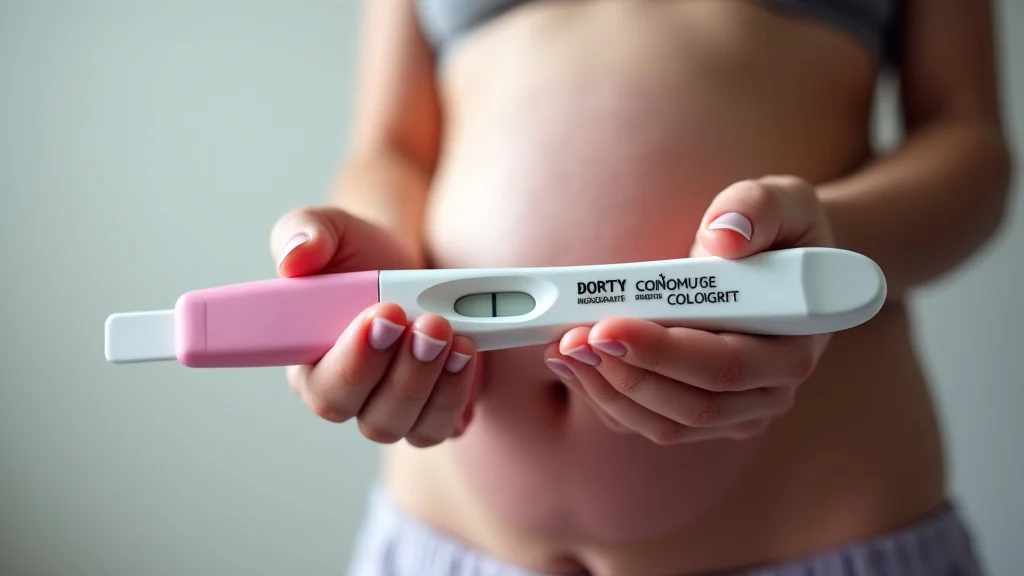
    Starting a pregnancy can feel like a big adventure, and at pregnancy at four weeks, things are just beginning to get real. For many, especially those expecting for the first time, this stage can bring up lots of questions and even a bit of worry. It’s completely normal to feel this way!

    This guide is here to make things super simple. We’ll break down everything you need to know step by step so you can feel confident and prepared for what’s happening now and what’s coming up next.

    Key Takeaways

    • You can now understand what happens during pregnancy at four weeks.
    • Learn about common symptoms and what they mean.
    • Discover how to take care of yourself during this early stage.
    • Know what to expect at your first doctor’s visit.
    • Find out about important prenatal vitamins and nutrition.

    Pregnancy At Four Weeks What Is Happening

    At four weeks into pregnancy, you are still very early in your motherhood journey. This is a time when many women discover they are pregnant. It’s often around the time of your missed period.

    Even though it feels so early, some very important development is already taking place. Your body is starting to go through changes to support a new life. It’s a time of both wonder and a little bit of uncertainty.

    Your Body At Four Weeks

    Your body is working hard, even if you don’t feel many outward signs yet. The fertilized egg, now called a blastocyst, is implanting in the uterus. This is a key step for pregnancy to continue.

    Hormones like hCG, human chorionic gonadotropin, are beginning to rise. This hormone is what home pregnancy tests detect. It signals your body to keep supporting the pregnancy.

    You might notice your breasts feel a bit sore or tender. Some people also feel more tired than usual. These are early whispers from your body that something new is happening.

    The blastocyst is a tiny ball of cells. It will soon start to divide and form different parts of the baby. Two main layers will start to develop.

    The epiblast will become the baby’s three primary germ layers. These layers will form all the body’s organs and tissues. The hypoblast will form the supporting structures for the pregnancy.

    This initial growth is super fast. It happens before you can even feel a flutter or see a bump.

    Early Signs And Symptoms

    While many common pregnancy symptoms are associated with later weeks, some can appear as early as four weeks. The most common sign is a missed period. If your periods are usually regular, this is a strong indicator.

    You might also experience mild cramping or spotting. This can happen when the fertilized egg attaches to the uterine wall. It’s called implantation bleeding and is usually lighter than a period.

    Some women report feeling more sensitive to smells. Foods you once liked might suddenly seem unappealing. You could also find yourself feeling more emotional than usual.

    This is due to the hormonal shifts happening in your body. It’s important to remember that not everyone experiences all these signs. Some women feel perfectly normal at four weeks.

    Every pregnancy is unique, so try not to worry if your experience differs from others.

    The hormone hCG is responsible for many early pregnancy symptoms. It affects your digestive system, making you feel nauseous. This is often referred to as morning sickness, though it can happen at any time of day.

    Even if you don’t feel sick, you might notice changes in your appetite. Some people crave certain foods, while others feel aversions to others.

    Making Sense Of A Positive Test

    Discovering you’re pregnant can bring a mix of emotions. It’s perfectly normal to feel excited, surprised, happy, or even a little anxious. A positive home pregnancy test is usually very accurate.

    These tests detect hCG in your urine. The level of hCG doubles roughly every 48-72 hours in early pregnancy. This rapid increase helps confirm the pregnancy.

    If you get a positive result, the next step is to schedule an appointment with your doctor or a healthcare provider. They can confirm the pregnancy with a blood test or an ultrasound. They will also help you start your prenatal care.

    This early confirmation is vital for monitoring your health and the baby’s development. Sharing the news with a partner or trusted friend can also be helpful.

    Some women might experience a false positive result. This is rare but can happen due to certain medications or medical conditions. If you have concerns about your test result, a doctor’s visit will provide clarity.

    They can perform tests to confirm if you are indeed pregnant and assess how far along you are.

    Taking Care Of Yourself At Four Weeks

    Focusing on self-care is important from the very beginning of your pregnancy. Your body is undergoing significant changes, and giving it the best support can make a big difference. This means paying attention to what you eat, how you rest, and what you do.

    Nutrition Is Key

    What you eat directly impacts your baby’s development. Even at this early stage, good nutrition is vital. You need to ensure you’re getting enough vitamins and minerals.

    Prenatal vitamins are highly recommended. They contain essential nutrients like folic acid, iron, and calcium. Folic acid is particularly important in the first trimester.

    It helps prevent neural tube defects in the baby’s developing brain and spine.

    Aim for a balanced diet rich in fruits, vegetables, lean proteins, and whole grains. These foods provide the building blocks for your baby’s growth. Try to limit processed foods, excessive sugar, and unhealthy fats.

    Staying hydrated is also crucial. Drink plenty of water throughout the day. If you’re experiencing nausea, try eating small, frequent meals.

    Bland foods like crackers, toast, and rice can often help settle your stomach.

    It’s also important to consider foods to avoid during pregnancy. This includes raw or undercooked meats and seafood. Also, avoid certain types of fish high in mercury.

    Unpasteurized dairy products and deli meats can also pose risks. Always wash fruits and vegetables thoroughly before eating them.

    Rest And Gentle Activity

    Fatigue is a common symptom in early pregnancy. Your body is working overtime to support the pregnancy. Prioritizing rest is essential.

    Listen to your body and get enough sleep. If you feel tired during the day, take naps when you can. Creating a relaxing bedtime routine can also help you fall asleep more easily.

    Gentle exercise is generally safe and beneficial during pregnancy. Activities like walking, swimming, and prenatal yoga can help maintain fitness and reduce stress. However, it’s important to listen to your body and avoid overexertion.

    If you were active before pregnancy, you can often continue your routine, but it’s wise to consult your doctor. They can advise on safe exercise levels for your specific situation.

    Avoid any activities that carry a high risk of falls or abdominal injury. This includes contact sports or activities with sudden jolts. If you experience any pain or discomfort during exercise, stop immediately and consult your healthcare provider.

    What To Avoid

    Certain substances can be harmful to your developing baby. It’s crucial to avoid alcohol, smoking, and recreational drugs completely. These can lead to serious birth defects and developmental problems.

    Discuss any medications you are currently taking with your doctor. Some medications are not safe during pregnancy and may need to be adjusted.

    Caffeine intake should also be moderated. High levels of caffeine have been linked to an increased risk of miscarriage. It’s generally recommended to limit caffeine to about 200 milligrams per day.

    This is roughly equivalent to one 12-ounce cup of coffee. Be mindful of caffeine in other beverages like tea, soda, and chocolate.

    Exposure to certain chemicals and environmental hazards should also be minimized. This includes things like strong cleaning agents, pesticides, and some hair dyes. Always ensure good ventilation when using cleaning products.

    If your job involves exposure to hazardous materials, discuss it with your employer and doctor.

    Your First Doctor’s Visit

    The first prenatal visit is a significant milestone. It’s typically scheduled between 6 and 10 weeks of pregnancy. However, if you have a high-risk pregnancy or specific concerns, your doctor might recommend an earlier appointment.

    This visit is a chance to confirm your pregnancy, discuss your health history, and get essential advice.

    What To Expect At The Appointment

    Your doctor will likely ask about your medical history, your menstrual cycle, and any previous pregnancies. They will also ask about your lifestyle habits, such as diet, exercise, smoking, and alcohol consumption. This information helps them assess your individual needs and risks.

    A physical examination will be performed. This may include checking your blood pressure, weight, and a general health assessment. You will likely have blood tests done to check for things like your blood type, Rh factor, and immunity to certain diseases.

    Urine tests are also common to check for infections or other indicators.

    Depending on how far along you are, your doctor might perform a pelvic exam. They may also schedule an ultrasound. Early ultrasounds can help confirm the pregnancy, estimate your due date, and check for the baby’s heartbeat.

    It’s a good time to ask any questions you have. Don’t hesitate to voice any concerns or worries you might be experiencing.

    Confirming The Pregnancy And Due Date

    While home pregnancy tests are quite reliable, a doctor’s confirmation provides certainty. Blood tests can measure the level of hCG in your blood, offering a precise confirmation. An ultrasound is often the most accurate way to determine your gestational age and estimate your due date.

    The due date is calculated from the first day of your last menstrual period. This is known as the Naegele’s rule, but ultrasounds provide a more accurate measure. The typical pregnancy lasts about 40 weeks.

    However, only a small percentage of babies are born on their exact due date. It’s important to remember that the due date is an estimate, and your baby may arrive a little before or after.

    Understanding your due date helps track your pregnancy progress. It guides when certain screenings and tests will be performed. It’s a focal point for planning and preparing for your baby’s arrival.

    But remember, it’s flexible. The most important thing is a healthy pregnancy and a healthy baby.

    Questions To Ask Your Doctor

    This first appointment is your opportunity to get all your questions answered. Prepare a list beforehand to ensure you don’t forget anything. Some common questions include:

    • What prenatal vitamins do you recommend?
    • What foods should I be eating or avoiding?
    • Are there any activities I should stop or modify?
    • What are the signs of a miscarriage or other complications?
    • When should I expect my next appointment or ultrasound?
    • Can I continue my current exercise routine?
    • What are the risks associated with my specific medical history?

    Don’t be afraid to ask about anything that concerns you, no matter how small it may seem. Your healthcare provider is there to support you throughout your pregnancy. They can provide personalized advice and reassurance.

    This collaboration is key to a healthy pregnancy. Having a good relationship with your doctor fosters trust and open communication.

    Common Myths Debunked

    Myth 1: You need to eat for two

    Reality: While your nutritional needs increase during pregnancy, you do not need to double your food intake, especially in the first trimester. Focusing on nutrient-dense foods rather than just increasing quantity is key. A healthy, balanced diet with an emphasis on essential vitamins and minerals is sufficient for supporting both you and your baby’s growth.

    Excessive calorie intake can lead to unnecessary weight gain, which can cause complications.

    Myth 2: Morning sickness only happens in the morning

    Reality: The term “morning sickness” is a bit of a misnomer. Nausea and vomiting can occur at any time of the day or night. Some women experience it primarily in the afternoon or evening.

    Triggers can vary and include certain smells, foods, or even an empty stomach. Staying hydrated and eating small, frequent meals can help manage symptoms regardless of when they appear.

    Myth 3: You can’t exercise when pregnant

    Reality: For most healthy pregnancies, moderate exercise is not only safe but highly recommended. Regular physical activity can help manage weight gain, reduce back pain, improve sleep, and boost your mood. Activities like walking, swimming, and prenatal yoga are excellent choices.

    However, it’s crucial to consult your doctor before starting or continuing any exercise program to ensure it’s appropriate for your individual circumstances and to avoid high-impact or risky activities.

    Myth 4: You can feel the baby move at four weeks

    Reality: At four weeks, the developing embryo is incredibly tiny, about the size of a poppy seed. You will not be able to feel any fetal movements at this stage. The first flutters, often described as butterfly-like sensations, are typically felt much later, usually between 16 and 25 weeks of pregnancy.

    If you feel movement very early on, it’s likely related to other bodily sensations.

    Frequently Asked Questions

    Question: When should I take a pregnancy test

    Answer: The best time to take a home pregnancy test is after you miss your period. Some sensitive tests can detect pregnancy a few days before your missed period.

    Question: What are the first signs of pregnancy

    Answer: The most common early sign is a missed period. Other signs can include breast tenderness, fatigue, frequent urination, and nausea.

    Question: Can I continue my regular diet

    Answer: It’s important to adjust your diet to be more nutrient-rich. Focus on fruits, vegetables, lean proteins, and whole grains. Avoid certain foods like raw meats and unpasteurized dairy.

    Question: How much weight should I gain at four weeks

    Answer: Weight gain recommendations are typically made later in pregnancy. At four weeks, the focus is on a healthy diet rather than specific weight targets.

    Question: Is spotting normal at four weeks

    Answer: Light spotting, known as implantation bleeding, can be normal when the fertilized egg attaches to the uterus. However, any bleeding should be discussed with your doctor.

    Summary

    Pregnancy at four weeks is a time of incredible beginnings. Your body is starting to change, preparing for new life. Focus on good nutrition, rest, and gentle care.

    Your first doctor’s visit is key for confirmation and guidance. Early symptoms are common but vary greatly. Take it one step at a time and enjoy this special phase.

  • Second Trimester Miscarriage Induction Explained

    Second Trimester Miscarriage Induction Explained

    Many people find learning about second trimester miscarriage induction a bit overwhelming at first. It’s a sensitive topic, and information can sometimes feel complicated. We want to make it simple and clear for you.

    This guide will walk you through it step by step, so you feel more informed and prepared. We’ll cover what you need to know and help you understand the process without all the confusing jargon. Get ready to learn the important details.

    Key Takeaways

    • You will learn about the reasons why induction might be recommended.
    • We will explain the medical methods used for induction.
    • You will understand what to expect during the induction process.
    • We will discuss potential risks and how they are managed.
    • You will find information on preparing for and recovering from induction.
    • We will address common questions and concerns.

    Understanding Second Trimester Miscarriage Induction

    Sometimes, a pregnancy loss happens after the first few months, during what is called the second trimester. When this occurs, medical professionals might suggest an induction process. This is often done to help the body deliver the pregnancy.

    For many, this is a new and unfamiliar experience, which can bring up a lot of questions and concerns. Knowing what to expect can make a significant difference in how one feels during this difficult time. This section aims to shed light on why and how induction is used in the second trimester, offering clarity and a foundation for further understanding.

    The reasons for recommending induction for a second trimester loss are varied. Often, it is because the body has not naturally begun the process of expelling the pregnancy tissue. In some cases, continuing the pregnancy might pose health risks to the pregnant person.

    Medical professionals weigh these factors carefully to decide on the best course of action. The goal is always to ensure the safety and well-being of the individual experiencing the loss.

    Why Induction Might Be Recommended

    Induction is a medical procedure that uses medication or other methods to start labor. In the context of a second trimester miscarriage, it is typically suggested when the body has not miscarried on its own. This is sometimes referred to as a missed miscarriage or non-viable pregnancy where the body has not recognized the loss and initiated labor.

    One of the primary reasons for induction is to prevent potential complications that can arise from a pregnancy that is no longer viable but has not been expelled. These complications can include infection or excessive bleeding. By inducing labor, the medical team can manage the process in a controlled environment, ensuring the pregnant person’s health is prioritized.

    Another factor is the emotional and psychological impact of carrying a pregnancy that is known to be non-viable. For some individuals, inducing labor and completing the physical process of the miscarriage can be a necessary step towards emotional healing and moving forward. It allows for a definitive end to the pregnancy in a medical setting.

    The Role of Medical Professionals

    Medical professionals, including obstetricians and gynecologists, play a vital role in guiding individuals through this process. They assess the specific situation, discuss options, and recommend the most suitable approach. Their expertise ensures that decisions are made based on the best available medical knowledge and tailored to the individual’s health and circumstances.

    These healthcare providers are trained to handle these sensitive situations with care and compassion. They explain the procedures, answer questions, and provide support throughout the induction and recovery period. Building trust and open communication with the medical team is key to feeling comfortable and informed.

    Medical Methods for Second Trimester Miscarriage Induction

    When an induction is planned for a second trimester miscarriage, medical professionals use specific methods to encourage labor to begin. These methods are designed to be safe and effective, aiming to complete the process of the miscarriage in a controlled manner. Understanding these techniques can help demystify the procedure and alleviate some of the anxiety associated with it.

    The choice of method often depends on several factors, including how far along the pregnancy is, the individual’s medical history, and their overall health. Doctors will discuss these options and explain why a particular approach is recommended. The primary goal is to safely facilitate the expulsion of pregnancy tissue.

    Medication-Based Induction

    Medications are commonly used to initiate labor for second trimester miscarriage induction. These drugs work by mimicking the hormones involved in natural childbirth, causing the cervix to soften and dilate, and the uterus to contract.

    One of the main medications used is misoprostol. This drug can be taken orally or inserted vaginally. It helps to ripen the cervix, making it more receptive to labor, and also stimulates uterine contractions.

    The dosage and frequency of misoprostol are carefully monitored by the medical team.

    Another approach may involve using medications that cause contractions, similar to what happens during labor. These medications can be administered intravenously and are closely managed to ensure the contractions are effective but not overly intense.

    The use of these medications is always under strict medical supervision. Healthcare providers monitor the pregnant person’s vital signs and the progress of labor. This ensures that the process is proceeding safely and that any necessary adjustments can be made promptly.

    The aim is to manage the body’s response to the medication effectively.

    Mechanical Methods

    In some instances, mechanical methods may be used, sometimes in conjunction with medication. These methods involve physically preparing the cervix for labor and delivery.

    One such method is the insertion of cervical dilators, such as laminaria tents. These are small rods made of absorbent material that are placed into the cervix. As they absorb moisture, they gradually expand, gently dilating the cervix over several hours or overnight.

    This process helps to prepare the cervix for the expulsion of pregnancy tissue.

    Another mechanical method could involve the use of a balloon catheter. A small balloon is inserted into the cervix and then inflated with fluid. The pressure from the inflated balloon helps to dilate the cervix and can also stimulate contractions.

    These mechanical techniques are often employed to help achieve cervical dilation before labor contractions become strong or to enhance the effectiveness of medications. They provide a physical stimulus that can aid in the induction process, working alongside the body’s natural responses.

    Combination Approaches

    It is quite common for medical teams to use a combination of methods to achieve the desired outcome. For example, a patient might receive medication to soften the cervix, followed by medication to induce contractions, or a mechanical method might be used to initiate dilation before administering medications.

    This multimodal approach allows for a more personalized treatment plan. Doctors can tailor the induction strategy based on how the individual’s body responds. The goal is to find the most effective and comfortable way to manage the second trimester miscarriage induction.

    The combination of different techniques helps to optimize the chances of a successful induction. It allows healthcare providers to address various aspects of the labor process, from cervical readiness to uterine activity, ensuring a comprehensive approach to care. This flexibility is a key advantage in managing complex medical situations.

    The Induction Process Explained

    Going through a second trimester miscarriage induction can bring up many questions about what actually happens. The process is designed to be managed carefully by medical professionals to ensure your safety and comfort. It involves several stages, from preparation to the actual labor and delivery, and then the recovery period.

    Understanding each step can help you feel more prepared and in control during this challenging time. The medical team will be there to guide you, explain what is happening, and answer any questions you may have along the way. Your well-being is their top priority.

    Preparation Before Induction

    Before the induction begins, there will be some preparation. This usually involves a conversation with your doctor or nurse. They will go over your medical history again and explain the induction plan in detail.

    This is your opportunity to ask any questions you might have about the medications or procedures involved.

    You may be asked to do some preparatory steps at home, or you might be admitted to the hospital for the induction to begin. If you are admitted, you will likely have your vital signs checked, and an intravenous (IV) line might be started. This IV line will be used to administer fluids and medications as needed throughout the process.

    It is important to follow any specific instructions you are given. This might include things like when to eat or drink. The medical team wants to ensure you are as comfortable and ready as possible for the induction to start.

    They will also discuss pain management options with you at this stage.

    During Labor and Delivery

    Once the induction medications are administered or mechanical methods are used, labor will begin. This means you will start to experience uterine contractions. The intensity and frequency of these contractions will increase over time, similar to natural labor.

    Throughout this period, the medical staff will closely monitor you and the baby’s heart rate. They will check on your cervix to see how it is changing and how the labor is progressing. They will also manage the medications to ensure the contractions are effective for expelling the pregnancy tissue.

    You will have access to pain relief options. This can include medications taken orally, intravenous medications, or possibly an epidural, depending on what is available and what you and your doctor decide is best for you. The goal is to manage any discomfort you experience.

    When the time comes, and the pregnancy tissue is delivered, this is considered the completion of the miscarriage. The medical team will ensure that all tissue has been expelled and that your uterus begins to return to its normal state.

    Post-Procedure Care and Recovery

    After the miscarriage has been completed, you will be monitored closely. The medical team will check for any signs of complications, such as excessive bleeding or infection. They will ensure you are stable and recovering well.

    You will likely remain in the hospital for a period after the delivery to recover. During this time, you will be offered pain relief as needed. You will also receive instructions on how to care for yourself at home, including information about bleeding, pain, and when to seek medical attention.

    Emotional support is also a key part of recovery. The staff can provide resources or information about counseling services if you feel you need them. It is a time of significant emotional and physical adjustment, and caring for yourself is paramount.

    Potential Risks and Management

    While second trimester miscarriage induction is generally a safe procedure when managed by medical professionals, like any medical intervention, there are potential risks. Understanding these risks and how they are managed can provide reassurance and help you know what to watch for.

    Healthcare providers are trained to anticipate and address these potential issues proactively. Their constant monitoring and adherence to best practices are designed to minimize any dangers and ensure the best possible outcome for the pregnant person.

    Infection

    One potential risk associated with any procedure that involves the uterus is infection. When pregnancy tissue remains in the uterus for an extended period, or during the induction process itself, bacteria can sometimes enter and cause an infection.

    Symptoms of infection can include fever, chills, foul-smelling vaginal discharge, and abdominal pain. To manage this risk, healthcare providers may administer antibiotics before, during, or after the induction, especially if there are concerns about exposure or if the induction process is prolonged.

    Close monitoring of vital signs and observation for any signs of infection are standard practice during and after the induction. If an infection is suspected, prompt treatment with antibiotics is initiated to clear the infection and prevent further complications.

    Excessive Bleeding (Hemorrhage)

    Another possible complication is excessive bleeding. After the uterus has been carrying a pregnancy, it can take time to contract down. Sometimes, bleeding can be heavier than expected.

    Medical teams closely monitor bleeding levels after the miscarriage. They will check pads to assess the amount of blood loss and may use medications to help the uterus contract more effectively and reduce bleeding. In rare cases, if bleeding is severe, further medical intervention might be needed.

    This monitoring is crucial, and the staff are prepared to manage heavy bleeding promptly. They have treatments available to control hemorrhage and ensure the patient’s stability. Your well-being is carefully watched.

    Incomplete Miscarriage

    Occasionally, not all of the pregnancy tissue may be expelled during the induction process. This is known as an incomplete miscarriage. If this occurs, it may require further medical attention.

    The medical team will assess the uterus after the miscarriage to confirm that it is empty. If there is concern about retained tissue, further treatment, such as medication or a minor surgical procedure, might be recommended. This ensures that the uterus can heal properly.

    This is why follow-up appointments are so important. They allow the doctor to confirm that everything has resolved and that there are no lingering issues. Early detection and management are key to a full recovery.

    Risks Associated with Medications

    The medications used for induction, while generally safe and effective, can have side effects. These can include nausea, vomiting, diarrhea, dizziness, headache, or fever. Some individuals might experience more intense uterine contractions, which can be managed by the medical team.

    The healthcare providers will discuss potential side effects with you beforehand and will monitor you closely for any adverse reactions. They will adjust dosages or provide supportive care to manage these side effects. The benefits of induction are carefully weighed against these potential risks.

    For instance, if nausea is a significant issue, anti-nausea medications can be given. If contractions are too strong, medication to relax the uterus might be used. The medical team is experienced in managing these responses to ensure your comfort and safety.

    Preparing for and Recovering from Induction

    Facing a second trimester miscarriage induction involves preparing for the process and understanding what to expect afterward. Both stages are important for your physical and emotional well-being. The medical team will guide you through these phases, offering support and clear instructions.

    Taking an active role in your preparation and understanding your recovery plan can help you feel more empowered during this sensitive time. It’s about caring for yourself physically and emotionally as you move through this experience.

    What to Pack and Bring

    If you are admitted to the hospital for induction, packing a few personal items can help make your stay more comfortable. Consider bringing comfortable clothing, such as pajamas or a robe. It’s also a good idea to bring toiletries like a toothbrush, toothpaste, and any personal care items you use.

    Entertainment can be helpful too. Books, magazines, a tablet, or headphones can provide a welcome distraction. If you have a comfort item, like a favorite blanket or pillow, bringing it might also be soothing.

    It’s also important to bring any identification and insurance information the hospital requires. Make a list of questions you have for the medical team so you don’t forget to ask them when they are available. Having these items ready can reduce stress when you arrive.

    Emotional and Psychological Preparation

    Experiencing a miscarriage is emotionally taxing. Preparing for an induction can involve acknowledging your feelings and seeking support. Talking with your partner, family, or a close friend can be beneficial.

    Consider talking to a grief counselor or therapist who specializes in pregnancy loss. They can provide a safe space to process your emotions and develop coping strategies. Many hospitals offer resources or referrals for emotional support services.

    It can also be helpful to learn about the process itself. The more you understand what to expect, the less uncertain and anxious you might feel. Reading reliable information from healthcare providers or support organizations can be empowering.

    Post-Induction Recovery at Home

    After being discharged from the hospital, your body will need time to heal. You will likely experience vaginal bleeding, which can be similar to a period, sometimes heavier at first and gradually lessening over a few weeks. You may also have some cramping.

    Your doctor will provide specific instructions for home care. This will include information about managing pain with over-the-counter medications like ibuprofen, if appropriate, and when to seek medical attention. Signs that warrant contacting your doctor include heavy bleeding that soaks through pads quickly, severe abdominal pain, fever, or foul-smelling discharge.

    Rest is crucial during this period. Try to avoid strenuous activity, heavy lifting, and intercourse until you have been cleared by your doctor. Allow yourself the time and space needed to recover physically and emotionally.

    Support from loved ones can make a significant difference in this phase.

    Common Myths Debunked

    Myth 1: Induction is always a painful and frightening experience.

    Reality: While labor and delivery can involve discomfort, medical teams are well-equipped to manage pain. They offer various pain relief options, from oral medications to epidurals, tailored to individual needs. The goal is to make the process as comfortable as possible.

    Open communication with your doctor about your pain concerns is key to effective management.

    Myth 2: You will feel “empty” or “incomplete” if you don’t miscarry naturally.

    Reality: The decision to induce is often made for medical reasons to ensure your health and well-being. Whether a miscarriage happens naturally or through induction, the emotional process of grieving and healing is complex and individual. Induction provides a medically managed way to complete the process, which for some can aid in emotional closure.

    Myth 3: Induction means you’ll need a surgical procedure like a D&C.

    Reality: Induction for second trimester miscarriage primarily uses medications or mechanical methods to start labor. While a D&C (dilation and curettage) is a surgical procedure used to remove pregnancy tissue, induction is a non-surgical method for initiating labor and delivery. In some very rare circumstances, a surgical procedure might be needed if induction isn’t fully effective, but induction itself is not surgery.

    Myth 4: Once induction starts, it will happen very quickly.

    Reality: The timeline for induction can vary significantly from person to person. It can take several hours or even a couple of days for labor to begin and progress. The medical team will monitor your progress and adjust treatments as needed.

    Patience and understanding that each body responds differently are important.

    Frequently Asked Questions

    Question: How long does a second trimester miscarriage induction typically take?

    Answer: The duration can vary greatly. It might take anywhere from several hours to a couple of days from starting the medication or procedures until the miscarriage is complete. Your body’s response plays a significant role.

    Question: Will I be able to have a support person with me during the induction?

    Answer: Generally, support persons are allowed during labor and delivery. Hospital policies may vary, so it’s best to confirm with your medical facility beforehand.

    Question: Is it possible to have a natural birth experience during induction?

    Answer: While the process is medically induced, the labor can feel similar to a natural labor. You will experience contractions. The goal is to deliver the pregnancy tissue, and many find the experience to be similar to spontaneous labor, with support and pain management available.

    Question: What should I do if I experience severe pain during induction?

    Answer: If you experience severe pain that is not managed by your current pain relief, it’s important to inform your nurse or doctor immediately. They can assess your situation and adjust your pain management plan accordingly.

    Question: How soon can I get pregnant again after a second trimester miscarriage induction?

    Answer: Many women can become pregnant again relatively soon after a miscarriage. However, it’s recommended to wait until you have had at least one normal menstrual cycle and have discussed family planning with your doctor to ensure your body is ready.

    Conclusion

    Understanding second trimester miscarriage induction offers clarity during a difficult time. We covered why induction might be chosen, the medical methods used, and what the process entails. You learned about potential risks and how they are managed, as well as how to prepare and recover.

    This information empowers you with knowledge for your well-being.

  • Negative Pregnancy Test 1 Day Late

    Negative Pregnancy Test 1 Day Late

    It can be a little confusing and even a bit worrying to get a negative pregnancy test 1 day late. You’re expecting a period, but it hasn’t arrived yet, and the test says you’re not pregnant. This is actually super common, especially if it’s your first time experiencing this.

    Don’t fret! We’ll walk through exactly what this means and what steps to take next. It’s simpler than you might think.

    Key Takeaways

    • A negative test 1 day after your expected period is often normal.
    • Early pregnancy hormones can be tricky to detect right away.
    • Your test might have been taken too early for accurate results.
    • Other factors can cause a late period besides pregnancy.
    • Knowing when to retest is important for clarity.
    • Understanding your cycle helps interpret test results.

    Understanding a Negative Pregnancy Test 1 Day Late

    When you’re expecting your period and it’s a day late, seeing a negative pregnancy test can be a mixed bag of emotions. For many, this situation is quite common. It doesn’t automatically mean you aren’t pregnant, nor does it confirm you aren’t.

    It often simply means that the pregnancy hormone, human chorionic gonadotropin (hCG), hasn’t yet reached a detectable level in your urine. This hormone is what pregnancy tests look for. The concentration of hCG in your body increases daily after conception.

    If you test too soon, even just one day after your missed period, the level might be too low for the test to pick up. This is particularly true for some home pregnancy tests which have different sensitivity levels. Many women experience a late period for reasons other than pregnancy, so a negative test in this scenario is usually a good indicator, but not always a definitive one.

    Why Tests Might Show Negative Early On

    Home pregnancy tests work by detecting hCG in your urine. This hormone is produced by the cells that will eventually form the placenta. After fertilization, it takes time for the fertilized egg to implant in the uterine wall and for hCG levels to rise significantly.

    Implantation typically happens about 6 to 12 days after ovulation. For the first few days after implantation, hCG levels are very low. Most home pregnancy tests are designed to detect hCG levels around 25 mIU/mL (milli-international units per milliliter).

    If your hCG level is below this threshold, the test will appear negative. A test taken just one day after your missed period might only show a positive result if implantation occurred very early and hCG levels are already climbing rapidly. Some tests are more sensitive and can detect lower levels of hCG, potentially giving a positive result earlier.

    However, even with sensitive tests, there’s a window of time where a negative result is still possible even if pregnancy has occurred.

    The timing of your ovulation is also a key factor. Many women have a fairly regular menstrual cycle, but ovulation can sometimes occur earlier or later than expected. If you ovulate later in your cycle than you typically do, your period will also be later, and the hCG levels will be lower when you test.

    This can lead to a false negative. Understanding your menstrual cycle and estimating your ovulation date can help you determine the most accurate time to take a pregnancy test. Using an ovulation predictor kit (OPK) or tracking your basal body temperature can provide more insight into your ovulation timing.

    It’s important to remember that a negative pregnancy test 1 day late might also be a sign that pregnancy is not occurring this cycle. For individuals trying to conceive, this can be disheartening. However, focusing on the accuracy of the test and the timing is crucial.

    If you consistently have regular cycles and ovulate on time, and your period is still late with a negative test, it’s generally a good sign. The most important advice is to follow the test manufacturer’s instructions carefully and consider retesting in a few days if your period still hasn’t arrived.

    Factors Influencing Test Accuracy

    Several factors can influence the accuracy of a pregnancy test, especially when taken early. The concentration of hCG in your urine is the primary determinant. Testing with first-morning urine is often recommended because it’s more concentrated, meaning hCG levels will be higher.

    Drinking excessive amounts of fluids before testing can dilute your urine, making it harder for the test to detect low levels of hCG. This can lead to a false negative result even if pregnancy is present. Additionally, the expiration date of the pregnancy test is vital.

    An expired test might not work correctly, leading to inaccurate results. Storing the test properly, away from moisture and extreme temperatures, is also important for its effectiveness. Always check the expiration date on the packaging before use.

    The type of pregnancy test used can also play a role. There are different types of home pregnancy tests available, varying in sensitivity. Some tests are more sensitive and can detect lower levels of hCG, allowing for earlier detection.

    These are often advertised as “early detection” tests. However, even with a highly sensitive test, there’s a limit to how early hCG can be detected. If you have a very sensitive test and still get a negative result one day late, it might mean that hCG levels are still below the detection threshold.

    It’s always a good idea to follow the instructions provided with your specific test kit, as they will outline the recommended time frame for testing and how to interpret the results. Using a test that is past its expiry date or has been stored incorrectly can significantly compromise its accuracy.

    Another crucial factor is the exact timing of ovulation. If conception occurred later than expected in the cycle, hCG levels will be lower at the time of your missed period compared to if conception happened earlier. For instance, if you normally have a 28-day cycle and ovulate around day 14, a pregnancy is more likely to be detectable by day 28.

    However, if you ovulate on day 20, then your “missed period” day would be day 34 of your cycle, and you’d be testing roughly 14 days after ovulation. This difference in timing can mean a negative pregnancy test 1 day late might still indicate a very early pregnancy. The reliability of the test depends on the amount of hCG present, and that amount is directly related to how far along in the pregnancy you are after implantation.

    What a Negative Result Could Mean

    When you get a negative pregnancy test 1 day late, it generally means that the test did not detect sufficient levels of hCG in your urine to confirm pregnancy. In most cases, this indicates that you are not pregnant. However, as we’ve discussed, there are scenarios where a negative result can occur even with an early pregnancy.

    This includes testing too early, using a less sensitive test, or if your ovulation was delayed. It is also possible that implantation has not yet occurred or has only just begun, and hCG levels are not yet high enough for detection.

    Another possibility is that you are experiencing a delayed period for reasons unrelated to pregnancy. Many factors can affect your menstrual cycle, such as stress, changes in diet or exercise, significant weight fluctuations, illness, or certain medications. Hormonal imbalances, like those associated with polycystic ovary syndrome (PCOS) or thyroid issues, can also cause irregular periods.

    Sometimes, a chemical pregnancy, which is a very early miscarriage that occurs shortly after implantation, can result in a positive test followed by a negative one, or a negative test when a period is expected. If you continue to have no period and are concerned, it’s always best to consult a healthcare provider.

    If you are trying to conceive and received a negative test, it simply means that pregnancy has not been confirmed at this specific moment. It’s a good idea to continue tracking your cycle and consider retesting in a few days if your period still hasn’t arrived. Sometimes, a little more time is all that’s needed for hCG levels to rise to a detectable point.

    Patience and accurate testing are key when you’re waiting for confirmation either way. The focus should be on gathering accurate information about your body’s signals and hormonal changes.

    When to Retest For Clarity

    If you’ve received a negative pregnancy test 1 day late, and your period still hasn’t started, retesting is a sensible next step. Home pregnancy tests are designed to detect hCG, and its levels rise steadily in early pregnancy. Waiting a couple of days allows hCG levels to increase, making them more likely to be detected by the test.

    If you test again in 2-3 days and still get a negative result, and your period has arrived, it’s highly probable that you are not pregnant. However, if your period remains absent and subsequent tests are also negative, it might be beneficial to seek medical advice.

    When retesting, it’s advisable to use first-morning urine. As mentioned before, this urine is more concentrated, and therefore more likely to contain detectable amounts of hCG if pregnancy has occurred. Following the instructions on the test packaging is crucial for accurate results.

    Different brands have varying sensitivity levels, and using them correctly ensures you get the most reliable outcome. If you are experiencing symptoms of pregnancy, such as nausea, fatigue, or breast tenderness, and continue to get negative results, it’s still a good idea to consult a doctor. They can perform more sensitive blood tests or an ultrasound to confirm pregnancy if it’s suspected.

    It is also important to consider the typical length of your menstrual cycle. If you have very irregular cycles, determining when your period is “late” can be challenging. In such cases, tracking ovulation through methods like basal body temperature charting or using ovulation predictor kits can help you pinpoint when conception might have occurred, allowing for more accurate timing of pregnancy tests.

    If your period is consistently more than a week late and you’ve had multiple negative tests, it might indicate an underlying issue with your menstrual cycle that warrants a doctor’s evaluation. This could be due to hormonal imbalances, stress, or other health conditions.

    Testing Too Early Mistakes

    One of the most common reasons for a negative pregnancy test 1 day late, when pregnancy is actually present, is testing too early. Pregnancy tests rely on detecting hCG, and this hormone isn’t produced in significant amounts until after implantation. Implantation can occur anywhere from 6 to 12 days after ovulation.

    If you test before implantation is complete or before hCG levels have risen sufficiently, you might get a false negative. This means the test shows you’re not pregnant, but you actually are. This can be particularly frustrating for those actively trying to conceive.

    To avoid this common mistake, it’s best to wait until the day your period is expected, or even a few days after. While some “early detection” tests claim to detect pregnancy a few days before a missed period, their accuracy is still dependent on hCG levels. If you test even a day before your period is due and get a negative result, it’s highly recommended to retest a few days later if your period doesn’t arrive.

    Many women find that retesting after a missed period provides a more reliable result. It’s a matter of giving your body enough time to produce enough hCG for the test to pick it up accurately.

    Another aspect of “testing too early” involves miscalculating ovulation. If you believe your period is late, but you actually ovulated later than you thought, then you might be testing before there’s enough hCG. Factors like stress, illness, or changes in routine can shift your ovulation date.

    Therefore, relying solely on your calendar cycle length might not always be accurate for determining the right time to test. Understanding your body’s signs or using fertility tracking methods can help improve the timing of your tests and reduce the chances of a false negative due to premature testing.

    Understanding hCG Levels and Timing

    Human chorionic gonadotropin (hCG) is the hormone that pregnancy tests detect. It starts being produced by the developing placenta shortly after implantation. The amount of hCG in your body typically doubles every 48 to 72 hours in early pregnancy.

    This rapid increase is why testing too early can lead to a negative result. For example, if implantation occurs 10 days after ovulation, and your period is due on day 14, testing on day 14 might be too soon if the hCG level hasn’t reached the test’s detection threshold yet. A negative pregnancy test 1 day late is often a result of these low initial hCG levels.

    Let’s consider some typical hCG levels. At the time of a missed period (around 14 days post-ovulation), hCG levels can range from about 0 to around 200 mIU/mL, with most pregnancy tests able to detect levels around 25 mIU/mL or lower. If you test one day after your missed period, your hCG level might be at the lower end of this range, or even below it, depending on when implantation occurred and how quickly your body is producing hCG.

    For instance, if implantation happened on day 10 post-ovulation, by day 15 (one day after your expected period), your hCG might be around 50-100 mIU/mL. However, if implantation happened on day 12, by day 15, your hCG might only be 10-20 mIU/mL, which would still be negative on a standard test. This is why waiting a few extra days can be so beneficial for accuracy.

    The accuracy of the test also depends on the brand and its sensitivity. Some highly sensitive tests can detect hCG levels as low as 10 mIU/mL. These tests might give a positive result a few days earlier than standard tests.

    However, even with these sensitive tests, if implantation occurred very late, or if hCG production is slower, you might still get a negative result when you are pregnant. The key takeaway is that a negative pregnancy test 1 day late is not a definitive answer. Giving your body more time to produce hCG is the most reliable way to confirm pregnancy if your period is still absent.

    It is always recommended to read the instructions of your specific pregnancy test carefully.

    Best Practices for Testing

    When you suspect you might be pregnant, especially if your period is late, following best practices for taking a pregnancy test is crucial for accurate results. First and foremost, always read and follow the instructions provided with the specific pregnancy test you are using. Different brands have different sensitivities and testing procedures.

    Most tests recommend using first-morning urine because it is the most concentrated, and therefore, hCG levels will be highest. This increases the chances of detecting even low levels of the hormone.

    If your test is negative and your period is still absent, it’s advisable to wait at least 2-3 days before retesting. This waiting period allows for a potential increase in hCG levels, which can make the difference between a negative and a positive result. If you continue to get negative results but your period doesn’t arrive, it is a good idea to schedule an appointment with your doctor.

    They can perform more sensitive blood tests or conduct other examinations to determine the cause of your missed period and confirm or rule out pregnancy. Don’t rely on a single negative test if your symptoms or concerns persist.

    Avoid drinking large amounts of fluids before taking the test, as this can dilute your urine and lower the concentration of hCG. If the test requires dipping a test strip into a urine sample, ensure you dip it for the exact amount of time specified in the instructions. If it’s a midstream test, hold the absorbent tip in your urine stream for the recommended duration.

    Properly storing the test kit is also important. Keep it in a dry place away from extreme temperatures to prevent it from degrading before you use it. Checking the expiration date on the package before use is essential.

    An expired test may not provide accurate results.

    Other Reasons for a Delayed Period

    It’s important to remember that a late period doesn’t always mean pregnancy. Many factors can influence your menstrual cycle, leading to a delayed period even if you are not pregnant. Understanding these common causes can help alleviate anxiety when you get a negative pregnancy test 1 day late.

    Stress and Lifestyle Changes

    Stress is a significant factor that can disrupt your hormonal balance and affect your menstrual cycle. When you’re under a lot of stress, your body releases cortisol, a stress hormone. High levels of cortisol can interfere with the hormones that regulate ovulation, such as luteinizing hormone (LH) and follicle-stimulating hormone (FSH).

    This disruption can delay ovulation, resulting in a later period or even an absent period. Significant life changes, such as starting a new job, moving, or relationship problems, can all contribute to stress.

    Sudden changes in your lifestyle can also impact your cycle. This includes significant changes in your diet, such as starting a restrictive diet or experiencing drastic weight loss or gain. Intense exercise routines, especially if you haven’t built up to them gradually, can also put a strain on your body and affect your hormones.

    For example, athletes who engage in very high levels of physical activity may experience irregular periods or amenorrhea (absence of menstruation). Even changes in your sleep schedule or travel across time zones can throw off your body’s internal clock and affect your cycle.

    The body is a complex system, and when it perceives stress or significant changes, it may temporarily pause reproductive functions to conserve energy. This is a natural survival mechanism. Therefore, if you’re experiencing a delayed period and a negative pregnancy test, consider whether you’ve recently gone through any stressful events or made significant lifestyle alterations.

    Often, once the stress subsides or your body adjusts to the new routine, your cycle will return to normal. However, if stress is chronic or very severe, it might be beneficial to seek strategies for stress management, such as mindfulness, meditation, or gentle exercise.

    Medical Conditions and Medications

    Certain medical conditions can cause irregular periods or cause your period to be late. Polycystic ovary syndrome (PCOS) is a common hormonal disorder that can lead to irregular ovulation, causing missed or infrequent periods. Thyroid disorders, such as hypothyroidism (underactive thyroid) or hyperthyroidism (overactive thyroid), can also affect your menstrual cycle because the thyroid gland plays a role in regulating hormones.

    Other conditions like premature ovarian insufficiency or uterine fibroids can also contribute to menstrual irregularities.

    Medications can also influence your menstrual cycle. Some birth control methods, especially hormonal ones like the pill, patch, or ring, can alter your cycle or cause you to have lighter periods or no periods at all. If you have recently started or stopped hormonal contraception, it can take some time for your cycle to regulate.

    Certain medications used to treat conditions like depression, anxiety, or high blood pressure can also have side effects that impact your menstrual cycle. If you have started a new medication or changed your dosage, it’s worth discussing this with your doctor to see if it could be related to your delayed period.

    It’s important to consult a healthcare professional if you suspect an underlying medical condition or if your menstrual irregularities are persistent. They can perform the necessary tests to diagnose any issues and recommend appropriate treatment. Understanding that these conditions exist can provide reassurance when you receive a negative pregnancy test 1 day late.

    It highlights that pregnancy is not the only explanation for a missed period. Regularly reviewing your health and discussing any concerns with your doctor is always a good practice, especially if you have a history of irregular cycles.

    Hormonal Fluctuations and Age

    Hormonal fluctuations are a natural part of a woman’s life and can significantly affect the menstrual cycle. Throughout the month, hormone levels, particularly estrogen and progesterone, rise and fall, triggering ovulation and the shedding of the uterine lining (menstruation). Sometimes, these hormonal fluctuations aren’t perfectly balanced, which can lead to a delayed period.

    This can happen even in women with otherwise regular cycles.

    As women age, their reproductive hormones naturally change. Closer to perimenopause, the stage leading up to menopause, hormonal fluctuations become more pronounced. This can result in irregular periods, including skipped periods or periods that are lighter or heavier than usual.

    For some women, perimenopause can begin in their late 30s or early 40s. If you are in this age range, a delayed period might be a sign of these natural hormonal shifts rather than pregnancy. The average age for menopause is 51, but perimenopause can start years before that.

    The transition through perimenopause is characterized by inconsistent ovulation. This means that while pregnancy is still possible, the regularity of your cycle may decrease. This variability in ovulation can lead to periods arriving earlier, later, or being skipped altogether.

    Therefore, a negative pregnancy test 1 day late, coupled with symptoms that might be attributed to hormonal changes, could be an indication of this natural life stage. Discussing your cycle changes with a healthcare provider is recommended if you are concerned or unsure about what might be happening.

    Common Myths Debunked

    Myth 1: A Negative Test Means I’m Definitely Not Pregnant

    This is a common misconception. While a negative pregnancy test is a strong indicator that you are not pregnant, it’s not always 100% conclusive, especially if the test was taken too early. As we’ve discussed, hCG levels need to reach a certain threshold for detection.

    Testing even one day late might not be enough time for hCG to be detectable. Factors like an inaccurate calculation of your cycle, delayed ovulation, or using a less sensitive test can all lead to a false negative. If your period continues to be absent and you suspect pregnancy, retesting in a few days is recommended.

    Your doctor can also perform more accurate blood tests.

    Myth 2: All Pregnancy Tests Are Equally Accurate

    Not all pregnancy tests are created equal. They vary in their sensitivity to detecting hCG. Some tests are designed for early detection and can pick up lower levels of hCG, meaning they might give a positive result a few days before your missed period.

    Other standard tests require higher hCG levels. If you use a less sensitive test when your hCG levels are still low, you might get a negative result even if you are pregnant. Always check the sensitivity of the test (often measured in mIU/mL) and consider using a more sensitive test if you are testing before your period is significantly late.

    Myth 3: Drinking Lots of Water Before Testing Helps You Get a Clearer Result

    This is actually the opposite of what’s recommended for pregnancy testing. Drinking excessive amounts of water before taking a pregnancy test can dilute your urine. Diluted urine will have a lower concentration of hCG, which can lead to a false negative result.

    For the most accurate result, it’s best to use first-morning urine, which is naturally more concentrated. If you need to test at another time of day, try to avoid drinking large quantities of fluids for a couple of hours beforehand.

    Myth 4: If My Period Is Late, I Must Be Pregnant

    While a missed period is often the first sign of pregnancy, it is not the only cause. Many factors can lead to a delayed or missed period, including stress, hormonal imbalances, significant weight changes, excessive exercise, certain medical conditions like PCOS or thyroid issues, and some medications. It’s crucial to consider these other possibilities, especially if you have a negative pregnancy test 1 day late.

    If your period continues to be absent and you are concerned, consult a healthcare provider to explore other potential causes.

    Frequently Asked Questions

    Question: How soon can I get a reliable negative pregnancy test 1 day late?

    Answer: A negative pregnancy test 1 day late is often reliable if your cycle is regular and you ovulated as expected. However, for maximum accuracy, waiting until 2-3 days after your missed period or until your period is a full week late is best, especially if you suspect early pregnancy.

    Question: What if I have pregnancy symptoms but my test is negative?

    Answer: Early pregnancy symptoms can sometimes mimic premenstrual symptoms. If you have a negative test 1 day late and are experiencing symptoms, it’s best to retest in a few days. If your period still hasn’t arrived and symptoms persist, consult your doctor for further evaluation and more sensitive testing like a blood test.

    Question: Can I trust a home pregnancy test?

    Answer: Yes, home pregnancy tests are generally very accurate when used correctly and at the right time. They are designed to detect hCG, the hormone produced during pregnancy. Following the instructions precisely and testing when hCG levels are likely to be detectable increases their reliability significantly.

    Question: What should I do if my period is more than a week late and I keep getting negative tests?

    Answer: If your period is more than a week late and you consistently get negative pregnancy tests, it’s advisable to see a doctor. They can help determine the cause of your missed period, which could be due to various factors unrelated to pregnancy, or they can perform more definitive tests to confirm pregnancy if it’s still suspected.

    Question: Does alcohol affect pregnancy test results?

    Answer: Consuming alcohol does not directly affect the accuracy of a pregnancy test. The test detects the presence of the hCG hormone. However, excessive alcohol consumption can potentially disrupt hormonal balance and affect your menstrual cycle.

    If you are trying to conceive, it is generally recommended to limit or avoid alcohol intake.

    Final Thoughts

    Getting a negative pregnancy test 1 day late is usually a good sign you’re not pregnant. If your period still hasn’t come, wait a few more days to retest. Always use first-morning urine for the most accurate results.

    Many things besides pregnancy can make your period late, so don’t worry too much if you’re not pregnant. If you’re concerned or your period remains absent, talk to your doctor.

  • Third Trimester Dental Cleaning Guide

    Third Trimester Dental Cleaning Guide

    As your pregnancy progresses into the third trimester, you might be wondering about dental care. It’s a common time for expecting parents to think about their oral health. Sometimes, it can feel a bit overwhelming trying to figure out what’s best for you and your baby during these final months.

    But don’t worry! This guide will give you simple, clear steps to help you manage your third trimester dental cleaning with ease. We’ll cover everything you need to know to keep your smile healthy and bright during this special time.

    Key Takeaways

    • You can safely get a dental cleaning during your third trimester.
    • Regular cleanings help prevent pregnancy gingivitis and other oral health issues.
    • Communicate any pregnancy symptoms or concerns with your dentist.
    • Proper oral hygiene at home is vital for a healthy pregnancy.
    • Choosing the right time for your appointment can increase comfort.

    Why Third Trimester Dental Cleaning Matters

    Getting a dental cleaning during the third trimester is super important for both you and your growing baby. Pregnancy can bring on some changes in your body, and your mouth is no exception. Hormonal shifts, especially in the third trimester, can make your gums more sensitive and prone to swelling and bleeding.

    This is often called pregnancy gingivitis. If left unchecked, it can lead to more serious gum problems.

    A professional cleaning removes plaque and tartar buildup that you might miss at home. This helps prevent cavities and gum disease, which can have wider health implications. Keeping your mouth healthy supports your overall well-being during pregnancy.

    It’s a proactive step to ensure you feel your best during these last few months. Think of it as part of your self-care routine. Your dentist can also spot any early signs of trouble and offer advice.

    Benefits of Regular Cleanings

    Having regular dental cleanings throughout your pregnancy, including in the third trimester, offers many benefits. Dentists use special tools to gently scrape away hardened plaque, called tartar, from your teeth. They also polish your teeth, making them feel super smooth and clean.

    • Prevents Gum Disease: Pregnancy hormones can make your gums inflamed and more likely to bleed, a condition known as pregnancy gingivitis. Regular cleanings remove the bacteria that cause this, keeping your gums healthy.
    • Stops Cavities: Plaque bacteria eat sugar and produce acids that create holes in your teeth. Cleanings remove this plaque, greatly reducing your risk of cavities.
    • Freshens Breath: Food particles and bacteria can cause bad breath. A good cleaning gets rid of these sources, leaving your mouth feeling fresh.
    • Early Detection: Your dentist can spot early signs of tooth decay or gum problems before they become painful or serious. They can also check for other oral health issues.
    • Overall Health Link: Research shows a connection between oral health and overall health, including pregnancy outcomes. A healthy mouth contributes to a healthier pregnancy.

    These benefits are not just for the third trimester; they are important throughout pregnancy. However, maintaining good oral hygiene in the final stages is key. It helps you feel more comfortable and reduces potential complications.

    Your dental team is there to help you achieve this.

    Timing Your Appointment

    When it comes to scheduling your third trimester dental cleaning, timing can make a big difference in your comfort. Many dentists recommend the second trimester for routine cleanings if you haven’t had one recently. However, if you’re in your third trimester, it’s still a good idea to go.

    The best approach is to schedule your appointment for a time when you generally feel your best. Morning appointments might be better if you experience morning sickness. For some, later in the morning or early afternoon might be more comfortable as they’ve had a chance to eat and settle.

    • Consider Your Energy Levels: Choose a time when you feel most rested and energetic. The third trimester can bring fatigue, so plan accordingly.
    • Avoid Peak Discomfort Times: If you have back pain or discomfort when lying down, talk to your dentist about finding a more comfortable position. They might be able to adjust the chair or use extra pillows.
    • Schedule in Advance: Dentists’ schedules can fill up quickly, especially if you’re looking for a specific time. Book your appointment well ahead of your desired date.
    • Inform the Office: Let the dental office know you are in your third trimester when you book. They can make any necessary arrangements to ensure your comfort.

    Many dental offices are well-equipped to handle pregnant patients. They understand the need for comfort and safety. Discussing your needs with them beforehand ensures a smoother experience.

    The goal is to make sure you receive necessary care without adding unnecessary stress to your pregnancy.

    Preparing for Your Dental Visit

    Getting ready for your third trimester dental cleaning is straightforward. The main thing is to communicate openly with your dentist about how you’re feeling. They are there to help you and want to make your visit as comfortable and safe as possible.

    Before you go, think about any symptoms you’ve been experiencing. This includes things like bleeding gums, tooth sensitivity, or any nausea. Also, consider any medications you are taking, even prenatal vitamins, and share this information.

    It helps your dentist have a complete picture of your health.

    What to Discuss with Your Dentist

    Open communication with your dental professional is key to a successful third trimester dental cleaning. Before the appointment begins, take a moment to talk about your current health status. Mention any new symptoms you’ve noticed, even if they seem minor.

    • Gum Bleeding or Swelling: If your gums are bleeding more than usual or feel swollen, let them know. This is a common symptom of pregnancy gingivitis.
    • Toothaches or Sensitivity: Any pain, sensitivity to hot or cold, or discomfort should be reported.
    • Nausea or Vomiting: If you’re experiencing significant nausea, especially in the morning, inform the hygienist. They can adjust their techniques to minimize triggers.
    • Recent Illnesses: If you’ve had a cold or other illness, inform your dentist.
    • Medications: List all medications, supplements, and vitamins you are taking. This includes your prenatal vitamins.
    • Concerns about Procedures: If you have any worries about X-rays or specific dental procedures, express them clearly.

    Your dentist and hygienist can then tailor their approach to your specific needs. They can use gentler techniques, suggest positions that are more comfortable, or advise on how to manage symptoms like nausea during the cleaning. This dialogue ensures your care is personalized and safe for both you and your baby.

    Comfort Measures During the Appointment

    Dental offices are increasingly aware of the needs of pregnant patients. They often have measures in place to ensure your comfort during a third trimester dental cleaning. Don’t hesitate to ask for what you need to feel more at ease.

    Many chairs can be adjusted to a more reclined position, which can be more comfortable in the third trimester than lying flat. Extra pillows can be provided for support, especially under your back or hips. If you feel nauseous, the hygienist can offer a small cup of water for rinsing or suggest taking a short break.

    • Chair Position Adjustments: Request to have the chair adjusted to a less reclined angle if lying flat makes you feel dizzy or uncomfortable.
    • Pillow Support: Ask for pillows to support your back, hips, or under one side if needed to alleviate pressure.
    • Breaks for Nausea: If you feel queasy, tell your hygienist. They can pause, offer water, or provide a paper towel.
    • Sip Straw: Some offices offer bendable straws for rinsing and spitting, which can be easier than sitting up.
    • Local Anesthetic Safety: If any dental work beyond a cleaning is needed, rest assured that dentists use anesthetics that are safe during pregnancy.
    • X-rays: Dental X-rays are generally considered safe during pregnancy, especially when a lead apron is used. However, if you have concerns, discuss them.

    The goal is to make your visit as stress-free as possible. By communicating your needs and utilizing available comfort measures, your dental appointment can be a positive experience. It’s an important part of caring for yourself during this transformative time.

    Dental Care After Your Cleaning

    After your third trimester dental cleaning, the care doesn’t stop. Continuing good oral hygiene practices at home is just as important as the professional cleaning you received. This helps maintain the benefits of the cleaning and keeps your mouth healthy.

    Your dentist likely gave you some specific tips based on your cleaning. Follow those recommendations closely. This might include focusing on certain areas when brushing or using specific types of floss.

    Remember, a healthy mouth contributes to a healthy pregnancy.

    Home Care Routine

    Maintaining a consistent and effective oral hygiene routine at home is crucial, especially in the third trimester. This daily care complements your professional cleanings and helps prevent future problems.

    • Brush Twice Daily: Use a soft-bristled toothbrush and fluoride toothpaste. Brush gently for two minutes each time, covering all surfaces of your teeth. Pay special attention to the gum line.
    • Floss Daily: Flossing removes food particles and plaque from between your teeth and under the gum line where your toothbrush can’t reach. If your gums are sensitive, use a gentle technique and consider floss threaders or interdental brushes.
    • Use Mouthwash (Optional): An antimicrobial or fluoride mouthwash can be a good addition, but talk to your dentist first. They can recommend one that is safe and effective for you.
    • Healthy Diet: Limit sugary snacks and drinks. Opt for water, fruits, vegetables, and dairy products. If you do consume something sweet, brush your teeth afterward or rinse your mouth with water.
    • Stay Hydrated: Drinking plenty of water helps wash away food particles and bacteria, and keeps your mouth from getting dry.

    Your dentist might have suggested specific brushing techniques or products. Following their advice will help you get the most out of your home care. Consistent effort makes a significant difference in your oral health throughout pregnancy and beyond.

    Dietary Considerations for Oral Health

    What you eat and drink plays a significant role in your oral health, particularly during pregnancy. The third trimester is a time when your body needs good nutrition for both you and your baby, and this includes supporting your dental health.

    A balanced diet rich in vitamins and minerals is beneficial. Calcium and vitamin D are essential for strong teeth and bones. Foods like dairy products, leafy green vegetables, and fortified cereals are good sources.

    These nutrients are important for the development of your baby’s teeth as well.

    • Limit Sugary Foods and Drinks: Bacteria in your mouth feed on sugar to produce acids that can erode tooth enamel and cause cavities. This is especially problematic if your mouth is already affected by pregnancy hormones. Reduce intake of candies, sodas, pastries, and sweet beverages.
    • Choose Nutrient-Rich Foods: Focus on whole foods like fruits, vegetables, lean proteins, and whole grains. These provide essential vitamins and minerals for overall health and oral well-being.
    • Stay Hydrated with Water: Water is your best friend for oral health. It helps rinse away food particles and sugars, neutralizes acids, and prevents dry mouth, which can increase the risk of cavities.
    • Snack Smartly: If you need to snack between meals, choose healthy options like plain yogurt, cheese, nuts, or fresh fruits. These are less likely to harm your teeth than sugary snacks.
    • Consider Calcium and Vitamin D Intake: Ensure you are getting enough of these nutrients from your diet or prenatal supplements. They are vital for building strong teeth for your baby and maintaining your own dental health.

    Making conscious choices about your diet can have a lasting positive impact on your oral health. It supports your pregnancy and sets a good example for healthy eating habits from the start.

    Common Myths Debunked

    Myth 1: Dental work is unsafe during pregnancy

    Reality: Routine dental cleanings and many standard dental procedures are safe during pregnancy, especially in the second and third trimesters. Dentists use pregnancy-safe anesthetics and protective measures. If a procedure is urgent, it should be done.

    It is generally advised to avoid major, elective procedures early in the first trimester and during the last month of the third trimester, but routine care and necessary treatments are safe.

    Myth 2: Pregnancy gingivitis will go away on its own after birth

    Reality: While pregnancy gingivitis often improves after childbirth due to hormonal changes subsiding, it’s not guaranteed to disappear completely without proper care. If left untreated, it can progress to more severe forms of gum disease, which can have broader health consequences. Continuing good oral hygiene and professional cleanings is important.

    Myth 3: You don’t need dental checkups if you have no tooth pain

    Reality: Many dental problems, like early gum disease or cavities, don’t cause pain until they are advanced. Regular checkups and cleanings, like a third trimester dental cleaning, allow dentists to detect and treat issues early, often before you notice any symptoms. This preventive approach is key to maintaining good oral health.

    Myth 4: X-rays are harmful to the baby

    Reality: Modern dental X-rays use very low levels of radiation. When protective measures like a lead apron and thyroid collar are used, the risk to the baby is considered negligible. Dentists only take X-rays when necessary for diagnosis.

    Many dentists will discuss any concerns you have about X-rays.

    Frequently Asked Questions

    Question: Is it safe to have a dental cleaning in the third trimester of pregnancy

    Answer: Yes, it is generally safe and often recommended to have a dental cleaning in the third trimester of pregnancy. It helps manage pregnancy-related gum issues and maintain overall oral health.

    Question: What if I feel nauseous during a dental cleaning

    Answer: Inform your dental hygienist immediately. They can pause the cleaning, offer you a cup of water to rinse, or adjust their technique. Scheduling morning appointments can also help if nausea is worse then.

    Question: Will dental work affect my baby’s developing teeth

    Answer: Routine dental cleanings and treatments are safe. Modern dental anesthetics used by dentists are also considered safe for use during pregnancy and will not harm your baby’s developing teeth.

    Question: How often should I go to the dentist while pregnant

    Answer: If you had regular dental care before pregnancy, continue with your usual schedule. If you haven’t had a checkup in a while, it’s a good idea to schedule one, ideally in the second trimester, but the third trimester is still important for care.

    Question: What are the signs of pregnancy gingivitis

    Answer: Signs include red, swollen, tender gums that may bleed easily when brushing or flossing. It’s a common condition during pregnancy due to hormonal changes.

    Summary

    A third trimester dental cleaning is a vital part of your prenatal care. It helps protect your oral health and can prevent issues like pregnancy gingivitis. Communicate openly with your dentist about your comfort and any symptoms.

    Follow your dentist’s advice for at-home care. Taking these steps ensures a healthy smile throughout your pregnancy.

  • Negative Pregnancy Test 5 Days Late

    Negative Pregnancy Test 5 Days Late

    It can be a bit confusing and even a little stressful when you have a negative pregnancy test 5 days late. You might be wondering if the test is wrong or what else could be causing your missed period. This is super common, especially if this is your first time experiencing this.

    We’ll break down why this happens and what you can do next in a simple, step-by-step way. Get ready to get some clear answers and feel more in control.

    Key Takeaways

    • A negative pregnancy test with a late period is often normal and not a cause for immediate alarm.
    • Understanding how pregnancy tests work and potential reasons for false negatives is key.
    • Early pregnancy symptoms can sometimes mimic other bodily changes.
    • There are simple steps you can take to get more clarity and peace of mind.
    • Your body’s cycle is unique, and occasional variations are part of its natural rhythm.

    Understanding A Negative Pregnancy Test 5 Days Late

    When you’re expecting your period and it doesn’t arrive on time, taking a pregnancy test is usually the first step. But what happens when that test comes back negative, and your period is already five days late? This situation can leave many people feeling uncertain.

    It’s important to know that a negative pregnancy test 5 days late doesn’t automatically mean you aren’t pregnant, nor does it definitively rule out other causes for your missed period.

    There are several reasons why this might occur. Pregnancy tests detect a hormone called human chorionic gonadotropin (hCG) in your urine. This hormone is produced by the placenta shortly after a fertilized egg implants in the uterus.

    If you test too early, or if the implantation happened later than usual, the hCG levels might not be high enough yet for the test to detect, even if you are pregnant.

    For beginners, the idea of a “false negative” can be particularly bewildering. They might assume the test is foolproof and immediately start looking for other explanations for their late period. It’s also easy to get caught up in potential early pregnancy symptoms, which can sometimes be mistaken for premenstrual syndrome (PMS) or other common bodily changes.

    We will explore the various possibilities and provide a clear path forward.

    How Pregnancy Tests Work

    Pregnancy tests, whether digital or with lines, are designed to detect the presence of hCG. This hormone is only made by the body during pregnancy. After a fertilized egg attaches to the uterine wall, it starts releasing hCG.

    The amount of hCG typically doubles every 48 to 72 hours in early pregnancy.

    Most home pregnancy tests are sensitive enough to detect hCG levels around 25 milli-international units per milliliter (mIU/mL). However, some early detection tests can pick up lower levels, as little as 10 mIU/mL. The accuracy of a test depends on several factors, including how sensitive the test is, when it’s taken in relation to your missed period, and how it’s used.

    • Sensitivity Levels: Different brands and types of tests have varying sensitivity levels. A highly sensitive test can detect lower amounts of hCG, meaning you might get a positive result sooner.
    • Timing of Testing: Testing too early is the most common reason for a false negative result. If implantation occurred a bit later than average, your hCG levels might still be too low to register on the test.
    • Urine Concentration: First-morning urine is generally more concentrated and contains higher levels of hCG, making it the best time to take a pregnancy test for the most accurate result.

    For instance, if your ovulation and subsequent fertilization happened a few days later than your typical cycle, it might take longer for hCG to build up to detectable levels. A study published in the journal Obstetrics & Gynecology found that about 10-20% of women experience a false negative pregnancy test when testing on the day of their missed period. This percentage decreases significantly as more days pass without menstruation.

    Why A Negative Test Might Still Be Negative

    Even if you’re experiencing a delayed period and a negative pregnancy test, there are very common reasons for this. Your body’s menstrual cycle can be influenced by many things, and a slight variation is perfectly normal. It’s reassuring to know that a negative test simply means that, at the time of testing, the hormone levels for pregnancy were not detected.

    This could be because you are not pregnant, and your period is simply delayed due to other factors. Or, as mentioned, you might be in the very early stages of pregnancy, and hCG levels are not yet high enough. The key is to follow up with another test or consult a healthcare provider if your period continues to be absent.

    • Hormonal Fluctuations: Everyday stress, significant changes in diet or exercise, travel, or even illness can disrupt your hormonal balance, leading to a delayed period.
    • Irregular Cycles: If your menstrual cycles are naturally irregular, predicting ovulation and the exact timing of a missed period can be more challenging.
    • Ovulation Timing Variation: Ovulation can sometimes occur later than expected, meaning fertilization and implantation might also be delayed. This pushes back the production of hCG.

    A real-world example of this is Sarah, a 28-year-old who was consistently 30 days late. She took a test on the day her period was due and got a negative result. Five days later, still no period, she felt anxious.

    She took another test, also negative. It turned out her stress levels from a demanding work project had caused her ovulation to be delayed by almost two weeks, resulting in a late period but no pregnancy. Within another week, her period arrived naturally.

    Possible Reasons For A Delayed Period Other Than Pregnancy

    It’s easy to jump to the conclusion that a missed period must mean pregnancy, especially when you have a negative test result. However, your body is a complex system, and many factors can influence your menstrual cycle. Understanding these other reasons can help alleviate anxiety and provide a clearer picture of what might be happening.

    A delayed period is a common occurrence for many people, and pregnancy is just one possibility. The hormonal shifts that regulate your cycle are sensitive to various internal and external influences. Recognizing these can help you assess your situation more accurately.

    Stress and Lifestyle Factors

    Stress is a major player in disrupting the menstrual cycle. When you’re under significant emotional or physical stress, your body can release hormones like cortisol. These hormones can interfere with the hormones that control ovulation, leading to a delay in your period.

    Significant changes in lifestyle can also play a role. This includes drastic shifts in diet, such as sudden weight loss or gain, or changes in exercise routines, like starting an intense new fitness program. These can affect your body’s energy balance and signal to your reproductive system that it’s not an optimal time for conception, thus delaying ovulation and your period.

    • Emotional Stress: Experiencing a stressful event, like a job loss, a relationship issue, or a family emergency, can throw your cycle off. Even chronic low-level stress can have an impact.
    • Physical Stress: Intense physical exertion or overtraining can sometimes lead to amenorrhea (absence of menstruation) or irregular periods.
    • Weight Fluctuations: Being significantly underweight or overweight, or experiencing rapid weight changes, can affect the hormones responsible for menstruation.

    For example, imagine a student preparing for final exams. The added pressure and lack of sleep can elevate stress hormones, causing their period to be a week or two late. Once the exams are over and their stress levels decrease, their cycle often returns to normal.

    This is a common scenario that highlights the powerful connection between stress and the menstrual cycle.

    Medical Conditions and Medications

    Certain medical conditions can directly impact the regularity of your menstrual cycle. Conditions affecting hormone balance are particularly relevant.

    Additionally, some medications can influence your hormonal pathways or your body’s response to them, potentially leading to a delayed period. It’s always wise to consider your current health status and any new treatments you might be undergoing.

    • Polycystic Ovary Syndrome (PCOS): This is a common hormonal disorder that can cause irregular periods, missed periods, or prolonged periods.
    • Thyroid Issues: Both an overactive (hyperthyroidism) and underactive (hypothyroidism) thyroid can affect your menstrual cycle.
    • Certain Medications: Birth control pills, antipsychotics, chemotherapy drugs, and some antidepressants can alter your cycle.

    A study by the American College of Obstetricians and Gynecologists indicates that thyroid disorders affect 1 in 8 women at some point in their lives, and irregular periods are a common symptom. If you have a diagnosed thyroid condition and notice changes in your cycle, it’s worth discussing with your doctor.

    Hormonal Imbalances and Irregularities

    The menstrual cycle is a delicate dance of hormones, primarily estrogen and progesterone. If this balance is disrupted, your period can be affected.

    Hormonal imbalances can occur for various reasons, including conditions like PCOS or premature ovarian insufficiency. Even natural fluctuations, especially as you approach perimenopause, can lead to unpredictable cycles.

    • Premature Ovarian Insufficiency (POI): This occurs when a woman’s ovaries stop functioning normally before age 40, often leading to irregular or absent periods.
    • Perimenopause: The transition period before menopause can cause significant hormonal shifts, resulting in skipped periods or changes in cycle length.
    • High Prolactin Levels: Prolactin is a hormone produced by the pituitary gland that stimulates milk production. High levels of prolactin (hyperprolactinemia) can interfere with ovulation and menstruation.

    Consider Maria, who noticed her periods becoming less predictable in her late 40s. She experienced periods every 6-8 weeks, sometimes with lighter flow. Her doctor explained this was likely perimenopause, a natural hormonal shift.

    This illustrates how aging and hormonal changes can naturally lead to a delayed period without any pregnancy involved.

    What To Do Next After A Negative Test

    When faced with a negative pregnancy test 5 days late, the best approach is to stay calm and take a systematic approach. There are clear steps you can follow to gain more clarity and ensure your well-being. It’s about gathering more information and understanding your body’s signals.

    Don’t feel rushed or overly anxious. Your body is communicating with you, and by paying attention to its cues and taking deliberate actions, you can figure out what’s happening. The goal is to get to the bottom of your delayed period with confidence.

    Retesting For Pregnancy

    If your period is still absent, the most straightforward next step is to retest. Since hCG levels increase daily in early pregnancy, testing again in a few days might yield a different result.

    When retesting, it’s best to use first-morning urine, as it’s more concentrated. This increases the chance of detecting even low levels of hCG if you are pregnant. Following the test instructions carefully is also crucial.

    • Wait A Few More Days: Give your body a little more time to produce detectable hCG. Waiting another 2-3 days can make a significant difference.
    • Use First-Morning Urine: This is your most concentrated urine sample, ideal for detecting early pregnancy hormones.
    • Follow Test Instructions Precisely: Read and follow the directions on the pregnancy test package exactly to avoid errors.

    A recent survey indicated that nearly 40% of women who got a negative pregnancy test result on the day of their missed period went on to get a positive result when they retested a week later. This highlights the importance of patience and retesting.

    Tracking Your Cycle

    For those who don’t regularly track their cycles, now might be a good time to start. Understanding your cycle’s patterns can provide valuable insights into why your period might be late.

    Keeping a record of your cycle dates, ovulation patterns (if you track them), and any symptoms you experience can be incredibly helpful. This information can be useful not only for understanding your current situation but also for future reference.

    • Record Your Last Period Start Date: This is the fundamental piece of information for tracking your cycle.
    • Note Ovulation Dates: If you track ovulation using methods like basal body temperature or ovulation predictor kits, record these dates.
    • Log Any Symptoms: Track any physical or emotional symptoms you experience, such as spotting, cramping, breast tenderness, or fatigue.

    For example, if you start tracking and notice your cycles are consistently around 35 days, but you tested on day 30, then a negative test at that point is expected. This proactive tracking helps demystify cycle variations.

    Consulting A Healthcare Provider

    If your period remains absent after retesting or if you have concerns about your cycle regularity, seeking professional medical advice is essential. A healthcare provider can offer a definitive diagnosis and guidance.

    They can perform a more sensitive blood test for hCG, which can detect pregnancy even earlier than home urine tests. They can also investigate other potential causes for your delayed or missed period.

    • Blood Tests For hCG: These tests are more sensitive and can confirm pregnancy with greater accuracy, even at very low hormone levels.
    • Hormone Level Testing: Your doctor may order blood tests to check levels of other hormones, like thyroid hormones or prolactin, to identify imbalances.
    • Pelvic Exam and Ultrasound: In some cases, a physical exam or an ultrasound may be recommended to assess reproductive organs.

    According to the World Health Organization, persistent irregular or absent periods can sometimes indicate underlying health issues that require medical attention. Seeking professional advice ensures you receive appropriate care and reassurance.

    Common Myths Debunked

    Myth 1: A Negative Test Always Means You Are Not Pregnant

    This is one of the most common misconceptions. As discussed, a negative pregnancy test indicates that the level of hCG detected in your urine at that specific time was below the test’s threshold. It does not definitively rule out pregnancy, especially if tested too early.

    Hormonal levels increase daily in early pregnancy, so retesting a few days later can provide a different result.

    Myth 2: Only Missed Periods Indicate Pregnancy

    While a missed period is a primary sign of pregnancy, it’s not the only one, and sometimes it might not be the first noticeable change. Some individuals might experience very light spotting or bleeding around the time their period is due, which can be mistaken for an early period or implantation bleeding. Conversely, some women experience very few or no noticeable early pregnancy symptoms.

    Myth 3: All Home Pregnancy Tests Are Equally Accurate

    Home pregnancy tests vary in their sensitivity to hCG. Early detection tests are designed to detect lower levels of hCG, allowing for testing a few days before a missed period. Standard tests may require higher hCG levels, making them less accurate if used too soon.

    Always check the sensitivity level listed on the test packaging.

    Myth 4: Stress Is The Only Reason For A Delayed Period Other Than Pregnancy

    While stress is a significant factor, it’s far from the only one. Many other physiological and medical conditions can influence your menstrual cycle. These include hormonal imbalances like PCOS or thyroid issues, changes in weight, certain medications, and lifestyle shifts.

    It’s important to consider a range of possibilities rather than focusing on a single cause.

    Frequently Asked Questions

    Question: How many days late should I be before retesting?

    Answer: If your first test was negative and your period is still late, it’s generally recommended to wait at least 2-3 days before taking another test. This gives your body more time to produce detectable levels of pregnancy hormones.

    Question: Can I be pregnant with a negative urine test but a positive blood test?

    Answer: Yes, this is possible. Blood tests for pregnancy hormones (hCG) are more sensitive than urine tests and can detect pregnancy earlier. If you have a negative urine test but strongly suspect pregnancy, a blood test ordered by your doctor can provide a more definitive answer.

    Question: What if my period is very light after a negative pregnancy test?

    Answer: A very light period can sometimes be implantation bleeding, which occurs when a fertilized egg attaches to the uterine wall. However, it can also be a sign of hormonal changes or other cycle variations. If you have a negative pregnancy test and a very light period, it’s worth monitoring and discussing with a healthcare provider if concerns persist.

    Question: How long can a period be delayed before seeing a doctor?

    Answer: If your period is consistently more than a week or two late, or if you have more than three missed periods in a row, it’s a good idea to consult a doctor. This is especially true if you are experiencing other concerning symptoms or if you are sexually active and trying to conceive or avoid pregnancy.

    Question: Are early pregnancy symptoms the same as PMS symptoms?

    Answer: Many early pregnancy symptoms, such as breast tenderness, fatigue, bloating, and mood swings, can overlap with premenstrual syndrome (PMS) symptoms. This overlap is why a pregnancy test is crucial for confirmation rather than relying solely on symptom spotting.

    Summary

    A negative pregnancy test 5 days late is a common situation with many potential explanations. Remember that your body is unique and cycles can vary. Retesting or consulting a healthcare provider can offer clear answers.

    You are empowered to understand your body’s signals and seek the best path forward for your health and peace of mind.

  • Third Trimester Dental Care Explained Simply

    Third Trimester Dental Care Explained Simply

    Getting dental work done when you’re pregnant can feel a little tricky, especially in the last few months. Many people wonder if it’s safe or even possible to have third trimester dental treatment. This time in pregnancy brings its own set of changes, and knowing how to handle dental needs can be confusing for beginners.

    But don’t worry, it’s usually quite manageable. This guide will break it down step-by-step, making it easy to understand and plan. We’ll cover what you need to know to feel confident about your dental health during this important stage.

    Key Takeaways

    • You can safely get dental work done in your third trimester.
    • Certain dental procedures are better to postpone until after pregnancy.
    • Communication with your dentist and doctor is very important.
    • Preventive dental care is vital during pregnancy.
    • Managing common pregnancy-related dental issues is achievable.

    Safe Third Trimester Dental Procedures

    The third trimester of pregnancy, typically from week 28 until birth, is a period where a pregnant person’s body is preparing for labor and delivery. While it might seem like a time to rest and avoid all medical procedures, it’s important to address oral health needs. Many dental treatments are perfectly safe during this stage.

    The key is to have open conversations with both your dentist and your obstetrician. They can help determine the best course of action for any necessary dental care.

    Routine Cleanings and Exams

    Regular dental check-ups and cleanings are highly recommended throughout pregnancy, including the third trimester. These appointments help prevent common pregnancy-related dental issues like gingivitis. Your dentist can spot problems early when they are easier to treat.

    During a cleaning, plaque and tartar are removed from your teeth, reducing the risk of cavities and gum disease. An exam allows the dentist to check for any signs of decay or other concerns.

    A study published in the Journal of Periodontology found that pregnant women with moderate to severe gum disease had a higher risk of preterm birth. This highlights why maintaining good oral hygiene and seeking professional cleanings is so important. Early detection and treatment of gum issues can contribute to a healthier pregnancy outcome.

    Fillings and Minor Restorations

    Dental fillings, used to repair cavities, are generally considered safe during the third trimester. Local anesthesia used by dentists is typically safe for pregnant individuals and their babies. Dentists use small amounts of anesthetic to numb the area, preventing pain and discomfort during the procedure.

    The types of materials used for fillings, like composite resin (a tooth-colored material) or amalgam (a silver-colored filling), are also considered safe. Your dentist will discuss the options with you.

    For instance, if you have a small cavity discovered during a routine check, getting a filling in the third trimester is usually straightforward. The procedure is short, and the benefits of preventing the cavity from worsening outweigh any minimal risks. Imagine a small chip on a tooth that needs a filling to stop it from breaking further.

    Addressing this promptly, even in late pregnancy, is wise for maintaining oral health.

    Root Canals and Extractions (When Necessary)

    While it’s often preferable to postpone elective or complex dental surgeries until after pregnancy, certain situations demand immediate attention. If a tooth has a severe infection or is causing significant pain that cannot be managed otherwise, a root canal might be necessary. Similarly, a severely damaged or infected tooth that cannot be saved may require extraction.

    These procedures are typically performed with local anesthesia. Antibiotics may be prescribed if an infection is present, and dentists will choose medications known to be safe during pregnancy.

    A real-life scenario might involve a pregnant person developing a toothache that quickly turns into severe swelling and fever. In such a case, delaying treatment could lead to a more serious systemic infection, which is more dangerous for both the mother and the baby. An urgent root canal or extraction becomes the safest option.

    Dentists are trained to handle these emergencies with the utmost care for pregnant patients.

    Dental Treatments to Consider Postponing

    While many dental treatments are safe, some may be better scheduled after your baby is born. This is usually because they involve longer appointments, require extensive procedures, or involve general anesthesia. Dentists and obstetricians often recommend postponing these to minimize any potential stress or discomfort for the pregnant person.

    The goal is to prioritize safety and comfort for both mother and child during the final stages of pregnancy.

    Elective Procedures

    Elective dental procedures are those that are not medically urgent. This category includes treatments like cosmetic enhancements, such as teeth whitening or veneers, and certain elective orthodontic work. These procedures can usually wait until after the baby arrives.

    The third trimester is a time when a pregnant person may experience fatigue, swelling, and discomfort, making long appointments for non-essential treatments less ideal.

    For example, a pregnant individual might have been planning to get braces for a cosmetic alignment of their teeth. While braces are generally safe, starting a complex orthodontic treatment that requires frequent adjustments and potentially longer chair times might be better postponed. Waiting until after delivery allows for more comfortable and focused treatment without the added physical demands of late-stage pregnancy.

    Procedures Requiring General Anesthesia

    Procedures that necessitate general anesthesia are typically avoided during pregnancy, especially in the third trimester. General anesthesia involves a deeper level of sedation, and its effects on a developing fetus are a concern. While modern anesthetics are generally considered safe in specific medical situations, dentists and anesthesiologists will always opt for local anesthesia or sedation techniques that are proven safe for pregnant patients whenever possible.

    A significant oral surgery, such as the removal of multiple wisdom teeth requiring deep sedation or general anesthesia, would likely be rescheduled. The decision to postpone is based on minimizing any potential risks. The pregnant person’s comfort and safety are the top priorities, and a less invasive approach is always preferred when feasible.

    Extended or Complex Surgeries

    Complex oral surgeries or treatments that require multiple lengthy appointments might also be best postponed. This could include extensive reconstructive surgery or certain periodontal (gum) procedures. Lying on a dental chair for extended periods can become uncomfortable in the third trimester due to the growing belly.

    Furthermore, the body’s physiological changes during pregnancy can sometimes affect healing.

    Imagine someone needing a complex implant surgery that involves multiple stages over several months. While the initial stages might be addressed if medically necessary, the full treatment plan might be spread out. Postponing the later stages allows for a more comfortable recovery period after the baby is born, when the mother can dedicate more focused attention to healing without the immediate demands of newborn care.

    Managing Common Pregnancy-Related Dental Issues

    Pregnancy can bring about several common dental concerns. Hormonal changes, increased blood volume, and dietary shifts can all impact oral health. Understanding these issues and how to manage them is crucial for maintaining a healthy smile throughout pregnancy.

    Prompt attention to these matters can prevent more serious problems down the line.

    Pregnancy Gingivitis

    Pregnancy gingivitis is a very common condition characterized by swollen, red, and bleeding gums. It’s caused by increased levels of progesterone, which can make gum tissue more sensitive to plaque and bacteria. If left untreated, it can progress to more severe gum disease.

    • Cause: Hormonal shifts, particularly increased progesterone, make gums more reactive to plaque.
    • Symptoms: Gums may appear redder, swell, and bleed easily, especially during brushing or flossing.
    • Treatment: Consistent, gentle brushing twice a day with a soft-bristled toothbrush and flossing daily is key. Regular professional cleanings are also important to remove plaque and tartar buildup. Your dentist may recommend a special mouthwash if needed.

    One study showed that about half of pregnant women experience some form of gingivitis. This means it’s a widespread issue that can be managed with proper care. A 2020 report indicated that timely intervention can reduce pregnancy gingivitis by up to 70%.

    Tooth Sensitivity and Cavities

    Some pregnant individuals experience increased tooth sensitivity or a higher risk of developing cavities. Morning sickness, which can involve frequent vomiting, can expose teeth to stomach acid, leading to enamel erosion. Dietary changes, like cravings for sugary snacks, can also contribute to cavity formation.

    • Cause: Stomach acid from vomiting erodes enamel. Increased sugar intake from cravings feeds cavity-causing bacteria.
    • Symptoms: Sharp pain when teeth are exposed to hot, cold, sweet, or acidic foods/drinks. Visible chalky white spots or brown/black spots on teeth indicate cavities.
    • Prevention and Management: Rinse your mouth with water after vomiting, and wait at least 30 minutes before brushing to avoid spreading acid. Limit sugary snacks and drinks. Use a fluoride toothpaste and consider a fluoride mouthwash. Regular dental check-ups are vital for early detection.

    A dental survey from 2019 found that nearly 60% of pregnant women reported changes in their oral health, with cavities being a common concern. Early detection of cavities through regular check-ups is crucial. Treating small cavities is simple and prevents them from becoming larger and causing more pain.

    Dry Mouth

    Dry mouth, or xerostomia, is another common complaint during pregnancy. This can be caused by hormonal changes, dehydration, or certain medications. Saliva plays a key role in protecting teeth by washing away food particles and neutralizing acids.

    When saliva production is reduced, the risk of cavities and gum problems increases.

    • Cause: Hormonal shifts, dehydration, and potential medication side effects.
    • Symptoms: A sticky, dry feeling in the mouth. Difficulty chewing, swallowing, or speaking. A burning sensation in the mouth.
    • Management: Sip water frequently throughout the day. Chew sugar-free gum or suck on sugar-free candies to stimulate saliva flow. Avoid caffeine and alcohol, which can worsen dry mouth. Discuss any persistent dry mouth with your dentist or doctor.

    The Role of Communication and Planning

    Effective communication between the pregnant person, their dentist, and their obstetrician is the cornerstone of safe and effective dental care during the third trimester. This collaborative approach ensures that all medical considerations are taken into account, and the best decisions are made for the well-being of both mother and baby. Planning ahead also reduces stress and ensures that necessary treatments are not overlooked.

    Consulting Your Obstetrician

    Before any significant dental procedure, it is essential to consult with your obstetrician. They can provide valuable insight into your overall health status and any pregnancy-related conditions that might influence dental treatment decisions. They can also advise on the safety of specific medications or anesthesia if they are required.

    This ensures a holistic approach to your health.

    For example, if you have a history of gestational diabetes or high blood pressure, your obstetrician can inform your dentist about these conditions. This allows the dental team to adjust their treatment plan accordingly, perhaps avoiding certain medications or monitoring you more closely during and after the procedure. Their input is invaluable.

    Informing Your Dentist About Your Pregnancy

    Always inform your dentist that you are pregnant, including how far along you are. This information is critical for them to make appropriate decisions regarding treatment timing and techniques. Dentists are trained to handle pregnant patients, but they need this information to provide the safest care.

    They can also advise on specific oral hygiene practices that are particularly beneficial during pregnancy.

    A dentist who knows you are in your third trimester might recommend positioning you differently during procedures to ensure comfort. They will also be mindful of potential morning sickness triggers and may schedule appointments for you earlier in the day. This proactive information sharing helps tailor the dental experience to your needs.

    Scheduling and Positioning

    When scheduling appointments during the third trimester, opt for earlier in the day. This can help minimize fatigue and potential nausea. Dentists can also make adjustments to the dental chair to provide better support for your back and abdomen, making the experience more comfortable.

    Short, frequent appointments might be preferred over longer ones, depending on the procedure.

    Imagine needing a routine cleaning. Instead of booking a one-hour appointment, your dentist might suggest a 30-minute slot and focus on essential cleaning. They might also offer a small cushion to place under your back or knees for added comfort.

    These small adjustments make a big difference in how well you tolerate the visit.

    Common Myths Debunked

    Myth 1: All dental work is unsafe during the third trimester.

    This is not true. Many common dental procedures, such as cleanings, fillings, and even some root canals, are considered safe and necessary during the third trimester. The key is to consult with your dentist and obstetrician to ensure the procedure is appropriate for your specific situation and stage of pregnancy.

    Myth 2: Dental X-rays are always harmful during pregnancy.

    Modern dental X-rays use very low levels of radiation. When a lead apron and thyroid collar are used, the radiation exposure to the fetus is minimal and considered safe. Dentists will only recommend X-rays if they are absolutely necessary for diagnosis and will take all precautions to protect you and your baby.

    Myth 3: You should wait to address any dental problems until after the baby is born.

    Delaying necessary dental treatment can lead to more serious health issues for both you and your baby. For example, an untreated infection can spread and pose significant risks. It is important to address urgent dental problems promptly with the guidance of your healthcare providers.

    Myth 4: Bleeding gums during pregnancy are normal and require no action.

    While “pregnancy gingivitis” is common, bleeding gums are a sign of inflammation and should not be ignored. It indicates a need for improved oral hygiene and possibly professional cleaning. If left untreated, it can progress to more severe gum disease, which has been linked to pregnancy complications.

    Frequently Asked Questions

    Question: Is it safe to get local anesthesia for dental work during the third trimester?

    Answer: Yes, local anesthesia used by dentists is generally considered safe for pregnant individuals and their babies when administered in appropriate doses. Your dentist will use the lowest effective amount.

    Question: Should I avoid dental treatment if I have morning sickness?

    Answer: If you experience morning sickness, inform your dentist. They may suggest scheduling appointments for earlier in the day or using specific techniques to minimize triggers. Rinsing with water after vomiting and waiting to brush is recommended.

    Question: What if I have a severe toothache in my third trimester?

    Answer: A severe toothache needs prompt attention. Contact your dentist immediately. They will assess the situation and determine the safest and most effective treatment, which might include pain relief or urgent procedures.

    Question: Are there any specific dental products I should avoid during pregnancy?

    Answer: Generally, standard fluoride toothpastes and mouthwashes are safe. Avoid excessive use of mouthwashes containing high levels of alcohol. Always discuss any specific product concerns with your dentist.

    Question: Can I have my teeth whitened during the third trimester?

    Answer: Teeth whitening is typically considered an elective cosmetic procedure and is often recommended to be postponed until after delivery. This is to avoid unnecessary stress or exposure during the final stages of pregnancy.

    Conclusion

    Taking care of your dental health in the third trimester is important. You can safely get many dental treatments done, including cleanings and fillings. Always talk to your dentist and doctor first.

    They will help you make the best choices for you and your baby. Managing common issues like bleeding gums or cavities is key. With the right planning and communication, you can have a healthy smile throughout your pregnancy.

  • Third Trimester Diet Easy Guide

    Third Trimester Diet Easy Guide

    Eating well during the final months of pregnancy can feel tricky. So many things to think about for your little one and for yourself! But don’t worry, figuring out the best third trimester diet doesn’t have to be hard.

    We’ve got a simple plan that breaks it all down. Get ready to learn how to fuel your body and your baby with delicious, healthy foods, step by step.

    Key Takeaways

    • You will learn about the essential nutrients needed in the third trimester.
    • Discover practical food choices to meet these nutritional needs.
    • Understand how to manage common third-trimester discomforts through diet.
    • Find tips for staying hydrated and energized.
    • Learn about foods to enjoy and foods to be mindful of.
    • Gain confidence in planning your daily meals for this special time.

    Nutrients Your Body Needs Now

    The third trimester is a time of rapid growth for your baby. They are getting bigger, and you need to make sure they have everything they need. This means your diet becomes even more important.

    Your body is working hard, and you need extra fuel. Focusing on specific nutrients will help both you and your baby thrive. It’s about smart eating, not just eating more.

    Protein Power

    Protein is like the building blocks for your baby’s development. It helps build their muscles, bones, and organs. For you, protein helps your body prepare for labor and recovery.

    Aim to include a source of protein with every meal and snack. This helps you feel fuller longer and keeps your energy steady.

    • Why protein is vital: Protein helps form your baby’s tissues and organs. It also supports the growth of your placenta and your increased blood volume.
    • How much you need: Experts suggest around 75-100 grams of protein per day during the third trimester. This might seem like a lot, but it’s achievable with smart food choices.
    • Great food sources: Lean meats like chicken and turkey, fish (low mercury options), eggs, dairy products like yogurt and cheese, beans, lentils, tofu, and nuts are all excellent choices.

    Calcium for Strong Bones

    Your baby’s bones are growing rapidly now, and they get their calcium from you. Making sure you get enough calcium is key for their skeletal development. It also helps maintain your own bone health.

    Calcium plays a role in muscle function and nerve transmission, so it’s important for both of you.

    • Calcium’s role: It’s essential for your baby’s bone and teeth formation. It also supports healthy heart function and blood clotting for both mom and baby.
    • Daily needs: You need about 1000-1300 mg of calcium each day. This can often be met through diet alone if you choose calcium-rich foods regularly.
    • Top calcium foods: Dairy products like milk, yogurt, and cheese are well-known sources. Non-dairy options include fortified plant milks, leafy green vegetables such as kale and broccoli, and sardines with edible bones.

    Iron for Energy

    Your blood volume increases significantly in the third trimester to supply your baby. This requires a lot more iron to make red blood cells. Iron helps carry oxygen throughout your body.

    Low iron can lead to fatigue, which is common but can be managed with good nutrition. You need enough iron to prevent anemia and keep your energy levels up.

    • Why iron matters: Iron is crucial for making hemoglobin, which carries oxygen in your blood. Enough iron means more energy for you and proper oxygen supply to your baby.
    • Recommended intake: Pregnant women generally need about 27 mg of iron daily. Many people require iron supplements as it can be hard to get this much from food alone.
    • Iron-rich foods: Red meat, poultry, fish, beans, lentils, spinach, and fortified cereals are good sources. Pairing iron-rich foods with vitamin C (like citrus fruits or bell peppers) helps your body absorb iron better.

    Healthy Fats for Brain Development

    Don’t shy away from fats! Healthy fats are incredibly important, especially for your baby’s brain and eye development. Omega-3 fatty acids are particularly beneficial.

    These fats are essential for building brain tissue. They also help reduce inflammation in your body.

    • The importance of good fats: Omega-3s, like DHA, are vital for your baby’s brain and vision. Healthy fats also help your body absorb fat-soluble vitamins.
    • Where to find them: Fatty fish such as salmon, mackerel, and sardines are excellent sources of DHA. Other good sources include flaxseeds, chia seeds, walnuts, and avocados.
    • Balancing intake: Focus on unsaturated fats found in plant-based oils, nuts, seeds, and avocados. Limit saturated and trans fats found in fried foods, processed snacks, and fatty meats.

    Meal Ideas for a Balanced Third Trimester Diet

    Planning meals can make it easy to get all the nutrients you need. The goal is to have balanced meals that include protein, healthy carbs, and good fats. Think about variety to get a wider range of vitamins and minerals.

    Simple, wholesome foods are your best friends right now. Small, frequent meals can also help with digestion and keep your energy stable.

    Breakfast Boosters

    Starting your day with a nutritious breakfast sets a positive tone for your whole day. It provides sustained energy and essential nutrients to kickstart your metabolism and support your baby’s growth. A good breakfast can help combat morning sickness and fatigue.

    • Oatmeal with Berries and Nuts: Cooked oatmeal is a good source of fiber. Top with fresh berries for vitamins and antioxidants, and a sprinkle of nuts or seeds for healthy fats and protein.
    • Scrambled Eggs with Spinach and Whole-Wheat Toast: Eggs are a complete protein. Spinach adds iron and folate. Whole-wheat toast provides fiber and complex carbohydrates for lasting energy.
    • Greek Yogurt with Fruit and Granola: Greek yogurt is packed with protein and calcium. Add sliced fruit for natural sweetness and vitamins. Choose a granola low in added sugar and with whole grains.

    Lunchtime Options

    Lunch is a great opportunity to refuel with a balanced meal. Aim for a mix of protein, vegetables, and complex carbohydrates to keep you going until dinner. Consider meals that are easy to prepare or pack if you are on the go.

    • Lentil Soup with a Side Salad: Lentils are a fantastic source of protein, fiber, and iron. A colorful salad with mixed greens, tomatoes, cucumbers, and a vinaigrette dressing adds vitamins and hydration.
    • Chicken or Chickpea Salad Sandwich on Whole Wheat: Use cooked chicken breast or mashed chickpeas. Mix with Greek yogurt or avocado instead of mayonnaise for a healthier fat option. Serve on whole-wheat bread with lettuce and tomato.
    • Quinoa Bowl with Roasted Vegetables and Black Beans: Quinoa is a complete protein. Roast your favorite vegetables like broccoli, sweet potatoes, and bell peppers. Add black beans for extra protein and fiber. Drizzle with a tahini or lemon dressing.

    Dinner Delights

    Dinner is a chance to enjoy a satisfying meal and ensure you’re meeting your nutritional targets for the day. Focus on lean proteins, plenty of vegetables, and healthy carbohydrate sources. These meals can also be great for leftovers for lunch the next day.

    • Baked Salmon with Asparagus and Sweet Potato: Salmon provides omega-3 fatty acids. Asparagus is a good source of folate and fiber. Sweet potatoes offer complex carbohydrates and vitamin A.
    • Lean Ground Turkey Stir-fry with Brown Rice: Use lean ground turkey for protein. Load up on colorful vegetables like bell peppers, broccoli, and carrots. Serve with brown rice for fiber and sustained energy. Use a low-sodium soy sauce or tamari.
    • Chicken Breast with Steamed Broccoli and Quinoa: A simple yet highly nutritious meal. Chicken breast is lean protein. Broccoli offers vitamins and fiber. Quinoa provides complete protein and fiber, making it a wholesome grain choice.

    Smart Snacking

    Snacks are crucial for maintaining energy levels and preventing extreme hunger, which can lead to overeating or poor food choices. They also help distribute nutrient intake throughout the day. Keep healthy snacks handy.

    • Fruit with Nut Butter: An apple or banana with a tablespoon of peanut or almond butter provides fiber, natural sugars, and protein.
    • Hard-Boiled Eggs: A portable and protein-rich snack that keeps you full.
    • A small handful of Almonds or Walnuts: Provide healthy fats, protein, and fiber.
    • Carrot sticks with Hummus: A good source of fiber and plant-based protein.
    • Cottage Cheese with Peach Slices: Excellent source of protein and calcium.

    Managing Third Trimester Discomforts with Diet

    The third trimester often comes with some uncomfortable side effects. Many of these can be eased or managed with specific dietary adjustments. Think about how your food choices can support your body through these changes.

    It’s about making your body feel as good as possible during this intense period.

    Constipation Relief

    Constipation is a very common issue in the third trimester. Hormonal changes and the growing uterus pressing on your intestines can slow things down. Increasing fiber and staying hydrated are key.

    Fiber adds bulk to your stool, making it easier to pass. Water helps move things along.

    • Increase Fiber Intake: Aim for 25-30 grams of fiber per day. Good sources include whole grains, fruits (especially prunes and berries), vegetables, beans, and nuts.
    • Stay Hydrated: Drink plenty of water throughout the day. Aim for at least 8-10 glasses (64-80 ounces). Warm water or herbal teas can also be soothing.
    • Include Probiotic-Rich Foods: Yogurt with live and active cultures can help improve gut health and regularity.

    Heartburn Solutions

    Heartburn, or acid reflux, is another frequent complaint. The growing uterus puts pressure on your stomach, and pregnancy hormones can relax the valve between your stomach and esophagus. Small, frequent meals can help prevent your stomach from becoming too full.

    Avoiding trigger foods is also important.

    • Eat Smaller, More Frequent Meals: Instead of three large meals, try five or six smaller ones. This prevents your stomach from becoming overly full.
    • Identify and Avoid Trigger Foods: Common triggers include spicy foods, fatty or fried foods, citrus fruits, chocolate, and caffeine. Keep a food diary to track what bothers you.
    • Avoid Lying Down After Eating: Try to stay upright for at least 2-3 hours after eating. Elevating your head with extra pillows when you sleep can also help.

    Swelling Management

    Swelling, or edema, especially in the feet and ankles, is common. While diet can’t eliminate it entirely, certain choices can help manage it. Keeping sodium intake moderate is important, as too much salt can cause fluid retention.

    Staying hydrated is also counterintuitive but helpful; when you’re well-hydrated, your body is less likely to hold onto extra water.

    • Moderate Sodium Intake: Avoid processed foods, fast food, and excessive salt at the table. Flavor foods with herbs and spices instead of salt.
    • Stay Hydrated: Continue to drink plenty of water. Proper hydration helps your body regulate fluids more effectively.
    • Eat Potassium-Rich Foods: Potassium can help balance fluids in your body. Good sources include bananas, sweet potatoes, spinach, and avocados.

    Staying Hydrated and Energized

    Hydration is incredibly important throughout pregnancy, and it becomes even more critical in the third trimester. Water is essential for maintaining amniotic fluid levels, transporting nutrients, and preventing fatigue. When you’re properly hydrated, you’re likely to feel more energized and less susceptible to certain discomforts like headaches and constipation.

    The Importance of Water

    Water is not just for quenching thirst; it plays a vital role in many bodily functions. It helps carry nutrients to your baby, aids in digestion, regulates body temperature, and supports the increased blood volume of pregnancy. Dehydration can lead to contractions, headaches, and decreased energy levels.

    Aiming for a consistent intake of water can make a big difference in how you feel.

    • How much to drink: A general recommendation is 8-10 glasses (64-80 ounces) of water per day. However, your individual needs might be higher, especially in hot weather or if you are very active.
    • Signs of dehydration: Pay attention to signs like dark urine, dry mouth, feeling thirsty, headaches, and fatigue. If you notice these, increase your fluid intake immediately.
    • Making water more appealing: If plain water feels boring, try infusing it with fruits like lemon, lime, cucumber, or berries. Herbal teas (pregnancy-safe ones like peppermint or ginger) can also contribute to your fluid intake.

    Energy-Boosting Foods

    Feeling tired is common in the third trimester, but a well-balanced diet can help combat this. Focusing on complex carbohydrates, lean proteins, and healthy fats provides sustained energy release. Avoid the crash that comes with sugary snacks and processed foods.

    Nutrient-dense foods give your body the fuel it needs to function optimally.

    • Complex Carbohydrates: These provide steady energy. Examples include whole grains (oats, quinoa, brown rice), sweet potatoes, and legumes.
    • Lean Proteins: Protein helps stabilize blood sugar levels and keeps you feeling full. Include sources like chicken, fish, eggs, beans, and tofu in your meals and snacks.
    • Healthy Fats: Fats are a concentrated source of energy and are essential for nutrient absorption. Avocados, nuts, seeds, and olive oil are great choices.

    Foods to Enjoy and Foods to Be Mindful Of

    While most foods are safe during pregnancy, there are specific categories to be aware of in the third trimester. This helps ensure both your safety and your baby’s optimal development. It’s about making informed choices to maximize the benefits of your diet.

    Pregnancy-Safe Superfoods

    Certain foods are particularly beneficial during pregnancy due to their high nutrient content. Incorporating these regularly can significantly boost your intake of essential vitamins and minerals.

    • Berries: Rich in antioxidants, vitamins, and fiber. They are great for smoothies, yogurt, or simply eating on their own.
    • Leafy Greens (Spinach, Kale): Excellent sources of folate, iron, calcium, and vitamins A, C, and K.
    • Legumes (Beans, Lentils, Chickpeas): Packed with protein, fiber, iron, and folate. They are versatile and can be added to soups, salads, and main dishes.
    • Fatty Fish (Salmon, Sardines, Mackerel): Provide essential omega-3 fatty acids (DHA and EPA) crucial for baby’s brain development. Ensure they are cooked thoroughly and are low in mercury.
    • Eggs: A complete protein source containing choline, which is vital for brain development.

    Foods to Be Cautious With

    Some foods carry a higher risk during pregnancy and should be avoided or consumed with caution. Understanding these risks helps you make safer choices.

    • Raw or Undercooked Meats and Poultry: Can contain harmful bacteria like Salmonella and E. coli. Always cook meat to its recommended internal temperature.
    • Raw or Undercooked Eggs: Can carry Salmonella. Avoid homemade mayonnaise, hollandaise sauce, and raw cookie dough.
    • High-Mercury Fish: Some large predatory fish (like shark, swordfish, king mackerel, tilefish) can contain high levels of mercury, which can harm a baby’s developing nervous system. Opt for low-mercury options like salmon, shrimp, cod, and canned light tuna.
    • Unpasteurized Dairy and Juices: These can harbor Listeria bacteria. Choose pasteurized milk, cheese, and juices.
    • Deli Meats and Hot Dogs: Unless heated until steaming hot, these can carry Listeria. It’s often recommended to avoid them or ensure they are thoroughly heated.

    Sample Daily Meal Plan

    Here is a sample plan to give you an idea of how to put these recommendations into practice. Remember, this is just a suggestion and can be adjusted based on your preferences and needs. The key is balance and variety.

    1. Breakfast: A bowl of oatmeal made with milk, topped with sliced banana and a tablespoon of walnuts. A glass of orange juice for vitamin C.
    2. Mid-Morning Snack: A hard-boiled egg and a small handful of almonds.
    3. Lunch: A large salad with mixed greens, grilled chicken strips, cucumber, tomatoes, bell peppers, and a light vinaigrette dressing. A side of whole-wheat crackers.
    4. Afternoon Snack: Greek yogurt with a handful of blueberries.
    5. Dinner: Baked salmon with roasted sweet potatoes and steamed broccoli.
    6. Evening Snack (if needed): A small bowl of lentil soup or a piece of whole-wheat toast with avocado.

    Common Myths Debunked

    Myth 1: You need to eat for two

    While your nutritional needs increase in the third trimester, you do not need to double your food intake. The general recommendation is to add about 450 extra calories per day. Focusing on nutrient-dense foods ensures you and your baby get the most benefit from these extra calories, rather than just eating larger portions of less nutritious options.

    Myth 2: Cravings mean your body needs that specific food

    Cravings are often more about psychological comfort or habit than a direct nutritional need. While your body needs certain nutrients, a craving for ice cream, for instance, doesn’t mean you’re deficient in calcium. It’s important to enjoy cravings in moderation but prioritize nutrient-rich foods to meet your actual nutritional requirements.

    Myth 3: All seafood is unsafe during pregnancy

    This is not true. Many types of seafood are incredibly beneficial due to their high content of omega-3 fatty acids, protein, and other essential nutrients. The key is to choose fish that are low in mercury and ensure they are cooked thoroughly.

    Varieties like salmon, sardines, and shrimp are excellent choices for a healthy third trimester diet.

    Myth 4: You can’t have any dairy products

    Dairy products like milk, yogurt, and cheese are excellent sources of calcium and protein, which are crucial in the third trimester. As long as the dairy is pasteurized, it is safe to consume and highly recommended. If you are lactose intolerant or prefer not to consume dairy, fortified plant-based alternatives can also be good options.

    Frequently Asked Questions

    Question: How much weight should I gain in the third trimester?

    Answer: Weight gain recommendations vary based on your pre-pregnancy weight. Generally, women with a healthy pre-pregnancy weight are advised to gain about one pound per week during the third trimester. Always discuss your specific weight gain goals with your healthcare provider.

    Question: Is it okay to drink coffee in the third trimester?

    Answer: Moderate caffeine intake is generally considered safe during pregnancy. However, it is recommended to limit your caffeine consumption to no more than 200 milligrams per day. This is equivalent to about one 12-ounce cup of coffee.

    Be mindful of caffeine in other sources like tea, soda, and chocolate.

    Question: What if I have gestational diabetes? How does that affect my diet?

    Answer: If you have gestational diabetes, your healthcare provider or a registered dietitian will provide you with a specific meal plan. This plan focuses on managing blood sugar levels through careful carbohydrate intake, balanced meals, and regular eating patterns. It is crucial to follow these medical guidelines closely.

    Question: Can I eat spicy food while pregnant?

    Answer: Most pregnant women can enjoy spicy foods without issue, but some may find that spicy foods trigger heartburn. Listen to your body. If spicy foods cause discomfort, it is best to reduce your intake.

    Otherwise, they are generally safe.

    Question: How can I ensure I’m getting enough iron?

    Answer: To maximize iron absorption, pair iron-rich foods like spinach, beans, and red meat with vitamin C sources such as citrus fruits, tomatoes, or bell peppers. Your doctor might also recommend an iron supplement if your levels are low, which is common in the third trimester.

    Summary

    Focusing on a nutritious third trimester diet helps support your baby’s final growth and your body’s needs. Prioritize protein, calcium, iron, and healthy fats. Enjoy balanced meals and smart snacks.

    Manage common discomforts with fiber-rich foods, hydration, and mindful eating. Stay hydrated and choose energy-boosting options. This stage is about nourishing yourself and your growing baby well for a healthy end to your pregnancy.

  • Second Trimester Miscarriage Management Options

    Second Trimester Miscarriage Management Options

    Dealing with a second trimester miscarriage management can feel overwhelming, especially when you’re trying to figure out the best steps. It’s a situation that many people find challenging to face alone. This guide is here to help make things clearer.

    We’ll break down what you need to know in simple terms.

    Key Takeaways

    • You will learn about the different options for second trimester miscarriage management.
    • Understand the importance of medical support during this time.
    • Discover ways to care for yourself physically and emotionally.
    • Find resources to help you through this experience.
    • Gain confidence in making informed decisions.

    Understanding Second Trimester Miscarriage Management

    When a pregnancy loss happens after the first 12 weeks but before 28 weeks, it’s known as a second trimester miscarriage. This can be a very difficult time, both physically and emotionally. It’s important to know that there are different ways this can be managed, and your healthcare provider will help you choose the best path for you.

    This section will cover what to expect and why early medical advice is so important.

    What is a Second Trimester Miscarriage

    A second trimester miscarriage occurs between the 13th and 28th week of pregnancy. Unlike very early miscarriages which are often due to chromosomal issues, later losses can have a wider range of causes. These can include problems with the cervix, infections, or issues with the placenta.

    Recognizing the timeline is key to understanding the specific management approaches.

    The physical experience of a second trimester miscarriage can be different from an earlier one. It may involve more significant bleeding, cramping, and labor-like contractions. The body is further along in the pregnancy, so the process can be more intense.

    Because of this, medical guidance is crucial to ensure your safety and well-being.

    Why Medical Guidance is Important

    Seeking medical help is the first and most critical step when you suspect a second trimester miscarriage. Doctors and nurses can provide accurate diagnosis and discuss the safest management options. They can assess your health and offer support to minimize risks like excessive bleeding or infection.

    Without proper medical attention, there can be complications. These could include retained pregnancy tissue, which might require further procedures or lead to infection. Your healthcare team can explain each option clearly, helping you feel more in control during a very uncertain time.

    They are there to support your health and recovery.

    Management Options for Second Trimester Miscarriage

    When facing a second trimester miscarriage, healthcare providers offer several management strategies. The choice often depends on individual health, preferences, and the specific medical situation. These options aim to ensure the process is as safe and gentle as possible.

    We will explore the main approaches available.

    Expectant Management

    Expectant management, also known as watchful waiting, is an option where the body is allowed to pass the pregnancy tissue naturally. This approach can take some time, and it requires careful monitoring by a healthcare professional. It’s usually considered when there are no signs of infection or excessive bleeding.

    With expectant management, you might go home and wait for the miscarriage to happen. Your doctor will give you clear instructions on what to watch for and when to seek immediate medical help. This can include severe pain, heavy bleeding that soaks through pads quickly, or a fever.

    It’s important to have a support system in place if you choose this path.

    When Expectant Management Might Be Considered

    • No signs of infection are present.
    • Bleeding is not extremely heavy.
    • The individual prefers to allow the body to miscarry naturally.
    • The patient is able to be closely monitored.

    This approach can be emotionally challenging as it involves a period of waiting. However, for some, it can feel like a more natural process. It’s vital to have open communication with your doctor throughout this period.

    Medical Management

    Medical management uses medications to help the body expel the pregnancy tissue. This is often a faster process than expectant management. Medications like misoprostol can be used to stimulate contractions and help the uterus clear itself.

    This is often done under the supervision of a healthcare provider, sometimes in a hospital or clinic setting.

    The medications are usually given orally or vaginally. You may experience cramping and bleeding similar to a heavy period or labor. Pain relief is often provided.

    Medical management can be a good option for those who want a more predictable timeline and to avoid surgical procedures.

    Medications Used

    • Misoprostol: This drug helps to soften the cervix and cause uterine contractions.
    • Mifepristone: Sometimes used in combination with misoprostol to improve effectiveness.

    The exact protocol will be determined by your doctor based on your health and how far along the pregnancy was. It is designed to be effective and as comfortable as possible.

    Surgical Management

    Surgical management, typically a procedure called dilation and curettage (D&C) or dilation and evacuation (D&E), involves a minor surgical procedure to remove the pregnancy tissue from the uterus. This is often the quickest way to manage a second trimester miscarriage and is usually recommended if there is heavy bleeding or signs of infection. The procedure is performed by a trained medical professional.

    A D&C involves dilating the cervix and using a suction device or surgical instruments to remove the tissue. A D&E might be used later in the second trimester and involves a similar process, sometimes with additional steps to ensure complete removal. Both procedures are generally safe and effective.

    You will receive anesthesia for the procedure, and recovery is usually quick.

    Pros and Cons of Surgical Management

    • Pros:
    • Immediate and complete removal of tissue.
    • Reduced risk of prolonged bleeding.
    • Often preferred when immediate intervention is needed.
    • Cons:
    • Involves a surgical procedure and anesthesia.
    • Slightly higher risk of uterine perforation or infection compared to other methods (though still rare).
    • May feel more invasive for some.

    Your doctor will discuss the risks and benefits specific to your situation. The decision is a personal one, made with expert guidance.

    Emotional and Physical Recovery

    Experiencing a miscarriage is a significant loss, and recovery involves both emotional and physical healing. It’s important to be gentle with yourself and allow time for both. This section will provide guidance on caring for your well-being during this time.

    Caring for Your Physical Health

    After a miscarriage, your body needs time to heal. You may experience bleeding and cramping for some time. It’s important to follow your doctor’s advice regarding rest, diet, and any restrictions.

    Gentle activities, like short walks, can be beneficial when you feel ready.

    Pay attention to signs of infection, such as fever, foul-smelling discharge, or increased pain. Contact your doctor immediately if you notice any of these. Your doctor will likely schedule a follow-up appointment to check on your physical recovery and discuss when it’s safe to resume normal activities, including sexual intercourse and trying for another pregnancy.

    Physical Recovery Tips

    • Follow medical advice on bleeding and pain management.
    • Eat nutritious foods to support healing.
    • Get plenty of rest.
    • Avoid heavy lifting and strenuous activities initially.
    • Watch for signs of infection and report them promptly.

    It’s also important to note when your menstrual cycle returns to normal. This is a sign that your body is recovering. Some people experience irregular cycles for a while.

    Navigating Emotional Grief

    Grief after a miscarriage is valid and can manifest in many ways. It’s okay to feel sad, angry, confused, or numb. There is no right or wrong way to grieve.

    Allow yourself to feel your emotions without judgment. Talking about your feelings with a partner, friend, family member, or a professional can be very helpful.

    Support groups, either in person or online, can offer a space to connect with others who have similar experiences. This can reduce feelings of isolation. Remember that healing is a process, and it’s okay to seek professional help from a therapist or counselor if your grief feels overwhelming or prolonged.

    Emotional Support Strategies

    • Acknowledge and validate your feelings.
    • Talk to trusted loved ones.
    • Consider joining a support group.
    • Seek professional counseling if needed.
    • Engage in self-care activities you enjoy.

    Remember that seeking support is a sign of strength, not weakness. Your emotional well-being is just as important as your physical health.

    When to Seek Medical Help

    It is crucial to know when to contact your healthcare provider. Prompt medical attention can ensure your safety and well-being during and after a miscarriage. This section outlines key signs and symptoms that require immediate medical review.

    Warning Signs and Symptoms

    While some bleeding and cramping can be normal during a miscarriage, certain signs indicate a need for urgent care. These include very heavy bleeding that soaks more than two pads an hour for several hours, severe abdominal pain that doesn’t ease with medication, or a fever above 100.4°F (38°C).

    Sudden dizziness, fainting, or feeling unwell can also be serious. These symptoms might suggest significant blood loss or other complications. Never hesitate to call your doctor or go to the nearest emergency room if you are concerned.

    Specific Symptoms to Watch For

    • Heavy vaginal bleeding (soaking pads quickly).
    • Severe abdominal pain or cramping.
    • Fever or chills.
    • Foul-smelling vaginal discharge.
    • Dizziness or fainting.

    Your doctor can assess the situation and provide the necessary care to prevent further complications. Early intervention is key to a safer recovery.

    Follow-Up Care

    After the initial management of a miscarriage, follow-up care is essential. Your doctor will schedule appointments to monitor your physical healing and emotional recovery. These appointments are a chance to ask any remaining questions and ensure everything is progressing as it should.

    The follow-up might include blood tests to check hormone levels or an ultrasound to confirm that the uterus has returned to its normal state. Your doctor will also discuss family planning and when it might be safe to try conceiving again, if that is something you wish to do.

    Components of Follow-Up Care

    • Scheduled medical check-ups.
    • Monitoring of physical healing signs.
    • Discussion of emotional well-being.
    • Guidance on future pregnancy planning.
    • Addressing any lingering questions or concerns.

    This ongoing care ensures a complete recovery and provides you with the support you need.

    Resources for Support

    You are not alone in this experience. Numerous resources are available to provide support, information, and comfort. Connecting with others and accessing reliable information can make a significant difference in your healing process.

    Finding Professional Help

    If you feel you need professional support, consider speaking with a grief counselor, therapist, or psychologist specializing in reproductive loss. Many healthcare providers can refer you to these services. Some organizations offer free or low-cost counseling options.

    Mental health professionals can provide coping strategies and a safe space to process your emotions. They understand the unique grief associated with miscarriage and can offer tailored support.

    Support Groups and Organizations

    Connecting with others who have gone through similar experiences can be incredibly healing. Many national and local organizations offer support groups, hotlines, and online communities for those experiencing miscarriage. These groups provide a sense of community and shared understanding.

    Some well-known organizations include , , and . They offer a wealth of information, resources, and a compassionate ear. Do not hesitate to reach out to them.

    Where to Find Support

    • Your healthcare provider for referrals.
    • Online forums and communities.
    • Local hospitals or clinics often have resources.
    • Grief counseling services.
    • Specialized pregnancy and infant loss organizations.

    Utilizing these resources can help you feel less isolated and more empowered in your healing journey.

    Common Myths Debunked

    Myth 1: Miscarriage is always caused by something the mother did wrong.

    This is a very common and harmful myth. In reality, most miscarriages, especially in the early stages, are due to random chromosomal abnormalities in the developing embryo that are beyond anyone’s control. Factors like lifting heavy objects or having sex do not cause miscarriages.

    It’s essential to understand that miscarriages are not a reflection of a person’s actions or health in most cases.

    Myth 2: You can’t get pregnant again after a miscarriage.

    This is not true. Most women can and do get pregnant again after a miscarriage. Your fertility usually returns quickly, often within a few weeks of the miscarriage.

    Your doctor will advise you on when it is safe and appropriate to try conceiving again. For many, the body is capable of carrying a healthy pregnancy after a loss.

    Myth 3: You don’t need medical attention for a miscarriage.

    This is particularly untrue for second trimester miscarriages. While some very early miscarriages may resolve on their own, later losses require medical assessment and management to prevent complications like infection or excessive bleeding. A healthcare provider can offer safe options and monitor your recovery to ensure your health and well-being.

    Myth 4: It’s best to just ‘get over it’ quickly.

    Grief is a personal and individual process. There is no set timeline for mourning a miscarriage. It is important to allow yourself the time and space to grieve your loss in a way that feels right for you.

    Rushing the process can be detrimental to emotional healing. Seeking support is a sign of strength.

    Frequently Asked Questions

    Question: How long does bleeding usually last after a second trimester miscarriage?

    Answer: Bleeding can vary but often lasts for one to two weeks, sometimes longer. It may start heavily and then decrease gradually, similar to a period. If bleeding is excessively heavy, you should contact your doctor.

    Question: When can I expect my period to return after a miscarriage?

    Answer: Your first period typically returns within four to six weeks after the miscarriage. However, this can vary from person to person. Your doctor can provide more specific guidance based on your situation.

    Question: Is it safe to have sex after a miscarriage?

    Answer: It is generally recommended to wait until after your follow-up appointment and the bleeding has stopped completely. This helps reduce the risk of infection. Your doctor will give you the green light when it is safe.

    Question: Will I need a D&C if I have a miscarriage?

    Answer: Not always. Your doctor will discuss expectant management, medical management, and surgical management (like a D&C). The best option depends on your health, the specifics of the miscarriage, and your preferences.

    Question: Can I still have a healthy pregnancy after a miscarriage?

    Answer: Yes, absolutely. Many women go on to have healthy pregnancies and babies after experiencing a miscarriage. Your doctor can help you prepare for a future pregnancy.

    Summary

    Managing a second trimester miscarriage involves understanding your options, caring for your body, and honoring your emotions. Whether you choose expectant, medical, or surgical management, support from healthcare providers is key. Prioritizing your physical and emotional recovery ensures you can heal.

    Remember that resources are available to guide you through this challenging time.

  • Pregnancy At Two Weeks What To Expect

    Pregnancy At Two Weeks What To Expect

    Figuring out what’s happening during pregnancy at two weeks can feel like a puzzle for many people. It’s often a time when you might not even know you’re pregnant yet, or you might be just starting to suspect it. This early stage is super common and totally okay to feel a bit unsure about.

    We’re here to make things simple. We’ll walk you through everything step-by-step, so you can feel confident about what’s next. Get ready to learn all about this exciting beginning.

    Key Takeaways

    • You are likely not pregnant yet at the start of week two of your menstrual cycle.
    • Ovulation, the release of an egg, typically happens around week two.
    • Conception can occur if intercourse happens around the time of ovulation.
    • Early pregnancy signs might not be noticeable at this stage.
    • Tracking your cycle can help identify your fertile window.
    • It’s a time for body awareness and understanding your natural rhythms.

    Pregnancy At Two Weeks Understanding The Timeline

    Early Pregnancy Signs And Symptoms

    Pregnancy at two weeks is a curious time because you might not have many, if any, clear signs that you are pregnant. This is because fertilization, if it happens, occurs around the end of this week. The earliest pregnancy symptoms are often mistaken for premenstrual syndrome (PMS) symptoms, which is why it can be confusing.

    Things like slight cramping, a feeling of fullness, or mild mood swings can be attributed to your approaching period. It’s important to remember that everyone’s body is different and will react uniquely. These subtle signals are your body’s way of communicating, and learning to distinguish them from regular cycle changes takes time and observation.

    What Is Happening In Your Body

    At the very beginning of what is considered the first week of pregnancy according to your last menstrual period, your body is actually preparing for ovulation. This is the first of the two weeks typically covered when people discuss pregnancy at two weeks. During this phase, hormones are busy helping a follicle in your ovary mature.

    This follicle contains an egg that will eventually be released. Think of it as your body getting everything ready for a potential new beginning. The uterine lining, also known as the endometrium, starts to thicken.

    This is crucial because if an egg is fertilized, it will need a cozy, nutrient-rich place to implant and grow.

    The thickening of the endometrium is stimulated by estrogen. This hormone levels rise steadily during this follicular phase. This preparation ensures that your uterus is ready to welcome a fertilized egg.

    It’s a natural, cyclical process that happens every month. If pregnancy does not occur, this thickened lining will be shed during your next period.

    The Role Of Ovulation

    Ovulation is the star of the show around the middle of your menstrual cycle, typically happening in week two. This is when a mature egg is released from one of your ovaries. If you are trying to conceive, understanding your ovulation timing is key.

    This is because sperm can live inside the female reproductive tract for up to five days. This means that intercourse a few days before ovulation can still lead to pregnancy.

    The egg itself is only viable for about 12 to 24 hours after it is released. Therefore, the most fertile window is the few days leading up to ovulation and the day of ovulation itself. Tracking your ovulation can be done through various methods.

    These include tracking your basal body temperature, monitoring changes in cervical mucus, or using ovulation predictor kits. Each method provides clues about when your body is most receptive to fertilization. This information is invaluable for anyone aiming for pregnancy at two weeks of their cycle calculation.

    When Conception Might Occur

    Conception, the actual joining of sperm and egg, is the pivotal event that marks the beginning of a pregnancy. For pregnancy at two weeks, this event typically happens around the end of the second week. If intercourse occurs during your fertile window, sperm will travel up through the cervix, into the uterus, and then into the fallopian tubes.

    If an egg is present in a fallopian tube, fertilization can happen there. The sperm’s journey is a race against time, and only the strongest swimmers make it to the egg.

    Once a sperm successfully penetrates the egg, a zygote is formed. This is the very first cell of a new individual. The zygote then begins to divide rapidly as it travels down the fallopian tube towards the uterus.

    This journey usually takes about three to five days. During this time, the dividing cells form a ball called a blastocyst, which will eventually implant into the uterine wall. If this implantation is successful, pregnancy is confirmed.

    Tracking Your Cycle And Fertility

    Basal Body Temperature (BBT) Tracking

    Basal body temperature (BBT) tracking is a method used to identify ovulation by monitoring your body’s temperature at rest. Your BBT is the lowest temperature your body reaches while it is at rest, usually measured first thing in the morning before you get out of bed. After ovulation, a hormone called progesterone is released, which causes a slight but noticeable increase in your BBT, typically by 0.5 to 1 degree Fahrenheit (0.3 to 0.6 degrees Celsius).

    This temperature shift confirms that ovulation has already occurred.

    By charting your BBT daily over several cycles, you can start to see a pattern. You’ll notice a dip in temperature just before or on the day of ovulation, followed by a sustained rise. This consistent rise indicates your most fertile period has passed.

    While BBT tracking doesn’t predict ovulation in advance, it helps you understand your cycle’s patterns and confirm when you were fertile in previous cycles. This knowledge is helpful for understanding the timeline of pregnancy at two weeks, allowing you to plan intercourse effectively in subsequent cycles. It requires discipline to take your temperature at the same time every morning, even on weekends or when you feel unwell.

    Cervical Mucus Monitoring

    Cervical mucus changes throughout your menstrual cycle, and observing these changes can give you valuable clues about your fertility. In the days leading up to ovulation, as estrogen levels rise, your cervical mucus becomes more abundant, clear, and stretchy. This type of mucus, often described as resembling raw egg whites, is the most conducive to sperm survival and movement.

    It helps sperm travel through the reproductive tract to reach the egg.

    After ovulation, when progesterone takes over, the cervical mucus typically becomes thicker, cloudier, and less abundant. It may also feel stickier. This change in mucus consistency serves to block the cervix and prevent sperm or bacteria from entering the uterus.

    By paying attention to the texture, color, and amount of your cervical mucus daily, you can identify your most fertile days. This method is often used in conjunction with BBT tracking to provide a more comprehensive picture of your fertile window. This awareness is crucial for anyone looking at pregnancy at two weeks and the potential for conception.

    Ovulation Predictor Kits (OPKs)

    Ovulation predictor kits (OPKs) are over-the-counter tests that detect the surge of luteinizing hormone (LH) in your urine. This LH surge typically occurs about 24 to 36 hours before ovulation. When the LH levels rise significantly, it triggers the release of an egg from the ovary.

    Using OPKs can help you pinpoint the most opportune time for intercourse if you are trying to conceive.

    To use an OPK, you typically test your urine once or twice a day, starting a few days before you expect to ovulate. When the test line appears as dark as or darker than the control line, it indicates a positive result, meaning ovulation is likely to occur within the next day or two. It’s a convenient and relatively accurate way to identify your fertile window.

    For those focusing on pregnancy at two weeks, these kits can confirm the approach of ovulation, allowing for precise timing of intimacy. It is important to follow the instructions on the specific OPK you are using, as different brands may have slightly different testing protocols.

    What To Eat And Avoid

    Nutrients Essential For Early Pregnancy

    Even before you might know you are pregnant, a healthy diet plays a vital role. Certain nutrients are especially important during the early stages of fetal development. Folic acid, also known as folate, is a critical B vitamin.

    It significantly reduces the risk of neural tube defects, such as spina bifida, which can develop very early in pregnancy, often before you miss your period. It is recommended that women of childbearing age consume at least 400 micrograms (mcg) of folic acid daily.

    Iron is another essential nutrient. It helps your body produce more blood to supply oxygen to your baby. Iron deficiency anemia can lead to fatigue and other complications.

    Good sources of iron include lean red meats, poultry, fish, beans, and fortified cereals. Calcium and Vitamin D are also important for the development of your baby’s bones and teeth, as well as for maintaining your own bone health. Including dairy products, leafy green vegetables, and fortified foods in your diet can help meet these needs.

    A balanced diet rich in fruits, vegetables, whole grains, and lean proteins provides a strong foundation for a healthy pregnancy at two weeks and beyond.

    Foods To Limit Or Avoid

    While focusing on what to eat, it’s equally important to be aware of foods that could pose a risk during early pregnancy. Raw or undercooked meats, poultry, seafood, and eggs can harbor harmful bacteria like Listeria, Salmonella, and E. coli.

    These infections can be dangerous for both you and your developing baby. It is best to cook all food thoroughly until it reaches the appropriate internal temperature.

    Certain types of fish should be limited due to their high mercury content. Mercury is a heavy metal that can harm a baby’s developing nervous system. Fish to avoid include shark, swordfish, king mackerel, and tilefish.

    It’s generally recommended to choose fish that are lower in mercury, such as salmon, shrimp, and light canned tuna, and to consume them in moderation. Unpasteurized dairy products and juices, as well as deli meats and hot dogs unless heated until steaming hot, should also be avoided due to the risk of Listeria contamination. These precautions help ensure a safe environment for conception and early development, especially when you are considering pregnancy at two weeks.

    The Importance Of Hydration

    Staying well-hydrated is fundamental for everyone, but it becomes even more crucial when you are trying to conceive or are in the very early stages of pregnancy. Water plays a vital role in many bodily functions, including transporting nutrients to your cells and helping to flush out waste products. During pregnancy, your blood volume increases significantly, and adequate hydration supports this expansion.

    Water helps to maintain the amniotic fluid that surrounds and protects your baby. It also aids in preventing constipation, a common early pregnancy symptom. Aim to drink plenty of water throughout the day.

    Your individual needs may vary based on your activity level and the climate you live in. A good general guideline is to drink at least eight 8-ounce glasses of water per day. You can also get fluids from fruits, vegetables, and other beverages, but water should be your primary source.

    Being properly hydrated supports overall health and well-being during this critical time of pregnancy at two weeks.

    Lifestyle Adjustments

    The Role Of Exercise

    Regular, moderate exercise is generally safe and beneficial when you are trying to conceive and in the early stages of pregnancy. Physical activity can help improve your mood, manage stress, and maintain a healthy weight, all of which are important for conception and a healthy pregnancy. It also helps build stamina, which can be helpful during labor and delivery later on.

    The type of exercise recommended will depend on your current fitness level. If you were already active, you can likely continue your routine with some modifications. Activities like walking, swimming, prenatal yoga, and cycling are generally considered safe.

    It’s always a good idea to talk to your doctor before starting or continuing any exercise program during pregnancy. They can provide personalized advice based on your health status and any potential risks. Avoiding exercises that involve a high risk of falling or abdominal trauma is wise.

    This approach supports a healthy environment for pregnancy at two weeks and throughout the trimesters.

    Managing Stress For Fertility

    Stress can have a significant impact on your overall health, including your reproductive system. High levels of stress can disrupt hormonal balance, potentially affecting ovulation and making it harder to conceive. Therefore, managing stress is an important aspect of preparing for pregnancy.

    Finding healthy ways to cope with stress can improve your chances of conception and contribute to a more positive pregnancy experience.

    There are many effective stress-management techniques. These include practicing mindfulness or meditation, engaging in gentle exercise, spending time in nature, pursuing hobbies, and seeking support from friends, family, or a therapist. Prioritizing self-care and making time for activities that help you relax and recharge is crucial.

    Creating a calm and supportive environment is beneficial as you navigate the process of trying to conceive. This mindful approach is particularly relevant when considering pregnancy at two weeks, as the emotional aspect can be significant.

    Things To Limit Or Avoid

    Certain lifestyle choices can affect fertility and the health of an early pregnancy. Smoking, for instance, is detrimental to reproductive health and should be completely avoided. It can reduce fertility in both men and women and increase the risk of miscarriage, ectopic pregnancy, and premature birth.

    Similarly, excessive alcohol consumption is linked to a range of birth defects and developmental problems, and there is no known safe amount of alcohol during pregnancy. Therefore, it is best to abstain from alcohol if you are trying to conceive or are pregnant.

    Caffeine intake should also be moderated. High levels of caffeine have been associated with an increased risk of miscarriage and low birth weight. Most health organizations recommend limiting caffeine intake to no more than 200 milligrams per day, which is roughly equivalent to one 12-ounce cup of coffee.

    Avoiding recreational drugs is also essential, as they can have severe and irreversible consequences for your baby. Making these lifestyle adjustments creates a healthier environment for conception and the development of your pregnancy at two weeks.

    Common Myths Debunked

    Myth 1: You Can Feel Pregnant Immediately

    One common misconception is that you will immediately feel a host of pregnancy symptoms the moment conception occurs. In reality, for pregnancy at two weeks, it’s very unlikely you’ll notice any distinct pregnancy signs. The earliest symptoms often mimic premenstrual symptoms, and many women don’t experience any noticeable changes until after they miss their period, which is usually around week four of pregnancy.

    Implantation, when the fertilized egg attaches to the uterine wall, typically happens around six to twelve days after fertilization, and even then, symptoms can be very subtle or absent.

    Myth 2: All Pregnancy Tests Are Accurate At Two Weeks

    Another myth is that pregnancy tests can reliably detect pregnancy at exactly two weeks from your last menstrual period. Most home pregnancy tests are designed to detect the hormone human chorionic gonadotropin (hCG), which is produced after implantation. While hCG levels rise rapidly in early pregnancy, they may not be high enough to be detected by standard tests at the very beginning of week two, especially if ovulation occurred later than usual.

    It’s generally recommended to wait until you miss your period, around week four, for the most accurate results. Some highly sensitive tests might detect pregnancy a few days earlier, but even then, waiting is best for confirmation.

    Myth 3: You Must Take Prenatal Vitamins The Moment You Suspect Pregnancy

    While it’s crucial to start taking prenatal vitamins, especially those containing folic acid, as soon as you begin trying to conceive, the idea that you must wait until you suspect pregnancy is a myth. Neural tube defects, which folic acid helps prevent, can occur very early in pregnancy, sometimes before a woman even knows she is pregnant. Therefore, health organizations recommend that all women of childbearing potential consume at least 400 mcg of folic acid daily, whether they are actively trying to conceive or not.

    This proactive approach ensures adequate nutrient levels are present from the very start of a potential pregnancy at two weeks.

    Myth 4: You Can’t Exercise If You’re Trying To Get Pregnant

    This myth suggests that any physical activity should be avoided when trying to conceive, which is not true. In fact, moderate exercise can be beneficial for fertility and overall health. It helps manage stress, maintain a healthy weight, and improve circulation.

    The key is moderation and avoiding high-impact activities or anything that could potentially cause injury. If you are already active, continuing a regular exercise routine with your doctor’s approval is generally recommended. Listening to your body and making adjustments as needed is important for a healthy approach to pregnancy at two weeks and beyond.

    Frequently Asked Questions

    Question: Is it possible to be pregnant at exactly two weeks into my menstrual cycle?

    Answer: Technically, pregnancy begins at conception, which usually happens around ovulation, typically in the second week of a standard 28-day cycle. So, by the end of week two, conception might have occurred, marking the very start of pregnancy. However, the calculation of “pregnancy at two weeks” often refers to two weeks from your last menstrual period, meaning conception has not yet happened at the start of that week.

    Question: What are the very first signs of pregnancy I might notice around two weeks?

    Answer: At two weeks pregnant (calculated from your last menstrual period), you likely won’t have noticeable pregnancy signs. Implantation usually occurs later, around week 3 or 4, and symptoms like fatigue or nausea usually appear after implantation. Any mild cramping or spotting you might experience around this time is more likely related to ovulation or the start of your period.

    Question: Should I start taking prenatal vitamins if I think I might be pregnant around week two?

    Answer: Yes, it’s highly recommended. If you are trying to conceive, you should start taking prenatal vitamins with folic acid as soon as you stop using contraception. This is because critical fetal development, like the formation of the neural tube, happens very early, often before you even know you are pregnant.

    This proactive step is vital for a healthy pregnancy at two weeks and beyond.

    Question: How accurate are home pregnancy tests at the two-week mark?

    Answer: Home pregnancy tests detect hCG, a hormone produced after implantation. Implantation typically happens around 6-12 days after conception. If conception occurred at the end of week two (from your last period), the hCG levels might be too low for many tests to detect accurately.

    It’s generally best to wait until you miss your period, around week four, for a reliable result.

    Question: What is the most fertile time if I am trying to get pregnant around week two?

    Answer: The most fertile time is generally the few days leading up to ovulation and the day of ovulation itself. For a typical 28-day cycle, ovulation usually occurs around day 14. So, if you are calculating based on your last menstrual period, the end of your second week is your prime fertile window, assuming your cycle is regular.

    Final Thoughts

    Pregnancy at two weeks is really about understanding your body’s natural cycle. Conception might happen late in this second week, but early signs are usually absent. Focusing on a healthy lifestyle and tracking your ovulation are key steps.

    This period sets the stage for potential new life. Embrace this time of awareness and preparation for what lies ahead.

  • Negative Pregnancy Test At 7 Weeks Common

    Negative Pregnancy Test At 7 Weeks Common

    It can be confusing when you get a negative pregnancy test at 7 weeks. You might expect a positive result if you’ve missed your period and are having other signs. This is a common worry for many people, especially if this is your first time experiencing this.

    Don’t fret; we’ll walk through exactly why this can happen and what it might mean in a simple, clear way. We’ll look at what the test results tell you and what to do next so you feel confident.

    Key Takeaways

    • A negative pregnancy test at 7 weeks can occur for several reasons, even with a missed period.
    • Understanding how pregnancy tests work and hormone levels is key to interpreting results.
    • Failing to follow test instructions can lead to inaccurate negative results.
    • Medical conditions can sometimes affect hormone levels and test accuracy.
    • Consulting a healthcare provider is essential for a definitive answer and guidance.

    Understanding Pregnancy Tests And Hormones

    Pregnancy tests look for a hormone called human chorionic gonadotropin (hCG). Your body starts making hCG shortly after a fertilized egg attaches to the uterine wall. Levels of hCG rise quickly in early pregnancy, roughly doubling every two to three days.

    Home pregnancy tests detect this hormone in your urine. A positive test means hCG is present at a high enough level to be detected, indicating pregnancy. A negative test suggests hCG is not present above the test’s detection threshold.

    This threshold varies between different brands and types of tests.

    When you are 7 weeks pregnant, hCG levels are typically quite high. For most pregnancies, hCG levels are well above what even the most sensitive home tests can detect by this point. If you have a negative test at 7 weeks, it often means one of a few things is happening.

    The test might have been taken too early for the hormone levels to register, even though you are experiencing symptoms. Alternatively, there might be an issue with the test itself or how it was used. It’s important to remember that early pregnancy symptoms can sometimes mimic other conditions, or even be attributed to stress or other hormonal shifts.

    How Pregnancy Tests Detect hCG

    Home pregnancy tests use a chemical reaction to detect hCG. They contain antibodies that bind to hCG molecules in your urine. When hCG is present, it triggers a color change or the appearance of a line on the test window.

    Different tests have different sensitivities, meaning some can detect lower levels of hCG than others. A test with a lower sensitivity might give a false negative if your hCG levels are still below its detection limit. This is why choosing a sensitive test is often recommended for early pregnancy detection.

    Even with a sensitive test, timing is everything.

    The accuracy of a pregnancy test depends on several factors. The most important is the concentration of hCG in your urine. This concentration increases as pregnancy progresses.

    Other factors include the expiration date of the test, how it was stored, and the time of day you take it. Taking the test with concentrated first-morning urine is usually best because hCG levels are highest then. If you drink a lot of fluids before testing, it can dilute your urine, potentially leading to a weaker hCG signal and a false negative result.

    What hCG Levels Mean At 7 Weeks

    By 7 weeks of pregnancy, which is about 5 weeks after conception, hCG levels are usually in the thousands of milli-international units per milliliter (mIU/mL). For example, typical hCG levels at 7 weeks can range from about 7,000 mIU/mL to over 70,000 mIU/mL. Most home pregnancy tests can detect hCG levels as low as 25 mIU/mL.

    Therefore, if you are truly 7 weeks pregnant, a standard home pregnancy test should show a positive result.

    When a negative result occurs at this stage, it strongly suggests that either you are not pregnant, or there’s a reason the hCG hasn’t reached detectable levels yet. It could also mean the test is not working correctly. Sometimes, a very early miscarriage can occur, where hCG levels rise initially but then drop before they become easily detectable on a home test.

    This is a difficult possibility but one that a healthcare provider can help clarify.

    Factors Affecting Test Results

    Several things can influence whether a pregnancy test shows a positive or negative result, especially when you think you might be pregnant. Understanding these factors can help you interpret your results more accurately. It’s not just about having hCG in your system; it’s about having enough of it, at the right time, and using a test that can reliably detect it.

    Timing Of The Test

    One of the biggest reasons for a false negative is testing too early. Even though you feel 7 weeks pregnant, your body might not be quite that far along, or the pregnancy might have started developing a bit slower. Some women ovulate later in their cycle than they think.

    If ovulation happened a week or two later than usual, you might only be 5 or 6 weeks pregnant instead of 7. In this case, your hCG levels might still be too low for a home test to detect.

    The ideal time to take a home pregnancy test is usually after a missed period. For most women, this is about 14 days after ovulation. If your cycle is irregular, it can be harder to pinpoint this time.

    If you took a test very early, before your missed period, and got a negative, it’s recommended to retest a few days later, especially if your period still hasn’t arrived. This gives your hCG levels more time to rise.

    Test Sensitivity And Expiration

    Pregnancy tests come with different sensitivity levels. Some are designed to detect very low levels of hCG (e.g., 10 mIU/mL), while others require higher levels (e.g., 50 mIU/mL). A less sensitive test might show a negative result even if a more sensitive one would show a positive.

    Always check the package for the test’s sensitivity rating. If you got a negative on a less sensitive test at what you believe is 7 weeks, trying a highly sensitive test could give you a different answer.

    Expired tests can also be unreliable. The chemicals in the test strips can degrade over time, making them less effective at detecting hCG. Always check the expiration date on the test packaging before using it.

    Storing tests in a humid environment, like a bathroom, can also damage them. It’s best to store them in a cool, dry place away from direct sunlight.

    Testing Procedures And Diluted Urine

    How you take the test matters greatly. Most tests require you to hold the absorbent tip in your urine stream for a specific amount of time, typically 5 to 10 seconds. Or, you might need to dip the test strip into a cup of collected urine.

    If you don’t follow these instructions precisely, the test may not work correctly, leading to an inaccurate negative. For instance, not holding it long enough might mean the test doesn’t absorb enough urine to detect hCG.

    Drinking too much fluid before a pregnancy test can dilute your urine. When your urine is diluted, the concentration of hCG is lower, making it harder for the test to detect. This is why testing with your first-morning urine, which is naturally more concentrated, is generally recommended.

    If you take the test later in the day after drinking a lot of water, you might get a false negative. This is a common mistake that can cause a lot of confusion and anxiety.

    Reasons For A Negative Pregnancy Test At 7 Weeks

    Even when you feel pregnant and have missed your period, a negative pregnancy test at 7 weeks warrants a closer look. Several scenarios could explain this unexpected result. It’s important to consider all possibilities rather than assuming one single reason applies to you.

    Non-Pregnancy Related Symptoms

    Many early pregnancy symptoms can be caused by other factors. Missed periods, for example, can be due to stress, significant weight changes, excessive exercise, hormonal imbalances, or certain medical conditions. Nausea, fatigue, and breast tenderness are also common symptoms that can occur at other times in your cycle or due to other health issues.

    For instance, some women experience breast tenderness before their period starts.

    Feeling symptoms associated with pregnancy does not always mean you are pregnant. Hormonal fluctuations happen throughout a woman’s reproductive life. If you have been trying to conceive, it’s easy to attribute every little change in your body to pregnancy.

    However, it’s crucial to remember that these symptoms can be misleading. A negative pregnancy test, especially at 7 weeks, is a strong indicator that pregnancy is unlikely, but it doesn’t explain the symptoms themselves without further investigation.

    Recent Or Early Miscarriage

    A negative pregnancy test at 7 weeks could indicate a very early miscarriage that happened without you realizing it. Sometimes, a fertilized egg implants, and hCG levels start to rise, but the pregnancy doesn’t continue to develop. This is known as a chemical pregnancy or very early miscarriage.

    In these cases, hCG levels may have been high enough to potentially trigger a positive test for a short period, but then they quickly dropped back to undetectable levels.

    If a miscarriage has occurred, your period might arrive after a missed cycle, or you might experience some bleeding that you mistake for a light period. Your body would then clear any remaining hCG, resulting in a negative test. If you suspect this might be the case, especially if you experience unusual bleeding or cramping, it’s vital to seek medical advice.

    A healthcare provider can confirm the situation and ensure you are recovering well.

    Ectopic Pregnancy Considerations

    While less common, an ectopic pregnancy is a serious condition where a fertilized egg implants outside the uterus, often in a fallopian tube. In an ectopic pregnancy, hCG levels typically rise slower than in a normal uterine pregnancy, or they may plateau. This can sometimes lead to a negative or faint positive pregnancy test, even when a pregnancy is present.

    Symptoms of an ectopic pregnancy can include abdominal pain, shoulder pain, and vaginal bleeding, often accompanied by a missed period. Because of the potential severity of an ectopic pregnancy, any persistent symptoms combined with a confusing test result should prompt immediate medical attention. A doctor can perform diagnostic tests, such as ultrasounds and blood tests, to determine the location and viability of the pregnancy.

    Medical Conditions Affecting hCG Levels

    Certain medical conditions can interfere with hCG production or detection. For example, some tumors, like certain types of gestational trophoblastic disease, can produce hCG. However, these are rare.

    More commonly, conditions affecting the pituitary gland or ovaries could potentially influence hormonal cycles. Kidney problems can also sometimes affect how hCG is cleared from the body, potentially impacting test results, though this is also uncommon.

    It’s also worth noting that some medications can affect hormone levels. However, most common medications, including fertility drugs that contain hCG, are usually taken under medical supervision, and their effects on home pregnancy tests are generally understood. If you are taking any new medications or have a diagnosed medical condition that affects your hormones, it’s essential to discuss this with your doctor when interpreting pregnancy test results.

    When To See A Doctor

    A negative pregnancy test at 7 weeks, especially when accompanied by symptoms or a missed period, is a situation that often benefits from professional medical advice. While home tests are convenient, they aren’t always the definitive answer. Your doctor has access to more accurate diagnostic tools and can provide personalized guidance.

    Persistent Symptoms Without A Positive Test

    If you continue to experience symptoms of pregnancy, such as a missed period, nausea, or fatigue, but your home pregnancy tests remain negative, it’s time to consult a healthcare provider. There could be an underlying reason for your symptoms that is not related to pregnancy. Your doctor can run blood tests, which are more sensitive than urine tests and can detect even very low levels of hCG.

    They can also investigate other potential causes for your symptoms.

    Blood tests can provide a more precise measurement of hCG levels. This quantitative blood test can tell you exactly how much hCG is in your system, helping to confirm or rule out pregnancy. It can also help determine if the hCG levels are consistent with a viable pregnancy or if they suggest another issue, like an early loss or an ectopic pregnancy.

    A doctor’s evaluation is crucial for peace of mind and proper care.

    Irregular Periods And Cycle Tracking

    For individuals with irregular menstrual cycles, pinpointing the exact timing of ovulation and potential conception can be challenging. This makes interpreting pregnancy test results more complicated. If you have irregular periods and get a negative test at what you believe to be 7 weeks, your doctor can help assess your cycle and ovulation patterns.

    They might recommend tracking your cycles more closely using ovulation predictor kits or basal body temperature monitoring.

    A doctor can also perform an ultrasound to visualize your uterus and ovaries. This can help determine if there are any signs of early pregnancy or other conditions affecting your reproductive health. Understanding your cycle is fundamental to understanding pregnancy test timing.

    Without a regular cycle, the assumption of 7 weeks might be inaccurate, making the negative test result potentially misleading if taken too soon after conception.

    Concerns About Ectopic Or Other Complications

    If you experience severe abdominal pain, unusual vaginal bleeding, dizziness, or shoulder pain along with a negative or equivocal pregnancy test, seek immediate medical attention. These symptoms could indicate an ectopic pregnancy or another serious complication. Early diagnosis and treatment of an ectopic pregnancy are critical to prevent life-threatening rupture of the fallopian tube.

    Your doctor will likely perform a pelvic exam, blood tests for hCG, and an ultrasound to assess the situation. Prompt medical intervention is the most important step in managing such situations. Don’t hesitate to go to the emergency room or call your doctor if you have any concerns about a potentially dangerous pregnancy complication.

    Your health and safety are paramount.

    Common Myths Debunked

    Myth 1: A Negative Test At 7 Weeks Always Means You Are Not Pregnant.

    Reality: While a negative pregnancy test at 7 weeks is a strong indicator that pregnancy is unlikely, it’s not always 100% definitive. Factors like testing too early, using an expired test, or having unusually low hCG levels can lead to a false negative. Medical conditions can also play a role.

    Therefore, if symptoms persist or you have concerns, consulting a doctor is the best way to get a conclusive answer.

    Myth 2: All Pregnancy Symptoms Mean You Are Pregnant.

    Reality: Many symptoms commonly associated with early pregnancy, such as fatigue, nausea, breast tenderness, and missed periods, can also be caused by other factors. Stress, hormonal changes unrelated to pregnancy, dietary shifts, and underlying medical conditions can all mimic pregnancy symptoms. Relying solely on symptoms without a confirmed positive test can lead to misinterpretations.

    Myth 3: You Only Need To Take One Pregnancy Test.

    Reality: For the most accurate results, especially when dealing with potential timing issues or borderline hCG levels, retesting is often recommended. If you get a negative result but still suspect pregnancy, waiting a few days and retesting can be beneficial. This allows hormone levels to rise further if conception has occurred.

    Using a different brand or a more sensitive test can also help confirm results.

    Myth 4: Home Pregnancy Tests Are Always Accurate.

    Reality: Home pregnancy tests are highly accurate when used correctly and at the right time. However, they are not infallible. False negatives can occur due to factors like improper use, diluted urine, or testing too early.

    False positives are very rare but can happen due to certain medications or rare medical conditions. For the most reliable diagnosis, medical confirmation is often sought.

    Frequently Asked Questions

    Question: Can I be 7 weeks pregnant and still have a negative pregnancy test

    Answer: While uncommon at 7 weeks, it is possible to have a negative test if you tested too early, used an expired test, or if your hCG levels are lower than expected due to various reasons. Consulting a doctor is recommended for clarification.

    Question: What are the earliest signs of pregnancy if a test is negative

    Answer: Early signs like a missed period, nausea, fatigue, and breast tenderness can occur even with a negative test. However, these symptoms can also be due to other causes, so a medical evaluation is important.

    Question: How accurate are blood pregnancy tests compared to urine tests

    Answer: Blood pregnancy tests are more sensitive than urine tests and can detect pregnancy earlier and at lower hCG levels. They can also measure the exact amount of hCG, providing more detailed information.

    Question: Should I worry if my period is late but pregnancy tests are negative

    Answer: It’s understandable to be concerned. A late period with negative tests could be due to stress, hormonal changes, or other factors. If it continues, or if you have other symptoms, speak with your doctor.

    Question: What if I have pregnancy symptoms but multiple negative tests

    Answer: This situation warrants a visit to your doctor. They can perform more sensitive tests, conduct an ultrasound, and investigate other possible causes for your symptoms to provide an accurate diagnosis.

    Final Thoughts

    Getting a negative pregnancy test at 7 weeks can be confusing, but it often means pregnancy is not present. Re-testing or seeing a doctor can provide clarity if symptoms persist. Understanding test timing and accuracy helps make sense of results.

    Your health is the priority.