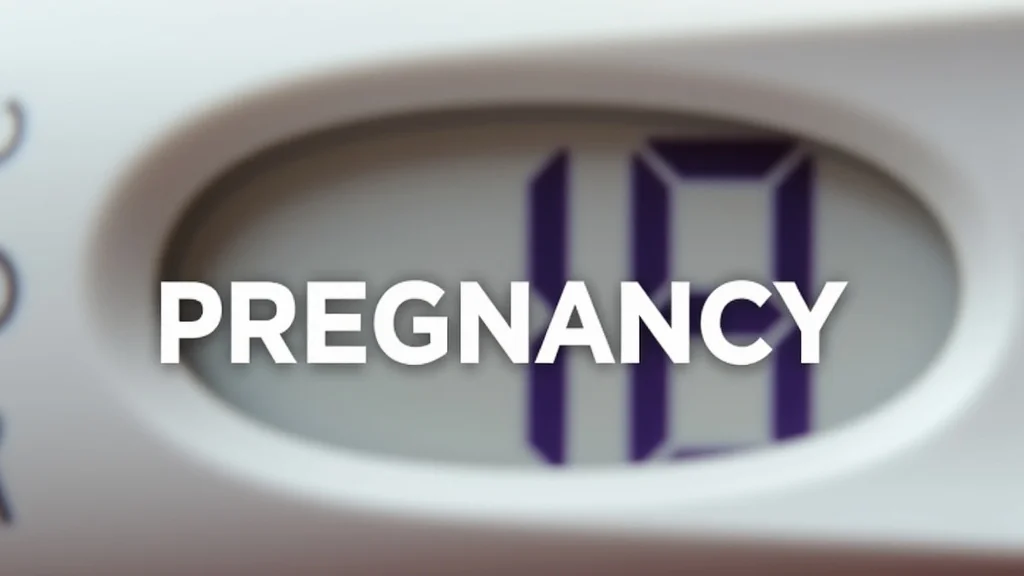
It can be confusing to look at a pregnancy test and not know what the lines or symbols mean. Many people feel unsure when they first use one. This post will make it super simple to figure out what your test is telling you.
We will go through everything step-by-step so you know exactly what to look for. Get ready to feel confident about reading your results.
Key Takeaways
- You will learn what the different lines and symbols on pregnancy tests mean.
- This post explains how to read both positive and negative results clearly.
- Discover common types of pregnancy tests and their symbol variations.
- Find out when to take a pregnancy test for the most accurate results.
- Learn how to get a confirmation from your doctor after using a home test.
How Pregnancy Tests Work
Pregnancy tests detect a hormone called human chorionic gonadotropin (hCG) in your urine. This hormone is only produced when you are pregnant. The test strips have special chemicals that react with hCG. When hCG is present, a chemical reaction happens, causing a line, a plus sign, or a digital word to appear. The amount of hCG in your body increases quickly after conception. This is why tests become more accurate the longer you wait to take them.
The Science Behind hCG Detection
Home pregnancy tests use a process called immunoassay. Antibodies on the test strip are designed to bind specifically to hCG molecules. When your urine sample flows over the test strip, it carries any hCG with it. If hCG is present, it attaches to these antibodies. This binding triggers a color change or a signal, which is how the test shows a result. Even very small amounts of hCG can be detected by sensitive tests, allowing for early detection.
Why hCG Levels Matter
The level of hCG in your body is key to getting an accurate result. Very early in pregnancy, hCG levels are low. This is why taking a test too soon can lead to a false negative. As the pregnancy progresses, hCG levels rise rapidly. Most tests are sensitive enough to detect pregnancy around the first day of your missed period. Some early detection tests can even show a result a few days before your period is expected.
Types of Pregnancy Tests
There are several types of pregnancy tests you might encounter. The most common are line tests and digital tests. Line tests show results using lines, while digital tests display words like “Pregnant” or “Not Pregnant.” Both work on the same principle of detecting hCG. The main difference is how they display the result. Some tests might also have a control line that shows the test is working correctly.
Line Tests Explained
Line tests are very common and can be found in most drugstores. They usually have a window where lines appear. Typically, one line indicates a negative result, and two lines indicate a positive result. However, the appearance of the lines can vary between brands. Sometimes, a faint second line can still mean you are pregnant. It is important to read the instructions that come with your specific test.
Digital tests offer a more straightforward reading. They display clear words on a screen, removing any ambiguity about faint lines. This can be reassuring for many users. Digital tests often have a slightly higher price point but are favored for their clarity.
Digital Tests and Their Clarity
Digital pregnancy tests have become very popular because they are easy to understand. Instead of interpreting lines, you see a clear message. This eliminates guesswork, especially for those who might misinterpret faint lines on traditional tests. The digital display makes it very clear whether hCG has been detected or not.
Advantages of Digital Tests
Digital tests reduce anxiety for many users. The clear “Pregnant” or “Not Pregnant” message is hard to misinterpret. This can be especially helpful for individuals who are new to using pregnancy tests.
How Digital Tests Work
Internally, digital tests function similarly to line tests. They use the same hCG detection technology. The difference is in the display mechanism. Once the hCG binds to the test’s reagents, an electronic signal is generated, which then translates into a word on the screen.
Reading Pregnancy Test Symbols
Understanding the symbols on your pregnancy test is crucial for getting an accurate result. Most tests use lines or plus/minus signs. Digital tests are simpler, displaying words directly. Always check the specific instructions for the brand you are using, as designs can vary slightly.
Line-Based Pregnancy Tests
Line tests are the most traditional type. They usually have a control window and a result window. The control line shows that the test worked. The result line indicates whether hCG was detected.
Interpreting The Lines
A single line in the control window usually means negative. Two lines, one in the control and one in the result window, generally mean positive. Even a very faint second line can be an indication of pregnancy. Some tests use a plus sign (+) for pregnant and a minus sign (-) for not pregnant.
A common variation involves a C (control) and T (test) symbol. If only the C line appears, the test is negative. If both C and T lines appear, it is positive. If only the T line appears, the test is invalid.
Faint Lines And What They Mean
A faint second line is a common source of confusion. It often means hCG is present, but at a low level. This can happen very early in pregnancy or if you tested too soon. It is best to retest in a day or two to see if the line becomes darker. A darker line indicates rising hCG levels, confirming pregnancy.
Example Scenario 1 Faint Line
Imagine you take a test and see a strong control line. In the result window, a very pale pink line appears. This faint line suggests that hCG is present in your urine. It is a good idea to wait 48 hours and test again. If the second line becomes darker, it is very likely you are pregnant.
Plus and Minus Signs
Some tests use a plus (+) symbol for a positive result and a minus (-) symbol for a negative result. The plus symbol typically appears when both the control and test lines are present. The minus symbol appears when only the control line is visible.
Digital Test Displays
Digital tests bypass line interpretation altogether. They show a clear word like “Pregnant” or “Not Pregnant.” Some digital tests may also show “Pregnancy Detected” and “Not Pregnancy Detected.” This direct wording removes all guesswork.
Digital Pregnancy Tests
Digital tests offer a straightforward readout. They do not rely on interpreting line intensity or position. This clarity can be very beneficial.
Understanding Digital Readouts
When you use a digital test, you simply wait for the result to appear on the screen. It will usually say “Pregnant” if hCG is detected and “Not Pregnant” if it is not. Some tests have a timer symbol that indicates the test is working.
When to Retest with Digital Tests
If a digital test shows “Not Pregnant,” and you still suspect you might be pregnant, it is wise to test again in a few days. This is especially true if your period is still delayed. Sometimes, hCG levels might not be high enough for detection on the first try.
When To Take A Pregnancy Test
Timing is very important for getting an accurate pregnancy test result. Taking a test too early can lead to a false negative. The best time to test is usually after you miss your period.
Early Detection Tests
Some tests are designed for early detection. These are more sensitive and can detect lower levels of hCG. They might be able to show a positive result a few days before your expected period. However, even with these tests, it is still possible to get a false negative if you test too soon.
Factors Affecting Early Detection
The exact day of conception and how quickly your body produces hCG will affect early detection. Not everyone produces hCG at the same rate. Even if you are pregnant, your hCG levels might not be high enough for an early detection test on a specific day.
Benefits and Limitations
Early detection tests offer the advantage of potentially finding out sooner. However, they also have a higher chance of false negatives if not used at the optimal time. It is important to follow the test’s instructions carefully.
After Missing Your Period
The most reliable time to take a pregnancy test is the day your period is due, or a day or two after. By this time, hCG levels are usually high enough for most standard tests to detect accurately.
Testing On The Day Of Your Missed Period
If you test on the day your period is expected, you have a good chance of getting an accurate result. If the test is negative, but your period still doesn’t arrive, you can test again in a few days.
Testing After A Delayed Period
If your period is already late by several days, a pregnancy test is very likely to be accurate. If you get a negative result, and your period is significantly delayed, it might be worth checking with a doctor to rule out other causes.
Morning Urine For Accuracy
Using your first morning urine is often recommended for pregnancy tests, especially for early detection. Your urine is most concentrated in the morning. This means any hCG present will be in a higher concentration.
Why Morning Urine Is Best
Concentrated urine means the hCG hormone will be easier for the test to detect. If you have been drinking a lot of fluids throughout the day, your urine might be diluted. This could lead to a weaker signal or a false negative result.
Tips for Using Morning Urine
To ensure your urine is concentrated, try to limit your fluid intake for a few hours before your test, especially before your first morning pee. This will help maximize the chances of detecting hCG if it is present.
Common Pregnancy Test Symbols Explained
Let’s break down the common symbols you’ll see. Most tests have a control line and a result line or symbol. Understanding these is key.
The Control Line
The control line is a reference point. It shows that the test is working correctly. It is usually the first line that appears or is marked with a ‘C’. If the control line does not appear, the test is invalid.
Purpose of The Control Line
The control line ensures that the test mechanism is functioning properly and that urine has flowed through the test strip. Without a control line, you cannot trust the result in the test window.
What An Absent Control Line Means
If you do not see a control line, discard the test and use a new one. This indicates that the test is faulty. Do not try to interpret any lines in the result window if the control line is missing.
The Result Line
The result line is where you see your pregnancy outcome. It is often marked with a ‘T’. Its appearance or absence, along with the control line, tells you the result.
Positive Result Symbols
A positive result typically means you are pregnant. This is usually shown by two lines appearing (one control, one result). Some tests use a plus (+) sign. A faint second line still counts as positive.
Negative Result Symbols
A negative result means no hCG was detected. This is usually shown by only one line (the control line). Some tests use a minus (-) sign. A digital test will display “Not Pregnant.”
Digital Test Displays
Digital tests are the easiest to read. They show clear words.
“Pregnant” Display
This is the definitive positive result. It means hCG has been detected.
“Not Pregnant” Display
This means no hCG was detected. If you get this result, but your period is late, consider testing again in a few days.
Common Myths Debunked
Some ideas about pregnancy tests are not quite right. Let’s clear them up.
Myth 1: A faint line means no pregnancy.
This is not true. A faint line on a pregnancy test often means that hCG is present in your urine, but at a low level. This can happen very early in pregnancy.
It is still a positive sign. You should retest in a couple of days to see if the line gets darker.
Myth 2: You can only use the first morning urine.
While first morning urine is often recommended because it is most concentrated, many modern pregnancy tests are sensitive enough to detect hCG at other times of the day, especially if your period is already missed by a few days. However, for early testing, morning urine is still the best bet.
Myth 3: All pregnancy tests work the same way.
While the basic science is the same (detecting hCG), different brands and types of tests have varying sensitivities and display results differently. Some are designed for early detection, while others are standard. Digital tests are easier to read than line tests.
Always read the instructions for your specific test.
Myth 4: You can get pregnant from touching someone.
This is completely false and not related to pregnancy tests themselves, but it’s a common misconception about conception. Pregnancy can only occur through sexual intercourse or certain medical procedures that involve the transfer of sperm to an egg. Physical contact alone cannot lead to pregnancy.
Frequently Asked Questions
Question: What if I see two lines, but one is very faint?
Answer: A faint line usually means you are pregnant. It indicates that hCG is present in your urine. Retest in a day or two to see if the line gets darker.
Question: Can I drink water before taking a pregnancy test?
Answer: It’s generally best not to drink a lot of water right before taking a pregnancy test, especially if you are testing early. This can dilute your urine and make it harder to detect hCG.
Question: My test shows an error or no lines. What should I do?
Answer: If a test shows no lines, or only a test line without a control line, it is usually invalid. You should use a new test and make sure to follow the instructions carefully.
Question: How soon can I take a pregnancy test after unprotected sex?
Answer: While some early detection tests claim to work a few days before a missed period, it is most accurate to wait until your period is late. This is typically at least 14 days after unprotected sex.
Question: Do digital pregnancy tests give more accurate results than line tests?
Answer: Both digital and line pregnancy tests are generally equally accurate when used correctly and at the right time. Digital tests offer the advantage of a clearer, easier-to-read result, reducing the chance of misinterpretation.
Conclusion
Now you know how to read pregnancy test symbols with confidence. Whether you see lines, plus signs, or words on a screen, you can understand your result. Remember to always follow the specific instructions for your test. If you get a positive result, it is a good idea to see your doctor to confirm and discuss your next steps. Testing early can be exciting, but waiting until your period is missed often gives the clearest answer. You’ve got this!
Leave a Reply