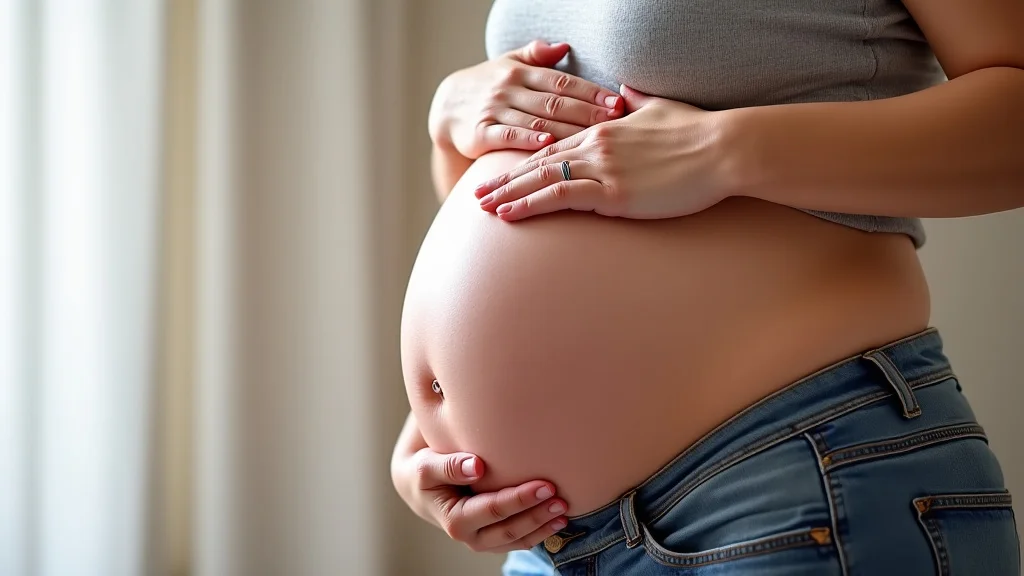
The third week of pregnancy can feel like a lot when you’re just starting out. It’s a time when many things are happening so quickly, it’s easy to get confused. You might be wondering what to expect and what you should be doing.
This guide is here to help make it simple and clear. We’ll walk you through everything step by step. Let’s find out what’s going on and what comes next.
Key Takeaways
- You’ll learn what’s happening with your body in the third week.
- Discover how a tiny embryo is forming.
- Understand early signs and symptoms you might notice.
- Get tips on what to eat and how to take care of yourself.
- Find out about important appointments to consider.
Understanding Your Third Week Of Pregnancy
This stage of pregnancy is truly remarkable. It’s often considered the beginning of pregnancy because it’s around this time that ovulation and fertilization typically occur. For many, this is the point where they might discover they are pregnant.
It’s a time of rapid development for the very early stages of life. Understanding what’s happening helps ease any worries you might have.
The third week of pregnancy is special because it’s when the magic of conception often takes place. After ovulation, an egg is released and, if sperm are present, fertilization can happen. This fertilized egg, now called a zygote, begins its journey towards the uterus.
It’s a microscopic event that marks the very start of a new life. Many women don’t realize they’re pregnant yet, as the usual signs haven’t appeared.
What’s Happening Inside You
In the third week of pregnancy, if conception has occurred, a remarkable transformation begins. The single cell created at fertilization, the zygote, starts dividing rapidly. These cells are also traveling down the fallopian tube toward the uterus.
This journey takes several days. By the time it reaches the uterus, it has become a ball of cells called a blastocyst.
The blastocyst has two main parts. One part will develop into the placenta, which provides nutrients and oxygen. The other part will become the embryo itself.
This is the earliest stage of embryonic development. It’s incredible to think that at this very early point, the basic blueprint for a new human is already being laid down. All this happens before you might even miss your period.
Early Signs And Symptoms
While it’s early, some women might start noticing subtle changes around the third week of pregnancy. These can include increased sensitivity in the breasts. You might feel them fuller, tender, or heavier.
Some women experience mild cramping or spotting, known as implantation bleeding. This happens when the blastocyst attaches to the uterine wall.
Another common sign can be fatigue. You might feel more tired than usual, even if you’re getting enough sleep. Some women report a heightened sense of smell or feeling a bit queasy.
However, many women experience no symptoms at all during this early stage. It’s important to remember that every pregnancy is different.
Here are some potential early signs:
- Breast tenderness or swelling
- Mild cramping or spotting
- Unusual fatigue
- Nausea or food aversions
- Frequent urination
These symptoms are also very similar to premenstrual syndrome (PMS). This can make it hard to tell if you’re pregnant or if your period is just coming soon. That’s why confirmation through a pregnancy test is key.
The Role Of Hormones
Hormones play a massive role in the early stages of pregnancy, even in the third week of pregnancy. After fertilization, the body begins producing human chorionic gonadotropin (hCG). This is the hormone that pregnancy tests detect.
hCG helps maintain the uterine lining and signals the body to stop menstruation.
Other hormones like progesterone and estrogen also rise. Progesterone is crucial for supporting the pregnancy. It helps prevent uterine contractions that could lead to miscarriage.
It also helps prepare the body for milk production. These hormonal shifts are responsible for many of the early symptoms experienced by pregnant individuals.
Nutrition And Lifestyle In Week Three
Taking care of yourself in the third week of pregnancy is important, even before you know for sure you’re pregnant. Making healthy choices now can benefit both you and the developing embryo. Focusing on good nutrition and a healthy lifestyle sets a strong foundation.
Eating a balanced diet provides the essential vitamins and minerals needed for early development. Folic acid is particularly vital during this period. It helps prevent neural tube defects.
Many healthcare providers recommend starting a prenatal vitamin as soon as you start trying to conceive.
Essential Nutrients For Early Development
The development of the embryo in the third week of pregnancy relies heavily on the nutrients you consume. Folic acid, also known as folate, is one of the most critical. It plays a key role in the formation of the neural tube, which becomes the brain and spinal cord.
Adequate folic acid intake can significantly reduce the risk of serious birth defects.
Iron is another vital nutrient. It’s needed to produce more blood to carry oxygen to the developing embryo. Iron deficiency can lead to anemia, which can cause fatigue and other health issues.
Calcium is important for building strong bones and teeth for the baby. Vitamin D helps the body absorb calcium.
Here are some nutrient-rich foods to consider:
- Leafy green vegetables like spinach and kale (for folate and iron)
- Fortified cereals and breads (for folic acid)
- Lean meats and poultry (for iron and protein)
- Dairy products or calcium-fortified alternatives (for calcium and Vitamin D)
- Fruits like oranges and berries (for Vitamin C, which helps iron absorption)
Hydration And What To Avoid
Staying well-hydrated is crucial at all stages of pregnancy, including the third week of pregnancy. Water helps transport nutrients to your cells and removes waste products. Aim to drink plenty of water throughout the day.
Herbal teas that are pregnancy-safe can also contribute to your fluid intake.
It’s also important to be aware of what to avoid. Alcohol should be completely avoided as it can harm the developing baby. Limit caffeine intake.
Discuss any medications you are taking with your doctor, as some may not be safe during pregnancy. Raw or undercooked meats, fish, and eggs should be avoided due to the risk of foodborne illnesses.
Creating Healthy Habits
Establishing healthy habits early makes a difference. If you smoke, quitting as soon as possible is one of the best things you can do for your pregnancy. Smoking can lead to serious complications.
Regular, moderate exercise is generally beneficial. Activities like walking, swimming, and prenatal yoga are great options.
Managing stress is also important. Find ways to relax and de-stress. This could involve meditation, gentle stretching, or spending time in nature.
Creating a positive and calm environment supports your well-being and the early stages of fetal development. It’s about gentle self-care.
Confirming Pregnancy And Next Steps
If you suspect you might be pregnant in your third week of pregnancy, the next logical step is to confirm it. Home pregnancy tests are widely available and quite accurate. They work by detecting hCG in your urine.
For the most accurate result, it’s best to take a test after you’ve missed your period.
If your home test is positive, or if you have a negative test but still suspect pregnancy, contacting a healthcare provider is recommended. They can perform a more definitive test and begin prenatal care. This early care is vital for a healthy pregnancy.
Taking A Pregnancy Test
Home pregnancy tests are designed to detect hCG in your urine. This hormone is produced by the placenta shortly after implantation. For the third week of pregnancy, it’s usually around the time your period is due, or slightly after, that hCG levels are high enough to be detected by most tests.
Follow the instructions on the test package carefully. Most tests recommend using your first morning urine because it is the most concentrated. A positive result, even a faint line, usually indicates pregnancy.
A negative result might mean you are not pregnant, or that the hCG levels are not yet high enough to be detected. If you get a negative result and your period is still missed, retesting in a few days or consulting a doctor is a good idea.
When To See A Doctor
Once you have a positive pregnancy test, or if you have concerns, scheduling an appointment with a doctor or midwife is the next crucial step. They will confirm the pregnancy, typically through a blood test or an ultrasound. This initial visit is also an opportunity to discuss your health history and ask any questions you may have.
Your healthcare provider will guide you through the next steps of prenatal care. This includes advice on nutrition, lifestyle, and any necessary screenings or tests. Building a good relationship with your healthcare provider is important for a healthy and supported pregnancy experience.
Here’s what to expect during your first prenatal visit:
- Confirmation of pregnancy
- Review of your medical history
- Discussion of lifestyle and diet
- Information about prenatal vitamins and supplements
- Scheduling of future appointments and tests
Understanding Implantation
Implantation is a key event that happens around the third week of pregnancy. It’s when the fertilized egg, now a blastocyst, attaches to the lining of the uterus. This process usually happens about 6 to 12 days after fertilization.
Sometimes, implantation can cause light spotting, often called implantation bleeding. This bleeding is usually pink or light brown and lasts for a short period, typically a day or two. It’s different from a regular menstrual period because it’s much lighter.
Some women mistake implantation bleeding for the start of their period, delaying pregnancy recognition.
Preparing For The First Trimester
The first trimester, which includes the third week of pregnancy, is a period of rapid development and significant change. It’s a good time to start thinking about how you want to manage your pregnancy. This might involve deciding on your healthcare provider, planning for maternity leave if applicable, and preparing your home environment.
Educating yourself about pregnancy is also very helpful. Reading books, attending prenatal classes, and talking to other parents can provide valuable insights. Remember that the early weeks are often the most critical for fetal development.
Making healthy choices now sets the stage for a healthier pregnancy.
Common Myths Debunked
Myth 1: You Can Feel The Baby Move In The Third Week
This is a common misconception. While the embryo is developing, it is far too small to be felt moving. You typically won’t feel fetal movements, known as quickening, until much later in pregnancy, usually between 16 and 25 weeks.
Myth 2: Morning Sickness Starts Immediately In The First Week
Morning sickness, or nausea and vomiting, is more often associated with later weeks of the first trimester, typically starting around week 6. While some women experience symptoms earlier, it’s not a universal sign in the very first weeks of pregnancy.
Myth 3: You Must Take A Pregnancy Test Immediately After Conception
Pregnancy tests rely on detecting hCG, a hormone that rises after implantation. Implantation itself happens several days after conception. Therefore, testing too early, especially within the first week after conception, will likely result in a false negative.
Waiting until you’ve missed your period offers the most accurate results.
Myth 4: Eating For Two Means Doubling Your Food Intake
While nutritional needs do increase during pregnancy, it doesn’t mean eating double the amount of food. The focus is on quality over quantity. Pregnant individuals typically need only about 300-500 extra calories per day in the second and third trimesters.
In the early weeks, the increase is even smaller.
Frequently Asked Questions
Question: When exactly is the third week of pregnancy calculated from?
Answer: The third week of pregnancy is typically calculated from the first day of your last menstrual period (LMP). So, it’s about two weeks after your last period. This timing is used because it’s hard to pinpoint the exact day of ovulation and conception.
Question: Can I have unprotected sex in the third week if I don’t want to be pregnant?
Answer: If you are not trying to become pregnant, it is important to use reliable contraception at any time you have unprotected sex. The third week of pregnancy is a prime time for conception if ovulation occurs and intercourse takes place.
Question: What should I eat for breakfast in the third week?
Answer: For breakfast in the third week, focus on nutrient-dense foods. Consider options like oatmeal with berries and nuts, a scramble with vegetables and whole-wheat toast, or yogurt with fruit. Ensure you are getting folate and iron from your diet.
Question: Is it safe to drink coffee in the third week of pregnancy?
Answer: It is generally recommended to limit caffeine intake during pregnancy. While some coffee might be okay, it’s best to keep it to a minimum, around 200 milligrams per day. Discuss your caffeine consumption with your doctor.
Question: What if I have no symptoms in the third week?
Answer: It is perfectly normal not to have any noticeable symptoms in the third week of pregnancy. Many women do not experience clear signs of pregnancy until later. The absence of symptoms does not indicate a problem.
Summary
The third week of pregnancy is a very early and crucial time. Conception often happens now, leading to rapid cell division. You might notice subtle signs, but it’s also common to have no symptoms.
Focusing on good nutrition, especially folic acid, and healthy habits is key. Confirming pregnancy with a test and seeing a doctor are important next steps.
Leave a Reply