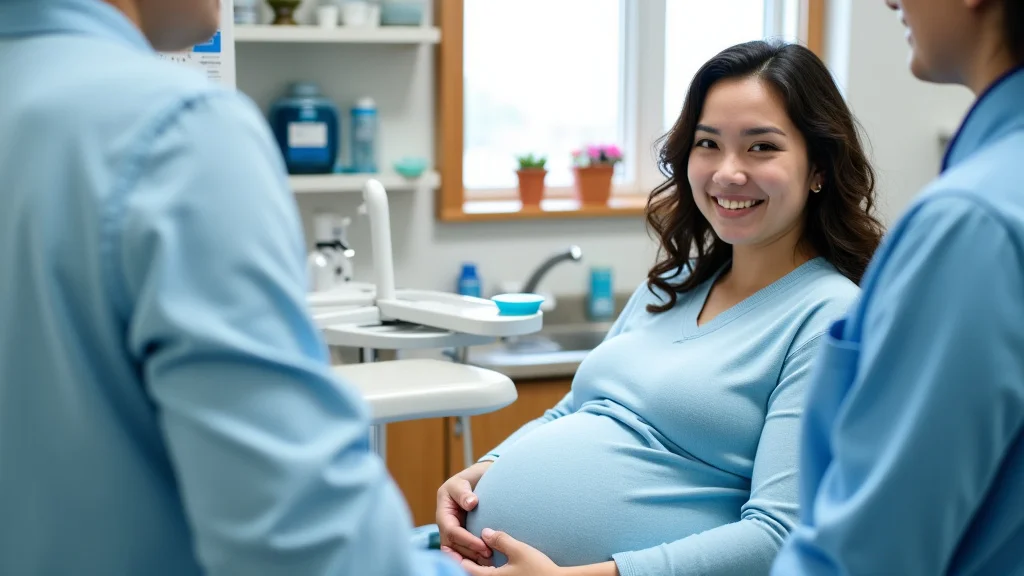
Many expectant parents wonder about dental care during pregnancy. The second trimester is often considered a good time for necessary dental procedures. This is because the morning sickness that can plague early pregnancy usually subsides.
Also, the risk of complications is generally lower compared to the first and third trimesters. If you’re new to thinking about second trimester dental work, it might seem a bit confusing. But don’t worry, we’ll break it down simply.
This guide will help you understand what to expect and why it’s important. Let’s explore how to keep your smile healthy while you grow your family.
Key Takeaways
- The second trimester is generally the safest period for routine dental procedures during pregnancy.
- It’s important to maintain good oral hygiene to prevent common pregnancy-related dental issues.
- Local anesthetics are usually safe when used for necessary dental work in pregnant women.
- Inform your dentist about your pregnancy so they can take appropriate precautions.
- Certain dental X-rays may be safe if absolutely necessary and with proper shielding.
- Elective cosmetic procedures are typically best postponed until after delivery.
Why Second Trimester Dental Work Is Important
The second trimester is often called the “golden period” of pregnancy. This is a great time for any dental work you might need. Your energy levels are usually higher, and discomfort from pregnancy symptoms like nausea often decreases.
This makes it more comfortable for you to sit in the dental chair. Also, from a medical standpoint, this phase of pregnancy typically has fewer risks for interventions. Your developing baby is more stable.
Therefore, addressing dental issues now can prevent them from becoming bigger problems later in your pregnancy or after your baby arrives. Regular dental check-ups are key to a healthy pregnancy for both you and your baby.
Oral Health Changes During Pregnancy
Pregnancy brings many body changes, and your mouth is no exception. Hormonal shifts can affect your gums. This can lead to increased sensitivity, swelling, and bleeding, a condition known as pregnancy gingivitis.
If not treated, it can worsen. Some women also experience an increase in tooth decay. This is sometimes due to changes in diet or increased acid exposure from vomiting.
It’s crucial to know about these common changes. Early detection and care are vital.
Pregnancy gingivitis is a common issue. It happens because pregnancy hormones, like progesterone and estrogen, can make your gum tissue more reactive to plaque. This can cause your gums to become red, swollen, and more prone to bleeding.
About half of pregnant women experience this. It usually starts in the second month and can get worse by the eighth month.
Another concern is pregnancy tumors, also called pyogenic granulomas. These are non-cancerous growths that can appear on the gums. They are often linked to poor oral hygiene and hormonal changes.
They can bleed easily. While they usually go away after pregnancy, they can be bothersome and may need removal if they interfere with eating or hygiene.
Preventing Dental Problems
The best approach is always prevention. Good oral hygiene habits are super important. Brushing your teeth at least twice a day with fluoride toothpaste is a must.
Flossing daily helps remove food particles and plaque between teeth. Using an antiseptic mouthwash can also help control bacteria. Staying hydrated by drinking plenty of water is good for your overall health and helps rinse away food debris.
Eating a balanced diet low in sugar and acidic foods also plays a big role.
Limiting sugary snacks and drinks is beneficial. When you do consume them, try to do so with meals. This helps reduce the amount of time your teeth are exposed to sugar.
Rinsing your mouth with water after eating or drinking something acidic can help neutralize acids. If you experience morning sickness, rinse your mouth with plain water or a baking soda solution (1 teaspoon baking soda in a cup of water) after vomiting. Avoid brushing immediately after vomiting, as stomach acid can soften enamel, and brushing can then damage it.
Wait about 30 minutes.
Visiting your dentist for regular check-ups is also a key part of prevention. Your dentist can spot early signs of problems. They can also give you professional cleaning.
This removes plaque and tartar that you might miss at home. Early intervention is much easier to manage and less stressful.
Safety of Second Trimester Dental Work
Many expectant mothers worry about dental treatments during pregnancy. The good news is that most dental work is safe in the second trimester. Your dentist will be mindful of your pregnancy.
They will take extra care to ensure your safety and comfort. Communication is key. Always tell your dentist you are pregnant.
This allows them to make informed decisions about your treatment.
Anesthesia During Pregnancy
Local anesthetics are commonly used in dentistry. For pregnant women, certain local anesthetics are considered safe. Lidocaine is a frequently used option.
It is generally thought to be safe for use during pregnancy when administered in standard doses. Your dentist will choose an anesthetic that is safe for you and your baby. They will also monitor your vital signs.
This includes your blood pressure and heart rate.
Lidocaine is a local anesthetic that works by blocking nerve signals. This numbs the area where it is injected. It has been widely studied and is considered safe for use in pregnant women.
Other anesthetics like mepivacaine and articaine might also be used. However, your dentist will make the final decision based on your specific needs and medical history. They will use the smallest effective amount.
It’s important to avoid general anesthesia if possible. General anesthesia carries more risks for both mother and baby. However, in rare, emergency situations, it might be necessary.
Your dental team will discuss all options and risks thoroughly with you. They will always aim for the safest approach.
Dental X-rays During Pregnancy
Dental X-rays are sometimes needed to diagnose problems. The amount of radiation from dental X-rays is very low. Modern X-ray machines use digital technology, which further reduces radiation exposure.
If X-rays are necessary for your diagnosis, your dentist will likely recommend them. They will also use lead shielding. This protects your abdomen and thyroid gland from any stray radiation.
The American College of Radiology and the American Dental Association agree that dental X-rays are generally safe during pregnancy. The radiation dose is minimal. The benefits of getting a clear diagnosis for necessary treatment often outweigh the small risks.
If you are concerned, discuss it with your dentist. They can explain why the X-ray is needed and what precautions will be taken. Many dentists prefer to postpone elective X-rays until after the baby is born.
It is important to understand that the developing fetus is most vulnerable to radiation during the first trimester. By the second trimester, the organs are largely formed. While still cautious, the risks associated with low-dose radiation are lower.
Your dentist will weigh the diagnostic need against any potential risks. They will always prioritize your well-being and that of your baby.
Common Dental Procedures in the Second Trimester
The second trimester is an ideal time to get routine dental work done. This includes things like cleanings, fillings, and even some root canals if they are necessary. Addressing dental problems early can prevent them from becoming emergencies.
Emergencies are more difficult to manage during pregnancy.
Dental Cleanings and Exams
A routine dental cleaning and exam are highly recommended during pregnancy. Your dentist can remove plaque and tartar. They can also check for gum disease and cavities.
Catching these issues early is important. Pregnancy gingivitis can be managed with regular professional cleanings. Your dentist can also provide personalized advice on at-home care.
These appointments are usually safe and beneficial. They help maintain your oral health. Good oral health is linked to overall health, which is important for a healthy pregnancy.
Your dental hygienist can gently clean your teeth. They can also show you the best ways to brush and floss.
Fillings and Minor Restorations
If you have cavities, getting fillings is usually safe. The materials used for fillings, like composite resins, are considered safe. Your dentist will use local anesthetic if needed.
The goal is to stop decay and prevent further damage. It’s better to get cavities filled than to let them progress. Larger cavities can lead to more serious infections.
The process for a filling is straightforward. After numbing the area, the dentist removes the decay. Then, they fill the space with a restorative material.
This material is hardened and shaped to match your tooth. The procedure is generally quick and well-tolerated.
Root Canals and Extractions
In some cases, a root canal may be necessary. This is to save a tooth that has a deep infection. Root canals are generally safe.
Your dentist will use safe anesthetics and antibiotics if needed. Similarly, if a tooth is too damaged to save, an extraction might be required. Extractions are also usually safe with local anesthesia.
A root canal procedure involves removing infected pulp from inside the tooth. The space is then cleaned, disinfected, and filled. This helps relieve pain and prevent the spread of infection.
If a tooth has a severe infection or is badly broken, extraction might be the only option. It is important to remove sources of infection during pregnancy.
When to Postpone Dental Work
While the second trimester is ideal, some procedures are best postponed. Elective cosmetic treatments like teeth whitening or veneers are usually not urgent. It is generally recommended to wait until after you have given birth.
Also, major oral surgery may be deferred if it is not an emergency. Always discuss the timing of any procedure with your dentist and your obstetrician.
Some conditions might require delaying treatment. For example, if you have a very high-risk pregnancy, your doctor might advise against certain dental procedures. Your dentist will always consult with your obstetrician if there are any concerns.
The focus is always on the safest possible care for you and your baby.
Choosing a Dentist and Communicating Your Needs
Selecting the right dentist is important during pregnancy. Look for a dentist who is experienced with pregnant patients. Most dentists are knowledgeable about pregnancy precautions.
However, some may have specific training or protocols. Open communication with your dental team is the most critical step.
What to Tell Your Dentist
Before your appointment, inform your dentist that you are pregnant. Tell them how many weeks pregnant you are. Also, mention any pregnancy-related symptoms you are experiencing.
This includes nausea, vomiting, or gum sensitivity. Share any medications you are taking, including prenatal vitamins. It’s also important to mention any existing medical conditions or allergies.
This information helps your dentist plan the safest and most comfortable treatment for you.
Your dentist needs to know your due date to help plan appointments. This is especially important if you are nearing the end of your second trimester or entering the third. They can then schedule treatments accordingly.
For example, if a more extensive procedure is needed, they will try to complete it before your third trimester begins.
Questions to Ask Your Dentist
Don’t hesitate to ask questions. You have the right to know about your treatment options. Ask about the safety of any proposed procedures, medications, or anesthetics.
Inquire about the need for X-rays and the precautions that will be taken. You can ask if they recommend postponing any treatments. It’s also helpful to ask what to do if you experience dental pain or an emergency during pregnancy.
Understanding your treatment plan helps reduce anxiety. A good dentist will take the time to explain everything clearly. They will ensure you feel comfortable and confident about the care you are receiving.
Case Study Examples
Consider Sarah, who was 20 weeks pregnant and experienced a sharp pain in her back molar. She was worried about dental work. Her dentist explained that the pain indicated a cavity that was getting deep.
They recommended a filling. Sarah was given a local anesthetic that is safe for pregnancy. The procedure was quick and painless.
She felt relieved that she addressed the issue early.
Another example is Mark’s wife, Emily. Emily developed severe pregnancy gingivitis. Her gums were bleeding every time she brushed.
Her dentist performed a deep cleaning during her 24th week of pregnancy. They also showed her specific techniques to manage her gum health at home. Her gum health improved significantly after the cleaning and follow-up care.
Common Myths Debunked
Myth 1: All Dental Work Is Unsafe During Pregnancy
This is not true. While some elective procedures are best avoided, essential dental care, especially during the second trimester, is generally safe and even recommended. Many common dental treatments, like cleanings, fillings, and even root canals, can be performed safely with appropriate precautions.
The key is communication with your dentist and obstetrician.
Myth 2: You Can’t Get Anesthesia While Pregnant
Many local anesthetics, such as lidocaine, are considered safe for pregnant women when used in appropriate doses. Your dentist will select an anesthetic that poses minimal risk to you and your baby. General anesthesia is typically avoided unless absolutely necessary for emergency procedures.
Myth 3: Dental X-rays Are Always Harmful to the Baby
Modern dental X-rays use very low doses of radiation. When X-rays are necessary, dentists use lead shields to protect the mother and fetus. The diagnostic information gained from necessary X-rays often outweighs the minimal risks, especially in the second trimester.
Myth 4: Gum Problems During Pregnancy Will Resolve On Their Own
While pregnancy gingivitis often improves after childbirth, it can worsen if left untreated. Severe gum disease can have implications for overall health and even pregnancy outcomes. Professional cleanings and good home care are essential to manage and prevent complications.
Frequently Asked Questions
Question: Is it safe to have my teeth cleaned during pregnancy?
Answer: Yes, regular dental cleanings are safe and highly recommended during pregnancy, especially in the second trimester. They help prevent and manage pregnancy-related gum issues.
Question: Can I get a filling if I have a cavity?
Answer: Yes, getting fillings for cavities is generally safe. Your dentist will use pregnancy-safe anesthetics and materials to restore your tooth.
Question: What if I have a dental emergency during pregnancy?
Answer: Dental emergencies should be treated promptly. Contact your dentist immediately. They will take necessary precautions to provide safe treatment.
Question: Should I postpone all dental work until after the baby is born?
Answer: No, essential dental work like treating cavities or infections should not be postponed. The second trimester is often the best time for these procedures. Elective cosmetic procedures can typically wait.
Question: How can I manage morning sickness and my oral hygiene?
Answer: Rinse your mouth with water or a baking soda solution after vomiting. Wait about 30 minutes before brushing to protect softened enamel. Continue brushing and flossing regularly.
Final Thoughts
Addressing your dental needs during the second trimester is a smart choice for a healthy pregnancy. Safe procedures like cleanings and fillings are readily available. Always talk openly with your dentist and doctor.
They are your partners in ensuring your oral health. You can feel confident about getting the care you need to stay healthy and comfortable.
Leave a Reply