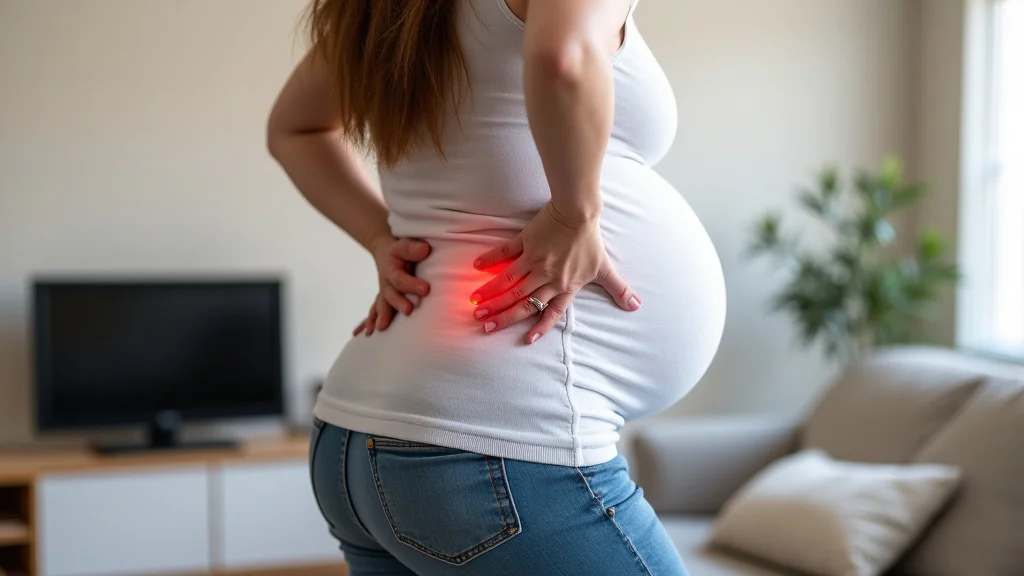
As your pregnancy progresses into the third trimester, you might notice new aches and pains, especially in your middle back. This is super common! Your body is going through big changes to get ready for your baby.
It’s easy to feel a bit lost when this discomfort pops up. But don’t worry, there are simple ways to help ease your third trimester middle back pain. We’ll walk through easy steps to feel more comfortable.
Let’s get started on finding relief.
Key Takeaways
- Understand the common causes of middle back pain in the third trimester.
- Learn effective stretches and exercises to relieve discomfort.
- Discover posture adjustments that can make a big difference.
- Find out how to choose supportive clothing and gear.
- Explore simple lifestyle changes for better comfort.
Causes Of Third Trimester Middle Back Pain
Middle back pain during the third trimester of pregnancy is a frequent complaint among expectant mothers. This discomfort often stems from a combination of physical changes happening within the body. As the baby grows, the uterus expands, pulling the abdominal muscles forward.
This shift in the center of gravity can strain the muscles in your back, leading to aches and soreness. Hormonal changes also play a role. The body releases hormones like relaxin, which helps ligaments in the pelvis loosen to prepare for childbirth.
However, this hormone can also affect other ligaments and joints, potentially causing instability and pain in the back.
The increased weight of the baby and the amniotic fluid puts extra pressure on the spine and surrounding muscles. This added load can lead to muscle fatigue and spasms, especially in the middle back area. Poor posture, often adopted to compensate for the changing body shape, can further exacerbate the pain.
For instance, many pregnant individuals tend to arch their lower back more to maintain balance, which can misalign the spine and cause tension in the thoracic spine, or middle back.
Weight Gain and Shifting Center of Gravity
During pregnancy, significant weight gain is normal and necessary for the baby’s growth and development. This added weight, along with the growing uterus, shifts your body’s center of gravity. Imagine carrying an extra bowling ball in front of you; it changes how you stand and move.
Your body naturally tries to adjust to this new balance point, often by tilting the pelvis and arching the back. This adjustment, while intended to help, can put considerable strain on the muscles and ligaments supporting your spine, particularly in the middle back.
The muscles that normally help stabilize your posture have to work harder or are put in an awkward position. This leads to fatigue and can cause those nagging aches you feel. It’s a direct consequence of your body making space and providing nourishment for your growing baby.
Hormonal Changes and Ligament Laxity
Pregnancy brings about a surge of hormones that are vital for preparing your body for childbirth. One key hormone is relaxin, which does exactly what its name suggests—it relaxes ligaments. While this is essential for allowing the pelvis to widen during labor, it doesn’t just affect the pelvic area.
Relaxin can loosen ligaments throughout your body, including those supporting your spine. This can lead to increased joint mobility, but also potential instability. When the ligaments are looser, the muscles around the spine have to work harder to provide stability.
This extra effort from your muscles can result in soreness and pain, especially in the middle back where it supports the upper body. It’s your body’s way of compensating for the changes in joint support.
Increased Pressure on the Spine
As your baby grows, so does the pressure on your body. The uterus expands significantly, and the weight of the baby and amniotic fluid adds up. This increased mass is carried primarily in the front of your body, directly affecting your spine.
The cumulative weight can compress the discs in your spine and put strain on the muscles that run along your back. This constant pressure can lead to a dull, persistent ache in the middle back. It’s like carrying a heavy backpack all day, every day.
The spine is designed to support your body’s weight, but this added, sustained pressure can overwhelm its normal capacity, causing discomfort.
Poor Posture Habits
Your posture naturally changes as your pregnancy progresses. To counter the growing belly and shifting center of gravity, you might find yourself leaning backward or arching your lower back. This common compensatory posture, known as lordosis, can strain the muscles in your middle back.
Standing or sitting in these positions for extended periods can lead to muscle tightness and pain. Even simple tasks like bending over or reaching for things can become more challenging and might encourage less-than-ideal posture.
The body tries to find a new way to stand and balance, and often this involves putting your back in a position that feels stable but isn’t necessarily comfortable long-term.
Exercises and Stretches for Relief
When experiencing third trimester middle back pain, specific exercises and stretches can offer significant relief. These movements are designed to gently strengthen supporting muscles, improve flexibility, and alleviate tension. It’s important to perform them slowly and with proper form, listening to your body and stopping if any exercise causes sharp pain.
Gentle movements can help improve blood flow to the muscles, which aids in reducing soreness and stiffness. Always consult with your doctor or a physical therapist before starting any new exercise program during pregnancy. They can provide guidance on which exercises are safest and most beneficial for your specific needs.
Focusing on exercises that promote core strength and spinal alignment can help manage the discomfort associated with the shifting weight and posture changes of late pregnancy. Simple, consistent movement is key to feeling better and more mobile.
Cat-Cow Stretch
The cat-cow stretch is a wonderful yoga pose that can help improve spinal mobility and relieve tension in the back. It involves moving your spine through a gentle arch and a rounded position. To perform it, get on your hands and knees, with your hands directly under your shoulders and knees under your hips.
As you inhale, drop your belly towards the floor and lift your head and tailbone, creating a gentle arch in your spine (cow pose). As you exhale, round your spine towards the ceiling, tucking your chin to your chest and your tailbone under (cat pose).
This movement helps to warm up the spine, increase flexibility, and can gently massage the muscles along your back, providing a soothing sensation. It also encourages mindful breathing, which can further help with relaxation.
Pelvic Tilts
Pelvic tilts are a simple yet effective exercise for strengthening the abdominal muscles and relieving lower and middle back pain. They help you learn to control the tilt of your pelvis, which can improve posture and reduce strain on your back. You can do pelvic tilts lying on your back with your knees bent and feet flat on the floor.
Gently flatten your lower back against the floor by tightening your abdominal muscles and tilting your pelvis upward. You should feel your abdominal muscles engage. Hold for a few seconds, then release.
This exercise helps to counteract the excessive arching that can occur in the lower back during pregnancy, indirectly easing the strain on the middle back. It’s a foundational exercise for improving spinal health during this time.
Child’s Pose Modification
Child’s pose is a resting pose in yoga that can be modified for comfort during pregnancy to relieve back pressure. Start on your hands and knees. You can widen your knees to make more room for your belly.
Then, lower your hips back towards your heels, allowing your torso to rest between your thighs. For added comfort, you can place a pillow or bolster between your thighs or under your chest and head. This gentle stretch allows your back muscles to lengthen and relax, releasing tension.
This pose offers a passive stretch and a moment of rest, allowing your back to decompress. It’s a great way to find a moment of calm and release strain.
Prenatal Yoga and Pilates
Specialized prenatal yoga and Pilates classes can be incredibly beneficial for managing third trimester middle back pain. These classes are taught by instructors experienced in prenatal fitness and focus on exercises that are safe and effective for pregnant bodies. They often incorporate gentle strengthening, stretching, and breathing techniques that address common pregnancy discomforts.
Yoga can improve flexibility and posture, while Pilates focuses on building core strength, which is vital for supporting your changing body.
These forms of exercise can help build awareness of your body, improve your posture, and strengthen the muscles that support your spine, leading to reduced pain and increased comfort.
Posture and Body Mechanics Tips
Correcting posture and practicing good body mechanics are fundamental in managing and preventing third trimester middle back pain. Your body is undergoing significant physical transformations, and adopting mindful habits can make a huge difference in your comfort levels. Simple adjustments in how you sit, stand, and move can reduce strain on your back and pelvis, promoting better spinal alignment and muscle function.
These tips are not just about alleviating current pain but also about building habits that support your body through the rest of your pregnancy and beyond.
Paying attention to how you position your body throughout the day can prevent pain from worsening and can even help improve your overall well-being during this special time.
Sitting and Standing Correctly
When sitting, try to maintain an upright posture with your back supported. Use a lumbar support pillow or a rolled-up towel placed at the curve of your lower back. Keep your feet flat on the floor or on a footrest, and avoid crossing your legs.
If you’re sitting for a long time, take frequent breaks to stand and walk around. For standing, imagine a string pulling you up from the crown of your head. Keep your shoulders relaxed and your chest open.
Avoid locking your knees.
Shift your weight from one foot to the other periodically. This simple awareness of your stance can significantly reduce the stress on your spine and supporting muscles.
Sleeping Positions
As your pregnancy progresses, finding a comfortable sleeping position becomes crucial. Sleeping on your back is generally not recommended in the third trimester as it can put pressure on a major vein and also worsen back pain. The best position is typically on your side, preferably your left side, which improves circulation.
To support your back and reduce pressure, place a pillow between your knees. This helps align your hips, pelvis, and spine. You can also place a small pillow under your belly for extra support and another pillow behind your back to prevent you from rolling onto your back.
Using pregnancy pillows designed for side sleeping can offer extensive support and help you maintain a comfortable and pain-free sleeping posture throughout the night.
Lifting and Bending Techniques
Lifting and bending can be tricky during pregnancy, especially with a changing body. When you need to pick something up, avoid bending at the waist. Instead, bend at your knees and hips, keeping your back straight, similar to a squat.
Engage your core muscles as you lift. If an object is heavy, try to push it rather than lift it, or ask for help. When bending to tie your shoes or pick up a dropped item, squat down with a straight back, rather than rounding your spine.
These techniques reduce the strain on your back muscles and ligaments, preventing potential injury and alleviating discomfort.
Wearing Supportive Footwear
The shoes you wear can have a significant impact on your posture and back pain. Opt for comfortable, supportive shoes with low heels or no heels at all. High heels can throw off your balance and increase the arch in your back, leading to more strain.
Choose shoes with good arch support and cushioning. Avoid flimsy sandals or flip-flops, as they offer little support and can cause your feet to fatigue quickly, which in turn affects your gait and posture.
Well-fitting, supportive shoes help maintain proper alignment from your feet up through your spine, contributing to overall comfort and reducing back discomfort.
Comfort Measures and Lifestyle Adjustments
Beyond specific exercises and posture corrections, several comfort measures and lifestyle adjustments can significantly ease third trimester middle back pain. These are often simple changes that integrate easily into your daily routine, providing ongoing relief and promoting a sense of well-being. Focusing on overall health and comfort can have a profound impact on how you feel.
These strategies aim to support your body’s needs during this demanding phase of pregnancy, helping you to feel more relaxed and less burdened by aches.
Incorporating these habits can turn a challenging period into a more manageable and enjoyable experience.
Warm Baths and Compresses
Applying heat can be very effective for soothing sore muscles and reducing pain. A warm bath can help relax tense muscles and improve circulation. You can add Epsom salts to your bath for an extra soothing effect, but always ensure the water is comfortably warm, not hot, to avoid overheating.
Be cautious when getting in and out of the tub. Alternatively, a warm compress or heating pad applied to the affected area of your middle back for 15-20 minutes can provide targeted relief.
Heat therapy works by increasing blood flow to the area, which helps to ease muscle stiffness and reduce inflammation, offering a comforting sensation.
Massage Therapy
Prenatal massage therapy from a certified prenatal massage therapist can be a wonderful way to alleviate third trimester middle back pain. These therapists are trained to work with pregnant women, using techniques and positions that are safe and comfortable. Massage can help release muscle tension, improve circulation, reduce stress, and promote relaxation.
It’s important to inform your massage therapist about any pain you’re experiencing and any pregnancy-related conditions you have.
A skilled massage can target the specific areas of tightness and discomfort, providing significant relief and helping you feel more at ease in your body.
Hydration and Nutrition
Staying well-hydrated and eating a balanced diet are essential for overall health during pregnancy and can indirectly help with muscle pain. Dehydration can sometimes lead to muscle cramps and stiffness. Ensure you are drinking plenty of water throughout the day.
A nutritious diet rich in vitamins and minerals supports muscle function and recovery. For instance, calcium and magnesium are important for muscle health. Foods like leafy greens, nuts, seeds, and dairy products can contribute to adequate intake of these nutrients.
Proper nutrition and hydration help your body function optimally, supporting the increased demands placed upon it by pregnancy and potentially reducing muscle sensitivity.
Rest and Relaxation Techniques
Adequate rest is crucial, especially in the third trimester. Listen to your body and take breaks whenever you feel tired. Short naps during the day can help combat fatigue.
Incorporating relaxation techniques, such as deep breathing exercises, meditation, or listening to calming music, can also help reduce stress and muscle tension, which often contribute to pain. Creating a calm environment and dedicating time for yourself can significantly improve your comfort and overall experience.
Prioritizing rest and relaxation helps your body recover and manage the physical strain of pregnancy more effectively.
Common Myths Debunked
Myth 1: All Back Pain During Pregnancy Is Normal And Unavoidable
While some degree of discomfort is common, severe or persistent middle back pain is not something you just have to endure. Many types of pregnancy-related back pain can be effectively managed with the right strategies, including exercise, posture adjustments, and comfort measures. Ignoring significant pain can lead to complications.
Seeking advice and implementing solutions is important for a healthier pregnancy.
Myth 2: You Can’t Do Anything To Help Middle Back Pain In Pregnancy
This is far from true. There are many safe and effective ways to address third trimester middle back pain. From gentle exercises and stretches to improved posture and supportive gear, you have options.
The key is to find what works best for you, often through a combination of approaches. Proactive management can bring significant relief.
Myth 3: Only Women Who Gain A Lot Of Weight Experience Back Pain
While weight gain contributes to back pain, it’s not the sole cause. Hormonal changes, the shifting center of gravity, and the physical stress on the body all play roles, regardless of the exact amount of weight gained. Many women who gain within the recommended range still experience back pain due to these other factors.
Myth 4: Lying Down Is The Best Way To Relieve All Back Pain
While rest is important, prolonged inactivity can sometimes worsen stiffness and pain. Gentle movement, stretching, and exercises are often more beneficial for long-term relief. Lying down without proper support can even put you in positions that increase back strain.
Targeted movement and specific sleeping positions are generally more effective.
Frequently Asked Questions
Question: How can I tell if my third trimester middle back pain is serious?
Answer: While most back pain is normal, you should contact your doctor if you experience sudden, severe pain, pain that doesn’t improve with rest, fever, numbness or tingling in your legs, or pain accompanied by vaginal bleeding or fluid leakage.
Question: Are there any exercises I should definitely avoid during the third trimester?
Answer: You should generally avoid exercises that involve lying flat on your back for extended periods after the first trimester, high-impact activities, or anything that causes sharp or significant pain. Always consult your doctor before starting new exercises.
Question: Can a pregnancy pillow help with middle back pain?
Answer: Yes, pregnancy pillows are designed to support your body in side-sleeping positions, which can help align your hips and spine, reducing pressure and alleviating middle back pain.
Question: How often should I do stretches for back pain relief?
Answer: Gentle stretching and exercise can often be done daily, or as needed, for relief. Listen to your body; if a stretch feels good and doesn’t cause pain, doing it regularly can be very beneficial.
Question: What is the best sleeping position for third trimester middle back pain?
Answer: Sleeping on your side, preferably your left, with a pillow between your knees and possibly a support pillow behind your back or under your belly, is usually the most comfortable and supportive position for relieving back pain.
Summary
Relieving third trimester middle back pain involves understanding its causes and employing effective strategies. Simple exercises, good posture, and supportive comfort measures can make a significant difference. Prioritize rest and listen to your body.
With these steps, you can find more comfort and enjoy your final weeks of pregnancy.
Leave a Reply