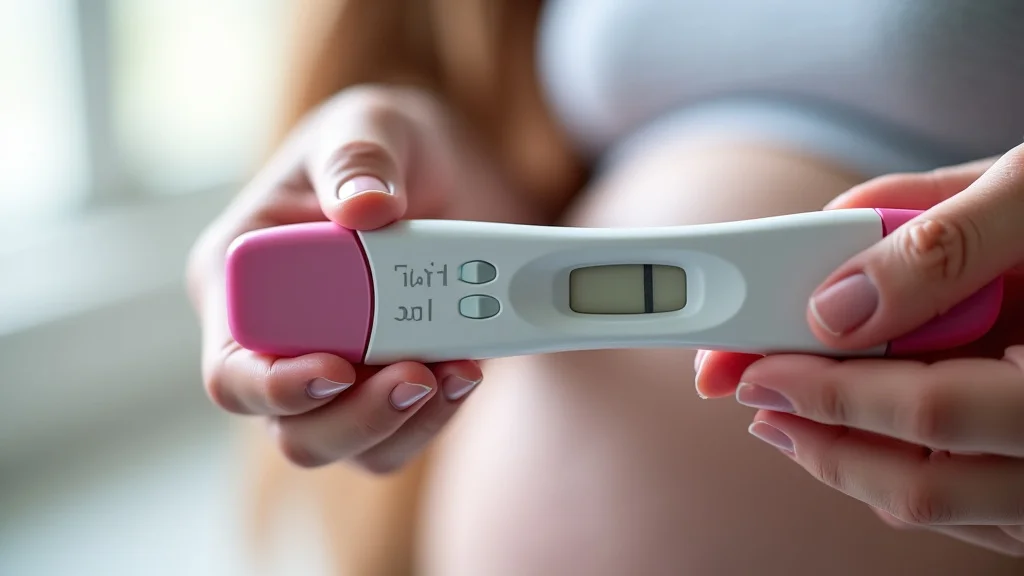
Sometimes figuring out pregnancy test qual vs quant can feel a bit confusing, especially when you’re just starting to look into it. There’s a lot of information out there, and it’s easy to get mixed up. But don’t worry, it’s simpler than it sounds!
This guide will walk you through everything step-by-step, making it super clear. You’ll get the hang of it quickly, and we’ll show you exactly what you need to know.
Key Takeaways
- Qualitative tests tell you yes or no if pregnancy is detected.
- Quantitative tests measure the exact amount of hCG hormone.
- Understanding the difference helps you choose the right test.
- Both types detect the hormone hCG produced during pregnancy.
- Quantitative tests can help track pregnancy progression.
- Qualitative tests are common for quick home use.
Understanding Pregnancy Test Qual Vs Quant
When you’re thinking about pregnancy tests, you might hear terms like qualitative and quantitative. It’s natural to wonder what they mean and how they are different. Essentially, these terms describe how a test gives you information.
Some tests give you a simple answer, while others provide more detail. Knowing the distinction can help you pick the best test for your needs and understand the results you get.
What is a Qualitative Pregnancy Test
A qualitative pregnancy test looks for the presence of a specific substance. In the case of pregnancy tests, this substance is the hormone human chorionic gonadotropin, or hCG. When a woman becomes pregnant, her body starts producing hCG.
The qualitative test is designed to detect if this hormone is present above a certain threshold. If it detects hCG, the result is positive, indicating a potential pregnancy. If it doesn’t detect hCG, or the level is below the threshold, the result is negative.
These tests are very common for at-home use. They are designed to be straightforward and easy to interpret. You’ll typically see a line, a plus sign, or a digital message like “Pregnant” or “Not Pregnant.” The emphasis is on a simple yes or no answer.
This makes them convenient for initial testing when someone suspects they might be pregnant. The key takeaway for qualitative tests is that they provide a detection answer, not a measurement.
The hormone hCG is produced by cells that will form the placenta shortly after a fertilized egg attaches to the uterine wall. Even in the very early stages of pregnancy, hCG levels begin to rise rapidly. Qualitative tests are calibrated to detect these initial rising levels.
The accuracy of a qualitative test depends on several factors, including the sensitivity of the test itself and how soon it is used after conception. Most home pregnancy tests are qualitative.
What is a Quantitative Pregnancy Test
A quantitative pregnancy test, on the other hand, does more than just detect hCG. It actually measures the exact amount of hCG hormone in the blood or urine. This measurement is usually given in milli-international units per milliliter (mIU/mL).
Think of it like a thermometer measuring temperature versus just saying if it’s hot or cold. A quantitative test gives you a number, a specific value.
This type of test is often done in a doctor’s office or laboratory. It’s particularly useful for monitoring the progression of a pregnancy. For example, if a doctor suspects an ectopic pregnancy or wants to track a miscarriage, measuring the hCG levels over time can provide important information.
The doubling of hCG levels roughly every 48 to 72 hours in early pregnancy is a key indicator of a healthy growing pregnancy.
Quantitative pregnancy tests are usually performed on blood samples because blood can hold higher concentrations of hCG, allowing for more precise measurements. Urine tests can also be quantitative, but they are less common for this purpose due to lower hCG concentrations in urine compared to blood. The main benefit of a quantitative test is the ability to track changes and identify potential issues based on the hCG level’s numerical value and its rate of change.
Pregnancy Test Qual Vs Quant Key Differences
The fundamental difference between qualitative and quantitative pregnancy tests lies in the type of information they provide. Qualitative tests give a simple detection answer: yes, hCG is present above a certain level, meaning pregnancy is likely. Quantitative tests give a precise measurement: hCG is at X mIU/mL.
This numerical value allows for more detailed analysis and monitoring.
For someone trying to confirm a pregnancy for the first time, a qualitative test is usually sufficient. It’s fast, accessible, and gives a clear indication. If the result is positive, further confirmation or monitoring might be recommended by a healthcare provider.
For doctors, especially in situations involving fertility treatments, potential complications, or monitoring early pregnancy health, quantitative tests offer crucial data that qualitative tests cannot.
Consider this: if you take a qualitative test and it says “Pregnant,” you know you’re likely pregnant. If you take a quantitative test and it says “150 mIU/mL,” you also know you’re likely pregnant. However, the quantitative test allows the doctor to ask, “Is 150 mIU/mL what we expect for this stage of pregnancy?” and then re-test in two days to see if it doubled, which is a sign of a healthy pregnancy.
Qualitative tests don’t offer this level of detail.
How Pregnancy Tests Detect hCG
Both qualitative and quantitative pregnancy tests work by detecting the hormone hCG. This hormone is produced by cells that will eventually become the placenta after a fertilized egg implants in the uterus. The presence of hCG is one of the earliest biochemical signs of pregnancy.
The tests use a process called immunoassay, which relies on antibodies to detect the hCG hormone.
The Role of Human Chorionic Gonadotropin hCG
Human chorionic gonadotropin (hCG) is a hormone that is unique to pregnancy. It is produced by the developing placenta shortly after conception. Its primary role is to signal the body to maintain the uterine lining, which is essential for supporting the growing embryo.
hCG levels rise very quickly in early pregnancy, often doubling every 48 to 72 hours. This rapid rise makes it an excellent marker for pregnancy detection.
The earliest hCG can typically be detected in urine is about 10 to 14 days after ovulation. In blood, it can be detected slightly earlier, sometimes as soon as 7 to 10 days after ovulation. The specific levels of hCG can vary significantly between individuals and even between pregnancies in the same individual.
This variability is why qualitative tests look for a general presence, while quantitative tests measure the exact amount to compare it to expected ranges.
When a fertilized egg implants in the uterus, the outer layer of cells, called the trophoblast, begins to produce hCG. This hormone then enters the bloodstream and is also excreted in the urine. Home pregnancy tests, both qualitative and quantitative, are designed to react with antibodies that specifically bind to hCG.
The detection methods vary, but the core principle is identifying the presence or quantity of this pregnancy hormone.
Antibody Technology in Pregnancy Testing
Pregnancy tests use specific antibodies that are engineered to bind to the hCG hormone. These antibodies are often attached to a colored dye or a chemical that produces a color change when hCG is present. For qualitative tests, this reaction is what creates the visible line or symbol on the test strip or device.
The test has a specific area where a certain amount of urine is applied. If hCG is present, it binds to the antibodies on the test strip.
This binding causes a chemical reaction that makes a line appear. For example, a test might have antibodies for hCG on one line and other antibodies on a control line (to show the test is working correctly). When hCG binds, it triggers the appearance of the positive result line.
The sensitivity of the test determines how low a level of hCG it can detect. Higher sensitivity tests can detect pregnancy earlier.
Quantitative tests use a similar antibody-binding process, but the reaction is measured electronically or photometrically. Instead of just a visible line, the intensity of the color reaction, or the amount of light emitted or absorbed, is measured. This intensity is directly proportional to the amount of hCG present.
This allows for a numerical reading of the hCG concentration in the sample.
How hCG Levels Change During Pregnancy
In a healthy, progressing pregnancy, hCG levels follow a predictable pattern. They start very low and rise rapidly in the first trimester. Typically, hCG levels double approximately every 48 to 72 hours between 4 and 8 weeks of pregnancy (measured from the last menstrual period).
This rapid increase is a key indicator that the pregnancy is developing as expected.
For instance, at 4 weeks pregnant, hCG levels might be around 5 to 426 mIU/mL. By 5 weeks, they could range from 18 to 7,340 mIU/mL. By 6 weeks, they might be anywhere from 1,080 to 56,500 mIU/mL.
These numbers are averages, and there is a wide range of normal. After about 8 to 11 weeks, hCG levels typically peak and then begin to decline gradually through the rest of the pregnancy.
Understanding these typical hCG level changes is crucial for interpreting quantitative test results. If a quantitative test shows a very low hCG level, it might mean the pregnancy is very early, or it could indicate a problem like an ectopic pregnancy or a non-viable pregnancy. Conversely, extremely high hCG levels might suggest a molar pregnancy or multiple gestation (twins or more).
This is why healthcare providers use quantitative tests to track pregnancy health.
Choosing the Right Pregnancy Test
Deciding whether to use a qualitative or quantitative pregnancy test depends on your situation and what you want to know. For most people seeking to confirm an early pregnancy, a simple qualitative test is the best starting point. It’s readily available, affordable, and provides a clear answer quickly.
When to Use a Qualitative Test
Qualitative pregnancy tests are ideal for home use when you suspect you are pregnant and want a simple confirmation. If your period is late, or you’re experiencing early pregnancy symptoms, a qualitative test is the go-to option. These tests are widely available at drugstores, supermarkets, and online without a prescription.
They are designed for ease of use and quick results.
The convenience of qualitative tests means you can often get an answer within minutes from the comfort of your home. They are sensitive enough to detect pregnancy from the first day of a missed period for most women, and some highly sensitive tests can detect pregnancy even a few days before a missed period. The goal of a qualitative test is to give a straightforward positive or negative result, allowing you to take the next steps, whether that’s scheduling a doctor’s appointment or planning for potential parenthood.
For example, Sarah missed her period by three days and was feeling unusually tired. She bought a qualitative pregnancy test from the local pharmacy. After following the instructions and waiting a few minutes, a clear positive line appeared.
This gave her the initial confirmation she needed, and she then scheduled an appointment with her doctor to confirm the pregnancy and discuss her next steps.
When to Use a Quantitative Test
Quantitative pregnancy tests are typically used in medical settings, often by doctors or fertility specialists. They are not usually available or necessary for routine home testing. A quantitative test is beneficial when more detailed information about the pregnancy is needed.
This includes situations like monitoring the success of fertility treatments, investigating early pregnancy complications, or assessing the viability of a pregnancy.
For instance, if a woman has a history of miscarriage or is undergoing IVF, her doctor might order quantitative hCG tests to track hCG levels closely. If levels are not rising as expected, it could signal a problem. Similarly, if there’s concern about an ectopic pregnancy (where the fertilized egg implants outside the uterus), measuring serial hCG levels can help diagnose the issue.
A normal pregnancy will show a steady, predictable rise in hCG, while an ectopic pregnancy might have lower or slower-rising levels.
Dr. Evans was monitoring a patient, Maria, who had undergone IVF. After a positive result on a home pregnancy test, Dr.
Evans ordered a quantitative hCG blood test. The initial result was 75 mIU/mL. Two days later, a follow-up test showed 210 mIU/mL.
This doubling of hCG levels indicated a healthy, progressing pregnancy, giving both Dr. Evans and Maria reassurance.
Factors Affecting Test Accuracy
Several factors can influence the accuracy of both qualitative and quantitative pregnancy tests. For qualitative tests, the most common issue is testing too early. If the hCG levels are still too low to be detected by the test, you might get a false negative result.
It’s always best to wait until after you’ve missed your period for the most reliable results.
Using the test incorrectly can also lead to inaccurate results. This includes not using first-morning urine for qualitative tests, as it is usually more concentrated, or not following the waiting time specified in the instructions. Over- or under-diluting urine samples for quantitative tests can also affect accuracy.
Additionally, certain medical conditions or medications containing hCG can interfere with test results, leading to false positives.
Here are some key factors for accuracy:
- Timing of the test: Testing too early can lead to a false negative.
- Urine concentration: First-morning urine is generally best for qualitative tests.
- Following instructions: Incorrect procedure can yield wrong results.
- Test sensitivity: Different tests have different detection limits for hCG.
- Medications or medical conditions: Some can affect hCG levels or test performance.
For example, if someone tests a day or two before their expected period with a less sensitive qualitative test, they might not have enough hCG to trigger a positive result, even if they are pregnant. They might then test again a few days later and get a positive. This highlights how timing and test sensitivity are critical for qualitative tests.
For quantitative tests, ensuring the sample is properly collected and that the lab equipment is calibrated correctly is vital for accurate numerical readings.
Interpreting Your Pregnancy Test Results
Once you’ve taken a pregnancy test, understanding what the result means is the next important step. The interpretation differs slightly between qualitative and quantitative tests, but both aim to provide clarity about potential pregnancy.
Reading Qualitative Test Results
Qualitative pregnancy tests are designed to give a simple, visual answer. Most tests use lines, symbols, or digital displays. A positive result is usually indicated by two lines, a plus sign, or the word “Pregnant” on a digital screen.
A negative result is typically shown by one line (the control line), a minus sign, or the word “Not Pregnant.”
It’s crucial to read the test within the time frame specified in the instructions. Reading it too early might result in a faint or unformed line, and reading it too late (after the designated reading window) could lead to a false positive due to evaporation lines or the test drying out. Always refer to the specific instructions that came with your test kit, as designs can vary between brands.
For example, on a typical strip test, you’ll see a control line that should always appear to show the test is working. If you are pregnant, a second line, the test line, will also appear. The intensity of the test line can vary; a faint line still means positive.
Digital tests are the easiest to read, displaying clear text messages. If you get a positive result on a qualitative test, it’s recommended to schedule an appointment with your healthcare provider for confirmation.
Understanding Quantitative Test Results
Quantitative pregnancy tests provide a numerical value representing the concentration of hCG in the sample, usually in mIU/mL. Interpreting these results requires context, often provided by a healthcare professional. The numerical value itself isn’t enough; it needs to be compared to standard ranges for different stages of pregnancy.
For instance, a result of 50 mIU/mL could be considered positive. However, what this number signifies depends on how far along the pregnancy is. A healthcare provider will look at this number and compare it to typical hCG levels for the suspected gestational age.
They will also likely order a follow-up test a day or two later to see if the hCG level is doubling, which is a strong indicator of a viable pregnancy. A very low number might mean the pregnancy is extremely early, or it could indicate a problem.
A common scenario is when a quantitative test shows a low hCG level, like 15 mIU/mL. This is often considered a “pregnancy of unknown viability” or very early pregnancy. The doctor will then schedule a repeat test.
If the hCG level has risen significantly and is doubling appropriately, it’s a good sign. If it stays the same or decreases, it could indicate that the pregnancy is not progressing normally, and further investigation or management is needed.
What to Do After Getting Your Results
The steps you take after getting your pregnancy test results depend on the outcome and your personal circumstances. If you get a positive result on a qualitative test, the next step is usually to contact your healthcare provider. They will likely order a blood test (quantitative) to confirm the pregnancy and estimate how far along you are.
They will also schedule your first prenatal appointment.
If you receive a negative result on a qualitative test and your period is still delayed, it’s advisable to wait a few days and test again. Sometimes, pregnancy tests can give a false negative if taken too early. If you continue to get negative results but still suspect pregnancy, or if your period doesn’t arrive, consult your doctor.
They can help determine the cause of the delay.
For quantitative results, your doctor will guide you on the next steps. If the results are consistent with a healthy pregnancy, they will proceed with standard prenatal care. If the results are concerning, they will discuss the findings with you and explain the necessary follow-up actions.
It’s always best to discuss your results and concerns with a medical professional who can provide personalized advice and care.
Common Myths Debunked
Myth 1: A faint positive line on a qualitative test means you are less pregnant.
Reality: A faint positive line still indicates the presence of hCG above the test’s detection threshold. The intensity of the line doesn’t reflect how “pregnant” you are or the health of the pregnancy. It simply means the hormone has been detected.
Factors like how diluted your urine is or how sensitive the test is can affect line darkness. Any visible test line generally means positive.
Myth 2: You can detect pregnancy with household items like sugar or toothpaste.
Reality: While anecdotal evidence exists, there is no scientific basis for these home remedies accurately detecting pregnancy. These methods rely on unpredictable chemical reactions that are not specific to hCG. Pregnancy tests use specialized antibodies designed to react only with hCG, ensuring accuracy.
Relying on these methods can lead to misleading results.
Myth 3: A quantitative hCG test can tell you the sex of the baby.
Reality: Quantitative hCG tests measure the amount of hCG hormone, which is produced by placental tissue. They do not contain any information about the baby’s sex chromosomes. Determining the sex of a baby typically requires genetic testing or ultrasound examination later in pregnancy.
Myth 4: If a test says “Not Pregnant,” you are definitely not pregnant.
Reality: While accurate, pregnancy tests can sometimes produce a false negative. This usually happens if the test is taken too early, before hCG levels are high enough to be detected. It can also occur if the test instructions are not followed correctly.
If you have a negative result but your period is still late, it’s wise to retest in a few days or consult a doctor.
Frequently Asked Questions
Question: Are home pregnancy tests reliable?
Answer: Yes, home pregnancy tests are generally very reliable when used correctly and at the right time. They are designed to detect the pregnancy hormone hCG with high accuracy.
Question: Can stress or physical activity affect pregnancy test results?
Answer: Stress and typical physical activity do not affect the accuracy of pregnancy tests. These tests detect the presence of hCG hormone, which is not influenced by these factors.
Question: What does it mean if a quantitative hCG test result is low?
Answer: A low quantitative hCG result typically means the pregnancy is very early, or it could indicate that the pregnancy is not progressing as expected. Your doctor will likely recommend follow-up testing.
Question: How soon after unprotected sex can a pregnancy test be accurate?
Answer: Pregnancy tests detect hCG, which starts being produced after implantation, about 6-12 days after ovulation. For the most accurate results, it’s best to wait until after you’ve missed your period.
Question: Can certain medications give a false positive pregnancy test?
Answer: Infertility treatments that involve hCG injections can cause a false positive result if the test is taken too soon after the injection. Other than that, most common medications do not cause false positive results.
Summary
Understanding pregnancy test qual vs quant helps you choose the right test and interpret your results. Qualitative tests offer a simple yes or no, ideal for home use. Quantitative tests measure hCG levels, providing valuable data for medical monitoring.
Both rely on detecting hCG. Follow instructions carefully and consult your doctor for definitive guidance.
Leave a Reply