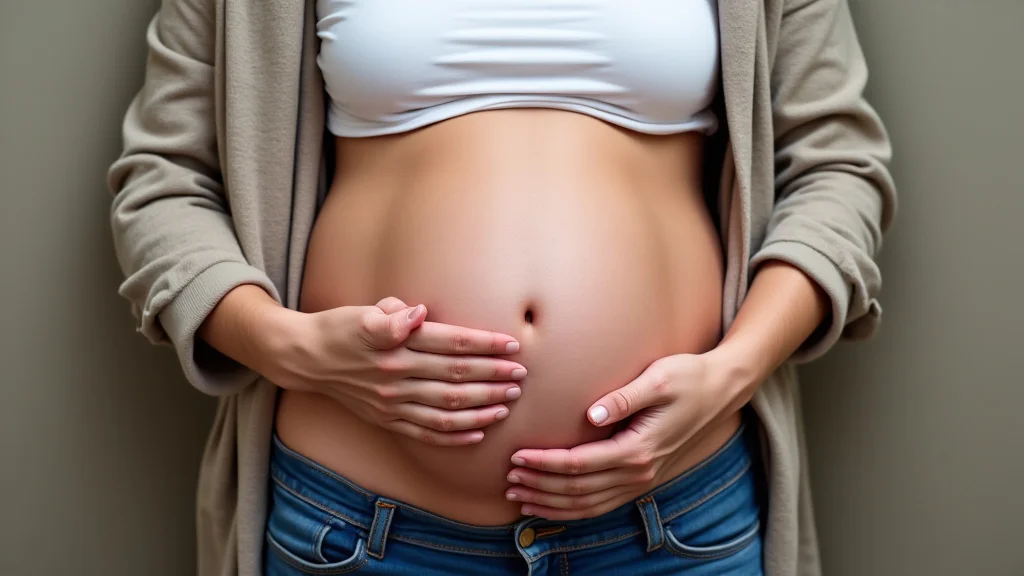
The final stretch of pregnancy, known as the third trimester weeks pregnancy, can feel both exciting and a little overwhelming for many expectant parents. You’re getting closer to meeting your little one, but there are still so many changes happening. It’s easy to feel unsure about what to expect next.
Don’t worry, we’ll break it all down step-by-step to make this period clearer and easier to manage. Get ready to learn about what’s happening now and what’s coming soon.
Key Takeaways
- You will learn about the typical physical and emotional changes during the third trimester.
- Discover what to expect in terms of baby’s growth and development week by week.
- Understand common symptoms and how to manage them comfortably.
- Learn about important preparations for labor and delivery.
- Find out when to contact your doctor or midwife with concerns.
Understanding Third Trimester Weeks Pregnancy
The third trimester marks the final phase of pregnancy, typically from week 28 until birth. This is a period of rapid growth for your baby and significant physical and emotional adjustments for you. Many parents find this stage challenging because it brings new discomforts and a heightened sense of anticipation.
You might feel more tired, experience swelling, and notice changes in your body that can be surprising. Understanding what’s happening each week can help you feel more prepared and in control. This guide will help you understand this important time.
Baby’s Development During The Third Trimester
In these final months, your baby is busy growing and preparing for life outside the womb. They are gaining weight rapidly, their organs are maturing, and their senses are becoming more active. You’ll start feeling more distinct kicks and movements.
This period is crucial for developing essential systems like breathing and digestion.
By the start of the third trimester, around week 28, your baby is about the size of a cauliflower. Their eyes can open and close, and they can hear sounds from the outside world. Their skin is becoming less transparent as fat builds up underneath.
As you move through weeks 29 to 32, the baby’s lungs are developing rapidly. They will practice breathing by inhaling amniotic fluid. Bones are hardening, and they are continuing to gain weight, looking more like a newborn each day.
Between weeks 33 and 36, the baby’s brain development accelerates significantly. They are getting bigger and have less room to move freely. You might notice more pronounced stretches and rolls.
Their immune system is also strengthening.
In the final weeks, from 37 to 40 and beyond, your baby is considered full-term. They are ready for birth. They continue to gain a little more weight and may move into a head-down position in preparation for delivery.
Mom’s Physical Changes In The Third Trimester
Your body is working hard to support your growing baby. You’ll likely experience increased fatigue as your body expends more energy. Swelling in your hands, feet, and ankles is common due to fluid retention and pressure from the uterus.
Heartburn and indigestion can become more frequent as the uterus presses on your stomach. You might also notice shortness of breath because the uterus is pushing against your diaphragm. Backaches and pelvic pain are also very common as your body prepares for labor.
Braxton Hicks contractions, or “practice contractions,” may become more noticeable. These are usually irregular and don’t increase in intensity, helping to prepare your cervix. Skin changes, like stretch marks, can also appear or become more prominent.
Some women experience a nesting instinct during this time, a sudden urge to clean and organize their home in preparation for the baby’s arrival. Changes in sleep patterns are also typical, making it harder to get comfortable.
Emotional and Mental Well-being
The emotional landscape of the third trimester can be varied. Alongside excitement and anticipation, you might experience anxiety about labor, delivery, and parenthood. These feelings are completely normal.
Your hormones are still shifting, which can contribute to mood swings. It’s important to have a strong support system in place, whether it’s your partner, family, or friends. Open communication about your feelings is key.
You might also feel a sense of pressure to get everything done before the baby arrives. Try to pace yourself and remember that it’s okay to ask for help. Focusing on self-care, like relaxation techniques and gentle exercise, can make a big difference.
Preparing For Labor And Delivery
As the due date approaches, preparing for labor becomes a top priority. Many couples attend childbirth classes to learn about the stages of labor, pain management options, and what to expect during delivery.
Having a birth plan can be helpful, outlining your preferences for labor and delivery. This doesn’t mean you have to stick to it rigidly, but it helps you think through your options and communicate them to your healthcare provider.
Packing your hospital bag in advance is a practical step. Include essentials for you, your baby, and your partner. Familiarizing yourself with the route to the hospital or birth center can also reduce stress on the day.
Knowing the signs of labor, such as regular contractions that get stronger and closer together, or your water breaking, is vital. It’s always best to call your doctor or midwife if you are unsure.
Common Third Trimester Symptoms And Relief
Frequent urination is common as the baby’s head presses on your bladder. It can help to limit fluids before bedtime and empty your bladder completely each time.
Leg cramps can be quite uncomfortable. Stretching your calf muscles before bed and ensuring you have enough calcium and magnesium in your diet may help. Staying hydrated is also important.
Swelling in the extremities can be managed by elevating your legs whenever possible, avoiding standing for long periods, and wearing comfortable, supportive shoes.
Difficulty sleeping is a widespread issue. Try sleeping on your side with pillows for support, especially between your knees and under your belly. A warm bath or a cup of herbal tea can also promote relaxation.
Fatigue is almost inevitable. Listen to your body and rest when you can. Short naps during the day can be beneficial if possible.
Itching, especially on the belly, is normal. Keep your skin moisturized with a gentle lotion. If the itching is severe or widespread, consult your doctor as it could indicate a different issue.
Hemorrhoids can develop due to increased pressure. Eating a diet rich in fiber, staying hydrated, and avoiding straining can help. Your doctor might suggest certain creams or treatments.
This is a time of great change, but with preparation and understanding, the third trimester weeks pregnancy can be a manageable and even joyful period as you anticipate your new arrival.
Common Myths Debunked
Myth 1: You will gain a lot of weight very quickly.
While weight gain continues in the third trimester, the rate usually slows down compared to the second trimester. Most of the weight gain is for the baby’s final development. Healthy weight gain is important for a healthy pregnancy.
Your doctor will monitor your weight and guide you.
Myth 2: You can have sex without any concerns.
For most healthy, low-risk pregnancies, sex is generally safe throughout the third trimester. However, some women may experience discomfort or have medical reasons to avoid it. Always discuss any concerns with your healthcare provider.
Myth 3: All babies drop into the birth canal early in the third trimester.
While some babies “drop” or engage in the pelvis weeks before labor, many do not until labor begins. This is known as lightening. It varies greatly from person to person.
Myth 4: You will feel constant movement from the baby.
As the baby grows, space becomes tighter, and you might feel fewer big kicks and more rolls or stretches. However, you should still feel regular movement. If you notice a significant decrease in fetal movement, it’s important to contact your doctor.
Myth 5: The third trimester is all about waiting.
The third trimester is a period of significant development for the baby and preparation for birth. It involves understanding your body’s changes, preparing your home, and mentally gearing up for parenthood. It is an active phase of readiness.
Frequently Asked Questions
Question: How much weight should I expect to gain in the third trimester?
Answer: Typically, you might gain about one pound per week in the third trimester, but this can vary. Your doctor will advise you on a healthy weight gain range for your individual pregnancy.
Question: What are the first signs that labor might be starting?
Answer: Signs can include regular, stronger contractions that get closer together, your water breaking, or losing your mucus plug. Some women also experience back pain or nausea.
Question: Is it normal to feel more emotional in the third trimester?
Answer: Yes, hormonal changes and the anticipation of birth can lead to increased emotions, including excitement, anxiety, and mood swings. This is very common.
Question: How can I manage severe swelling in my feet and ankles?
Answer: Elevating your legs frequently, avoiding long periods of standing, wearing comfortable shoes, and staying hydrated can help. If swelling is sudden or severe, contact your doctor.
Question: When should I call my doctor during the third trimester?
Answer: You should call your doctor if you experience decreased fetal movement, severe headaches, vision changes, sudden swelling, bleeding, or signs of preterm labor.
Summary
The third trimester weeks pregnancy is a time of immense change and preparation. You’ve learned about your baby’s final growth stages and the physical and emotional shifts you might experience. We covered common symptoms and how to find relief.
Preparing for labor and debunking myths also helps ease concerns. Focus on self-care and trust your instincts as you get ready to welcome your baby.
Leave a Reply