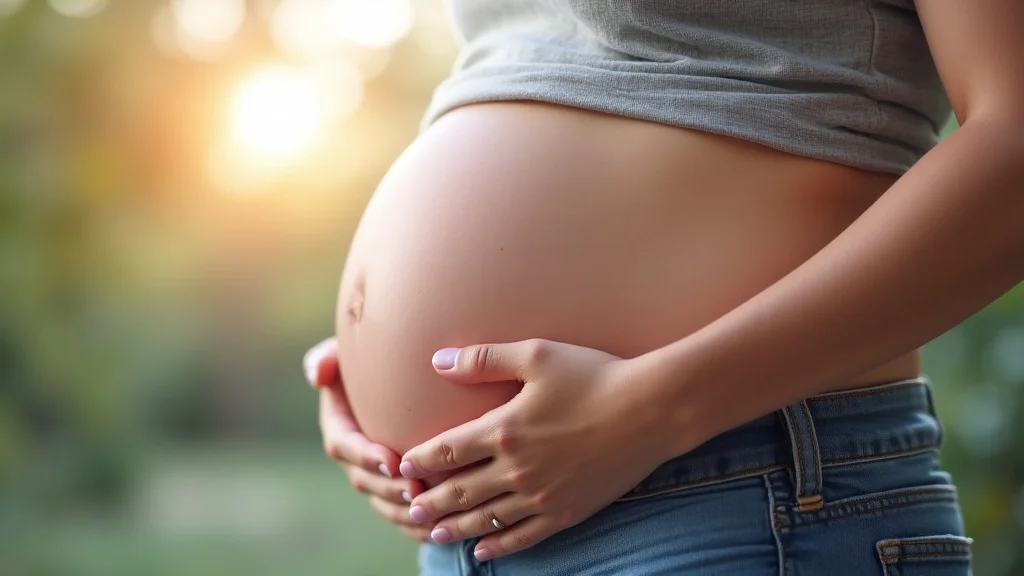
As your pregnancy moves into its final stretch, your body undergoes amazing changes. The third trimester belly can feel like a big milestone, and for many expecting parents, it’s a time filled with wonder and maybe a little bit of “wow, this is really happening!” It’s completely normal for this part of pregnancy to feel new and sometimes even a bit challenging to get used to. But don’t worry, we’re here to make it simple.
We’ll walk through what to expect and how to feel comfortable. Get ready for a clear guide to help you embrace this incredible stage.
Key Takeaways
- You’ll learn about the typical growth and appearance of a third trimester belly.
- Discover common sensations and comfort tips for managing your growing belly.
- Understand the changes happening to your body and what they mean.
- Find out how to prepare for the arrival of your baby with your belly as a focus.
- Get simple advice for staying comfortable and enjoying this special time.
What Is A Third Trimester Belly
Your belly during the third trimester is a sign of your baby growing big and strong. It’s the final stage before your little one arrives. This period is marked by rapid growth, both for your baby and your abdomen.
You’ll notice your belly reaching its largest size, often appearing round and prominent. This is a beautiful indicator of life developing within you.
The skin on your belly will stretch considerably. You might see stretch marks appear, which are very common and a normal part of pregnancy. Your belly might feel quite firm and tight.
It’s also common for it to feel heavy. Sometimes, you might notice the baby kicking or moving more actively, which you can feel as bumps or rolls against the stretched skin. This physical presence is a constant reminder of the life you are nurturing.
The Baby’s Growth
During the third trimester, which typically spans from week 28 until birth, your baby undergoes significant development. They gain weight rapidly, filling out and preparing for life outside the womb. Their organs, like the lungs, continue to mature.
The baby’s movements become more coordinated and stronger. You’ll feel these changes as kicks, jabs, and rolls against your belly. This stage is about preparation and final growth, ensuring your baby is ready for the world.
The rapid weight gain of the baby directly impacts the size and shape of your belly. By the end of the third trimester, your baby can weigh around 6 to 9 pounds and measure about 19 to 21 inches long. This substantial growth means your uterus expands to accommodate them, pushing your abdominal muscles outwards.
The sheer volume of the baby, along with the amniotic fluid and placenta, contributes to the impressive size of the third trimester belly.
Skin And Stretch Marks
As your belly expands, the skin on your abdomen stretches dramatically. This stretching can lead to the development of stretch marks, medically known as striae gravidarum. These marks often appear as reddish-purple lines initially and may fade to a silvery or white color over time.
They are a natural and common part of pregnancy, affecting many women.
The appearance of stretch marks is largely due to genetic factors and the rate of skin stretching. While genetics play a big role, maintaining good hydration and keeping the skin moisturized can help improve its elasticity and potentially reduce the severity of stretch marks. It’s important to remember that stretch marks are not a sign of anything wrong; they are simply a testament to your body’s incredible ability to grow and adapt.
Sensations And Movements
The third trimester is characterized by palpable fetal movements within your belly. You’ll feel kicks, hiccups, and rolls as your baby grows and has less space to move freely. These movements are vital signs of your baby’s well-being.
They also contribute to the feeling of fullness and pressure associated with the third trimester belly.
You might also experience new sensations due to the pressure on your internal organs. This can include frequent urination as the baby presses on your bladder, and shortness of breath as the uterus pushes up on your diaphragm. Some women feel itching on their stretched skin.
These sensations are normal, but any sudden or concerning changes should be discussed with your healthcare provider. The constant movement inside is a reassuring sign that your baby is active and healthy.
Comfort And Care For Your Belly
Managing the physical demands of a growing third trimester belly is key to comfort. As your belly gets bigger, you might find everyday activities become more challenging. Supporting your back and belly can make a big difference in how you feel throughout the day.
Simple adjustments to your posture and sleep positions can greatly improve your comfort levels during this final stage of pregnancy.
Taking care of your skin is also important. The skin on your belly is under a lot of strain. Keeping it hydrated can help with itching and improve its overall condition.
Gentle care and attention to your body’s needs will make this period more enjoyable. Remember that this is a temporary phase, and prioritizing your comfort will help you feel your best as you await your baby’s arrival.
Sleeping Positions
Finding a comfortable sleeping position can be difficult with a large third trimester belly. Lying on your back is generally not recommended as it can put pressure on major blood vessels. The best position is on your side, preferably your left side.
This position promotes optimal blood flow to your baby. Using pillows can provide essential support.
A pregnancy pillow can be a lifesaver. These pillows are designed to cradle your body and support your growing belly, back, and hips. You can place a regular pillow between your knees to keep your hips aligned.
Another pillow can be used to support your belly. Experiment with different pillow placements to find what works best for you. Getting quality sleep is crucial during this final stage of pregnancy for both you and your baby’s well-being.
Clothing And Support
Choosing the right clothing can significantly enhance your comfort. Loose-fitting garments made from soft, breathable fabrics are ideal. Maternity wear is designed to accommodate your changing body shape.
Look for items like maternity jeans, comfortable tops, and flowing dresses that provide room for your belly to grow. Avoid tight waistbands or restrictive clothing that can put pressure on your abdomen.
Support garments like belly bands or maternity support belts can be very helpful. These offer external support to your belly, helping to lift some of the weight and reduce pressure on your back and pelvis. They can be particularly beneficial when you are standing or walking for extended periods.
Wearing comfortable shoes with good support is also important, as your center of gravity shifts.
Skin Care For A Stretching Belly
The skin on your belly stretches significantly during the third trimester. Keeping this skin moisturized can help alleviate itching and improve its elasticity. Use gentle, unscented lotions or oils specifically designed for pregnancy.
Products containing ingredients like shea butter, cocoa butter, or vitamin E can be beneficial. Applying them regularly, perhaps twice a day, can make a difference.
Be gentle when washing your belly. Avoid harsh soaps that can dry out your skin. After showering, pat your skin dry instead of rubbing vigorously.
Staying hydrated by drinking plenty of water also contributes to healthy, supple skin from the inside out. While genetics play a role in stretch marks, good skin care practices can help manage discomfort and keep your skin feeling its best.
Preparing For The Baby
As your third trimester belly reaches its peak, it signals that the arrival of your baby is near. This is a time for nesting and getting everything ready for the little one. Preparing your home and your own well-being are essential steps.
Focusing on these preparations can ease your mind and make the transition smoother when your baby is finally here.
This period is also about mental and emotional readiness. Connecting with your baby through movement and conversation can be a beautiful experience. Thinking ahead about postpartum care and support systems can also be very helpful.
The final weeks are a blend of anticipation, practical planning, and cherishing the last moments of pregnancy.
Nesting Instincts
Many pregnant people experience a “nesting instinct” in the final weeks of pregnancy. This is a powerful urge to clean, organize, and prepare your home for the new baby. You might find yourself suddenly motivated to set up the nursery, wash baby clothes, and make sure everything is in its place.
This instinct is a natural part of preparing for your baby’s arrival.
Allow yourself to follow these instincts, but also listen to your body. It’s important not to overexert yourself. Delegate tasks if possible and focus on what feels most important.
Creating a calm and organized environment can help you feel more prepared and less stressed. The nesting instinct is your body’s way of signaling that you are getting ready for a major life change.
Hospital Bag Essentials
Packing your hospital bag in advance is a wise step. It ensures you have everything you need for your hospital stay. Include essentials for yourself, such as comfortable clothing, toiletries, and snacks.
Don’t forget items for your baby, like a going-home outfit and diapers. Having your bag ready also provides peace of mind.
Consider packing items that will make your stay more comfortable. This could include a good book, your phone charger, and any comfort items from home. For your partner, include a change of clothes and personal items.
It’s also helpful to have important documents like your insurance card and identification readily accessible. A well-packed bag removes one source of stress as you approach your due date.
Postpartum Planning
Thinking about the postpartum period before your baby arrives is very beneficial. This includes planning for meals, arranging for help with household chores, and considering your own recovery. Having a support system in place can make a significant difference in your adjustment to life with a newborn.
Don’t hesitate to ask for help from family and friends.
Consider how you will manage your diet and hydration in the weeks after birth. Meal prep or freezer meals can be a great help. Also, think about your emotional well-being.
Knowing who to contact if you are feeling overwhelmed or experiencing symptoms of postpartum depression is important. Preparing for these aspects helps you focus on bonding with your new baby.
Common Myths Debunked
Myth 1: Your Belly Shape Determines The Baby’s Gender
The idea that a high belly means a girl and a low belly means a boy is a very old wives’ tale. The shape of your belly is primarily influenced by factors like your muscle tone, the position of your baby, and the amount of amniotic fluid. Medical science has found no correlation between belly shape and the baby’s sex.
Your baby’s gender is determined by chromosomes, not by how your belly looks.
Myth 2: You Can’t Exercise With A Third Trimester Belly
While you’ll need to modify your activities, exercise is generally safe and beneficial during the third trimester for most healthy pregnancies. Low-impact exercises like walking, swimming, and prenatal yoga can help maintain fitness, improve circulation, and prepare your body for labor. Always consult with your healthcare provider before starting or continuing any exercise routine during pregnancy to ensure it’s appropriate for your specific situation.
They can offer guidance on safe movements and intensity levels.
Myth 3: Itching Belly Means Stretch Marks Are Bad
Itching on your belly is a very common symptom in the third trimester. It’s usually due to the skin stretching rapidly to accommodate your growing baby. While itching can be associated with stretch marks, it’s not a sign that your stretch marks are “bad” or that something is wrong.
It’s simply your skin responding to the significant changes happening. Keeping the skin moisturized and hydrated can help alleviate the itchiness.
Myth 4: You Should Gain Weight Only In The Belly
Pregnancy involves weight gain throughout your body, not just in your belly. Your breasts, hips, and thighs will also likely increase in size. The weight gain is distributed to support the growing baby, the placenta, increased blood volume, and your body’s preparation for breastfeeding.
A healthy weight gain pattern is important for both mother and baby. Your healthcare provider monitors your overall weight gain and provides guidance.
Frequently Asked Questions
Question: How big should my third trimester belly be?
Answer: Belly size varies greatly from person to person and depends on many factors like genetics, baby’s size, and baby’s position. There’s no single “right” size. What matters most is your baby’s healthy growth, which your doctor monitors.
Your belly will continue to grow throughout the third trimester until your baby is born.
Question: Will my belly always feel this hard?
Answer: Your third trimester belly often feels firm because the baby is larger and has less room to move. You might feel distinct kicks and movements against this firm surface. As your pregnancy progresses and your body prepares for labor, you might experience Braxton Hicks contractions, which can make your belly feel even tighter temporarily.
After birth, your belly will gradually soften and return to its pre-pregnancy state over time.
Question: Is it normal for my belly to feel itchy?
Answer: Yes, itching is very common in the third trimester. As your skin stretches to accommodate your growing baby, it can become dry and irritated, leading to itchiness. Keeping your skin well-moisturized with gentle lotions or oils can help soothe the discomfort.
If the itching is severe or accompanied by other symptoms, it’s always best to consult your healthcare provider.
Question: Can I still wear my regular clothes?
Answer: As your third trimester belly expands, you’ll likely find that most of your regular clothes become too tight and uncomfortable. Opting for maternity wear is often the most comfortable solution. These clothes are designed with stretchy fabrics and special cuts to accommodate your changing body shape.
Loose-fitting dresses, stretchy leggings, and comfortable tops can offer the best fit and freedom of movement.
Question: When will my baby “drop”?
Answer: “Dropping” or “lightening” is when the baby descends lower into your pelvis. This can happen a few weeks before labor for some people, while for others, it might happen right before labor begins. You might notice changes in your breathing becoming easier as the baby moves off your diaphragm.
You may also feel more pressure in your pelvis.
Summary
Your third trimester belly is a significant part of your pregnancy. It’s a sign of your baby growing and getting ready. Focus on comfort with good sleep positions and supportive clothing.
Caring for your skin helps manage stretching. Prepare your home and yourself for the baby’s arrival. Remember that every belly is unique, and yours is perfectly preparing for a new life.
Leave a Reply