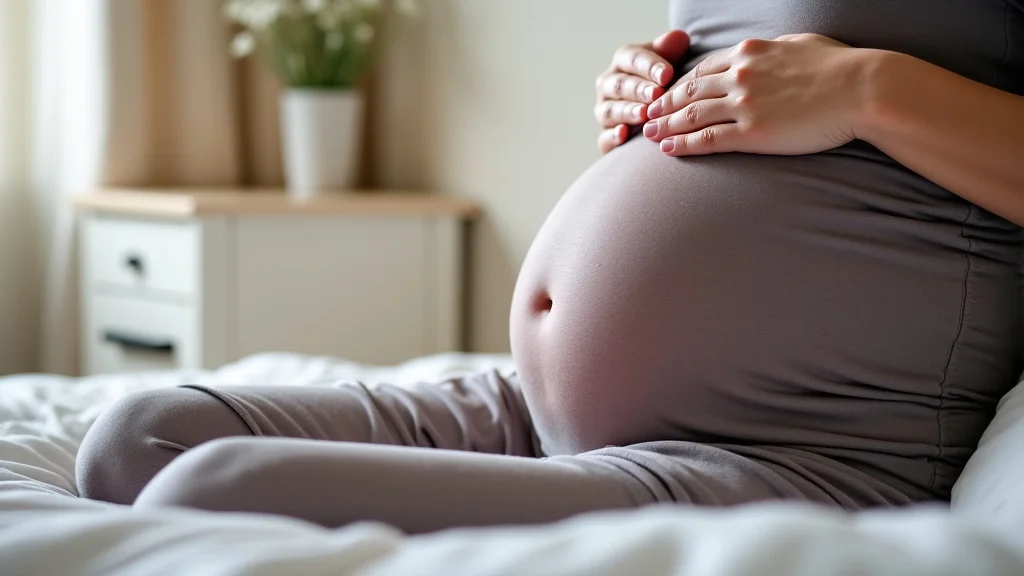
Finding the right way to sleep during pregnancy can feel tricky, especially when you’re in the second trimester. Your body is changing, and what felt good before might not feel so comfortable now. You might be wondering about the best second trimester pregnancy sleeping position to get a good night’s rest.
Don’t worry, it’s a common question, and we’ll break it down with simple steps and helpful tips. Get ready to learn how to sleep soundly as your baby grows.
Key Takeaways
- Side sleeping is generally recommended for the second trimester.
- Using pillows can greatly improve comfort and support.
- Sleeping on your back should be avoided.
- Listen to your body and adjust as needed.
- Proper sleep position can help with common pregnancy discomforts.
Understanding Second Trimester Sleep Challenges
The second trimester is often called the “golden period” of pregnancy. Many early pregnancy symptoms like morning sickness start to fade, and you might feel more energy. However, sleeping can still become a challenge.
Your belly is growing, and finding a comfortable position that doesn’t put pressure on your body or restrict blood flow is important. This is where knowing the best second trimester pregnancy sleeping position makes a big difference.
Why Side Sleeping Is Best
Doctors and midwives often suggest sleeping on your side during pregnancy, particularly in the second trimester and beyond. This position helps take pressure off your back and allows for better circulation to your baby. It also helps prevent your uterus from pressing on your liver, which is located on the right side of your abdomen.
Sleeping on your left side is often highlighted as the top choice.
When you sleep on your left side, it supports optimal blood flow to your uterus, placenta, and baby. This position also helps your kidneys remove waste and fluids from your body more efficiently. This can lead to less swelling in your hands, ankles, and feet.
Studies have shown that sleeping on the left side can reduce the risk of stillbirth compared to sleeping on the back. A 2019 study published in the British Journal of Obstetrics and Gynaecology highlighted this association. While the exact mechanisms are still being researched, good circulation is key to a healthy pregnancy.
The Importance of Pillows
Pillows are your best friends for comfortable sleep in the second trimester. They help support your growing belly, keep you from rolling onto your back, and align your hips and pelvis. Many women find a full-body pregnancy pillow to be very helpful.
These long pillows can be arranged in various ways to support your head, back, and belly.
You can also use regular pillows. Try placing one between your knees. This keeps your hips aligned and reduces strain on your lower back.
Another pillow can go under your belly for added support. Some women like to place a pillow behind their back to prevent them from rolling over in their sleep.
A common pillow setup involves one pillow between your bent knees and another tucked under your belly. You might also find it helpful to have a pillow to hug or place behind your back. Experiment to see what feels most comfortable and supportive for you.
Avoiding Back Sleeping
While it might have been your favorite position before pregnancy, sleeping on your back in the second trimester is generally not recommended. As your uterus grows, lying flat on your back can cause it to press down on a major vein called the inferior vena cava. This vein carries blood from your lower body back to your heart.
When this vein is compressed, it can reduce blood flow to your brain and your baby. This can lead to feelings of dizziness, shortness of breath, and nausea for you. It can also reduce the amount of oxygen and nutrients reaching your baby.
Another issue with back sleeping is that it can put extra strain on your back, making backaches worse. It can also contribute to snoring and even sleep apnea during pregnancy. If you find yourself waking up on your back, don’t panic.
Gently roll onto your side. Using pillows strategically can help you stay in a side-sleeping position throughout the night.
Exploring Different Side Sleeping Options
While left-side sleeping is often preferred, sometimes you might need to switch to your right side for comfort. If you do sleep on your right side, try to prop yourself up with pillows to reduce pressure. The key is to maintain a comfortable and supported position that allows for good breathing and circulation.
Some women also find that a slightly elevated upper body helps with heartburn, which can become more common in the second trimester. Using an extra pillow to prop up your head and shoulders can be beneficial. This also helps with digestion.
Consider what your body needs each night. Some nights you might feel best with your legs closer together, while other nights you might need them further apart. The goal is to find a stable and comfortable position that supports your changing body.
Common Myths Debunked
Myth 1: You Can Never Sleep on Your Right Side
While sleeping on your left side is often recommended for optimal blood flow, it’s not a strict rule that you can never sleep on your right side. Occasional right-side sleeping is usually fine, especially if you use pillows for support. The main concern is prolonged periods on your back.
Myth 2: A Pregnancy Pillow Is Too Expensive and Unnecessary
Pregnancy pillows can range in price, but many women find them to be a worthwhile investment for improving sleep quality and comfort. They offer targeted support that regular pillows may not provide, helping to alleviate aches and pains. There are also more affordable options and ways to create similar support with regular pillows.
Myth 3: If You Wake Up on Your Back, Something Is Wrong
It’s very common to shift positions during sleep, and you might naturally roll onto your back. If this happens, simply wake up gently and reposition yourself onto your side. It doesn’t mean there’s an immediate danger, but it’s good to try to stay on your side as much as possible.
Myth 4: You Must Sleep Only On Your Left Side All Night
The recommendation for left-side sleeping is strong, but it doesn’t mean you can’t ever shift to your right side if you’re more comfortable or need a break. The primary goal is to avoid prolonged periods on your back, which is the most critical position to avoid.
Frequently Asked Questions
Question: What is the best sleeping position for the second trimester?
Answer: The best sleeping position for the second trimester is generally on your left side. This position helps improve circulation to your baby and takes pressure off your back and major blood vessels.
Question: Why should I avoid sleeping on my back in the second trimester?
Answer: Sleeping on your back in the second trimester can cause your uterus to press on the inferior vena cava, a major vein that carries blood to your heart. This can reduce blood flow and cause dizziness and discomfort.
Question: Can I use regular pillows for support?
Answer: Yes, you can use regular pillows. Place one between your knees for hip alignment, and another under your belly for support. A pillow behind your back can also help prevent you from rolling over.
Question: What if I experience heartburn at night?
Answer: To help with heartburn, try elevating your upper body with an extra pillow while side sleeping. This can aid digestion and reduce reflux.
Question: How can I get used to side sleeping if I’m a back sleeper?
Answer: Gradually adjust by placing pillows around you to encourage side sleeping. Start by sleeping on your side for shorter periods and increase the duration as you become more comfortable. Using a body pillow can also be very helpful.
Summary
Getting quality sleep during your second trimester is achievable by adopting the right sleeping position. Focusing on side sleeping, especially on your left, and using pillows for support will make a significant difference. This simple shift can help ease discomfort and promote a healthier pregnancy for both you and your baby.
Sweet dreams!
Leave a Reply