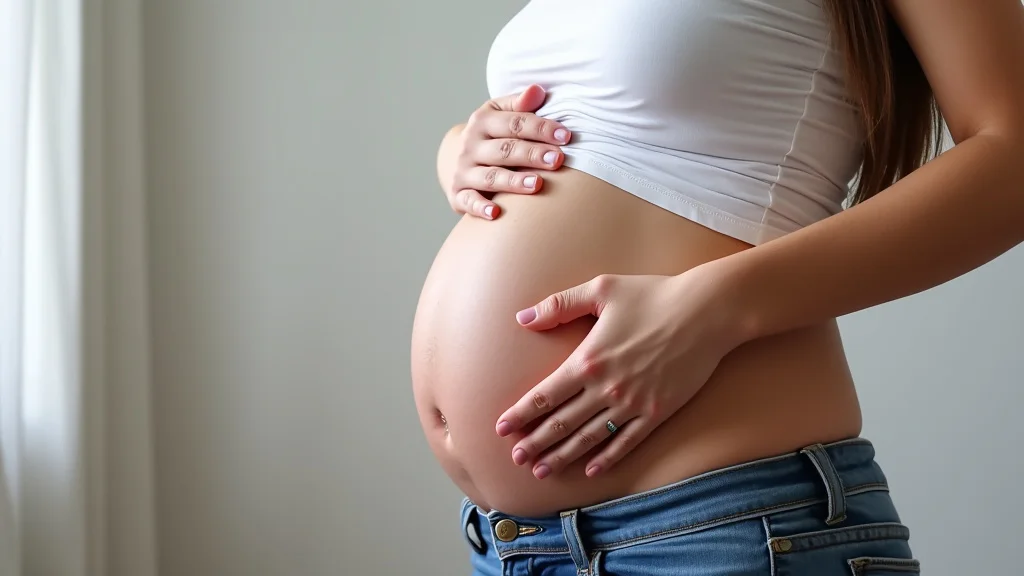
The middle part of pregnancy, known as the second trimester, can feel like a big change. For many new parents, the second trimester of pregnancy symptoms can be surprising, and sometimes a bit tricky to figure out. You might be wondering what to expect and if what you’re feeling is normal.
This guide makes it easy. We’ll walk you through everything you need to know, step by step, so you can feel more prepared and comfortable. Get ready to discover what’s coming next in this exciting stage of your pregnancy.
Key Takeaways
- You will learn about common physical changes in the second trimester.
- Discover ways to manage discomforts like backaches and heartburn.
- Understand the emotional shifts that can happen during this time.
- Find out what to expect regarding baby’s growth and movement.
- Get practical tips for staying healthy and active.
Navigating the Second Trimester of Pregnancy Symptoms
The second trimester is often called the “golden period” of pregnancy. Many early pregnancy symptoms, like morning sickness, start to fade. This is a time when many expectant mothers feel more energy and a sense of well-being.
However, new symptoms can emerge, and some can be quite noticeable. This phase brings a unique set of physical and emotional experiences as your body continues to adapt to carrying your growing baby. Understanding these changes helps you feel more in control and enjoy this special time.
Physical Changes and Common Discomforts
As your baby grows rapidly, your body undergoes significant transformations. You might notice your belly expanding visibly, your center of gravity shifting, and new aches and pains appearing. These are all normal parts of the process.
Staying informed about these physical shifts can help you prepare and find ways to ease any discomfort you experience.
Skin Changes
Many women experience skin changes during the second trimester. This can include the appearance of the linea nigra, a dark line running from your navel to your pubic bone, and melasma, often called the “mask of pregnancy,” which causes brown patches on your face. These are caused by hormonal shifts.
- Linea Nigra is a common skin mark that appears during pregnancy. It’s a dark line that runs down the middle of the abdomen. This line is caused by increased melanin production, a pigment in the skin, due to hormonal changes. It usually fades after delivery.
- Melasma is another common skin condition. It presents as discolored patches, often on the face, cheeks, forehead, and upper lip. Like the linea nigra, it’s related to pregnancy hormones affecting pigment. Sun protection is very important to prevent it from worsening.
- Stretch marks can also become more prominent. These appear as red, pink, or purple lines on the abdomen, breasts, and thighs. They are a result of the skin stretching rapidly. While genetics play a role, keeping skin moisturized may help manage their appearance.
Digestive Issues
Hormonal changes and the growing uterus can lead to digestive problems. Heartburn is very common as pregnancy hormones relax the valve between your stomach and esophagus, allowing stomach acid to back up. Constipation can also be an issue because digestion slows down.
- Heartburn is a burning sensation in your chest. It happens when stomach acid travels up into the esophagus. Eating smaller meals, avoiding trigger foods like spicy or fatty foods, and not lying down right after eating can help. Keeping your head elevated at night also provides relief.
- Constipation occurs because hormones make your digestive system work slower. This means more water is absorbed from your food, making stools harder to pass. Drinking plenty of water and eating fiber-rich foods like fruits, vegetables, and whole grains can prevent this. Regular, gentle exercise also helps.
- Bloating and gas can also be uncomfortable. The same hormonal slowdown in digestion contributes to this. Probiotic-rich foods or simple dietary adjustments can often help reduce these symptoms.
Body Aches and Pains
As your body grows and prepares for birth, aches and pains are almost guaranteed. Your ligaments relax to prepare for delivery, which can affect your posture and cause pain.
- Backaches are very common. The extra weight you are carrying and the shift in your posture can strain your back muscles. Practicing good posture, wearing supportive shoes, and doing gentle stretching exercises can ease this discomfort.
- Sciatic nerve pain can occur. This happens when the growing uterus presses on the sciatic nerve, which runs from your lower back down your legs. It can cause pain, numbness, or tingling. Sleeping on your side with a pillow between your knees can help relieve pressure.
- Pelvic pain is also frequent. This can be due to the relaxation of pelvic ligaments. It might feel like a dull ache or sharp pain in the pelvic area. A maternity support belt can offer relief by providing extra support for your growing belly.
Baby’s Growth and Development
The second trimester is a period of significant growth for your baby. You will likely start to feel your baby’s movements, which is a wonderful milestone. Your healthcare provider will closely monitor your baby’s development.
Feeling Fetal Movements
Around weeks 18-25, you will likely begin to feel your baby’s kicks, flutters, and rolls. These first movements are often subtle and can be mistaken for gas. As your baby grows, these movements will become stronger and more noticeable.
- First Movements (Quickening) typically start between 16 and 25 weeks of pregnancy. They might feel like gentle flutters or bubbles. Primigravida (first-time mothers) might feel them later than multigravida (mothers who have been pregnant before).
- As the baby grows, movements become stronger. You might feel distinct kicks, jabs, and even turns. Paying attention to your baby’s movement patterns can help you feel more connected and aware of their well-being.
- Monitoring Fetal Activity is encouraged. While not all babies move constantly, a significant decrease in activity should be reported to your healthcare provider. This helps ensure your baby is doing well.
Baby’s Proportions and Features
By the second trimester, your baby’s major organs are formed and starting to mature. They are developing facial features, and their tiny fingers and toes are fully formed. Your baby is now starting to look more like a miniature human.
- Sensory Development begins. The baby’s ears are developing, and they can start to hear sounds from outside the womb, like your voice or music. Their eyes are also developing, though they remain closed for much of this period.
- Skeletal Development continues. Bones are hardening, and the skeleton is taking shape. This is why it’s important to ensure you are getting enough calcium and vitamin D.
- Brain Development is rapid. The brain grows significantly during the second trimester, laying the foundation for future learning and development.
Weight Gain and Belly Growth
Expect to gain weight steadily during this trimester. Your healthcare provider will guide you on an appropriate weight gain range based on your pre-pregnancy weight. Your belly will become noticeably rounder as your uterus expands.
- Recommended Weight Gain varies based on individual factors. Generally, women with a healthy pre-pregnancy weight are advised to gain about one pound per week during the second trimester. This provides necessary nutrients for you and your baby.
- Uterine Growth is measurable. Your uterus will grow from about the size of a grapefruit to the size of a cantaloupe or larger. This expansion is what causes your belly to grow and can put pressure on other organs.
- Baby’s Size increases dramatically. By the end of the second trimester, your baby might be around 10-12 inches long and weigh about one to one and a half pounds, resembling a vegetable like a zucchini or an eggplant in terms of size.
Emotional and Mental Well-being
The second trimester often brings a sense of calm after the storm of the first trimester. However, emotional shifts are still a part of pregnancy. You might experience a range of feelings as your body changes and you prepare for motherhood.
Mood Swings and Emotional Shifts
While morning sickness may subside, hormonal fluctuations can still contribute to mood swings. You might feel more emotional, happier, or sometimes more anxious. It’s a normal part of adjusting to the significant changes happening.
- Emotional Fluctuations are normal. Hormones play a huge role in pregnancy. One moment you might feel joyful, and the next you could feel irritable or weepy. This is your body adjusting.
- Increased Calm and Energy often occur. Many women report feeling more stable and energetic in the second trimester compared to the first. This “honeymoon phase” allows many to enjoy their pregnancy more fully.
- Anxiety and Excitement can coexist. It’s common to feel both excited about the approaching birth and anxious about the responsibilities of parenthood. These feelings are valid and often go hand-in-hand.
Body Image and Self-Esteem
As your body shape changes, you might have mixed feelings about your appearance. Some women embrace their changing body, while others may feel self-conscious. It’s important to be kind to yourself during this time.
- Embracing the Bump can be empowering. Many women start to feel proud of their pregnant form. Wearing clothes that fit well and make you feel good can boost your confidence.
- Dealing with Self-Consciousness is also common. If you feel uncomfortable with your changing body, remember that it’s temporary and a sign of a healthy pregnancy. Talking to your partner, friends, or a support group can help.
- Focusing on Health over Appearance is key. Shift your focus to the amazing work your body is doing. Nurturing yourself and your baby with good food and rest is the most important thing.
Practical Tips for the Second Trimester
To help you navigate the second trimester of pregnancy symptoms smoothly, incorporating certain practices can make a big difference. These tips focus on comfort, health, and preparing for your baby’s arrival.
Nutrition and Hydration
Your baby’s needs are growing, so focusing on a balanced diet is crucial. Staying well-hydrated is also vital for both you and your baby.
- Balanced Diet is essential. Focus on whole foods like fruits, vegetables, lean proteins, and whole grains. This provides the necessary vitamins and minerals for you and your growing baby. Avoid processed foods and excessive sugar.
- Essential Nutrients include folate, iron, calcium, and vitamin D. Your doctor may recommend a prenatal vitamin to ensure you get adequate amounts. Iron is particularly important to prevent anemia.
- Hydration is key. Aim to drink at least 8-10 glasses of water per day. Water helps prevent constipation, reduces swelling, and keeps your energy levels up.
Exercise and Movement
Staying active can help manage many common pregnancy discomforts. Gentle exercise can improve circulation, reduce aches, and boost your mood.
- Moderate Exercise is recommended. Activities like walking, swimming, prenatal yoga, and stationary cycling are generally safe and beneficial. Always consult your doctor before starting a new exercise routine.
- Benefits of Exercise include reduced back pain, improved sleep, and better mood. It also helps prepare your body for labor and can aid in postpartum recovery.
- Listen to Your Body. It’s important to know your limits and avoid overexertion. If you experience any pain or discomfort, stop exercising.
Rest and Sleep
As your pregnancy progresses, you may find yourself needing more rest. Establishing good sleep habits can help you cope with fatigue.
- Pillows for Support are a lifesaver. Using a body pillow or specialized pregnancy pillow can help you find a comfortable position, especially for sleeping on your side. Place pillows between your knees and under your belly.
- Create a Relaxing Bedtime Routine. Avoid screens before bed, take a warm bath, or read a book to help your body wind down. This can improve the quality of your sleep.
- Manage Sleep Disruptions. Frequent urination, leg cramps, and heartburn can interrupt sleep. Addressing these specific issues, as advised by your doctor, can lead to more restful nights.
Second Trimester of Pregnancy Symptoms FAQs
Question: When does the second trimester of pregnancy begin and end?
Answer: The second trimester typically begins around week 13 and ends around week 27 of pregnancy. It is often considered the period from month four to month six.
Question: Is it normal to feel more hungry in the second trimester?
Answer: Yes, it is very normal to feel more hungry in the second trimester. Your baby is growing rapidly and requires more nutrients and energy, which often translates to increased appetite for the mother.
Question: Can I still experience morning sickness in the second trimester?
Answer: While most women find their morning sickness lessens or disappears in the second trimester, some may continue to experience it. Hormonal levels are still changing, and individual experiences vary.
Question: How much weight should I gain during the second trimester?
Answer: The recommended weight gain varies, but generally, a healthy gain is about one pound per week during the second trimester. Your doctor will advise on a specific range based on your pre-pregnancy health.
Question: What are the most common new symptoms in the second trimester?
Answer: Common new symptoms include backaches, heartburn, constipation, skin changes like linea nigra, and feeling your baby move (quickening). You might also notice increased energy levels.
Wrap Up
The second trimester brings exciting developments and common changes. You’ve learned about physical signs like skin changes and aches, and how your baby is growing. We covered emotional ups and downs and shared practical tips for nutrition, exercise, and rest.
This phase is a wonderful time to connect with your baby and prepare for birth. Enjoy this period of increased energy and feel confident in your body’s amazing work.
Leave a Reply