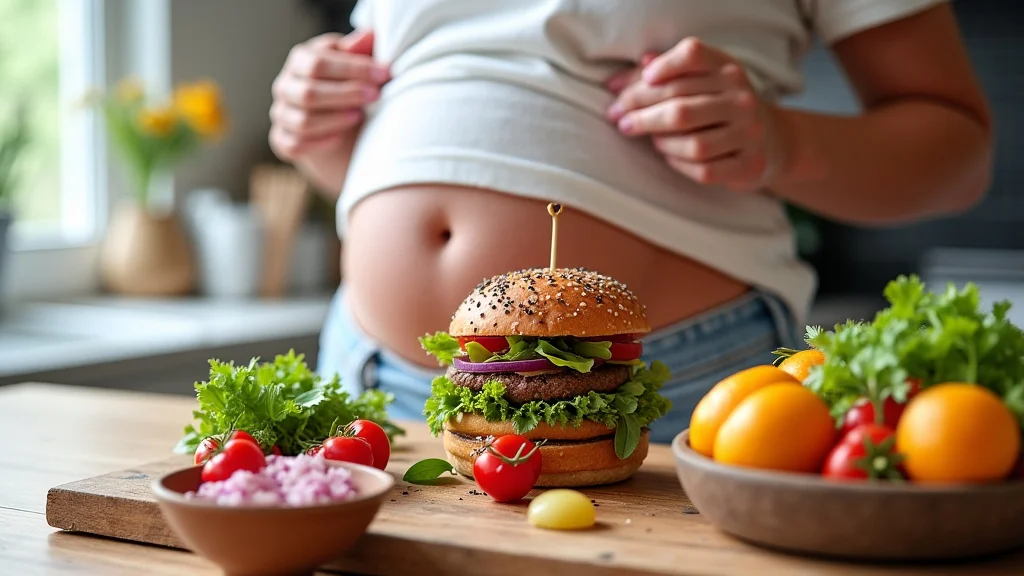
This part of pregnancy can feel a little tricky when you’re just starting out. You might wonder what foods are best or if you’re eating enough. Don’t worry, it’s a common feeling for many moms-to-be.
We’re here to make understanding second trimester nutrition super simple and clear. We will walk you through it step by step, so you know exactly what your body and your growing baby need. Get ready for easy tips and helpful advice.
Key Takeaways
- Learn about essential nutrients for the second trimester.
- Discover healthy meal and snack ideas for energy.
- Understand how to manage common pregnancy cravings smartly.
- Know the importance of hydration and what to drink.
- Get tips for staying active and comfortable during this stage.
- Find out which foods to eat more of and which to limit.
Eating Well During The Second Trimester
The second trimester is often called the “golden period” of pregnancy. Many of the first trimester’s symptoms like extreme tiredness and nausea start to fade. This means you often have more energy to focus on good eating habits.
However, your baby is growing rapidly now, and their nutritional needs increase. This is where focusing on second trimester nutrition becomes really important. Getting the right nutrients helps support your baby’s development, from their brain to their bones.
It also helps keep you feeling good and energized.
Many moms-to-be find this stage to be less overwhelming food-wise than the first trimester. You can usually stomach more types of food. Still, knowing what to eat can be confusing with all the advice out there.
This guide will break down exactly what you need to know to fuel your pregnancy perfectly. We’ll cover key foods, helpful habits, and how to make healthy eating enjoyable.
Key Nutrients For Your Baby’s Growth
During the second trimester, your baby is going through some major development. They are building organs, their brain is growing fast, and they are gaining weight. To support this incredible growth, certain nutrients are super important for you to get enough of.
These are the building blocks for your little one.
Protein
Protein is essential for building your baby’s tissues and organs. It also helps your own body’s tissues grow, like your growing uterus and breasts. Aim to include a source of protein in every meal and snack.
Good sources include lean meats, poultry, fish, eggs, dairy products, beans, lentils, nuts, and seeds.
For example, having scrambled eggs with whole-wheat toast for breakfast provides a good start. A chicken salad sandwich on whole grain bread for lunch is another excellent choice. For snacks, consider Greek yogurt or a handful of almonds.
These protein-rich options help you feel full longer and provide steady energy.
Calcium
Calcium is vital for your baby’s developing bones and teeth. It also plays a role in your baby’s heart, nerves, and muscles. If you don’t get enough calcium, your body will take it from your own bones, which isn’t good for you.
Dairy products like milk, cheese, and yogurt are excellent sources of calcium.
If you are lactose intolerant or don’t consume dairy, look for fortified foods. These include certain plant-based milks (like almond or soy milk), orange juice, and cereals. Leafy green vegetables such as kale and broccoli also contain calcium.
Adding a glass of milk or a serving of yogurt to your daily routine is a simple way to boost intake.
Statistics show that pregnant women need about 1,000-1,300 mg of calcium per day. Many women don’t reach this goal, highlighting the importance of conscious effort.
Iron
Your blood volume increases significantly during pregnancy. This extra blood helps carry oxygen to your baby. Iron is needed to make hemoglobin, which carries oxygen in your red blood cells.
Iron needs nearly double during pregnancy. Getting enough iron helps prevent iron-deficiency anemia, which can cause fatigue and increase the risk of preterm birth.
Red meat, poultry, and fish are good sources of heme iron, which is easily absorbed. Plant-based sources of iron include beans, lentils, spinach, and fortified cereals. To boost iron absorption from plant sources, eat them with foods high in vitamin C, like citrus fruits or bell peppers.
For instance, a spinach salad with strawberries is a great iron-boosting meal.
It’s estimated that up to 50% of pregnant women experience iron deficiency. This emphasizes the critical role of iron-rich foods and sometimes supplements.
Folate (Folic Acid)
Folate is a B vitamin that is crucial for preventing neural tube defects, such as spina bifida. While it’s most critical in early pregnancy, it remains important for cell growth throughout. Good sources include leafy green vegetables, beans, citrus fruits, and fortified cereals and breads.
Your prenatal vitamin usually contains folic acid, but it’s good to get it from food too.
Omega-3 Fatty Acids (DHA)
Omega-3 fatty acids, especially DHA, are vital for your baby’s brain and eye development. Fatty fish like salmon, mackerel, and sardines are excellent sources. If you don’t eat fish, you can get DHA from fortified eggs or algae-based supplements.
It’s important to choose fish that are low in mercury.
Creating A Balanced Diet
Now that you know the key nutrients, let’s talk about how to put them all together into a delicious and balanced diet. The goal is to eat a variety of foods from all the major food groups. This ensures you and your baby get a wide range of vitamins and minerals.
Meal Planning Ideas
Planning your meals can make healthy eating much easier. Think about having three balanced meals a day and two to three healthy snacks in between. This helps keep your energy levels stable and prevents you from getting too hungry, which can lead to poor food choices.
Here are some ideas:
- Breakfast: Oatmeal with berries and nuts, Greek yogurt with fruit, or whole-wheat toast with avocado and egg.
- Lunch: Lentil soup with whole-grain bread, a large salad with grilled chicken or beans, or a turkey and veggie wrap.
- Dinner: Baked salmon with roasted sweet potatoes and broccoli, chicken stir-fry with brown rice, or a vegetarian chili.
These meals provide a good mix of protein, complex carbohydrates, healthy fats, and fiber. They are also customizable to your taste.
Healthy Snack Options
Snacks are super important for bridging the gap between meals and keeping hunger at bay. They are also a great opportunity to pack in extra nutrients.
- Fresh fruit (apples, bananas, oranges, berries)
- Vegetables with hummus (carrots, celery, bell peppers)
- A handful of nuts or seeds
- Hard-boiled eggs
- A small container of cottage cheese or Greek yogurt
- Rice cakes with peanut butter
Having these healthy options readily available will help you avoid reaching for less nutritious choices when hunger strikes.
Managing Pregnancy Cravings
Cravings are a normal part of pregnancy for many women. While they can be intense, it’s possible to manage them in a healthy way. Sometimes cravings signal a need for a specific nutrient, but often they are just about a taste or texture.
The key is moderation. If you’re craving something sweet, try to pair it with a protein or fiber source. For example, have a few dark chocolate chips with a handful of almonds.
Or, if you crave ice cream, try a smaller portion or a frozen yogurt option.
Also, ensure you are eating enough at your main meals. If you’re satisfied and well-nourished, cravings may be less overwhelming. Sometimes, simply acknowledging the craving and having a small, mindful portion is enough to satisfy it without overindulging.
Staying Hydrated
Hydration is absolutely critical during pregnancy. Water helps carry nutrients to your baby, keeps your body functioning smoothly, and can help prevent constipation and swelling.
Aim to drink plenty of water throughout the day. A general guideline is about 8-10 glasses (around 2-2.5 liters) per day. You’ll likely need more if you are very active or live in a warm climate.
Listen to your body; thirst is a sign you need to drink.
What counts towards your fluid intake?
- Water is the best choice.
- Milk and unsweetened juices.
- Herbal teas that are considered safe during pregnancy (like peppermint or ginger tea).
- Soups and watery fruits/vegetables like watermelon and cucumber also contribute.
Try to limit sugary drinks like soda and excessive amounts of caffeine. A little bit of caffeine is usually fine, but it’s best to stick to guidelines from your healthcare provider.
Dehydration can lead to headaches, fatigue, and even contractions. So, making hydration a priority is a simple yet powerful way to support your pregnancy.
Common Myths Debunked
Myth 1: You Need To Eat For Two
This is one of the most common sayings, but it’s not entirely accurate. While your nutritional needs increase, you don’t need to double your food intake. During the second trimester, you typically only need an extra 300-350 calories per day.
Focusing on nutrient-dense foods is far more important than simply eating more. Overeating can lead to excessive weight gain, which can cause complications.
Myth 2: You Should Avoid All Fish
Fish is a fantastic source of lean protein and essential omega-3 fatty acids, especially DHA, which is vital for your baby’s brain development. The key is to choose fish that are low in mercury. Good options include salmon, sardines, anchovies, and trout.
You should avoid high-mercury fish like shark, swordfish, king mackerel, and tilefish.
Myth 3: Eating Spicy Food Will Harm The Baby
This is a myth. Spicy foods are generally safe for your baby. Your baby is surrounded by amniotic fluid, which helps to dilute any compounds from the foods you eat.
Some mothers might experience heartburn or indigestion from spicy foods, but this is a reaction in the mother’s digestive system, not a harm to the baby.
Myth 4: You Must Take A Multivitamin And Supplement Every Nutrient
A good quality prenatal vitamin is highly recommended to fill any nutritional gaps. However, it’s not a substitute for a healthy diet. Your body absorbs nutrients best from food.
The prenatal vitamin ensures you’re getting essential vitamins like folic acid and iron, but focusing on whole foods provides a broader spectrum of beneficial compounds. Always discuss supplements with your doctor.
Frequently Asked Questions
Question: What are the best foods for energy during the second trimester
Answer: Focus on complex carbohydrates and lean proteins. Whole grains like oatmeal and brown rice, fruits, vegetables, lean meats, eggs, and dairy are great choices for sustained energy.
Question: How much weight should I gain in the second trimester
Answer: Weight gain recommendations vary, but a common guideline is about one pound per week during the second trimester. Your doctor will provide personalized advice.
Question: Can I eat sushi during the second trimester
Answer: It’s generally recommended to avoid raw or undercooked fish in sushi due to the risk of foodborne illness. Fully cooked seafood rolls are usually safe.
Question: What if I’m not gaining enough weight
Answer: Talk to your healthcare provider. They can help you identify why you might not be gaining enough weight and suggest strategies, possibly including increasing healthy calorie intake or specific nutrient-rich foods.
Question: How important is fiber during this time
Answer: Fiber is very important! It helps prevent constipation, a common pregnancy issue. Good sources include fruits, vegetables, whole grains, and legumes.
Wrap Up
Focusing on second trimester nutrition is about feeding both yourself and your growing baby well. Prioritize lean proteins, calcium, iron, and omega-3s from nutrient-rich foods. Plan meals and snacks to keep energy stable and cravings managed.
Staying hydrated with water is key. By making these simple, healthy choices, you are supporting a healthy pregnancy and setting a great foundation for your baby.
Leave a Reply