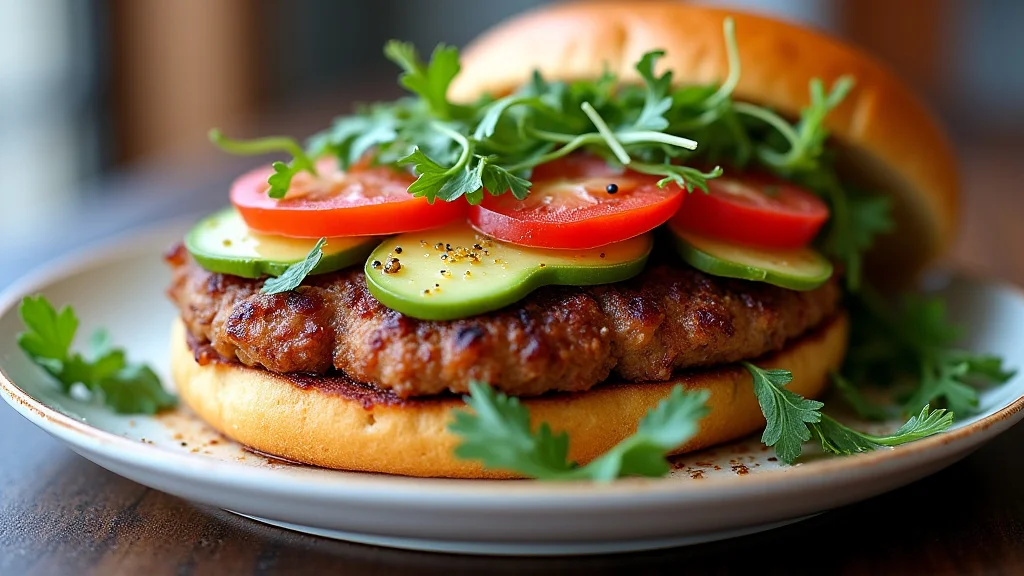
So, you’re in the second trimester of pregnancy. This is often a time when that morning sickness fades, and you might start feeling more like yourself again. But then, figuring out what to eat can feel a bit tricky, especially if it’s your first time.
What’s good for you and your growing baby? We’ve got you covered with simple ideas and tips about second trimester foods to make eating healthy easy and enjoyable. Let’s look at some great options.
Key Takeaways
- Discover essential nutrients for the second trimester.
- Learn about specific foods to boost your energy.
- Understand how to manage common pregnancy cravings healthily.
- Find out which foods are best for your baby’s development.
- Get practical tips for meal planning and preparation.
Fueling Your Second Trimester Growth
The second trimester is a key time for your baby’s development. Your body needs plenty of nutrients to support this rapid growth. This phase usually brings a surge in energy, but it also means your calorie needs increase.
Focusing on nutrient-dense foods helps ensure both you and your baby get what you need. It’s not just about eating more, but eating smarter. This section explores the vital nutrients and food groups that become extra important during this stage.
Essential Nutrients for Mom and Baby
During the second trimester, your body is building a stronger foundation for your baby. Key nutrients like iron, calcium, protein, and folic acid are more critical than ever. Iron is vital for carrying oxygen in your blood and preventing anemia, which can be common in pregnancy.
Calcium helps build your baby’s strong bones and teeth. Protein is the building block for all of your baby’s cells and tissues. Folic acid, also known as folate, continues to be important for preventing neural tube defects.
- Iron Rich Foods
Iron is essential for making hemoglobin, a protein in red blood cells that carries oxygen. Your blood volume increases significantly during pregnancy, and iron needs rise to support this and your baby’s growth. Without enough iron, you can develop iron deficiency anemia, which can lead to fatigue and other complications. Good sources include lean red meat, poultry, fish, beans, lentils, and fortified cereals. Pairing iron-rich foods with vitamin C sources, like oranges or bell peppers, can help your body absorb iron more effectively. Aim for about 27 milligrams of iron per day during pregnancy. - Calcium Sources
Calcium plays a huge role in developing your baby’s bones and teeth. It also helps your own body maintain bone health. If you don’t get enough calcium, your body might take it from your bones to give to your baby. Dairy products like milk, yogurt, and cheese are excellent sources. If you’re lactose intolerant or prefer not to consume dairy, fortified plant-based milks (like almond or soy milk), leafy green vegetables (such as kale and broccoli), and tofu are good alternatives. Your recommended intake is about 1000 milligrams per day. - Protein Power
Protein is crucial for building and repairing tissues in both you and your baby. It’s a fundamental component of hormones, enzymes, and antibodies. Lean meats, poultry, fish, eggs, dairy products, beans, lentils, nuts, and seeds are all fantastic protein sources. Aim to include a protein source with every meal and snack. This helps you feel fuller for longer and provides consistent energy. A general guideline for pregnant women is around 70-80 grams of protein per day, but this can vary. - Folic Acid’s Role
While often emphasized early in pregnancy, folic acid remains important. It’s essential for preventing birth defects of the brain and spine. Many women start with a prenatal vitamin containing folic acid, but you can also get it from food. Leafy green vegetables, citrus fruits, beans, peas, and fortified grains are good dietary sources. The recommendation is typically 400-800 micrograms daily, often achieved through prenatal supplements.
Boosting Energy Levels with Smart Choices
Feeling more energetic in the second trimester is a welcome change! To keep that energy up and steady, focus on balanced meals and snacks. Avoid relying on sugary treats that cause energy spikes followed by crashes.
Instead, combine complex carbohydrates with protein and healthy fats. This combination provides sustained energy release, keeping you feeling vibrant throughout the day. Think whole grains, fruits, vegetables, lean proteins, and healthy fats.
- Whole Grains for Sustained Energy
Whole grains like oats, quinoa, brown rice, and whole wheat bread are fantastic for providing slow-release energy. They are also rich in fiber, which helps with digestion and can prevent constipation, a common pregnancy symptom. Unlike refined grains, whole grains retain their bran and germ, which contain important vitamins and minerals. A bowl of oatmeal with berries and nuts for breakfast can set you up for a productive morning. Swap white bread for whole wheat and white rice for brown rice. - Fruits and Vegetables Powerhouse
Fruits and vegetables are packed with vitamins, minerals, antioxidants, and fiber. They are naturally lower in calories and provide essential hydration. Berries, apples, bananas, carrots, spinach, and sweet potatoes are all great choices. They offer a natural sweetness and a boost of energy without the sugar crash. Aim for a variety of colors to ensure you get a wide range of nutrients. For example, oranges provide vitamin C, while sweet potatoes offer vitamin A. - Healthy Fats for Brain Development
Healthy fats are vital for your baby’s brain development and also help you absorb certain vitamins. Sources include avocados, nuts, seeds, olive oil, and fatty fish like salmon (low-mercury options). A handful of almonds or a spread of avocado on whole-wheat toast can provide lasting energy and essential nutrients. Don’t shy away from fats, just choose the healthy ones. Omega-3 fatty acids, in particular, are very beneficial.
Understanding Pregnancy Cravings and Aversions
Cravings and aversions are very common during pregnancy. They can be intense and sometimes lead to wanting less healthy options. The second trimester can bring new food desires or a stronger dislike for certain foods you once enjoyed.
It’s about finding a balance. Satisfying cravings in moderation is okay, especially if you focus on healthier versions or pair them with nutritious foods. This section gives you strategies to handle these desires without compromising your health or your baby’s.
Navigating Cravings Wisely
When a craving hits, try to understand what your body might be asking for. Sometimes it’s a specific texture, flavor, or even a nutrient. If you crave something sweet, try a piece of fruit or a small piece of dark chocolate.
For salty cravings, air-popped popcorn or a handful of unsalted nuts can be good options. If you really want a treat, enjoy a small portion mindfully. The key is moderation and making sure these cravings don’t push out the nutrient-rich foods your body needs.
- Healthier Sweet Treats
Many cravings are for sweets. Instead of reaching for processed cakes and cookies, try making healthier alternatives. Fruit salads, yogurt parfaits with berries and a drizzle of honey, or baked apples with cinnamon are delicious options. Dark chocolate in moderation (70% cocoa or higher) can also satisfy a sweet tooth and offers some antioxidants. Blending frozen bananas with cocoa powder creates a surprisingly creamy and healthy “ice cream.” The goal is to satisfy the craving while minimizing added sugars and unhealthy fats. - Savory Snack Swaps
Salty cravings can often be met with healthier snacks. Baked whole-grain crackers with hummus or a slice of lean turkey can be satisfying. Air-popped popcorn, lightly seasoned, is a whole-grain snack. Edamame is another great option, providing protein and fiber. Even certain types of seaweed snacks can curb a salty desire. When choosing packaged snacks, always check the sodium content. - The Role of Hydration
Sometimes, what feels like a craving can actually be thirst. Before indulging a craving, try drinking a glass of water. Staying well-hydrated is crucial during pregnancy, and it can sometimes help curb unnecessary snacking. Carry a water bottle with you and sip throughout the day. Adding a slice of lemon or cucumber can make water more appealing.
Dealing with Food Aversions
Food aversions can be frustrating. You might suddenly dislike the smell or taste of foods you used to love, like certain meats or vegetables. If this happens, don’t force yourself to eat them.
Instead, look for alternative ways to get those nutrients. For instance, if you can’t stand the smell of chicken, try getting your protein from eggs, beans, or fish. If certain vegetables are a problem, try different cooking methods or eat them in smoothies.
- Finding Nutrient Alternatives
If a specific food group or item is off-limits due to aversion, it’s essential to find substitutes. For protein, explore eggs, dairy, legumes, tofu, or nuts and seeds if these are palatable. For iron, focus on lentils, fortified cereals, and spinach prepared in a way that doesn’t trigger your aversion. For calcium, try lactose-free milk, fortified juices, or leafy greens that you can tolerate. - Cooking Methods Matter
Sometimes, it’s not the food itself but how it’s prepared. A strong smell might be reduced by baking, steaming, or boiling instead of frying. You might also find that cold foods are easier to tolerate than hot foods, as they often have less intense aromas. Experimenting with different cooking methods and serving temperatures can make a difference.
Superfoods for a Healthy Second Trimester
Certain foods stand out for their exceptional nutritional value, making them superstars for your second trimester. These “superfoods” are packed with a wide array of vitamins, minerals, and other beneficial compounds that support your baby’s growth and your own well-being. Incorporating them into your daily diet can make a significant positive impact.
Let’s explore some of these power-packed foods and why they are so great.
Salmon and Other Fatty Fish
Salmon is a fantastic source of omega-3 fatty acids, particularly DHA. DHA is crucial for your baby’s brain and eye development. It also has anti-inflammatory properties that can benefit your health.
However, it’s important to choose low-mercury fish options. Other good choices include sardines and anchovies. Aim for about 2-3 servings of low-mercury fish per week.
- Omega-3 Fatty Acids Explained
Omega-3s are essential fats that your body cannot produce on its own, meaning you must get them from your diet. They are fundamental building blocks for your baby’s brain and vision. For you, they can help reduce the risk of preterm birth and may improve mood. Salmon is rich in DHA and EPA, two types of omega-3s particularly beneficial during pregnancy. - Choosing Safe Fish Options
While fish is healthy, some contain high levels of mercury, which can harm a developing baby’s nervous system. It’s best to avoid shark, swordfish, king mackerel, and tilefish. Stick to options like salmon, sardines, anchovies, trout, and farmed shrimp. Always follow local guidelines for fish consumption during pregnancy.
Berries for Antioxidant Power
Berries like blueberries, strawberries, raspberries, and blackberries are bursting with vitamins, fiber, and antioxidants. Antioxidants help protect your cells from damage. Berries are also relatively low in sugar compared to some other fruits, making them a great choice for managing blood sugar.
They are incredibly versatile and can be added to cereals, yogurts, smoothies, or eaten on their own.
- Antioxidants and Cell Protection
Antioxidants are compounds that fight free radicals, unstable molecules that can damage cells in your body. During pregnancy, your body undergoes many changes, and antioxidants help support overall health. The vibrant colors of berries are a sign of their rich antioxidant content, including anthocyanins. - Fiber and Hydration Benefits
The high fiber content in berries aids digestion and helps prevent constipation. They also contribute to your daily fluid intake, which is essential for a healthy pregnancy. Their natural sweetness can satisfy a craving for something sweet without relying on processed sugars.
Legumes for Protein and Fiber
Beans, lentils, peas, and chickpeas are nutritional powerhouses. They are excellent sources of plant-based protein, fiber, iron, and folate. Legumes are also affordable and can be used in a wide variety of dishes, from soups and salads to dips and stews.
Their versatility makes them an easy addition to any meal plan.
- Plant-Based Protein Source
For vegetarians, vegans, or anyone looking to reduce meat intake, legumes are a vital protein source. They provide all the essential amino acids needed for building and repairing tissues. Combining different legumes throughout the day can ensure a complete protein profile. - Digestive Health Support
The high fiber content in legumes is fantastic for your digestive system. It promotes regularity and can help prevent hemorrhoids, which are common in pregnancy. Fiber also helps you feel full, which can aid in managing weight gain during pregnancy.
Leafy Green Vegetables
Dark leafy greens like spinach, kale, and Swiss chard are packed with vitamins A, C, K, folate, iron, and calcium. They are nutrient-dense, meaning you get a lot of nutritional bang for your caloric buck. These greens can be easily added to smoothies, salads, stir-fries, or even hidden in sauces.
- Vitamins and Minerals Galore
These greens are incredibly nutrient-dense. Spinach, for example, is a good source of iron and folate. Kale provides vitamins A, C, and K, along with calcium. Swiss chard offers a good mix of vitamins and minerals to support your pregnancy. - Versatile Culinary Uses
Don’t be intimidated by their greenness! You can sauté them until tender, add them raw to salads, blend them into smoothies (you often won’t taste them), or stir them into pasta sauces and soups. Experiment with different preparations to find what you enjoy most.
Meal Planning and Preparation Tips
Making healthy eating a habit is easier with a bit of planning. In the second trimester, you might have more energy for meal prep, which can be a great advantage. Simple strategies can help you ensure you’re consistently getting the nutrients you need without feeling overwhelmed.
This section offers practical advice to make healthy eating a smooth part of your day.
Creating a Balanced Weekly Menu
Planning your meals for the week can save you time, money, and stress. When you know what you’re going to eat, you’re less likely to grab less healthy convenience foods. Aim to include a good source of protein, complex carbohydrates, and healthy fats in each meal.
Don’t forget to incorporate plenty of fruits and vegetables throughout the day.
- Focus on Meal Components
Instead of planning exact meals, think about meal components. For example, have cooked chicken breasts, a batch of quinoa, steamed broccoli, and a salad dressing ready. Then you can mix and match for different meals throughout the week – chicken salad, quinoa bowls, or a simple grilled chicken with broccoli and salad. - Batch Cooking Basics
Dedicate some time, perhaps on a weekend, to batch cook. Prepare large batches of grains like rice or quinoa. Cook a big pot of beans or lentils. Roast a tray of vegetables. Hard-boil eggs. These pre-prepped items can be quickly assembled into meals or snacks. - Healthy Snacking Strategy
Plan for healthy snacks too. Keep washed fruits like apples and grapes accessible. Portion out nuts or seeds into small containers. Have yogurt or cheese sticks readily available. This prevents you from reaching for less healthy options when hunger strikes between meals.
Quick and Easy Meal Ideas
You don’t need elaborate recipes to eat well. Simple, quick meals can be just as nutritious. Focus on assembling whole foods rather than complex cooking.
- Smoothie Power
Smoothies are a fast way to pack in nutrients. Combine a liquid base (water, milk, or plant-based milk), a protein source (yogurt, protein powder, or nut butter), fruits (berries, banana), and a leafy green (spinach). You can even add chia seeds or flax seeds for extra fiber and omega-3s. - Sheet Pan Dinners
These are a lifesaver for busy parents-to-be. Toss chopped vegetables (like broccoli, bell peppers, sweet potatoes) and a protein source (chicken pieces, salmon, tofu) with olive oil and seasonings. Spread them on a baking sheet and roast until cooked through. Minimal cleanup required! - Loaded Baked Potatoes or Sweet Potatoes
Bake a sweet potato or regular potato until tender. Top with black beans, salsa, a dollop of Greek yogurt, and some avocado. This is a simple, satisfying, and nutrient-rich meal that can be customized with your favorite toppings.
Staying Hydrated
Water is essential during pregnancy. It helps transport nutrients, regulate body temperature, and keep you energized. Aim for at least 8-10 glasses of water per day.
Other good sources of hydration include herbal teas, milk, and fruits with high water content like watermelon.
- Why Hydration is Key
Adequate hydration is critical for preventing fatigue, constipation, and urinary tract infections. It also helps support the increased blood volume needed during pregnancy and plays a role in amniotic fluid production. - Tips for Increasing Fluid Intake
Carry a reusable water bottle with you everywhere. Set reminders on your phone to drink. Infuse water with fruits like lemon, lime, cucumber, or berries to add flavor without sugar. Herbal teas like peppermint or ginger can also be soothing and hydrating.
Common Myths Debunked
Myth 1: You Need to Eat for Two
Many people believe that during pregnancy, you should eat double the amount. This is not true. While your calorie needs do increase in the second and third trimesters, it’s only by about 300-500 extra calories per day – roughly the amount in a sandwich or a substantial snack.
Focusing on nutrient-dense foods is far more important than simply increasing portion sizes dramatically. Eating too much extra food can lead to excessive weight gain, which can bring its own set of complications.
Myth 2: All Seafood is Unsafe
It’s true that some seafood can contain high levels of mercury, which is why certain types should be avoided. However, many types of fish are safe and highly beneficial during pregnancy due to their omega-3 fatty acid content, which is crucial for baby’s brain development. Low-mercury fish like salmon, sardines, and trout are excellent choices and should be included in your diet a few times a week.
Always check guidelines for safe fish consumption.
Myth 3: Cravings Mean Your Body Needs That Specific Food
While cravings can sometimes point to a nutritional need, they are often more about taste, texture, or emotional desires. For example, a craving for ice cream doesn’t necessarily mean your body is deficient in dairy or sugar; it might be a desire for something cold, creamy, and sweet. It’s important to address cravings with balanced, nutritious options when possible, and enjoy occasional treats in moderation, rather than assuming they signal an essential dietary requirement.
Frequently Asked Questions
Question: What are the best snacks for the second trimester
Answer: Healthy snacks include fruits, yogurt, nuts, seeds, hard-boiled eggs, and whole-grain crackers with hummus.
Question: Can I eat spicy food during the second trimester
Answer: Yes, generally spicy foods are safe unless they cause you digestive discomfort like heartburn.
Question: How much water should I drink daily
Answer: Aim for at least 8-10 glasses (about 2-2.5 liters) of water per day.
Question: Is it safe to eat sushi during pregnancy
Answer: It’s generally recommended to avoid raw or undercooked fish, so traditional sushi with raw fish is usually not advised. Cooked sushi rolls are often considered safer.
Question: What if I have gestational diabetes, how does that affect my food choices
Answer: If diagnosed with gestational diabetes, you’ll need to work with your healthcare provider or a registered dietitian to create a specific meal plan that focuses on managing blood sugar levels, often involving careful carbohydrate counting.
Summary
The second trimester is a time for building and growing. Focusing on nutrient-rich second trimester foods like lean proteins, whole grains, healthy fats, and plenty of fruits and vegetables supports your baby’s development and your own energy. Smart meal planning and healthy snack choices make it easier to meet your nutritional needs.
By understanding common cravings and aversions, and choosing wisely, you can enjoy this phase of your pregnancy with confidence and good health.
Leave a Reply