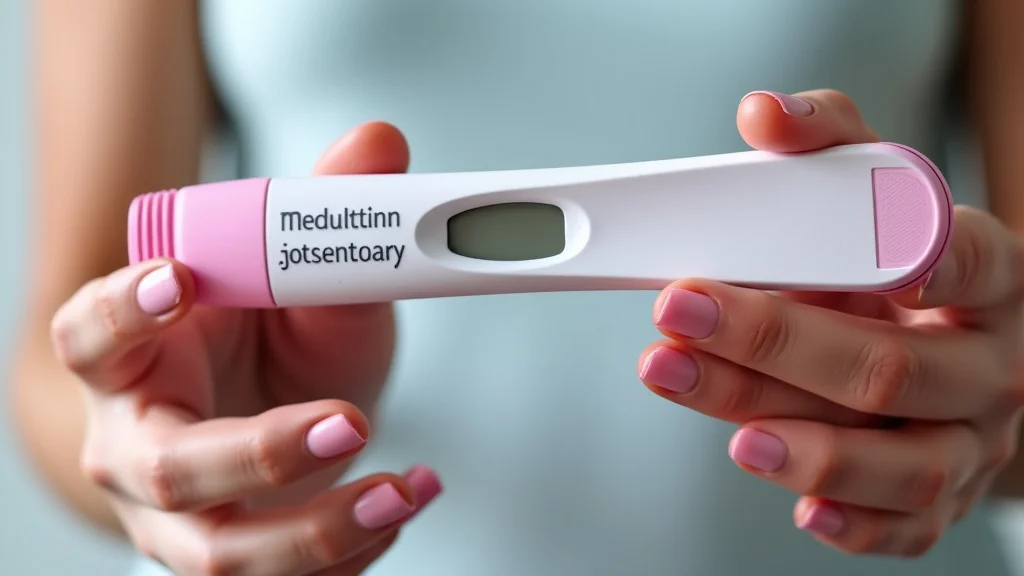
Curious about pregnancy test how it works? It’s a common question for many, and sometimes the science behind it can seem a bit tricky to grasp. You might wonder what exactly is happening inside that little stick or digital screen.
Don’t worry, it’s simpler than you think! We’ll break down exactly how these tests do their job, step by step, making it easy for anyone to understand. Get ready to learn the magic behind those positive or negative lines.
Key Takeaways
- Home pregnancy tests detect a hormone called hCG.
- hCG is produced by the body after a fertilized egg implants in the uterus.
- The test uses antibodies to detect the presence of hCG in urine.
- Different types of tests have slightly varied detection methods and display results.
- Understanding the process helps in accurate interpretation of results.
Understanding Pregnancy Test How It Works
When you take a home pregnancy test, its main job is to find a special hormone in your pee. This hormone is called human chorionic gonadotropin, or hCG for short. Your body only makes this hormone when a fertilized egg has started to grow inside your uterus.
So, finding hCG is a strong sign that pregnancy has begun. The test is designed to spot even tiny amounts of this hormone, giving you an answer quickly. It’s a clever bit of science that fits right into the palm of your hand.
The Role of hCG
Human chorionic gonadotropin (hCG) is a protein hormone. It’s produced by cells that will eventually form the placenta. These cells start making hCG very soon after a fertilized egg attaches to the wall of your uterus.
The hormone’s primary role is to tell your body to keep producing progesterone. Progesterone is essential for maintaining the pregnancy. It helps the uterine lining stay thick and supportive for the growing embryo.
The levels of hCG rise rapidly in early pregnancy. They usually double about every 48 to 72 hours. This fast rise is what makes pregnancy tests so effective at detecting pregnancy early.
The concentration of hCG in a pregnant person’s body is significant. It’s what allows home pregnancy tests to detect pregnancy. For example, most sensitive urine tests can detect hCG when levels reach as low as 20-25 mIU/mL (milli-international units per milliliter).
These levels are typically reached about 10-14 days after conception. This is why taking a test too early might give a false negative result. The body hasn’t produced enough hCG yet for the test to detect.
-
hCG as an early pregnancy indicator
The hormone hCG acts as a crucial early signal of pregnancy. Its production begins shortly after implantation. This makes it the primary target for most pregnancy tests. Without hCG, there would be no reliable way for a home test to know if pregnancy has occurred. -
hCG levels and test sensitivity
The sensitivity of a pregnancy test is measured by the lowest level of hCG it can detect. More sensitive tests can detect pregnancy sooner. Less sensitive tests might require you to wait a few more days for hCG levels to rise. Choosing a sensitive test increases the chance of an early detection. -
What hCG does in the body
Beyond signaling pregnancy, hCG plays a vital role in sustaining it. It signals the corpus luteum in the ovary to continue producing progesterone. Progesterone is key to preventing menstruation and supporting the early development of the pregnancy.
Antibodies and Chemical Reactions
Pregnancy tests work using a process similar to how other medical tests detect substances. They rely on special molecules called antibodies. These antibodies are proteins that can bind to specific targets, in this case, hCG.
The test strip inside a pregnancy test contains these antibodies. When you urinate on the test, your urine flows up the strip. If hCG is present in your urine, it will attach to the antibodies on the strip.
This binding is the first step in showing a result.
This binding triggers a chemical reaction. Usually, this involves a dye. When hCG is present, it binds to the antibodies.
This binding then causes a second set of antibodies, also carrying a dye, to be captured in a specific area on the test. This area is often called the “test line.” The dye is released, making the line visible. It’s like a lock and key mechanism.
The hCG is the key, and the antibodies on the test strip are the locks. When the key fits, the reaction happens.
A few statistics highlight the science. About 99% of home pregnancy tests are accurate. This accuracy is achieved by using highly specific antibodies.
These antibodies are designed to only bind with hCG. They have very little chance of binding with other substances in urine. This specificity is crucial for avoiding false positives.
Without it, the test might show a positive result when pregnancy isn’t actually present.
-
Antibodies as detection tools
Antibodies are nature’s way of fighting off foreign invaders. In pregnancy tests, scientists have harnessed this ability. They create or isolate antibodies that specifically recognize and attach to hCG molecules. This makes them excellent chemical sensors. -
The “capture” mechanism
The test strip has two main lines: a control line and a test line. The control line always shows up to confirm the test is working. The test line only appears if hCG is detected. The antibodies on the test line capture the hCG-antibody complex. This causes the dye to accumulate and become visible. -
Why specificity matters
Specificity is key to accuracy. If the antibodies could bind to many different things, the test would be unreliable. The advanced design of pregnancy test antibodies ensures they are highly selective for hCG. This minimizes the chances of errors.
How Different Tests Show Results
Once the hCG is detected and the chemical reaction happens, the test needs to show you the answer. This is where the different types of pregnancy tests come in. Most common are the line tests.
These have a window where a line appears if you are pregnant. Some tests show two lines for positive, one line for negative. Others use symbols like a plus sign (+) for pregnant and a minus sign (-) for not pregnant.
The exact design varies by brand, but the principle of detecting hCG remains the same.
Digital tests are a newer option. They also detect hCG but use different technology to display the result. Instead of lines, they show words like “Pregnant” or “Not Pregnant” on a small screen.
This can reduce confusion for some people. Regardless of the display method, the underlying science of detecting hCG is what makes them work. The accuracy of both types is generally very high when used correctly.
Line Tests Explained
Line tests are the most traditional type of home pregnancy test. They typically have a control line and a test line. The control line is there to show that the test kit is working properly.
If the control line doesn’t appear, the test is invalid, and you should use a new one. The test line is where the magic happens. If hCG is present in your urine, it will interact with the antibodies on the test strip.
This interaction causes the dye to be released. This makes the test line appear.
A single, faint line usually means negative. Two lines, even if one is faint, usually mean positive. Some people worry about faint lines.
A faint line still indicates the presence of hCG. However, the intensity of the line can depend on how much hCG is in your urine. It can also be affected by how concentrated your urine is and how early in pregnancy you are.
For definitive confirmation, a doctor’s visit is always recommended.
-
Interpreting the control line
The control line is crucial. It shows that the urine sample has traveled correctly through the test strip. If you see the control line, you know the test mechanism is functioning. If it’s absent, the test cannot be trusted. -
Understanding the test line
The test line’s appearance signifies the detection of hCG. A clear, dark test line suggests a higher concentration of hCG. A very faint line means hCG is present, but at a lower level. This might occur very early in pregnancy. -
What if both lines are faint
If both the control line and the test line appear faint, it still means positive. The faintness relates to the dye concentration, not the absence of hCG. However, it can sometimes be harder to interpret.
Digital Tests and Their Advantages
Digital pregnancy tests offer a clear, unambiguous result. Instead of lines that can sometimes be tricky to interpret, these tests display words directly on a small screen. This feature is a significant advantage for many users.
It helps reduce anxiety and guesswork. The words “Pregnant” or “Not Pregnant” are easy to understand.
These tests also work by detecting hCG. They use similar antibody technology but have a built-in electronic reader. This reader analyzes the chemical reaction and translates it into a digital display.
Some digital tests are even more sensitive than traditional line tests. They might be able to detect pregnancy a few days earlier. The ease of use and clear results make them a popular choice.
-
Clear and simple results
The main benefit of digital tests is their clarity. No more squinting at faint lines or wondering if a shadow is a positive sign. The display leaves no room for doubt. -
Early detection capabilities
Many digital tests are designed for early detection. They can often pick up hCG levels earlier than some standard tests. This allows individuals to get an answer sooner if they are trying to conceive. -
User-friendliness
The straightforward nature of digital tests makes them very user-friendly. The instructions are typically simple, and the result display is intuitive. This can be especially helpful during a time of emotional anticipation.
When to Take a Pregnancy Test
Knowing when to take a pregnancy test is as important as knowing pregnancy test how it works. Taking the test too early can lead to inaccurate results, often a false negative. This happens because your body might not have produced enough hCG for the test to detect.
The best time to take a home pregnancy test is usually after you have missed your period. This is when hCG levels are typically high enough for most tests to detect.
For most tests, waiting until at least the first day of your missed period is recommended. Some highly sensitive tests can detect pregnancy a few days before your missed period. However, even with these, the most reliable results come after your period is due.
If you get a negative result but still suspect you might be pregnant, it’s a good idea to retest in a few days.
Timing for Best Accuracy
The timing of when you take the test significantly impacts its accuracy. Pregnancy tests detect hCG, and this hormone is not present in significant amounts until after implantation. Implantation, the process where a fertilized egg attaches to the uterine wall, typically happens about 6 to 12 days after fertilization.
Following implantation, hCG levels begin to rise.
For the most accurate results, it’s advised to test on or after the day of your expected period. This is because by this time, hCG levels in most pregnancies have risen to a detectable level for standard tests. Testing earlier, such as right after ovulation, might lead to a false negative because hCG levels are still too low.
-
Testing after a missed period
This is the gold standard for accuracy. By the time your period is late, hCG levels are usually high enough for even less sensitive tests to detect them. This reduces the chance of a false negative. -
Early testing with sensitive kits
Some tests are marketed as “early detection” tests. These can often detect hCG at lower levels, sometimes up to 4-5 days before your period is due. However, a negative result this early might need to be repeated later if your period doesn’t arrive. -
First-morning urine
Using first-morning urine can increase the accuracy of your test. Your urine is most concentrated in the morning, meaning hCG levels will be at their highest. This is especially helpful if you are testing very early or have been drinking a lot of fluids.
What If You Get a Negative Result
Receiving a negative result can be a relief or a cause for concern, depending on your situation. If you took the test on or after your missed period, and the result is negative, it is likely accurate. However, there are a few reasons why you might get a negative result even if you are pregnant.
The most common reason is testing too early. Your hCG levels might not have risen enough to be detected yet.
Another possibility is that your urine was too diluted when you took the test. Drinking a lot of water before testing can lower the concentration of hCG. If you still suspect you might be pregnant, it is recommended to wait a few days and test again.
If your period still doesn’t arrive and you continue to get negative results, it’s a good idea to consult with a healthcare provider. They can perform blood tests, which are even more sensitive, or investigate other reasons for a missed period.
-
Retesting after a negative result
If you test before your period is due or use diluted urine, a negative result doesn’t rule out pregnancy. Waiting a few days and retesting, ideally with first-morning urine, can provide a more accurate answer. -
False negatives are possible
While pregnancy tests are highly accurate, false negatives can occur. This happens when the test doesn’t detect hCG even though pregnancy is present. The primary cause is insufficient hCG levels at the time of testing. -
When to see a doctor
If you’ve had several negative tests but your period is significantly late, or you have other pregnancy symptoms, it’s important to seek medical advice. A doctor can determine the cause of your missed period and confirm or rule out pregnancy.
Accuracy and Potential Errors
Home pregnancy tests are remarkably accurate when used correctly. Studies show they can be up to 99% accurate in detecting pregnancy. However, no test is perfect, and errors can happen.
Understanding these potential errors can help you interpret your results with confidence. The most common error is a false negative. This is when the test says you are not pregnant, but you actually are.
Another less common error is a false positive. This is when the test says you are pregnant, but you are not. Both scenarios have specific causes that are important to know.
Following the instructions precisely is the best way to ensure you get the most accurate result possible from your test.
Factors Affecting Accuracy
Several factors can influence the accuracy of a home pregnancy test. The most critical factor is the timing of the test. As discussed, testing too early in pregnancy means hCG levels may be too low to detect.
This is the leading cause of false negatives.
The concentration of hCG in your urine is directly related to how far along you are in the pregnancy. Also, drinking excessive amounts of fluids before taking the test can dilute your urine. This lowers the hCG concentration, potentially leading to a false negative.
Even the way you hold the test stick in the urine stream matters. Over-soaking or under-soaking can affect how the urine travels up the strip.
Expiration dates are another critical factor. An expired test may not work correctly. The chemicals and antibodies in the test strip can degrade over time, reducing its ability to detect hCG.
Always check the expiration date on the packaging before using a test.
-
Timing is paramount
Testing at the correct time, typically after a missed period, is crucial. Testing too early is the most common reason for a false negative result. -
Urine concentration matters
Using first-morning urine is recommended because it’s more concentrated. Diluted urine from drinking too much fluid can mask the presence of hCG. -
Following instructions carefully
Each test kit has specific instructions. Not following them precisely, such as the duration of urine exposure or how to read the results, can lead to errors.
Understanding False Positives and False Negatives
A false negative occurs when a pregnancy test shows a negative result, but the person is actually pregnant. The main reason for this is testing too early, when hCG levels are too low. Other causes include expired tests, diluted urine, or user error in following instructions.
If you suspect a false negative, retesting after a few days, ideally with first-morning urine, is advisable.
A false positive is much rarer. It means the test shows a positive result, but pregnancy has not occurred. Causes can include certain medications containing hCG (like those used for fertility treatments), or very rarely, specific medical conditions.
Some miscarriages can also lead to a temporary positive result. A positive result from a home test should always be confirmed by a healthcare professional.
It’s interesting to note that false positives are significantly less common than false negatives. The highly specific nature of the antibodies used in pregnancy tests makes it difficult for other substances to trigger a positive result. For example, studies indicate that the rate of false positives from home urine tests is less than 1%.
This underscores the reliability of these tests when used properly.
-
Reasons for false negatives
The most common reason is testing too early before hCG levels are detectable. Other factors include expired tests, diluted urine, or technical errors. -
Causes of false positives
These are rare and can be due to fertility medications containing hCG, certain rare medical conditions, or recent miscarriage. A doctor’s confirmation is essential. -
Confirming results with a doctor
Regardless of whether your home test is positive or negative, a healthcare provider can offer definitive confirmation. They can perform blood tests or ultrasounds if necessary.
Common Myths Debunked
Myth 1: You can tell if you’re pregnant without a test.
While some early signs of pregnancy might be noticeable, like a missed period or nausea, these symptoms are not definitive. Many of these symptoms can also be caused by other factors, such as stress, hormonal changes, or illness. Home pregnancy tests are specifically designed to detect the hormone hCG, which is a direct indicator of pregnancy.
Relying on symptoms alone is unreliable for confirming pregnancy.
Myth 2: Faint lines on a test mean you’re not pregnant.
A faint line on a pregnancy test indicates that hCG is present in your urine. The intensity of the line depends on the concentration of hCG and how long it has been since conception. A faint positive line, even if it’s light, means the test has detected hCG.
It’s still a positive result. For absolute clarity, especially with a faint line, retesting or consulting a doctor is recommended.
Myth 3: Drinking soda or vinegar can make a pregnancy test more accurate.
There is no scientific basis for claims that drinking household substances like soda or vinegar can improve pregnancy test accuracy. These methods are folklore and have not been proven to work. In fact, ingesting acidic or sugary drinks could potentially interfere with the chemical reaction of the test or dilute your urine, leading to inaccurate results.
Always follow the instructions provided with the test kit.
Myth 4: Expired pregnancy tests are still reliable.
Expired pregnancy tests should not be used. The chemicals and antibodies within the test strip degrade over time, especially when exposed to heat or humidity. This degradation can impair the test’s ability to detect hCG accurately.
An expired test might give a false negative or a false positive, or it might not work at all. Always check the expiration date on the packaging before use.
Frequently Asked Questions
Question: How soon can a pregnancy test detect pregnancy?
Answer: Most sensitive home pregnancy tests can detect pregnancy as early as 10-14 days after conception, often around the time of your missed period. Some early detection tests can work a few days before your missed period.
Question: Can stress affect a pregnancy test?
Answer: Stress itself does not directly affect the hCG levels detected by a pregnancy test. However, severe stress can sometimes disrupt your menstrual cycle, potentially leading to a missed period. This might prompt you to take a test, but the stress isn’t what the test measures.
Question: What is the best time of day to take a pregnancy test?
Answer: The best time to take a pregnancy test is with your first-morning urine. This is when your urine is most concentrated, meaning any hCG present will be at its highest level, increasing the chances of an accurate positive result.
Question: Can I reuse a pregnancy test stick?
Answer: No, home pregnancy tests are designed for single use only. They are disposable and should be discarded after you have read the result. Reusing a test will not provide accurate results.
Question: What does a very faint positive line mean?
Answer: A very faint positive line means that hCG has been detected, but at a low concentration. This often occurs very early in pregnancy. It’s still considered a positive result, but it’s a good idea to retest in a few days or consult a doctor for confirmation.
Summary
Home pregnancy tests detect hCG, a hormone made after implantation. Antibodies on the test strip bind to hCG, triggering a visible result. Line tests show lines, digital tests show words.
Timing is key; test after a missed period for best accuracy. False negatives are more common than false positives, often due to testing too early. Always confirm results with a healthcare provider.
Leave a Reply