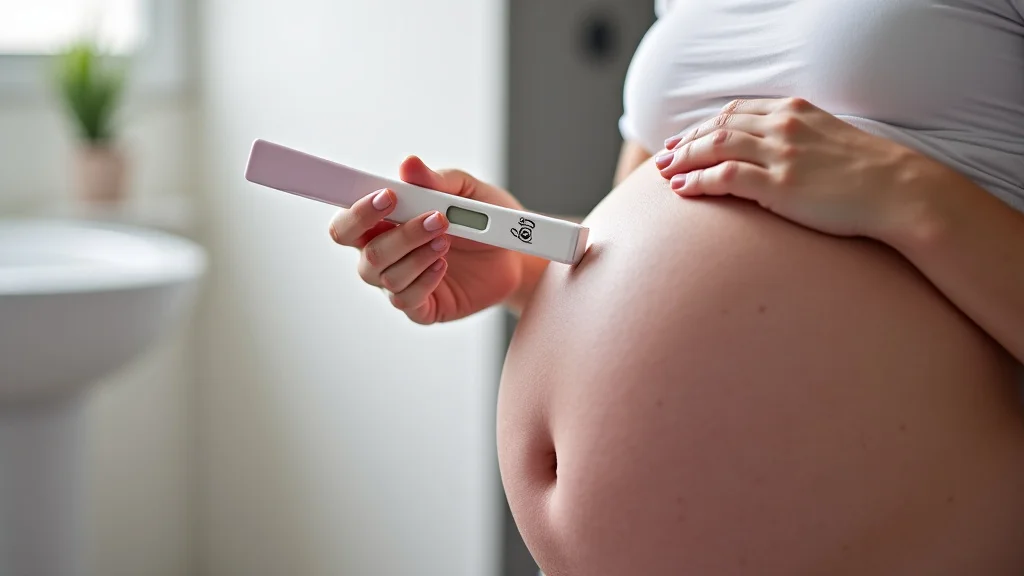
So, your period is late, and you’re wondering about taking a pregnancy test? Specifically, you might be asking if a pregnancy test 4 days after missed period is the right time. It’s a common question, especially for those new to this experience.
Many people feel a mix of excitement and anxiety, and figuring out the best time to test can feel a little tricky. Don’t worry, we’re going to walk through this step-by-step to make it super simple. We’ll help you understand what’s happening and what to do next.
Key Takeaways
- Learn the best time to take a pregnancy test after your period is late.
- Understand how pregnancy tests work to detect the hormone hCG.
- Discover why testing too early might give inaccurate results.
- Find out when you can expect the most reliable results from a test.
- Get clear advice on what to do with your test results.
When Is The Best Time For A Pregnancy Test
Understanding Pregnancy Tests And hCG
Pregnancy tests work by detecting a special hormone called human chorionic gonadotropin, or hCG. Your body starts making hCG shortly after a fertilized egg attaches to the uterine lining. This usually happens about six to twelve days after conception.
Home pregnancy tests measure the amount of hCG in your urine. The levels of this hormone increase rapidly in early pregnancy. This is why testing at the right time is so important for getting an accurate result.
Most tests are designed to detect hCG at a certain level, known as the sensitivity of the test. Different tests have different sensitivities. Some are more sensitive and can detect lower levels of hCG earlier than others.
How hCG Levels Change
When you first become pregnant, your hCG levels are quite low. They then roughly double every 48 to 72 hours. This means that in the first few weeks of pregnancy, your hCG levels are constantly climbing.
Testing too soon, before your hCG levels are high enough for the test to detect, can lead to a false negative result. This means the test might say you’re not pregnant, even if you are. Waiting a few extra days allows your body to produce enough hCG for a more reliable reading on most standard home pregnancy tests.
This gradual rise in hCG is the key to understanding why timing matters so much.
Different Types Of Pregnancy Tests
There are two main types of pregnancy tests: urine tests and blood tests. Home pregnancy tests are urine tests. They are widely available at drugstores and supermarkets.
They are easy to use and provide quick results. Blood tests are usually done at a doctor’s office. They can detect pregnancy earlier than urine tests and can also measure the exact amount of hCG present.
While blood tests are more sensitive, urine tests are perfectly accurate when used at the correct time. For most people, a urine test is the most convenient and cost-effective way to find out if they are pregnant.
The Timing For A Pregnancy Test 4 Days After Missed Period
When your period is four days late, you are in a window where a pregnancy test might give you an accurate result. However, it’s not always the most reliable time for everyone. This is because hCG levels are still rising, and they might not have reached a high enough level for all tests to detect.
Some very sensitive tests might pick up the hCG at this stage, but others might not. The best advice is often to wait a little longer if you can. Waiting until about a week after your missed period greatly increases the chances of getting a clear and accurate positive result if you are pregnant.
This allows your hCG levels to be higher.
Why Waiting Can Be Better
Waiting a few extra days after your period is four days late reduces the risk of a false negative. A false negative happens when the test doesn’t detect pregnancy even though you are pregnant. This can happen if you test too early and your hCG levels are still too low.
Imagine trying to hear a very quiet whisper in a noisy room; you might not hear it. hCG at this early stage is like that whisper. By waiting, your body produces more hCG, making it louder and easier for the test to detect.
This patience can save you stress and the need for retesting.
Factors Affecting Test Accuracy
Several factors can influence the accuracy of a pregnancy test, especially when testing early. These include the sensitivity of the test kit you use, how well you follow the instructions, and the time of day you take the test. For instance, using the first urine of the morning often provides the most concentrated hCG levels, leading to a more accurate result.
If you have irregular periods, it can be harder to pinpoint exactly when your period is “missed.” This can make determining the right testing window more challenging. It’s always a good idea to read the instructions that come with your specific test kit carefully.
What To Expect With An Early Test
If you take a pregnancy test four days after your missed period and get a positive result, it is very likely accurate. This is because it would take a significant amount of hCG for a standard test to show positive this early. However, if you get a negative result, it doesn’t necessarily mean you aren’t pregnant.
You might have tested a bit too soon. In this case, it’s wise to wait a few more days and test again. A second test, especially if taken a week after your missed period, will give you a more definitive answer.
This approach helps ensure you don’t miss a pregnancy.
How To Take A Home Pregnancy Test Correctly
Taking a home pregnancy test correctly is vital for getting accurate results. The process is generally straightforward, but following the steps precisely is important. Most tests involve either dipping the test stick into your urine stream for a specific amount of time or collecting your urine in a cup and then dipping the stick into the collected urine.
Always use the first urine of the morning if possible. This is because it contains the highest concentration of hCG. Reading the test result within the time frame specified by the manufacturer is also crucial.
Waiting too long can lead to inaccurate readings, such as an evaporation line.
Reading The Test Instructions
Before you even start, take a moment to read the instructions that come with your pregnancy test kit. Each brand might have slight variations in how to use it and how to read the results. The instructions will tell you how long to hold the absorbent tip in your urine and how long to wait before checking the result.
They will also explain what a positive, negative, or invalid result looks like. For example, some tests show results with lines, while others use digital displays with words like “pregnant” or “not pregnant.” Understanding these details upfront avoids confusion.
The Best Time Of Day To Test
As mentioned, the first urine of the morning is typically the best time to take a pregnancy test. During sleep, your body conserves hCG, concentrating it in your urine. This makes it easier for the test to detect, especially in the early stages of pregnancy.
If you take a test later in the day, you might have been drinking a lot of fluids, which can dilute your urine and potentially lower the hCG concentration. This dilution could lead to a false negative result. So, for maximum accuracy, especially when testing early, save your first morning urine for the test.
Interpreting Your Test Results
Interpreting your pregnancy test results is usually simple, but it’s important to know what to look for. A positive result typically shows two lines or a clear digital “pregnant” indicator. Even a faint line usually means you are pregnant.
A negative result will show one line or a digital “not pregnant” indicator. Sometimes, you might see an invalid result, which means the test didn’t work correctly. This could be due to an error in testing or a faulty test kit.
If you get an invalid result, it’s best to use a new test and try again. Always refer to your test’s specific instructions for how to read the result.
What To Do After Taking A Pregnancy Test
Once you have taken a pregnancy test, your next steps depend on the result. If you get a positive result, congratulations! The next step is to contact your healthcare provider to schedule your first prenatal appointment.
They will confirm the pregnancy, often with a blood test, and begin discussing your prenatal care. If you get a negative result and your period still hasn’t arrived, it’s a good idea to wait a few more days and test again. Sometimes, it takes a little longer for hCG levels to become detectable.
If you continue to get negative results and your period remains absent, consult your doctor to discuss other potential reasons for a missed period.
If Your Test Is Positive
A positive pregnancy test is exciting news! When you confirm your pregnancy, it’s important to seek professional medical advice. Your doctor will guide you through the next stages of your pregnancy.
They will likely ask about your medical history and may perform some initial tests. This is also a good time to start thinking about healthy habits, such as taking prenatal vitamins and eating a balanced diet. Your healthcare provider is your best resource for accurate information and support throughout your pregnancy.
They can help you navigate any questions or concerns you might have.
If Your Test Is Negative
A negative pregnancy test is not always the final answer, especially if you tested early. If your period is only a few days late, your hCG levels might still be too low to detect. It’s recommended to retest in a few days, ideally about a week after your missed period, or when your period is significantly late.
If you keep getting negative results and your period still doesn’t show up, it’s important to see a doctor. There can be other reasons for a missed period besides pregnancy, such as stress, changes in weight, hormonal imbalances, or certain medical conditions. A doctor can help identify the cause.
When To See A Doctor
You should always consult a doctor after a positive pregnancy test. They will help you plan for a healthy pregnancy. Also, consider seeing a doctor if you experience any of the following: severe abdominal pain, heavy vaginal bleeding, dizziness, or shoulder pain.
These could be signs of an ectopic pregnancy or other serious complications. If you consistently get negative pregnancy tests but your period remains absent for more than a week or two, it’s also wise to seek medical advice. A healthcare professional can offer guidance and rule out any underlying health issues.
They can also help if you are trying to conceive and facing difficulties.
Common Myths Debunked
Myth 1 A faint line on a pregnancy test is negative
This is a common misconception. If you see a faint line on a pregnancy test, it usually means that hCG is present in your urine, and you are likely pregnant. The line might be faint because your hCG levels are still relatively low, especially if you tested very early.
Most test manufacturers state that any line, no matter how faint, should be considered a positive result. If you are unsure, it’s best to wait a few days and retest or confirm with your doctor.
Myth 2 You can get accurate results right after you miss your period
While some very sensitive tests can detect pregnancy a few days before a missed period, it’s not always the most reliable time for all tests. For the highest accuracy, it’s generally recommended to wait until at least four days after your missed period, and ideally, a full week. Testing too early can lead to false negative results because hCG levels might not be high enough for the test to detect.
Waiting increases the concentration of hCG, making the test result more reliable.
Myth 3 Home pregnancy tests are never accurate
Home pregnancy tests are actually very accurate when used correctly and at the right time. When taken after a missed period, especially a week after, they can be over 99% accurate. The key is to follow the instructions precisely and to use the first morning urine for testing.
If you get a result you don’t expect, it’s often due to testing too early, not because the test itself is faulty. If you are still concerned, a blood test at your doctor’s office can provide further confirmation.
Myth 4 Certain foods or drinks can affect pregnancy test results
There is no scientific evidence to support the idea that specific foods or drinks can alter the results of a home pregnancy test, other than excessive fluid intake which can dilute urine. Home pregnancy tests detect the hormone hCG, which is produced by your body. Your diet does not influence the presence or absence of this hormone in your urine.
The main thing to be mindful of is drinking too much liquid before testing, as this can dilute your urine and potentially lead to a weaker hCG concentration, possibly resulting in a false negative.
Frequently Asked Questions
Question: Can I take a pregnancy test 4 days after missing my period and get a reliable result?
Answer: While some sensitive tests might detect pregnancy four days after your missed period, it’s often best to wait a few more days for more reliable results. Testing too early can lead to a false negative if hCG levels are not yet high enough.
Question: What if I get a negative result on a pregnancy test but my period is still late?
Answer: If your period is still late and you got a negative test, it’s recommended to wait a few days and test again. If you continue to get negative results and your period remains absent, consult your doctor to explore other potential causes.
Question: How can I ensure my pregnancy test is accurate?
Answer: To ensure accuracy, use the first urine of the morning, follow the test instructions exactly, and test at the appropriate time, ideally a week after your missed period. Using a test with good sensitivity also helps.
Question: What does a faint line on a pregnancy test mean?
Answer: A faint line usually indicates a positive result. It means that the hormone hCG is present in your urine, even if at a low level. If you see a faint line, it is generally considered a positive result, but retesting in a few days can confirm.
Question: Should I call my doctor after a positive home pregnancy test?
Answer: Yes, absolutely. Once you get a positive result from a home pregnancy test, you should contact your doctor to schedule your first prenatal appointment. They will confirm the pregnancy and guide you on the next steps for your health and the baby’s development.
Summary
Testing for pregnancy four days after a missed period is possible, but results might be less certain. Waiting a bit longer, ideally a full week after your period is missed, increases accuracy. Home pregnancy tests detect hCG, and levels need to be high enough for a reliable reading.
Always follow test instructions, use first morning urine, and contact your doctor with any result. Your health and peace of mind are important.
Leave a Reply