Blog

  • Third Trimester Nesting Easy Guide

    Third Trimester Nesting Easy Guide

    Getting ready for your baby is exciting, but sometimes it feels a bit overwhelming, right? You might have heard about third trimester nesting. This is when many expecting parents suddenly feel a strong urge to clean and organize everything.

    It’s a very normal feeling, but if it’s your first time, you might not know where to start. Don’t worry! This guide will make it simple.

    We’ll break down what nesting is and give you easy steps to follow so you feel ready and calm when your little one arrives.

    Key Takeaways

    • Third trimester nesting is a natural urge to prepare your home for a new baby.
    • It often involves cleaning, organizing, and setting up the nursery.
    • Feeling overwhelmed by nesting is common, especially for first-time parents.
    • This guide provides simple steps to manage nesting instincts effectively.
    • You will learn how to prioritize tasks and create a welcoming space for your baby.

    Understanding Third Trimester Nesting

    The third trimester nesting instinct is a fascinating part of pregnancy. It’s like your body and mind are telling you to get everything in order before the baby comes. This urge can hit hard and fast, making you want to scrub floors, fold tiny clothes, and arrange the nursery just so.

    It’s your body’s way of getting ready for a huge life change. For many, it feels like a sudden burst of energy and focus. This drive is common in the later stages of pregnancy.

    It helps parents feel more in control and prepared for the unknown.

    This instinct is not just about cleaning. It can involve setting up the baby’s room, preparing meals, organizing closets, and making sure the home is safe and comfortable for a newborn. It’s a powerful biological drive that helps ensure the environment is ready for a vulnerable new life.

    Many women report feeling an intense need to complete these tasks. This is a sign that your body is gearing up for birth and motherhood.

    What Is Nesting?

    Nesting refers to the strong urge many pregnant individuals experience in late pregnancy. This urge is to clean, organize, and prepare their living space for the arrival of a newborn. It’s a natural behavior observed across many animal species, and humans are no exception.

    The intensity of nesting can vary greatly from person to person. Some feel a gentle nudge to tidy up, while others experience an overwhelming compulsion to deep clean every corner of their home.

    This instinct is often linked to hormonal changes during pregnancy. It’s also believed to be a psychological preparation for the major life event of childbirth and early parenthood. The feeling is that the home must be a safe, clean, and welcoming place for the baby.

    This drive can manifest in various ways, from detailed cleaning projects to setting up the baby’s nursery. It’s a powerful signal that the body and mind are shifting focus towards welcoming the new family member.

    Why It Happens In The Third Trimester

    The timing of the nesting instinct is usually specific to the final weeks of pregnancy. This is because the body is preparing for labor and delivery. Hormonal shifts, particularly increases in estrogen and progesterone, are thought to play a significant role.

    These hormones can influence mood, energy levels, and focus, contributing to the drive to prepare. Evolutionarily, this instinct would have ensured a safe and clean environment for the newborn. A prepared home increased the chances of survival for both mother and child.

    Furthermore, as the pregnancy progresses, the physical discomfort can make it harder to do certain tasks. This is why the nesting urge often appears when the baby is due soon. It’s a final push to complete preparations while the expectant parent still has some mobility.

    This period is also a time of significant psychological anticipation. Nesting can be a way for the individual to exert control and feel prepared for the upcoming changes and responsibilities. It’s a complex interplay of biology, hormones, and psychological readiness.

    Signs Of Nesting

    You’ll know you’re nesting by the sudden, undeniable urge to get things done. One of the most common signs is an increased focus on cleaning. This can range from light tidying to deep cleaning bathrooms, kitchens, and even scrubbing baseboards.

    You might find yourself organizing closets, drawers, and cabinets with intense precision. Setting up the baby’s room is another big one. This includes assembling the crib, washing baby clothes, and arranging the nursery furniture.

    Other signs include preparing meals in advance, freezing them for later. You might also feel a strong need to declutter your home, getting rid of items you no longer need. There can also be a desire to create a safe environment for the baby, like baby-proofing areas or ensuring first-aid supplies are stocked.

    Some individuals even report wanting to sort and wash all the baby’s clothes and bedding weeks before they are needed. It’s a general feeling of needing everything to be ‘just right.’

    Getting Started With Nesting Tasks

    Facing the nesting urge can feel like a whirlwind. You have all these ideas and a sudden need to act on them. The key is to break things down into manageable steps.

    Start with the most important tasks first. Think about what truly needs to be done for the baby’s arrival and your own comfort. It’s easy to get sidetracked by smaller projects when bigger ones are waiting.

    Prioritizing will help you feel accomplished and less stressed.

    Consider what will make you feel most prepared and relaxed. Is it having the nursery ready? Or is it having plenty of clean baby clothes?

    Maybe it’s ensuring the house is clean for visitors. Whatever it is, focus on those core needs. You can always tackle the less urgent tasks later or enlist help.

    Remember, the goal is to feel ready, not exhausted.

    Prioritizing Your Nesting Projects

    When you feel the nesting instinct kick in, it’s easy to want to do everything at once. But it’s better to make a plan. Think about what’s most important for the baby’s arrival.

    The nursery is usually a big one. This means setting up the crib, changing station, and having a place for clothes and diapers. Also, think about essential items like car seats and strollers if you plan to leave the house soon after the baby is born.

    Don’t forget about your own needs too. Preparing some freezer meals can be a huge help in the first few weeks. Make sure you have comfortable clothes to wear and easy access to things you’ll need frequently.

    Another key area is safety. Think about installing smoke detectors, securing furniture, and clearing walkways. Prioritizing these tasks ensures the essentials are covered, making you feel more secure and less overwhelmed.

    The Nursery Setup Step By Step

    Setting up the nursery can feel like a huge undertaking, but it doesn’t have to be. Start with the main pieces of furniture. Assemble the crib first and make sure it meets safety standards.

    Then, set up the changing table or dresser with a changing pad. Once the big items are in place, you can focus on storage. Use shelves, drawers, or bins to organize baby clothes, diapers, wipes, and toys.

    Next, think about the practicalities. Have a comfortable chair for feeding and rocking. Consider a small side table for drinks or baby essentials.

    Lighting is also important; dimmable lights are ideal for nighttime feedings. Finally, add a personal touch with decorations, but keep it simple and functional. Having a clear plan makes the process smoother and more enjoyable.

    Meal Prep For After Baby Arrives

    One of the most practical nesting activities is preparing meals ahead of time. This can save you so much stress when you have a newborn. Think about meals that freeze well and are easy to reheat.

    Soups, stews, casseroles, and pasta dishes are excellent choices. Portion them into individual or family-sized containers. Label each container with the contents and the date it was made.

    You can also focus on stocking your pantry and freezer with quick and easy snacks and breakfast items. Things like oatmeal, yogurt, fruit, and muffins are great. Don’t forget to have plenty of bottled water or easy-to-reach beverages.

    This preparation ensures you and your partner have nutritious food readily available, even when you’re too tired to cook. It’s a thoughtful way to support yourselves during those demanding first weeks.

    Managing Your Energy And Emotions

    The nesting instinct can bring a surge of energy, but it’s important to listen to your body. You are still pregnant, and rest is crucial. Don’t push yourself too hard, or you might end up exhausted.

    Balance your nesting tasks with plenty of downtime. It’s okay to say no to extra requests if you feel you need to rest. Your well-being is just as important as having a perfectly organized home.

    Emotionally, nesting can bring feelings of excitement, anticipation, and sometimes anxiety. It’s normal to feel a mix of emotions. If you find yourself feeling overwhelmed or stressed, take a break.

    Talk to your partner, friends, or family about how you’re feeling. Sometimes, just voicing your concerns can make a big difference. Remember, this is a temporary phase, and you are doing great.

    Listening To Your Body’s Signals

    Your body knows best during pregnancy. When you’re nesting, you might feel a burst of energy, but it’s important not to overdo it. Pay attention to signs of fatigue.

    If you feel tired, take a break. Lie down, drink some water, or do a gentle stretching exercise. Pushing yourself too hard can lead to exhaustion, which you definitely want to avoid in your final weeks of pregnancy.

    Nesting isn’t about completing every single task perfectly. It’s about preparing your home in a way that feels right for you and your growing family. If a task feels too physically demanding, consider if it can be delegated or postponed.

    Your health and comfort are paramount. Rest is not a luxury; it is a necessity, especially in the third trimester.

    Involving Your Partner Or Support System

    You don’t have to do it all alone. Your partner, family, or friends can be a great help with nesting tasks. Talk to them about what you need.

    They might be happy to assemble furniture, do grocery shopping, or help with cleaning. Clearly communicate your priorities and what you’d like assistance with. This not only lightens your load but also helps your support system feel involved and prepared.

    Delegating tasks can also help manage your energy levels. Instead of trying to do everything yourself, let others lend a hand. This allows you to focus on resting or on the tasks that are most important to you.

    A little help goes a long way in making the nesting process feel less overwhelming. It fosters a sense of teamwork as you prepare for your baby’s arrival.

    Common Myths Debunked

    Myth 1: Nesting Means You Have To Clean Everything Perfectly

    The reality is that nesting is about preparing your space for a baby, not achieving perfection. The strong urge to clean is normal, but it doesn’t mean your home needs to be spotless like a show home. Focus on essential cleaning and organizing that will make your home comfortable and safe for the baby.

    Small imperfections are perfectly fine.

    Myth 2: Nesting Always Involves Intense Cleaning

    While cleaning is a common aspect, nesting can manifest in many other ways. Some people might focus on organizing finances, preparing baby essentials, or even setting up a comfortable resting space for themselves. It’s about preparing the environment and feeling ready, not just scrubbing.

    Myth 3: Nesting Is A Sign That Labor Is Imminent

    While nesting often occurs in the third trimester, it doesn’t necessarily mean labor is starting immediately. It’s a natural preparation phase that can occur weeks before your due date. Rely on other signs of labor to gauge timing.

    Myth 4: You Should Fight The Nesting Urge

    Instead of fighting it, try to channel the nesting energy productively. It’s a natural instinct that can help you feel prepared. The key is to manage it wisely by prioritizing tasks and listening to your body.

    Embracing it in a balanced way can be very satisfying.

    Frequently Asked Questions

    Question: How early can third trimester nesting start?

    Answer: Third trimester nesting typically begins in the last few weeks of pregnancy, often in the final month, though it can vary for individuals.

    Question: What if I don’t feel a nesting urge?

    Answer: Not everyone experiences a strong nesting urge. If you don’t feel it, that’s perfectly normal. Focus on what you can manage and don’t worry about it.

    Question: Can nesting make me feel anxious?

    Answer: Yes, it’s common to feel a mix of emotions, including anxiety, as you prepare for such a big life change. It’s okay to feel overwhelmed sometimes.

    Question: Is it safe to do heavy cleaning during nesting?

    Answer: It’s important to listen to your body. If heavy cleaning feels too strenuous, delegate those tasks or opt for lighter activities. Prioritize safety and rest.

    Question: How long does nesting typically last?

    Answer: The intense nesting phase usually lasts a few days to a couple of weeks. It often tapers off as labor gets closer or once the baby arrives.

    Summary

    Third trimester nesting is a natural and exciting part of preparing for your baby. By breaking down tasks, prioritizing what matters most, and listening to your body, you can manage this instinct effectively. Setting up the nursery, prepping meals, and organizing your home can feel less overwhelming with a simple plan.

    Remember to rest, accept help, and focus on creating a loving space for your little one. You’ve got this!


  • Pregnancy Test Kit Positive Images Explained

    Pregnancy Test Kit Positive Images Explained

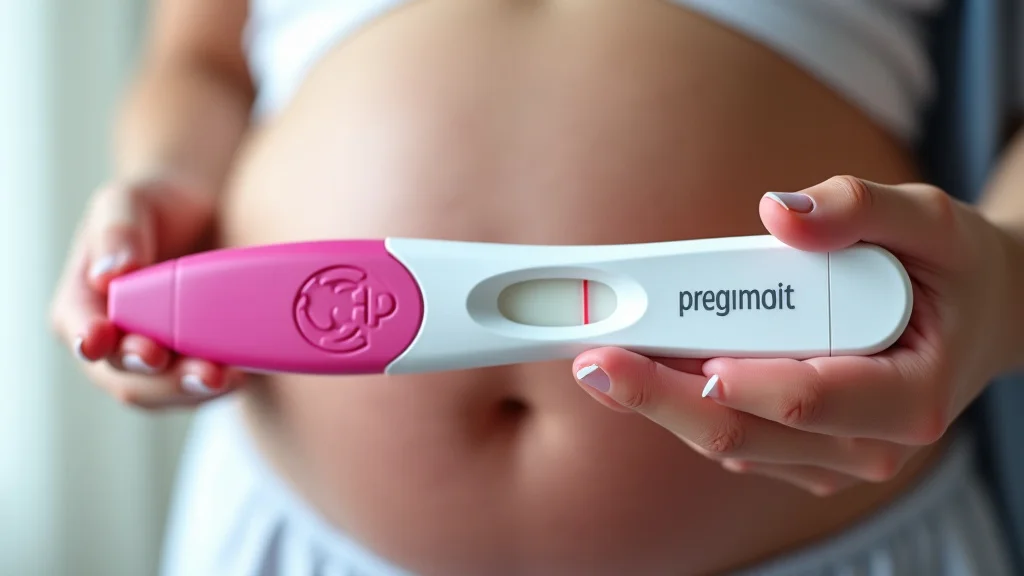
    Seeing two pink lines on a pregnancy test can bring on a mix of emotions! It’s totally normal if you’re looking for examples of pregnancy test kit positive images. Sometimes, seeing what a positive result looks like can really help put your mind at ease or confirm what you’re hoping for.

    It’s easy to feel a bit unsure when you’re taking a test for the first time. This guide will show you exactly what to look for and what it all means, step by step. We’ll cover everything you need to know to feel confident about your results.

    Key Takeaways

    • Learn what different pregnancy test kit positive images look like.
    • Understand how to read the results on various types of tests.
    • Discover common reasons for false positive or negative results.
    • Know when to seek medical advice after a positive test.
    • Get tips on choosing and using a pregnancy test correctly.

    Understanding Pregnancy Test Kit Positive Images

    When you’re expecting, seeing a positive result on a pregnancy test is a big moment. Many people search for pregnancy test kit positive images to compare their own results or just to visualize what it signifies. These tests work by detecting a hormone called human chorionic gonadotropin (hCG) in your urine.

    This hormone is produced shortly after a fertilized egg attaches to the uterine lining. The level of hCG generally doubles every 48 to 72 hours in early pregnancy, meaning the test can become more accurate as time passes. Seeing those positive lines, whether they are solid, faint, or digital, is the visual cue that your body is producing this hormone.

    It’s important to know that not all tests look the same, and understanding the different display types is key to interpreting your result correctly.

    How Pregnancy Tests Detect hCG

    Pregnancy test kits use a chemical reaction to detect hCG. Inside the test stick, there are strips coated with antibodies that bind to hCG. When urine containing hCG passes over these strips, the hormone molecules attach to the antibodies.

    This binding triggers a color change or a digital display. For line tests, the presence of hCG causes a second line to appear, indicating a positive result. Digital tests will display words like “Pregnant” or “Not Pregnant.” The sensitivity of a test, measured in milli-international units per milliliter (mIU/mL), determines how low the hCG level needs to be for a positive result.

    Higher sensitivity tests can detect pregnancy earlier.

    The antibodies in the test are usually designed to react with hCG in a way that produces a visible indicator. This could be a colored line appearing in a specific window on the test or an electrical signal that illuminates a screen on a digital test. The accuracy relies on the quality of these antibodies and the manufacturing process.

    It’s fascinating how a simple test can provide such significant information through a chemical process.

    Types of Pregnancy Test Displays

    Pregnancy tests come in a few main types, and their positive images vary. First, there are the traditional line tests. These often have two windows.

    One window shows a control line, which appears regardless of whether you’re pregnant, indicating the test is working. The second window is the test line; if it appears, along with the control line, it’s a positive result. The intensity of the test line can sometimes indicate the amount of hCG present, becoming darker as hCG levels rise.

    Many people look for pregnancy test kit positive images of these line results to understand what a positive looks like, especially if the second line is faint.

    Digital pregnancy tests are simpler to read. They display words like “Pregnant” or “Not Pregnant” directly on a screen. Some digital tests also provide an estimate of how many weeks pregnant you are, based on hCG levels.

    These are great for avoiding any confusion about faint lines. Then, there are ovulation predictor kits (OPKs) which are often mistaken for pregnancy tests, but they detect luteinizing hormone (LH) to predict ovulation, not pregnancy. It’s crucial to use a test specifically designed for pregnancy detection.

    The visual appearance of a positive result on a line test can differ. A very strong positive will show two dark, distinct lines. A weaker positive might have a faint but clearly visible second line.

    Some tests might show a “digital” positive line within the test window, even if the main display is words. Recognizing these variations is important when you’re checking your results.

    Interpreting Faint Lines

    A common question when looking at pregnancy test kit positive images is about faint lines. If you see a very light or faint line in the test window, it usually still indicates a positive result. This faintness often means that the hCG level in your urine is relatively low, which is common in the very early stages of pregnancy.

    It could be that you tested too soon, and your hCG levels haven’t risen high enough for a darker line to appear. Sometimes, evaporation lines can be mistaken for faint positives, but these usually appear after the recommended reading time and have no color.

    To be sure about a faint line, it’s best to retest a couple of days later with your first-morning urine, which has the highest concentration of hCG. If the line becomes darker, it’s a strong indication of pregnancy. Many manufacturers advise against reading the test after the specified time limit because evaporation lines can appear and be misleading.

    Always follow the instructions that come with your specific test kit.

    Common Pregnancy Test Kit Positive Images and Their Meanings

    When you are looking at pregnancy test kit positive images, you will notice a few common ways the results are shown. Understanding these variations helps you interpret your own test accurately. The most straightforward positive is the digital display showing the word “Pregnant.” This takes away any guesswork.

    For line tests, a positive result typically involves two lines. The control line must be present for the test to be valid. The second line, the test line, indicates the presence of hCG.

    This test line can range from very faint to very bold.

    The boldness of the test line often correlates with the concentration of hCG in your urine. Early in pregnancy, when hCG levels are lower, the test line might be fainter. As pregnancy progresses and hCG levels rise, the test line typically becomes darker and more prominent.

    Some tests use a plus sign (+) for positive and a minus sign (-) for negative, while others use a horizontal line for negative and a vertical line (which combines with the control line to form a plus sign) for positive. Familiarizing yourself with the specific design of your test is the first step to understanding its positive images.

    Solid Lines vs. Faint Lines

    The appearance of a line on a pregnancy test is important. A solid, clear line in the test window, alongside the control line, is a definite positive. This means hCG has been detected at a sufficient level.

    However, sometimes the second line appears very faint, like a shadow. This is still generally considered a positive result, but it means the hCG concentration is lower.

    If you see a faint line, it’s wise to perform another test a few days later. Your hCG levels should increase if you are pregnant, making the line darker on subsequent tests. If you’re seeing a faint line after the recommended test time has passed, it might be an evaporation line, which is usually colorless.

    Always check the test’s instructions for the correct reading window to avoid misinterpreting results.

    Digital Displays and Symbols

    Digital pregnancy tests offer the clearest indication of a positive result. Instead of lines, these tests display words such as “Pregnant” or “Not Pregnant” on a small screen. Some advanced digital tests can even provide an estimated number of weeks since conception, typically displayed as “1-2 weeks,” “2-3 weeks,” or “3+ weeks.” This eliminates any ambiguity associated with line interpretation and is very reassuring for users.

    Other types of tests might use symbols. A common symbol for a positive result is a plus sign (+). The control line usually appears as a vertical line, and if the test line appears horizontally, the two lines together form a plus sign.

    A minus sign (-) typically indicates a negative result, meaning only the control line is visible. Understanding these symbols is key to correctly reading your test, and most test kits include a diagram to help you interpret their specific symbols.

    What a “Dye Stealer” Looks Like

    A “dye stealer” is a term used to describe a very strong positive pregnancy test where the test line is much darker than the control line, almost appearing to “steal” the color from the control line. This happens when hCG levels are very high. It’s a clear indication of pregnancy, often seen later in the first trimester when hCG levels have significantly increased.

    While it’s a positive sign, the color difference between the lines is more of a visual curiosity than a diagnostic tool for how far along you are.

    Seeing a dye stealer on a test can be exciting. It signifies a robust presence of hCG. However, it’s important to remember that the intensity of the test line compared to the control line isn’t a precise measure of pregnancy progression.

    The primary indicator remains the presence of the test line itself. If you’re seeing a dye stealer, it’s a very strong confirmation of pregnancy. Many women share images of their dye stealer tests online, often seeking reassurance or celebrating their positive outcome.

    Factors Affecting Pregnancy Test Accuracy

    While pregnancy tests are generally very accurate, certain factors can influence the results. One of the most common reasons for an inaccurate result is testing too early. Home pregnancy tests detect hCG, and its levels are low immediately after conception.

    If you test before your hCG levels are high enough to be detected by the test, you might get a false negative, meaning the test says you’re not pregnant when you actually are. This is why it’s often recommended to wait until after your missed period, or at least a week after a missed period for maximum accuracy.

    Another factor is improper use of the test. Not following the instructions carefully, such as not collecting enough urine, holding the test stick for too short or too long a time, or reading the result after the recommended time frame, can lead to incorrect results. Some tests can show an evaporation line if read too late, which can be mistaken for a positive.

    Also, certain medical conditions or medications can interfere with test results, though this is rare.

    Timing and hCG Levels

    The accuracy of a pregnancy test is heavily dependent on the timing of the test relative to conception and your body’s hCG production. For most over-the-counter pregnancy tests, the best time to test is on the day your period is expected or a few days after you miss it. These tests typically have a sensitivity that can detect hCG levels around 25 mIU/mL.

    After conception, hCG levels begin to rise, but they are often below this threshold in the very first days. For instance, approximately 6 days after ovulation, implantation might occur. This is when the fertilized egg attaches to the uterine wall, and hCG production begins.

    However, it can take a few more days for hCG levels to climb high enough to be detected by a standard home pregnancy test.

    Testing with your first-morning urine is generally recommended because it is the most concentrated urine of the day, containing the highest level of hCG. Testing later in the day, especially after drinking a lot of fluids, can dilute your urine and potentially lead to a weaker or even negative result, even if you are pregnant. For example, if you tested at noon with diluted urine and got a negative result, testing the next morning with your first-morning urine might yield a positive result.

    This sensitivity to hCG concentration highlights why timing and urine concentration are key to accurate pregnancy test kit positive images.

    Evaporation Lines

    Evaporation lines are a common source of confusion when interpreting pregnancy test results. These lines appear in the test window after the urine has evaporated from the test stick, typically after the recommended reading time has passed. They are usually colorless or appear as a very faint, ghostly line.

    Unlike a true positive line, an evaporation line does not contain the colored dye that indicates the presence of hCG. It’s crucial to read the test within the timeframe specified in the instructions, usually between 3 to 10 minutes, depending on the brand.

    If you see a line after this window, it’s best to assume it’s an evaporation line and consider the result negative. Many women who are anxiously awaiting a positive result might hold onto a test longer than recommended, hoping for a line to appear. This can lead to misinterpreting an evaporation line as a positive result, causing unnecessary emotional distress.

    To confirm, it’s always best to retest with a new test stick, following the instructions precisely.

    False Positives and False Negatives

    While rare, false positives and false negatives can occur with pregnancy tests. A false positive means the test indicates pregnancy when you are not pregnant. This can sometimes happen due to certain medications containing hCG, such as fertility treatments.

    Other rare causes include recent miscarriage or abortion, or certain medical conditions affecting hormone levels. Ectopic pregnancies, where the fertilized egg implants outside the uterus, can also sometimes give unusual test results, though they typically still show a positive pregnancy test.

    A false negative means the test shows you are not pregnant, but you actually are. This is more common than a false positive. As mentioned, testing too early is a major cause.

    Not following the instructions correctly, such as diluting your urine or testing past the recommended time, can also lead to a false negative. If you suspect you are pregnant but have had a negative result, it’s advisable to wait a few days and test again, or consult a healthcare provider. The accuracy of pregnancy test kit positive images is highest when tests are used correctly and at the appropriate time.

    When to Take a Pregnancy Test

    Deciding when to take a pregnancy test is an important step for accuracy. The best time to take a home pregnancy test is usually after you have missed your period. Most over-the-counter tests are designed to be sensitive enough to detect hCG in your urine from the first day of your missed period.

    Testing before this time increases the chance of a false negative result because hCG levels may not yet be high enough to be detected.

    If your periods are irregular, it can be harder to pinpoint the right time. In such cases, it’s often recommended to wait about three weeks after unprotected sex. Some highly sensitive tests claim to detect pregnancy a few days earlier, but their accuracy is lower at these early stages.

    Using your first-morning urine is also crucial for the most reliable results, especially if you are testing early. This concentrated urine sample has the highest levels of hCG.

    Testing After a Missed Period

    Missing your period is the most common sign that you might be pregnant, making it the ideal time to take a pregnancy test. By the time your period is late, hCG levels in your urine are typically high enough for most home pregnancy tests to detect them reliably. If you have a regular menstrual cycle, and your period is a day or more late, you can take a test with a high degree of confidence.

    For instance, if your cycle is typically 28 days, and you haven’t started your period by day 29, that would be the day to test.

    If you get a negative result on the day your period is due but still don’t start your period within a few days, it’s a good idea to retest. Sometimes, ovulation can occur later in the cycle, which means conception also happens later, resulting in lower hCG levels initially. Retesting a few days later, perhaps with your first-morning urine, can provide a more accurate result.

    The visual of pregnancy test kit positive images can be reassuring, but timing is everything for accurate interpretation.

    Testing Early (Before Missed Period)

    While it’s tempting to test for pregnancy as soon as possible, testing before your missed period significantly increases the risk of a false negative. Early pregnancy tests, often marketed as “early detection” or “detects up to X days sooner,” can sometimes detect hCG a few days before your period is due. However, their accuracy is lower at these very early stages.

    This is because hCG levels are still very low, and a slight fluctuation or variation in test sensitivity can lead to a negative result even if conception has occurred.

    For example, a test that claims to detect pregnancy 6 days before your missed period has a lower accuracy rate for those earlier days compared to testing on the day of your missed period. If you choose to test early and get a negative result, it’s crucial to follow up with another test once your period is late, especially if you experience any pregnancy symptoms. Seeing pregnancy test kit positive images from early tests might be misleading if the hCG levels are borderline.

    Testing with Irregular Cycles

    For individuals with irregular menstrual cycles, determining the right time to take a pregnancy test can be more challenging. Without a predictable cycle, it’s difficult to know when a period is “missed.” In these situations, it’s best to base your testing timing on the date of your last unprotected sexual intercourse. A general guideline is to wait at least 14 to 21 days after unprotected sex.

    This timeframe allows sufficient time for conception to occur and for hCG levels to rise to detectable amounts.

    Another approach for those with irregular cycles is to track ovulation. If you know when you ovulated, you can then count about 14 days after ovulation to take a pregnancy test. Ovulation tracking can be done using ovulation predictor kits, basal body temperature charting, or cervical mucus monitoring.

    Once you have a confirmed positive ovulation, you can use that as your marker for when to test. If you’re still unsure, consulting with a healthcare provider can offer guidance on the best testing schedule for your specific situation. Viewing pregnancy test kit positive images can be helpful, but accurate timing is paramount.

    Interpreting Different Types of Positive Results

    When you get a positive result, it’s important to know what you’re looking at. The appearance of pregnancy test kit positive images can vary, but they all signify the presence of hCG. Digital tests are the easiest to read, displaying clear words like “Pregnant.” These tests are designed to minimize confusion.

    For line tests, a positive result means you see two lines. The control line should always be present; if it’s not, the test is invalid. The second line, the test line, indicates a positive result, regardless of how faint it is, as long as it appears within the correct time frame.

    The strength of the test line can sometimes give a clue about how far along you are, but it’s not a definitive measure. A very faint line usually means hCG levels are low, common in early pregnancy. A dark line suggests higher hCG levels, which can occur later in early pregnancy or if you’re carrying multiples.

    However, relying on line darkness for dating pregnancy is not recommended, as many factors can influence it.

    Understanding Digital Test Readouts

    Digital pregnancy tests are designed for maximum clarity. When you use one, the screen will typically display a series of symbols or words. The most common positive readout is the word “Pregnant” appearing on the screen.

    Some digital tests go a step further and provide an estimate of how many weeks you are pregnant, usually based on the hCG concentration. These week-estimating tests will show phrases like “1-2 weeks,” “2-3 weeks,” or “3+ weeks.” This estimation is based on typical hCG progression from conception.

    It’s important to note that the “weeks” displayed usually refer to weeks since conception, not necessarily from your last menstrual period, though some tests might calibrate it differently. These digital tests are highly reliable due to their clear display, eliminating the guesswork associated with interpreting faint lines. Even a faint positive line on a traditional test should be interpreted as pregnant, but the digital readout removes any doubt.

    The Significance of Faint Lines

    A faint positive line on a pregnancy test is still a positive result. It means that hCG has been detected in your urine. This faintness typically indicates that hCG levels are still relatively low, which is common in the very early stages of pregnancy.

    This can happen if you tested before your period was due, or if you are carrying a single pregnancy and are still in the first few weeks. The key is that a line, no matter how faint, is present within the test’s specified reading time.

    If you see a faint line, it’s often recommended to retest a few days later. By this time, if you are indeed pregnant, your hCG levels should have increased, and the line should appear darker. It’s also essential to differentiate a faint positive line from an evaporation line, which appears after the test’s reading window and is usually colorless.

    Always consult the instructions that came with your test kit to understand what a positive result looks like.

    Interpreting Symbols Other Than Lines

    Beyond lines and digital words, some pregnancy tests use other symbols to indicate a positive result. The most common alternative symbol is a plus sign (+). In these tests, a control line, which confirms the test is working, typically appears as a vertical line.

    If a horizontal line also appears in the test window, it forms a plus sign. This plus sign is the indicator of a positive pregnancy. A minus sign (-) generally indicates a negative result.

    The interpretation of these symbols is straightforward. A plus sign signifies pregnancy, while a minus sign indicates no pregnancy detected. It’s important to look at the test result window carefully to ensure you are correctly interpreting the symbols.

    Some tests might have a small diagram on the packaging or instructions that illustrates what a positive and negative result looks like for that specific product. Always refer to the test’s guidelines for accurate interpretation of its unique symbols.

    Common Myths Debunked

    Myth 1: A Faint Line Means You Might Not Be Pregnant

    This is one of the most common myths. The reality is that a faint line on a pregnancy test is still a positive result. It simply means that the level of hCG detected in your urine is lower.

    This is perfectly normal in the early stages of pregnancy. The intensity of the line is not always a direct indicator of the health or viability of the pregnancy. If you see a faint line within the recommended testing time, you should consider it a positive result and follow up with your doctor.

    Myth 2: You Can Tell How Far Along You Are by How Dark the Line Is

    While hCG levels generally increase as pregnancy progresses, leading to darker lines on subsequent tests, the darkness of a single line is not a reliable way to determine gestational age. Factors like test sensitivity, hydration levels, and individual hCG production rates can affect the line’s intensity. For an accurate assessment of how far along you are, a healthcare provider will use methods like ultrasound or blood tests.

    Myth 3: Using Household Items Can Tell You If You’re Pregnant

    There are many old wives’ tales suggesting that you can determine pregnancy using items like sugar, toothpaste, or bleach. These methods are not scientifically validated and are highly unreliable. Home pregnancy tests work by detecting the specific hormone hCG, a process that household items cannot replicate.

    Relying on such methods can lead to incorrect results and unnecessary anxiety or false reassurance.

    Myth 4: If You Get a Positive Result, You Are Definitely Pregnant

    While false positives are rare, they can happen. This might occur due to certain medications, recent miscarriage, or rare medical conditions. Therefore, while a positive result is a strong indicator, it’s always recommended to confirm the pregnancy with a healthcare professional.

    They can perform further tests, like a blood test or ultrasound, to verify the pregnancy and discuss next steps.

    Frequently Asked Questions

    Question: What does a positive pregnancy test look like?

    Answer: A positive pregnancy test typically shows two lines, a digital readout that says “Pregnant,” or a plus sign symbol, indicating the presence of the pregnancy hormone hCG in your urine.

    Question: Is a very faint positive line still a pregnancy?

    Answer: Yes, a faint line usually means you are pregnant, but your hCG levels are still low. It is advisable to retest in a few days to see if the line gets darker.

    Question: How soon can I get an accurate positive pregnancy test result?

    Answer: Most tests are most accurate from the first day of your missed period. Some early detection tests can provide results a few days earlier, but with lower accuracy.

    Question: Can I get a positive pregnancy test if I am not pregnant?

    Answer: False positives are rare but can occur due to certain medications or medical conditions. It is always best to confirm with a healthcare provider.

    Question: What should I do after getting a positive pregnancy test?

    Answer: After a positive test, schedule an appointment with your healthcare provider to confirm the pregnancy and begin prenatal care.

    Conclusion

    Seeing positive pregnancy test kit positive images is the first step to confirming your pregnancy. Whether you see two lines, a plus sign, or a digital “Pregnant” message, it all means hCG is present. Remember that faint lines are also positive and may become darker over time.

    Always follow your test’s instructions for the most accurate reading. If you get a positive result, the next step is to connect with your doctor.

  • Third Trimester Nausea Diarrhea Relief

    Third Trimester Nausea Diarrhea Relief

    It can be really tough when you start feeling sick and having tummy troubles in your last few months of pregnancy. Many new moms find third trimester nausea diarrhea a big surprise. It’s not something everyone talks about much, which can make it feel even harder when it happens to you.

    But please know, you are not alone. We’ll walk through this together with simple tips to help make things feel better.

    Key Takeaways

    • You will learn why nausea and diarrhea are common in the third trimester.
    • Discover simple dietary changes to ease stomach upset.
    • Understand hydration strategies when you have diarrhea.
    • Find out when it’s time to seek medical advice.
    • Get tips for managing discomfort and getting rest.

    Understanding Third Trimester Nausea Diarrhea

    The last part of pregnancy can bring on a whole new set of symptoms, and for many, this includes feeling queasy and experiencing loose stools. This is often because your body is going through significant changes as it prepares for labor and delivery. Hormonal shifts play a big role, as does the increasing pressure from your growing baby on your digestive system.

    It can feel quite unsettling, especially when you’re already managing so many other pregnancy changes. We aim to break down why this happens and what you can do about it.

    As your baby gets bigger, they take up more space inside you. This can press on your stomach and intestines, slowing down digestion. This sluggishness can lead to feelings of fullness, nausea, and even contribute to constipation or diarrhea.

    Hormones like progesterone, which are high during pregnancy, also relax the muscles in your digestive tract. While this helps your body absorb nutrients, it can also slow things down and sometimes lead to more gas and looser stools.

    Why It Happens Now

    The third trimester marks a critical phase where your baby is rapidly growing and your body is making final preparations for birth. This intense period of development puts unique pressures on your internal organs. Your uterus expands significantly, pushing against your stomach and intestines.

    This physical compression can alter how your digestive system functions, leading to a feeling of fullness and discomfort that can manifest as nausea.

    Moreover, the hormonal cocktail in your body is constantly changing. Progesterone, essential for maintaining the pregnancy, can also relax the muscles throughout your digestive tract. This relaxation can slow down the movement of food, which sometimes results in symptoms like bloating and indigestion.

    For some individuals, this slowdown might lead to diarrhea if the body is struggling to process certain foods or if other factors are at play.

    It’s also worth noting that stress and anxiety, which can be more prevalent as your due date approaches, can directly impact your gut health. The gut-brain connection is strong, and emotional states can trigger physical digestive responses. Your body is essentially working overtime, and these combined factors can create a perfect storm for experiencing discomfort.

    Common Symptoms and Experiences

    When we talk about third trimester nausea diarrhea, it covers a range of experiences. Some people might feel mildly queasy, almost like morning sickness returning, while others experience more intense nausea that can lead to vomiting. Diarrhea can also vary from a single episode to more persistent loose stools throughout the day.

    It’s common to feel bloated and gassy as well. You might also notice changes in your appetite, perhaps feeling full quickly or craving specific foods.

    Many expectant mothers describe a general feeling of digestive unrest. This can include abdominal cramps, a churning sensation in their stomach, and an urgent need to use the restroom. These symptoms can be disruptive to daily life, affecting sleep, energy levels, and the ability to enjoy meals.

    It’s important to remember that these symptoms, while uncomfortable, are often a normal part of this stage of pregnancy.

    The timing of these symptoms can also be varied. Some might experience them sporadically, while others find they occur more frequently. They can be triggered by certain foods or appear seemingly out of nowhere.

    Recognizing these patterns can be helpful in managing the discomfort and knowing when to adjust your diet or seek advice.

    Dietary Adjustments for Relief

    What you eat and drink can make a big difference when you’re dealing with digestive upset. The goal is to choose foods that are gentle on your stomach and easy to digest. Think of small, frequent meals rather than three large ones.

    This puts less strain on your system at any one time. Bland foods are often your best friend during these times.

    Simple carbohydrates like toast, rice, and crackers can be soothing. These are low in fiber, which can sometimes irritate an upset stomach. Avoiding spicy, greasy, or heavily processed foods is usually a good idea.

    These types of foods can be harder to digest and may worsen nausea and diarrhea. Staying hydrated is also incredibly important, especially if you are experiencing diarrhea, as it can lead to dehydration.

    It’s a process of trial and error to figure out exactly what works for your body. Pay attention to how you feel after eating different things. Keeping a food diary can be very helpful.

    This way, you can identify any specific triggers that might be making your symptoms worse. Small, consistent changes can lead to significant relief.

    Best Foods to Eat

    When your stomach is sensitive, focusing on easy-to-digest foods is key. The BRAT diet, which stands for Bananas, Rice, Applesauce, and Toast, is often recommended for digestive upset. These foods are bland and low in fiber, making them less likely to irritate your stomach.

    • Bananas: They are soft, easy to digest, and provide potassium, an electrolyte that can be lost with diarrhea.
    • Rice: Plain white rice is a starchy food that can help bind stools and is very gentle on the stomach.
    • Applesauce: Cooked apples are easier to digest than raw ones and provide some soluble fiber, which can be helpful.
    • Toast: Plain, dry toast (preferably white bread) is a good source of carbohydrates and is easy on a sensitive stomach.

    Beyond the BRAT diet, other gentle options include cooked cereals like oatmeal or cream of wheat, boiled or baked chicken or fish (without skin or heavy seasonings), and clear broths. These foods provide nutrients without being too taxing on your digestive system.

    Foods to Avoid

    Certain foods are more likely to aggravate nausea and diarrhea during pregnancy. It’s best to steer clear of anything that is rich, greasy, spicy, or overly processed. These can be difficult for your system to break down, leading to more discomfort.

    • Spicy Foods: These can irritate the stomach lining and worsen nausea and digestive upset.
    • Fried or Greasy Foods: High-fat foods are hard to digest and can cause indigestion and diarrhea.
    • Dairy Products: For some, dairy can be difficult to digest during pregnancy, especially if you experience diarrhea. This includes milk, cheese, and ice cream.
    • High-Fiber Foods: While fiber is usually good, too much of it when your stomach is upset can worsen diarrhea. This includes raw vegetables, whole grains, and legumes.
    • Caffeine and Sugary Drinks: These can sometimes upset the stomach and contribute to dehydration.

    Paying attention to how your body reacts after consuming these items can help you create a personalized list of foods to avoid. Even seemingly healthy foods can sometimes cause problems when your digestive system is already under stress.

    Hydration Strategies

    Staying hydrated is absolutely vital, especially when you have diarrhea. Diarrhea causes your body to lose fluids and electrolytes, which can lead to dehydration. This can make you feel even worse and can be dangerous if it becomes severe.

    The key is to sip fluids frequently throughout the day rather than drinking large amounts all at once, which can sometimes trigger nausea.

    Water is your primary source of hydration, but you might also consider electrolyte-rich drinks. Oral rehydration solutions (like Pedialyte or specific sports drinks formulated for rehydration) can help replace lost salts and sugars. Clear broths are also excellent for both hydration and providing some gentle nutrients.

    Even small sips can make a difference.

    If you find plain water unappealing, try infusing it with a slice of lemon, lime, or cucumber for a subtle flavor. Avoid very sugary drinks like soda or fruit juices that are not diluted, as high sugar content can sometimes worsen diarrhea. Consistently taking in fluids is more important than the type of fluid, as long as it’s not an irritant.

    Importance of Electrolytes

    Electrolytes are minerals that help your body balance fluids. They include sodium, potassium, chloride, and others. When you have diarrhea, your body loses these essential minerals along with water.

    This loss can disrupt many bodily functions, including nerve and muscle function, and can lead to fatigue and weakness.

    Replenishing electrolytes is crucial to prevent dehydration and its associated symptoms. This is why oral rehydration solutions are so effective. They are specifically formulated to provide the right balance of water, sugar, and electrolytes to help your body absorb fluids more efficiently.

    You can also get electrolytes from certain foods, though this might be more challenging if your appetite is poor. Bananas are a good source of potassium. Broths contain sodium.

    If you are able to eat, incorporating these can be beneficial, but for significant fluid loss, a dedicated rehydration solution is often best.

    When to Seek Medical Advice

    While nausea and diarrhea are often manageable at home, there are times when you should contact your doctor or midwife. If you are unable to keep any fluids down due to persistent vomiting, this is a major concern for dehydration. Also, if your diarrhea is severe, lasts for more than a day or two, or contains blood or mucus, you should seek medical attention.

    Other signs that warrant a call to your healthcare provider include severe abdominal pain, fever, or if you feel significantly weaker or lightheaded. These could indicate an underlying issue that needs professional evaluation. Your healthcare provider can assess your situation, rule out more serious causes, and recommend the best course of action for your specific needs.

    They can also offer prescription medications if necessary and safe during pregnancy.

    Remember, your healthcare team is there to support you through every stage of pregnancy. Don’t hesitate to reach out if you are worried or unsure about your symptoms. It’s always better to be safe and get professional advice when you need it.

    Managing Discomfort and Rest

    Dealing with physical discomfort during the third trimester can be exhausting. When nausea and diarrhea are added to the mix, it can be even more challenging to feel rested and comfortable. Prioritizing rest is not a luxury but a necessity.

    Your body is doing a lot of work, and it needs time to recover and prepare.

    Simple comfort measures can make a difference. For nausea, try sipping on ginger ale or sucking on ginger candies. Finding comfortable positions to sit or lie down can help ease abdominal discomfort.

    Small, gentle movements might be helpful for some, while others need complete rest. Listen to your body and do what feels right.

    Creating a calm and peaceful environment can also aid in relaxation and recovery. This might involve dimming the lights, avoiding strong smells, and letting go of any non-essential tasks. Your focus should be on self-care and allowing your body to heal.

    Tips for Better Sleep

    Sleep can be elusive in the third trimester, and digestive issues can make it even harder. Try to create a sleep routine that signals to your body it’s time to wind down. This might include a warm bath (not too hot!), reading a book, or listening to calming music.

    Avoid screens for at least an hour before bed.

    Experiment with different sleeping positions. Many find that sleeping on their left side with a pillow between their knees is most comfortable. This position can improve circulation and reduce pressure on your digestive organs.

    If nausea is an issue at night, try to eat a small, bland snack before bed, like crackers or a piece of toast, to keep your stomach from being completely empty.

    If you wake up feeling unwell, try to get back to sleep as quickly as possible. Avoid stressing about not sleeping. Sometimes, a short nap during the day can also help compensate for lost sleep at night.

    Gentle stretching or deep breathing exercises before bed can also help relax your body and mind.

    Gentle Movement

    While it might seem counterintuitive when you feel unwell, gentle movement can sometimes help ease digestive discomfort. Light walking can encourage digestion and help relieve bloating and gas. However, it’s crucial to listen to your body.

    If movement makes your nausea worse or causes pain, stop.

    Simple stretching exercises, like pelvic tilts or gentle cat-cow poses, can also help relieve pressure in your abdomen and back. Prenatal yoga, if you have access to classes or online resources, can offer guided gentle movements. The focus should always be on comfort and easing symptoms, not on strenuous activity.

    If diarrhea is a primary symptom, focus on rest. Pushing yourself too hard can exacerbate fluid loss and fatigue. The goal is to find a balance that supports your body’s needs for rest and gentle activity.

    Common Myths Debunked

    Myth 1: Third trimester nausea and diarrhea are always a sign of a serious problem.

    Reality: While these symptoms can sometimes indicate a more serious issue, they are very often a normal, albeit uncomfortable, part of late pregnancy. Hormonal changes, the growing uterus pressing on organs, and increased pressure can all contribute to digestive upset. Your body is undergoing massive transformations to prepare for childbirth.

    Myth 2: You can’t eat anything when you have third trimester nausea diarrhea.

    Reality: While you may have a reduced appetite, it’s important to try and eat bland, easily digestible foods in small, frequent amounts. Starving yourself can actually worsen symptoms and lead to fatigue. Focusing on options like toast, rice, bananas, and clear broths can provide necessary nutrients and energy without further irritating your stomach.

    Myth 3: Drinking lots of water will make diarrhea worse.

    Reality: Staying hydrated is crucial when experiencing diarrhea. While it’s true that drinking large amounts all at once might be difficult if you’re nauseous, sipping fluids frequently is vital to prevent dehydration. Electrolyte-rich drinks can be particularly beneficial in replacing lost nutrients.

    Frequently Asked Questions

    Question: Is it normal to experience both nausea and diarrhea in the third trimester?

    Answer: Yes, it is quite common for pregnant individuals to experience both nausea and diarrhea in the third trimester. These symptoms can be triggered by hormonal changes, the physical pressure of the growing uterus on the digestive system, and shifts in digestion.

    Question: How long does third trimester nausea diarrhea usually last?

    Answer: The duration can vary greatly. For some, it might be a temporary issue that resolves within a few days. For others, it can be a more persistent symptom that comes and goes throughout the third trimester.

    If it is severe or prolonged, it’s always best to consult your doctor.

    Question: Can I take medication for nausea and diarrhea?

    Answer: It is important to speak with your healthcare provider before taking any medication for nausea or diarrhea during pregnancy. Some medications are safe, while others are not. Your doctor can recommend appropriate and safe treatments based on your individual situation.

    Question: What should I do if I can’t keep any food or drink down?

    Answer: If you are unable to keep any fluids down due to persistent vomiting or diarrhea, you should contact your healthcare provider immediately. This can be a sign of dehydration, which requires medical attention to prevent complications.

    Question: Are there any specific foods that are always safe to eat?

    Answer: Generally, bland and easily digestible foods are recommended. Think of items like plain white rice, toast, bananas, applesauce, clear broths, and plain cooked chicken or fish. However, individual tolerance can vary, so it’s important to pay attention to your body’s reactions.

    Final Thoughts

    Third trimester nausea diarrhea is a real challenge, but you have effective strategies to manage it. Focus on gentle foods, stay well-hydrated with small sips, and get plenty of rest. Your body is working hard, and these adjustments can bring significant relief and comfort as you near your baby’s arrival.

  • Second Trimester ICD 10 Codes Explained

    Second Trimester ICD 10 Codes Explained

    Many healthcare beginners find learning ICD-10 codes a bit tricky. This is especially true when dealing with specific stages of pregnancy. The second trimester of pregnancy icd 10 codes can seem like a puzzle at first.

    But don’t worry, it’s simpler than you think! We’ll walk through this step-by-step so you can code with confidence. Get ready to master these codes without any fuss.

    Key Takeaways

    • You will learn the basic ICD-10 code structure for the second trimester.
    • Specific codes for common second-trimester conditions will be detailed.
    • Understand how to identify the correct code based on patient documentation.
    • Discover how to use external cause codes for better reporting.
    • Learn tips for accurate and efficient ICD-10 coding for this period.

    Understanding Pregnancy ICD 10 Codes

    ICD-10 codes are used by healthcare providers to describe diseases, injuries, and other health conditions. When it comes to pregnancy, these codes help track a woman’s health throughout her term. They are also important for billing and statistics.

    For the second trimester, which typically spans weeks 13 through 27 of pregnancy, specific codes are needed to document any issues or normal progress. Beginners often struggle because there are many codes, and they need to be precise.

    The main category for pregnancy, childbirth, and the puerperium in ICD-10 is Chapter 15, codes O00-O9A. Within this chapter, codes that start with ‘O’ are used. For the second trimester, the specific trimester is often indicated by a seventh character in the code.

    This makes it possible to tell exactly when in the pregnancy a condition occurred. This detail is vital for accurate medical records and research.

    The Importance of Trimester Specificity

    Specifying the trimester is crucial for a few reasons. It helps doctors understand the typical progression of pregnancy-related issues. Some conditions are more common or have different impacts in different trimesters.

    For example, morning sickness is usually worse in the first trimester, while gestational diabetes often appears in the second or third. Accurate coding allows for better analysis of trends and outcomes for pregnant individuals.

    When you are coding, you will look for codes that describe the specific condition. Then, you will add the trimester information. This ensures the medical record is complete and provides a clear picture of the patient’s health status at that particular time.

    It’s like adding a date stamp to a medical event, giving it context.

    For example, a code like O26.832 indicates “Other maternal disorders predominantly related to pregnancy, second trimester.” The ‘2’ at the end signifies the second trimester. This level of detail is what makes ICD-10 so powerful for tracking health information accurately.

    Finding the Right Code Category

    The first step in coding for the second trimester is to identify the primary reason for the encounter. Is it a routine check-up, or is there a specific complication? Once you know the condition, you can start looking for the appropriate ICD-10 code.

    You’ll typically use an ICD-10-CM codebook or an online coding tool.

    These resources allow you to search by keyword or code number. You will want to pay close attention to the inclusion and exclusion notes within the code descriptions. These notes guide you to the most accurate code to use.

    For instance, a symptom code might be used if a definitive diagnosis hasn’t been made yet, but a code for a confirmed condition takes priority.

    Let’s say a patient is experiencing swelling in her legs during the second trimester. You would look up “swelling” or “edema” and then “pregnancy.” You might find codes like R60.0 for localized edema, but if it’s pregnancy-related and specific, there might be a more precise code. This is where the ‘O’ codes become essential.

    Common Second Trimester Conditions and Their ICD 10 Codes

    The second trimester is often a time when many women start to feel more settled into their pregnancy. However, new or ongoing issues can still arise. Knowing the common conditions and their corresponding ICD-10 codes is very helpful for healthcare coders.

    This section will explore some of these frequently encountered scenarios.

    It’s important to remember that the specific code will always depend on the exact diagnosis documented by the physician. Always follow the official coding guidelines and payer-specific rules when assigning codes.

    Gestational Diabetes Mellitus

    Gestational diabetes is a type of diabetes that develops during pregnancy. It usually appears in the second or third trimester. If a patient is diagnosed with this during the second trimester, the primary code used would be O24.412.

    This code specifically denotes “Gestational diabetes mellitus in pregnancy, second trimester.”

    The ‘O24’ series covers diabetes mellitus in pregnancy, childbirth, and the puerperium. The fourth digit ‘4’ signifies gestational diabetes. The fifth digit ‘1’ indicates “in pregnancy.” The sixth digit ‘2’ is what specifies the second trimester.

    This detailed coding ensures that health professionals can track the incidence and management of gestational diabetes by trimester.

    According to the American Diabetes Association, about 2% to 10% of pregnancies are affected by gestational diabetes. Early detection and management are key to preventing complications for both the mother and the baby. Accurate coding helps in collecting data to improve these management strategies.

    A provider might document “New onset type 2 diabetes mellitus during pregnancy, second trimester.” In this case, the coder would look for the most specific diagnosis. If the documentation clearly states it’s a new onset related to the pregnancy, O24.412 is appropriate. If it’s a pre-existing diabetes exacerbated by pregnancy, a different code from the O24 series might be used, with the trimester specified.

    Preeclampsia and Gestational Hypertension

    Preeclampsia is a serious condition characterized by high blood pressure and signs of damage to other organ systems, usually after 20 weeks of pregnancy. Gestational hypertension is high blood pressure that develops after 20 weeks of pregnancy without other signs of damage.

    For preeclampsia diagnosed in the second trimester, the code would be O14.12 for “Severe pre-eclampsia, second trimester.” If it’s less severe, O14.02 for “Mild or unspecified pre-eclampsia, second trimester” might be used. For gestational hypertension, the code is O13.2, “Gestational hypertension with significant proteinuria,” or O16.1 for “Unspecified maternal hypertension, second trimester,” depending on the specific findings.

    The seventh character is crucial here as well. For preeclampsia, the ‘2’ indicates the second trimester. For gestational hypertension, the ‘2’ also signifies the second trimester.

    These codes help in tracking the prevalence and severity of hypertensive disorders during pregnancy.

    Preeclampsia affects about 5% of pregnancies. It is a leading cause of maternal and infant morbidity and mortality worldwide. Precise coding is essential for epidemiological studies and for implementing public health interventions.

    For example, data on preeclampsia by trimester can help identify trends and risk factors specific to different stages of pregnancy.

    Scenario: A patient presents with a headache and elevated blood pressure at her 24-week appointment. Her urine test shows protein. The physician diagnoses severe preeclampsia.

    The correct code for this encounter would be O14.12.

    Anemia in Pregnancy

    Anemia, a low red blood cell count, is common during pregnancy, especially in the second trimester as the blood volume increases. Iron deficiency anemia is the most frequent type.

    For iron deficiency anemia during the second trimester, the code is D50.0, “Iron deficiency anemia secondary to blood loss anemia.” When this is related to pregnancy, it’s often coded with an additional code to specify the pregnancy. However, ICD-10-CM provides specific combination codes for anemia in pregnancy.

    For anemia due to iron deficiency, specified as occurring in pregnancy, the code is O99.012, “Anemia complicating pregnancy, childbirth, and the puerperium, second trimester.” This code indicates that the anemia is complicating the pregnancy. The ‘O99’ series is used for diseases of the blood and blood-forming organs complicating pregnancy, childbirth, and the puerperium. The ‘0’ signifies anemia.

    The ‘1’ indicates it is complicating pregnancy. And the ‘2’ denotes the second trimester.

    A patient might be diagnosed with “Nutritional anemia during pregnancy, second trimester.” In this case, O99.012 would be the most appropriate code. This ensures that the anemia is recognized as a pregnancy-related complication and is properly documented for the correct trimester.

    Back Pain and Musculoskeletal Issues

    As the uterus grows in the second trimester, many women experience back pain due to changes in posture and weight distribution. Musculoskeletal discomfort is very common.

    While general codes for back pain exist, ICD-10-CM also has specific codes for pregnancy-related musculoskeletal symptoms. For backache complicating pregnancy, childbirth, and the puerperium, the code is O99.892, “Other specified diseases and conditions complicating pregnancy, childbirth and the puerperium, second trimester.” However, often a more specific code from the O codes related to symptoms is used.

    A commonly used code for symptoms and signs involving the genitourinary system and abdomen when pregnant is O32.8XX2, “Maternal care for other known or suspected fetal abnormalities affecting management of pregnancy, second trimester.” This might be used if the back pain is linked to a condition the provider is monitoring. More directly, for pain in the pelvic and hip region in pregnancy, a code from the O codes might be more applicable if the physician documents it as a specific pregnancy-related musculoskeletal issue, but often general symptom codes are assigned a trimester designation.

    For general back pain, R52 is the code for pain, unspecified. However, for pregnancy-related pain, you would look for codes that specify the trimester. For instance, M54.5, “Low back pain,” is a general code.

    If it’s pregnancy-related and the provider documents it as such, and a specific pregnancy code isn’t available or applicable, coders might use a code like O94, “Complications of procedures and late effects of complications of pregnancy, childbirth and the puerperium,” if it relates to a managed condition, or simply use the R code with additional documentation. The precise application depends heavily on physician documentation.

    Let’s consider a simpler scenario: a pregnant woman complains of generalized lower back pain at 20 weeks. The provider documents it as “Pregnancy-related lower back pain.” In such a case, while there isn’t a single, perfect code for “pregnancy-related lower back pain,” a coder might use a general code like M54.5 (Low back pain) and append a Z code if necessary for the pregnancy status, or use an ‘O’ code that best fits the documented condition, ensuring the second trimester is indicated.

    Nausea and Vomiting of Pregnancy

    While often associated with the first trimester, nausea and vomiting can persist or even start in the second trimester for some individuals. Hyperemesis gravidarum is severe nausea and vomiting during pregnancy.

    For hyperemesis gravidarum in the second trimester, the code is O21.12, “Hyperemesis gravidarum, second trimester.” The ‘O21’ series covers vomiting complicating pregnancy. The ‘1’ specifies hyperemesis gravidarum. The ‘2’ signifies the second trimester.

    This code is used when the vomiting is severe and leads to dehydration or significant weight loss.

    For less severe nausea and vomiting, O21.02, “Excessive nausea and vomiting in pregnancy, second trimester,” is used. This distinction is important for patient care and insurance claims. The ‘0’ in O21.02 indicates excessive nausea and vomiting, as opposed to hyperemesis.

    Estimates suggest that up to 70% of pregnant people experience some form of nausea and vomiting. Hyperemesis gravidarum affects about 0.3% to 2% of pregnancies. Accurate coding helps in understanding the scope of this condition and the resources needed for treatment.

    A patient presents at 18 weeks with persistent vomiting, unable to keep food down and experiencing weight loss. The physician documents “Hyperemesis gravidarum.” The correct ICD-10-CM code would be O21.12.

    Using ICD 10 Codes for Second Trimester Complications

    When coding for the second trimester, it’s vital to understand that complications can arise. These are conditions that deviate from the normal progression of pregnancy. ICD-10-CM provides codes to capture these deviations accurately.

    The ‘O’ codes are central to coding pregnancy complications. They are designed to be specific and informative. Always refer to the physician’s documentation, as it is the ultimate source for accurate coding.

    Identifying Complication Codes

    Complications can range from mild issues to severe, life-threatening conditions. Codes beginning with ‘O’ are categorized by body system or type of complication. For example, O10-O16 cover hypertensive disorders in pregnancy, while O20-O29 cover other maternal disorders predominantly related to pregnancy.

    The seventh character of these codes is often used to specify the trimester.

    For example, if a pregnant person develops a urinary tract infection (UTI) in the second trimester, the provider might code for the UTI itself (e.g., N39.0, Urinary tract infection, site not specified) and then add a code indicating it complicates pregnancy. A code like O99.892, “Other specified diseases and conditions complicating pregnancy, childbirth and the puerperium, second trimester,” might be used as a secondary code. Or, if the provider documents “UTI complicating pregnancy, second trimester,” a more specific code within the O99.8 series or similar might apply.

    The key is to ensure that all documented conditions affecting the pregnancy are captured. This includes any pre-existing conditions that are exacerbated by pregnancy, as well as new conditions that develop during the pregnancy.

    External Cause Codes for Pregnancy-Related Injuries

    Sometimes, pregnant individuals may experience injuries or conditions due to external causes. These are often coded using the ‘V, W, X, and Y’ codes, known as External Cause Codes. These codes describe how an injury occurred, the place of occurrence, and the person’s activity.

    For example, if a pregnant person is involved in a motor vehicle accident in the second trimester and sustains injuries, the primary diagnosis code would describe the injuries. Then, an external cause code would be added to specify the accident details. For instance, a code like V43.52XA, “Car driver injured in collision with car in traffic accident,” might be used.

    If this happened during the second trimester, and the injury directly impacts the pregnancy, additional pregnancy complication codes might be necessary.

    When coding for external causes related to pregnancy, it’s essential to understand how these codes interact with pregnancy codes. The official ICD-10-CM coding guidelines provide specific instructions on sequencing and using these codes. The goal is to paint a complete picture of the patient’s health status, including any external factors that may have contributed to their condition.

    A pregnant woman at 22 weeks falls down the stairs at home and sustains a fracture. The primary code would be for the fracture (e.g., S82.209A for Unspecified fracture of shaft of right tibia, initial encounter for closed fracture). The external cause code for the fall would be W10.9XXA (Fall on and from stairs and steps, unspecified, initial encounter).

    If this fall led to a complication of pregnancy, like threatened miscarriage or labor, additional ‘O’ codes would be necessary.

    Documentation is Key

    As with all medical coding, accurate and detailed documentation from the healthcare provider is paramount. Coders must rely on the physician’s notes to select the correct ICD-10 codes. Vague or incomplete documentation can lead to incorrect coding, which can affect patient care, billing, and statistical reporting.

    For the second trimester, notes should specify not only the condition but also its relationship to the pregnancy and the exact trimester. For instance, simply stating “high blood pressure” is less helpful than “gestational hypertension at 24 weeks.” This level of detail ensures that the correct code, such as O13.2, can be assigned.

    A common issue for coders is when a provider documents a condition but does not explicitly link it to the pregnancy or specify the trimester. In these cases, the coder may need to query the provider for clarification. This collaborative effort between coders and clinicians is essential for maintaining high-quality medical records.

    Practical Application of Second Trimester ICD 10 Codes

    Applying ICD-10 codes correctly is essential for accurate billing, research, and understanding population health trends. For the second trimester of pregnancy, this involves a systematic approach to coding based on documented diagnoses.

    We will now look at how these codes are used in real-world scenarios and provide some examples to solidify your understanding.

    Scenario 1 Routine Prenatal Visit with Mild Nausea

    A patient is at her 16-week prenatal appointment. She reports mild nausea but is able to eat and drink without significant issues. The provider documents “Pregnancy, uncomplicated, with mild nausea.”

    The primary code for the pregnancy itself would be Z33.1, “Pregnancy state, incidental,” if the visit is for a reason other than pregnancy management, or Z34.0, “Supervision of normal first pregnancy,” if it’s a normal pregnancy supervision, but for subsequent visits, Z34.02 would be “Supervision of normal pregnancy, second trimester.” Since she has mild nausea, an additional code is needed.

    The appropriate code for mild nausea in the second trimester is O21.02, “Excessive nausea and vomiting in pregnancy, second trimester.” The encounter would likely be coded with Z34.02 as the primary reason for the visit (normal pregnancy supervision) and O21.02 as a secondary code to specify the symptom.

    This coding accurately reflects that the pregnancy is progressing normally, but a minor symptom is being managed or monitored.

    Scenario 2 Gestational Diabetes Diagnosis

    A patient presents at 26 weeks of gestation for her regular check-up. A glucose screening test performed earlier revealed gestational diabetes. The provider documents “Gestational diabetes mellitus diagnosed at 26 weeks.”

    The code for this diagnosis is O24.412, “Gestational diabetes mellitus in pregnancy, second trimester.” Since the diagnosis is made during the second trimester, the ‘2’ is correctly used. This code signifies that the diabetes is specifically related to the pregnancy and occurred during this period.

    If the provider also documented that this was the patient’s first instance of gestational diabetes, and the pregnancy is otherwise normal, the visit might also be coded with Z3A.26 for “26 weeks of gestation.” The combination of O24.412 and Z34.02 (if applicable for supervision) or Z3A.26 provides a clear picture of the patient’s status.

    Scenario 3 Pelvic Pain and Threatened Labor

    A patient at 24 weeks of gestation presents to the emergency department reporting severe pelvic pain and contractions. The physician diagnoses “Threatened labor” and pelvic pain due to suspected urinary tract infection.

    For threatened labor, the code is O47.0XX2, “False labor, second trimester.” If the pelvic pain is documented as a symptom of a UTI, a code like N39.0 (Urinary tract infection, site not specified) would be used. To indicate that the UTI complicates the pregnancy in the second trimester, O99.892 might be added. The provider needs to clearly link the pelvic pain to the UTI or other specific causes.

    If the pain is more generalized and related to the threatened labor itself, a specific code might not be needed if O47.0XX2 captures the primary issue.

    The accurate coding here requires careful attention to the provider’s documentation to differentiate between various potential causes and ensure all relevant conditions are captured. The ‘2’ indicating the second trimester is critical for O47.0XX2 and O99.892.

    Comparing ICD 10 Codes Across Trimesters

    The ICD-10-CM coding system is designed for specificity, and this is particularly evident in the codes related to pregnancy. The main difference in coding across trimesters lies in the seventh character of many pregnancy-related codes.

    Let’s look at how the codes for a common condition, like preeclampsia, change depending on the trimester.

    Condition Second Trimester Code Third Trimester Code
    Mild or unspecified pre-eclampsia O14.02 O14.03
    Severe pre-eclampsia O14.12 O14.13
    Eclampsia O15.02 O15.03

    As you can see from the table, the only change between the second and third trimester codes for these preeclampsia scenarios is the last digit. A ‘2’ indicates the second trimester, while a ‘3’ indicates the third trimester. This level of detail is vital for medical research, tracking disease progression, and understanding outcomes specific to each stage of pregnancy.

    Similarly, for gestational diabetes, the code O24.412 for the second trimester becomes O24.413 for the third trimester. This continuity in structure makes it easier to learn and apply the coding system once the basic principles are understood. The system relies on consistent placement of information like trimester, making lookups and application more predictable.

    The key takeaway is that whenever a pregnancy-related diagnosis or condition is documented, and it is specific to a trimester, that trimester must be accurately represented in the ICD-10 code. This ensures that the data collected is meaningful and can be used for effective analysis and care planning.

    Common Myths Debunked

    Myth 1: All pregnancy codes have a trimester indicator.

    This is not true. While many pregnancy-specific codes do use a seventh character to denote the trimester (like O14.12 for severe preeclampsia in the second trimester), not all codes related to pregnancy do. Some codes describe conditions that can occur at any point during pregnancy or are not trimester-specific.

    In such cases, the code will not have a trimester indicator. Coders must rely on the specific code’s structure and the official coding guidelines to determine if a trimester indicator is required.

    Myth 2: You should always code for the pregnancy first.

    The sequencing of ICD-10 codes depends on the specific encounter and the payer’s guidelines. For a routine prenatal visit, the supervision of normal pregnancy code (e.g., Z34.02 for second trimester) is often sequenced first. However, if the patient presents with a significant complication, that complication code might be sequenced first, followed by the pregnancy supervision code or a code indicating the pregnancy state.

    The principal diagnosis is the condition chiefly responsible for the encounter. Always refer to the ICD-10-CM Official Guidelines for Coding and Reporting for accurate sequencing.

    Myth 3: ICD-10 codes for pregnancy are too complicated for beginners.

    While ICD-10 can seem complex due to its vastness, the codes for common pregnancy scenarios, especially those related to trimesters, follow a logical structure. With practice and access to coding resources, beginners can effectively learn to apply these codes. Breaking down the process, understanding the ‘O’ chapter, and focusing on common conditions first makes the learning curve much gentler.

    Many online tools and educational materials are available to help newcomers master these codes.

    Frequently Asked Questions

    Question: What is the main ICD 10 code category for pregnancy?

    Answer: The main ICD-10 code category for pregnancy, childbirth, and the puerperium is Chapter 15, which includes codes from O00 to O9A.

    Question: How do I know if a code applies to the second trimester?

    Answer: Many pregnancy-related codes use a seventh character to specify the trimester. Look for a ‘2’ as the seventh character in the code to indicate the second trimester.

    Question: What if a condition is documented but not explicitly linked to pregnancy?

    Answer: If a condition is documented but not clearly linked to pregnancy, a coder should query the healthcare provider for clarification to ensure the most accurate and complete coding.

    Question: Can I use a general symptom code for a second trimester issue?

    Answer: You can use a general symptom code (like an ‘R’ code) if there isn’t a more specific pregnancy-related code available, but always check for pregnancy-specific codes first. Ensure the symptom code is supported by documentation and, if necessary, use additional codes to indicate the pregnancy state and trimester.

    Question: Are there special codes for twins or multiples in the second trimester?

    Answer: Yes, ICD-10-CM has specific codes for multiple gestations, and these codes will also often require a seventh character to indicate the trimester, similar to single pregnancies.

    Final Thoughts

    Mastering the second trimester of pregnancy icd 10 codes involves recognizing common conditions and applying the correct codes with trimester specificity. Focus on the ‘O’ codes and always use the physician’s documentation as your guide. This systematic approach ensures accurate records and efficient healthcare processes.

  • What Is A Pregnancy Journal A Simple Guide

    What Is A Pregnancy Journal A Simple Guide

    Thinking about keeping a pregnancy journal? You might wonder, what is a pregnancy journal, and is it really for you? Many expecting parents feel a little lost when they first hear about it.

    It sounds like a big task, but it doesn’t have to be. This guide will make it super easy. We’ll break down exactly what a pregnancy journal is and why it’s so special.

    Get ready for simple steps to help you capture every moment of your pregnancy.

    Key Takeaways

    • A pregnancy journal is a personal record of your pregnancy experiences.
    • It helps you document feelings, milestones, and changes during pregnancy.
    • Journals can be physical books or digital apps.
    • They serve as a keepsake for you and your child later on.
    • Creating a journal is a flexible process that fits your needs.
    • It offers a way to reflect on your pregnancy and well-being.

    What Is A Pregnancy Journal Purpose

    So, what is a pregnancy journal designed to do? At its heart, a pregnancy journal is a special diary for expectant parents. It’s a place to write down all the amazing and everyday things that happen from the moment you find out you’re pregnant until your baby arrives.

    Think of it as a treasure chest for your pregnancy memories. You can record how you’re feeling, both happy and maybe a little tired. You can jot down funny cravings, doctor’s appointments, and when you first felt the baby move.

    It’s also a space to track your baby’s growth week by week. This personal record helps you connect with your pregnancy and creates a beautiful keepsake.

    Recording Daily Changes

    Your body goes through so many changes during pregnancy. A journal is a perfect way to notice and remember these. You can write about things like how your favorite jeans started to feel tight, or when you first noticed your baby bump.

    Maybe you want to note down the snacks you’re suddenly loving or the ones you can’t stand. Even small things, like a weird dream or a funny conversation with your partner about baby names, can be written down. These details add so much life to your journal.

    They paint a vivid picture of your pregnancy experience.

    Tracking these daily and weekly changes helps you appreciate the amazing process of growing a human. It’s easy to forget the little details as time passes. A journal keeps them fresh and real.

    You can look back and see how far you’ve come and all the incredible things your body has done. This can be very empowering and comforting.

    Documenting Emotional Well-Being

    Pregnancy is an emotional time. Hormones are doing their thing, and you’re facing a huge life change. A journal gives you a safe space to express your feelings.

    You can write about your excitement for the baby, but also your worries or anxieties. Sometimes, just writing down your thoughts can make them feel less overwhelming. It’s a way to process what you’re going through and understand your own emotional landscape better.

    This self-reflection is important for your overall well-being during pregnancy.

    It’s also wonderful to record happy moments. The joy of seeing your baby on an ultrasound screen, the excitement of picking out baby clothes, or the love you feel just thinking about your little one can all be captured. These positive emotions are just as important to document as any worries.

    They build a complete picture of your pregnancy experience.

    Capturing Baby’s Milestones

    From the first flutter to the first kick, your baby has many milestones even before birth. A pregnancy journal is ideal for marking these special moments. You can write down the exact date you felt the baby move for the very first time.

    You can describe what it felt like. Was it like little bubbles, a tap, or a strong kick? You might also note down when you first heard the heartbeat, or when you saw your baby on an ultrasound and noticed a cute feature, like tiny fingers.

    These milestones are unforgettable. Writing them down ensures they are never forgotten. You can also use the journal to track your baby’s development week by week, noting how they are growing and what they might be doing inside.

    This helps you feel more connected to your baby and understand their progress. It’s a way to celebrate each stage of their growth.

    Creating A Cherished Keepsake

    One of the most beautiful aspects of a pregnancy journal is its lasting value. Years from now, you can open up your journal and relive those precious months. It’s more than just a record; it’s a personal story of love, anticipation, and the incredible beginning of your family.

    Your child might even enjoy reading about their own arrival story when they are older. It’s a gift that holds immeasurable sentimental value. It tells a unique tale that only you can write.

    Imagine showing your child the entry where you first felt them kick, or the drawing you made of your baby bump. These entries are like time capsules. They preserve the emotions and experiences of your pregnancy in a tangible way.

    This keepsake becomes a treasured family heirloom, passed down through generations. It’s a tangible link to your past and your child’s beginnings.

    Types Of Pregnancy Journals

    When you decide to start a pregnancy journal, you’ll find there isn’t just one way to do it. You can pick what feels right for you. Some people love the feel of pen on paper.

    Others prefer the convenience of technology. Whatever your style, there’s a perfect option out there. Thinking about what you want to get from your journal will help you choose the best format.

    It’s all about making this process enjoyable and personal for you.

    Physical Journals

    Physical pregnancy journals are classic for a reason. They offer a tactile experience that many people enjoy. You can buy beautifully designed journals that are already set up with prompts for each week of pregnancy.

    These often have space for photos, like ultrasound pictures or photos of your growing belly. Alternatively, you can use a simple blank notebook or scrapbook. This gives you complete freedom to design your journal however you like.

    With a physical journal, you can also incorporate physical mementos. This could include things like a lock of your baby’s hair after they are born, a hospital bracelet, or a dried flower from a special occasion. The act of physically writing can also be very therapeutic.

    It slows you down and encourages reflection. Many people find it a calming ritual to sit down and write in their journal each day or week.

    Pros of Physical Journals

    • Tactile and Sensory Experience Writing by hand can be more engaging and calming for some people. The feel of the paper and the act of writing can enhance reflection.
    • Creative Freedom Blank journals allow for complete customization. You can add drawings, stickers, and other personal touches that digital formats might not easily support.
    • No Tech Dependence You don’t need batteries, internet, or software updates. It’s always accessible.
    • Unique Mementos You can easily include physical items like photos, ticket stubs, or even small swatches of fabric.

    Digital Journals and Apps

    In today’s world, digital options are very popular. Pregnancy journal apps on your smartphone or tablet make it super easy to log entries anytime, anywhere. Many apps come with features like countdowns to your due date, reminders to log entries, and even educational information about your baby’s development.

    They are often very user-friendly and can be password-protected for privacy. You can also easily add photos and videos.

    These apps often have structured formats that guide you through what to record. This is helpful if you’re not sure where to start or if you like a more organized approach. Some apps even allow you to share certain entries with your partner or close family members, if you choose to.

    Digital journals are also searchable, making it easy to find specific entries later on.

    Pros of Digital Journals

    • Convenience and Accessibility You can record entries on the go, anytime and anywhere you have your device.
    • Built-in Features Many apps offer helpful tools like due date calculators, symptom trackers, and growth charts.
    • Easy Photo and Video Integration Quickly add images and videos to document your pregnancy visually.
    • Searchability and Organization Easily find past entries by keyword or date.
    • Backup and Security Options Many apps offer cloud backup and password protection for your privacy.

    Scrapbooks and Bullet Journals

    For the highly creative, a scrapbook or a bullet journal can be a fantastic way to create a pregnancy journal. A scrapbook allows you to combine photos, written memories, and mementos in a visually rich format. You can use decorative papers, stickers, and other craft supplies to make each page a work of art.

    It’s a very personal and artistic way to document your pregnancy.

    A bullet journal, often called a “BuJo,” offers a flexible system that you can adapt entirely to your pregnancy. You can create custom layouts for tracking symptoms, appointments, moods, and daily events. This method is great for those who like to have a lot of control over how their journal is structured and what information is included.

    It requires a bit more setup but results in a journal that is perfectly suited to your individual needs and style.

    Pros of Scrapbooks and Bullet Journals

    • Ultimate Customization You have complete control over the layout, content, and design.
    • Artistic Expression Allows for a highly personal and creative outlet, combining writing, art, and mementos.
    • Flexible Tracking Bullet journals are excellent for tracking various aspects of pregnancy, from moods to appointments, in a way that works for you.
    • Unique Personal Story The final product is a deeply personal and unique record of your pregnancy.

    How To Start Your Pregnancy Journal

    Starting a pregnancy journal is simpler than you might think. The most important thing is to begin. Don’t worry about making it perfect or following strict rules.

    The goal is to capture your experience in a way that feels good to you. Think of it as a conversation with yourself or a gift for your future self and your child. Once you have a basic idea of what you want to include, you can just jump in.

    Remember, there are no right or wrong answers here.

    Choosing Your Format

    The first step is deciding how you want to keep your journal. As we’ve discussed, you can go with a physical book or a digital app. Consider your daily routine.

    If you’re always on your phone, an app might be easiest. If you enjoy quiet time and writing, a physical journal could be more appealing. Some people even use a combination of both, perhaps using an app for quick daily notes and a physical journal for more detailed reflections or when they want to add photos.

    Think about what feels most natural and enjoyable for you. If the thought of a fancy scrapbook feels overwhelming, a simple notebook is perfectly fine. If you prefer structure, look for journals with prompts.

    If you love freedom, a blank notebook or a flexible bullet journal system might be best. The key is to choose a method that you’ll actually use consistently throughout your pregnancy.

    What To Write About

    Wondering what to put in your pregnancy journal? The possibilities are endless! Start with the basics.

    You can record your due date, your initial thoughts and feelings when you found out you were pregnant, and any symptoms you’re experiencing. It’s also great to note down cravings and aversions – those peculiar food habits that often pop up. What did you eat today?

    What did you absolutely not want to eat?

    Beyond that, think about your emotions. How are you feeling today? Excited, nervous, happy, tired?

    Document your appointments with your doctor or midwife. Write down any questions you have for them and their answers. You can also include funny anecdotes, dreams you’ve had, or observations about your growing baby bump.

    Don’t forget to write about your partner’s feelings and involvement too. Anything that feels significant or interesting to you is fair game.

    Here are some ideas to get you started:

    • Pregnancy Symptoms List any physical changes you’re noticing, like nausea, fatigue, or tenderness.
    • Food Cravings and Aversions Detail any specific foods you suddenly love or can’t stand.
    • Emotional State Describe your moods, hopes, fears, and overall feelings about the pregnancy.
    • Baby’s Movements Note when you first felt kicks and describe the sensations.
    • Appointments and Tests Record details from doctor visits, ultrasounds, and any medical information.
    • Family and Friends’ Reactions Write about how loved ones are responding to the news.
    • Preparations Document the process of setting up the nursery, buying baby items, or planning the birth.
    • Personal Reflections Share your thoughts on becoming a parent, your hopes for your child, and your worries.

    Setting A Routine

    To make your pregnancy journal a consistent habit, try to set a simple routine. You don’t need to write for hours every day. Even just a few minutes a few times a week can make a big difference.

    Some people like to write at the same time each day, like before bed or with their morning coffee. Others prefer to jot down notes whenever they have a spare moment and then do a more thorough entry later.

    If you’re using an app, you can set reminders to prompt you. If you have a physical journal, keep it somewhere visible and accessible, like on your bedside table or a desk. The key is to make it easy for yourself.

    If writing feels like a chore, you’re less likely to do it. Find a rhythm that fits your life and your energy levels. Consistency over quantity is the best approach here.

    Including Photos And Mementos

    Photos can bring your pregnancy journal to life. Many physical journals have dedicated spaces for photos, or you can simply paste them into a blank notebook. Take pictures of your growing belly each week or month.

    Include photos of your baby shower, ultrasound images, or even just a picture of a cute baby outfit you bought. These visuals add a wonderful dimension to your written words.

    If you’re using a digital format, uploading photos is usually very straightforward. Apps often allow you to add images directly from your phone’s camera roll. For physical journals, don’t forget about other mementos.

    You can tuck in things like hospital bracelets, a tiny sock, or a special note from a loved one. These small items can evoke powerful memories when you look back at your journal.

    What Is A Pregnancy Journal Benefits

    Starting a pregnancy journal is more than just documenting events; it offers a wealth of benefits for your emotional, mental, and even physical well-being during this transformative period. It provides a unique space for self-discovery and connection. As you write, you’re not just recording facts; you’re processing experiences, celebrating growth, and preparing for parenthood.

    The act of journaling itself can be incredibly calming and grounding. It gives you a sense of control and accomplishment during a time of significant change.

    Stress Reduction And Emotional Processing

    Pregnancy can bring a mix of emotions, from immense joy to significant anxiety. Writing in a journal provides a safe and private outlet for all these feelings. When you express your worries or fears on paper, they can often feel less overwhelming.

    It’s a way to acknowledge and process them without judgment. This can be a powerful tool for managing stress and anxiety that might arise during pregnancy.

    Conversely, writing about your happy moments, your hopes, and your excitement amplifies those positive feelings. It’s a way to savor the good parts of pregnancy. This emotional release helps maintain a more balanced and positive outlook.

    Many expectant parents find that journaling helps them feel more in tune with their emotional state and better equipped to handle the ups and downs.

    Enhanced Bonding With Baby

    A pregnancy journal is a direct line of communication with your unborn child. By documenting their growth, your feelings for them, and the anticipation of their arrival, you strengthen your bond. Reading about the first time you felt them kick or hearing your own words about your love for them can deepen your connection.

    It’s a way to actively engage with the life growing inside you.

    When you write about your hopes and dreams for your baby, you are actively visualizing their future. This mental exercise can create a powerful sense of connection and responsibility. It makes the pregnancy feel more real and immediate.

    The journal becomes a testament to your growing love and commitment even before you meet them face-to-face.

    Creating A Lasting Memory Book

    As mentioned before, a pregnancy journal is a beautiful keepsake. Life moves fast, and memories can fade. A journal captures the essence of your pregnancy in vivid detail, preserving it for years to come.

    It’s a personal history book of one of the most significant chapters of your life. You can look back on it and remember not just what happened, but how you felt during those special months.

    Imagine your child reading your journal years later, learning about their own beginnings from your perspective. This is an incredibly precious gift. It allows them to connect with their origins and understand the love and care that surrounded them even before they were born.

    It’s a tangible piece of your family’s story.

    Tracking Progress And Health

    Beyond emotions and memories, a pregnancy journal can be a practical tool for tracking your physical progress and health. You can log doctor’s appointments, note down any symptoms or concerns, and record vital statistics if your healthcare provider recommends it. This can help you stay organized and communicate effectively with your medical team.

    It provides a clear record of your health journey throughout pregnancy.

    For example, you might track your weight gain, blood pressure, or any specific health conditions you manage. This detailed record can be invaluable for your doctor, especially if any issues arise. It also helps you notice patterns or changes in your body that you might otherwise overlook.

    This proactive approach can contribute to a healthier pregnancy for both you and your baby.

    Self-Reflection And Personal Growth

    The process of journaling encourages deep self-reflection. You are prompted to think about your body, your emotions, your relationships, and your upcoming role as a parent. This introspection can lead to significant personal growth.

    You might discover strengths you didn’t know you had, or gain new perspectives on life and family. It’s a journey of self-discovery alongside the journey of pregnancy.

    As you document your experiences, you’ll likely see how you adapt and evolve throughout the nine months. You’ll learn about your resilience, your capacity for love, and your ability to prepare for new challenges. This personal growth is an invaluable part of the pregnancy experience, and your journal can serve as a testament to it.

    It’s a record of the amazing person you are becoming.

    Common Myths Debunked

    There are a few common ideas about pregnancy journals that might make people hesitant to start. Let’s clear up some of those misconceptions so you can feel confident in creating your own record.

    Myth 1: Pregnancy journals are only for people who are good at writing

    Reality: This is not true at all. A pregnancy journal is for anyone who wants to remember their pregnancy. You don’t need to be a great writer.

    You can use bullet points, draw pictures, stick in photos, or even just write short sentences. The most important thing is capturing your thoughts and feelings in a way that makes sense to you. It’s your personal story, not a school essay.

    Myth 2: Pregnancy journals have to be started from the very beginning of pregnancy

    Reality: It’s never too late to start a pregnancy journal. Even if you are already well into your pregnancy, you can begin today. You can fill in some key memories from earlier weeks if you remember them, or simply start documenting from the current day forward.

    Every moment you choose to capture is valuable.

    Myth 3: Pregnancy journals are too much work and take up too much time

    Reality: A pregnancy journal doesn’t need to be a huge time commitment. Even just writing a few sentences a week or jotting down quick notes can be enough. You can set aside just 5-10 minutes a few times a week.

    The key is consistency, not duration. Many people find that the act of journaling becomes a relaxing part of their routine.

    Myth 4: Pregnancy journals are only for mothers

    Reality: Pregnancy is often a shared experience. Partners, co-parents, or even close family members can contribute to or keep a pregnancy journal. It can be a wonderful way for everyone involved to document their feelings, hopes, and experiences related to the pregnancy.

    This creates a more complete and shared family history.

    Frequently Asked Questions

    Question: What is a pregnancy journal?

    Answer: A pregnancy journal is a personal record where expectant parents document their experiences, feelings, and milestones throughout their pregnancy journey. It serves as a keepsake and a way to reflect on this special time.

    Question: Do I need a special notebook for a pregnancy journal?

    Answer: No, you don’t need a special notebook. You can use any notebook, scrapbook, or even a digital app. The best format is one that you find easy and enjoyable to use.

    Question: What kind of things should I write in my pregnancy journal?

    Answer: You can write about anything that feels important, such as your symptoms, cravings, emotions, doctor’s appointments, baby’s movements, and your hopes for your baby. There are no strict rules.

    Question: How often should I write in my pregnancy journal?

    Answer: There’s no set schedule. You can write daily, weekly, or whenever you feel inspired. Consistency is more important than frequency, so do what feels manageable for you.

    Question: Can my partner contribute to the pregnancy journal?

    Answer: Absolutely! Pregnancy is often a shared experience, and a journal can be a wonderful place for partners to share their thoughts, feelings, and excitement too.

    Summary

    So, what is a pregnancy journal? It’s your unique story of growing a baby. It’s a place to capture feelings, milestones, and daily happenings.

    Whether you use a book or an app, it creates a precious memory. Start simple, write what matters to you, and enjoy this special time. Your journal will be a treasure for years to come.

  • Understanding Pregnancy Test Kit Result Positive Images

    Understanding Pregnancy Test Kit Result Positive Images

    Seeing a positive result on a pregnancy test can bring up many feelings. For those new to this, looking at pregnancy test kit result positive images can be a bit confusing. You might wonder if you’re seeing it right or what different lines mean.

    It’s totally normal to feel unsure. This guide will make everything clear. We’ll walk through what those positive images really show and what to expect next, step-by-step, in a simple way.

    Get ready to feel confident about what your test means.

    Key Takeaways

    • You will learn what a positive pregnancy test result looks like in images.
    • Understand the different types of lines and symbols on test kits.
    • Discover why timing is important for accurate results.
    • Find out what to do after seeing a positive pregnancy test.
    • Learn about factors that can affect test accuracy.

    What a Positive Pregnancy Test Looks Like

    A positive pregnancy test result usually means that a hormone called human chorionic gonadotropin (hCG) has been detected in your urine. This hormone is produced shortly after a fertilized egg attaches to the uterine lining. Most home pregnancy tests work by detecting this hCG.

    When the test detects enough hCG, it shows a positive result.

    The way a positive result appears can vary slightly between different brands and types of pregnancy tests. However, most follow a similar pattern. They typically use a test window and a control window.

    The control window shows if the test is working correctly. The test window shows your result. A positive result typically appears in the test window.

    Understanding Test Lines and Symbols

    Many pregnancy tests use lines to show results. A positive result often means seeing two lines. One line is in the control window, and another line appears in the test window.

    The line in the control window is there to show that the test kit itself is working fine. If this line doesn’t show up, the test is invalid, no matter what appears in the other window.

    The second line, in the test window, is the one that indicates a positive result. This line can range in strength. Sometimes it’s a dark, clear line.

    Other times, it might be fainter. Even a faint positive line generally means you are pregnant. It’s important to remember that any visible line in the test window, no matter how light, is usually considered positive.

    Some newer tests use digital displays. These tests will clearly state “Pregnant” or “Not Pregnant” on a screen. This removes any guesswork about interpreting lines.

    They are often easier for beginners to understand. However, the underlying principle is the same: detecting hCG levels in your urine. The images of these digital tests simply show the words “Pregnant” on their screen.

    Common Positive Result Appearances in Images

    When you look at pregnancy test kit result positive images online, you’ll see a variety of visual cues. The most common image shows a test stick with two pink or blue lines. One line will be in the control area, and the second, positive line will be in the test area.

    The intensity of the positive line can sometimes tell you something about how far along you might be, though this is not a precise measurement. A darker line might indicate higher hCG levels, which often happens a bit later in early pregnancy.

    Other images might show a plus sign (+) in the test window, with a vertical line from the control appearing as the top part of the plus. Some tests use a checkmark symbol. Digital tests, as mentioned, will just show the word “Pregnant” on their display.

    It is very helpful to look at several examples to get a good sense of what to expect. This visual preparation can ease anxiety when you take your own test.

    When to Take a Pregnancy Test

    The timing of taking a pregnancy test is crucial for accurate results. Most home pregnancy tests are most reliable when used on the day of your missed period, or even a few days after. Some highly sensitive tests can detect hCG a few days before your expected period.

    However, taking them too early can lead to a false negative result.

    This is because hCG levels are very low in the very early stages of pregnancy. It takes time for these levels to rise enough for a test to detect them. If you get a negative result but still suspect you might be pregnant, it’s often recommended to wait a few days and test again.

    Repeating the test can help confirm a pregnancy or rule out an early pregnancy that has not yet produced detectable hCG levels.

    How Pregnancy Tests Work to Detect hCG

    Pregnancy tests are designed to be sensitive to the hormone hCG. This hormone is a key indicator of pregnancy. Once a fertilized egg implants in the uterus, the body starts producing hCG.

    This production increases rapidly in the early weeks of pregnancy. Home pregnancy tests use antibodies that bind to hCG if it’s present in your urine.

    When the urine sample flows through the test strip, it encounters these antibodies. If hCG is present, it attaches to the antibodies. This binding then triggers a chemical reaction.

    This reaction causes a line, symbol, or digital message to appear on the test. The control line uses a different set of antibodies to confirm that the test is functioning correctly and that the urine has moved through the test properly.

    The Role of hCG in Early Pregnancy

    Human chorionic gonadotropin (hCG) is often called the “pregnancy hormone.” Its primary role is to signal the body to maintain the corpus luteum. The corpus luteum is a temporary gland in the ovary that produces progesterone. Progesterone is essential for sustaining the uterine lining.

    This lining is what nourishes the developing embryo.

    hCG levels typically double every 48 to 72 hours during the first few weeks of pregnancy. This rapid rise is why pregnancy tests become more accurate as time passes. A doctor can also measure hCG levels in blood tests.

    Blood tests can detect pregnancy even earlier and provide more precise measurements than urine tests.

    Understanding Sensitivity Levels of Tests

    Pregnancy tests come with different sensitivity levels. Sensitivity refers to how much hCG the test can detect in a given amount of urine. This is usually measured in milli-international units per milliliter (mIU/mL).

    A lower mIU/mL number means the test is more sensitive and can detect lower levels of hCG.

    For example, a test with a sensitivity of 10 mIU/mL is more sensitive than one with a sensitivity of 50 mIU/mL. If you are testing very early, a more sensitive test might give you a positive result sooner. However, it’s important to follow the instructions on the test package.

    Using a test correctly, regardless of its sensitivity, is key to getting an accurate result. Even the most sensitive tests can produce false negatives if not used at the right time.

    Why Timing Affects Accuracy

    Timing is everything when it comes to getting a correct pregnancy test result. If you test too soon after conception, before your hCG levels have risen sufficiently, the test might not detect the hormone. This can lead to a false negative result, where the test indicates you are not pregnant, but you actually are.

    The fertilized egg needs time to travel to the uterus and implant, which is when hCG production really begins to increase.

    Generally, it’s best to wait until the day you expect your period. By this time, your hCG levels should be high enough for most standard pregnancy tests to detect. Some early detection tests are designed to work a few days before your missed period.

    These often have higher sensitivity. However, even with these, testing too early can still yield an inaccurate result. Waiting until your period is late is the most reliable approach for most people.

    Interpreting Different Types of Positive Results

    Seeing a positive result on a pregnancy test can bring a rush of emotions. It’s important to know how to interpret what you’re seeing, whether it’s lines or digital readouts. Different tests have slightly different ways of showing a positive outcome, but the core meaning remains the same.

    The most common indicator is the appearance of two lines, one in the control window and one in the test window. This signifies the presence of hCG above the test’s detection threshold. A faint line is still a positive result.

    It just means hCG levels might be lower, which is common in early pregnancy.

    The Two-Line Indicator

    The classic two-line result is the most familiar. In this case, you’ll see a distinct line in the control window. This line confirms the test is working.

    Then, you’ll see a second line in the test window. This second line is the one that indicates pregnancy. Its strength can vary.

    A strong, dark second line usually means there are higher levels of hCG. A faint second line means hCG levels are lower, which is typical in very early pregnancy, perhaps a few days after implantation.

    Some tests use different colors for these lines, often pink or blue. The important part is that both lines are visible. If you see two lines, even if one is very faint, it’s generally considered a positive result.

    It’s always a good idea to check the specific instructions that came with your test kit for precise interpretation.

    Digital Test Displays

    Digital pregnancy tests offer a more straightforward interpretation. Instead of lines, these tests have a small screen that displays words. When a positive result is detected, the screen will clearly show “Pregnant.” This eliminates any ambiguity that can sometimes arise from interpreting faint lines on traditional tests.

    These are particularly helpful for people who might have difficulty seeing faint lines or are anxious about their results.

    Similarly, if the test is negative, the screen will display “Not Pregnant.” Some digital tests may even give an estimate of how many weeks pregnant you are, based on hCG levels. This feature is sometimes called a “weeks estimator” test. While convenient, it’s still recommended to confirm any result with a healthcare provider.

    Faint Lines and What They Mean

    A faint positive line is a very common point of confusion. Many people see a very light line in the test window and wonder if it’s a real positive or just an evaporation line. An evaporation line is a colorless mark that can appear in the test window after the urine has dried.

    It’s not an indicator of pregnancy.

    However, a faint positive line that appears within the time frame specified in the test instructions is usually a true positive. It means hCG is present, but at a lower concentration. This is often the case in very early pregnancy.

    If you see a faint line, it’s a good idea to retest in a day or two. If the line becomes darker, it confirms a pregnancy. Waiting until your period is late will typically result in a stronger line.

    Sample Scenarios for Interpreting Results

    Let’s look at a couple of common situations. Imagine you take a test and see a clear line in the control window and a strong, dark line in the test window. This is a definitive positive result.

    You are likely pregnant.

    Another scenario: you take a test, and there’s a clear control line, but the test line is very faint, almost invisible. If this appears within the recommended reading time, it’s likely a faint positive. It means hCG is present.

    If you’re unsure, try another test the next day. If the line becomes more visible, it confirms pregnancy.

    Consider a third case: you see a control line, but absolutely no line or marking in the test window. This is a negative result. You are likely not pregnant.

    What to Do After a Positive Pregnancy Test

    Receiving a positive pregnancy test result is a significant moment. It marks the beginning of a new chapter. The next steps are important to ensure your health and the health of your developing pregnancy.

    Don’t delay in taking action after you see that positive result.

    The most crucial step is to contact a healthcare provider. They will confirm the pregnancy and guide you through the initial stages of prenatal care. This professional confirmation is vital for several reasons, including establishing a due date and addressing any immediate health concerns.

    Confirming the Pregnancy with a Doctor

    After you get a positive result at home, the next step is to schedule an appointment with your doctor or a local health clinic. They will likely perform their own pregnancy test, either with urine or a blood test. Blood tests can detect hCG earlier and provide a more precise measurement of its levels.

    Your doctor will also discuss your medical history and ask about your last menstrual period. This information helps them estimate your due date. They will also screen for any potential risks or complications.

    This initial visit is the foundation for a healthy pregnancy journey.

    Starting Prenatal Care

    Prenatal care is essential for monitoring your health and the development of your baby. Once your pregnancy is confirmed, your doctor will outline a schedule for regular check-ups. These appointments will involve various tests and screenings to ensure everything is progressing as it should.

    During prenatal visits, your doctor will monitor your weight, blood pressure, and the baby’s growth. They will also discuss important aspects like nutrition, exercise, and avoiding harmful substances. Early and consistent prenatal care significantly improves outcomes for both mother and baby.

    It’s about taking proactive steps for a healthy pregnancy.

    Understanding Potential Variations in Results

    While a positive result is usually straightforward, there are some rare instances where variations can occur. These can include chemical pregnancies, where pregnancy occurs but ends very early, often around the time of your period. This is detected by a sensitive test but does not result in a viable pregnancy.

    Another possibility is a molar pregnancy, which is a rare complication where a non-viable tissue grows inside the uterus. These can also cause a positive pregnancy test. If your doctor has any concerns after your initial tests, they may conduct further investigations.

    It’s important to rely on professional medical advice for any unusual results.

    Factors Affecting Pregnancy Test Accuracy

    While home pregnancy tests are highly accurate when used correctly, several factors can influence their reliability. Understanding these can help you get the most dependable result and avoid unnecessary confusion or anxiety. It’s not just about seeing the lines; it’s about using the test under the right conditions.

    The most common issues relate to timing, the test itself, and certain medications or health conditions. Paying attention to these details ensures you can trust the outcome of your test. Let’s explore these factors in detail.

    Incorrect Timing of the Test

    As discussed earlier, testing too early is a primary reason for inaccurate results. Home pregnancy tests detect hCG, and this hormone needs time to build up in your body after conception. If you test before your hCG levels are high enough, you might get a false negative.

    This means the test reads negative, but you are actually pregnant. Waiting until the day of your missed period, or a few days after, significantly increases accuracy. For example, studies show that testing on the day of a missed period can detect pregnancy in about 99% of cases when the test is performed correctly.

    Expiration Dates and Storage

    Like any diagnostic tool, pregnancy tests have expiration dates. Using an expired test can lead to inaccurate results, either positive or negative. The chemicals and antibodies within the test strip can degrade over time, affecting their ability to detect hCG.

    Always check the expiration date on the test package before using it. Furthermore, proper storage is important. Tests should be kept in a cool, dry place, away from direct sunlight and moisture.

    Storing them in a humid bathroom, for instance, could compromise their integrity.

    Diluted Urine Samples

    The concentration of hCG in your urine is key to getting a positive result. If your urine is very diluted, the hCG levels might be too low for the test to detect, even if you are pregnant. This often happens if you drink a lot of fluids right before taking the test.

    For this reason, many healthcare professionals recommend using your first-morning urine for testing. This sample is typically more concentrated and therefore more likely to contain detectable levels of hCG. If you must test later in the day, try to limit your fluid intake for a few hours beforehand.

    Certain Medications and Medical Conditions

    Some medications can interfere with pregnancy test results. For example, certain fertility drugs contain hCG and can lead to a false positive result if taken recently. Always inform your doctor about any medications you are taking before using a home pregnancy test.

    Certain medical conditions can also affect results, though this is less common. For instance, some rare tumors can produce hCG, leading to a false positive. However, for the vast majority of people, these factors are not a concern.

    Evaporation Lines Versus Positive Lines

    Distinguishing between a faint positive line and an evaporation line can be tricky. An evaporation line appears in the test window after the urine has evaporated from the strip. It’s often colorless or gray and may appear after the recommended reading time (usually 3-10 minutes).

    A true positive line, even if faint, will typically have color and appear within the specified time frame. If you’re unsure, it’s best to wait and retest. A new test, taken with first-morning urine, should provide a clearer result.

    Common Myths Debunked

    Myth 1: A faint line means you’re not pregnant

    Reality: A faint line is often a sign of early pregnancy when hCG levels are lower. Most tests are designed to detect even small amounts of hCG. If you see a colored line, no matter how faint, it typically indicates a positive result.

    Retesting in a day or two, especially with first-morning urine, should show a darker line if pregnancy is progressing.

    Myth 2: You can test too early and get a false positive

    Reality: It’s more common to get a false negative by testing too early than a false positive. False positives are rare and usually due to specific medications containing hCG or rare medical conditions. If a test shows a positive result, it’s highly likely that you are pregnant.

    The confusion with “too early” usually refers to detecting a pregnancy that may not continue, like a chemical pregnancy.

    Myth 3: All pregnancy tests are the same

    Reality: Pregnancy tests vary in sensitivity, design, and how they display results. Some are more sensitive and can detect pregnancy earlier. Others use digital displays for clearer results.

    While the underlying science of detecting hCG is the same, the way they present information differs. It’s important to read the instructions for each specific test you use.

    Myth 4: Storing a test in the bathroom is fine

    Reality: Bathrooms are often humid environments. Humidity and extreme temperatures can damage the test’s internal components. This can lead to inaccurate results.

    Pregnancy tests should ideally be stored in a cool, dry place, like a medicine cabinet in a bedroom or a kitchen drawer, away from direct sunlight and moisture.

    Frequently Asked Questions

    Question: What do two pink lines on a pregnancy test mean

    Answer: Two pink lines on a pregnancy test typically mean you are pregnant. One line is the control line showing the test works, and the second line is the test line indicating the presence of hCG.

    Question: Can I get a positive result if I’m not pregnant

    Answer: False positives are very rare. They can happen if you are taking hCG fertility medications or have certain rare medical conditions. For most people, a positive test means pregnancy.

    Question: How soon can I get accurate results

    Answer: Most tests are accurate from the day of your missed period. Some sensitive tests can detect pregnancy a few days earlier. Testing with first-morning urine often provides the most accurate results.

    Question: What should I do if I get a very faint line

    Answer: A faint line usually means you are pregnant but hCG levels are low. Retest in a day or two with first-morning urine. If the line becomes darker, it confirms pregnancy.

    Question: Are digital pregnancy tests more accurate

    Answer: Digital tests are not necessarily more accurate, but they are often easier to read. They remove the ambiguity of interpreting faint lines, providing a clear “Pregnant” or “Not Pregnant” message.

    Summary

    Seeing a positive pregnancy test result is a significant moment. Understanding images of pregnancy test kit results, like two lines or clear digital messages, is key. Faint lines still often mean pregnancy.

    Always confirm with a healthcare provider. They will guide you through next steps in prenatal care. Taking care of yourself early ensures a healthy journey ahead.

  • Second Trimester Pregnancy Exercises Guide

    Second Trimester Pregnancy Exercises Guide

    As you move into your second trimester of pregnancy, you might be wondering about how to stay active. This time is often called the “golden period” because many find their energy returns. But figuring out safe and effective second trimester pregnancy exercises can feel a bit confusing, especially if you’re new to working out while pregnant.

    Don’t worry, we’ve got you covered! This guide will walk you through everything you need to know, step-by-step. Get ready to feel stronger and more comfortable as your pregnancy progresses.

    Key Takeaways

    • Understand the benefits of staying active during the second trimester.
    • Learn about safe and effective second trimester pregnancy exercises.
    • Discover how to modify exercises as your body changes.
    • Identify exercises to avoid and when to seek professional advice.
    • Find tips for building a consistent pregnancy exercise routine.

    Safe Second Trimester Pregnancy Exercises

    Benefits of Second Trimester Pregnancy Exercises

    The second trimester is a great time to focus on your fitness. Many women experience a boost in energy and a reduction in morning sickness during these months. Staying active can help manage common pregnancy discomforts like back pain and fatigue.

    It also prepares your body for labor and postpartum recovery. Regular movement can improve your mood and sleep quality. Plus, it’s a wonderful way to bond with your growing baby by taking care of yourself.

    Easing Common Pregnancy Discomforts

    Back pain is a common complaint during pregnancy, especially as your belly grows. Gentle exercises can help strengthen the muscles that support your back and pelvis. This can lead to significant relief.

    For example, pelvic tilts can help align your spine and reduce strain. Many women also find that exercises improve circulation, which can help reduce swelling in their legs and feet. Staying hydrated and moving regularly are key to managing these physical changes.

    Improving Mood and Sleep

    Pregnancy can bring emotional ups and downs. Physical activity is a proven mood booster. Exercise releases endorphins, which are natural mood lifters.

    This can help combat feelings of stress or anxiety. Better sleep is another significant benefit. When you exercise regularly, you’re often more tired in a good way, making it easier to fall asleep and stay asleep.

    This restful sleep is vital for both your well-being and your baby’s development.

    Preparing for Labor and Delivery

    Your body is undergoing a major transformation. Building strength and endurance through exercise can make a real difference during labor. Exercises that improve pelvic floor strength and hip flexibility can be particularly beneficial.

    This can help your body work more efficiently during contractions and pushing. Postpartum recovery is also often smoother when you’ve maintained a good level of fitness during pregnancy. It helps your body regain its strength more quickly.

    Maintaining Energy Levels

    It might seem counterintuitive, but expending energy through exercise can actually boost your overall energy. When you feel strong and healthy, you’re better equipped to handle the demands of pregnancy and daily life. Regular movement can improve cardiovascular health and stamina.

    This means you’re less likely to feel exhausted throughout the day. It’s about working with your body, not against it, to feel your best.

    Second Trimester Pregnancy Exercises Examples

    Walking

    Walking is one of the simplest yet most effective forms of exercise for pregnant women. It’s low-impact and easy to incorporate into your daily routine. Start with short walks and gradually increase the duration and intensity as you feel comfortable.

    Aim for at least 30 minutes of brisk walking most days of the week. It’s important to wear supportive shoes and stay hydrated. Listen to your body and take breaks when needed.

    You can walk indoors on a treadmill or outdoors on safe, even surfaces.

    Swimming and Water Aerobics

    The buoyancy of water makes swimming and water aerobics ideal for pregnant women. The water supports your weight, reducing stress on your joints and ligaments. This can be a huge relief, especially as your belly grows.

    Water exercises provide a full-body workout without the risk of overheating. The cool temperature of the water also helps to keep you comfortable. Many local pools offer prenatal water aerobics classes specifically designed for expectant mothers.

    Prenatal Yoga

    Prenatal yoga is a wonderful way to improve flexibility, strength, and balance. It focuses on poses that are safe and beneficial during pregnancy. Yoga also incorporates breathing techniques that can be incredibly helpful during labor.

    Look for classes specifically designed for pregnant women, as they will include modifications for your changing body. These classes often provide a supportive community environment as well. It’s a holistic approach to prenatal fitness.

    Stationary Cycling

    Riding a stationary bike is a safe and effective cardio workout. It’s low-impact, meaning it’s gentle on your joints. You can control the resistance and intensity to match your fitness level.

    Ensure the handlebars are adjusted so you can maintain an upright posture to avoid leaning too far forward. This helps prevent strain on your back. It’s a great way to get your heart rate up without the risks associated with outdoor cycling, like falls.

    Strength Training with Light Weights or Resistance Bands

    Building and maintaining muscle strength is important during pregnancy. Light strength training can help support your body as it changes. Use light dumbbells or resistance bands to work major muscle groups.

    Focus on exercises like squats, lunges (modified), and bicep curls. Proper form is crucial to prevent injury. If you are new to strength training, consider working with a trainer experienced in prenatal fitness.

    They can guide you on safe techniques.

    Here’s a table comparing different types of second trimester pregnancy exercises:

    Exercise Type Benefits Considerations
    Walking Cardiovascular health, mood improvement, low-impact Wear supportive shoes, stay hydrated, avoid uneven terrain
    Swimming Joint support, full-body workout, cooling effect Avoid breath-holding, ensure pool is clean
    Prenatal Yoga Flexibility, strength, balance, breathing techniques Attend specialized classes, avoid inversions and deep twists
    Stationary Cycling Cardiovascular fitness, low-impact, controlled environment Maintain upright posture, adjust seat and handlebars
    Light Strength Training Muscle support, improved posture, energy levels Use light weights, focus on form, avoid straining

    Modifying Exercises for Your Changing Body

    As your pregnancy progresses, your body will change, and you’ll need to adjust your exercise routine. The most significant change is your growing belly, which shifts your center of gravity. This can affect your balance and put extra strain on your back.

    It’s essential to listen to your body and make modifications to ensure your safety and comfort. Simple adjustments can keep you active and prevent discomfort or injury.

    Balance and Stability Adjustments

    Your center of gravity shifts forward as your baby grows. This makes you more prone to losing balance. Exercises that were easy before might become challenging.

    To improve stability, widen your stance during standing exercises. Use a wall or sturdy chair for support when needed. Avoid quick movements or sudden turns.

    Focus on controlled, smooth motions. This will help you maintain your balance and prevent falls.

    One common scenario is performing squats. Initially, you might have done them with a narrow stance. As your pregnancy advances, widening your stance and perhaps holding onto a stable object can provide the necessary support.

    Avoiding Overheating

    Pregnant women are more susceptible to overheating. It’s crucial to stay cool during exercise. Exercise in a well-ventilated area or during cooler parts of the day.

    Drink plenty of water before, during, and after your workout. Wear loose, breathable clothing made of moisture-wicking fabrics. If you start to feel hot, dizzy, or nauseous, stop exercising immediately and rest in a cool place.

    Don’t push yourself if the temperature is high.

    Listen to Your Body and Take Breaks

    This is perhaps the most important rule. Your body is telling you what it needs. If something feels painful, stop.

    If you feel overly fatigued, rest. Don’t compare your current fitness level to your pre-pregnancy capabilities. Pregnancy is a marathon, not a sprint.

    Celebrate small victories and focus on feeling good. Taking breaks isn’t a sign of weakness; it’s a sign of smart training. Hydration breaks are just as important as rest breaks.

    Modifying Core Exercises

    As your abdomen expands, traditional crunches and sit-ups can put too much pressure on your abdominal muscles. This can contribute to diastasis recti, a separation of the abdominal muscles. Instead, focus on safe core exercises that support your pelvic floor and transverse abdominis.

    Pelvic tilts and deep breathing exercises are excellent choices. These engage your deep core muscles without stressing your abdominal wall. Always consult with a healthcare provider or a prenatal fitness specialist.

    Here are some exercise modifications to consider:

    • Squats: Widen your stance, use a chair for support, or do wall sits.
    • Lunges: Take shorter strides, use a wall for balance, or do static lunges.
    • Push-ups: Perform them against a wall or on your knees instead of on your toes.
    • Plank: Hold a modified plank on your knees or against a wall.
    • Yoga poses: Avoid poses that put direct pressure on your belly or require deep twists.

    Exercises to Avoid and When to Get Help

    While many exercises are safe and beneficial, there are some that should be avoided during pregnancy. Understanding these limitations is key to a safe and healthy fitness routine. Additionally, knowing when to seek professional advice can prevent potential issues.

    Your health and your baby’s health are the top priorities.

    Exercises with a High Risk of Falling or Abdominal Trauma

    Activities like downhill skiing, horseback riding, contact sports (like basketball or soccer), and activities where there’s a high risk of falling should be avoided. These activities can lead to abdominal trauma or serious injury. Similarly, exercises that involve lying flat on your back for extended periods after the first trimester should be avoided.

    This position can compress a major blood vessel, reducing blood flow to your baby. Always choose activities that minimize these risks.

    High-Intensity Interval Training (HIIT) and Heavy Lifting

    While staying active is good, pushing your body to extreme limits is not recommended. Traditional HIIT workouts can sometimes involve movements that become unsafe as your pregnancy progresses, and the intensity might be too much. Heavy weightlifting, especially exercises that involve straining or holding your breath, should also be avoided.

    Focus on moderate-intensity exercise. The American College of Obstetricians and Gynecologists (ACOG) recommends moderate exercise for most pregnant women.

    Exercises Requiring Breath Holding (Valsalva Maneuver)

    The Valsalva maneuver involves holding your breath while exerting force, which can significantly increase blood pressure and reduce blood flow to the uterus. This should be avoided during pregnancy. Many strength training exercises, if performed incorrectly or with very heavy weights, can lead to breath-holding.

    Always focus on breathing normally throughout your exercises. Exhale on exertion and inhale on release. This is critical for maintaining adequate oxygen supply.

    When to Consult Your Doctor or Midwife

    It’s essential to talk to your healthcare provider before starting any new exercise program or if you have any concerns. They can provide personalized advice based on your health history and pregnancy. You should also contact your doctor immediately if you experience any of the following during or after exercise:

    • Vaginal bleeding
    • Dizziness or fainting
    • Shortness of breath before starting exercise
    • Chest pain
    • Headaches
    • Muscle weakness
    • Calf pain or swelling
    • Decreased fetal movement
    • Leaking amniotic fluid
    • Uterine contractions

    Understanding Diastasis Recti

    Diastasis recti is a common condition in pregnancy where the abdominal muscles separate. Certain exercises, like traditional crunches and sit-ups, can worsen this separation. It’s important to be aware of your abdominal muscles.

    If you notice a bulging or doming in your belly during certain movements, stop that exercise. Focusing on proper core engagement with exercises like pelvic tilts and transverse abdominis activation can help manage and even improve diastasis recti. Working with a physical therapist specializing in postpartum recovery can be very beneficial.

    Here are some common exercises to approach with caution or avoid:

    • Contact Sports: High risk of impact to the abdomen.
    • Activities with Fall Risk: Skiing, horseback riding, gymnastics.
    • Exercises on Your Back: Lying flat on your back for extended periods after the first trimester.
    • Heavy Lifting: Straining or holding your breath during lifts.
    • High-Impact Jumping: Can put excessive strain on joints and the pelvic floor.

    Building a Consistent Pregnancy Exercise Routine

    Creating a sustainable exercise plan during your second trimester is about balance and consistency. It’s not about pushing yourself to the limit, but about making movement a regular part of your life. This can help you feel your best and prepare your body for the months ahead.

    Think about integrating activities you enjoy and making them manageable with your pregnancy.

    Setting Realistic Goals

    Your goals might look different now than they did before pregnancy. Focus on maintaining your fitness, managing discomfort, and promoting well-being rather than achieving peak performance. Start small and gradually build up.

    For example, aim for 20-30 minutes of moderate activity three times a week. As you feel more energetic, you can increase the frequency or duration. Consistency is more important than intensity.

    Celebrate every workout you complete.

    Scheduling Your Workouts

    Just like any other important appointment, schedule your exercise sessions. Block out time in your calendar for workouts. This commitment makes it more likely that you’ll stick to your plan.

    Consider what time of day works best for your energy levels and your schedule. Some find morning workouts best, while others prefer an afternoon or evening session. Don’t be afraid to adjust your schedule as needed, but try to be as consistent as possible.

    Having a plan reduces the chance of skipping a workout.

    Staying Motivated

    Motivation can ebb and flow, especially during pregnancy. Find ways to keep yourself inspired. Exercise with a friend or join a prenatal fitness group.

    This can provide accountability and social support. Track your progress, even small wins, to see how far you’ve come. Listen to upbeat music or podcasts during your workouts.

    Remember the many benefits that second trimester pregnancy exercises offer for both you and your baby. Focus on how good you feel after you move.

    Incorporating Variety

    Doing the same workout every day can become boring. Mix up your activities to keep things interesting and to work different muscle groups. Try walking one day, swimming the next, and gentle yoga on another.

    This variety also helps prevent overuse injuries. If you find yourself getting bored, explore new classes or activities designed for pregnant women. A varied routine ensures you’re getting a well-rounded fitness experience.

    Staying Hydrated and Nourished

    Proper hydration and nutrition are crucial for supporting your exercise routine and your pregnancy. Drink water before, during, and after exercise. Aim for nutrient-dense foods that provide energy and support your baby’s growth.

    Avoid exercising on an empty stomach. A light, healthy snack about an hour before your workout can provide sustained energy. Listen to your body’s hunger cues.

    Your body needs extra support during this time.

    Here are some tips for building a routine:

    • Start Slow: Begin with shorter durations and lower intensity.
    • Be Consistent: Aim for regular activity, even if it’s just 15-20 minutes.
    • Find a Buddy: Exercising with someone can boost motivation and accountability.
    • Variety is Key: Mix up your exercises to keep it interesting and work different muscles.
    • Listen to Your Body: Rest when you need to and don’t push through pain.
    • Stay Hydrated: Drink plenty of water before, during, and after exercise.

    Common Myths Debunked

    Myth 1: You must stop all exercise during pregnancy.

    Reality: For most healthy pregnancies, continuing or even starting moderate exercise is safe and highly recommended. Exercise can help manage pregnancy symptoms, improve energy levels, and prepare your body for labor and delivery. The key is to choose safe exercises and listen to your body.

    Consult your healthcare provider for personalized advice. Many women find that continuing their pre-pregnancy routines, with modifications, is beneficial.

    Myth 2: Intense exercise is dangerous for the baby.

    Reality: While extreme, high-intensity exercise might need caution, moderate exercise is generally safe and beneficial for the baby. It can improve fetal well-being by promoting healthy weight gain and reducing the risk of certain complications like gestational diabetes. The crucial factor is maintaining a moderate intensity.

    You should be able to talk while exercising. If you feel overly breathless, it’s too intense. Your healthcare provider can help you understand appropriate intensity levels.

    Myth 3: You can’t lift weights while pregnant.

    Reality: Lifting light to moderate weights is generally safe and recommended for maintaining muscle strength and tone. The focus should be on proper form and avoiding straining or holding your breath. Avoid very heavy lifting or exercises that put excessive pressure on your abdomen.

    Listen to your body and stop if you feel any pain. Resistance bands and lighter dumbbells are excellent tools for safe strength training during pregnancy. This helps support your changing body.

    Myth 4: Exercising will cause miscarriage.

    Reality: For healthy pregnancies, moderate exercise does not increase the risk of miscarriage. In fact, it can contribute to a healthier pregnancy. Miscarriages are typically caused by chromosomal abnormalities or other underlying medical conditions, not by exercise.

    If you have a history of miscarriage or pregnancy complications, your doctor might advise specific precautions, but for most, exercise is safe. Your healthcare provider is the best resource for guidance.

    Myth 5: You need to avoid all core work.

    Reality: While some traditional core exercises like crunches should be avoided due to the risk of diastasis recti, it’s important to engage your deep core muscles. Safe core exercises, such as pelvic tilts, deep breathing, and exercises that strengthen the transverse abdominis and pelvic floor, are vital. These exercises support your back, improve posture, and can aid in postpartum recovery.

    Focus on controlled, functional core engagement rather than aggressive abdominal flexion.

    Frequently Asked Questions

    Question: How much exercise is safe during the second trimester?

    Answer: For most healthy pregnancies, aiming for at least 150 minutes of moderate-intensity aerobic activity per week is recommended. This can be spread out over several days. Listen to your body and consult your healthcare provider for personalized recommendations.

    Question: Can I start exercising if I wasn’t active before pregnancy?

    Answer: Yes, it’s generally safe to start a gentle exercise program during pregnancy, even if you were not active before. Begin slowly with low-impact activities like walking or swimming and gradually increase duration and intensity. Always discuss this with your doctor first.

    Question: What should I do if I feel pain during exercise?

    Answer: If you experience any pain, stop the exercise immediately. Pain is your body’s signal that something is wrong. Rest and if the pain persists or is severe, consult your healthcare provider.

    Question: Is it okay to do jumping jacks?

    Answer: Jumping jacks can be a great cardio exercise, but as your pregnancy progresses, the impact might become less comfortable or safe due to changes in your body and increased risk of falling. Modified versions or alternative cardio exercises like brisk walking or stationary cycling might be better choices as your pregnancy advances.

    Question: How long should I exercise for in one session?

    Answer: Aim for sessions of 20-30 minutes for moderate-intensity exercises. You can break this up into shorter, more frequent sessions if that works better for your energy levels. The goal is consistency rather than long, strenuous workouts.

    Wrap Up

    Staying active with second trimester pregnancy exercises is vital for your health and your baby’s. Gentle movement boosts energy, eases discomfort, and prepares your body for birth. Focus on safe, enjoyable activities like walking, swimming, or prenatal yoga.

    Always listen to your body, stay hydrated, and adjust as needed. You’ve got this!

  • Pregnancy Test Lab Near Me Made Easy

    Pregnancy Test Lab Near Me Made Easy

    Finding a place for a pregnancy test can feel a little confusing sometimes, especially if it’s your first time looking for a pregnancy test lab near me. You might wonder where to go or what to expect. Don’t worry, it’s simpler than you think!

    We’re here to guide you through it step by step so you know exactly what to do.

    Key Takeaways

    • You can easily find local labs for pregnancy testing.
    • Several types of pregnancy tests are available at labs.
    • Understanding the cost of lab tests is important.
    • Preparing for your lab visit ensures accuracy.
    • Results from a lab test are generally very reliable.
    • Knowing what happens after your test provides clarity.

    Finding A Pregnancy Test Lab Near Me

    When you need to know if you are pregnant, finding a reliable place for testing is important. Many people search for a pregnancy test lab near me because they want quick and accurate results close to home. This section will guide you on how to locate these facilities and what makes them a good choice for your testing needs.

    Why Choose A Lab For Pregnancy Testing

    Using a laboratory for a pregnancy test offers a high level of accuracy. These labs use advanced equipment and trained professionals to conduct the tests. This means you get results you can trust, which is very important during this sensitive time.

    Home tests are good, but a lab test can often confirm results or provide earlier detection.

    Labs can perform different kinds of tests. Some tests look for hormones in your blood, which can detect pregnancy even earlier than urine tests. Other tests are similar to home tests but are processed in a controlled lab environment.

    This attention to detail reduces the chance of errors.

    How To Locate A Lab

    Searching online is the easiest way to find a pregnancy test lab near me. You can use search engines like Google and type in “pregnancy test lab” or “lab testing services” along with your city or zip code. Many clinics and hospitals also have their own on-site labs.

    You can also ask your doctor or a local health clinic for recommendations. They often partner with specific labs or have their own testing facilities.

    When you find a potential lab, check their website or call them. Look for information about the types of pregnancy tests they offer. It’s also a good idea to ask about their operating hours and if you need an appointment.

    Some labs offer walk-in services, which can be very convenient.

    What To Expect At The Lab

    When you arrive at the lab, you will likely check in at a reception desk. You may need to fill out some paperwork, including your personal information and the reason for your visit. A lab technician will then guide you to the testing area.

    For a urine test, you will be given a sterile cup and directed to a private restroom. For a blood test, a technician will draw a small amount of blood from a vein in your arm. The process is usually quick and painless.

    Statistics On Lab Testing Accuracy

    Lab-based pregnancy tests, especially blood tests, are known for their high accuracy rates. For example, hCG blood tests can detect pregnancy as early as 6 to 8 days after ovulation, with accuracy rates often exceeding 99%. Urine tests performed in a lab setting also maintain very high accuracy, comparable to or exceeding over-the-counter kits when performed correctly.

    • Early Detection: Blood tests can detect pregnancy approximately one week earlier than most home urine tests.
    • High Accuracy: Lab tests are performed under controlled conditions, minimizing the risk of user error and ensuring reliable results.
    • Confirmation Testing: If a home test is unclear, a lab test can provide definitive confirmation.

    Types Of Pregnancy Tests At Labs

    Labs offer different ways to test for pregnancy, providing options for various needs and situations. Understanding these types can help you choose the best test for you. Each method has its own advantages, especially when it comes to timing and sensitivity.

    Urine Pregnancy Tests

    Urine pregnancy tests are the most common type. They work by detecting a hormone called human chorionic gonadotropin (hCG) in your urine. hCG is produced shortly after a fertilized egg attaches to the uterine lining.

    This hormone level increases rapidly in early pregnancy. Labs perform these tests using advanced equipment to ensure precise measurement of hCG.

    While similar to home tests, lab-processed urine tests often have a lower detection threshold for hCG. This means they can sometimes detect pregnancy a little earlier or more reliably than a home kit. You will typically provide a urine sample in a clean cup, and the lab technicians will analyze it.

    The results are usually available within a few hours to a day.

    Blood Pregnancy Tests

    Blood pregnancy tests are generally considered the most accurate and sensitive method for detecting pregnancy. There are two main types of blood tests: qualitative and quantitative. Qualitative tests simply tell you if hCG is present, indicating pregnancy.

    Quantitative tests, also known as beta-hCG tests, measure the exact amount of hCG in your blood.

    The quantitative test is particularly useful because it can help estimate how far along the pregnancy is and monitor the progression of the pregnancy. It can detect hCG much earlier than a urine test, sometimes as soon as 10-14 days after conception. This makes blood tests ideal for situations where early confirmation is critical.

    How Blood Tests Work

    A blood pregnancy test involves drawing a small amount of blood from a vein, usually in your arm. The blood sample is then sent to a laboratory for analysis. The technicians will look for the presence and quantity of hCG.

    The results from a blood test are typically available within 1-3 business days, depending on the lab.

    The ability to measure exact hCG levels with a quantitative test is a significant advantage. For instance, if a woman has a history of miscarriage or is undergoing fertility treatments, doctors often use serial quantitative hCG tests to monitor the health of the pregnancy. A doubling of hCG levels roughly every 48-72 hours in early pregnancy is a positive sign.

    Timing Of Test Accuracy

    The timing of your test is crucial for accurate results. Home urine tests are most reliable when taken after a missed period. However, labs can offer earlier detection.

    A urine test at a lab might be accurate as early as 10 days after conception, or around the time of your missed period.

    Blood tests offer even earlier detection. A qualitative blood test can detect pregnancy as early as 7-12 days after conception. A quantitative blood test can detect pregnancy as early as 6 days after ovulation.

    If you are trying to confirm a pregnancy very early, a lab blood test is your best option.

    Example: Early Pregnancy Detection Scenario

    1. Sarah had unprotected intercourse and is worried about a possible pregnancy. She is only 18 days past her last menstrual period.
    2. She decides to visit a local lab for a pregnancy test. The lab offers both urine and blood tests.
    3. Sarah opts for a quantitative hCG blood test due to its early detection capabilities.
    4. The blood test result comes back positive with an hCG level of 50 mIU/mL, confirming her pregnancy.
    5. Her doctor uses this early confirmation to schedule her first prenatal appointment and discuss next steps.

    Cost And Insurance For Pregnancy Tests

    Understanding the financial aspect of pregnancy testing is important. The cost of a lab pregnancy test can vary depending on the type of test, the lab itself, and your insurance coverage. Knowing these factors can help you budget and make informed decisions.

    Typical Costs

    The cost for a urine pregnancy test at a lab might range from $20 to $60. A blood pregnancy test, especially a quantitative one, can be more expensive, often ranging from $50 to $150. These prices are approximate and can change based on location and the specific services offered by the lab.

    Some clinics or health centers might offer free or low-cost pregnancy testing services.

    Insurance Coverage

    Most health insurance plans cover pregnancy tests, especially if they are ordered by a doctor. If you have insurance, it’s best to check with your provider beforehand. Ask if the lab you plan to visit is in-network.

    This can help you avoid unexpected out-of-pocket expenses.

    If you don’t have insurance, ask the lab about self-pay options or payment plans. Many labs are willing to work with patients who need to pay out-of-pocket. Some community health clinics or Planned Parenthood centers also provide affordable or free pregnancy testing services, regardless of insurance status.

    Understanding Lab Bills

    When you receive a bill from the lab, review it carefully. Ensure that the services listed match what you received. If you have insurance, verify that the lab has billed your insurance correctly.

    If you have any questions about your bill, don’t hesitate to contact the lab’s billing department. They can help clarify any charges.

    Statistics On Healthcare Costs

    Service Average Cost Range (Out-of-Pocket) Typical Insurance Coverage
    Urine Pregnancy Test (Lab) $20 – $60 Often covered if medically necessary or ordered by a doctor
    Blood Pregnancy Test (Qualitative/Quantitative) $50 – $150 Generally covered if medically necessary or ordered by a doctor

    These figures highlight that while lab tests can have a cost, they are often a covered benefit under health insurance, particularly when a doctor’s order is involved. This makes them accessible for many individuals seeking accurate confirmation.

    Preparing For Your Lab Test

    To get the most accurate results from your pregnancy test at a lab, a little preparation can go a long way. Following these simple steps will help ensure the reliability of your test. It’s about making sure the conditions are just right for the lab to do its best work.

    Hydration And Timing

    For a urine pregnancy test, it’s often recommended to use your first-morning urine. This is because the hCG hormone is usually more concentrated in your urine at this time. This can lead to a more accurate result, especially if you are testing very early in your pregnancy.

    Drink a normal amount of fluids the day before and in the morning, but try not to drink an excessive amount of water right before your test, as this could dilute your urine too much.

    For a blood test, hydration is also good, but it doesn’t typically require a first-morning sample. You can usually eat and drink normally before a blood pregnancy test unless your doctor advises otherwise. Always follow any specific instructions provided by the lab or your healthcare provider.

    What To Bring

    When you go to the lab for your pregnancy test, be sure to bring a few important items. You will likely need a form of identification, such as a driver’s license or state ID. If your doctor ordered the test, bring the lab requisition form or order from your doctor.

    This form tells the lab exactly which test to perform.

    If you have health insurance, bring your insurance card. This will allow the lab to bill your insurance company correctly. Having these items ready before you leave home will make your visit smoother and faster.

    Discussing With Your Doctor

    It’s a good idea to talk to your doctor before going to a lab for a pregnancy test, especially if you are unsure about the timing or type of test. Your doctor can help determine the best test for your situation and can provide a lab order. They can also help you interpret the results and discuss what they mean for your health and next steps.

    If you have any underlying medical conditions or are taking medications, inform your doctor. These factors could potentially affect test results, although this is rare for standard pregnancy tests. Your doctor’s guidance ensures you get the most appropriate care and accurate testing.

    Sample Scenario: Preparing For A Blood Test

    1. Maria suspects she might be pregnant and her doctor advised her to get a blood pregnancy test.
    2. Her doctor gave her a lab requisition form and told her to visit the nearest diagnostic lab.
    3. Maria drinks her usual morning coffee and eats a light breakfast before heading to the lab.
    4. She remembers to bring her ID, insurance card, and the doctor’s order form.
    5. At the lab, she checks in, presents her documents, and proceeds with the blood draw without any issues, thanks to her preparation.

    Understanding Your Test Results

    Once you have your pregnancy test done at a lab, the next important step is understanding what the results mean. Whether positive, negative, or uncertain, knowing how to interpret them is key. This section will help clarify what to expect after your test is complete.

    Interpreting A Positive Result

    A positive pregnancy test result means that hCG has been detected in your sample, and it is highly likely that you are pregnant. If your test is positive, the next step is to schedule an appointment with your healthcare provider. They will confirm the pregnancy, usually with another test or ultrasound, and begin your prenatal care.

    Your doctor will discuss your due date, healthy lifestyle choices, and any necessary screenings or tests. It’s an exciting time, and having professional guidance ensures you and your baby have the best start. Remember that even with a positive lab test, a doctor’s confirmation is essential.

    Interpreting A Negative Result

    A negative pregnancy test result means that no hCG was detected in your sample. This suggests that you are likely not pregnant. If you are testing very early, it’s possible that the hCG levels are not yet high enough to be detected.

    If your period is still delayed, your doctor might suggest retesting in a few days to a week.

    If you continue to have a negative result but your period does not arrive, or if you have other concerns, it’s important to consult with your doctor. There can be other reasons for a missed period, such as stress, hormonal imbalances, or certain medical conditions. Your doctor can help identify any underlying issues.

    Uncertain Or Indeterminate Results

    Occasionally, a pregnancy test may produce an uncertain or indeterminate result. This is rare with lab tests but can happen. It might mean that the hCG level is very low, or there was an issue with the test itself.

    In such cases, the lab will likely ask you to come back for a repeat test, possibly with a different method or after a short waiting period.

    If you get an uncertain result, try not to worry too much. Follow the lab’s instructions for a retest. Your doctor can also order further testing to clarify the situation.

    This ensures you get a clear and accurate answer.

    Follow-Up Care

    After receiving your test results, follow-up care is crucial. If your test is positive, your doctor will guide you through the stages of pregnancy. This includes regular check-ups, ultrasounds, and advice on nutrition and health.

    If your test is negative but you have concerns, your doctor will help investigate the cause of your symptoms.

    Real-Life Example: Managing Results

    Maria took a home pregnancy test that showed a faint positive line. Unsure, she went to a local clinic that offered lab testing for a pregnancy test lab near me. She took a urine test there, which came back clearly positive.

    The clinic nurse advised her to schedule an appointment with her OB-GYN for confirmation and further care. Her doctor confirmed the pregnancy and scheduled her first ultrasound.

    John and Emily were trying to conceive. After two weeks of a missed period, Emily took a home test that was negative. Concerned, they visited a lab for a quantitative blood test.

    The result showed a very low but present hCG level. While not definitive, it suggested a very early pregnancy. Her doctor advised monitoring and a follow-up blood test in 48 hours.

    The second test showed a significant increase in hCG, confirming a viable pregnancy and allowing them to celebrate their good news with professional guidance.

    Common Myths Debunked

    Myth 1: You Can Get Accurate Pregnancy Test Results From A Lab Without An Order

    While some labs allow walk-in urine pregnancy tests without a doctor’s order, many prefer or require a physician’s order, especially for blood tests. If you’re seeking a definitive result or need insurance to cover the cost, a doctor’s order is often necessary. It ensures the test is medically appropriate and helps with billing.

    Always check with the specific lab if you’re unsure.

    Myth 2: All Pregnancy Tests At Labs Are The Same As Home Tests

    While many labs use urine tests similar to home kits, they often employ more sensitive equipment and controlled environments. Blood tests are significantly different and more sensitive, capable of detecting pregnancy hormones earlier and in smaller amounts. The accuracy and early detection capabilities of lab tests, especially blood tests, usually surpass those of over-the-counter home kits.

    Myth 3: A Negative Lab Test Means You’re Definitely Not Pregnant

    A negative lab test is highly accurate, but not 100% definitive in all circumstances, especially if taken too early. If you test before hCG levels are high enough to be detected, you might get a false negative. If your period is delayed and you continue to have negative results, it’s important to consult a doctor to rule out other causes for missed periods.

    Myth 4: You Have To Go To A Doctor’s Office For A Lab Pregnancy Test

    You don’t always need to go to your doctor’s office for a lab pregnancy test. Many independent diagnostic laboratories offer pregnancy testing services directly to the public. You can find a pregnancy test lab near me through online searches or by asking your doctor for a referral to a lab they trust.

    This can often be a quicker and more convenient option.

    Frequently Asked Questions

    Question: How soon can a lab pregnancy test detect pregnancy?

    Answer: A blood pregnancy test can detect pregnancy as early as 6-8 days after conception, while a urine test at a lab can usually detect it around the time of your missed period or about 10 days after conception.

    Question: Do I need an appointment for a pregnancy test at a lab?

    Answer: It varies by lab. Many offer walk-in services for urine tests, but it’s always best to call ahead or check their website to confirm their policy and if an appointment is needed, especially for blood tests.

    Question: Can I eat or drink before a lab pregnancy test?

    Answer: For a urine test, it’s best to not drink excessive fluids right before. For a blood test, you can usually eat and drink normally unless your doctor or the lab specifies otherwise.

    Question: What is the difference between a qualitative and quantitative blood pregnancy test?

    Answer: A qualitative blood test simply indicates if hCG is present (yes/no for pregnancy). A quantitative blood test measures the exact amount of hCG in your blood, which can help estimate how far along the pregnancy is and monitor its progression.

    Question: Are lab pregnancy tests covered by insurance?

    Answer: Most health insurance plans cover pregnancy tests, especially if ordered by a doctor. It’s recommended to check with your insurance provider and the lab to confirm coverage and in-network status.

    Final Thoughts

    Finding a pregnancy test lab near me is straightforward. You can locate labs online or through your doctor. These labs offer accurate urine and blood tests.

    Understanding costs and insurance helps manage expenses. Prepare by following simple instructions for reliable results. Your lab test provides clear answers for your next steps in care.

  • Third Trimester Normal Hemoglobin Levels Explained

    Third Trimester Normal Hemoglobin Levels Explained

    Figuring out what’s normal for third trimester normal hemoglobin can feel a bit tricky when you first start. It’s a common topic for many expecting parents, and sometimes the information out there isn’t super clear. We get it, and we’re here to make it easy.

    This post will walk you through it step by step, so you don’t have to guess. Let’s break down what you need to know.

    Key Takeaways

    • You will learn the typical range for hemoglobin during the third trimester.
    • We will explain why these levels are important for mom and baby.
    • You’ll discover what might cause hemoglobin levels to be different.
    • We will cover simple steps to help manage your hemoglobin.
    • Common worries about this topic will be addressed directly.

    Understanding Third Trimester Normal Hemoglobin

    The third trimester is a very exciting time, but it also brings many changes to your body. One of these is how your blood works, especially your hemoglobin. Hemoglobin is super important because it carries oxygen all around your body, and it needs to work extra hard when you’re pregnant.

    This section will help you get a clear picture of what counts as a healthy hemoglobin level during these last few months of pregnancy. We’ll look at the numbers and what they really mean for you and your growing baby.

    What Is Hemoglobin and Why Is It Important in Pregnancy

    Hemoglobin is a protein found in your red blood cells. Its main job is to grab oxygen from your lungs and take it to all your body’s tissues and organs. Think of it as a tiny delivery truck carrying vital oxygen.

    During pregnancy, your body needs to make more blood to support both you and your baby. This means your blood volume increases significantly.

    This increased blood volume helps provide the extra oxygen and nutrients your baby needs to grow. It also helps your body prepare for labor and delivery. If your hemoglobin levels are too low, it means your red blood cells can’t carry enough oxygen.

    This can make you feel tired and weak, a common pregnancy symptom known as anemia.

    Anemia in pregnancy can affect both the mother and the baby. For the mother, it can lead to fatigue, shortness of breath, and a higher risk of complications during childbirth. For the baby, it can mean slower growth and an increased risk of preterm birth or low birth weight.

    That’s why keeping an eye on hemoglobin levels is so important, especially in the third trimester when demands are highest.

    Typical Hemoglobin Ranges in the Third Trimester

    Medical professionals use specific ranges to determine if hemoglobin levels are within the normal, healthy zone during pregnancy. These ranges can vary slightly depending on the laboratory and the specific guidelines followed, but there are generally accepted values.

    According to the World Health Organization (WHO) and many national health bodies, a hemoglobin level below 11 grams per deciliter (g/dL) in pregnant women is often considered a sign of anemia. Therefore, a normal range for third trimester hemoglobin is typically considered to be 11 g/dL or higher. Some sources might list a slightly wider range, perhaps from 11 to 14 g/dL or even a bit higher, but the key is staying above that 11 g/dL mark.

    It’s important to remember that this is a general guideline. Your doctor or midwife will consider your overall health, medical history, and any symptoms you might be experiencing when evaluating your hemoglobin levels. They might also consider other blood tests alongside hemoglobin to get a complete picture.

    Why Hemoglobin Levels Might Change

    Several factors can influence your hemoglobin levels during the third trimester. One of the most common reasons for a dip is the sheer increase in blood volume. Your body is producing about 50% more blood plasma than usual.

    While red blood cell production also increases, it doesn’t always keep up with the rapid expansion of plasma. This can dilute your blood, making your hemoglobin concentration appear lower, even if you aren’t truly deficient in iron.

    Another significant factor is iron deficiency. Iron is a building block for hemoglobin. If you don’t have enough iron in your diet, or if your body isn’t absorbing it well, you can’t produce enough hemoglobin.

    This is particularly common in pregnancy because the baby needs iron too, and your body is working hard to supply it.

    Other factors can also play a role. Certain medical conditions, like kidney disease or chronic infections, can affect red blood cell production. Vitamin deficiencies, such as a lack of vitamin B12 or folate, can also impact how your body makes red blood cells.

    Even genetic conditions like thalassemia can influence hemoglobin levels. Your healthcare provider will consider all these possibilities when looking at your results.

    Managing Your Hemoglobin Levels

    Keeping your hemoglobin at healthy levels during the third trimester is about making sure you and your baby get all the oxygen you need. Thankfully, there are practical steps you can take. Most of the time, these involve simple dietary changes and, if needed, supplements.

    Your doctor will guide you on the best approach for your specific situation.

    Dietary Tips for Iron Intake

    Eating a diet rich in iron is one of the most effective ways to support healthy hemoglobin levels. There are two main types of dietary iron: heme iron and non-heme iron. Heme iron is found in animal products and is absorbed more easily by your body.

    Non-heme iron is found in plant-based foods and is not absorbed as readily.

    Excellent sources of heme iron include red meat, poultry, and fish. If you eat these, try to include them in your meals regularly. For example, a serving of lean beef or chicken breast can provide a good amount of heme iron.

    Good sources of non-heme iron include beans, lentils, tofu, spinach, kale, and fortified cereals and breads. While these foods contain iron, it’s helpful to pair them with vitamin C-rich foods to boost absorption. Think about having a glass of orange juice with your fortified cereal, or adding bell peppers to a lentil soup.

    Here are some ideas for iron-rich meals and snacks:

    • Breakfast: Oatmeal fortified with iron, served with berries (for vitamin C).
    • Lunch: A spinach salad with grilled chicken or chickpeas, dressed with lemon juice.
    • Dinner: Lean beef stir-fry with lots of vegetables like broccoli and bell peppers, served with brown rice.
    • Snacks: A handful of dried apricots, a small bowl of lentil soup, or a fortified whole-grain cracker with hummus.

    Understanding Iron Supplements

    If your diet alone doesn’t provide enough iron, or if your hemoglobin levels are low, your healthcare provider may recommend iron supplements. These are a very common prescription during pregnancy. They come in various forms, most often as pills.

    It’s crucial to take iron supplements exactly as your doctor advises. They might suggest taking them on an empty stomach to improve absorption, but this can sometimes cause stomach upset. If that happens, you can try taking them with a small meal or snack, but avoid taking them with dairy products, coffee, or tea, as these can interfere with iron absorption.

    Common side effects of iron supplements include constipation, nausea, and dark stools. To help with constipation, it’s important to drink plenty of water and eat fiber-rich foods. Your doctor might suggest a stool softener if needed.

    Don’t hesitate to discuss any side effects with your healthcare provider, as they can often help you find a solution or a different type of supplement that works better for you.

    When to Talk to Your Doctor

    It’s always best to communicate openly with your doctor or midwife about how you’re feeling. If you’re experiencing extreme fatigue, shortness of breath, dizziness, or a rapid heartbeat, these could be signs of low hemoglobin. Even if you haven’t been diagnosed with anemia, it’s worth mentioning any concerning symptoms.

    Your healthcare provider will perform regular blood tests throughout your pregnancy to monitor your hemoglobin levels. These tests are standard and help them catch any issues early. If your levels are consistently low, they will work with you to develop a plan, which might include dietary changes, supplements, or further investigation into the cause.

    Don’t hesitate to ask questions about your results or your treatment plan. Understanding why your levels are what they are, and what steps are being taken, can help you feel more in control and confident during your pregnancy.

    Factors Affecting Hemoglobin Testing

    While hemoglobin tests are straightforward, a few things can sometimes influence the results, making them appear slightly different from what they truly are. Knowing about these factors can help you and your doctor interpret the numbers accurately. These can range from how you prepare for the test to underlying health conditions.

    Hydration Levels

    Your hydration status can impact your hemoglobin levels. If you are significantly dehydrated, your blood volume can decrease. This can make your hemoglobin concentration appear higher than it actually is.

    Conversely, if you are overhydrated, your blood can be more diluted, potentially making your hemoglobin levels appear lower.

    For this reason, healthcare providers often advise patients to be well-hydrated but not excessively so before a blood test. Drinking a normal amount of water throughout the day leading up to your appointment is usually sufficient. If you’re unsure about your hydration, it’s always a good idea to mention it to the person drawing your blood.

    Dehydration can be caused by various factors including not drinking enough fluids, illness with vomiting or diarrhea, or excessive sweating. Staying hydrated is crucial for overall health during pregnancy, and it plays a role in ensuring accurate blood test results.

    Medications and Supplements

    Certain medications and supplements can affect your hemoglobin test results. Some drugs might interfere with red blood cell production or the function of hemoglobin itself. For instance, some medications used to treat other conditions might have side effects that influence blood counts.

    As mentioned earlier, iron supplements are designed to increase hemoglobin. Taking them before a test will naturally show a rise in your levels. However, other supplements, like those containing calcium, can sometimes hinder iron absorption, indirectly affecting hemoglobin.

    It’s vital to inform your doctor about all the medications, vitamins, and herbal supplements you are taking. This allows them to consider these factors when interpreting your blood test results and to ensure that no medications are unintentionally skewing the numbers or causing unexpected outcomes.

    Underlying Health Conditions

    Various health conditions can significantly influence hemoglobin levels, independent of pregnancy. Chronic kidney disease, for example, can reduce the production of erythropoietin, a hormone that signals the bone marrow to make red blood cells. This can lead to anemia.

    Inflammatory diseases, such as rheumatoid arthritis or Crohn’s disease, can also cause anemia of chronic disease. In this condition, the body has trouble using iron to make hemoglobin, even if iron stores are adequate.

    Other conditions like sickle cell anemia or thalassemia are genetic disorders that affect the structure or production of hemoglobin. These are typically diagnosed before pregnancy but will certainly impact hemoglobin levels. Your doctor will consider your full medical history to differentiate between pregnancy-related anemia and anemia caused by other health issues.

    Common Myths Debunked

    Myth 1: All tiredness in the third trimester is due to low hemoglobin.

    While fatigue is a very common symptom of low hemoglobin, it’s not the only cause. The third trimester is naturally a time when many women feel more tired due to the physical demands of carrying a large baby, sleep disturbances, and hormonal changes. Other factors like stress, lack of sleep, or even the body preparing for labor can contribute to tiredness.

    Your doctor will use blood tests to confirm if low hemoglobin is the reason for your fatigue.

    Myth 2: Eating leafy greens alone is enough to fix low hemoglobin.

    Leafy greens like spinach are great sources of non-heme iron, which is important. However, non-heme iron is not absorbed as easily as heme iron found in meat. For many women, especially those with significant anemia, diet alone might not be sufficient to raise hemoglobin levels quickly enough.

    Your doctor might recommend iron supplements to get your levels back into the healthy range more effectively and quickly.

    Myth 3: Iron supplements will always cause severe stomach upset.

    While stomach upset and constipation are common side effects of iron supplements, they don’t happen to everyone, and they can often be managed. Many people tolerate iron supplements well, especially if they start with a lower dose or take them with food. If you experience discomfort, talk to your doctor.

    They can suggest different types of iron supplements or ways to minimize side effects so you can continue to benefit from them.

    Myth 4: Hemoglobin levels will automatically go back to normal after delivery.

    While hemoglobin levels often improve after childbirth as the demands of pregnancy end, they don’t always return to normal immediately. If you had significant anemia during pregnancy, it might take some time to fully recover your iron stores. Your doctor may recommend continuing iron supplements or dietary changes even postpartum to ensure your body fully replenishes its reserves.

    Frequently Asked Questions

    Question: What is the most common cause of low hemoglobin in pregnancy

    Answer: The most common cause of low hemoglobin in pregnancy is iron deficiency anemia. This happens because the body needs more iron to make extra red blood cells for the mother and the growing baby.

    Question: Can I still have a healthy pregnancy with slightly lower hemoglobin

    Answer: As long as your hemoglobin levels are above the threshold for anemia, a pregnancy can still be very healthy. Your healthcare provider will monitor your levels and advise if any action is needed.

    Question: How long does it take for iron supplements to raise hemoglobin

    Answer: It can take several weeks to a few months for iron supplements to significantly raise hemoglobin levels. Consistent use as prescribed by your doctor is key.

    Question: What are the signs of very low hemoglobin

    Answer: Signs of very low hemoglobin can include extreme tiredness, pale skin, shortness of breath, dizziness, headaches, and a rapid heartbeat.

    Question: Should I stop taking iron supplements if I feel constipated

    Answer: No, you should not stop taking iron supplements without consulting your doctor. They can offer solutions for constipation, such as increasing fiber and water intake or suggesting a stool softener.

    Final Thoughts

    Keeping your third trimester normal hemoglobin within the healthy range is important for a strong pregnancy. We have covered what those normal numbers look like and why they matter. You learned about diet, supplements, and why your doctor’s regular checks are so helpful.

    If your levels are a little low, simple steps can make a big difference. Trust your healthcare team, and you’re on the right track for a healthy end to your pregnancy.

  • What to Expect Week 4 Pregnancy

    What to Expect Week 4 Pregnancy

    Week four of pregnancy can feel like a whirlwind for new parents-to-be. You might be wondering if it is too early to feel anything or if you are even pregnant at all. It is totally normal to have lots of questions and maybe a little worry.

    This time can be a bit confusing because things are happening inside you that you cannot see or feel yet. But do not stress! We are here to break down what to expect week 4 pregnancy in a way that is super simple and easy to follow, step-by-step.

    Let us explore what your body is doing and what signs you might notice.

    Key Takeaways

    • Understand the early signs and symptoms common in week 4 of pregnancy.
    • Learn about the rapid development happening with your baby at this stage.
    • Discover how your body is changing and what to anticipate physically.
    • Get tips on self-care and what to do next for a healthy pregnancy.
    • Know when to consult a healthcare provider for confirmation and guidance.

    What to Expect Week 4 Pregnancy Signs and Symptoms

    Week four is when many women start to suspect they might be pregnant. It is a time of tiny but significant changes. You might start noticing things your body is doing that feel a little different.

    These early signals are your body’s way of telling you something amazing is happening. Even if you are not feeling much yet, there is a lot going on behind the scenes. This section will help you understand the common feelings and physical clues that often show up around this time.

    Early Pregnancy Signals

    One of the most well-known signs is a missed period. If your period is late, it is a strong indicator that you might be pregnant. Many women track their cycles closely, and a missed period is often the first reason to take a pregnancy test.

    Other early signals can include feeling more tired than usual. Your body is working hard to grow a new life, and this takes a lot of energy. You might find yourself wanting to nap more or feeling sleepy throughout the day.

    Breast changes are also common. Your breasts may feel tender, swollen, or heavier. The area around your nipples, called the areola, might also get darker.

    Some women experience nausea or morning sickness. This can happen at any time of day, not just in the morning. It might be a mild queasiness or more severe vomiting.

    Food cravings or aversions are also a sign. You might suddenly crave certain foods you never liked before, or find yourself unable to stand the smell or taste of things you usually enjoy. Increased urination is another frequent symptom.

    You might find yourself needing to go to the bathroom more often. This is because your kidneys are working overtime, and there is more fluid circulating in your body.

    Mood Swings and Fatigue

    Hormonal changes play a big role in how you feel emotionally. You might notice that your moods change quickly. One minute you could be happy, and the next, you might feel irritable or tearful.

    This is due to the surge of hormones like hCG (human chorionic gonadotropin) and progesterone. These hormones are essential for supporting the pregnancy, but they can affect your emotions. It is important to be kind to yourself during this time and allow yourself to feel whatever you are feeling.

    Sharing your feelings with a partner or a trusted friend can also be helpful. Remember, these mood swings are usually temporary as your body adjusts.

    Fatigue is another significant symptom that many women experience in early pregnancy. The sheer amount of energy your body is dedicating to supporting the developing embryo is immense. Your metabolism speeds up, your blood volume increases, and your heart rate rises to send nutrients and oxygen to the growing baby.

    All of these processes require extra fuel and rest. If you are feeling unusually tired, it is your body’s signal to slow down and get more sleep. Prioritizing rest is key for both your well-being and the healthy development of your pregnancy.

    It is not laziness; it is your body doing important work.

    Spotting vs. Period

    Some women experience light spotting around the time their period is due. This can be confusing and might be mistaken for a very light period. This is often called implantation bleeding.

    It happens when the fertilized egg attaches itself to the lining of the uterus. Implantation bleeding is usually light, often pink or brown, and lasts only a day or two. It is typically much lighter and shorter than a regular menstrual period.

    If you are unsure whether it is implantation bleeding or your period, it is always best to consult with a healthcare provider. They can help you understand what is happening and confirm if you are pregnant.

    What to Do If You Suspect Pregnancy

    If you have a missed period and are experiencing other early pregnancy symptoms, the next step is usually to take a pregnancy test. These tests detect the presence of hCG in your urine. You can buy them at most drugstores and supermarkets.

    Follow the instructions on the test carefully for the most accurate result. Many tests can detect pregnancy from the first day of a missed period, and some sensitive tests can detect it even a few days earlier. If the test is positive, it is a good idea to schedule an appointment with your doctor or a midwife.

    They can confirm the pregnancy with a blood test or an ultrasound and start you on your prenatal care.

    Baby’s Development Week 4

    Even though you might not feel any outward signs yet, week four is a period of incredibly rapid development for your baby. It is truly remarkable how much is happening inside. At this stage, the fertilized egg has grown into a tiny cluster of cells that is starting to form distinct layers.

    These layers will soon develop into all the different parts of your baby’s body, from their brain to their toes. This is a critical time for cell differentiation and the beginning of organ development. Understanding these early stages can help you appreciate the incredible miracle of new life growing within you.

    From Zygote to Embryo

    In week 4, what was once a single fertilized egg, called a zygote, has now multiplied into many cells. This rapidly dividing ball of cells is now known as an embryo. The embryo is still microscopic, but it is busy implanting itself more deeply into the uterine wall.

    This implantation is crucial for providing the embryo with nutrients and oxygen. The embryo is beginning to form three primary germ layers: the ectoderm, mesoderm, and endoderm. Each of these layers will give rise to specific tissues and organs.

    For example, the ectoderm will form the nervous system and skin, the mesoderm will form muscles, bones, and the circulatory system, and the endoderm will form the digestive and respiratory systems.

    The Formation of Key Structures

    During week four, the groundwork is laid for many vital structures. The neural tube is forming from the ectoderm. This tube will eventually develop into the baby’s brain and spinal cord.

    It is one of the earliest and most critical developments. Tiny sacs that will become the baby’s eyes and ears also begin to form. The heart starts as a simple tube, but by the end of this week, it will begin to beat.

    This is one of the first major organs to become functional. Primitive blood vessels are also developing, establishing the beginnings of the circulatory system, which will deliver nutrients and oxygen throughout the growing embryo.

    Placenta and Umbilical Cord Beginnings

    While the embryo itself is undergoing rapid changes, the structures that will support its growth are also starting to develop. The placenta, which is the organ that will provide nourishment and oxygen to the baby throughout the pregnancy, begins to form. It develops from both fetal and maternal tissues.

    Simultaneously, the umbilical cord, the lifeline connecting the baby to the placenta, starts to take shape. These structures are essential for the embryo’s survival and continued development. The formation of these support systems is a testament to the intricate processes involved in early pregnancy.

    They are working diligently to nurture the new life.

    Size of the Embryo

    At week four, the embryo is still very small, measuring about 0.1 to 0.2 inches (2 to 5 millimeters) in length. This is roughly the size of a poppy seed or a lentil. It is difficult to see with the naked eye.

    Its size might seem insignificant, but the complexity of its development at this stage is immense. Despite its tiny size, the embryo already has a discernible head and body. The basic framework for all its future organs and systems is being established.

    It is a period of intense cellular activity and organization, laying the foundation for the months of growth ahead.

    Your Body’s Changes in Week 4

    Your body is undergoing significant hormonal shifts that prepare it for pregnancy. These changes are what cause many of the early symptoms you might be experiencing. Progesterone and estrogen levels rise dramatically.

    These hormones help to thicken the lining of your uterus, providing a safe and nourishing environment for the embryo. They also relax muscles throughout your body, which can lead to some of the less comfortable symptoms. Understanding these bodily adaptations can help you manage your symptoms and feel more in control.

    Your body is working tirelessly to support this new life.

    Hormonal Shifts

    The primary hormone responsible for maintaining an early pregnancy is hCG (human chorionic gonadotropin). It is produced by the cells that will form the placenta. This is the hormone that pregnancy tests detect.

    hCG signals the corpus luteum in your ovary to continue producing progesterone and estrogen, preventing menstruation. Progesterone is crucial for maintaining the uterine lining and preventing contractions that could dislodge the embryo. Estrogen also plays a role in growth and development.

    These fluctuating hormones can contribute to fatigue, mood swings, and nausea, among other symptoms. They are working hard to ensure your pregnancy progresses smoothly.

    Uterine Changes

    Your uterus is beginning to prepare for the growing baby. The lining of your uterus, called the endometrium, is thickening and becoming more vascularized. This enriched lining is essential for implanting the embryo and providing it with nutrients and oxygen.

    The uterus itself also starts to grow slightly, though it is not yet noticeable from the outside. It is expanding to accommodate the developing pregnancy. These internal changes are subtle but vital for supporting the embryo’s implantation and initial growth.

    Your body is creating a perfect nest for your baby.

    Blood Volume Increase

    To support the growing embryo, your body significantly increases its blood volume. This extra blood is needed to deliver oxygen and nutrients to the placenta and the developing baby. Your blood volume can increase by as much as 40-50% by the end of your pregnancy.

    This increase starts early, often in the first trimester. This extra blood flow can sometimes lead to a feeling of warmth or increased sweating. It is also why your body needs more iron and folic acid to produce all the necessary red blood cells.

    Your circulatory system is working overtime.

    Digestive System Adjustments

    The hormonal changes, particularly the increase in progesterone, can affect your digestive system. Progesterone relaxes the smooth muscles in your digestive tract, which can slow down digestion. This can lead to symptoms like bloating, constipation, and heartburn.

    The slowing of digestion helps your body absorb more nutrients, which is beneficial for the developing baby. However, it can be uncomfortable for you. Eating small, frequent meals, staying hydrated, and increasing your intake of fiber can help manage these digestive issues.

    Gentle exercise, like walking, can also aid digestion.

    Weight Changes

    It is common to not gain much weight, or even lose a little weight, in the very early stages of pregnancy, especially if you are experiencing nausea and vomiting. Some women might see a slight gain due to water retention or increased appetite for certain foods. However, significant weight gain is not typically expected at week four.

    The focus is on the internal development of the embryo. If you have concerns about your weight or appetite, it is always best to discuss them with your healthcare provider. They can offer personalized advice.

    Preparing for Your Pregnancy

    As you move through week four, taking proactive steps can help ensure a healthy pregnancy. This includes focusing on nutrition, rest, and seeking early medical advice. These simple actions lay a strong foundation for your well-being and the baby’s development.

    It is a time to be mindful of your body and make choices that support the amazing process unfolding within you. These early preparations are incredibly important.

    Nutrition and Supplements

    A balanced diet is crucial for both you and your developing baby. Focus on whole foods, including fruits, vegetables, lean proteins, and whole grains. Folic acid is one of the most important supplements you can take during early pregnancy.

    It helps prevent neural tube defects, such as spina bifida. Most healthcare providers recommend starting a prenatal vitamin that contains folic acid before conception, or as soon as you know you are pregnant. Iron is also important, as your blood volume increases.

    Other nutrients like calcium and vitamin D are essential for your baby’s bone development and your own health.

    Here are some key nutrients and why they matter:

    • Folic Acid: Helps prevent serious birth defects of the brain and spine. Aim for at least 400 micrograms daily, often found in prenatal vitamins.
    • Iron: Supports the increased production of red blood cells needed to carry oxygen to your baby. It also helps prevent anemia.
    • Calcium: Essential for the development of your baby’s bones and teeth. It also helps maintain your own bone health.
    • Vitamin D: Works with calcium to build your baby’s bones and teeth and plays a role in immune function.
    • Omega-3 Fatty Acids: Important for your baby’s brain and eye development. Fatty fish like salmon (cooked thoroughly) are a good source, or you can find them in supplements.

    Rest and Stress Management

    Listen to your body and prioritize rest. Fatigue is a common and significant symptom in early pregnancy. Try to get at least 7-9 hours of sleep per night.

    If possible, take naps during the day when you feel tired. Managing stress is also important. Find healthy ways to relax, such as gentle exercise, meditation, deep breathing exercises, or spending time in nature.

    Reducing stress benefits both your physical and emotional well-being during this sensitive period. Creating a calm environment can positively impact your pregnancy.

    Avoiding Harmful Substances

    It is vital to avoid substances that can harm your developing baby. This includes alcohol, smoking, and recreational drugs. Alcohol consumption during pregnancy can lead to fetal alcohol spectrum disorders (FASDs).

    Smoking increases the risk of premature birth, low birth weight, and other complications. Recreational drugs can have severe and lasting effects on your baby’s development. Discuss any medications you are currently taking with your healthcare provider to ensure they are safe for use during pregnancy.

    Some over-the-counter medications and herbal remedies may also not be safe, so always check first.

    When to See a Doctor

    If you have a positive pregnancy test, the next step is to contact your healthcare provider to schedule your first prenatal appointment. This appointment is usually scheduled for around 6-8 weeks of pregnancy, but some providers may see you sooner, especially if you have a high-risk pregnancy or concerns. At this appointment, your doctor will likely confirm the pregnancy, discuss your medical history, and provide guidance on prenatal care.

    If you experience severe symptoms like persistent vomiting, heavy bleeding, or severe abdominal pain, seek medical attention immediately. Early and regular prenatal care is key to a healthy pregnancy.

    What to Expect Week 4 Pregnancy Milestones

    At week four, the milestones are all happening internally. You might not see them, but they are significant steps in your baby’s development and your body’s preparation. These early milestones set the stage for the entire pregnancy.

    Understanding them can bring a sense of wonder and connection to the life growing inside you. Each tiny change is a step towards bringing your baby into the world.

    Implantation Completion

    By week four, the embryo has typically completed its implantation into the uterine wall. This means it is now securely attached and beginning to draw nutrients from your bloodstream. This process is vital for the embryo to receive the nourishment it needs to grow and develop.

    The uterine lining has thickened to support this implantation. It is a crucial step that confirms the establishment of the pregnancy. This marks the transition from a fertilized egg floating in the uterus to a firmly embedded embryo receiving vital resources.

    Early Cell Differentiation

    The single fertilized egg has divided into many cells, and these cells are now beginning to differentiate. This means they are starting to specialize into different types of cells that will form specific tissues and organs. As mentioned earlier, the formation of the three primary germ layers—ectoderm, mesoderm, and endoderm—is a key milestone happening now.

    These layers are the building blocks for everything that will develop, from your baby’s brain and heart to their skin and bones. It is a highly organized process of specialization.

    Heart Formation Begins

    A truly remarkable milestone at week four is the beginning of heart development. The heart starts as a simple tube-like structure. This structure will fold and develop further over the coming weeks to form the four chambers of the heart.

    By the end of week four or very early in week five, this tiny heart tube will begin to beat. This beating heart is the first organ to become functional, symbolizing the establishment of life and circulation within the developing embryo. It is a significant indicator of a viable pregnancy.

    Neural Tube Formation

    The development of the neural tube is another critical milestone occurring in week four. This structure is formed from the ectoderm and will eventually give rise to the central nervous system: the brain and spinal cord. The closure of the neural tube is a complex process that usually finishes around week six.

    Ensuring adequate folic acid intake before and during early pregnancy is paramount to support this vital developmental stage and reduce the risk of neural tube defects. This is a foundational step for your baby’s entire neurological system.

    Common Myths Debunked

    Myth 1: You will feel obvious pregnancy symptoms right away.

    Reality: While some women experience strong early symptoms, many do not feel much at all in week four. Symptoms are highly individual. Missing a period is often the first noticeable sign for many, and other symptoms like nausea or breast tenderness can be subtle or absent.

    Your body is working internally, and outward signs can vary greatly from person to person.

    Myth 2: It is impossible to be pregnant if you are still having light periods.

    Reality: While a missed period is a common sign, some women experience light bleeding that can be mistaken for a period. This could be implantation bleeding, which is normal. It is typically lighter and shorter than a regular menstrual period.

    If you suspect pregnancy and have had such bleeding, it is best to take a pregnancy test and consult a doctor.

    Myth 3: The baby is just a tiny speck and not really developing much at week four.

    Reality: At week four, the embryo is approximately the size of a poppy seed but is undergoing incredibly rapid and complex development. Key structures like the neural tube and the beginnings of the heart are forming. This is a critical period of cell differentiation and the laying of the groundwork for all future organs and systems.

    Myth 4: You can tell the baby’s sex by week four.

    Reality: It is far too early to determine the baby’s sex. The external genitalia that differentiate into male or female characteristics do not begin to form until much later in the pregnancy, typically around week 9-12, and cannot be seen on ultrasound until even later. Week four is about fundamental organ development, not sex differentiation.

    Frequently Asked Questions

    Question: What should I do if I have a positive pregnancy test at week 4?

    Answer: Congratulations! The next step is to contact your healthcare provider to schedule your first prenatal appointment. They will confirm the pregnancy and discuss your care plan.

    Question: Is it safe to travel at week 4 of pregnancy?

    Answer: Generally, yes, if you are feeling well and have no complications. However, it is always wise to discuss any travel plans with your doctor, especially for long trips or if you have any concerns about your health.

    Question: Can I have sex during week 4 of pregnancy?

    Answer: Yes, in most cases, sexual activity is safe during early pregnancy. Unless your doctor has advised otherwise due to specific complications like spotting or a history of miscarriage, it should not harm the pregnancy.

    Question: How soon can an ultrasound detect a pregnancy at week 4?

    Answer: A transvaginal ultrasound might be able to detect a gestational sac around week 4, but it is often too early to see a heartbeat. A transabdominal ultrasound usually requires a bit more time for the pregnancy to be visible.

    Question: What if I experience spotting at week 4?

    Answer: Light spotting, known as implantation bleeding, can be normal. However, if you experience heavy bleeding, cramping, or severe pain, contact your healthcare provider immediately to rule out any issues.

    Summary

    Week four of pregnancy is a time of significant internal development for both you and your baby. You may start noticing early symptoms, or you might feel perfectly normal. Your body is undergoing hormonal changes to support the embryo, which is rapidly growing and differentiating.

    Key milestones include implantation completion and the beginnings of vital organs like the heart and neural tube. Taking care of your nutrition, getting enough rest, and avoiding harmful substances are important steps now. Consulting with a healthcare provider is essential to confirm your pregnancy and begin prenatal care.

    Enjoy this early stage of wonder and listen to your body’s signals.