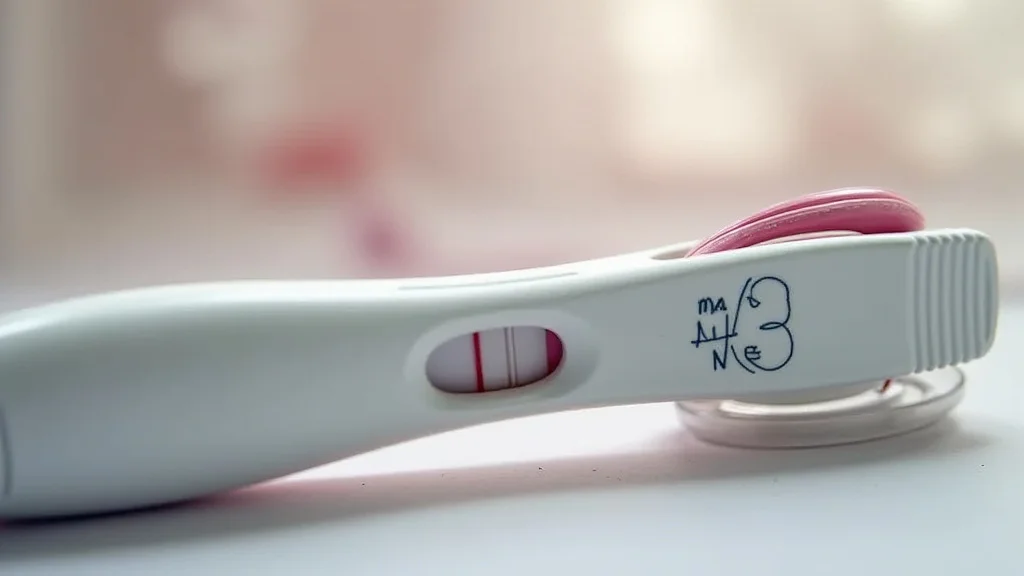
Category: Pregnancy Tests

Pregnancy Tests

  • Pregnancy Tests For Cattle A Quick Guide

    Pregnancy Tests For Cattle A Quick Guide

    Figuring out if your cows are pregnant can feel tricky, especially when you’re just starting out. There are many ways to check, and sometimes it’s hard to know which one is best or how to do it right. But don’t worry!

    This guide will make it super simple. We’ll walk you through everything step-by-step so you can check your herd with confidence. Let’s get your cows bred up!

    Key Takeaways

    • You will learn different methods for detecting pregnancy in cattle.
    • We will explain how each test works in easy terms.
    • You will discover the best times to perform these tests.
    • We will cover the pros and cons of various testing options.
    • You will get tips on choosing the right test for your farm.
    • The importance of early pregnancy detection will be highlighted.

    Understanding Pregnancy Tests For Cattle

    How Early Detection Boosts Herd Health

    Knowing if a cow is pregnant early on is super important for running a good farm. It helps you manage your animals better and make smart choices for your business. When you find out early, you can plan feeding schedules, manage calf birth timing, and keep your cows healthy and productive.

    This means fewer surprises and more success for your farm.

    Why Early Detection Matters

    Early detection of pregnancy in cattle is a cornerstone of effective herd management. It allows farmers to isolate pregnant animals for special care and nutrition. This ensures the developing calf gets the nutrients it needs.

    It also helps prevent potential complications during gestation.

    Furthermore, knowing a cow is pregnant, or not pregnant, helps with breeding program efficiency. Cows that are not pregnant can be re-bred faster. This shortens the calving interval and increases the number of calves born over time.

    It also reduces the costs associated with maintaining non-pregnant animals.

    Ultimately, early pregnancy testing leads to a healthier herd and a more profitable operation. It’s a proactive approach that pays off in the long run.

    The Economic Benefits

    The financial advantages of early pregnancy detection are substantial. When a cow is identified as pregnant early, resources can be allocated more efficiently. This means feed and veterinary care are directed towards animals that will produce offspring, maximizing return on investment.

    Conversely, identifying non-pregnant cows quickly allows them to be returned to the breeding cycle without delay. This prevents them from becoming “open” for extended periods, which ties up capital and reduces overall herd productivity. A shorter inter-calving period directly translates to more calves born per year.

    Studies have shown that farms implementing rigorous early pregnancy testing programs can see a significant increase in profitability per cow. This is due to improved reproductive rates and reduced costs from unproductive animals. For instance, a 2022 study on dairy farms indicated that early pregnancy detection reduced the average cost per calf by up to 15%.

    Animal Welfare Considerations

    Animal welfare is a key part of modern farming, and early pregnancy testing plays a role. Knowing a cow is pregnant allows for gentle handling and specific care. This reduces stress on both the cow and the unborn calf.

    It also helps in identifying and addressing any potential health issues that might affect the pregnancy. This proactive approach ensures a healthier environment for the gestating animal. A well-cared-for pregnant cow is less likely to experience problems.

    By knowing the status of each animal, farmers can better plan for births. This means being prepared for any potential issues and ensuring a safe delivery. This leads to healthier calves and stronger mothers.

    Common Pregnancy Testing Methods

    Palpation

    What Is Palpation

    Palpation is a hands-on technique veterinarians use to check for pregnancy. The vet carefully inserts a gloved arm into the cow’s rectum. They then feel the reproductive organs, like the uterus and ovaries, to detect signs of pregnancy.

    This method is quite effective, but it requires a skilled and experienced veterinarian. It’s best done by someone who knows exactly what to feel for. The vet can usually detect pregnancy about 30 to 60 days after insemination.

    During palpation, a veterinarian looks for specific physical changes. These include the presence of a fetus, amniotic fluid, and the corpus luteum on the ovary. The size and tone of the uterus are also important indicators.

    When To Palpate

    The ideal time for palpation depends on the stage of pregnancy. It’s most accurate between 30 and 60 days after breeding. Before 30 days, the changes in the uterus might be too subtle to detect reliably.

    After 60 days, the fetus grows larger, making it easier to feel. However, it’s still crucial for the vet to have good skill. Repeated palpations might be necessary if there’s any doubt.

    Some vets can also palpate much later in pregnancy, even up to 5-6 months. But for early confirmation, the 30-60 day window is usually preferred.

    Pros And Cons Of Palpation

    A big advantage of palpation is that it can also reveal other reproductive issues. The vet can check for uterine infections, ovarian cysts, or other abnormalities. This provides a more complete reproductive health assessment.

    It’s also a relatively quick procedure once the cow is restrained.

    However, palpation requires expert skill. An inexperienced person could potentially harm the cow or misdiagnose pregnancy. There’s also a small risk of causing a miscarriage, especially if done too early or roughly.

    The cow needs to be properly restrained, which can be a challenge.

    The cost of a vet visit for palpation can add up if you have a large herd. However, the information gained can often justify the expense by improving breeding efficiency.

    Ultrasound

    What Is Ultrasound

    Ultrasound uses sound waves to create images of the inside of the cow. A special probe is inserted into the cow’s rectum, and the sound waves bounce off organs. A computer then turns these waves into pictures on a screen.

    This technology is very useful for seeing the uterus and ovaries. It can detect a pregnancy much earlier than palpation. This allows for very precise identification of the fetus and its development.

    The equipment for ultrasound is sophisticated. It requires trained operators to interpret the images correctly. But when used by a skilled technician, it’s a powerful tool for pregnancy diagnosis.

    When To Use Ultrasound

    Ultrasound can detect pregnancy as early as 25 days after breeding. This is significantly earlier than palpation. This early detection is a major benefit for managing breeding cycles.

    The images can also show fetal heartbeat and movement, confirming viability. This helps in making decisions about cows that are pregnant. It’s also used to check for twins or other multiple pregnancies.

    While it can be used later in pregnancy, its strength lies in very early detection. This allows for quick re-breeding of open cows and better overall herd management.

    Pros And Cons Of Ultrasound

    The main advantage of ultrasound is its accuracy and early detection capability. It can also provide images of the developing fetus, which can be informative. It’s generally considered safe for the cow and the fetus.

    However, ultrasound equipment can be expensive. The technician needs specialized training. It also requires proper restraint of the cow.

    Sometimes, the quality of the image can be affected by the cow’s condition, like obesity.

    The cost per test might be higher than palpation initially, but the benefits of early and accurate results often outweigh this. It allows for more timely interventions.

    Hormone Tests

    What Are Hormone Tests

    Hormone tests look for specific pregnancy-related hormones in the cow’s blood or milk. The most common hormone tested is called pregnancy-associated glycoprotein, or PAG. These hormones are produced by the placenta.

    These tests are usually done using a blood sample. A small amount of blood is drawn from the cow, and then sent to a lab for analysis. The lab checks for the presence and amount of these specific hormones.

    Different types of hormone tests exist, some more sensitive than others. The results are generally quite reliable when performed at the correct time.

    When To Take Hormone Tests

    Hormone tests are typically most accurate around 28 days after breeding. Some tests can detect pregnancy even earlier, but accuracy might be lower. It’s important to follow the specific test guidelines.

    These tests are useful for confirming pregnancy after other methods have been used or when visual inspection is difficult. They provide objective data.

    It’s important to note that hormone levels can fluctuate. Therefore, the timing of the test is critical for accurate results.

    Pros And Cons Of Hormone Tests

    A major advantage of hormone tests is that they are non-invasive. They only require a small blood sample, minimizing stress on the animal. They can also be conducted by farm staff with minimal training for sample collection.

    However, hormone tests can be more expensive per sample than palpation, especially if many cows are tested. There’s also a delay for lab results. False positives or negatives can occur, though they are rare with accurate testing at the right time.

    These tests are excellent for confirming pregnancy, but they might not tell you about other reproductive issues like palpation or ultrasound can.

    Which Pregnancy Test Is Best For Your Farm

    Factors To Consider

    Choosing the right pregnancy test for your cattle depends on several things. Think about how many cows you need to test. The size of your herd matters.

    Also, consider your budget. Some tests cost more than others. Think about the time you have available for testing.

    Do you need results right away, or can you wait for lab results?

    Finally, think about the skills you or your vet have. Some methods require more expertise. This will help you pick the most practical and effective option.

    Comparing The Methods

    Here’s a quick look at how the methods compare:

    Method Earliest Detection Accuracy Cost Per Test Skill Required
    Palpation 30-60 days High (with skill) Moderate (vet fee) High (vet)
    Ultrasound 25 days Very High High (equipment/vet) High (trained operator)
    Hormone Tests 28 days High Moderate to High (lab fee) Low (for sample collection)

    Practical Application Scenarios

    Let’s imagine two scenarios. For a small herd of 10 cows, a veterinarian’s palpation or an ultrasound check might be cost-effective. This allows for a quick assessment and can identify other issues.

    For a large commercial herd of 100 cows, hormone testing might be more practical. You can collect blood samples from all cows over a few days. Then, send them to the lab.

    This can be more efficient for large numbers.

    If you need to confirm pregnancy very early, for example, to sell pregnant heifers, ultrasound is the best choice. It offers the earliest and most definitive results.

    Common Myths Debunked

    Myth 1 Pregnancy Is Obvious By Cow Behavior

    While some behavioral changes can occur, they are not reliable indicators of pregnancy. Cows might show signs of being in heat even if they are pregnant due to hormonal fluctuations. Relying solely on behavior can lead to missed pregnancies or incorrect assumptions.

    Objective testing is always best.

    Myth 2 All Pregnancy Tests Are The Same

    This is not true. As we’ve seen, palpation, ultrasound, and hormone tests all work differently and have different detection windows and accuracies. Each has its own strengths and weaknesses.

    The best test depends on your specific needs and timing.

    Myth 3 Once A Cow Is Pregnant, She Stays Pregnant

    Unfortunately, cows can lose pregnancies at various stages. This can happen due to stress, disease, nutritional deficiencies, or even genetic issues. Regular monitoring, even after initial confirmation, can be beneficial.

    Myth 4 You Can Test For Pregnancy Any Time

    The timing of pregnancy tests is crucial for accuracy. Testing too early or too late can result in false negatives or false positives. Each method has an optimal window for testing.

    Always follow the recommended guidelines for the chosen test.

    Frequently Asked Questions

    Question: How soon can I tell if my cow is pregnant

    Answer: With ultrasound, you can often detect pregnancy as early as 25 days. Palpation is usually accurate from 30-60 days, and hormone tests around 28 days.

    Question: Is palpation safe for the cow

    Answer: When performed by a skilled veterinarian, palpation is generally safe. However, there is a small risk of causing a miscarriage if not done correctly.

    Question: Can I do pregnancy tests myself

    Answer: For hormone tests, you can usually collect blood samples yourself. However, palpation and ultrasound require trained professionals like veterinarians or specialized technicians.

    Question: What if a test says my cow is not pregnant but she looked it

    Answer: This can happen due to timing or test limitations. It’s best to re-test a few weeks later or use a different method to confirm. Sometimes cows can show signs that mimic pregnancy.

    Question: How much does a pregnancy test for cattle cost

    Answer: Costs vary widely. Palpation might cost $30-$60 per cow (vet fee). Ultrasound can be $40-$80.

    Hormone tests can range from $10-$30 per sample plus lab fees.

    Summary

    Detecting pregnancy in cattle early is vital for a healthy and profitable herd. You now know about palpation, ultrasound, and hormone tests. Each has its best uses and timing.

    Choosing the right method depends on your herd size, budget, and desired accuracy. Start using these tests to make better decisions for your farm.


  • Pregnancy Tests At Cleveland Clinic

    Pregnancy Tests At Cleveland Clinic

    Key Takeaways

    • Learn where to find pregnancy tests associated with Cleveland Clinic.
    • Understand the different types of pregnancy tests available.
    • Discover how to interpret the results of a pregnancy test.
    • Find out when to take a pregnancy test for the most accurate results.
    • Know what to do after you get your test results.
    • Learn about the services Cleveland Clinic provides related to pregnancy.

    Understanding Pregnancy Tests Cleveland Clinic

    When you are thinking about taking a pregnancy test, especially if you are considering services through a major healthcare provider like Cleveland Clinic, it is good to know what options are available. The term pregnancy tests Cleveland Clinic often brings up inquiries about where to buy them, what kinds to look for, and what to do next. Home pregnancy tests are widely available at drug stores and supermarkets.

    However, if you want a test administered by a healthcare professional, or if you are already a patient with Cleveland Clinic, you have options to explore. This section will help you understand how to access and use these tests within the Cleveland Clinic system and what makes professional testing a valuable step.

    Types of Pregnancy Tests

    There are two main ways to test for pregnancy: home urine tests and lab urine or blood tests done by a healthcare provider. Home tests are convenient and can be taken as soon as you miss your period, sometimes even a few days before. They work by detecting a hormone called human chorionic gonadotropin (hCG) in your urine.

    This hormone is only produced after a fertilized egg implants in the uterus.

    Lab tests, often performed at a doctor’s office or a clinic like Cleveland Clinic, are generally more sensitive and can detect hCG earlier than most home tests. Urine tests done at a clinic are similar to home tests but are performed under medical supervision. Blood tests are the most accurate and can detect hCG in lower amounts, meaning they can confirm pregnancy even earlier.

    They can also measure the exact amount of hCG, which can provide more information to your doctor.

    When considering pregnancy tests Cleveland Clinic, remember that their facilities will offer both types of professional testing. This means you can walk into a clinic, have a test done, and get reliable results, often with the added benefit of immediate consultation with a healthcare professional.

    Where to Find Tests

    For those looking for pregnancy tests specifically related to Cleveland Clinic, the primary route is through their healthcare services. If you have a doctor’s appointment scheduled, you can ask for a pregnancy test there. Many Cleveland Clinic locations offer these tests as part of routine check-ups or when you present with symptoms of pregnancy.

    You can also contact Cleveland Clinic’s scheduling or patient services line to inquire about getting a pregnancy test. They can guide you to the most convenient location and appointment type. For immediate needs, you can purchase over-the-counter pregnancy tests at most pharmacies and grocery stores.

    These tests are reliable and can provide a good first indication. If a home test is positive, your next step would typically be to schedule an appointment with a Cleveland Clinic provider to confirm the results and discuss your options.

    The convenience of home tests means you can get an initial answer quickly. However, linking that to Cleveland Clinic services ensures you receive professional medical guidance and care following your test, no matter the outcome.

    When to Take a Pregnancy Test

    Timing is everything when it comes to getting accurate pregnancy test results. The most reliable time to take a pregnancy test is on the first day of your missed period. This is when hCG levels in your urine are typically high enough for most home tests to detect them.

    Taking a test too early can lead to a false negative, meaning the test says you are not pregnant when you actually are, because hCG levels have not yet risen sufficiently.

    Some sensitive home pregnancy tests claim to detect pregnancy a few days before your missed period. While these can be accurate for some women, it is still more likely to get a false negative if you test too soon. If you have irregular periods, it can be harder to pinpoint the best time to test.

    In such cases, waiting at least 21 days after unprotected sex is often recommended.

    For the most accurate results, especially if you are using pregnancy tests Cleveland Clinic offers through their medical services, follow your healthcare provider’s advice. They can best guide you on the optimal time to test based on your individual cycle and circumstances. If you get a negative result but still suspect you might be pregnant, it is a good idea to retest in a few days or consult with a healthcare professional.

    Cleveland Clinic Pregnancy Test Services

    When you are thinking about your health and potential pregnancy, knowing that Cleveland Clinic provides comprehensive services makes a difference. They offer reliable ways to get a pregnancy test administered by medical professionals. This can be reassuring, especially if you are experiencing early pregnancy symptoms or want a definitive answer.

    Exploring the services available through Cleveland Clinic ensures you are getting accurate testing and can immediately follow up with medical advice and care.

    Getting a Test at Cleveland Clinic

    If you wish to get a pregnancy test directly from Cleveland Clinic, the process is straightforward. You can schedule an appointment with your primary care physician or a gynecologist at any Cleveland Clinic facility. During your appointment, you can inform your doctor or nurse that you would like a pregnancy test.

    They will likely provide you with a urine test kit to use at the clinic, or they may send your sample to a lab for analysis.

    Cleveland Clinic also has urgent care centers and walk-in clinics where you might be able to get a pregnancy test without a scheduled appointment. It is always a good idea to call ahead to confirm availability and specific procedures. The advantage of getting tested at a Cleveland Clinic location is that the results are integrated into your medical record, and you can discuss them immediately with a healthcare provider who can offer guidance on next steps, whether that involves prenatal care or other options.

    This integrated approach ensures that your health is monitored from the very beginning. It simplifies the process of confirming a pregnancy and starting any necessary medical follow-up. For those specifically searching for pregnancy tests Cleveland Clinic, this medical setting provides a trusted and professional environment for testing.

    Interpreting Your Results

    Interpreting pregnancy test results, whether from a home kit or a Cleveland Clinic provider, is usually quite simple. Most home pregnancy tests display results as lines, plus signs, or words like “pregnant” or “not pregnant.” Two lines generally mean pregnant, while one line or a negative symbol usually means not pregnant. Always read the specific instructions that come with your test, as designs can vary slightly between brands.

    If you receive a positive result from a home test, it is highly likely that you are pregnant. However, to confirm this and to begin proper prenatal care, it is important to schedule an appointment with a healthcare provider. Cleveland Clinic professionals can perform further tests, such as a blood test or an ultrasound, to confirm the pregnancy and determine how far along you are.

    They will also discuss your health and the next steps for a healthy pregnancy.

    If you get a negative result but your period is still late, it is possible you tested too early, or there might be another reason for your missed period. Retesting in a few days or consulting with Cleveland Clinic for a medical evaluation is recommended. Their medical experts can help determine the cause of your symptoms and provide accurate advice.

    What Happens After Testing

    Once you have your pregnancy test results, the next steps depend on whether the test is positive or negative. If your pregnancy test from Cleveland Clinic or a home test is positive, congratulations! The immediate next step is to schedule your first prenatal care appointment.

    During this visit, your doctor will confirm the pregnancy, estimate your due date, discuss your health history, and provide important information about prenatal vitamins, nutrition, and what to expect during pregnancy.

    This initial appointment is also a chance to ask any questions you may have about your pregnancy. Cleveland Clinic offers a full range of prenatal services to support you throughout your journey. They can connect you with specialists, educational resources, and support groups.

    If your pregnancy test results are negative, but you believe you might still be pregnant or your period remains absent, it is important to follow up with your healthcare provider. There can be various reasons for a missed period other than pregnancy, such as stress, hormonal imbalances, or other medical conditions. A doctor at Cleveland Clinic can help investigate the cause and recommend the appropriate course of action.

    They can also advise you on when to retest if needed.

    Benefits of Professional Testing

    While home pregnancy tests are convenient and generally accurate, seeking professional testing through a healthcare provider like Cleveland Clinic offers several advantages. These benefits go beyond just getting a result; they involve comprehensive medical care and expert advice right from the start. This makes the process of confirming a pregnancy more robust and reassuring.

    Accuracy and Sensitivity

    Professional pregnancy tests, particularly blood tests offered at clinics like Cleveland Clinic, are often more sensitive than over-the-counter urine tests. This increased sensitivity means they can detect the pregnancy hormone human chorionic gonadotropin (hCG) at lower levels and earlier in the pregnancy. For individuals who have a very short or irregular menstrual cycle, or who are testing very early, a professional blood test can provide a more definitive answer sooner.

    Furthermore, laboratory tests are performed under controlled conditions, minimizing the risk of user error that can sometimes affect home test results. The equipment used is calibrated regularly, ensuring high accuracy. When you get a test done at Cleveland Clinic, you are assured that it meets strict medical standards.

    This level of precision is crucial for making informed decisions about your health and any potential pregnancy.

    A study published in the Journal of Clinical Chemistry found that while home urine tests have improved significantly, laboratory-based hCG assays still offer superior sensitivity and specificity, particularly in early pregnancy detection. This highlights the benefit of professional testing when absolute certainty is desired.

    Medical Consultation and Next Steps

    One of the most significant benefits of getting a pregnancy test at Cleveland Clinic is the immediate access to medical consultation. If your test comes back positive, the healthcare provider can discuss the results with you, answer your questions, and help you plan for the next steps in your pregnancy. This might include scheduling your first prenatal visit, discussing lifestyle changes, and providing information on prenatal vitamins.

    If the results are negative but you have concerns, a doctor can investigate other possible causes for your symptoms. They can perform further examinations or tests to rule out other medical conditions. This comprehensive approach ensures that your health concerns are fully addressed.

    For individuals seeking pregnancy tests Cleveland Clinic is a place where you can get a reliable test and immediate, personalized medical advice, all within a trusted healthcare system.

    Cleveland Clinic’s integrated approach means that all your health information is kept in one place, making follow-up care smoother and more efficient. This continuity of care is invaluable during the sensitive period of early pregnancy.

    Early Detection Benefits

    Early detection of pregnancy can offer several benefits. Knowing you are pregnant as soon as possible allows you to start making healthier choices for yourself and your developing baby. This includes stopping the consumption of alcohol, tobacco, and certain medications that could be harmful.

    It also provides an opportunity to begin taking prenatal vitamins, which are essential for fetal development, particularly folic acid, which helps prevent neural tube defects.

    Early detection also enables prompt initiation of prenatal care. Starting prenatal care early is associated with better pregnancy outcomes and can help identify and manage any potential risks or complications from the outset. For instance, conditions like gestational diabetes or preeclampsia can be screened for and managed effectively when detected early.

    Cleveland Clinic emphasizes the importance of early prenatal care. By offering sensitive and accurate pregnancy testing, they empower individuals to take charge of their health and the health of their pregnancy from the very beginning. This proactive approach is a cornerstone of their commitment to patient well-being.

    Common Myths Debunked

    Myth 1: All Home Pregnancy Tests Are Equal

    This is a common misconception. While many home pregnancy tests are accurate, they can vary in sensitivity and the specific instructions for use. Some tests are designed to detect hCG earlier than others, and some may have clearer result indicators.

    Using a test that is past its expiration date or not following the instructions precisely can also lead to inaccurate results. It is always best to choose a reputable brand and carefully read and follow all the directions provided.

    Myth 2: You Can Get a False Positive Test Result

    False positive results on home pregnancy tests are very rare. A positive result usually means you are pregnant. However, a “chemical pregnancy,” where pregnancy occurs but does not continue to develop, can sometimes result in a positive test followed by a very early miscarriage.

    Certain medications containing hCG can also cause a false positive, but these are uncommon. If you get a positive result, it is always recommended to confirm with a healthcare provider like those at Cleveland Clinic.

    Myth 3: You Should Wait As Long As Possible To Test

    While it is true that waiting until after your missed period provides the most accurate results, waiting excessively long is not necessarily beneficial. Testing too early can lead to a false negative because hCG levels may not be high enough to detect. However, for those who are eager to know or have a medical reason to test early, highly sensitive tests can sometimes provide an accurate result a few days before a missed period.

    Discussing the best timing with a healthcare provider at Cleveland Clinic can help determine the optimal window for testing based on your individual circumstances.

    Myth 4: A Negative Test Always Means You Are Not Pregnant

    A negative pregnancy test does not always mean you are not pregnant. If you tested too early, before your body had produced enough hCG, you might get a false negative. Other factors like drinking a lot of fluids before testing, which dilutes your urine, can also affect the result.

    If you have a missed period and a negative test, it is wise to retest in a few days or seek medical advice from a professional at Cleveland Clinic to explore other reasons for your missed period.

    Frequently Asked Questions

    Question: Can I get a pregnancy test at any Cleveland Clinic location

    Answer: Most Cleveland Clinic primary care offices, family health centers, and women’s health centers offer pregnancy testing. It is best to call your specific location or the main scheduling line to confirm availability and make an appointment.

    Question: How much does a pregnancy test cost at Cleveland Clinic

    Answer: The cost of a pregnancy test at Cleveland Clinic can vary depending on your insurance coverage and the type of test administered. Many insurance plans cover pregnancy testing. You can inquire about costs when you schedule your appointment or check with your insurance provider.

    Question: Can I get a pregnancy test at Cleveland Clinic without an appointment

    Answer: Some Cleveland Clinic urgent care centers or walk-in clinics may offer pregnancy testing without a scheduled appointment. However, it is always advisable to call ahead to confirm if this service is available at a particular location and to understand their procedures.

    Question: What is the difference between a home pregnancy test and one at Cleveland Clinic

    Answer: Home pregnancy tests are over-the-counter urine tests that you take yourself. Pregnancy tests at Cleveland Clinic are performed by medical professionals using either a urine sample or a blood sample, often with higher sensitivity and the immediate benefit of medical consultation.

    Question: What should I do if my home pregnancy test is positive

    Answer: If your home pregnancy test is positive, schedule an appointment with a healthcare provider at Cleveland Clinic. They can confirm the pregnancy with further testing and discuss your prenatal care options and next steps.

    Conclusion

    When you are looking into pregnancy tests Cleveland Clinic offers, know that you have accessible and reliable options. Whether you use an at-home test first or go directly to a clinic, professional confirmation is key. Cleveland Clinic provides accurate testing and the support you need to understand your results and plan your next steps with confidence.

  • Pregnancy Tests How Early Can You Test

    Pregnancy Tests How Early Can You Test

    Wondering about pregnancy tests how early you can take one can feel a bit tricky, especially when you’re new to this. So many things you read can seem confusing, and you just want a straight answer. It’s totally normal to feel that way!

    This guide will make it super simple. We’ll walk through everything step by step so you can get the information you need with confidence. Let’s get started and figure out the best time for you.

    Key Takeaways

    • You can often get accurate results from a pregnancy test sooner than you might think.
    • Understanding how pregnancy tests work helps you know when to test.
    • Home pregnancy tests detect a hormone called hCG.
    • The timing of your test greatly affects its accuracy.
    • Different types of tests have slightly different detection windows.
    • Knowing the signs of early pregnancy can sometimes offer clues.

    When To Take A Pregnancy Test

    Figuring out the right time to take a pregnancy test is super important for getting a clear result. These tests look for a special hormone your body makes when you’re pregnant. This hormone is called human chorionic gonadotropin, or hCG for short.

    Your body starts making hCG shortly after a fertilized egg attaches to your uterus. The amount of hCG goes up quickly in the early days of pregnancy. So, the longer you wait, the more hCG your body will have, and the easier it is for the test to find it.

    Testing too early means there might not be enough hCG for the test to detect, leading to a false negative, which can be disappointing.

    Understanding hCG Levels

    Human chorionic gonadotropin (hCG) is the key player when it comes to pregnancy tests. It’s often called the pregnancy hormone. After a fertilized egg implants in the uterine wall, usually about 6 to 12 days after ovulation, your body begins to produce hCG.

    This hormone’s main job is to maintain the corpus luteum, which produces progesterone to support the pregnancy. The levels of hCG in your blood and urine rise rapidly in the first few weeks of pregnancy. They typically double about every 48 to 72 hours.

    This rapid increase is why testing later often yields a more accurate result. Early in pregnancy, hCG levels might be too low to be detected by standard home pregnancy tests. For example, a test might need at least 25 mIU/mL of hCG to show a positive result.

    If you test too soon, your hCG levels might only be 5 mIU/mL, which wouldn’t register on most tests, even though you are pregnant. Blood tests can detect hCG much earlier and at lower levels than urine tests, sometimes as early as 6-8 days after ovulation, but for home use, urine tests are the standard.

    The concentration of hCG is also influenced by factors like how well the fertilized egg has implanted and how quickly your body is producing the hormone. While many tests are designed to detect pregnancy around the time of your missed period, some “early detection” tests claim to work a few days before. However, their accuracy can be lower if taken before sufficient hCG has built up.

    Understanding these levels helps demystify why timing is so crucial for accurate pregnancy test results.

    The Role Of Ovulation

    Your ovulation cycle is the most important factor in determining when to take a pregnancy test. Ovulation is the time each month when an egg is released from your ovary. This is the only time when pregnancy is possible.

    If you have a regular menstrual cycle, you usually ovulate around 14 days before your next period is due. For example, if your cycle is 28 days long, you likely ovulated around day 14. If your cycle is 35 days long, ovulation might be closer to day 21.

    Pregnancy can only occur if intercourse happens within a few days before or on the day of ovulation. The sperm can live inside the female reproductive tract for up to 5 days, while the egg is viable for about 12 to 24 hours after ovulation. Therefore, the earliest conception can occur is about 5 days before ovulation, and the latest is the day of ovulation itself.

    After fertilization, the egg travels down the fallopian tube to the uterus, and implantation typically takes place 6 to 12 days after ovulation.

    This implantation process is when your body starts producing hCG. So, counting from your ovulation date, rather than just your last menstrual period, is a more accurate way to estimate when a pregnancy test might be positive. If you ovulated 10 days ago, and implantation occurred, there might be enough hCG for a sensitive test.

    If you ovulated 20 days ago, there will likely be a much higher hCG level. This is why understanding your ovulation date is key to knowing when to test for pregnancy.

    Pregnancy Tests How Early Can You Test

    The question of pregnancy tests how early can you test is very common. Most standard home pregnancy tests are designed to give accurate results starting from the first day of your missed period. This is often around 14 days after ovulation.

    At this point, if you are pregnant, your hCG levels are usually high enough for most tests to detect them reliably. For instance, many tests can detect hCG at levels of 25 mIU/mL or more, which is typically reached by the time your period is expected.

    However, there are also “early detection” pregnancy tests available. These are generally more sensitive and can detect lower levels of hCG, sometimes as low as 10 mIU/mL. These tests may be able to give you a positive result a few days before your missed period, often 4 to 6 days before.

    So, if your period is due on the 30th, an early detection test might be able to detect pregnancy as early as the 24th or 26th.

    It’s important to remember that even with early detection tests, testing too early increases the risk of a false negative. This is because your hCG levels might not have risen sufficiently yet. If you test early and get a negative result, but your period is still late, it is recommended to retest a few days later or when your period is due.

    This allows more time for hCG to build up in your system, leading to a more accurate outcome.

    How Pregnancy Tests Work

    Pregnancy tests, whether the common home urine tests or more sensitive lab tests, rely on detecting a specific hormone. This hormone is human chorionic gonadotropin (hCG). After a fertilized egg implants in the uterus, your body begins to produce hCG.

    The amount of this hormone rises steadily in the early stages of pregnancy. Home pregnancy tests use antibodies that react with hCG. When hCG is present in your urine, it binds to these antibodies, causing a chemical reaction that shows up as a positive result, usually a line or a plus sign.

    The sensitivity of a pregnancy test is measured in milli-international units per milliliter (mIU/mL). A lower number means the test is more sensitive and can detect lower concentrations of hCG. Standard tests typically have a sensitivity of 25 mIU/mL, meaning they can detect hCG when it reaches this level.

    Early detection tests are often more sensitive, with readings as low as 10 mIU/mL or even 6.5 mIU/mL. This is why they can sometimes provide a result days before your missed period.

    For a home urine test to be most accurate, it’s usually best to use your first morning urine. This is because hCG is more concentrated in your urine after you’ve slept for several hours. Drinking large amounts of fluids before testing can dilute your urine, potentially lowering the hCG concentration and leading to a false negative result, especially if you are testing very early in your pregnancy.

    Following the test instructions carefully is also vital for obtaining accurate results.

    The Science Behind hCG Detection

    The detection of hCG is a sophisticated process that relies on immunochromatographic assays, the same technology used in many rapid diagnostic tests. Home pregnancy tests contain a test strip with specific antibodies designed to bind to hCG molecules. These antibodies are usually linked to a colored dye.

    When your urine sample is applied to the test, and if hCG is present, these hCG molecules bind to the antibodies on the strip. This binding action causes the colored dye to migrate along the strip and accumulate in a specific area, forming the visible positive result line.

    There are typically two lines or zones on a pregnancy test strip: a control line and a test line. The control line indicates that the test is working correctly. It should appear regardless of whether hCG is present.

    The test line is where the result appears if hCG is detected. If hCG is present in your urine at a detectable level, it will bind to the antibodies on the test line, causing the colored dye to deposit there and form a visible line. The intensity of the test line can sometimes correspond to the amount of hCG present, though this is not a precise measurement and should not be relied upon for determining how far along in pregnancy you are.

    The entire process from sample application to result usually takes only a few minutes. The speed and accuracy of these tests have made them a convenient and accessible tool for early pregnancy detection. However, understanding that a low hCG level can lead to a false negative is essential.

    This is why timing and using the first morning urine are often recommended, especially when testing for pregnancy tests how early you can test.

    Accuracy And Sensitivity Explained

    The accuracy of a pregnancy test is directly linked to its sensitivity and the timing of the test. Sensitivity refers to the lowest concentration of hCG that a test can detect. This is usually measured in mIU/mL.

    A test with a sensitivity of 10 mIU/mL is more sensitive than one with a sensitivity of 25 mIU/mL because it can detect hCG at a lower level. Early detection tests are designed to be more sensitive, allowing them to pick up on the lower amounts of hCG present in the very early days of pregnancy.

    Accuracy, however, is not just about sensitivity; it’s also about the accuracy of the result compared to whether pregnancy is actually present. A positive result is generally very accurate if pregnancy is confirmed. However, false negatives can occur, especially when testing too early.

    A false negative happens when the test shows a negative result, but the person is actually pregnant. This is most common when hCG levels are still too low to be detected by the test. It can also happen if the test is not used correctly, if the urine sample is too diluted, or if the test is expired.

    To maximize accuracy, it’s recommended to wait until at least the first day of your missed period for most standard tests. For early detection tests, waiting until 4 to 5 days before your expected period might provide a result, but retesting a few days later is often advised if the initial result is negative. Using first morning urine also helps ensure the highest concentration of hCG, increasing the chances of an accurate positive result.

    Always follow the specific instructions provided with your chosen pregnancy test kit for the best results.

    Factors Affecting Test Results

    Several factors can influence the accuracy of a pregnancy test, especially when trying to determine pregnancy tests how early you can test. The most significant factor is the level of hCG in your urine. If you test too soon after conception, the hCG levels might be too low for the test to detect, leading to a false negative.

    This is why waiting until your period is due is generally recommended for the most reliable results with standard tests.

    Another crucial element is the sensitivity of the test itself. More sensitive tests can detect lower hCG concentrations and therefore can provide a positive result earlier. However, even with sensitive tests, if you test too early, you might still get a negative result.

    The instructions provided with the test kit are vital. Following them precisely, including the recommended time to wait for the result and how to collect the urine sample, is essential for accuracy. Improper use, such as not waiting long enough for the result to appear or reading it too late, can lead to misinterpretation.

    External factors can also play a role. For example, certain medications containing hCG, such as those used in fertility treatments, can cause a false positive result. Medical conditions that affect hCG levels or kidney function might also impact test results.

    Even the temperature of the urine sample or the test strip itself can sometimes influence the chemical reaction. Therefore, it’s always wise to use a fresh test kit, follow the instructions carefully, and if you are unsure about a result or have concerns, consult with a healthcare provider.

    Diluted Urine

    Having diluted urine is a common reason for inaccurate pregnancy test results, particularly when attempting to test very early. When you drink a lot of fluids, especially in the hours leading up to taking a pregnancy test, it can significantly dilute the concentration of hCG in your urine. hCG is the hormone that pregnancy tests detect, and its level needs to reach a certain threshold for the test to show a positive result.

    If your urine is too diluted, the hCG concentration might fall below the detection limit of the test, even if you are pregnant. This can lead to a false negative result, where the test incorrectly indicates that you are not pregnant. This is why healthcare professionals and test manufacturers often recommend using your first morning urine for testing.

    During the night, you typically don’t drink much, so your urine is more concentrated, and any hCG present will be in a higher concentration, making it easier for the test to detect.

    To avoid the issue of diluted urine, try to limit your fluid intake for a couple of hours before taking the test, if possible. If you must drink, opt for smaller amounts. Using the first urine of the day is the most effective way to ensure your sample is concentrated enough for accurate results, especially when you are curious about pregnancy tests how early you can test and want the most reliable outcome.

    Medications And Fertility Treatments

    Certain medications and fertility treatments can significantly affect the results of a pregnancy test. The most common cause of a false positive due to medication is the use of fertility drugs that contain hCG. These drugs are administered via injection and are designed to trigger ovulation and support early pregnancy.

    If you take a pregnancy test too soon after receiving an hCG injection, the hormone from the medication will be present in your urine, leading the test to show a positive result, even if conception has not occurred or the pregnancy is not viable.

    This is why it is crucial to discuss your medication and fertility treatment schedule with your doctor. They can advise you on the appropriate waiting period before taking a home pregnancy test. Often, you’ll need to wait until the hCG medication has cleared from your system.

    This waiting period can be anywhere from 10 to 14 days, depending on the dosage of hCG administered and your individual metabolism.

    Other medications, such as some diuretics or antihistamines, are generally not known to interfere with home pregnancy tests. However, it’s always a good practice to check the product information for any potential interactions or consult with your doctor or pharmacist if you have any doubts about how your medications might affect a pregnancy test’s accuracy. Being aware of these possibilities helps ensure you get a true reading of whether you are pregnant.

    When To Retest For Accuracy

    If you get a negative result on a pregnancy test but still suspect you might be pregnant, or if your period is late, it’s often a good idea to retest. This is especially true if you tested before your expected period. The primary reason for retesting is that you might have tested too early for the hCG hormone to reach detectable levels.

    hCG levels rise rapidly in early pregnancy, so waiting a few extra days can make a significant difference in the accuracy of the test result.

    When you decide to retest, try to wait at least 48 to 72 hours after your initial negative result. This timeframe allows your hCG levels to potentially double, making them more likely to be detected by the pregnancy test. Again, using your first morning urine is highly recommended to ensure the highest concentration of hCG is present.

    This increases your chances of getting a more accurate positive result if you are indeed pregnant.

    If you continue to get negative results but your period remains absent, it’s important to consult with a healthcare professional. There could be other reasons for a missed period besides pregnancy, such as stress, hormonal imbalances, changes in diet or exercise, or certain medical conditions. A doctor can perform more sensitive tests or investigate other possibilities to determine the cause of your missed period and provide appropriate guidance.

    Missed Period Scenario

    A missed period is often the first and most noticeable sign that you might be pregnant. If your period is late and you haven’t gotten it yet, it’s a strong indicator to consider taking a pregnancy test. For many women with regular cycles, their period is expected about 14 days after ovulation.

    If your period doesn’t arrive on time, it’s a good signal to start thinking about testing, especially if you’ve had unprotected sex.

    When your period is missed, it suggests that ovulation likely occurred and implantation may have taken place, leading to hCG production. This is a prime time for pregnancy tests to detect pregnancy accurately. Standard home pregnancy tests are designed to be most reliable starting from the first day of your missed period.

    So, if your period was due yesterday and hasn’t come, today is an excellent day to take a test. The hCG levels should be high enough by this point for most tests to register a positive result if pregnancy is present.

    Even if you tested a few days before your missed period and got a negative result, but now your period is late, you should absolutely retest. The earlier negative might have been due to testing before sufficient hCG had accumulated. Retesting on the day your period is expected, or a day or two after, significantly increases the chances of an accurate result.

    This scenario is often the most straightforward for determining pregnancy tests how early you can test with a high degree of confidence.

    Spotting And Other Early Signs

    Sometimes, you might experience light spotting, often called implantation bleeding, around the time you would expect your period. This can occur about 10 to 14 days after ovulation when the fertilized egg implants in the uterine lining. Implantation bleeding is usually much lighter than a regular period, often just a few streaks of blood or a pinkish or brownish discharge.

    It typically lasts for a short time, from a few hours to a couple of days.

    While implantation bleeding can be an early sign of pregnancy, it’s not a definitive one. It can also be mistaken for a very light period or other non-pregnancy-related issues. If you notice spotting, it can be confusing.

    Some women might still be hesitant to test immediately, thinking it’s their period. However, if the bleeding is very light and followed by a lack of expected period symptoms, it might be worth considering a pregnancy test, especially if it’s a few days after the spotting occurred.

    Other early signs of pregnancy can include tender breasts, nausea or morning sickness, increased fatigue, frequent urination, and food aversions or cravings. These symptoms can begin to appear even before a missed period or around the same time. If you are experiencing several of these symptoms, it might be a good indication to take a pregnancy test, even if you are unsure about your exact ovulation date.

    However, it’s important to remember that these symptoms are not exclusive to pregnancy and can be caused by other factors as well. Therefore, a pregnancy test remains the most reliable way to confirm pregnancy.

    Common Myths Debunked

    Myth 1: You Can Get A Positive Result On The Day Of Conception

    This is a common misconception. Pregnancy tests detect hCG, which is only produced after implantation has occurred. Implantation happens several days after fertilization, typically 6 to 12 days after ovulation.

    Therefore, it is impossible to get a positive pregnancy test result on the same day you conceive. You need to wait for the fertilized egg to implant and for your body to start producing hCG for a test to show a positive result.

    Myth 2: Home Pregnancy Tests Are Never Accurate Before A Missed Period

    While it’s true that testing before a missed period increases the risk of a false negative, it’s not entirely impossible to get an accurate result. “Early detection” pregnancy tests are designed to be highly sensitive and can detect very low levels of hCG. If you are pregnant and ovulated earlier than usual, or if your implantation occurred quickly, you might get a positive result a few days before your expected period.

    However, it’s still best practice to retest if you get a negative result but your period is late.

    Myth 3: A Faint Line Means You’re Not Pregnant

    A faint positive line on a pregnancy test usually means you are pregnant. The intensity of the line often relates to the concentration of hCG in your urine. A faint line indicates that there is hCG present, but perhaps at a lower level, which is common in the very early stages of pregnancy.

    If you see a faint line, it’s best to confirm with a retest in a few days or consult your doctor. The presence of any line, however faint, is typically considered a positive result.

    Frequently Asked Questions

    Question: Can I take a pregnancy test right after unprotected sex?

    Answer: No, you cannot get an accurate result immediately after unprotected sex. Pregnancy tests detect the hormone hCG, which is only produced after a fertilized egg implants in the uterus. Implantation typically happens 6 to 12 days after ovulation.

    So, you need to wait at least a week or more after unprotected sex, and ideally until your missed period, to get a reliable result.

    Question: How long do I need to wait after my missed period to test?

    Answer: For most standard home pregnancy tests, it is best to wait until the first day of your missed period. Testing on this day gives you the highest chance of an accurate positive result if you are pregnant. If you test earlier and get a negative result, it’s recommended to retest a few days later if your period is still absent.

    Question: What does it mean if I get a negative test but my period is still late?

    Answer: If you get a negative pregnancy test result but your period is late, it could mean several things. You might have tested too early, and hCG levels are not yet detectable. It’s advisable to retest in a few days.

    Alternatively, a late period can be caused by stress, hormonal changes, illness, or other factors. If your period continues to be delayed and you have concerns, consult a healthcare provider.

    Question: Are early detection pregnancy tests always reliable?

    Answer: Early detection pregnancy tests are more sensitive and can detect lower levels of hCG, allowing for earlier testing. While they can be reliable a few days before a missed period, accuracy is still higher when testing closer to or on the day of your expected period. Testing too early, even with an early detection test, can still result in a false negative.

    It’s often recommended to retest if you get a negative result early on.

    Question: Can I use ovulation predictor kits to know when to test for pregnancy?

    Answer: Ovulation predictor kits (OPKs) help you identify your fertile window by detecting a surge in luteinizing hormone (LH), which typically occurs just before ovulation. While they help you understand your cycle and potential conception timing, they don’t directly tell you when to test for pregnancy. You should still count from your expected ovulation date or your missed period to determine the best time to take a pregnancy test for accurate results.

    Summary

    Knowing pregnancy tests how early you can test is key. Wait until at least your missed period for standard tests. Early detection tests might work a few days sooner.

    Always use first morning urine and follow instructions. If you get a negative but your period is late, retest in a few days. Your healthcare provider is your best resource for any questions or concerns.

  • A Brief History of Pregnancy Tests

    A Brief History of Pregnancy Tests

    Learning about the pregnancy tests history might seem tricky at first, especially if you’re new to the topic. So many different methods and changes over time can make your head spin! But don’t worry, this post will break it all down for you.

    We’ll walk through how these tests came to be in a super simple way, step by step. Get ready to see how far we’ve come and what makes these tests so amazing today.

    Key Takeaways

    • Early pregnancy tests relied on observing animal reactions.
    • The development of hormone detection marked a significant shift.
    • Home pregnancy tests brought accessibility and privacy to women.
    • Modern tests offer speed and accuracy with simple urine samples.
    • The history shows a constant drive for more reliable and easier methods.

    The Early Days How Animals Helped Detect Pregnancy

    Long ago, before science had all the answers we do now, people found clever ways to figure out if a woman was pregnant. They didn’t have fancy labs or instant results. Instead, they looked to nature, particularly to animals.

    These early methods might seem a bit strange to us today, but they were the best science could offer at the time. They show how humans have always sought answers to this important question.

    Ancient Egyptian Urine Analysis

    One of the earliest known methods comes from ancient Egypt, around 1350 BC. They believed that a woman’s urine could tell if she was pregnant. The technique involved pouring urine onto different types of grain seeds.

    If wheat grew, it was thought she was expecting a boy. If barley grew, she was expected to have a girl. If neither sprouted, she was not pregnant.

    This was a simple but early attempt to find a physical sign.

    This method highlights a fundamental belief in ancient times that bodily fluids held clues to health and future events. While it lacked scientific backing as we understand it, it reflects an early observation that a pregnant woman’s body might produce different substances. The Egyptians were pioneers in using what they could observe to solve problems.

    Medieval and Renaissance Practices

    In medieval Europe, similar ideas persisted. Urine was often examined for color, clarity, and sediment. Doctors, or “urine gazers,” would visually inspect the urine.

    Changes in color, like a cloudy appearance or a reddish hue, were sometimes linked to pregnancy. This was more art than science, relying on subjective interpretations.

    During the Renaissance, more specific tests started to emerge. One such test involved mixing urine with wine. If the mixture curdled, it was thought to indicate pregnancy.

    Another idea was to look for cloudiness or particles that might appear in the urine. These methods, though crude, show a continued effort to find observable indicators.

    These historical practices were based on limited understanding of human biology. They represent the beginnings of what would eventually become sophisticated medical diagnostics. The focus was on external signs and reactions, as internal bodily processes were not well understood.

    The Frog Test A Milestone in Biological Detection

    A major step forward came in the 1920s with the development of tests involving live animals. Scientists discovered that the urine of a pregnant woman contained a hormone. This hormone, called chorionic gonadotropin (hCG), could stimulate ovulation in certain animals.

    The most famous of these was the “frog test.”

    Here’s how it worked: A small amount of a woman’s urine was injected into the abdominal cavity of a female frog. If the woman was pregnant, the hCG in her urine would cause the frog to release eggs within about 24 hours. Similarly, a similar test used male frogs; their urine would contain sperm after being injected with pregnant women’s urine.

    This was a significant advancement because it was the first time a specific biological marker was linked to pregnancy.

    This era marked a transition from purely visual or chemical tests to ones that used biological responses. It was a triumph of scientific curiosity and experimentation. However, it was also time-consuming and required live animals, making it impractical for widespread use.

    The development of these animal-based tests was a critical phase in understanding pregnancy detection. It moved the science from guesswork to a more biological foundation, paving the way for future discoveries in hormone analysis.

    Hormone Detection The Scientific Breakthrough

    The real revolution in pregnancy testing began with the discovery and isolation of the pregnancy hormone, hCG. This discovery moved pregnancy testing from relying on animal reactions to a more precise, scientific approach. Understanding this hormone was the key to creating the tests we use today.

    It was a leap forward in accuracy and reliability.

    Discovering Human Chorionic Gonadotropin hCG

    In the 1920s and 1930s, researchers began to understand that pregnancy involved specific substances produced by the body. Scientists like Asmund S. Lunde, Bernhard Zondek, and Selmar Aschheim in Germany made crucial discoveries.

    They found that the urine of pregnant women contained a hormone that caused changes in the reproductive organs of laboratory animals. This hormone was later named human chorionic gonadotropin, or hCG.

    They noticed that injecting the urine of pregnant women into young female rabbits or mice caused their ovaries to develop mature follicles. In male mice, it caused the development of sperm. This observation was the basis for the frog test, but it also confirmed the existence of a specific pregnancy hormone.

    hCG is produced by the placenta shortly after implantation, which is why it’s a reliable indicator.

    This discovery was groundbreaking. It meant that pregnancy could be detected by looking for a specific chemical signal produced by the body. It opened the door to developing laboratory tests that could identify this hormone directly, rather than relying on indirect biological reactions.

    This was a major shift in diagnostic capabilities.

    The Development of Immunoassay Techniques

    The next major leap came with the development of immunoassay techniques. These are lab tests that use antibodies to detect specific substances, like hCG. Antibodies are proteins that the body produces to fight off foreign invaders.

    In laboratory settings, scientists can create or isolate antibodies that specifically bind to hCG.

    One of the earliest and most influential immunoassay methods was the radioimmunoassay (RIA). Developed by Rosalyn Yalow and Solomon Berson in the 1950s, RIA uses radioactive isotopes to detect and quantify hormones. For pregnancy tests, this meant measuring the amount of hCG in a urine or blood sample.

    This technique was highly sensitive and could detect very small amounts of hCG.

    Later, enzyme-linked immunosorbent assay (ELISA) and other non-radioactive immunoassay methods were developed. ELISA uses an enzyme attached to an antibody. When the antibody binds to hCG, the enzyme can cause a color change, making it easy to see the result.

    These methods were safer and more practical than RIA, leading to further advancements.

    The Dawn of Laboratory Pregnancy Tests

    With the understanding of hCG and the development of immunoassay techniques, clinical laboratories began offering pregnancy tests. These tests, performed on blood or urine samples, provided much more accurate results than previous methods. They could detect pregnancy earlier and with greater certainty.

    These lab tests were a significant improvement over animal tests. They were faster, more reliable, and didn’t require handling live animals. Doctors’ offices and hospitals could offer a quick and definitive answer to women wondering if they were pregnant.

    This was a crucial step in modernizing healthcare.

    The accuracy of these tests was often measured by how early they could detect hCG. Early lab tests could detect hCG a few days after a missed period. This gave women valuable time to start prenatal care or make informed decisions.

    The scientific community recognized this as a major diagnostic achievement.

    Home Pregnancy Tests Convenience and Privacy

    The invention of the home pregnancy test changed everything. Suddenly, women didn’t have to go to a doctor’s office or a lab for an answer. They could find out in the privacy of their own home, making a very personal moment much easier to manage.

    This brought a new level of independence and comfort to pregnancy testing.

    The First Home Tests Available

    The first over-the-counter home pregnancy tests became available in the late 1970s. These early tests were called “slide tests.” They were quite complex to use. A woman would mix her urine with a chemical reagent in a small test tube.

    Then, she would add a few drops of her urine to a special slide that contained red blood cells.

    The slide had to be tilted back and forth for a specific amount of time. If the woman was pregnant, the red blood cells would clump together, forming a ring. If she wasn’t pregnant, the cells would remain dispersed.

    These tests required careful attention to detail and could take a couple of hours to get a result. They were a significant step but still a bit cumbersome.

    Despite their complexity, these early home tests represented a huge shift. They put the power of pregnancy detection directly into women’s hands. This was a major advancement in making healthcare more accessible and personal.

    The Evolution to Simpler Dip-and-Read Tests

    The technology for home pregnancy tests continued to improve rapidly. The major breakthrough came with the development of the “dip-and-read” test in the 1980s. These tests used a chemical reaction that produced a visible color change.

    This eliminated the need for complex steps like mixing reagents or observing cell clumping.

    With the dip-and-read tests, a woman simply dipped the absorbent end of the test stick into her urine sample for a specified amount of time. Then, she would wait for a few minutes, and lines would appear on a window to indicate the result. Two lines meant pregnant, and one line meant not pregnant.

    This was incredibly user-friendly.

    These tests became very popular because they were easy to use, private, and relatively inexpensive. They made it possible for millions of women to confirm a pregnancy quickly and discreetly. This convenience was a game-changer.

    Digital Tests and Early Detection

    The latest advancements have brought us digital pregnancy tests and tests that can detect pregnancy even earlier. Digital tests display results as words, like “Pregnant” or “Not Pregnant,” which removes any ambiguity of reading lines. They often have a larger display and are very easy to interpret.

    Many modern tests also claim to detect hCG days before a missed period. These “early detection” tests are highly sensitive. They can pick up even very low levels of hCG, giving women the earliest possible indication of pregnancy.

    This allows for quicker decisions regarding health and lifestyle changes.

    The progression from animal tests to complex slide tests and finally to simple digital readouts shows an incredible journey. It reflects a consistent effort to make pregnancy testing more accurate, faster, and easier for everyone.

    Modern Pregnancy Tests Accuracy and Accessibility

    Today, pregnancy tests are incredibly accurate and widely available. They are a common sight in pharmacies and even convenience stores. The science behind them has advanced so much that getting a reliable answer is now a simple process for most people.

    This ease of access has had a big impact on how and when people learn about a pregnancy.

    How Today’s Tests Work The Science Behind Them

    Modern pregnancy tests, whether they are the simple line tests or digital displays, all work on the same basic principle: detecting hCG. When a fertilized egg implants in the uterus, the body starts producing hCG. This hormone enters the bloodstream and is then filtered out by the kidneys, appearing in urine.

    The test strips contain special antibodies that are designed to bind to hCG. If hCG is present in the urine sample, it will bind to these antibodies. This binding action triggers a chemical reaction that causes a line or symbol to appear on the test.

    Different tests have different sensitivities, meaning they can detect hCG at different levels.

    The sensitivity is often measured in milli-international units per milliliter (mIU/mL). A more sensitive test can detect lower levels of hCG. This is why some tests claim to detect pregnancy up to six days before a missed period.

    However, it’s generally recommended to wait until after a missed period for the most accurate result.

    Factors Affecting Accuracy

    While modern tests are very reliable, a few factors can affect their accuracy. The most common issue is testing too early. If the test is taken before hCG levels are high enough to be detected, it can result in a false negative (showing not pregnant when you are).

    Another factor is not following the instructions correctly. Each test has specific timing for dipping the stick and reading the results. Waiting too long or not long enough can lead to inaccurate readings.

    For example, some tests have a “read by” time. After that time, an evaporation line might appear, which can be mistaken for a positive result.

    Certain medical conditions or medications can also interfere with test results. For example, some fertility treatments contain hCG, which could lead to a false positive. Extremely diluted urine can also sometimes lead to a weak or unreadable result.

    Where to Get Pregnancy Tests

    Pregnancy tests are now more accessible than ever. You can find them at almost any pharmacy, supermarket, or even many dollar stores. They are sold over-the-counter, meaning you don’t need a prescription to buy them.

    This widespread availability makes it easy for anyone to access testing when they need it.

    Beyond retail stores, healthcare providers offer pregnancy tests as well. If you get a positive result at home and want to confirm it or seek prenatal care, your doctor or a clinic can perform a more sensitive blood test or an ultrasound. This ensures a confirmed diagnosis and the start of appropriate medical support.

    The affordability and easy access of home pregnancy tests have democratized pregnancy detection. They empower individuals to take control of their reproductive health by providing immediate answers without the need for an appointment.

    Common Myths Debunked

    Myth 1: Any colored line means pregnant

    Reality: While many tests use lines to show results, it’s important to look for specific indicators. Most tests will show a control line that appears regardless of pregnancy. The second line, the test line, indicates pregnancy.

    If you see a faint line, it is still considered a positive result, but it’s often recommended to retest with another test to confirm, especially if taken very early.

    Myth 2: You must use first-morning urine for all tests

    Reality: While first-morning urine generally has the highest concentration of hCG and is recommended for early testing, many modern tests are sensitive enough to detect hCG later in the day. If you are testing after your missed period, you can usually test at any time. However, for the earliest detection, first-morning urine is still the best choice.

    Myth 3: Home pregnancy tests are never accurate

    Reality: Home pregnancy tests are highly accurate when used correctly, often over 99%. Accuracy is highest when the test is taken on or after the day of the missed period and the instructions are followed precisely. False negatives are more common than false positives, usually due to testing too early or not following instructions.

    Myth 4: A negative test means you are definitely not pregnant

    Reality: A negative test result means that hCG was not detected in your urine at the time of testing. If you are testing before your missed period, it’s possible that hCG levels are not yet high enough. If your period is still late and you suspect pregnancy, it is best to retest in a few days or consult a healthcare provider.

    Frequently Asked Questions

    Question: When is the best time to take a pregnancy test

    Answer: The best time to take a pregnancy test is after you have missed your period. Some early detection tests can give results a few days before your missed period, but accuracy is higher once your period is late.

    Question: How sensitive are modern pregnancy tests

    Answer: Modern pregnancy tests are very sensitive and can often detect hCG levels as low as 25 mIU/mL or even lower. This sensitivity allows for early detection.

    Question: What if I get a faint positive line

    Answer: A faint positive line generally indicates pregnancy, as it means hCG was detected. However, it’s a good idea to retest in a day or two with another test to confirm the result. This is especially true if you are testing very early.

    Question: Can medications affect pregnancy test results

    Answer: Yes, certain medications can affect results. Fertility treatments that contain hCG can cause a false positive. It’s always best to inform your doctor about any medications you are taking when discussing pregnancy test results.

    Question: What should I do after getting a positive pregnancy test

    Answer: After a positive pregnancy test, you should schedule an appointment with your healthcare provider to confirm the pregnancy and begin prenatal care. They can discuss your health and next steps.

    Summary

    The story of pregnancy tests is one of incredible scientific progress. From watching animals react to using sophisticated hormone detection, we’ve come a long way. Today’s tests are easy, accurate, and readily available, giving people quick answers in a private way.

    This history shows how human ingenuity has always sought to understand and manage this important aspect of life.

  • Pregnancy Tests In The 70s Explained Simply

    Pregnancy Tests In The 70s Explained Simply

    Thinking about pregnancy tests in the 70s can seem a bit confusing, especially if you’re used to the quick home kits we have now. Back then, getting an answer wasn’t as easy, and it involved a trip to the doctor and a bit of a wait. It’s totally okay if you’re not sure how it all worked!

    We’re going to walk through it step by step so it all makes sense. Get ready to learn about how people found out if they were expecting in a different time.

    Key Takeaways

    • Pregnancy tests in the 70s relied on medical observation and lab work.
    • The “rabbit test” was a common, though not perfect, method.
    • These tests required a doctor’s visit and took time to get results.
    • Home pregnancy tests were not widely available or accurate in the 70s.
    • Understanding 70s tests helps appreciate modern medical advancements.

    How Pregnancy Tests Worked In The 70s

    In the 1970s, finding out if you were pregnant was a different experience than today. There were no instant home kits you could pick up at the drugstore. Instead, it was a process that usually involved a visit to your doctor or a clinic.

    The methods used were quite advanced for their time but required laboratory analysis.

    The primary way to test for pregnancy was by detecting hormones in a woman’s body. These hormones, specifically human chorionic gonadotropin (hCG), are produced after a fertilized egg implants in the uterus. The tests aimed to measure the presence and amount of this hormone.

    The Role of hCG

    Human chorionic gonadotropin (hCG) is a hormone that your body starts producing shortly after a fertilized egg attaches to the uterine lining. It’s often called the “pregnancy hormone” because its presence is a strong indicator of pregnancy. Levels of hCG rise rapidly in early pregnancy, doubling about every 72 hours.

    This hormone plays a vital role in maintaining the pregnancy. It signals to the body that a pregnancy is underway and helps prevent the uterus from shedding its lining, which would result in a period. Medical tests, including those used in the 1970s, were designed to detect this specific hormone to confirm or rule out pregnancy.

    Medical Supervision Was Key

    Unlike today’s over-the-counter tests, pregnancy testing in the 1970s was a service provided by healthcare professionals. This meant that to get tested, a woman needed to schedule an appointment with her doctor or visit a local health clinic. The test itself wasn’t something she could perform in her own bathroom.

    This medical involvement was due to the nature of the tests used. They were more complex than simple urine strips and often involved taking a blood sample or collecting urine for laboratory analysis. The doctor would then interpret the results based on scientific evaluation.

    The need for medical supervision also meant that early pregnancy detection was a more formal process. It required a certain level of commitment from the patient to attend appointments and follow medical advice.

    Common Testing Methods Used In The 70s

    The most well-known method for pregnancy testing in the 1970s was often referred to as the “rabbit test.” While the name sounds simple, the procedure involved a scientific process that was quite groundbreaking for its era. It was a biological assay that relied on injecting a sample into an animal.

    These methods, though effective in detecting pregnancy, were also more time-consuming and involved ethical considerations regarding animal use. They represented the peak of medical technology for pregnancy detection at that time.

    The “Rabbit Test” Explained

    The “rabbit test,” also known as the Ascheim-Zondek test or a variation of it, was a common method for detecting pregnancy in the 1970s. This biological test involved injecting a urine sample from the woman into a female rabbit. The rabbit would then be observed for specific physiological changes over a period of days.

    If the woman was pregnant, the hCG in her urine would stimulate the rabbit’s ovaries, causing them to develop follicles and sometimes ovulate. After about two to five days, the rabbit would be humanely euthanized, and its ovaries examined. The presence of these specific changes in the ovaries would indicate a positive pregnancy test result for the woman.

    It’s important to note that this test was invasive to the animal and also required specialized laboratory settings and trained personnel to perform. The accuracy varied, and it was not instantaneous.

    Other Biological Assays

    Beyond the rabbit test, other biological assays were also in use, often involving different animals like mice or frogs. These tests worked on similar principles: introducing a pregnant woman’s urine into the animal and observing a specific biological reaction. For instance, certain frogs would lay eggs when exposed to hCG in the urine.

    These biological tests were crucial because they were among the first reliable methods to detect the pregnancy hormone, hCG. Before these, confirming pregnancy was often based on symptoms and physical examination, which could be less precise and appear later.

    The use of animals in these tests highlighted the scientific ingenuity of the time in finding ways to detect biological markers. However, it also brought ethical questions about animal welfare, which would later lead to the development of less invasive, in-vitro methods.

    The Process Of Getting A Test

    Obtaining a pregnancy test in the 1970s was a structured process. It began with recognizing potential signs of pregnancy. Then, a woman would typically make an appointment with her healthcare provider.

    The doctor would then collect a sample, usually urine, and send it for analysis.

    The waiting period was a significant part of this process. Unlike the quick results of modern tests, these earlier methods required time for the biological reactions to occur and for laboratory analysis. This meant patients often had to wait several days, or even up to a week, to receive their results.

    Doctor’s Appointment And Sample Collection

    The first step for a woman suspecting pregnancy in the 70s was to contact her doctor or a local clinic. She would describe her symptoms, such as a missed period, nausea, or fatigue, to the medical staff. An appointment would then be scheduled for her to come in.

    During the appointment, the doctor or a nurse would likely ask for a urine sample. Sometimes, a blood sample might have been requested for more precise testing, though urine tests were more common for initial screening. The sample was then prepared for submission to a laboratory, either within the clinic or a separate facility.

    This initial consultation also allowed the doctor to discuss the woman’s overall health and any concerns she might have. It was a more comprehensive approach to healthcare than simply getting a test result.

    Waiting For Results

    Once the sample was collected and sent for analysis, the waiting game began. The biological tests of the 1970s were not instantaneous. For methods involving animals, there was a period required for the animals to exhibit the hormonal responses.

    For urine samples analyzed in a lab, it took time for technicians to perform the tests and interpret the findings.

    This waiting period could be filled with anxiety or anticipation, depending on the circumstances. It was a stark contrast to the few minutes it takes to get a result from a modern home pregnancy test. The uncertainty of waiting for several days added another layer to the experience of possibly being pregnant.

    The long waiting times also meant that early decisions about lifestyle changes or seeking prenatal care were often delayed until the pregnancy was confirmed, which could be several weeks after conception.

    Limitations And Accuracy Of 70s Tests

    Pregnancy tests in the 1970s, while revolutionary for their time, were not without their drawbacks. The biological tests, such as the rabbit test, could be accurate but were also prone to false results. Factors like the health of the animal or the timing of the sample collection could influence the outcome.

    Furthermore, these tests were not designed to detect pregnancy very early. They typically required a sufficient level of hCG to be present, which meant waiting until after a missed period, and sometimes even longer, for a reliable result. This limited the window for early medical intervention or planning.

    False Positives And False Negatives

    One of the challenges with early pregnancy tests was the possibility of false results. A false positive means the test indicated pregnancy when the woman was not pregnant. This could happen due to certain medical conditions or medications that might affect hormone levels, or even issues with the test itself.

    A false negative means the test showed no pregnancy when the woman was actually expecting. This was often due to testing too early, before hCG levels were high enough for detection, or due to a problem with the sample or the test procedure. For instance, if the urine sample was diluted, it might not contain enough hCG to trigger a positive result, even in early pregnancy.

    These inaccuracies added to the anxiety and uncertainty many women experienced. They often required follow-up testing or waiting longer to confirm the results, especially if symptoms persisted despite a negative test.

    The Importance Of Timing

    The timing of a pregnancy test in the 1970s was crucial for its accuracy. The biological tests used were designed to detect the hormone hCG, which only becomes detectable in the body after implantation. Implantation typically occurs about 6-12 days after ovulation, and hCG levels then begin to rise.

    To get a reliable result, a woman usually had to wait until she missed her period. Some tests might have been able to detect pregnancy a few days after a missed period, but testing much earlier was often not fruitful. This meant that the earliest a woman could realistically get confirmation of pregnancy was likely two to three weeks after conception.

    This reliance on timing meant that women had to endure a longer period of uncertainty. They couldn’t get an immediate answer the way many can today, and the anticipation could be a significant emotional experience.

    The Transition To Modern Testing

    The limitations and ethical concerns surrounding biological pregnancy tests in the 1970s paved the way for innovation. Scientists continued to research ways to detect hCG more directly and efficiently. This led to the development of immunologic tests, which were the precursors to the home pregnancy tests we use today.

    These advancements marked a significant shift, moving from animal-based assays to laboratory tests that analyzed biological samples directly. This not only improved accuracy and speed but also made pregnancy testing more accessible and less ethically problematic.

    The Rise Of Immunoassay Techniques

    In the 1970s and early 1980s, significant progress was made in developing immunoassay techniques. These methods involve using antibodies to detect and measure specific substances, like hCG, in a sample. This was a major step forward from biological assays that relied on animal responses.

    Immunoassays allowed for the detection of hCG directly in urine or blood samples without the need for animal injections. This made the testing process faster, more reliable, and less complex to perform in a laboratory setting. It laid the groundwork for the development of even more convenient testing methods.

    These techniques were also more sensitive, meaning they could detect lower concentrations of hCG. This improved the ability to confirm pregnancy earlier than with some of the older biological tests.

    The Advent Of Home Pregnancy Tests

    The culmination of these scientific advancements was the development of the first home pregnancy tests. By the late 1970s and early 1980s, these kits began to appear on the market. They allowed women to test for pregnancy in the privacy of their own homes, using simple urine samples and visual indicators.

    These tests utilized the same immunoassay principles but were simplified for home use. They provided results within minutes, a revolutionary change from the days of waiting for lab reports or animal responses. This accessibility and speed transformed how women approached pregnancy testing, empowering them with information sooner.

    The introduction of home tests was a significant milestone in reproductive healthcare, offering convenience, privacy, and quicker confirmation of pregnancy.

    Comparing 70s Tests To Today

    When we look at pregnancy tests in the 70s compared to what’s available now, the difference is striking. Back then, it was a formal medical process involving appointments, animal tests or lab work, and a significant waiting period. Today, it’s often a simple, private test done at home in minutes.

    This evolution in technology has not only made testing faster and more convenient but also more accurate and accessible. It reflects incredible progress in scientific understanding and medical application.

    Feature Pregnancy Tests In The 70s Modern Home Pregnancy Tests
    Availability Doctor’s office or clinic only Drugstores, supermarkets, online
    Method Biological (e.g., rabbit test), lab urine analysis Immunoassay (detects hCG in urine)
    Time to Results Several days to a week A few minutes
    Privacy Less private, medical setting required Highly private, can be done at home
    Cost Included in doctor’s visit fees Relatively inexpensive per test
    Accuracy Good but prone to errors, timing dependent High accuracy when used correctly, especially after missed period

    The shift from biological assays to sensitive immunoassay technology has dramatically improved the accuracy and speed of pregnancy testing. The convenience of home kits means that women can get an answer quickly, allowing for earlier decision-making regarding their health and pregnancy. This accessibility has truly changed the experience of early pregnancy detection.

    Common Myths Debunked

    Myth 1: Pregnancy Tests In The 70s Were Always Accurate

    While the tests used in the 1970s were the best available at the time, they were not always perfectly accurate. False positives and false negatives could occur due to various factors, including the health of the animal used in biological tests, the timing of sample collection, or issues with the laboratory analysis. Accuracy was generally good, but not as consistently high as modern tests.

    Myth 2: Home Pregnancy Tests Existed In The 70s

    This is a common misconception. Home pregnancy tests as we know them today did not exist for public use in the 1970s. The technology was still developing, and testing required medical supervision and specialized laboratory equipment.

    The first widely available home pregnancy tests emerged in the late 1970s and early 1980s.

    Myth 3: The Rabbit Test Was Painless For The Rabbit

    The “rabbit test” and similar biological assays involved injecting a woman’s urine into a female rabbit and then, after several days, humanely euthanizing the animal to examine its ovaries. While efforts were made to conduct these procedures as humanely as possible within the scientific standards of the time, the process was invasive and involved the animal’s death. This is a key reason why newer methods were sought.

    Myth 4: You Could Get A Pregnancy Test Result In Minutes In The 70s

    This is far from the truth. Because tests relied on biological reactions in animals or complex laboratory procedures, it would take several days, sometimes up to a week, to receive results. The idea of getting an answer in minutes was science fiction for pregnancy testing back then.

    Frequently Asked Questions

    Question: Were there any early signs of pregnancy that doctors looked for besides tests in the 70s?

    Answer: Yes, doctors in the 70s would also consider physical signs and symptoms such as a missed period, breast changes, nausea, and fatigue, but these were not definitive proof without a test.

    Question: How long did it typically take to get results from a pregnancy test in the 70s?

    Answer: It typically took several days, often up to a week, to get results from pregnancy tests in the 1970s due to the biological nature of the tests and the time needed for laboratory analysis.

    Question: Could you buy pregnancy tests at a pharmacy in the 1970s?

    Answer: No, you could not buy pregnancy tests at a pharmacy in the 1970s. Testing required a visit to a doctor or clinic, and the tests were performed by medical professionals.

    Question: What was the main hormone that pregnancy tests in the 70s were looking for?

    Answer: The main hormone that pregnancy tests in the 70s looked for was human chorionic gonadotropin (hCG).

    Question: Was the rabbit test the only method used for pregnancy testing in the 70s?

    Answer: No, while the rabbit test was well-known, other biological assays using animals like mice or frogs were also used, alongside laboratory analysis of urine samples.

    Final Thoughts

    Pregnancy tests in the 70s were a medical procedure. They required doctor visits and a waiting period for results, often using biological methods. Understanding this shows us how far medical science has come in making pregnancy testing faster, more private, and easier for everyone.

  • Understanding Pregnancy Tests Lines For Beginners

    Understanding Pregnancy Tests Lines For Beginners

    Seeing lines on a pregnancy test can feel exciting and a little confusing for many people, especially the first time. What do those lines really mean? It’s common to wonder if you’re reading them correctly or if the test is accurate.

    Don’t worry, it’s simpler than you think! This guide will walk you through everything about pregnancy tests lines in easy steps. We’ll make sure you feel confident about what your test is telling you so you can move forward.

    Let’s clear up any confusion about those important lines.

    Key Takeaways

    • You will learn how pregnancy tests detect hormones.
    • We will explain what positive and negative results look like.
    • You will discover how to read faint lines correctly.
    • We will discuss when to take a pregnancy test for best results.
    • You will find out common mistakes to avoid when testing.
    • We will cover how different types of tests show results.

    How Pregnancy Tests Work

    Pregnancy tests are designed to detect a specific hormone in your body called human chorionic gonadotropin, or hCG. This hormone is only produced after a fertilized egg attaches to the uterine lining. The amount of hCG in your body rises rapidly in the early weeks of pregnancy.

    Home pregnancy tests use a chemical that changes color when it comes into contact with hCG. The more hCG present, the stronger the color change will likely be. This is the fundamental science behind how these tests tell you if you might be pregnant.

    The Hormone hCG Explained

    Human Chorionic Gonadotropin, or hCG, is often called the “pregnancy hormone.” It’s produced by cells that will eventually form the placenta. As soon as a fertilized egg implants in your uterus, these cells begin to release hCG. This hormone’s primary role is to maintain the corpus luteum, a temporary structure in your ovary that produces progesterone.

    Progesterone is vital for supporting the early stages of pregnancy. The levels of hCG rise very quickly after implantation, doubling roughly every 48 to 72 hours in early pregnancy. This rapid increase is what makes pregnancy tests reliable soon after conception.

    Most over-the-counter pregnancy tests are sensitive enough to detect hCG levels as low as 25 mIU/mL (milli-international units per milliliter). Some “early detection” tests can pick up even lower levels. The presence of this hormone is the key indicator that a pregnancy has begun.

    Without hCG, a pregnancy test will show a negative result. Therefore, understanding hCG is central to understanding how pregnancy tests work.

    Detecting hCG in Urine

    Home pregnancy tests work by analyzing your urine. When you urinate on the absorbent tip of the test stick, your urine travels up the test. It passes over a special strip treated with antibodies that react with hCG.

    If hCG is present in your urine, these antibodies will bind to it. This binding action triggers a chemical reaction that causes a line, symbol, or digital message to appear on the test window. The test has two main parts: a control line and a test line.

    The control line shows that the test is working correctly. The test line indicates the presence of hCG.

    The intensity of the test line can give you an idea of how much hCG is in your urine. However, it’s important to remember that any visible line, no matter how faint, usually indicates a positive result. The amount of hCG can vary from person to person and even from test to test on different days.

    So, don’t get too hung up on how dark or light the line is, especially in the early days of a potential pregnancy.

    The Role of the Control Line

    Every home pregnancy test has a control line. This line is essential for the test to be considered valid. It appears on the test window regardless of whether hCG is present in your urine.

    The control line uses the same chemical reaction mechanism that detects hCG, but it is designed to react to the liquid moving through the test. Its purpose is to show you that the test itself is functioning correctly and that the urine has flowed through the test properly.

    If the control line does not appear, the test is invalid. This means you cannot trust the result shown in the test window. An invalid test could happen if not enough urine was used, if the test was expired, or if it was defective.

    In such cases, you should discard the test and use a new one. Always check the control line first to ensure your test is working before you try to interpret the test line.

    Interpreting Pregnancy Tests Lines

    Reading the lines on a pregnancy test is usually straightforward, but some nuances can cause confusion. A positive result means the test has detected hCG, suggesting you are pregnant. A negative result means no hCG was detected, suggesting you are not pregnant.

    Understanding how each of these results is displayed is key to accurate interpretation. Faint lines are a common source of questions, and knowing what they mean can bring peace of mind.

    Positive Pregnancy Test Results

    A positive result is typically shown by two lines appearing on the test. One is the control line, and the other is the test line. Both lines should be visible, though their intensity can vary.

    Some digital tests will display words like “Pregnant” or a plus sign. Even if the test line is very faint, it usually indicates the presence of hCG and therefore a positive result. This means you are likely pregnant.

    It’s important to note that faint positive lines can occur very early in pregnancy, when hCG levels are still low. If you get a faint positive, it’s a good idea to retest in a day or two to see if the line becomes darker. This can help confirm the pregnancy and indicate that hCG levels are rising as expected.

    If you are trying to conceive, a faint line can be incredibly exciting.

    Negative Pregnancy Test Results

    A negative result is usually indicated by only one line appearing: the control line. The test line will be absent. This means that the test did not detect a significant amount of hCG in your urine.

    If you are seeing only the control line, and it is clearly visible, you are most likely not pregnant. This result is common if you are testing too early before hCG levels have risen enough to be detected.

    If you get a negative result but still suspect you might be pregnant, it’s best to wait a few days and test again. Sometimes, ovulation might have occurred later than you thought, or hCG levels may not have risen sufficiently yet. Factors like the sensitivity of the test and the concentration of your urine can also play a role.

    A consistent negative result after waiting an appropriate amount of time usually confirms that you are not pregnant.

    Understanding Faint Lines

    Faint lines are a very common point of confusion for people using pregnancy tests. A faint line on the test line indicator usually means that a small amount of hCG has been detected. This is still a positive result.

    The line might be faint because you are very early in your pregnancy, and your hCG levels are still low. It could also be that your urine was diluted if you drank a lot of fluids before testing.

    To get a clearer reading, it’s often recommended to use your first-morning urine, which is typically more concentrated. If you see a faint line, consider testing again in 24-48 hours. If the pregnancy is progressing, the hCG levels should increase, and the test line should become darker and more defined.

    Some tests also have “evaporation lines,” which can appear after the test’s reading time has passed. Always read your test within the time frame specified on the package.

    Evaporation Lines Versus Positive Lines

    It’s crucial to distinguish between a faint positive line and an evaporation line. An evaporation line appears in the test window when urine has evaporated from the test strip. It’s usually colorless or has a faint gray or pinkish hue and may not have a distinct shape.

    These lines can sometimes be mistaken for a positive result, leading to unnecessary worry or excitement.

    The key difference is timing. A true positive line, even if faint, will appear within the specified reading time on the test instructions. Evaporation lines typically show up later, after the active testing period has concluded.

    Always read your test results within the manufacturer’s recommended timeframe, usually 5-10 minutes. If you are unsure, retesting with a new test is the best course of action.

    When to Take A Pregnancy Test

    Timing is everything when it comes to getting an accurate pregnancy test result. Taking a test too early can lead to a false negative, meaning the test says you’re not pregnant when you actually are. Understanding the typical timeline for hCG production and detection can help you choose the best time to test.

    This will increase your chances of getting a reliable answer.

    After Missed Period

    The most reliable time to take a pregnancy test is after you have missed your period. Most home pregnancy tests are designed to be highly accurate when used on the first day of your missed period. At this point, if you are pregnant, your hCG levels are usually high enough for the test to detect them.

    Testing too soon after conception, even if you have symptoms, can result in a negative reading because hCG has not yet built up in your system.

    If your period is irregular, it can be trickier to pinpoint the exact time to test. In such cases, it’s often recommended to wait at least 19-21 days after unprotected sex to ensure enough time has passed for hCG to be detectable. Waiting until after your missed period provides the best chance for an accurate result.

    Early Detection Tests

    Some pregnancy tests are labeled as “early detection” or “early result.” These tests are more sensitive and can detect lower levels of hCG, sometimes as early as 6-10 days before your missed period. While they offer the possibility of an earlier answer, it’s important to understand their limitations. Testing too early with even an early detection test can still yield a false negative if implantation has only just occurred.

    If you use an early detection test and get a negative result, but your period is still not here, it is wise to test again closer to your expected period. This is because hCG levels rise quickly in early pregnancy, and a later test may provide a more definitive answer. Early tests can be exciting but should be interpreted with caution if taken very early on.

    Factors Affecting Accuracy

    Several factors can affect the accuracy of a pregnancy test. The most common is testing too early. If the fertilized egg has not yet implanted in the uterus or has only recently implanted, hCG levels will be too low to be detected by the test.

    Another factor is the concentration of your urine. Drinking a lot of fluids before taking the test can dilute your urine, lowering hCG concentration and potentially leading to a false negative.

    The expiration date of the test is also critical. An expired test may not work correctly and can give inaccurate results. Finally, improper use of the test, such as not following the instructions carefully or reading the result outside the recommended time frame, can also lead to errors.

    Always follow the instructions provided with your specific test kit.

    Types of Pregnancy Tests

    There are several types of pregnancy tests available, each with slightly different ways of displaying results. Understanding these differences can help you choose the right test for your needs and interpret its outcome correctly. The most common types are strip tests, midstream tests, and digital tests.

    All of them work by detecting hCG, but their design and display vary.

    Strip Pregnancy Tests

    Strip tests are one of the simplest and most economical types of pregnancy tests. They consist of a small, thin strip of absorbent material. To use them, you typically dip the absorbent end into a collected urine sample for a specified amount of time, as indicated in the instructions.

    After the waiting period, you lay the strip flat to read the results.

    The results are shown by the appearance of lines in specific windows on the strip. One window will show the control line, and another will show the test line. Two lines usually indicate a positive result, while one line indicates a negative result.

    They are basic but effective when used correctly.

    Midstream Pregnancy Tests

    Midstream pregnancy tests are perhaps the most common type found in pharmacies. They are designed for convenience, allowing you to hold the absorbent end directly in your urine stream. You simply place the tip under your urine for a few seconds, and then set the test aside to read the results in the designated window.

    These tests typically have a control line and a test line, similar to strip tests. Some midstream tests might also have a third window to indicate the result numerically or with symbols, but the two-line system is the most standard. They are easy to use and generally quite accurate.

    Digital Pregnancy Tests

    Digital pregnancy tests offer a different way to see results, often eliminating any ambiguity. Instead of lines, these tests have a digital screen that displays words or symbols. Common displays include “Pregnant” or “Not Pregnant,” or a plus (+) sign for pregnant and a minus (-) sign for not pregnant.

    Some advanced digital tests can even estimate how many weeks pregnant you are.

    These tests can be particularly helpful for those who find line interpretation challenging or who prefer a clear, unambiguous answer. While they are often more expensive than traditional line tests, their ease of use and clarity can be worth the cost for some individuals.

    Reading Digital Displays

    Reading a digital pregnancy test is generally very simple. Once the test has processed, the screen will light up with your result. A clear “Pregnant” message or a plus sign indicates a positive result.

    A “Not Pregnant” message or a minus sign indicates a negative result. Some tests may display a flashing symbol while processing, which is normal. Wait until the symbol is steady before reading your result.

    If your digital test displays a result like “Pregnant” or a plus sign, it means hCG has been detected. Even if the result seems too good to be true, a positive digital test is highly likely to be accurate, especially if taken after your missed period. As with line tests, always adhere to the specific instructions for your digital test.

    Common Pregnancy Test Mistakes

    Even with advanced technology, errors can occur when taking pregnancy tests. These mistakes are usually due to not following instructions carefully or testing at the wrong time. Being aware of these common pitfalls can significantly improve the accuracy of your test results and reduce potential frustration.

    Understanding these issues helps ensure you get a reliable answer.

    Testing Too Early

    As mentioned, testing too early is perhaps the most common mistake. Many people are eager to know if they are pregnant and test as soon as they suspect they might be, sometimes even before a period is due. If a fertilized egg has just implanted or hasn’t implanted yet, hCG levels will be too low for even a sensitive test to detect.

    This often leads to a false negative result.

    To avoid this, it is best to wait until the first day of your missed period. If you have irregular periods, wait at least three weeks after unprotected sex. Retesting a few days later if you still get a negative result but suspect pregnancy can help confirm the outcome.

    Patience is key for accurate results.

    Diluted Urine Samples

    Consuming large amounts of fluids before taking a pregnancy test can dilute your urine sample. When your urine is diluted, the concentration of hCG decreases, making it harder for the test to detect. This can result in a false negative, even if you are pregnant.

    To ensure your urine is concentrated enough, try to limit your fluid intake for a few hours before testing, especially if you are using an early detection test. Testing with your first morning urine is often recommended because it is typically the most concentrated of the day. This concentrated sample provides the best chance for the test to pick up even low levels of hCG.

    Reading Results Too Late

    Pregnancy tests have a specific window of time within which the results are accurate. This is usually found in the test’s instructions and is often around 5-10 minutes. Reading the test outside of this window can lead to misinterpretation.

    If you read a test too late, you might see an evaporation line, which can appear as a faint, colorless, or gray line after the urine has dried on the test strip.

    Evaporation lines can be mistaken for a positive result, causing undue stress or excitement. Always follow the recommended reading time precisely. If you are unsure about a faint line, it’s better to discard the test and take another one.

    Looking at the test too early is also not ideal, as the reaction might not have completed yet.

    Not Following Instructions

    Each pregnancy test comes with specific instructions, and it’s vital to follow them exactly. This includes how much urine to use, how long to immerse the test, and how long to wait before reading the result. Deviating from these instructions can lead to inaccurate results.

    For example, if you don’t immerse the test long enough, the urine may not travel up the strip properly to react with the hCG. If you immerse it for too long, the test might become oversaturated. Always take a moment to read and understand the instructions before you begin.

    Common Myths Debunked

    Myth 1: A very faint line means it’s not a real pregnancy.

    This is not true. A faint line on a pregnancy test indicates that hCG has been detected. The line might be faint because hCG levels are still low, which often happens in the very early stages of pregnancy.

    As the pregnancy progresses, hCG levels rise, and the line should become darker. If you see a faint line, it’s best to consider it a positive result and confirm with another test in a day or two.

    Myth 2: You can take a pregnancy test at any time of day with the same accuracy.

    While some highly sensitive tests can detect hCG at various times, testing with your first morning urine is generally recommended for the most accurate results, especially in early pregnancy. This is because your first morning urine is typically the most concentrated, meaning it has the highest level of hCG if you are pregnant. Testing later in the day after drinking a lot of fluids can dilute your urine and potentially lead to a false negative.

    Myth 3: All pregnancy tests are exactly the same.

    While most home pregnancy tests work on the same principle of detecting hCG, they can vary in sensitivity, brand, and how they display results (lines vs. digital). Some tests are more sensitive than others and can detect lower levels of hCG, allowing for earlier testing.

    Digital tests offer a clearer reading than line tests, which can help avoid misinterpretation of faint lines.

    Myth 4: If a test is negative, you definitely aren’t pregnant.

    A negative pregnancy test means that no significant amount of hCG was detected in your urine at the time of testing. However, if you tested too early, or if your hCG levels are not yet high enough, you could get a false negative. If you suspect you are pregnant and your period is still missed, it is advisable to retest in a few days to confirm the result.

    Frequently Asked Questions

    Question: How soon can I take a pregnancy test?

    Answer: For the most accurate results, wait until the first day of your missed period. Some early detection tests can be used a few days before your missed period, but their accuracy is lower at that stage.

    Question: What does a faint line on a pregnancy test mean?

    Answer: A faint line usually means that hCG has been detected, indicating a positive result. The line may be faint because hCG levels are still low in early pregnancy.

    Question: Can drinking a lot of water affect my pregnancy test result?

    Answer: Yes, drinking a lot of water can dilute your urine, lowering the concentration of hCG and potentially leading to a false negative result.

    Question: How long do I need to wait to read the result of a pregnancy test?

    Answer: Always follow the instructions on your specific test, but most tests require you to wait about 5-10 minutes for the result to appear. Reading it after the recommended time can lead to inaccurate results like evaporation lines.

    Question: What should I do if my pregnancy test is invalid?

    Answer: If a pregnancy test is invalid (e.g., the control line doesn’t appear), you should discard it and use a new test. Invalid tests cannot provide a reliable result.

    Summary

    Understanding pregnancy tests lines is key to knowing your results clearly. This guide has shown you how these tests detect hCG, how to read positive and negative signs, and what faint lines really mean. We’ve covered the best times to test for accuracy and common mistakes to avoid.

    Whether you’re using a simple strip or a digital display, you now have the knowledge to interpret your test with confidence. Trust the information, follow the steps, and you’ll feel more prepared.

  • How To Get Pregnancy Tests Online Free

    How To Get Pregnancy Tests Online Free

    Finding out if you are pregnant can be a big moment. Sometimes, getting the test you need feels tricky, especially if you’re looking for free options. It might seem hard to find reliable pregnancy tests online free that are easy to get.

    Don’t worry! This guide makes it simple. We will walk through everything step by step so you know exactly what to do.

    Get ready to learn how to find what you need without any fuss.

    Key Takeaways

    • You can find options for pregnancy tests online at no cost.
    • Understanding where to look and what to expect is key.
    • Many reputable sources offer free tests or ways to access them.
    • Knowing the signs and when to test helps make the process easier.
    • This guide explains how to get pregnancy tests online free simply.

    Accessing Pregnancy Tests Online Free

    It is possible to get pregnancy tests online without spending money. Many organizations and health services offer free tests to ensure everyone can access important health information. This is especially helpful for people who might have trouble affording them or who need them quickly and discreetly.

    The idea is to make early pregnancy detection available to more people. This section will explore the different avenues you can take to find these resources.

    Where To Look for Free Tests

    Several places online might provide free pregnancy tests. Health clinics often have programs that distribute them. Some government health websites or non-profit organizations focused on women’s health also offer free testing kits.

    You might find these by searching for local health services or reproductive health resources in your area. Many of these services are committed to public health and making care accessible.

    • Local Health Departments and Clinics

      Your local health department is a great place to start. They often have clinics that offer free prenatal care services, which include free pregnancy tests. You can usually find their contact information and services listed on your city or county government website.

      Visiting a clinic can also give you the chance to speak with a healthcare professional if you have questions. They can guide you on how to use the test and what the results mean. This direct support is invaluable for many people.

    • Non-Profit Health Organizations

      Many non-profit groups dedicate themselves to reproductive health and wellness. These organizations frequently provide free pregnancy testing as part of their services. They might offer tests through their physical locations or sometimes mail them out.

      Searching for “reproductive health services” or “women’s health clinics” along with your city or state name can help you find these valuable resources. These groups are often very welcoming and provide a safe space for individuals seeking information and support.

    • Online Health Resource Websites

      Some health education websites or government health portals may provide information on where to obtain free tests. While they might not send the test directly, they can guide you to local providers or programs. Look for official government health sites (.gov) or established health organizations.

      These sites aim to offer accurate information and resources for public health concerns. They can be a good starting point for understanding your options.

    Understanding Test Accuracy

    When you’re looking for pregnancy tests online free, it’s vital to know that accuracy is still a top priority. The tests provided by reputable sources, even when free, are designed to be reliable. These tests work by detecting a hormone called human chorionic gonadotropin (hCG) in your urine.

    This hormone is produced shortly after a fertilized egg attaches to the uterus lining. The more sensitive the test, the earlier it can detect pregnancy.

    Most home pregnancy tests, including free ones from reliable sources, are over 99% accurate when used correctly. This means they are as accurate as tests performed in a doctor’s office. The key to accuracy lies in following the instructions carefully.

    Using the test at the right time, usually after a missed period, and following the waiting time for results are critical steps. Even a free test from a trusted source will give you a dependable result if used properly.

    When To Take A Pregnancy Test

    Timing is everything when you want an accurate pregnancy test result. Most pregnancy tests, whether bought or obtained for free, work best when there is enough hCG hormone in your urine. This hormone levels rise steadily in early pregnancy.

    Testing too early might lead to a false negative result, meaning the test says you are not pregnant when you are.

    The best time to take a pregnancy test is usually on the first day of your missed period. For even greater accuracy, waiting a few days after your missed period is often recommended. Some sensitive tests can detect pregnancy a few days earlier, but waiting increases the chances of a positive result being accurate.

    If you get a negative result but your period still hasn’t arrived, it’s a good idea to test again in a few days. This patience ensures you get the most reliable answer.

    How Pregnancy Tests Work

    Pregnancy tests, whether you acquire them for free or buy them, operate on a simple scientific principle. They detect the presence of a specific hormone in your body. This hormone is the key indicator that pregnancy has begun.

    Understanding this basic mechanism helps demystify the process and build confidence in the results you receive, no matter how you get the test.

    The Role of hCG

    The hormone that pregnancy tests look for is called human chorionic gonadotropin, or hCG. This hormone is produced by the cells that will eventually form the placenta. It starts to be made very soon after a fertilized egg implants in the wall of your uterus.

    Levels of hCG rise rapidly in the early weeks of pregnancy. By the time you miss your period, your hCG level is usually high enough for most pregnancy tests to detect.

    Think of hCG as a signal that your body is pregnant. Pregnancy tests have antibodies that bind to hCG. When hCG is present in your urine sample, it triggers a chemical reaction that causes a line, a plus sign, or a digital word to appear on the test.

    The amount of hCG needed for a positive result varies slightly between different tests, with some being more sensitive than others. This sensitivity dictates how early in a pregnancy a test can accurately detect it.

    Urine Sample Collection

    Collecting a urine sample is a straightforward process for most home pregnancy tests. For the most accurate results, it’s usually recommended to use your first morning urine. This is because your urine is most concentrated at this time, meaning it has the highest level of hCG if you are pregnant.

    The process typically involves holding the absorbent tip of the test stick in your urine stream for a specific number of seconds, as directed by the test instructions.

    Alternatively, some tests require you to collect urine in a clean cup and then dip the test stick into it for a specified time. Always read the instructions that come with your test carefully, as methods can vary slightly. Ensure the collection container is clean and dry if you are using that method.

    Proper collection is a fundamental step in ensuring the test can accurately detect hCG.

    Reading Test Results

    Reading pregnancy test results is designed to be simple. Most tests will display a line, a symbol, or words to indicate whether hCG was detected. A positive result typically means hCG was found, indicating pregnancy.

    This might be shown as two lines, a plus sign, or the word “Pregnant” on a digital test.

    A negative result means no detectable hCG was found. This is usually shown as one line, a minus sign, or the word “Not Pregnant” on a digital test. It’s crucial to read the results within the timeframe specified on the test’s instructions.

    Reading too early or too late can lead to misinterpretation. If you are unsure about your result, wait a few days and test again, or consult a healthcare provider.

    Types of Pregnancy Tests

    When looking for pregnancy tests online free, you will likely encounter two main types: urine tests and, less commonly in free programs, blood tests. Urine tests are what most people use at home. They are convenient and readily available.

    Blood tests are done at a doctor’s office and can detect pregnancy earlier and measure the exact amount of hCG.

    Home Urine Tests

    Home urine tests are the most common type of pregnancy test. They are what you’ll usually find when seeking pregnancy tests online free. These tests are easy to use and provide results in just a few minutes.

    They work by detecting hCG in your urine, as we’ve discussed. They come in various forms, including simple test sticks and digital tests that display words like “Pregnant” or “Not Pregnant.”

    The accuracy of home urine tests is very high, often over 99%, when used correctly. They are widely available through clinics, health organizations, and sometimes by mail order. The convenience and accessibility make them a popular choice for early pregnancy detection.

    Many free programs focus on distributing these types of tests to reach more people.

    Medical Blood Tests

    Blood tests for pregnancy are performed in a doctor’s office or laboratory. There are two types of blood tests: qualitative and quantitative. Qualitative tests simply detect the presence or absence of hCG, similar to urine tests.

    Quantitative tests, also known as beta hCG tests, measure the exact amount of hCG in the blood. These tests can detect pregnancy earlier than urine tests, sometimes as early as 6 to 8 days after ovulation.

    While blood tests are highly accurate, they are not typically what you would find through “pregnancy tests online free” programs that mail kits. They are usually part of a medical visit. However, if you get a positive result from a home test or have concerns, a doctor may order a blood test to confirm and monitor your pregnancy progression.

    The quantitative test can be very useful in assessing the health of an early pregnancy.

    Benefits of Free Pregnancy Tests

    Accessing pregnancy tests without cost offers significant advantages for individuals and families. It removes a financial barrier that can prevent timely testing and care. This accessibility is not just about saving money; it’s about ensuring everyone has the opportunity to make informed decisions about their health and future.

    Financial Accessibility

    The most obvious benefit of free pregnancy tests is the financial relief they provide. Pregnancy tests can cost anywhere from a few dollars to over twenty dollars, depending on the brand and type. For someone with a tight budget, this cost can be prohibitive.

    By offering tests for free, health organizations and clinics ensure that income is not a barrier to knowing whether one is pregnant. This is particularly important for low-income individuals, students, or those facing unexpected financial challenges.

    This financial accessibility allows individuals to test as soon as they suspect pregnancy, leading to earlier prenatal care if needed. Early prenatal care is linked to better health outcomes for both the mother and the baby. It means starting healthy habits, getting necessary screenings, and planning for the pregnancy sooner rather than later.

    The cost savings can be redirected to other essential needs.

    Early Detection and Care

    Getting a pregnancy test for free enables early detection. When you don’t have to worry about the cost, you’re more likely to test as soon as you miss your period or notice early pregnancy signs. Early detection is crucial for several reasons.

    If pregnant, it allows you to begin prenatal care much sooner. This means consulting with a doctor or midwife, starting prenatal vitamins, and making lifestyle adjustments that support a healthy pregnancy.

    For example, starting folic acid early can significantly reduce the risk of neural tube defects in the baby. If the test is negative, but symptoms continue, free tests allow for repeated testing without financial strain, which can provide peace of mind or lead to exploring other potential health issues. This timely information empowers individuals to take appropriate steps for their well-being.

    Discreet and Confidential Access

    Many people prefer to access pregnancy tests discreetly. Seeking pregnancy tests online free can offer a level of privacy that going to a store or clinic might not. Some services allow you to request tests by mail, delivered in plain packaging.

    This is especially important for individuals who may not be ready to share their potential pregnancy news with others or who seek confidential health services.

    Organizations providing these services understand the need for privacy and often have systems in place to protect your personal information. This confidential access ensures that individuals can get the information they need without fear of judgment or unwanted attention. It creates a safe and supportive pathway to health information.

    Common Myths Debunked

    Myth 1 Free Pregnancy Tests Are Less Accurate

    This is a very common misconception. The accuracy of a pregnancy test relies on its ability to detect the hCG hormone. Reputable organizations that offer free pregnancy tests use the same types of tests that are commercially available and are held to the same accuracy standards.

    The manufacturing process for these tests is regulated, ensuring reliability regardless of whether you paid for it or received it for free. Factors like the test’s expiration date and proper usage are far more important for accuracy than the price paid.

    Myth 2 You Can Only Get Free Tests At A Clinic

    While clinics are a primary source for free pregnancy tests, they are not the only option. As discussed, many non-profit organizations and some online health resources can help you obtain free tests. Some programs even offer mail-order services for discreet delivery, meaning you don’t necessarily have to visit a physical location.

    This broader accessibility ensures that more people can get tested conveniently.

    Myth 3 Any Home Remedy Can Replace A Pregnancy Test

    There are many old wives’ tales suggesting home remedies like using sugar, bleach, or toothpaste to determine pregnancy. These methods are completely unscientific and unreliable. They have no basis in biological fact and can produce false positives or false negatives.

    Pregnancy tests work by detecting a specific hormone. Any other substance or combination will not accurately indicate pregnancy and could potentially be dangerous if inhaled or mixed. Always rely on FDA-approved pregnancy tests for accurate results.

    Frequently Asked Questions

    Question: How soon can I get a free pregnancy test online?

    Answer: You can often find free pregnancy tests online through various health organizations. Some may offer mail-in services that can take a few days to arrive. It’s best to check the specific program’s delivery times.

    You can also look for local clinics that provide free tests which you can pick up the same day.

    Question: Are online pregnancy tests as reliable as store-bought ones?

    Answer: Yes, if you get them from reputable sources. The reliability depends on the test itself and how you use it, not where you got it. Free tests from trusted health providers are made with the same technology and standards as those you buy in a store.

    Question: What if I get a negative result but still think I’m pregnant?

    Answer: It’s possible to get a false negative, especially if you test too early. If your period is still late or you have other pregnancy symptoms, wait a few days and take another test. You can also visit a clinic to get a free test and speak with a healthcare provider.

    Question: Can I get pregnancy tests online free if I live in a rural area?

    Answer: Many organizations offer mail-order services for free pregnancy tests, which can be very helpful for those in rural areas. You might need to search specifically for programs that provide this service. Checking your state’s health department website is a good place to start.

    Question: Do I need to give personal information to get free pregnancy tests online?

    Answer: Some programs might ask for basic information for delivery or demographic tracking, but this is usually kept confidential. Many prioritize privacy and offer discreet options. Always check the privacy policy of the organization you are using to understand how your information is handled.

    Summary

    You’ve learned that getting pregnancy tests online free is achievable. We explored where to find them and how they accurately detect pregnancy by looking for hCG. Early detection is made possible, leading to quicker access to care if needed.

    Remember that free tests are just as reliable as paid ones. Always follow the instructions for the best results.

  • Understanding Common Pregnancy Tests Names

    Understanding Common Pregnancy Tests Names

    Figuring out which pregnancy test to buy can feel a little tricky at first. There are so many different ones, and it’s easy to get confused by all the names you see. But don’t worry!

    This guide makes it super simple to learn about all the pregnancy tests names out there. We’ll go through it step by step so you know exactly what to look for. Get ready to feel confident about your choice!

    Key Takeaways

    • You will learn about the different types of pregnancy tests available.
    • You will discover how pregnancy tests work to detect pregnancy.
    • This post will clarify the meanings behind common terms used for pregnancy tests.
    • You will understand how to choose the best pregnancy test for your needs.
    • We will address common questions and myths about pregnancy tests.

    How Pregnancy Tests Work

    Pregnancy tests are designed to detect a specific hormone in your body. This hormone is called human chorionic gonadotropin, or hCG. Your body starts making hCG soon after a fertilized egg attaches to the uterine lining.

    The amount of hCG grows very quickly in early pregnancy. Home pregnancy tests find this hormone in your pee or, less commonly, in your blood. When the test detects hCG, it shows a positive result, meaning you are likely pregnant.

    The accuracy of the test depends on when you take it and how you follow the instructions.

    The Role of hCG

    Human chorionic gonadotropin (hCG) is a vital hormone produced by the placenta during pregnancy. It signals the body to maintain the uterine lining and support the developing embryo. hCG levels are very low before pregnancy.

    They begin to rise rapidly after implantation, doubling approximately every 48 to 72 hours in the first trimester. Home pregnancy tests are specifically engineered to identify the presence of hCG in urine. The concentration of hCG in urine can vary depending on the brand of test and how many days it has been since your last period.

    Some tests are more sensitive and can detect lower levels of hCG, allowing for earlier detection of pregnancy.

    The scientific basis for detecting hCG involves antibodies that are sensitive to the hormone. When urine containing hCG is applied to the test strip, the hCG molecules bind to these antibodies. This binding triggers a chemical reaction that produces a visible line or symbol on the test.

    This reaction is what gives you the positive result. The sensitivity of a test is often measured in milli-international units per milliliter (mIU/mL). A lower mIU/mL number means the test is more sensitive and can detect pregnancy earlier.

    For example, a test with a sensitivity of 25 mIU/mL will need a higher concentration of hCG to show a positive result than a test with a sensitivity of 10 mIU/mL.

    There are two main types of pregnancy tests: urine tests and blood tests. Urine tests are the ones you can buy at a drugstore and use at home. Blood tests are done by a healthcare provider in a lab.

    Urine tests are convenient and provide quick results. Blood tests are more sensitive and can detect pregnancy earlier than urine tests. They can also measure the exact amount of hCG, which can be useful for monitoring a pregnancy.

    Both types of tests rely on the detection of hCG to confirm pregnancy.

    Detecting hCG in Urine

    Urine pregnancy tests are the most common type used for home testing. These tests work by detecting the presence of hCG in your urine. When you take the test, you either dip the test stick into a cup of urine or hold the absorbent end in your urine stream for a specified amount of time.

    The urine travels up the test strip via capillary action. If hCG is present in the urine above the test’s sensitivity level, it will bind to specific antibodies on the test strip. This binding causes a colored line or symbol to appear in a designated window on the test, indicating a positive result.

    The control window shows a line that indicates the test is working correctly, regardless of the result.

    The accuracy of a urine pregnancy test depends on several factors. The most important factor is the timing of the test. Testing too early, before your body has produced enough hCG, can lead to a false negative result.

    It is generally recommended to wait until after you have missed your period for the most reliable results. Following the test instructions precisely is also crucial. For example, not allowing the test to sit for the recommended time or using urine that is too diluted can affect accuracy.

    Many modern urine tests are over 99% accurate when used correctly and at the right time.

    Some urine tests are designed to be digital, displaying the result as “Pregnant” or “Not Pregnant” words. Others show lines or symbols. The line tests might have two lines for pregnant and one line for not pregnant.

    The interpretation of these lines can sometimes be confusing, especially if one line is fainter than the other. Digital tests are often preferred for their clear results, reducing any ambiguity. Regardless of the format, the underlying principle of detecting hCG remains the same.

    Urine Test Accuracy Statistics

    When used on the day of a missed period, home urine pregnancy tests are typically over 99% accurate. However, this high accuracy rate is based on using the test correctly and at the optimal time. If a test is taken too early, the accuracy can drop significantly.

    For instance, if a test is taken four days before a missed period, the accuracy might be as low as 60-70%, depending on the test’s sensitivity. By the day of the missed period, this accuracy climbs to over 90%. A week after a missed period, the accuracy is generally considered to be virtually 100% for most standard tests.

    Blood Tests for Pregnancy

    Blood pregnancy tests are another way to detect pregnancy, but they are usually performed in a doctor’s office or a laboratory. There are two main types of blood tests: qualitative and quantitative. Qualitative tests simply detect whether hCG is present in the blood.

    Quantitative tests, also known as beta hCG tests, measure the exact amount of hCG in the blood. This can be very useful for tracking the progression of a pregnancy or investigating certain pregnancy-related concerns.

    Blood tests are generally more sensitive than urine tests. They can often detect pregnancy earlier, sometimes as soon as 6 to 8 days after ovulation. This is because hCG levels rise in the blood before they reach detectable levels in urine.

    The quantitative blood test can also be used to estimate the gestational age of the pregnancy. As hCG levels rise rapidly in early pregnancy, the amount measured can give an indication of how far along the pregnancy is. Doctors may order serial quantitative hCG tests to monitor a pregnancy’s health, especially if there are concerns about miscarriage or ectopic pregnancy.

    The convenience of home urine tests means most people use them first. However, for very early detection or when a more precise measurement is needed, a blood test is recommended. A positive blood test result is generally considered highly reliable.

    A negative result may require retesting if pregnancy is still suspected, particularly if the test was done very early.

    Common Pregnancy Tests Names Explained

    When you go to the store or shop online, you’ll see many different brands and types of pregnancy tests. These often have distinct names, some of which hint at their features or how they work. Understanding these names can help you choose the right one for you.

    Many are simply brand names, but others might refer to the test’s sensitivity or whether it’s digital. We’ll break down some common categories and names you might encounter, making the selection process much clearer.

    Early Detection Tests

    Many brands offer “early detection” pregnancy tests. These tests are designed to be more sensitive to hCG. This means they can detect pregnancy a few days before your expected period.

    The names often include words like “Early,” “First Response,” or suggest a number of days, like “5 Days Sooner.” For example, “First Response Early Result” clearly states its purpose. These tests typically have a lower mIU/mL sensitivity, meaning they can pick up lower levels of hCG.

    Using an early detection test can offer peace of mind sooner if you are trying to conceive or are concerned about a possible pregnancy. However, it’s important to remember that testing too early, even with an early detection test, can still result in a false negative. This happens if the hCG levels are not yet high enough for the test to detect.

    If you get a negative result with an early detection test but still suspect you might be pregnant, it is wise to retest a few days later, closer to your missed period.

    Statistics show that most women ovulate about 14 days before their period starts. Implantation typically happens about 6-12 days after ovulation. hCG production begins after implantation.

    Therefore, an early detection test that claims to detect pregnancy 5 days before your period is likely detecting hCG around 9-10 days after ovulation. This requires a highly sensitive test strip. The earlier you test, the higher the chance of a false negative if implantation happened later than average or hCG levels are rising slower.

    Examples of Early Detection Test Names

    • First Response Early Result
    • Clearblue Early Detection Pregnancy Test
    • Pregmate Early Pregnancy Test Strips
    • Accu-Clear Ovulation and Pregnancy Test

    Digital Pregnancy Tests

    Digital pregnancy tests are popular because they offer a very clear and easy-to-understand result. Instead of interpreting lines, these tests display words like “Pregnant” or “Not Pregnant” on a small screen. Names often include “Digital” or mention a clear display.

    For instance, “Clearblue Digital Pregnancy Test” is a common example. These tests remove the guesswork often associated with interpreting faint lines on traditional tests.

    The technology behind digital tests is similar to line tests; they detect hCG. However, the internal mechanism processes the signal from the hCG detection and translates it into a digital readout. This makes them a good choice for people who want a definitive answer without any confusion.

    While often more expensive than standard line tests, the clarity of the results can be worth the extra cost for many individuals, especially during a time that can be emotionally charged.

    It’s important to note that while the display is digital, the accuracy is still dependent on testing at the right time. Even digital tests should be used after a missed period for the most reliable results. Some digital tests also offer an option to estimate how many weeks pregnant you are, based on the detected hCG levels.

    This feature can provide additional helpful information for those who receive a positive result.

    Benefits of Digital Tests

    • Clear, unmistakable results eliminate confusion.
    • Reduces anxiety from trying to interpret faint lines.
    • Some models offer pregnancy dating weeks since conception.
    • Generally reliable when used at the appropriate time.

    Pregnancy Test Strips

    Pregnancy test strips are a very common and often the most affordable option. They are simple strips of paper that you dip into a collected urine sample. The names for these often include “Test Strips,” “Pregnancy Test Strips,” or might be part of a larger brand name like “Wondfo Pregnancy Test Strips.” They are known for their simplicity and cost-effectiveness, making them a popular choice for frequent testing or when multiple tests are needed.

    To use test strips, you typically collect your first-morning urine in a clean cup. Then, you dip the absorbent end of the strip into the urine for a specific amount of time, usually a few seconds. After waiting for the recommended time, you place the strip on a flat surface and wait for the result, which usually appears as lines.

    A control line indicates the test worked, and a second line indicates a positive result. The darkness of the second line can sometimes correlate with the level of hCG.

    While economical, it’s crucial to follow the instructions carefully with test strips. Over-dipping or under-dipping can affect the accuracy. Also, using diluted urine can lead to a false negative.

    Many people choose test strips because they can buy them in bulk at a lower cost per test. This is useful for people who want to test regularly, perhaps daily, as they wait for confirmation. The basic science is the same as other urine tests: detecting hCG.

    Why Choose Test Strips

    • Most affordable option available.
    • Can be bought in larger quantities.
    • Simple to use with a collected urine sample.
    • Effective for early pregnancy detection when used correctly.

    Pregnancy Test Kits

    When people refer to “pregnancy test kits,” they are often talking about the complete packages you buy in a box at the store. These kits usually contain one or more test devices, along with detailed instructions. The name might be general, like “Home Pregnancy Test Kit,” or specify a brand and type, such as “e.p.t.

    Pregnancy Test Kit.” These are complete, ready-to-use products designed for home use.

    A typical pregnancy test kit will include the test device itself, which could be a stick with an absorbent tip or a midstream device that you hold under your urine stream. Crucially, it also contains a leaflet with instructions on how to use the test, how to read the results, and what the results mean. Some kits might include a urine collection cup, though many midstream tests do not require one.

    The instructions are vital for ensuring accurate results. They detail how long to wait for the result and how to interpret the lines or symbols that appear.

    The term “kit” simply implies that all necessary components for performing the test are included. It is a convenient way to purchase a pregnancy test as you don’t need to buy separate items like cups. Many kits are designed for single use, ensuring hygienic testing.

    The reliability of the results from a kit depends heavily on following the included instructions precisely. Brands often invest in user-friendly designs for these kits to make the process as straightforward as possible for consumers.

    What’s Typically in a Kit

    • One or more test devices (sticks or strips).
    • Detailed step-by-step instructions for use.
    • Sometimes includes a urine collection cup.
    • Information on interpreting results and next steps.

    Choosing the Right Pregnancy Test

    With so many pregnancy tests names and types available, selecting the right one can feel overwhelming. Consider what is most important to you. Are you looking for the earliest possible detection, the clearest results, or the most budget-friendly option?

    Thinking about these factors will help you narrow down your choices. We will explore how to match your needs to the available test types.

    Timing and Sensitivity

    The most crucial factor in choosing a pregnancy test is often when you plan to take it. If you want to know as soon as possible, you need a highly sensitive test. These are often labeled as “early detection” tests.

    They can detect lower levels of hCG, allowing you to test a few days before your missed period. A test sensitivity of 10 mIU/mL or 20 mIU/mL is considered high. A standard test might have a sensitivity of 25 mIU/mL or higher.

    For example, if you are trying to conceive, you might want to use an early detection test around 10-12 days past ovulation. If you miss your period, using a standard test on the day your period is due is usually sufficient for an accurate result. Keep in mind that testing too early, even with a sensitive test, can still yield a false negative.

    It is always best to follow the instructions on the packaging and retest if you get a negative result but still suspect pregnancy.

    The chart below shows typical hCG levels and when tests can detect them. This helps illustrate why timing and sensitivity matter.

    Days Past Ovulation Approximate hCG Level (mIU/mL) Test Detectability
    8 0-10 Not typically detectable by home tests
    10 5-50 May be detectable by highly sensitive tests (e.g., 10 mIU/mL)
    12 20-100 Most early detection tests can detect
    14 (Day of missed period) 50-200 Most standard tests (25 mIU/mL) can detect
    21 100-1000+ Highly detectable by all tests

    Sensitivity Levels

    • High Sensitivity (e.g., 10-20 mIU/mL): Best for early detection, a few days before a missed period.
    • Standard Sensitivity (e.g., 25 mIU/mL): Accurate on or after the day of a missed period.
    • Lower Sensitivity (e.g., 50+ mIU/mL): Less common for home use, may be used in specific medical contexts.

    Readability and Ease of Use

    The way a test displays its results and how simple it is to perform are also important considerations. If you prefer clear, unambiguous results, a digital pregnancy test might be the best choice. These tests eliminate any confusion about whether a line is faint or not.

    The words “Pregnant” or “Not Pregnant” leave no room for interpretation.

    On the other hand, traditional line tests are very common and often more affordable. If you are comfortable interpreting lines (a control line and a test line), these can be perfectly effective. Some people find the lines helpful because a fainter line might indicate lower hCG levels, suggesting very early pregnancy.

    However, faint lines can also be confusing, leading to questions about accuracy. Test strips are generally very easy to use, requiring only dipping into a urine sample.

    When choosing, think about your personal comfort level with interpreting results and the importance of immediate clarity. If you’re prone to anxiety, the straightforward nature of digital tests might offer more peace of mind. If budget is a primary concern and you don’t mind interpreting lines, standard tests or strips are excellent options.

    Comparing Test Types for Ease of Use

    • Digital Tests: Easiest to read results. Display clear words.
    • Midstream Tests (Line): Easy to hold and use. Requires line interpretation.
    • Test Strips: Simple dipping method. Requires urine collection and line interpretation.

    Cost and Value

    Pregnancy tests vary significantly in price. Test strips are typically the most inexpensive per test, often costing less than a dollar each when purchased in bulk. Standard midstream tests in a box usually cost a few dollars per test.

    Digital pregnancy tests are generally the most expensive, sometimes costing $10-$20 or more for a single test. This higher cost often reflects the advanced display technology and the convenience it offers.

    When considering cost and value, think about how many tests you anticipate needing. If you are testing frequently, especially in the early days of trying to conceive or before a missed period, test strips can be a very economical choice. You can buy large packs and test multiple times without spending a lot of money.

    If you only need to test once or twice and want absolute clarity, a more expensive digital test might be worth the investment for the peace of mind it provides.

    Always check the packaging to see how many tests are included in a kit. Sometimes a slightly more expensive box might actually contain two or three tests, making the per-test cost lower than a single, cheaper test. Reading reviews can also help you find tests that offer good accuracy for their price point.

    Price Range Comparison

    • Test Strips: Typically $0.50 – $2.00 per test.
    • Standard Midstream Tests: Typically $3.00 – $10.00 per test.
    • Digital Tests: Typically $10.00 – $25.00 per test.

    Common Myths Debunked

    There are many old wives’ tales and misconceptions about pregnancy tests. It’s important to rely on scientific evidence and manufacturer instructions for accurate results. Let’s clear up some common myths.

    Myth 1: All pregnancy tests are the same.

    This is not true. While most home pregnancy tests work by detecting hCG, they vary in sensitivity, format (lines vs. digital), brand, and price.

    Some are designed for early detection, while others are standard. The quality and reliability can also differ between brands, so choosing a reputable one is important.

    Myth 2: You can use any urine, anytime, for an accurate result.

    For the most accurate results, it is generally recommended to use your first-morning urine. This is because hCG levels are usually most concentrated in the morning. Testing later in the day, especially after drinking a lot of fluids, can dilute your urine, potentially leading to a false negative result.

    Always follow the specific instructions provided with your test.

    Myth 3: A very faint line on a pregnancy test means it’s not accurate.

    A faint line usually indicates that hCG is present in your urine, but at a lower concentration. This can happen when you are testing very early in pregnancy. As long as there is a visible line in the test window, it typically means the test is positive.

    If you are unsure, retesting a few days later with a more sensitive test or your first-morning urine can help confirm the result.

    Myth 4: You can test for pregnancy using household items like sugar or bleach.

    These “DIY” or “at-home” remedies are not scientifically proven to detect pregnancy. They do not measure hCG levels. Relying on such methods can lead to inaccurate results and unnecessary stress or confusion.

    It is always best to use commercially available pregnancy tests that are designed and tested to detect hCG accurately.

    Frequently Asked Questions

    Question: How soon can I take a pregnancy test?

    Answer: Most home pregnancy tests can accurately detect pregnancy from the day of your missed period. Some highly sensitive “early detection” tests can detect pregnancy up to 5 days before your missed period, but accuracy is higher closer to your missed period.

    Question: What is the difference between a qualitative and quantitative hCG blood test?

    Answer: A qualitative hCG blood test simply tells you if hCG is present in your blood (yes/no). A quantitative hCG blood test measures the exact amount of hCG in your blood, which can be useful for monitoring pregnancy progress.

    Question: Can taking certain medications affect a pregnancy test result?

    Answer: Fertility drugs that contain hCG can cause a false positive result. Other medications usually do not affect the accuracy of most home pregnancy tests. Always check with your doctor if you are taking any medications and are concerned.

    Question: What should I do if I get a positive pregnancy test result?

    Answer: Congratulations! The next step is to schedule an appointment with your healthcare provider. They will confirm the pregnancy, usually with another test, and discuss your prenatal care options.

    Question: Can a pregnancy test be wrong?

    Answer: Yes, pregnancy tests can be wrong, leading to false positives or false negatives. False negatives are more common if you test too early. False positives are rare but can happen due to certain medications or medical conditions.

    Summary

    Understanding pregnancy tests names helps you pick the right test. Early detection tests find pregnancy sooner. Digital tests give clear word results.

    Test strips are affordable and simple. Kits include everything you need. Choose based on when you want to test, how clear you need the result to be, and your budget.

    Always follow the instructions for the most accurate results.

  • Pregnancy Tests Price Explained Simply

    Pregnancy Tests Price Explained Simply

    Figuring out the cost of pregnancy tests can seem a bit tricky when you’re just starting out. You want to know what you’ll need to spend, and sometimes the options and prices feel confusing. Don’t worry, it’s totally normal to feel that way!

    We’ll walk through everything you need to know about pregnancy tests price without any complicated jargon. This guide will make it super clear so you can feel confident about what to expect.

    Key Takeaways

    • You can find pregnancy tests at many different stores.
    • Prices for pregnancy tests usually range from a few dollars to around twenty dollars.
    • Drug stores and supermarkets often have good deals on pregnancy tests.
    • Online retailers can offer bulk discounts for pregnancy tests.
    • Sometimes, doctor’s offices provide free pregnancy tests.

    Understanding Pregnancy Test Pricing

    When you’re thinking about buying a pregnancy test, you’re probably wondering about the cost. The pregnancy tests price can really vary depending on where you shop and what kind of test you choose. It’s good to know that most basic tests are quite affordable.

    They are designed to be accessible for everyone.

    Where to Find Pregnancy Tests

    Pregnancy tests are sold in many places. You can find them at drug stores like CVS or Walgreens. Supermarkets such as Walmart or Target also carry them.

    Even some dollar stores might have them for a very low price. Online shops like Amazon or dedicated health websites are other good options. Knowing these places helps you compare prices easily.

    • Drug Stores
    • Supermarkets
    • Dollar Stores
    • Online Retailers
    • Pharmacies

    Each of these locations might have different brands and pricing structures. For instance, a brand name test at a busy drug store might cost a bit more than a store-brand version at a large supermarket. Online stores often have a wider selection, and you can sometimes buy multipacks which can lower the cost per test.

    Factors Affecting Cost

    Several things can make the pregnancy tests price go up or down. The brand is a big one; popular brands often cost more. The type of test also matters.

    A simple strip test is usually the cheapest. Digital tests, which give a clear “pregnant” or “not pregnant” message, tend to be more expensive. Some tests are more sensitive, meaning they can detect pregnancy earlier, and these might also have a higher price tag.

    The number of tests in a package is another factor. Buying a single test will cost more per test than buying a pack of two or three.

    Typical Price Ranges

    For a single, standard pregnancy test stick, you can expect to pay anywhere from $5 to $15. These are the common tests you see most often.

    If you opt for a digital pregnancy test, the price can jump to $10 to $20 or even more for a single test. These tests are popular because they are very easy to read.

    Multipacks, which often contain two or three tests, can range from $10 to $25. When you divide this by the number of tests, you often get a lower price per test, making them a good value if you think you might need to test more than once. Store brands are consistently cheaper than name brands.

    For example, a store-brand strip test might only be $2-$5, while a comparable name-brand test could be $8-$12.

    Exploring Different Types of Pregnancy Tests and Their Prices

    Not all pregnancy tests are made the same, and this difference is reflected in their price. Understanding these variations can help you choose the best test for your needs and budget. The core technology is similar across most tests, but advanced features or brand recognition can influence the final cost.

    Early Detection Tests

    These tests are designed to detect pregnancy hormones (hCG) earlier than standard tests. They can often give a result a few days before your missed period. Because of their advanced sensitivity, these early detection tests usually come with a slightly higher price tag.

    • Sensitivity Levels: Early detection tests are made to pick up very low levels of hCG. This means they are more sensitive. For example, a standard test might detect hCG at 25 mIU/mL, while an early detection test could detect it at 10-15 mIU/mL.
    • Price Point: Expect to pay around $8 to $18 for a single early detection test. Multipacks might offer better value, but they will still be at the higher end of the price spectrum compared to standard tests.
    • When to Use Them: They are great if you want to know as soon as possible, but they can also lead to false negatives if used too early. It’s often recommended to retest with a standard test a few days later if you get a negative result early on.

    Digital Pregnancy Tests

    Digital tests are a popular choice because they offer a clear, easy-to-read digital display. Instead of lines, they show words like “Pregnant” or “Not Pregnant.” This eliminates any confusion about faint lines.

    • Ease of Use: The digital display is a major advantage. There’s no guesswork involved. This is especially helpful for those who might be anxious or have trouble interpreting lines.
    • Price Range: Digital tests are generally more expensive than traditional line tests. A single digital test can cost between $10 and $20. Some advanced digital tests might even be priced higher.
    • Technology: While the underlying hormone detection is the same, the added digital display and processing circuitry contribute to the higher cost. They often still use the same hCG detection method but present it in a more user-friendly way.

    Standard Line Tests

    These are the most common and generally the most affordable type of pregnancy test. They work by showing lines on a small window. Two lines usually mean pregnant, and one line means not pregnant.

    • Affordability: Standard line tests are the budget-friendly option. A single test can often be found for $3 to $8. Multipacks are even cheaper per test.
    • How They Work: A chemical strip inside the test reacts with hCG in your urine. If hCG is present above a certain threshold, a second line appears. The intensity of the line can sometimes indicate the level of hCG.
    • Accuracy: When used at the right time (after a missed period), standard line tests are very accurate, often over 99%. The main challenge for beginners is interpreting faint lines, which is where digital tests have an advantage.

    Store Brands vs. Name Brands

    You’ll notice a big difference in price between tests from well-known brands and those sold under the store’s own label.

    Test Type Name Brand Price (Approx.) Store Brand Price (Approx.)
    Standard Line Test (Single) $8 – $12 $2 – $5
    Digital Test (Single) $12 – $20 $10 – $15
    Early Detection Test (Single) $10 – $18 $7 – $12

    For example, a popular brand like First Response might cost $12 for a single digital test. A store brand equivalent from CVS or Walmart might cost $10 for the same type of test. The accuracy is typically very similar.

    Many studies have shown that store-brand tests perform just as well as name-brand tests when used correctly. The primary difference is marketing and brand recognition. For someone looking to manage the pregnancy tests price, opting for store brands is a smart way to save money without sacrificing accuracy.

    Where to Buy Pregnancy Tests for the Best Price

    Finding the most affordable pregnancy tests involves knowing where to look and when to buy. Different shopping environments offer varying price points and deals. For beginners, understanding these options can lead to significant savings.

    Supermarkets and Big Box Stores

    Places like Walmart, Target, and Costco are often excellent for getting a good deal on pregnancy tests. They sell both name brands and their own store brands, which are usually the cheapest.

    • Bulk Buying Potential: These stores are ideal for buying multipacks. You can often find packs of two or three tests for a lower price per test than buying them individually at a smaller pharmacy. For instance, a 3-count pack at Walmart might cost around $15, making each test $5.
    • Store Brands Value: Their private label pregnancy tests are consistently among the lowest priced options available. These are often just as accurate as national brands but cost a fraction of the price.
    • Convenience and Comparison: You can easily compare prices of different brands and types all in one place. They also tend to have frequent sales, especially around holidays.

    Drug Stores and Pharmacies

    While drug stores like CVS, Walgreens, and Rite Aid are convenient, their prices can sometimes be higher, especially for name brands. However, they often have loyalty programs and coupons that can lower the cost.

    • Coupon Opportunities: Many drug stores offer digital coupons or paper coupons that can be applied to health products, including pregnancy tests. Keep an eye on their weekly ads or download their mobile apps.
    • Loyalty Programs: Joining a store’s loyalty program can earn you points or discounts on future purchases. For example, some programs offer extra rewards for buying health items.
    • Brand Variety: You’ll find a wide selection of both national and generic brands. Be sure to check the unit price for the best deal, as smaller packages might seem cheaper but cost more per test.

    Online Retailers

    Online platforms like Amazon, often have competitive pricing and a vast selection of pregnancy tests. You can also find specialized online pharmacies or health supply stores.

    • Price Comparison Tools: Online shopping makes it easy to compare prices from different sellers instantly. You can see reviews and ratings to help you choose a reliable and affordable option.
    • Subscription Services: Some online retailers offer subscription services where you can get pregnancy tests delivered regularly at a discounted price. This is great for those who anticipate needing multiple tests over time.
    • Bulk Discounts and Deals: Amazon, in particular, often features deals and allows you to buy larger quantities of tests at a reduced cost per unit. You can also find lesser-known brands that are very affordable. For example, a 10-pack of early detection tests on Amazon might cost $30, which is only $3 per test.

    Discount and Dollar Stores

    Dollar stores and other discount retailers can be a surprising source of very low-cost pregnancy tests. While selection might be limited, the prices are hard to beat.

    • Extremely Low Prices: You can sometimes find single pregnancy tests for as little as $1 or $2. This makes testing very accessible if cost is a major concern.
    • Brand Awareness: Be aware that these tests might be from lesser-known brands. However, they still undergo regulatory approval and are generally accurate when used correctly.
    • Limited Selection: The types of tests available might be limited to basic strip tests. You are less likely to find digital or early detection options here.

    Accessing Free or Low-Cost Pregnancy Tests

    Beyond retail purchases, there are avenues to obtain pregnancy tests at no or very low cost. These resources are vital for ensuring everyone has access to necessary health information, regardless of their financial situation.

    Clinics and Health Centers

    Many community health clinics, family planning centers, and women’s health organizations offer free or low-cost pregnancy tests. These services are often available to anyone, regardless of insurance status.

    • Confidential Services: These centers provide a safe and confidential environment for testing and counseling. They are staffed by healthcare professionals who can answer questions and provide support.
    • Affordable Options: If a fee is charged, it is usually on a sliding scale based on income, making them very affordable. You might pay a nominal fee or nothing at all.
    • Additional Support: Besides the test itself, these clinics can offer resources like prenatal vitamins, information on healthy pregnancy, and referrals for further care.

    Doctor’s Offices

    Sometimes, a visit to your primary care physician or OB-GYN can result in a free pregnancy test. If you are experiencing symptoms or discussing potential pregnancy, your doctor will likely offer testing.

    • Medical Confirmation: A test done in a doctor’s office is often a urine test, but they may also offer blood tests for more precise results. This can be part of your routine check-up or a specific visit for pregnancy confirmation.
    • Insurance Coverage: In many cases, pregnancy tests are covered by health insurance. If you have insurance, the out-of-pocket cost might be very low or zero.
    • Professional Guidance: Your doctor can interpret the results and immediately discuss next steps, providing a comprehensive approach to early pregnancy care.

    Government Programs and Non-Profits

    Various government health programs and non-profit organizations are dedicated to reproductive health and may provide free pregnancy tests.

    • Public Health Initiatives: Local health departments often run programs that include free testing. These are part of broader public health efforts to promote maternal and child well-being.
    • Support for Specific Groups: Some organizations focus on supporting specific populations, such as low-income families, teenagers, or uninsured individuals, and may provide free tests as part of their services.

    Interpreting Results and Next Steps

    Once you have your test result, it’s important to know what it means and what to do next. The simplicity of the result is matched by the clarity of the next steps.

    Understanding the Results

    Pregnancy tests typically have two main outcomes: positive (pregnant) or negative (not pregnant).

    • Positive Result: If the test shows two lines, a plus sign, or the word “Pregnant” (depending on the test type), it indicates that the pregnancy hormone hCG has been detected in your urine. This is usually a reliable sign of pregnancy.
    • Negative Result: If the test shows one line, a minus sign, or the word “Not Pregnant,” it means hCG was not detected above the test’s threshold. This could mean you are not pregnant, or it could mean you tested too early.
    • Invalid Result: If the test doesn’t show any lines, or if the control line doesn’t appear, the test may be faulty. In this case, you should repeat the test with a new one.

    When to Retest

    It’s not uncommon to get a negative result and then find out later that you are pregnant. This is often because the test was taken too soon.

    If you get a negative result but your period is still late, it’s a good idea to retest in a few days. Hormone levels increase rapidly in early pregnancy, so a later test might be positive. For example, if you tested 5 days before your expected period and got a negative, testing again 2 days before your period might yield a positive result if you are pregnant.

    Consulting a Healthcare Provider

    A positive pregnancy test is exciting news, and it’s important to follow up with a healthcare provider.

    • Confirmation and Care: A doctor can confirm the pregnancy, usually with a blood test or a follow-up urine test. They will also start your prenatal care, which is crucial for a healthy pregnancy.
    • Discussing Options: Your healthcare provider can discuss all your options and provide essential guidance on nutrition, lifestyle, and what to expect during pregnancy.
    • Early Appointments: Scheduling an appointment with a doctor soon after a positive test allows for early monitoring and addresses any potential concerns right away.

    Common Myths Debunked

    Myth 1: Expensive pregnancy tests are always more accurate.

    This is not true. While some premium tests offer early detection or digital readouts, the basic accuracy of detecting the pregnancy hormone hCG is very similar across most brands, including affordable store brands. Accuracy is more dependent on the timing of the test and proper usage rather than the price tag.

    A $1 test used correctly after a missed period is just as accurate for detecting pregnancy as a $15 test used at the same time.

    Myth 2: You can only buy pregnancy tests at drug stores or pharmacies.

    You can find pregnancy tests in a wide variety of retail locations. Supermarkets, big-box stores like Walmart and Target, discount stores, and online retailers all sell pregnancy tests. This wider availability means more options for comparing prices and finding the best deal, making the pregnancy tests price less of a barrier to access.

    Myth 3: A very faint line means you are not pregnant.

    A faint positive line on a pregnancy test indicates the presence of hCG, even if it’s a weak signal. This usually means you are pregnant, but you may have tested very early. Hormone levels rise over time, so the line may become darker with subsequent tests.

    If you see any line, it’s best to assume it’s positive and follow up with a healthcare provider.

    Myth 4: All pregnancy tests cost a lot of money.

    The cost of pregnancy tests can vary widely, but many affordable options exist. Basic home pregnancy tests can be found for as little as $1 to $5, especially store brands or those bought in multipacks. Free or low-cost tests are also available through clinics and health centers, making them accessible to almost everyone.

    Frequently Asked Questions

    Question: What is the average price for a standard pregnancy test?

    Answer: The average price for a standard pregnancy test can range from $5 to $15 for a single test, depending on the brand and where you buy it.

    Question: Are digital pregnancy tests more accurate than line tests?

    Answer: Digital pregnancy tests are not inherently more accurate than line tests; they offer a clearer, easier-to-read result. Both types detect the same pregnancy hormone, hCG, and have similar accuracy rates when used correctly.

    Question: Where can I find the cheapest pregnancy tests?

    Answer: You can often find the cheapest pregnancy tests at discount stores, dollar stores, large supermarkets with store brands, or by buying multipacks from online retailers.

    Question: Can I get a pregnancy test for free?

    Answer: Yes, you can often get pregnancy tests for free or at a very low cost from community health clinics, family planning centers, or sometimes through your doctor’s office.

    Question: How many pregnancy tests do I need to buy?

    Answer: It’s wise to have at least two tests on hand. If your first test is negative but your period is still late, you’ll want to retest in a few days. Multipacks are often a cost-effective choice.

    Final Thoughts

    Understanding the pregnancy tests price is simple when you know where to look. You can find affordable options everywhere from big stores to online shops. Don’t let cost stop you; free and low-cost tests are available too.

    Choose the test that fits your budget and needs, and always follow up with your doctor for accurate confirmation and care.

  • Pregnancy Test Timeline Explained Simply

    Pregnancy Test Timeline Explained Simply

    Figuring out when to take a pregnancy test can feel a bit confusing, especially if it’s your first time. You might wonder if you’re testing too early or too late, and all that uncertainty can be stressful. But don’t worry, we’ll break down the pregnancy tests timeline in a way that’s easy to follow.

    We’ll guide you step-by-step so you know exactly when to get the most accurate results.

    Key Takeaways

    • When to take a pregnancy test depends on your menstrual cycle.
    • Home pregnancy tests detect the hormone hCG.
    • Testing too early can lead to false negatives.
    • The best time to test is after a missed period.
    • Some early detection tests exist but have limitations.
    • Understanding the timeline helps reduce anxiety.

    Understanding Pregnancy Tests and hCG

    Pregnancy tests, whether the ones you buy at the store or clinical ones done by a doctor, work by looking for a specific hormone called human chorionic gonadotropin, or hCG. This hormone is only produced when a fertilized egg implants in the uterus. It starts at very low levels and then doubles about every 2 to 3 days in early pregnancy.

    Because hCG levels start so low, testing too soon means the hormone might not be high enough for the test to detect, even if you are pregnant. This is why timing is so important for getting a reliable result.

    What Is hCG?

    Human chorionic gonadotropin (hCG) is a hormone that is produced by the cells that will eventually form the placenta. After a fertilized egg attaches to the wall of the uterus, these cells begin to release hCG into your bloodstream. Think of it as your body’s signal that pregnancy has begun.

    The amount of hCG in your body increases rapidly in the first few weeks of pregnancy. Home pregnancy tests, as well as blood tests performed by healthcare providers, are designed to detect this hormone. The sensitivity of the test determines how low a level of hCG it can pick up.

    More sensitive tests can detect pregnancy earlier.

    The presence of hCG is the most definitive sign of pregnancy, although it can also be elevated in certain rare medical conditions. However, in the context of trying to determine pregnancy, it’s the primary target. Levels are typically undetectable before implantation and rise steadily thereafter.

    Monitoring hCG levels can also be used by doctors to track the progress of a pregnancy or to diagnose certain issues.

    How Pregnancy Tests Detect hCG

    Home pregnancy tests use antibodies that are designed to bind to hCG. When you urinate on the test strip, if hCG is present, it will bind to these antibodies. This binding triggers a chemical reaction that causes a line, plus sign, or digital word to appear on the test, indicating a positive result.

    The sensitivity of a pregnancy test is measured in milli-international units per milliliter (mIU/mL). Standard tests might detect levels around 25 mIU/mL, while very sensitive or early detection tests can pick up levels as low as 10 mIU/mL.

    It is important to read the instructions that come with your specific pregnancy test kit very carefully. Different brands and types of tests can have different sensitivity levels and instructions for use. Using the test correctly, such as holding it in your urine stream for the recommended amount of time and waiting for the specified development period, is crucial for accurate results.

    If you test too early, even with a sensitive test, the hCG levels might still be too low to be detected, leading to a negative result when you are actually pregnant.

    The Ideal Pregnancy Tests Timeline

    The most common and accurate time to take a pregnancy test is after you have missed your period. For those with regular cycles, this means waiting at least 14 days after ovulation. Ovulation usually occurs about 14 days before your next period is due.

    So, if your period is usually 28 days long, ovulation might happen around day 14, and you would ideally test around day 28 or later. Testing on the day your period is expected or a few days after will give you the best chance of detecting hCG if pregnancy has occurred.

    If your periods are irregular, it can be more challenging to pinpoint the exact right time. In such cases, it’s often recommended to wait at least 3 weeks after unprotected sex to take a test. This allows enough time for implantation and for hCG levels to rise sufficiently.

    Waiting until you notice other early signs of pregnancy, like nausea or unusual fatigue, can also be a helpful, though less precise, indicator that it might be time to test. However, relying solely on symptoms can be misleading as they can also be caused by other factors.

    Testing After a Missed Period

    Waiting until your period is officially late is the gold standard for taking a home pregnancy test. By this point, if you are pregnant, your body should have produced a detectable amount of hCG. Most standard home pregnancy tests are sensitive enough to detect hCG levels present around the time of a missed period.

    This significantly reduces the chance of a false negative result, which happens when the test reads negative even though you are pregnant. A missed period is one of the earliest and most reliable signs of pregnancy, making it the most logical time to confirm.

    If you get a negative result after taking a test on or after the day your period is due, but your period still doesn’t arrive, it’s a good idea to retest in a few days. Sometimes, ovulation can occur later than expected in a cycle, meaning hCG levels might not yet be high enough for detection. Repeating the test a few days later, especially if you still haven’t gotten your period, can provide a more accurate answer.

    Staying hydrated is also important, but avoid drinking excessive amounts of fluid right before testing, as this can dilute your urine and potentially lower hCG concentration.

    When Is It Too Early to Test?

    Testing too early is one of the most common reasons for receiving a false negative result. Implantation, the process where a fertilized egg attaches to the uterine wall, typically happens 6 to 12 days after ovulation. hCG production begins after implantation.

    If you test, say, a week after potential conception, the hCG levels will likely be too low for even the most sensitive tests to detect. This leads to disappointment and unnecessary confusion. It’s better to be patient and wait for the optimal window for testing.

    For example, if you had unprotected sex on day 14 of your cycle, and implantation occurs on day 10, hCG might only start being produced then. By day 18 of your cycle, the level might still be only 5-10 mIU/mL, which is below the detection limit of many tests. Waiting until day 28, when your period is due, would mean at least 14 days of hCG production, potentially reaching levels of 50-100 mIU/mL or higher, making detection much more likely.

    This waiting period, though difficult, is crucial for accuracy.

    Early Detection Tests and Their Accuracy

    Some tests claim to detect pregnancy a few days before a missed period. These are known as early detection tests and are more sensitive, meaning they can detect lower levels of hCG (sometimes as low as 10 mIU/mL). While these can offer the advantage of an earlier result, their accuracy is not as high as tests taken after a missed period.

    If you use an early detection test and get a negative result, but your period still doesn’t arrive, you should retest with a standard pregnancy test once your period is officially late.

    For instance, if you ovulate a bit later in your cycle, say on day 18 instead of day 14, and then conceive and implant soon after, the hCG levels might not be high enough for an early detection test on day 26, even though day 26 is a few days before your usual period. However, by day 30, when your period is missed, hCG levels will have risen substantially, and a standard test will likely be accurate. The potential for a false negative is higher with early tests because you are testing when hCG levels are at their lowest and most variable.

    Factors Affecting Pregnancy Test Results

    Several factors can influence the accuracy of a pregnancy test, beyond just the timing. The concentration of hCG in your urine is paramount, which is why testing with first-morning urine is often recommended. First-morning urine is typically more concentrated because you haven’t consumed fluids for several hours, leading to higher hCG levels if you are pregnant.

    Diluted urine can result in a weaker signal, even if hCG is present.

    The expiration date of the test is another crucial factor. Over time, the chemicals in pregnancy tests can degrade, making them less accurate or completely ineffective. Always check the expiration date on the packaging before using a test.

    Storing the tests properly, away from excessive heat and moisture, also helps maintain their efficacy. Using an expired test or one that has been stored incorrectly significantly increases the risk of unreliable results, whether positive or negative.

    Concentration of Urine

    The concentration of hCG in your urine is directly related to how much liquid you have consumed and when you last urinated. When you first wake up, after a night’s sleep, your urine is typically at its most concentrated. This means that any hCG present will be in a higher concentration, making it easier for the test to detect.

    If you drink a lot of water throughout the day and test later, your urine will be more diluted. Even if you are pregnant, the hCG might be diluted to levels that the test cannot pick up.

    Imagine you are pregnant, and your hCG level is 50 mIU/mL. If you test with first-morning urine, that 50 mIU/mL might be concentrated enough to be easily detected. However, if you drink four glasses of water before testing in the afternoon, that same 50 mIU/mL could become diluted to, say, 15 mIU/mL.

    If your test’s sensitivity is 25 mIU/mL, it will show positive with the concentrated urine but negative with the diluted urine. Therefore, using first-morning urine maximizes your chances of an accurate result, especially when testing early.

    Expiration Dates and Storage

    Pregnancy tests contain chemicals that can break down over time, rendering them less effective or completely inaccurate. It is essential to check the expiration date printed on the box or on the individual test wrapper before you use it. A test that is past its expiration date may not be able to detect hCG correctly, potentially leading to a false negative.

    Conversely, in rare cases, an expired test might give a false positive, though this is less common.

    Proper storage is also key. Pregnancy tests should be stored in a cool, dry place, away from direct sunlight and high humidity. Bathrooms, which can be humid, are not always the ideal storage location.

    If tests are exposed to extreme temperatures or moisture, the reagents can be damaged, affecting their performance. Keeping them in their original sealed packaging until you are ready to use them is the best practice to ensure they remain functional and reliable.

    Following Test Instructions

    Each pregnancy test kit comes with specific instructions, and it is vital to follow them precisely. These instructions will detail how to collect the urine sample, how long to immerse the test stick in the urine, and how long to wait for the results to appear. Different tests have different sensitivities and require slightly different procedures.

    For example, some tests require dipping the stick into a collected urine sample, while others are designed for direct urination.

    One common mistake is not waiting long enough for the result, leading to a premature negative reading. Another is waiting too long. Most tests have a specific window for reading the results (e.g., 5-10 minutes).

    Reading the test too early means the chemical reaction may not have fully completed. Reading it too late, beyond the specified time, can sometimes lead to a “evaporation line,” which can be mistaken for a positive result. Always adhere to the recommended reading time for the most accurate interpretation.

    When To Seek Professional Medical Advice

    While home pregnancy tests are quite accurate when used correctly, there are situations where consulting a healthcare professional is recommended. If you have taken multiple home pregnancy tests, following the instructions carefully, and you are still getting conflicting or unclear results, it’s time to see your doctor. They can perform more sensitive laboratory tests that can confirm pregnancy with a very high degree of accuracy and can also provide valuable guidance.

    Furthermore, if you have a confirmed pregnancy and are experiencing unusual symptoms, such as severe pain, heavy bleeding, or dizziness, you should seek medical attention immediately. These could be signs of complications like an ectopic pregnancy or miscarriage. Your doctor can properly diagnose your situation and provide appropriate care.

    Early prenatal care is also essential for a healthy pregnancy, so scheduling your first appointment after a positive test is a crucial step.

    Confirming Pregnancy with a Doctor

    After a positive home pregnancy test, or if you suspect pregnancy but have consistent negative results from home tests, your doctor can provide a definitive confirmation. They typically use blood tests, which are more sensitive than urine tests and can detect hCG earlier and in smaller amounts. Blood tests can also measure the exact amount of hCG, which can help estimate how far along the pregnancy is or monitor its progression.

    Your doctor will also discuss your medical history, perform a physical examination, and may order an ultrasound to visualize the pregnancy and confirm its location and viability. This professional confirmation is important for establishing proper prenatal care and addressing any concerns you may have. It marks the official beginning of your pregnancy journey and ensures you receive the best possible support and monitoring.

    Dealing with Pregnancy Symptoms

    Pregnancy symptoms can vary widely from person to person and even from pregnancy to pregnancy. Some common early signs include a missed period, nausea (morning sickness), fatigue, frequent urination, tender breasts, and food cravings or aversions. It’s important to remember that these symptoms are not exclusive to pregnancy and can be caused by other factors like stress, hormonal changes, or illness.

    This is why relying solely on symptoms to self-diagnose can be unreliable.

    If you are experiencing these symptoms and suspect you might be pregnant, taking a pregnancy test is the best course of action. If the test is positive, your doctor can help you understand and manage these symptoms throughout your pregnancy. For example, dietary changes, hydration, and rest can help alleviate nausea and fatigue.

    Open communication with your healthcare provider is key to addressing any concerns related to pregnancy symptoms.

    Common Myths Debunked

    Myth 1: You can take a pregnancy test right after unprotected sex.

    Reality: Pregnancy does not occur instantly after unprotected sex. Sperm can live in the female reproductive tract for up to 5 days, and conception (fertilization of the egg by sperm) happens after ovulation, which may not occur for several days. Then, implantation takes another 6-12 days.

    hCG, the hormone detected by pregnancy tests, is only produced after implantation. Therefore, testing immediately after sex will not detect pregnancy and will always result in a negative, or inaccurate, result.

    Myth 2: A very faint line on a pregnancy test means you are not pregnant.

    Reality: A faint positive line generally indicates that hCG is present in your urine, meaning you are likely pregnant. The intensity of the line depends on the concentration of hCG, which rises over time. A faint line often occurs when testing early in pregnancy.

    If you see a faint line, it’s recommended to retest in a few days to see if the line becomes darker. Always follow the test’s instructions regarding how to interpret lines.

    Myth 3: It’s better to use diluted urine for a pregnancy test.

    Reality: The opposite is true. Pregnancy tests detect the hormone hCG. The higher the concentration of hCG in your urine, the more likely the test is to detect it accurately, especially when testing early.

    Diluted urine, which results from drinking a lot of fluids before testing, can lower the concentration of hCG, potentially leading to a false negative result. For best results, especially when testing before a missed period, use first-morning urine, which is typically the most concentrated.

    Myth 4: All pregnancy tests are equally accurate.

    Reality: While most modern home pregnancy tests are highly accurate (often over 99% accurate when used correctly and at the right time), their sensitivity can vary. Some tests are more sensitive and can detect lower levels of hCG, allowing for earlier testing. However, more sensitive tests also carry a higher risk of false negatives if used too early, as hCG levels are still very low.

    Always check the sensitivity of the test (usually listed in mIU/mL) and compare it to the manufacturer’s recommendations for when to test.

    Frequently Asked Questions

    Question: How many days after ovulation can I take a pregnancy test?

    Answer: You can typically detect pregnancy about 10-14 days after ovulation. Testing around or after your missed period is most accurate.

    Question: Can stress affect my pregnancy test results?

    Answer: Stress itself does not directly affect pregnancy test results, as they measure the hormone hCG. However, stress can sometimes affect ovulation and your menstrual cycle, making it harder to pinpoint when to test.

    Question: What if I got a negative result but my period is still late?

    Answer: This could mean you tested too early, or there might be other reasons for a late period. It’s recommended to wait a few days and retest. If your period remains absent, consult a healthcare provider.

    Question: Can certain medications interfere with pregnancy tests?

    Answer: Most common medications, like antibiotics or birth control pills, do not interfere with home pregnancy tests. However, fertility drugs containing hCG can cause a false positive result.

    Question: Is it possible to have a positive pregnancy test and not be pregnant?

    Answer: While rare, false positives can occur due to certain medical conditions, medications containing hCG, or user error like misinterpreting an evaporation line.

    Summary

    Knowing the right time to take a pregnancy test is key for accuracy. Testing after a missed period gives you the best results because your hCG levels will be detectable. Early detection tests can offer results sooner but with a higher chance of error.

    Always follow test instructions and consider consulting a doctor for confirmation and prenatal care.