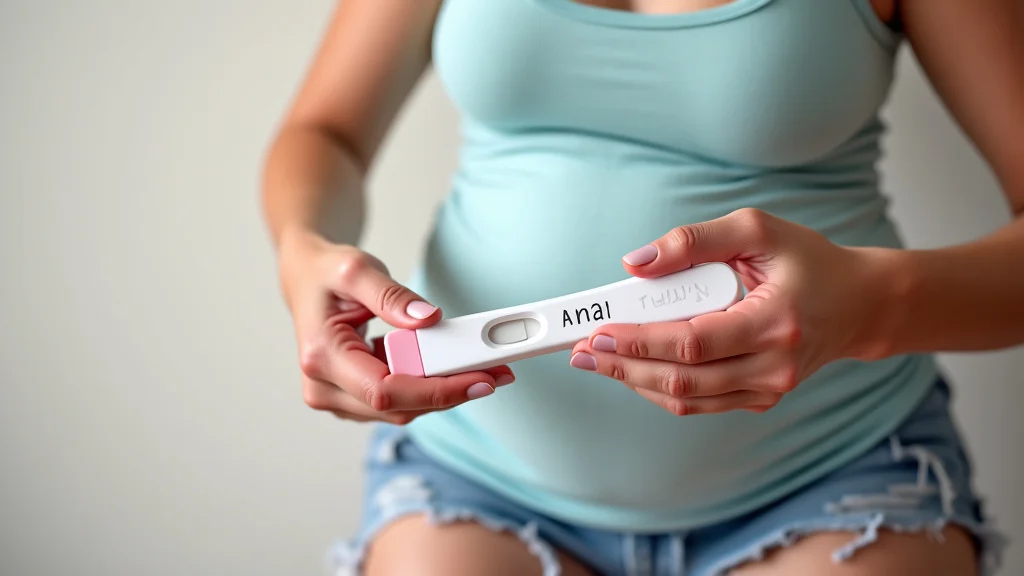
Category: Pregnancy Tests

Pregnancy Tests

  • Choosing The Right Pregnancy Test

    Choosing The Right Pregnancy Test

    If you’re new to thinking about pregnancy tests, the sheer variety can feel a bit overwhelming. You might be wondering about all the different kinds and how to pick the best one for you. It’s a common point of confusion for many, and that’s perfectly okay!

    We’re here to make it super simple and clear. Let’s break down what you need to know about pregnancy test shoppers without any complicated jargon. Get ready for a clear, step-by-step guide to help you find exactly what you need.

    Key Takeaways

    • Understand the main types of pregnancy tests available.
    • Learn how different tests detect pregnancy hormones.
    • Discover factors that influence buying decisions for pregnancy test shoppers.
    • Find out when to take a pregnancy test for the most accurate results.
    • Get tips on how to choose a test that fits your needs and budget.
    • Learn how to read and interpret pregnancy test results correctly.

    Understanding Pregnancy Tests

    Pregnancy tests work by detecting a hormone called human chorionic gonadotropin, or hCG. This hormone is produced by the placenta shortly after a fertilized egg attaches to the uterine lining. The amount of hCG in a woman’s body rises rapidly in the early stages of pregnancy.

    All pregnancy tests, whether they are digital or simple strips, look for this hormone to confirm a pregnancy. This basic science is the foundation for why these tests are so effective. For many people, just knowing this is a helpful first step.

    How Pregnancy Tests Detect hCG

    Pregnancy tests use a special antibody that binds to hCG. When your urine, which may contain hCG, passes over the test, these antibodies capture the hormone. If hCG is present, it triggers a chemical reaction that causes a line, symbol, or word to appear on the test.

    The sensitivity of a test refers to how little hCG it can detect. More sensitive tests can detect pregnancy earlier. This sensitivity is measured in milli-International Units per milliliter (mIU/mL).

    A lower mIU/mL number means the test is more sensitive.

    For example, a test with a sensitivity of 10 mIU/mL can detect pregnancy with less hCG than a test with a sensitivity of 50 mIU/mL. This is why some tests can give a result a few days before a missed period, while others need to wait until after your period is due.

    Here’s a look at typical sensitivity levels:

    • Early Detection Tests often have sensitivities of 10-20 mIU/mL.
    • Standard Tests usually have sensitivities of 25-50 mIU/mL.

    Choosing a test with a sensitivity appropriate for how far along you might be can help avoid false negatives, which happen when a test says you aren’t pregnant, but you actually are.

    The Role of HCG in Pregnancy

    Human chorionic gonadotropin (hCG) is a hormone made by cells that will eventually form the placenta. It’s first produced shortly after a fertilized egg implants in the uterus. This implantation usually happens about 6 to 12 days after conception.

    The amount of hCG then doubles about every 2 to 3 days, peaking around 8 to 11 weeks of pregnancy. Home pregnancy tests are designed to detect this rise in hCG levels. They are the first and most common way to confirm pregnancy outside of a medical setting.

    The presence of hCG is a very strong indicator of pregnancy. However, very rarely, hCG can be elevated due to certain medical conditions or treatments, such as some forms of cancer or hCG injections for fertility treatments. For the vast majority of people taking a home pregnancy test, hCG levels directly correlate with pregnancy.

    The tests are highly reliable when used correctly and at the right time.

    Types Of Pregnancy Tests

    Pregnancy tests have come a long way, offering convenience and accuracy. For pregnancy test shoppers, understanding the different formats available is key to making an informed choice. You’ll find basic strip tests, midstream tests that look like a thermometer, and digital tests with clear readouts.

    Each type performs the same fundamental function of detecting hCG but differs in ease of use and how the result is displayed. Knowing these differences helps you pick the one that feels most comfortable for you.

    Strip Tests

    Strip tests are often the most budget-friendly option. They consist of a small, thin strip of paper or plastic. To use one, you dip the absorbent end into a collection of your urine for a specific amount of time, usually a few seconds.

    The urine travels up the strip via capillary action, and if hCG is present, it reacts with chemicals on the strip, showing one or two lines or a plus sign. They are simple and effective, but require using a separate container to collect urine, which some might find less convenient.

    These tests are very common in drugstores and supermarkets. They are a good choice for those who are looking for a reliable result without paying extra for fancy packaging or digital displays. Because they are simple, they are also very easy to understand once you know what to look for.

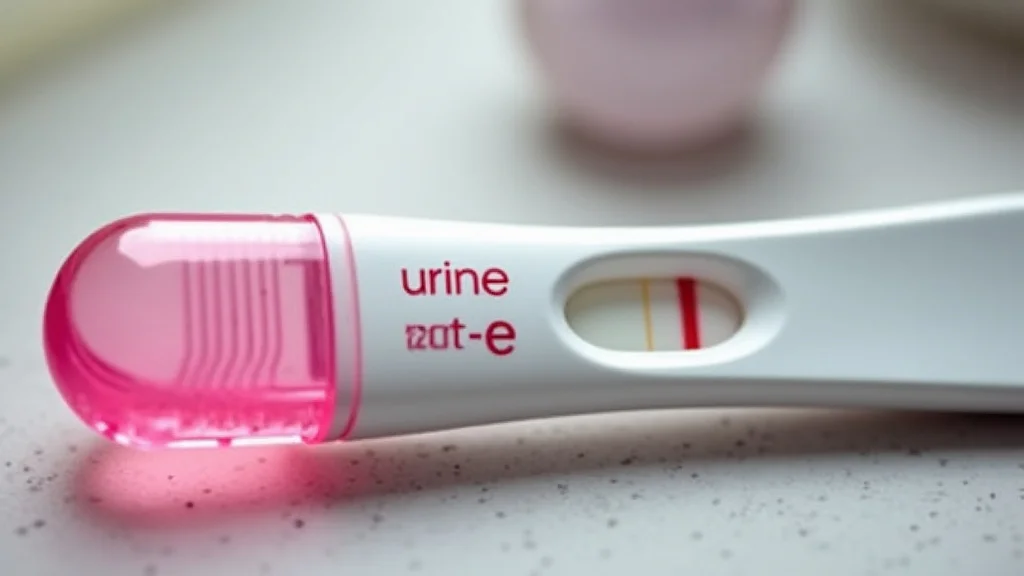
    The two-line system is standard, with one line indicating the test is working and two lines indicating a positive pregnancy.

    Midstream Tests

    Midstream tests are arguably the most popular type for home use. They resemble a small plastic stick, similar to a thermometer. The design allows you to hold the absorbent tip directly in your urine stream for a few seconds.

    This eliminates the need for a separate collection cup, making the process more direct and less messy for many people. The results appear on a window on the stick itself, usually within a few minutes.

    These tests offer a good balance between ease of use and affordability. They are widely available and come in various sensitivities. For pregnancy test shoppers who want a straightforward and hygienic way to test, midstream tests are an excellent choice.

    The result window is clearly marked, and the instructions are typically very clear about what each symbol or line means.

    Consider these points when looking at midstream tests:

    • Ease of Use: Direct application without a cup.
    • Result Display: Typically lines or symbols on the stick.
    • Sensitivity Options: Available in early detection and standard versions.

    Digital Tests

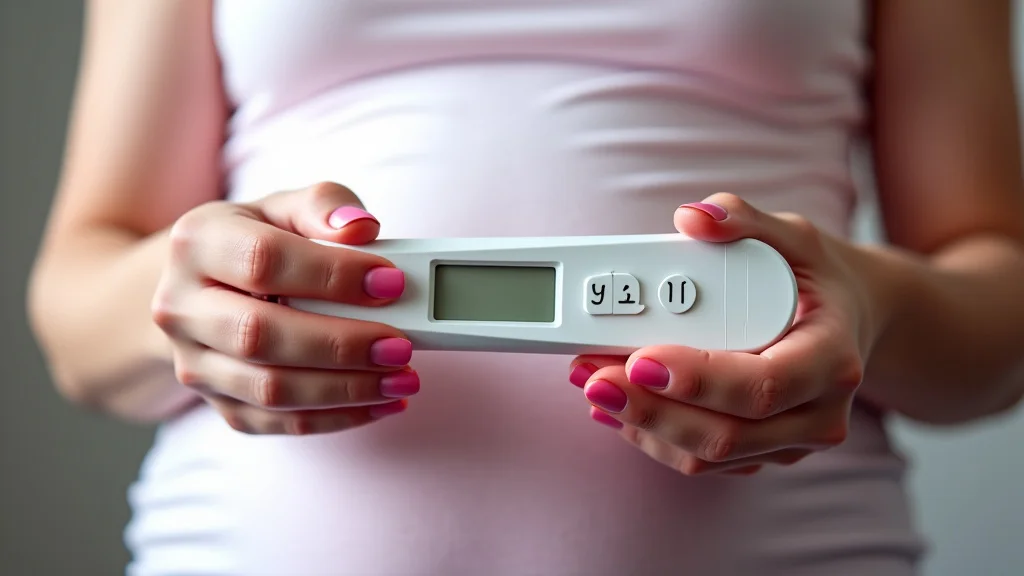
    Digital pregnancy tests are the most technologically advanced and often the easiest to read. Instead of lines or symbols, they display a clear word result, such as “Pregnant” or “Not Pregnant,” on a small screen. Some advanced digital tests can even estimate how many weeks pregnant you are.

    They function similarly to midstream tests in that you hold the absorbent tip in your urine stream.

    While generally more expensive than strip or midstream tests, digital tests are preferred by many for their unambiguous results, reducing the chance of misinterpreting faint lines. This can be a significant advantage for those feeling anxious or unsure. The “weeks indicator” feature is a nice bonus for those who receive a positive result and want more immediate information.

    A real-life scenario: Sarah was trying to get pregnant and bought a digital test. She took it first thing in the morning and within minutes, the screen clearly read “Pregnant.” This left no room for doubt and immediately eased her anxiety compared to trying to decipher lines on a traditional test.

    When To Take A Pregnancy Test

    Timing is everything when it comes to pregnancy tests. Taking a test too early can lead to a false negative, meaning the test says you’re not pregnant when you actually are. This happens because hCG levels may not yet be high enough to be detected.

    Understanding when your body produces enough hCG is crucial for accurate results. For pregnancy test shoppers, knowing the best time to test can save frustration and money.

    After A Missed Period

    The most reliable time to take a pregnancy test is on the day your period is expected, or a few days after it has been missed. By this point, if you are pregnant, your hCG levels should be high enough for most standard home pregnancy tests to detect. Waiting until after your missed period increases the accuracy of the test result significantly.

    This is a widely recommended guideline for a reason.

    Many women experience their first missed period around 14 days after ovulation. If pregnancy occurred, implantation would have happened by then, and hCG would be present in detectable amounts. Testing too soon, like a week before your period, might yield a negative result even if pregnant, simply because the hCG hormone hasn’t built up enough yet.

    Early Detection And Sensitivity

    Some tests are designed for early detection. These tests are more sensitive to hCG, meaning they can detect lower levels of the hormone. This allows you to test a few days before your expected period, sometimes up to five or six days earlier.

    However, even with early detection tests, it’s important to remember that testing too soon can still result in a false negative. Your hCG levels are still rising, and you might not have enough to be detected by even a sensitive test.

    If you decide to test early, using the first urine of the morning is best. This is because your urine is more concentrated, and any hCG present will be in a higher concentration as well. If you get a negative result but still suspect you might be pregnant, it’s wise to retest in a few days, especially if your period does not arrive.

    Here’s a comparison of when to test:

    Test Type Recommended Testing Time
    Standard Tests On or after the day of your missed period.
    Early Detection Tests Up to 5-6 days before your missed period, but first morning urine is best.

    Factors Affecting Test Accuracy

    Several factors can influence the accuracy of a home pregnancy test. Beyond timing and sensitivity, how you perform the test matters. Reading and following the instructions precisely is paramount.

    Using expired tests can also lead to unreliable results. Additionally, certain medications containing hCG, like those used for fertility treatments, can cause a false positive. Conversely, medical conditions that affect hCG levels or urine concentration can sometimes impact accuracy.

    For pregnancy test shoppers, choosing a reputable brand and ensuring the test is not expired are simple yet critical steps. Storing tests properly, away from moisture and extreme temperatures, also helps maintain their integrity. If you’ve followed all instructions and are still unsure about the result, or if you have a medical condition that might affect hCG levels, consulting a healthcare provider is always the best course of action.

    Choosing The Best Test For You

    With so many options, pregnancy test shoppers might wonder which test is truly the “best.” The truth is, the best test is the one that meets your individual needs and provides you with a clear, accurate result. Consider your budget, your desire for early detection, and how you prefer to see your results. Whether you choose a simple strip, a convenient midstream, or a clear digital display, accuracy is high across the board when tests are used correctly.

    Budget-Friendly Options

    If cost is a primary concern, strip tests and multi-packs of midstream tests are excellent choices. These tests are significantly cheaper per test than digital options. You can often find value packs at discount stores or online retailers, making them very accessible.

    For individuals who want to test frequently or are testing over several days, these budget-friendly options are ideal. The accuracy is just as good as more expensive tests.

    Many brands offer these basic tests. They are perfect for pregnancy test shoppers who prioritize getting a result without unnecessary features. For example, buying a pack of 5 strip tests for $10 is much more economical than buying a single digital test for $15-$20.

    Here’s a breakdown of cost considerations:

    • Strip Tests: Lowest cost per test, often sold in multi-packs.
    • Midstream Tests: Mid-range price, offering convenience.
    • Digital Tests: Highest cost per test, providing clear results.

    For Early Detection

    If you’re eager to know if you’re pregnant as soon as possible, opt for an early detection test. These tests have higher sensitivity to hCG. They are typically available in both strip and midstream formats.

    Look for terms like “early result,” “early detection,” or a specific mIU/mL sensitivity (e.g., 10 mIU/mL) on the packaging. While they offer the advantage of testing sooner, remember that false negatives are more likely if testing too far in advance.

    A common scenario involves someone testing 4 days before their expected period with an early detection test. If the test shows a faint positive line, it’s a strong indicator, but retesting after the missed period is usually recommended for confirmation. This approach combines the desire for early information with a commitment to accuracy.

    Ease Of Reading Results

    For those who want the most straightforward and unambiguous result, digital pregnancy tests are the clear winner. The “Pregnant” or “Not Pregnant” display eliminates any guesswork associated with interpreting faint lines. This can be particularly reassuring for those who are feeling anxious or have had difficulty reading lines on previous tests.

    While they are more expensive, the peace of mind they offer can be well worth the cost for many pregnancy test shoppers.

    Some digital tests also offer a weeks estimator feature. This tells you not only if you are pregnant but also approximately how many weeks along you are. This added information can be helpful for planning your next steps with a healthcare provider.

    For instance, a result of “Pregnant 2-3 weeks” gives a clearer picture than just a positive symbol.

    How To Read Pregnancy Test Results

    Understanding how to read your pregnancy test result is just as important as taking the test itself. Each test comes with specific instructions, and it’s vital to follow them closely. Generally, pregnancy tests use lines or symbols to indicate a positive or negative result.

    Digital tests display words directly on a screen. Pay close attention to the result window and compare it to the diagram provided in the test’s instructions.

    Interpreting Lines And Symbols

    Most traditional pregnancy tests use a two-line system. One line typically represents the control line, which shows the test is working correctly. The second line is the test line; if it appears, it indicates the presence of hCG.

    If both the control line and the test line appear, you are likely pregnant. Even a faint test line usually signifies a positive result, though some prefer to retest to confirm.

    Some tests use plus (+) and minus (-) symbols. A plus sign typically means pregnant, and a minus sign means not pregnant. Always refer to the specific test’s instructions.

    A positive result is indicated by the appearance of the test line, regardless of its intensity. A negative result means only the control line appears.

    Understanding Digital Readouts

    Digital pregnancy tests simplify the process of reading results. They display words like “Pregnant” or “Not Pregnant” directly on a small screen. This removes any ambiguity associated with interpreting faint lines.

    Some advanced digital tests also include a weeks estimator, showing how many weeks pregnant you are based on hCG levels. For example, it might say “Pregnant 3+ Weeks.”

    The clear, text-based results are very reassuring. They eliminate the common concern of wondering if a faint line is a true positive or just evaporation. For many pregnancy test shoppers, this clarity is the main reason they choose a digital option, despite the higher cost.

    What To Do With Your Result

    If your test shows a positive result, the next step is to schedule an appointment with your doctor or a healthcare provider. They can confirm the pregnancy with further tests and begin prenatal care. If your test shows a negative result, but your period is still delayed or you have other reasons to suspect pregnancy, it’s advisable to retest in a few days or consult your healthcare provider.

    Sometimes, hormonal fluctuations or very early pregnancy can lead to a negative result initially.

    It’s also important to remember that home pregnancy tests are highly accurate, but not 100% perfect. False positives are rare but can occur due to certain medications or medical conditions. False negatives are more common if the test is taken too early.

    Discussing your results and concerns with a healthcare professional is always the best way to get definitive answers and guidance.

    Common Myths Debunked

    Myth 1: A Faint Line Means You’re Not Pregnant

    Reality: A faint line on a pregnancy test usually indicates a positive result. It means that hCG is present in your urine, though in lower amounts than a dark line would suggest. This is common if you are testing very early in your pregnancy or if the test has a high sensitivity.

    If you see any line, even a faint one, it’s best to assume you might be pregnant and follow up with your doctor or retest in a few days.

    Myth 2: You Can Only Test On A Doctor’s Visit

    Reality: Home pregnancy tests are readily available and designed for convenient use at home. You do not need to wait for a doctor’s appointment to take a pregnancy test. In fact, home tests are often the first step many people take when they suspect they might be pregnant, allowing for early confirmation before seeking medical advice.

    These tests are highly accurate when used according to instructions.

    Myth 3: Digital Tests Are Always More Accurate Than Line Tests

    Reality: Both digital and line-based pregnancy tests are designed to detect hCG and have similar accuracy rates when used correctly. The primary difference is in how the result is displayed. Digital tests offer clear word readouts, reducing user interpretation, while line tests require you to visually interpret the presence of lines.

    Accuracy depends more on the test’s sensitivity and the timing of the test rather than its format.

    Myth 4: Drinking Water Affects The Accuracy

    Reality: While it’s true that very diluted urine can make it harder for a test to detect hCG, drinking a normal amount of water is not an issue. The main concern is excessive fluid intake right before testing, which can dilute your urine too much. Testing with your first urine of the morning is recommended because it is naturally more concentrated, providing the best chance for an accurate result, especially when testing early.

    Frequently Asked Questions

    Question: Can I take a pregnancy test if I’m taking birth control?

    Answer: Yes, you can. Birth control methods like pills, patches, or rings do not interfere with the accuracy of standard home pregnancy tests. These tests detect hCG, a hormone produced during pregnancy, which is not affected by contraception.

    Question: What if I get a positive result but my period starts?

    Answer: This can sometimes happen. It might indicate a very early pregnancy that ended shortly after implantation, often called a chemical pregnancy. It could also be due to a faulty test or other reasons.

    It’s best to consult your doctor for clarification and guidance.

    Question: Can men use pregnancy tests?

    Answer: No, pregnancy tests are designed to detect hCG, a hormone produced by the female body during pregnancy. Men do not produce hCG in the same way, so these tests would not be relevant or accurate for them.

    Question: Are all pregnancy tests the same sensitivity?

    Answer: No, pregnancy tests vary in sensitivity, measured in mIU/mL. Early detection tests are more sensitive and can detect lower levels of hCG, allowing for testing a few days before a missed period. Standard tests require higher hCG levels.

    Question: How long does it take to get a result?

    Answer: Most home pregnancy tests provide results within 3 to 10 minutes after taking them. Always follow the specific instructions provided with your test, as the waiting time can vary slightly between brands and types.

    Conclusion

    Choosing a pregnancy test is a personal decision. You have options from simple strips to clear digital displays. Understanding how they work and when to test gives you confidence.

    Look for what fits your budget and offers the clearest result for you. Now you have the knowledge to pick the right test with ease.
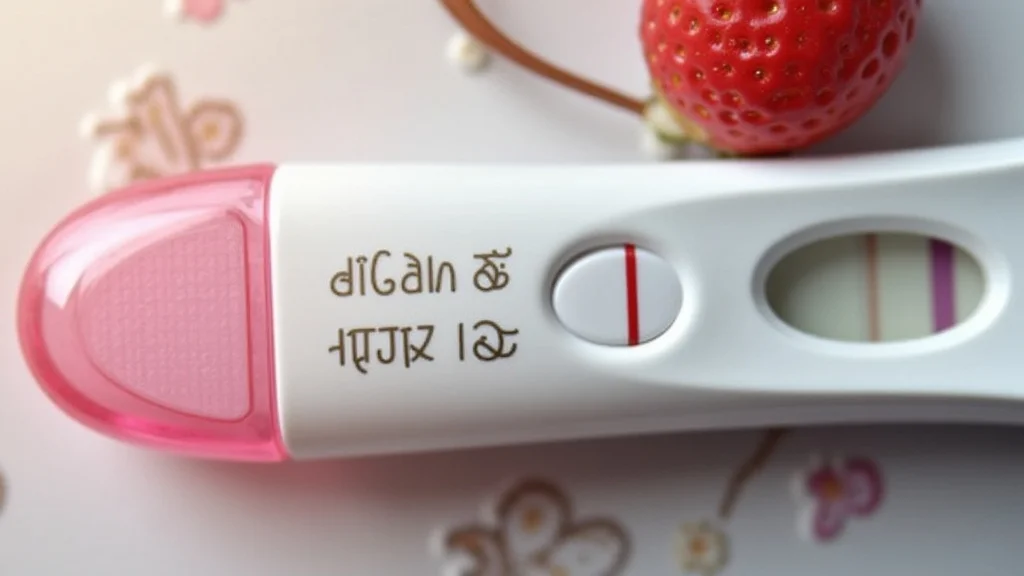
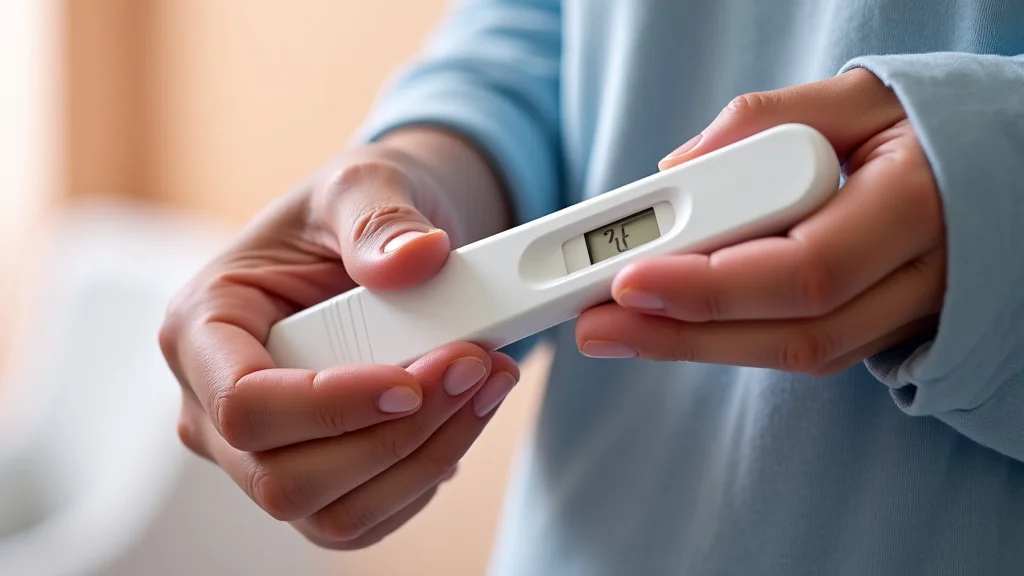
  • Creating Pregnancy Test SVG Files

    Creating Pregnancy Test SVG Files

    Making a pregnancy test SVG can seem tricky at first, especially if you’re new to using these kinds of digital files. You might wonder how to get those lines just right or how to make the little plus or minus signs look perfect. Don’t worry, it’s not as hard as it looks!

    This guide will show you how to create a clear and simple pregnancy test svg step by step. We’ll make it super easy to follow, so you can create your own designs without any fuss. Get ready to learn a simple way to get your pregnancy test SVG just the way you want it.

    Key Takeaways

    • You will learn how to design a basic pregnancy test shape.
    • You will discover how to add lines and symbols like plus and minus signs.
    • You will find out how to save your design as an SVG file.
    • You will see how to use your new SVG for different crafts.
    • You will learn about common tools used to create SVGs.

    What Is A Pregnancy Test SVG

    An SVG, or Scalable Vector Graphic, is a type of image file that uses mathematical formulas to draw lines and shapes. This means you can make an SVG image as big or as small as you want, and it will always look sharp and clear, with no blurriness. This is very different from other image types like JPEGs or PNGs, which are made of tiny dots.

    When you stretch those dot-based images too much, they start to look blocky and unclear. SVGs are perfect for crafts because they can be cut cleanly by machines like cutting plotters, and they are easy to resize for different projects.

    A pregnancy test SVG is simply a digital drawing of a pregnancy test, saved in this special SVG format. People use these files for all sorts of creative projects. You might want to put it on a t-shirt, a mug, a card, or even use it in a digital design.

    Because it’s a vector file, it’s very flexible. You can change the colors, the size, and even the details of the design without losing quality. This makes it a popular choice for crafters and designers who want a clean, scalable image of a pregnancy test.

    Understanding Vector Graphics

    Vector graphics are based on mathematical equations, not pixels. Think of it like a connect-the-dots drawing, but instead of dots, there are points, and the lines are drawn between them using formulas. These formulas define shapes, lines, and colors.

    When you open an SVG file, the software reads these formulas and draws the image on your screen or for your cutting machine. This is what allows you to scale it infinitely.

    For example, a simple circle in a vector file is defined by its center point, radius, and color. When you enlarge it, the software simply recalculates the new radius based on the larger size and redraws the circle perfectly. This is different from a raster image (like a JPEG), where the circle is made of a fixed number of colored dots.

    Enlarging a raster image means stretching those dots, making them appear larger and chunkier, leading to a pixelated look.

    The benefits of this are huge for crafting. Imagine cutting out a tiny sticker and then a large banner with the same design. With a raster image, the quality would suffer on the larger banner.

    With an SVG, both would look equally crisp and clean, provided your cutting machine can handle the size.

    Why Use SVG For Pregnancy Tests

    Pregnancy test SVGs are popular for many reasons. Firstly, the simple shape of a test stick is easy to represent in vector format. Secondly, the iconic plus (+) and minus (-) symbols are also straightforward to create.

    These symbols are universally understood, making the SVG instantly recognizable. Crafters often use these designs to create personalized items for friends or family, or for creative projects that share a personal story.

    The ability to resize is another key factor. A small pregnancy test SVG can be used for a delicate jewelry charm, while a larger one can be a bold graphic on a tote bag. The clean lines of an SVG ensure that even the smallest details, like thin lines on the test display area, will be rendered perfectly, whether the design is 1 inch or 10 inches wide.

    This versatility is unmatched by other image formats.

    Furthermore, SVG files are editable. This means you can easily change the colors of the test stick, the lines, or the background. You could make a pink test stick, a blue one, or even a rainbow-colored one.

    This level of customization is fantastic for creating unique and personal items that stand out.

    Designing Your Pregnancy Test SVG

    To create your own pregnancy test SVG, you’ll need some design software. There are many options available, from free online tools to professional desktop applications. For beginners, free tools like Inkscape or online editors like Canva are excellent starting points.

    These programs allow you to draw shapes, add text, and manipulate objects to build your design. The process is similar to drawing on paper, but with digital tools that offer more precision and flexibility.

    The first step is to sketch out what you want your pregnancy test to look like. Think about the basic shape: a long, thin stick with a wider head where the results appear. You can also decide if you want to include a small cap or any other details.

    Once you have a clear idea, you can start translating that into shapes within your chosen software. Remember, SVGs are made of paths and points, so you’ll be working with these elements.

    Choosing Design Software

    When it comes to design software, there are several popular choices. For free, open-source vector graphics editing, Inkscape is a fantastic option. It’s powerful and has a lot of features, though it might take a little time to get used to.

    For something more user-friendly, especially for quick designs or if you’re already familiar with it, Canva offers SVG export options, although it’s primarily a raster-based tool with vector capabilities.

    Adobe Illustrator is the industry standard for professional vector design. It’s a paid software but offers the most comprehensive tools. If you’re just starting and want to create simple SVGs like a pregnancy test, you don’t necessarily need the most advanced tools.

    Many online SVG editors are available that allow you to create and export SVGs directly from your web browser, often with free basic plans.

    The key is to pick a tool that feels comfortable for you. For this guide, we’ll discuss general principles that apply across most vector editing software. The goal is to create clean lines and shapes that can be easily cut or printed.

    Drawing The Basic Shape

    Let’s start by drawing the main body of the pregnancy test. You can use a rectangle tool to create a long, narrow shape for the handle. Then, you can add a wider rectangle or a rounded-corner rectangle for the head of the test where the result window will be.

    Many software programs allow you to round corners, which can give your test a softer, more modern look. Experiment with different aspect ratios to find a realistic or stylized shape that you like.

    For instance, you could draw a rectangle that is 100 units wide and 400 units long for the handle. Then, for the head, you could draw another rectangle that is 150 units wide and 200 units long, and attach it to the end of the handle. Using alignment tools in your software can help ensure that the pieces connect neatly and look professional.

    You can also use the “union” or “combine” function to merge these shapes into a single object.

    Consider the overall proportion. A typical test stick might be about 4-6 inches long. When working in design software, you can set your canvas to a specific size (e.g., 5×7 inches) and build your design within those bounds, or work in abstract units and scale it later.

    For cutting machines, working in inches or millimeters is usually best.

    Adding Result Lines And Symbols

    Now it’s time to add the key elements: the result lines. Typically, there’s a control line and a test line. You can create these using the line tool or by drawing thin rectangles.

    For a control line, you’ll usually place it closer to the top of the result window. For a test line, you’ll place it lower down. The presence or absence of the test line indicates the result.

    You can draw these lines as single, thin strokes or as very narrow rectangles. Using thin rectangles often works better for cutting machines, as it ensures the line has a defined thickness that can be cut. For a plus sign (+), you can draw two rectangles and overlap them in the center, then group them together.

    For a minus sign (-), you can simply draw a single horizontal line or a thin rectangle.

    When positioning these elements, consider how they will appear on the test. The control line should always be visible if the test is working correctly. The test line appears only if the pregnancy hormone is detected.

    You might want to design your SVG to show a positive result (both lines visible) or a negative result (only the control line visible). This offers versatility for your projects. For a plus sign, you might draw a vertical rectangle and a horizontal rectangle, each 10 units wide and 50 units long, and overlap their centers.

    Positive Result Design

    To design a positive result, you’ll draw two lines within the result window. Place one line towards the top, representing the control line. Place a second line towards the bottom, representing the test line.

    When both lines are present, it signifies a positive outcome. You can make these lines thin rectangles of a specific color, like pink or red, to mimic a real test. Ensure they are aligned neatly within the designated area.

    Negative Result Design

    For a negative result, you will only draw the control line. Position this line in the upper part of the result window. The absence of a second line below it indicates a negative result.

    This creates a clear visual representation of a negative test. The simplicity of this design makes it easy to create and use.

    Plus/Minus Symbol Design

    If you’re creating a design with a plus or minus symbol instead of lines, you’ll draw these shapes. For a plus sign, create two overlapping rectangles. For a minus sign, create a single horizontal rectangle.

    These symbols can be placed in the result window to indicate a positive (+) or negative (-) result. This is a common and easily recognizable way to depict test outcomes.

    Saving Your Pregnancy Test SVG

    Once you are happy with your design, the next crucial step is to save it in the correct format. For use with cutting machines and for scalability, SVG is the ideal file type. Most vector design software will have a “Save As,” “Export,” or “Download” option that allows you to choose SVG as the output format.

    It’s important to ensure that all your elements are grouped or combined properly before saving, so they are treated as a single, cohesive design.

    When you export as an SVG, the software converts all your drawn shapes, lines, and colors into mathematical paths that can be scaled infinitely. This ensures that no matter how large or small you make your design later, it will always maintain its crispness and clarity. This is the magic of vector graphics and why SVG is so popular for crafts and digital design.

    Exporting As SVG

    In most design programs, you’ll find an “Export” or “Save As” option. Select “SVG (Scalable Vector Graphics)” from the list of file types. Some programs might have different SVG export options; usually, the default settings are perfectly fine for most crafting needs.

    Ensure that you have selected all the parts of your design that you want to include in the final SVG file before exporting.

    For example, in Inkscape, you would go to File > Save As. Then, in the “Save as type” dropdown, choose “Plain SVG (.svg)” or “Optimized SVG (.svg)”. Optimized SVGs can sometimes be smaller in file size, which is helpful for managing multiple designs, but both will work for your needs.

    When saving, give your file a descriptive name like “PregnancyTestPositive.svg” or “PregnancyTestNegative.svg”.

    It is a good practice to ensure your artwork is contained within the document’s boundaries or artboard before exporting. Some software might ask about CSS properties or text encoding. For standard use, the default choices are usually suitable.

    The key is to get a clean, usable SVG file that your cutting machine or other software can easily read.

    Organizing Your Files

    As you create more SVG designs, it’s important to keep them organized. Create dedicated folders on your computer for different types of designs, like “Pregnancy Test SVGs,” “Birthday SVGs,” or “Holiday SVGs.” Within these folders, you can create subfolders for specific projects or variations (e.g., “Positive,” “Negative,” “Blank”).

    Good file naming is also essential. Instead of just naming files “design1.svg,” use descriptive names like “PregnancyTestPositiveSimple.svg” or “PregnancyTestWithHeart.svg”. This makes it much easier to find the exact design you need when you’re ready to start a project.

    A well-organized library of SVGs will save you a lot of time and frustration in the long run.

    Tips For Crafting With SVGs

    When you’re ready to use your pregnancy test SVG for a craft, make sure your cutting machine software is set up correctly. Load your SVG file and ensure the size is appropriate for your project. Most software will automatically detect the cut lines.

    You may need to adjust the cut pressure and speed based on the material you are using, such as vinyl, cardstock, or heat transfer vinyl.

    For example, if you are making a t-shirt, you would typically use heat transfer vinyl (HTV). You’ll need to mirror your SVG design before cutting if it’s text-heavy or has specific left/right orientations. For a pregnancy test, mirroring might not be essential unless you are adding text.

    Always perform a small test cut on a scrap piece of material to ensure your settings are accurate before cutting the main design.

    After cutting, weed away the excess material carefully. Then, use transfer tape to lift your design and apply it to your project surface. For shirts, a heat press is recommended for best results, but an iron can also work if used carefully.

    Follow the recommended temperature and pressing times for your specific HTV material.

    Common Pregnancy Test SVG Uses

    Pregnancy test SVGs are incredibly versatile and can be used for a wide array of creative projects. Their simple yet meaningful design makes them perfect for personal gifts, celebratory crafts, or even as part of awareness campaigns. The ability to resize them means they can be incorporated into both small, delicate items and larger, more prominent displays.

    From personalized apparel to custom stationery, these SVGs offer a unique way to express emotions or commemorate significant life events. Their popularity is also due to the clear, unmistakable imagery they represent, making them easy to understand in various contexts. Whether for a baby shower invitation or a DIY gift for a new parent, the pregnancy test SVG is a beloved design element.

    Personalized Apparel

    One of the most popular uses for pregnancy test SVGs is on personalized apparel like t-shirts, onesies, and hoodies. Imagine a shirt that says “Surprise!” with a cute pregnancy test SVG next to it, or a onesie with a positive test symbol. These make for fantastic gifts for expectant parents or for gender reveal parties.

    The SVG can be scaled to fit perfectly on the garment.

    For instance, a crafter might take a “Positive Result” pregnancy test SVG and cut it from pink heat transfer vinyl. They would then apply this design to a baby onesie. The process involves cutting the SVG on a vinyl cutter, weeding the excess vinyl, and then using a heat press to adhere the design to the fabric.

    The result is a unique, heartwarming piece of baby clothing that can be treasured.

    Party Decorations and Invitations

    Pregnancy test SVGs are also perfect for party decorations and invitations. You can create custom banners, cupcake toppers, confetti, or even digital invitations featuring the design. For a baby shower invitation, a subtle pregnancy test SVG could be placed in the corner or incorporated into the overall theme.

    For a gender reveal party, a design showing a positive test might be used.

    A real-life example could be designing a baby shower banner. You could have the SVG printed on cardstock or cut from colored paper using a cutting machine. If you’re making invitations, you can import the SVG into graphic design software and add text like “We’re Expecting!” or “It’s A Boy/Girl!”.

    The clean lines of the SVG ensure that these elements look professional and appealing.

    Digital Art And Scrapbooking

    For digital artists and scrapbookers, pregnancy test SVGs can add a special touch to digital layouts or physical scrapbooks. They can be used to document the journey of pregnancy or to create artistic pieces that tell a story. In digital scrapbooking, the SVG can be resized and recolored to fit the theme of the page.

    In physical scrapbooking, it can be cut from various materials and layered onto the page.

    Consider a scrapbook page dedicated to the moment of finding out about a pregnancy. A crafter might include a photo of the positive test and then use a cut-out SVG of the positive test alongside it. They could also use the SVG on a digital layout for social media announcements, perhaps layering it over a photo of the expectant parents.

    The scalability ensures it fits perfectly on any canvas.

    Craft Kits And Templates

    Businesses and individual crafters sometimes sell SVGs as part of craft kits or as standalone design templates. This allows others to purchase a ready-made design and use it for their own projects, saving them the time of creating it themselves. These kits might include the SVG file along with instructions or suggestions for materials and projects.

    For instance, a shop might sell a “New Baby Announcement Bundle” that includes a pregnancy test SVG, a baby announcement phrase SVG, and perhaps a simple baby bootie SVG. The customer downloads these files, cuts them out using their machine, and creates custom cards, shirts, or decor items. This democratizes creativity, making professional-looking crafts accessible to more people.

    Common Myths Debunked

    Frequently Asked Questions

    Question: What software do I need to create a pregnancy test SVG

    Answer: You can use free software like Inkscape or online editors like Canva. Professional software like Adobe Illustrator also works.

    Question: Can I change the colors of a pregnancy test SVG

    Answer: Yes, because SVGs are vector graphics, you can easily change the colors of any part of the design in vector editing software.

    Question: Are pregnancy test SVGs good for cutting machines

    Answer: Yes, SVGs are ideal for cutting machines like Cricut and Silhouette because they are scalable and have clean vector paths.

    Question: How do I make a pregnancy test SVG show a positive result

    Answer: To show a positive result, you need to draw two lines within the result window of your design, representing the control and test lines.

    Question: Can I sell crafts made with pregnancy test SVGs

    Answer: Generally, yes, but always check the specific license terms of the SVG file you download or create. Most personal use licenses allow selling finished items, but reselling the SVG file itself is usually not permitted without a commercial license.

    Wrap Up

    Creating your own pregnancy test SVG is simple and rewarding. You’ve learned how to draw the basic shapes, add result lines or symbols, and save your design as a scalable SVG file. This empowers you to make personalized crafts for any occasion.

    Now you have the tools to bring your creative ideas to life with clear, sharp, and easily adaptable pregnancy test designs.

  • Pregnancy Test Symptoms Explained Clearly

    Pregnancy Test Symptoms Explained Clearly

    Figuring out if you’re pregnant can be confusing. Sometimes, your body does funny things, and it’s hard to know if it’s a sign you might be pregnant or just something else. Many people wonder about common early signs.

    We’ll break down pregnancy test symptoms in a simple way. No need to worry, we have a clear plan to help you understand everything step by step. Let’s look at what your body might be telling you.

    Key Takeaways

    • You can learn about early pregnancy signs.
    • We will explain why some signs are hard to spot.
    • This post offers a simple way to understand what to look for.
    • You will find out about common changes during early pregnancy.
    • We cover when to take a test and what it means.
    • Get clear answers about pregnancy test symptoms.

    Understanding Early Pregnancy Signs

    When you think you might be pregnant, your body can start showing signs. These signs can happen even before you miss your period. It’s common for people to be unsure about these early changes.

    They might feel like everyday aches or tiredness. Knowing what to look for helps you decide when to take a pregnancy test. This guide will make it much easier to understand.

    What Are Pregnancy Test Symptoms

    Pregnancy test symptoms are the physical and emotional changes a person might notice in their body when they are pregnant. These symptoms often appear soon after conception. They are the body’s way of signaling that a pregnancy has begun.

    Some people have very few symptoms, while others experience many. The timing and intensity of these symptoms can vary greatly from person to person.

    Many of these early symptoms can feel similar to premenstrual syndrome (PMS) symptoms. This similarity is a big reason why it can be confusing. For example, breast tenderness can occur both before a period and in early pregnancy.

    Fatigue is another common one that can be easily mistaken for general tiredness or stress. This overlap can make it challenging to know for sure what’s happening without a pregnancy test.

    It is important to remember that not everyone experiences all possible symptoms. Some women report no noticeable symptoms at all in the very early stages. Others might have one or two subtle changes that they attribute to other causes.

    The key is to pay attention to your body and any new or unusual feelings you may have.

    When Do Symptoms Start

    Pregnancy symptoms can begin surprisingly early, sometimes as soon as one to two weeks after conception. This is often around the time your next period would be due. For example, implantation, the process where the fertilized egg attaches to the uterine wall, can cause a slight spotting or cramping.

    This usually happens about 6 to 12 days after ovulation.

    Other symptoms, like morning sickness or fatigue, might take a bit longer to appear. These typically become more noticeable a few weeks into the pregnancy. Hormonal changes are the driving force behind most early pregnancy symptoms.

    The hormone human chorionic gonadotropin (hCG) is produced by the developing placenta, and its levels rise rapidly in early pregnancy. This hormone is what pregnancy tests detect.

    The exact timing of symptom onset is highly individual. Some people might feel a change very quickly after getting pregnant. Others might not notice anything unusual for several weeks.

    This is why it is hard to rely on symptoms alone to confirm a pregnancy. A pregnancy test remains the most reliable way to know for sure.

    Common Early Pregnancy Signs

    One of the most common early pregnancy signs is a missed period. If your menstrual cycle is regular, a late period is often the first clue. However, periods can be irregular for many reasons, so a missed period isn’t always a sign of pregnancy.

    Another frequent symptom is breast changes. Your breasts might become sore, tender, swollen, or feel heavier. The area around your nipples, called the areola, may also become darker and the small bumps on it might become more prominent.

    Nausea, often called morning sickness, is a well-known pregnancy symptom. It can happen at any time of day, not just in the morning. Some people feel only mild nausea, while others experience severe vomiting.

    Food cravings or aversions are also common. You might suddenly crave certain foods or find that foods you once enjoyed now make you feel sick.

    Increased urination is another common sign. You might find yourself needing to go to the bathroom more often. This is due to hormonal changes that increase blood flow to your kidneys and the growing uterus pressing on your bladder.

    Fatigue or extreme tiredness is also very common. This is likely caused by the surge in the hormone progesterone. You might feel exhausted even if you have had enough sleep.

    Some people also experience mild cramping or spotting, known as implantation bleeding, when the fertilized egg attaches to the uterine lining.

    Spotting and Cramping

    Implantation bleeding is light spotting that can happen about 10 to 14 days after conception. It’s usually lighter than a period, often pinkish or brownish in color, and may last for a short time. This is a sign that the fertilized egg has attached to the uterine wall.

    It’s a very early indicator that pregnancy may have occurred.

    Along with spotting, some people experience mild cramping. These cramps can feel similar to menstrual cramps, but they are usually less intense. They are often felt in the lower abdomen.

    This cramping is also linked to the implantation process and the stretching of the uterus.

    It is important to distinguish implantation bleeding and cramping from other types of bleeding or cramping. If you experience heavy bleeding, severe cramping, or bleeding at any point after a confirmed pregnancy, you should contact your doctor. These could be signs of other issues that need medical attention.

    The occurrence of implantation bleeding and cramping is not universal among pregnant people. Some individuals have no spotting or cramping at all. Others might mistake this for a very light period, further complicating the identification of early pregnancy symptoms.

    This is why combining observations with a pregnancy test is important.

    Taking a Pregnancy Test

    Pregnancy tests are designed to detect the presence of hCG, a hormone produced by the placenta after implantation. Home pregnancy tests are readily available and can provide results quickly and accurately. However, it’s crucial to use them correctly to get the most reliable outcome.

    Types of Pregnancy Tests

    There are two main types of pregnancy tests: urine tests and blood tests. Home pregnancy tests use urine. They are very convenient and can be done in the privacy of your own home.

    These tests come in various forms, including test strips, midstream tests, and digital tests that display a word like “pregnant” or “not pregnant.”

    Blood pregnancy tests are performed in a doctor’s office or lab. They can detect hCG earlier than urine tests and can also measure the exact amount of hCG in the blood. This can be useful in certain situations, such as monitoring the progression of a pregnancy or diagnosing certain complications.

    There are two types of blood tests: qualitative and quantitative. Qualitative tests simply say if hCG is present, while quantitative tests measure the amount of hCG.

    For most people, a home urine test is the first step. They are highly accurate when used correctly. The accuracy of these tests increases the longer you wait after your missed period.

    Most tests are about 99% accurate when taken on the day of a missed period or later.

    When to Take a Test

    The best time to take a home pregnancy test is after you have missed your period. Waiting until this time increases the accuracy of the test because hCG levels will have risen significantly. Taking a test too early can lead to a false negative result, meaning the test indicates you are not pregnant when you actually are.

    If you have irregular periods, it can be harder to know when to test. In such cases, it’s advisable to wait at least 19 days after unprotected sex. Some very sensitive tests claim to detect pregnancy a few days before a missed period, but waiting is still the most reliable approach.

    Using first-morning urine is often recommended for pregnancy tests. This is because your urine is more concentrated in the morning, meaning it contains a higher level of hCG if you are pregnant. This can help to detect even low levels of the hormone, increasing the chances of an accurate result.

    Interpreting Your Results

    Reading the results of a pregnancy test is usually straightforward. Most tests have control lines and test lines. If the control line appears, the test is working correctly.

    If the test line also appears, it usually means you are pregnant. Different tests have different ways of displaying results, so always read the instructions carefully.

    Digital tests will display words like “Pregnant” or “Not Pregnant.” Some may even show how many weeks pregnant you are. If you get a positive result, it is highly likely that you are pregnant. You should schedule an appointment with your doctor or a healthcare provider to confirm the pregnancy and discuss next steps.

    A negative result means that the test did not detect hCG in your urine. If you tested before your missed period and got a negative result, it’s possible you tested too early. You may want to retest in a few days or a week if your period still hasn’t started.

    If you continue to get negative results and your period is significantly late, consult your doctor.

    A faint positive line usually indicates a positive result, even if it’s not very dark. This suggests that hCG is present, but at a lower level. It’s still a good idea to confirm this with your doctor.

    Some rare instances might result in a false positive, but this is uncommon with modern tests.

    Factors Affecting Accuracy

    While home pregnancy tests are generally very accurate, several factors can affect their reliability. Understanding these factors helps ensure you get the most accurate result possible and avoid unnecessary confusion or anxiety.

    Timing of the Test

    As mentioned, testing too early is a leading cause of false negatives. hCG levels need time to build up after implantation. If you take a test a day or two after potential conception, the hormone levels will likely be too low for the test to detect.

    This doesn’t mean you aren’t pregnant; it just means the test isn’t sensitive enough yet.

    A statistic from a study showed that about 10-15% of women experience a false negative when testing on the day of their missed period. This percentage drops significantly to less than 5% when testing a week after a missed period. This highlights the importance of patience.

    Conversely, a false positive is rare but can happen. This could occur if you have certain medical conditions, take specific medications that contain hCG, or if there was an error in the test’s manufacturing. If you get an unexpected result, it’s always best to consult a healthcare professional.

    Medications and Health Conditions

    Certain medications can interfere with pregnancy test results. The most common culprits are fertility drugs that contain hCG. If you are undergoing fertility treatment and take hCG injections, your urine may show a positive result even if you are not pregnant.

    It’s important to inform your doctor about any medications you are taking.

    Some health conditions can also affect test accuracy. For example, certain rare tumors can produce hCG, leading to a false positive. Similarly, medical conditions that affect kidney function might influence how the body processes and excretes hCG, potentially impacting test results.

    If you’ve had a recent miscarriage or abortion, residual hCG might still be in your system, leading to a positive test result even though the pregnancy is no longer viable. Your doctor can help you understand your specific situation.

    How You Take the Test

    Following the test instructions precisely is vital for accuracy. Over-diluting the urine sample by drinking too much fluid right before testing can lead to a false negative. Conversely, not dipping the test strip into the urine long enough or at all will render the test invalid.

    Expired tests can also be unreliable. Always check the expiration date on the packaging before use. Storing tests improperly, such as in extreme heat or humidity, can also degrade them and affect their accuracy.

    Using a clean, flat surface for the test and reading the results within the specified timeframe are also important. Waiting too long to read the results can sometimes lead to evaporation lines, which can be mistaken for positive results.

    Pregnancy Test Symptoms vs. Other Conditions

    It’s easy to get confused between early pregnancy symptoms and signs of other common conditions. This is because many early pregnancy symptoms overlap with symptoms of PMS, illness, or even just daily life stressors. Differentiating them often requires more than just observing the symptoms themselves.

    Comparing with PMS Symptoms

    Many women experience a range of symptoms in the days leading up to their period. These can include breast tenderness, bloating, mood swings, fatigue, and mild abdominal cramps. These PMS symptoms often mirror early pregnancy symptoms very closely.

    For instance, breast tenderness is a hallmark of both PMS and early pregnancy.

    The key difference often lies in the intensity and duration. Pregnancy symptoms tend to persist or even worsen after the expected period date, whereas PMS symptoms typically subside once menstruation begins. Also, some pregnancy symptoms, like a missed period and severe nausea, are less commonly associated with PMS.

    A helpful way to think about it is to consider the overall pattern. If you have your usual PMS symptoms, and then your period arrives, it’s likely PMS. If those symptoms persist beyond your expected period, and a new one like a missed period appears, then a pregnancy test becomes more relevant.

    When to See a Doctor

    If you get a positive result on a home pregnancy test, it’s essential to schedule an appointment with your doctor. They will confirm the pregnancy, usually through a blood test or an ultrasound, and discuss your prenatal care. Early prenatal care is vital for a healthy pregnancy.

    You should also see a doctor if you experience any concerning symptoms, even with a negative pregnancy test. This includes severe abdominal pain, heavy vaginal bleeding, fever, or unusual discharge. These could indicate an ectopic pregnancy, miscarriage, or other health issues that require immediate medical attention.

    If your period is significantly late and all home pregnancy tests are negative, a doctor can help determine the cause. Irregular periods can be caused by various factors, including stress, weight changes, hormonal imbalances, or underlying medical conditions.

    Importance of a Pregnancy Test

    While symptoms can be suggestive, they are never definitive proof of pregnancy. They are an indication that something is changing in your body and might warrant further investigation. Relying solely on symptoms can lead to misinterpretation and anxiety.

    Pregnancy tests are specifically designed to detect hCG, the hormone produced during pregnancy. They offer a reliable and objective way to confirm or rule out pregnancy. This objective data is crucial for making informed decisions about your health and well-being.

    Combining your awareness of your body’s signals with the accuracy of a pregnancy test gives you the clearest picture. It allows you to take appropriate steps, whether that’s beginning prenatal care or seeking medical advice for other potential causes of your symptoms.

    Common Myths Debunked

    Myth 1: You can feel pregnant immediately

    Reality: While some people notice early changes, true pregnancy symptoms like nausea or significant fatigue usually take a week or two to develop. The very earliest sign is often a missed period, and before that, subtle hormonal shifts are happening that may not be noticeable. A pregnancy test is the most reliable indicator.

    Myth 2: All women have morning sickness

    Reality: Morning sickness, or nausea and vomiting, is a common pregnancy symptom but not universal. Many women experience it, but a significant number do not. Its absence does not mean you are not pregnant.

    Symptoms vary greatly from person to person.

    Myth 3: A very faint line on a pregnancy test means you’re not pregnant

    Reality: A faint positive line generally indicates the presence of hCG, meaning you are likely pregnant. The line’s intensity can depend on the concentration of hCG in your urine and the test’s sensitivity. If you see any line, it’s usually considered a positive result.

    Confirming with your doctor is recommended.

    Myth 4: You can get pregnant if you have your period

    Reality: While it’s unlikely to conceive during your period, it’s not impossible. Ovulation can sometimes occur shortly after menstruation ends, especially for women with shorter or irregular cycles. This is why unprotected sex at any time carries a risk of pregnancy.

    Frequently Asked Questions

    Question: What is the earliest symptom of pregnancy

    Answer: The earliest noticeable sign of pregnancy for many people is a missed period. Some might experience very light spotting or mild cramping due to implantation, which happens about a week or two after conception.

    Question: Can stress cause pregnancy symptoms

    Answer: Yes, significant stress can sometimes mimic pregnancy symptoms like fatigue, nausea, or changes in appetite and sleep patterns. Stress can also affect your menstrual cycle, leading to missed periods.

    Question: How long after unprotected sex can I take a pregnancy test

    Answer: For the most accurate result, it’s best to wait until after your missed period. Some highly sensitive tests can detect pregnancy about 10-14 days after unprotected sex, but waiting longer increases accuracy.

    Question: Can I get a false negative pregnancy test

    Answer: Yes, a false negative can occur if you test too early before hCG levels are high enough, if the test is expired, or if you don’t follow the instructions correctly.

    Question: What should I do after getting a positive pregnancy test

    Answer: After a positive pregnancy test, you should schedule an appointment with your doctor or a healthcare provider. They will confirm the pregnancy and guide you on the next steps for prenatal care.

    Summary

    Pregnancy test symptoms offer early clues but are not definitive. Many signs overlap with other conditions, making them hard to interpret alone. Understanding common symptoms like missed periods and breast changes helps.

    Testing at the right time with an accurate test is key. Always confirm results with a healthcare provider for proper guidance.

  • Understanding Pregnancy Test UCG Made Simple

    Understanding Pregnancy Test UCG Made Simple

    Are you wondering about pregnancy test ucg? It might seem a bit tricky at first, especially if this is your first time. Many people search for it, and it’s completely normal to feel a little unsure.

    We’re here to make it super easy. This guide will walk you through everything, step by step. Get ready to feel confident about what comes next.

    Key Takeaways

    • You will learn what “UCG” means in the context of pregnancy tests.
    • Discover how home pregnancy tests detect pregnancy.
    • Understand the difference between various types of tests.
    • Learn how to get the most accurate results from your test.
    • Know when to follow up with a doctor after testing.

    What Does Pregnancy Test UCG Mean

    When you hear about a pregnancy test ucg, it usually refers to a type of pregnancy test that detects a specific hormone. This hormone is called human chorionic gonadotropin, or hCG for short. Your body starts producing hCG shortly after a fertilized egg implants in the uterus.

    The amount of hCG doubles roughly every 48 to 72 hours in early pregnancy. This makes it a reliable indicator that pregnancy has begun.

    The term “UCG” itself isn’t an official medical term for a type of test. Instead, it’s a common misspelling or variation of hCG. People might type “UCG” when they are looking for information about tests that detect hCG.

    It’s the hCG hormone that most over-the-counter pregnancy tests look for. So, when you see “pregnancy test ucg,” think of it as a search for a standard hCG pregnancy test.

    These tests work by detecting the presence and amount of hCG in a person’s urine or blood. Urine tests are the most common type used at home. Blood tests, which are more sensitive and can detect pregnancy earlier, are usually performed by a healthcare provider.

    The Role of hCG in Pregnancy Detection

    Human chorionic gonadotropin (hCG) is a vital hormone. It’s only produced during pregnancy. It signals to the body that a pregnancy is established.

    Think of it as a signal flare for your body to support the developing pregnancy. It helps maintain the corpus luteum. This structure is important for producing progesterone.

    Progesterone is needed to keep the uterine lining intact.

    The level of hCG rises quickly in early pregnancy. This rapid increase makes it an excellent marker for detecting pregnancy. Home pregnancy tests are designed to find even small amounts of hCG in your urine.

    Different tests have different sensitivity levels. This means some can detect hCG earlier than others.

    A positive result on a pregnancy test indicates that hCG has been detected. This usually means pregnancy has occurred. However, false positives can happen.

    Also, levels of hCG can sometimes be elevated for other medical reasons. This is why a doctor’s confirmation is always recommended.

    Why “UCG” is Common Online

    The use of “pregnancy test ucg” online is often due to common typos or phonetic misspellings. Many people spell “hCG” phonetically, leading to variations like “UCG” or “HCG.” Search engines are designed to be forgiving and often understand these common misspellings. This allows people searching for “UCG” to still find relevant results for “hCG.”

    For example, someone might hear “aitch-see-jee” and spell it as they hear it. They might not know the exact spelling of hCG. This leads to searches like “pregnancy test ucg” or “hCG pregnancy test.” These searches, while misspelled, are still targeting the core information about pregnancy tests that detect this hormone.

    This phenomenon is common with many medical or technical terms. When a term has a specific abbreviation or spelling that isn’t intuitive, phonetic or accidental misspellings become widespread in online searches. Therefore, seeing “pregnancy test ucg” is simply a sign that people are actively seeking information about hCG testing, even if they aren’t using the precise medical spelling.

    How Home Pregnancy Tests Work

    Home pregnancy tests are simple devices. They use a chemical reaction to detect hCG in urine. Most tests come with a testing stick or a cup.

    You collect a urine sample and apply it to the test. The test strip inside contains antibodies. These antibodies are specifically designed to bind with hCG.

    If hCG is present in your urine, it binds to these antibodies. This binding process causes a chemical change. This change is what creates the visible result.

    The result usually appears as lines, symbols, or words on the test window. For example, two lines often mean pregnant, while one line means not pregnant. Digital tests might display “Pregnant” or “Not Pregnant.”

    The accuracy of these tests depends on several factors. The most important is using the test correctly. Another factor is the sensitivity of the test.

    Higher sensitivity tests can detect lower levels of hCG. This means they can detect pregnancy earlier.

    The Science Behind the Lines

    Inside a typical home pregnancy test strip is a material that absorbs urine. This material is embedded with special chemicals. One key component is a set of antibodies.

    These antibodies are engineered to react specifically with the hCG hormone. When hCG molecules from your urine come into contact with these antibodies, they attach.

    This attachment triggers a chain reaction. Imagine tiny magnets sticking to each other. When enough hCG molecules bind to the antibodies, they cause a visible indicator to appear.

    This indicator is often a colored dye. The dye is released and travels up the strip. It stops at specific points, forming the lines you see.

    A control line appears on all tests. This line confirms the test is working correctly. If the control line doesn’t show up, the test is invalid.

    The test line appears only if hCG is detected. The intensity of the test line can sometimes indicate the amount of hCG present. A darker line might mean more hCG, suggesting a more advanced pregnancy.

    However, this is not always a reliable indicator of how far along you are.

    Types of Home Pregnancy Tests

    There are several types of home pregnancy tests available. The most common are urine tests. These can be further divided into strip tests, midstream tests, and digital tests.

    • Strip Tests: These are usually the most affordable. You dip the strip into a collected urine sample for a specific amount of time.
    • Midstream Tests: These are the most popular. You hold the absorbent end in your urine stream for a few seconds. They are convenient and hygienic.
    • Digital Tests: These often provide a clear digital readout. They might also estimate how many weeks pregnant you are. They are generally more expensive but offer clear results.

    There are also blood pregnancy tests. These are done at a doctor’s office. They are more sensitive than urine tests.

    They can detect hCG earlier, sometimes as early as 6 to 8 days after conception. Blood tests can be quantitative (measuring the exact amount of hCG) or qualitative (simply stating if hCG is present).

    The choice of test often depends on personal preference, cost, and how early you want to test. All these tests rely on detecting hCG to confirm pregnancy. Even the most basic strip test is based on the same scientific principle as the more advanced digital ones.

    When to Take a Pregnancy Test

    The best time to take a pregnancy test is after you have missed your period. Waiting until your period is late increases the accuracy of the test. This is because hCG levels will have risen significantly by then.

    If you don’t have regular periods, it can be harder to know when to test. In such cases, waiting at least 19 to 21 days after unprotected sex is a good guideline. Some early pregnancy tests are highly sensitive.

    They claim to detect pregnancy a few days before a missed period. However, testing too early can lead to a false negative result. This happens if hCG levels are not yet high enough to be detected.

    Testing first thing in the morning is often recommended. Your urine is most concentrated at this time. This means hCG levels may be higher and easier to detect.

    If you test later in the day, drink plenty of fluids beforehand. This can dilute your urine, potentially making it harder for the test to detect hCG.

    Interpreting Your Pregnancy Test Results

    Once you have taken the test, it’s important to read the results carefully. Follow the instructions that came with your test. Different brands may have slightly different ways of showing results.

    A positive result usually means you are pregnant. This is indicated by two lines, a plus sign, or the word “Pregnant” on a digital test. Even a faint positive line generally means pregnancy.

    It’s a good idea to confirm with your doctor, even with a positive result.

    A negative result means no hCG was detected at a level the test could measure. This usually means you are not pregnant. However, if you tested too early, it’s possible to get a false negative.

    If your period still doesn’t arrive, it’s recommended to retest in a few days.

    Understanding Positive Results

    A positive pregnancy test is exciting news! It means the test detected hCG in your urine. This hormone is produced by your body when a fertilized egg implants.

    Most home pregnancy tests are highly accurate when used correctly. A positive result, even with a faint line, is usually accurate.

    The strength of the line does not always indicate how many weeks pregnant you are. It can sometimes relate to the concentration of hCG. This concentration can vary from person to person.

    It can also change throughout the day. If you get a positive result, the next step is usually to schedule an appointment with your healthcare provider.

    They will confirm the pregnancy, likely with a blood test or an ultrasound. They can also provide important information about prenatal care. This includes advice on diet, supplements, and lifestyle changes to support a healthy pregnancy.

    Dealing With Negative Results

    A negative pregnancy test means that the test did not detect hCG in your urine. This suggests you are likely not pregnant. However, there are a few reasons why you might get a negative result even if you are pregnant.

    One common reason is testing too early. If you test before your missed period, hCG levels might be too low for the test to detect. Another reason could be dilutes urine.

    If you drank a lot of fluids before testing, your urine might be too diluted. Also, some medications containing hCG can affect test results, though this is rare for over-the-counter tests.

    If your period is still late after a negative test, it is advisable to retest in a few days. If you continue to get negative results and your period hasn’t started, it’s a good idea to see a doctor. They can help determine why your period is delayed.

    This could be due to stress, hormonal imbalances, or other factors unrelated to pregnancy.

    When to See a Doctor

    It is always recommended to see a doctor after you get a positive pregnancy test. They will confirm the pregnancy and discuss next steps. This includes scheduling your first prenatal appointment.

    You should also see a doctor if you experience any unusual symptoms. These can include severe abdominal pain, heavy bleeding, or dizziness. These could be signs of an ectopic pregnancy or other complications.

    Even with a negative test, if your period is significantly late or you have concerns, consulting a doctor is wise.

    A doctor can provide a definitive diagnosis. They can also offer guidance and support throughout your pregnancy journey. They are your best resource for ensuring a healthy outcome for both you and your baby.

    Tips for Accurate Pregnancy Testing

    Getting an accurate result from a home pregnancy test is important. Following the instructions precisely is key. This ensures the test works as intended and you get reliable information.

    Using the first-morning urine sample is generally recommended. This is because it is the most concentrated. It has the highest chance of containing detectable levels of hCG if you are pregnant.

    Avoid drinking excessive fluids before testing. This can dilute your urine and potentially lead to a false negative result.

    Always check the expiration date on the test package. Expired tests may not work correctly. Store tests according to the package instructions to maintain their accuracy.

    Following Test Instructions Carefully

    Every pregnancy test comes with specific instructions. It is crucial to read and follow these instructions to the letter. Even small deviations can affect the accuracy of the result.

    Pay close attention to how long you need to hold the test in your urine stream. Also, note the amount of time you need to wait before reading the results. Reading the results too early or too late can lead to misinterpretation.

    For instance, some tests have a time window for reading results. Waiting too long might cause an evaporation line to appear. This can be mistaken for a positive result.

    Ensure you are using a clean container if you are collecting urine in a separate cup. For midstream tests, make sure the absorbent tip is pointed downwards during testing. This prevents urine from flowing into the result window prematurely.

    Using First-Morning Urine

    The concentration of hCG hormone in your urine is highest in the morning. This is because you haven’t consumed any fluids for several hours. This concentrated urine provides the best chance for the test to detect the hormone.

    While some highly sensitive tests can detect hCG at other times of the day, using first-morning urine offers the most reliable results. It is especially important if you are testing very early in your pregnancy. If you must test later in the day, try to avoid drinking liquids for at least two hours beforehand.

    This will help to concentrate your urine.

    If you are testing multiple times, it is still a good idea to use first-morning urine for at least one of those tests. This ensures you have the best possible sample for detection.

    Understanding Sensitivity Levels

    Pregnancy tests vary in their sensitivity. This refers to the lowest level of hCG they can detect. Sensitivity is usually measured in milli-international units per milliliter (mIU/mL).

    Tests with higher sensitivity can detect lower levels of hCG. For example, a test with 10 mIU/mL sensitivity can detect pregnancy earlier than a test with 25 mIU/mL sensitivity. Early result tests often have higher sensitivity.

    They can potentially detect pregnancy up to four days before a missed period.

    It’s important to match the test’s sensitivity to when you want to test. If you want to test early, choose a high-sensitivity test. If you are testing after a missed period, a standard sensitivity test will likely be accurate enough.

    Always check the packaging for the test’s sensitivity level and recommended testing time.

    Common Myths Debunked

    Myth 1: A faint positive line means you are not really pregnant.

    Reality: A faint positive line on a pregnancy test usually indicates that hCG is present in your urine. The intensity of the line can depend on the concentration of hCG, which can vary. It might also depend on the test’s sensitivity and when you took the test.

    A faint line is generally considered a positive result. It is still advisable to confirm with a healthcare provider.

    Myth 2: You can take a pregnancy test at any time of day and get an accurate result.

    Reality: While some tests are very sensitive, testing with first-morning urine is generally recommended. This is because urine is most concentrated in the morning. This makes it easier to detect the hCG hormone if it is present.

    Testing later in the day after consuming fluids can dilute your urine and potentially lead to a false negative result.

    Myth 3: All pregnancy tests are the same.

    Reality: Pregnancy tests vary in sensitivity, format (strip, midstream, digital), and price. Some tests are designed to detect pregnancy earlier than others. Digital tests offer clearer results and may even estimate how many weeks pregnant you are.

    It’s important to choose a test that suits your needs and follow its specific instructions.

    Myth 4: Home pregnancy tests are never wrong.

    Reality: Home pregnancy tests are highly accurate when used correctly, but false negatives and false positives can occur. False negatives can happen if you test too early or if your urine is too diluted. False positives are rare but can be caused by certain medical conditions or medications.

    Always confirm results with a healthcare professional.

    Frequently Asked Questions

    Question: What is the difference between hCG and UCG in pregnancy tests?

    Answer: UCG is a common misspelling or variation for hCG, which stands for human chorionic gonadotropin. hCG is the hormone that pregnancy tests detect. There is no medical test called a UCG test; it refers to an hCG test.

    Question: Can I take a pregnancy test if I am on medication?

    Answer: Most common medications do not affect the accuracy of home pregnancy tests. However, if you are taking fertility drugs that contain hCG, this can cause a false positive result. Always consult your doctor or pharmacist if you have concerns about your medications.

    Question: How soon after unprotected sex can a pregnancy test detect pregnancy?

    Answer: Highly sensitive tests may detect pregnancy as early as 10-14 days after unprotected sex. However, it is most accurate to wait until after you miss your period, which is typically around 14 days after ovulation.

    Question: What should I do if my pregnancy test is positive?

    Answer: If your pregnancy test is positive, you should schedule an appointment with your healthcare provider. They will confirm the pregnancy and discuss your next steps for prenatal care.

    Question: Can stress affect a pregnancy test result?

    Answer: Stress itself does not directly affect the accuracy of a pregnancy test. However, severe stress can sometimes disrupt your menstrual cycle, leading to a missed period. This might prompt you to take a test, but the stress doesn’t change the test’s ability to detect hCG.

    Summary

    Understanding pregnancy test ucg means knowing it refers to tests detecting hCG. These tests are simple, accurate when used correctly, and provide crucial early information. Follow instructions, test at the right time, and always confirm with your doctor for peace of mind.

  • Understanding Pregnancy Test Urine ICD 10 Codes

    Understanding Pregnancy Test Urine ICD 10 Codes

    Sometimes medical coding can feel a little tricky, especially when you’re new to it. Terms like pregnancy test urine icd 10 might pop up, and it can seem confusing at first. You might wonder why this specific combination is so common or where to even begin.

    Don’t worry, it’s much simpler than it looks. We’re going to walk through it step by step, making sure it’s easy to follow. Get ready to learn what you need to know without any fuss.

    Key Takeaways

    • You will learn the primary ICD-10 codes used for pregnancy tests.
    • Discover the reasons why a pregnancy test might be ordered.
    • Understand how to select the correct code based on the patient’s situation.
    • Find out when other related ICD-10 codes might be needed.
    • Learn how accurate coding helps with healthcare records.

    ICD-10 Codes for Pregnancy Testing

    ICD-10 codes are like a special language doctors and hospitals use to describe medical conditions and reasons for visits. When someone comes in for a pregnancy test, especially using urine, there are specific codes they use to tell insurance companies and other medical professionals why the visit happened. These codes are very important for keeping track of health information and for billing purposes.

    Knowing the right codes makes sure everything is recorded correctly.

    The Main Code for Pregnancy Tests

    The most common reason someone gets a pregnancy test is for screening or to confirm if they are pregnant. For these general reasons, we often look at codes that describe the patient’s symptoms or the reason for the encounter. A very common code used when a pregnancy test is done for screening purposes, or when a woman has a suspected pregnancy, is Z32.0.

    This code signifies “Pregnancy test positive.”

    However, if the test is done as a routine check-up and the outcome isn’t yet known, or if the patient is just seeking confirmation and the result is pending, other codes might apply. For example, Z32.9 “Pregnancy test unspecified” can be used if the specific outcome isn’t documented or if the context is broader than just a positive result.

    It’s important to remember that the code chosen often depends on the physician’s documentation. If the doctor writes “patient presents for rule out pregnancy,” then a code reflecting that clinical intent is used. The coding system is designed to be precise.

    When a Test is Part of a Larger Reason for Visit

    Sometimes, a pregnancy test is ordered because of a specific symptom a patient is experiencing. For instance, a woman might miss her period, and that’s the primary reason she seeks medical attention. In such cases, the code for the symptom is used alongside, or sometimes instead of, a general pregnancy test code, depending on the payer rules and the clinical encounter’s focus.

    The code for amenorrhea, which is the absence of menstruation, is N92.4. If amenorrhea is the symptom leading to the pregnancy test, N92.4 might be the primary diagnosis code for the encounter.

    Another common scenario is when a patient experiences nausea and vomiting, which can be early signs of pregnancy. The ICD-10 code for nausea and vomiting is R11.2. If a pregnancy test is performed to rule out pregnancy as the cause of these symptoms, R11.2 would be the leading code.

    The clinical note should clearly indicate that the pregnancy test was done because of these symptoms.

    The selection of the primary code helps to accurately reflect the patient’s immediate health concern. This ensures that the healthcare services provided are properly justified and documented. The goal is always to provide the most accurate picture of the patient’s health status and the reasons for their medical care.

    Specific Symptoms Leading to Testing

    • Missed Period (Amenorrhea): When a woman’s menstrual period is absent, it’s often the first sign that prompts a pregnancy test. The ICD-10 code N92.4 is used for amenorrhea. This code directly points to the underlying issue that leads to the pregnancy test.
    • Nausea and Vomiting: Early pregnancy can cause morning sickness, characterized by nausea and vomiting. The code R11.2 represents nausea and vomiting. This is a frequent reason for a physician to order a pregnancy test to rule out pregnancy as the cause.
    • Unusual Vaginal Bleeding: While it might seem counterintuitive, some women experience spotting or light bleeding even when pregnant, especially in early pregnancy. The code for abnormal uterine and vaginal bleeding is typically found in the N93 category. For example, N93.8 is used for other specified abnormal uterine and vaginal bleeding. This can also lead to a pregnancy test being ordered.
    • Breast Tenderness or Swelling: Changes in the breasts, such as increased tenderness or swelling, can be early indicators of pregnancy. While there isn’t a specific ICD-10 code for “breast tenderness” as a standalone symptom leading to a pregnancy test, it might be documented as part of a broader exam for suspected pregnancy or hormonal changes.

    These symptoms are all valid reasons for a healthcare provider to conduct a pregnancy test. The ICD-10 coding system allows for these specific reasons to be documented, ensuring that the medical record reflects the complete clinical picture. Accurate coding here is vital for proper medical documentation and billing processes.

    Coding for Pregnancy Confirmation and Counseling

    Once a pregnancy is confirmed, or if a patient is seeking counseling about a suspected pregnancy, different ICD-10 codes might be utilized. The primary goal here is to document the stage or status of the pregnancy rather than just the test itself.

    For example, if a pregnancy test is positive and the patient is now being seen for confirmation and prenatal care, codes from the Z33 and Z34 categories might become relevant. Z33.1, “Pregnancy state, incidental,” is often used when a condition arises during pregnancy that is unrelated to the pregnancy itself, or when pregnancy is an incidental finding. However, it is crucial to differentiate this from codes specifically for the pregnancy itself.

    A more direct code for counseling related to pregnancy, or when a patient is seeking information about a potential pregnancy, is Z35.9, “Supervision of high-risk pregnancy, unspecified.” While this code implies high risk, it can also be applied in contexts where a patient is seeking significant medical advice related to pregnancy status. For general counseling about pregnancy, if no specific risk factors are identified yet, a less specific code might be used, or the counseling might be considered part of the initial visit for symptoms.

    The codes used will evolve as the patient moves through their pregnancy. Early on, the focus might be on confirming the pregnancy and addressing symptoms. Later, the codes will reflect the stages of prenatal care and any complications that may arise.

    The key is accurate and timely documentation.

    When a Pregnancy Test is Negative

    It’s also important to consider the codes used when a pregnancy test is negative. If a patient undergoes a pregnancy test due to specific symptoms like amenorrhea or nausea, and the test comes back negative, the original symptom code remains the primary reason for the visit. For instance, if a patient presented with amenorrhea (N92.4) and the pregnancy test was negative, N92.4 would still be the principal diagnosis.

    In cases where the pregnancy test was a screening and the result is negative, and there are no other symptoms or conditions to report, specific ICD-10 codes might be used to indicate a negative pregnancy status or a non-pregnant state. However, often, the encounter is coded based on the reason for the test. If a patient sought a test solely for confirmation and it was negative, and no other issues were present, the physician’s documentation would guide the coding.

    A code that might be considered in some contexts, although less common for a simple negative test, is Z32.1, “Pregnancy test negative.” This code is more specific to the result itself. However, many payers prefer the encounter to be coded based on the patient’s signs, symptoms, or the reason for seeking the test, rather than just the test result in isolation, especially if the symptoms persist despite a negative result.

    The documentation should always support the selected ICD-10 code. If the test was negative, but the patient still has concerning symptoms, those symptoms need to be coded. This ensures that the medical record is comprehensive and reflects the patient’s ongoing health needs.

    Understanding the “Unspecified” Codes

    Medical coding involves a lot of precision. However, there are times when the exact details might not be fully documented, or the situation is broad. This is where “unspecified” codes come into play.

    For pregnancy tests, the code Z32.9, “Pregnancy test unspecified,” is used when the documentation doesn’t provide enough detail to choose a more specific code. This could happen if the notes mention a pregnancy test was done but don’t specify if it was for confirmation, screening, or if the result was positive or negative. It’s a catch-all code for when specificity is lacking.

    Using unspecified codes is generally discouraged if a more specific code is available and supported by documentation. However, in certain clinical settings or for historical data collection where detailed notes might not be kept, these codes serve a purpose. They ensure that an encounter related to a pregnancy test is at least recorded in the system.

    When coding, it’s always best practice to review the physician’s notes carefully. Look for any keywords that might help you select a more precise code. For instance, if the note says “patient requests pregnancy test for family planning,” this might lead to a different coding path than “patient presents with severe nausea.” The goal is always to be as accurate as possible.

    When to Use Z32.0 vs. Z32.9

    Choosing between Z32.0 (“Pregnancy test positive”) and Z32.9 (“Pregnancy test unspecified”) is a common point of decision for coders. The key difference lies in the certainty of the pregnancy status. Z32.0 is straightforward: the test result was positive.

    This indicates that the patient is indeed pregnant, and the code reflects this confirmation.

    Z32.9, on the other hand, is for situations where the outcome of the test is not clearly documented, or the test itself was performed without a clear indication of the expected result. For example, if a doctor orders “pregnancy test” without specifying the reason or outcome in their notes, Z32.9 might be used. It signals that a pregnancy test occurred, but the specific details are missing.

    Consider a scenario where a patient comes in for a routine physical, and as part of the standard check, a pregnancy test is performed. If the notes simply state “routine physical, pregnancy test done,” and the result isn’t immediately available or documented for that specific encounter, Z32.9 might be the most appropriate. However, if the notes clearly state “Pregnancy test performed, results pending,” Z32.9 is still often the code of choice because the outcome is not yet determined.

    The aim in coding is always to be as specific as the medical record allows. If there is any ambiguity, it’s better to seek clarification from the healthcare provider than to select a code that may not accurately reflect the clinical encounter. This ensures the integrity of the medical record.

    Common Myths Debunked

    Myth 1: All pregnancy tests use the same ICD-10 code.

    This is not true. While Z32.0 (Pregnancy test positive) and Z32.9 (Pregnancy test unspecified) are common, the specific ICD-10 code depends on the reason for the test. If symptoms like amenorrhea (N92.4) or nausea (R11.2) are the reason, those codes are often used.

    The code reflects the clinical context, not just the test itself.

    Myth 2: You only need a pregnancy test code if the result is positive.

    That’s incorrect. ICD-10 codes are used to describe the reason for the medical encounter. If a woman comes in with a missed period and gets a pregnancy test, and the result is negative, the code for the missed period (N92.4) would still be primary.

    The test itself is part of the evaluation for that symptom, regardless of the outcome.

    Myth 3: “Pregnancy test urine” is a specific ICD-10 code.

    There isn’t a single ICD-10 code that says “pregnancy test urine.” The codes describe the situation, not the method. ICD-10 codes like Z32.0, Z32.9, or symptom codes are used regardless of whether the test is performed via urine, blood, or another method. The documentation should support the code used.

    Myth 4: Unspecified codes are always acceptable for pregnancy tests.

    While Z32.9 (Pregnancy test unspecified) exists, it should only be used when more specific information is truly unavailable in the medical record. Coders should always try to find documentation supporting a more precise code, such as the reason for the test or a confirmed positive result. Overusing unspecified codes can lead to less accurate health records.

    Frequently Asked Questions

    Question: What is the main ICD-10 code for a positive pregnancy test?

    Answer: The primary ICD-10 code for a confirmed positive pregnancy test is Z32.0, which means “Pregnancy test positive.”

    Question: If a patient has nausea and gets a pregnancy test, what code is used?

    Answer: If nausea is the reason for the visit and the pregnancy test is done to rule out pregnancy, the code for nausea and vomiting, R11.2, is often used as the primary diagnosis.

    Question: Do I need to add a code for the urine method of testing?

    Answer: No, ICD-10 codes describe the medical condition or reason for the encounter, not the specific method of testing. The codes used are for the reason the test was performed.

    Question: What code is used if the pregnancy test result is unknown or not documented?

    Answer: If the result of a pregnancy test is not documented or is still pending, the code Z32.9 “Pregnancy test unspecified” is often used.

    Question: Can I use a code for a missed period if a pregnancy test is negative?

    Answer: Yes, if a patient presents with a missed period (amenorrhea) and the pregnancy test is negative, the code for amenorrhea, N92.4, would typically be the primary diagnosis for the visit.

    Summary

    Understanding the ICD-10 codes for pregnancy tests like pregnancy test urine icd 10 involves looking at the reason for the test. Codes like Z32.0, Z32.9, or symptom-related codes accurately capture why a test was done. Always rely on clear medical documentation.

    This ensures your coding is precise and helpful for everyone.

  • Pregnancy Test Urine Cpt Guide

    Pregnancy Test Urine Cpt Guide

    Figuring out the right codes for medical services can sometimes feel tricky. When you need to talk about a pregnancy test urine cpt, it might sound like a lot at first. But don’t worry, it’s simpler than it seems!

    We’ll walk through this step by step. This guide will make it clear and easy for everyone. Ready to learn more about what comes next?

    Key Takeaways

    • You will learn what CPT codes are for pregnancy tests.
    • We will explore different types of pregnancy tests and their codes.
    • This post will clarify common questions about billing for these tests.
    • You will gain a better grasp of how these codes are used in healthcare.
    • We will help you understand why accuracy in coding is important.

    Understanding Pregnancy Test Urine CPT Codes

    CPT codes are used by healthcare providers to report medical services and procedures to insurance companies. These codes are essential for billing and record-keeping. When it comes to pregnancy tests performed using urine, there are specific CPT codes that accurately describe the service.

    These codes help ensure that providers are reimbursed correctly for the tests they perform and that medical records are clear and consistent. Understanding these codes is vital for anyone working in medical billing or for those who want to know how their healthcare services are documented.

    What Are CPT Codes?

    CPT stands for Current Procedural Terminology. These codes are a set of descriptions and identifying numbers maintained by the American Medical Association. They are used by physicians, hospitals, and other healthcare providers to report medical, surgical, and diagnostic services.

    Think of them as a universal language for medical procedures. Every service, from a simple blood draw to a complex surgery, has a corresponding CPT code.

    The codes are updated annually to reflect new procedures and changes in medical practice. This ensures that the system remains current and relevant. For example, if a new type of diagnostic test is developed, a new CPT code might be created for it.

    This allows for precise reporting of the services rendered.

    Why Are They Important for Pregnancy Tests?

    For pregnancy tests that use urine samples, CPT codes are crucial. They allow doctors and clinics to specify exactly what kind of test was performed. This is important for a few reasons.

    Firstly, it helps insurance companies understand the service provided for billing purposes. Secondly, it aids in tracking patient care and health trends. Finally, accurate coding helps maintain consistent medical records across different healthcare facilities.

    When you see a doctor for a potential pregnancy, the lab or clinic will use a specific code to report the urine test to your insurance.

    The Basics of Urine Pregnancy Testing

    Urine pregnancy tests detect the hormone human chorionic gonadotropin (hCG). This hormone is produced shortly after a fertilized egg attaches to the uterine lining. The test can be performed in a doctor’s office or at home.

    Both types detect hCG, but the laboratory tests are usually more sensitive and provide a quantitative result, meaning they can measure the exact amount of hCG present. Home tests typically give a qualitative result – either positive or negative.

    The procedure itself is very straightforward. A urine sample is collected, usually in a sterile cup. For office tests, the sample is then analyzed using specific laboratory equipment.

    For home tests, the user follows the instructions on the test kit, which usually involves dipping a test strip into the urine or placing it under a urine stream. The results are then interpreted based on the presence or absence of lines or symbols on the test.

    Common Pregnancy Test Urine CPT Codes

    When a healthcare provider orders a urine pregnancy test, they use specific CPT codes to bill for this service. The most common codes are related to detecting the presence of hCG. These codes help differentiate between different types of tests, such as qualitative (yes/no) and quantitative (measuring the amount) tests.

    It is important for providers to select the correct code to ensure accurate billing and proper documentation of the service performed.

    Qualitative hCG Tests

    A qualitative hCG test tells you whether or not hCG is present in your urine. It’s the most common type of pregnancy test. These tests are good for confirming pregnancy in its early stages.

    They simply look for the presence of the hormone.

    The primary CPT code for a qualitative urine hCG test is 81025. This code specifically covers a urine test, pregnant or not pregnant. It’s used for tests performed in a clinical setting, like a doctor’s office or lab.

    The test itself is simple, often taking just a few minutes to get a result.

    Key characteristics of qualitative hCG tests:

    • Detects the presence of hCG hormone.
    • Provides a “yes” or “no” answer regarding pregnancy.
    • Typically performed with a urine sample.
    • Less sensitive than quantitative tests but sufficient for early detection.

    These tests are widely used because they are quick and relatively inexpensive. They are a first step for many people trying to determine if they are pregnant. The results are usually clear and easy to interpret, often involving lines appearing on a test strip.

    Quantitative hCG Tests

    A quantitative hCG test measures the exact amount of hCG in your blood or urine. These tests are more detailed than qualitative tests. They are often used to monitor pregnancies, diagnose certain pregnancy complications, or check for issues with a potential miscarriage.

    The results are given as a specific number, indicating the concentration of hCG.

    For quantitative urine hCG tests, the relevant CPT codes are generally found within the 84702 range. Specifically, 84702 is for a chorionic gonadotropin (hCG) blood test, quantitative. While this code is primarily for blood tests, similar principles apply to quantitative urine analysis when it’s specifically ordered and billed for.

    It’s important to note that quantitative tests are more common in blood than in urine for clinical tracking.

    Why use quantitative tests:

    • Provides an exact measurement of hCG.
    • Useful for tracking pregnancy progression.
    • Helps identify potential issues like ectopic pregnancies or miscarriages.
    • Can be used to monitor treatment for certain types of cancer related to hCG.

    These tests require more sophisticated laboratory equipment to get precise measurements. They are not typically performed as a quick office check but rather as part of a more thorough medical evaluation or monitoring protocol.

    Other Related Codes

    Sometimes, a pregnancy test is part of a larger panel of tests. In such cases, other CPT codes might be involved. For instance, if a urine sample is collected for multiple types of analysis, the collection itself might have a code.

    Also, if the healthcare provider performs counseling or interpretation related to the test, those services could also be billed separately using different codes.

    For example, some health screenings might include a pregnancy test as one component. The overall screening would have its own CPT code, and then the specific pregnancy test would be listed using its appropriate code. This ensures all services rendered are accounted for.

    Considerations for related codes:

    • Specimen collection: Sometimes, the act of collecting the sample itself can be coded, especially if it’s a more complex collection process.
    • Panel tests: When multiple tests are run on one sample, a panel code might be used, or individual codes for each test.
    • Provider interpretation: A doctor’s time spent explaining results or discussing options can sometimes be billed separately.

    It’s always best practice for healthcare providers to consult the latest CPT manual or a medical billing expert to ensure they are using the most accurate and up-to-date codes. This avoids claim denials and ensures proper reimbursement.

    How Pregnancy Test Urine CPT Codes Are Used

    The application of pregnancy test urine cpt codes is a core part of medical billing. Healthcare providers use these codes to accurately document the services they provide. This information is then sent to insurance companies for payment.

    The correct use of codes ensures that the billing process is smooth and efficient, and that providers are compensated fairly for their services.

    The Billing Process

    After a urine pregnancy test is performed, the lab or clinic generates a claim. This claim includes patient information, provider details, and the CPT code(s) for the services rendered. For a qualitative urine hCG test, code 81025 would be listed.

    If a quantitative blood test was performed, 84702 might be used.

    This claim is then submitted to the patient’s insurance company. The insurance company reviews the claim to verify that the service is covered and that the coding is correct according to their policies. If everything checks out, they process the payment.

    If there are issues, the claim might be denied, requiring correction and resubmission.

    Steps in the billing process:

    1. Patient receives a urine pregnancy test.
    2. Healthcare provider documents the service and assigns the correct CPT code.
    3. A claim is created containing patient, provider, and service information.
    4. The claim is submitted to the insurance company.
    5. Insurance company adjudicates the claim (approves or denies).
    6. Payment is issued to the provider, or the patient is billed for any remaining balance.

    Insurance Coverage and Reimbursement

    Insurance plans vary in their coverage for pregnancy tests. Most plans cover medically necessary diagnostic tests, and a pregnancy test is often considered medically necessary. However, the number of tests covered and the co-pays or deductibles will depend on the specific insurance policy.

    Some plans might require prior authorization for certain tests or may only cover tests performed at in-network facilities.

    Reimbursement rates for CPT codes are determined by agreements between healthcare providers and insurance companies. These rates can differ significantly. The amount a provider receives for performing a urine pregnancy test using code 81025 will depend on their contract with each insurer.

    This is why accurate coding is so important; it ensures that providers receive appropriate compensation.

    Factors influencing reimbursement:

    • The specific CPT code used (e.g., 81025 vs. 84702).
    • The negotiated rates between the provider and the insurance company.
    • Whether the service is considered medically necessary by the insurer.
    • The patient’s insurance plan benefits (deductibles, co-pays, co-insurance).

    For patients, understanding these aspects can help them better anticipate their out-of-pocket costs. It’s always a good idea to check with your insurance provider about coverage for specific services before you receive them.

    Accurate Coding Best Practices

    Accurate coding is not just about getting paid; it’s about patient care and data integrity. Using the correct CPT code ensures that medical records accurately reflect the services provided. This is vital for continuity of care if a patient sees multiple providers.

    It also helps in public health tracking and research.

    Medical coders and billing specialists follow strict guidelines. They regularly update their knowledge with the latest coding rules and regulations. Regular training and audits are common to maintain high accuracy rates.

    Even small errors in coding can lead to claim denials or overpayments, which can have financial consequences for both providers and patients.

    Tips for accurate coding:

    • Always use the most current version of the CPT manual.
    • Understand the specific definitions and guidelines for each code.
    • Document services thoroughly in patient records; documentation supports the code.
    • Seek clarification from coding experts or professional organizations when unsure.
    • Stay informed about any changes or updates to coding policies from payers.

    Factors Affecting Pregnancy Test CPT Codes

    Several factors can influence which CPT code is used for a pregnancy test, and how it’s billed. It’s not always as simple as just picking one code. The context of the test, the technology used, and the specific questions the test is meant to answer all play a role.

    Understanding these nuances helps ensure that the correct code is selected.

    Test Type and Purpose

    As discussed, the main distinction is between qualitative and quantitative tests. A qualitative test is a simple “yes” or “no.” A quantitative test provides a specific number. This difference directly affects the CPT code.

    Code 81025 is for qualitative urine tests, while codes like 84702 are related to quantitative blood tests. While quantitative urine tests exist, they are less common for routine billing under a distinct code like 81025.

    The purpose of the test also matters. Is it a routine check for pregnancy, or is it part of a workup for infertility, miscarriage, or another medical condition? While the CPT code for the test itself might not change, the medical necessity documented in the patient’s chart can impact insurance coverage and reimbursement.

    Test types and their impact:

    • Qualitative urine hCG (e.g., 81025): Detects presence of hCG. Common for initial pregnancy confirmation.
    • Quantitative blood hCG (e.g., 84702): Measures exact amount of hCG. Used for monitoring, diagnosis of complications.
    • Purpose of test: Initial screening, monitoring pregnancy, diagnosing complications, etc.

      Affects medical necessity documentation.

    Laboratory vs. Point-of-Care Testing

    Pregnancy tests can be performed in a traditional laboratory setting or at the point-of-care (POC). POC testing happens right where the patient is, such as in a doctor’s office, clinic, or even at home. While the underlying technology might be similar, how the service is coded and billed can sometimes differ.

    For a standard office visit where a urine pregnancy test is done, code 81025 is typically used. This covers the test performed by the clinic’s staff using their equipment. If a patient uses a home pregnancy test, they purchase it themselves, and there isn’t a CPT code for that personal purchase.

    However, if a doctor’s office uses a specific POC testing device that is distinct and billed separately by the facility, there might be other associated codes or facility fees.

    Key distinctions:

    • Laboratory testing: Often involves more advanced equipment and may produce quantitative results. Usually billed with specific lab CPT codes.
    • Point-of-care testing: Performed at the patient’s location. Simpler tests, quicker results.

      Often billed as part of a physician’s service using codes like 81025.

    • Home testing: Consumer purchases the test kit. No CPT codes involved for the patient.

    The key is that CPT codes are for services rendered by a healthcare professional or facility. They are not for over-the-counter products.

    Provider Documentation

    The documentation in a patient’s medical record is paramount for accurate coding. For a urine pregnancy test to be properly coded and reimbursed, the physician or healthcare provider must document the service. This includes noting that the test was ordered, performed, and the results.

    Good documentation should specify the reason for the test (medical necessity), the type of test performed (qualitative or quantitative, if different from the default code), and the outcome. For example, a note might say “Patient presents with amenorrhea, rule out pregnancy. Urine hCG performed, result positive.” This supports the use of code 81025.

    Elements of good documentation:

    • Reason for the test (e.g., symptoms, pre-operative requirement).
    • Date the test was performed.
    • The actual test performed (e.g., qualitative urine hCG).
    • The result of the test.
    • Provider’s signature or electronic verification.

    Without adequate documentation, insurance companies can deny claims, as they cannot verify that the service was medically necessary and properly rendered. This underscores the critical link between clinical practice and administrative coding.

    Common Myths Debunked

    Myth 1: All pregnancy tests use the same CPT code.

    This is not true. While 81025 is common for qualitative urine tests, quantitative blood tests use different codes like 84702. The type of test (qualitative vs.

    quantitative) and the sample used (urine vs. blood) dictate the appropriate CPT code.

    Myth 2: CPT codes are only for billing, not for medical records.

    CPT codes serve a dual purpose. They are essential for billing and insurance claims, but they also provide a standardized way to record medical services in a patient’s chart. This ensures clarity and consistency in medical documentation.

    Myth 3: Home pregnancy tests have CPT codes.

    CPT codes are for services provided by healthcare professionals and facilities. Home pregnancy tests are over-the-counter products purchased by consumers. Therefore, there are no CPT codes associated with buying or using a home pregnancy test kit.

    Myth 4: Once a CPT code is assigned, it never changes.

    CPT codes are updated annually by the American Medical Association to reflect advancements in medicine and new procedures. Healthcare providers and coders must stay current with these changes to ensure accurate billing and reporting.

    Frequently Asked Questions

    Question: What is the most common CPT code for a urine pregnancy test?

    Answer: The most common CPT code for a qualitative urine pregnancy test is 81025.

    Question: Does insurance always cover pregnancy tests?

    Answer: Insurance coverage varies by plan. Most plans cover medically necessary pregnancy tests, but it’s best to check your specific policy details.

    Question: Can a doctor’s office use a home pregnancy test and bill for it?

    Answer: A doctor’s office typically uses a clinical-grade test, not an over-the-counter home test kit, for billing purposes. They would use a code like 81025.

    Question: What is the difference between a qualitative and quantitative hCG test regarding CPT codes?

    Answer: Qualitative urine hCG tests are generally coded as 81025. Quantitative hCG tests, especially blood tests, use different codes like 84702, as they measure the exact amount of the hormone.

    Question: What happens if the wrong CPT code is used for a pregnancy test?

    Answer: Using the wrong CPT code can lead to claim denials, delayed payments, or incorrect billing to the patient. It’s crucial to use the correct code for accurate processing.

    Final Thoughts

    Understanding pregnancy test urine cpt codes like 81025 is straightforward when you break it down. These codes help ensure that medical services are clearly documented and billed correctly. Knowing the difference between qualitative and quantitative tests and how they relate to coding empowers you.

    This simple system makes healthcare administration flow smoothly.

  • Pregnancy Test Urine Versus Blood Options

    Pregnancy Test Urine Versus Blood Options

    Figuring out if you’re pregnant can feel like a big step, and sometimes the choices for tests seem confusing. When you hear about pregnancy test urine vs blood, you might wonder what’s different or which one is best for you. It’s okay if this feels a bit tricky at first.

    This guide will break down everything you need to know in a simple, clear way. We’ll cover all the details so you can feel confident about your decision.

    Key Takeaways

    • Urine pregnancy tests are common and easy to use at home.
    • Blood pregnancy tests are more accurate and can detect pregnancy earlier.
    • Both tests look for the hormone hCG, but in different ways.
    • Home urine tests give quick results, while blood tests require a lab.
    • The choice depends on when you need to know and how accurate you need the result.
    • Understanding the differences helps you choose the right test for your situation.

    Urine Pregnancy Tests Explained

    Home pregnancy tests are something most people are familiar with. You probably imagine a little stick you pee on. These tests work by detecting a hormone called human chorionic gonadotropin, or hCG.

    Your body starts making hCG after a fertilized egg implants in your uterus. Urine tests are great because they are private, affordable, and you can take them right in your own bathroom. They give you a quick answer, usually within minutes, which can be very helpful when you’re waiting to find out.

    How Home Urine Tests Work

    The magic behind a home urine test is its ability to sense hCG in your pee. The test strip has a special chemical that reacts when it comes into contact with hCG. If hCG is present, the chemical changes color, showing a positive result.

    There are different types of urine tests, like dipsticks or midstream tests, but they all use the same basic principle.

    It’s important to follow the instructions on the test package carefully. Using the first urine of the day can sometimes give a stronger, more accurate result because hCG levels are often more concentrated then. If you take the test too early, you might get a false negative, meaning the test says you’re not pregnant, but you actually are.

    Accuracy and Timing for Urine Tests

    Urine tests are very accurate when used correctly and at the right time. Most tests claim to be about 99% accurate if taken on the day your period is expected. However, factors like when you ovulate, when implantation occurs, and how concentrated your urine is can affect the result.

    If you get a negative result but still suspect you might be pregnant, it’s a good idea to wait a few days and test again, or consider a blood test for more certainty.

    A common scenario is taking a test a few days after a missed period. Let’s say Sarah misses her period and takes a test two days later. The test shows a faint positive line.

    She waits another week and takes another test, which shows a clear positive line. This suggests the initial faint line was also a true positive, but her hCG levels had risen significantly by the second test.

    Common Types of Urine Tests

    • Dipstick Tests: These are simple strips you dip into a cup of urine for a specific amount of time.
    • Midstream Tests: These have a collection area you hold directly in your urine stream. They are often considered more convenient.
    • Digital Tests: These tests display the result as words, like “Pregnant” or “Not Pregnant,” making interpretation very easy.

    Each type is designed for ease of use. Digital tests are particularly helpful for people who might have trouble reading lines or are anxious about interpreting faint results. The technology within these tests is advanced, yet they remain very accessible for everyday use.

    They all rely on detecting hCG to give you an answer.

    Blood Pregnancy Tests Explained

    Blood pregnancy tests offer a different way to detect pregnancy. While urine tests are accessible at home, blood tests are done in a doctor’s office or lab. They are generally considered more sensitive and can detect pregnancy earlier than urine tests.

    This can be important if you need to know as soon as possible for medical reasons or personal planning.

    How Blood Tests Detect Pregnancy

    Like urine tests, blood tests look for hCG. However, blood tests can measure the exact amount of hCG in your bloodstream, not just whether it’s present. This quantitative measurement allows for earlier detection and can also give doctors more information about the pregnancy’s progression.

    A small sample of blood is drawn from a vein in your arm, which is then sent to a laboratory for analysis.

    The lab uses sophisticated equipment to measure the hCG levels. Even very small amounts of hCG can be detected by a blood test, which is why it can confirm pregnancy earlier. This early detection is a key advantage, especially for pregnancies that might require immediate medical attention or specific treatment.

    Accuracy and Timing for Blood Tests

    Blood pregnancy tests are highly accurate. They can often detect pregnancy as early as 6 to 8 days after ovulation, which is before a missed period. This is significantly earlier than most home urine tests.

    For example, if your menstrual cycle is irregular, a blood test can be a more reliable way to confirm pregnancy early on.

    There are two main types of blood tests: qualitative and quantitative. A qualitative test simply checks if hCG is present in the blood, similar to a urine test but with higher sensitivity. A quantitative test, also known as a beta-hCG test, measures the precise level of hCG.

    This allows doctors to track hCG levels over time, which is crucial for monitoring early pregnancy health.

    Urine vs Blood Test Comparison

    When you compare pregnancy test urine vs blood, several key differences emerge. Urine tests are convenient and private, but they need a certain level of hCG to show a positive result, meaning they are best used after a missed period. Blood tests are more sensitive, can detect pregnancy earlier, and provide precise hCG levels, but they require a visit to a healthcare provider.

    Feature Urine Test Blood Test
    Detection Method Detects hCG in urine Detects hCG in blood
    Sensitivity Lower sensitivity, requires more hCG Higher sensitivity, detects lower hCG levels
    Timing of Detection From the day of missed period (or a few days before with sensitive tests) As early as 6-8 days after ovulation
    Location Home use Doctor’s office or lab
    Result Time Minutes Hours to a few days (depending on lab)
    Cost Generally less expensive Generally more expensive
    Information Provided Positive or negative result Qualitative (yes/no) or Quantitative (specific level)

    The data shows that blood tests offer earlier detection and more detailed information. However, for many people, the ease and accessibility of urine tests are sufficient and preferred for their initial check.

    When to Choose Which Test

    Deciding between a urine and a blood pregnancy test often comes down to your personal needs and circumstances. If you’ve missed your period and want a quick, private confirmation, a home urine test is likely your first choice. They are readily available at drugstores and supermarkets.

    The results are usually available in just a few minutes, making it a convenient option when you’re eager to know.

    Choosing a Urine Test

    You might opt for a urine test if you are generally healthy, have regular menstrual cycles, and can wait until you suspect you might be pregnant. Taking the test on the day your period is due, or a day or two after, will give you the most reliable results. If the test is negative, but you still suspect pregnancy, try again in a few days.

    Sometimes, a very early pregnancy might not have enough hCG for a home test to pick up immediately.

    Consider this scenario: Emily notices her period is a day late. She uses a home pregnancy test that morning. The result is negative.

    She decides to wait three more days. When her period still hasn’t arrived, she takes another test, which shows a positive result. This is a common experience that highlights the importance of timing with urine tests.

    Her hCG levels rose sufficiently by the second test.

    Choosing a Blood Test

    A blood test is a better option if you need to confirm pregnancy very early, perhaps due to fertility treatments, a history of miscarriage, or a medical condition that requires early pregnancy management. If you’ve had irregular periods, a blood test can offer a more accurate confirmation than a urine test, as it doesn’t rely on the timing of your last menstrual cycle as strictly. It’s also the go-to test if you’ve had a negative urine test but still have symptoms of pregnancy or a strong feeling you might be expecting.

    Dr. Lee often recommends a blood test for her patients who are undergoing IVF. Because the timing of implantation is more precisely known, a quantitative blood test can confirm pregnancy around 10-12 days after embryo transfer, providing early reassurance or allowing for prompt management if needed.

    This precision is invaluable in fertility treatments where every day can count.

    When Pregnancy Test Urine vs Blood Both Work

    Once a pregnancy is established and hCG levels are rising significantly, both urine and blood tests will likely give a positive result. You might use a urine test for convenience and then have a blood test ordered by your doctor for confirmation or further monitoring. If you’ve had a positive home urine test, your doctor will likely order a blood test to confirm the pregnancy and check your hCG levels.

    This helps ensure everything is progressing as it should.

    For instance, after a positive home pregnancy test, most doctors will schedule a follow-up appointment. At this appointment, a blood test might be performed. This isn’t just to say “yes, you’re pregnant” again, but to measure the hCG level.

    This measurement gives the healthcare provider a baseline and helps them estimate how far along the pregnancy is. It’s a standard part of early prenatal care.

    Understanding hCG Hormone

    The key to any pregnancy test, whether it uses urine or blood, is the hormone hCG. This stands for human chorionic gonadotropin. It’s a hormone that is exclusively produced by cells that will eventually form the placenta.

    hCG is often called the “pregnancy hormone” because its production begins shortly after conception and its levels rise rapidly in early pregnancy.

    What is hCG

    hCG is a complex protein hormone. It plays a vital role in maintaining the corpus luteum, which is a structure in the ovary that produces progesterone. Progesterone is essential for supporting the uterine lining and preventing menstruation, thereby allowing the pregnancy to continue.

    Without sufficient hCG, the corpus luteum would break down, and the pregnancy would not be sustained.

    The levels of hCG in a pregnant person’s body can vary significantly. They start very low and double roughly every 48 to 72 hours during the first 8-11 weeks of pregnancy. After this peak, hCG levels tend to plateau and then gradually decline for the remainder of the pregnancy.

    This rise and fall pattern is why timing is so important for pregnancy tests.

    hCG Levels and Test Detection

    Urine tests typically require a minimum level of hCG, often around 25 mIU/mL (milli-international units per milliliter), to detect a positive result. Blood tests are more sensitive. Qualitative blood tests can detect levels as low as 5 mIU/mL, and quantitative blood tests can measure levels down to 1 mIU/mL or even lower.

    This difference in sensitivity explains why blood tests can confirm pregnancy earlier.

    A common statistic is that hCG levels in early pregnancy can be as follows:

    • At 3 weeks after the last menstrual period (LMP): 5 – 50 mIU/mL
    • At 4 weeks after LMP: 50 – 426 mIU/mL
    • At 5 weeks after LMP: 100 – 4,000 mIU/mL

    This shows how quickly hCG levels can rise, making sensitive tests crucial for early detection. A standard home urine test might miss a pregnancy at 3 weeks but would clearly detect it at 4 or 5 weeks. A blood test, however, might catch it at 3 weeks or even slightly before.

    Factors Affecting hCG Levels

    While hCG levels are a good indicator of pregnancy, they can be influenced by several factors. These include the exact time of conception and implantation, whether it’s a single or multiple pregnancy, and individual variations in hormone production. For instance, a woman carrying twins will typically have much higher hCG levels than a woman carrying a single baby.

    Also, certain medical conditions can affect hCG levels, such as some types of tumors (though this is rare). In very rare cases, a person might experience a chemical pregnancy, where hCG is produced and detected, but the pregnancy does not continue to develop. This is why healthcare providers look at hCG levels in context with other signs and symptoms of pregnancy.

    Common Myths Debunked

    Myth 1: A faint line on a urine test means you’re not pregnant

    Reality: A faint line on a home pregnancy test usually indicates a positive result. It means that hCG is present in your urine, but at a lower concentration. This often happens in very early pregnancy.

    If you see a faint line, it’s best to retest in a few days to see if the line becomes darker, confirming the rise in hCG levels.

    Myth 2: You can get an accurate pregnancy test result the day after you miss your period

    Reality: While some sensitive urine tests can detect pregnancy a few days before a missed period, the most accurate results are typically obtained on the day your period is due or a few days after. This is because hCG levels need time to rise to a detectable amount in urine. Testing too early can lead to a false negative.

    Myth 3: Only women can get pregnant

    Reality: Pregnancy is the biological process of carrying a fetus. While typically associated with individuals who have a uterus and ovaries, medical advancements and understanding of reproductive biology are evolving. It’s important to use inclusive language and recognize that the ability to carry a pregnancy is not solely tied to traditional definitions of gender.

    Myth 4: Blood tests are always better than urine tests

    Reality: Blood tests are more sensitive and can detect pregnancy earlier, and they provide quantitative data. However, they are more expensive and require a visit to a clinic or lab. For many people, a home urine test is perfectly adequate, accurate, and convenient for confirming pregnancy after a missed period.

    The “better” test depends on your specific needs and timing.

    Frequently Asked Questions

    Question: Can I take a pregnancy test using saliva?

    Answer: No, currently there are no reliable pregnancy tests that use saliva. Pregnancy tests work by detecting the hormone hCG, which is primarily found in urine and blood.

    Question: How soon can a urine test detect pregnancy?

    Answer: Most home urine tests can detect pregnancy from the day of your missed period. Some highly sensitive tests may detect pregnancy a few days earlier, but accuracy is best from the expected start of your period.

    Question: Can stress affect a pregnancy test result?

    Answer: Stress itself does not directly affect the hCG hormone levels that pregnancy tests detect. However, stress can sometimes lead to missed periods or irregular cycles, which might make timing a test more difficult.

    Question: What does a positive blood test confirm that a urine test doesn’t?

    Answer: A blood test can confirm pregnancy earlier than most urine tests and can provide a precise measurement of hCG levels. This quantitative data is useful for monitoring pregnancy progression and can be important in certain medical situations.

    Question: If my urine test is negative but I feel pregnant, what should I do?

    Answer: If you have a negative urine test result but still suspect you are pregnant, wait a few days and test again. If your period still hasn’t started, consider seeing a doctor for a blood test or further evaluation.

    Summary

    Deciding between pregnancy test urine vs blood comes down to timing and what information you need. Urine tests are easy, affordable, and great for home use after a missed period. Blood tests are more sensitive, detect pregnancy earlier, and provide precise hCG levels, but require a doctor’s visit.

    Both rely on detecting the hormone hCG. Choose the test that best fits your situation for the clearest answer.

  • Pregnancy Test Using Rabbit History

    Pregnancy Test Using Rabbit History

    People sometimes ask about a pregnancy test using rabbit. This might seem a bit old-fashioned or confusing to folks just starting out. It was one of the first ways we figured out if someone was pregnant, way before modern tests.

    Don’t worry if it sounds complicated; we’ll walk through it simply. Let’s explore how this historic method worked and why it’s interesting to learn about. This will help you get a clear picture of early pregnancy testing.

    Key Takeaways

    • The rabbit pregnancy test was an early method for detecting pregnancy.
    • This test involved injecting a woman’s urine into a rabbit.
    • Specific changes in the rabbit’s ovaries indicated pregnancy.
    • The test was relatively accurate for its time but had ethical concerns.
    • Modern pregnancy tests are faster, cheaper, and more humane.

    The History And Science Of The Rabbit Pregnancy Test

    The pregnancy test using rabbit holds a unique place in medical history. It was one of the first reliable biological pregnancy tests developed. Before home pregnancy tests and blood tests, this was a leading method.

    It relied on understanding how hormones affect living creatures. The basic idea was that a pregnant woman’s body produces a special hormone. This hormone could then be detected by observing its effect on a rabbit.

    It’s fascinating to see how science progressed from this method to what we have today.

    How The Rabbit Pregnancy Test Worked

    The process for a pregnancy test using rabbit was quite involved. A woman would provide a urine sample. This urine contained hormones that changed based on pregnancy.

    The urine was then carefully injected into a female rabbit. Scientists would then wait a short period. They would observe the rabbit closely for specific physiological changes.

    The most common method looked at the rabbit’s ovaries.

    The hormone present in the urine of a pregnant woman is called human chorionic gonadotropin, or hCG. When this hormone entered the rabbit’s system, it triggered certain reactions within its reproductive organs. The rabbit’s ovaries would undergo changes that could be seen as a sign of pregnancy.

    This was a groundbreaking concept for its era, using an animal’s biological response to detect a human condition.

    The Science Behind The Hormonal Detection

    The key to the pregnancy test using rabbit was the hormone hCG. This hormone is produced shortly after a fertilized egg implants in the uterus. In early pregnancy, hCG levels rise rapidly.

    When this hCG reached the rabbit, it stimulated the rabbit’s ovaries to develop structures called corpora lutea. These are temporary glands that play a role in reproduction.

    The scientists would typically perform a necropsy on the rabbit after a few days. A necropsy is like an autopsy for animals. During this examination, they would look at the rabbit’s ovaries.

    If corpora lutea were present and developed, it indicated the presence of hCG in the injected urine. This, in turn, suggested that the woman who provided the urine was pregnant. The size and number of corpora lutea could give some indication of how far along the pregnancy might be.

    This method was developed in the 1920s and 1930s. It was a significant step forward in diagnostic medicine. It allowed for a more definitive answer than relying on symptom observation alone.

    The accuracy was quite high for the time, estimated to be around 90-98%. This made it a widely used diagnostic tool for many years.

    Historical Context And Significance

    Before the pregnancy test using rabbit, determining pregnancy was often guesswork. Doctors relied on missed periods, morning sickness, and breast changes. These signs are not always definitive and can occur for other reasons.

    The development of this test provided a more objective and reliable way to diagnose pregnancy.

    This test was a major breakthrough for women’s health. It offered certainty and allowed for better prenatal care planning. For women who were trying to conceive, it offered hope and confirmation.

    For those who were not, it allowed for timely decisions. The availability of this test also had social implications, influencing family planning and societal norms around pregnancy.

    The test was named after the scientists who developed it. One prominent early method was the Aschheim-Zondek test, developed by Bernhard Aschheim and Saul Zondek. They discovered that the urine of pregnant women contained a substance that produced characteristic changes in the ovaries of immature mice and rats.

    Later, rabbits were found to be more reliable subjects for this type of test. The use of rabbits became widespread due to their larger size and more pronounced reactions.

    Ethical Considerations Of Animal Testing

    While the pregnancy test using rabbit was a scientific advancement, it came with significant ethical concerns. The use of animals in medical research and testing has always been a topic of debate. In this case, hundreds of rabbits were used to perform pregnancy tests.

    These animals were subjected to injections and, in many cases, a terminal necropsy.

    The rabbits were not bred for laboratory use in the same way that some animals are today. They were often healthy animals that were used for this specific purpose. The ethical question arises from the necessity of using animals for a procedure that could eventually be done without them.

    The welfare of these animals was a serious consideration. Many people felt that it was wrong to subject animals to such procedures, even for a beneficial human outcome.

    The development of in vitro tests, which do not require live animals, was a direct response to these ethical concerns, as well as a desire for more efficient and accurate testing. The shift away from animal testing in this area is seen as a positive evolution in medical practice. It demonstrates a growing awareness and concern for animal welfare alongside scientific progress.

    The Life Of A Rabbit In The Test

    A rabbit used in these tests typically had a short and defined role. After urine samples were collected from women, they were injected into the rabbit. The rabbits would be housed in laboratories.

    Their diet and environment were managed to ensure they were healthy for the test.

    After a specific period, usually a few days, the rabbits would be euthanized. A veterinarian or trained technician would then perform a necropsy. This involved dissecting the rabbit to examine its internal organs, particularly the ovaries.

    The presence of developed corpora lutea was the key indicator. If the test was positive, the rabbit had fulfilled its purpose. If negative, it might have been used for further testing or other laboratory purposes.

    The sheer number of rabbits involved was substantial. As the demand for pregnancy tests grew, so did the need for animals. Laboratories would often maintain colonies of rabbits specifically for this purpose.

    This practice continued for decades until more advanced technologies became available.

    Moving Beyond Animal Testing

    The ethical implications of the pregnancy test using rabbit were a significant driving force behind scientific innovation. Researchers sought alternative methods that would be just as accurate, if not more so, and would not involve animals. This led to the development of bioassays and eventually immunological tests.

    The discovery of the hCG hormone itself was crucial. Once scientists understood its role and could measure it directly, they could bypass the need for an animal intermediary. This was a major turning point.

    It allowed for faster, more precise, and more humane pregnancy detection. The ethical shift was profound, marking a move towards less invasive and more compassionate scientific practices.

    Modern Pregnancy Tests Compared To The Rabbit Method

    Today, the pregnancy test using rabbit is a relic of the past. Modern pregnancy tests are a marvel of scientific progress, offering speed, accuracy, and convenience. They have completely replaced older animal-based methods.

    The contrast between the two is stark, highlighting the advancements in biotechnology and reproductive health diagnostics.

    Speed And Convenience

    The most striking difference is speed. A pregnancy test using rabbit took several days from the urine collection to the final result. The rabbit needed time to react to the hormones, and then the necropsy had to be performed.

    This made it a lengthy process, especially for someone anxious to know if they were pregnant.

    In contrast, modern home pregnancy tests can provide results in minutes. You simply urinate on a stick or dip it into a sample. Within 5 to 10 minutes, you get a clear indication, usually with a visual display of lines or words.

    This instant feedback is incredibly convenient and reduces the waiting period of anxiety.

    Accuracy And Reliability

    While the rabbit test was considered accurate for its time, modern tests are even more so. Home pregnancy tests detect hCG in urine with a very high degree of accuracy, often exceeding 99% when used correctly. They are designed to detect even low levels of hCG, allowing for early detection of pregnancy, sometimes even before a missed period.

    The accuracy of the rabbit test depended on the skill of the technician and the health of the rabbit. There were always potential for errors or inconclusive results. Modern tests use highly specific chemical reactions and antibodies to detect hCG, making them very reliable and consistent.

    Cost And Accessibility

    The cost of the pregnancy test using rabbit was also a factor. It required laboratory facilities, trained personnel, and the maintenance of animal colonies. This made it a more expensive diagnostic procedure.

    It was not something easily accessible to everyone.

    Modern home pregnancy tests are incredibly affordable and widely accessible. You can find them at almost any pharmacy, supermarket, or even convenience store. Their low cost and availability mean that most people can access a pregnancy test easily and discreetly.

    This has democratized pregnancy testing, making it a common and private matter.

    Ethical And Environmental Impact

    As discussed, the ethical concerns surrounding the use of animals are a major reason why the pregnancy test using rabbit is no longer used. Modern tests are entirely chemical and biological, with no animal involvement. This eliminates the ethical dilemmas associated with animal testing.

    From an environmental perspective, modern tests have a smaller footprint. They require less energy and fewer resources compared to maintaining laboratory animals and facilities. The waste produced is also less significant.

    The shift reflects a broader trend in science towards sustainability and ethical practice.

    Here’s a quick comparison table:

    Feature Pregnancy Test Using Rabbit Modern Home Pregnancy Test
    Time to Result Several Days Minutes
    Accuracy High for its time (90-98%) Very High (often >99%)
    Procedure Urine injection into rabbit, necropsy Urine sample on test strip/device
    Animal Use Yes No
    Cost Higher, lab-based Low, accessible
    Convenience Low, required lab visit High, can be done at home

    Common Myths Debunked

    Myth 1 The pregnancy test using rabbit was the first ever pregnancy test.

    This is not entirely true. While the rabbit test was one of the first reliable biological tests, rudimentary methods for predicting pregnancy existed much earlier. For instance, ancient cultures had beliefs and observations about body changes, and some even used primitive tests involving things like urine and seeds, though their accuracy was questionable.

    The rabbit test was significant because it introduced a scientific and more consistent approach to pregnancy detection.

    Myth 2 The rabbit was killed before the urine was injected.

    No, this is incorrect. For the pregnancy test using rabbit to work, the rabbit had to be alive. The urine was injected into the rabbit’s bloodstream.

    The hormones in the urine then acted upon the rabbit’s reproductive system over a period of time. The rabbit was typically euthanized a few days after the injection to examine the hormonal effects on its ovaries.

    Myth 3 Any rabbit could be used for the test.

    While the test did utilize rabbits, specific conditions were generally preferred for optimal results. Typically, mature, healthy female rabbits were used. The rabbits needed to be in a reproductive state where their ovaries would respond to the hCG hormone.

    The exact protocols could vary slightly between labs, but using healthy, mature females was standard practice to ensure reliable outcomes.

    Myth 4 Modern pregnancy tests no longer use any animal products at all.

    This is mostly true for home urine tests, which use chemical and immunological methods. However, in some advanced laboratory-based blood tests for pregnancy, or in the development of certain diagnostic technologies, there can be indirect animal involvement in the research or production of reagents. But for the common consumer pregnancy test, the answer is no, they do not use live animals or direct animal byproducts in their testing mechanism.

    The core technology relies on antibodies and chemical reactions.

    Frequently Asked Questions

    Question: How long did the pregnancy test using rabbit take?

    Answer: The pregnancy test using rabbit typically took several days, often between two to four days, from the time the urine was injected into the rabbit until the results could be determined through a necropsy.

    Question: What specific part of the rabbit indicated pregnancy?

    Answer: The key indicator was the development of corpora lutea in the rabbit’s ovaries. These are temporary structures that form after ovulation and are stimulated by hCG.

    Question: Why aren’t rabbits used for pregnancy tests anymore?

    Answer: Rabbits are no longer used for pregnancy tests due to the development of faster, more accurate, less expensive, and ethically superior laboratory-based tests that do not require live animals.

    Question: Was the rabbit test accurate?

    Answer: For its time, the rabbit pregnancy test was considered quite accurate, often in the range of 90-98%. However, modern tests are even more reliable.

    Question: Who developed the pregnancy test using rabbit?

    Answer: Several scientists contributed to the development of early animal-based pregnancy tests. The Aschheim-Zondek test, which used mice or rats and was a precursor, was developed by Bernhard Aschheim and Saul Zondek in the late 1920s. Later research with rabbits refined these methods.

    Final Thoughts

    The pregnancy test using rabbit was a crucial step in medical history. It offered early, reliable pregnancy detection. Learning how it worked shows scientific progress.

    Modern tests are a direct evolution, providing fast, accurate, and ethical results for everyone. You now know how this old method worked and why we use better ones today.

  • Pregnancy Test Using Blood Explained

    Pregnancy Test Using Blood Explained

    Figuring out if you’re pregnant can bring up lots of questions. Some people find the idea of a pregnancy test using blood a bit tricky, maybe because it sounds more technical than what you do at home. But don’t worry, it’s actually quite straightforward and we’re here to make it super simple for you.

    We’ll walk through it step by step, so you know exactly what to expect. Get ready to learn all about it, and we’ll show you what comes next.

    Key Takeaways

    • You will learn what a pregnancy test using blood is.
    • Understand why doctors might use this type of test.
    • Discover the different kinds of blood pregnancy tests available.
    • Learn how these tests detect pregnancy.
    • Find out when you can take a blood pregnancy test for best results.
    • Know what to expect after getting your blood test results.

    What Is A Pregnancy Test Using Blood

    A pregnancy test using blood is a medical way to find out if someone is pregnant. It looks for a special hormone called human chorionic gonadotropin, or hCG. This hormone is made by the body after a fertilized egg attaches to the lining of the uterus.

    Think of it as a signal that pregnancy has started. Doctors and healthcare providers often use blood tests because they can be very accurate and can sometimes detect pregnancy earlier than urine tests.

    How hCG Works

    Human chorionic gonadotropin (hCG) is a hormone that plays a vital role in pregnancy. It’s produced by cells that will eventually form the placenta. Once conception occurs and the fertilized egg implants in the uterus, these cells begin to release hCG into the bloodstream.

    The level of hCG typically doubles every 48 to 72 hours in early pregnancy. This rapid increase is what makes hCG a reliable marker for pregnancy.

    The presence and rising levels of hCG are crucial for maintaining the uterine lining and supporting the early development of the embryo. It signals to the body that a pregnancy is established and helps prevent menstruation from occurring. The detection of hCG is the primary mechanism behind all pregnancy tests, both urine and blood based.

    Why Doctors Use Blood Tests

    Doctors often prefer using a pregnancy test using blood for several good reasons. One main advantage is its ability to detect pregnancy earlier than most home urine tests. A blood test can usually find hCG as soon as 6 to 8 days after ovulation.

    This means you can get an answer sooner if you are trying to conceive or need to confirm a pregnancy quickly for medical reasons.

    Another key benefit is accuracy. Blood tests are generally more sensitive to small amounts of hCG. This reduces the chance of a false negative result, where the test says you’re not pregnant when you actually are.

    This is especially important if you have irregular periods or are unsure of your ovulation date.

    Blood tests can also measure the exact amount of hCG present. This quantitative measurement can provide more information to your doctor. For example, it can help confirm how far along the pregnancy is and monitor its progress.

    It is also useful in situations where there might be concerns about an ectopic pregnancy or other complications.

    When To Consider A Blood Test

    You might consider a pregnancy test using blood in a few specific situations. If you are trying to get pregnant and want the earliest possible confirmation, a blood test can offer this. Sometimes, a doctor may suggest a blood test if your home urine test results are unclear or if you have a history of certain pregnancy complications.

    It’s also a good option if you have irregular menstrual cycles, making it hard to pinpoint when you might have conceived. In these cases, a blood test’s ability to detect pregnancy early is very helpful. Your doctor will guide you on the best timing for the test based on your individual circumstances.

    Types Of Blood Pregnancy Tests

    There are two main kinds of pregnancy tests using blood, and they both look for the hCG hormone. The difference lies in what they tell you. One type tells you if hCG is present, and the other measures exactly how much hCG is in your blood.

    Knowing the difference can help you and your doctor make informed decisions about your health and pregnancy.

    Qualitative hCG Blood Tests

    A qualitative hCG blood test is pretty simple. It just tells you whether or not hCG is in your blood. The result will usually be “yes” or “no,” meaning you are pregnant or you are not.

    These tests are very good at detecting pregnancy early, often even before a home urine test can.

    This type of test is a great first step for confirming a suspected pregnancy. It’s quick and provides a clear answer. If the test comes back positive, your doctor will likely discuss the next steps with you, such as scheduling an ultrasound or further prenatal care.

    If it’s negative, and you still suspect you might be pregnant, your doctor might suggest waiting a few days and retesting or using a quantitative test.

    Quantitative hCG Blood Tests

    A quantitative hCG blood test, also known as a beta hCG test, does more than just say yes or no. It measures the exact amount of hCG in your blood, giving you a specific number. This number is reported in milli-international units per milliliter (mIU/mL).

    This type of test is very valuable because the hCG level can provide a lot of information about the pregnancy.

    Doctors use quantitative tests to help determine how far along a pregnancy is. They can also track the progression of a pregnancy by comparing hCG levels taken a few days apart. For instance, if the hCG levels are not rising as expected, it could indicate a problem with the pregnancy, like an ectopic pregnancy or a miscarriage.

    This test is also important for monitoring certain types of molar pregnancies or for checking hCG levels after treatment for pregnancy-related conditions. The accuracy of a quantitative test is high, making it a reliable tool for healthcare professionals.

    How A Blood Pregnancy Test Works

    The process of a pregnancy test using blood is straightforward and relies on detecting the hCG hormone. A trained healthcare professional will draw a small sample of blood from a vein, usually in your arm. This blood is then sent to a laboratory for analysis.

    The lab uses specialized equipment to measure the presence and amount of hCG. The results are then sent back to your doctor.

    The hCG Hormone

    Human chorionic gonadotropin (hCG) is a hormone produced by the placenta shortly after conception. It is the primary hormone detected by pregnancy tests. hCG plays a crucial role in maintaining the corpus luteum, which produces progesterone, a hormone essential for sustaining the early stages of pregnancy.

    The levels of hCG rise rapidly in early pregnancy, making it a reliable indicator.

    The detection of hCG is the fundamental principle behind all pregnancy tests. The timing of hCG production is critical; it usually starts to be produced around 6 days after fertilization. By the time a fertilized egg implants in the uterus, typically 8-10 days after fertilization, hCG can often be detected in the blood.

    The Blood Draw Process

    Getting a blood sample for a pregnancy test is a simple procedure. A nurse or phlebotomist will clean a small area on your arm, usually the inside of your elbow. They will then insert a thin needle into a vein.

    You might feel a slight prick.

    Once the needle is in place, a small amount of blood is collected into a vial or tube. This process typically takes only a few minutes. After the blood is collected, the needle is removed, and a small bandage is applied to the site.

    It’s a quick and routine medical procedure.

    Laboratory Analysis

    The collected blood sample is then sent to a medical laboratory. Here, technicians use advanced equipment to test for hCG. For qualitative tests, the equipment looks for the presence of hCG.

    If it’s detected, the test is positive.

    For quantitative tests, the laboratory uses a method called immunoassay to measure the precise concentration of hCG in the blood. This allows for a numerical result, expressed in mIU/mL. The accuracy of these tests is very high, which is why they are trusted by healthcare providers.

    When Can You Get A Blood Pregnancy Test

    Knowing the right time to take a pregnancy test using blood can help you get the most accurate result. While urine tests require a certain concentration of hCG to show a positive result, blood tests can detect it at much lower levels. This means you can get an answer sooner with a blood test.

    Early Detection

    A significant advantage of a pregnancy test using blood is its ability for early detection. A qualitative blood test can typically detect pregnancy as early as 6 to 8 days after ovulation. This is often before you would even expect your period to start.

    Quantitative blood tests can also detect pregnancy this early, providing a specific hCG level. If you are concerned about being pregnant or want the quickest confirmation, a blood test is often the best option.

    After Conception

    Conception, the moment when sperm fertilizes an egg, is when hCG production begins. However, it takes a little time for the hCG hormone to build up to detectable levels in your bloodstream. After conception, the fertilized egg travels to the uterus and implants in its lining.

    This implantation process, which usually happens about 6 to 10 days after ovulation, is when the placenta starts to form and release hCG.

    So, while conception happens at a specific moment, the hormone that signals pregnancy is released shortly after implantation. This is why blood tests are generally recommended for detection from about a week after ovulation or when you might expect your period.

    Interpreting Your Results

    Interpreting the results of a pregnancy test using blood is usually straightforward, but it’s always best to discuss them with your doctor. For a qualitative test, a positive result means hCG was detected, indicating pregnancy. A negative result means no hCG was found, suggesting you are not pregnant.

    For a quantitative test, you’ll receive a specific number for your hCG level. Your doctor will compare this number to standard ranges for different stages of pregnancy. For example, a typical range for early pregnancy (around 3-4 weeks after the last menstrual period) might be 5 to 426 mIU/mL.

    A level significantly above this range usually indicates pregnancy.

    If your hCG levels are very low, your doctor might ask you to repeat the test in a few days to see if the levels are rising as expected. This helps confirm the pregnancy and assess its viability.

    Common Myths Debunked

    Myth 1: Blood Pregnancy Tests Are Painful

    Many people worry that a blood test will be very painful. The reality is that getting a blood sample is a common medical procedure that causes only minor discomfort. You might feel a brief pinch when the needle is inserted, similar to getting a shot.

    However, the pain is temporary and very manageable for most people.

    Myth 2: Only Doctors Can Order A Blood Pregnancy Test

    While doctors frequently order blood pregnancy tests, it’s not always the case. In many places, you can request a blood test directly from a lab or a clinic without a doctor’s referral. This is especially true for over-the-counter lab tests.

    However, for medical advice and diagnosis, consulting with a healthcare provider is always recommended.

    Myth 3: A Blood Test Will Tell You The Baby’s Sex

    A standard blood pregnancy test using blood is designed to detect the presence of hCG, confirming pregnancy. It does not provide information about the baby’s sex. While some specialized prenatal blood tests can determine fetal sex, these are different from the tests used to simply confirm pregnancy.

    Those tests look for fetal DNA in the mother’s blood, usually later in pregnancy.

    Myth 4: Home Urine Tests Are As Accurate As Blood Tests

    While home urine tests are quite accurate, especially when used correctly and after a missed period, blood tests can often detect pregnancy earlier and at lower hormone levels. This means a blood test can give you a positive result a few days sooner than a urine test. Quantitative blood tests also provide more detailed information about hCG levels, which can be useful for monitoring pregnancy progression.

    Frequently Asked Questions

    Question: How long does it take to get blood test results

    Answer: Results for a pregnancy test using blood are usually available within 24 to 48 hours after the blood is drawn, although some labs may offer faster turnaround times.

    Question: Can I take a pregnancy test using blood if I’m not showing symptoms

    Answer: Yes, you can take a blood pregnancy test even if you are not experiencing any pregnancy symptoms. It is designed to detect the hormone hCG, which is present very early in pregnancy.

    Question: Do I need to fast before a blood pregnancy test

    Answer: No, you do not need to fast before a blood pregnancy test. Unlike some other blood tests, this test does not require you to refrain from eating or drinking.

    Question: What if my blood pregnancy test is positive but my urine test was negative

    Answer: This can happen because blood tests are more sensitive and can detect lower levels of hCG. A positive blood test is generally considered more accurate in early pregnancy.

    Question: How much does a blood pregnancy test cost

    Answer: The cost of a blood pregnancy test can vary depending on your location, the healthcare provider, and whether your insurance covers it. It can range from $30 to over $100.

    Conclusion

    A pregnancy test using blood offers a reliable and early way to confirm pregnancy. It detects the hCG hormone and can provide a clear yes or no answer, or even measure the exact amount of hCG. This makes it a valuable tool for confirming early pregnancy and monitoring its development.

    Knowing what to expect can make the process simpler.

  • How To Verify A Pregnancy Test

    How To Verify A Pregnancy Test

    It’s totally normal to feel a bit unsure when you first use a pregnancy test. You want to be sure you’re getting the right answer, and that’s what this is all about. Sometimes, figuring out if your test is correct can feel tricky.

    But don’t worry, we’ll make it super simple. We’ll walk through exactly what you need to know to get a clear result, step by step. Get ready for an easy guide that makes sense.

    Key Takeaways

    • Understand why confirming pregnancy test results is important.
    • Learn the simple steps to check if your pregnancy test is accurate.
    • Discover common reasons why test results might seem unclear.
    • Know what to do next after verifying your test result.
    • Gain confidence in reading and trusting your pregnancy test.

    Understanding Pregnancy Test Verification

    When you take a pregnancy test, you’re looking for a clear answer about whether you’re pregnant. This is a big moment, and accuracy is key. Sometimes, the lines can be faint, or you might second-guess what you’re seeing.

    That’s why knowing how to do a pregnancy test verification is so helpful. It’s about making sure you can trust the result you get. This process is common because everyone wants to be certain during this sensitive time.

    We’ll break down exactly how to confirm your test results, making it easy to understand and follow.

    Why Verification Matters

    Getting a positive or negative result on a pregnancy test is a big deal. You need to know if it’s right. A wrong result, whether it’s a false positive or a false negative, can lead to unnecessary stress or delay important medical care.

    For example, if a test says you’re not pregnant when you actually are, you might miss out on starting prenatal vitamins or scheduling your first doctor’s appointment. This can have an impact on your health and the health of your pregnancy.

    On the flip side, a false positive can cause emotional distress and lead to unnecessary worry. That’s why taking a moment to ensure your test is showing an accurate result is a smart step. It gives you peace of mind and ensures you’re making decisions based on correct information.

    Common Scenarios Needing Verification

    There are several times when checking your pregnancy test result makes sense. One of the most common is when you see a very faint line. This can happen, and it might mean you are pregnant, but the hormone level is still low.

    Another time is if the test instructions seem confusing, or if you feel the result doesn’t match how you’re feeling. Some people also like to retest a few days later just to be absolutely sure.

    Even if the test seems clear, a quick check of your process can boost your confidence. Were there any errors during the test? Did you read it at the right time?

    These small details are part of why pregnancy test verification is a useful step for many.

    The Science Behind Pregnancy Tests

    Pregnancy tests work by detecting a hormone called human chorionic gonadotropin (hCG). This hormone is produced shortly after a fertilized egg implants in the uterus. The amount of hCG in your body increases rapidly in the early weeks of pregnancy.

    Home pregnancy tests use antibodies that react with hCG. When hCG is present, it triggers a chemical reaction that causes a line, symbol, or digital word to appear on the test.

    The sensitivity of these tests varies. Some tests are more sensitive than others and can detect lower levels of hCG. This means a more sensitive test might show a positive result earlier than a less sensitive one.

    Understanding that different tests have different sensitivities can help you interpret faint lines and understand why timing is important for accurate results.

    Steps for Pregnancy Test Verification

    Verifying a pregnancy test doesn’t have to be complicated. It mainly involves ensuring you followed the instructions correctly and knowing how to interpret the results. Think of it as a quick double-check to make sure everything is as it should be.

    We’ll walk through each step so you can feel confident about your result.

    Step 1 Read and Follow Instructions Carefully

    This is the most important step. Every pregnancy test is a little different. Some require you to hold the stick in your urine stream for a certain amount of time.

    Others need you to collect urine in a cup and then dip the test strip into it. The instructions will also tell you when to read the test. Reading it too early or too late can give you a wrong result.

    For example, some tests might show an “evaporation line” if you wait too long to read them. This is a faint, colorless line that can appear after the test’s read time has passed. It’s not a true positive.

    Always check the specific instructions for your test brand.

    Step 2 Check the Test Midstream or After the Specified Time

    Pay close attention to the time frame given for reading the test. Most home pregnancy tests need to be read within a specific window, usually between 1 and 10 minutes. If you check it before this time, there might not be enough hCG detected yet, leading to a false negative.

    If you check it much later, you might see an evaporation line, which can be mistaken for a positive result, leading to a false positive.

    It’s a good idea to set a timer when you take the test. This helps ensure you’re reading it at the optimal time indicated by the manufacturer. This simple action greatly improves the accuracy of your reading and helps avoid misinterpretation.

    Step 3 Interpret the Result Correctly

    Once the waiting time is up, you’ll look at the test window. Different tests show results in different ways. Some have lines, some have symbols (like a plus or minus), and digital tests spell out “Pregnant” or “Not Pregnant.”

    If you see two lines, it’s usually a positive result. If you see one line, it’s usually negative. Even a very faint positive line usually means you are pregnant.

    Digital tests are more straightforward to read. Always compare what you see to the examples in the test’s instruction booklet.

    Step 4 Consider a Faint Line

    A faint line on a pregnancy test can cause confusion. Often, a faint positive line means there is hCG present, but at a lower level. This is common in the very early stages of pregnancy.

    If you see a faint line, it’s generally considered a positive result.

    However, to be absolutely sure, you can repeat the test a day or two later. If you are pregnant, the hCG levels will have increased, and the line should be darker and more distinct. This is a common and effective method for pregnancy test verification when a faint line appears.

    Step 5 Retest if Necessary

    If you are still unsure about your result, or if you got a faint line, retesting is a good idea. Use a new test kit, preferably from the same brand or a different, reputable brand. Try to test with your first morning urine, as it typically has the highest concentration of hCG.

    Retesting can confirm a positive result or help clarify a negative one. If you continue to get conflicting results or have concerns, it’s always best to consult a healthcare professional. They can perform a blood test, which is more sensitive and can detect pregnancy earlier and more accurately.

    Factors Affecting Test Accuracy

    While home pregnancy tests are quite reliable, certain things can affect their accuracy. Knowing these factors can help you avoid misinterpreting your results. It’s not just about the test itself, but also about how and when you use it.

    We’ll look at what can sometimes throw off the reading.

    Timing of the Test

    The biggest factor influencing accuracy is when you take the test. Most tests are designed to be most accurate from the day of your missed period onwards. Taking a test too early, before your body has produced enough hCG, can lead to a false negative.

    This means the test says you’re not pregnant, but you actually are.

    For example, testing just a few days after conception might not yield a positive result because hCG levels are still too low to be detected. Waiting until you miss your period significantly increases the chances of an accurate result, as hCG levels will have risen considerably.

    Medications and Medical Conditions

    Certain medications can interfere with pregnancy test results. Fertility drugs that contain hCG can cause a false positive. It’s important to tell your doctor if you are taking any medications, especially if they affect hormone levels.

    Some rare medical conditions can also affect test accuracy. For instance, certain tumors can produce hCG, leading to a false positive. If you consistently get positive results but are not pregnant, or if you have unusual symptoms, it’s wise to speak with a doctor to rule out any underlying medical issues.

    Expiration Dates and Test Storage

    Like any diagnostic tool, pregnancy tests have expiration dates. Using an expired test can lead to inaccurate results, either a false positive or a false negative. The chemicals within the test strip can degrade over time, making them less effective.

    Always check the expiration date on the packaging before you use a test.

    Proper storage is also important. Tests should be kept in a cool, dry place, away from direct sunlight and humidity. Storing them in a bathroom cabinet, for example, can expose them to too much moisture, which might affect their performance.

    Keeping tests in their original, sealed packaging until use is best.

    User Error

    As mentioned earlier, user error is a common reason for inaccurate results. This includes not following instructions, reading the test at the wrong time, or not using enough urine. For instance, if a test requires dipping in a cup of urine for a specific duration, and you only dip it briefly, the result might be unreliable.

    Conversely, submerging the test too deeply or for too long can also cause issues. Always reread the instructions carefully, even if you’ve used the test before, as different brands have slightly different requirements. A few minutes spent reviewing the instructions can save you from potential confusion and the need to retest.

    What to Do After Verification

    Once you’ve completed your pregnancy test verification and are confident in your result, the next steps are clear and important. Whether you are pregnant or not, knowing what to do next helps you move forward with clarity and care.

    If You Tested Positive

    If your verified test result is positive, congratulations! The best next step is to schedule an appointment with your healthcare provider, such as a doctor or a midwife. They can confirm the pregnancy with a blood test and an ultrasound, and begin your prenatal care.

    This includes discussing your health history, starting prenatal vitamins, and planning for a healthy pregnancy.

    It’s also a good time to start thinking about lifestyle changes that support a healthy pregnancy. This might include adjusting your diet, stopping smoking or drinking alcohol, and ensuring you get adequate rest. Your healthcare provider will guide you through all these important aspects.

    If You Tested Negative

    If your verified test result is negative, and you still suspect you might be pregnant, or if your period is significantly late, it’s wise to retest in a few days. Sometimes, a test taken too early can give a false negative. If you continue to get negative results but your period still hasn’t arrived, consult your doctor.

    There can be many reasons for a missed period besides pregnancy, such as stress, changes in diet or exercise, hormonal imbalances, or certain medical conditions. Your doctor can help you understand why your period is delayed and offer appropriate advice or treatment.

    When to Seek Medical Advice

    It’s always a good idea to seek medical advice if you have any concerns, regardless of your test result. This includes situations like experiencing unusual symptoms, having severe abdominal pain, or dealing with any bleeding that seems abnormal. If you’ve received conflicting results from multiple tests or feel that something isn’t right, a healthcare professional can provide the most accurate assessment and support.

    Don’t hesitate to reach out to your doctor or a local clinic. They are there to help you navigate any questions or worries you may have. Your health and well-being are the top priority.

    Common Myths Debunked

    Myth 1: A faint line means you are not pregnant.

    The reality is that a faint line on a pregnancy test usually indicates a positive result. It means that the hormone hCG is present in your urine, but at a lower concentration. This is often seen in the very early stages of pregnancy.

    If you see a faint line, it’s best to assume you are pregnant and follow up with a healthcare provider or retest in a day or two to see a darker line.

    Myth 2: You can take a pregnancy test any time of day for accurate results.

    This is not entirely true. While some highly sensitive tests can detect hCG at any time, most home pregnancy tests are most accurate when used with your first morning urine. This is because your hCG levels are most concentrated at this time, especially in the early days of pregnancy.

    Testing later in the day, after you’ve had a lot of fluids, can dilute your urine and potentially lead to a false negative result.

    Myth 3: Using a pregnancy test from a discount store means it won’t be accurate.

    Many discount stores sell pregnancy tests that are just as accurate as those from pharmacies or larger retailers. The key to accuracy lies in following the test instructions correctly and ensuring the test is not expired. The active ingredient and the testing mechanism are generally the same across different brands, as they all detect hCG.

    So, price or brand name doesn’t necessarily dictate accuracy.

    Myth 4: Pregnancy tests expire quickly and are useless after a few months.

    Pregnancy tests have a shelf life, but it’s typically longer than just a few months. Most tests are good for at least two years, provided they are stored properly. Always check the expiration date printed on the packaging.

    An expired test may not work correctly, leading to inaccurate results, but this is due to the degradation of chemicals, not simply a short lifespan.

    Frequently Asked Questions

    Question: Can I take a pregnancy test if I just found out I’m pregnant?

    Answer: Yes, if you have missed your period, you can take a pregnancy test. For the most accurate results, it’s recommended to wait until your period is late.

    Question: What should I do if my pregnancy test shows a positive result?

    Answer: If your test is positive, schedule an appointment with your healthcare provider to confirm the pregnancy and begin prenatal care.

    Question: How long do I need to wait to take a pregnancy test after unprotected sex?

    Answer: It’s best to wait at least until your period is missed, which is typically about two weeks after unprotected sex, for the most reliable results.

    Question: Can drinking a lot of water before a pregnancy test affect the result?

    Answer: Yes, drinking a lot of water can dilute your urine, potentially leading to a false negative result, especially if taken too early in pregnancy. It’s best to use first morning urine.

    Question: What if I get a negative pregnancy test but my period is still late?

    Answer: If your period is late and you get a negative result, wait a few days and test again. If you continue to get negative results, consult your doctor to explore other reasons for a missed period.

    Conclusion

    Confirming your pregnancy test result is a simple yet important step. By following the instructions carefully, understanding how tests work, and knowing when to retest or seek medical advice, you can feel confident in your results. This process ensures you have accurate information to make the best decisions for your health moving forward.