Author: Admin

  • Understanding Third Trimester Complications

    Understanding Third Trimester Complications

    It’s totally normal to feel a bit worried about what might happen as your pregnancy moves into the last few months. The third trimester is a big stage, and sometimes things can pop up that might seem confusing at first. But don’t you worry!

    We’re going to break down these potential third trimester complications in a super simple way. We’ll go step-by-step so you feel ready and informed. Stick with us, and we’ll cover what you need to know to feel more at ease.

    Key Takeaways

    • Learn about common issues that can arise during the final months of pregnancy.
    • Understand the signs and symptoms to watch out for.
    • Discover why certain health conditions are more likely in this phase.
    • Find out what steps doctors take to manage these situations.
    • Gain confidence by being well-informed about your pregnancy.

    Common Third Trimester Complications Explained

    The third trimester of pregnancy, spanning from week 28 until birth, is a time of significant growth and preparation for both mother and baby. While many pregnancies proceed smoothly, it’s a period where certain health concerns can emerge or become more pronounced. This phase is often challenging for expectant parents to navigate because it feels so close to the end, and any unexpected turn can feel more impactful.

    Understanding potential third trimester complications helps reduce anxiety and empowers you to communicate effectively with your healthcare provider. This section breaks down the most frequent issues, explaining them in clear, simple terms.

    Preeclampsia Signs and Management

    Preeclampsia is a serious condition that can affect pregnant women. It usually shows up after 20 weeks of pregnancy and is marked by high blood pressure and signs of damage to other organ systems, most often the liver and kidneys. It’s a condition that needs careful watching because it can lead to severe problems for both you and your baby.

    Symptoms can include a severe headache that doesn’t go away, changes in your vision like blurry vision or seeing spots, pain in your upper abdomen, especially on the right side, nausea or vomiting, sudden weight gain, and swelling, particularly in your hands and face. It’s important to note that some people have mild symptoms or none at all.

    Doctors monitor for preeclampsia by checking your blood pressure and testing your urine for protein at your prenatal appointments. If preeclampsia is diagnosed, the main treatment is often delivering the baby. However, if the condition is mild and the baby is not ready to be born, doctors might recommend bed rest, regular monitoring, and medications to help manage blood pressure.

    One real-life example involved Sarah, a first-time mom. At 34 weeks, she noticed persistent headaches and swelling in her ankles. Her doctor found her blood pressure was high and protein in her urine.

    She was admitted to the hospital for observation. Her doctor explained that while the baby was a bit early, it was safer to deliver him than to risk further complications from preeclampsia. Sarah delivered a healthy baby boy, and her preeclampsia resolved after birth.

    Monitoring Blood Pressure

    Regular checks of your blood pressure are vital. A consistent reading above 140/90 mmHg on two occasions, at least four hours apart, after 20 weeks of pregnancy, can be a sign of preeclampsia. Doctors use a sphygmomanometer, a common medical device, to measure this.

    They also look at other signs like edema (swelling) and proteinuria (protein in the urine), which can be found with a simple urine dipstick test.

    Managing Proteinuria

    Protein in the urine, known as proteinuria, is a key indicator that your kidneys might be affected by high blood pressure. Doctors measure the amount of protein in your urine over a 24-hour period for a more accurate reading if initial tests are concerning. Managing this involves controlling the blood pressure to protect kidney function.

    Gestational Diabetes Risks and Care

    Gestational diabetes is a type of diabetes that develops during pregnancy in women who didn’t have diabetes before. It usually goes away after the baby is born. However, it can cause health problems for both you and your baby during pregnancy and delivery.

    If gestational diabetes isn’t managed well, your baby might grow too large, which can lead to complications during birth. Babies born to mothers with gestational diabetes can also have low blood sugar (hypoglycemia) right after birth. There’s also a slightly higher risk of the baby having breathing problems or jaundice.

    The good news is that most cases of gestational diabetes can be managed successfully. The first step is usually a healthy diet and regular exercise. Many women find that making changes to what they eat and staying active helps keep their blood sugar levels in a normal range.

    If diet and exercise aren’t enough, your doctor might recommend medication, like insulin, to help control your blood sugar. Regular monitoring of your blood sugar levels at home is also a key part of managing gestational diabetes. This helps you and your doctor see how your body is responding to treatment.

    A study published in the American Journal of Obstetrics and Gynecology noted that women who are overweight or obese before pregnancy have a higher risk of developing gestational diabetes. Statistics show that about 2% to 5% of all pregnancies are affected by gestational diabetes.

    Dietary Adjustments for Gestational Diabetes

    Eating a balanced diet is crucial. This means focusing on whole grains, lean proteins, fruits, and vegetables. It’s important to limit sugary drinks, processed foods, and simple carbohydrates that can cause quick spikes in blood sugar.

    Working with a registered dietitian can provide personalized meal plans.

    Home Blood Sugar Monitoring

    Using a glucometer, a small device that measures blood sugar from a drop of blood, is common. You’ll usually be asked to test your blood sugar several times a day, typically before meals and two hours after meals. This gives you and your doctor valuable information about how your body is processing glucose.

    Food Group Good Choices Limit
    Carbohydrates Whole wheat bread, brown rice, oats, quinoa, sweet potatoes White bread, sugary cereals, white rice, pastries
    Proteins Chicken, fish, beans, lentils, tofu, eggs Fried meats, processed meats
    Fats Avocado, nuts, seeds, olive oil Butter, margarine, deep-fried foods
    Fruits & Vegetables All fresh fruits and non-starchy vegetables Fruit juices, sugary canned fruits

    Preterm Labor Concerns

    Preterm labor is when the body starts preparing for birth too early, usually before 37 weeks of pregnancy. It’s a concern because babies born prematurely may have health problems. Recognizing the signs and acting quickly can make a big difference.

    Signs of preterm labor can include regular or frequent contractions, a constant low backache, pelvic pressure, a change in vaginal discharge, and a feeling of fullness in the pelvis. Sometimes, it can feel like flu-like symptoms. If you notice any of these, it’s important to contact your doctor right away.

    Doctors may try to stop preterm labor using medications that relax the uterus. These medications are called tocolytics. Sometimes, steroid injections are given to help the baby’s lungs mature faster, which can be very helpful if early birth is likely.

    One practical scenario involves a pregnant woman who experiences cramping and back pain that comes and goes every 10-15 minutes. She calls her doctor, who advises her to come in immediately. Upon examination, it’s confirmed that she is indeed in preterm labor.

    The medical team works to slow down the contractions and gives her medications to help protect the baby’s health.

    A report by the Centers for Disease Control and Prevention (CDC) indicates that preterm birth rates have been a concern in many countries. Factors like carrying multiples, previous preterm birth, and certain infections can increase the risk.

    Identifying Preterm Labor Signs

    It’s crucial to be aware of your body. Subtle changes can be early indicators. For instance, menstrual-like cramps that don’t ease up, or a feeling of constant pelvic pressure, should be reported.

    Sometimes, it’s just mild discomfort, but it’s always best to be safe.

    Interventions for Preterm Labor

    When preterm labor is detected, medical professionals have several options. These include fluids given through an IV, medications to stop contractions, and treatments to help the baby’s development. The goal is often to delay birth long enough to give these treatments time to work or to move the mother to a hospital with a neonatal intensive care unit.

    Placental Problems and Their Impact

    The placenta is a vital organ that nourishes your baby throughout pregnancy. However, sometimes issues with the placenta can arise, particularly in the third trimester. These can include placental abruption, where the placenta separates from the uterus wall, or placenta previa, where the placenta lies too low in the uterus.

    Placental abruption can cause vaginal bleeding and abdominal pain. It’s a serious condition because it can mean the baby isn’t getting enough oxygen or nutrients. Placenta previa, on the other hand, often presents with painless vaginal bleeding, usually in the second half of pregnancy.

    It’s a concern because it can block the cervix, which is the birth canal.

    Diagnosis of these conditions typically involves an ultrasound. Ultrasounds use sound waves to create images of the placenta and uterus, allowing doctors to see its position and check for any signs of separation.

    Treatment depends on the type of placental problem and how far along the pregnancy is. For placental abruption, if it’s severe, an emergency C-section might be necessary to ensure the safety of both mother and baby. In cases of placenta previa, if the bleeding is mild and the placenta isn’t blocking the cervix completely, a vaginal birth might still be possible later in pregnancy, but often a C-section is planned.

    Understanding Placental Abruption

    This condition occurs when the placenta detaches from the inner wall of the uterus before delivery. It can range from partial to complete separation. Risk factors include high blood pressure, previous placental abruption, and trauma to the abdomen.

    The main symptoms are abdominal pain and vaginal bleeding.

    Recognizing Placenta Previa

    Placenta previa happens when the placenta covers the cervix entirely or partially. It’s more common in women who have had previous C-sections or who are carrying multiples. Painless bleeding is the hallmark symptom, but sometimes bleeding can occur after contractions.

    1. A pregnant woman experiencing sudden, severe abdominal pain accompanied by vaginal bleeding might be diagnosed with placental abruption.
    2. Her doctor would immediately order an ultrasound to confirm the diagnosis.
    3. If the abruption is significant and the baby is in distress, an urgent C-section would be performed.
    4. If the abruption is minor and the baby is stable, close monitoring in the hospital might be an option, with the goal of delaying delivery if possible.

    Intrahepatic Cholestasis of Pregnancy (ICP)

    Intrahepatic cholestasis of pregnancy (ICP), also known as obstetric cholestasis, is a liver disorder that can develop during the third trimester. It affects how your liver secretes bile, which is a digestive fluid. When bile flow is impaired, bile can build up in your bloodstream.

    The most common symptom of ICP is intense itching, often starting on the palms of the hands and soles of the feet, and then spreading to the rest of the body. This itching is usually worse at night and can be very distressing. Other symptoms might include dark urine, pale stools, loss of appetite, and abdominal pain.

    ICP needs to be diagnosed by a doctor, usually through blood tests that check liver function and bile acid levels. If left untreated, ICP can increase the risk of complications for the baby, including preterm birth and stillbirth.

    The primary treatment for ICP is medication to help reduce bile acid levels and relieve itching. The most commonly prescribed medication is ursodeoxycholic acid (UDCA). In many cases, delivery of the baby is recommended between 36 and 38 weeks of pregnancy, even if symptoms are mild, to reduce risks to the baby.

    For example, Emily, at 35 weeks pregnant, developed severe itching all over her body. Her doctor suspected ICP and ordered blood tests, which confirmed elevated bile acid levels. She was prescribed UDCA, and her itching began to subside.

    Her doctor advised her to deliver the baby at 37 weeks as a precaution.

    Causes of Intense Itching

    The itching in ICP is thought to be caused by the buildup of bile acids in the body. These bile acids can irritate nerve endings in the skin, leading to the sensation of itching. While it’s most common in the hands and feet, it can occur anywhere on the body.

    Importance of Medical Diagnosis

    It’s vital to see a doctor if you experience severe itching during pregnancy, as it can be mistaken for other skin conditions. A proper diagnosis ensures you receive the right treatment and monitoring for the safety of both you and your baby.

    Common Myths Debunked

    Myth 1: All third trimester complications mean an automatic C-section.

    This is not true. While some complications, like severe placental abruption or placenta previa, may necessitate a Cesarean section, many others can be managed with close monitoring and, in some cases, a vaginal delivery. Doctors always aim for the safest birth plan for mother and baby, which is often a vaginal birth if medically possible.

    Myth 2: If I don’t have any symptoms, I can’t have a complication.

    Some serious conditions, like preeclampsia or even certain placental issues, can develop without obvious or severe symptoms, especially in their early stages. This is why regular prenatal check-ups are so important. Your doctor is looking for subtle signs that you might not notice yourself.

    Myth 3: Gestational diabetes always means my baby will be born too big.

    While large birth weight is a risk associated with uncontrolled gestational diabetes, it’s not a certainty. With proper management through diet, exercise, and possibly medication, blood sugar levels can be kept in a healthy range, allowing the baby to grow at a normal rate.

    Myth 4: Itching in pregnancy is always just normal pregnancy discomfort.

    While some mild itching can be normal due to hormonal changes and stretching skin, severe, widespread itching, especially on the hands and feet and worse at night, can be a sign of a serious liver condition called ICP. It’s important to have any significant itching checked by a doctor.

    Frequently Asked Questions

    Question: What is the most common complication in the third trimester?

    Answer: While “most common” can vary, issues like gestational diabetes and preeclampsia are frequently monitored and managed during the third trimester.

    Question: Should I worry if my baby’s movements decrease?

    Answer: Yes, a noticeable decrease in your baby’s movements is a sign to contact your healthcare provider immediately for assessment.

    Question: Can I prevent third trimester complications?

    Answer: While not all complications can be prevented, maintaining a healthy lifestyle, attending all prenatal appointments, and following your doctor’s advice significantly reduces risks.

    Question: When should I call my doctor during the third trimester?

    Answer: Call your doctor if you experience severe headaches, vision changes, significant swelling, vaginal bleeding, regular contractions before 37 weeks, severe itching, or a decrease in baby’s movements.

    Question: How do doctors check for third trimester complications?

    Answer: Doctors use regular blood pressure checks, urine tests, ultrasounds, blood tests, and monitoring of fetal movement and heart rate to screen for and diagnose complications.

    Wrap Up

    Navigating the third trimester involves being aware of potential issues like preeclampsia, gestational diabetes, preterm labor, placental problems, and ICP. Knowing the signs and understanding management strategies empowers you. Regular check-ups are key for early detection and care.

    You’ve got this, and feeling informed makes all the difference.

  • Day 8 Of Pregnancy What To Expect

    Day 8 Of Pregnancy What To Expect

    It can feel a little confusing when you’re just starting to think about pregnancy, especially around day 8 of pregnancy. This early stage might seem quiet, but it’s a really important time for your body. Many people wonder what’s happening or if anything significant is going on.

    Don’t worry, it’s totally normal to have questions. We’ll break it down simply, step by step, so you know exactly what to expect. Keep reading to find out more about this exciting early period.

    Key Takeaways

    • Early pregnancy signs are often subtle and easy to miss.
    • Fertilization and implantation are key events happening around this time.
    • You might not have any noticeable symptoms on day 8 of pregnancy.
    • Hormonal changes are just beginning to influence your body.
    • Focusing on healthy habits is important for early pregnancy.
    • This stage is about foundational development for your baby.

    What Is Happening Around Day 8 Of Pregnancy

    Day 8 of pregnancy marks a very early and foundational phase. This is a time when the very first steps of development are taking place. For most people, there are no outward signs or symptoms of pregnancy yet.

    The fertilized egg, now a tiny ball of cells called a blastocyst, is making its way towards the uterus and preparing to implant. This process is happening deep inside your body, unseen and unfelt by most. It’s a period of silent, incredible growth that sets the stage for everything to come.

    The Fertilization Process

    Fertilization is the very first step that leads to pregnancy. It happens when a sperm cell successfully meets and joins with an egg cell. This union typically occurs in one of the fallopian tubes, which are tubes connecting the ovaries to the uterus.

    Once fertilization happens, the egg is no longer just an egg; it becomes a zygote, which is the very first cell of a new human being. This tiny cell contains the combined genetic material from both parents, 23 chromosomes from the egg and 23 from the sperm, totaling 46 chromosomes that will guide the development of the new individual.

    The journey of sperm to the egg is quite an undertaking. Millions of sperm are released during intercourse, but only a fraction will make it through the female reproductive tract. They must travel through the cervix, into the uterus, and then up into the fallopian tubes.

    The egg, usually released from an ovary during ovulation, is viable for about 12 to 24 hours. If sperm are present in the fallopian tube during this window, fertilization can occur. This precise timing is a key factor in conception.

    Implantation The Next Crucial Step

    After fertilization, the zygote begins to divide rapidly, forming a cluster of cells. This developing cluster, now called a blastocyst, travels down the fallopian tube towards the uterus. This journey usually takes about 3 to 5 days.

    Once the blastocyst reaches the uterus, it needs to attach itself to the uterine lining. This attachment process is called implantation. It is a critical event that signals the official start of pregnancy.

    Without successful implantation, the pregnancy cannot continue.

    Implantation typically begins around 6 to 10 days after fertilization. The blastocyst burrows into the endometrium, the richly supplied lining of the uterus. This lining has been preparing throughout the menstrual cycle to receive a fertilized egg.

    Hormones play a significant role in thickening and maintaining this lining. When implantation occurs, the blastocyst starts to release hormones that signal to the body that pregnancy has begun, which helps maintain the uterine lining and prevent menstruation.

    Some people might experience very light spotting or cramping during implantation, known as implantation bleeding. This can sometimes be mistaken for a very light period, which can add to the confusion about early pregnancy stages. However, implantation bleeding is usually much lighter and shorter in duration than a typical menstrual period.

    It is a sign that the pregnancy is progressing as expected.

    Understanding Early Hormonal Changes

    Even on day 8 of pregnancy, hormonal changes are starting to occur, though they are very subtle. The most significant hormone at this stage is human chorionic gonadotropin (hCG). This hormone is produced by the cells that will eventually form the placenta.

    hCG levels are very low in the first few days after implantation, but they will start to double roughly every 48 to 72 hours. These rising hCG levels are what pregnancy tests detect.

    Other hormones, like progesterone, are also increasing. Progesterone is crucial for maintaining the uterine lining and supporting the developing pregnancy. These hormonal shifts are the root cause of most early pregnancy symptoms, even if those symptoms haven’t appeared yet.

    While you might not feel different physically on day 8, your body is already responding to the hormonal signals of pregnancy, preparing for the amazing growth that lies ahead.

    What You Might Experience On Day 8 Of Pregnancy

    For the vast majority of people, day 8 of pregnancy is completely uneventful in terms of physical sensations. There are usually no discernible pregnancy symptoms at this very early stage. The fertilized egg is busy implanting, and the hormonal signals are just beginning to ramp up.

    So, if you’re expecting to feel different, you probably won’t. This can be a source of anxiety for some, wondering if something is wrong because they don’t feel pregnant.

    However, it’s important to remember that every pregnancy is unique. Some individuals report very early signs, but these are often subjective and can be attributed to other factors like premenstrual syndrome (PMS). Common early pregnancy symptoms that might start to appear in the coming days or weeks include fatigue, nausea, breast tenderness, and frequent urination.

    But on day 8, these are typically not present. The absence of symptoms is perfectly normal and does not indicate a problem.

    The Absence Of Symptoms Is Normal

    It bears repeating that experiencing no symptoms on day 8 of pregnancy is the most common scenario. The developing embryo is microscopic, and the hormonal levels are not yet high enough to cause noticeable changes in your body. This can be confusing, especially if you’ve been trying to conceive and are eagerly awaiting confirmation.

    Your mind might play tricks, making you think you feel something that isn’t there.

    The reason for this lack of symptoms is simple: the pregnancy is still in its very, very early stages. Implantation itself can be subtle, and the hormonal cascade that leads to classic pregnancy symptoms takes time to build. If you are experiencing no symptoms at all, consider it a sign that everything is proceeding as it should for this particular stage.

    Your body is doing its important work behind the scenes.

    Potential Subtle Signs To Watch For

    While not common on day 8, some individuals might notice very subtle changes. These are not definitive signs of pregnancy but are worth noting if you are actively trying to conceive. One such subtle sign can be a slight change in cervical mucus.

    After ovulation, cervical mucus typically becomes thicker and less abundant. However, early hormonal shifts might cause slight variations.

    Another very mild sensation some might perceive is a very light cramping or a feeling of fullness in the lower abdomen. This is often associated with implantation. However, these sensations are also very similar to what some people experience just before their period.

    It’s crucial not to rely solely on these subjective feelings for confirmation. The most reliable way to know if you are pregnant is through a pregnancy test once your hCG levels are high enough.

    What To Do On Day 8 Of Pregnancy

    Even though you likely won’t feel different, day 8 of pregnancy is a good time to focus on healthy habits. This is the foundation for a healthy pregnancy. If you suspect you might be pregnant or are trying to conceive, now is the time to be extra mindful of your lifestyle choices.

    These small steps can have a significant positive impact on the developing embryo and your overall well-being during pregnancy.

    Continuing with a healthy lifestyle you may have already adopted is key. This includes eating nutritious foods, staying hydrated, and getting enough rest. If you haven’t already, consider starting a prenatal vitamin that contains folic acid.

    Folic acid is vital for the healthy development of the neural tube in the baby and can help prevent birth defects. Making these positive choices now sets a good precedent for the rest of your pregnancy.

    Continue A Healthy Diet

    Eating a balanced and nutritious diet is paramount, even before you get a positive pregnancy test. Focus on whole foods, including plenty of fruits, vegetables, lean proteins, and whole grains. These provide the essential vitamins and minerals your body needs to support a pregnancy.

    Think of it as fueling your body for a marathon, where every nutrient counts for sustained energy and development.

    Avoid processed foods, excessive sugar, and unhealthy fats as much as possible. These offer little nutritional value and can contribute to issues like excessive weight gain or gestational diabetes later in pregnancy. Staying well-hydrated by drinking plenty of water is also critical.

    Water is essential for transporting nutrients to your cells and your baby’s cells, and it helps prevent fatigue and constipation, common concerns during pregnancy.

    Consider incorporating foods rich in folate, such as leafy green vegetables, beans, and fortified cereals. Folate is naturally present in many healthy foods, but a supplement is often recommended to ensure you reach the optimal daily intake.

    Consider Prenatal Vitamins

    Starting a prenatal vitamin, if you haven’t already, is one of the most important steps you can take around day 8 of pregnancy. Prenatal vitamins are specifically formulated to meet the increased nutritional demands of pregnancy. They contain essential vitamins and minerals that might be difficult to get enough of from diet alone.

    The most critical component for early pregnancy is folic acid, also known as folate.

    Folic acid plays a vital role in preventing neural tube defects, which are serious birth defects of the brain and spine. The neural tube develops very early in pregnancy, often within the first few weeks, before many people even know they are pregnant. Therefore, having adequate folic acid levels in your system before conception and during early pregnancy is crucial.

    Most healthcare providers recommend starting a prenatal vitamin at least one month before trying to conceive.

    Other important nutrients found in prenatal vitamins include iron, which helps prevent anemia; calcium, for bone health; and vitamin D, which aids in calcium absorption. By taking a prenatal vitamin daily, you are giving your baby the best possible start for healthy development.

    Avoid Harmful Substances

    On day 8 of pregnancy, and indeed throughout pregnancy, it is vital to avoid substances that can harm your developing baby. This includes alcohol, tobacco, and recreational drugs. These substances can cross the placenta and interfere with your baby’s growth and development, leading to serious health problems.

    Even small amounts of alcohol can have detrimental effects, and there is no known safe amount of alcohol during pregnancy.

    Similarly, smoking cigarettes or being exposed to secondhand smoke can increase the risk of miscarriage, premature birth, and low birth weight. If you smoke, seek support to quit as soon as possible. Recreational drugs can cause a wide range of birth defects and developmental issues.

    It is best to discuss any medications you are currently taking with your doctor, as some may not be safe during pregnancy.

    Certain foods should also be limited or avoided due to the risk of foodborne illnesses or contaminants. This includes raw or undercooked meats, fish, and eggs, as well as unpasteurized dairy products and certain types of fish high in mercury. Taking precautions with diet and avoiding harmful substances are fundamental aspects of early prenatal care.

    When To Take A Pregnancy Test

    Deciding when to take a pregnancy test can be a source of anticipation and sometimes anxiety. For day 8 of pregnancy, it is generally too early to get an accurate result. Most home pregnancy tests detect the hormone hCG, which is only produced after implantation has occurred and the cells start to develop.

    Implantation typically happens between 6 and 10 days after fertilization, which corresponds to about day 20-24 of a typical 28-day cycle.

    The concentration of hCG in your urine needs to reach a certain level for a standard home test to detect it. This level is usually not present or is too low to be detected on day 8 of pregnancy. Taking a test too early can lead to a false negative result, meaning the test shows you are not pregnant when you actually are.

    This can be disappointing and confusing.

    The best time to take a pregnancy test is after you have missed your period. For most women with regular cycles, this means waiting until at least 14 days after ovulation. If you have irregular cycles, it’s advisable to wait at least 21 days after unprotected intercourse.

    Some very sensitive early detection tests are available that claim to detect hCG a few days before a missed period, but even these may not be accurate on day 8. Waiting for a missed period offers the highest chance of an accurate result.

    Understanding Pregnancy Test Accuracy

    The accuracy of a pregnancy test depends on several factors, the most important being the timing and the test itself. Home pregnancy tests, whether digital or line tests, work by measuring the level of hCG in your urine. The earlier you test, the lower the hCG levels will be, increasing the chance of a false negative.

    hCG levels rise exponentially in early pregnancy, so waiting a few extra days can make a significant difference in the test’s ability to detect the hormone.

    Using the first-morning urine is also recommended for early testing. Your urine is more concentrated in the morning, meaning it will contain a higher level of hCG if it is present. Following the instructions on the pregnancy test package precisely is crucial.

    Using too little urine, too much urine, or reading the test outside the specified time frame can all lead to inaccurate results.

    If you get a negative result but still suspect you might be pregnant because your period is late, it’s a good idea to retest in a few days. A false positive result is much rarer but can occur due to certain medical conditions or medications. If you have any doubts about your test result, consult your doctor.

    They can perform a blood test, which is more sensitive and can detect hCG earlier and in smaller amounts than urine tests.

    What A Negative Result Means

    If you take a pregnancy test on day 8 of pregnancy and it comes back negative, it most likely means that your hCG levels are not yet high enough to be detected by the test. As mentioned, it is very early, and implantation might still be in progress or has only just begun. This negative result does not necessarily mean you are not pregnant.

    It simply means the test couldn’t find enough hCG yet.

    For many people, a negative test at this stage is a normal outcome. If your period is not late, it is very common to have a negative pregnancy test. However, if your period is late and you’ve had a negative test, you should consider retesting in a few days.

    Sometimes, ovulation can occur later than expected in the cycle, or implantation might have happened a bit later. Waiting until your period is officially missed will give you the most reliable results.

    Do not be discouraged by a negative result on day 8. Continue to focus on healthy habits. If you are trying to conceive, the timing of ovulation can vary from month to month.

    Patience is key during this early phase of trying. Keep track of your cycle, and if your period doesn’t arrive when expected, that’s when it’s time to test again.

    Common Myths Debunked

    Myth 1: You Will Feel Pregnancy Symptoms On Day 8

    This is a very common misconception. While some individuals might experience very early, subtle symptoms, it is by no means the norm. On day 8 of pregnancy, the hormonal levels of hCG and progesterone are still quite low.

    These hormones are what trigger most pregnancy symptoms like nausea, fatigue, and breast tenderness. The fertilized egg is still implanting or has just implanted, and the body is just beginning to signal that pregnancy has begun. Expecting noticeable symptoms this early can lead to unnecessary worry or disappointment.

    Myth 2: A Pregnancy Test Will Be Accurate On Day 8

    Taking a pregnancy test on day 8 of pregnancy will almost certainly yield a false negative result. Pregnancy tests detect hCG, and hCG levels are extremely low this early. Implantation needs to be complete and hCG production needs to ramp up for the test to be reliable.

    Testing too early is a common mistake that leads to false negatives and confusion. The best practice is to wait until you have missed your period for an accurate reading.

    Myth 3: If You Don’t Feel Pregnant, You Aren’t

    This myth is directly related to the absence of symptoms. Many pregnancies begin without any noticeable physical changes for weeks. The lack of symptoms on day 8, or even for several weeks after, is perfectly normal.

    The developing embryo is microscopic, and the body’s hormonal response is gradual. Focusing too much on feeling pregnant can lead to anxiety. Trust that your body is doing what it needs to do, even if you don’t feel it yet.

    Myth 4: You Can Damage The Baby By Doing Normal Activities

    Unless you are engaging in high-risk activities or are exposed to harmful substances, normal daily activities are generally safe in early pregnancy. This includes things like moderate exercise, working, and household chores. The embryo is very well-protected within the uterus.

    The primary concerns at this stage are avoiding harmful substances like alcohol, smoking, and certain medications. Engaging in a normal routine, while being mindful of healthy choices, is usually encouraged.

    Frequently Asked Questions

    Question: Is it possible to be pregnant and have a period at the same time

    Answer: It is not possible to have a true menstrual period while pregnant. Some light spotting, known as implantation bleeding, can occur around the time of implantation, but this is different from a period. If you are experiencing bleeding that you believe to be a period, it is important to consult a doctor to rule out any issues.

    Question: How long does implantation take

    Answer: Implantation is a process that usually begins about 6 to 10 days after fertilization. The blastocyst burrows into the uterine lining. This process can take a few days to complete.

    Some women may experience light spotting or cramping during this time.

    Question: Can I drink caffeine on day 8 of pregnancy

    Answer: While there isn’t a definitive guideline for caffeine intake specifically on day 8, it’s generally recommended to limit caffeine consumption throughout pregnancy. Most health organizations suggest limiting intake to around 200 milligrams per day, which is about one 12-ounce cup of coffee. It’s always best to discuss your caffeine habits with your healthcare provider.

    Question: What if I had unprotected sex a week ago, should I worry about day 8

    Answer: On day 8, if you had unprotected sex about a week ago, fertilization might have occurred or is about to occur. It’s still too early to know for sure if you are pregnant. The best course of action is to wait until you miss your period to take a pregnancy test for accurate results.

    Continue to practice healthy habits in the meantime.

    Question: Can stress affect implantation

    Answer: While the direct impact of everyday stress on implantation is not fully understood, extreme stress can potentially affect your hormones and overall health, which could indirectly influence your body’s ability to conceive and carry a pregnancy. Managing stress through relaxation techniques is always beneficial for your well-being, whether you are trying to conceive or are already pregnant.

    Summary

    On day 8 of pregnancy, focus on healthy habits and know that it is very early. You likely won’t feel any symptoms, and pregnancy tests will be inaccurate. Implantation is the main event happening internally, a silent process for new life.

    Embrace this quiet beginning, and be patient as your body begins this incredible journey. Your focus on health now is a wonderful start.

  • Pregnancy Test C And T Explained Simply

    Pregnancy Test C And T Explained Simply

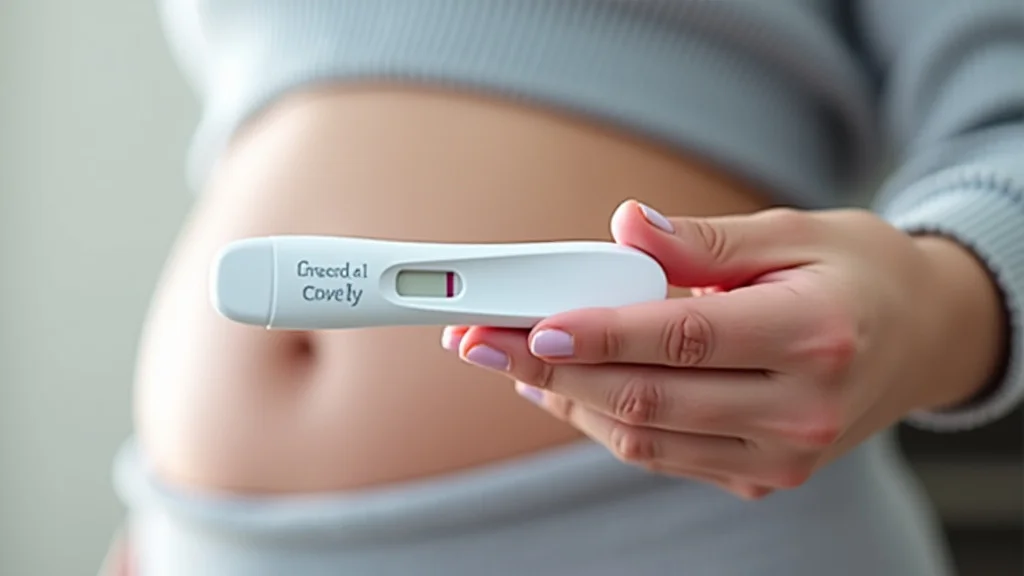
    Many people find understanding a pregnancy test confusing. Especially when they see letters like “C” and “T”. What do these mean on a pregnancy test?

    It’s a common question for anyone taking one for the first time. You might feel a little lost. But don’t worry!

    This guide will break down everything about the pregnancy test c and t. We will make it super easy to follow. Let’s get started so you know exactly what you’re looking at.

    Key Takeaways

    • You will learn what the ‘C’ and ‘T’ stand for on a pregnancy test.
    • Understand how a pregnancy test works to detect pregnancy.
    • Know how to read the results clearly.
    • Discover what to do if your test is unclear.
    • Learn about different types of pregnancy tests.
    • Gain confidence in using and interpreting home pregnancy tests.

    How Pregnancy Tests C And T Work

    Home pregnancy tests are designed to detect a hormone called human chorionic gonadotropin (hCG). This hormone is made by a woman’s body shortly after a fertilized egg attaches to the uterus lining. This typically happens about six to seven days after conception.

    The hCG levels in the blood and urine rise rapidly in early pregnancy. Pregnancy tests use antibodies that react with hCG. When hCG is present in the urine, it binds to these antibodies, causing a color change or a line to appear.

    This shows up in specific areas on the test.

    The Role of hCG

    Human chorionic gonadotropin, or hCG, is the key player in pregnancy tests. Think of it as a signal from your body that you are pregnant. After fertilization and implantation, the cells that will form the placenta begin to produce hCG.

    This hormone’s primary job is to maintain the corpus luteum, which produces progesterone. Progesterone is essential for sustaining the pregnancy in its early stages. The levels of hCG double approximately every 48 to 72 hours during the first few weeks of pregnancy.

    This rapid increase is what makes pregnancy tests effective. The tests are calibrated to detect specific amounts of hCG in urine.

    The concentration of hCG is lowest when a pregnancy is just beginning. This is why it’s important to take a test at the right time. Waiting until after a missed period increases the chances of detecting enough hCG.

    Early testing too soon might result in a false negative. This is because hCG levels may not be high enough to be detected by the test.

    Antibody Reactions

    Pregnancy tests use a scientific process involving antibodies. These are special proteins that can identify and bind to specific substances. In a pregnancy test, there are antibodies designed to recognize and attach to hCG.

    When your urine, which may contain hCG, passes over the test strip, the hCG molecules bind to these antibodies. This binding action triggers a visible reaction. This reaction is usually a color change.

    It’s similar to how a lock and key fit together; the antibody is the lock and hCG is the key.

    These antibody-based reactions are highly sensitive. They can detect even small amounts of hCG present in urine. The test strips have different sections.

    Some sections are for control, and others are for the test result. When hCG is present, it interacts with the antibodies in the test section, causing a positive result. If no hCG is detected, the test section remains blank or shows a negative result.

    Mechanism of Detection

    The detection mechanism in most home pregnancy tests relies on a chemical reaction that produces a visible signal. This signal is typically a colored line or a plus sign. The test strip contains dried antibodies.

    When urine is applied, these antibodies become rehydrated. If hCG is present, it binds to the antibodies. This complex then moves along the strip.

    It encounters other chemicals that react with the hCG-antibody complex. This reaction creates the visible result.

    This process is designed to be straightforward for home use. The manufacturers ensure the tests are easy to interpret. Even though the science is complex, the outcome is simple: a clear indication of whether hCG has been detected.

    This makes it accessible for anyone to use without specialized training.

    Understanding The Pregnancy Test C And T Symbols

    The letters “C” and “T” on a pregnancy test are symbols that tell you how the test works and if it’s working correctly. “C” stands for “Control,” and “T” stands for “Test.” These symbols are crucial for interpreting your results accurately. The control line ensures the test has absorbed enough urine and is functioning properly.

    The test line shows if hCG has been detected. Knowing the difference between these two lines is key to understanding what your pregnancy test is telling you.

    The Control Line C

    The “C” symbol represents the control line. This line is your assurance that the test is working correctly. It’s designed to appear every time the test is used properly.

    The control line indicates that the test strip has absorbed the urine adequately. It also shows that the chemicals within the test are reacting as they should. If the control line does not appear, the test is invalid.

    This means you cannot rely on the result shown. You would need to take a new test.

    The presence of the control line is independent of whether you are pregnant or not. It’s simply a sign of a functional test. Some tests use a colored band for the control, while others might use a plus sign or a digital readout.

    Regardless of the appearance, its purpose remains the same. It verifies the test’s integrity. Without a visible control line, the test is considered faulty.

    You might have used too little or too much urine. Or perhaps the test itself was defective.

    The Test Line T

    The “T” symbol stands for the test line. This is the line that indicates whether pregnancy hormones (hCG) have been detected in your urine. If you are pregnant, and there is enough hCG, the test line will appear.

    The intensity of the test line can vary. A faint line usually means hCG levels are low, often indicating early pregnancy. A strong line suggests higher levels of hCG.

    The absence of a test line means no significant amount of hCG was detected.

    It is important to note that even a very faint test line should be considered a positive result. This is because even low levels of hCG can indicate pregnancy. However, it’s always a good idea to confirm with a healthcare provider.

    They can perform more sensitive tests and provide further guidance. The test line’s appearance is directly related to the presence of the pregnancy hormone.

    Interpreting Results

    Reading your pregnancy test result involves looking at both the “C” and “T” lines. There are a few possible outcomes. If both the “C” and “T” lines appear, it is a positive result, meaning you are likely pregnant.

    If only the “C” line appears and the “T” line does not, it is a negative result, meaning you are likely not pregnant. If neither line appears, or only the “T” line appears without the “C” line, the test is invalid. This means you should take another test.

    The clarity of the lines is also important. A strong, dark line usually means a clear result. A faint line can still be positive.

    It might mean you are in the very early stages of pregnancy. Always follow the specific instructions provided with your test. Different brands may have slight variations in how they display results.

    Types Of Pregnancy Tests

    There are several types of pregnancy tests available, each with its own way of working and display. The most common ones are urine tests. These can be digital or analog.

    Urine tests are widely used because they are convenient and can be done at home. They all work by detecting hCG in the urine. The accuracy of these tests depends on when they are taken and how they are used.

    Dip-In Tests

    Dip-in pregnancy tests are a very common type. They are simple to use. You dip the absorbent end of the test stick into a cup of urine.

    You usually need to leave it there for a specific amount of time. This is often around 5 to 10 seconds. After dipping, you lay the test flat.

    You then wait for the time specified in the instructions, typically a few minutes.

    The results are shown by lines appearing in the “C” and “T” windows. The control line (C) shows the test is working. The test line (T) shows a positive result if it appears.

    These tests are usually very affordable. They are a great option for those who want a simple and direct way to check for pregnancy.

    Midstream Tests

    Midstream pregnancy tests are perhaps the most popular and easiest to use. Instead of dipping the test in a cup, you hold the absorbent end directly in your urine stream. You aim to saturate the tip for a specified duration, usually about 5 seconds.

    Then, you lay the test down on a flat surface and wait for the results to appear.

    These tests are often preferred because they eliminate the need for a separate collection cup. This makes the process more private and less messy. The results are displayed using lines, digital readouts, or symbols.

    The “C” and “T” indicators work the same way as with dip-in tests. They offer a high degree of accuracy when used correctly and at the right time.

    Digital Tests

    Digital pregnancy tests offer a different way to see your results. Instead of lines, they display words like “Pregnant” or “Not Pregnant” on a small screen. These tests often provide a numerical readout of how many weeks pregnant you might be.

    This is called a weeks estimator. These tests can be very reassuring because the results are less open to interpretation.

    While they are generally more expensive than line tests, digital tests are considered very accurate. They still detect hCG. The internal mechanism interprets the hCG presence and converts it into a clear verbal result.

    The advanced technology used in digital tests can sometimes detect hCG earlier than traditional line tests.

    When To Take A Pregnancy Test

    Knowing when to take a pregnancy test is very important for accuracy. Taking a test too early might give you a false negative result. This happens because hCG levels might not be high enough to be detected.

    The best time to take a test is usually after you have missed your period. This is when hCG levels are typically high enough for most home pregnancy tests to detect.

    After A Missed Period

    The most reliable time to take a home pregnancy test is on the first day of your missed period. By this time, if you are pregnant, your body will have produced a detectable amount of hCG. Testing after a missed period significantly increases the accuracy of the test.

    Many tests claim to detect pregnancy a few days before a missed period. However, their accuracy is much higher once your period is late.

    Waiting until after your period is due helps ensure that hCG levels are sufficient. This reduces the chance of a false negative. If you get a negative result after missing your period, but you still suspect you might be pregnant, it’s a good idea to retest in a few days.

    Sometimes ovulation can occur later than usual, delaying conception and thus lowering hCG levels initially.

    Early Testing Considerations

    Some pregnancy tests are marketed as “early detection” tests. These tests are designed to detect lower levels of hCG. They can sometimes give a positive result a few days before your expected period.

    For example, some can detect hCG as early as 6 days before a missed period. However, the accuracy of these early tests can be lower.

    If you choose to test early and get a negative result, it doesn’t necessarily mean you aren’t pregnant. Your hCG levels might simply not be high enough yet. A faint positive line on an early test should still be considered positive.

    However, it is highly recommended to follow up with a doctor. They can confirm the pregnancy and monitor its progress.

    Using First-Morning Urine

    For the most accurate results, especially when testing early or suspecting low hCG levels, it is best to use first-morning urine. Your urine is most concentrated when you first wake up. This means it will have the highest concentration of hCG.

    Drinking a lot of fluids before testing can dilute your urine. This can make it harder for the test to detect the hormone.

    Using concentrated urine helps to maximize the chances of detecting even small amounts of hCG. If you cannot use first-morning urine, try to wait at least 4-6 hours before testing again. This allows your body time to re-concentrate the hCG in your urine.

    This simple step can significantly improve the reliability of your test results.

    Common Myths Debunked

    Myth 1: A very faint line on the ‘T’ means the test is wrong.

    This is a common misconception. A very faint line on the test (T) window still indicates the presence of hCG. This means the test is likely positive.

    The faintness often suggests that hCG levels are low. This is common in very early pregnancy. Even a faint line should be considered a positive result.

    It is always best to confirm with a healthcare provider. They can perform more sensitive tests and offer guidance.

    Myth 2: You can use any liquid to test, like juice or soda.

    This is incorrect and can lead to inaccurate results. Pregnancy tests are specifically designed to react with hCG found in urine. Other liquids, such as juice, soda, or water, do not contain hCG.

    Using them will not provide a pregnancy result. In fact, the chemicals in these liquids might interfere with the test. They could cause a false positive or a false negative.

    Always use the liquid specified in the test instructions, which is typically urine.

    Myth 3: If the control line (C) is faint, the test is not valid.

    The control line (C) is there to show the test is working. Its intensity, as long as it is visible, generally does not affect the validity of the test result for pregnancy. Whether the control line is faint or dark, if it appears, the test has functioned correctly.

    A negative result or a positive result is still valid if the control line is present. If the control line does not appear at all, then the test is invalid.

    Myth 4: You can get pregnant right after taking a negative test.

    A negative pregnancy test indicates that hCG was not detected in your urine at the time of the test. It does not prevent future pregnancy. If you are sexually active and do not wish to become pregnant, you should continue using contraception.

    A negative test only reflects your current pregnancy status. It does not provide any form of birth control.

    Frequently Asked Questions

    Question: What does the ‘C’ mean on a pregnancy test?

    Answer: The ‘C’ on a pregnancy test stands for Control. It indicates that the test is working correctly and has absorbed enough urine.

    Question: What does the ‘T’ mean on a pregnancy test?

    Answer: The ‘T’ on a pregnancy test stands for Test. This line appears if the test detects hCG, indicating a possible pregnancy.

    Question: How accurate are home pregnancy tests?

    Answer: Home pregnancy tests are highly accurate, often over 99%, when used correctly and after a missed period. Early testing can sometimes lead to less accurate results.

    Question: Can stress affect a pregnancy test?

    Answer: Stress itself does not affect a pregnancy test. However, extreme stress can sometimes disrupt your menstrual cycle, potentially leading you to test at the wrong time.

    Question: What should I do if my pregnancy test is invalid?

    Answer: If your pregnancy test is invalid (e.g., no control line appears), you should take a new test, following the instructions carefully.

    Conclusion

    This guide showed you the meaning of the pregnancy test c and t. You learned how these simple symbols confirm the test works and detect hCG. Understanding the control and test lines ensures you read your results correctly.

    You now know when to test for the best accuracy. You can confidently use and interpret your home pregnancy test.

  • Best Second Trimester Pregnancy Sleeping Position

    Best Second Trimester Pregnancy Sleeping Position

    Finding the right way to sleep during pregnancy can feel tricky, especially when you’re in the second trimester. Your body is changing, and what felt good before might not feel so comfortable now. You might be wondering about the best second trimester pregnancy sleeping position to get a good night’s rest.

    Don’t worry, it’s a common question, and we’ll break it down with simple steps and helpful tips. Get ready to learn how to sleep soundly as your baby grows.

    Key Takeaways

    • Side sleeping is generally recommended for the second trimester.
    • Using pillows can greatly improve comfort and support.
    • Sleeping on your back should be avoided.
    • Listen to your body and adjust as needed.
    • Proper sleep position can help with common pregnancy discomforts.

    Understanding Second Trimester Sleep Challenges

    The second trimester is often called the “golden period” of pregnancy. Many early pregnancy symptoms like morning sickness start to fade, and you might feel more energy. However, sleeping can still become a challenge.

    Your belly is growing, and finding a comfortable position that doesn’t put pressure on your body or restrict blood flow is important. This is where knowing the best second trimester pregnancy sleeping position makes a big difference.

    Why Side Sleeping Is Best

    Doctors and midwives often suggest sleeping on your side during pregnancy, particularly in the second trimester and beyond. This position helps take pressure off your back and allows for better circulation to your baby. It also helps prevent your uterus from pressing on your liver, which is located on the right side of your abdomen.

    Sleeping on your left side is often highlighted as the top choice.

    When you sleep on your left side, it supports optimal blood flow to your uterus, placenta, and baby. This position also helps your kidneys remove waste and fluids from your body more efficiently. This can lead to less swelling in your hands, ankles, and feet.

    Studies have shown that sleeping on the left side can reduce the risk of stillbirth compared to sleeping on the back. A 2019 study published in the British Journal of Obstetrics and Gynaecology highlighted this association. While the exact mechanisms are still being researched, good circulation is key to a healthy pregnancy.

    The Importance of Pillows

    Pillows are your best friends for comfortable sleep in the second trimester. They help support your growing belly, keep you from rolling onto your back, and align your hips and pelvis. Many women find a full-body pregnancy pillow to be very helpful.

    These long pillows can be arranged in various ways to support your head, back, and belly.

    You can also use regular pillows. Try placing one between your knees. This keeps your hips aligned and reduces strain on your lower back.

    Another pillow can go under your belly for added support. Some women like to place a pillow behind their back to prevent them from rolling over in their sleep.

    A common pillow setup involves one pillow between your bent knees and another tucked under your belly. You might also find it helpful to have a pillow to hug or place behind your back. Experiment to see what feels most comfortable and supportive for you.

    Avoiding Back Sleeping

    While it might have been your favorite position before pregnancy, sleeping on your back in the second trimester is generally not recommended. As your uterus grows, lying flat on your back can cause it to press down on a major vein called the inferior vena cava. This vein carries blood from your lower body back to your heart.

    When this vein is compressed, it can reduce blood flow to your brain and your baby. This can lead to feelings of dizziness, shortness of breath, and nausea for you. It can also reduce the amount of oxygen and nutrients reaching your baby.

    Another issue with back sleeping is that it can put extra strain on your back, making backaches worse. It can also contribute to snoring and even sleep apnea during pregnancy. If you find yourself waking up on your back, don’t panic.

    Gently roll onto your side. Using pillows strategically can help you stay in a side-sleeping position throughout the night.

    Exploring Different Side Sleeping Options

    While left-side sleeping is often preferred, sometimes you might need to switch to your right side for comfort. If you do sleep on your right side, try to prop yourself up with pillows to reduce pressure. The key is to maintain a comfortable and supported position that allows for good breathing and circulation.

    Some women also find that a slightly elevated upper body helps with heartburn, which can become more common in the second trimester. Using an extra pillow to prop up your head and shoulders can be beneficial. This also helps with digestion.

    Consider what your body needs each night. Some nights you might feel best with your legs closer together, while other nights you might need them further apart. The goal is to find a stable and comfortable position that supports your changing body.

    Common Myths Debunked

    Myth 1: You Can Never Sleep on Your Right Side

    While sleeping on your left side is often recommended for optimal blood flow, it’s not a strict rule that you can never sleep on your right side. Occasional right-side sleeping is usually fine, especially if you use pillows for support. The main concern is prolonged periods on your back.

    Myth 2: A Pregnancy Pillow Is Too Expensive and Unnecessary

    Pregnancy pillows can range in price, but many women find them to be a worthwhile investment for improving sleep quality and comfort. They offer targeted support that regular pillows may not provide, helping to alleviate aches and pains. There are also more affordable options and ways to create similar support with regular pillows.

    Myth 3: If You Wake Up on Your Back, Something Is Wrong

    It’s very common to shift positions during sleep, and you might naturally roll onto your back. If this happens, simply wake up gently and reposition yourself onto your side. It doesn’t mean there’s an immediate danger, but it’s good to try to stay on your side as much as possible.

    Myth 4: You Must Sleep Only On Your Left Side All Night

    The recommendation for left-side sleeping is strong, but it doesn’t mean you can’t ever shift to your right side if you’re more comfortable or need a break. The primary goal is to avoid prolonged periods on your back, which is the most critical position to avoid.

    Frequently Asked Questions

    Question: What is the best sleeping position for the second trimester?

    Answer: The best sleeping position for the second trimester is generally on your left side. This position helps improve circulation to your baby and takes pressure off your back and major blood vessels.

    Question: Why should I avoid sleeping on my back in the second trimester?

    Answer: Sleeping on your back in the second trimester can cause your uterus to press on the inferior vena cava, a major vein that carries blood to your heart. This can reduce blood flow and cause dizziness and discomfort.

    Question: Can I use regular pillows for support?

    Answer: Yes, you can use regular pillows. Place one between your knees for hip alignment, and another under your belly for support. A pillow behind your back can also help prevent you from rolling over.

    Question: What if I experience heartburn at night?

    Answer: To help with heartburn, try elevating your upper body with an extra pillow while side sleeping. This can aid digestion and reduce reflux.

    Question: How can I get used to side sleeping if I’m a back sleeper?

    Answer: Gradually adjust by placing pillows around you to encourage side sleeping. Start by sleeping on your side for shorter periods and increase the duration as you become more comfortable. Using a body pillow can also be very helpful.

    Summary

    Getting quality sleep during your second trimester is achievable by adopting the right sleeping position. Focusing on side sleeping, especially on your left, and using pillows for support will make a significant difference. This simple shift can help ease discomfort and promote a healthier pregnancy for both you and your baby.

    Sweet dreams!

  • Tracking Your Current Week Of Pregnancy

    Tracking Your Current Week Of Pregnancy

    Figuring out the current week of pregnancy can feel a bit tricky at first. Many new parents-to-be wonder if they’re counting correctly. It’s like learning a new language, and it’s totally okay to feel a little unsure.

    This guide will make it super simple. We’ll walk through it step by step so you know exactly where you are. Get ready to feel confident about your pregnancy timing.

    Key Takeaways

    • You will learn how to accurately count your pregnancy weeks.
    • Understand how the due date is calculated.
    • Discover common milestones for each pregnancy stage.
    • Find out why tracking weeks is important for prenatal care.
    • Learn how to use simple tools to confirm your week.
    • Gain confidence in discussing your pregnancy progress.

    Understanding The Current Week Of Pregnancy

    Knowing your current week of pregnancy is super helpful for many reasons. It helps you and your doctor track your baby’s growth. It also lets you see what to expect next.

    Sometimes, healthcare providers talk about weeks and days, which can add to the confusion. This section breaks down how to calculate it easily.

    How Pregnancy Weeks Are Counted

    Pregnancy is officially measured from the first day of your last menstrual period (LMP). Doctors call this the gestational age. Even though conception usually happens about two weeks after your LMP, the counting starts from that first day.

    This method is used universally to keep things standard.

    So, if your last period started on January 1st, you would be considered about 4 weeks pregnant around the end of January. It’s a bit of a head-scratcher because you weren’t actually pregnant for the first two weeks of that count. But this is the most common and easiest way for doctors to track.

    Let’s imagine your LMP was on March 15th. By April 15th, you’d be around 5 weeks pregnant. If you’re unsure about your LMP date, your doctor can help estimate your due date using an ultrasound in the early stages of pregnancy.

    The Role Of The Last Menstrual Period

    Your LMP is the cornerstone of pregnancy dating. It’s a reliable marker for most women who have regular cycles. The calculation is straightforward: you add 40 weeks (or 280 days) to the first day of your LMP.

    This gives you your estimated due date (EDD).

    For example, if your LMP was on January 1st, your EDD would be around October 7th. This EDD is an estimate, not an exact date. Many babies arrive a week or two before or after their due date.

    The 40-week mark is based on average full-term pregnancy length.

    • Importance of LMP: The LMP is used because it’s a clear, identifiable date. It allows for a consistent way to date pregnancies globally.
    • Calculation Method: Add 40 weeks (280 days) to the first day of your LMP to find your estimated due date.
    • Variations: Not all women have regular periods, making LMP less reliable. In such cases, early ultrasounds are used for dating.

    How Due Dates Are Calculated

    The estimated due date is a crucial part of tracking your pregnancy. It’s calculated using Naegele’s rule, which is the 40-week method from your LMP. It’s a useful guide for planning and monitoring your baby’s development.

    Here’s how it works: Take the first day of your LMP, subtract three months, and then add seven days. For instance, if your LMP was March 15th, subtract three months to get December 15th. Then add seven days, making it December 22nd of the previous year.

    This is just an estimation, so be prepared for your baby to arrive a little earlier or later.

    Ultrasound scans, especially those done in the first trimester, are very accurate for dating a pregnancy. They measure the baby’s size and can estimate the gestational age with a high degree of certainty. This can be especially helpful if you have irregular periods or can’t recall your LMP date precisely.

    Tracking Your Current Week Of Pregnancy Milestones

    Knowing your current week of pregnancy helps you anticipate what’s happening with your baby and your body. Each week brings new developments. This section will give you a peek at what’s going on as your baby grows.

    The First Trimester Weeks

    The first trimester spans from week 1 to week 12. This is a period of rapid development for your baby. Your body also undergoes significant changes as it adapts to supporting the new life.

    By week 4, the embryo is about the size of a poppy seed. It has a tiny heartbeat. By week 8, the embryo is now called a fetus and looks more like a tiny human with developing arms, legs, and a face.

    Organs begin to form rapidly.

    At week 12, your baby is about 3 inches long, weighs around an ounce, and all major organs are formed. You might start feeling morning sickness or fatigue. It’s also around this time that many women experience their first prenatal appointments and ultrasounds.

    Key Developments in the First Trimester

    • Weeks 1-4: Conception and implantation occur. The embryo develops rapidly, forming the neural tube.
    • Weeks 5-8: Facial features, limbs, and internal organs begin to form. The heart starts beating.
    • Weeks 9-12: The fetus gains human-like features, fingernails and toenails appear. It can swallow and move its limbs.

    The Second Trimester Weeks

    The second trimester typically runs from week 13 to week 28. Many women feel much better during this period, with morning sickness often subsiding. This is often called the “golden period” of pregnancy.

    Around week 20, you might start feeling your baby move. This is called quickening. Your baby is growing fast, gaining weight, and their senses are developing.

    They can hear sounds from outside the womb.

    By week 28, your baby is about 10 inches long and weighs around 2 pounds. Their lungs are developing, and they practice breathing movements. You might experience skin changes and swelling.

    It’s a good time to start thinking about childbirth classes.

    Key Developments in the Second Trimester

    • Weeks 13-16: Baby’s movements become more coordinated. Gender may be determined by ultrasound.
    • Weeks 17-20: Quickening (first fetal movements) is felt. Vernix, a protective skin coating, develops.
    • Weeks 21-28: Lungs mature. Baby develops a sleep-wake cycle. Eyebrows and eyelashes appear.

    The Third Trimester Weeks

    The third trimester starts around week 29 and goes until your baby is born (around week 40). This is when your baby gains the most weight and matures significantly in preparation for life outside the womb.

    Your baby’s bones are hardening, except for the skull, which remains flexible to help with birth. They are practicing sucking and grasping. Their weight gain continues, and they take up more space in the uterus, which can lead to increased discomfort for you.

    By week 36, your baby is considered full-term. Their lungs are mature, and they are likely positioned head-down in preparation for birth. You’ll likely feel more frequent contractions, known as Braxton Hicks.

    It’s important to attend all your prenatal check-ups during this stage.

    Key Developments in the Third Trimester

    • Weeks 29-32: Baby’s brain develops rapidly. Bones continue to harden.
    • Weeks 33-36: Baby’s weight increases significantly. Lanugo (fine body hair) starts to disappear.
    • Weeks 37-40: Baby is considered full-term. Lungs are mature. Baby’s position changes to prepare for birth.

    Why Tracking Your Current Week Of Pregnancy Matters

    Accurately knowing your current week of pregnancy isn’t just about numbers; it’s vital for your health and your baby’s. This knowledge empowers you and your healthcare provider to ensure everything is progressing as it should.

    Monitoring Baby’s Growth and Development

    Each week brings specific milestones for your baby. Tracking allows you to see if your baby is developing on schedule. Your doctor uses this information to check if your baby is growing appropriately.

    For example, certain organs develop by specific weeks.

    Doctors use fundal height measurements (measuring from the top of your uterus to your pubic bone) to estimate your baby’s size. If this measurement is significantly off from your gestational age, it might signal a need for further investigation, like an ultrasound.

    This consistent monitoring helps catch any potential issues early. It ensures your baby gets the best possible start. It’s a way of making sure all the tiny pieces are coming together right on time.

    Planning Prenatal Appointments and Tests

    Your prenatal care schedule is mapped out based on your pregnancy weeks. Certain tests and screenings are recommended at specific times. Knowing your week helps you stay on track with these important appointments.

    For instance, the first ultrasound is often done between weeks 8 and 12. Genetic screening tests might be offered between weeks 10 and 13. The anatomy scan, a detailed look at your baby’s body, usually happens between weeks 18 and 22.

    Missing these appointments could mean missing out on important health checks for you and your baby. It’s like having a roadmap for your pregnancy, guiding you through each stage of care.

    Understanding What To Expect

    Pregnancy brings many changes, both physically and emotionally. Knowing your current week of pregnancy helps you prepare for what’s ahead. You can learn about common symptoms, what your body is doing, and what your baby is up to.

    For example, knowing you’re entering your second trimester might prepare you for increased energy levels after the fatigue of the first. Understanding that your baby’s movements will become more noticeable around week 20 can help you recognize and appreciate those precious kicks.

    This knowledge can reduce anxiety and empower you to make informed decisions about your health and lifestyle. It helps you feel more in control during a time of significant transformation.

    Communicating With Your Healthcare Provider

    Clear communication with your doctor or midwife is essential. Using accurate terms for your pregnancy stage ensures everyone is on the same page. When you say you are “X weeks pregnant,” your provider knows exactly where you are in the process.

    This is crucial for discussing symptoms, concerns, or treatment options. If you experience a symptom, knowing your gestational age helps your provider determine if it’s normal for that stage or if it requires attention. For example, cramping might be normal early on but concerning later.

    Accurate dating helps ensure that any interventions or advice given are appropriate for your specific stage of pregnancy. It builds a foundation of trust and understanding with your care team.

    How To Easily Determine Your Current Week Of Pregnancy

    Calculating your current week of pregnancy doesn’t have to be complicated. There are simple methods and tools available to help you figure it out accurately.

    Using Online Pregnancy Calculators

    Pregnancy calculators are a quick and easy way to determine your gestational age. You simply input the first day of your last menstrual period, and the calculator does the rest.

    These online tools often provide a breakdown of your pregnancy week by week, including expected development for your baby and common symptoms you might experience. Many are designed to be user-friendly and offer a wealth of information.

    It’s like having a personalized pregnancy calendar at your fingertips. Just remember to use the date of your LMP, not the date you think you conceived, for the most accurate calculation based on standard medical practice.

    The Calendar Method

    You can also track your pregnancy using a physical calendar. Mark the first day of your LMP. Then, count forward by weeks.

    Each week typically represents 7 days.

    For example, if your LMP was on January 1st, then January 8th would mark the start of your second week, January 15th the start of your third week, and so on. This manual method requires a bit more attention to detail but is effective.

    It’s a good practice to cross-reference with an online calculator to ensure you’re counting correctly. This method helps you visualize your pregnancy timeline and plan for upcoming appointments or milestones.

    Consulting Your Healthcare Provider

    Your doctor or midwife is the most reliable source for determining your pregnancy stage. They will confirm your LMP date and may also use an ultrasound to provide the most accurate dating.

    During your first prenatal visit, they will establish your estimated due date and gestational age. They can also answer any questions you have about the counting method and clarify any confusion.

    This professional confirmation provides peace of mind and ensures you have the most accurate information for your prenatal care. They are experts in tracking pregnancy progress.

    Common Myths Debunked

    Myth 1: Pregnancy Starts On The Day Of Conception

    Reality: While conception is when fertilization happens, pregnancy dating officially begins on the first day of your last menstrual period (LMP). This standard method is used for consistency in tracking and care, even though conception occurs about two weeks later in the cycle.

    Myth 2: All Babies Are Born On Their Due Date

    Reality: The due date is an estimate. Only about 4% of babies are born on their exact due date. Most full-term babies arrive within a window of three weeks before or after the estimated due date.

    It’s more of a guide than a strict deadline.

    Myth 3: You Can Feel Your Baby Move From Week 1 Of Pregnancy

    Reality: While your baby is developing from week 1, you won’t feel fetal movements until much later. Quickening, the sensation of the baby’s first movements, typically occurs between 16 and 22 weeks of pregnancy for first-time mothers. Experienced mothers might feel it a bit earlier.

    Myth 4: Morning Sickness Means You’re Having A Healthy Pregnancy

    Reality: While morning sickness is common, especially in the first trimester, its absence does not necessarily mean there’s a problem. Many women have healthy pregnancies without experiencing significant nausea or vomiting. Pregnancy symptoms vary greatly from person to person.

    Frequently Asked Questions

    Question: How do I know if I am pregnant?

    Answer: The most common way is to take a pregnancy test, which detects the hormone human chorionic gonadotropin (hCG) in your urine. If the test is positive, it’s recommended to schedule an appointment with your doctor for confirmation and further guidance.

    Question: What is the difference between gestational age and fertilization age?

    Answer: Gestational age is counted from the first day of your last menstrual period (LMP), which is usually about two weeks before fertilization. Fertilization age is counted from the actual moment of conception. Medical professionals almost always use gestational age.

    Question: Can I use my menstrual cycle length to calculate my pregnancy week?

    Answer: While your cycle length is important for understanding your ovulation timing, standard pregnancy dating relies on the LMP. If you have very irregular cycles, your doctor will likely use an early ultrasound to determine your pregnancy stage accurately.

    Question: What if I don’t remember the first day of my last period?

    Answer: Don’t worry. Your healthcare provider can use an ultrasound, especially in the first trimester, to estimate your baby’s age and due date. This is a very reliable method for dating a pregnancy.

    Question: How often will I have doctor’s appointments during pregnancy?

    Answer: Typically, you’ll have monthly appointments until around week 28. Then, appointments become more frequent, often every two weeks until week 36, after which they may be weekly until you give birth. This schedule can vary based on your individual health and pregnancy.

    Summary

    Understanding your current week of pregnancy is key to a smooth journey. You now know how to count from your last menstrual period and use simple tools. This knowledge helps you track your baby’s amazing development and stay on top of your health checks.

    Feel confident knowing where you are in this special time. You’ve got this!

  • Third Trimester Congestion Relief Tips

    Third Trimester Congestion Relief Tips

    Getting a stuffy nose in the last part of pregnancy can be super frustrating. It’s called pregnancy rhinitis, and for beginners, it might feel like a really bad cold that just won’t quit. Hormones are usually to blame, causing swelling in your nasal passages.

    But don’t worry, dealing with third trimester congestion doesn’t have to be a big struggle. We’ll walk through simple steps to help you breathe easier.

    Key Takeaways

    • Pregnancy rhinitis is common in the third trimester.
    • Hormonal changes are a primary cause of nasal stuffiness.
    • Simple home remedies can effectively manage congestion.
    • Staying hydrated is essential for thinning mucus.
    • When to seek medical advice for severe symptoms.
    • Safe methods for nasal relief during pregnancy.

    Understanding Third Trimester Congestion

    Third trimester congestion, also known as pregnancy rhinitis, is a common issue many expectant mothers face. It happens when your nasal passages become inflamed and swollen, leading to that familiar stuffy or runny nose feeling. This condition can start anytime during pregnancy but is often more noticeable in the third trimester, adding another layer of discomfort to the late stages of pregnancy.

    The primary driver behind this nasal stuffiness is the surge in hormones, especially estrogen, during pregnancy. Estrogen can cause the mucous membranes in your nose to swell and produce more mucus. Blood flow also increases throughout your body to support the growing baby, which can contribute to swelling in the nasal tissues.

    This combination of hormonal shifts and increased blood volume creates the perfect storm for congestion.

    For many, it feels like a persistent head cold, but without the typical cold symptoms like fever or aches. This can be confusing and worrying, especially for first-time moms who haven’t experienced it before. The good news is that while it might feel uncomfortable, pregnancy rhinitis is generally harmless to both you and your baby.

    It’s simply your body’s way of reacting to the many changes happening.

    The challenge lies in finding safe and effective ways to get relief without resorting to medications that might not be pregnancy-safe. This is why understanding the causes and exploring natural, gentle remedies is so important. We’ll look at what you can do at home to clear your airways and make breathing more comfortable as you approach your due date.

    Causes of Nasal Swelling During Pregnancy

    The increase in estrogen is a major player. It causes the blood vessels in your nasal passages to widen and can make the lining of your nose produce more mucus. This leads to that clogged-up feeling.

    Think of it like your nose working overtime to adjust to the hormonal environment.

    Another factor is the general increase in blood volume during pregnancy. More blood circulating means more blood in the delicate tissues of your nose, potentially causing them to swell. This can narrow the airways, making it harder to breathe through your nose.

    Environmental factors can also play a role. Allergens like dust, pollen, or pet dander can trigger or worsen nasal symptoms in pregnant women, just as they can in anyone else. However, hormonal changes can make your nasal passages more sensitive, so even mild irritants might cause a stronger reaction.

    When Does Third Trimester Congestion Start

    Third trimester congestion typically becomes more noticeable from around the 27th week of pregnancy, which marks the beginning of the third trimester. However, some women may experience these symptoms earlier, even in the second trimester. For others, it might only appear in the final weeks before birth.

    The exact timing can vary greatly from person to person. It often depends on individual hormonal levels and how sensitive their body is to these changes. You might find that the congestion waxes and wanes throughout the day or that it is worse at certain times, like when you first wake up.

    It’s important to remember that this is a temporary condition. Once your baby is born and your hormone levels begin to return to normal, the nasal stuffiness should gradually disappear. This knowledge can provide comfort during those uncomfortable moments.

    The Impact of Hormones on Nasal Passages

    Hormones, particularly estrogen, are central to the development of third trimester congestion. Estrogen affects the body’s mucous membranes, including those lining your nasal passages. It can lead to increased blood flow and swelling in these areas, a phenomenon known as vasodilation.

    This increased blood flow makes the nasal tissues engorged and can contribute to a feeling of blockage.

    Furthermore, estrogen can stimulate the glands that produce mucus, leading to a greater quantity of mucus being secreted. This excess mucus, combined with the swollen tissues, can create a more significant obstruction to airflow through the nose. The delicate tissues can become more sensitive and prone to inflammation when exposed to even minor irritants.

    This hormonal influence is one reason why pregnancy rhinitis differs from a typical cold. While a cold involves a viral infection, pregnancy rhinitis is a physiological response to pregnancy hormones. This distinction is key to understanding why the remedies for each might differ.

    Effective Home Remedies for Congestion

    Fortunately, many simple and safe home remedies can provide significant relief from third trimester congestion. These methods focus on reducing swelling, thinning mucus, and soothing irritated nasal passages without the need for medication. They are generally considered safe for both the mother and the baby.

    Saline Nasal Sprays and Rinses

    Saline nasal sprays are a go-to remedy for nasal congestion during pregnancy. They work by moisturizing the nasal passages and helping to thin mucus, making it easier to clear. These sprays are essentially a sterile saltwater solution that mimics the body’s natural fluids.

    They are non-medicated and can be used as often as needed without any known side effects.

    Using a saline spray is straightforward. You simply tilt your head and administer a few sprays into each nostril. This helps to wash away irritants and allergens, as well as loosen thick mucus.

    For a more thorough cleanse, consider using a neti pot or a sinus rinse bottle. These devices allow you to flush your nasal passages with a saline solution. It’s crucial to use distilled, sterile, or previously boiled and cooled water for these rinses to avoid introducing harmful microorganisms.

    The benefits of saline rinses are numerous. They can reduce inflammation, clear out mucus, and help you breathe more freely. Many women find that regular use of saline sprays or rinses can significantly improve their symptoms of third trimester congestion, making everyday life more comfortable.

    Steam Inhalation

    Inhaling steam is another effective and natural way to relieve nasal congestion. The warm, moist air helps to loosen mucus and soothe irritated nasal passages. This can make it easier to blow your nose and clear out the blockage.

    There are a few ways to safely do this during pregnancy.

    One simple method is to take a hot shower or bath. The steam generated from the hot water can help to open up your nasal passages. Alternatively, you can lean over a bowl of hot water with a towel draped over your head to create a makeshift steam tent.

    Be cautious to keep your face a safe distance from the hot water to avoid burns.

    Adding a few drops of eucalyptus or menthol oil to the hot water can enhance the decongestant effect. However, always check with your healthcare provider before using essential oils during pregnancy, as some may not be recommended. The goal is to breathe in the steam gently and deeply for about 5-10 minutes.

    This can be done a few times a day as needed.

    Humidifiers and Vaporizers

    Using a humidifier or a vaporizer in your bedroom can make a significant difference in managing third trimester congestion, especially at night. These devices add moisture to the air, which helps to keep your nasal passages from drying out and can prevent mucus from becoming too thick and difficult to clear. Dry air can exacerbate nasal irritation and congestion.

    A humidifier releases cool mist, while a vaporizer heats water to produce warm mist. Both can be beneficial. It’s important to keep the humidifier or vaporizer clean to prevent the growth of mold and bacteria.

    Follow the manufacturer’s instructions for cleaning and maintenance.

    Placing a humidifier in your bedroom and running it at night can help you sleep more comfortably by ensuring you can breathe more freely. Waking up with a clearer nose can improve your overall sense of well-being during this demanding stage of pregnancy. Some humidifiers also allow for the addition of essential oils, similar to steam inhalation, but again, always consult with your doctor first.

    Staying Hydrated

    Proper hydration is crucial for managing nasal congestion at any time, but it’s especially important during pregnancy. Drinking plenty of fluids helps to thin mucus throughout your body, including in your nasal passages. This makes it easier for your body to expel the mucus, relieving that stuffy feeling.

    Water is the best choice, but other fluids like clear broths, herbal teas (pregnancy-safe varieties), and diluted fruit juices also contribute to your daily fluid intake. Aim for at least 8-10 glasses of water per day, or more if you are active or the weather is warm. Avoid dehydrating beverages like those high in caffeine or sugar.

    When mucus is thin and watery, it can drain more easily, reducing the congestion and the feeling of pressure in your sinuses. Adequate hydration also supports overall health and well-being, which is beneficial during pregnancy.

    Elevation and Rest

    Elevating your head while sleeping can help gravity drain mucus from your nasal passages. Try using an extra pillow or two to prop up your head. This simple adjustment can make a noticeable difference in nighttime congestion, allowing for more restful sleep.

    Getting enough rest is also vital for your body to function optimally, including its ability to manage congestion. When you are well-rested, your immune system can work more effectively, and your body is better equipped to handle the discomforts of pregnancy. Prioritize sleep and relaxation whenever possible.

    Combining elevation with adequate rest creates a supportive environment for your body to recover and manage symptoms more effectively. These practices are easy to incorporate into your daily routine.

    When to Seek Medical Advice

    While third trimester congestion is usually benign and manageable with home remedies, there are situations where consulting a healthcare provider is important. If your symptoms are severe, persistent, or accompanied by other concerning signs, seeking professional advice ensures your health and your baby’s well-being.

    Signs That Require Doctor Consultation

    You should contact your doctor if your congestion is accompanied by a fever, significant facial pain or pressure, discolored nasal discharge (green or yellow for an extended period), or shortness of breath. These could indicate a sinus infection or another condition that requires medical treatment.

    Also, if you experience bleeding from your nose, severe headaches, or if the congestion significantly impacts your ability to eat, sleep, or function daily, it’s time to seek medical attention. Sometimes, underlying allergies can worsen pregnancy rhinitis, and a doctor can help identify and manage these.

    Your doctor can offer personalized advice, prescribe pregnancy-safe medications if necessary, or rule out any other potential issues. They can also reassure you and provide additional strategies for relief that are specific to your situation.

    Pregnancy-Safe Medications

    When home remedies aren’t enough, your doctor might recommend certain medications that are considered safe during pregnancy. These typically include saline nasal sprays, which are always a first-line option.

    For more stubborn congestion, a doctor might suggest a corticosteroid nasal spray. These work by reducing inflammation in the nasal passages. Examples of commonly prescribed pregnancy-safe options include fluticasone (Flonase) or budesonide (Rhinocort).

    Always use these strictly as directed by your healthcare provider.

    Oral decongestants like pseudoephedrine are generally avoided in pregnancy, especially in the first trimester, due to potential risks. However, a doctor might consider them in specific situations later in pregnancy, weighing the benefits against the risks. Antihistamines are also used with caution.

    Some older antihistamines like diphenhydramine (Benadryl) are sometimes deemed safe, while newer ones may have less data. Never take any medication, even over-the-counter, without consulting your doctor first.

    Debunking Common Myths About Nasal Congestion

    Like many pregnancy symptoms, third trimester congestion is surrounded by various myths. Separating fact from fiction is important for managing your symptoms effectively and without unnecessary worry.

    Myth 1: Third Trimester Congestion is the Same as a Cold

    Many people believe that pregnancy-related nasal congestion is identical to a common cold. While both cause a stuffy nose, the underlying causes are different. A cold is typically caused by a viral infection, often accompanied by a sore throat, cough, and sometimes a fever.

    Third trimester congestion, or pregnancy rhinitis, is primarily a hormonal response. It doesn’t involve an infection and usually lacks the other symptoms associated with a cold. The nasal passages swell due to hormonal fluctuations and increased blood flow.

    Understanding this difference is key because the treatments for each can vary significantly.

    Myth 2: You Cannot Safely Treat Nasal Congestion During Pregnancy

    A common fear is that there are no safe treatment options available for nasal congestion during pregnancy. This can lead to suffering through uncomfortable symptoms. However, as we’ve discussed, there are numerous safe and effective home remedies.

    Saline nasal sprays, steam inhalation, humidifiers, and staying hydrated are all excellent, non-medicinal approaches that are safe for pregnant individuals. Even certain prescription nasal sprays are considered safe by medical professionals when used as directed. The key is to consult with your doctor before taking any medication.

    Myth 3: Nasal Congestion Will Harm Your Baby

    Some expectant mothers worry that the discomfort of third trimester congestion could somehow affect their baby’s health. This is a common anxiety, but pregnancy rhinitis itself does not harm the developing baby.

    The congestion affects your nasal passages and breathing. Your baby receives oxygen and nutrients through the placenta, and your nasal congestion does not typically interfere with this vital process. The primary impact is on your comfort and sleep quality.

    Frequently Asked Questions

    Question: What causes the stuffy nose in the third trimester

    Answer: The primary cause is hormonal changes, especially increased estrogen, which leads to swelling of the nasal tissues and increased mucus production. Increased blood volume during pregnancy also contributes.

    Question: How long does third trimester congestion last

    Answer: Third trimester congestion typically resolves on its own shortly after delivery, once hormone levels return to normal. Some women find relief within a few weeks postpartum.

    Question: Can I use over-the-counter decongestant sprays

    Answer: It’s best to avoid most over-the-counter decongestant nasal sprays during pregnancy unless specifically approved by your doctor. Some oral decongestants are also not recommended. Always consult your healthcare provider before taking any medication.

    Question: Are home remedies effective for pregnancy rhinitis

    Answer: Yes, many home remedies like saline nasal rinses, steam inhalation, humidifiers, and staying hydrated are very effective and safe for managing third trimester congestion.

    Question: Is it okay to use a neti pot while pregnant

    Answer: Yes, using a neti pot with a sterile saline solution is generally considered safe during pregnancy. Ensure you use distilled, sterile, or previously boiled and cooled water to prevent infection.

    Conclusion

    Third trimester congestion is a common and often bothersome pregnancy symptom. Understanding that it’s usually caused by hormonal shifts and increased blood flow can help ease worry. Thankfully, you have many safe and effective options to find relief.

    Gentle methods like saline sprays, steam, and staying hydrated can significantly improve your breathing and comfort. Always talk to your doctor if you have concerns or if symptoms worsen.

  • Second Trimester Quad Screen Explained Simply

    Second Trimester Quad Screen Explained Simply

    Learning about the second trimester quad screen can feel a bit tricky at first. You might wonder what it is, why it’s done, and what the results mean for your pregnancy. It’s totally normal to have questions.

    This guide is here to make it super easy to get. We will break down everything you need to know, step by step, so you can feel confident. Get ready to see just how clear this process can be.

    Key Takeaways

    • The second trimester quad screen is a blood test that checks for certain birth defects.
    • It measures four key substances in your blood to assess risk.
    • This test is done between 15 and 20 weeks of pregnancy.
    • Results help identify pregnancies with a higher chance of specific conditions.
    • It is a screening tool, not a diagnostic test, and often followed by other tests if needed.
    • Understanding the numbers and what they mean is important for informed decisions.

    What Is the Second Trimester Quad Screen

    The second trimester quad screen is a widely used prenatal screening test. It helps provide important information about your developing baby. This test is common because it can detect potential issues early on.

    It’s part of the care many expectant parents receive during pregnancy. The “quad” in its name refers to the four specific substances measured in your blood. These substances give clues about your baby’s health.

    Purpose of the Quad Screen

    The main goal of the quad screen is to assess the risk of certain chromosomal abnormalities and neural tube defects in the fetus. It does this by looking at the levels of four key chemicals produced by the mother and the fetus. These chemicals are AFP, hCG, estriol, and inhibin-A.

    Changes in the typical levels of these substances can indicate an increased chance of conditions like Down syndrome, Trisomy 18, and open neural tube defects such as spina bifida.

    It’s crucial to remember that the quad screen is a screening test. This means it identifies pregnancies that have a higher chance of having a problem. It does not definitively diagnose a condition.

    If the screen shows a higher risk, your doctor will likely recommend further diagnostic testing, such as amniocentesis or chorionic villus sampling (CVS), to get a conclusive answer.

    Key Substances Measured

    The “quad” in the second trimester quad screen refers to four specific substances tested in the mother’s blood: alpha-fetoprotein (AFP), human chorionic gonadotropin (hCG), unconjugated estriol (uE3), and inhibin-A. Each of these substances plays a role in pregnancy and has a typical range of levels expected at different stages. Deviations from these ranges can signal potential concerns for the developing fetus.

    Alpha-fetoprotein (AFP) is a protein produced by the baby’s liver. Higher than normal levels can suggest an open neural tube defect, like spina bifida. Lower than normal levels might indicate a chromosomal abnormality, such as Down syndrome.

    Human chorionic gonadotropin (hCG) is a hormone produced by the placenta. Higher levels are often associated with Down syndrome. Unconjugated estriol (uE3) is another hormone produced by the placenta and the baby.

    Lower levels can also suggest Down syndrome or Trisomy 18. Inhibin-A is a hormone produced by the placenta. Higher levels, especially when combined with other results, can increase the risk of Down syndrome.

    These four markers work together. Doctors analyze the levels of all four, along with your age and other factors, to calculate a risk score. This score estimates the chance of your baby having certain conditions.

    For example, a common statistic is that the quad screen can detect about 80% of Down syndrome cases when used alone. When combined with nuchal translucency screening in the first trimester, the detection rate can be even higher.

    When Is the Test Performed

    The second trimester quad screen is typically performed between the 15th and 20th week of pregnancy. This timeframe is chosen because the levels of the four marker substances in the mother’s blood are at their most informative during this period. It’s considered a mid-pregnancy screening that complements earlier or later tests.

    Getting the test done at the right time is important for accurate results. If the blood draw occurs too early or too late, the levels of the substances might not reflect the true picture, potentially leading to less reliable risk assessment. Your healthcare provider will schedule this blood test as part of your regular prenatal check-ups during this specific window.

    For example, if the test is done at 14 weeks, the levels might not have reached their optimal point for detection. Conversely, if it’s done at 21 weeks, some levels might have already begun to change naturally, affecting the interpretation. Therefore, adhering to the recommended gestational window is key for the effectiveness of the quad screen.

    How the Test Works

    The second trimester quad screen is a simple blood test. A healthcare professional will draw a small amount of blood from a vein in your arm. This sample is then sent to a laboratory for analysis.

    At the lab, technicians measure the amounts of the four specific substances: AFP, hCG, estriol, and inhibin-A. They will also consider important information like your age, due date, and whether you are carrying twins or multiples. All this data is fed into a computer program.

    This program calculates a risk score for specific chromosomal abnormalities and neural tube defects. The score is presented as a ratio, for instance, 1 in 250. This means there is a 1 in 250 chance your baby has the condition being screened for.

    For instance, a risk of 1 in 5 for Down syndrome is considered high, while a risk of 1 in 5,000 is considered low. It’s important to understand that a “high-risk” result does not mean your baby definitely has a condition. It simply means the chance is greater than in the general population.

    Similarly, a “low-risk” result does not guarantee that your baby is free from all conditions.

    Interpreting Your Quad Screen Results

    Understanding the results of your second trimester quad screen is vital. The report you receive will likely show a risk assessment for certain conditions. It’s not a simple yes or no answer but rather a probability.

    This means the test tells you the likelihood or chance of your baby having a specific condition, not a definite diagnosis.

    Your doctor will discuss these results with you in detail. They will explain what the numbers mean in relation to your personal circumstances. It’s a good idea to prepare questions beforehand.

    Knowing what to expect can help you feel more in control and informed about the next steps in your prenatal care.

    Understanding Risk Scores

    The quad screen provides a risk score, which is usually expressed as a ratio, like 1 in 200 or 1 in 3,000. This ratio represents the estimated chance of your baby having a particular condition. For example, a risk score of 1 in 200 for Down syndrome means that for every 200 pregnancies with similar results, one baby is expected to have Down syndrome.

    Conversely, a risk score of 1 in 3,000 suggests a much lower probability. Healthcare providers often use a “cut-off” value, typically around 1 in 250 for Down syndrome. If your risk score is higher (e.g., 1 in 100), it’s considered a “positive” or “high-risk” result.

    If your score is lower (e.g., 1 in 1,000), it’s considered “negative” or “low-risk.”

    It’s important to note that these are statistical probabilities. Many factors influence these numbers, including your age, ethnicity, and the gestational age at which the test was performed. For instance, maternal age is a significant factor in the baseline risk for chromosomal abnormalities.

    A younger woman might have a lower baseline risk, while an older woman might have a higher one, even with similar marker levels.

    Factors Influencing Results

    Several factors can influence the results of your second trimester quad screen, making interpretation important. Maternal age is a primary factor because the risk of chromosomal abnormalities increases with age. For example, a woman over 35 has a higher baseline risk for Down syndrome than a woman under 25.

    The computer program takes your age into account when calculating the risk score.

    The accuracy of the gestational dating is also critical. If the date of your last menstrual period is uncertain or if ovulation occurred later than usual, the baby’s actual age might differ from the estimated age. This can lead to incorrect interpretation of the marker levels.

    Your weight can also play a small role in the interpretation of certain markers.

    Other factors include whether you are carrying multiples (twins, triplets, etc.), as hormone levels can be higher in multiple pregnancies. Certain medical conditions in the mother, like diabetes, can also affect AFP levels. Lastly, ethnic background can sometimes influence the baseline levels of some markers.

    Understanding these influences helps clarify why a result is what it is.

    What a High-Risk Result Means

    Receiving a “high-risk” result from your second trimester quad screen can be worrying. It means that based on your blood test results, there is an increased chance that your baby may have one of the conditions being screened for, such as Down syndrome or a neural tube defect. However, it is crucial to understand that this is a screening test, not a diagnostic test.

    A high-risk result does not mean your baby definitely has a condition. It indicates that further investigation is recommended to get a definitive answer. Your healthcare provider will discuss the implications of your specific results with you.

    They will explain the next steps, which usually involve offering more accurate diagnostic tests.

    For example, if your quad screen indicates a higher risk for Down syndrome, your doctor might suggest genetic counseling and diagnostic testing like amniocentesis. Amniocentesis involves taking a small sample of amniotic fluid to directly test the baby’s chromosomes. This test has a very high accuracy rate.

    Next Steps After High Risk

    If your second trimester quad screen comes back with a high-risk result, it is important not to panic. The next steps are designed to provide you with more definitive information about your baby’s health. Your healthcare provider will discuss these options thoroughly with you.

    The most common follow-up diagnostic tests include amniocentesis or chorionic villus sampling (CVS). Amniocentesis is typically performed later in pregnancy, usually after 15 weeks, and involves collecting a sample of the fluid surrounding the baby. CVS is usually done earlier, between 10 and 13 weeks, and involves taking a small tissue sample from the placenta.

    Both amniocentesis and CVS can accurately diagnose chromosomal abnormalities and some other genetic conditions. These tests carry a small risk of complications, such as miscarriage. Your doctor will explain the risks and benefits of each procedure so you can make an informed decision that is best for you and your pregnancy.

    Genetic counseling is also a key part of this process, helping you understand the implications of the results and your options.

    What a Low-Risk Result Means

    A “low-risk” result from your second trimester quad screen is very reassuring. It means that based on the test, the chance of your baby having one of the specific conditions screened for is very low. This result indicates that the levels of the four marker substances in your blood are within the expected ranges for your pregnancy stage and other factors.

    While a low-risk result is excellent news, it’s important to remember that no screening test is 100% accurate. The quad screen is designed to detect a high percentage of certain conditions but can miss a small number of cases. It also doesn’t screen for all possible birth defects or genetic disorders.

    For instance, a low-risk result for Down syndrome means the probability is very small, but not zero. Your healthcare provider will still recommend routine prenatal care and monitoring throughout your pregnancy. This ensures that any potential issues, whether detected by screening or not, are managed appropriately.

    Generally, a low-risk result means you likely won’t need further diagnostic testing for the specific conditions the quad screen looks for.

    Accuracy and Limitations of the Quad Screen

    The second trimester quad screen is a valuable tool in prenatal care, but it’s essential to understand its accuracy and limitations. While it can provide important risk information, it is not a perfect test. It has a good detection rate for certain conditions, but it also has a chance of giving false positives or false negatives.

    Knowing these aspects helps expectant parents make informed decisions about their pregnancy management. It ensures that the results are interpreted within the context of what the test can and cannot do. This understanding empowers you to have meaningful conversations with your healthcare provider about the best course of action for your individual situation.

    Detection Rates

    The detection rate for the second trimester quad screen varies depending on the condition being screened for. For Down syndrome, the quad screen typically detects about 75-80% of cases. This means that out of 100 pregnancies affected by Down syndrome, the quad screen will correctly identify about 75 to 80 of them as high-risk.

    For Trisomy 18, the detection rate is generally lower, around 60-70%.

    For open neural tube defects like spina bifida, the detection rate for the quad screen is quite high, often exceeding 80%. However, it’s important to note that these statistics are averages. The actual detection rate can be influenced by various factors, including the specific laboratory performing the test and the population being screened.

    When combined with first-trimester screening methods, such as nuchal translucency ultrasound, the combined risk assessment can significantly improve the detection rates for chromosomal abnormalities, sometimes reaching over 90%. This integrated approach offers a more comprehensive view of potential risks.

    False Positives and False Negatives

    Like all screening tests, the second trimester quad screen can produce inaccurate results. A false positive occurs when the test indicates a high risk for a condition, but the baby does not actually have that condition. These false positives can cause significant anxiety for parents.

    Studies suggest that the quad screen may have a false positive rate of around 5%, meaning about 5 out of every 100 women who receive a high-risk result actually have a healthy baby.

    A false negative occurs when the test indicates a low risk for a condition, but the baby actually does have that condition. This is less common but can lead to a missed opportunity for early intervention or planning. The false negative rate for Down syndrome with the quad screen is estimated to be around 20-25%.

    These inaccuracies highlight why the quad screen is considered a screening tool, not a diagnostic one. If the screening test is positive, further diagnostic tests are necessary to confirm or rule out a condition. Conversely, a negative screen provides reassurance, but it’s still important to continue with regular prenatal care.

    Comparison with Other Screening Tests

    The second trimester quad screen is one of several prenatal screening options available. It’s often compared to first-trimester screening and non-invasive prenatal testing (NIPT). First-trimester screening, which includes an ultrasound for nuchal translucency and blood tests for hCG and PAPP-A, is typically done between 11 and 14 weeks.

    It can detect about 80-90% of Down syndrome cases.

    Non-invasive prenatal testing (NIPT) is a newer blood test that analyzes cell-free fetal DNA in the mother’s blood. It is generally more accurate than the quad screen, with detection rates for Down syndrome often exceeding 99% and false positive rates below 1%. NIPT can usually be done as early as 10 weeks of pregnancy.

    Test Name Timing Conditions Screened Detection Rate (Down Syndrome) False Positive Rate
    First Trimester Screening 11-14 weeks Chromosomal abnormalities 80-90% ~5%
    Second Trimester Quad Screen 15-20 weeks Chromosomal abnormalities, neural tube defects 75-80% ~5%
    Non-Invasive Prenatal Testing (NIPT) 10+ weeks Chromosomal abnormalities >99% <1%

    The choice of which test to have often depends on individual preferences, medical history, cost, and insurance coverage. Some women opt for a combined approach, using first-trimester screening followed by the quad screen or NIPT if the first-trimester result is high-risk. Others may choose NIPT as their primary screening method due to its higher accuracy and earlier detection window.

    Preparing for and Taking the Quad Screen

    Getting ready for your second trimester quad screen is straightforward. Since it’s a blood test, there are usually no major preparations needed. However, it’s always a good idea to be informed and ask any questions you might have beforehand.

    This helps ensure you feel comfortable and understand the process fully.

    Knowing what to expect can make the experience much smoother. Your healthcare provider will guide you through the entire process, from scheduling the appointment to discussing the results. Being prepared means you can focus on your pregnancy with greater peace of mind.

    What to Expect During the Blood Draw

    The actual blood draw for the second trimester quad screen is a quick and simple procedure. You’ll be seated comfortably, and a healthcare professional will clean a small area on your arm, usually the inner elbow. They will then use a needle to draw a small amount of blood into a collection tube.

    You might feel a slight pinch or sting when the needle is inserted. The entire process of drawing the blood usually takes only a few minutes. Once the blood is collected, the needle is removed, and a small bandage is applied to the site.

    It is advisable to wear comfortable clothing with sleeves that can be easily rolled up.

    After the blood draw, you can typically resume your normal activities immediately. Some people might feel a little lightheaded, but this is uncommon. If you have a history of fainting or feeling unwell when giving blood, it’s good to let the phlebotomist know beforehand.

    They can take extra precautions to ensure your comfort.

    Information You’ll Need

    When you go for your second trimester quad screen, you’ll need to provide some specific information to ensure the most accurate test results. This includes details about your pregnancy and your personal health history. Your healthcare provider will usually collect this information beforehand.

    Key information typically includes your last menstrual period (LMP) to help determine your gestational age. If you’ve had an ultrasound to confirm your due date, that information will also be important. Your age is a critical factor because the risk of certain chromosomal abnormalities increases with maternal age.

    Any previous pregnancies, especially those involving chromosomal abnormalities or neural tube defects, will also be noted.

    If you are pregnant with multiples, like twins, this must be reported. The levels of the marker substances can be different in multiple gestations. Also, your ethnicity might be recorded, as certain genetic conditions are more prevalent in specific ethnic groups.

    Having this information readily available helps the lab and your doctor interpret your results correctly.

    Questions to Ask Your Doctor

    Before or after your second trimester quad screen, it’s wise to have a list of questions ready for your doctor. This ensures you get all the information you need to feel confident about your pregnancy care. Don’t hesitate to ask anything, no matter how small it may seem.

    Some good questions to ask include: “What is the exact window for performing this test for my pregnancy?” “What are the specific risks for me based on my age and medical history?” “What is the detection rate for the conditions this test screens for?” “What happens if the results are high-risk or low-risk?” “What are the next steps recommended after this test?”

    You might also want to ask about the accuracy of the test, including its false positive and false negative rates. Inquire about any alternative screening or diagnostic tests that might be available or recommended. Understanding the cost and insurance coverage for the quad screen and any potential follow-up tests is also important.

    Your doctor is there to guide you, so be an active participant in your prenatal care by asking questions.

    Common Myths Debunked

    It’s common to encounter misinformation about prenatal screening tests. Let’s clear up some common misunderstandings about the second trimester quad screen. Knowing the facts helps you make informed decisions and reduces unnecessary worry during your pregnancy.

    Myth 1: The Quad Screen Diagnoses Birth Defects

    The reality is that the second trimester quad screen is a screening test, not a diagnostic test. It identifies pregnancies that have a higher statistical chance of certain birth defects. It does not definitively confirm or rule out a condition.

    Diagnostic tests, such as amniocentesis or CVS, are needed to provide a conclusive diagnosis.

    Myth 2: A High-Risk Result Means My Baby Definitely Has a Problem

    This is a significant misconception. A high-risk result from the quad screen means there is an increased probability, but it does not guarantee the baby has a birth defect. Many women with high-risk screening results go on to have perfectly healthy babies after further diagnostic testing confirms no issues.

    The majority of high-risk results are false positives.

    Myth 3: The Quad Screen Is Only for Older Mothers

    While the risk of chromosomal abnormalities does increase with maternal age, the second trimester quad screen is recommended for all pregnant individuals, regardless of age. Age is just one factor; the test analyzes hormone levels that can indicate potential issues in pregnancies of any age. Younger women can also have babies with chromosomal conditions.

    Myth 4: All Birth Defects Can Be Detected by the Quad Screen

    The second trimester quad screen is designed to detect specific conditions like Down syndrome, Trisomy 18, and open neural tube defects. It does not screen for all possible birth defects or genetic disorders. Many other conditions exist that are not identified by this particular test.

    Frequently Asked Questions

    Question: What is the main purpose of the second trimester quad screen

    Answer: The main purpose is to assess the risk of your baby having certain chromosomal abnormalities like Down syndrome and Trisomy 18, and open neural tube defects like spina bifida.

    Question: Can the quad screen tell me for sure if my baby has a birth defect

    Answer: No, it is a screening test and only indicates an increased chance or risk. Diagnostic tests are needed for a definitive diagnosis.

    Question: When should I have the second trimester quad screen done

    Answer: It is typically performed between 15 and 20 weeks of pregnancy.

    Question: What happens if I get a high-risk result

    Answer: Your doctor will discuss the results and recommend further diagnostic tests, such as amniocentesis or CVS, to get a definite answer.

    Question: Is the quad screen a painful test

    Answer: No, it is a simple blood draw from your arm, which is usually quick and causes only minor discomfort, like a small pinch.

    Final Thoughts

    The second trimester quad screen offers valuable insight into your pregnancy. It helps identify potential risks, guiding further discussions and decisions with your healthcare provider. Understanding the test, its results, and its limits empowers you.

    Remember, it’s a step in your prenatal journey, providing information for peace of mind and informed choices.

  • Pregnancy Test C T Meaning Explained Simply

    Pregnancy Test C T Meaning Explained Simply

    Have you just taken a pregnancy test and seen those letters C and T? You’re not alone! Many people wonder about the pregnancy test c t meaning.

    It can seem a little confusing at first, but it’s actually quite simple once you know what to look for. This post will break it all down for you easily, step by step, so you can feel confident about what your test result means. We’ll go over everything you need to know without any complicated jargon.

    Key Takeaways

    • You will learn what the C and T stand for on a pregnancy test.
    • You will understand how to read different types of pregnancy test results.
    • You will discover why some tests have a line in the C area and others in the T area.
    • You will find out what a positive, negative, and invalid pregnancy test result looks like.
    • You will gain confidence in interpreting your home pregnancy test results correctly.

    Understanding Pregnancy Test C T Meaning

    Pregnancy tests look for a hormone called human chorionic gonadotropin (hCG) in your urine. This hormone is only produced when a woman is pregnant. Home pregnancy tests are designed to detect this hormone.

    They use a special strip that changes color when hCG is present. The letters ‘C’ and ‘T’ are simply labels on the test strip that help you understand the results. Knowing the pregnancy test c t meaning is the first step to getting an accurate answer.

    What Do C and T Stand For

    The ‘C’ on a pregnancy test strip stands for Control. The ‘T’ stands for Test. Think of the ‘C’ line as a confirmation that the test is working correctly.

    It’s like the test is saying, “I am working!” The ‘T’ line is where the result of the test is shown. This line appears if the pregnancy hormone, hCG, is detected in your urine. It’s important to remember that both lines have different jobs, but seeing them helps you know if you are pregnant.

    • The Control Line (C): This line should always appear if the test is working properly. It ensures that the test has absorbed enough urine and that the chemicals on the strip are functioning. If the control line does not show up, the test is invalid and you will need to take another one. It is a built-in quality check for the test itself.
    • The Test Line (T): This line appears only if hCG is detected in your urine. The presence of hCG indicates that you are likely pregnant. The intensity of the test line can sometimes vary, especially in the early stages of pregnancy. A faint line often means pregnancy, but it’s still a positive result.

    How to Read Pregnancy Test Results

    Reading your pregnancy test result is straightforward once you know what to look for. You will usually see one or two lines. The position and presence of these lines tell you everything you need to know.

    It’s important to follow the instructions that come with your specific test, as some digital tests might show words like “Pregnant” or “Not Pregnant” instead of lines. But for most standard tests, the C and T lines are your guide.

    When you look at the test strip, you’ll find a designated area for the control line and another for the test line. After you have collected your urine sample and applied it to the test as directed, you wait for a few minutes. The instructions will tell you how long to wait.

    During this waiting time, the chemicals on the strip react. This reaction causes lines to appear.

    The key is to compare what you see in the ‘C’ and ‘T’ areas. The control line should always show up for a valid test. The test line’s appearance tells you about pregnancy.

    Understanding this simple comparison is the core of interpreting your home pregnancy test results accurately. We will go into more detail about different result combinations next.

    Interpreting Different Test Results

    The way the lines appear in the ‘C’ and ‘T’ sections creates the actual result of your pregnancy test. There are a few common outcomes you might see. Each combination means something specific.

    Knowing these different outcomes will help you feel more certain about what your test is telling you. It’s all about looking closely at where the lines show up.

    Positive Pregnancy Test

    A positive pregnancy test result is usually indicated by the appearance of two lines. This means both the control line (C) and the test line (T) are visible. The test line (T) might be faint or dark, but as long as it is there, it means hCG has been detected in your urine.

    This is a strong indicator that you are pregnant. Even a very faint line in the T section is considered positive.

    • Two Lines Appear (C and T): This is the most common way to see a positive result. The control line (C) will be clear, and the test line (T) will also be visible, although it might be fainter. This indicates that your body is producing hCG, which happens during pregnancy.
    • Faint Test Line: Sometimes, the test line (T) can be very faint, especially if you are in the very early stages of pregnancy. This is still a positive result. The hCG levels might be low at this point, but they are present. It is a good idea to retest in a few days to see if the line gets darker.
    • Dark Test Line: A strong, dark test line (T) alongside the control line (C) means you are likely pregnant and have a good amount of hCG in your system. This is a clear positive result. You can schedule an appointment with your doctor to confirm the pregnancy.

    Negative Pregnancy Test

    A negative pregnancy test result means that no hCG was detected in your urine. This is typically shown by only one line appearing on the test strip. This single line will always be in the control (C) section.

    The test line (T) section will be blank, meaning no pregnancy hormone was found. This suggests you are not pregnant.

    • One Line Appears (C only): This is the standard result for a negative test. You will see a clear line in the ‘C’ (Control) window. The ‘T’ (Test) window will remain empty. This indicates that the test is working correctly and has not detected hCG in your urine.
    • No Lines Appear: If no lines appear at all, the test is invalid. This could be due to various reasons, such as not using enough urine, the test being expired, or a manufacturing defect. In this case, you should perform another test using a new pregnancy test kit.
    • Test Line Appears Without Control Line: This is a rare but possible invalid result. If the ‘T’ line appears but the ‘C’ line does not, the test is not reliable. It means the test might not be working correctly, even though it seems to have detected something. You will need to repeat the test.

    Invalid Pregnancy Test

    An invalid pregnancy test means the test did not work correctly, and you cannot rely on the result. This can happen for a few reasons. The most common is that the control line (C) does not appear.

    Without the control line, you don’t know if the test was functioning properly. In such cases, you must take another test. It’s always best to retest if you are unsure.

    • No Control Line (C): If you look at the test strip and the ‘C’ window is blank, the test is invalid. This means the test didn’t run properly. It could be that not enough urine was used, or the test kit itself might have a problem. Always ensure the control line is visible for a valid result.
    • Both Lines Missing: If neither the ‘C’ nor the ‘T’ line appears, the test is invalid. This is another sign that the test did not function as intended. It is important to get a new test kit and follow the instructions carefully when you try again.
    • T Line Present but C Line Missing: Even if you see a line in the ‘T’ section, but the ‘C’ section is blank, the result is invalid. The control line confirms the test’s ability to work. If it’s missing, the ‘T’ line’s presence is not trustworthy.

    When to Take a Pregnancy Test

    Timing is crucial for getting accurate results from a pregnancy test. Taking a test too early can lead to a false negative result, meaning the test says you’re not pregnant when you actually are. This is because hCG levels need time to build up in your body.

    Understanding the best time to test can help you avoid confusion and get a reliable answer.

    After Missing Your Period

    The most common and reliable time to take a pregnancy test is after you have missed your period. Most home pregnancy tests are highly accurate when used on the first day of your missed period. By this time, hCG levels are usually high enough for the test to detect.

    If your cycle is irregular, waiting about three weeks after unprotected sex is a good general guideline.

    • First Day Of Missed Period: This is the ideal time for testing. Your hCG levels should be significant enough for most tests to detect accurately. Testing on this day provides the highest chance of a correct positive or negative result.
    • Irregular Cycles: If your periods are not regular, it can be harder to pinpoint the exact day to test. A good rule of thumb is to wait at least 21 days after you had unprotected sex. This gives your body enough time to produce detectable levels of hCG.
    • Testing Too Early: Taking a test too soon, even before you miss your period, can result in a false negative. Your hCG levels might not be high enough yet. This can cause unnecessary worry or lead to a delayed realization of pregnancy.

    Early Pregnancy Symptoms

    Sometimes, you might experience early signs of pregnancy even before you miss your period. These symptoms can include nausea, breast tenderness, fatigue, and frequent urination. While these symptoms can be indicators, they are not definitive proof of pregnancy.

    They can also be caused by other factors. Therefore, it is still best to confirm with a pregnancy test.

    • Nausea or Morning Sickness: Feeling sick to your stomach, especially in the morning, is a common early pregnancy symptom. This is caused by hormonal changes in your body. It can occur as early as a few weeks after conception.
    • Breast Changes: Your breasts may become sore, swollen, or tender. They might also feel heavier. The area around your nipples, called the areola, may darken. These changes are your body preparing for breastfeeding.
    • Fatigue: Feeling unusually tired is another frequent early sign. This is often due to increased levels of the hormone progesterone. Even if you are getting enough sleep, you might feel drained.

    Accuracy of Home Pregnancy Tests

    Home pregnancy tests are remarkably accurate when used correctly and at the right time. They can detect pregnancy with a high degree of certainty. However, a few factors can influence their accuracy, leading to either a false positive or a false negative result.

    It is important to understand these factors to ensure you get the most reliable outcome from your test.

    Factors Affecting Accuracy

    Several things can make a pregnancy test less accurate. Using the test at the wrong time, not following the instructions precisely, or even certain medications can affect the results. Understanding these potential issues will help you interpret your test results more confidently and reduce the chances of needing to retest due to an inaccurate reading.

    • Testing Too Early: As mentioned, testing before your hCG levels are high enough is a primary reason for false negatives. Your body needs time to produce enough of the hormone for detection. Patience is key for accurate results.
    • Expired Tests: Pregnancy tests have an expiration date. Using an expired test can lead to inaccurate results, either positive or negative. Always check the expiration date on the packaging before you use the test.
    • Diluted Urine: Drinking a lot of fluids before taking the test can dilute your urine. This can lower your hCG levels, potentially leading to a false negative. It is often recommended to use your first-morning urine for the most concentrated sample.
    • Certain Medications: Fertility treatments that contain hCG can cause a false positive result. Other medications rarely affect test results. If you are taking any medications, it is wise to discuss them with your doctor.

    False Positives and False Negatives

    False positives, where the test says you are pregnant but you are not, are rare. They can happen due to very specific medical conditions or the use of hCG injections. False negatives, where the test says you are not pregnant but you are, are more common.

    They are usually due to testing too early or not following instructions. Knowing the difference helps in understanding your results.

    A false positive is when the test shows a positive result, but you are not pregnant. This is uncommon. It can sometimes occur if you have certain medical conditions, like a type of ovarian cyst, or if you are using fertility treatments that involve hCG injections.

    In very rare cases, it could be due to a chemical pregnancy, where fertilization occurred but the pregnancy did not continue. Always confirm with a doctor.

    A false negative is when the test shows a negative result, but you are actually pregnant. This is much more common than a false positive. The main reasons include testing too early before hCG levels are high enough, using diluted urine, or not following the test instructions correctly.

    If you suspect you might be pregnant despite a negative result, retesting in a few days or seeing a doctor is a good idea.

    Common Myths Debunked

    Myth 1: A faint line means you aren’t pregnant

    This is a common misconception. A faint line in the ‘T’ section, even if it’s not as dark as the ‘C’ line, usually indicates a positive result. It means your body is producing hCG.

    The darkness of the line can depend on how early you are in your pregnancy and how concentrated your urine is. It is always best to consider a faint line as a potential pregnancy and retest later or consult a doctor.

    Myth 2: You can only get accurate results in the morning

    While testing with your first-morning urine is generally recommended for maximum accuracy because it’s more concentrated, it’s not the only time you can get a reliable result. Most modern pregnancy tests are sensitive enough to detect hCG throughout the day, especially once you are a week or more past your missed period. However, if you test early, morning urine is your best bet.

    Myth 3: All pregnancy tests work exactly the same

    While the basic principle of detecting hCG is the same for all home pregnancy tests, there can be differences in sensitivity and how they display results. Some tests are more sensitive than others and can detect lower levels of hCG, meaning they can potentially give a positive result a day or two earlier. Digital tests offer a clear “Pregnant” or “Not Pregnant” readout, which can be easier to interpret than lines for some people.

    Frequently Asked Questions

    Question: What does ‘C’ mean on a pregnancy test

    Answer: The ‘C’ on a pregnancy test stands for Control. It is a line that should appear if the test is working correctly.

    Question: What does ‘T’ mean on a pregnancy test

    Answer: The ‘T’ on a pregnancy test stands for Test. This line will appear if the pregnancy hormone hCG is detected in your urine.

    Question: What if only the ‘C’ line shows up

    Answer: If only the ‘C’ line shows up and the ‘T’ line does not, it means the test is negative, and you are likely not pregnant.

    Question: What if both ‘C’ and ‘T’ lines show up

    Answer: If both the ‘C’ and ‘T’ lines show up, it means the test is positive, and you are likely pregnant.

    Question: When should I take a pregnancy test for the best results

    Answer: For the most accurate results, it is best to take a pregnancy test after you have missed your period, ideally using your first-morning urine.

    Wrap Up

    Understanding the pregnancy test c t meaning is straightforward. The C is for control, ensuring the test works. The T is for test, showing if pregnancy hormone hCG is present.

    Two lines mean pregnant, one line means not pregnant. Always check the control line for a valid result. If you are unsure, retest or see your doctor.

  • Tracking Each Week Of Pregnancy Explained Simply

    Tracking Each Week Of Pregnancy Explained Simply

    It can feel like a lot to keep track of when you’re expecting. So many changes happen, and it’s easy to get a little confused trying to follow along. You might wonder what’s going on with your body and the baby at different points.

    Don’t worry, it’s super common to find keeping up with each week of pregnancy a bit challenging at first. This guide is here to make it all clear and easy to understand. We’ll walk through it step by step, so you know exactly what to expect.

    Get ready to learn what’s happening from the very beginning all the way to the end.

    Key Takeaways

    • You will learn about the major milestones for both mother and baby each week.
    • Understand the common physical and emotional changes you might experience.
    • Discover what development is happening inside the baby’s body week by week.
    • Get clear explanations of common pregnancy terms and what they mean for you.
    • Feel more confident and prepared by knowing what to anticipate as your pregnancy progresses.
    • Find helpful tips and information to support your well-being throughout the entire pregnancy.

    Understanding Pregnancy Week By Week

    Pregnancy is an amazing process that unfolds over about 40 weeks. Tracking your progress week by week helps you connect with the incredible changes happening inside you. For many, especially first-time parents, the sheer volume of information can feel overwhelming.

    This section aims to break down the journey into manageable steps, making it easier to grasp the development of your baby and the shifts in your own body. We will explore the main stages and what makes charting each week of pregnancy so useful for staying informed and prepared.

    Early Pregnancy Milestones

    The first trimester is a period of rapid development. Tiny cells grow and organize into organs and body systems. Your body also begins to undergo significant hormonal changes to support the developing life.

    Understanding these early weeks is key to appreciating the foundation being laid for your baby’s future growth.

    • Conception and Implantation: This is the very start. A sperm meets an egg, and the fertilized egg begins its journey to the uterus. It then implants itself in the uterine wall, marking the official beginning of pregnancy. This process is incredibly quick, happening often before you even know you’re pregnant.
    • First Trimester Growth: Weeks 1-12 are packed with development. The embryo starts forming a brain, heart, spine, and limbs. By the end of this period, it’s a recognizable fetus with tiny fingers and toes. Your body starts producing pregnancy hormones, which cause common early symptoms like morning sickness and fatigue.
    • Key Hormonal Changes: Hormones like hCG (human chorionic gonadotropin) are produced, which signal your body to maintain the pregnancy. Progesterone and estrogen levels also rise, helping to support the uterine lining and prepare your body for childbirth. These hormones are responsible for many of the physical sensations you might feel.

    Second Trimester Developments

    The second trimester, roughly weeks 13-28, is often considered the “golden period” of pregnancy. Many early symptoms may ease, and your energy levels might increase. This is a time of significant growth and development for your baby, with many noticeable milestones.

    We will cover the exciting changes that happen during these months, making each week of pregnancy a new discovery.

    Baby’s Growth Spurt

    During the second trimester, your baby grows rapidly. Organs continue to mature, and external features become more defined. The baby starts to move, kick, and even hear.

    This period is crucial for developing senses and preparing for life outside the womb.

    • Movement and Senses: By around 16-20 weeks, you might start feeling your baby’s first kicks, often described as flutters. The baby’s senses are developing; they can hear sounds from the outside world and may react to them. Their skin is becoming less transparent as a layer of fat develops underneath.
    • Organ Maturation: All major organs are formed by now and are working to mature. The digestive system starts to function, and the baby begins to swallow amniotic fluid. The lungs are developing but are not yet mature enough to breathe air.
    • Physical Changes Visible: The baby’s proportions start to look more like a newborn. Hair and eyebrows may begin to grow. The bones are hardening, and the muscles are strengthening. It’s a period of significant refinement and preparation for the third trimester.

    Maternal Changes in the Second Trimester

    Your body continues to adapt to accommodate your growing baby. Your belly will become more prominent, and you might experience new sensations. This phase is about supporting this rapid growth and preparing for the physical demands of late pregnancy.

    • Visible Belly Growth: As the uterus expands, your baby bump will become more noticeable. This is a visible sign of the progress being made week by week.
    • Increased Energy: Many women find their energy levels return in the second trimester after the fatigue of the first. You might feel more like yourself and have the stamina for daily activities.
    • Skin Changes: You may notice changes in your skin, such as the linea nigra (a dark line down the abdomen) or stretch marks. These are common and normal side effects of your skin stretching.

    Third Trimester Transformation

    The third trimester, from week 29 until birth, is all about getting ready for the big arrival. Your baby gains weight rapidly and practices important skills like breathing and sucking. Your body is also preparing for labor and delivery.

    Tracking each week of pregnancy in this final stage helps you stay informed about readiness for childbirth.

    Baby’s Final Preparations

    In these last weeks, your baby’s body systems mature fully. They gain weight, primarily through fat accumulation, which helps regulate body temperature after birth. The lungs are among the last organs to mature.

    • Weight Gain and Fat Accumulation: The baby can gain up to a pound a week during the final month. This stored fat provides insulation and energy after birth. The baby’s skin becomes smoother and less wrinkled.
    • Lung Development Continues: While lungs are mostly formed, they continue to develop alveoli, the tiny air sacs crucial for breathing independently. Surfactant, a substance that prevents these sacs from collapsing, is produced in increasing amounts.
    • Positioning for Birth: Most babies will move into a head-down position, also known as cephalic presentation, in preparation for labor. This positioning is ideal for a vaginal birth.

    Maternal Readiness for Birth

    Your body undergoes significant changes as it prepares for labor. You might experience Braxton Hicks contractions, nesting instincts, and increased discomfort. This is a critical period for understanding labor signs and preparing for delivery.

    • Braxton Hicks Contractions: These are “practice” contractions that help prepare the uterus for labor. They are usually irregular and don’t get stronger or closer together like true labor contractions.
    • Nesting Instinct: Some pregnant people experience a strong urge to clean and prepare their home for the baby’s arrival. This is a natural instinct to create a safe environment.
    • Physical Discomforts: Increased weight, pressure on the pelvis, and hormonal shifts can lead to backaches, swelling, and difficulty sleeping. These are normal parts of late pregnancy.

    Common Pregnancy Questions

    Many questions pop up as you go through pregnancy. It’s perfectly normal to wonder about what’s happening. This section tackles some of the most frequent queries to help you feel more in control and informed about your health and your baby’s development, week by week.

    How to Track Your Pregnancy Progress

    Knowing where you are in your pregnancy allows for better preparation and understanding. Different methods exist to help you keep track, from simple calculations to helpful apps and doctor visits. The most common way is by using your last menstrual period.

    • Using Your Last Menstrual Period LMP: Pregnancy dating usually starts from the first day of your last menstrual period. Doctors use this date to estimate your due date, which is typically around 40 weeks from your LMP. This method is common because ovulation and conception typically occur about two weeks after your LMP.
    • Ultrasound Dating: Early ultrasounds, especially in the first trimester, can provide a very accurate estimate of your due date. The size and development of the fetus are measured and compared to growth charts. This is often used to confirm or adjust the LMP dating.
    • Pregnancy Apps and Calendars: Many digital tools are available that help you track each week of pregnancy. These apps often provide daily tips, information about your baby’s development, and reminders for appointments. They can be a great supplement to professional medical advice.

    What are the Signs of Labor?

    Recognizing the signs of labor is crucial as your due date approaches. These signs can vary from person to person, but common indicators signal that your body is preparing for birth. Knowing these can help you feel more prepared and less anxious when the time comes.

    • Water Breaking: This is when the amniotic sac ruptures, releasing the fluid that surrounds the baby. It can be a gush or a slow trickle. If you suspect your water has broken, contact your healthcare provider immediately.
    • Regular Contractions: Unlike Braxton Hicks, true labor contractions become stronger, closer together, and more regular. They typically start in the back and move to the front. Timing these contractions is important to determine when to go to the hospital or birthing center.
    • Bloody Show: This is the discharge of the mucus plug, which seals the cervix during pregnancy. It can be clear, pink, or slightly bloody and may appear days or hours before labor begins. It’s a sign that your cervix is starting to change.

    Common Myths Debunked

    Myth 1: You can feel the baby move from the very first week.

    Reality: While pregnancy technically begins at conception, you cannot feel fetal movement that early. The first noticeable movements, often called “quickening,” typically occur between 16 and 25 weeks of pregnancy. In the early weeks, the fetus is microscopic, and its movements are too small to be felt.

    Myth 2: Morning sickness only happens in the morning.

    Reality: The term “morning sickness” is a bit of a misnomer. Nausea and vomiting associated with pregnancy can happen at any time of the day or night. Some people experience it only in the morning, while others might feel sick all day long.

    It’s driven by hormonal changes, not the time of day.

    Myth 3: You need to eat for two once you’re pregnant.

    Reality: While your nutritional needs increase during pregnancy, you don’t need to double your food intake, especially in the first trimester. A balanced diet with an additional 300-500 calories per day during the second and third trimesters is generally recommended, focusing on nutrient-dense foods.

    Myth 4: You can’t exercise while pregnant.

    Reality: For most healthy pregnancies, moderate exercise is not only safe but highly beneficial. Regular physical activity can help manage weight gain, reduce back pain, improve mood, and prepare your body for labor. Always consult your healthcare provider before starting or continuing an exercise routine.

    Frequently Asked Questions

    Question: When does the baby’s heart start beating?

    Answer: The baby’s heart begins to beat around 5-6 weeks of pregnancy. It can often be detected by ultrasound at this stage.

    Question: How much weight should I gain during pregnancy?

    Answer: Recommended weight gain varies based on your pre-pregnancy weight. Generally, it’s between 25-35 pounds for those with a healthy pre-pregnancy BMI. Your doctor will advise on a personalized goal.

    Question: Can I fly while pregnant?

    Answer: Yes, most airlines allow pregnant women to fly up to a certain point in their pregnancy, typically around 36 weeks. It’s always best to check with your airline and your doctor.

    Question: What is an amniocentesis and why would it be done?

    Answer: Amniocentesis is a prenatal test where a small sample of amniotic fluid is taken for genetic testing. It’s usually offered if there’s an increased risk of genetic abnormalities or if the mother is over 35.

    Question: When should I have my first prenatal visit?

    Answer: The first prenatal visit is typically recommended between 6 and 10 weeks of pregnancy, after you’ve confirmed you are pregnant.

    Wrap Up

    Following each week of pregnancy helps you understand the amazing journey of bringing new life into the world. From the first cell dividing to your baby’s final growth, every stage is a wonder. Knowing what to expect can ease worries and make this time even more special.

    Stay informed, listen to your body, and enjoy this incredible experience.

  • Third Trimester Constipation Relief Guide

    Third Trimester Constipation Relief Guide

    Being pregnant is a big deal, and the last few months, called the third trimester, can bring some new discomforts. One super common issue is third trimester constipation. It happens because hormones slow things down in your body, and your growing baby takes up more space.

    This can feel uncomfortable and even a little worrying if you’re not used to it. But don’t fret! We’re going to walk through this together with easy, simple steps to help you feel much better soon.

    Let’s get to the good stuff that will help you feel more comfortable.

    Key Takeaways

    • You will learn why constipation is so common in the third trimester.
    • Discover simple dietary changes that can help.
    • Understand the role of hydration and gentle exercise.
    • Explore safe and effective natural remedies.
    • Learn when it’s important to talk to your doctor.

    Understanding Third Trimester Constipation

    The third trimester of pregnancy is a time of significant physical changes. Your body is preparing for the arrival of your baby, and this often comes with new challenges. Among the most frequent complaints is constipation, a condition that can range from mildly uncomfortable to quite distressing.

    Many expectant mothers find this phase particularly difficult because the hormonal shifts are at their peak, and the physical pressure from the growing uterus can significantly impact your digestive system. Understanding the root causes is the first step to finding relief.

    During pregnancy, your body produces more of the hormone progesterone. Progesterone helps relax muscles throughout your body to prepare for childbirth. While this is beneficial for your uterus, it also affects the muscles in your intestines.

    These relaxed intestinal muscles move food more slowly through your digestive tract, which allows more water to be absorbed from the stool, making it harder and drier. This slowdown is a primary reason for constipation.

    In addition to hormonal changes, the expanding uterus puts direct pressure on your bowels. As your baby grows, the uterus presses against your colon and intestines, further slowing down the passage of waste. This physical compression can make bowel movements difficult and infrequent.

    Iron supplements, often prescribed during pregnancy to combat anemia, can also contribute to constipation as a common side effect. The combination of these factors creates a perfect storm for developing third trimester constipation.

    Hormonal Influences on Digestion

    The surge in progesterone is a key player in pregnancy-related constipation. This hormone is essential for maintaining the pregnancy, but it has a relaxing effect on smooth muscles. Your digestive system is made up of smooth muscles that contract to move food along.

    When these muscles relax too much, the movement slows down considerably.

    Imagine your intestines like a conveyor belt. Normally, it moves at a steady pace. But with increased progesterone, the belt slows way down.

    This gives more time for water to be drawn out of the material on the belt, making it drier and harder to push off the end. This is exactly what happens to your stool.

    This slowing process means that waste material stays in your colon for longer periods. The longer it stays, the more water is removed, resulting in dry, hard stools that are difficult to pass. This is a natural, though often uncomfortable, consequence of hormonal changes during pregnancy.

    • Progesterone relaxes intestinal muscles, slowing digestion.
    • This slowdown allows for more water absorption, leading to harder stools.
    • The entire digestive process can take longer than usual.

    Physical Pressure from the Growing Uterus

    As your pregnancy progresses into the third trimester, your baby is growing rapidly. This growth leads to a significantly enlarged uterus. This expanding uterus takes up more space in your abdomen and exerts increasing pressure on your pelvic organs, including your intestines and colon.

    This pressure acts like a physical block, making it harder for the bowel to move contents through. Think of trying to push a large object through a narrow pipe; the pressure can impede the flow. This mechanical obstruction adds to the hormonal slowdown, creating a dual challenge for your digestive system.

    The position of the uterus can also vary, but generally, it presses on the sigmoid colon and rectum, which are the final parts of the large intestine where stool is stored before a bowel movement. This pressure can make you feel a constant urge to go, but without success, or it can simply make the process more challenging and painful.

    • The enlarged uterus presses directly on the intestines.
    • This pressure can physically slow down the movement of stool.
    • The sigmoid colon and rectum are often most affected.

    Dietary Factors and Supplements

    Certain aspects of your diet and common pregnancy supplements can also play a role in constipation. While a healthy pregnancy diet is crucial, some foods may not be as helpful for digestion. Additionally, prenatal vitamins often contain iron, which is vital for your health and your baby’s development, but it is notoriously known for causing constipation.

    Foods that are low in fiber can contribute to hard stools. Fiber adds bulk to your stool and helps it move more easily through your digestive system. If your diet lacks sufficient fiber, your stools will naturally be harder and more difficult to pass.

    Processed foods, refined grains, and low-fiber snacks are common culprits.

    Iron supplements, while necessary for many pregnant individuals, can significantly contribute to constipation. They can make stools harder and more challenging to pass. If you are taking an iron supplement and experiencing severe constipation, it is important to discuss this with your healthcare provider, as they may suggest a different type of supplement or strategies to manage the side effect.

    • Low-fiber diets can worsen constipation.
    • Processed foods and refined grains are often low in fiber.
    • Iron in prenatal vitamins is a common cause of hard stools.

    Strategies for Relief: What You Can Do

    Fortunately, there are many effective and safe strategies you can employ to manage and alleviate third trimester constipation. These methods focus on supporting your body’s natural digestive processes and providing gentle relief without resorting to harsh treatments. The goal is to make you more comfortable during this special time.

    The most impactful changes often come from what you eat and drink, and how you move your body. Incorporating more fiber into your diet is essential. Fiber acts like a sponge, absorbing water and adding bulk to your stool, making it softer and easier to pass.

    Aim for a variety of fiber-rich foods to get a range of nutrients.

    Staying well-hydrated is equally important. Water helps the fiber in your diet do its job effectively. Dehydration can make constipation worse by causing your body to absorb even more water from your stool, leading to dryness and hardness.

    Gentle physical activity can also stimulate your bowels and help with regularity.

    Boosting Fiber Intake

    Increasing your dietary fiber is one of the most effective ways to combat constipation. Fiber adds bulk to your stool, which helps it move more easily through your intestines. There are two types of fiber: soluble and insoluble, and both are important.

    Soluble fiber dissolves in water to form a gel-like substance, while insoluble fiber adds bulk and speeds up the passage of food and waste through the gut.

    You can significantly boost your fiber intake by making smart food choices. Focus on whole grains, fruits, vegetables, legumes, nuts, and seeds. For example, swap white bread for whole wheat bread, white rice for brown rice, and choose whole fruits over fruit juice.

    Adding beans to soups, salads, or main dishes is an excellent way to get more fiber.

    Aim to consume at least 25-30 grams of fiber per day. It’s best to increase your fiber intake gradually to avoid gas and bloating. Listen to your body and make changes slowly.

    This will give your digestive system time to adjust.

    • Incorporate whole grains like oats, quinoa, and whole wheat.
    • Eat plenty of fruits and vegetables, such as berries, apples, broccoli, and carrots.
    • Add legumes like beans, lentils, and peas to your meals.
    • Snack on nuts and seeds.

    The Power of Hydration

    Water is your best friend when dealing with constipation. Adequate fluid intake is crucial because it helps soften your stool and allows the fiber in your diet to work effectively. Without enough water, fiber can actually make constipation worse by absorbing moisture from your stool and making it even harder.

    Aim to drink at least 8-10 glasses (about 2-2.5 liters) of water per day. This is in addition to other fluids you might consume. Your individual needs may vary based on your activity level and the climate.

    It’s helpful to keep a water bottle with you throughout the day and sip on it regularly.

    Other fluids like clear broths, unsweetened herbal teas, and diluted fruit juices can also contribute to your daily fluid intake. However, be mindful of sugary drinks, which can sometimes have a diuretic effect. Prune juice, in particular, is often recommended for its natural laxative properties due to its sorbitol content.

    • Drink at least 8-10 glasses of water daily.
    • Sip water consistently throughout the day.
    • Consider clear broths and herbal teas.
    • Prune juice can be a helpful natural remedy.

    Gentle Exercise and Movement

    While you might not feel like exercising vigorously, gentle physical activity can make a big difference in your digestive health. Movement helps to stimulate the muscles in your intestines, encouraging them to move waste along more efficiently. Even light activity can help get things moving.

    Walking is an excellent and safe form of exercise during pregnancy. Aim for 20-30 minutes of walking most days of the week. Prenatal yoga or swimming are also great options that are low-impact and beneficial.

    The key is to stay active in a way that feels comfortable and safe for you.

    It’s also important to listen to your body. If you experience any pain or discomfort, stop and rest. If you have any concerns about starting or continuing an exercise program, talk to your healthcare provider.

    They can help you find activities that are appropriate for your pregnancy stage and your overall health.

    • Regular, gentle exercise stimulates bowel movements.
    • Walking is a safe and effective activity.
    • Prenatal yoga and swimming are also good options.
    • Always listen to your body and consult your doctor.

    Safe Natural Remedies

    When diet and lifestyle changes aren’t enough, there are safe natural remedies that can provide additional relief. These options are generally considered safe during pregnancy, but it’s always best to check with your doctor before trying anything new.

    Fiber supplements, such as psyllium husk (Metamucil) or methylcellulose (Citrucel), can be very effective. These work by adding bulk to your stool. It is crucial to take these supplements with plenty of water to prevent them from causing further blockage.

    Always follow the dosage instructions on the product or as advised by your healthcare provider.

    Probiotics, found in yogurt with live cultures or in supplement form, can also help support a healthy gut flora, which may improve digestion. Some natural laxatives, like senna or bisacodyl, are sometimes recommended by doctors for short-term use, but they should only be used under medical supervision. They can cause cramping and should be used cautiously.

    • Fiber supplements like psyllium husk can add bulk.
    • Probiotics may support gut health.
    • Always take fiber supplements with plenty of water.
    • Consult your doctor before using any herbal laxatives.

    When to Seek Medical Advice

    While constipation is a common issue during the third trimester, there are times when it is important to consult your healthcare provider. Persistent or severe symptoms, or any new or concerning changes, should always be discussed with a medical professional. They can rule out other potential causes and ensure you are receiving the best care.

    If you experience severe abdominal pain, cramping, or bloating that doesn’t subside, it’s crucial to seek medical attention. These symptoms, combined with constipation, could indicate a more serious condition that needs prompt treatment. Don’t hesitate to reach out to your doctor if you feel something is seriously wrong.

    Signs of a potential blockage include being unable to pass gas, vomiting, or experiencing intense, unrelenting pain. These are medical emergencies and require immediate care. Your doctor can perform a physical exam, ask about your symptoms, and order any necessary tests to determine the cause and appropriate treatment.

    • Contact your doctor for severe or persistent constipation.
    • Seek immediate medical help for intense abdominal pain, vomiting, or inability to pass gas.
    • Your doctor can assess your symptoms and provide personalized advice.
    • Never self-diagnose serious abdominal discomfort.

    Common Myths Debunked

    Myth 1: All constipation during pregnancy is the same.

    Reality: While constipation is common throughout pregnancy, its intensity and causes can vary. In the third trimester, physical pressure from the growing uterus becomes a more significant factor compared to earlier stages. The hormonal shifts also change.

    Understanding these differences helps in applying the right solutions.

    Myth 2: Eating more fiber will always solve constipation immediately.

    Reality: While increasing fiber is essential, it needs to be accompanied by adequate fluid intake. Fiber absorbs water. Without enough water, it can actually make stools harder.

    Also, it can take time for your digestive system to adjust to a higher fiber diet, so immediate relief is not always guaranteed.

    Myth 3: All laxatives are safe to use during pregnancy.

    Reality: Many over-the-counter laxatives are not safe for pregnant individuals. Stimulant laxatives, in particular, can cause uterine contractions and should be avoided. Bulk-forming laxatives and stool softeners may be recommended by a doctor, but only after careful consideration and under their guidance.

    Myth 4: Constipation is just a minor inconvenience and doesn’t affect the baby.

    Reality: While generally not directly harmful to the baby, severe or prolonged constipation can cause significant discomfort to the mother, which indirectly affects well-being. It can also be a symptom of other issues that might need attention. Maintaining comfort and health for the mother is important for the baby’s environment.

    Frequently Asked Questions

    Question: How much water should I drink daily for constipation relief?

    Answer: Aim for at least 8-10 glasses (about 2-2.5 liters) of water daily. You may need more if you are very active or it is hot where you live.

    Question: Can I eat prunes to help with constipation?

    Answer: Yes, prunes are a great natural remedy. They contain sorbitol, which acts as a mild laxative. You can eat them whole or drink prune juice.

    Question: Is it safe to take fiber supplements like psyllium husk?

    Answer: Fiber supplements are generally considered safe during pregnancy when taken with plenty of water. Always follow product instructions or ask your doctor.

    Question: How quickly should I see results after increasing fiber and water intake?

    Answer: It can take a few days to a week for your body to adjust and for you to notice significant improvement. Consistency is key.

    Question: What should I do if I experience sudden, severe abdominal pain with constipation?

    Answer: Sudden, severe abdominal pain is a medical emergency. Seek immediate medical attention from your doctor or go to the nearest emergency room.

    Final Thoughts

    Third trimester constipation is a common challenge, but manageable. By focusing on increasing fiber, staying hydrated, and gentle movement, you can find significant relief. Remember to listen to your body and always consult your healthcare provider for personalized advice and when you have concerns.