Author: Admin

  • Understanding Second Trimester Gestational Age

    Understanding Second Trimester Gestational Age

    Figuring out pregnancy timelines can feel a bit tricky at first, especially when you hear terms like second trimester gestational age. It’s totally normal to wonder what it all means and how to track it. But don’t worry, it’s simpler than it sounds!

    We’ll break it down step-by-step so you can feel confident. Get ready to learn all about this important stage of pregnancy.

    Key Takeaways

    • You will learn how second trimester gestational age is measured.
    • Discover what happens during the second trimester of pregnancy.
    • Understand common questions and concerns about this time.
    • Find out why tracking gestational age is important for health.
    • Learn about typical developments for both baby and parent.

    What Is Second Trimester Gestational Age

    The second trimester gestational age is a way to measure how far along a pregnancy is. It usually starts around the 14th week and goes up to the 27th week. This period is often called the “golden age” of pregnancy.

    Many early discomforts start to fade. Energy levels often increase. The baby is growing rapidly.

    It’s a time for significant development and often a sense of well-being for the expectant parent.

    Tracking this age helps doctors and parents know what to expect. It guides prenatal care appointments. It also helps in planning for the baby’s arrival.

    Understanding this specific period is key for many health decisions. It’s a crucial marker for fetal growth and maternal health checks. Many important milestones happen during these weeks.

    Defining Gestational Age

    Gestational age is a standard way doctors talk about pregnancy length. It’s calculated from the first day of a woman’s last menstrual period. This is known as the Last Menstrual Period, or LMP.

    Doctors add 40 weeks to this date to estimate the due date. This 40-week period is considered a full-term pregnancy. So, gestational age is not the actual age of the fetus from conception.

    It’s a bit longer because it includes the time before ovulation and fertilization.

    This dating method is used because it’s usually easier to remember the LMP than the exact date of conception. Most women know when their last period started. This makes it a reliable starting point for calculating pregnancy progress.

    It’s the most common system used worldwide by healthcare providers. It helps ensure consistent communication and care.

    The first day of LMP is day one of pregnancy. Ovulation and fertilization typically happen about two weeks after the LMP. This means the fetus is actually younger than the gestational age by about two weeks.

    For example, when a pregnancy is said to be 8 weeks pregnant, the fetus is about 6 weeks old since conception. This difference is important to remember when discussing fetal development.

    The Second Trimester Timeline

    The second trimester begins after the first 13 weeks of pregnancy are complete. It typically spans from week 14 to week 27. This stage is often marked by a decrease in morning sickness and fatigue.

    Many women start to feel more energetic. The baby’s growth accelerates significantly during this time. Major organs continue to develop and mature.

    The baby begins to move more noticeably.

    This period is also when many routine prenatal screenings occur. These tests help monitor the baby’s health and development. They can also provide information about the baby’s sex if desired.

    The mother’s body undergoes many changes. The uterus grows larger. Weight gain becomes more apparent.

    This is a time of great transformation for both mother and baby.

    The exact weeks can vary slightly in how they are presented. Some sources might group weeks slightly differently. However, the general timeframe from week 14 to week 27 is universally recognized as the second trimester.

    Knowing these weeks helps in understanding the developmental stages the baby is going through. It also helps in preparing for physical changes and potential health assessments.

    What Happens During The Second Trimester

    The second trimester is a time of rapid growth and significant development for the baby. It’s also when the expectant parent often starts to feel more comfortable and connected to the pregnancy. Many of the uncomfortable symptoms of the first trimester, like nausea and extreme fatigue, tend to subside.

    This can lead to a feeling of renewed energy and well-being.

    For the baby, this period is crucial for maturing its systems. Organs are becoming fully functional. The baby is growing longer and gaining weight.

    It starts to move more, and these movements might even be felt by the mother. The second trimester is a key phase for many of the prenatal check-ups and screenings designed to ensure a healthy pregnancy.

    Baby’s Development

    During the second trimester, the baby undergoes a remarkable transformation. By the start of this period, all major organs are formed. Now, they focus on growing and maturing.

    The baby’s skin is thin and transparent at first. It gradually develops a protective coating called vernix caseosa. This white, cheesy substance protects the baby’s skin from the amniotic fluid.

    It also helps in the birthing process.

    The baby’s skeleton starts to harden, a process called ossification. This is important for building strong bones. Muscle development also progresses rapidly.

    The baby begins to practice essential functions like swallowing and sucking. These are vital for survival after birth. They also start to hear sounds from the outside world, including the mother’s voice and heartbeat.

    This is a critical time for sensory development.

    By the end of the second trimester, the baby is much larger. It can measure around 14-16 inches long and weigh about 2 pounds. Fingerprints and footprints have formed.

    The baby’s hair and eyebrows are usually visible. Eyelashes also develop. The baby’s sleep and wake cycles become more established, though they are different from a newborn’s.

    Parental Changes And Experiences

    For the expectant parent, the second trimester often brings a welcome relief from earlier symptoms. Morning sickness typically lessens or disappears. Fatigue may decrease, replaced by a sense of increased energy.

    This is often when parents start to feel more “pregnant” as their belly begins to show more noticeably. The uterus expands significantly during this time.

    This period is also when many women feel their baby’s first movements, often called “quickening.” These early movements can feel like flutters or bubbles. As the baby grows, these movements become stronger kicks and rolls. Many prenatal appointments occur during the second trimester.

    These include ultrasounds to check the baby’s growth and development. Blood tests and other screenings are also common.

    Common experiences include backaches, leg cramps, and swelling in the feet and ankles. Skin changes, like the “linea nigra” (a dark line down the abdomen) and stretch marks, may appear. Some women experience changes in their appetite and cravings.

    Emotional shifts are also common, ranging from excitement to occasional anxiety about the upcoming birth.

    Navigating Second Trimester Gestational Age And Health

    Understanding your second trimester gestational age is vital for managing your health and your baby’s development. This phase is packed with important milestones for both of you. Doctors use your gestational age to schedule key check-ups and screenings.

    These appointments are designed to catch any potential issues early and ensure everything is on track for a healthy pregnancy and delivery.

    It’s a period of intense growth and change. Being informed about what to expect helps you feel more in control. It also allows you to have more productive conversations with your healthcare provider.

    Knowing the typical developments helps you appreciate the progress being made and prepare for the next stages of your pregnancy. This proactive approach ensures the best possible outcomes.

    Prenatal Care And Screenings

    Prenatal care during the second trimester focuses on monitoring both maternal and fetal well-being. Regular check-ups are scheduled, typically every four weeks. During these visits, your healthcare provider will check your weight, blood pressure, and urine.

    They will also measure your fundal height, which is the distance from the top of your uterus to your pubic bone. This helps estimate the baby’s growth.

    Several important screenings are often performed during this trimester. The detailed anatomy scan, usually done between 18 and 22 weeks, is a comprehensive ultrasound. It allows detailed examination of the baby’s organs, limbs, and facial features.

    This scan helps detect any physical abnormalities. It can also confirm the baby’s sex if you wish to know. Another common screening is the maternal serum screening, which checks for certain chromosomal abnormalities like Down syndrome.

    Some parents opt for non-invasive prenatal testing (NIPT). NIPT uses a blood sample from the mother to analyze fetal DNA. It can screen for a higher percentage of chromosomal conditions.

    Glucose screening tests are also common, usually done between 24 and 28 weeks. This test checks for gestational diabetes, a condition that can affect both mother and baby. Early detection and management are key for a healthy pregnancy outcome.

    Common Concerns And When To Seek Help

    While the second trimester is often smoother, certain concerns may arise. Vaginal bleeding, even spotting, should always be reported to your doctor. Severe abdominal pain or cramping, especially if it’s constant or worsening, needs immediate medical attention.

    Any unusual vaginal discharge, particularly if it has a foul odor or color, could indicate an infection.

    Decreased fetal movement is another serious concern. If you notice a significant reduction in your baby’s kicks or movements, contact your healthcare provider right away. Persistent headaches, blurred vision, or swelling in the face and hands can be signs of preeclampsia, a serious condition that requires prompt medical evaluation.

    It’s important to remember that you know your body best, so if something feels wrong, it’s always best to err on the side of caution and seek professional advice.

    A common worry is premature labor. Signs of preterm labor include regular contractions (more than four in an hour), a constant low backache, pelvic pressure, and a change in vaginal discharge. Recognizing these signs and seeking help quickly can make a significant difference in preventing premature birth.

    Your healthcare provider will give you specific guidance on what to watch for.

    Nutrition And Lifestyle During The Second Trimester

    Good nutrition is fundamental during the second trimester. Your baby is growing rapidly, and you need to provide essential nutrients. Focus on a balanced diet rich in fruits, vegetables, lean proteins, and whole grains.

    It’s important to increase your intake of iron and calcium. Iron is crucial for preventing anemia, and calcium is vital for your baby’s bone development. Many prenatal vitamins include these and other essential nutrients.

    Hydration is also key. Drink plenty of water throughout the day. Aim for at least 8-10 glasses daily.

    Staying hydrated helps prevent constipation and fatigue. It also supports the increased blood volume during pregnancy. Limit caffeine intake.

    The recommended limit is usually around 200 milligrams per day, which is about one 12-ounce cup of coffee. Avoid alcohol and smoking completely, as they can cause serious harm to your baby.

    Regular, moderate exercise is beneficial. Activities like walking, swimming, and prenatal yoga can help maintain fitness, reduce stress, and ease common pregnancy discomforts. Always consult your doctor before starting or continuing an exercise program.

    Get plenty of rest. As your pregnancy progresses, your body needs more energy. Prioritize sleep and take breaks when you feel tired.

    Listen to your body and adjust your activities accordingly.

    Second Trimester Gestational Age And Fetal Milestones

    The second trimester is a period of rapid and fascinating fetal development. From the initial formation of organs to the development of senses and movement, the baby undergoes significant changes. Tracking these milestones against your second trimester gestational age helps you and your doctor monitor your baby’s progress and health.

    Each week brings new advancements, contributing to the baby’s readiness for life outside the womb.

    Understanding these developmental markers can also help alleviate any anxieties you might have. Seeing how your baby is growing and developing can be incredibly reassuring. It allows you to appreciate the incredible journey of pregnancy and the amazing capabilities of your developing child.

    This knowledge empowers you to be a more informed and engaged parent-to-be.

    Key Fetal Milestones Week By Week

    During the second trimester, specific milestones mark the baby’s growth. Around week 14, the baby’s sex may be discernible on an ultrasound. By week 16, the baby can swallow and may be practicing this skill.

    Around week 18, the baby’s fingerprints start to form. The baby’s heartbeat is strong and can often be heard with a Doppler device.

    By week 20, the baby is about 6.5 inches long and weighs around 10 ounces. This is often when the mother first feels the baby’s movements, known as quickening. Between weeks 20 and 24, the baby’s lungs begin to develop air sacs.

    Their skin starts to thicken. They can react to loud noises. The baby’s eyebrows and eyelashes also start to grow.

    As you move into the latter part of the second trimester, around weeks 25-27, the baby’s brain development accelerates. Their eyes can now open and close. They can respond to touch.

    Their body fat begins to increase, preparing them for temperature regulation after birth. By the end of the second trimester, the baby is approaching a significant size, around 14-16 inches and weighing about 2 pounds.

    Growth Charts And Percentiles

    Growth charts are tools healthcare providers use to track a baby’s size and development. They compare a baby’s measurements, like length and weight, to those of other babies of the same gestational age. These measurements are often expressed as percentiles.

    For instance, if a baby is in the 75th percentile for weight, it means they weigh more than 75% of babies of the same age.

    These charts are crucial for identifying potential growth issues. If a baby is consistently measuring small for their gestational age, it might indicate a condition like Intrauterine Growth Restriction (IUGR). Conversely, a baby measuring consistently large might be flagged for potential complications during delivery.

    However, it’s important to remember that growth charts are just guides. A baby’s position in a percentile range doesn’t necessarily mean there’s a problem. Individual variations are normal.

    Doctors interpret these charts in conjunction with other health indicators. Factors like genetics, maternal health, and placental function all play a role in fetal growth. Therefore, a single measurement outside the typical range isn’t usually cause for alarm.

    Regular monitoring and a holistic assessment by a healthcare provider are key to understanding your baby’s growth trajectory accurately.

    What Ultrasound Reveals About Gestational Age

    Ultrasound imaging is a powerful tool for confirming and monitoring gestational age. Early in pregnancy, typically between 6 and 10 weeks, measuring the crown-rump length (CRL) of the fetus provides a very accurate estimate of gestational age. The CRL is the measurement from the top of the head to the bottom of the rump.

    This measurement is highly reliable in the first trimester.

    As the pregnancy progresses into the second trimester, other measurements become more important for assessing gestational age and fetal growth. These include the biparietal diameter (BPD), which is the width of the baby’s head; the head circumference (HC); the abdominal circumference (AC); and the femur length (FL), which is the length of the baby’s thigh bone. By combining these measurements, healthcare providers can estimate the baby’s age and assess if their growth is on track.

    While ultrasound is very helpful, it’s not always perfectly precise, especially later in pregnancy. However, it provides valuable insights into the baby’s development and helps confirm the estimated due date derived from the LMP. It allows for visual confirmation of anatomical development and can detect potential issues that might not be apparent through other means.

    These images offer parents a reassuring glimpse of their growing child.

    Common Myths Debunked

    Myth 1: You Can Accurately Guess Your Baby’s Sex Based on Symptoms.

    Many old wives’ tales suggest that specific symptoms like morning sickness severity, cravings, or the way you carry your belly can predict your baby’s sex. However, there is no scientific evidence to support these claims. The baby’s sex is determined by the chromosomes inherited from the parents at conception.

    The most reliable ways to know your baby’s sex are through genetic testing or an ultrasound performed by a medical professional. Relying on symptoms alone is pure speculation.

    Myth 2: All Women Experience Severe Morning Sickness in the First Trimester.

    While morning sickness is common, its intensity varies greatly among women. Some experience mild nausea, while others have severe vomiting (hyperemesis gravidarum). Many women have very little or no morning sickness at all.

    The absence of severe symptoms does not mean there is a problem with the pregnancy. It simply means that particular woman is not experiencing that particular symptom.

    Myth 3: You Should Eat For Two Throughout Your Entire Pregnancy.

    The idea of “eating for two” often leads to overeating. While nutritional needs increase, especially in the second and third trimesters, you don’t need to double your food intake. In the second trimester, an additional intake of about 300-350 calories per day is generally recommended, and in the third, about 450-500 calories.

    Focusing on nutrient-dense foods is far more important than simply increasing the quantity of food. Quality over quantity is key.

    Myth 4: You Must Avoid All Exercise During Pregnancy.

    For most healthy pregnancies, moderate exercise is not only safe but also highly recommended. Exercise can help manage weight gain, reduce backaches, improve sleep, and boost your mood. Low-impact activities like walking, swimming, and prenatal yoga are excellent choices.

    Always consult with your healthcare provider before starting or continuing any exercise routine to ensure it’s appropriate for your specific pregnancy.

    Frequently Asked Questions

    Question: How is second trimester gestational age calculated

    Answer: Second trimester gestational age is calculated starting from the first day of your last menstrual period. It typically spans from week 14 to week 27 of pregnancy.

    Question: What are the main signs of the second trimester

    Answer: Common signs include reduced morning sickness, increased energy levels, noticeable weight gain, and feeling the baby’s movements for the first time. Your belly will also start to show more.

    Question: Is it normal to feel tired in the second trimester

    Answer: While many women feel more energetic, some may still experience fatigue. Your body is working hard to support your baby’s growth. Prioritizing rest is important if you feel tired.

    Question: When can I usually feel my baby move

    Answer: Most women feel their baby’s first movements, called quickening, between 16 and 22 weeks of pregnancy. First-time mothers might feel it later than those who have been pregnant before.

    Question: Are ultrasounds always accurate for gestational age

    Answer: Ultrasounds are very accurate for determining gestational age, especially in the first trimester. While they remain a good indicator in the second trimester, slight variations can occur as individual fetal growth rates differ.

    Conclusion

    The second trimester gestational age marks a vibrant period of development. You’ve learned how it’s measured and the key changes for both baby and you. This stage is filled with growth, increased energy, and bonding.

    Knowing what to expect helps ensure a healthy pregnancy for everyone. Focus on good nutrition and listen to your body.

  • Second Trimester Gift Box Ideas Easy Guide

    Second Trimester Gift Box Ideas Easy Guide

    Finding the perfect gift for someone in their second trimester can feel a little tricky. You want something thoughtful and helpful as they enter this exciting stage of pregnancy. This special time brings new joys and maybe some new challenges, too.

    Don’t worry if you’re unsure where to start. We’ve got a simple plan to help you pick out the best second trimester gift box that anyone would love. Let’s make gift-giving easy and fun!

    Key Takeaways

    • A second trimester gift box offers comfort and support.
    • It helps ease common pregnancy discomforts.
    • Personalized items make a gift box extra special.
    • Practical items are highly valued by expectant parents.
    • This guide shows you how to assemble a thoughtful gift box.

    Why Choose A Second Trimester Gift Box

    The second trimester is often called the “golden period” of pregnancy. Many of the early symptoms like severe nausea and extreme fatigue start to fade. Energy levels tend to increase, and the bump becomes more noticeable.

    This is a time when many mothers start to feel more like themselves and can truly enjoy their pregnancy. It’s a wonderful phase for pampering and preparing for the baby’s arrival. A carefully curated second trimester gift box can help celebrate these feelings and provide much-needed comfort and utility.

    Giving a gift during this stage acknowledges the mom-to-be’s changing needs. It shows you’re thinking of her and want to make her feel special. Whether it’s for a first-time parent or an experienced one, a thoughtful collection of items can be incredibly appreciated.

    It’s a way to send a hug and practical support all in one package. The goal is to provide items that address common concerns during this period, such as backaches, sleep issues, or dry skin.

    Comfort and Relief Items

    During the second trimester, the baby grows rapidly, leading to physical changes for the mother. Backaches and general body discomfort can start to become more common. Items that offer relief are often a huge hit.

    Think about things that provide gentle support or soothing sensations. These can make a big difference in daily comfort. Pregnancy pillows, for example, are designed to support the growing belly and relieve pressure on the back and hips, helping to improve sleep quality.

    Other great options include specialized lotions or balms that can help with itchy skin as the belly expands. Heat or cooling pads can also be very effective for localized pain relief. Consider a soft eye mask to aid relaxation and sleep, especially if the mother-to-be is experiencing restless nights.

    Gentle, natural remedies for common pregnancy ailments can also be included. For instance, ginger candies or tea can help with lingering nausea, and Epsom salts can offer a relaxing bath soak for tired muscles.

    • Pregnancy Body Pillow: Essential for supporting the belly and back during sleep. Many designs cradle the body, reducing strain on joints and promoting deeper rest. Look for options made with breathable, hypoallergenic materials for maximum comfort.
    • Soothing Lotions and Balms: Belly butters or oils help maintain skin elasticity and reduce itching as the abdomen expands. Ingredients like shea butter, cocoa butter, and natural oils can nourish and hydrate dry skin.
    • Heat or Cooling Pads: A microwavable heat pack can ease tense muscles, particularly in the back and shoulders. Alternatively, a reusable gel pack can provide cool relief for swollen ankles or a flushed complexion.
    • Relaxing Eye Mask: A soft, comfortable eye mask can block out light, promoting better sleep. Some masks are infused with lavender or chamomile for added aromatherapy benefits, aiding relaxation.
    • Natural Nausea Relief: Ginger chews, peppermint tea, or acupressure wristbands can offer gentle relief from morning sickness, which can sometimes persist into the second trimester.

    Practical Self-Care Essentials

    Self-care is incredibly important for expectant mothers, and the second trimester is a great time to focus on it. As energy levels improve, it’s a chance to recharge and prepare mentally and physically for the later stages of pregnancy and beyond. A gift box filled with personal care items can encourage relaxation and pampering.

    These are items that the mom-to-be might not buy for herself but would greatly appreciate having.

    Think about luxurious bath products, nourishing skincare, or comfortable loungewear. Small items that make daily routines more pleasant can also be very meaningful. A set of comfortable socks, a good quality lip balm, or a gentle hair care product can all contribute to a feeling of well-being.

    The focus is on providing items that promote relaxation and make the mom-to-be feel cared for and cherished during this special time.

    Nourishing Snacks and Drinks

    Good nutrition is vital during pregnancy, and sometimes cravings hit or the need for convenient, healthy snacks arises. Including a selection of wholesome snacks and comforting beverages can be a thoughtful addition to a second trimester gift box. These items are practical and can help the mom-to-be stay energized and satisfied.

    Easy-to-grab snacks are perfect for busy days or when hunger strikes unexpectedly.

    Consider items that are generally considered pregnancy-safe and nutritious. Dried fruits, nuts, or healthy granola bars are great for a quick energy boost. Herbal teas that are beneficial during pregnancy, like raspberry leaf tea (consult doctor first) or chamomile, can offer a soothing drink.

    Packaged meals or easy-to-prepare soups can also be a lifesaver when cooking feels like too much effort. Ensuring these snacks are easy to digest and appealing is key.

    • Healthy Snack Variety Pack: Include items like pre-portioned nuts, seeds, dried fruit mixes, whole-grain crackers, and fruit leather. These provide essential nutrients and energy without added sugars or artificial ingredients.
    • Pregnancy-Safe Herbal Teas: Offer a selection of caffeine-free teas known for their benefits during pregnancy, such as ginger for nausea, peppermint for digestion, or chamomile for relaxation. Always check with a healthcare provider for specific recommendations.
    • Easy-to-Prepare Soups or Meals: Shelf-stable cartons of vegetable broth, lentil soup, or other light, nutritious options can be a quick meal solution.
    • Nutrient-Rich Smoothies or Drinks: Consider adding ingredients for easy smoothies, like protein powder or a small blender, or pre-made nutrient drinks that are pregnancy-approved.

    Educational and Practical Baby Items

    While the focus is on the mom-to-be, it’s also wonderful to include a few practical items for the baby. This can help the expectant parents feel more prepared as they move closer to their due date. These items shouldn’t be overwhelming but rather a gentle nudge towards getting ready for the little one’s arrival.

    Small, useful things can be incredibly appreciated and make the gifting experience more complete.

    Think about essentials that are needed in the early days. Soft baby clothes, gentle wipes, or a sweet little blanket are always good choices. Books on baby care or parenting can also be very helpful.

    Including something for the nursery, like a cute wall hanging or a gentle night light, can also add a special touch. These items bridge the gap between pregnancy comfort and baby readiness, making the gift truly comprehensive.

    Items for Mom’s Comfort and Well-being

    The second trimester often brings a renewed sense of energy, but also new physical demands. As the baby grows, the body continues to change, and comfort becomes a priority. A gift box filled with items focused on mom’s personal well-being can be exceptionally valuable.

    These are the little luxuries and practical aids that can make a significant difference in her daily comfort and happiness.

    Consider items that address common discomforts like swollen feet, back pain, or skin dryness. Luxurious bath bombs or salts can encourage relaxation, while a soothing foot cream can offer relief from achiness. A comfortable robe or soft pajamas can enhance downtime.

    Even small things like a good quality water bottle or a set of healthy snacks can contribute to her overall feeling of being cared for and well. The goal is to provide tangible support for her physical and emotional needs.

    • Comfortable Maternity Loungewear: Soft leggings, a cozy pajama set, or a supportive nursing bra can make a big difference in daily comfort. Look for breathable fabrics and flexible designs that accommodate a growing belly.
    • Foot Care Kit: Include a soothing foot soak, a rich foot cream, and a pair of soft, fuzzy socks. This helps alleviate swelling and dryness, common issues in the second trimester.
    • Pregnancy-Safe Skincare Set: Gentle facial cleansers, moisturizers, and body lotions formulated without harsh chemicals can help manage skin changes like dryness or acne.
    • Water Bottle with Time Markers: Staying hydrated is crucial. A large water bottle with markings to indicate time can help encourage consistent fluid intake throughout the day.

    Personalized Touches

    Making a second trimester gift box personal elevates it from just a collection of items to a truly special and memorable present. Adding a personal touch shows extra thought and care. This can be as simple as choosing items in the mom-to-be’s favorite colors or scents, or including something that reflects her hobbies and interests.

    Consider including a personalized item, such as a mug with her name or a cute pregnancy quote, or a piece of jewelry with the baby’s initial. A handwritten note is always a wonderful addition. It’s the sentiment behind the gift that truly matters, and personalization ensures that the gift feels uniquely hers.

    This thoughtful approach makes the entire experience more meaningful for both the giver and the receiver.

    • Customized Items: A personalized mug, a necklace with the baby’s initial, or a custom-designed t-shirt can add a unique flair.
    • Handwritten Card: A heartfelt message expressing your love and excitement for the growing family. Share your well wishes and excitement for the journey ahead.
    • Items Related to Hobbies: If she enjoys reading, include a new book or a cozy reading blanket. If she likes gardening, a small, easy-to-care-for plant might be perfect.

    Assembling Your Second Trimester Gift Box

    Putting together a second trimester gift box is an enjoyable process that allows for creativity and thoughtfulness. The key is to balance practical items with things that offer pampering and comfort. Think about the individual’s specific needs and preferences.

    What might she find most useful or enjoyable during this stage of her pregnancy? A mix of items ensures that the box is well-rounded and caters to various aspects of her well-being.

    Start by choosing a suitable container. This could be a sturdy basket, a decorative box, or even a canvas tote bag that can be reused. Once you have your container, begin selecting the items.

    Aim for a variety of categories: something for physical comfort, something for self-care, perhaps a healthy snack or two, and a small item for the baby. This structure helps ensure that you don’t forget any key areas.

    Step-by-Step Assembly Guide

    Here’s a simple way to put your gift box together. First, select your container. A nice basket or a reusable tote bag works well.

    Then, layer some tissue paper or a soft cloth at the bottom for padding and visual appeal. Start placing the larger items first, such as a pregnancy pillow or a plush robe. These form the base of your arrangement.

    Next, add the smaller comfort items, like lotions, balms, or eye masks. Arrange them around the larger items so everything is visible and accessible. If you’re including snacks or drinks, make sure they are securely placed and won’t be crushed.

    Finally, add any personalized touches or a small item for the baby. Tuck in a handwritten card to complete the thoughtful presentation. Make sure everything is secure and looks appealing when you’re done.

    1. Choose a Container: Select a basket, box, or tote bag that is attractive and large enough to hold your chosen items.
    2. Add a Base Layer: Line the container with tissue paper, a soft blanket, or crinkle paper to cushion items and add a decorative touch.
    3. Place Larger Items First: Arrange any bulkier items like pillows, robes, or books towards the back or bottom of the container.
    4. Fill in with Smaller Items: Distribute smaller comfort items, skincare products, and snacks around the larger items. Ensure they are visible and easy to access.
    5. Incorporate Baby Items and Personal Touches: Add any gifts for the baby, a personalized item, and finish with a handwritten card.
    6. Final Arrangement: Adjust items for visual appeal and ensure everything is secure and ready to be presented.

    Popular Second Trimester Gift Box Themes

    When creating a second trimester gift box, focusing on a theme can make the selection process easier and the gift more cohesive. Themes help narrow down the vast array of pregnancy products and ensure that the items complement each other. They also allow for a more personalized touch, as themes can be tailored to the mom-to-be’s interests or needs during this specific stage.

    Consider themes like “Relaxation and Pampering,” “Comfort and Relief,” or “Nourishment and Energy.” A “Cozy Nights” theme could focus on sleep aids and comfortable loungewear. A “Little Explorer” theme might include items that encourage gentle activity or preparedness for baby’s arrival. Whichever theme you choose, ensure the items align with the practical and emotional needs of someone in their second trimester, celebrating this unique phase of pregnancy.

    • The “Golden Glow” Pamper Box: Focuses on items that enhance relaxation and self-care. This could include luxurious bath bombs, scented candles, soothing massage oils, and a high-quality face mask. The aim is to help the mom-to-be embrace the radiance of her pregnancy.
    • The “Comfort Companion” Box: Prioritizes items that alleviate common second-trimester discomforts. Think of a supportive wedge pillow, a gentle belly band, comforting herbal teas, and moisturizing lotions for dry skin.
    • The “Energize and Nourish” Box: Designed to support energy levels and healthy eating. This theme includes wholesome snacks like nuts and dried fruits, hydration aids like a time-marked water bottle, and perhaps some healthy recipe ideas or a portable blender for smoothies.
    • The “Nesting Essentials” Box: A blend of comfort for mom and practical items for baby preparation. This could feature comfortable loungewear for mom, a soft baby blanket, gentle baby wipes, and a cute onesie.

    Where to Find Great Second Trimester Gifts

    Finding the perfect items for a second trimester gift box is easier than you might think. Many online retailers offer a wide selection of pregnancy-specific products. Websites specializing in baby and maternity goods are excellent resources.

    You can often find curated gift sets that can be adapted or used as inspiration.

    Don’t forget about local boutiques that cater to mothers and babies; they often have unique and high-quality items. Even large online marketplaces have dedicated sections for pregnancy and baby care, providing a vast array of choices. Reading reviews from other expectant parents can help guide your selections and ensure you’re choosing effective and well-loved products.

    Online Retailers and Specialty Shops

    Numerous online retailers are dedicated to maternity and baby products. These platforms offer a convenient way to browse a wide variety of items specifically designed for pregnancy. Many have categories for different trimesters, making it easier to find relevant gifts.

    You can often find excellent deals and a broader selection than in brick-and-mortar stores.

    Specialty shops, both online and physical, often provide more unique and artisanal products. These can include handmade items, organic skincare, or eco-friendly baby essentials. Supporting smaller businesses can also mean finding gifts with a more personal touch.

    Exploring these options can lead to discovering hidden gems that make your gift box truly stand out.

    Statistics on Pregnancy Gift Giving

    The market for pregnancy and baby gifts is substantial, reflecting the desire of loved ones to support expectant families. According to recent reports, the global baby care market is expected to continue its growth. A significant portion of this market includes gifts purchased by friends and family.

    Data suggests that consumers often look for practical items that will be used frequently in the early months of a baby’s life or for the mother’s comfort during pregnancy. This highlights the value of thoughtful and useful gifts over purely decorative ones. For example, a survey indicated that comfort items for the mother were highly valued, with specific mention of items that help with sleep and relaxation.

    This reinforces the idea that a well-chosen second trimester gift box focusing on mom’s well-being is a popular and appreciated choice.

    DIY vs. Pre-Made Gift Boxes

    When it comes to a second trimester gift box, you have two main approaches: assembling one yourself (DIY) or purchasing a pre-made one. Each has its advantages, and the best choice often depends on your time, budget, and personal preference.

    A DIY approach allows for complete customization. You can select every item to perfectly match the mom-to-be’s tastes and needs. This often results in a more personal and thoughtful gift.

    It also allows you to control the quality and origin of each item. However, it can be more time-consuming and might require more effort in sourcing individual products.

    Pre-made gift boxes offer convenience and often a polished presentation. They are great for those short on time or who prefer a curated selection. Many pre-made boxes are themed and include a good mix of popular items.

    However, customization options can be limited, and you might end up with items that aren’t quite right. It’s important to check the contents carefully to ensure they meet your standards and the recipient’s needs.

    Common Myths Debunked

    Myth 1: Second Trimester Gifts Should Focus Only On The Baby

    Many people assume that once a parent is pregnant, all gifts should be directed towards the upcoming baby. While baby items are wonderful, the second trimester is a crucial time for the mother’s comfort and well-being. She is experiencing significant physical and hormonal changes.

    Gifts that support her health, relaxation, and self-care are incredibly valuable and often more appreciated during this stage than more baby items, which she likely already has or will receive. A gift box focused on mom’s comfort is a thoughtful way to acknowledge her experience.

    Myth 2: Second Trimester Gift Boxes Are Expensive

    It’s a misconception that a thoughtful gift box must be costly. The value of a gift often lies in its thoughtfulness rather than its price tag. You can create a wonderful second trimester gift box on a budget by focusing on practical, useful items or by making some items yourself, like homemade healthy snacks or a knitted item.

    Even a few well-chosen, less expensive items can be combined to create a very impactful gift that shows you care.

    Myth 3: You Need To Be An Expert To Assemble A Gift Box

    Putting together a gift box doesn’t require expert knowledge. The key is to think about what would make the mom-to-be feel comfortable, supported, and happy during her pregnancy. Considering common pregnancy discomforts, her personal preferences, and general self-care needs is enough.

    Online resources and guides like this one provide plenty of ideas and suggestions to help you create a perfect box without needing to be a professional gift curator.

    Myth 4: All Pregnancy Comfort Items Are Generic

    While some pregnancy comfort items are standard, many can be personalized or are designed with specific needs in mind. For instance, maternity pillows come in various shapes and sizes to suit different sleeping positions. Skincare products can be chosen based on scent preferences or specific skin concerns like dryness or sensitivity.

    Even seemingly generic items like herbal teas can be selected for their specific benefits, such as ginger for nausea or chamomile for relaxation.

    Frequently Asked Questions

    Question: What is the best time to give a second trimester gift box?

    Answer: The best time is typically once the mom-to-be has entered her second trimester, usually between 14 and 28 weeks of pregnancy. This is when many women feel a renewed sense of energy and comfort.

    Question: Should I include food items in a second trimester gift box?

    Answer: Yes, healthy and pregnancy-safe snacks and drinks are a great addition. Ensure they are items that are generally well-tolerated and provide good nutrition, like nuts, dried fruits, or specific herbal teas.

    Question: How do I know what specific items the mom-to-be needs?

    Answer: You can discreetly ask her or her partner if there’s anything specific they are looking for or need. Alternatively, focus on general comfort, self-care, and healthy items that are universally helpful during pregnancy.

    Question: Can I include items for the baby in a second trimester gift box?

    Answer: Yes, a few small, practical baby items can be a nice addition. However, the main focus should remain on supporting the mother during this stage of her pregnancy.

    Question: How do I make a second trimester gift box feel personal?

    Answer: Add a handwritten note, choose items in her favorite colors or scents, or include something related to her hobbies. Personalized items like a custom mug also add a special touch.

    Wrap Up

    A second trimester gift box is a wonderful way to show you care. It offers comfort, support, and thoughtful items for the mom-to-be. Focus on her well-being with practical and pampering additions.

    A personalized touch makes the gift truly special. You’ve got this – create a gift that celebrates this golden period of pregnancy.

  • 7 Dpo Positive Pregnancy Test Reddit Guide

    7 Dpo Positive Pregnancy Test Reddit Guide

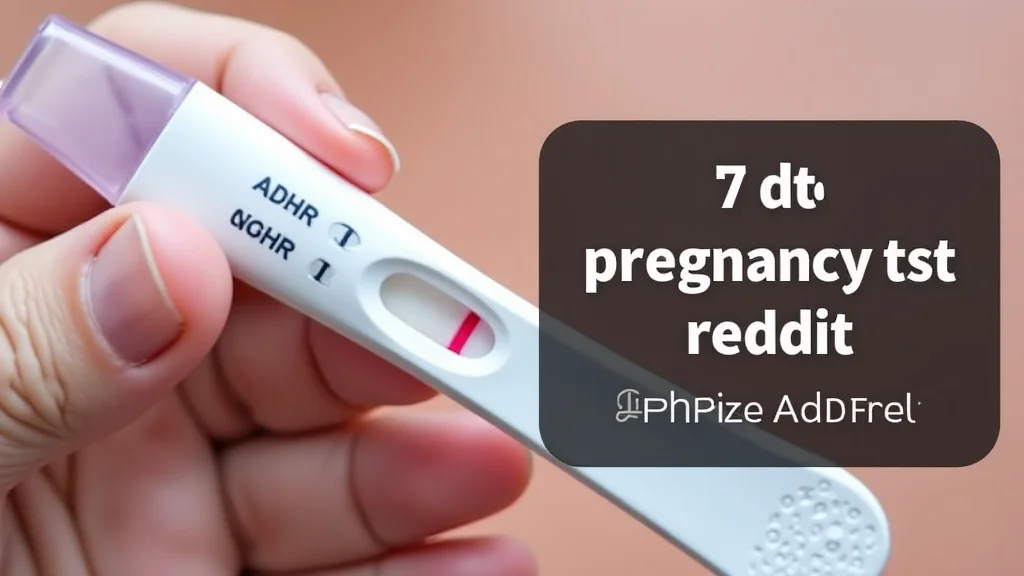
    Seeing a positive pregnancy test at just 7 days past ovulation (dpo) can be super exciting but also a bit confusing for many. It’s a common time people start wondering if it’s real, and online forums like Reddit are full of questions about 7 dpo positive pregnancy test reddit experiences. Many beginners feel unsure if an early positive is reliable.

    This guide is here to help. We will walk through everything you need to know in simple steps, so you feel confident. Get ready to get clear answers about what that early positive truly means and what to expect next.

    Key Takeaways

    • Understand why a 7 dpo positive pregnancy test might appear.
    • Learn about the accuracy of early home pregnancy tests.
    • Discover how to confirm a 7 dpo positive pregnancy test.
    • Explore common experiences shared on Reddit about early positives.
    • Know the next steps after getting a positive result at 7 dpo.

    Early Pregnancy Signs at 7 Dpo

    At 7 days past ovulation, the earliest signs of pregnancy can start to show, though they are often subtle and easily mistaken for other things. This is the time when a fertilized egg has likely traveled to the uterus and begun to implant. Implantation is the process where the embryo attaches itself to the uterine lining.

    This process can sometimes cause light spotting or cramping, which are among the first physical changes a person might notice. However, many individuals do not experience any noticeable symptoms at this very early stage. The absence of symptoms does not mean pregnancy has not occurred.

    The hormone responsible for a positive pregnancy test is human chorionic gonadotropin (hCG). This hormone is produced by the cells that will form the placenta. hCG levels begin to rise after implantation.

    For a pregnancy test to detect hCG, the hormone needs to reach a certain threshold. This threshold varies between different types of pregnancy tests. Some tests are more sensitive than others and can detect lower levels of hCG earlier.

    Experiencing symptoms at 7 dpo is not a guarantee of pregnancy, nor is the absence of symptoms a sign that pregnancy has not happened. Many common early pregnancy symptoms, like fatigue, nausea, and breast tenderness, can also be premenstrual symptoms (PMS). This overlap is why relying solely on symptoms at 7 dpo can be misleading.

    The most reliable indicator at this stage is a pregnancy test.

    Understanding hCG Levels

    Human chorionic gonadotropin (hCG) is a vital hormone that signals pregnancy. It is produced by cells that will develop into the placenta. After a fertilized egg implants into the uterine wall, hCG levels start to rise rapidly.

    This rise is what pregnancy tests detect. For home pregnancy tests to show a positive result, hCG must be present in the urine at a detectable level.

    The amount of hCG in a person’s body typically doubles every 48 to 72 hours in early pregnancy. This doubling rate is why pregnancy symptoms often become more pronounced as the weeks go by. At 7 dpo, implantation has just occurred or is in its very early stages.

    Therefore, hCG levels are usually very low.

    Home pregnancy tests have different sensitivity levels, measured in milli-international units per milliliter (mIU/mL). A highly sensitive test might detect hCG levels as low as 10-25 mIU/mL. Less sensitive tests might require hCG levels of 50 mIU/mL or higher to show a positive result.

    A positive test at 7 dpo suggests that implantation happened very early, and hCG levels have risen quickly.

    It is important to remember that even with a sensitive test, a positive result at 7 dpo may be a faint line. This faint line is still considered positive. However, it also highlights how early the detection is occurring.

    Some factors can influence hCG levels, including the timing of ovulation, the exact moment of conception, and the individual’s unique hormonal production rate. This variation is why some people get positive tests much earlier than others.

    Implantation and Its Signs

    Implantation is the critical first step in pregnancy after fertilization. It is when the fertilized egg, now called a blastocyst, attaches to the lining of the uterus. This process typically happens about 6 to 12 days after ovulation.

    So, at 7 dpo, implantation might be occurring or have just finished. It is a delicate biological event that can lead to some subtle signs.

    The most commonly discussed sign of implantation is implantation bleeding. This is light spotting that can range from pink to light brown. It is usually much lighter than a regular period and lasts only a day or two.

    Some people also experience mild cramping or a sensation known as “implantation twinges” in their lower abdomen. These feelings are often described as dull aches or mild pinches.

    However, it is crucial to understand that not everyone experiences implantation bleeding or cramping. Many people have successful pregnancies without noticing any implantation signs. Conversely, spotting or cramping can also occur for reasons unrelated to pregnancy, such as hormonal fluctuations or an infection.

    Therefore, while these signs can be suggestive, they are not definitive proof of pregnancy.

    The timing of implantation also plays a role in when hCG can be detected. If implantation occurs earlier in the 6-12 day window, hCG will be produced sooner, increasing the chances of a positive pregnancy test at 7 dpo. If implantation happens later, it might take longer to get a positive result.

    The consistency of these signs varies greatly among individuals.

    Understanding Early Pregnancy Tests

    Home pregnancy tests are designed to detect hCG in urine. They work by using antibodies that bind to hCG. When hCG is present, it triggers a chemical reaction that causes a line or symbol to appear on the test.

    The sensitivity of these tests is key when testing early, like at 7 dpo.

    Most standard pregnancy tests have a sensitivity of around 25 mIU/mL. This means they can detect hCG levels of 25 mIU/mL or higher. Highly sensitive tests, sometimes called “early detection” or “digital” tests, can detect levels as low as 10-20 mIU/mL.

    These are the types of tests that might show a positive result at 7 dpo.

    Using the first-morning urine is generally recommended for early testing. This is because hCG is most concentrated in the urine after holding it for several hours overnight. Testing later in the day might yield a false negative if hCG levels are still too low to be detected reliably.

    Even with a sensitive test, a very faint positive line at 7 dpo is still considered a positive result.

    It is important to follow the test instructions carefully. Different brands have slightly different procedures. Reading the test within the specified time frame is also vital.

    Waiting too long can sometimes lead to evaporation lines, which can be mistaken for a positive result. A positive result, even a faint one, at 7 dpo should be followed up with another test in a few days or by a doctor’s confirmation.

    Accuracy of 7 Dpo Pregnancy Tests

    The accuracy of a pregnancy test at 7 dpo is a common concern. While some highly sensitive tests claim to detect pregnancy as early as 5 days before a missed period, it is important to manage expectations. At 7 dpo, the fertilized egg has only just implanted or is in the process of implanting.

    This means hCG levels are typically very low.

    If a positive result is seen at 7 dpo, it usually indicates that implantation happened very early and the individual’s body is producing hCG at a relatively high rate for this stage. However, even with a positive result, there is a small chance of a false positive or a chemical pregnancy. A chemical pregnancy is a very early miscarriage that occurs shortly after implantation.

    It is characterized by a positive pregnancy test followed by a negative test and the start of a period.

    False positives are rare but can occur due to certain medical conditions, medications containing hCG, or errors in using the test. The most common reason for a “false positive” at this early stage is misinterpreting an evaporation line. Evaporation lines appear when urine evaporates from the test strip, leaving a faint, colorless mark that can sometimes resemble a positive line.

    These lines typically appear after the recommended reading time.

    Therefore, while a positive test at 7 dpo is exciting, it is not definitive proof of a viable pregnancy. Experts often advise waiting until at least the day of a missed period for a more accurate result. If you get a positive at 7 dpo, it is wise to retest in a couple of days to see if the line darkens or to schedule an appointment with a healthcare provider for blood tests and an ultrasound to confirm the pregnancy.

    Interpreting Faint Lines

    A faint positive line on a pregnancy test can be a source of confusion, especially when testing very early, like at 7 dpo. The intensity of the line generally corresponds to the amount of hCG in your urine. A strong, dark line usually means higher hCG levels, while a faint line suggests lower hCG levels.

    At 7 dpo, hCG levels are naturally quite low. Therefore, if implantation has occurred and hCG is being produced, it is common to see a faint line. This faint line is still considered a positive result.

    It indicates that the pregnancy hormone is present. Many people have had successful pregnancies after seeing a faint positive line on an early test.

    However, it is important to be aware of potential misinterpretations. Evaporation lines, which are colorless and appear after the test has dried, can sometimes look like faint positive lines. Always read the test within the time frame specified in the instructions.

    If the faint line appears after the given time, it is likely an evaporation line and not a true positive.

    To be sure, it is best to retest a few days later. As the pregnancy progresses, hCG levels will rise, and the line on the test should become darker. If you get a faint positive, and it concerns you, consult your healthcare provider.

    They can perform a blood test to measure hCG levels precisely and confirm the pregnancy. They can also schedule an ultrasound to visualize the pregnancy.

    Reddit Discussions on 7 Dpo Positives

    Online communities like Reddit are bustling with conversations from people trying to conceive (TTC). The subreddit r/TTC_PCOS and general pregnancy subreddits are popular places for individuals to share their experiences, ask questions, and find support. Searching for “7 dpo positive pregnancy test reddit” brings up countless threads where users discuss their early results.

    Many posts feature pictures of faint positive pregnancy tests, accompanied by questions about their validity. Users often share their ovulation tracking methods, the types of tests they used, and their symptoms. Reading these discussions can be reassuring, showing that others are going through similar situations.

    It highlights the emotional roller coaster of the two-week wait.

    Common themes in these Reddit discussions include:
    Excitement and disbelief at seeing a faint line so early. Anxiety about whether the positive is “real” or a chemical pregnancy. Comparisons of different brands of pregnancy tests and their sensitivity.

    Sharing of symptoms experienced at 7 dpo. * Advice on when to retest and when to contact a doctor.

    These shared experiences can provide valuable insights, but it is important to remember that everyone’s body is different. While one person’s experience might mirror yours, it does not guarantee the same outcome. The collective wisdom and shared emotions on Reddit can be a great source of comfort and information for those in the early stages of pregnancy or trying to conceive.

    Common Experiences Shared

    Users on Reddit frequently share stories about the emotional rollercoaster of seeing a faint positive at 7 dpo. Many describe the intense hope and excitement mixed with a significant dose of anxiety. The question, “Is this line real?” is a recurring one.

    People often post photos of their tests, asking for opinions from the community.

    A common pattern is using a highly sensitive test, like a cheap strip test or a digital early detection test, and seeing a faint positive. This is often followed by a period of intense symptom watching. Some users report experiencing mild cramping, sore breasts, or increased fatigue, while others report feeling absolutely no different than before they were pregnant.

    Another frequent topic is the fear of chemical pregnancy. Users who get a faint positive at 7 dpo often worry that their period will arrive shortly after, confirming a chemical pregnancy. They share their experiences of retesting over the next few days to see if the line gets darker or if it disappears.

    This period of waiting is often described as one of the most stressful parts of the TTC journey.

    Many experienced members of the community offer advice, encouraging those with faint lines to wait a few more days and retest. They often share their own success stories that started with a barely visible line. This shared wisdom helps newcomers feel less alone and provides practical guidance on how to proceed.

    The supportive nature of these forums is a major draw for individuals seeking answers and comfort during this uncertain time.

    Advice from the Community

    When people share their 7 dpo positive pregnancy test experiences on Reddit, the community often rallies with advice and encouragement. A recurring piece of advice is to trust your test if it shows a line within the correct time frame, regardless of how faint it is. The general consensus is that any line is a positive sign, but further confirmation is always recommended.

    Users frequently suggest retesting with the same brand or a different highly sensitive brand every day or every other day. The advice is to observe if the line gradually gets darker. A darkening line is a strong indicator that hCG levels are rising, which is consistent with an ongoing pregnancy.

    Many also recommend using first-morning urine for these subsequent tests to ensure the highest concentration of hCG.

    Beyond retesting, many Redditors strongly advise contacting a healthcare provider. They explain that a doctor can perform a blood test to measure hCG levels accurately. Blood tests are more sensitive than urine tests and can detect pregnancy earlier and provide a quantitative measurement of hCG.

    This allows for better tracking of pregnancy progression.

    The community also emphasizes the importance of self-care and managing expectations. While a positive test is exciting, the early stages can be uncertain. Advice often includes staying hydrated, eating well, and avoiding excessive stress.

    Many share that while a positive test is a wonderful sign, it is a waiting game until a healthcare provider confirms the pregnancy and viability through scans and further testing.

    Confirming a Positive Pregnancy Test

    Getting a positive result on a home pregnancy test is an exciting moment, but especially at 7 dpo, it is wise to seek professional confirmation. While home tests are reliable, especially when used correctly, a healthcare provider offers the most definitive confirmation and guidance for the next steps. This involves a combination of methods designed to verify the pregnancy and ensure it is progressing healthily.

    The first step after a positive home test is usually to contact your doctor or a local clinic. They will likely schedule an appointment to discuss your positive result. During this appointment, they will ask about your last menstrual period and ovulation date to estimate your due date.

    They may also ask about any symptoms you are experiencing.

    One of the primary methods for confirmation is a blood test. Blood tests can detect hCG at lower levels than urine tests and can quantify the exact amount of hCG present. This quantitative measurement is crucial for tracking the progression of early pregnancy.

    Your doctor might order serial blood tests, meaning they will draw blood multiple times over a few days or weeks to see if your hCG levels are doubling as expected.

    An ultrasound is another vital tool for confirming pregnancy, especially in the later stages of early pregnancy. While it may be too early to see much at 7 dpo, your doctor will likely schedule an ultrasound in the coming weeks. The first ultrasounds typically confirm the presence of a gestational sac within the uterus and later detect a fetal pole and heartbeat.

    This visual confirmation is the ultimate assurance of a progressing pregnancy.

    The Role of Blood Tests

    Blood tests are considered the gold standard for confirming pregnancy and monitoring its early progression. Unlike urine tests that detect hCG in urine, blood tests can measure hCG levels directly in the bloodstream. This offers a more sensitive and quantitative way to confirm pregnancy and track its development.

    There are two types of hCG blood tests: qualitative and quantitative. A qualitative hCG blood test simply checks if hCG is present in the blood. It will return a “yes” or “no” answer, similar to a urine test, but it can detect hCG earlier and at lower concentrations, sometimes as early as 6-8 days after conception.

    This makes it very useful for confirming a very early positive like one at 7 dpo.

    A quantitative hCG blood test, also known as a beta hCG test, measures the exact amount of hCG in the blood. This test provides a specific numerical value, for example, 50 mIU/mL. This number is incredibly useful for healthcare providers because hCG levels in early pregnancy typically double every 48 to 72 hours.

    By monitoring these levels over time with repeat blood tests, doctors can assess whether the pregnancy is progressing normally or if there might be an issue, such as an ectopic pregnancy or a non-viable pregnancy.

    For a 7 dpo positive pregnancy test, a quantitative hCG blood test can offer a very early confirmation. If the levels are detectable, it confirms pregnancy. Serial quantitative tests can then be used to track the expected doubling of hCG, providing reassurance that the pregnancy is on track.

    These tests are also crucial if there are concerns about spotting or other early pregnancy complications.

    Ultrasound Confirmation

    While a positive pregnancy test and a blood test can confirm the presence of hCG, an ultrasound is typically used to visualize the pregnancy and confirm its location and viability. For someone who has a positive test at 7 dpo, an ultrasound might not be immediately scheduled, as it is still very early in the pregnancy.

    Generally, an ultrasound is performed around 6-8 weeks of gestation to detect a gestational sac. By 7 dpo, which is about 3 weeks and 6 days gestation (assuming a 14-day cycle), it is usually too early to see a gestational sac on a standard abdominal ultrasound. However, a transvaginal ultrasound, which uses a probe inserted into the vagina, is more sensitive and may be able to detect a gestational sac as early as 5 weeks of gestation.

    This would be around 2 weeks after a 7 dpo positive, so roughly 9-10 weeks from the last menstrual period.

    The primary goals of an early ultrasound include:
    Confirming that the pregnancy is located within the uterus (ruling out an ectopic pregnancy, where the embryo implants outside the uterus). Visualizing the gestational sac, which indicates the pregnancy is developing. * Later, detecting a yolk sac, fetal pole, and eventually a heartbeat, confirming the viability of the pregnancy.

    If you have a positive pregnancy test at 7 dpo, your doctor will likely schedule an ultrasound appointment a few weeks later. This allows enough time for the pregnancy to develop to a stage where it can be clearly visualized. The ultrasound provides crucial information and can alleviate much of the anxiety associated with an early positive test.

    Potential Causes of Early Positives

    Receiving a positive pregnancy test at 7 dpo is a clear indication that your body is producing hCG, the pregnancy hormone. This typically happens after successful implantation of a fertilized egg. However, there are nuances to consider why a positive might appear this early, and also, though rare, reasons that might mimic a positive.

    The most straightforward explanation for a positive test at 7 dpo is early implantation. Conception might have occurred very close to ovulation, and the fertilized egg implanted swiftly, leading to a rapid rise in hCG. Some individuals naturally have higher hCG production rates.

    This means that even with typical implantation timing, their hCG levels might reach detectable thresholds sooner than average.

    It is also important to consider the type of pregnancy test used. Highly sensitive tests are designed to detect very low concentrations of hCG. If you are using a test with a sensitivity of 10-20 mIU/mL, and your hCG levels have just crossed that threshold due to early implantation, you will get a positive result.

    This does not necessarily mean the pregnancy will be any more or less viable than one detected later.

    In rare instances, certain medications or medical conditions can lead to a false positive result. Fertility treatments that involve hCG injections can cause a positive test, even if pregnancy has not occurred. Certain rare medical conditions or tumors can also produce hCG.

    However, for the vast majority of people experiencing a positive at 7 dpo, it signifies an early, but potentially normal, pregnancy.

    Fertility Treatments and hCG

    For individuals undergoing fertility treatments, a positive pregnancy test can be both exciting and confusing. Many fertility treatments involve medications that can affect hCG levels, making early test interpretation challenging. The most common medication that causes this is hCG itself, often administered as an injection.

    The hCG injection, sometimes called a “trigger shot,” is used to induce ovulation. It contains the pregnancy hormone hCG. If a pregnancy test is taken too soon after an hCG injection, it can detect the residual hormone from the shot, leading to a false positive pregnancy result.

    The hCG from the injection is gradually eliminated from the body, but it can take several days to a couple of weeks, depending on the dosage and individual metabolism.

    To avoid misinterpreting a false positive from an hCG injection, healthcare providers typically advise patients to wait a specific period after the last injection before taking a home pregnancy test. This waiting period is usually 10-14 days, depending on the protocol. If a person gets a positive test at 7 dpo and is undergoing fertility treatments, it is crucial to consider if they have recently received an hCG injection.

    If a positive test is obtained after a recent hCG injection, it is best to wait and retest after the recommended waiting period or to rely on blood tests ordered by the fertility clinic. These clinics have protocols to distinguish between the hCG from the injection and hCG produced by an actual pregnancy. This careful timing and communication with the fertility team are essential for accurate results.

    Evaporation Lines vs. Faint Positives

    One of the most common sources of confusion when taking an early pregnancy test is distinguishing between a faint positive line and an evaporation line. Both can appear as faint marks on the test, leading to uncertainty.

    A faint positive line on a pregnancy test indicates that hCG is present in the urine at a detectable level, albeit a low one. This means that implantation has likely occurred, and the pregnancy hormone is being produced. For a faint positive line to be considered valid, it must appear within the timeframe specified by the test manufacturer (usually 3-10 minutes).

    The line should also have color to it, typically pink or blue, depending on the test.

    An evaporation line, on the other hand, is a colorless or grayish line that appears when urine has evaporated from the test strip. This typically happens when a test is left for too long after the designated reading time, often after 10 minutes or more. Evaporation lines are not indicative of pregnancy and are essentially just a visual artifact caused by the drying of the urine sample on the test strip.

    To differentiate between the two:
    Timing: Pay close attention to the time frame. A true positive appears within the specified window. Color: A true positive line will have color.

    An evaporation line is often colorless or grayish. Shape: A true positive line should match the shape of the control line. An evaporation line can sometimes appear slightly smudged or different in shape.

    Retesting: The best way to confirm is to retest in a day or two. If it’s a true positive, the line will likely become darker as hCG levels rise. If it was an evaporation line, a new test will likely be negative or show a similar faint, colorless line after the same amount of time.

    What to Do After a 7 Dpo Positive

    Discovering a positive pregnancy test at 7 dpo is an exciting development. However, because it is so early, it is important to approach this stage with careful planning and realistic expectations. The next steps are designed to confirm the pregnancy, ensure its health, and prepare you for the journey ahead.

    This involves communication with healthcare providers and continued monitoring.

    The very first action should be to schedule an appointment with your doctor or a healthcare provider. They are the best resource for confirming the pregnancy and providing essential prenatal care guidance. Do not rely solely on home tests for definitive confirmation, especially at this early stage.

    Your healthcare provider will guide you through the necessary steps to ensure a healthy pregnancy.

    While waiting for your appointment, you can take steps to support a potential pregnancy. This includes starting a prenatal vitamin that contains folic acid, which is crucial for preventing neural tube defects. It is also wise to begin making healthier lifestyle choices, such as avoiding alcohol, smoking, and certain types of food that are not recommended during pregnancy.

    Ensuring you are well-hydrated and getting adequate rest are also beneficial.

    Remember that even with a positive test, there’s a possibility of a chemical pregnancy or other early complications. Your healthcare provider will help you monitor for these possibilities. The goal is to ensure the pregnancy is viable and progressing correctly.

    This period of waiting and confirming is a key part of early prenatal care. Stay patient and follow your doctor’s advice for the best outcomes.

    Consulting Your Healthcare Provider

    The moment you see a positive pregnancy test, especially one as early as 7 dpo, the most crucial step is to contact your healthcare provider. They are your primary resource for confirming the pregnancy and initiating prenatal care. Do not delay in making this call, as early prenatal care is vital for a healthy pregnancy.

    When you call, be prepared to provide details about your last menstrual period and the date you believe you ovulated. This information helps them estimate your due date. They will likely schedule an appointment for you, which may include a physical examination, blood tests to measure hCG levels, and possibly an early ultrasound.

    During your first prenatal visit, your healthcare provider will discuss your medical history, review any medications you are taking, and provide guidance on lifestyle changes recommended during pregnancy. This includes advice on diet, exercise, and what to avoid. They will also likely prescribe a prenatal vitamin containing folic acid, which is essential for fetal development.

    Your provider will explain the importance of monitoring hCG levels through blood tests and the role of ultrasounds in confirming the pregnancy’s location, viability, and growth. They will also answer any questions or concerns you may have. Building a strong relationship with your healthcare provider from the outset is key to a healthy and informed pregnancy journey.

    Next Steps for Monitoring

    After confirming a positive pregnancy test at 7 dpo with your healthcare provider, the next steps focus on monitoring the pregnancy’s progress. This is a critical period, as early pregnancy development is rapid and can be fragile. Consistent monitoring helps to ensure everything is on track.

    Serial hCG blood tests are often the first step. If your provider ordered a quantitative hCG test, they will likely repeat it every 2-3 days. The goal is to see these levels doubling approximately every 48 to 72 hours.

    This doubling is a strong indicator that the pregnancy is developing appropriately within the uterus. If the levels are not doubling or are plateauing, it might suggest a complication.

    An early ultrasound is another key monitoring tool. As mentioned, at 7 dpo, an ultrasound may not show much. However, your provider will likely schedule one a few weeks later, around 6-8 weeks of gestation.

    This ultrasound will confirm the presence of a gestational sac, yolk sac, and potentially a fetal pole and heartbeat. It also confirms that the pregnancy is intrauterine, ruling out an ectopic pregnancy.

    Your healthcare provider will also guide you on managing any early pregnancy symptoms, such as nausea or fatigue. They will advise on safe medications and lifestyle adjustments. Regular communication with your provider is essential.

    Do not hesitate to contact them if you experience any concerning symptoms like severe cramping, heavy bleeding, or a sudden disappearance of symptoms. They are there to support you through every stage of your early pregnancy.

    Common Myths Debunked

    Myth 1 A very faint line means the pregnancy is not viable

    This is a very common misconception. A faint line on an early pregnancy test, particularly at 7 dpo, simply means that the level of hCG detected is low. Low hCG levels are expected this early because implantation has only just occurred.

    As the pregnancy progresses, hCG levels will rise, and the line on subsequent tests should become darker. Many successful pregnancies start with a very faint line.

    Myth 2 If you don’t have symptoms, you aren’t pregnant

    Symptom spotting is a huge part of the early pregnancy experience, but the absence of symptoms does not mean you are not pregnant. Many individuals do not experience noticeable pregnancy symptoms until several weeks into the pregnancy. Symptoms like nausea, fatigue, and breast tenderness can vary greatly from person to person and even from pregnancy to pregnancy.

    A positive test is a much more reliable indicator than the presence or absence of symptoms at 7 dpo.

    Myth 3 You must wait until your missed period to test

    While waiting until your missed period provides the most accurate result, many highly sensitive home pregnancy tests can detect hCG as early as 5-6 days before a missed period. Testing at 7 dpo is possible with these sensitive tests. If you get a positive, even a faint one, it is generally considered a real positive, although it is wise to confirm it with your doctor and retest in a few days to see if the line darkens.

    Myth 4 All positive pregnancy tests at 7 dpo are chemical pregnancies

    It is true that some early positives at 7 dpo can turn out to be chemical pregnancies, which are very early miscarriages. However, this is not always the case. Many individuals who get a positive pregnancy test at 7 dpo go on to have healthy, viable pregnancies.

    The key is confirmation through blood tests and subsequent ultrasounds by a healthcare provider. A chemical pregnancy is a possibility, but not a certainty with an early positive.

    Frequently Asked Questions

    Question: Can I get a positive pregnancy test at 7 dpo if I just had sex a week ago

    Answer: A positive pregnancy test at 7 dpo means that implantation has occurred and hCG is being produced. Conception usually happens within 24 hours of ovulation. Implantation typically occurs 6-12 days after ovulation.

    So, if you had sex a week ago, and ovulation occurred around that time, implantation might be happening now, leading to an early positive test. However, pregnancy is only confirmed by a positive test after implantation.

    Question: What is the best type of test to use for a 7 dpo positive

    Answer: For testing at 7 dpo, you need a highly sensitive pregnancy test. Look for tests that advertise early detection, often claiming to detect pregnancy up to 5 or 6 days before your missed period. These tests typically have a sensitivity of 10-20 mIU/mL.

    Digital tests can also be very sensitive.

    Question: I got a very faint positive at 7 dpo. Should I be worried

    Answer: A very faint positive line at 7 dpo is still a positive result. It indicates that hCG is present. It is normal to have low hCG levels this early.

    You should not necessarily be worried, but it is advisable to retest in a day or two to see if the line gets darker. Also, consult your healthcare provider for confirmation and guidance.

    Question: How soon can I take a blood test after 7 dpo

    Answer: Blood tests are more sensitive than urine tests. A healthcare provider can typically detect hCG in your blood as early as 6-8 days after ovulation, which would align with a 7 dpo positive. If you have a positive urine test at 7 dpo, a blood test ordered by your doctor can confirm it and measure the exact hCG level.

    Question: What if my 7 dpo test was positive but my test today is negative

    Answer: This scenario often indicates a chemical pregnancy. A chemical pregnancy is a very early miscarriage that occurs shortly after implantation. The hCG levels rise enough to be detected by a sensitive test, but then fall, leading to a negative test and the start of a period.

    It is best to consult your healthcare provider to discuss this outcome.

    Wrap Up

    Seeing a positive pregnancy test at 7 dpo is an exciting sign of very early pregnancy. While it means hCG is present, confirming with your doctor is key. Highly sensitive tests and early implantation can cause these early positives.

    Next steps include blood tests and later ultrasounds to monitor progression. You’ve got this!

  • Obesity Third Trimester ICD 10 Codes Explained

    Obesity Third Trimester ICD 10 Codes Explained

    Figuring out the right codes for medical records can sometimes feel tricky, especially when dealing with specific conditions like obesity third trimester icd 10. It’s common for beginners to get a little mixed up with all the different codes and what they mean. Don’t worry, we’re here to make it super simple.

    We’ll walk through it step by step so you can get it right every time. Get ready to learn exactly how to code this condition with ease.

    Key Takeaways

    • You will learn the specific ICD-10 codes for obesity in the third trimester of pregnancy.
    • Understand why accurate coding is important for patient care and billing.
    • Discover how pregnancy stage affects ICD-10 coding for obesity.
    • Find out about related conditions that might need separate codes.
    • Learn practical tips for choosing the correct code to avoid common errors.

    Understanding Obesity Third Trimester ICD 10 Coding

    Coding for medical conditions helps organize patient health information and ensures proper billing. When a pregnant person has obesity, especially in the third trimester, it requires specific codes in the ICD-10 system. This system is used worldwide to classify diseases and health problems.

    For healthcare providers, using the correct code is vital for tracking patient health trends, managing care plans, and submitting insurance claims accurately. Misunderstanding these codes can lead to billing issues and less clear patient records. This section aims to simplify the process of identifying and using the right codes for this specific situation.

    What is ICD-10?

    The International Classification of Diseases, Tenth Revision (ICD-10) is a standardized system used globally to categorize medical diagnoses and procedures. It’s like a universal language for healthcare. Developed by the World Health Organization (WHO), ICD-10 provides a detailed framework for recording diseases, symptoms, abnormal findings, social circumstances, and external causes of injury or disease.

    Each condition or event is assigned a unique alphanumeric code, making it easier to collect, process, and analyze health data. This standardization is essential for public health surveillance, clinical research, and administrative purposes like billing and insurance reimbursement. Without ICD-10, sharing and comparing health information across different healthcare systems or countries would be nearly impossible.

    ICD-10 codes are alphanumeric and can range from three to seven characters. The first character is always a letter, followed by numbers and sometimes another letter. For example, a simple fracture of a finger might have a code like S62.601A.

    The more characters in a code, the more specific the diagnosis. This level of detail allows for very precise documentation of a patient’s health status. For instance, distinguishing between different types of diabetes or the specific location and encounter for an injury.

    Why Specificity Matters for Pregnancy and Obesity

    Pregnancy brings unique health considerations. When obesity is also present, it can affect both the pregnant person and the developing baby. The third trimester is a critical period of rapid fetal growth and increased physiological demands on the mother.

    Obesity during this stage can heighten risks of conditions like gestational diabetes, preeclampsia, and complications during labor and delivery. Therefore, accurately documenting obesity in the third trimester is not just about general health but about understanding and managing pregnancy-specific risks. Using precise ICD-10 codes helps healthcare teams identify patients who may need closer monitoring or specialized care.

    For example, coding for “obesity complicating pregnancy” versus simply “obesity” makes a significant difference in how a patient’s care is approached. The former indicates that the obesity is directly impacting the pregnancy, requiring a tailored management strategy. This specificity informs treatment decisions, helps predict potential complications, and ensures that resources are allocated appropriately to address the unique challenges posed by this combination of factors.

    It’s about recognizing the interplay between the two conditions.

    Common Challenges for Beginners

    For those new to medical coding, the sheer volume of ICD-10 codes can be overwhelming. Terms like “obesity,” “third trimester,” and “pregnancy” might seem straightforward, but combining them into a precise code requires careful attention to detail and understanding of the coding guidelines. Beginners might struggle to find the correct category or subcategory, leading to the use of general codes instead of specific ones.

    The ICD-10-CM (Clinical Modification) manual, which is used in the United States, contains extensive tabular lists and instructional notes that can be confusing to interpret initially. Knowing where to look and how to apply these rules is key.

    One common pitfall is not distinguishing between obesity as a primary condition versus obesity as a factor complicating another condition, such as pregnancy. Beginners might also overlook the importance of coding the trimester of pregnancy, as certain codes are specific to the stage. Additionally, the sequential nature of coding, where the primary diagnosis is listed first, can be a point of confusion.

    Without clear guidance, it’s easy to select a code that is too general or doesn’t fully capture the patient’s situation, impacting the quality of data and potentially reimbursement. We’ll break this down simply.

    Identifying the Correct ICD-10 Codes for Obesity Third Trimester

    Finding the right ICD-10 code for obesity during the third trimester of pregnancy involves looking for codes that specifically address both pregnancy and obesity. The ICD-10-CM system is designed to capture these specific combinations. It’s important to remember that pregnancy codes often start with the letter ‘O’.

    When obesity is a complicating factor, you’ll typically look for codes within the ‘O’ chapter that have additional subcategories for obesity or other conditions. The goal is to select a code that most accurately reflects the patient’s condition and its impact on the pregnancy.

    The ICD-10-CM system uses a hierarchical structure. This means you start with a broader category and then drill down to more specific codes. For pregnancy-related conditions, the primary chapter is Chapter 15: Pregnancy, Childbirth and the Puerperium (codes O00-O9A).

    Within this chapter, you’ll find subcategories for various complications. Obesity itself is classified under Chapter 4: Endocrine, nutritional and metabolic diseases (codes E00-E89), specifically within the category of ‘Obesity and other eating disorders’ (E65-E79). The challenge is linking these two aspects correctly.

    For coding purposes, when obesity complicates pregnancy, the pregnancy code takes precedence. This means the primary code will often be an ‘O’ code that indicates obesity as a complicating factor.

    The Role of Chapter 15 Codes

    Chapter 15 of the ICD-10-CM is dedicated to pregnancy, childbirth, and the puerperium. Codes in this chapter are crucial for documenting conditions that arise during or are significantly impacted by pregnancy. These codes are identified by the letter ‘O’ followed by two digits and then usually a seventh character to specify details like the encounter type or trimester.

    When a patient is pregnant, and there’s a condition like obesity that affects the pregnancy, it is essential to use a code from this chapter.

    For example, the code O99.21 is a general code for ‘Endocrine, nutritional and metabolic diseases complicating pregnancy, childbirth and the puerperium’. However, this is not specific enough for obesity. To get to the correct code for obesity in the third trimester, further specificity is needed.

    The system requires you to indicate the specific condition and the trimester. This detailed approach ensures that healthcare providers have a clear picture of the patient’s health risks and needs throughout their pregnancy. It’s about capturing every relevant detail to provide the best care.

    Obesity Categories in ICD-10

    Obesity in ICD-10 is primarily categorized under the E65-E68 range. This range includes specific codes such as E66.0 for obesity due to excess calories, E66.1 for drug-induced obesity, and E66.9 for unspecified obesity. However, when obesity complicates pregnancy, the coding structure shifts.

    Instead of using an ‘E’ code as the primary diagnosis, you use an ‘O’ code that reflects the pregnancy and then specifies obesity as a complicating factor. This is a fundamental concept in ICD-10 coding for pregnant patients with comorbid conditions.

    The ICD-10-CM guidelines state that when a condition like obesity exists and complicates pregnancy, the pregnancy code should be listed first. This ensures that the primary reason for the patient’s encounter and the core context of their health status (pregnancy) is clearly identified. The specific ‘O’ code will then incorporate the information about obesity.

    This approach highlights the importance of the pregnancy status in the patient’s overall health management and documentation.

    Connecting Obesity to Third Trimester Pregnancy

    To accurately code for obesity in the third trimester, you need to find the ICD-10 code that links both the pregnancy and the specific stage. The ICD-10-CM manual provides guidelines on how to select the appropriate seventh character for ‘O’ codes to indicate the trimester. For example, a code might be structured as O99.21X3, where ‘X’ is a and ‘3’ signifies the third trimester.

    This level of detail is critical for tracking how a condition like obesity might progress or impact a pregnancy during its later stages.

    The third trimester typically spans from week 28 of pregnancy to birth. During this period, fetal growth accelerates, and the pregnant person experiences significant physical changes. Obesity can exacerbate common third-trimester issues and increase the risk of pregnancy-induced hypertension, gestational diabetes, and cesarean delivery.

    Precise coding ensures that these associations are documented, allowing for better research into the impact of obesity on pregnancy outcomes and improving care protocols for future pregnancies. It’s about building a clear medical narrative.

    Coding Scenarios and Examples

    To truly grasp how to code for obesity in the third trimester, looking at practical scenarios is very helpful. These examples show how the ICD-10-CM guidelines are applied in real-world situations. We will walk through a few common instances where a pregnant individual presents with obesity during their third trimester.

    This will clarify which codes to use and why. Understanding these scenarios will build your confidence in selecting the correct codes.

    Consider a patient who comes for a routine check-up at 32 weeks pregnant and has a Body Mass Index (BMI) of 35, indicating obesity. The physician documents “Obesity complicating pregnancy, third trimester.” In this case, the primary diagnosis is the complicating factor of obesity on the pregnancy. The ICD-10-CM code would reflect this.

    It’s not just about noting the obesity; it’s about noting how it affects the pregnancy during this specific stage.

    Scenario 1: Routine Check with Documented Obesity

    A pregnant patient at 30 weeks gestation is seen for a routine prenatal visit. Her medical record indicates a pre-pregnancy BMI of 32, classifying her as obese. The physician notes “Obesity complicating pregnancy, second trimester.” Since the prompt is about the third trimester, let’s adjust this.

    If the patient is now at 30 weeks, it is the beginning of the third trimester for many coding purposes, or we can look at a later stage. Let’s assume the visit is at 34 weeks gestation.

    For a patient at 34 weeks gestation with documented obesity impacting the pregnancy, the physician might record: “Obesity complicating pregnancy, third trimester.” The appropriate ICD-10-CM code would be O99.213. Let’s break this down. ‘O99’ signifies endocrine, nutritional, and metabolic diseases complicating pregnancy, childbirth, and the puerperium.

    The fourth digit ‘2’ specifies endocrine, nutritional and metabolic diseases. The fifth digit ‘1’ indicates obesity. The sixth digit is usually a or further specification, and the seventh digit ‘3’ denotes the third trimester.

    This code, O99.213, tells healthcare providers and billing departments that the patient is pregnant, in her third trimester, and has obesity that is complicating her pregnancy. This level of detail is vital for appropriate medical management, risk assessment, and statistical tracking of maternal and infant health outcomes. It ensures that care plans are developed with the specific challenges of obesity during late pregnancy in mind, such as increased risk of gestational diabetes or preeclampsia.

    Accurate coding here is the first step in providing proactive care.

    Scenario 2: Obesity with Gestational Diabetes

    Imagine a pregnant patient at 36 weeks gestation who has both obesity (BMI 38) and has been diagnosed with gestational diabetes. The physician documents “Obesity and gestational diabetes mellitus complicating pregnancy, third trimester.” This scenario requires coding for multiple conditions. According to ICD-10-CM guidelines, when a patient has both obesity and another pregnancy-related condition, both need to be documented.

    The principal diagnosis should reflect the condition most responsible for the encounter. However, when a pregnancy is complicated by multiple conditions, the sequencing can depend on specific encounter circumstances, but often the pregnancy code with its complications is primary.

    For this complex case, you would likely use codes for gestational diabetes and obesity, with the primary code reflecting the pregnancy complication. A common approach would be:
    1. O24.413 – Gestational diabetes mellitus in pregnancy, third trimester
    2.

    O99.213 – Obesity complicating pregnancy, third trimester

    Here, O24.413 indicates gestational diabetes mellitus during the third trimester. O99.213 indicates obesity complicating pregnancy during the third trimester. The combination of these codes provides a comprehensive picture of the patient’s health status.

    This detailed coding allows for the management of both conditions and helps in understanding their combined impact on the pregnancy and the baby. It’s essential for ensuring the patient receives appropriate monitoring and treatment for both gestational diabetes and obesity.

    Scenario 3: Previous Obesity History Impacting Current Pregnancy

    Consider a patient who is 38 weeks pregnant and has a history of morbid obesity (BMI > 40) prior to pregnancy. Even if her weight gain during pregnancy is within recommended limits, her pre-existing morbid obesity is still a significant factor complicating her current pregnancy. The physician documents: “Morbid obesity complicating pregnancy, third trimester.”

    In this situation, the focus is on the pre-existing obesity’s impact. The ICD-10-CM code would likely be O99.213 again, but some specific coding guidelines might allow for additional codes to specify the degree of obesity if clinically relevant and documented. For instance, if a specific code for morbid obesity (like E66.01) is applicable alongside the pregnancy complication code, it could be used.

    However, the primary code for the complication of pregnancy due to obesity in the third trimester remains O99.213.

    The critical aspect here is that the patient’s pre-existing condition continues to influence her current pregnancy management. This might mean increased surveillance for cardiovascular issues or other obesity-related complications. Accurate coding ensures that the healthcare team is aware of these ongoing risks.

    It guides treatment decisions and resource allocation throughout the remainder of the pregnancy and during labor and delivery. This underscores the importance of thoroughly documenting the patient’s medical history and its implications for the current obstetric care.

    Related Conditions and Additional Coding

    When dealing with obesity during the third trimester, it’s not uncommon for other related health issues to arise or be present. These conditions also need to be coded accurately to ensure complete patient documentation and appropriate care. ICD-10-CM allows for multiple codes to be assigned to a patient’s record for a single encounter if clinically justified.

    This provides a fuller picture of the patient’s health status and any factors contributing to their care.

    For example, obesity is a known risk factor for gestational diabetes and preeclampsia. If a patient has obesity in the third trimester and also develops one of these conditions, both the code for obesity complicating pregnancy and the code for the specific condition (like gestational diabetes or preeclampsia) should be assigned. The sequencing of these codes can depend on the specific encounter and the physician’s assessment of which condition is the primary reason for the visit or admission.

    Gestational Diabetes Mellitus (GDM)

    Gestational diabetes mellitus (GDM) is a type of diabetes that develops during pregnancy. It occurs when a pregnant person’s body cannot produce enough insulin to meet the increased needs of pregnancy, or when their body cannot use insulin properly. Obesity is a significant risk factor for developing GDM.

    Patients with obesity during pregnancy are more likely to develop this condition. When GDM occurs in the third trimester alongside obesity, both conditions need to be coded.

    The ICD-10-CM code for GDM in the third trimester is O24.413. This code specifically identifies gestational diabetes mellitus in a pregnant patient during the third trimester. If the patient also has obesity, as discussed earlier, the code O99.213 would be added.

    The combination of these codes (O24.413 and O99.213) provides a clear picture of a patient who is experiencing both obesity and GDM during the crucial final stage of pregnancy. This dual coding helps ensure comprehensive management and monitoring for both conditions.

    Statistics show that approximately 2-10% of pregnancies are affected by gestational diabetes. The risk is higher in women who are overweight or obese before pregnancy. For instance, a study published in the American Journal of Obstetrics & Gynecology noted that women with a BMI of 30 or higher have a significantly increased risk of developing GDM compared to women with a normal BMI.

    This highlights the critical link between obesity and GDM, making accurate coding essential for tracking these trends and implementing preventative strategies.

    Preeclampsia and Gestational Hypertension

    Preeclampsia is a serious condition that can develop after the 20th week of pregnancy. It is characterized by high blood pressure and signs of damage to other organ systems, most often the liver and kidneys. Obesity is a well-established risk factor for developing preeclampsia.

    Similarly, gestational hypertension is high blood pressure that develops after 20 weeks of pregnancy without other signs of organ damage.

    If a patient with obesity in the third trimester develops preeclampsia, several codes might be used. For preeclampsia itself in the third trimester, the code is O14.13. If the patient has gestational hypertension, the code is O13.1.

    If the obesity is also noted as complicating the pregnancy, the O99.213 code would be added. For example, a patient with obesity and preeclampsia in the third trimester might be coded as:

    • O14.13 – Severe pre-eclampsia, third trimester
    • O99.213 – Obesity complicating pregnancy, third trimester

    These codes are vital because preeclampsia and gestational hypertension can lead to severe complications for both mother and baby, including premature birth and other health issues. Accurate documentation helps healthcare teams monitor these conditions closely and intervene appropriately. The presence of obesity often signals a higher risk for these conditions, making it essential to document both accurately.

    Other Related Conditions

    Obesity can also be associated with other conditions that might require separate coding during the third trimester. These can include conditions like obstructive sleep apnea, deep vein thrombosis (DVT), or increased risk of cesarean delivery. When these conditions are present and related to the patient’s obesity and pregnancy, they need to be coded to provide a complete health profile.

    For instance, obstructive sleep apnea (OSA) is more common in individuals with obesity. If a pregnant patient in her third trimester has diagnosed OSA, the code for sleep apnea (e.g., G47.33 for Obstructive sleep apnea) would be used in addition to the pregnancy complication codes. Similarly, an increased likelihood of requiring a cesarean delivery due to obesity might be coded if it becomes necessary.

    The ICD-10-CM system provides specific codes for various complications and procedures, ensuring that all aspects of the patient’s care are documented. This comprehensive approach is fundamental to effective healthcare.

    Navigating ICD-10-CM Guidelines and Conventions

    The ICD-10-CM system has a set of rules and conventions designed to ensure consistency and accuracy in coding. Understanding these guidelines is crucial for anyone responsible for medical coding, especially when dealing with complex conditions like obesity in pregnancy. These conventions help coders make the correct choices when multiple codes might seem applicable or when specific details need to be captured.

    One of the most important aspects is understanding the hierarchy of codes. The ICD-10-CM manual is organized into chapters, blocks, categories, and subcategories. Each level provides more specific information.

    For pregnancy-related conditions, Chapter 15 is paramount. Within this chapter, specific guidelines dictate how to sequence codes and which seventh characters to use for trimester specificity. Following these rules precisely minimizes errors and ensures that the documentation accurately reflects the patient’s condition.

    The Importance of the Official Guidelines for Coding and Reporting

    The Official Guidelines for Coding and Reporting are published annually by the Centers for Medicare & Medicaid Services (CMS) and the National Center for Health Statistics (NCHS). These guidelines provide essential instructions on how to use ICD-10-CM codes correctly. They cover a wide range of topics, including sequencing of diagnoses, use of unspecified codes, and coding for specific conditions like pregnancy, obesity, and diabetes.

    Adhering to these guidelines is not optional; it’s a requirement for accurate coding and proper reimbursement.

    For obesity complicating pregnancy, the guidelines specify that the ‘O’ code for the complication should be sequenced first. They also detail how to use the seventh characters to specify the trimester (e.g., ‘1’ for the first trimester, ‘2’ for the second, and ‘3’ for the third). Ignoring these guidelines can lead to incorrect coding, which can result in denied claims, audits, and potential financial penalties.

    Therefore, coders must familiarize themselves with the latest version of these guidelines. They are the definitive source for correct ICD-10-CM application.

    Understanding Sequencing Rules

    Sequencing refers to the order in which codes are listed on a claim form. In ICD-10-CM, the principal diagnosis is listed first. For conditions complicating pregnancy, childbirth, and the puerperium, the ICD-10-CM guidelines state that the condition should be sequenced first, followed by the appropriate ‘O’ code.

    However, there are specific exceptions and nuances. For instance, if the pregnancy itself is the reason for the encounter, the ‘O’ code might be listed first.

    When obesity complicates pregnancy, the guidelines usually direct coders to list the ‘O’ code that includes the complication first. For example, if the primary reason for the visit is the pregnancy and obesity is a complicating factor, you might list O99.213 as the principal diagnosis. If, however, the patient is admitted for an exacerbation of a pregnancy-related condition that is also complicated by obesity, the exacerbation code might be sequenced first.

    It is essential to consult the specific guidelines for the scenario at hand. Always review the ‘Sequencing of the diagnosis’ section of the Official Guidelines.

    Using the Index and Tabular List

    The ICD-10-CM manual has two main parts: the Index and the Tabular List. The Index is an alphabetical listing of terms and conditions. Coders typically start by looking up the main term (e.g., “Obesity”) in the Index.

    From there, they follow the cross-references to find the appropriate code. Once a potential code is identified in the Index, it is crucial to verify it in the Tabular List.

    The Tabular List contains the full codes and descriptions, along with any necessary instructional notes, including those for code assignment and seventh-character usage. For obesity in the third trimester of pregnancy, a coder would look up “Obesity” in the Index, find the sub-entry for “complicating pregnancy,” and then cross-reference to Chapter 15. They would then go to the Tabular List to find the specific code like O99.213 and ensure all notes and requirements are met.

    This process of using both the Index and the Tabular List ensures that the most accurate and specific code is selected.

    Seventh Character Extensions

    Many ICD-10-CM codes require a seventh character extension to provide more detail. For codes in Chapter 15 (Pregnancy, Childbirth and the Puerperium), these extensions often indicate the trimester of pregnancy or the type of encounter (e.g., initial, subsequent, or sequel). For example, for codes like O99.21 (Obesity complicating pregnancy), the seventh character specifies the trimester:

    • O99.211 Obesity complicating pregnancy, first trimester
    • O99.212 Obesity complicating pregnancy, second trimester
    • O99.213 Obesity complicating pregnancy, third trimester
    • O99.219 Obesity complicating pregnancy, unspecified trimester

    It’s critical to apply the correct seventh character. For a patient in their third trimester, the ‘3’ must be used. If the trimester is not documented by the physician, the code for an unspecified trimester (ending in ‘9’) should be used, unless otherwise instructed by coding guidelines.

    Always check the code description in the Tabular List to confirm the requirements for seventh-character extensions. These extensions are not optional; they are integral to the specificity of the code.

    Common Myths Debunked

    There are several common misunderstandings about coding for conditions like obesity in pregnancy. Let’s clear up some of these misconceptions to ensure you have accurate information.

    Myth 1: Any code for obesity is sufficient if the patient is pregnant.

    This is not true. While obesity itself has codes (like E66.9 for unspecified obesity), when it complicates pregnancy, you must use codes from Chapter 15 of ICD-10-CM that specifically indicate the complication of pregnancy. Simply using a general obesity code would miss the critical context that the condition is impacting a pregnancy, especially in a specific trimester.

    Myth 2: The trimester doesn’t matter for coding obesity in pregnancy.

    The trimester is very important. ICD-10-CM requires specific seventh characters for most pregnancy-related codes to indicate the trimester (first, second, or third). The risks and management of obesity can change significantly as a pregnancy progresses.

    Therefore, accurately coding the trimester ensures that the patient’s care reflects the current stage of pregnancy and associated potential complications.

    Myth 3: You only need one code for obesity and pregnancy.

    While one primary code might capture the essence of obesity complicating pregnancy (like O99.213), if other conditions are present and significant, additional codes are necessary. For example, if a patient also has gestational diabetes or preeclampsia, these conditions must also be coded separately to provide a complete medical picture and ensure all aspects of care are documented and reimbursed correctly.

    Myth 4: If a patient was obese before pregnancy, it’s not a ‘complicating’ factor.

    Pre-existing obesity is considered a complicating factor throughout pregnancy. The ICD-10-CM system expects coders to document this. Codes like O99.213 specifically address obesity complicating pregnancy, regardless of whether it developed before or during pregnancy.

    The key is its impact on the pregnant state.

    Frequently Asked Questions

    Question: What is the main ICD-10 code for obesity during the third trimester of pregnancy?

    Answer: The primary code used to indicate obesity complicating pregnancy in the third trimester is O99.213. This code specifically denotes endocrine, nutritional, and metabolic diseases complicating pregnancy, childbirth, and the puerperium, with obesity being the specific condition and the third trimester being the stage.

    Question: Do I need to use a separate code for the pregnancy itself?

    Answer: Typically, the ICD-10 code for the complication of pregnancy (like O99.213) already incorporates the pregnancy context. However, depending on the specific encounter and guidelines, a Z3A code (Weeks of gestation) might be used in addition to specify the exact week of pregnancy.

    Question: What if the patient has morbid obesity?

    Answer: Morbid obesity still falls under the O99.213 category as a complicating factor. While there are specific codes for morbid obesity within the E66 range (e.g., E66.01), when it complicates pregnancy, the O99.213 code is generally used as the primary indicator for the pregnancy complication. Consult specific payer guidelines if more detail is required.

    Question: How do I code for weight gain during pregnancy if the patient is obese?

    Answer: Standard weight gain during pregnancy is coded using codes from the Z36 category, such as Z36.5 for Encounter for screening for excessive weight gain in pregnancy. However, if the patient is already obese, the primary concern is typically the obesity itself complicating the pregnancy (O99.213), rather than just the weight gain, unless the gain is considered excessive and warrants separate attention.

    Question: Can I use a code from the E chapter for obesity along with an O chapter code?

    Answer: Yes, in some situations, you might use both. If a patient has obesity complicating pregnancy (O99.213), and also has a specific related condition like morbid obesity (E66.01), and both are clinically significant and documented, both codes may be listed. Always follow the Official Guidelines for Coding and Reporting for sequencing and selection of additional codes.

    Conclusion

    Coding obesity third trimester icd 10 is straightforward when you follow the right steps. You learned the specific codes and why they matter. By understanding the ICD-10 structure and official guidelines, accurate documentation becomes simple.

    This ensures better patient care and smoother billing processes. You now have the knowledge to confidently code this condition.

  • How to Calculate Pregnancy Dates Easily

    How to Calculate Pregnancy Dates Easily

    Figuring out pregnancy dates can seem tricky when you’re just starting. Many people find it a bit confusing to remember all the steps. It’s like trying to solve a puzzle for the first time.

    Don’t worry, though. This guide will make med calc pregnancy dates simple for you. We’ll walk through it step by step.

    Key Takeaways

    • You will learn the most common method for calculating pregnancy dates.
    • You will discover how to find your baby’s estimated due date.
    • You will understand the importance of the last menstrual period.
    • You will see how ultrasound scans can also help estimate dates.
    • You will learn about other factors that might affect your due date.

    Understanding Pregnancy Dating

    The Foundation Calculating Pregnancy Dates

    Knowing when your baby is due is a big part of pregnancy. Doctors and parents use a special way to figure this out. It helps everyone track the baby’s growth and plan for the birth.

    This system is based on a standard method that has been used for a long time. It’s designed to be as accurate as possible, even though it’s an estimate.

    The main goal is to give a clear timeline for your pregnancy. This timeline is broken down into weeks and days. It helps your healthcare provider monitor your health and your baby’s development.

    It also helps you prepare for what’s coming. We’ll explore the most common way this is done.

    The Last Menstrual Period LMP

    The most common way to calculate pregnancy dates starts with your last menstrual period, or LMP. This is the first day of your last period. Your doctor will ask you for this date.

    It’s important to remember this date accurately. Even if your periods are irregular, this date is the starting point.

    This method assumes that ovulation and conception happened about two weeks after the start of your LMP. Pregnancy is then counted from the first day of that last period. So, even though conception happens later, the clock starts ticking earlier.

    This might seem a little strange at first, but it’s the standard used worldwide.

    Remembering your LMP is key. If you track your cycles, this will be easier. If you don’t, try to recall the date as best you can.

    Even an approximate date can help your doctor get a good starting point. Don’t stress if you’re not 100 percent sure. There are other ways to check.

    Naegele’s Rule The Primary Method

    Naegele’s rule is a simple formula used to estimate your due date. It’s the most common way doctors and midwives calculate it. The rule is easy to follow once you know the steps.

    It uses your LMP to find the expected date of delivery.

    The rule involves taking the first day of your LMP, adding seven days, and then subtracting three months. Alternatively, you can add seven days to your LMP and then add nine months. Both ways lead to the same estimated due date.

    This method provides a good estimate for most pregnancies.

    Let’s break down how Naegele’s rule works with an example. Suppose your LMP was June 1st. First, add seven days, which brings you to June 8th.

    Then, subtract three months from June. Going back three months from June lands you in March. So, your estimated due date would be March 8th of the following year.

    Here’s another way to think about it. If your LMP was November 15th. Add seven days to get November 22nd.

    Now, add nine months to November. Counting nine months forward from November brings you to August. So, your estimated due date would be August 22nd of the next year.

    Calculating Gestational Age

    Gestational age refers to the duration of a pregnancy. It is measured in weeks and days. It is typically counted from the first day of the mother’s last menstrual period.

    This is the standard used in healthcare settings.

    A full-term pregnancy is usually considered to be 40 weeks. This is calculated from the LMP. For example, if your LMP was January 1st, your estimated due date would be around October 8th (40 weeks later).

    This 40-week mark is the target, but babies often arrive a little before or after.

    Understanding gestational age helps in monitoring your baby’s growth. Doctors use it to schedule prenatal check-ups and tests. It also helps you understand what developmental milestones to expect each week.

    Keeping track of this age is a core part of prenatal care.

    When LMP Is Unclear or Irregular

    Alternative Methods for Pregnancy Dating

    Sometimes, remembering your LMP is difficult. Your periods might also be irregular, making the LMP method less reliable. In these situations, other methods are used to get a more accurate estimate of your baby’s due date.

    These methods rely on physical measurements or imaging.

    Healthcare providers have other tools to determine gestational age. These tools provide a more precise timeframe when LMP information is uncertain. This ensures that your pregnancy is monitored correctly.

    It also helps plan for your baby’s arrival with greater confidence.

    Early Ultrasound Scans

    Ultrasound scans are a very accurate way to date a pregnancy, especially in the first trimester. This is often called a dating scan. It uses sound waves to create an image of the fetus.

    By measuring the size of the fetus, particularly its crown-rump length (CRL), doctors can estimate how far along the pregnancy is.

    The CRL is the measurement from the top of the baby’s head to the bottom of its bottom. This measurement is taken when the fetus is between 6 and 13 weeks pregnant. During this stage, fetal growth is very predictable, making CRL measurements highly accurate.

    An early ultrasound is usually considered the most precise way to date a pregnancy when LMP is unknown.

    If an early ultrasound is done, it can confirm or adjust the due date calculated from the LMP. If there’s a significant difference between the LMP date and the ultrasound date, the ultrasound date is usually preferred. This is because it is considered more accurate in establishing the gestational age.

    Physical Examination

    Before ultrasounds became common, doctors relied heavily on physical examinations. They can still be useful, especially in early pregnancy. Your doctor will measure the size of your uterus.

    This is done by feeling your abdomen. The size of the uterus corresponds to the number of weeks pregnant.

    The fundal height is the distance from the top of the pubic bone to the top of the uterus (fundus). This measurement is usually taken after the first trimester. It can provide another estimate of how far along the pregnancy is.

    However, factors like multiples or uterine fibroids can affect this measurement.

    While physical exams are helpful, they are generally less precise than early ultrasounds. They are often used in conjunction with other methods. They provide a way to track progress and confirm earlier estimates.

    It’s another piece of the puzzle in med calc pregnancy dates.

    Factors Affecting Due Dates

    Adjusting Your Estimated Due Date

    The estimated due date, or EDD, is exactly that – an estimate. It’s a target date, not a deadline. Most babies are not born precisely on their due date.

    It’s common for babies to arrive a week or two before or after. There are several reasons why this might happen.

    Factors such as your individual menstrual cycle, ovulation timing, and even genetics can play a role. The initial calculation is based on averages. Your body and your baby might have their own schedule.

    It’s important to be flexible and prepared for a range of dates.

    Individual Variability

    Every pregnancy is unique. While standard calculations provide a framework, individual bodies differ. Factors like the length of your menstrual cycle and when you actually ovulated can influence the actual conception date.

    This is why LMP can sometimes be misleading, especially with irregular cycles.

    Some women ovulate later in their cycle than the typical 14 days after their period starts. Others might ovulate earlier. These variations can shift the actual conception date by several days.

    This, in turn, affects when the baby is truly ready to be born. This biological variability is why a due date is an estimate.

    Your body’s rhythm is a key determinant. The precision of med calc pregnancy dates relies on averages. However, your personal biology might not perfectly match those averages.

    This is completely normal and not a cause for concern. It just means flexibility is important.

    Multiple Pregnancies

    Pregnancies involving twins, triplets, or more often have different timelines. Multiple babies tend to be born earlier than single babies. This is because there is less space for them to grow comfortably in the uterus.

    The uterus stretches more significantly with multiples.

    As a result, the estimated due date for multiple pregnancies is often adjusted. Doctors might recommend delivery earlier than 40 weeks. For example, twins are often born around 37-38 weeks.

    This is a medical decision based on fetal well-being and uterine capacity.

    The calculations for dating multiple pregnancies still use the same principles. However, the expectation for the delivery date is different. Healthcare providers will monitor multiple pregnancies very closely.

    They will use ultrasounds and other assessments to guide the delivery plan.

    Sample Scenarios

    Putting It All Together

    Let’s walk through a couple of examples to make the calculations clearer. These scenarios show how the methods are applied in real life. They highlight the process of med calc pregnancy dates.

    Scenario 1 A Straightforward Case

    1. Sarah’s last menstrual period (LMP) started on March 10th. She has regular 28-day cycles.

    2. Using Naegele’s rule, we add 7 days to March 10th, which gives us March 17th.

    3. Then, we add 9 months to March 17th. Counting forward, 9 months from March brings us to December.

    4. So, Sarah’s estimated due date is December 17th. This is her target date for delivery.

    This calculation assumes ovulation occurred around day 14 of her cycle. This would be about March 24th. Pregnancy is dated from the LMP, making the 40-week mark December 17th.

    Scenario 2 Using Ultrasound Confirmation

    1. Maria is unsure of her LMP. She believes it was sometime in early April but can’t recall the exact day.

    2. She has her first prenatal visit at 8 weeks pregnant. An ultrasound is performed.

    3. The ultrasound measures the crown-rump length (CRL) of the fetus. The measurement indicates the fetus is consistent with 8 weeks and 3 days of gestation.

    4. Based on this ultrasound, her healthcare provider calculates her estimated due date. If 8 weeks and 3 days corresponds to a certain LMP date, that date is then used for dating. If her LMP was indeed April 1st, being 8 weeks and 3 days pregnant means her due date would be around December 18th.

    In this case, the ultrasound provides a more accurate dating than an uncertain LMP. The due date is set based on the precise measurements from the scan.

    Statistics on Due Dates

    Did you know that only about 4% of babies are born exactly on their due date? Most babies arrive within a two-week window around the estimated date. This highlights the approximate nature of due dates.

    The majority of births occur between 37 and 42 weeks of gestation.

    A study found that first babies are often born a few days later than subsequent babies. This could be due to a variety of factors, including the mother’s body being more experienced with labor. The average length of pregnancy for first-time mothers was found to be around 40 weeks and 4 days.

    Here is some data on when babies tend to arrive:

    Gestation Period Percentage of Births
    Before 37 weeks (Preterm) Approximately 12%
    37 to 40 weeks (Full Term) Approximately 60%
    40 to 42 weeks (Late Term) Approximately 25%
    After 42 weeks (Post Term) Approximately 3%

    Common Myths Debunked

    Myth 1 Calculating pregnancy dates is complicated.

    Reality: While it might seem that way at first, the most common method, Naegele’s rule, is quite simple. It’s a straightforward formula that most people can learn quickly. If your LMP is unclear, ultrasounds provide a very reliable way to determine your due date, making it less complex than you might think.

    Myth 2 The due date is the exact day the baby will be born.

    Reality: The estimated due date (EDD) is just an estimate. It’s a target based on averages. Most babies are born within a week or two before or after this date.

    Think of it as a guideline, not a firm appointment.

    Myth 3 Irregular periods mean pregnancy dates can’t be calculated accurately.

    Reality: While irregular periods make LMP less reliable, modern medicine offers solutions. Early ultrasounds are highly accurate for dating pregnancies. They measure fetal development, providing a precise gestational age even when menstrual history is unclear.

    Myth 4 You must have your LMP to know your due date.

    Reality: Your LMP is the most common starting point, but it’s not the only way. As mentioned, early ultrasounds are extremely accurate. Physical exams and other measurements can also help estimate your due date if LMP information is unavailable or unreliable.

    Frequently Asked Questions

    Question: What is the most common way to calculate a due date?

    Answer: The most common way is using Naegele’s rule, which starts with the first day of your last menstrual period (LMP). You add seven days to your LMP and then add nine months.

    Question: How accurate is an ultrasound for dating a pregnancy?

    Answer: Early ultrasounds, especially in the first trimester, are very accurate. They can determine gestational age with a margin of error of only a few days.

    Question: What does it mean if my baby isn’t born on my due date?

    Answer: It’s very common for babies to be born outside of their estimated due date. A due date is an estimate, and most babies arrive within a two-week window before or after it.

    Question: Can I calculate my due date myself?

    Answer: Yes, if you know your LMP, you can use Naegele’s rule. There are also many online due date calculators that use this formula.

    Question: What if I never had regular periods?

    Answer: If you have irregular periods, your doctor will likely rely more on an early ultrasound to accurately date your pregnancy.

    Summary

    Calculating pregnancy dates, or med calc pregnancy dates, helps track your baby’s growth and anticipate delivery. The LMP method is common, using Naegele’s rule for estimation. Early ultrasounds offer high accuracy when LMP is uncertain.

    Remember, your due date is an estimate, and flexibility is key.

  • Oligohydramnios Third Trimester Fetus 1

    Oligohydramnios Third Trimester Fetus 1

    When you hear about oligohydramnios third trimester fetus 1, it can sound a bit scary. Many new parents or expectant parents find this topic a little tough to grasp at first. But don’t worry!

    It’s a common concern, and we’re here to make it super simple. This post will walk you through everything you need to know, step by step. We’ll explain what it means and what to watch for, making it easy to understand.

    Get ready for clear answers and helpful tips that will put your mind at ease.

    Key Takeaways

    • You will learn what oligohydramnios means during the third trimester.
    • We will discuss the causes and risk factors involved.
    • You will discover the signs and symptoms to be aware of.
    • The post will cover how oligohydramnios is diagnosed.
    • You will find out about the treatment and management options.
    • We will explore the potential outcomes for the fetus and baby.

    Understanding Oligohydramnios in the Third Trimester

    Oligohydramnios is a medical term used when there isn’t enough amniotic fluid around the baby in the womb. Amniotic fluid is like a protective cushion for your little one. It helps them move, keeps them warm, and protects them from bumps.

    In the third trimester, this fluid is especially important as the baby grows quickly. When the fluid levels are too low, it’s called oligohydramnios. This condition can sometimes affect how the baby develops and grows.

    The amount of amniotic fluid changes throughout pregnancy. It starts low and builds up, reaching its peak around the 32-34 week mark. After that, the fluid level naturally starts to decrease a bit as the baby gets bigger.

    However, if the fluid drops too much, it becomes a concern. This is why monitoring the fluid levels is part of regular prenatal care, especially in the later stages of pregnancy.

    What is Amniotic Fluid

    Amniotic fluid is a clear, yellowish liquid found in the amniotic sac. This sac surrounds and protects your baby during pregnancy. It’s mostly made up of water, but it also contains important substances like nutrients, antibodies, and fetal cells.

    The fluid is produced by the mother’s body and later by the baby’s kidneys and lungs.

    The fluid plays many vital roles. It allows the baby to move freely, which is essential for muscle and bone development. It also acts as a shock absorber, protecting the baby from any jolts or bumps.

    The fluid helps keep the baby at a constant temperature and prevents the umbilical cord from being squeezed. This prevents oxygen and nutrients from reaching the baby.

    Why Amniotic Fluid Levels Matter

    The volume of amniotic fluid is a key indicator of fetal well-being. When the levels are just right, it suggests the baby’s kidneys are working well and that the amniotic sac is intact. The fluid also helps the lungs develop properly.

    The baby “breathes” in the fluid, which is practice for breathing air after birth. Low amniotic fluid can interfere with this development.

    Having too little fluid can lead to a higher risk of complications. The baby may have less room to move, which can impact their physical development. The umbilical cord could also be compressed more easily, reducing the flow of oxygen and nutrients.

    This is why healthcare providers carefully monitor the amount of amniotic fluid, especially as the pregnancy progresses.

    Causes of Oligohydramnios in the Third Trimester

    Several factors can lead to lower-than-normal amniotic fluid levels during the third trimester. Sometimes, the exact reason isn’t clear, but often it relates to problems with the baby’s kidneys or urinary tract. If the baby isn’t producing enough urine, the amniotic fluid level will drop.

    Other causes can include issues with the placenta or the mother’s health.

    It’s important to remember that not all low fluid levels are dangerous. However, any concerns should be discussed with a doctor. They can help figure out the cause and the best course of action to ensure both the mother and baby stay healthy.

    Early detection and management are key to a positive outcome.

    Fetal Factors

    The baby’s health is a major factor. If the baby has problems with their kidneys or bladder, they may not produce enough urine. This urine is a primary component of amniotic fluid after the first trimester.

    Conditions like kidney agenesis (absence of kidneys) or severe urinary tract blockages can cause oligohydramnios.

    Another fetal issue can be slowed growth or other developmental problems. When a baby is not growing well, their overall system may not be functioning at its best, which can impact fluid production. Some genetic abnormalities can also affect kidney development and lead to low amniotic fluid.

    It is estimated that about 10-20% of oligohydramnios cases are linked to fetal abnormalities.

    Placental Issues

    The placenta is the organ that connects the baby to the mother’s blood supply, providing oxygen and nutrients. If the placenta isn’t working properly, it might not be able to deliver enough fluid to the amniotic sac. This can happen if the placenta ages too quickly or if there are problems with blood flow through the umbilical cord.

    Placental insufficiency means the placenta cannot adequately support the baby’s growth and development. This can lead to reduced fetal urine production, a key source of amniotic fluid. Issues like placental abruption (where the placenta separates from the uterus) or problems with the umbilical cord, such as a knot or compression, can also affect fluid levels.

    Maternal Health Conditions

    The mother’s health can also play a role in amniotic fluid levels. Certain conditions, like high blood pressure or diabetes, can affect the placenta’s function and indirectly impact fluid production. Dehydration in the mother can also contribute to lower fluid levels.

    Preeclampsia, a condition characterized by high blood pressure and signs of damage to other organ systems, is a significant risk factor. It can affect blood flow to the placenta, reducing the supply of nutrients and oxygen to the baby and impacting amniotic fluid levels. Gestational diabetes can also be a contributing factor.

    Premature Rupture of Membranes

    Sometimes, the amniotic sac can rupture, or “break,” before labor begins. If this happens, amniotic fluid leaks out, leading to low levels. This is often referred to as “water breaking.” If the rupture is small or slow, it might not be immediately obvious, but it will still reduce the amount of fluid.

    If the membranes rupture early, especially before 37 weeks of pregnancy, it is called preterm premature rupture of membranes (PPROM). This can increase the risk of infection for both the mother and baby. It also directly causes a loss of amniotic fluid, which needs careful monitoring.

    Signs and Symptoms of Oligohydramnios

    Often, oligohydramnios doesn’t have clear symptoms that a mother can feel. It’s usually detected during routine prenatal check-ups when an ultrasound is performed. However, in some cases, there might be subtle signs.

    These are usually noticed by the healthcare provider rather than the mother.

    It’s important to attend all your doctor’s appointments. This allows for early detection of any potential issues. If you notice anything unusual with your pregnancy, always speak to your doctor or midwife.

    They are the best resource for understanding what’s happening with your pregnancy.

    Reduced Fetal Movement

    One of the most important signs that something might be wrong with the baby is a change in fetal movement. In the third trimester, babies are typically quite active. If you notice your baby moving significantly less than usual, it’s a reason to get checked.

    Less fluid means less space for the baby to move, which can sometimes lead to reduced activity.

    It’s recommended that you get to know your baby’s movement patterns. If you don’t feel your baby move for a couple of hours when they are usually active, or if the movements feel weaker or less frequent, contact your healthcare provider right away. This is a vital sign of your baby’s well-being.

    Abdominal Size Smaller Than Expected

    Sometimes, a healthcare provider might notice that the pregnant belly is measuring smaller than it should be for the stage of pregnancy. This can be a sign that the baby isn’t growing as expected, or that there isn’t enough amniotic fluid. It’s not always a definitive sign, but it can prompt further investigation.

    During your prenatal visits, your doctor will measure the size of your uterus. This measurement, called fundal height, helps track your baby’s growth. If this measurement is consistently below what’s expected for your gestational age, your doctor may order an ultrasound to check the baby and the fluid levels.

    Diagnosis of Oligohydramnios

    Diagnosing oligohydramnios relies heavily on medical imaging. Ultrasounds are the primary tool used to assess the amount of amniotic fluid. These scans allow healthcare providers to visualize the baby and measure the fluid volume.

    There are specific ways to measure the amniotic fluid. These measurements help determine if the levels are within the normal range for the stage of pregnancy. Once diagnosed, further steps are taken to understand the cause and plan the best care.

    Ultrasound Measurements

    The most common method for measuring amniotic fluid is the Amniotic Fluid Index (AFI). This involves dividing the uterus into four quadrants and measuring the deepest vertical pocket of fluid in each quadrant. These four measurements are then added together.

    A normal AFI typically ranges from 5 to 25 centimeters.

    An AFI below 5 centimeters is generally considered oligohydramnios. An AFI between 5 and 10 centimeters might be considered borderline. Another method is the Single Deepest Pocket (SDP) measurement, where the deepest vertical pocket of amniotic fluid is measured.

    An SDP below 2 centimeters is indicative of oligohydramnios.

    Amniotic Fluid Index (AFI) Explained

    The AFI is a widely used and reliable method. It provides a quantitative assessment of the amniotic fluid. A technician or doctor uses an ultrasound machine to locate specific spots within the uterus.

    They carefully measure the largest single vertical pocket of fluid, free of fetal parts.

    Amniotic Fluid Index values vary by gestational age. For example, in the third trimester, a normal AFI is typically between 8 and 18 cm. Anything less than 5 cm is considered oligohydramnios.

    It’s important to note that AFI values can fluctuate, so doctors may perform multiple measurements over time.

    Single Deepest Pocket (SDP) Method

    The SDP method focuses on a single measurement. It’s often used when the AFI is not clearly indicative of a problem or when time is limited. The sonographer looks for the largest pocket of amniotic fluid and measures its vertical depth.

    An SDP of less than 2 cm is considered oligohydramnios. This method is simpler but may not provide as comprehensive a picture as the AFI. However, in some clinical situations, it can be a useful diagnostic tool.

    Other Diagnostic Tools

    While ultrasounds are the primary diagnostic tool, other tests may be used to investigate the cause of oligohydramnios. If a fetal abnormality is suspected, fetal echocardiograms can assess the baby’s heart. Genetic testing, like amniocentesis, might be offered to check for chromosomal abnormalities.

    Non-stress tests (NSTs) and biophysical profiles (BPPs) are also used to monitor the baby’s well-being. An NST checks the baby’s heart rate response to movement. A BPP combines an NST with an ultrasound to assess fetal breathing movements, body movements, muscle tone, and amniotic fluid volume.

    These tests help determine if the baby is getting enough oxygen and is healthy despite the low fluid.

    Management and Treatment Options

    The management of oligohydramnios depends on several factors, including the severity of the low fluid, the baby’s gestational age, and the overall health of both the mother and baby. The goal is to ensure the baby’s safety and well-being until it’s safe for them to be born.

    Treatment aims to address the underlying cause if possible and monitor the baby closely. In some cases, interventions might be recommended to improve fluid levels or prepare for delivery. Your healthcare team will discuss the best plan for your specific situation.

    Amnioinfusion

    Amnioinfusion is a procedure where sterile saline solution is introduced into the amniotic sac. This is done during pregnancy or labor to increase the volume of amniotic fluid. It can help cushion the baby and potentially relieve pressure on the umbilical cord.

    This procedure is typically performed by a doctor during labor. A thin tube is inserted into the uterus through the cervix. The saline is then infused slowly.

    It can help improve the visibility during a C-section if needed and can sometimes alleviate variable decelerations in the baby’s heart rate during labor.

    Close Monitoring

    For many cases of mild oligohydramnios, the primary approach is close monitoring. This involves frequent ultrasounds to track the amniotic fluid levels and biophysical profiles to assess the baby’s health. The mother may also be asked to monitor fetal movements at home.

    Regular check-ups allow the medical team to watch for any changes or signs of distress in the baby. If the fluid levels drop significantly or if the baby shows signs of compromise, interventions may become necessary. This watchful waiting approach is often effective when the condition is not severe.

    Induction of Labor

    If oligohydramnios is diagnosed later in the pregnancy, especially near the due date, induction of labor might be recommended. This means starting labor artificially using medications. It is done to ensure the baby is born in a controlled environment where any potential issues can be managed.

    Induction is often considered when the risks of continuing the pregnancy outweigh the benefits. This can be the case if the baby is not growing well or if there are concerns about the baby’s well-being in the womb. The decision is made after careful consideration of all factors.

    Delivery Options

    The mode of delivery will be determined by the baby’s condition and the stage of pregnancy. In cases of severe oligohydramnios or if the baby is showing signs of distress, a Cesarean section (C-section) might be recommended. This allows for a quicker and safer delivery in emergencies.

    If the pregnancy is at term and the baby is stable, a vaginal delivery might be possible. However, the healthcare team will monitor the baby closely during labor for any signs of distress. The ultimate decision is always based on what is safest for both mother and baby.

    Potential Outcomes and Complications

    The outlook for a baby born with oligohydramnios can vary greatly. Mild cases, especially those detected early and managed well, often have good outcomes. However, more severe cases or those with underlying fetal issues can present challenges.

    Understanding the potential complications helps in preparing for what might come. The focus is always on the health and safety of the baby after birth. Early intervention and careful management significantly improve the chances of a positive outcome.

    Fetal Development Issues

    If oligohydramnios occurs early in pregnancy, it can potentially affect lung development. The amniotic fluid is crucial for the growth of the baby’s lungs. Insufficient fluid can lead to underdeveloped lungs, which might require medical support after birth.

    In severe cases, prolonged lack of amniotic fluid can also contribute to skeletal abnormalities. The baby may have less space to move, leading to issues like clubfoot or facial deformities. These are often referred to as Potter’s syndrome features, though severe oligohydramnios is a key factor.

    Umbilical Cord Compression

    With less amniotic fluid, the umbilical cord can become compressed more easily. The umbilical cord supplies the baby with oxygen and nutrients. If it’s squeezed, the baby may not get enough oxygen, which is known as fetal distress.

    During labor, this compression can be particularly concerning. It can lead to changes in the baby’s heart rate that require immediate attention, potentially leading to an emergency C-section. Monitoring the baby’s heart rate during labor is crucial.

    Neonatal Intensive Care Unit (NICU) Stay

    Babies born with complications related to oligohydramnios may require admission to the Neonatal Intensive Care Unit (NICU). This is especially true if they have breathing difficulties due to underdeveloped lungs or other health issues. The NICU provides specialized care for premature or ill newborns.

    The length of stay in the NICU varies depending on the baby’s condition. While it can be a worrying time for parents, NICUs are equipped to provide the best possible care. Support and resources are available for families during this period.

    Common Myths Debunked

    Myth 1: Oligohydramnios always means something is seriously wrong with the baby.

    This is not true. While oligohydramnios can be a sign of an underlying problem, it is not always the case. Many babies born with low amniotic fluid are healthy.

    Mild cases detected later in pregnancy may not cause long-term issues. The cause and severity are key factors.

    Myth 2: There is nothing you can do about low amniotic fluid.

    This is also a misconception. While you cannot directly control amniotic fluid levels, there are management strategies. Staying hydrated, avoiding strenuous activity, and following your doctor’s advice are important.

    Procedures like amnioinfusion can also be used in certain situations.

    Myth 3: Amniotic fluid levels will automatically return to normal on their own.

    This can happen in some mild cases, but it’s not guaranteed. The body naturally produces and reabsorbs amniotic fluid. If there’s an underlying cause, like a fetal issue, the levels may not correct themselves without intervention.

    Regular monitoring is essential.

    Myth 4: If you have oligohydramnios, you will definitely need a C-section.

    Not necessarily. While a C-section might be recommended in severe cases or if complications arise during labor, many women with oligohydramnios can have a vaginal birth. The delivery plan is individualized based on the mother’s and baby’s health.

    Frequently Asked Questions

    Question: What is the main danger of oligohydramnios in the third trimester?

    Answer: The main danger is that it can lead to umbilical cord compression, which reduces oxygen supply to the baby. It can also impact lung development and potentially cause skeletal issues if severe and prolonged.

    Question: Can drinking more water help increase amniotic fluid levels?

    Answer: While staying hydrated is important for overall health, simply drinking extra water is not proven to significantly increase amniotic fluid levels in cases of medical oligohydramnios. Your doctor will advise on specific recommendations.

    Question: How soon after diagnosis can a baby be born safely with oligohydramnios?

    Answer: This depends on the gestational age. If it’s near full term (37 weeks or more), delivery might be recommended. If it’s earlier, the medical team will weigh the risks of staying pregnant versus the risks of premature birth.

    Question: Will my baby have long-term health problems if they had oligohydramnios?

    Answer: Many babies born with oligohydramnios have no long-term health issues, especially if the condition was mild or detected and managed effectively. However, severe or prolonged cases may require ongoing medical attention.

    Question: When should I worry about my baby’s movements decreasing?

    Answer: You should always contact your healthcare provider if you notice a significant decrease in your baby’s movements. It’s a crucial indicator of your baby’s well-being and should not be ignored.

    Conclusion

    Dealing with oligohydramnios third trimester fetus 1 can be concerning, but understanding it is the first step to managing it. This condition involves low amniotic fluid, which is vital for your baby’s development. We’ve explored its causes, signs, diagnosis, and management options.

    Remember, close monitoring and communication with your healthcare team are key. Your baby’s health is the top priority, and with proper care, most outcomes are positive.

  • Second Trimester Heartburn Relief Secrets

    Second Trimester Heartburn Relief Secrets

    Feeling that burning in your chest during pregnancy? It’s super common, especially around the second trimester. Many moms-to-be find second trimester heartburn a real bother.

    Hormones change, and your growing baby puts more pressure inside. This can make things feel uncomfortable. But don’t worry, there are simple ways to manage it.

    This post will guide you through easy steps to find relief. Get ready to learn how to feel better soon!

    Key Takeaways

    • You will learn why heartburn happens more in the second trimester.
    • Discover quick tips for eating to avoid heartburn.
    • Understand which drinks can help or hurt.
    • Find out about safe home remedies for relief.
    • Know when to talk to your doctor about heartburn.

    Understanding Second Trimester Heartburn

    Heartburn during pregnancy, particularly in the second trimester, is a frequent complaint. This happens for a few main reasons related to the hormonal shifts and physical changes your body is going through. As your pregnancy progresses, hormone levels, especially progesterone, increase significantly.

    Progesterone relaxes the muscle that separates your esophagus from your stomach. This valve is called the lower esophageal sphincter, or LES. When the LES relaxes, stomach acid can more easily flow back up into your esophagus.

    This causes that familiar burning sensation.

    Simultaneously, your growing uterus starts to take up more space in your abdomen. By the second trimester, your baby is growing rapidly, and this pressure can push your stomach upwards. This increased abdominal pressure can force stomach contents, including acid, into the esophagus.

    For new moms, these sensations can be startling and uncomfortable. They might wonder if it’s a sign of a bigger problem. Thankfully, it’s usually a normal part of pregnancy.

    Hormonal Changes and Heartburn

    The role of hormones is central to understanding why pregnancy heartburn is so prevalent. Progesterone, a key pregnancy hormone, has a very important job: it helps maintain the uterine lining and supports the pregnancy. However, it also has a muscle-relaxing effect throughout your body.

    This includes the smooth muscles of your digestive system.

    One of these relaxed muscles is the lower esophageal sphincter (LES). The LES normally acts like a one-way valve. It opens to let food into your stomach and then closes tightly to keep stomach contents down.

    When progesterone relaxes the LES, it doesn’t close as effectively. This allows stomach acid, which is naturally produced to help digest food, to splash back up into the esophagus. The esophagus lining is not equipped to handle stomach acid, leading to irritation and the burning feeling of heartburn.

    This hormonal influence is one of the primary drivers of heartburn in pregnant individuals. It’s a natural bodily response to accommodate the growing fetus. Awareness of this hormonal impact can help expecting mothers understand that this symptom is a sign their body is working hard to support their pregnancy.

    Physical Pressure from Your Growing Baby

    Beyond hormonal shifts, the physical expansion of your uterus plays a significant role in heartburn. As the second trimester unfolds, your baby is experiencing a growth spurt. This means your uterus expands considerably to make room.

    This expansion directly increases the pressure within your abdominal cavity.

    Imagine your abdomen as a contained space. When a rapidly growing uterus occupies more of that space, everything else inside gets squeezed. This includes your stomach.

    The stomach, which sits just above the uterus, can be compressed. This compression can push its contents upwards.

    When the stomach is squeezed, it’s easier for stomach acid to escape past the relaxed LES and travel up into the esophagus. This mechanical pressure adds another layer of challenge to keeping stomach acid down. It’s a physical reminder of the incredible work your body is doing to grow and nurture your baby.

    This pressure effect tends to become more noticeable as pregnancy progresses.

    Eating Strategies to Avoid Heartburn

    Managing heartburn often starts with what and how you eat. Small changes can make a big difference. The key is to avoid triggering that burning sensation.

    This means being mindful of certain foods and eating habits. By adopting a few simple strategies, you can significantly reduce the frequency and severity of heartburn episodes.

    One of the most effective approaches is to eat smaller, more frequent meals throughout the day. Instead of three large meals, try having five or six smaller ones. This prevents your stomach from becoming overly full, which reduces the pressure that can lead to acid reflux.

    It also means your stomach has less acid to produce at any one time.

    Foods to Embrace and Avoid

    Certain foods are known to trigger heartburn more than others. Spicy foods, fried or fatty foods, and acidic foods like citrus fruits and tomatoes are common culprits. Chocolate and caffeine can also relax the LES, making reflux more likely.

    Peppermint is another trigger for some.

    On the other hand, many foods are gentle on the stomach. Lean proteins such as chicken, fish, and beans are good choices. Non-citrus fruits like bananas and melons are usually safe.

    Cooked vegetables are often better tolerated than raw ones. Whole grains like oatmeal and brown rice can also be helpful.

    Here’s a quick guide:

    • Foods to Limit: Spicy dishes, fatty meats, fried snacks, chocolate, coffee, alcohol, acidic fruits (oranges, grapefruit), tomatoes, mint.
    • Foods to Enjoy: Lean meats, fish, eggs, dairy (low-fat), non-citrus fruits (bananas, apples), cooked vegetables, whole grains (oatmeal, brown rice), almond milk.

    It’s important to listen to your body. What triggers heartburn for one person might not affect another. Keeping a food diary can help you pinpoint your personal triggers.

    This diary should note what you eat, when you eat it, and any heartburn symptoms you experience.

    Meal Size and Frequency Matters

    The size and number of meals you eat can have a direct impact on heartburn. Large meals put more volume into your stomach. This increased volume can stretch the stomach walls and put pressure on the LES.

    It also means more food for your stomach to digest, requiring more acid.

    Eating smaller portions more often is a cornerstone of heartburn management. Instead of three large meals, aim for five or six mini-meals. For example, have a small bowl of oatmeal for breakfast, a handful of almonds and a piece of fruit for a mid-morning snack, a modest portion of grilled chicken and steamed vegetables for lunch, and so on.

    This strategy helps keep your stomach from getting too full. It also ensures a more consistent, lower level of acid production throughout the day. This approach is not only good for heartburn but can also help manage nausea and blood sugar levels during pregnancy.

    Eating Habits and Posture

    Beyond what you eat, how you eat and what you do afterward can also influence heartburn. Eating slowly and chewing your food thoroughly is important. This aids digestion and reduces the amount of air you swallow, which can worsen discomfort.

    It’s also advisable to avoid lying down immediately after eating. Try to stay upright for at least two to three hours after your last meal. Gravity helps keep stomach contents down.

    This simple habit can prevent nighttime heartburn if you eat dinner a few hours before bed.

    Some people also find that loose clothing around their waist helps. Tight clothing can put extra pressure on the abdomen, exacerbating heartburn symptoms. Opting for comfortable, non-restrictive maternity wear can provide added relief.

    Helpful Drinks and Hydration

    What you drink can be just as important as what you eat when it comes to managing heartburn. Some beverages can soothe, while others can aggravate the burning sensation. Staying well-hydrated is key during pregnancy, but choosing the right fluids makes a difference.

    Water is always your best friend. It helps with digestion and can dilute stomach acid. Sip on water throughout the day.

    It’s a neutral beverage that won’t trigger reflux.

    What to Sip On

    Several beverages are known to be helpful for heartburn sufferers. Almond milk, for instance, is often recommended because it is alkaline and can help neutralize stomach acid. It’s also a good source of calcium.

    Herbal teas can also provide comfort. Ginger tea is well-known for its anti-nausea properties and can also help calm an upset stomach. Chamomile tea is another good option; it’s soothing and can help with relaxation, which may indirectly aid digestion.

    Licorice root tea (deglycyrrhizinated, or DGL, form is preferred) is also thought to help soothe the esophagus lining.

    Here are some good choices:

    • Water
    • Almond milk
    • Ginger tea
    • Chamomile tea
    • DGL licorice tea

    Beverages to Avoid

    On the flip side, certain drinks can worsen heartburn. Coffee and other caffeinated beverages are common triggers because caffeine can relax the LES. Carbonated drinks, including soda and sparkling water, can cause bloating and pressure, which may lead to reflux.

    Citrus juices, like orange juice and grapefruit juice, are acidic and can directly irritate the esophagus and stomach. Alcohol, of course, should be avoided during pregnancy and can also relax the LES.

    Be cautious with:

    • Coffee and caffeinated teas
    • Sodas and carbonated beverages
    • Orange juice and grapefruit juice
    • Alcohol

    Safe Home Remedies and Lifestyle Tips

    When heartburn strikes, a few tried-and-true home remedies can offer welcome relief. These are often simple, natural approaches that work with your body. They can be used alongside dietary changes to provide comprehensive management.

    Incorporating lifestyle adjustments can also significantly reduce the chances of experiencing heartburn. These tips are designed to be safe and effective throughout your pregnancy.

    Natural Relief Options

    One of the most popular and effective natural remedies is a small amount of apple cider vinegar mixed with water. While it might seem counterintuitive to drink something acidic, a small dose can help rebalance stomach pH. The theory is that it can signal the stomach to stop producing more acid.

    Mix one to two teaspoons of apple cider vinegar in a glass of water and sip it slowly.

    Chewing sugar-free gum after meals can also help. This stimulates saliva production, and saliva is alkaline. Swallowing saliva more frequently can help wash acid back down into the stomach and neutralize it.

    Baking soda (sodium bicarbonate) is another option, but it should be used with extreme caution and only occasionally. Mix a half teaspoon of baking soda in a glass of water. It’s a strong antacid but can cause gas and bloating, and too much can affect your electrolyte balance.

    Always consult your doctor before using baking soda regularly.

    Lifestyle Adjustments

    Elevating the head of your bed can make a surprising difference, especially for nighttime heartburn. If you can’t adjust your bed, using extra pillows to prop up your upper body can help. The idea is to use gravity to keep stomach acid from flowing upward.

    Managing stress is also beneficial. Stress can affect digestion. Practicing relaxation techniques like deep breathing, gentle yoga, or meditation can help calm your system and potentially reduce heartburn.

    Wearing loose-fitting clothing is a simple yet effective tip. Tight clothes, especially around your abdomen, can put pressure on your stomach and LES, triggering heartburn. Opt for comfortable maternity wear that allows your body to expand naturally.

    When to Seek Medical Advice

    While most heartburn during pregnancy is normal, it’s important to know when to consult your doctor. If your heartburn is severe, frequent, or not responding to home remedies and dietary changes, it’s time to get professional advice.

    Your doctor can rule out any other underlying conditions and recommend safe medications. Antacids are often a first line of defense prescribed by doctors during pregnancy. Some are considered safe, while others may need to be avoided.

    Your doctor will guide you on the best options.

    Also, report any of the following symptoms to your doctor immediately:

    • Difficulty swallowing
    • Vomiting blood
    • Black, tarry stools
    • Unexplained weight loss
    • Persistent abdominal pain

    These symptoms could indicate a more serious issue that requires medical attention. Don’t hesitate to reach out to your healthcare provider with any concerns.

    Common Myths Debunked

    Myth 1: Heartburn Means My Baby Will Have Lots of Hair

    This is a very old wives’ tale! While some babies born with a full head of hair also have mothers who experienced significant heartburn, there is no scientific evidence to support a direct link. Heartburn is caused by hormonal changes and pressure from the uterus, not by the amount of hair your baby is growing.

    The presence or absence of heartburn is not an indicator of your baby’s hair development.

    Myth 2: You Can’t Eat Anything Without Getting Heartburn

    It’s easy to feel discouraged and think that every meal will lead to discomfort. However, this is rarely the case. While some foods are triggers, many others are gentle on the stomach.

    By being strategic about your food choices and eating habits, you can enjoy meals without constant heartburn. This might involve experimenting to find your personal triggers and safe foods.

    Myth 3: Antacids Are Always Safe During Pregnancy

    While many antacids are considered safe for pregnancy, not all of them are. Some contain ingredients that might not be suitable for you or your baby. For example, certain antacids containing high levels of sodium or aluminum may need to be avoided.

    It is crucial to always consult with your doctor or pharmacist before taking any medication, including over-the-counter antacids, during pregnancy. They can recommend the safest options for your specific situation.

    Myth 4: Heartburn Is Just Indigestion and Will Go Away After Birth

    While heartburn is a form of indigestion, it’s specifically related to pregnancy due to the unique hormonal and physical changes. Although it typically resolves after childbirth, it’s not something you just have to “put up with” without seeking relief. Effective management strategies and medical advice can significantly improve your comfort during pregnancy.

    Ignoring it can lead to prolonged discomfort.

    Frequently Asked Questions

    Question: How soon after eating can heartburn start?

    Answer: Heartburn can occur anytime after eating, but it often starts 30 minutes to two hours after a meal, especially if the meal was large or contained trigger foods. It can also happen when lying down shortly after eating.

    Question: Can I take Zantac or Pepcid for heartburn?

    Answer: Zantac (ranitidine) has been largely removed from the market due to safety concerns. Pepcid (famotidine) is often considered safe for short-term use in pregnancy, but you should always consult your doctor before taking it to ensure it’s the right choice for you.

    Question: Will heartburn affect my baby?

    Answer: Heartburn itself is not harmful to your baby. It’s a symptom experienced by the mother due to pregnancy-related changes. The discomfort is yours, not the baby’s.

    Question: Are natural remedies like ginger always safe?

    Answer: While generally safe, it’s always best to discuss any herbal remedies with your doctor. Excessive amounts of some herbs could potentially cause issues. Moderate use of ginger tea is typically fine.

    Question: How can I sleep better with heartburn?

    Answer: Try sleeping on your left side. This position can help keep stomach acid down. Elevating the head of your bed by about 6-8 inches using blocks or a wedge pillow can also prevent acid from flowing up into your esophagus.

    Summary

    Managing second trimester heartburn involves smart food choices and simple lifestyle tweaks. Focus on small, frequent meals and avoid common triggers like spicy or fatty foods. Staying hydrated with water or soothing teas can help.

    Gentle remedies like elevating your head while sleeping and wearing loose clothing offer relief. If symptoms persist, talk to your doctor about safe medication options. You can find comfort and enjoy your pregnancy.

  • Pregnancy Exercises Third Trimester Guide

    Pregnancy Exercises Third Trimester Guide

    Getting into exercise during the last part of pregnancy can feel a little tricky. You might wonder what’s safe and what will actually help you feel better. Many expecting moms search for easy ways to stay active without overdoing it.

    This guide will show you simple ways to move your body that are perfect for these final weeks. We’ll break down safe movements step-by-step so you can feel strong and comfortable as your baby grows. Get ready to learn how pregnancy exercises third trimester can make a big difference.

    Key Takeaways

    • Learn safe and effective movements for the third trimester.
    • Understand how specific exercises ease common pregnancy discomforts.
    • Discover modifications for different fitness levels.
    • Find ways to stay motivated and active until your due date.
    • Know when to consult a healthcare provider about your exercise routine.

    Benefits of Third Trimester Pregnancy Exercises

    The third trimester is a time of significant physical change. Your body is preparing for labor and delivery, and it’s carrying a lot of extra weight. Gentle exercises during this stage offer many benefits.

    They can help manage common third-trimester aches like back pain and swelling. Staying active can also boost your energy levels and improve your mood. Regular movement prepares your body for the physical demands of childbirth.

    It can even help with faster recovery postpartum. Many women find that exercise helps them sleep better too, which is a big plus when you’re getting close to your due date.

    Easing Back Pain and Swelling

    Back pain is a very common complaint in the third trimester. Your growing belly shifts your center of gravity, putting more strain on your back. Exercises that strengthen your core and improve posture can help.

    Simple stretches also release tension in your back muscles. Swelling in the hands and feet is another frequent issue. Gentle leg exercises can improve circulation and reduce fluid buildup.

    Elevating your legs is also helpful. Staying hydrated is important for managing swelling, and so is light movement.

    • Core Strengthening: Exercises like pelvic tilts and cat-cow stretches gently engage your core muscles. These muscles support your back and abdomen. Strong core muscles can help alleviate lower back pain. They also help maintain good posture as your pregnancy progresses.
    • Stretching for Relief: Simple leg stretches, such as calf raises and hamstring stretches, improve blood flow. This helps reduce swelling in the legs and ankles. Gentle hip flexor stretches can also relieve tightness caused by sitting or standing for long periods.
    • Improved Circulation: Walking and swimming are excellent for boosting circulation. They help prevent blood clots and reduce swelling. These activities are low-impact and easy on your joints, making them ideal for later pregnancy.

    Boosting Energy and Mood

    It’s easy to feel tired and sluggish in the third trimester. However, regular, moderate exercise can actually increase your energy. It improves blood flow and oxygenation throughout your body.

    This can combat that heavy, tired feeling. Exercise also releases endorphins, which are natural mood boosters. These “feel-good” chemicals can help reduce stress and anxiety.

    Many expectant mothers find that staying active helps them feel more in control and positive about their pregnancy. It’s a way to take care of yourself during a very busy time.

    • Endorphin Release: Physical activity triggers the release of endorphins. These natural chemicals act as mood elevators. They can help ease feelings of stress, anxiety, and even mild depression that some women experience in late pregnancy.
    • Better Sleep Quality: Moderate exercise can help regulate your sleep patterns. While intense workouts might keep you awake, gentle activities can promote deeper, more restful sleep. This is incredibly valuable when comfort is at a premium.
    • Sense of Accomplishment: Simply engaging in physical activity can give you a sense of empowerment. Knowing you are taking steps to stay healthy and strong for yourself and your baby can be very motivating.

    Preparing for Labor and Delivery

    Your body is undergoing incredible changes to prepare for birth. Exercise can help optimize your body’s readiness for labor. Certain movements can help open up your pelvis, which may aid in the birthing process.

    Strengthening your pelvic floor muscles is also key. These muscles play a vital role during labor and can help with recovery. Staying mobile helps keep your body flexible and adaptable, which is beneficial when facing the physical challenge of childbirth.

    It’s about building stamina and resilience.

    • Pelvic Floor Strength: Kegel exercises are essential for strengthening the pelvic floor muscles. These muscles support your uterus, bladder, and bowels. Strong pelvic floor muscles can help with pushing during labor and prevent incontinence. They are also crucial for postpartum recovery.
    • Hip Mobility: Exercises like hip circles and squats help increase hip flexibility. This can make labor more comfortable and potentially easier. A more mobile pelvis allows the baby more room to move into the optimal birthing position.
    • Cardiovascular Fitness: Maintaining some level of cardiovascular fitness through walking or swimming helps build stamina. Labor is a physically demanding event. Good stamina can help you cope better with the exertion required.

    Safe Pregnancy Exercises for the Third Trimester

    As your body gets bigger and heavier, it’s important to choose exercises that are safe and effective. The goal is to stay active without putting too much strain on your body. Low-impact activities are usually the best choice.

    These movements minimize stress on your joints and reduce the risk of injury. Listening to your body is paramount. If something feels wrong or painful, stop immediately.

    Pregnancy modifications are available for almost all exercises. This ensures you can continue to move safely and comfortably.

    Walking and Gentle Aerobics

    Walking is one of the most accessible and beneficial exercises for pregnant women. It’s low-impact, easy to do anywhere, and can be modified for energy levels. Aim for brisk walks that elevate your heart rate slightly without making you breathless.

    Gentle aerobic classes designed for pregnant women are also a great option. These classes often incorporate simple movements that are safe and beneficial. They can provide a fun, social way to stay active.

    The key is to keep the intensity moderate and avoid jarring movements.

    • Benefits of Walking: Walking improves cardiovascular health, strengthens leg muscles, and helps manage weight gain. It’s also excellent for reducing swelling in the ankles and feet. Regular walks can boost your mood and energy levels.
    • Aerobic Class Considerations: Look for classes specifically labeled for pregnancy. These instructors are trained to guide you safely. They will modify movements and ensure you are not overheating. Many studios offer prenatal yoga, water aerobics, and dance classes.
    • Listen to Your Body: If you feel dizzy, short of breath, or experience pain, stop walking or exercising. Hydrate well before, during, and after. Wear comfortable shoes and clothing. Avoid walking on uneven surfaces.

    Prenatal Yoga and Stretching

    Prenatal yoga is specifically adapted for pregnant women. It focuses on gentle movements, breathing techniques, and relaxation. It helps improve flexibility, strength, and balance.

    Yoga can also be very helpful in preparing your body for labor by opening the hips and relieving tension. Simple stretching routines are also beneficial. Focus on stretches that release tension in your back, hips, and shoulders.

    Gentle neck and arm stretches can also help with discomfort from carrying a growing baby.

    • Prenatal Yoga Poses: Poses like the cat-cow stretch, gentle twists (seated or modified), and butterfly pose are common. These poses help relieve back pain, improve digestion, and open the hips. They also promote relaxation and stress reduction.
    • Breathing Techniques: Yoga emphasizes deep breathing, which is crucial for labor. Practicing conscious breathing can help you manage contractions and stay calm during birth. It also increases oxygen supply to your baby.
    • Safe Stretching: Avoid deep twists, lying on your belly, or poses that put direct pressure on your abdomen. Always move slowly and deliberately. If a stretch feels too intense, ease out of it.

    Pelvic Floor Exercises (Kegels)

    Pelvic floor exercises, commonly known as Kegels, are vital during pregnancy and beyond. These exercises strengthen the muscles that support your pelvic organs. This is important for preventing and managing urinary incontinence.

    They also play a significant role in labor and postpartum recovery. To perform Kegels, you contract the muscles you use to stop the flow of urine. Hold for a few seconds, then relax.

    You can do them anywhere, anytime, without anyone knowing.

    • How to Do Kegels: Identify the muscles by trying to stop urination mid-stream. Once identified, you can do them without urinating. Contract the muscles, hold for 5-10 seconds, and then relax for the same amount of time. Repeat 10-15 times, several times a day.
    • Benefits for Labor: Strong pelvic floor muscles can help you control pushing during labor. They can also potentially reduce the risk of tearing during delivery.
    • Postpartum Recovery: After birth, these exercises aid in healing and restoring muscle tone. They are crucial for regaining bladder control and supporting your organs.

    Swimming and Water Aerobics

    The buoyancy of water makes swimming and water aerobics excellent choices for the third trimester. The water supports your weight, taking pressure off your joints and back. This can provide immense relief from aches and discomfort.

    Water-based exercises improve cardiovascular fitness, build strength, and enhance circulation. The cool temperature of the water can also help prevent overheating, which is a concern during pregnancy. Many community pools and gyms offer prenatal water classes.

    • Reduced Joint Strain: The hydrostatic pressure of water helps support your body. This makes movements feel easier and less painful. It’s a great way to get a full-body workout without the impact.
    • Improved Circulation and Swelling Reduction: The gentle resistance of the water and the cool temperature can help reduce swelling in your legs and ankles. It also promotes better blood flow throughout your body.
    • Therapeutic Benefits: Many women find the sensation of being in water very calming and therapeutic. It can help reduce stress and improve overall well-being.

    Modified Strength Training

    Gentle strength training can still be part of your routine in the third trimester, with modifications. Focus on lighter weights and higher repetitions. Avoid exercises that involve lying flat on your back for extended periods.

    Instead, opt for seated or standing exercises. Machines can be helpful as they provide support and guide your movements. Focus on maintaining good form rather than lifting heavy.

    This helps build strength and muscle tone safely.

    • Safety First: Always consult with your healthcare provider before starting or continuing any strength training program. Use caution with exercises that put pressure on your abdomen.
    • Exercise Selection: Opt for exercises like seated rows, bicep curls, triceps extensions, and controlled leg presses. Bodyweight exercises like modified squats and lunges can also be beneficial.
    • Proper Form and Breathing: Exhale as you exert effort and inhale as you relax. Avoid holding your breath. Focus on smooth, controlled movements.

    Modifications and Precautions for Third Trimester Exercises

    Your body is changing rapidly in the third trimester. What felt comfortable a few weeks ago might feel different now. Modifications are key to staying safe and comfortable.

    Listen closely to your body’s signals. Pain is a clear indicator to stop. Overheating can also be a concern, so stay hydrated and avoid strenuous activity in hot weather.

    It’s always best to discuss your exercise plans with your doctor or midwife.

    Listen to Your Body

    This is the most important rule for exercising in late pregnancy. Your body is telling you what it can and cannot do. Discomfort is normal, but sharp pain is not.

    If you feel any pain, dizziness, shortness of breath, or unusual fatigue, stop exercising immediately. If symptoms persist, consult your healthcare provider. Your intuition is your best guide.

    Don’t push yourself to do things that feel unsafe or uncomfortable. Rest is also a form of self-care.

    • Recognizing Warning Signs: Pay attention to vaginal bleeding, fluid leakage, painful contractions, or reduced fetal movement. These are all reasons to stop exercising and seek medical advice.
    • Pacing Yourself: Don’t try to maintain the same intensity or duration of workouts as you did earlier in pregnancy. Adjust your routine based on how you feel each day. Some days you might feel more energetic than others.
    • Importance of Rest: Adequate rest is crucial for your body to recover and prepare for labor. Don’t feel guilty about taking breaks or skipping a workout if you need to.

    Avoiding Certain Movements

    As your pregnancy progresses, some movements become less safe. Exercises that involve lying flat on your back for extended periods should be avoided after the first trimester. This is because the weight of your uterus can compress a major blood vessel, reducing blood flow.

    Also, avoid any exercises that carry a high risk of falling. This includes activities like skiing, horseback riding, or contact sports. Any movements that involve jarring or bouncing should also be skipped.

    • Supine Position Avoidance: Lying on your back for more than a few minutes can decrease blood flow to your uterus and baby. If an exercise requires this position, modify it by lying on your side or propping yourself up with pillows.
    • Fall Risk Reduction: Be mindful of your balance, which can be affected by your changing center of gravity. Stick to stable surfaces and avoid activities with a high risk of falling.
    • No High-Impact Activities: Activities that involve jumping, sudden stops, or quick changes in direction can be too jarring for your body and increase the risk of injury.

    Staying Hydrated and Cool

    Overheating is a significant concern during pregnancy. Your body temperature naturally rises, and exercise further increases it. It’s crucial to stay well-hydrated and cool.

    Drink plenty of water before, during, and after your workouts. Exercise in cool, well-ventilated environments. Avoid exercising during the hottest parts of the day.

    If you start to feel overheated, take a break and cool down. Signs of overheating include dizziness, nausea, and reduced sweating.

    • Hydration Strategy: Carry a water bottle with you and sip it frequently. Don’t wait until you feel thirsty. Electrolyte drinks can be beneficial for longer or more intense workouts, but check with your doctor first.
    • Environmental Considerations: Choose indoor activities or exercise in the early morning or late evening during warmer months. Wear light, breathable clothing that wicks away moisture.
    • Recognizing Heat Exhaustion: Symptoms include heavy sweating, pale skin, muscle cramps, fatigue, dizziness, and nausea. If you experience these, stop exercising, move to a cooler place, drink water, and rest.

    When to Seek Professional Advice

    While exercise is generally beneficial, there are situations where you need to consult your healthcare provider. If you have any pre-existing medical conditions, such as heart disease or diabetes, discuss your exercise routine with your doctor. If you experience any concerning symptoms during exercise, like bleeding or severe pain, stop and call your doctor.

    They can provide personalized guidance based on your individual health and pregnancy. They can also help you determine safe intensity levels for your workouts.

    • Medical Conditions: Your doctor can advise on safe exercise limits if you have conditions like gestational diabetes, preeclampsia, or heart problems.
    • Concerning Symptoms: Always report any vaginal bleeding, persistent abdominal pain, unusual swelling, or decreased fetal movement to your healthcare provider immediately.
    • Individualized Guidance: Your doctor or midwife is the best resource for determining what exercises are appropriate for your specific pregnancy. They can help you set realistic goals.

    Common Myths Debunked

    Myth 1: You should stop exercising completely in the third trimester.

    Reality: For most healthy pregnancies, continuing moderate exercise in the third trimester is not only safe but also beneficial. It helps manage weight gain, reduces discomfort, improves sleep, and prepares the body for labor. The key is to modify exercises and listen to your body.

    Stopping completely can lead to deconditioning and increased discomfort. Always consult your healthcare provider for personalized advice.

    Myth 2: Any exercise will make labor harder or cause harm.

    Reality: This is not true. Well-chosen, moderate exercises actually prepare your body for the physical demands of labor. Strengthening your core and pelvic floor, and improving stamina can make labor more manageable.

    The focus should be on safe, low-impact activities. High-risk or strenuous activities should be avoided, but gentle movement is generally encouraged. Your doctor can guide you on appropriate exercise intensity and types.

    Myth 3: You can’t do any strength training in the third trimester.

    Reality: You can continue gentle strength training with modifications. Avoid lying on your back and lifting very heavy weights. Focus on lighter weights with more repetitions.

    Machines can offer good support. Exercises like seated rows, bicep curls, and controlled leg presses are often safe. Strength training helps maintain muscle mass and can aid in postpartum recovery.

    It’s about adapting your routine, not abandoning it.

    Myth 4: Exercising will cause premature labor or harm the baby.

    Reality: For healthy pregnancies, moderate exercise does not typically induce premature labor. In fact, it can help prevent conditions like gestational diabetes, which can sometimes lead to complications. The baby is well-protected within the amniotic sac and uterus.

    Always ensure you are not overheating and are properly hydrated. If you have concerns about exercise and labor, discuss them with your doctor. They can confirm that your specific exercise plan is safe.

    Frequently Asked Questions

    Question: What is the best time of day to exercise in the third trimester?

    Answer: The best time is usually when you feel most energetic. For many, this is the morning. However, if you have more energy in the afternoon or evening, that can work too.

    Just avoid exercising too close to bedtime, as it might make it harder to fall asleep. Also, be mindful of avoiding the hottest parts of the day.

    Question: How much exercise is too much in the third trimester?

    Answer: “Too much” is when you feel excessive fatigue, pain, shortness of breath, or dizziness. It’s less about a specific amount of time and more about how your body responds. If you feel wiped out or uncomfortable, you’ve likely done too much.

    Aim for moderate intensity where you can still talk, but not sing, during your workout.

    Question: Can I still do my regular workouts?

    Answer: It depends on your regular workouts. If they are high-impact, involve a risk of falling, or require lying on your back, then modifications are necessary. Low-impact activities like walking, swimming, and prenatal yoga are generally safer.

    Your doctor can advise if your specific activities are appropriate with modifications.

    Question: Should I stop exercising if I feel Braxton Hicks contractions?

    Answer: Mild Braxton Hicks contractions are usually normal and not a sign of labor. If they occur during exercise, try slowing down or taking a break. If they become regular, painful, or don’t go away when you rest, stop exercising and consult your healthcare provider.

    Question: What should I do if I experience pelvic pain while exercising?

    Answer: Pelvic pain, especially a sharp pain in the pubic bone area, can be a sign of pelvic girdle pain (PGP) or symphysis pubis dysfunction (SPD). If you experience this, stop the exercise that is causing the pain. Avoid activities that widen your legs excessively.

    Gentle movements and physical therapy can help manage this pain. Always discuss with your doctor or a physical therapist.

    Wrap Up

    Staying active in the third trimester offers significant advantages. Gentle exercises can ease common discomforts, boost your energy, and prepare you for childbirth. Focus on safe, low-impact movements like walking, swimming, and prenatal yoga.

    Always listen to your body and make necessary modifications. Consulting your healthcare provider ensures your routine is safe and beneficial for your unique pregnancy. You’ve got this!

  • Pregnancy Test And Old Man’s Prostate Explained

    Pregnancy Test And Old Man’s Prostate Explained

    Sometimes, people get confused when they hear about a pregnancy test and an old man’s prostate. It might sound like two very different things, and for beginners, figuring out how they connect can be tricky. But don’t worry!

    We’ll break it all down in a super simple way. Think of this as your easy guide to understanding what’s going on. We’ll go step-by-step to make sure you get it.

    Get ready to learn how these two seemingly unrelated topics can actually be talked about together.

    Key Takeaways

    • You will learn why a pregnancy test and an old man’s prostate are sometimes discussed together.
    • We will explain the science behind certain tests and how they relate to hormone levels.
    • You will discover common misconceptions about these topics and the real facts.
    • Practical examples will be provided to make the information easier to grasp.
    • We will cover how age and health can influence results and interpretations.

    Understanding Hormones Pregnancy Test And Prostate

    This section looks at how pregnancy tests work and why their underlying principles might be brought up when talking about men’s health, particularly the prostate. Pregnancy tests detect a hormone called human chorionic gonadotropin (hCG). This hormone is made by the placenta after a fertilized egg attaches to the uterus.

    The test is designed to find even tiny amounts of hCG in a woman’s urine or blood. This might seem unrelated to men, but the technology that detects specific hormones can be applied in different medical contexts.

    How Pregnancy Tests Detect Hormones

    Pregnancy tests use antibodies to find hCG. When urine or blood with hCG passes over the test strip, the hCG molecules attach to these antibodies. This binding triggers a chemical reaction that causes a line or symbol to appear, indicating a positive result.

    The sensitivity of these tests means they can detect hormones at very low levels, which is key to early pregnancy detection. This precise detection method is a marvel of modern science.

    The technology behind sensitive hormone detection has broader applications. For example, it can be adapted to measure other hormones or biomarkers in both men and women. This is where the connection to a man’s prostate can emerge, not because of pregnancy itself, but because of shared principles of hormonal detection and specific markers found in the body that can indicate health conditions.

    The basic science of finding small amounts of a substance is the same.

    Prostate Specific Antigen PSA Explained

    When we talk about an old man’s prostate, a key marker that doctors often check is Prostate-Specific Antigen, or PSA. PSA is a protein made by cells in the prostate gland, both normal and cancerous cells. A healthy prostate produces PSA, and it’s normally found in small amounts in the blood.

    However, certain conditions, like an enlarged prostate (benign prostatic hyperplasia or BPH) or prostate cancer, can cause PSA levels to rise.

    Measuring PSA in the blood is a common way for doctors to screen for prostate issues. A high PSA level doesn’t automatically mean a man has cancer, but it signals that further investigation might be needed. This is similar to how a pregnancy test shows a positive result that needs confirmation.

    Both involve detecting a specific substance in the body that, when found above a certain level, warrants more attention. The focus shifts from hCG to PSA.

    The comparison often arises because both tests rely on identifying specific biological markers. The sensitivity required for a pregnancy test to find trace amounts of hCG can be likened to the sensitivity needed to detect elevated PSA levels. Both demonstrate how science can pinpoint specific molecules in bodily fluids to provide health information.

    It’s about the advanced detection capabilities.

    Hormonal Overlap And Misconceptions

    It is important to clarify that a pregnancy test is designed only to detect hCG, a hormone specific to pregnancy in women. It will not detect PSA or any other hormone that might be elevated in men. The confusion arises not from the pregnancy test itself finding a prostate marker, but from the general discussion of hormone detection and health indicators.

    People might hear about “hormone tests” and link pregnancy tests with other health screenings.

    There is no direct hormonal overlap that would cause a pregnancy test to react to prostate issues, or vice versa. The confusion is a semantic one, stemming from the common use of sensitive diagnostic tests for different biological substances. The idea of a pregnancy test indicating prostate health is a myth.

    However, understanding how pregnancy tests work helps explain the principles of biomarker detection used in other health checks.

    Age Related Prostate Health And Testing

    As men age, their prostate gland can undergo changes. The prostate is a small gland located below the bladder that produces seminal fluid. It naturally grows larger over time, a condition known as benign prostatic hyperplasia (BPH).

    This enlargement can press on the urethra, the tube that carries urine out of the body, leading to urinary symptoms like frequent urination, difficulty starting or stopping urine flow, and a weak stream. These symptoms are common in older men.

    Testing for prostate health in older men typically involves several methods. A digital rectal exam (DRE) allows a doctor to feel the prostate for abnormalities. Blood tests to measure PSA levels are also common.

    Sometimes, imaging tests like ultrasounds might be used. These tests help doctors assess the size and health of the prostate and check for any signs of concern.

    Common Prostate Conditions In Older Men

    Besides BPH, which is a non-cancerous enlargement, another significant concern for older men is prostate cancer. Prostate cancer is one of the most common cancers diagnosed in men. It often grows slowly and may not cause symptoms in its early stages.

    Regular screening is important for early detection. Doctors look at PSA levels and DRE results to assess risk.

    Inflammation of the prostate, known as prostatitis, can also occur at any age but is more common in younger and middle-aged men. However, older men can still experience it. Symptoms can include pain, discomfort, and difficulty urinating.

    Treatment depends on the cause, whether it’s bacterial infection or other factors.

    PSA Levels And Interpretation

    PSA levels in the blood are reported in nanograms per milliliter (ng/mL). What is considered a “normal” PSA level can vary with age. Generally, younger men have lower PSA levels than older men.

    For example, a PSA level of up to 4.0 ng/mL might be considered normal for men in their 50s, while a slightly higher level, perhaps up to 4.5 ng/mL, might be acceptable for men in their 60s. These are guidelines, and individual results are interpreted by a doctor.

    A sudden increase in PSA level over a short period can also be a cause for concern, even if the absolute number is within the “normal” range for that age. Doctors often look at the rate of PSA change, known as PSA velocity. For instance, a rise of more than 0.75 ng/mL per year might be considered significant.

    This highlights that it’s not just a single number but the trend that matters.

    It is vital to remember that PSA tests are not perfect. False positives can occur, meaning PSA levels are high, but no cancer is found. False negatives can also happen, where cancer is present, but PSA levels are normal.

    This is why doctors use PSA results in conjunction with other tests and a patient’s medical history. No single test provides a definitive diagnosis on its own.

    Screening Recommendations And Decisions

    Screening guidelines for prostate cancer vary among different medical organizations. Many recommend that men begin discussing prostate cancer screening with their doctor around age 50. For men with a higher risk, such as those with a family history of prostate cancer or of African American descent, this discussion might start earlier, around age 40 or 45.

    The decision to screen is personal and should be made after a thorough discussion with a healthcare provider about the potential benefits and harms.

    Potential harms of PSA screening include the risk of overdiagnosis and overtreatment. Overdiagnosis means finding cancers that would never have caused health problems or death. Overtreatment can lead to side effects like erectile dysfunction and urinary incontinence, without necessarily extending life or improving its quality.

    This is why shared decision-making between patient and doctor is so important.

    The discussion around prostate cancer screening is ongoing. Doctors weigh the potential of catching aggressive cancers early against the risks associated with unnecessary biopsies, treatments, and their side effects. Using PSA as a tool requires careful consideration of the individual’s overall health and preferences.

    Comparing Diagnostic Technologies

    While a pregnancy test and a PSA test are used for entirely different purposes, the underlying scientific principles of detecting specific biomarkers in bodily fluids share common ground. Both rely on highly sensitive assays that can measure minuscule amounts of a target substance. The technology used to develop these tests has advanced significantly, allowing for more accurate and earlier detection of various health conditions.

    A pregnancy test specifically targets hCG, a hormone produced during pregnancy. It uses immunoassay techniques, where antibodies bind to the hCG molecule. This binding triggers a visual signal.

    Similarly, PSA tests use immunoassay methods to detect PSA levels in the blood. The development of these tests showcases the power of molecular biology and biochemistry in diagnostics.

    Immunoassays The Common Ground

    Immunoassays are laboratory tests that detect the presence of an antibody or an antigen in a sample. In the case of a pregnancy test, the antigen is hCG, and the antibodies are on the test strip designed to capture it. For a PSA test, the antigen is PSA, and again, specific antibodies are used to detect it in the blood sample.

    These assays are designed to be highly specific, meaning they target only the intended molecule.

    The sensitivity of these immunoassays is crucial. A highly sensitive pregnancy test can detect hCG at levels as low as 25 milli-International Units per milliliter (mIU/mL). This allows for detection of pregnancy very early.

    Likewise, PSA tests need to be sensitive enough to detect small changes in PSA levels that might indicate an issue with the prostate. The precision of these methods is what makes them so valuable in medicine.

    The development of point-of-care tests, like home pregnancy tests, has made diagnostic technology more accessible. These tests are designed for ease of use and quick results. While PSA tests are typically performed in a lab setting, the fundamental detection mechanism relies on similar antibody-antigen interactions as seen in pregnancy tests.

    This technological foundation is what bridges the gap conceptually.

    Sensitivity Specificity And Accuracy

    When discussing any diagnostic test, sensitivity and specificity are key terms. Sensitivity refers to the test’s ability to correctly identify those who have the condition (e.g., a positive pregnancy test for a pregnant woman). Specificity refers to the test’s ability to correctly identify those who do not have the condition (e.g., a negative pregnancy test for a non-pregnant woman).

    A highly sensitive pregnancy test will rarely give a false negative. A highly specific test will rarely give a false positive. For PSA tests, high sensitivity is important for catching potential cancers, but it can also lead to more false positives, prompting further, sometimes invasive, procedures.

    Balancing sensitivity and specificity is a constant challenge in diagnostic test development.

    Accuracy is a broader term that encompasses both sensitivity and specificity, as well as the overall reliability of the test results. For both pregnancy tests and PSA tests, accuracy is paramount. Medical decisions, from confirming a pregnancy to deciding on a prostate cancer biopsy, rely on the accuracy of these diagnostic tools.

    Continuous research aims to improve these metrics.

    Practical Applications And Limitations

    Home pregnancy tests are used by millions of women worldwide for a simple, quick confirmation of pregnancy. Their widespread availability and ease of use have revolutionized early pregnancy detection. However, they are limited to detecting hCG and cannot provide any other health information.

    PSA testing, on the other hand, is a tool for prostate health screening and monitoring. It is not a definitive diagnostic test for prostate cancer on its own. A elevated PSA level requires further investigation, such as a biopsy, to confirm the presence of cancer.

    Limitations include its inability to distinguish between cancers that need treatment and those that do not, and the potential for false positives and false negatives.

    Comparing these two tests highlights the different roles diagnostic technologies play. One is a simple yes/no indicator for a specific biological state (pregnancy), while the other is a more complex marker that informs a screening process for a serious disease. Both, however, rely on sophisticated detection methods.

    Common Myths Debunked

    Myth 1 A Pregnancy Test Can Detect Prostate Problems

    This is perhaps the most common misconception. A pregnancy test is specifically designed to detect human chorionic gonadotropin (hCG), a hormone produced by the placenta during pregnancy. It has no ability to detect Prostate-Specific Antigen (PSA) or any other marker related to prostate health.

    The confusion stems from both being “hormone tests” or “biomarker tests,” but their targets are completely different.

    Myth 2 High PSA Means You Definitely Have Prostate Cancer

    A high PSA level is a warning sign that warrants further investigation, but it does not automatically mean a man has prostate cancer. PSA levels can be elevated due to benign prostatic hyperplasia (BPH), an enlarged prostate, or prostatitis, an inflammation of the prostate. Doctors use PSA results in conjunction with other tests and a patient’s medical history to make a diagnosis.

    Myth 3 All Older Men Will Develop Prostate Cancer

    While the risk of prostate cancer increases with age, it is not a certainty that all older men will develop it. Many men live with prostate cancer without it ever causing them problems or shortening their lives. Regular screening discussions with a doctor are encouraged to understand individual risk factors and make informed decisions about testing.

    Myth 4 A Pregnancy Test Can Tell If A Man Has A Prostate

    This myth combines two unrelated topics in a humorous but factually incorrect way. Pregnancy tests are for detecting pregnancy in biological females and are based on detecting hCG. A man’s prostate is an organ found in biological males.

    There is absolutely no biological or scientific basis for a pregnancy test to detect the presence or absence of a prostate.

    Frequently Asked Questions

    Question: Can a pregnancy test be used to check for any health issues in men

    Answer: No, a pregnancy test is specifically designed to detect human chorionic gonadotropin (hCG), a hormone produced by women during pregnancy. It cannot detect any health issues in men.

    Question: What is the primary purpose of a PSA test

    Answer: The primary purpose of a PSA test is to help screen for prostate cancer in men and to monitor men who are being treated for prostate cancer.

    Question: Does a positive pregnancy test mean a man is pregnant

    Answer: No, a positive pregnancy test indicates pregnancy in a biological female. Men do not become pregnant and therefore cannot have a positive pregnancy test.

    Question: Can an old man’s prostate condition affect pregnancy tests

    Answer: No, an old man’s prostate condition has no effect on the results of a pregnancy test, as they detect entirely different substances.

    Question: Are there any similarities between pregnancy tests and prostate tests

    Answer: The main similarity lies in the sophisticated technology used to detect specific biomarkers in bodily fluids, often using immunoassay techniques, though the markers and purposes are entirely different.

    Final Thoughts

    Understanding how a pregnancy test works and how prostate health is assessed involves recognizing distinct scientific methods. While a pregnancy test identifies hCG for pregnancy confirmation, prostate testing focuses on markers like PSA for men’s health. These two topics are often mentioned together due to discussions about biomarker detection and age-related health concerns, not because of any direct functional link.

  • Month Four Of Pregnancy Explained Simply

    Month Four Of Pregnancy Explained Simply

    Welcome to month four of pregnancy. This time can feel exciting but also a bit confusing for new parents. You might be wondering what’s happening with your body and your baby.

    It’s a common time to start feeling more real changes. Don’t worry if you have lots of questions. We will walk through everything you need to know in an easy way, step by step.

    Let’s find out what month four of pregnancy is all about.

    Key Takeaways

    • Understand the key physical changes happening to the mother in month four.
    • Learn about the significant developmental milestones of the baby during this month.
    • Discover common symptoms and how to manage them effectively.
    • Find out about important medical appointments and tests for this stage.
    • Gain insights into nutrition and lifestyle choices beneficial for month four.
    • Explore emotional and mental well-being during this phase of pregnancy.

    What Happens During Month Four Of Pregnancy

    Month four marks the beginning of the second trimester. Many people feel a shift during this time. The first trimester’s fatigue often lessens.

    Some common, early pregnancy symptoms may start to fade. This can bring a sense of relief and renewed energy. It’s a period where the pregnancy becomes more visible.

    Both parents might feel a stronger connection to the growing baby. This phase is a great time to learn more and prepare for the months ahead. It’s when many begin to share their happy news with friends and family.

    Baby’s Development in Month Four

    During month four of pregnancy, your baby grows rapidly. By the end of the 16th week, the baby is about the size of an avocado. Their features become more defined.

    The ears start to develop their shape. Tiny tooth buds appear in the gums. The baby’s skeleton begins to harden.

    Fingernails and toenails start to grow. The digestive system becomes more active. The heart is now beating strongly.

    By week 16, the baby’s sex organs are developing, though it’s still too early to tell with an ultrasound. The umbilical cord, which carries nutrients and oxygen from the mother to the baby, is fully developed and functioning well. The baby can also start to make small movements.

    These are often too gentle for the mother to feel yet. These movements are important for muscle development and coordination. The skin is thin and transparent, so you can see tiny blood vessels underneath.

    The baby’s brain continues to develop rapidly. The different parts of the brain are forming connections. The eyes are developing, but the eyelids are still fused shut.

    They will remain closed until around the 28th week. The baby’s hearing is also developing. They can start to hear sounds from the outside world, like the mother’s heartbeat and voice.

    The lungs are growing, but they are not yet ready to function outside the womb.

    Milestone Check for Month Four

    • Week 13: The baby is about 3 inches long. Their organs are in place and are starting to function. The head is still large compared to the body, but the body is growing faster now.
    • Week 14: The baby’s neck lengthens, and their chin is less tucked into their chest. Fine hair, called lanugo, may start to cover the baby’s body.
    • Week 15: The baby’s leg bones are starting to ossify, meaning they are hardening. Their hands and feet are fully formed, with fingers and toes.
    • Week 16: The baby can make sucking motions with their mouth. Their muscles are developing, and they might start to kick their legs. This is often the earliest point an ultrasound might detect the baby’s sex.

    Maternal Changes in Month Four

    For many mothers, month four brings a welcome change in energy levels. The nausea and fatigue that characterized the first trimester might start to disappear. This boost in energy allows for more activities and planning.

    The uterus continues to grow. It will reach about the size of a grapefruit by the end of month four. This growth can lead to a noticeable baby bump, especially for those who have been pregnant before.

    Skin changes are common. Hormonal shifts can cause the linea nigra, a dark line, to appear down the abdomen. Some women may also experience melasma, or the “mask of pregnancy,” with darker patches on the face.

    Increased blood flow to the skin can give a pregnancy glow. However, some may notice increased acne or dry skin.

    Breasts continue to enlarge and may become more tender. The areolas, the area around the nipples, may darken and grow larger. Many women find they need to buy new bras.

    The heart rate increases slightly to pump more blood. This extra blood is needed to supply the growing baby. Some women might feel a bit dizzy or lightheaded.

    This can be due to changes in blood pressure and blood volume.

    Digestion can still be an issue. Hormones can slow down the digestive process, leading to constipation. Heartburn is also common as the growing uterus puts pressure on the stomach.

    Staying hydrated and eating fiber-rich foods can help manage these issues.

    Common Maternal Experiences

    • Increased Energy: Many women report feeling more energetic than in the first trimester. This is a great time to enjoy activities and prepare for the baby.
    • Visible Baby Bump: The uterus expands, making the pregnancy visible to others. This can bring a sense of reality and excitement.
    • Skin Changes: Noticeable skin changes like the linea nigra or melasma can occur. These are usually temporary.
    • Breast Changes: Breasts continue to grow, and nipples may become more sensitive and darker.
    • Digestive Issues: Constipation and heartburn remain common due to hormonal changes and uterine pressure.

    Navigating Common Symptoms and Solutions

    While month four of pregnancy often brings relief, some symptoms persist or new ones emerge. Understanding these common issues and knowing how to manage them can make a big difference. This stage is about finding balance and comfort as your body adapts.

    Managing Nausea and Vomiting

    Even though nausea often improves by month four, some women may still experience it. If you are still feeling sick, try eating small, frequent meals. Avoid lying down immediately after eating.

    Ginger in various forms, like ginger ale, ginger tea, or ginger candies, can help. Some find that bland foods like crackers, toast, or rice are easier to keep down.

    Staying hydrated is crucial. Sip water or clear liquids throughout the day. If vomiting is severe and you cannot keep anything down, talk to your doctor.

    They can offer advice or medication to help manage extreme nausea. Remember, what works for one person might not work for another, so experiment with different remedies.

    Tips for Nausea Relief

    • Eat small, frequent meals throughout the day.
    • Avoid spicy, greasy, or strong-smelling foods.
    • Sip on ginger ale or ginger tea.
    • Try acupressure wristbands designed for motion sickness.
    • Keep a few bland crackers by your bedside to eat before getting up.

    Dealing with Fatigue and Headaches

    While energy levels often increase, some women still battle fatigue. Adequate rest is key. Listen to your body and nap when you can.

    Aim for a consistent sleep schedule at night. Ensure your bedroom is dark, quiet, and cool.

    Headaches can occur due to hormonal changes, dehydration, or stress. Sometimes, they are a sign of needing more rest or hydration. If you experience frequent or severe headaches, consult your doctor.

    They can help determine the cause and recommend safe pain relief options. Gentle exercise, like walking, can also help improve circulation and reduce headache frequency for some.

    Strategies for Fatigue and Headaches

    • Prioritize sleep and try to get 7-9 hours per night.
    • Take short naps during the day if needed.
    • Drink plenty of water to stay hydrated.
    • Engage in light physical activity like walking or prenatal yoga.
    • Practice relaxation techniques like deep breathing or meditation.

    Addressing Constipation and Heartburn

    Constipation is a common concern due to the hormone progesterone slowing down digestion. Increase your intake of fiber-rich foods like fruits, vegetables, and whole grains. Drink plenty of water throughout the day to help soften stools.

    Gentle exercise can also stimulate the bowels.

    Heartburn happens when stomach acid backs up into the esophagus. This is often due to the growing uterus pressing on the stomach. Eating smaller meals, avoiding trigger foods like spicy or fatty items, and not lying down right after eating can help.

    Elevating the head of your bed can also provide relief overnight. Over-the-counter antacids might be recommended by your doctor.

    Solutions for Digestive Discomfort

    • Fiber Power: Increase fruits, vegetables, and whole grains in your diet.
    • Hydration Hero: Drink 8-10 glasses of water daily.
    • Portion Control: Eat smaller meals more often instead of three large ones.
    • Mindful Eating: Chew food thoroughly and avoid eating close to bedtime.
    • Elevate and Rest: Prop yourself up when sleeping or resting after meals.

    Medical Care and Check-ups in Month Four

    Month four of pregnancy is a key time for medical appointments and tests. These check-ups are important to monitor your health and the baby’s development. They provide peace of mind and address any concerns early.

    The Anatomy Scan

    Around week 18-20, you will likely have your anatomy scan, also known as the mid-pregnancy ultrasound. This is a detailed examination of your baby. It checks for any physical abnormalities and confirms the baby’s growth and development.

    It’s a chance to see your baby in great detail.

    During the scan, the technician will measure various parts of the baby’s body, including the head circumference, abdominal circumference, and femur length. They will examine the baby’s brain, heart, lungs, kidneys, and stomach. They will also check the position of the placenta and the amount of amniotic fluid.

    This is also often when the baby’s sex can be determined if you wish to know.

    What the Anatomy Scan Checks

    • Fetal Growth: Measurements confirm the baby is growing at a healthy rate.
    • Organ Development: All major organs are examined for proper formation.
    • Brain and Spine: The brain’s structure and the spinal cord are checked for any issues.
    • Heart Function: The four chambers of the heart and its valves are assessed.
    • Limbs: Arms, legs, hands, and feet are checked for the correct number of digits.
    • Placenta and Fluid: The location of the placenta and the amount of amniotic fluid are noted.

    Routine Prenatal Visits

    Your prenatal visits will likely continue to be scheduled every four weeks during the second trimester, including month four. At these appointments, your doctor or midwife will monitor your vital signs, including blood pressure and weight. They will listen to the baby’s heartbeat using a Doppler device, which is a very reassuring sound.

    Your healthcare provider will also discuss any symptoms or concerns you have. They will answer your questions and provide guidance on diet, exercise, and lifestyle. Urine samples are often taken to check for protein or sugar, which can indicate issues like preeclampsia or gestational diabetes.

    Pelvic exams may also be performed as needed.

    Key Aspects of Prenatal Visits

    • Maternal Health Monitoring: Blood pressure, weight, and general well-being are assessed.
    • Fetal Heartbeat: The baby’s heartbeat is checked to ensure it is strong and regular.
    • Symptom Discussion: Any discomforts or changes are discussed with the provider.
    • Education and Guidance: Advice on nutrition, exercise, and preparation for birth is given.
    • Urine and Blood Tests: Screening for potential pregnancy complications.

    Genetic Screening Options

    While not mandatory, month four is often when some genetic screening tests are discussed or performed. These tests can help identify the risk of certain chromosomal conditions in the baby, such as Down syndrome or Edwards syndrome. Options might include non-invasive prenatal testing (NIPT), which analyzes a small sample of the mother’s blood, or further diagnostic tests like amniocentesis.

    Your doctor will explain the risks and benefits of each screening option. They will help you decide what is best for your situation. It’s important to have this information to make informed choices about your pregnancy care.

    These tests are designed to provide information, not to diagnose conditions, though some can be highly accurate.

    Genetic Screening Information

    • Non-Invasive Prenatal Testing (NIPT): Analyzes fetal DNA in the mother’s blood for chromosomal abnormalities.
    • Maternal Serum Screening: Blood test usually done between weeks 15-20 to check for specific protein levels linked to certain birth defects.
    • Diagnostic Tests: Procedures like amniocentesis or chorionic villus sampling (CVS) offer a more definitive diagnosis but carry a small risk.

    Nutrition and Lifestyle for a Healthy Month Four

    What you eat and how you live during month four of pregnancy plays a vital role in your health and your baby’s growth. Focusing on a balanced diet and healthy habits supports this crucial development period.

    Essential Nutrients for Pregnancy

    Your body needs a variety of nutrients to support both your health and your baby’s rapid development. Folate remains critical for preventing neural tube defects. You can find it in leafy green vegetables, beans, and fortified cereals.

    Iron is essential for producing more red blood cells to carry oxygen to your baby. Good sources include lean meats, beans, and fortified cereals.

    Calcium and Vitamin D are important for your baby’s bone development. Dairy products, leafy greens, and fortified foods are good sources. Protein is the building block for your baby’s cells and tissues.

    Include lean meats, fish, eggs, beans, and nuts in your diet. Omega-3 fatty acids, especially DHA, are crucial for your baby’s brain and eye development. Fatty fish like salmon (low mercury types) and walnuts are good sources.

    Key Nutrients and Sources

    Nutrient Importance Sources
    Folate Prevents neural tube defects Leafy greens, beans, fortified grains
    Iron Red blood cell production, oxygen transport Lean meat, beans, spinach
    Calcium Baby’s bone development Dairy, leafy greens, fortified orange juice
    Protein Building cells and tissues Chicken, fish, eggs, tofu, lentils
    Omega-3 Fatty Acids (DHA) Brain and eye development Salmon, flaxseeds, walnuts

    Recommended Foods to Eat

    Focus on a diet rich in whole, unprocessed foods. Fruits and vegetables provide essential vitamins, minerals, and fiber. Aim for a variety of colors to ensure you get a wide range of nutrients.

    Whole grains like oats, brown rice, and quinoa offer sustained energy and fiber.

    Lean protein sources are vital. Include chicken, turkey, fish (low mercury options like salmon, tilapia), eggs, beans, lentils, and tofu. Healthy fats are also important for your baby’s development and your own well-being.

    Avocados, nuts, seeds, and olive oil are excellent choices. Dairy products like milk, yogurt, and cheese provide calcium and vitamin D.

    Foods to Prioritize

    • Berries: Rich in antioxidants and vitamin C.
    • Leafy Greens: Excellent source of folate, iron, and calcium.
    • Lean Meats: Provide iron and protein.
    • Fatty Fish: Offer omega-3 fatty acids for brain development.
    • Whole Grains: Supply energy and fiber for digestion.
    • Nuts and Seeds: Good sources of healthy fats and minerals.

    Foods to Limit or Avoid

    Some foods carry risks during pregnancy and should be avoided or limited. Raw or undercooked meats, poultry, and eggs can harbor bacteria like Salmonella and Listeria. Unpasteurized dairy products and certain soft cheeses (like brie or feta) can also pose a Listeria risk.

    High-mercury fish, such as shark, swordfish, king mackerel, and tilefish, should be avoided due to potential harm to the baby’s developing nervous system. Limit intake of processed meats and deli meats unless they are heated thoroughly. Caffeine intake should be moderate, generally no more than 200 mg per day (about one 12-ounce cup of coffee).

    Alcohol should be completely avoided during pregnancy.

    Foods to Be Cautious With

    • Raw Sprouts: Can carry bacteria.
    • Unpasteurized Juices: Similar risk to unpasteurized dairy.
    • Excessive Caffeine: Limit to under 200mg per day.
    • Processed Meats: Heat thoroughly if consumed.
    • Deli Meats: Heat thoroughly if consumed.

    Physical Activity and Exercise

    Staying active during pregnancy is beneficial for both mother and baby. Moderate exercise can help manage weight gain, reduce back pain, improve mood, and prepare your body for labor. Aim for at least 30 minutes of moderate-intensity exercise most days of the week.

    Safe activities include walking, swimming, prenatal yoga, and cycling on a stationary bike. Avoid activities with a high risk of falling or abdominal trauma, such as contact sports or vigorous downhill skiing. Listen to your body and don’t overexert yourself.

    Always consult your doctor before starting or continuing an exercise program during pregnancy.

    Safe Exercise Options

    • Walking: Accessible and good for cardiovascular health.
    • Swimming: Low-impact and eases joint strain.
    • Prenatal Yoga: Improves flexibility and relaxation.
    • Stationary Cycling: Good cardio with less fall risk.
    • Strength Training: Using light weights or bodyweight exercises.

    Emotional and Mental Well-Being

    Pregnancy is not just a physical experience; it significantly impacts your emotional and mental state. Month four can bring a mix of emotions as you adjust to the changes and anticipate parenthood.

    Managing Mood Swings

    Hormonal fluctuations are a primary cause of mood swings during pregnancy. You might find yourself feeling happy and excited one moment, and then tearful or irritable the next. This is a normal part of pregnancy.

    Talking about your feelings with your partner, friends, or family can be very helpful.

    Practicing relaxation techniques like deep breathing, meditation, or prenatal yoga can help manage stress and improve your mood. Ensuring you get enough sleep and maintaining a healthy diet also contributes to emotional stability. If mood swings become overwhelming or persistent, seek professional support.

    Tips for Emotional Balance

    • Open Communication: Share your feelings with your support network.
    • Mindfulness: Practice deep breathing or meditation daily.
    • Self-Care: Engage in activities you enjoy and find relaxing.
    • Adequate Rest: Prioritize sleep to help regulate emotions.
    • Healthy Diet: Proper nutrition supports brain function and mood.

    Bonding with Your Baby

    Month four is an excellent time to start actively bonding with your baby. You might begin to feel gentle kicks, which are often called “quickening.” These first movements can be incredibly exciting and help you feel more connected to your growing child.

    Talking to your baby, singing songs, or playing music can help them hear your voice and establish a connection even before birth. Placing a hand on your belly when you feel movement can also be a comforting experience for both you and your baby. Your partner can also join in these bonding activities.

    Ways to Connect with Baby

    • Feel the Kicks: Pay attention to those first fluttering sensations.
    • Talk and Sing: Share your day or sing lullabies.
    • Play Music: Gentle melodies can be soothing.
    • Gentle Touch: Place your hand on your belly during movements.
    • Share with Partner: Encourage your partner to participate in bonding.

    Seeking Support

    It’s important to remember you are not alone. Many resources are available to support you during pregnancy. Your healthcare provider is your primary source of medical information and guidance.

    Don’t hesitate to ask them any questions, no matter how small they seem.

    Consider joining a prenatal class or a local support group. Connecting with other expectant parents can provide a sense of community and shared experience. Online forums and reliable pregnancy websites can also offer valuable information and support.

    If you experience persistent feelings of sadness, anxiety, or hopelessness, reach out to a mental health professional.

    Support Systems for Expectant Parents

    • Healthcare Provider: Your doctor or midwife for all medical concerns.
    • Partner and Family: Open communication and shared responsibilities.
    • Prenatal Classes: Educational and social connections with other parents-to-be.
    • Support Groups: Local or online groups for shared experiences.
    • Mental Health Professionals: For emotional and psychological support.

    Common Myths Debunked

    Myth 1: You Must Eat For Two

    This is a common saying, but it’s not entirely accurate. While your nutritional needs increase during pregnancy, you don’t need to double your food intake. The focus should be on nutrient-dense foods, not just eating more.

    During the second trimester, you typically need only about 300-350 extra calories per day, which can be met with healthy snacks.

    Myth 2: Exercise Is Not Safe During Pregnancy

    This myth is untrue for most healthy pregnancies. Moderate exercise is generally safe and highly recommended. It helps manage weight gain, reduces the risk of gestational diabetes, improves circulation, and prepares your body for labor.

    Always consult your doctor before starting or continuing any exercise routine.

    Myth 3: You Can Feel Your Baby Move Early In Pregnancy

    While some women do feel faint flutters as early as 13 weeks, it’s more common for “quickening,” or the first definite kicks and movements, to be felt between 16 and 24 weeks of pregnancy. First-time mothers often feel it later than those who have been pregnant before. The baby is moving much earlier, but the movements are too small to be felt.

    Myth 4: Heartburn Means Baby Will Have Lots Of Hair

    There is no scientific evidence to support the idea that heartburn during pregnancy is linked to the amount of hair a baby will have. Heartburn is caused by hormonal changes that relax the esophageal sphincter and the pressure of the growing uterus on the stomach. A baby’s hair development is determined by genetics, not maternal heartburn.

    Frequently Asked Questions

    Question: When can I expect to feel the baby move for the first time?

    Answer: You will likely start to feel your baby move, often described as flutters or bubbles, between 16 and 24 weeks of pregnancy. This is known as quickening. If you’ve been pregnant before, you might feel it a bit earlier.

    Question: Is it safe to travel during month four of pregnancy?

    Answer: Generally, the second trimester, including month four, is considered the safest time for travel during pregnancy. Your energy levels are usually higher, and the risk of complications is lower. However, it’s always best to discuss your travel plans with your doctor beforehand.

    Question: What are some good prenatal vitamins to take?

    Answer: Most prenatal vitamins contain essential nutrients like folic acid, iron, calcium, and vitamin D. Your doctor can recommend a specific brand or type based on your individual needs. Look for a vitamin that includes at least 400 mcg of folic acid.

    Question: Can I continue my regular caffeine intake?

    Answer: It’s recommended to limit caffeine intake during pregnancy. Most health organizations suggest no more than 200 milligrams per day, which is about one 12-ounce cup of coffee. Too much caffeine can be linked to certain pregnancy risks.

    Question: How much weight should I gain during month four?

    Answer: Weight gain varies for each individual. During the second trimester, a healthy weight gain is typically about one pound per week. Your doctor will monitor your weight gain at each prenatal visit and advise you on appropriate gains for your specific situation.

    Wrap Up

    Month four of pregnancy is a wonderful milestone. Your baby is growing and developing rapidly, showing more defined features. You likely feel more energy and might notice your baby bump becoming more visible.

    Managing common symptoms like digestive issues with smart choices supports your well-being. Regular check-ups ensure both you and your baby are healthy. Enjoy this exciting time of growing connection and preparation for your new arrival.