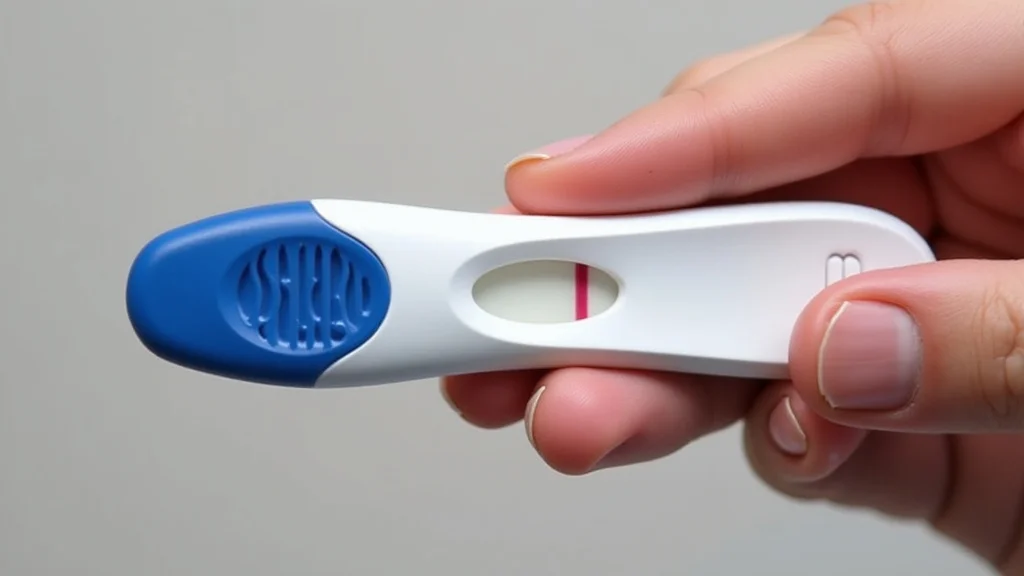
When you think you might be pregnant, getting a reliable answer is super important. Sometimes, buying a pregnancy test 3 pack can feel a bit confusing, especially if it’s your first time. You might wonder why there are three and when to use them.
Don’t worry! It’s totally normal to have questions. This guide will walk you through everything step-by-step, making it easy to use your test and get clear results.
We’ll cover what you need to know so you feel confident every step of the way.
Key Takeaways
- You’ll learn why a 3 pack of pregnancy tests is often the most practical choice.
- Discover the best times to take each test for accurate results.
- Understand how to read your pregnancy test results correctly.
- Find out what to do after you get your test results.
- Learn tips for storing your tests so they stay good.
- Get answers to common questions about using pregnancy tests.
Why Choose A Pregnancy Test 3 Pack
Buying a pregnancy test 3 pack is a smart move for many reasons. It offers convenience and ensures you have backups if needed. Life happens, and sometimes a test might be used incorrectly, or you might want to retest just to be absolutely sure.
Having three tests in one package means you don’t have to rush to the store again if you’re feeling uncertain. This multi-pack approach is designed for peace of mind and accurate confirmation. It’s a practical solution for a sensitive situation, providing you with multiple opportunities to get a clear answer.
Benefits of Having Multiple Tests
Having extra tests available provides a significant advantage. It allows for retesting at different times to confirm a result or rule out any early false negatives. Sometimes, if you test too early, the hormone levels might not be high enough for a test to detect them accurately.
Having a 3 pack means you can wait a couple of days and test again, increasing your chances of an accurate result. This is especially helpful if your menstrual cycle is irregular or if you’re not sure about your exact ovulation date. It removes the stress of having only one shot at getting it right.
When to Use Each Test
The timing of your tests is crucial for accuracy. For the first test, it’s generally best to wait until after you’ve missed your period. This is when the pregnancy hormone, hCG, is usually present at detectable levels.
If this first test is negative, but you still suspect you might be pregnant, use the second test a few days later. Waiting 2-3 days allows hCG levels to increase if you are pregnant. If the second test is still negative and your period still hasn’t arrived, use the third test another few days after that.
This consistent approach helps ensure you get the most reliable outcome from your pregnancy test 3 pack.
First Test Timing
For your initial test, aim for the earliest detection possible. This usually means waiting until the first day of your missed period. Some early detection tests can pick up pregnancy a few days before your expected period, but for maximum accuracy, waiting for your period is ideal.
Testing too early can lead to a false negative, which means the test says you’re not pregnant, but you actually are. This is because the pregnancy hormone, human chorionic gonadotropin (hCG), needs time to build up in your body to be detected by the test.
Second and Third Test Timing
If your first test is negative, but you’re still experiencing pregnancy symptoms or your period is delayed, it’s wise to use your second test. Wait at least 48-72 hours after the first negative result. This waiting period allows for a potential increase in hCG levels, which can be detected by the test.
If this second test also comes back negative, and your period is still absent, consider using the third test a few days after the second. This methodical approach from your pregnancy test 3 pack helps to confirm a negative result or catch a pregnancy that was too early to detect initially.
Understanding Pregnancy Test Accuracy
Pregnancy tests are remarkably accurate when used correctly. They work by detecting the hormone hCG in your urine. This hormone is produced by the body after a fertilized egg implants in the uterus.
The accuracy of a test depends on several factors, including when you take the test, how you follow the instructions, and the sensitivity of the test itself. Most modern home pregnancy tests are over 99% accurate when used from the day of your missed period. However, testing too early is the most common reason for inaccurate results.
Hormone Detection Levels
The key to pregnancy test accuracy lies in their ability to detect hCG. This hormone is unique to pregnancy and rises rapidly in the early weeks. Different tests have varying sensitivity levels, meaning some can detect lower amounts of hCG than others.
Tests with higher sensitivity can detect pregnancy a few days earlier than less sensitive ones. However, even with highly sensitive tests, there’s a point at which testing too early can still result in a negative reading, even if pregnancy has occurred. It’s about having enough of the hormone in your system for the test to register.
Factors Affecting Accuracy
Several things can influence a pregnancy test’s accuracy. Using the first urine of the morning is often recommended because it is more concentrated, meaning it has higher levels of hCG. Drinking a lot of fluids before taking the test can dilute your urine, making it harder for the test to detect the hormone.
Improper storage of the test, like exposure to heat or moisture, can also affect its performance. Finally, user error, such as not following the instructions precisely or reading the test outside the designated time frame, is a significant cause of inaccurate results. Always read and follow the specific instructions that come with your pregnancy test 3 pack.
How to Use Your Pregnancy Test 3 Pack
Using a home pregnancy test is designed to be simple. Most tests involve either dipping the absorbent tip into a urine sample or holding the tip directly into your urine stream. Always start by reading the instructions that come with your specific test, as there can be slight variations between brands.
Proper preparation and execution ensure you get the most reliable results from your pregnancy test 3 pack. It’s a straightforward process that requires attention to detail at key moments to guarantee accuracy.
Step-by-Step Testing Process
Begin by gathering your supplies: your pregnancy test, a timer, and perhaps a clean cup if you prefer to collect your urine separately. Make sure the test is at room temperature and that you’ve checked its expiration date. It’s a good idea to use the first urine of the morning for the most accurate results, as it contains the highest concentration of hCG.
Unpack the test carefully, making sure not to touch the absorbent tip.
Collecting A Urine Sample
There are two main methods for collecting urine. The first is to hold the absorbent tip of the test directly in your urine stream for the time specified in the instructions, typically around 5 to 10 seconds. Be sure to cover the entire absorbent tip to ensure it soaks up enough urine.
The second method involves urinating into a clean, dry cup and then dipping the absorbent tip of the test into the collected urine for the recommended time. Whichever method you choose, ensure you follow the package insert precisely.
Reading The Results
After collecting your sample and following the application method, you’ll need to wait for the specified amount of time. This is critical for accurate results. Most tests require you to wait 3 to 5 minutes.
Do not read the test before this time, as the result might not be ready. Equally important is not to read the test after the maximum time indicated in the instructions. This is because evaporation lines can appear later, which can be mistaken for a positive result, leading to confusion.
Use a timer to ensure you read it at the correct moment.
Interpreting Your Results
Once the waiting period is over, you’ll look at the test window to see your result. Different tests have different ways of showing positive or negative results. Some use lines, others digital displays.
A positive result typically shows two lines, a plus sign, or the word “pregnant” on a digital screen. A negative result usually shows one line, a minus sign, or the word “not pregnant.” It’s important to familiarize yourself with the specific symbols and indicators on your particular brand of test before you start.
Positive Result
A positive result means the test detected hCG in your urine, indicating that you are likely pregnant. Even a faint second line usually signifies a positive result. If you get a positive result, congratulations!
The next step is usually to schedule an appointment with your doctor or a healthcare provider. They can confirm the pregnancy with further tests and begin prenatal care. They will also discuss your health and provide guidance for a healthy pregnancy.
Negative Result
A negative result means hCG was not detected in your urine, suggesting you are likely not pregnant. If your period is still late after a negative result, and you’re still concerned, consider using another test from your pregnancy test 3 pack in a few days. A delayed period can happen for many reasons, including stress, changes in diet, or illness, not just pregnancy.
If you continue to have concerns or your period remains absent, consult your doctor to discuss the situation and explore other possible causes.
Invalid Result
Occasionally, a test may show an invalid result. This can happen if the test was faulty, not enough urine was used, or the test was read too early or too late. An invalid result typically looks like no lines appearing, or a control line not appearing, which is necessary for the test to be valid.
If you get an invalid result, don’t panic. Simply use another test from your pregnancy test 3 pack and follow the instructions very carefully.
Storing Your Pregnancy Test 3 Pack
Proper storage of your pregnancy test 3 pack is essential to maintain their accuracy and effectiveness. Pregnancy tests are sensitive devices that can be affected by environmental factors. Keeping them in good condition ensures that when you need them, they will provide reliable results.
It’s a simple step that makes a big difference in the long run.
Ideal Storage Conditions
Pregnancy tests should be stored in a cool, dry place. The ideal temperature range is usually between 36°F and 86°F (2°C and 30°C). Avoid storing them in places with high humidity, such as a bathroom, or in direct sunlight.
Extreme temperatures, both hot and cold, can damage the test strips and compromise their ability to detect hCG accurately. Keeping them in their original packaging until you are ready to use them also helps protect them.
Avoiding Heat and Moisture
Heat and moisture are the biggest enemies of pregnancy tests. Bathrooms, for instance, are often humid due to showers and baths. This moisture can degrade the test’s internal components over time.
Similarly, leaving tests in a hot car or near a radiator can render them useless. The original packaging often has a foil wrapper that seals the test strip, offering protection. Keep this packaging intact until you’re ready to perform the test.
Checking The Expiration Date
Every pregnancy test has an expiration date printed on its packaging. This date indicates the last day the manufacturer guarantees the test will be accurate. Using a test past its expiration date is not recommended because the chemicals and materials within the test may have degraded, leading to inaccurate results, either false positives or false negatives.
Always check the expiration date on your pregnancy test 3 pack before you use a test. If a test is expired, discard it and use one that is still within its valid date.
Common Myths Debunked
Myth 1: A very faint line always means you’re not pregnant
The reality is that even a faint positive line can indicate pregnancy. Pregnancy tests detect the hormone hCG. If a faint line appears in the positive indicator area, it means some amount of hCG was detected.
While a strong line often suggests higher hCG levels, a faint line can occur, especially in early pregnancy or if you’re testing very close to your expected period. If you get a faint positive, it’s best to retest in a day or two with another test from your pregnancy test 3 pack or consult a healthcare provider.
Myth 2: You can get pregnant at any time during your cycle
While it’s true that unprotected sex can lead to pregnancy, the window for conception is actually quite specific. Pregnancy is only possible during a woman’s fertile window, which is the few days leading up to and including ovulation. Sperm can live in the female reproductive tract for up to five days, and an egg is viable for about 12-24 hours after ovulation.
Having unprotected intercourse outside of this fertile window will not result in pregnancy.
Myth 3: All pregnancy tests are equally sensitive
Not all pregnancy tests are created equal. They vary in their sensitivity to the hCG hormone. Some tests are designed for early detection and can identify lower levels of hCG, allowing you to test a few days before your missed period.
Others are less sensitive and are most accurate when taken on or after the first day of a missed period. Always check the packaging for information about the test’s sensitivity, often measured in milli-International Units per milliliter (mIU/mL). A lower mIU/mL number generally means a more sensitive test.
Myth 4: Drinking water before testing will make the result more accurate
Drinking excessive amounts of water before taking a pregnancy test can actually dilute your urine. This can lower the concentration of hCG, making it harder for the test to detect the hormone, potentially leading to a false negative result. It’s generally recommended to use the first urine of the morning, which is naturally more concentrated, or to avoid drinking large amounts of fluids for a couple of hours before testing.
Frequently Asked Questions
Question: Can I use a pregnancy test if it’s close to its expiration date
Answer: It is best to use a pregnancy test before its expiration date for the most reliable results. While it might still work, accuracy can be compromised.
Question: How long do I need to wait to take a pregnancy test
Answer: For best accuracy, wait until the first day of your missed period. Some early detection tests can be used a few days before your expected period.
Question: Can medication affect the results of a pregnancy test
Answer: Certain medications, particularly those containing hCG, can affect test results. Always check with your doctor if you are taking any medication and are concerned about its impact on a pregnancy test.
Question: What does it mean if I get a positive result and then a negative one
Answer: This can sometimes happen due to a chemical pregnancy or testing at different times. Retest in a day or two, and consult a doctor for clarity.
Question: Where is the best place to store my pregnancy tests
Answer: Store your pregnancy tests in a cool, dry place, away from direct sunlight and humidity, such as in a drawer or cabinet, keeping them in their original packaging.
Summary
Using a pregnancy test 3 pack provides convenience and accuracy for detecting pregnancy. You’ve learned the importance of timing your tests correctly and how to interpret results. Proper storage ensures your tests remain effective.
Following these simple steps will give you the confidence you need to get a clear answer.
Leave a Reply