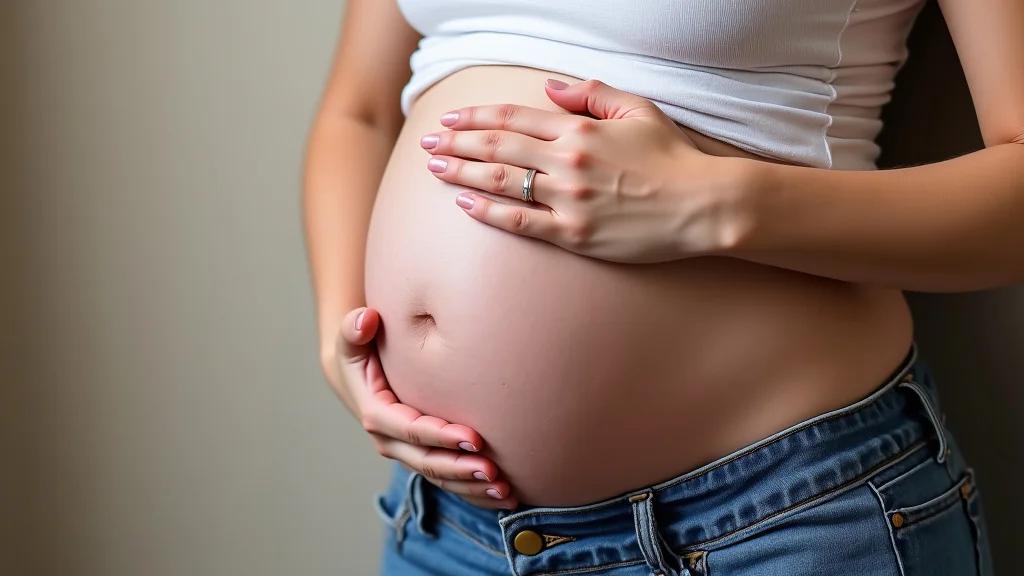
Finding out you might be pregnant can be exciting and a little confusing, especially in the very beginning. For many, the pregnancy of 3 weeks stage is when early signs start appearing, or when the confirmation of pregnancy feels most uncertain. It’s totally normal to have lots of questions and wonder what’s really going on.
This guide is here to make things clear and simple. We will walk through what happens at three weeks of pregnancy step-by-step, so you know exactly what to expect and can feel more in control.
Key Takeaways
- Understand what happens physically at three weeks of pregnancy.
- Learn about common early signs you might notice around this time.
- Discover how to confirm your pregnancy accurately.
- Get simple tips for self-care during early pregnancy.
- Know when to seek professional medical advice.
Pregnancy Of 3 Weeks What’s Happening Inside
At three weeks pregnant, a lot of foundational work is happening inside your body, even before you might have a positive pregnancy test. This is a very early stage, often called the embryonic period. It’s when the fertilized egg, now called a blastocyst, implants itself in the lining of your uterus.
This tiny cluster of cells is busy dividing and developing rapidly, setting the stage for the incredible growth to come.
This implantation is a critical event. It signals the start of the pregnancy and triggers hormonal changes that will support the developing embryo. These hormones are what eventually lead to many of the early pregnancy symptoms people experience.
Even though it’s too soon to see a baby on an ultrasound, your body is already hard at work creating a new life. The development at this stage is about establishing the very basic structures.
Cellular Division and Implantation
After fertilization, which typically happens in the fallopian tube, the fertilized egg begins a journey towards the uterus. During this trip, it divides into more and more cells. By the time it reaches the uterus, it has formed a hollow ball of cells called a blastocyst.
This blastocyst then needs to attach firmly to the uterine wall, a process known as implantation.
Implantation usually occurs around 6 to 12 days after fertilization. It’s a delicate process where the blastocyst burrows into the endometrium, the nutrient-rich lining of the uterus. This attachment is vital because it allows the blastocyst to receive nutrients and oxygen from the mother’s bloodstream, which it needs to grow and develop.
Some light spotting or cramping can occur during implantation, which can sometimes be mistaken for a period.
Formation of Key Structures
Once implantation is successful, the blastocyst continues to develop rapidly. It differentiates into two main parts. One part will develop into the placenta, the organ that will nourish the baby throughout the pregnancy.
The other part will develop into the embryo itself. This stage is about laying down the groundwork for all the baby’s future organs and body parts.
By the end of the third week after conception, the embryonic disc has formed. This disc will give rise to three primary germ layers: the ectoderm, mesoderm, and endoderm. These layers are the building blocks for all tissues and organs in the body.
For instance, the ectoderm will form the brain and nervous system, the mesoderm will form muscles, bones, and blood, and the endoderm will form the digestive system and lungs.
Hormonal Changes Begin
As soon as implantation occurs, the developing pregnancy starts producing a hormone called human chorionic gonadotropin (hCG). This is the hormone that pregnancy tests detect. hCG is crucial because it tells the body to maintain the uterine lining and prevent menstruation, thus supporting the pregnancy.
The levels of hCG rise rapidly in the early weeks of pregnancy.
These rising hCG levels are responsible for many early pregnancy symptoms. They can affect your mood, cause nausea, and lead to increased fatigue. Your body is undergoing significant internal adjustments to prepare for carrying a pregnancy.
This hormonal surge is a clear signal that a pregnancy is underway.
Early Signs Of Pregnancy Of 3 Weeks
At three weeks pregnant, many of the classic signs of pregnancy might not be very noticeable yet. However, some women start experiencing subtle changes. These can vary greatly from person to person, and some may not feel anything at all.
Paying attention to your body is key, but remember that these early signs can also be similar to premenstrual symptoms.
The most common early sign is a missed period, but at three weeks after conception, it might be too early for that to be a definitive indicator for everyone. Other potential signs are related to the hormonal shifts happening. These can include breast tenderness, increased urination, and a feeling of fatigue.
It’s a time of quiet, internal development, and external clues can be faint.
Breast Tenderness and Changes
One of the earliest and most common changes women notice is tenderness or soreness in their breasts. This is due to the surge in hormones, particularly estrogen and progesterone, which prepare the breasts for potential breastfeeding. The breasts might feel fuller, heavier, or more sensitive to touch.
The areolas, the darker areas around the nipples, might also become larger and darker.
These changes can start quite early, sometimes even before a missed period. For some, the tenderness can feel similar to what they experience before their period, making it hard to distinguish. However, if the tenderness is more intense or lasts longer than usual, it could be an early sign of pregnancy.
Fatigue and Sleepiness
Feeling unusually tired is another very common symptom of early pregnancy. The body is working overtime to support the developing embryo. Increased progesterone levels can contribute to this feeling of sleepiness.
Many women report feeling exhausted even with minimal exertion during the first trimester.
This fatigue isn’t like normal tiredness. It can be profound, making it difficult to get through the day. Adequate rest is important, but even sleeping more might not fully alleviate the feeling.
This is a temporary phase, and energy levels typically improve in the second trimester.
Increased Urination
You might find yourself needing to use the restroom more often than usual. This is because pregnancy increases blood flow to the pelvic area and causes the kidneys to work harder. Also, the growing uterus puts pressure on the bladder.
This symptom can start as early as the first few weeks of pregnancy.
The urge to urinate frequently can be disruptive, especially at night. It’s important to stay hydrated, but you might notice you’re making more trips to the bathroom throughout the day and night. This is a normal physiological change that accompanies early pregnancy.
Nausea and Morning Sickness
While often called “morning sickness,” nausea can occur at any time of day or night. It’s linked to the rise in hCG and estrogen levels. Some women experience mild nausea, while others can have severe vomiting.
This symptom typically begins around the sixth week of pregnancy, but some women may feel it earlier, as early as three weeks after conception.
The exact cause of morning sickness is not fully understood, but it’s thought to be the body’s reaction to hormonal changes. Certain smells or foods might trigger nausea. While uncomfortable, morning sickness is usually a sign that the pregnancy is progressing well.
Implantation Spotting
Some women experience light spotting or bleeding around the time of implantation. This is known as implantation bleeding. It’s usually lighter than a regular menstrual period, often pinkish or brownish in color, and may last for a day or two.
It happens when the fertilized egg attaches to the uterine wall.
Because it occurs around the time a period would be due, implantation bleeding can sometimes be mistaken for a light period. However, the timing, duration, and amount of bleeding are typically different from menstruation. It’s a normal occurrence for some pregnancies.
Confirming Pregnancy Of 3 Weeks
At three weeks after conception, confirming a pregnancy usually involves a few key steps. While your body is undergoing changes, some external signs might not be clear enough for a definitive answer. The most reliable methods at this early stage involve testing for pregnancy hormones.
It’s important to remember that “three weeks pregnant” can be measured in different ways. Doctors usually count from the first day of your last menstrual period (LMP). So, three weeks pregnant based on LMP means you are about one week past ovulation and conception.
This timing is crucial for understanding when tests will be accurate.
Home Pregnancy Tests
Home pregnancy tests detect the presence of hCG in your urine. For the most accurate results, it’s generally recommended to take a home pregnancy test after you’ve missed your period. At three weeks post-conception (which is around five weeks pregnant by LMP), a sensitive test might pick up hCG.
However, testing too early can lead to a false negative result.
The sensitivity of pregnancy tests varies. Some tests are designed to detect lower levels of hCG. If you get a negative result but still suspect you’re pregnant, wait a few days and test again.
The hormone levels rise quickly, so retesting can give you a clearer answer. Using your first-morning urine is often recommended because hCG levels are most concentrated then.
Understanding hCG Levels
Human Chorionic Gonadotropin (hCG) is a hormone produced by the cells that will become the placenta. It’s the key indicator of pregnancy. Levels of hCG approximately double every 48 to 72 hours in the early stages of pregnancy.
At three weeks post-conception, hCG levels might be around 5 to 50 mIU/mL, which is a range that many sensitive home pregnancy tests can detect.
A blood test can detect hCG earlier and in smaller amounts than a urine test. A doctor might order a blood test if they need to confirm pregnancy very early on or monitor hCG levels. These levels are a good indicator of how the pregnancy is progressing.
When To See A Doctor
If you have a positive home pregnancy test or are experiencing strong symptoms and suspect you are pregnant, it’s a good idea to schedule an appointment with your healthcare provider. They can confirm the pregnancy with a blood test or an ultrasound. They will also provide guidance on prenatal care and answer any questions you may have about your pregnancy.
A doctor can help determine your due date and discuss any potential risks or concerns. Early prenatal care is essential for a healthy pregnancy. They will offer advice on diet, lifestyle, and what to expect in the coming weeks and months.
Self-Care During Early Pregnancy
Taking good care of yourself is very important from the moment you suspect you might be pregnant. Even in these very early stages of a pregnancy of 3 weeks, your body is undergoing significant changes to support a new life. Prioritizing your well-being can help you feel better and promote a healthy environment for your developing embryo.
This is a time to be gentle with yourself. Listen to your body and rest when you feel tired. Making small, positive lifestyle changes can have a big impact.
Focus on nutrition, hydration, and managing stress. These simple steps are the foundation for a healthy pregnancy.
Nutrition and Hydration
Eating a healthy, balanced diet is crucial. Focus on whole foods like fruits, vegetables, lean proteins, and whole grains. It’s important to start taking a prenatal vitamin that contains folic acid.
Folic acid is vital for preventing neural tube defects, which develop very early in pregnancy.
Staying well-hydrated is also key. Drink plenty of water throughout the day. Limit caffeine and avoid alcohol and recreational drugs, as these can be harmful to the developing embryo.
If you have specific dietary concerns or needs, discuss them with your healthcare provider.
Rest and Stress Management
Fatigue is a common symptom of early pregnancy, so getting enough rest is essential. Try to go to bed earlier and take naps if you can. Managing stress is also important.
Gentle exercise like walking or prenatal yoga can be beneficial, but avoid overexertion.
Techniques like deep breathing, meditation, or spending time in nature can help reduce stress. Open communication with your partner or a trusted friend can also provide emotional support. Creating a calm and supportive environment is good for both your physical and mental health.
Avoiding Harmful Substances
It’s vital to avoid certain substances that can harm a developing pregnancy. This includes alcohol, tobacco, and illegal drugs. Many medications, even over-the-counter ones, may not be safe during pregnancy.
Always talk to your doctor before taking any medication, herbal supplements, or vitamins.
Limit your intake of high-mercury fish and be cautious with certain foods that can carry listeria or salmonella, such as unpasteurized dairy products, raw sprouts, and undercooked meats or eggs. These precautions help protect your developing baby from potential harm.
Pregnancy Of 3 Weeks Milestones And Expectations
At the three-week mark, the focus is on internal development. You are past the very initial stages of fertilization and implantation. The embryo is incredibly small but undergoing rapid cell division.
Understanding these early milestones helps set expectations for what’s happening and what might come next in the first trimester.
While you might not feel much outwardly, your body is in a constant state of change to support this new life. It is a truly amazing time of creation happening unseen. The developments at this stage are the foundation for everything that follows.
Timeline of Early Development
By three weeks after fertilization, the blastocyst has successfully implanted into the uterine wall. It’s now a tiny ball of cells that will soon start to differentiate into specific layers. These layers will eventually form all the different tissues and organs of the baby.
The groundwork for the nervous system and circulatory system is beginning to be laid.
The placenta also starts to develop, forming from specialized cells of the blastocyst and the uterine lining. This crucial organ will be responsible for delivering oxygen and nutrients to the embryo and removing waste products. Its development is essential for the survival and growth of the pregnancy.
What To Expect In The Coming Weeks
In the next few weeks, the embryo will grow significantly. By week four after conception (around six weeks pregnant by LMP), the neural tube, which will become the brain and spinal cord, will start to form. Tiny buds that will eventually become arms and legs will also begin to appear.
The heart will start to develop and may even begin to beat.
Around this time, pregnancy symptoms like nausea and breast tenderness often become more pronounced. A missed period will be a clear sign for most people, and home pregnancy tests will be very accurate. It is a period of rapid development both for the embryo and in terms of outward signs of pregnancy.
Common Myths Debunked
Myth 1: You can feel pregnancy very early on.
Reality: While some women notice subtle physical changes like breast tenderness or fatigue, these can often be mistaken for premenstrual symptoms. The significant physical sensations associated with pregnancy, like a visible baby bump or strong kicks, don’t appear until much later. At three weeks pregnant, the embryo is microscopic, and most women feel very little, if anything, that is definitively pregnancy-related.
Myth 2: All pregnant women experience morning sickness.
Reality: Morning sickness, or nausea and vomiting during pregnancy, is very common but not universal. Some women experience it severely, others mildly, and some do not experience it at all. The intensity and onset of symptoms vary greatly from one pregnancy to another and from one woman to another.
Myth 3: Home pregnancy tests are always accurate from the first missed period.
Reality: Home pregnancy tests detect hCG, and while levels rise quickly, they can vary. Testing too early, before sufficient hCG has built up, can result in a false negative. It’s best to wait until you’ve missed your period for the most reliable results.
If you test early and get a negative result but still suspect pregnancy, retesting in a few days is recommended.
Myth 4: Implantation bleeding is always heavy.
Reality: Implantation bleeding, if it occurs, is typically very light spotting. It’s usually pinkish or brownish and lasts for a day or two. It is much lighter than a typical menstrual period.
Many women do not experience implantation bleeding at all, or mistake it for a very light period.
Frequently Asked Questions
Question: Can I take a home pregnancy test at 3 weeks pregnant?
Answer: At three weeks after conception, it might be too early for a home pregnancy test to be reliably accurate. Most sensitive tests work best after you’ve missed your period, which is usually around five weeks pregnant by your last menstrual period. Testing too early can lead to a false negative result.
Question: What are the most common signs of pregnancy at 3 weeks?
Answer: At three weeks of pregnancy (after conception), you might not have many noticeable signs. Some women experience breast tenderness, fatigue, or frequent urination. However, these symptoms can also mimic premenstrual symptoms, making them hard to distinguish.
Question: Is it normal to have cramps at 3 weeks pregnant?
Answer: Some mild cramping can occur around three weeks pregnant, especially during implantation. This is when the fertilized egg attaches to the uterine lining. However, severe or persistent cramping should be discussed with a doctor.
Question: How can I confirm my pregnancy at 3 weeks?
Answer: The most reliable way to confirm pregnancy at this early stage is through a blood test performed by a healthcare provider, which can detect hCG earlier than urine tests. A sensitive home urine test might also be positive, but a doctor’s confirmation is usually recommended.
Question: What should I eat at 3 weeks pregnant?
Answer: Focus on a balanced diet rich in fruits, vegetables, lean proteins, and whole grains. Start taking a prenatal vitamin with folic acid. Stay well-hydrated by drinking plenty of water.
Avoid alcohol and limit caffeine.
Summary
At three weeks pregnant, your body is quietly beginning an incredible process. Key internal developments are happening, like implantation and the formation of early structures. While external signs might be subtle, potential indicators include breast tenderness and fatigue.
Confirming your pregnancy is best done with a test after a missed period or a doctor’s visit. Prioritizing self-care with good nutrition and rest is important now.
Leave a Reply