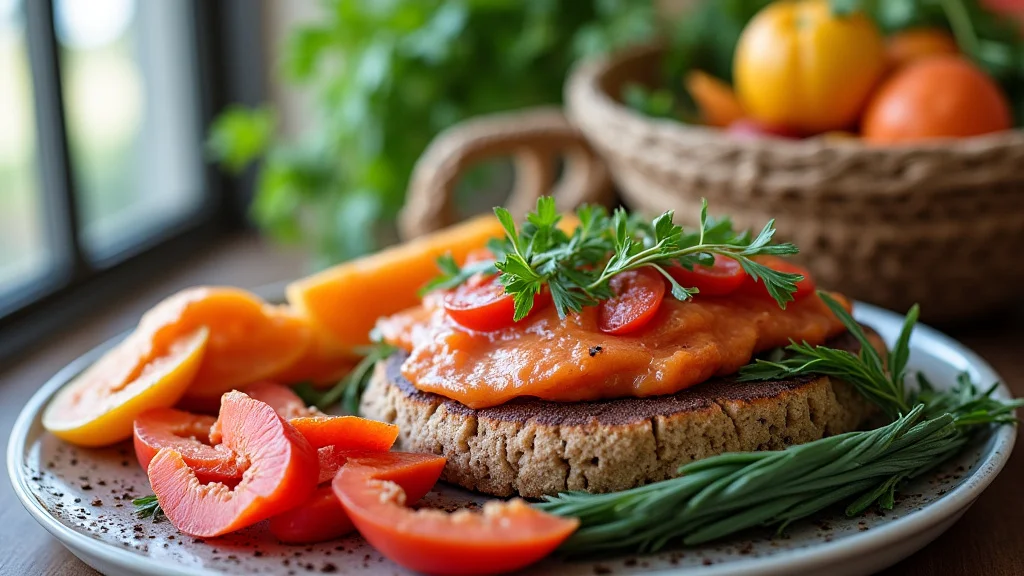
Eating well during the final months of pregnancy can feel tricky. So many things to think about for your little one and for yourself! But don’t worry, figuring out the best third trimester diet doesn’t have to be hard.
We’ve got a simple plan that breaks it all down. Get ready to learn how to fuel your body and your baby with delicious, healthy foods, step by step.
Key Takeaways
- You will learn about the essential nutrients needed in the third trimester.
- Discover practical food choices to meet these nutritional needs.
- Understand how to manage common third-trimester discomforts through diet.
- Find tips for staying hydrated and energized.
- Learn about foods to enjoy and foods to be mindful of.
- Gain confidence in planning your daily meals for this special time.
Nutrients Your Body Needs Now
The third trimester is a time of rapid growth for your baby. They are getting bigger, and you need to make sure they have everything they need. This means your diet becomes even more important.
Your body is working hard, and you need extra fuel. Focusing on specific nutrients will help both you and your baby thrive. It’s about smart eating, not just eating more.
Protein Power
Protein is like the building blocks for your baby’s development. It helps build their muscles, bones, and organs. For you, protein helps your body prepare for labor and recovery.
Aim to include a source of protein with every meal and snack. This helps you feel fuller longer and keeps your energy steady.
- Why protein is vital: Protein helps form your baby’s tissues and organs. It also supports the growth of your placenta and your increased blood volume.
- How much you need: Experts suggest around 75-100 grams of protein per day during the third trimester. This might seem like a lot, but it’s achievable with smart food choices.
- Great food sources: Lean meats like chicken and turkey, fish (low mercury options), eggs, dairy products like yogurt and cheese, beans, lentils, tofu, and nuts are all excellent choices.
Calcium for Strong Bones
Your baby’s bones are growing rapidly now, and they get their calcium from you. Making sure you get enough calcium is key for their skeletal development. It also helps maintain your own bone health.
Calcium plays a role in muscle function and nerve transmission, so it’s important for both of you.
- Calcium’s role: It’s essential for your baby’s bone and teeth formation. It also supports healthy heart function and blood clotting for both mom and baby.
- Daily needs: You need about 1000-1300 mg of calcium each day. This can often be met through diet alone if you choose calcium-rich foods regularly.
- Top calcium foods: Dairy products like milk, yogurt, and cheese are well-known sources. Non-dairy options include fortified plant milks, leafy green vegetables such as kale and broccoli, and sardines with edible bones.
Iron for Energy
Your blood volume increases significantly in the third trimester to supply your baby. This requires a lot more iron to make red blood cells. Iron helps carry oxygen throughout your body.
Low iron can lead to fatigue, which is common but can be managed with good nutrition. You need enough iron to prevent anemia and keep your energy levels up.
- Why iron matters: Iron is crucial for making hemoglobin, which carries oxygen in your blood. Enough iron means more energy for you and proper oxygen supply to your baby.
- Recommended intake: Pregnant women generally need about 27 mg of iron daily. Many people require iron supplements as it can be hard to get this much from food alone.
- Iron-rich foods: Red meat, poultry, fish, beans, lentils, spinach, and fortified cereals are good sources. Pairing iron-rich foods with vitamin C (like citrus fruits or bell peppers) helps your body absorb iron better.
Healthy Fats for Brain Development
Don’t shy away from fats! Healthy fats are incredibly important, especially for your baby’s brain and eye development. Omega-3 fatty acids are particularly beneficial.
These fats are essential for building brain tissue. They also help reduce inflammation in your body.
- The importance of good fats: Omega-3s, like DHA, are vital for your baby’s brain and vision. Healthy fats also help your body absorb fat-soluble vitamins.
- Where to find them: Fatty fish such as salmon, mackerel, and sardines are excellent sources of DHA. Other good sources include flaxseeds, chia seeds, walnuts, and avocados.
- Balancing intake: Focus on unsaturated fats found in plant-based oils, nuts, seeds, and avocados. Limit saturated and trans fats found in fried foods, processed snacks, and fatty meats.
Meal Ideas for a Balanced Third Trimester Diet
Planning meals can make it easy to get all the nutrients you need. The goal is to have balanced meals that include protein, healthy carbs, and good fats. Think about variety to get a wider range of vitamins and minerals.
Simple, wholesome foods are your best friends right now. Small, frequent meals can also help with digestion and keep your energy stable.
Breakfast Boosters
Starting your day with a nutritious breakfast sets a positive tone for your whole day. It provides sustained energy and essential nutrients to kickstart your metabolism and support your baby’s growth. A good breakfast can help combat morning sickness and fatigue.
- Oatmeal with Berries and Nuts: Cooked oatmeal is a good source of fiber. Top with fresh berries for vitamins and antioxidants, and a sprinkle of nuts or seeds for healthy fats and protein.
- Scrambled Eggs with Spinach and Whole-Wheat Toast: Eggs are a complete protein. Spinach adds iron and folate. Whole-wheat toast provides fiber and complex carbohydrates for lasting energy.
- Greek Yogurt with Fruit and Granola: Greek yogurt is packed with protein and calcium. Add sliced fruit for natural sweetness and vitamins. Choose a granola low in added sugar and with whole grains.
Lunchtime Options
Lunch is a great opportunity to refuel with a balanced meal. Aim for a mix of protein, vegetables, and complex carbohydrates to keep you going until dinner. Consider meals that are easy to prepare or pack if you are on the go.
- Lentil Soup with a Side Salad: Lentils are a fantastic source of protein, fiber, and iron. A colorful salad with mixed greens, tomatoes, cucumbers, and a vinaigrette dressing adds vitamins and hydration.
- Chicken or Chickpea Salad Sandwich on Whole Wheat: Use cooked chicken breast or mashed chickpeas. Mix with Greek yogurt or avocado instead of mayonnaise for a healthier fat option. Serve on whole-wheat bread with lettuce and tomato.
- Quinoa Bowl with Roasted Vegetables and Black Beans: Quinoa is a complete protein. Roast your favorite vegetables like broccoli, sweet potatoes, and bell peppers. Add black beans for extra protein and fiber. Drizzle with a tahini or lemon dressing.
Dinner Delights
Dinner is a chance to enjoy a satisfying meal and ensure you’re meeting your nutritional targets for the day. Focus on lean proteins, plenty of vegetables, and healthy carbohydrate sources. These meals can also be great for leftovers for lunch the next day.
- Baked Salmon with Asparagus and Sweet Potato: Salmon provides omega-3 fatty acids. Asparagus is a good source of folate and fiber. Sweet potatoes offer complex carbohydrates and vitamin A.
- Lean Ground Turkey Stir-fry with Brown Rice: Use lean ground turkey for protein. Load up on colorful vegetables like bell peppers, broccoli, and carrots. Serve with brown rice for fiber and sustained energy. Use a low-sodium soy sauce or tamari.
- Chicken Breast with Steamed Broccoli and Quinoa: A simple yet highly nutritious meal. Chicken breast is lean protein. Broccoli offers vitamins and fiber. Quinoa provides complete protein and fiber, making it a wholesome grain choice.
Smart Snacking
Snacks are crucial for maintaining energy levels and preventing extreme hunger, which can lead to overeating or poor food choices. They also help distribute nutrient intake throughout the day. Keep healthy snacks handy.
- Fruit with Nut Butter: An apple or banana with a tablespoon of peanut or almond butter provides fiber, natural sugars, and protein.
- Hard-Boiled Eggs: A portable and protein-rich snack that keeps you full.
- A small handful of Almonds or Walnuts: Provide healthy fats, protein, and fiber.
- Carrot sticks with Hummus: A good source of fiber and plant-based protein.
- Cottage Cheese with Peach Slices: Excellent source of protein and calcium.
Managing Third Trimester Discomforts with Diet
The third trimester often comes with some uncomfortable side effects. Many of these can be eased or managed with specific dietary adjustments. Think about how your food choices can support your body through these changes.
It’s about making your body feel as good as possible during this intense period.
Constipation Relief
Constipation is a very common issue in the third trimester. Hormonal changes and the growing uterus pressing on your intestines can slow things down. Increasing fiber and staying hydrated are key.
Fiber adds bulk to your stool, making it easier to pass. Water helps move things along.
- Increase Fiber Intake: Aim for 25-30 grams of fiber per day. Good sources include whole grains, fruits (especially prunes and berries), vegetables, beans, and nuts.
- Stay Hydrated: Drink plenty of water throughout the day. Aim for at least 8-10 glasses (64-80 ounces). Warm water or herbal teas can also be soothing.
- Include Probiotic-Rich Foods: Yogurt with live and active cultures can help improve gut health and regularity.
Heartburn Solutions
Heartburn, or acid reflux, is another frequent complaint. The growing uterus puts pressure on your stomach, and pregnancy hormones can relax the valve between your stomach and esophagus. Small, frequent meals can help prevent your stomach from becoming too full.
Avoiding trigger foods is also important.
- Eat Smaller, More Frequent Meals: Instead of three large meals, try five or six smaller ones. This prevents your stomach from becoming overly full.
- Identify and Avoid Trigger Foods: Common triggers include spicy foods, fatty or fried foods, citrus fruits, chocolate, and caffeine. Keep a food diary to track what bothers you.
- Avoid Lying Down After Eating: Try to stay upright for at least 2-3 hours after eating. Elevating your head with extra pillows when you sleep can also help.
Swelling Management
Swelling, or edema, especially in the feet and ankles, is common. While diet can’t eliminate it entirely, certain choices can help manage it. Keeping sodium intake moderate is important, as too much salt can cause fluid retention.
Staying hydrated is also counterintuitive but helpful; when you’re well-hydrated, your body is less likely to hold onto extra water.
- Moderate Sodium Intake: Avoid processed foods, fast food, and excessive salt at the table. Flavor foods with herbs and spices instead of salt.
- Stay Hydrated: Continue to drink plenty of water. Proper hydration helps your body regulate fluids more effectively.
- Eat Potassium-Rich Foods: Potassium can help balance fluids in your body. Good sources include bananas, sweet potatoes, spinach, and avocados.
Staying Hydrated and Energized
Hydration is incredibly important throughout pregnancy, and it becomes even more critical in the third trimester. Water is essential for maintaining amniotic fluid levels, transporting nutrients, and preventing fatigue. When you’re properly hydrated, you’re likely to feel more energized and less susceptible to certain discomforts like headaches and constipation.
The Importance of Water
Water is not just for quenching thirst; it plays a vital role in many bodily functions. It helps carry nutrients to your baby, aids in digestion, regulates body temperature, and supports the increased blood volume of pregnancy. Dehydration can lead to contractions, headaches, and decreased energy levels.
Aiming for a consistent intake of water can make a big difference in how you feel.
- How much to drink: A general recommendation is 8-10 glasses (64-80 ounces) of water per day. However, your individual needs might be higher, especially in hot weather or if you are very active.
- Signs of dehydration: Pay attention to signs like dark urine, dry mouth, feeling thirsty, headaches, and fatigue. If you notice these, increase your fluid intake immediately.
- Making water more appealing: If plain water feels boring, try infusing it with fruits like lemon, lime, cucumber, or berries. Herbal teas (pregnancy-safe ones like peppermint or ginger) can also contribute to your fluid intake.
Energy-Boosting Foods
Feeling tired is common in the third trimester, but a well-balanced diet can help combat this. Focusing on complex carbohydrates, lean proteins, and healthy fats provides sustained energy release. Avoid the crash that comes with sugary snacks and processed foods.
Nutrient-dense foods give your body the fuel it needs to function optimally.
- Complex Carbohydrates: These provide steady energy. Examples include whole grains (oats, quinoa, brown rice), sweet potatoes, and legumes.
- Lean Proteins: Protein helps stabilize blood sugar levels and keeps you feeling full. Include sources like chicken, fish, eggs, beans, and tofu in your meals and snacks.
- Healthy Fats: Fats are a concentrated source of energy and are essential for nutrient absorption. Avocados, nuts, seeds, and olive oil are great choices.
Foods to Enjoy and Foods to Be Mindful Of
While most foods are safe during pregnancy, there are specific categories to be aware of in the third trimester. This helps ensure both your safety and your baby’s optimal development. It’s about making informed choices to maximize the benefits of your diet.
Pregnancy-Safe Superfoods
Certain foods are particularly beneficial during pregnancy due to their high nutrient content. Incorporating these regularly can significantly boost your intake of essential vitamins and minerals.
- Berries: Rich in antioxidants, vitamins, and fiber. They are great for smoothies, yogurt, or simply eating on their own.
- Leafy Greens (Spinach, Kale): Excellent sources of folate, iron, calcium, and vitamins A, C, and K.
- Legumes (Beans, Lentils, Chickpeas): Packed with protein, fiber, iron, and folate. They are versatile and can be added to soups, salads, and main dishes.
- Fatty Fish (Salmon, Sardines, Mackerel): Provide essential omega-3 fatty acids (DHA and EPA) crucial for baby’s brain development. Ensure they are cooked thoroughly and are low in mercury.
- Eggs: A complete protein source containing choline, which is vital for brain development.
Foods to Be Cautious With
Some foods carry a higher risk during pregnancy and should be avoided or consumed with caution. Understanding these risks helps you make safer choices.
- Raw or Undercooked Meats and Poultry: Can contain harmful bacteria like Salmonella and E. coli. Always cook meat to its recommended internal temperature.
- Raw or Undercooked Eggs: Can carry Salmonella. Avoid homemade mayonnaise, hollandaise sauce, and raw cookie dough.
- High-Mercury Fish: Some large predatory fish (like shark, swordfish, king mackerel, tilefish) can contain high levels of mercury, which can harm a baby’s developing nervous system. Opt for low-mercury options like salmon, shrimp, cod, and canned light tuna.
- Unpasteurized Dairy and Juices: These can harbor Listeria bacteria. Choose pasteurized milk, cheese, and juices.
- Deli Meats and Hot Dogs: Unless heated until steaming hot, these can carry Listeria. It’s often recommended to avoid them or ensure they are thoroughly heated.
Sample Daily Meal Plan
Here is a sample plan to give you an idea of how to put these recommendations into practice. Remember, this is just a suggestion and can be adjusted based on your preferences and needs. The key is balance and variety.
- Breakfast: A bowl of oatmeal made with milk, topped with sliced banana and a tablespoon of walnuts. A glass of orange juice for vitamin C.
- Mid-Morning Snack: A hard-boiled egg and a small handful of almonds.
- Lunch: A large salad with mixed greens, grilled chicken strips, cucumber, tomatoes, bell peppers, and a light vinaigrette dressing. A side of whole-wheat crackers.
- Afternoon Snack: Greek yogurt with a handful of blueberries.
- Dinner: Baked salmon with roasted sweet potatoes and steamed broccoli.
- Evening Snack (if needed): A small bowl of lentil soup or a piece of whole-wheat toast with avocado.
Common Myths Debunked
Myth 1: You need to eat for two
While your nutritional needs increase in the third trimester, you do not need to double your food intake. The general recommendation is to add about 450 extra calories per day. Focusing on nutrient-dense foods ensures you and your baby get the most benefit from these extra calories, rather than just eating larger portions of less nutritious options.
Myth 2: Cravings mean your body needs that specific food
Cravings are often more about psychological comfort or habit than a direct nutritional need. While your body needs certain nutrients, a craving for ice cream, for instance, doesn’t mean you’re deficient in calcium. It’s important to enjoy cravings in moderation but prioritize nutrient-rich foods to meet your actual nutritional requirements.
Myth 3: All seafood is unsafe during pregnancy
This is not true. Many types of seafood are incredibly beneficial due to their high content of omega-3 fatty acids, protein, and other essential nutrients. The key is to choose fish that are low in mercury and ensure they are cooked thoroughly.
Varieties like salmon, sardines, and shrimp are excellent choices for a healthy third trimester diet.
Myth 4: You can’t have any dairy products
Dairy products like milk, yogurt, and cheese are excellent sources of calcium and protein, which are crucial in the third trimester. As long as the dairy is pasteurized, it is safe to consume and highly recommended. If you are lactose intolerant or prefer not to consume dairy, fortified plant-based alternatives can also be good options.
Frequently Asked Questions
Question: How much weight should I gain in the third trimester?
Answer: Weight gain recommendations vary based on your pre-pregnancy weight. Generally, women with a healthy pre-pregnancy weight are advised to gain about one pound per week during the third trimester. Always discuss your specific weight gain goals with your healthcare provider.
Question: Is it okay to drink coffee in the third trimester?
Answer: Moderate caffeine intake is generally considered safe during pregnancy. However, it is recommended to limit your caffeine consumption to no more than 200 milligrams per day. This is equivalent to about one 12-ounce cup of coffee.
Be mindful of caffeine in other sources like tea, soda, and chocolate.
Question: What if I have gestational diabetes? How does that affect my diet?
Answer: If you have gestational diabetes, your healthcare provider or a registered dietitian will provide you with a specific meal plan. This plan focuses on managing blood sugar levels through careful carbohydrate intake, balanced meals, and regular eating patterns. It is crucial to follow these medical guidelines closely.
Question: Can I eat spicy food while pregnant?
Answer: Most pregnant women can enjoy spicy foods without issue, but some may find that spicy foods trigger heartburn. Listen to your body. If spicy foods cause discomfort, it is best to reduce your intake.
Otherwise, they are generally safe.
Question: How can I ensure I’m getting enough iron?
Answer: To maximize iron absorption, pair iron-rich foods like spinach, beans, and red meat with vitamin C sources such as citrus fruits, tomatoes, or bell peppers. Your doctor might also recommend an iron supplement if your levels are low, which is common in the third trimester.
Summary
Focusing on a nutritious third trimester diet helps support your baby’s final growth and your body’s needs. Prioritize protein, calcium, iron, and healthy fats. Enjoy balanced meals and smart snacks.
Manage common discomforts with fiber-rich foods, hydration, and mindful eating. Stay hydrated and choose energy-boosting options. This stage is about nourishing yourself and your growing baby well for a healthy end to your pregnancy.
Leave a Reply