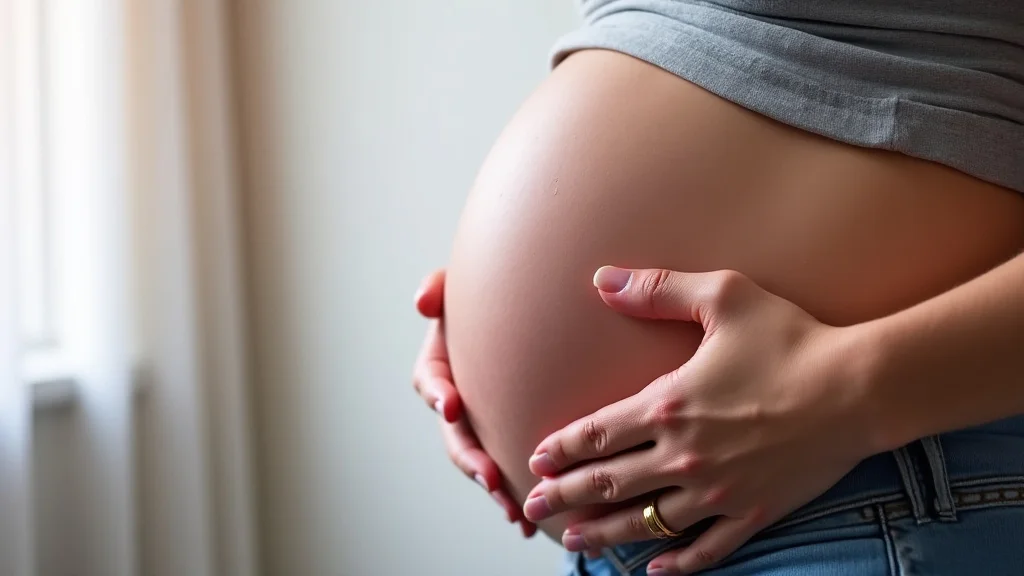
It’s completely normal to feel a bit unsure when faced with unexplained bleeding during the third trimester. For beginners, figuring out the cause can seem like a puzzle with many pieces. There are several reasons why this might happen, and knowing them is key.
Don’t worry, we’ll walk through this step by step and make the third trimester bleeding differential clear and easy to grasp. We’ll cover the most common scenarios and how to approach them so you feel confident.
Key Takeaways
- You will learn the most common causes of third trimester bleeding.
- We will explain how to differentiate between these causes.
- You will understand why prompt evaluation is vital.
- We will cover important questions to ask and what to look for.
- This post will simplify the process of diagnosing bleeding in late pregnancy.
- You will gain confidence in managing this sensitive situation.
Understanding Third Trimester Bleeding Causes
Bleeding in the third trimester of pregnancy can be a worrying sign, but it’s important to remember that many causes are manageable with prompt medical attention. For new healthcare providers, distinguishing between the various possibilities can be a challenge. This section breaks down the most frequent culprits, explaining what they are and why they occur.
We will look at placental issues, cervical changes, and other less common but still important reasons for bleeding late in pregnancy. Knowing these can help you quickly identify potential problems and guide next steps.
Placenta Previa
Placenta previa is a condition where the placenta lies unusually low in the uterus, partially or completely covering the cervix. This can lead to bleeding, especially as the cervix begins to soften and dilate in preparation for labor. The bleeding is typically painless and can range from light spotting to heavy hemorrhage.
It is more common in women who have had previous C-sections, are carrying multiples, or have a history of uterine surgery.
The placenta is the organ that provides oxygen and nutrients to your growing baby. Normally, it attaches to the top or side of the uterus. When it’s a placenta previa, it sits very low, near or over the opening of the cervix.
This positioning can cause problems because as your pregnancy progresses and your body prepares for birth, the lower part of your uterus and cervix stretch. If the placenta is in the way, this stretching can cause the placenta to tear away from the uterine wall, leading to bleeding.
Diagnosing placenta previa is usually done through ultrasound. It’s crucial to identify this condition early because it can pose risks to both mother and baby. Management often involves restricting activity, avoiding intercourse, and sometimes hospitalization to monitor closely.
If the previa is complete or causes significant bleeding, a Cesarean birth is usually recommended, often before the due date.
Risk Factors for Placenta Previa
- Previous Cesarean section
- Previous uterine surgery (like myomectomy)
- Multiple previous pregnancies
- Smoking
- Advanced maternal age (over 35)
- Carrying twins or more
These factors increase the chance of the placenta implanting in a lower position within the uterus. For instance, a history of C-section can alter the uterine lining, making it more likely for the placenta to attach abnormally. Similarly, if a woman has had multiple pregnancies, the uterus may have undergone more changes that influence placental implantation.
These risk factors are not guarantees that placenta previa will occur, but they do make it more probable.
Signs and Symptoms of Placenta Previa
- Painless vaginal bleeding, usually bright red.
- Bleeding can be light spotting or heavy.
- It may start suddenly and stop on its own, only to return later.
- In some cases, bleeding might occur during labor.
- Sometimes, there are no symptoms, and it’s found during a routine ultrasound.
The defining characteristic of placenta previa bleeding is its lack of pain. Unlike other causes of bleeding that might involve uterine contractions or cramping, placenta previa often presents with bleeding that occurs without any discomfort. This is because the bleeding is from the edge of the placenta detaching, not from uterine contractions.
The color of the blood is typically bright red, indicating fresh bleeding.
Placental Abruption
Placental abruption is when the placenta separates from the wall of the uterus before childbirth. This is a more serious condition than placenta previa and often involves pain. The bleeding might be visible or hidden behind the placenta.
The severity depends on how much of the placenta has separated. It can be a life-threatening emergency for both the mother and baby if not managed quickly.
Imagine the placenta as a vital lifeline connecting you to your baby. In placental abruption, this lifeline starts to pull away from the uterine wall. This separation can cut off the baby’s oxygen and nutrient supply, and it also causes bleeding.
This bleeding can either come out of the vagina, or it can be trapped between the placenta and the uterine wall, which is called concealed abruption. This hidden bleeding can lead to a buildup of blood, causing intense pain and pressure.
Factors that increase the risk of placental abruption include high blood pressure during pregnancy (preeclampsia), trauma to the abdomen, smoking, cocaine use, and having a previous abruption. It’s critical to recognize the signs and seek immediate medical help if you suspect placental abruption. Treatment involves stabilizing the mother and delivering the baby as quickly as possible, often via emergency C-section.
Risk Factors for Placental Abruption
- High blood pressure (hypertension) or preeclampsia
- Abdominal trauma (e.g., from a car accident or fall)
- Previous placental abruption
- Smoking
- Drug use (cocaine)
- Premature rupture of membranes
- Carrying multiples
- Short umbilical cord
High blood pressure is a major player in placental abruption. When blood pressure is too high, it can damage the blood vessels in the uterus and placenta, making them more prone to separation. Trauma is another significant factor; a direct blow to the abdomen can cause the placenta to detach.
Even a fall that seems minor can be enough to trigger an abruption in some cases. Previous instances of abruption also raise the risk considerably, as the uterine wall may have residual damage.
Signs and Symptoms of Placental Abruption
- Sudden, severe abdominal pain or uterine cramping
- Vaginal bleeding (may be dark red or bright red, or absent in concealed abruption)
- Uterine tenderness or rigidity
- Back pain
- Fetal distress (baby’s heart rate changes)
- Increased uterine contractions
The pain associated with placental abruption is usually a key distinguishing feature. It is often described as sharp and constant. The uterus might feel unusually hard or tense to the touch.
While bleeding is common, it’s important to note that it’s not always present. If bleeding is hidden, the pain and uterine tenderness become even more critical signs. Fetal heart rate monitoring is essential, as the baby’s well-being is directly impacted by the placental separation.
Cervical and Vaginal Causes
Sometimes, bleeding in the third trimester isn’t related to the placenta at all. The cervix and vagina can also be sources of bleeding. During pregnancy, the cervix becomes more vascular and sensitive.
Irritation from intercourse, a pelvic exam, or even just increased activity can cause light bleeding or spotting from the cervix. Vaginal infections or polyps can also contribute. These causes are generally less serious than placental issues but still need evaluation.
Think of your cervix as the gateway to your uterus. In pregnancy, it undergoes many changes to prepare for birth. It softens, lengthens, and its blood supply increases.
This makes it more prone to bleeding when it’s bumped or irritated. Even a Pap smear or a routine cervical check can sometimes lead to a little spotting afterward because of this increased sensitivity.
Vaginal causes can include conditions like vaginitis or the presence of cervical polyps, which are small, non-cancerous growths. These can bleed when irritated. While generally not dangerous to the baby, any bleeding should be reported to your healthcare provider to rule out more serious conditions.
They will likely perform an exam to check the cervix and vagina and may take samples to check for infection.
Common Cervical and Vaginal Causes
- Cervical irritation (after intercourse or pelvic exam)
- Cervical polyps
- Cervical infection (e.g., bacterial vaginosis, yeast infection)
- Vaginal tears or abrasions
- Cervical insufficiency (less common for bleeding, but can be related)
Cervical polyps are small, soft growths that can appear on the cervix during pregnancy due to hormonal changes. They are usually harmless but can bleed easily, especially with any friction or irritation. Infections, like yeast infections or bacterial vaginosis, can cause inflammation and bleeding in the vaginal lining and cervix, although itching and discharge are often more prominent symptoms.
What to Expect During Evaluation
- Pelvic exam to visualize the cervix and vagina
- Speculum exam to identify the source of bleeding
- Cervical cultures to check for infections
- Ultrasound to rule out placental issues
- Fetal monitoring to assess baby’s well-being
When you report bleeding, the healthcare provider’s first step is usually a gentle pelvic exam. They will use a speculum to see the cervix and vagina clearly. This helps them pinpoint where the blood is coming from and check for obvious causes like polyps or inflammation.
They might also collect a small sample from your cervix or vagina to test for any infections that could be contributing to the bleeding.
Differentiating the Causes
Distinguishing between the various reasons for third trimester bleeding is critical for appropriate management. While pain is a significant clue, it’s not the only factor. We need to consider the color and amount of bleeding, the presence or absence of contractions, and the baby’s well-being.
This section focuses on the key differences that help clinicians arrive at a diagnosis, moving beyond just identifying potential causes to actively separating them.
Comparing Bleeding Characteristics
The nature of the bleeding itself provides important clues. Placenta previa typically presents with painless, bright red bleeding, whereas placental abruption is often accompanied by pain and can have dark red or even absent vaginal bleeding. Cervical causes might present as spotting after an event like intercourse, often described as pink or light red.
Understanding these distinctions helps narrow down the possibilities.
Bright red blood usually means fresh bleeding, while darker red or brown blood might indicate older bleeding. The amount matters too; a gush of blood is more concerning than a few streaks. If you experience bleeding, try to note these details before you see a healthcare provider.
This information can be very helpful.
Key Differences in Bleeding Presentation
| Cause | Pain | Bleeding Color | Amount of Bleeding | Uterine Tone/Tenderness |
|---|---|---|---|---|
| Placenta Previa | Usually absent | Bright red | Variable, can be heavy | Normal |
| Placental Abruption | Sudden, severe | Dark red to bright red (concealed can be absent) | Variable, can be heavy | Tender, rigid, or board-like |
| Cervical/Vaginal | Absent or mild if related to irritation | Pink to bright red spotting | Light spotting | Normal |
This table highlights the core differences. Notice how placenta previa is often painless, while abruption brings pain. The uterine tone also changes dramatically in abruption, becoming very firm.
This physical exam finding, combined with the patient’s symptoms, is crucial for diagnosis.
The Role of Ultrasound and Monitoring
Ultrasound is the gold standard for diagnosing placenta previa, as it can visualize the position of the placenta relative to the cervix. It can also sometimes identify signs of abruption, like a fluid collection behind the placenta. Fetal monitoring, using a cardiotocograph (CTG), is essential for assessing the baby’s response to any bleeding episode.
Changes in the baby’s heart rate can indicate distress, often seen with placental abruption.
When a pregnant person presents with bleeding, an ultrasound is almost always performed. It’s a non-invasive way to get a clear picture of what’s happening with the placenta. If the placenta looks normal in position, the focus shifts to other potential causes.
Ultrasound Findings and Their Significance
- Placenta Previa: The placenta covers or is very close to the internal cervical os.
- Placental Abruption: May show a retroplacental clot (blood between placenta and uterus) or signs of premature placental aging.
- Cervical/Vaginal: Typically shows a normal placenta and cervix, with the source of bleeding identified as external to the uterus.
A clear ultrasound can be very reassuring, especially if it shows the placenta is high in the uterus and there are no signs of separation. This allows healthcare providers to confidently rule out the most serious placental complications and focus on more benign causes.
Clinical Scenarios
Let’s look at a couple of situations to see how these differences play out.
- A 32-year-old woman at 36 weeks gestation calls reporting sudden onset of painless, bright red vaginal bleeding after walking her dog. Her abdomen is soft, and fetal monitoring is reassuring. This presentation strongly suggests placenta previa.
- A 28-year-old woman at 34 weeks gestation arrives in the emergency room with severe, constant abdominal pain and a small amount of dark red bleeding. Her uterus is described as rigid and very tender to touch. Fetal heart rate shows some decelerations. This is highly concerning for placental abruption.
- A 25-year-old woman at 38 weeks gestation reports light pink spotting after her prenatal appointment. She denies any pain or cramping, and the baby is moving normally. This could be due to cervical irritation from the exam.
These scenarios illustrate how the patient’s description of symptoms, combined with physical exam findings, leads to a suspected diagnosis. The next step is always to confirm with imaging and monitoring.
Management Strategies
Once the cause of third trimester bleeding is identified, management focuses on ensuring the safety of both mother and baby. This can range from watchful waiting to urgent delivery. The approach depends heavily on the diagnosis, the amount of bleeding, gestational age, and the baby’s condition.
We will explore the typical steps taken for each common cause.
Managing Placenta Previa
If placenta previa is diagnosed and there is no active bleeding or signs of fetal distress, management is typically conservative. This often involves strict pelvic rest (no intercourse, douching, or tampons), reduced physical activity, and sometimes hospitalization. The goal is to prevent further placental separation and allow the pregnancy to continue as long as safely possible, aiming for a gestational age where delivery is safer for the baby.
Hospitalization might be necessary if bleeding becomes heavy or if the mother lives far from the hospital. This ensures quick access to care if an emergency arises. Regular ultrasounds are used to monitor the placenta’s position, as it can sometimes resolve or move further away from the cervix as the uterus grows.
Delivery Considerations for Placenta Previa
- Cesarean birth is usually recommended.
- Timing depends on bleeding severity and gestational age.
- Home management may be possible with no bleeding and close follow-up.
A Cesarean section is the safest way to deliver when placenta previa is present because a vaginal birth could cause severe bleeding as the cervix dilates and encounters the placenta. If the previa is diagnosed early and there’s no bleeding, a planned C-section around 37-38 weeks is common. However, if bleeding starts, an emergency C-section might be needed at any gestational age.
Managing Placental Abruption
Placental abruption is a medical emergency requiring immediate intervention. If the abruption is minor and the mother and baby are stable, close monitoring in the hospital may be possible. However, if there is significant bleeding, maternal instability, or fetal distress, immediate delivery of the baby, usually via emergency Cesarean section, is necessary.
Intravenous fluids and blood transfusions may be required to support the mother.
The priority in abruption is to deliver the baby quickly to stop further damage. The amount of bleeding is not always a direct indicator of the severity of the abruption; concealed bleeding can be equally dangerous. The focus is on fetal well-being and maternal hemodynamic stability.
Urgent Actions for Placental Abruption
- Immediate Cesarean section if fetal distress or heavy bleeding.
- Continuous fetal monitoring.
- Intravenous fluid resuscitation.
- Blood product transfusion if needed.
- Close observation of maternal vital signs.
When abruption is suspected, the delivery room is prepped rapidly. The medical team works to stabilize the mother’s blood pressure and volume while preparing for surgery. Even if the bleeding seems minor, the risk of rapid deterioration means swift action is paramount.
Managing Cervical and Vaginal Bleeding
Bleeding from cervical or vaginal causes is typically managed conservatively. If intercourse or an exam is the trigger, rest and observation are usually sufficient. If an infection is present, it will be treated with appropriate medication.
Cervical polyps may be removed if they are causing significant bleeding or discomfort, but often they are left alone and resolve after birth.
The key here is reassurance and ruling out more serious issues. Once it’s confirmed the bleeding is not coming from the placenta, the approach becomes much simpler and less urgent.
Treatment Approaches for Minor Bleeding
- Pelvic rest and avoiding strenuous activity.
- Treatment of any identified infections.
- Observation and reassurance.
- Removal of cervical polyps if necessary.
For minor spotting, the advice is often to rest and see if it stops. If it’s related to sex, abstaining for a few days is usually recommended. If an infection is found, like a yeast infection, antifungal medication will be prescribed.
Common Myths Debunked
Myth 1: All third trimester bleeding is an emergency
While all third trimester bleeding warrants prompt medical evaluation, not all of it is an emergency. As we’ve seen, causes like cervical irritation after intercourse can lead to light spotting that resolves on its own and is not dangerous. However, it’s always best to err on the side of caution and get checked out.
Myth 2: You will always have pain with serious bleeding
This is not true. Placenta previa is a serious condition that can cause significant bleeding but is often completely painless. Relying solely on pain to assess the severity of bleeding can be misleading and dangerous.
Myth 3: Bright red bleeding means it’s not serious
Bright red bleeding can be a sign of fresh, active bleeding. While it can originate from less serious causes like cervical irritation, it is also a prominent symptom of placenta previa. It can also occur with placental abruption.
Therefore, bright red bleeding should always be taken seriously and investigated.
Myth 4: If the baby is moving, the bleeding is not serious
Fetal movement is a good sign, but it is not a guarantee that there is no problem. Babies can show signs of distress later, or the bleeding might be affecting the mother more than the baby immediately. Continuous monitoring of both mother and baby is crucial, especially in cases of suspected placental abruption.
Frequently Asked Questions
Question: How much bleeding is considered normal in the third trimester
Answer: There is no amount of bleeding that is considered “normal” in the third trimester. Any bleeding, even light spotting, should be reported to your healthcare provider immediately to rule out serious causes.
Question: Can I have a vaginal birth if I have placenta previa
Answer: In most cases of placenta previa, a Cesarean section is recommended for delivery. A vaginal birth may be possible if the placenta is a “low-lying placenta” and has moved significantly away from the cervix by the time labor begins, but this is assessed on a case-by-case basis.
Question: What should I do if I experience bleeding
Answer: If you experience any vaginal bleeding in the third trimester, stop what you are doing, lie down, and call your healthcare provider or go to the nearest emergency room immediately.
Question: Does bleeding mean my baby is in danger
Answer: Bleeding can sometimes indicate a problem for the baby, especially with conditions like placental abruption. However, many causes of bleeding are not dangerous to the baby, and prompt medical evaluation will help determine the cause and ensure the baby’s safety.
Question: Is it safe to have sex during the third trimester if I have a history of bleeding
Answer: If you have experienced bleeding in the third trimester, especially from placental causes, your healthcare provider will likely advise pelvic rest, which includes avoiding sexual intercourse, until it is deemed safe.
Conclusion
When bleeding occurs late in pregnancy, knowing the potential causes and how to differentiate them is key. From painless bright red bleeding in placenta previa to painful, severe bleeding in placental abruption, and less serious cervical causes, each requires careful assessment. Prompt evaluation and appropriate management ensure the best outcomes for both mother and baby.
Leave a Reply