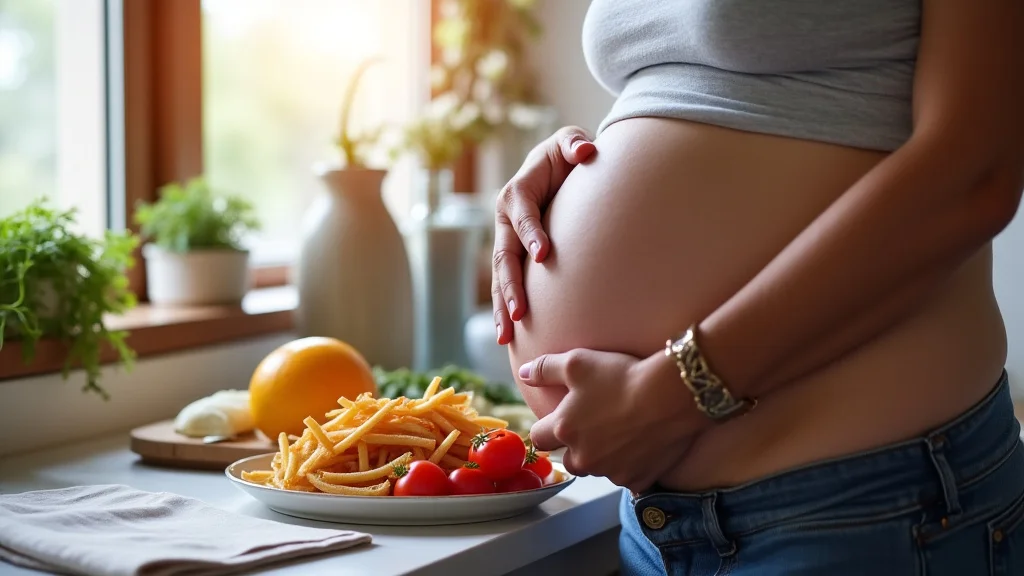
It’s really common for expecting moms to notice a drop in their hunger during the last few months of pregnancy. This third trimester loss of appetite can be a bit confusing, especially for first-time parents who expect to be eating more. Your body is going through so many changes, and sometimes your stomach just feels a bit squished or not quite ready for a big meal.
Don’t worry, though. We’ll walk through why this happens and simple ways to manage it, step by step. We’ll explore easy tips to make sure you and your baby are getting what you need.
Key Takeaways
- Understanding the physical reasons behind a reduced appetite in the third trimester.
- Discovering strategies to eat enough nutrients when you don’t feel hungry.
- Learning how to choose nutrient-dense foods for maximum benefit.
- Finding ways to stay hydrated even with a small stomach capacity.
- Recognizing when to seek professional advice regarding appetite changes.
Why Appetite Shrinks Late In Pregnancy
As your pregnancy progresses into the third trimester, your body undergoes significant physical shifts. The baby grows larger, taking up more space inside your abdomen. This growing uterus presses against your stomach and other digestive organs.
This pressure can make you feel full very quickly, even after eating just a small amount. It’s a natural part of preparing for birth, but it can make eating feel like a challenge.
The Baby’s Growing Size
The most direct cause of a reduced appetite in the third trimester is the sheer size of your baby. By this stage, your little one is big and strong, with little room to spare in your womb. This expansion means less space for your stomach to expand comfortably after you eat.
Imagine your stomach is like a balloon. When the baby is small, the balloon has plenty of room to fill up. As the baby grows, the balloon gets squeezed, so it can’t hold as much air.
This is very similar to what happens with your stomach. Even a few bites can make you feel like you’ve eaten a full meal.
Hormonal Changes
Pregnancy brings a whirlwind of hormonal activity. These hormones play a role in digestion and appetite regulation. While some hormones stimulate appetite earlier in pregnancy, others can influence satiety or the feeling of fullness.
The complex interplay of these hormones, combined with physical pressure, contributes to the decreased desire to eat.
For example, progesterone, a key pregnancy hormone, can slow down digestion. This can sometimes lead to feelings of fullness and discomfort, making you less inclined to eat. The body is balancing many needs, and appetite regulation is just one part of that intricate system.
Digestive Slowdown
Pregnancy hormones also affect your digestive system, often slowing it down. This can lead to issues like constipation and heartburn, which can further reduce your desire to eat. When your stomach empties more slowly, you naturally feel full for longer.
This slowdown is partly to help your body absorb more nutrients from the food you do manage to eat. However, it can also mean that undigested food lingers, leading to discomfort and a diminished appetite. It’s a delicate balance your body is trying to strike.
Strategies for Eating Well
Dealing with a diminished appetite can be worrying, but there are effective ways to ensure you and your baby receive the necessary nutrition. The key is to focus on nutrient density rather than volume. This means making every bite count, maximizing the nutritional value of the food you consume.
Small, Frequent Meals
Instead of trying to eat three large meals a day, switch to smaller, more frequent meals and snacks. This approach makes eating more manageable for your stomach and can help you get more nutrients throughout the day without feeling overwhelmed.
Aim for about six to eight small eating occasions. This could be breakfast, a mid-morning snack, lunch, an afternoon snack, dinner, and a bedtime snack. Even if it’s just a few bites or a small drink, consistently fueling your body helps maintain energy levels and supports your baby’s growth.
- Focus on Nutrient-Dense Foods: Choose foods that pack a lot of vitamins, minerals, and calories into a small portion. Think avocados, nuts, seeds, full-fat dairy, and lean proteins. These provide essential nutrients without taking up too much space.
- Don’t Skip Meals Entirely: Even if you don’t feel hungry, try to eat something small every few hours. This helps keep your blood sugar stable and provides a steady supply of nutrients for your baby.
- Listen to Your Body: Eat when you feel a slight urge to eat, rather than waiting until you are ravenous. This can help you eat more comfortably.
Smart Snack Choices
Snacks are your best friend when your appetite is low. They are perfect for getting in extra calories and nutrients without the pressure of a full meal. Think about snacks that combine protein and healthy fats, as these are very satisfying and provide sustained energy.
Examples include yogurt with berries and nuts, a handful of almonds, cheese and whole-grain crackers, or a small smoothie. Even a glass of milk or a piece of fruit can make a difference. These smaller portions are much easier to digest and tolerate.
- Prepare Snack Portions: Have pre-portioned snacks ready to go. This makes it easy to grab something nutritious without having to prepare a full snack each time.
- Keep a Variety: Rotate your snacks to ensure you are getting a range of nutrients and to prevent boredom.
- Include a Drink with Snacks: Sometimes, a drink can help with satiety and provide fluids.
Hydration Matters
Staying hydrated is crucial during pregnancy, especially when you’re not eating much. Dehydration can worsen fatigue and make you feel even less like eating. Try to drink plenty of fluids throughout the day.
Water is best, but you can also include milk, herbal teas (pregnancy-safe ones, of course), and diluted juices. If drinking large amounts at once is difficult, sip fluids continuously. Sometimes, having soup or broths can help with both hydration and nutrient intake.
Consider consuming some of your fluids in smoothie form. A well-made smoothie can be a nutritional powerhouse, blending fruits, vegetables, protein sources like yogurt or protein powder, and healthy fats like nut butter or avocado. This can be easier to consume than solid food when your appetite is low.
Tips for Making Food More Appealing
Sometimes, it’s not just about quantity but about making food more appealing. Experiment with flavors and textures to find what appeals to you. Even small changes can make a big difference in your willingness to eat.
- Flavor Boosts: Add herbs, spices, lemon juice, or a little salt to make food more flavorful. Bland food can be unappetizing when you’re not feeling well.
- Temperature Variations: Some people prefer cold foods or room-temperature foods when they have a reduced appetite. Try cold soups, yogurt, fruit salads, or chilled vegetables.
- Presentation: Make your food look attractive. Even a small amount of food can seem more inviting if it’s presented nicely.
Nutrient Focus For Third Trimester
During the third trimester, your baby’s development is rapid, and they require specific nutrients to grow and prepare for life outside the womb. Even with a reduced appetite, prioritizing these key nutrients is essential for both your health and your baby’s well-being.
Essential Nutrients to Prioritize
Several nutrients are particularly important in the final weeks of pregnancy. These include protein, iron, calcium, folate, and omega-3 fatty acids. Protein is vital for your baby’s growth, while iron helps prevent anemia and supports oxygen transport.
Calcium is crucial for bone development. Folate is still important for preventing neural tube defects, and omega-3s support brain development.
Given the limited capacity of your stomach, focusing on foods rich in these nutrients becomes paramount. This is where nutrient density truly shines. You want to consume foods that give you the most nutritional bang for your buck.
- Protein Sources: Lean meats, poultry, fish, eggs, dairy products, beans, lentils, and tofu are excellent protein sources. Aim to include a protein source with most of your meals and snacks. For example, a small Greek yogurt with nuts, or a hard-boiled egg.
- Iron-Rich Foods: Red meat, poultry, fish, spinach, kale, beans, and fortified cereals. Pairing iron-rich foods with vitamin C sources (like citrus fruits or bell peppers) can help your body absorb iron more effectively.
- Calcium-Rich Foods: Dairy products like milk, cheese, and yogurt are great sources. Non-dairy options include fortified plant milks, leafy green vegetables like kale, and tofu.
- Folate Sources: Leafy green vegetables, legumes, fortified grains, and some fruits like oranges.
- Omega-3 Fatty Acids: Fatty fish like salmon and mackerel (choose low-mercury options), flaxseeds, chia seeds, and walnuts.
Making Every Bite Count
When your appetite is low, every bite needs to be purposeful. This means choosing foods that offer the most nutritional value. Instead of empty calories from sugary drinks or processed snacks, opt for nutrient-dense options.
A good example is choosing a handful of almonds instead of a bag of chips. Almonds offer healthy fats, protein, fiber, and various vitamins and minerals. Chips, while potentially satisfying a craving, offer very little nutritional value and can displace more beneficial foods.
Similarly, opting for a whole-grain cracker with cheese provides more sustained energy and nutrients than a plain cracker.
The Role of Smoothies and Shakes
As mentioned earlier, smoothies and shakes can be incredibly helpful. They are easy to digest, can be packed with nutrients, and are less filling than a solid meal. You can blend fruits, vegetables, yogurt, protein powder, nut butters, and even seeds like chia or flax.
A well-constructed smoothie can provide a significant portion of your daily needs for protein, vitamins, and minerals. For instance, a smoothie with spinach, banana, almond milk, protein powder, and a tablespoon of almond butter offers vitamins, minerals, protein, and healthy fats in a liquid form that’s easy to consume. This can be a lifesaver when solid food feels overwhelming.
Here is a sample nutrient-dense smoothie recipe that can be helpful:
| Ingredient | Purpose |
|---|---|
| 1 cup Spinach | Vitamins A, C, K, folate |
| 1/2 Banana | Potassium, natural sweetness |
| 1 cup Unsweetened Almond Milk | Calcium (if fortified), hydration |
| 1 scoop Protein Powder (whey or plant-based) | Protein for growth and repair |
| 1 tbsp Almond Butter | Healthy fats, protein, vitamin E |
| 1 tbsp Chia Seeds | Omega-3 fatty acids, fiber |
This smoothie provides a good balance of macronutrients and micronutrients, making it an excellent way to supplement your diet when your appetite is low.
Sample Scenario: Making a Meal Out of Snacks
Imagine it’s lunchtime, but you only feel like a few crackers. Instead of stopping there, try adding a slice of cheese to the crackers and having a small glass of milk or a handful of grapes on the side. This turns a minimal snack into a more balanced mini-meal that offers protein, carbohydrates, and vitamins.
Another scenario: You’re offered a large plate of pasta, but it feels too much. You could take just a quarter of the portion and ask for a side salad with chicken. This way, you get a manageable portion of your desired food plus a good source of protein and vegetables.
It’s all about adapting and making smart choices.
Common Myths Debunked
Myth 1: Loss of appetite in the third trimester means something is wrong.
Reality: It is very common for pregnant individuals to experience a reduced appetite in the third trimester. The physical pressure of the growing baby on the stomach and digestive system, along with hormonal shifts, naturally leads to feeling full faster. Unless accompanied by other concerning symptoms like severe pain, significant weight loss, or lack of fetal movement, a decreased appetite is usually a normal physiological change.
Myth 2: If you don’t feel hungry, you don’t need to eat.
Reality: While you may not feel hungry, your body and your developing baby still have significant nutritional needs in the third trimester. These nutrients are crucial for your baby’s final growth and development and for preparing your body for labor and postpartum recovery. This is why focusing on nutrient-dense foods, even in small amounts, is so important.
Ignoring the need to eat entirely can lead to deficiencies and affect your energy levels.
Myth 3: You need to eat “for two” with large, heavy meals.
Reality: While your nutritional needs do increase during pregnancy, you don’t necessarily need to double your intake. The focus in the third trimester shifts from simply increasing quantity to prioritizing nutrient quality. Small, frequent, nutrient-dense meals are far more effective and tolerable than trying to force down two large, heavy meals.
Myth 4: Only unhealthy foods are appealing when appetite is low.
Reality: It’s true that cravings for certain foods can occur, but it’s not an inherent rule that only unhealthy options will be appealing. By proactively preparing and having nutrient-dense snacks and small meals readily available, you can make healthier choices more appealing and accessible. Experimenting with different flavors and textures can also help redirect preferences toward more beneficial foods.
Frequently Asked Questions
Question: Why do I feel full so quickly in my third trimester
Answer: Your growing baby is taking up a lot of space in your abdomen, pressing on your stomach and making it feel full even after just a few bites. Hormones also play a role in slowing digestion and making you feel satisfied sooner.
Question: How much water should I drink if I’m not eating much
Answer: Aim for about 8-12 glasses (64-96 ounces) of fluid daily. Sip water, herbal teas, or milk throughout the day. If drinking large amounts is hard, try having a few sips every 15-30 minutes.
Question: Is it okay to just eat snacks all day
Answer: Yes, eating small, frequent meals and snacks is actually recommended when your appetite is low. The key is to make those snacks nutrient-dense to ensure you and your baby are getting essential vitamins and minerals.
Question: What if I can’t stomach any protein
Answer: Try to incorporate protein in other ways. A protein shake or smoothie can be easier to handle. Dairy products like yogurt or cheese, or even protein-fortified non-dairy milks, might be more palatable.
Question: Should I be worried if I’m losing weight
Answer: Some slight weight fluctuation can happen, but significant weight loss or concern about your baby’s growth should be discussed with your doctor or midwife. They can assess your situation and provide personalized advice.
Wrap Up
A third trimester loss of appetite is a common experience. Your body is making room for your growing baby, which naturally affects how much you can eat. Focusing on small, nutrient-rich meals and snacks helps ensure you and your baby get what you need.
Stay hydrated by sipping fluids often. Making smart food choices means every bite counts for your baby’s final development and your well-being.
Leave a Reply