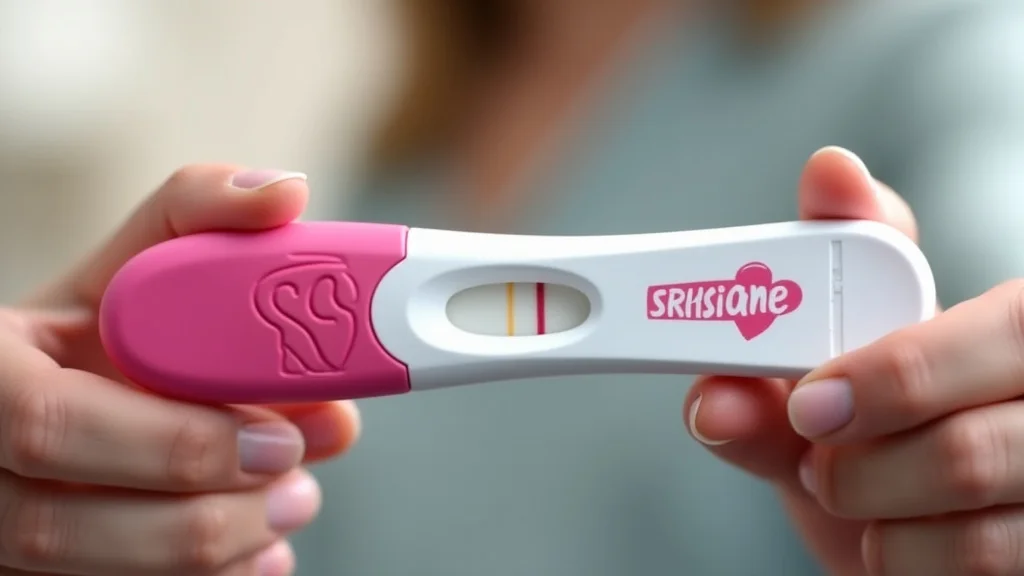
Figuring out a pregnancy test can sometimes feel tricky, especially if it’s your first time. You might look at the little lines or symbols and wonder, “What does this mean for me?” It’s a common question, and it’s totally normal to feel a bit unsure. But don’t worry, getting a clear answer is much simpler than you might think.
We’re going to walk through pregnancy test reading step-by-step, making it easy to understand exactly what your test is telling you.
Key Takeaways
- You will learn the basic types of pregnancy tests and how they work.
- This guide explains how to interpret positive and negative results.
- You will discover how to handle unclear or invalid test results.
- The post covers common mistakes to avoid for accurate pregnancy test reading.
- You will find tips on when to take a test for the best results.
Understanding Pregnancy Test Basics
Pregnancy tests work by detecting a hormone called human chorionic gonadotropin, or hCG. This hormone is produced shortly after a fertilized egg attaches to the uterine lining. The amount of hCG in your body increases rapidly in the early stages of pregnancy.
Home pregnancy tests, often called urine tests, are designed to detect this specific hormone.
These tests use a special chemical that changes color or shows a symbol when hCG is present. The sensitivity of different tests can vary. Some tests are more sensitive and can detect lower levels of hCG, meaning they might show a positive result a bit earlier.
This sensitivity is measured in milli-International Units per milliliter (mIU/mL). A lower mIU/mL number means the test is more sensitive.
Types of Pregnancy Tests
There are two main types of pregnancy tests commonly available: dip-strip tests and digital tests. Dip-strip tests are the most basic and often the most affordable. They typically have a window where you hold the absorbent end in your urine stream or a collection cup.
After a few minutes, lines will appear in a result window. The number and appearance of these lines indicate the result.
Digital tests are usually a bit more expensive but offer a clearer display. Instead of lines, they show words like “Pregnant” or “Not Pregnant” on a small screen. This makes pregnancy test reading very straightforward for many people.
Some advanced digital tests even show how many weeks pregnant you might be, based on hCG levels.
The science behind both types of tests is similar. They both rely on antibodies that bind to hCG. When hCG is present in the urine, it triggers a chemical reaction that causes a visible change.
Understanding these basic types helps demystify the process.
How hCG Levels Change
For a pregnancy test to be accurate, it needs to be used at the right time. hCG levels start to rise after implantation, which typically happens about 6 to 12 days after fertilization. The levels then double roughly every 48 to 72 hours in the early weeks of pregnancy.
This rapid increase is why testing too early can lead to a false negative result.
If you test too soon, the hCG levels in your urine might be too low for the test to detect, even if you are pregnant. This is a very common reason for getting an uncertain result. Waiting until you miss your period is generally recommended for the most reliable outcome.
By then, hCG levels are usually high enough for most tests to detect.
Tracking your cycle and understanding when ovulation occurred can help you pinpoint the best time to test. However, if you are unsure, testing a few days after you expect your period to start is a good general guideline. Remember, consistency in testing is key for accurate pregnancy test reading.
What Makes a Test Sensitive
The sensitivity of a pregnancy test refers to the lowest amount of hCG it can detect. This is usually measured in mIU/mL. For instance, a test with a sensitivity of 25 mIU/mL will only show a positive result if the hCG level in your urine is at least 25 mIU/mL.
A more sensitive test, like one with a 10 mIU/mL sensitivity, can detect pregnancy earlier.
Higher sensitivity tests are beneficial because they can provide a positive result a few days before a missed period. However, they can sometimes be more prone to showing faint lines that might be confusing. It’s important to follow the test’s instructions precisely, as even highly sensitive tests need enough hCG to register a clear positive.
The chemicals and antibodies used in the test strips are what determine this sensitivity. Manufacturers carefully calibrate these to react within specific hCG ranges. This ensures that when you are performing pregnancy test reading, you get a reliable result based on the hormone levels present.
Interpreting Your Test Results
Once you’ve taken the test and waited the specified time, the next step is to understand what you’re seeing. The way you interpret the result depends on the type of test you used. Most tests will have a control line that appears to confirm the test is working correctly.
A positive or negative result is then read based on other lines or symbols.
It’s crucial to read the test within the timeframe recommended by the manufacturer. Reading too early might give an incorrect result, while reading too late can sometimes lead to evaporation lines that look like positive results. Always have the test instructions handy when you’re ready to check your result.
This section will guide you through what different results might look like and what they mean for your situation. We will break down the visual cues so you can be confident in your pregnancy test reading.
Positive Pregnancy Test
A positive pregnancy test indicates that hCG has been detected in your urine, suggesting you are pregnant. The appearance of a positive result varies by test. On a line test, this usually means two lines appear.
One is the control line, and the other is the test line. Even a faint second line usually means positive.
On digital tests, a positive result will be clearly stated, often with the word “Pregnant” or a symbol like a plus sign. If you see a positive result, it’s a strong indicator that you are pregnant. However, it is always recommended to confirm this with a healthcare provider.
Your doctor can perform further tests, like a blood test or an ultrasound, to confirm the pregnancy and discuss your next steps. They can also help you understand the expected due date and provide important prenatal care information. A positive result is an exciting moment, and seeking professional advice is the next important step in your pregnancy test reading journey.
Example Scenario 1: Positive Line Test
- You take a dip-strip test by holding it in your urine stream for five seconds.
- After waiting the recommended three minutes, you look at the result window.
- You see a clearly visible control line and a second, though slightly faint, test line.
- This means hCG was detected, and the result is positive. You are likely pregnant.
Negative Pregnancy Test
A negative pregnancy test means that no significant level of hCG was detected in your urine. On line tests, this typically means only one line, the control line, appears. If both the control line and the test line are supposed to appear for a negative result, and only the control line shows up, then the test is negative.
Digital tests will display “Not Pregnant” or a similar clear negative indication. If you get a negative result, it means you are likely not pregnant based on the current hCG levels. However, if you tested very early, it’s possible that hCG levels are still too low to be detected.
If your period is still late after a negative result, you might consider retesting in a few days. Sometimes, it takes a bit longer for hCG to rise to detectable levels. If you continue to get negative results and your period doesn’t arrive, consulting a doctor can help determine other reasons for missed periods.
Accurate pregnancy test reading is key, but so is knowing when to re-evaluate.
Faint Line Results
A faint positive line can be confusing. This often occurs when hCG levels are low, but still present. It can happen if you tested a little too early, or it might indicate a very early pregnancy.
The key is that any line, no matter how faint, usually signifies a positive result.
Evaporation lines can also appear, but they typically look different. Evaporation lines are usually colorless and appear in the same spot where the test line would be, but they form as the urine dries out. Positive lines, even faint ones, will often have color, even if it’s light.
Always check the test’s specific instructions regarding faint lines.
If you see a faint line, the best course of action is often to retest in a day or two with your first morning urine. This is when hCG levels are usually most concentrated. This second test will likely give a clearer result, helping you confirm your pregnancy test reading.
Invalid Test Results
An invalid test result means the test did not work correctly, and you cannot determine if you are pregnant. This often happens if the control line does not appear. The control line is essential because it confirms that the test absorbed enough urine and the chemicals are working.
If there is no control line, the test is unreliable.
Reasons for an invalid result can include not using enough urine, the test being expired, or improper storage. Some tests have a separate control window, while others show the control line as part of the main result window. Always refer to the specific instructions for your test.
If a test is invalid, you will need to take another one.
For accurate pregnancy test reading, it’s vital to follow all instructions carefully. Using a fresh test and ensuring you follow the timing and application methods precisely will help avoid invalid results. Don’t hesitate to use a new test if the first one doesn’t provide a clear outcome.
Tips for Accurate Testing
Getting an accurate result from a home pregnancy test is usually straightforward, but a few simple tips can make all the difference. Following the instructions precisely is the most important factor. These tests are designed to be user-friendly, but deviating from the guidelines can lead to incorrect readings.
Timing and sample collection are crucial. Using your first morning urine is often recommended because hCG levels are most concentrated then. This can help detect lower levels of the hormone, increasing accuracy, especially in early pregnancy.
Even if the test says you can test anytime, morning urine often yields the most reliable results for pregnancy test reading.
Let’s explore some practical advice to ensure you get the clearest and most accurate result possible from your pregnancy test.
When To Test
The best time to take a pregnancy test is after you have missed your period. Most home pregnancy tests are designed to detect hCG accurately starting from the first day of a missed period. Testing at this stage gives the hormone levels enough time to rise to a detectable amount.
If you test too early, you might get a false negative result. This happens because the hCG levels are not yet high enough for the test to register. Some highly sensitive tests can detect pregnancy a few days before a missed period, but for the most reliable outcome, waiting until your period is late is generally advised.
Keeping track of your menstrual cycle can help you know when your period is due. If your cycle is irregular, it can be harder to pinpoint the exact best time. In such cases, testing about three weeks after unprotected sex can provide a reasonably accurate result.
Accurate pregnancy test reading depends on testing at the right time.
Using First Morning Urine
Your first urine of the day, collected immediately after waking up, is typically the most concentrated. This is because you haven’t had anything to drink for several hours, so any hormones present in your urine will be in higher levels. This makes first morning urine ideal for detecting low amounts of hCG.
If you test with first morning urine, you are more likely to get an accurate positive result, even if the pregnancy is very early. This method can also help avoid potential false negatives that might occur if you test later in the day when your urine is more diluted.
To use this tip for pregnancy test reading, simply urinate into a clean cup and then dip the test stick into the urine, or use a dropper to place urine on the test, as per the instructions. Avoid drinking excessive fluids before bed if you plan to test first thing in the morning.
Following Instructions Carefully
Every pregnancy test comes with its own set of instructions, and it’s vital to read and follow them exactly. These instructions detail how to collect the urine sample, how long to immerse the test, and how long to wait before reading the result. Even minor deviations can impact accuracy.
For example, some tests require you to dip the stick for a specific number of seconds, while others need you to collect urine in a cup and then dip the stick or use a dropper. The waiting time is also critical. Reading the result too soon can mean the test hasn’t had enough time to show a reaction, leading to a false negative.
Reading it too late can result in seeing evaporation lines, which can be mistaken for positive results.
Adhering strictly to the manufacturer’s guidelines ensures that the test performs as designed. This attention to detail is fundamental for reliable pregnancy test reading and avoids common errors that lead to confusion or anxiety.
Reading The Test Within The Timeframe
Pregnancy tests have a specific window during which the results are considered accurate. This timeframe is usually between 3 to 10 minutes after performing the test, but it can vary by brand. It’s important to note the exact time recommended by the test manufacturer.
Reading the test too early might give a false negative because the hCG hormone hasn’t had enough time to interact with the test chemicals and produce a visible line or symbol. The control line, which indicates the test is working, might appear, but the test line may not show up yet if hCG levels are low.
Conversely, reading the test too late can lead to misinterpreting evaporation lines. These are faint, colorless lines that can appear after the urine has dried on the test strip. They are not an indication of pregnancy.
For the most accurate pregnancy test reading, check the result within the specified time frame and discard the test afterward.
Common Mistakes And How To Avoid Them
While pregnancy tests are generally reliable, certain common mistakes can lead to inaccurate results. Understanding these pitfalls is the first step to ensuring you get a clear and correct answer. Many errors stem from rushing the process or not paying close attention to the instructions.
One of the most frequent mistakes is testing too early. As mentioned, hCG levels need time to rise sufficiently for detection. Another common issue is misinterpreting faint lines or evaporation lines.
Being aware of these possibilities can save you unnecessary worry.
This section will highlight these common errors and provide practical advice on how to avoid them, leading to more confident pregnancy test reading.
Testing Too Early
As discussed, testing for pregnancy too soon after conception is a leading cause of false negatives. If you test before your hCG levels are high enough, the test simply won’t be able to detect them, even if you are pregnant. This can lead to unnecessary stress and confusion.
For example, imagine someone tested 5 days before their expected period. The test might show a negative result, but if they were pregnant, their hCG levels could still be too low to be picked up by the test. If they had waited until the day of their missed period, the result might have been positive.
To avoid this mistake, always try to wait until you have missed your period. If you have an irregular cycle or are unsure of when to test, consult the test’s instructions for their recommended testing window or speak with a healthcare provider. Patience is key for accurate pregnancy test reading.
Diluted Urine Samples
Drinking a large amount of fluids before taking a pregnancy test can dilute your urine. When your urine is very diluted, the concentration of hCG can be significantly lowered, making it harder for the test to detect the hormone. This can result in a false negative reading.
For example, if you drink several glasses of water right before taking the test, your urine might be almost clear. Even if hCG is present, its concentration might fall below the detection threshold of the test. This is why using your first morning urine is often recommended, as it’s naturally less diluted.
To prevent this, try to limit your fluid intake for a couple of hours before you plan to take the test, especially if you are not using your first morning urine. This ensures that any hCG present is in a more concentrated form, leading to more reliable pregnancy test reading.
Misinterpreting Faint Lines Or Evaporation Lines
Faint lines on a pregnancy test can be a source of confusion. A faint positive line generally means you are pregnant, but it can sometimes be hard to distinguish from an evaporation line. Evaporation lines occur when urine dries on the test strip, leaving behind a colorless mark where a positive line would appear.
The key difference is that positive lines, even faint ones, usually have color. Evaporation lines typically appear after the recommended reading time and lack any pink, blue, or other color pigment. They are essentially a residue from the urine drying process.
If you see a faint line, it’s often best to retest in a day or two with your first morning urine. This will help confirm whether the line was a true positive or an evaporation artifact. Following this advice can make your pregnancy test reading much clearer and more reassuring.
Not Waiting The Correct Amount Of Time
As highlighted before, waiting the exact time specified on the test instructions is crucial for pregnancy test reading. Waiting too short a period means the test hasn’t had time to react. This can lead to a negative result when it should be positive.
Conversely, waiting too long can lead to misinterpreting evaporation lines. These appear after the designated result window and are not indicative of pregnancy. They can cause unnecessary worry or excitement, leading to confusion.
For instance, if a test says to read between 5 and 10 minutes, and you check it at 2 minutes, you might miss a developing positive line. If you check it at 20 minutes, you might see an evaporation line that looks like a faint positive. Always set a timer to ensure you check the test at the correct time.
When To See A Doctor
After you have performed a pregnancy test and have a result, it’s important to know when to seek professional medical advice. A positive result is usually a sign to schedule an appointment with your healthcare provider. They can confirm the pregnancy and begin prenatal care.
Even with a negative result, there are times when you should consult a doctor. If your period is significantly late, or if you have other symptoms that concern you, it’s best to get checked out. Sometimes, pregnancy tests can be negative due to very early testing or other medical conditions affecting your cycle.
This section will guide you on the appropriate next steps after your pregnancy test reading, ensuring you receive the best care and information.
Confirming A Positive Result
If your home pregnancy test shows a positive result, the next step is to schedule an appointment with your doctor or a healthcare clinic. While home tests are highly accurate, a medical professional can confirm the pregnancy with more definitive tests, such as a blood test or an ultrasound.
Blood tests can detect hCG earlier and more precisely than urine tests. Ultrasounds can confirm the presence of a gestational sac and, later, a developing fetus. Your doctor will also discuss your health history and begin discussing prenatal care.
This confirmation is important for establishing a due date, monitoring the pregnancy’s progress, and ensuring the health of both you and the developing baby. Early confirmation allows for timely medical attention. Your pregnancy test reading is a starting point for this important process.
When Your Period Is Late But Tests Are Negative
It can be confusing if your period is late, but your home pregnancy tests keep coming back negative. There are several reasons this might happen. You might have tested too early, and your hCG levels haven’t risen enough yet.
Some highly sensitive tests can detect pregnancy as early as 10 days after ovulation, but waiting until you miss your period is generally more reliable.
Another possibility is that your cycle is irregular, making it difficult to predict when your period is due. Stress, significant weight changes, or certain medical conditions can also affect your menstrual cycle. If you continue to have negative test results and your period remains absent for an extended period, it is advisable to consult a doctor.
Your doctor can help determine the cause of your missed period, which could range from hormonal imbalances to other health concerns. They can perform further tests to rule out pregnancy or identify other issues. Reliable pregnancy test reading is important, but so is addressing persistent cycle changes.
Other Reasons For Irregular Cycles
Missed periods or irregular cycles can be caused by factors other than pregnancy. Understanding these can help you know when to seek medical advice. Stress is a common culprit; significant emotional or physical stress can disrupt the hormonal balance that regulates your menstrual cycle.
Changes in weight, either gaining or losing a significant amount of weight quickly, can also affect your cycle. Conditions like Polycystic Ovary Syndrome (PCOS), thyroid problems, and certain chronic illnesses can also lead to irregular periods. Even perimenopause, the transition to menopause, can cause changes in your cycle.
If you are experiencing consistently irregular periods and have a negative pregnancy test, discussing these other potential causes with your doctor is important. They can conduct tests to diagnose any underlying conditions and recommend appropriate treatment. This ensures that any issues affecting your cycle are properly addressed, beyond just pregnancy test reading.
Common Myths Debunked
Myth 1: Any line means you are pregnant
This is not entirely true. While any colored line usually indicates a positive result, it’s important to distinguish between a true positive line and an evaporation line. Evaporation lines are colorless and appear as urine dries, typically after the recommended reading time.
Always check for color and the specific instructions for your test to confirm your pregnancy test reading.
Myth 2: You can’t get pregnant if you have your period
This is a common misconception. While less likely, it is possible to conceive during your period. Sperm can survive in the female reproductive tract for up to five days.
If you ovulate early in your cycle, and have unprotected sex towards the end of your period, pregnancy can occur. Therefore, relying on your period to prevent pregnancy is not foolproof.
Myth 3: A negative test means you are definitely not pregnant
A negative test result means that hCG was not detected at the time of testing. However, if you tested too early, your hCG levels might still be too low to be detected. If your period is late and you continue to get negative results, it’s advisable to retest in a few days or consult a doctor.
A negative result is not always definitive, especially in the early stages, impacting your pregnancy test reading accuracy.
Myth 4: Digital tests are always more accurate than line tests
Both digital and line tests are designed to be highly accurate when used correctly. The accuracy rate for both types is often over 99% when testing from the first day of a missed period. Digital tests offer clearer results by displaying words, which can reduce confusion, but they are not inherently more accurate in detecting hCG.
The key to accuracy for both is proper usage and testing at the right time for your pregnancy test reading.
Frequently Asked Questions
Question: How soon can I take a pregnancy test?
Answer: Most home pregnancy tests are most accurate when taken from the first day of your missed period. Some highly sensitive tests can detect pregnancy a few days earlier, but it’s best to use your first morning urine for the most reliable results.
Question: What does a faint positive line mean?
Answer: A faint positive line usually indicates that you are pregnant, but your hCG levels are still relatively low. It’s recommended to retest in a day or two with your first morning urine to confirm the result. Always check if the line has color to differentiate it from an evaporation line.
Question: Can stress affect a pregnancy test?
Answer: Stress does not directly affect the accuracy of a pregnancy test itself. However, significant stress can disrupt your menstrual cycle, potentially causing a missed period. This might lead you to test at an earlier or later time than optimal for pregnancy test reading, indirectly affecting the timing of an accurate result.
Question: What should I do if my pregnancy test is invalid?
Answer: If your pregnancy test is invalid (e.g., no control line appears), it means the test did not work correctly. You should discard the test and take a new one, making sure to follow the instructions carefully to ensure proper pregnancy test reading.
Question: How many days can sperm survive in the body?
Answer: Sperm can survive inside the female reproductive tract for up to five days. This means that unprotected intercourse that occurs several days before ovulation can still lead to pregnancy. This survival period is important to consider when determining the best time for pregnancy test reading after potential conception.
Conclusion
Understanding pregnancy test reading is about following simple steps. You’ve learned how tests detect hCG and what positive, negative, and faint lines mean. We’ve covered the importance of testing at the right time and using first morning urine for better accuracy.
By avoiding common mistakes and knowing when to see a doctor, you can feel confident with your results.
Leave a Reply