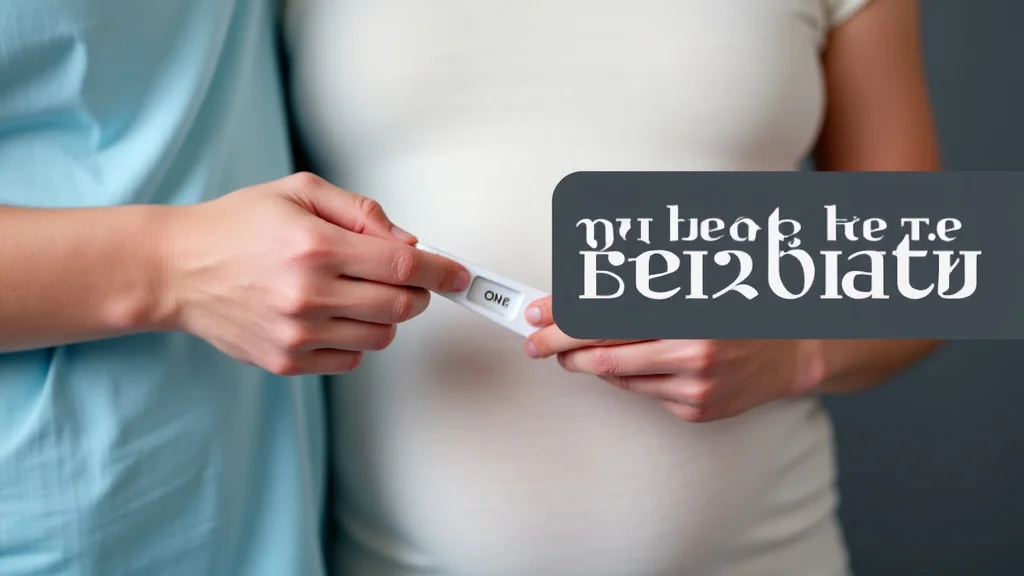
Figuring out if you’re pregnant can feel like a big puzzle, especially when you’re new to it. Lots of people wonder about pregnancy test reliability, and that’s okay! It can seem tricky with different tests and instructions.
But don’t worry, we’ll break it all down. We’ll show you simple steps to get accurate results every time. Let’s get started on making this process clear and easy for you.
Key Takeaways
- You will learn what affects how accurate pregnancy tests are.
- This post explains how to get the best results from your test.
- We will cover when it is best to take a pregnancy test for reliable outcomes.
- You will discover common mistakes that can lead to wrong results.
- We will talk about different types of pregnancy tests and their accuracy.
- Understand how to read your pregnancy test results correctly.
Understanding Pregnancy Test Reliability
Pregnancy test reliability is something many people think about. It’s natural to want to know for sure if you are pregnant. Home pregnancy tests are quite good, but their accuracy depends on a few things.
Using them correctly is key. This section will explore what makes these tests so dependable and what factors can influence their results.
The main way home pregnancy tests work is by detecting a hormone called human chorionic gonadotropin (hCG). This hormone is produced by the body shortly after a fertilized egg attaches to the uterine lining. The earlier you test, the lower the hCG levels will be.
This can sometimes lead to a false negative result, meaning the test says you are not pregnant when you actually are. Later, as hCG levels rise, tests become more sensitive and accurate.
How Home Pregnancy Tests Detect hCG
Home pregnancy tests use antibodies that are sensitive to hCG. When urine containing hCG passes over the test strip, the hCG molecules bind to these antibodies. This binding action triggers a chemical reaction that causes a visible line, symbol, or word to appear on the test window, indicating a positive result.
The intensity of the line often relates to the amount of hCG present.
The sensitivity of a test refers to the lowest level of hCG it can detect. Most tests are designed to detect hCG at levels between 20 and 25 mIU/mL. Some early detection tests can pick up even lower levels.
This means that if you test too early, the hCG in your urine might not be high enough for the test to register, even if you are pregnant. Waiting a few days can significantly increase the chance of a positive result if you are pregnant.
Factors Influencing Pregnancy Test Accuracy
Several factors can impact the accuracy of a home pregnancy test. The most critical is the timing of the test. Testing too soon after conception is the most common reason for inaccurate results.
Another important factor is following the test’s instructions precisely. Different brands have slightly different procedures, and deviating from them can lead to errors.
The concentration of hCG in your urine also plays a huge role. Testing first thing in the morning is generally recommended because your urine is more concentrated then. This means any hCG present will be in higher amounts, making it easier for the test to detect.
Drinking a lot of fluids before testing can dilute your urine, potentially leading to a false negative. Proper storage of the test is also vital; extreme temperatures can damage the test and affect its performance.
When to Take A Pregnancy Test For Best Results
Knowing the right time to take a pregnancy test is crucial for obtaining reliable results. Taking a test too early is a common pitfall that can lead to disappointing or confusing outcomes. This part of our guide will help you understand the optimal window for testing to maximize your chances of an accurate answer.
The general recommendation for testing is to wait until you have missed your period. By this time, if you are pregnant, your hCG levels should be high enough for most standard home pregnancy tests to detect. For women with regular menstrual cycles, this is usually around 14 days after ovulation.
Testing before this point increases the risk of a false negative.
The Importance of Testing After a Missed Period
Missed periods are often the first sign of pregnancy. When your period is late, it suggests that ovulation and implantation have occurred. This is when the body starts producing hCG in significant amounts.
Testing around your missed period allows the hormone levels to build up sufficiently for accurate detection by home pregnancy tests.
Some sources suggest testing as early as 10 days after ovulation. While some sensitive tests might pick up pregnancy this early, the hCG levels are often still very low. This can result in a faint positive line or a false negative.
Waiting until your period is due or a few days past it significantly increases the chances of a correct positive result. If you get a negative result but your period still hasn’t started, it is a good idea to retest in a few days.
Testing Early vs. Waiting for Accuracy
Many people are eager to know if they are pregnant as soon as possible. Early detection tests are available and can detect hCG at lower levels than standard tests. These tests might give you a positive result a few days before your expected period.
However, even with early detection tests, there is still a chance of a false negative if the hCG levels are not yet high enough.
The trade-off for early testing is a higher risk of error. If you are considering testing early, ensure you use first-morning urine for the most concentrated sample. If you get a negative result with an early test, and you still suspect you might be pregnant, it is wise to wait and test again when your period is due.
This wait can be emotionally challenging, but it significantly improves the reliability of the test.
What If You Have Irregular Periods
For individuals with irregular menstrual cycles, determining when to test can be more challenging. Ovulation does not happen on a predictable schedule. In such cases, it is often advised to track ovulation using other methods, like ovulation predictor kits or by monitoring basal body temperature.
Once you have identified a potential ovulation date, you can count approximately 14 days from that point to estimate when you might expect your period.
Alternatively, some healthcare providers recommend testing at least three weeks after unprotected intercourse if you have irregular cycles. This timeframe allows for a sufficient buildup of hCG, regardless of when ovulation occurred. If you are unsure about tracking your cycle or when to test, consulting with a doctor can provide personalized guidance based on your specific situation.
They can help determine the best testing strategy for you.
How To Use A Pregnancy Test Correctly
Getting a reliable pregnancy test result hinges on following the instructions precisely. It might seem straightforward, but small mistakes can lead to confusion. This section guides you through the steps to ensure you use your test correctly from start to finish.
Before you even open the test, read the entire package insert carefully. This is the most important step. Different tests have different instructions.
Some you dip, some you hold in the urine stream, and others you collect urine in a cup. Familiarize yourself with the specific method for your test.
Reading The Instructions
The instructions will tell you exactly how long to expose the test to urine, how long to wait for the result, and how to interpret the lines or symbols. Pay close attention to the waiting time. Waiting too long can sometimes cause evaporation lines that might look like a positive result, leading to a false positive.
Not waiting long enough means the test may not have had enough time to show a proper result.
Most tests use a control line to show that the test is working correctly. If this line does not appear, the test is invalid, and you will need to use another one. Understanding what the control line looks like is essential.
It’s usually a distinct line that appears in a specific window to confirm the test worked.
Collecting The Urine Sample
For most home pregnancy tests, collecting a urine sample first thing in the morning is best. This is because your urine is most concentrated at this time. This means any pregnancy hormone, hCG, will be at its highest level, making it easier for the test to detect.
Try not to drink large amounts of fluids right before you test, as this can dilute your urine.
When collecting your sample, use a clean, dry container if the test requires it. If the test is a “midstream” test, you will hold the absorbent tip directly in your urine stream for the specified amount of time. Be sure to cover the entire absorbent tip with urine.
Avoid letting the urine splash onto the result window.
Interpreting The Results
Interpreting the results is the final step. Most tests will have a result window that shows a line, a plus sign, a minus sign, or a digital readout. A positive result usually means you are pregnant.
A negative result means you are likely not pregnant. If the control line appears and the result window shows no indication of pregnancy, it’s a negative result.
A faint positive line can sometimes cause confusion. If you see a faint line, it typically means hCG is present, and you are likely pregnant. However, to be absolutely sure, it’s always a good idea to confirm with your doctor.
If the control line does not appear, the test is not working, and you should discard it and try again with a new test. Reading the instructions on how to interpret the specific symbols or lines for your test is crucial.
Common Pregnancy Test Myths Debunked
There are many old wives’ tales and confusing ideas about pregnancy tests. It is important to rely on science and tested methods. Let’s clear up some common misunderstandings about pregnancy test reliability.
Myth 1: Any liquid can be used instead of urine.
Reality: Pregnancy tests are specifically designed to detect hCG in urine. Using other liquids like water, soda, or even vinegar will not work and will lead to inaccurate results. These substances do not contain the hormone pregnancy tests are looking for.
Always use urine as directed by the test instructions.
Myth 2: A very faint positive line means you are not pregnant.
Reality: A faint positive line still indicates the presence of hCG. If the test is working correctly and a line appears, even if it’s faint, it generally means you are pregnant. The intensity of the line depends on the concentration of hCG in your urine.
It is still recommended to confirm with your doctor.
Myth 3: You only need to test once.
Reality: While one test can be accurate if done correctly at the right time, sometimes retesting is necessary. If you test too early, or if you are unsure about the result, retesting in a few days can provide a more definitive answer. Always follow up with a healthcare provider to confirm a pregnancy.
Myth 4: Pregnancy tests expire immediately after the date.
Reality: While tests do have an expiration date, it is usually printed on the packaging. Using a test slightly past its expiration date might still yield a correct result, but the accuracy can decrease over time. It’s always best to use an unexpired test for the most reliable pregnancy test reliability.
Frequently Asked Questions
Question: How soon can a home pregnancy test detect pregnancy?
Answer: Most home pregnancy tests can detect pregnancy from the first day of your missed period. Some sensitive tests can detect pregnancy a few days earlier, around 10 days after ovulation.
Question: Can stress affect a pregnancy test result?
Answer: Stress itself does not directly affect the hormones that pregnancy tests detect. However, severe stress can sometimes affect menstrual cycles, potentially leading to a missed period and confusion about when to test.
Question: What does a chemical pregnancy mean in relation to test results?
Answer: A chemical pregnancy is a very early miscarriage that happens shortly after implantation. You might get a positive pregnancy test, but then your period comes on time or is only a few days late. This indicates that pregnancy began but did not continue to develop.
Question: Are digital pregnancy tests more accurate than line tests?
Answer: Both digital and line-based pregnancy tests detect the same hormone (hCG) and can be equally accurate when used correctly at the right time. Digital tests often offer a clearer “pregnant” or “not pregnant” readout, reducing the chance of misinterpreting faint lines.
Question: Can certain medications interfere with pregnancy test reliability?
Answer: Some medications, particularly fertility drugs that contain hCG, can interfere with test results and cause a false positive. Other medications generally do not affect the accuracy of home pregnancy tests.
Summary
Achieving accurate pregnancy test reliability is quite straightforward when you follow key steps. Understanding how tests work, testing at the right time, and reading instructions carefully are most important. Always use first-morning urine for concentrated hormone levels.
If unsure, retest or consult a doctor. You have the knowledge now to use your test with confidence.
Leave a Reply