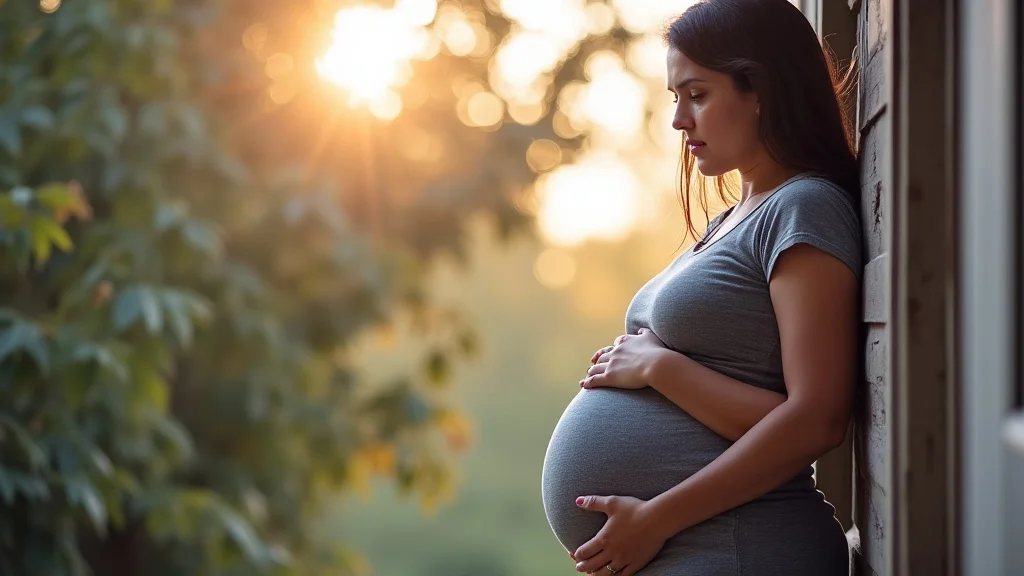
Many moms-to-be find their second trimester brings new challenges, and one common one is second trimester anemia. It might sound scary, but it’s actually quite normal for your body to need more iron during this time. Pregnancy is a big job!
For beginners, figuring out why this happens and what to do can feel a bit confusing. But don’t worry, we’re going to break it down very simply. We’ll show you exactly what steps to take.
First, let’s look at why this happens and what signs to watch for.
Key Takeaways
- Second trimester anemia often happens because your body needs more iron to support your growing baby.
- Simple dietary changes and iron supplements can help manage this condition.
- Recognizing symptoms like fatigue and paleness is important for early detection.
- Your doctor plays a key role in diagnosing and recommending treatment for anemia.
- Consistent monitoring and following medical advice ensure a healthy pregnancy for you and your baby.
What Is Second Trimester Anemia
Second trimester anemia is a common condition that affects many pregnant women. It means you have fewer red blood cells than your body needs to carry oxygen to your tissues and your growing baby. This often happens during the middle part of pregnancy, roughly from week 13 to week 28, which is known as the second trimester.
Your body is working hard to create a whole new human, and that takes a lot of resources, especially iron.
Why It Happens During Pregnancy
Pregnancy significantly increases your body’s demand for iron. You need it not only for your own increased blood volume but also to supply your developing baby and the placenta. Your body produces about 50% more blood during pregnancy to support this growth.
This extra blood volume requires more iron to make hemoglobin, the protein in red blood cells that carries oxygen.
If you don’t get enough iron from your diet or if your body can’t absorb it well, your iron stores can become depleted. This depletion leads to iron-deficiency anemia, which is the most common type of anemia during pregnancy. It’s a gradual process, and often, the symptoms become more noticeable in the second trimester as your body’s iron needs continue to climb.
Signs and Symptoms To Watch For
Recognizing the signs of anemia is important so you can talk to your doctor. Some common symptoms are things you might already feel during pregnancy, like feeling very tired or weak. Other signs can include shortness of breath, dizziness, and a pale complexion.
You might also notice your heart beating faster than usual, headaches, or cold hands and feet.
Some women might also experience brittle nails, a sore tongue, or unusual cravings for non-food items like ice or dirt, which is called pica. It’s crucial to remember that these symptoms can also be present in a normal pregnancy. This is why a proper diagnosis from your healthcare provider is essential rather than self-diagnosing based on symptoms alone.
A simple blood test can confirm if you have anemia. Your doctor will check your hemoglobin levels and other blood cell counts. Early detection and treatment are key to preventing more serious complications for both you and your baby.
The Role of Your Doctor
Your doctor is your main guide through pregnancy, especially when it comes to conditions like second trimester anemia. They will monitor your health regularly with prenatal check-ups. These visits typically include blood tests to check for anemia.
If they find low iron levels or low hemoglobin, they can provide a diagnosis and discuss the best treatment plan for you.
Never hesitate to talk to your doctor about how you are feeling. Any concerns or unusual symptoms should be discussed. They have the medical expertise to interpret your test results and your symptoms accurately.
They can also rule out other potential causes for your symptoms, ensuring you receive the correct care.
Causes Of Second Trimester Anemia
Several factors can contribute to developing anemia during pregnancy, particularly in the second trimester. It’s often a combination of increased bodily demands and what you’re able to take in through your diet.
Insufficient Iron Intake
One of the most frequent causes is simply not getting enough iron from the foods you eat. While many foods contain iron, the amount needed during pregnancy is quite high. If your regular diet doesn’t include many iron-rich foods, or if you have specific dietary restrictions (like vegetarianism or veganism), you might struggle to meet these increased needs.
Iron is found in different forms in food. Heme iron, found in meat, poultry, and fish, is more easily absorbed by the body. Non-heme iron, found in plant-based foods like beans, lentils, and spinach, is absorbed less efficiently.
So, even if you eat a lot of iron-rich plant foods, you might still be at risk for deficiency if your body can’t absorb enough of it.
Poor Iron Absorption
Sometimes, even if you eat enough iron, your body might not absorb it properly. Certain things can interfere with iron absorption. For example, calcium, found in dairy products and some supplements, can reduce iron absorption.
So can compounds called phytates, which are found in whole grains, legumes, and nuts.
Consuming coffee or tea with meals can also hinder iron absorption because of compounds called tannins. It’s not about completely avoiding these foods or drinks, but rather being mindful of timing. Eating iron-rich foods alongside foods high in vitamin C, like citrus fruits or bell peppers, can actually boost iron absorption.
Vitamin C helps convert non-heme iron into a more easily absorbed form.
Increased Blood Volume
As mentioned before, your blood volume expands significantly during pregnancy. This is essential to deliver oxygen and nutrients to your baby. This expansion means your body needs a much larger supply of iron to produce the extra red blood cells required for this larger volume of blood.
It’s like needing more building blocks for a bigger structure.
If your iron reserves are already low at the start of your pregnancy, this rapid increase in demand can quickly lead to a deficiency. This is why prenatal care often includes checking iron levels even before you become pregnant or in the early stages of pregnancy. Establishing a good iron status early on can help prevent anemia later on.
Other Factors
Other less common factors can also contribute to anemia during pregnancy. These include certain medical conditions that affect nutrient absorption, like celiac disease or inflammatory bowel disease. Heavy bleeding before pregnancy or during early pregnancy can also deplete iron stores.
Some women might have a history of anemia before pregnancy. Multiple pregnancies, especially if they are close together, can also leave iron stores depleted. In rare cases, genetic blood disorders can play a role.
Your doctor will consider your full medical history to identify any contributing factors beyond diet and increased needs.
Managing Second Trimester Anemia
Fortunately, second trimester anemia is very manageable with the right approach. The goal is to increase your iron levels to a healthy range and maintain them throughout your pregnancy.
Dietary Adjustments
Making smart food choices can make a big difference. Focus on incorporating iron-rich foods into your daily meals. Excellent sources of heme iron include lean red meat, poultry, and fish.
If you eat these, try to have them regularly.
For those who don’t eat meat, or as a supplement to meat sources, there are many plant-based options. Lentils, beans (like kidney beans, black beans, and chickpeas), tofu, and spinach are great choices. Fortified cereals and breads are also often a good source of added iron.
Remember to pair these with vitamin C-rich foods to enhance absorption.
Iron-Rich Foods List
- Red meat (beef, lamb)
- Poultry (chicken, turkey)
- Fish (sardines, tuna)
- Lentils
- Beans (kidney, black, pinto)
- Tofu
- Spinach and other dark leafy greens
- Fortified cereals and bread
- Dried fruits (apricots, raisins)
Eating a variety of these foods will help ensure you get a good amount of iron. Even small changes in your diet can contribute to better iron levels over time. It’s about consistency and making these foods a regular part of your eating plan.
Iron Supplements
In many cases, diet alone is not enough to meet the high iron requirements during pregnancy. Your doctor will likely recommend an iron supplement. These supplements provide a concentrated dose of iron that your body can absorb.
There are various types of iron supplements available, and your doctor will help you choose the best one for you. Common forms include ferrous sulfate, ferrous gluconate, and ferrous fumarate. It’s important to take them as prescribed by your doctor.
They are usually recommended to be taken on an empty stomach for better absorption, but if they cause stomach upset, you can try taking them with a small amount of food.
Side effects from iron supplements can include constipation, nausea, or an upset stomach. Drinking plenty of water and increasing fiber intake can help with constipation. Your doctor might suggest taking a stool softener if needed.
If the side effects are severe, talk to your doctor; they may be able to adjust the dosage or switch you to a different type of iron supplement.
A common tip to improve absorption and reduce side effects is to take your iron supplement with a glass of orange juice or other vitamin C source. Also, try to avoid taking calcium supplements or drinking milk, coffee, or tea within an hour or two of your iron supplement, as these can interfere with its absorption.
Lifestyle Tips
Beyond diet and supplements, a few lifestyle adjustments can support your efforts to combat anemia. Staying hydrated is always important, especially during pregnancy. Drinking enough water helps with digestion and can alleviate constipation, a common side effect of iron supplements.
Getting enough rest is also vital. Fatigue is a major symptom of anemia, so listening to your body and prioritizing sleep and rest can help you feel better overall. Gentle exercise, if approved by your doctor, can also improve circulation and energy levels.
This includes activities like walking or prenatal yoga.
It’s also wise to limit things that hinder iron absorption. As mentioned, try to avoid drinking coffee, tea, or milk with your iron-rich meals or supplements. Spacing out these beverages from your iron intake can maximize the iron your body gets from your food and supplements.
Preventing Future Anemia
While you are likely focusing on managing second trimester anemia, it’s also helpful to think about prevention for future pregnancies or long-term health. A proactive approach can make a significant difference.
Pre-Pregnancy Planning
The best time to start thinking about preventing anemia is even before you get pregnant. If you are planning a pregnancy, talk to your doctor about your overall health. They can assess your iron status and recommend any necessary dietary changes or supplements to build up your iron stores before conception.
Maintaining a balanced and nutritious diet throughout your life, not just during pregnancy, is key. This includes regular consumption of iron-rich foods. If you have a history of anemia or conditions that affect nutrient absorption, discussing this with your doctor well in advance of pregnancy is highly recommended.
Ongoing Monitoring
Even after you’ve managed anemia during one pregnancy, it’s good practice to continue monitoring your iron levels. This is especially true if you’ve had a history of iron deficiency. Your doctor will likely continue to check your iron status during your postpartum check-ups.
For future pregnancies, discuss your history of anemia with your healthcare provider. They can put a plan in place for closer monitoring from the start. This might include more frequent blood tests and a proactive supplement strategy.
Early intervention is always more effective than treating a severe deficiency.
Educating Yourself
The more you know about your body and nutritional needs, the better equipped you are to stay healthy. Learning about the signs and symptoms of anemia, as well as iron-rich foods, empowers you to make informed choices. Understanding how different foods and drinks affect nutrient absorption is also very useful.
Share this knowledge with your partner or family members, as they can often provide support. Cooking iron-rich meals together or reminding each other to take supplements can be very helpful. Staying informed about your health is a continuous process, and it pays off in the long run.
Common Myths Debunked
Myth 1: All Fatigue During Pregnancy Is Just Normal
While fatigue is very common in pregnancy, especially in the first and third trimesters, it’s not always just a normal part of the process. Persistent, overwhelming fatigue, especially when accompanied by other symptoms like paleness or shortness of breath, could be a sign of anemia. It’s important to discuss your fatigue levels with your doctor to rule out any underlying medical conditions.
Myth 2: You Only Need Iron Supplements If You Feel Sick
This is not true. Anemia can develop gradually and may not cause noticeable symptoms until iron levels are quite low. Your body’s need for iron increases significantly during pregnancy, often exceeding what can be obtained from diet alone.
Doctors often recommend iron supplements as a preventative measure to ensure adequate iron levels, even if you don’t feel sick.
Myth 3: Eating Lots of Spinach Will Completely Prevent Anemia
Spinach is a good source of iron, but it contains non-heme iron, which is less easily absorbed by the body compared to heme iron found in meat. While spinach contributes to your iron intake, relying solely on it might not be enough to meet the high demands of pregnancy. A varied diet with multiple iron sources, combined with supplements as advised by your doctor, is generally more effective.
Myth 4: Iron Supplements Always Cause Constipation
Constipation is a common side effect of iron supplements, but it doesn’t happen to everyone, and it can often be managed. Drinking more water, increasing fiber in your diet, and staying active can help prevent or alleviate constipation. If it becomes a persistent problem, your doctor can recommend strategies or alternative iron formulations.
Frequently Asked Questions
Question: How soon after starting iron supplements will I feel better?
Answer: You might start to notice an improvement in your energy levels within a few weeks of starting iron supplements, but it can take a couple of months for your iron levels to fully recover. Consistency is key. Your doctor will likely recheck your blood levels after a few months to see how you are responding to treatment.
Question: Can second trimester anemia harm my baby?
Answer: While severe, untreated anemia can pose risks, including premature birth and low birth weight, second trimester anemia that is diagnosed and treated promptly usually does not harm the baby. Your doctor will monitor you closely to ensure both you and your baby are healthy.
Question: Is it safe to take iron supplements with my prenatal vitamin?
Answer: Many prenatal vitamins contain a small amount of iron. However, if you have anemia, your doctor will likely prescribe a separate, higher-dose iron supplement. You can usually take your prenatal vitamin and your prescribed iron supplement at different times of the day as advised by your doctor to ensure absorption.
Question: What foods are high in vitamin C to help absorb iron?
Answer: Foods rich in vitamin C include citrus fruits like oranges, grapefruits, and lemons, as well as strawberries, kiwi, bell peppers, broccoli, and tomatoes. Including these in your meals can significantly boost your body’s ability to absorb iron from plant-based foods.
Question: Should I stop taking iron supplements after delivery?
Answer: This depends on your iron levels after delivery and your doctor’s recommendation. Many women continue to need iron supplements postpartum, especially if they experienced significant blood loss during birth or if their iron stores were depleted. Always follow your doctor’s advice.
Summary
Second trimester anemia is a common pregnancy phase marked by reduced red blood cells. It stems from your body’s increased iron needs for the growing baby and placenta, often worsened by diet or absorption issues. Recognizing fatigue, paleness, and other signs is important.
Managing it involves iron-rich foods, prescribed supplements, and lifestyle tips. Prevention includes pre-pregnancy planning and ongoing monitoring. Addressing anemia ensures a healthier pregnancy for you and your little one.
Leave a Reply