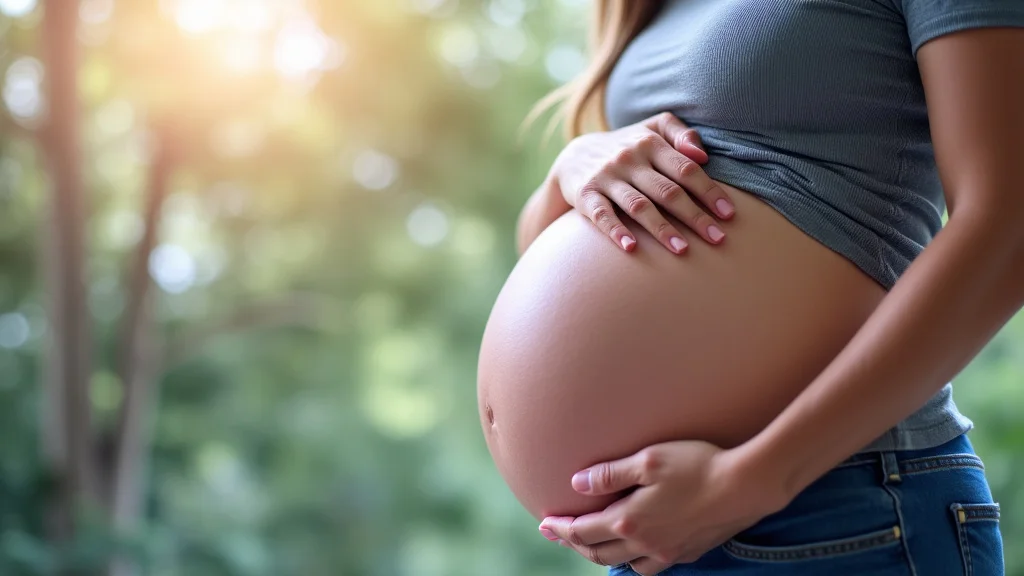
When you’re getting ready for your baby, the last thing you want is unexpected health worries. For many expecting parents, third trimester hypertension can feel confusing and a bit scary. This is because it’s a common issue that pops up late in pregnancy, and it’s important to know what’s happening. Don’t worry, though; we’re going to break it all down in a way that’s easy to grasp. We’ll cover the main reasons it happens and what you can do about it. Get ready to feel more prepared and confident as you move through these final weeks.
Key Takeaways
- Learn what third trimester hypertension is and why it happens late in pregnancy.
- Discover the common signs and symptoms to watch out for.
- Understand the different types and causes of high blood pressure in the third trimester.
- Explore the potential risks and how to manage this condition safely.
- Find out what steps you and your doctor can take for a healthy outcome.
What is Third Trimester Hypertension
Third trimester hypertension refers to the development of high blood pressure that begins after week 20 of pregnancy. It’s a significant concern because it can affect both the mother and the baby. This condition can range from mild to severe and needs careful monitoring by healthcare providers.
It’s considered “third trimester” because that’s when it typically appears or becomes more noticeable. For beginners, understanding this late-onset hypertension can be challenging due to its unique timing and potential complications. It’s a sign that your body is going through major changes, and sometimes these changes can lead to blood pressure rising.
The goal is to identify it early and manage it effectively. This ensures the best possible health for you and your little one as you approach delivery. We’ll explore the key aspects in simple terms.
Defining High Blood Pressure in Pregnancy
High blood pressure in pregnancy is generally defined as a systolic blood pressure of 140 mmHg or higher, or a diastolic blood pressure of 90 mmHg or higher. This measurement is taken on two separate occasions at least four hours apart. It’s a simple check that can tell healthcare providers a lot about how your body is handling the pregnancy.
For women who had normal blood pressure before pregnancy, the onset of high blood pressure after 20 weeks is called gestational hypertension. If protein appears in the urine or other signs of organ damage occur, it is then diagnosed as preeclampsia. These distinctions are important for guiding treatment and understanding the risks.
Why It’s Common in the Third Trimester
The third trimester is a period of rapid growth for the baby and significant physiological changes for the mother. The body is working harder to support the growing fetus. This increased workload can sometimes strain the circulatory system, leading to elevated blood pressure.
Factors like increased blood volume, hormonal shifts, and the physical pressure from the growing uterus can all contribute. The placenta also plays a key role. It’s a complex organ that connects the baby to the mother’s blood supply, and issues with its development or function can trigger hypertension.
Recognizing the Signs
Many women with third trimester hypertension might not feel any symptoms at all. This is why regular prenatal check-ups are so important. Your doctor or midwife will regularly check your blood pressure as a standard part of your care.
However, some women may experience symptoms. These can include severe headaches that don’t go away, vision changes like blurred vision or seeing spots, pain in the upper abdomen (especially on the right side, below the ribs), nausea or vomiting, and sudden swelling in the hands and face. Shortness of breath can also be a sign.
Causes of Third Trimester Hypertension
Several factors can lead to high blood pressure in the third trimester. It’s often a combination of these elements rather than a single cause. Understanding these can help in managing the condition.
One major cause is related to the placenta. As the placenta grows and develops, it supplies the baby with oxygen and nutrients. If there are problems with how the placenta attaches or develops, it can release substances into the mother’s bloodstream that cause blood vessels to narrow. This narrowing increases blood pressure.
Placental Issues
The placenta’s health is critical for a successful pregnancy. In cases of third trimester hypertension, particularly preeclampsia, problems with the placenta are frequently implicated. For example, if the blood vessels supplying the placenta do not develop properly, the placenta might not get enough blood flow.
This poor blood flow can cause the placenta to release factors that interfere with the mother’s blood vessels. These factors can cause the blood vessels to tighten and narrow, making it harder for blood to flow through. This, in turn, raises blood pressure. Sometimes, the placenta might not be attached as it should be, or it may not be growing as well as it should.
Genetic and Environmental Factors
Genetics can play a role in a woman’s susceptibility to developing hypertension during pregnancy. If a mother, sister, or aunt has had similar issues, it might increase the risk. Certain environmental factors and lifestyle choices can also contribute to or worsen existing conditions.
For instance, being overweight or obese before pregnancy is a known risk factor. Not getting enough exercise, having certain pre-existing medical conditions like diabetes or kidney disease, and being pregnant with multiples (twins, triplets, etc.) can also increase the likelihood of developing third trimester hypertension.
First Pregnancy and Age
Being pregnant for the first time, also known as being a primigravida, is a significant risk factor for developing gestational hypertension and preeclampsia. The exact reasons are not fully understood, but it’s thought that the mother’s body may not have previously adapted to the specific immunological and physiological demands of pregnancy.
Additionally, women who are either very young (under 20) or older (over 35) when they become pregnant also have a higher risk. Advanced maternal age can be associated with other health conditions that may predispose a woman to pregnancy-induced hypertension.
Managing Third Trimester Hypertension
Managing third trimester hypertension is crucial for the health of both mother and baby. The approach to management depends on the severity of the hypertension and whether other symptoms of preeclampsia are present. The main goals are to lower blood pressure if it is dangerously high and to monitor the baby’s well-being closely.
Regular medical check-ups are the cornerstone of management. Your healthcare provider will monitor your blood pressure, check for protein in your urine, and assess the baby’s growth and well-being. This often involves ultrasounds and fetal heart rate monitoring.
Monitoring Blood Pressure
Consistent monitoring of blood pressure is key. This might involve frequent visits to your doctor’s office, or in some cases, using a home blood pressure monitor. It’s important to follow your healthcare provider’s instructions on how often and when to check your blood pressure.
Keeping a log of your readings can be very helpful. This log provides your doctor with detailed information about your blood pressure trends. It helps them determine if your blood pressure is stable, increasing, or fluctuating, which guides treatment decisions.
Lifestyle Adjustments
Certain lifestyle adjustments can help manage mild cases of third trimester hypertension or support overall health during pregnancy. These are often recommended alongside medical treatment.
Rest is very important. Lying on your left side can help improve blood flow to the placenta. Eating a healthy, balanced diet low in salt can also be beneficial. While salt restriction is often advised, it’s important to discuss specific dietary recommendations with your doctor, as excessive salt restriction can also have negative effects.
Medications
If lifestyle changes are not enough, or if your blood pressure is significantly high, your doctor may prescribe medication. There are several safe medications that can be used during pregnancy to lower blood pressure. The choice of medication depends on your specific situation and how far along you are in your pregnancy.
These medications are carefully selected to be effective in lowering blood pressure without harming the baby. Your doctor will explain the benefits and potential side effects of any prescribed medication. Regular blood tests might also be done to ensure your kidneys and liver are functioning well while on medication.
Potential Risks and Complications
While many cases of third trimester hypertension are managed successfully, there are potential risks and complications to be aware of. These risks underscore the importance of close medical supervision.
For the mother, severe hypertension can lead to serious conditions such as eclampsia, which involves seizures. It can also increase the risk of stroke and other organ damage. For the baby, it can affect growth and development within the womb and may lead to early delivery.
Risks for the Mother
The most severe complication for the mother is eclampsia, which is characterized by seizures. This is a life-threatening condition that requires immediate medical attention. Preeclampsia, the condition often associated with hypertension in the third trimester, can also damage other organs like the kidneys, liver, and brain.
There’s also an increased risk of placental abruption, where the placenta separates from the uterine wall before delivery. This can cause severe bleeding and is an emergency situation. Women who have had hypertension in pregnancy may also have a higher risk of developing heart disease later in life.
Risks for the Baby
When a mother has third trimester hypertension, the baby may not receive enough oxygen and nutrients through the placenta. This can lead to Intrauterine Growth Restriction (IUGR), where the baby grows slower than expected. Babies born with IUGR may have a lower birth weight and may require special care after birth.
There is also an increased risk of preterm birth. If the hypertension is severe or causes complications, doctors may recommend delivering the baby early to ensure the safety of both mother and child. Babies born prematurely may face challenges with breathing, feeding, and overall development.
When to Seek Medical Help
It’s vital to know when to contact your healthcare provider immediately. While regular check-ups are designed to catch issues, sometimes symptoms can arise between appointments. Prompt medical attention can prevent serious complications.
If you experience any of the warning signs of severe hypertension or preeclampsia, don’t hesitate to call your doctor, midwife, or go to the nearest emergency room. This includes severe headaches, vision problems, severe upper abdominal pain, sudden swelling, or shortness of breath.
Warning Signs to Watch For
Pay close attention to any changes in how you feel. Some common warning signs include:
* A severe headache that does not get better with pain relievers.
* Changes in your vision, such as blurred vision, seeing flashing lights or spots, or temporary loss of sight.
* Sudden swelling in your face or hands.
* Pain in your upper abdomen, especially on the right side, which might feel like indigestion.
* Sudden weight gain.
* Nausea or vomiting, especially if it happens suddenly.
* Difficulty breathing or shortness of breath.
* Decreased fetal movement.
Common Myths Debunked
Frequently Asked Questions
Question: Can I prevent third trimester hypertension?
Answer: While you cannot always prevent third trimester hypertension, you can reduce your risk. Maintaining a healthy weight, eating a balanced diet, exercising regularly before and during pregnancy (as advised by your doctor), and managing any pre-existing conditions like diabetes or high blood pressure can help. Early and regular prenatal care is also crucial for early detection.
Question: Is third trimester hypertension the same as preeclampsia?
Answer: No, they are related but different. Third trimester hypertension is the development of high blood pressure after 20 weeks of pregnancy. Preeclampsia is a more severe condition that develops after 20 weeks and includes high blood pressure along with signs of damage to other organs, such as the kidneys or liver, often indicated by protein in the urine.
Question: Will I have to deliver my baby early if I have third trimester hypertension?
Answer: Not always. Management depends on how severe your hypertension is and the well-being of your baby. If your blood pressure is mildly elevated and you and your baby are stable, your doctor may aim for a full-term delivery.
However, if the condition is severe or causing complications, an early delivery might be recommended for your safety and your baby’s.
Question: Can I still have a vaginal birth if I have high blood pressure?
Answer: In many cases, yes. If your hypertension is well-controlled and there are no other serious complications, a vaginal birth is often possible. Your healthcare provider will assess your individual situation and discuss the safest delivery plan for you and your baby.
In some instances, a Cesarean section might be recommended if it’s deemed safer.
Question: What can I do at home to help lower my blood pressure during pregnancy?
Answer: Alongside following your doctor’s advice, resting on your left side can help improve blood flow. Eating a healthy diet, as recommended by your healthcare provider, can also be beneficial. It’s important not to make significant dietary changes or start new treatments without consulting your doctor, as some home remedies might not be safe during pregnancy.
Summary
Third trimester hypertension is a common concern for expecting mothers. It involves high blood pressure developing late in pregnancy. Causes often relate to placental changes and can be influenced by genetics and maternal health.
Close monitoring by doctors is essential. Lifestyle adjustments and sometimes medication can help manage the condition. Being aware of warning signs ensures prompt medical attention for a healthy outcome for both mother and baby.
Your healthcare team is there to guide you through this final stage.
Leave a Reply