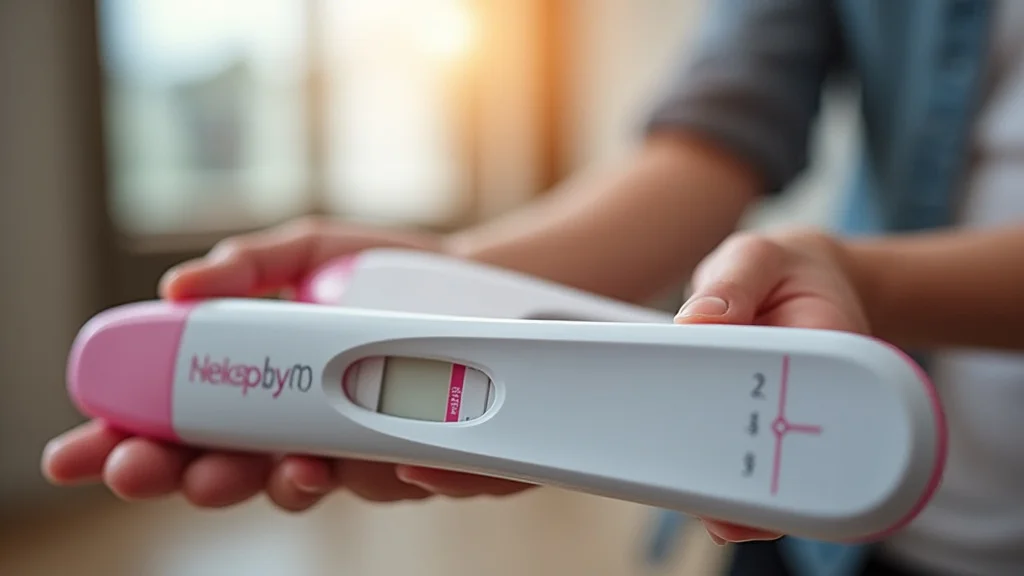
Getting accurate results from a pregnancy test can feel a little tricky at first. Many people find using a pregnancy test midstream a bit confusing because it’s not always clear exactly how to hold it or how long to wait. But don’t worry!
We’ll walk you through it step by step, making it super simple and stress-free. You’ll learn everything you need to know to get a clear and correct answer. Let’s get started by looking at what you’ll discover in this guide.
Key Takeaways
- You will learn the correct way to use a pregnancy test midstream for accurate results.
- Understand what a pregnancy test midstream is and how it works simply.
- Discover tips for best timing and what to do after taking the test.
- Learn how to read the different types of results clearly.
- Find out common mistakes to avoid when using a pregnancy test midstream.
- Know when to consult a doctor for further advice.
What is a Pregnancy Test Midstream
A pregnancy test midstream is a very common type of home pregnancy test. It is designed to be used by peeing directly onto the absorbent tip for a specific amount of time. This method is popular because it’s often seen as quick and easy to use.
The midstream design means the sample collection and result reading happen on the same device, making it convenient. It works by detecting a hormone called human chorionic gonadotropin (hCG) in your urine. This hormone is produced shortly after a fertilized egg attaches to the uterus lining.
How a Pregnancy Test Midstream Detects Pregnancy
The core of how a pregnancy test midstream works is by identifying the presence of hCG. When you pee on the absorbent stick, the urine travels up a special strip inside the test. This strip has antibodies that will react if hCG is present.
If hCG is detected, it triggers a chemical reaction that causes lines or symbols to appear in the result window. This reaction is usually visible as colored lines or a plus sign, indicating a positive result. If no hCG is found, the test will show a negative result, typically a single line or a minus sign.
The concentration of hCG in urine rises steadily in early pregnancy, which is why timing can be important for accuracy.
Components of a Pregnancy Test Midstream
A typical pregnancy test midstream kit comes with a single plastic device. This device has a handle for easy gripping and an absorbent tip at the other end. The absorbent tip is the part you’ll pee on.
There’s usually a cap to protect the tip before use. The main body of the test contains the testing strip. This strip has a sample pad where urine is absorbed, a reaction zone where the hCG detection happens, and a control zone.
The control zone shows a line or symbol to confirm the test worked correctly. The result window is where you’ll see your outcome, often after a few minutes.
Pros and Cons of Midstream Tests
The main advantage of a pregnancy test midstream is its user-friendliness. You don’t need a separate cup to collect urine, which many people find less messy. The direct application is straightforward.
The results usually appear quickly, often within 5 minutes. However, a potential downside is the need to hold the test correctly for the recommended time. If you don’t hold it at the right angle or for long enough, you might get an invalid result.
Also, some people might feel less confident about the exact amount of urine absorbed compared to using a collection cup. Despite this, for most users, the convenience outweighs the minor challenges.
Using Your Pregnancy Test Midstream Correctly
Using a pregnancy test midstream is designed to be simple, but following the instructions precisely is key to getting an accurate result. It’s best to use your first-morning urine because it’s usually more concentrated, meaning any pregnancy hormone (hCG) will be at its highest level. This makes it easier for the test to detect.
Always read the specific instructions that come with your test, as they can vary slightly between brands.
Step-by-Step Guide to Taking the Test
Here’s a simple way to use your pregnancy test midstream:
- Prepare the Test: Remove the cap from the absorbent tip. Some tests may have a protective wrapper.
- Position the Test: Hold the test by the handle. Point the absorbent tip downwards.
- Apply Urine: Place the absorbent tip directly into your urine stream. You need to pee on it for the amount of time specified in the instructions, usually about 5 to 10 seconds. Make sure the absorbent tip is well saturated.
- Avoid Over-Wetting: Be careful not to pee on the result window.
- Replace Cap and Wait: After urinating on the tip, lay the test flat on a clean, dry surface. Make sure the result window is facing upwards.
- Read the Results: Wait for the time indicated in the instructions, typically 3 to 5 minutes. Do not read the results after the specified time, as they may become inaccurate.
When to Take a Pregnancy Test
The best time to take a pregnancy test is after you’ve missed your period. This is when hCG levels are usually high enough to be detected by home tests. Taking a test too early might lead to a false negative result, meaning the test says you’re not pregnant when you actually are.
If you have irregular periods, try to test about 14 days after you ovulated, or wait until at least 19 days after the last time you had unprotected sex. Some early detection tests can detect pregnancy a few days before a missed period, but accuracy is best when you wait.
Tips for Accurate Results
To get the most reliable result, here are some helpful tips:
- Use First Morning Urine: As mentioned, this urine is more concentrated and has higher hCG levels.
- Avoid Drinking Too Much Fluid Before Testing: Drinking excessive amounts of water can dilute your urine, making it harder to detect hCG.
- Check the Expiration Date: Make sure your test is not expired, as this can affect its accuracy.
- Follow Instructions Exactly: Even small deviations can lead to incorrect results.
- Test Again if Unsure: If you get an unclear or negative result but still suspect you might be pregnant, wait a couple of days and test again.
Understanding Your Pregnancy Test Results
Once you’ve waited the correct amount of time, you’ll need to read the result window on your pregnancy test midstream. Different brands use different symbols or lines, so it’s important to know what to look for. Most tests will show a control line or symbol to indicate the test worked.
If this control line doesn’t appear, the test is invalid, and you’ll need to take another one.
Reading Positive Results
A positive pregnancy test means you are likely pregnant. This is usually shown by two lines or a plus sign in the result window. The color and thickness of the positive lines can vary, but even a faint positive line generally indicates pregnancy.
If you see two lines, even if one is lighter than the other, it’s considered a positive result. This is because it means the test has detected hCG in your urine.
Reading Negative Results
A negative pregnancy test means hCG was not detected in your urine, and you are likely not pregnant. This is usually shown by a single line or a minus sign in the result window. The control line should still be visible to confirm the test worked.
If you get a negative result but your period is still late, it’s possible you tested too early. You might consider testing again in a few days or consulting your doctor.
Interpreting Faint Lines
A faint line on a pregnancy test can sometimes cause confusion. A faint positive line usually means you are pregnant, but the hCG levels are still low. This can happen if you are very early in your pregnancy or if your urine was diluted.
If you see a faint line, it’s a good idea to retest in a day or two. If you are indeed pregnant, the line should become darker as your hCG levels rise. Some tests may also show an “evaporation line,” which is a colorless mark that can appear after the test has dried.
This is not a positive result. Always check the test instructions for how to interpret faint lines.
Invalid Results
An invalid result means the test did not work correctly. This can happen if the test is expired, if you didn’t follow the instructions properly, or if there was a manufacturing defect. An invalid result often appears as no lines in the result window, or sometimes the control line doesn’t show up.
If your test is invalid, you cannot rely on the outcome and will need to take another test. Make sure to use a new, unexpired test and carefully follow all steps.
Common Mistakes and How to Avoid Them
Even with simple-to-use tests, some common mistakes can lead to inaccurate results. Being aware of these can help you get a clear and dependable answer. Most errors involve timing or misinterpreting the results.
Mistake 1 Not Following Instructions
One of the most frequent mistakes is not reading or following the specific instructions that come with your pregnancy test. Each brand might have slight differences in how long to hold the absorbent tip in urine or how long to wait for the result. For example, some tests require 5 seconds of direct urination, while others might need up to 10 seconds.
Ignoring these details can lead to an invalid or inaccurate reading.
How to Avoid: Always take a moment to read the leaflet that comes with your test. Keep it handy while you are performing the test. Follow each step precisely, from uncapping the test to waiting for the result.
Mistake 2 Testing Too Early
Many people are eager to know if they are pregnant and take the test very soon after conception. However, hCG levels need time to build up in the body to be detectable by home pregnancy tests. If you test too early, you might get a false negative result, which can be disappointing and confusing.
How to Avoid: The most accurate time to test is after you have missed your period. If you don’t have regular cycles, wait at least 19 days after unprotected sex. If you get a negative result but still suspect pregnancy, wait two to three days and test again.
Mistake 3 Reading the Test Too Late or Too Early
Pregnancy tests work within a specific timeframe. Reading the results before the indicated time means the reaction hasn’t fully completed, potentially giving a false negative. Reading the results too late, after the test has dried, can lead to misinterpreting an evaporation line as a positive result.
Evaporation lines are faint, colorless marks that appear in the result window as the urine evaporates.
How to Avoid: Set a timer for the exact waiting period specified in the test instructions. Only read the result during the designated window, usually between 3 and 10 minutes after the test is complete. Discard the test after the reading period is over.
Mistake 4 Using Expired Tests
Like any medical test, pregnancy tests have an expiration date. The chemicals and antibodies within the test can degrade over time, reducing their sensitivity and accuracy. Using an expired test significantly increases the chance of getting an inaccurate result, either false positive or false negative.
How to Avoid: Always check the expiration date printed on the test packaging before you use it. If the test is expired, do not use it and get a new one. Store your tests in a cool, dry place away from direct sunlight to maintain their effectiveness.
When to See a Doctor
A home pregnancy test is a great first step, but it’s not the final word. There are specific situations where seeing a healthcare provider is important to confirm the results and discuss next steps. Your doctor can perform a blood test, which can detect pregnancy even earlier and provide a more precise measurement of hCG levels.
They can also help rule out any rare conditions that might affect test results.
Confirming a Positive Result
If your home pregnancy test shows a positive result, it is highly recommended to schedule an appointment with your doctor or a healthcare provider. They will typically confirm the pregnancy with a blood test or an ultrasound. This confirmation is crucial for starting prenatal care, which involves regular check-ups, advice on nutrition, and monitoring your health and the development of the baby.
Early confirmation also helps in determining your due date accurately.
Dealing with Persistent Negative Results
If you consistently get negative results on home pregnancy tests, but your period remains absent, it is advisable to consult a doctor. There can be various reasons for missed periods other than pregnancy, such as hormonal imbalances (like PCOS), stress, significant weight changes, thyroid issues, or certain medications. A doctor can help identify the underlying cause and recommend appropriate treatment.
Understanding Ectopic Pregnancies
In rare cases, a pregnancy might develop outside the uterus, which is known as an ectopic pregnancy. This is a serious medical condition that requires immediate attention. Home pregnancy tests might show a positive result, but hCG levels might rise more slowly or plateau.
Symptoms of an ectopic pregnancy can include severe abdominal pain, shoulder pain, and vaginal bleeding. If you experience these symptoms, seek medical help immediately.
Rare Cases of False Positives
While rare, false positive results can occur. These are instances where a pregnancy test indicates pregnancy, but you are not actually pregnant. Reasons for this can include certain medications containing hCG (often used for fertility treatments), recent miscarriage or abortion, or a rare condition called a molar pregnancy.
A doctor’s confirmation is the best way to rule out these possibilities and ensure the result is accurate.
Pregnancy Test Midstream FAQ
Question: How accurate is a pregnancy test midstream?
Answer: Pregnancy test midstreams are very accurate, often over 99% accurate when used correctly starting from the day of your missed period. However, accuracy can be affected by testing too early, not following instructions, or using an expired test.
Question: Can I use a pregnancy test midstream if I’m taking medication?
Answer: Most common medications do not affect the accuracy of a pregnancy test midstream. However, some fertility drugs that contain hCG can cause a false positive result. Always tell your doctor about any medications you are taking.
Question: How soon can I get a positive result with a pregnancy test midstream?
Answer: Most midstream pregnancy tests can detect pregnancy as early as the first day of your missed period. Some early detection tests can give results up to a few days before your missed period, but accuracy is best when you wait.
Question: What should I do if I get an evaporation line on my pregnancy test midstream?
Answer: An evaporation line is a colorless mark that can appear as the test dries and is not a positive result. If you see a faint line, retest in a day or two. If the line has no color, it is likely an evaporation line and not an indicator of pregnancy.
Question: Can I reuse a pregnancy test midstream?
Answer: No, pregnancy test midstreams are designed for single use only. Attempting to reuse one will result in an inaccurate or invalid reading.
Conclusion
Using a pregnancy test midstream is a straightforward process when you know the right steps. By understanding how to properly apply your urine to the absorbent tip and waiting for the correct time, you can get a reliable result. Always check the expiration date and follow the specific instructions provided with your test.
If you get a positive result, confirm it with your doctor. If the result is negative but your period is still missed, retesting later or consulting a healthcare professional can provide clarity.
Leave a Reply