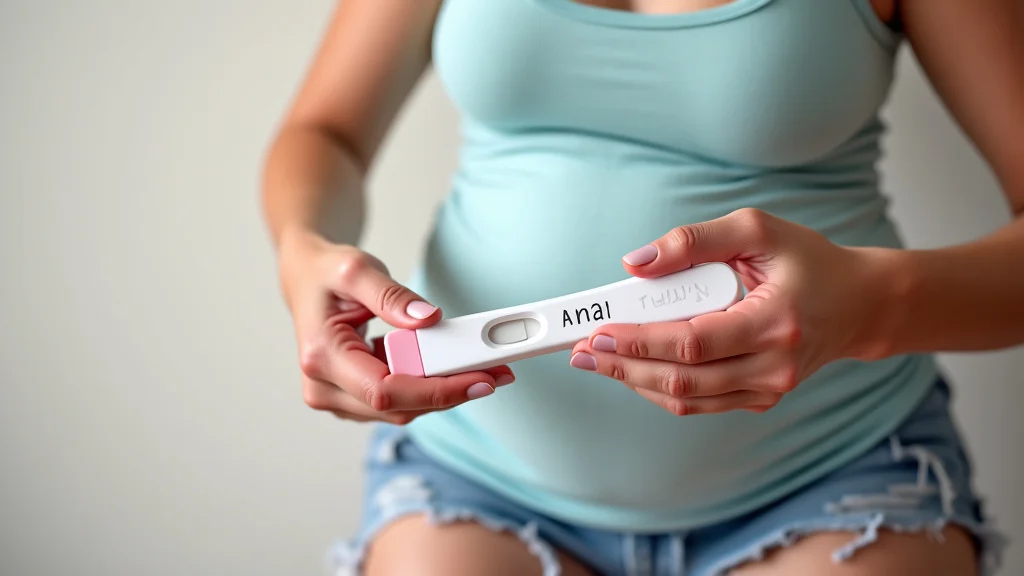
If you’re new to thinking about pregnancy tests, the sheer variety can feel a bit overwhelming. You might be wondering about all the different kinds and how to pick the best one for you. It’s a common point of confusion for many, and that’s perfectly okay!
We’re here to make it super simple and clear. Let’s break down what you need to know about pregnancy test shoppers without any complicated jargon. Get ready for a clear, step-by-step guide to help you find exactly what you need.
Key Takeaways
- Understand the main types of pregnancy tests available.
- Learn how different tests detect pregnancy hormones.
- Discover factors that influence buying decisions for pregnancy test shoppers.
- Find out when to take a pregnancy test for the most accurate results.
- Get tips on how to choose a test that fits your needs and budget.
- Learn how to read and interpret pregnancy test results correctly.
Understanding Pregnancy Tests
Pregnancy tests work by detecting a hormone called human chorionic gonadotropin, or hCG. This hormone is produced by the placenta shortly after a fertilized egg attaches to the uterine lining. The amount of hCG in a woman’s body rises rapidly in the early stages of pregnancy.
All pregnancy tests, whether they are digital or simple strips, look for this hormone to confirm a pregnancy. This basic science is the foundation for why these tests are so effective. For many people, just knowing this is a helpful first step.
How Pregnancy Tests Detect hCG
Pregnancy tests use a special antibody that binds to hCG. When your urine, which may contain hCG, passes over the test, these antibodies capture the hormone. If hCG is present, it triggers a chemical reaction that causes a line, symbol, or word to appear on the test.
The sensitivity of a test refers to how little hCG it can detect. More sensitive tests can detect pregnancy earlier. This sensitivity is measured in milli-International Units per milliliter (mIU/mL).
A lower mIU/mL number means the test is more sensitive.
For example, a test with a sensitivity of 10 mIU/mL can detect pregnancy with less hCG than a test with a sensitivity of 50 mIU/mL. This is why some tests can give a result a few days before a missed period, while others need to wait until after your period is due.
Here’s a look at typical sensitivity levels:
- Early Detection Tests often have sensitivities of 10-20 mIU/mL.
- Standard Tests usually have sensitivities of 25-50 mIU/mL.
Choosing a test with a sensitivity appropriate for how far along you might be can help avoid false negatives, which happen when a test says you aren’t pregnant, but you actually are.
The Role of HCG in Pregnancy
Human chorionic gonadotropin (hCG) is a hormone made by cells that will eventually form the placenta. It’s first produced shortly after a fertilized egg implants in the uterus. This implantation usually happens about 6 to 12 days after conception.
The amount of hCG then doubles about every 2 to 3 days, peaking around 8 to 11 weeks of pregnancy. Home pregnancy tests are designed to detect this rise in hCG levels. They are the first and most common way to confirm pregnancy outside of a medical setting.
The presence of hCG is a very strong indicator of pregnancy. However, very rarely, hCG can be elevated due to certain medical conditions or treatments, such as some forms of cancer or hCG injections for fertility treatments. For the vast majority of people taking a home pregnancy test, hCG levels directly correlate with pregnancy.
The tests are highly reliable when used correctly and at the right time.
Types Of Pregnancy Tests
Pregnancy tests have come a long way, offering convenience and accuracy. For pregnancy test shoppers, understanding the different formats available is key to making an informed choice. You’ll find basic strip tests, midstream tests that look like a thermometer, and digital tests with clear readouts.
Each type performs the same fundamental function of detecting hCG but differs in ease of use and how the result is displayed. Knowing these differences helps you pick the one that feels most comfortable for you.
Strip Tests
Strip tests are often the most budget-friendly option. They consist of a small, thin strip of paper or plastic. To use one, you dip the absorbent end into a collection of your urine for a specific amount of time, usually a few seconds.
The urine travels up the strip via capillary action, and if hCG is present, it reacts with chemicals on the strip, showing one or two lines or a plus sign. They are simple and effective, but require using a separate container to collect urine, which some might find less convenient.
These tests are very common in drugstores and supermarkets. They are a good choice for those who are looking for a reliable result without paying extra for fancy packaging or digital displays. Because they are simple, they are also very easy to understand once you know what to look for.
The two-line system is standard, with one line indicating the test is working and two lines indicating a positive pregnancy.
Midstream Tests
Midstream tests are arguably the most popular type for home use. They resemble a small plastic stick, similar to a thermometer. The design allows you to hold the absorbent tip directly in your urine stream for a few seconds.
This eliminates the need for a separate collection cup, making the process more direct and less messy for many people. The results appear on a window on the stick itself, usually within a few minutes.
These tests offer a good balance between ease of use and affordability. They are widely available and come in various sensitivities. For pregnancy test shoppers who want a straightforward and hygienic way to test, midstream tests are an excellent choice.
The result window is clearly marked, and the instructions are typically very clear about what each symbol or line means.
Consider these points when looking at midstream tests:
- Ease of Use: Direct application without a cup.
- Result Display: Typically lines or symbols on the stick.
- Sensitivity Options: Available in early detection and standard versions.
Digital Tests
Digital pregnancy tests are the most technologically advanced and often the easiest to read. Instead of lines or symbols, they display a clear word result, such as “Pregnant” or “Not Pregnant,” on a small screen. Some advanced digital tests can even estimate how many weeks pregnant you are.
They function similarly to midstream tests in that you hold the absorbent tip in your urine stream.
While generally more expensive than strip or midstream tests, digital tests are preferred by many for their unambiguous results, reducing the chance of misinterpreting faint lines. This can be a significant advantage for those feeling anxious or unsure. The “weeks indicator” feature is a nice bonus for those who receive a positive result and want more immediate information.
A real-life scenario: Sarah was trying to get pregnant and bought a digital test. She took it first thing in the morning and within minutes, the screen clearly read “Pregnant.” This left no room for doubt and immediately eased her anxiety compared to trying to decipher lines on a traditional test.
When To Take A Pregnancy Test
Timing is everything when it comes to pregnancy tests. Taking a test too early can lead to a false negative, meaning the test says you’re not pregnant when you actually are. This happens because hCG levels may not yet be high enough to be detected.
Understanding when your body produces enough hCG is crucial for accurate results. For pregnancy test shoppers, knowing the best time to test can save frustration and money.
After A Missed Period
The most reliable time to take a pregnancy test is on the day your period is expected, or a few days after it has been missed. By this point, if you are pregnant, your hCG levels should be high enough for most standard home pregnancy tests to detect. Waiting until after your missed period increases the accuracy of the test result significantly.
This is a widely recommended guideline for a reason.
Many women experience their first missed period around 14 days after ovulation. If pregnancy occurred, implantation would have happened by then, and hCG would be present in detectable amounts. Testing too soon, like a week before your period, might yield a negative result even if pregnant, simply because the hCG hormone hasn’t built up enough yet.
Early Detection And Sensitivity
Some tests are designed for early detection. These tests are more sensitive to hCG, meaning they can detect lower levels of the hormone. This allows you to test a few days before your expected period, sometimes up to five or six days earlier.
However, even with early detection tests, it’s important to remember that testing too soon can still result in a false negative. Your hCG levels are still rising, and you might not have enough to be detected by even a sensitive test.
If you decide to test early, using the first urine of the morning is best. This is because your urine is more concentrated, and any hCG present will be in a higher concentration as well. If you get a negative result but still suspect you might be pregnant, it’s wise to retest in a few days, especially if your period does not arrive.
Here’s a comparison of when to test:
| Test Type | Recommended Testing Time |
|---|---|
| Standard Tests | On or after the day of your missed period. |
| Early Detection Tests | Up to 5-6 days before your missed period, but first morning urine is best. |
Factors Affecting Test Accuracy
Several factors can influence the accuracy of a home pregnancy test. Beyond timing and sensitivity, how you perform the test matters. Reading and following the instructions precisely is paramount.
Using expired tests can also lead to unreliable results. Additionally, certain medications containing hCG, like those used for fertility treatments, can cause a false positive. Conversely, medical conditions that affect hCG levels or urine concentration can sometimes impact accuracy.
For pregnancy test shoppers, choosing a reputable brand and ensuring the test is not expired are simple yet critical steps. Storing tests properly, away from moisture and extreme temperatures, also helps maintain their integrity. If you’ve followed all instructions and are still unsure about the result, or if you have a medical condition that might affect hCG levels, consulting a healthcare provider is always the best course of action.
Choosing The Best Test For You
With so many options, pregnancy test shoppers might wonder which test is truly the “best.” The truth is, the best test is the one that meets your individual needs and provides you with a clear, accurate result. Consider your budget, your desire for early detection, and how you prefer to see your results. Whether you choose a simple strip, a convenient midstream, or a clear digital display, accuracy is high across the board when tests are used correctly.
Budget-Friendly Options
If cost is a primary concern, strip tests and multi-packs of midstream tests are excellent choices. These tests are significantly cheaper per test than digital options. You can often find value packs at discount stores or online retailers, making them very accessible.
For individuals who want to test frequently or are testing over several days, these budget-friendly options are ideal. The accuracy is just as good as more expensive tests.
Many brands offer these basic tests. They are perfect for pregnancy test shoppers who prioritize getting a result without unnecessary features. For example, buying a pack of 5 strip tests for $10 is much more economical than buying a single digital test for $15-$20.
Here’s a breakdown of cost considerations:
- Strip Tests: Lowest cost per test, often sold in multi-packs.
- Midstream Tests: Mid-range price, offering convenience.
- Digital Tests: Highest cost per test, providing clear results.
For Early Detection
If you’re eager to know if you’re pregnant as soon as possible, opt for an early detection test. These tests have higher sensitivity to hCG. They are typically available in both strip and midstream formats.
Look for terms like “early result,” “early detection,” or a specific mIU/mL sensitivity (e.g., 10 mIU/mL) on the packaging. While they offer the advantage of testing sooner, remember that false negatives are more likely if testing too far in advance.
A common scenario involves someone testing 4 days before their expected period with an early detection test. If the test shows a faint positive line, it’s a strong indicator, but retesting after the missed period is usually recommended for confirmation. This approach combines the desire for early information with a commitment to accuracy.
Ease Of Reading Results
For those who want the most straightforward and unambiguous result, digital pregnancy tests are the clear winner. The “Pregnant” or “Not Pregnant” display eliminates any guesswork associated with interpreting faint lines. This can be particularly reassuring for those who are feeling anxious or have had difficulty reading lines on previous tests.
While they are more expensive, the peace of mind they offer can be well worth the cost for many pregnancy test shoppers.
Some digital tests also offer a weeks estimator feature. This tells you not only if you are pregnant but also approximately how many weeks along you are. This added information can be helpful for planning your next steps with a healthcare provider.
For instance, a result of “Pregnant 2-3 weeks” gives a clearer picture than just a positive symbol.
How To Read Pregnancy Test Results
Understanding how to read your pregnancy test result is just as important as taking the test itself. Each test comes with specific instructions, and it’s vital to follow them closely. Generally, pregnancy tests use lines or symbols to indicate a positive or negative result.
Digital tests display words directly on a screen. Pay close attention to the result window and compare it to the diagram provided in the test’s instructions.
Interpreting Lines And Symbols
Most traditional pregnancy tests use a two-line system. One line typically represents the control line, which shows the test is working correctly. The second line is the test line; if it appears, it indicates the presence of hCG.
If both the control line and the test line appear, you are likely pregnant. Even a faint test line usually signifies a positive result, though some prefer to retest to confirm.
Some tests use plus (+) and minus (-) symbols. A plus sign typically means pregnant, and a minus sign means not pregnant. Always refer to the specific test’s instructions.
A positive result is indicated by the appearance of the test line, regardless of its intensity. A negative result means only the control line appears.
Understanding Digital Readouts
Digital pregnancy tests simplify the process of reading results. They display words like “Pregnant” or “Not Pregnant” directly on a small screen. This removes any ambiguity associated with interpreting faint lines.
Some advanced digital tests also include a weeks estimator, showing how many weeks pregnant you are based on hCG levels. For example, it might say “Pregnant 3+ Weeks.”
The clear, text-based results are very reassuring. They eliminate the common concern of wondering if a faint line is a true positive or just evaporation. For many pregnancy test shoppers, this clarity is the main reason they choose a digital option, despite the higher cost.
What To Do With Your Result
If your test shows a positive result, the next step is to schedule an appointment with your doctor or a healthcare provider. They can confirm the pregnancy with further tests and begin prenatal care. If your test shows a negative result, but your period is still delayed or you have other reasons to suspect pregnancy, it’s advisable to retest in a few days or consult your healthcare provider.
Sometimes, hormonal fluctuations or very early pregnancy can lead to a negative result initially.
It’s also important to remember that home pregnancy tests are highly accurate, but not 100% perfect. False positives are rare but can occur due to certain medications or medical conditions. False negatives are more common if the test is taken too early.
Discussing your results and concerns with a healthcare professional is always the best way to get definitive answers and guidance.
Common Myths Debunked
Myth 1: A Faint Line Means You’re Not Pregnant
Reality: A faint line on a pregnancy test usually indicates a positive result. It means that hCG is present in your urine, though in lower amounts than a dark line would suggest. This is common if you are testing very early in your pregnancy or if the test has a high sensitivity.
If you see any line, even a faint one, it’s best to assume you might be pregnant and follow up with your doctor or retest in a few days.
Myth 2: You Can Only Test On A Doctor’s Visit
Reality: Home pregnancy tests are readily available and designed for convenient use at home. You do not need to wait for a doctor’s appointment to take a pregnancy test. In fact, home tests are often the first step many people take when they suspect they might be pregnant, allowing for early confirmation before seeking medical advice.
These tests are highly accurate when used according to instructions.
Myth 3: Digital Tests Are Always More Accurate Than Line Tests
Reality: Both digital and line-based pregnancy tests are designed to detect hCG and have similar accuracy rates when used correctly. The primary difference is in how the result is displayed. Digital tests offer clear word readouts, reducing user interpretation, while line tests require you to visually interpret the presence of lines.
Accuracy depends more on the test’s sensitivity and the timing of the test rather than its format.
Myth 4: Drinking Water Affects The Accuracy
Reality: While it’s true that very diluted urine can make it harder for a test to detect hCG, drinking a normal amount of water is not an issue. The main concern is excessive fluid intake right before testing, which can dilute your urine too much. Testing with your first urine of the morning is recommended because it is naturally more concentrated, providing the best chance for an accurate result, especially when testing early.
Frequently Asked Questions
Question: Can I take a pregnancy test if I’m taking birth control?
Answer: Yes, you can. Birth control methods like pills, patches, or rings do not interfere with the accuracy of standard home pregnancy tests. These tests detect hCG, a hormone produced during pregnancy, which is not affected by contraception.
Question: What if I get a positive result but my period starts?
Answer: This can sometimes happen. It might indicate a very early pregnancy that ended shortly after implantation, often called a chemical pregnancy. It could also be due to a faulty test or other reasons.
It’s best to consult your doctor for clarification and guidance.
Question: Can men use pregnancy tests?
Answer: No, pregnancy tests are designed to detect hCG, a hormone produced by the female body during pregnancy. Men do not produce hCG in the same way, so these tests would not be relevant or accurate for them.
Question: Are all pregnancy tests the same sensitivity?
Answer: No, pregnancy tests vary in sensitivity, measured in mIU/mL. Early detection tests are more sensitive and can detect lower levels of hCG, allowing for testing a few days before a missed period. Standard tests require higher hCG levels.
Question: How long does it take to get a result?
Answer: Most home pregnancy tests provide results within 3 to 10 minutes after taking them. Always follow the specific instructions provided with your test, as the waiting time can vary slightly between brands and types.
Conclusion
Choosing a pregnancy test is a personal decision. You have options from simple strips to clear digital displays. Understanding how they work and when to test gives you confidence.
Look for what fits your budget and offers the clearest result for you. Now you have the knowledge to pick the right test with ease.
Leave a Reply