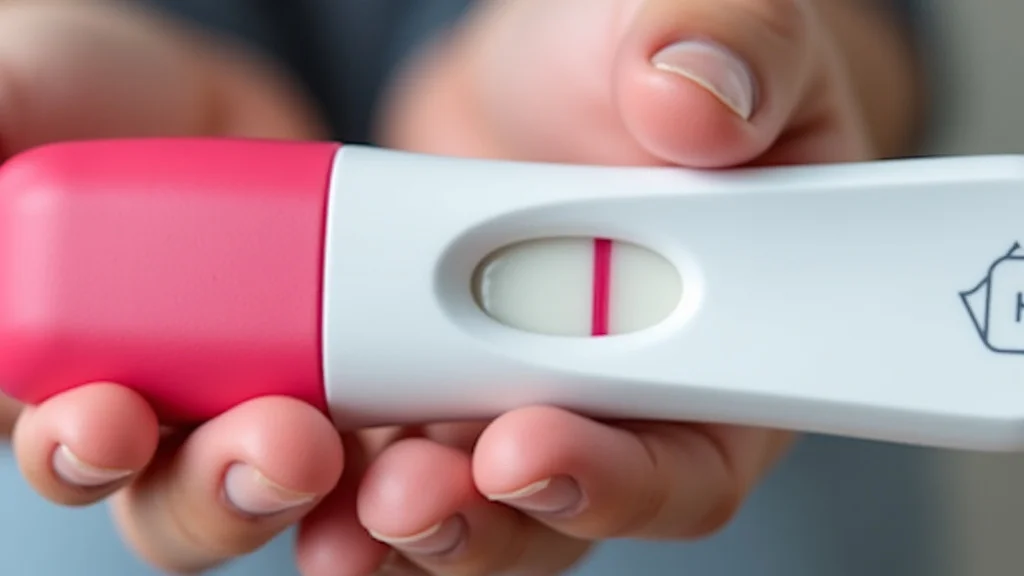
Seeing a very faint second line on a pregnancy test can be confusing. Many people wonder if it means they are pregnant or if it’s just a false positive. This is a common experience, especially when you’re trying to get pregnant for the first time.
Don’t worry, we’ll break down what that little line really means. We will go step-by-step so it’s super easy to understand. Get ready to learn what this test result tells you and what to do next.
Key Takeaways
- A faint second line usually indicates pregnancy.
- Hormone levels (hCG) determine line darkness.
- Testing too early can cause faint lines.
- Different test brands have varying sensitivities.
- Confirming with a doctor is important.
- Retesting after a few days can clarify results.
Understanding A Faint Second Line
A pregnancy test works by detecting a hormone called human chorionic gonadotropin (hCG). This hormone is produced by the body shortly after a fertilized egg attaches to the uterine lining. The intensity of the lines on the test indicates the amount of hCG detected.
A very faint second line means that hCG is present, but at a lower concentration. This is often seen in the early stages of pregnancy when hormone levels are just starting to rise.
For beginners, interpreting a faint line can be tricky because they might expect a strong, clear second line. They might question its validity. This happens because hCG levels are still building up.
The test is sensitive enough to pick up even small amounts. This early detection is a positive sign. It means the test is likely working correctly and picking up on early pregnancy signals.
What Does hCG Mean
Human chorionic gonadotropin (hCG) is a hormone that your body starts producing right after a fertilized egg implants in your uterus. Think of it as a signal that pregnancy has begun. This hormone is only present in significant amounts during pregnancy.
Pregnancy tests are designed to detect this specific hormone in your urine or blood. The amount of hCG rises rapidly in the early weeks of pregnancy. This increase is what allows pregnancy tests to detect pregnancy.
The way hCG levels change is key to understanding pregnancy tests. In the first few weeks, hCG doubles roughly every 48 to 72 hours. This rapid increase is why a test might show a faint line one day and a stronger line a few days later.
The more hCG there is, the darker the positive line will appear on most tests. A faint line just means your hCG levels are at the lower end of the detection range.
How Pregnancy Tests Work
Pregnancy tests use a chemical reaction to detect hCG. They contain antibodies that bind to hCG molecules in your urine. When hCG is present, it triggers a color change.
Most home pregnancy tests have a control line and a test line. The control line shows the test is working properly. The test line appears if hCG is detected.
The test line might be faint if the hCG concentration is low.
The sensitivity of a pregnancy test refers to how much hCG it can detect. Some tests are more sensitive than others. A more sensitive test can detect pregnancy earlier.
This is why some tests might show a faint line sooner than others. The instructions on the test kit are very important. They tell you when to test and how to read the results.
Following them closely helps ensure you get the most accurate reading possible.
Why The Line Might Be Faint
Several factors can contribute to a faint second line on a pregnancy test. The most common reason is testing too early. When you are in the very early stages of pregnancy, your hCG levels might be too low for the test line to appear dark.
Another reason is the concentration of your urine. Testing first thing in the morning is usually recommended because your urine is more concentrated, meaning it has a higher level of hCG if you are pregnant.
The type of test you use can also play a role. Different brands have different sensitivities. Some might show a faint line at lower hCG levels than others.
Diluted urine, perhaps from drinking a lot of fluids before testing, can also lead to a fainter line. It is important to remember that even a faint line is usually a positive result. It indicates the presence of hCG.
Interpreting Your Result
When you see that faint second line, it’s natural to feel a mix of excitement and uncertainty. The most important thing to remember is that most pregnancy tests are designed to be highly accurate. If you followed the instructions and a second line, no matter how faint, has appeared within the specified time frame, it is very likely a positive result.
This means your body is producing hCG, which is the key indicator of pregnancy.
However, it is crucial to understand that the darkness of the line does not typically indicate the health or viability of the pregnancy. A faint line simply means that the hCG levels are present but not yet at a high concentration. This is completely normal in the early days and weeks of pregnancy.
The key is that the line is there. It is not an evaporation line, which usually appears after the test reading time has passed and is colorless or gray.
Timing Is Everything
The timing of when you take a pregnancy test is one of the biggest factors in how clear the second line will be. Most home pregnancy tests are most accurate when taken after you miss your period. If you test too early, before your hCG levels have risen sufficiently, you might get a faint positive or even a false negative.
This is because the fertilized egg may have only recently implanted, and hCG production is just beginning.
For example, testing just a few days after ovulation might be too soon. Even if conception occurred, there hasn’t been enough time for hCG to build up to detectable levels. This is why many experts recommend waiting until at least the first day of your missed period to test.
Some highly sensitive tests claim to detect pregnancy a few days before a missed period, but these are still best used when hCG levels are more established to avoid faint lines or inconclusive results.
Evaporation Lines vs. Positive Lines
One common point of confusion with faint lines is differentiating between a positive result and an evaporation line. Evaporation lines are faint, colorless or grayish lines that can appear on a pregnancy test after the test has already been read, usually outside the recommended time frame. They occur when urine evaporates from the test strip, leaving behind the chemical reaction without the presence of hCG.
A true positive line, even if faint, should typically appear within the time limit stated in the test’s instructions and should have some color to it.
To avoid confusion, always read the test within the specified time frame. If a line appears after this window, it is generally not considered a positive result. It’s also helpful to use tests that have a clear indicator for positive results, like a plus sign or a distinct second line, rather than relying on subtle color changes.
If you are unsure, it is always best to retest after a few days or consult with a healthcare professional.
What If The Line Is Barely Visible
If the second line is barely visible or looks like a shadow, it is still usually considered a positive result. The important factor is that the line is present and has color. It signifies that hCG is being detected.
Do not dismiss it simply because it is faint. Many women have conceived with faint positive lines on their tests.
This situation often calls for retesting. Waiting a couple of days and testing again, ideally with first-morning urine, can provide a clearer result. If the line gets darker, it confirms that your hCG levels are rising, which is a strong indicator of ongoing pregnancy.
If the line remains faint or disappears, it might suggest a chemical pregnancy or a false positive, though the latter is less common with modern tests.
Next Steps After A Faint Line
So, you’ve seen that faint second line and are wondering what to do next. The best approach is to confirm the result and monitor your body’s changes. The initial faint line is a sign that something is happening, and further steps will help clarify the situation.
It’s a moment for patience and careful observation, rather than immediate alarm or celebration without confirmation.
Your next actions will involve retesting and seeking professional medical advice. These steps are designed to give you a definitive answer and ensure you get the care you need if you are indeed pregnant. It is also a good time to start thinking about your health and what lifestyle changes might be beneficial for a potential pregnancy.
Retesting For Clarity
Since a faint line can be due to low hCG levels, retesting is a crucial step. Wait at least 24 to 48 hours before taking another test. During this time, your hCG levels should have increased, potentially resulting in a darker, more visible second line.
Using your first-morning urine is highly recommended for retesting, as it is the most concentrated and will contain the highest level of hCG, making detection easier.
When retesting, you can use the same brand of test or try a different one. Some people find that using a digital pregnancy test can offer a more straightforward answer, as they display words like “Pregnant” or “Not Pregnant” instead of relying on line interpretation. Remember to always follow the instructions on the test kit carefully.
Seeing a progressively darker line over a few days is a very strong indicator of a healthy, ongoing pregnancy.
Consulting A Healthcare Provider
Regardless of the clarity of your pregnancy test result, it is always a good idea to consult with a healthcare provider, such as a doctor or a midwife. They can perform a blood test, which is more sensitive than urine tests and can detect hCG levels earlier and more accurately. A blood test can confirm pregnancy and give you a more precise reading of your hCG levels.
Your healthcare provider will also be able to discuss your next steps, such as scheduling your first prenatal appointment. They can offer guidance on prenatal vitamins, nutrition, and any necessary lifestyle adjustments. Building a relationship with a healthcare provider early in your pregnancy journey is essential for a healthy outcome for both you and your baby.
Tracking Symptoms
While waiting for retesting or your doctor’s appointment, pay attention to any early pregnancy symptoms you might be experiencing. These can include fatigue, nausea (morning sickness), tender breasts, frequent urination, and food aversions or cravings. While these symptoms can sometimes be mistaken for premenstrual symptoms, their presence, combined with a faint positive pregnancy test, can be a good indicator that you are pregnant.
However, it’s important to remember that not everyone experiences noticeable symptoms, especially in the very early stages. Conversely, some symptoms can occur for reasons other than pregnancy. Therefore, symptoms alone are not a definitive confirmation.
They should be considered alongside the results of pregnancy tests and professional medical advice. Keep a journal of your symptoms and any changes you notice.
Factors Affecting Test Accuracy
While modern pregnancy tests are highly reliable, certain factors can influence their accuracy and potentially lead to a faint line or an unclear result. Understanding these factors can help you interpret your test results with greater confidence and know when to seek further clarification. It’s not just about having the hormone; it’s about how and when the test detects it.
These elements can range from how the test is administered to the specific type of test being used. By being aware of them, you can maximize your chances of getting an accurate reading the first time, or at least understand why a result might be less clear than expected.
Expiration Dates and Test Quality
Like many products, pregnancy tests have expiration dates. Using a test that has passed its expiration date can lead to inaccurate results. The chemicals used in the test strip can degrade over time, making them less sensitive or entirely non-functional.
Always check the expiration date on the packaging before using a test. If it’s expired, it’s best to discard it and purchase a new one.
The quality and brand of the pregnancy test can also matter. While most reputable brands are reliable, there can be slight variations in sensitivity and performance. If you get an unclear result with one brand, it might be worth trying a different, well-regarded brand.
Sometimes, a slightly more sensitive test might pick up hCG more clearly, even at low levels.
Medications and Medical Conditions
Certain medications can interfere with pregnancy test results. For instance, some fertility treatments contain hCG, which can cause a false positive result if you test too soon after administration. If you are undergoing fertility treatments, it’s crucial to discuss the timing of pregnancy testing with your doctor.
They will advise you on when to test to get an accurate result, taking into account the hCG medication.
Rarely, certain medical conditions can also affect test results. For example, a molar pregnancy or certain tumors can produce abnormally high levels of hCG, leading to very strong positive results. Conversely, some rare conditions or very early miscarriages might lead to rapidly dropping hCG levels, which could result in confusing or faint lines.
If you have any concerns about underlying medical conditions, it’s important to discuss them with your healthcare provider.
Pregnancy Test Very Faint Second Line Explained
When you see a pregnancy test very faint second line, it typically means hCG is present in your urine, but at a low concentration. This is most common in the very early stages of pregnancy, when hCG levels are just beginning to rise. The test is sensitive enough to detect even small amounts of this pregnancy hormone.
Therefore, that faint line, even if it’s barely visible, is usually a sign that you are pregnant.
It’s important not to dismiss a faint line. Instead, consider it a signal to take further steps for confirmation. This includes retesting in a day or two, ideally with first-morning urine, and consulting with a healthcare professional.
They can provide the most definitive confirmation through blood tests and guide you on the next steps in your pregnancy journey. This early detection is valuable.
What Does A Faint Line Indicate
A faint second line on a pregnancy test indicates a low level of human chorionic gonadotropin (hCG) in your urine. This hormone is produced by the body shortly after a fertilized egg implants in the uterus. The strength of the line generally correlates with the amount of hCG detected.
A faint line means that the hCG levels are present but are still relatively low.
This is very common in the early days of pregnancy. For instance, if you ovulated and conceived about a week ago, your hCG levels might be just high enough for a sensitive test to detect them. This doesn’t mean the pregnancy is less healthy; it simply means it is very early.
It’s a sign that the process has begun, and the body is starting to signal pregnancy.
Examples of Faint Line Scenarios
Let’s look at some real-life scenarios where a faint second line might appear. Imagine Sarah, who just found out she’s one day late for her period. She takes a home pregnancy test in the afternoon, and a very faint line appears.
Excited but cautious, she waits until the next morning and uses first-morning urine for another test. This time, the second line is a bit darker, confirming her pregnancy.
Another example is Maria, who is experiencing early pregnancy symptoms like nausea. She decides to test a few days before her expected period. The test shows an extremely faint line.
She retests a week later after her missed period, and the line is now very clear and dark. These examples show how early testing or low hCG levels can result in a faint line, which often becomes clearer with time.
Understanding hCG Levels
Human chorionic gonadotropin (hCG) levels are what pregnancy tests detect. These levels begin to rise soon after implantation. Implantation typically occurs about 6 to 12 days after fertilization.
At the time of a missed period, hCG levels can range from about 25 mIU/mL to 100 mIU/mL in urine. A very faint line often indicates levels in the lower end of this range, perhaps around 25-50 mIU/mL.
As pregnancy progresses, hCG levels double approximately every 48 to 72 hours. This rapid increase is why a faint line today might become a strong line in a few days. For instance, if your hCG is 50 mIU/mL today, in two days it could be around 100-200 mIU/mL.
This increase in hormone concentration will make the test line much more visible.
Comparing Test Sensitivity
The sensitivity of a pregnancy test refers to the lowest level of hCG it can detect. Tests are usually measured in milli-international units per milliliter (mIU/mL). A highly sensitive test might detect hCG at levels as low as 10 mIU/mL, while less sensitive tests might require 50 mIU/mL or more to show a positive result.
If you are using a less sensitive test very early on, you might get a negative result or a very faint line even if you are pregnant. Conversely, a highly sensitive test might detect pregnancy a few days earlier, but the line might be faint. Here’s a simple comparison of sensitivity levels:
| Test Sensitivity (mIU/mL) | Likely Result Timing | Typical Line Appearance |
|---|---|---|
| 10-20 mIU/mL | Up to 5 days before missed period | Potentially faint line |
| 25 mIU/mL | Around missed period | Visible line, possibly faint |
| 50+ mIU/mL | After missed period | Clear, darker line |
Choosing a test with a sensitivity of around 25 mIU/mL is often a good balance for detecting pregnancy around the time of your missed period, which is when hCG levels are usually sufficient for a clear result. If you are testing earlier, a test with lower mIU/mL detection is advisable, but expect a fainter line.
Common Myths Debunked
Myth 1: A faint second line always means a chemical pregnancy
This is not true. While a faint line can sometimes indicate a chemical pregnancy (a very early miscarriage), it is much more commonly a sign of a healthy, ongoing pregnancy in its very early stages. Chemical pregnancies occur when an egg is fertilized and implants, but the pregnancy doesn’t continue to grow.
However, many women who see a faint line go on to have perfectly normal pregnancies. The faintness is usually due to low hCG levels.
Myth 2: Only a dark second line means you’re pregnant
This is a common misconception. Pregnancy tests are designed to detect the presence of hCG. Any visible second line, no matter how faint, that appears within the recommended testing time and has color, usually indicates a positive result.
The darkness of the line reflects the concentration of hCG, which naturally increases as the pregnancy progresses. A faint line simply means the concentration is currently low.
Myth 3: You can tell the sex of the baby by the darkness of the line
There is absolutely no scientific basis for this claim. The darkness of the second line on a pregnancy test is determined by the level of hCG in your urine. It has no connection to the sex of the fetus.
The sex of the baby is determined by the chromosomes of the sperm that fertilizes the egg, not by the hCG levels. This myth is purely folklore.
Myth 4: If the line is faint, the pregnancy won’t last
This is another myth that causes unnecessary worry. A faint line primarily indicates that hCG levels are low because the pregnancy is very new. As the pregnancy develops, hCG levels rise, and subsequent tests will show darker lines.
Many women have had successful pregnancies after seeing faint positive lines on their initial tests. It is the progression of hCG levels and confirmation from a doctor that matter most.
Frequently Asked Questions
Question: Can a faint second line be a false positive
Answer: False positives are rare with modern pregnancy tests. A faint second line is almost always a true positive, indicating the presence of hCG. If you are concerned, retesting after a few days or seeing a doctor can confirm the result.
Question: How soon can I retest if I see a faint line
Answer: It’s generally recommended to wait at least 24 to 48 hours before retesting. This allows your hCG levels to increase, which may result in a darker, clearer line.
Question: Should I use first-morning urine for retesting
Answer: Yes, using first-morning urine is highly recommended. It is the most concentrated, meaning it will have the highest level of hCG if you are pregnant, making detection easier and potentially yielding a clearer result.
Question: What if the faint line disappears after the test reading time
Answer: If the line appears after the test’s specified reading window and has no color or is faint and colorless, it’s likely an evaporation line and not a positive result. Always read the test within the time frame indicated in the instructions.
Question: What is the difference between a faint positive and an evaporation line
Answer: A faint positive line is a colored line that appears within the test’s reaction time and indicates hCG presence. An evaporation line is typically colorless or grayish and appears after the test reading time as urine evaporates from the strip.
Final Thoughts
Seeing a pregnancy test very faint second line is often the first sign of pregnancy. It means hCG is present, even if at low levels. This is normal in early pregnancy.
Retest in a couple of days with first-morning urine for clarity. Confirm with your doctor for peace of mind and the best care.
Leave a Reply