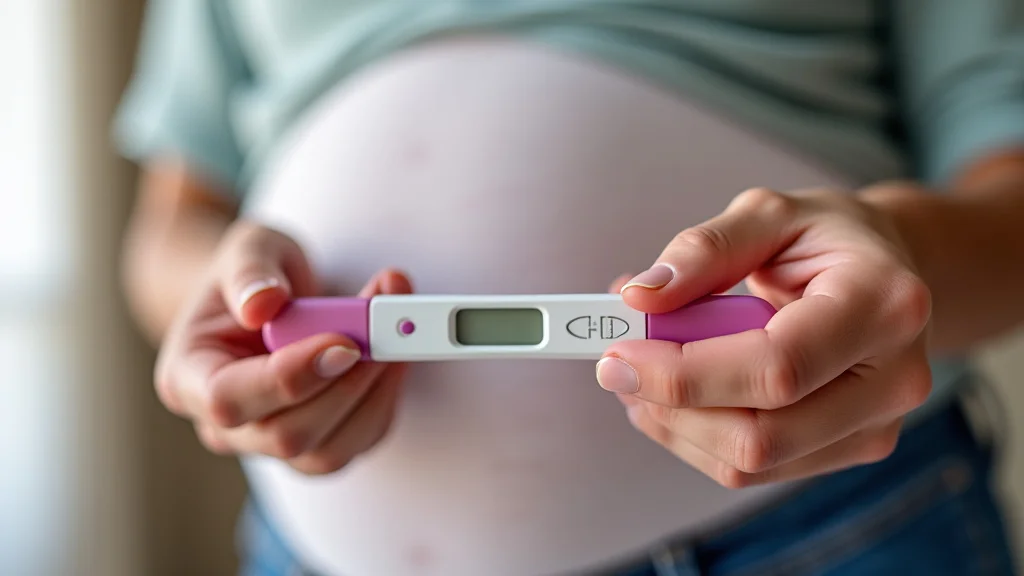
When you need to know if you’re pregnant, taking a test at home feels like the easiest first step. But a common question pops up for many beginners: is pregnancy test kit always accurate? It can feel a bit tricky because you want to be sure you get the right answer right away.
Don’t worry, we’ll break it down in a super simple way. We’ll cover everything you need to know so you can feel confident about your results. Let’s get started and find out what you need to know.
Key Takeaways
- Pregnancy tests detect hCG, a hormone that rises after conception.
- Accuracy depends on following instructions precisely and testing at the right time.
- False negatives can happen if tested too early or with diluted urine.
- False positives are rare but can occur due to certain medical conditions or medications.
- Home pregnancy tests are generally very reliable when used correctly.
How Pregnancy Tests Work
Home pregnancy tests are designed to detect a hormone called human chorionic gonadotropin, or hCG. This hormone is produced by the placenta shortly after a fertilized egg attaches to the uterine lining. It’s often called the pregnancy hormone.
As the pregnancy progresses, hCG levels rise quickly. Pregnancy test kits use antibodies to detect the presence of hCG in your urine. If hCG is present above a certain level, the test will show a positive result.
These tests are a fantastic tool for early detection. They provide a convenient and private way to get information. Many people wonder if they are always right, which is a fair question.
While they are very reliable, there are a few things that can affect their accuracy. Knowing these factors helps you understand your results better.
The Hormone hCG
Human chorionic gonadotropin (hCG) is the key player in pregnancy testing. It starts being produced very soon after conception, typically within six to ten days. Levels of hCG double roughly every 48 to 72 hours in early pregnancy.
This rapid increase is what pregnancy tests look for. The concentration of hCG in urine is usually high enough to be detected by home tests about 10 days after conception or around the time of your missed period.
The amount of hCG detected can vary. Some tests are more sensitive than others, meaning they can detect lower levels of hCG. This sensitivity is often measured in milli-International Units per milliliter (mIU/mL).
A more sensitive test might be able to detect pregnancy a few days earlier than a less sensitive one. However, even with sensitive tests, timing is still important.
Understanding hCG is the first step to understanding how pregnancy tests work. It’s the signal your body sends that it’s become pregnant. The test kit is essentially looking for this specific signal in your urine.
How Test Kits Detect hCG
Pregnancy test kits use a method called immunoassay. Inside the test stick, there are special antibodies that are designed to bind to hCG. When you urinate on the test strip, the urine flows through.
If hCG is present, it binds to these antibodies. This binding then triggers a chemical reaction that produces a visible line or symbol on the test window, indicating a positive result.
Different tests have different designs. Some use a single test line, while others have two lines where one is a control line and the other is the test line. A control line usually appears regardless of whether hCG is present to show the test is working correctly.
The test line appears only if hCG is detected.
The accuracy of this detection relies on the quality of the antibodies and the manufacturing of the test kit. Reputable brands follow strict quality control measures. This ensures that the tests are effective at identifying hCG when it is present.
Factors Affecting Pregnancy Test Accuracy
While home pregnancy tests are widely considered accurate, their reliability isn’t absolute. Several factors can influence whether you get a correct result. The most common reasons for inaccurate results are related to how and when the test is used.
Understanding these can help you avoid confusion and get a clear answer.
The time of testing is crucial. Testing too early, before your body has produced enough hCG, can lead to a false negative. Also, the concentration of your urine matters.
Testing with diluted urine, especially if you’ve had a lot of fluids, can also make it harder for the test to detect hCG. Following the instructions exactly is key to getting the most reliable result possible.
Timing of The Test
The biggest factor affecting accuracy is when you take the test. Home pregnancy tests are most accurate when taken on or after the first day of your missed period. This is because it takes time for hCG levels to rise to a detectable amount.
If you test too soon, you might not have enough hCG in your urine for the test to pick up, even if you are pregnant. This is a leading cause of false negatives.
For example, if you ovulated later than usual in your cycle, conception might have occurred later. This means hCG production would start later too. Testing before enough time has passed means the hormone level might be too low.
Most tests can detect hCG about 10 to 14 days after ovulation. Waiting until your period is late is generally the best strategy.
Some very sensitive tests claim to detect pregnancy a few days before your missed period. While these can be useful, they still carry a higher risk of a false negative if implantation occurred very recently.
Here’s a simple guide:
- Test on the day of your missed period for good accuracy.
- Testing a few days after a missed period further increases accuracy.
- If you get a negative result but still suspect pregnancy, wait a few days and test again.
Urine Concentration
The concentration of hCG in your urine can also impact test results. For the most accurate reading, it’s best to use first-morning urine. This is because your urine is most concentrated after a period of not drinking for several hours overnight.
During the day, you tend to drink more fluids, which dilutes your urine. Diluted urine means that if hCG is present, its concentration might be too low for the test to detect.
Imagine trying to find a tiny amount of salt in a large bucket of water versus a small glass of water. The salt is easier to find in the less diluted liquid. Similarly, hCG is easier for a test to detect in concentrated urine.
If you must test later in the day, try to limit your fluid intake for a few hours beforehand. This will help to ensure your urine is as concentrated as possible.
Consider these points:
- Always try to use your first morning urine for the most reliable result.
- If testing later in the day, avoid drinking large amounts of fluids for 2-3 hours before the test.
- Dehydration can artificially concentrate your urine, but it’s not recommended to intentionally dehydrate yourself.
Following Instructions
This might sound obvious, but not following the test instructions precisely is a very common reason for inaccurate results. Each test kit has specific directions on how long to hold the test in your urine stream, how long to wait for the result, and how to read it. Deviating from these steps can lead to errors.
For instance, leaving the test in your urine for too short a time might not allow enough hCG to be absorbed. Conversely, leaving it in for too long can cause the urine to dry on the test, leading to smudged lines or an unreadable result. Waiting too long after the recommended time to read the result can also be problematic.
Some tests might show evaporation lines after the allotted time, which can be mistaken for a positive result.
It is important to read the instructions before you even begin. Make sure you understand each step.
Here’s what to do:
- Read the entire instruction leaflet before you start.
- Ensure you know how long to hold the stick in the urine stream or dip it in a collected sample.
- Note the exact time frame you need to wait to read the result.
- Understand how to interpret the lines or symbols on the test.
Understanding Test Results
Getting a result from a pregnancy test can be a moment filled with anticipation. Knowing how to interpret the result correctly is just as important as taking the test itself. Most tests have clear indicators, but sometimes they can be confusing.
Understanding what a positive, negative, or even an unclear result means will help you proceed.
It’s important to remember that while home tests are good, they are not perfect. There are instances where a result might not reflect the true situation. We will explore what these different results signify and what to do next.
Positive Result
A positive result means the test detected hCG in your urine, suggesting you are pregnant. This is usually shown by two lines appearing, a plus sign, or a digital reading that says “Pregnant.” The intensity of the positive line can vary. A faint line usually means a positive result, but the hCG level might be lower, which is common in very early pregnancy.
For example, Sarah took a test a day after her missed period. She saw a very faint second line. This faint line still indicates a positive result.
She confirmed her pregnancy with her doctor a week later.
If you get a positive result, it’s highly recommended to schedule an appointment with your doctor or a healthcare provider. They can confirm the pregnancy, usually with a blood test or ultrasound, and discuss your next steps for prenatal care.
Key points for a positive result:
- A positive result, even a faint line, generally means you are pregnant.
- Always confirm with a healthcare professional.
- Your doctor can provide guidance on prenatal health and next steps.
Negative Result
A negative result typically means no hCG was detected in your urine, suggesting you are not pregnant. This is usually shown by one line, a minus sign, or a digital reading that says “Not Pregnant.” However, a negative result doesn’t always mean you aren’t pregnant. As discussed earlier, testing too early or using diluted urine can lead to a false negative.
If you get a negative result but your period is still late, it’s a good idea to retest in a few days. If you continue to get negative results and your period doesn’t start, consult your doctor. There could be other reasons for a missed period besides pregnancy, such as stress, hormonal changes, or other medical conditions.
What to do with a negative result:
- If your period is not late, retest in a few days if it still hasn’t arrived.
- If your period remains absent and tests are negative, see a doctor to discuss other causes.
- Ensure you followed all instructions correctly before accepting a negative result.
Invalid or Inconclusive Results
Sometimes, a pregnancy test might not work correctly, leading to an invalid or inconclusive result. This could be because the control line doesn’t appear, or the test window is unreadable. If this happens, the test has failed to perform its internal check that it is working.
An invalid result means the test cannot be trusted, and you will need to take another test.
This could be due to a faulty test kit, expired product, or incorrect usage. For instance, if the control line doesn’t show up, it means the test mechanism itself didn’t function properly. This makes any other indication on the test meaningless.
If you get an invalid result:
- Do not try to interpret the result.
- Discard the test and use a new one, preferably from a different package or brand.
- Ensure you follow all instructions carefully with the new test.
Common Myths Debunked
There are many old wives’ tales and misconceptions about pregnancy tests circulating. These myths can cause unnecessary confusion and worry. It’s important to rely on scientifically proven information rather than folklore.
Let’s clear up some common myths so you can feel more confident about using and interpreting pregnancy tests.
Myth 1: The fainter the line, the less pregnant you are.
This is not true. A positive line, no matter how faint, indicates the presence of hCG. The intensity of the line depends on the concentration of hCG in your urine and the sensitivity of the test.
In very early pregnancy, hCG levels are lower, leading to a fainter line. As the pregnancy progresses and hCG levels rise, the line might become darker. A faint line is still a positive result and should be confirmed by a doctor.
Myth 2: You can use old household items like sugar or toothpaste to test for pregnancy.
These home remedies are not scientifically valid. They do not detect hCG. Methods involving sugar, toothpaste, or even bleach are unreliable and can lead to incorrect results.
Pregnancy tests work by detecting a specific hormone, hCG, and only scientifically designed tests can do this accurately. These DIY methods have no basis in how pregnancy tests function.
Myth 3: A positive test today can become negative tomorrow if you’re not really pregnant.
A positive home pregnancy test result is generally very reliable. A false positive result is rare. If you receive a positive test, it almost always indicates pregnancy.
If you get a positive result and then a negative result shortly after, it could be due to a chemical pregnancy, which is a very early miscarriage that occurs shortly after implantation. It’s crucial to discuss any such changes with your healthcare provider.
Myth 4: You can’t get pregnant if you’re using birth control.
While birth control methods are very effective, no method is 100% foolproof. Some methods are more effective than others. For example, IUDs and implants are highly effective, but there’s still a very small chance of pregnancy.
Pills, patches, and rings are also very effective but rely on consistent use. If you suspect pregnancy while using birth control, take a test.
Frequently Asked Questions
Question: How soon can I get an accurate result from a home pregnancy test
Answer: Most home pregnancy tests are most accurate when taken on or after the first day of your missed period. Some sensitive tests may detect pregnancy a few days earlier, but this increases the chance of a false negative.
Question: Can certain medications affect pregnancy test results
Answer: Yes, certain medications, particularly those containing hCG, can cause a false positive result. Other fertility drugs might also interfere. Always inform your doctor about any medications you are taking.
Question: What should I do if I get a faint positive line
Answer: A faint positive line usually indicates pregnancy. It means hCG is present, but in a lower concentration. It’s best to retest in a few days or schedule an appointment with your doctor for confirmation.
Question: Can stress or illness affect my period and lead to a false negative test
Answer: Yes, significant stress, illness, or major changes in diet or exercise can sometimes affect your menstrual cycle and cause a delayed period. If your period is late and tests are negative, it’s wise to consult a doctor.
Question: How reliable are digital pregnancy tests
Answer: Digital pregnancy tests are generally as reliable as line tests if used correctly. They often display results as “Pregnant” or “Not Pregnant,” which can be easier to interpret. Their accuracy still depends on testing at the right time and using fresh urine.
Summary
Home pregnancy tests are a reliable tool for detecting pregnancy when used correctly. The key to accuracy lies in timing, urine concentration, and following instructions precisely. While false negatives can occur if testing too early or with diluted urine, and false positives are rare, these kits provide a convenient and effective way to get early information about potential pregnancy.
Leave a Reply