Blog

  • Understanding Pregnancy Tests At Home

    Understanding Pregnancy Tests At Home

    Thinking about taking a pregnancy test at home can feel a little overwhelming, especially if it’s your first time. You want to be sure, and the idea of doing it yourself can bring up lots of questions. But don’t worry, it’s actually quite simple and something most people can do easily and confidently.

    This guide will walk you through everything you need to know about pregnancy tests at home, step by step, so you feel prepared and get the clear answer you’re looking for. We’ll cover how they work and what to expect.

    Key Takeaways

    • You can accurately determine pregnancy at home with readily available tests.
    • Home pregnancy tests detect a hormone called hCG.
    • Timing is important for accurate results.
    • Different types of home pregnancy tests exist.
    • Following instructions is vital for correct results.
    • Understanding the results helps you take the next steps.

    How Pregnancy Tests At Home Work

    Pregnancy tests at home are a convenient and private way to find out if you are pregnant. They work by detecting a special hormone in your body called human chorionic gonadotropin, or hCG. This hormone is only produced when a fertilized egg implants in the uterus.

    The amount of hCG in your body increases rapidly in the early weeks of pregnancy. Home tests are designed to pick up even small amounts of this hormone in your urine.

    The hCG Hormone Explained

    Human chorionic gonadotropin (hCG) is a protein hormone produced by the cells of the placenta shortly after implantation occurs. It’s the primary marker for pregnancy. Levels of hCG are typically undetectable before implantation.

    After implantation, hCG levels generally double every 72 hours, peaking around the 8-11 week of pregnancy and then declining slightly. This rapid increase is what makes home pregnancy tests so effective in the early stages.

    The detection of hCG is the core principle behind all pregnancy tests, whether performed at a doctor’s office or at home. The sensitivity of a particular test determines how early in pregnancy it can detect hCG. More sensitive tests can detect lower levels of hCG, meaning you can get a positive result sooner.

    It’s important to remember that hCG is produced by both men and women, but in very small, stable amounts in men, whereas women only produce significantly elevated levels during pregnancy.

    Understanding Test Sensitivity

    Test sensitivity refers to the lowest concentration of hCG that a test can detect. This is usually measured in milli-international units per milliliter (mIU/mL). A more sensitive test will have a lower mIU/mL number, meaning it can detect pregnancy earlier.

    For example, a test with a sensitivity of 10 mIU/mL can detect lower hCG levels than a test with a sensitivity of 25 mIU/mL.

    Choosing a highly sensitive test can allow you to test earlier, potentially a few days before your missed period. However, testing too early, even with a sensitive test, might result in a false negative if your hCG levels are not yet high enough to be detected. It’s often recommended to wait until at least the first day of your missed period for the most accurate results, regardless of the test’s sensitivity.

    For example, if you take a test with a 10 mIU/mL sensitivity on the day your period is due, and you are pregnant, it’s very likely to give you an accurate result. If you test a few days before your period is due, there’s a chance your hCG levels are still below 10 mIU/mL, leading to a negative result even if you are pregnant. Always check the package instructions for the recommended testing time for that specific test.

    Types of Pregnancy Tests At Home

    There are a few different kinds of pregnancy tests you can buy at home, but they all work on the same basic principle of detecting hCG. The most common types are urine tests, which are readily available at drugstores and supermarkets. These tests differ mainly in how they display the results and how easy they are to use.

    Knowing the differences can help you choose the one that’s best for you.

    Digital vs. Non-Digital Tests

    Non-digital tests typically show results as lines. A positive result usually shows two lines, while a negative result shows one line. The intensity of the positive line can sometimes indicate how high hCG levels are, but it’s not a precise measurement.

    Some people find it hard to interpret faint lines, which can lead to confusion.

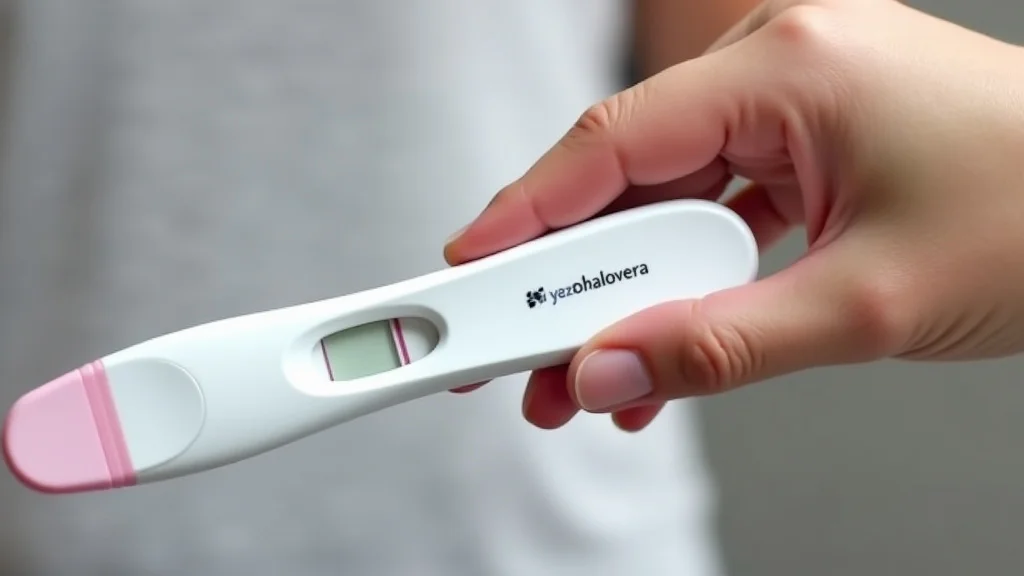
    Digital tests, on the other hand, provide a clear text result, like “Pregnant” or “Not Pregnant,” displayed on a small screen. These are generally considered easier to read because they eliminate any ambiguity from interpreting lines. Some digital tests also tell you how many weeks pregnant you might be, which can be helpful information.

    Here’s a simple comparison:

    Test Type Result Display Ease of Interpretation Cost
    Non-Digital (Line) Lines (e.g., two lines = pregnant) Can be difficult with faint lines Generally less expensive
    Digital Text (e.g., “Pregnant”) Very easy and clear Generally more expensive

    When to Take A Pregnancy Test

    The best time to take a pregnancy test at home is after you’ve missed your period. This is when your hCG levels are usually high enough for most tests to detect. Testing too early might lead to a false negative, meaning the test says you’re not pregnant when you actually are.

    This is because your hCG levels might not be high enough yet.

    If you don’t want to wait for a missed period, some highly sensitive tests can detect pregnancy up to six days before your missed period. However, the accuracy increases significantly the closer you get to your expected period. If you get a negative result but still suspect you might be pregnant, wait a few days and test again.

    For example, if your cycle is usually 28 days long, testing on day 28 or later is ideal. If you have irregular cycles, it can be trickier. In such cases, it’s often best to test about 14-19 days after you last had unprotected sex, as this is the earliest implantation and subsequent hCG production could be detected.

    Sample Scenarios for Timing

    1. You have regular 28-day cycles and your period is due on the 15th of the month. The best time to take a home pregnancy test is on or after the 15th. If you test on the 12th, and are pregnant, you might get a false negative because hCG levels might not be detectable yet.
    2. You have irregular cycles and had unprotected sex on the 1st of the month. You don’t know when your period is due. A good rule of thumb is to test at least 21 days after the unprotected sex. By this point, if you are pregnant, hCG levels should be high enough for most tests to detect.

    How to Use Pregnancy Tests At Home Correctly

    Using a pregnancy test at home is straightforward, but following the instructions precisely is key to getting an accurate result. Each test kit comes with a leaflet detailing the exact steps. Taking the time to read and follow these steps carefully will increase your confidence in the outcome.

    Most tests involve collecting a urine sample and waiting a short period for the result.

    Step-by-Step Instructions

    First, ensure you have the test ready. It’s often recommended to use your first morning urine because it is usually the most concentrated and will have the highest hCG levels. Open the test kit, but do not remove the absorbent tip until you are ready to use it.

    There are typically two ways to use the test: either by holding the absorbent tip directly in your urine stream for the recommended time (usually 5-10 seconds) or by collecting your urine in a clean cup and dipping the absorbent tip into it for the specified duration. Always follow the specific instructions for your test.

    After exposing the test to urine, lay it on a flat, dry surface. You will then need to wait for a specific amount of time, as indicated on the package, usually between 2 to 5 minutes. During this waiting period, the test will process the urine and any hCG present.

    Do not try to interpret the results before the specified waiting time has passed, as this can lead to inaccurate readings.

    Reading Your Test Results

    Once the waiting time is up, you can read your test. Non-digital tests will display lines. A positive result usually appears as two lines, even if one is fainter than the other.

    This indicates that hCG has been detected in your urine. A negative result will typically show only one line, indicating no detectable hCG. If no lines appear, or only a control line appears, the test may be invalid, and you might need to repeat it.

    Digital tests will show words like “Pregnant” or “Not Pregnant” on a digital display. Some advanced digital tests may also show an estimated number of weeks since conception. It is important to note that a digital “Pregnant” result is highly accurate, but a “Not Pregnant” result does not always mean you are not pregnant, especially if you tested very early.

    If you get a positive result, congratulations, and it’s a good idea to schedule an appointment with your doctor to confirm the pregnancy and begin prenatal care. If you get a negative result but your period is still missed, it’s recommended to wait a few days and test again. Hormonal levels can fluctuate, and retesting can provide a more definitive answer.

    What to Do After Testing

    After getting your results, the next steps depend on whether the test is positive or negative. If you get a positive result, the most important step is to contact your healthcare provider. They will likely want to schedule an appointment to confirm the pregnancy with a blood test or ultrasound and to discuss your prenatal care.

    This is an exciting time, and getting professional medical advice is crucial.

    If you receive a negative result, but your period still hasn’t arrived after a week, it’s advisable to take another pregnancy test. Sometimes, testing too early can lead to a false negative. If the second test is also negative and your period still doesn’t arrive, it’s a good idea to consult your doctor.

    There can be other reasons for a missed period besides pregnancy.

    Always store your home pregnancy tests according to the package instructions, usually in a cool, dry place, away from direct sunlight and moisture. This ensures they remain effective until you need to use them. Expired tests can give inaccurate results, so always check the expiration date before using one.

    Common Myths Debunked

    Myth 1: Faint lines always mean a weak or uncertain pregnancy.

    The reality is that a faint positive line on a pregnancy test still indicates the presence of hCG, meaning you are likely pregnant. The intensity of the line depends on the concentration of hCG in your urine and the sensitivity of the test. Even a faint line should be considered a positive result.

    If you see a line, even a faint one, it’s best to follow up with your doctor to confirm. Many factors can influence line intensity, and it’s not a reliable indicator of how far along you are or the health of the pregnancy.

    Myth 2: You can only get accurate results with your first morning urine.

    While your first morning urine is often recommended because it’s more concentrated and has higher hCG levels, it’s not the only time you can get an accurate result, especially with more sensitive tests. If you are testing after you’ve missed your period, and your hCG levels are sufficiently high, you can get an accurate result at any time of day. However, for early testing or if you’re unsure, first morning urine is still the best bet for maximum accuracy.

    Myth 3: Home pregnancy tests are never accurate.

    Home pregnancy tests are highly accurate when used correctly and at the right time. When taken on or after the day of your missed period, they can be over 99% accurate in detecting pregnancy. Inaccuracies often stem from testing too early, not following the instructions precisely, or using an expired test.

    It’s crucial to read and follow the instructions provided with your specific test kit for the best results.

    Myth 4: You can use other bodily fluids besides urine.

    Home pregnancy tests are specifically designed to detect hCG in urine. They will not work accurately or at all with other bodily fluids like saliva or blood (unless it’s a lab blood test performed by a professional). The concentration of hCG that these tests are calibrated to detect is present in urine, and using any other fluid would render the test invalid.

    Always use urine as directed on the test packaging.

    Frequently Asked Questions

    Question: When is the best time to take a pregnancy test at home?

    Answer: The best time to take a home pregnancy test is on or after the day of your missed period. For more sensitive tests, you can test a few days before your missed period, but accuracy increases with time.

    Question: Can I drink water before taking a pregnancy test?

    Answer: It’s generally not recommended to drink a lot of fluids right before taking a pregnancy test, especially if you are testing later in the day. Excessive fluid intake can dilute your urine, potentially lowering hCG levels and leading to a false negative result. If you’re testing with your first morning urine, you can drink normally the night before.

    Question: What does it mean if I get a positive result and then a negative result later?

    Answer: This can sometimes happen and is referred to as a chemical pregnancy or a very early miscarriage. It means hCG was detected initially, but pregnancy did not continue. It’s always best to consult with your doctor to discuss your specific situation and get professional advice.

    Question: How long does it take to get a result from a home pregnancy test?

    Answer: Most home pregnancy tests provide results within 2 to 5 minutes after you have completed the urine collection step. It’s important to wait the full recommended time before reading the test to ensure accuracy.

    Question: Can certain medications affect the results of a home pregnancy test?

    Answer: Medications that contain hCG, such as some fertility treatments, can cause a false positive result. Other medications typically do not affect the accuracy of pregnancy tests. If you are taking any medications, it’s a good idea to mention them to your doctor when discussing your pregnancy test results.

    Conclusion

    Taking a pregnancy test at home is a simple process that offers quick and private answers. By understanding how these tests work and following the instructions carefully, you can feel confident in your results. Whether it’s a positive or negative outcome, knowing what to do next empowers you to take the right steps for your health.

  • Best Pregnancy Tests Brands Explained

    Best Pregnancy Tests Brands Explained

    Choosing the right pregnancy test can feel a bit tricky when you’re looking at all the different options. It’s easy to get a little confused by all the choices for pregnancy tests brands. But don’t worry!

    We’re here to make it super simple. We’ll walk through everything you need to know, step by step, so you can pick the best one for you with confidence. Get ready to learn how easy it can be!

    Key Takeaways

    • Different pregnancy test brands offer varying levels of accuracy and sensitivity.
    • Home pregnancy tests detect the hormone hCG to confirm pregnancy.
    • Understanding how to read pregnancy test results is vital for accurate interpretation.
    • Several trusted brands provide reliable and easy-to-use pregnancy testing kits.
    • Factors like early detection and cost can influence brand choice.

    Understanding Pregnancy Tests Brands

    How Pregnancy Tests Work

    Pregnancy tests work by detecting a hormone called human chorionic gonadotropin (hCG). This hormone is produced by the cells of the placenta shortly after a fertilized egg attaches to the uterine lining. hCG levels rise rapidly in the early stages of pregnancy.

    Home pregnancy tests use antibodies that bind to hCG if it’s present in your urine. When these antibodies bind to hCG, they trigger a color change or a digital display, indicating a positive result. The sensitivity of a test refers to how low of an hCG level it can detect.

    More sensitive tests can detect pregnancy earlier.

    The hCG Hormone Explained

    Human chorionic gonadotropin, or hCG, is a key indicator of pregnancy. It’s a protein hormone produced by the developing placenta. After conception, the fertilized egg starts to implant in the uterus, and the placenta begins to form.

    Even at this very early stage, the placenta starts releasing hCG into the mother’s bloodstream and urine. For most women, hCG is undetectable before implantation. Once implantation occurs, hCG levels generally double every 48 to 72 hours in the first few weeks of pregnancy.

    This rapid increase is what makes pregnancy tests effective.

    The amount of hCG can vary from person to person and even from pregnancy to pregnancy. This is why some pregnancy tests are more sensitive than others. A highly sensitive test can pick up lower levels of hCG, meaning you might be able to get a positive result a few days before your missed period.

    Conversely, a less sensitive test might require waiting until your period is late to get an accurate reading. Understanding hCG is fundamental to knowing why pregnancy tests are reliable tools.

    Detecting hCG in Urine

    Home pregnancy tests are designed to detect hCG in your urine. They typically contain a strip that absorbs urine. This strip has a special chemical that reacts to hCG.

    If hCG is present, a chemical reaction occurs, leading to a visible result. This result usually appears as lines on a traditional test or a word like “Pregnant” or “Not Pregnant” on a digital test. The accuracy of the test depends on several factors, including the sensitivity of the test and the concentration of hCG in your urine.

    It’s generally recommended to use your first-morning urine for the most accurate results. This is because your urine is most concentrated at this time, meaning it will have the highest level of hCG if you are pregnant. Testing later in the day, especially after drinking a lot of fluids, can dilute your urine and potentially lead to a false negative result, even if you are pregnant.

    Following the instructions on the test package is crucial for ensuring you get the most reliable outcome.

    Accuracy and Sensitivity

    Accuracy and sensitivity are two important terms when discussing pregnancy tests. Accuracy refers to how often the test gives the correct result. Sensitivity relates to the lowest level of hCG a test can detect.

    Tests are often described by how early they can detect pregnancy, which is directly tied to their sensitivity. For example, a test that can detect pregnancy 6 days before a missed period is considered highly sensitive.

    Most reputable pregnancy tests, when used correctly, are over 99% accurate from the day of your missed period. However, the possibility of error exists. False negatives (testing negative when you are pregnant) can happen if you test too early, haven’t used your first morning urine, or are taking certain medications.

    False positives (testing positive when you are not pregnant) are rare but can occur due to certain medical conditions or medications. Choosing a well-known brand often provides a higher assurance of quality and reliability in both accuracy and sensitivity.

    Popular Pregnancy Tests Brands

    When you’re looking for pregnancy tests, you’ll notice many different brand names on the shelves. Each brand aims to provide a reliable way to detect pregnancy at home. Some brands are known for their super-early detection capabilities, while others focus on simplicity and affordability.

    Many brands offer both traditional line tests and digital tests, giving you options for how you want to see your result. Choosing a brand you trust can make the process feel more secure.

    Clearblue Pregnancy Tests

    Clearblue is one of the most recognized names in home pregnancy testing. They offer a range of products known for their innovation and ease of use. One of their standout features is their digital tests, which provide clear, easy-to-read results in words like “Pregnant” or “Not Pregnant.” Some Clearblue tests are also designed for very early detection, allowing you to test several days before your missed period.

    Their tests often use floodguard technology to help reduce user error, ensuring that too much urine doesn’t affect the result. Clearblue tests are widely available in drugstores and supermarkets. They are generally considered a premium option, often costing a bit more than basic tests, but many users appreciate the clear results and early detection capabilities they provide.

    Their confidence in their product is often reflected in their packaging and marketing, which emphasizes reliability.

    First Response Pregnancy Tests

    First Response is another very popular and trusted brand for pregnancy tests. They are particularly well-known for their ability to detect pregnancy earlier than many other brands. The First Response Early Result Pregnancy Test is famous for its claim to detect the pregnancy hormone up to six days before your missed period.

    This early detection can be very reassuring for those eager to know.

    The tests typically use a traditional line-based display, showing two lines for a positive result and one line for a negative result. Like other leading brands, First Response tests are designed to be highly accurate when used according to the instructions. They are readily available and often found alongside other pregnancy and health products in stores.

    Their focus on early detection has made them a go-to choice for many.

    E.P.T. Pregnancy Tests

    E.P.T. (Early Pregnancy Test) is a brand that has been around for a long time, making it a familiar name for many. They offer reliable and straightforward pregnancy tests that are easy to use.

    E.P.T. tests are designed to detect hCG accurately and are often available at competitive price points, making them a good choice for budget-conscious consumers.

    They provide clear results through line indicators. While perhaps not always emphasizing the absolute earliest detection like some competitors, E.P.T. tests are dependable for use from the day of your missed period.

    Their longevity in the market speaks to their consistent performance and user satisfaction. You can find E.P.T. tests in most pharmacies and supermarkets, offering a dependable option for confirming a potential pregnancy.

    Accu-Clear Pregnancy Tests

    Accu-Clear is a brand that focuses on providing accurate and affordable pregnancy testing solutions. These tests are known for their simplicity and ease of use, making them accessible for anyone needing to take a test. Accu-Clear aims to offer reliable results without unnecessary complexity.

    The tests usually employ a standard two-line system to indicate results. They are designed to detect pregnancy from the day of your missed period with high accuracy. For individuals looking for a no-frills, dependable option that doesn’t break the bank, Accu-Clear can be a great choice.

    They are often found in drugstores and online retailers, providing a straightforward path to an answer.

    Store Brand Pregnancy Tests

    Many large retail chains offer their own store brand pregnancy tests. These are often significantly cheaper than the brand-name options. Despite the lower cost, store brand tests are generally required to meet the same accuracy and sensitivity standards as national brands.

    They work on the same principle of detecting hCG in urine.

    For example, CVS Health, Walgreens, and Walmart all have their own lines of pregnancy tests. These can be an excellent way to save money, especially if you need to test multiple times. While they might not always offer the absolute earliest detection or advanced features like digital readouts found in premium brands, they provide reliable results when used correctly from the recommended testing time.

    Many people find store brands to be just as effective as more expensive options.

    Choosing the Right Pregnancy Test Brand

    Deciding which pregnancy test brand is best for you involves considering a few key factors. Think about when you want to test, how you prefer to see your results, and your budget. Some brands excel at early detection, which can be important if you’re experiencing early pregnancy symptoms or are anxious to know.

    Others offer digital displays for ultimate clarity, removing any guesswork.

    Early Detection Needs

    If you’re eager to find out if you’re pregnant as soon as possible, you’ll want to look at brands that specialize in early detection. These tests have a higher sensitivity to hCG, meaning they can pick up on the hormone even when its levels are still relatively low. Brands like First Response are famous for their early result tests, often capable of detecting pregnancy up to six days before a missed period.

    Testing too early, even with a sensitive test, can still lead to a false negative if your hCG levels haven’t risen enough. It’s important to follow the specific instructions for the test you choose. If you get a negative result very early on, but still suspect you might be pregnant, it’s wise to retest a few days later, especially around the time your period is expected.

    Early detection can offer peace of mind or allow for prompt medical consultation if needed.

    Ease of Reading Results

    Some people prefer the absolute clarity of digital pregnancy tests. Brands like Clearblue offer digital options where the result is displayed in plain English, such as “Pregnant” or “Not Pregnant.” This eliminates any potential confusion that can arise with line-based tests, where you might wonder if a faint line counts as a positive.

    Traditional line tests are also very common and have been used for decades. They usually show two lines for a positive result and one line for a negative result. While generally easy to read, some users might find faint lines ambiguous, especially when testing very early.

    If you value straightforward, unmistakable results, a digital test might be your preferred choice. Conversely, if you don’t mind interpreting lines and want a potentially more affordable option, line tests work just as well for confirming pregnancy when used correctly.

    Cost and Value

    Pregnancy tests can range in price significantly. Brand names often come with a higher price tag, reflecting their research, development, and marketing. However, store brands and generic options can offer substantial savings.

    If you anticipate needing to take multiple tests, perhaps over several days to confirm a result or test at different times, opting for a more budget-friendly brand or multi-packs can be a practical approach.

    Consider the value you’re getting. A more expensive test might offer earlier detection or a digital display, which could be worth the cost for some. For others, a simple, reliable line test from a store brand provides all the necessary functionality without the added expense.

    It’s a good idea to check reviews and compare prices to find a balance that suits your needs and budget. Remember that even the most affordable tests can be highly accurate when used at the right time.

    Where to Buy Pregnancy Tests

    Pregnancy tests are widely available and easy to purchase. You can find them at almost any drugstore, such as CVS, Walgreens, or Rite Aid. Supermarkets and discount stores like Walmart and Target also carry a good selection.

    For convenience, many online retailers, including Amazon, offer a variety of pregnancy test brands, often in multi-packs and sometimes at competitive prices.

    When buying in person, you’ll see the different brands displayed together, allowing for easy comparison of features and prices. Online shopping provides a broader selection and the ability to read customer reviews before making a purchase. Regardless of where you buy, ensure the packaging is sealed and not damaged to guarantee the integrity of the test.

    Most pharmacies keep them in the health or feminine care aisles.

    Using Pregnancy Tests Correctly

    Even the most accurate pregnancy test brand won’t give you a reliable result if it’s not used correctly. The instructions provided with each test are designed to ensure you get the most precise outcome. Reading and following these instructions carefully is the most important step.

    Reading the Instructions

    Each pregnancy test package contains detailed instructions for use. These instructions will specify when to test (e.g., the day of your missed period, or how many days before), whether to use first-morning urine, how to collect the urine sample, how to apply the urine to the test, and how long to wait for the result. Some tests require you to dip a test stick into a cup of urine, while others involve holding the absorbent tip directly in your urine stream.

    Pay close attention to the waiting time. Waiting too long can sometimes lead to evaporation lines that can be mistaken for a positive result. Not waiting long enough can mean the result hasn’t developed yet.

    Understanding the specific symbols or lines your test uses to indicate a positive or negative result is also crucial. For example, some tests use a plus sign (+) for pregnant and a minus sign (-) for not pregnant, while others use two distinct lines.

    Timing Your Test

    The timing of your pregnancy test is critical for accuracy. Testing too early, before your body has produced enough hCG, can result in a false negative. Most pregnancy tests are most accurate when used on or after the day of your missed period.

    Some highly sensitive tests can detect hCG a few days earlier, but it’s essential to check the specific test’s instructions.

    If you have irregular periods, it can be harder to determine the right time to test. In such cases, tracking your cycle or symptoms and testing about 14-21 days after you believe you ovulated is a good general guideline. If you get a negative result but still believe you might be pregnant, it’s a good idea to retest in a few days or a week.

    Many women also find it helpful to use their first-morning urine, as it’s the most concentrated and therefore most likely to contain detectable levels of hCG.

    Interpreting Results

    Interpreting the results correctly is the final step in using a pregnancy test. For line tests, a positive result usually means two lines, even if one is faint. A negative result typically shows only one line.

    Digital tests are the simplest, displaying clear words like “Pregnant” or “Not Pregnant.” It’s important to note that even a very faint positive line generally indicates pregnancy, as it means hCG was detected.

    If you see an evaporation line, it’s usually colorless and appears after the test has already expired or the reading window has closed. These should not be considered positive results. If you get an unclear result, or if you get a positive result and want to confirm it, it’s always best to retest with another test or consult with a healthcare provider.

    They can perform a blood test, which is even more sensitive than urine tests.

    Common Myths Debunked

    Myth 1: A faint line means you are not pregnant.

    Reality: A faint positive line on a pregnancy test usually indicates that hCG is present in your urine, and therefore, you are likely pregnant. Faint lines often appear when testing very early in pregnancy, as hCG levels are still low. As the pregnancy progresses, the line will become darker.

    If you see any line, even a faint one, within the correct testing time, it’s generally considered a positive result. It’s still a good idea to confirm with a healthcare provider.

    Myth 2: You can only use a pregnancy test on the day your period is due.

    Reality: While many pregnancy tests are most accurate on the day of your missed period, some highly sensitive tests are designed to detect pregnancy a few days earlier. Brands like First Response claim to detect hCG up to six days before a missed period. However, testing too early increases the risk of a false negative because hCG levels may not be high enough to be detected yet.

    Always check the specific test’s instructions for its earliest detection capabilities.

    Myth 3: Taking a pregnancy test after drinking a lot of water gives more accurate results.

    Reality: Drinking a lot of water can dilute your urine, which can lower the concentration of hCG. This dilution can potentially lead to a false negative result, even if you are pregnant. For the most accurate results, it is generally recommended to use your first-morning urine, which is typically more concentrated and contains higher levels of hCG.

    Myth 4: All pregnancy tests are the same regardless of the brand.

    Reality: While most pregnancy tests work on the same principle of detecting hCG, there can be differences in their sensitivity, accuracy, and ease of use. Some brands are more sensitive and can detect pregnancy earlier. Others offer digital displays for clearer results.

    Store brands are often more affordable but may lack the advanced features of premium brands. It’s important to choose a brand that aligns with your needs for timing, clarity, and budget.

    Frequently Asked Questions

    Question: Can I use a pregnancy test if I am taking fertility drugs

    Answer: Some fertility drugs, particularly those containing hCG, can affect the results of a pregnancy test. If you are taking such medications, it is best to consult your doctor about when and how to test to get an accurate result.

    Question: How soon after unprotected sex can I take a pregnancy test

    Answer: For most reliable results, it’s best to wait until your period is missed. Some highly sensitive tests can detect pregnancy as early as 6 days before your missed period, but this is not always guaranteed.

    Question: What is a false negative pregnancy test

    Answer: A false negative occurs when a pregnancy test shows a negative result, but you are actually pregnant. This can happen if you test too early, your urine is diluted, or there’s an issue with the test itself.

    Question: Can I reuse a pregnancy test stick

    Answer: No, pregnancy test sticks are designed for single use only. Attempting to reuse a test stick will lead to inaccurate and unreliable results.

    Question: Do I need a prescription to buy a pregnancy test

    Answer: No, pregnancy tests are available over-the-counter at most pharmacies, grocery stores, and online retailers without a prescription.

    Summary

    Exploring pregnancy tests brands reveals many reliable options. From early detection specialists to clear digital displays and budget-friendly choices, there’s a test for everyone. Remember that accuracy comes from using the test correctly, timing it right, and understanding its specific instructions.

    Choosing a trusted brand gives you confidence in your results.

  • Third Trimester Handicap Parking Guide

    Third Trimester Handicap Parking Guide

    Being pregnant can be a really big change, especially when you reach that final stretch. Your body is working hard, and sometimes walking long distances or finding a good parking spot can feel like a huge task. It’s totally normal to feel tired and maybe a bit overwhelmed by everyday things, like figuring out where to park.

    This guide is here to make things super simple. We’ll break down everything you need to know about third trimester handicap parking step by step, so you don’t have to worry. Let’s get your parking questions sorted out easily.

    Key Takeaways

    • You might qualify for handicap parking during your third trimester due to pregnancy-related limitations.
    • Applying for a temporary handicap parking permit involves specific steps and documentation.
    • Understanding where you can legally park with a handicap permit is important.
    • There are solutions for temporary parking needs even if you don’t qualify for a formal permit.
    • Always check your local regulations as rules can vary by state or city.

    Understanding Handicap Parking Eligibility

    Many people think handicap parking is only for permanent disabilities. However, laws often recognize that temporary conditions can also limit mobility. The third trimester of pregnancy can certainly fall into this category.

    As your pregnancy progresses, physical changes can make walking and standing for extended periods very difficult. This can include back pain, swelling, fatigue, and general discomfort. These issues can make it hard to reach the entrance of stores, doctor’s offices, or other public places.

    Temporary mobility limitations are a key factor in determining eligibility for handicap parking. If your pregnancy is causing significant pain or making it unsafe or impractical for you to walk long distances, you might qualify for a temporary handicap parking permit. This permit is designed to provide easier access to essential services and public spaces during the time you need it most.

    It’s important to remember that this is a legitimate need, and many places are set up to accommodate pregnant individuals in their final trimester.

    Pregnancy-Related Mobility Issues

    During the third trimester, a pregnant person’s body undergoes considerable changes. The growing baby puts pressure on various parts of the body, leading to common ailments. These can include sciatica, which is nerve pain radiating down the leg, and pelvic girdle pain.

    Swelling in the feet and ankles is also very common, making standing and walking uncomfortable. The sheer weight of the baby and the hormonal changes can also cause extreme fatigue. These physical challenges directly impact a person’s ability to move around freely and safely.

    These issues aren’t just minor inconveniences; they can significantly restrict daily life. Imagine trying to walk across a large parking lot when your back hurts intensely with every step, or when your feet are so swollen that your shoes don’t fit. It can become a genuine barrier to accessing necessary places like grocery stores, pharmacies, or healthcare appointments.

    Recognizing these limitations is the first step in seeking a practical solution like handicap parking.

    Temporary Handicap Permits

    Temporary handicap parking permits are a vital resource for individuals experiencing short-term mobility challenges. Unlike permanent permits, these are issued for a specific duration, often a few months. For pregnant individuals, a temporary permit can be obtained to cover the final stages of pregnancy.

    The process usually requires a doctor’s note to certify the mobility limitations caused by the pregnancy.

    These permits typically look similar to permanent ones, often a placard that hangs from the rearview mirror or a special license plate. They grant the same privileges: the right to park in designated handicap spots. This ensures that expectant mothers who are finding it difficult to walk long distances can still access places they need to go without undue physical strain or risk.

    Applying for a Third Trimester Handicap Parking Permit

    Applying for a handicap parking permit, whether temporary or permanent, follows a general process. The specifics can vary slightly depending on your location, but the core requirements are usually consistent. The main goal is to ensure that permits are issued to those who genuinely need them due to a documented mobility impairment.

    For a third trimester handicap parking permit, the key is to get a medical professional to confirm your pregnancy-related limitations. This is usually your OB-GYN or primary care physician. They will need to assess your condition and verify that your pregnancy is causing a significant enough mobility issue to warrant easier parking access.

    This medical verification is a critical component of the application.

    The Doctor’s Role

    Your doctor plays a central role in the application process for a handicap parking permit. They are the ones who can officially document your medical need. You’ll need to discuss the specific challenges you’re facing due to your pregnancy.

    This includes detailing any pain, swelling, fatigue, or other conditions that make walking difficult. The doctor will then complete a specific form provided by your local Department of Motor Vehicles (DMV) or equivalent agency.

    This form will ask for details about your condition, how it affects your mobility, and how long they expect the limitation to last. It’s important to be open and honest with your doctor about how your pregnancy is impacting your ability to get around. The more thorough the doctor’s evaluation and documentation, the smoother your application process will likely be.

    They are your advocate in demonstrating your need for this accommodation.

    Required Documentation

    Besides the completed medical form from your doctor, there are usually a few other documents you’ll need. Typically, you’ll need to provide proof of your identity, such as a driver’s license or state ID. You might also need to show proof of residency, like a utility bill or lease agreement.

    Some states may require a small application fee.

    It’s always a good idea to check the official website of your local DMV or transportation authority before you go. They will have a comprehensive list of all required documents and any specific forms you need to download and fill out. Having everything ready will save you time and trips.

    For example, California’s Department of Motor Vehicles (DMV) outlines the process clearly on their website, including the Application for Disabled Person Placard or Plates (REG 195).

    Submitting Your Application

    Once you have all your documents in order, you’ll need to submit your application. This is usually done at a local DMV office or through an online portal if your state offers that option. Some states also allow you to mail in your application.

    If you’re applying for a temporary placard, the process is often streamlined.

    After submission, the agency will review your application. If approved, you will be issued a handicap parking placard or license plate. Temporary placards are typically valid for a set period, often six months, and can sometimes be renewed if your medical condition persists.

    Make sure you understand the expiration date and renewal process for your specific permit.

    Using Your Handicap Parking Permit Correctly

    Having a handicap parking permit, especially for your third trimester, offers significant relief. However, it’s crucial to use it responsibly and understand the rules associated with it. Improper use can lead to fines and penalties, and it disrespects the system designed for those with genuine needs.

    The primary purpose of handicap parking spots is to provide accessible parking for individuals with mobility impairments. This means that when you use these spots, you should be the person who is identified on the permit, or you should be driving someone who is. Displaying the placard correctly is also important for law enforcement to easily verify its validity.

    Where You Can Park

    With a valid handicap parking permit, you can park in any designated handicap parking space. These spots are usually marked with a blue and white international symbol of access. They are often located closer to building entrances, which is invaluable when you’re experiencing mobility challenges.

    These accessible parking spaces are also required to have a certain width for accessibility, including van-accessible spaces, which are wider to accommodate vehicles with ramps or lifts. It’s important to note that using a handicap spot does not exempt you from paying parking fees where they apply. The permit grants you the right to park in the space, not to park for free, unless specifically stated by local ordinances.

    Displaying Your Placard

    Proper display of your handicap parking placard is essential for compliance. The placard should be hung from the rearview mirror of your vehicle when you are parked. When you are driving, it should be removed from the mirror and stored safely, as it is illegal to display it while the vehicle is in motion.

    This visible placement allows parking enforcement officers to easily identify that the vehicle is legally authorized to use an accessible parking space. Failure to display the placard correctly can result in a parking ticket, even if you have a valid permit. Always ensure the placard is clearly visible from the outside of the vehicle.

    Rules and Regulations

    Handicap parking regulations are enforced by state and local laws. These laws specify who is eligible for permits, how they can be used, and the penalties for misuse. It’s your responsibility to be aware of and abide by these rules.

    For instance, in many states, it is illegal to let someone else use your placard when you are not present in the vehicle.

    Misuse of handicap parking permits is taken very seriously. Penalties can include substantial fines, the suspension or revocation of your placard, and even criminal charges in some cases. For pregnant individuals seeking a temporary permit, understanding these rules ensures they use the privilege responsibly during their pregnancy and avoid any negative consequences.

    Alternatives and Considerations for Third Trimester Parking

    While a handicap parking permit can be a lifesaver, it’s not always immediately available, or sometimes the need might not strictly meet the formal criteria. There are other strategies and considerations that can help make parking easier during your third trimester.

    Exploring these alternatives can provide additional support and ensure you can access places safely and comfortably. It’s about finding what works best for your specific situation and needs as your pregnancy progresses. Don’t hesitate to advocate for yourself and seek solutions that make your life a bit easier.

    Utilizing Valet Parking

    For many shopping centers, restaurants, and medical facilities, valet parking is an excellent option. This service allows you to hand your car keys to an attendant who will park your vehicle for you. This completely eliminates the need to search for a parking spot or walk long distances from the car.

    While valet parking often comes with an additional fee, it can be well worth the cost for the convenience and ease it provides, especially during the late stages of pregnancy. It saves you time and physical exertion, allowing you to focus on your appointment or shopping rather than parking stress.

    Requesting Assistance

    Many businesses are becoming more aware of the needs of expectant mothers. Don’t be shy about asking for assistance when you arrive. Some larger stores have designated personal shoppers or offer assistance services to help customers who have difficulty walking.

    For example, if you are going to a large department store, you could call ahead or ask an employee at the entrance if they offer any mobility assistance. Some medical buildings might have wheelchair services available at the entrance or can send someone to assist you from your car. A little proactive communication can go a long way in making your outing more manageable.

    Parking Closer to Entrances

    Even without a handicap permit, many places have general parking spots located closer to the entrance. These are often filled by people who arrive earlier or have quick errands. Try to arrive at your destination during off-peak hours if possible.

    This increases your chances of finding a closer parking spot.

    If you are going to a doctor’s appointment, try to schedule it for earlier in the morning or later in the afternoon when parking might be less crowded. Some establishments also have designated “expectant mother” parking spots, though these are less common and may not be officially recognized by law. It never hurts to ask if such options exist.

    The Importance of Curb Cuts and Ramps

    When considering accessibility, it’s not just about the parking spot itself, but also the path to the building. Ensure that the route from the parking area to the entrance is accessible. This includes the presence of curb cuts (sloped areas that allow wheelchairs and strollers to cross sidewalks) and ramps.

    These features are essential for easy passage.

    Accessible parking spots are typically located near these features to ensure a smooth transition. If you notice that the path of travel is difficult, for instance, if it’s uneven or lacks proper curb cuts, it can make using even a close parking spot challenging. This highlights the holistic approach to accessibility, where the entire journey from car to destination is considered.

    Common Myths Debunked

    Myth 1: Only people with permanent disabilities can get handicap parking permits.

    Reality: This is not true. Many jurisdictions offer temporary handicap parking permits for conditions that limit mobility for a specific period. Pregnancy, especially during the third trimester, can cause significant mobility issues that qualify for these temporary permits.

    Myth 2: A doctor’s note is never needed for temporary handicap parking.

    Reality: For a temporary handicap parking permit related to pregnancy or other short-term conditions, a medical professional’s certification is almost always required. This note validates the medical necessity of the permit.

    Myth 3: Handicap parking is always free.

    Reality: A handicap parking permit allows you to park in designated accessible spots, but it does not exempt you from paying standard parking fees. Parking charges are separate from the right to use the accessible space.

    Myth 4: You can use your handicap placard anytime, anywhere.

    Reality: You can only use your handicap parking permit in the vehicle it is issued for and when the permit holder is present. Using it for someone else or when you are not with the permit holder is illegal and can result in fines.

    Myth 5: Handicap parking is a luxury, not a necessity for pregnant individuals.

    Reality: For many pregnant individuals in their third trimester, mobility limitations caused by the pregnancy are very real and can significantly impact their ability to perform daily tasks. Handicap parking provides necessary access and safety, making it a crucial accommodation for many.

    Frequently Asked Questions

    Question: Can I get a handicap parking permit for morning sickness?

    Answer: Morning sickness, while very unpleasant, typically does not qualify as a mobility impairment for handicap parking. The permits are generally for issues that affect your ability to walk or move around.

    Question: How long does it take to get a temporary handicap parking permit?

    Answer: The timeframe can vary. Once your doctor completes the medical certification and you submit all required documents to the DMV, it can take anywhere from a few days to a couple of weeks to receive your permit.

    Question: What if my doctor doesn’t think I qualify for a handicap permit?

    Answer: Discuss your concerns openly with your doctor. They can explain their reasoning. If you disagree, you may seek a second opinion from another healthcare provider.

    Ultimately, the decision is based on medical assessment of mobility limitations.

    Question: Can I park in a handicap spot if I am just dropping someone off?

    Answer: No. A handicap parking permit is only for use when the person to whom the permit is issued is either driving the vehicle or is being transported in the vehicle.

    Question: Are there any specific programs to help pregnant women with parking?

    Answer: While formal government programs specifically for parking for pregnant women are rare, handicap parking permits are the primary accommodation. Some individual businesses might offer assistance, but it is not standardized.

    Final Thoughts

    Navigating the final months of pregnancy can be tough, and accessible parking makes a big difference. You’ve learned that third trimester handicap parking is a real possibility due to pregnancy-related mobility issues. By getting your doctor’s support and following the correct application steps, you can secure a temporary permit.

    Remember to always use it correctly and know the rules. This guide provides clear steps to help you get the parking access you need.

  • Third Trimester Love Bindi Irwin

    Third Trimester Love Bindi Irwin

    Wondering about third trimester love bindi irwin? It might seem a little tricky at first, but don’t worry! We’re going to break it down super simply.

    You’ll learn exactly what you need to know without any fuss. Get ready for easy tips and clear steps that will make everything feel so much clearer. Let’s get started on this simple guide!

    Key Takeaways

    • Understanding the emotional landscape of the third trimester.
    • Recognizing how Bindi Irwin’s experiences offer relatable insights.
    • Learning practical ways to foster connection during late pregnancy.
    • Discovering how to embrace the unique joys of this stage.
    • Finding comfort and inspiration in shared pregnancy stories.

    The Third Trimester Love Experience

    The third trimester is a really special time. It’s when a baby is almost ready to meet the world. For many expecting parents, this stage brings a surge of emotions.

    There’s excitement, a little bit of nervousness, and a whole lot of love growing stronger. It’s a period of deep connection, not just with the baby but also with your partner. This phase can bring on feelings that are new and powerful.

    It’s a time when the anticipation is high, and the focus shifts entirely to the arrival. The physical changes are significant, but the emotional bond deepens just as much. It’s a unique blend of vulnerability and immense strength.

    Emotional Shifts in Late Pregnancy

    During the third trimester, expecting mothers often experience a range of feelings. Hormonal changes play a big part. You might feel more tired than usual, but also more nesting urges.

    It’s common to feel a strong desire to prepare your home for the baby. Some days can feel overwhelming with worry, while others are filled with pure joy and wonder. These shifts are perfectly normal.

    They are part of the body preparing for childbirth and motherhood.

    • Heightened Sensitivity This stage can make you feel things more deeply. Small gestures might mean a lot more.
    • Nesting Instincts A powerful urge to clean, organize, and prepare the baby’s arrival becomes prominent.
    • Anxiety and Excitement Mix It’s normal to feel a blend of worry about labor and pure excitement for the baby.
    • Increased Affection Many feel a stronger bond with their partner and a desire for closeness and comfort.

    These emotional shifts are a sign that your body and mind are working together to get ready. They are not a cause for alarm but rather a natural part of the process. Embracing these feelings, rather than fighting them, can make the experience more positive.

    Sharing these emotions with your partner is also very important. It helps to build a stronger connection and support system.

    The Role of Connection

    Building a strong connection during the third trimester is vital. It’s a time when the couple’s bond can be tested but also strengthened. Open communication is key.

    Talking about fears, hopes, and expectations helps both partners feel supported. Simple acts of kindness and affection go a long way. This period is about preparing not just for a baby but for a new chapter as parents.

    The love shared between partners during this time forms a foundation for the family unit. It creates a sense of security and togetherness.

    Bindi Irwin’s Third Trimester Love Insights

    Bindi Irwin’s sharing of her pregnancy journey, particularly during the third trimester, has resonated with many. She has openly discussed the physical and emotional aspects of her pregnancy. Her positive outlook and the way she has embraced this stage offer valuable lessons.

    Seeing her share her love for her growing baby and her partner, Chandler Powell, provides relatable content for others. Bindi’s experience highlights how to maintain joy and connection even when facing the challenges of late pregnancy. Her public journey offers a sense of community and support.

    Public Pregnancy Sharing

    Bindi Irwin has been quite open about her pregnancy. She has shared photos and updates on social media. This includes moments from her third trimester, showing her growing baby bump.

    She often talks about how much she loves her baby already. She also expresses her gratitude for her husband, Chandler Powell. This openness allows others to see a realistic yet joyful portrayal of pregnancy.

    It demystifies some of the aspects that expecting parents might worry about.

    • Authentic Updates Bindi shares real moments, from doctor’s appointments to feeling the baby kick.
    • Partner Appreciation She frequently highlights Chandler’s support and their shared excitement.
    • Joyful Celebration Her posts emphasize the happiness and wonder of expecting a child.
    • Focus on Love The overriding theme is the deep love for the unborn child and each other.

    This kind of sharing is powerful. It helps to normalize the experiences of pregnancy. It shows that it’s okay to feel a mix of emotions.

    It also shows that love can be a guiding force throughout the process. Many followers have found her journey inspiring and reassuring. They feel less alone in their own experiences.

    Lessons from Bindi’s Journey

    Bindi Irwin’s pregnancy journey offers several key lessons for those in their third trimester. Her emphasis on partner support is particularly notable. She often shows Chandler being involved and loving.

    This reinforces the idea that pregnancy is a shared experience. It’s not just about the mother but the entire family unit preparing. Her positive attitude also shines through.

    Even when discussing physical discomforts, she frames them as part of the wonderful journey. This perspective can be very helpful for others.

    • Shared Responsibility Pregnancy is a team effort, and partners should be actively involved.
    • Positive Mindset Focusing on the joy and love can help manage anxieties.
    • Cherishing Moments Taking time to appreciate the small joys and milestones is important.
    • Connection with Nature Bindi often connects her pregnancy to the natural world, finding peace and inspiration.

    These lessons are simple yet profound. They remind us that the third trimester is a time of immense growth, both physically and emotionally. It’s about nurturing the bond with your baby and your partner.

    Bindi’s example shows how to do this with grace and optimism.

    Fostering Connection in the Third Trimester

    As the due date gets closer, nurturing your connection as a couple is more important than ever. The third trimester is a time for both partners to prepare for the upcoming changes. It’s about solidifying your bond before welcoming a new member into your family.

    Simple activities can make a big difference. These moments help to reinforce your love and support for each other. They create lasting memories and strengthen your relationship.

    Practical Tips for Couples

    There are many ways couples can stay connected during the third trimester. These don’t have to be grand gestures. Small, consistent efforts can have a significant impact.

    The goal is to keep communication open and show affection. This helps both partners feel secure and loved. It also prepares them for the demands of parenthood.

    • Scheduled “Couple Time” Set aside at least 30 minutes each day for just the two of you. No baby talk, just connecting.
    • Open Dialogue About Fears Talk honestly about any worries you have about labor, delivery, or parenthood.
    • Prenatal Massage or Spa Day A relaxing experience can help ease tension and create a shared sense of calm.
    • Attend Classes Together Childbirth classes or parenting workshops can be a bonding experience.
    • Plan a “Babymoon” If possible, a short trip can be a wonderful way to enjoy time alone before the baby arrives.

    These activities help to create a sense of unity. They remind you that you are a team. This shared preparation is invaluable.

    It builds resilience for the challenges and joys ahead.

    Emotional Support Strategies

    Providing emotional support is crucial for a happy third trimester. Expecting mothers often need extra reassurance and comfort. Partners can offer this in many ways.

    Listening without judgment is one of the most important. Sometimes, just being present is enough. Validating feelings and offering practical help can also ease stress.

    1. Active Listening When your partner speaks, focus on what they are saying. Ask clarifying questions. Avoid interrupting.
    2. Offer Physical Comfort Hugs, back rubs, or simply holding hands can be very soothing.
    3. Share Household Tasks Help with chores and responsibilities to lighten the load.
    4. Encourage Self-Care Support your partner in taking time for themselves, whether it’s a nap or a hobby.
    5. Positive Affirmations Remind your partner of their strength and how much you love them.

    These strategies help to build a stronger emotional connection. They ensure that both partners feel cared for and understood. This support system is vital for a healthy pregnancy and a smooth transition into parenthood.

    Embracing the Joys of Late Pregnancy

    The third trimester can be challenging, but it’s also filled with unique joys. The anticipation of meeting your baby is a powerful motivator. It’s a time to focus on the positive aspects of this journey.

    Celebrating the milestones and the growing bond with your unborn child can make this period feel special. It’s about savoring the last moments of pregnancy before life changes forever.

    Celebrating Milestones

    Each week in the third trimester brings the baby closer to birth. Acknowledging these milestones can add to the sense of excitement. You can mark the weeks with photos or by noting new baby developments.

    These small celebrations help to make the time feel more significant. They create a positive narrative around the final stages of pregnancy.

    • Weekly Baby Growth Updates Look up what your baby is doing that week and share it.
    • “Bump” Photoshoots Document your growing belly with photos to cherish later.
    • Baby Shower Preparations The planning and excitement around a baby shower can be a joyful event.
    • Choosing Baby Names This is often a fun and engaging activity for both parents.

    These moments help to keep the focus on the positive. They transform the final weeks from a period of waiting into a celebration. It’s about cherishing this unique time before the baby arrives.

    Focusing on the Positive Connection

    During the third trimester, it’s easy to get caught up in worries or discomforts. However, consciously focusing on the positive connection with your baby and partner can shift your perspective. Think about the love you already have for your child.

    Consider the happy moments you’ve shared as a couple. This mental focus can enhance your overall experience. It reinforces the joyful anticipation of meeting your little one.

    1. Visualize Your Baby Spend time imagining holding your baby, their tiny features, and the first moments together.
    2. Talk to Your Baby Sing songs, read stories, or simply chat with your baby bump.
    3. Reminisce About Your Relationship Look at old photos or talk about your favorite memories as a couple.
    4. Gratitude Practice List things you are thankful for related to the pregnancy and your partner.

    These practices help to cultivate a deep sense of joy and love. They remind you of the incredible journey you are on. This positive outlook can make the final weeks of pregnancy feel more fulfilling and less stressful.

    Common Myths Debunked

    Myth 1: The third trimester is only about discomfort and waiting.

    While discomfort is common, the third trimester is also a time of deep emotional connection and anticipation. It’s when your bond with your baby truly solidifies. It’s a unique period for couples to strengthen their partnership before parenthood.

    Focusing on the joy and love can transform this stage.

    Myth 2: Partners don’t need to be as involved in the third trimester.

    This is untrue. Partners play a vital role in providing emotional and physical support. Their involvement in preparing for the baby and offering comfort is crucial for both the mother and the growing family bond.

    Shared preparation builds a strong foundation.

    Myth 3: You can’t have romance or intimacy in the third trimester.

    Intimacy can change, but it doesn’t have to disappear. Many couples find new ways to be intimate and romantic, focusing on emotional connection and non-sexual touch. Open communication about desires and comfort levels is key.

    Myth 4: All pregnant people feel the same emotions in the third trimester.

    Every pregnancy is unique. Emotions can vary greatly based on individual experiences, support systems, and personal circumstances. What one person feels, another might not, and both experiences are valid.

    Frequently Asked Questions

    Question: What is the most important thing to do in the third trimester?

    Answer: Focusing on connection with your partner and baby, and preparing emotionally and practically for arrival.

    Question: How can my partner support me in the third trimester?

    Answer: By listening, offering comfort, helping with tasks, and staying emotionally engaged.

    Question: Is it normal to feel anxious in the third trimester?

    Answer: Yes, it is very normal to feel a mix of excitement and anxiety as the due date approaches.

    Question: How can we make the third trimester more enjoyable?

    Answer: By celebrating milestones, focusing on positive connections, and planning special couple time.

    Question: Can Bindi Irwin’s experience help others?

    Answer: Yes, her openness provides relatable insights and inspiration for embracing the third trimester with joy.

    Summary

    Embracing the third trimester love Bindi Irwin style means focusing on your partner and baby. It’s about shared joy, open communication, and cherishing every moment. You’ve learned practical ways to connect and stay positive.

    This time is a beautiful prelude to parenthood, strengthened by love and support.

  • Third Trimester NHS What To Expect

    Third Trimester NHS What To Expect

    The third trimester can feel like a big step, and knowing what to expect with the third trimester nhs can be a little confusing at first. It’s totally normal to have lots of questions about appointments, what to pack, and how your body is changing. This guide is here to make it super simple and break everything down step-by-step.

    We’ll cover all the important bits so you feel prepared and calm as your baby gets ready to arrive. Let’s get started!

    Key Takeaways

    • You will learn about the typical appointments and checks during the third trimester with the NHS.
    • Understand what to expect regarding your baby’s development and movements in these final months.
    • Discover advice on preparing for labor and birth, including hospital bag essentials.
    • Find information on common symptoms and how to manage them with NHS support.
    • Learn about postnatal care and what happens immediately after your baby is born.

    Your Third Trimester NHS Appointments

    The third trimester is a busy time for your NHS care. You’ll have more frequent appointments to make sure both you and your baby are doing well. These check-ups are really important.

    They help spot any potential issues early and give you a chance to ask any questions you might have. The NHS provides a structured plan for these visits to cover all the key aspects of your late pregnancy.

    Regular Antenatal Check-ups

    From around 28 weeks, your antenatal appointments usually become more frequent. You might see your midwife every two weeks, and in the last month, this could increase to weekly visits. At these appointments, your midwife will check your blood pressure, urine, and your baby’s heartbeat.

    They will also measure your bump to see how your baby is growing. This is a great time to discuss any concerns you have, like feeling tired or any new aches and pains.

    Your midwife is your main point of contact. They can offer advice on diet, exercise, and rest. They’ll also talk to you about the signs of labor and what to do when it starts.

    Don’t hesitate to bring a list of questions to each appointment. It’s easy to forget things when you’re focused on your baby.

    Glucose Tolerance Test

    Around 24 to 28 weeks, you might be offered a glucose tolerance test. This checks for gestational diabetes. If you are offered this test later in the third trimester, it’s usually because of risk factors identified earlier.

    Gestational diabetes is a type of diabetes that can develop during pregnancy. It usually disappears after the baby is born. If diagnosed, the NHS provides a care plan to manage it, often involving diet and exercise advice.

    In some cases, medication might be needed.

    The test involves drinking a sugary solution and having your blood sugar levels checked at specific times. It’s a simple procedure that helps ensure a healthy pregnancy. Early detection and management are key.

    Hospital Visits and Birth Planning

    As you get closer to your due date, your midwife will discuss your birth preferences with you. This includes where you’d like to give birth, whether it’s at home, in a midwife-led unit, or in a hospital. You’ll talk about pain relief options and what happens during labor.

    Some hospitals offer tours of the maternity ward. This can help you feel more familiar with the environment.

    You might also have a further scan around 36 weeks. This scan helps check the baby’s position and size. It ensures everything is ready for the birth.

    The NHS aims to provide you with all the information you need to make informed decisions about your labor and delivery.

    Your Baby’s Development in the Third Trimester

    Your baby is growing rapidly in these final months. They are developing vital organs and getting ready to face the outside world. You’ll likely feel your baby moving a lot.

    Keeping track of these movements is important. Any significant changes in their pattern should be reported to your midwife.

    Baby’s Growth and Movements

    By week 30, your baby is around 15.7 inches long and weighs about 3 pounds. Their lungs are maturing, and they are storing fat to help regulate body temperature after birth. They can hear sounds and may react to them.

    The space in the womb is getting smaller, so their movements might feel more like rolls and stretches rather than big kicks.

    It’s crucial to get to know your baby’s normal movement pattern. If you notice a significant decrease in movements or a change in their usual rhythm, you should contact your maternity unit straight away. They will want to check on your baby’s well-being.

    This is a standard safety check recommended by the NHS.

    Baby’s Position

    As your due date approaches, your baby will usually turn head-down, preparing for birth. This is called being ‘cephalic’ or ‘head first’. If your baby is not head-down by around 36 weeks, your midwife or doctor will discuss options with you.

    They might suggest exercises that can help turn the baby. In some cases, a procedure called ECV (external cephalic version) might be offered. This is where a doctor tries to turn the baby from the outside.

    Understanding your baby’s position is part of the routine checks. It helps in planning the safest birth for you and your baby.

    Preparing for Labor and Birth

    The third trimester is the time to get ready for the arrival of your baby. This includes preparing your home, your hospital bag, and your mind. The NHS provides lots of resources to help you feel confident and prepared for labor and birth.

    Packing Your Hospital Bag

    It’s a good idea to have your hospital bag packed by around 34-36 weeks. This ensures you’re ready to go when labor starts. The NHS often provides a checklist.

    Generally, you’ll need clothes for yourself and the baby, toiletries, snacks, and essential documents.

    • For you: Comfortable clothing, maternity pads, nursing bras, going-home outfit.
    • For the baby: Sleepsuits, vests, hats, nappies, a going-home outfit.
    • For your partner: Snacks, a book, comfortable clothing, phone charger.

    Remember to pack items that will make you feel comfortable and relaxed during labor. This could include music, a comfortable pillow, or essential oils if permitted by the hospital.

    Signs of Labor

    Recognizing the signs of labor is key. These can include regular contractions, a ‘show’ (mucus and blood), or your waters breaking. Contractions are tightening and relaxing of the uterus.

    They become stronger, longer, and closer together as labor progresses. A show can happen hours or even days before labor starts. Your waters breaking will feel like a gush or a trickle of fluid.

    The NHS advises you to call your midwife or maternity unit if you think you are in labor. They will give you instructions on what to do next. It’s better to call and be told it’s not labor than to delay seeking help.

    Pain Relief Options

    There are many pain relief options available during labor. Your midwife will discuss these with you. Options range from non-medical methods like massage, breathing techniques, and water birth to medical options such as gas and air, pethidine injections, and epidurals.

    The NHS promotes informed choices about pain relief. Understanding the benefits and potential side effects of each option helps you make the best decision for yourself. There is no right or wrong choice, and your preferences are respected.

    Common Third Trimester Symptoms and NHS Support

    As your body prepares for birth, you might experience various symptoms. Many of these are normal and manageable with the right advice from the NHS.

    Physical Changes and Discomforts

    Common symptoms include backache, swollen ankles and feet, indigestion, heartburn, and Braxton Hicks contractions. Your growing baby can put pressure on your bladder, leading to more frequent urination. You might also experience fatigue and difficulty sleeping.

    Your midwife can offer practical tips for managing these discomforts. For example, lying on your left side can help with swelling and improve circulation. Eating smaller, more frequent meals can ease indigestion.

    Gentle exercise, like walking, can help with backache and sleep.

    When to Seek Medical Advice

    While many symptoms are normal, some require prompt medical attention. This includes severe headaches, blurred vision, sudden swelling, persistent itching (especially on the hands and feet), and any concerns about your baby’s movements. These could be signs of conditions like pre-eclampsia.

    The NHS emphasizes the importance of reporting any worrying symptoms immediately. Don’t wait for your next appointment if you are concerned. Your maternity team is there to support you and ensure your safety.

    Mental Wellbeing

    The third trimester can also bring emotional changes. You might feel anxious about labor, birth, or becoming a parent. It’s vital to talk about these feelings.

    Your midwife can offer support and may suggest resources for mental health during pregnancy.

    Connecting with other expectant parents can also be helpful. Many NHS trusts offer antenatal classes that provide a space to meet others and share experiences.

    Postnatal Care with the NHS

    Your care doesn’t stop once the baby is born. The NHS provides important postnatal support for both you and your baby.

    Immediate Postnatal Care

    After birth, you and your baby will be monitored by midwives. This includes checks on your recovery, any bleeding, and your baby’s feeding and general health. You might stay in the hospital for a few hours or days, depending on your birth experience.

    Midwives will help you with your first attempts at breastfeeding or formula feeding. They will also show you how to care for your newborn, including nappy changes and bathing.

    Home Visits from Midwives and Health Visitors

    Within the first few days after you go home, a community midwife will visit you. They continue to check on your recovery and your baby’s health. This usually happens daily for the first few days, then less frequently.

    Your baby will also have their hearing screened.

    After the midwife’s visits, a health visitor will take over. Health visitors are registered nurses or midwives with extra training. They provide ongoing support for your child’s health and development up to school age.

    They can offer advice on feeding, sleep, and your own well-being.

    Baby’s Health Checks

    Your baby will have several health checks in the first few weeks. The newborn physical examination is done within 72 hours of birth. This checks your baby’s general health, including their heart, hips, and eyes.

    Your baby will also receive their first vaccinations later on, usually around 8 weeks old.

    The NHS offers a comprehensive package of care to ensure a smooth transition into parenthood. All these checks and visits are part of supporting your family.

    Common Myths Debunked

    Myth 1: You must have a birth plan and stick to it rigidly.

    Reality: While having a birth plan is helpful to think about your preferences, it’s important to be flexible. Labor can be unpredictable. The NHS encourages you to have a plan, but also to be open to changes as they happen.

    Your safety and your baby’s well-being are the top priorities, and your birth team will discuss any necessary adjustments with you.

    Myth 2: All babies move the same way in the third trimester.

    Reality: Every baby is different. While there’s a general pattern of movement, the exact type and frequency can vary. The key is knowing your baby’s individual pattern and reporting any significant reduction or change.

    Your midwife will guide you on what to look out for.

    Myth 3: You can’t exercise in the third trimester.

    Reality: Gentle exercise is generally encouraged during the third trimester unless advised otherwise by your doctor or midwife. Activities like walking, swimming, and pregnancy yoga can be beneficial for maintaining fitness, reducing discomfort, and preparing your body for labor. The NHS provides guidance on safe exercise during pregnancy.

    Myth 4: Once you are home, the NHS support ends.

    Reality: This is not true. The NHS provides extensive postnatal support. Community midwives visit you at home, and health visitors continue to offer support for your baby’s development and your own well-being for several years.

    There are also various support groups and helplines available.

    Frequently Asked Questions

    Question: How often will I have NHS appointments in the third trimester?

    Answer: Appointments usually become more frequent, often every two weeks from 28 weeks, and may increase to weekly visits in the final month.

    Question: What should I do if I experience reduced baby movements?

    Answer: If you notice a significant decrease in your baby’s usual movements, you should contact your maternity unit or hospital immediately. They will want to check on your baby.

    Question: Are there any NHS resources for preparing for labor?

    Answer: Yes, the NHS offers antenatal classes, birth plan guidance, and information on pain relief options, all designed to help you prepare for labor and birth.

    Question: When will my baby have their first health checks after birth?

    Answer: Your baby will have a newborn physical examination within 72 hours of birth, and community midwives will conduct checks during home visits in the first few weeks.

    Question: Can I have a home birth with the NHS?

    Answer: Yes, the NHS supports home births. You can discuss your preferences for where to give birth with your midwife as part of your birth planning.

    Summary

    This guide has covered your third trimester NHS care. You now know about your appointments, your baby’s development, and how to prepare for birth. Remember to stay in touch with your midwife for any worries.

    Trust your instincts and know that the NHS is there to support you every step of the way. You’ve got this!

  • Third Trimester Pregnancy NHS Guide

    Third Trimester Pregnancy NHS Guide

    So you’ve reached the home stretch of your pregnancy! The third trimester can feel exciting and a little overwhelming, especially when you’re looking for reliable information. Many parents-to-be find this stage brings new questions about what to expect and how to prepare for birth.

    It’s totally normal to feel this way. We’re here to make things simple and break down everything you need to know about the third trimester of pregnancy nhs guidance. Get ready for a clear, easy-to-follow guide that covers all your key concerns.

    Key Takeaways

    • Learn what to expect physically and emotionally during the third trimester.
    • Discover important NHS recommended checks and appointments.
    • Understand your birth plan options and preparation.
    • Find out about preparing for labor and when to seek help.
    • Get tips on newborn care and recovery after birth.

    Understanding the Third Trimester NHS Guidance

    The third trimester is the final stage of pregnancy, lasting from about week 28 until your baby is born. For many, this period brings a mix of anticipation and a growing to-do list. The NHS offers comprehensive advice to support you through these months, focusing on your health, your baby’s development, and preparations for birth.

    It’s a time for closer monitoring and learning about what lies ahead.

    This section will walk you through the typical milestones and care you can expect from the NHS during these crucial weeks. We’ll cover everything from regular check-ups to understanding the signs of labor, ensuring you feel informed and confident as your due date approaches.

    What to Expect Physically and Emotionally

    As your baby grows, you’ll notice significant physical changes. You might experience increased fatigue, backache, and swelling in your feet and ankles. Braxton Hicks contractions, often called practice contractions, may become more frequent.

    Emotionally, you might feel a range of feelings, from excitement to anxiety about the birth and parenthood.

    It’s common to feel a nesting instinct, a strong urge to clean and prepare your home for the baby. Talking about your feelings with your partner, friends, or your midwife is really helpful. The NHS provides resources to support your mental well-being during this time.

    • Physical Changes: Your body is working hard to support your growing baby. This can lead to discomforts like shortness of breath, heartburn, and frequent urination as the baby presses on your bladder.
    • These symptoms are normal but can be managed. Simple lifestyle adjustments, like eating smaller meals more often and sleeping with your head elevated, can help with heartburn. Gentle exercise recommended by your midwife can ease back pain and improve circulation.

    • Emotional Well-being: The shift towards motherhood can bring about a variety of emotions. Some women feel very connected to their baby, while others may experience mood swings.
    • Hormonal changes play a big role, but so does the anticipation of a major life change. It’s important to acknowledge these feelings and seek support if you feel persistently low or anxious. Your midwife can offer advice or refer you to specialist services if needed.

    Key NHS Appointments and Checks

    During the third trimester, your midwife appointments become more frequent. Typically, you’ll see your midwife every two weeks from 28 weeks, and then weekly from 36 weeks until birth. These appointments are vital for monitoring your health and your baby’s well-being.

    Your midwife will check your blood pressure, urine, and the baby’s position and heartbeat. They will also discuss any concerns you have and provide information about labor, birth, and feeding your baby.

    • Regular Midwife Visits: These appointments are your primary point of contact for health checks and advice.
    • Your midwife will measure your fundal height (the size of your uterus) to track your baby’s growth. They’ll also check for swelling and ask about any symptoms you might be experiencing. These checks help identify any potential issues early on.

    • Glucose Tolerance Test: This test, usually done between 24 and 28 weeks but sometimes repeated if concerns arise in the third trimester, checks for gestational diabetes.
    • Gestational diabetes is a type of diabetes that can develop during pregnancy. If detected, it can be managed through diet and exercise, and sometimes medication, to ensure the health of both mother and baby.

    • Growth Scans: If your midwife or doctor has concerns about your baby’s growth, you may be offered additional ultrasound scans.
    • These scans help assess the baby’s size and well-being. They can also help identify if the baby is lying in a different position, like breech, which might affect birth plans.

    Preparing for Labor and Birth with NHS Support

    As your due date nears, focusing on labor preparation is key. The NHS provides excellent resources and classes to help you feel ready. This includes understanding the signs of labor, pain relief options, and what to expect when you go to the hospital or birth center.

    Creating a birth plan can also be very beneficial. It allows you to think about your preferences for labor and birth and discuss them with your midwife. Remember, a birth plan is a guide, and flexibility is important.

    Understanding the Signs of Labor

    Recognizing the signs of labor can be confusing. While contractions are the most obvious sign, other indicators can also signal that birth is approaching. Your midwife will go over these with you in detail.

    Signs can include regular, stronger contractions that get closer together, your waters breaking (a gush or trickle of fluid), and a ‘show’ (mucus from your cervix, sometimes with a little blood). It’s important to know when to contact your midwife or maternity unit.

    • Contractions: These are tightenings of your uterus that help open your cervix.
    • In early labor, contractions may be irregular and last for about 30 seconds. As labor progresses, they become more regular, longer, stronger, and closer together. Timing your contractions is a good way to track their pattern.

    • Waters Breaking: This is when the amniotic sac surrounding the baby bursts.
    • The fluid can range from a small trickle to a significant gush. If your waters break, you should contact your midwife or maternity unit, especially if the fluid is green or brown, or if you are not having contractions.

    • The Show: This is the mucus plug that has sealed your cervix during pregnancy.
    • When labor is starting, the cervix begins to change, and the mucus plug can be released. It might look like thick mucus, possibly tinged with blood. It doesn’t always mean labor is imminent, as it can happen days before.

    Pain Relief Options Recommended by the NHS

    The NHS offers a range of pain relief options for labor. Discussing these with your midwife beforehand will help you make informed choices that suit you.

    Options include simple methods like massage and breathing techniques, as well as medical interventions. It’s about finding what works best for you during labor.

    • Non-Medical Pain Relief: These methods can be very effective and have no side effects for you or your baby.
    • This includes breathing and relaxation techniques, changing position, using a birth ball, and warm baths or showers. Waterbirth is also an option at many NHS maternity units.

    • Medical Pain Relief: Options like paracetamol, nitrous oxide (gas and air), and opioid medications are available.
    • An epidural is a more powerful form of pain relief, where an anesthetic is injected into your back. Your midwife will discuss the pros and cons of each option with you.

    When to Contact Your Midwife or Maternity Unit

    Knowing when to seek help is crucial. Your NHS maternity unit will have a direct number for you to call if you have concerns or think you are in labor.

    You should contact them if your contractions are regular and painful, your waters break, you notice any bleeding, or if you have any worries about your baby’s movements. Always trust your instincts.

    • Reduced Baby Movements: If you notice a change in your baby’s usual pattern of movement, contact your maternity unit immediately.
    • Babies have their own patterns of movement, and while they may change as pregnancy progresses, a significant reduction in movements should always be checked.

    • Bleeding: Any vaginal bleeding during the third trimester should be reported to your midwife or maternity unit.
    • While some spotting can be normal around the time of labor, significant bleeding needs to be assessed to ensure both you and your baby are safe.

    Postpartum Care and Newborn Essentials NHS Advice

    After the birth, the NHS continues to provide support for both you and your baby. This includes postnatal check-ups, advice on breastfeeding or formula feeding, and information on your baby’s health and development.

    It’s a time of adjustment, and knowing where to find support can make a big difference. This section covers what to expect in the weeks following birth.

    Postnatal Check-ups and Support

    A health visitor will typically visit you and your baby at home within 10-14 days of birth. They are registered nurses and midwives who offer expert advice and support on all aspects of child health and development.

    You’ll also usually have a postnatal check-up with your GP about 6-8 weeks after the birth. This appointment is a good opportunity to discuss your physical and emotional recovery.

    • Health Visitor Support: Your health visitor is a key point of contact for new parents.
    • They can help with feeding, sleep, your baby’s development, and your own well-being. They can also signpost you to local support groups.

    • Postnatal Check-up with GP: This appointment reviews your health after pregnancy.
    • It’s a chance to discuss any physical or emotional challenges you’ve faced, get advice on contraception, and ensure you’re recovering well.

    Breastfeeding and Feeding Your Baby

    The NHS strongly supports breastfeeding and offers extensive resources to help new mothers. This includes guidance on latching, milk supply, and common breastfeeding challenges.

    If you choose to formula feed, the NHS also provides clear advice on safe preparation and feeding practices. The key is to find a feeding method that works for you and your baby.

    • Breastfeeding Support: Many hospitals and community groups offer breastfeeding support sessions.
    • These sessions are invaluable for troubleshooting issues and gaining confidence. Peer supporters, who are mothers who have breastfed, can also offer practical, empathetic advice.

    • Safe Formula Feeding: If using formula, follow the instructions carefully to ensure your baby gets the right nutrition.
    • This includes sterilizing bottles and equipment and preparing the milk correctly. Your health visitor can provide detailed guidance on safe formula feeding.

    Common Myths Debunked

    Myth 1: You can’t have sex during the third trimester

    Reality: For most healthy pregnancies, having sex during the third trimester is perfectly safe. It does not cause premature labor or harm the baby. The baby is well protected within the amniotic sac.

    If you have any concerns or specific medical advice from your doctor, always follow that.

    Myth 2: If your waters break, you must go to the hospital immediately

    Reality: While your waters breaking is a sign of labor, it doesn’t always mean immediate delivery. Your midwife will advise you on when to head to the hospital based on the color of the fluid, whether the baby’s head is engaged, and if you are having contractions. In many cases, you can wait at home for a period.

    Myth 3: You’ll gain a lot of weight in the last few weeks

    Reality: While your baby continues to grow and you might retain more fluid, the significant weight gain usually slows down in the last month. The focus shifts more to the baby’s development and your readiness for birth rather than large maternal weight increases.

    Myth 4: Labor pain is unbearable and there’s nothing that helps

    Reality: Labor pain is intense, but there are many effective pain relief options available through the NHS, as discussed. Also, using coping strategies like breathing techniques, movement, and support from a birth partner can significantly help manage the pain. Many women find labor manageable with the right support and choices.

    Frequently Asked Questions

    Question: How often should I feel my baby move in the third trimester NHS guidance

    Answer: The NHS advises that you should continue to feel your baby move regularly throughout the third trimester. While their movement patterns might change as they get bigger, you should still be aware of their usual movements. If you notice a significant decrease in your baby’s movements, you should contact your maternity unit immediately.

    Question: What is the recommended weight gain during the third trimester NHS

    Answer: Weight gain during the third trimester varies for each woman. The NHS generally recommends a total pregnancy weight gain of 10-12.5 kg (22-28 lbs) for women with a healthy BMI. Much of this gain happens in the second and third trimesters, but it’s essential to discuss your individual weight gain with your midwife.

    Question: Can I travel abroad in my third trimester NHS advice

    Answer: The NHS advises caution regarding travel abroad in the third trimester, especially after 28 weeks. Many airlines have restrictions on pregnant passengers, and it’s important to consider the risks of distant medical facilities. Always consult your midwife or doctor before making travel plans.

    Question: What are Braxton Hicks contractions according to the NHS

    Answer: Braxton Hicks contractions are irregular, mild uterine tightenings that don’t necessarily mean labor is starting. The NHS explains they are your body’s way of practicing for labor. They tend to be infrequent, don’t get stronger or closer together, and often stop if you change position or drink water.

    Question: When should I pack my hospital bag according to NHS

    Answer: The NHS generally recommends packing your hospital bag around 36 weeks of pregnancy. This ensures you are prepared if labor starts a little earlier than your due date. Having it ready gives you peace of mind and allows for a smoother transition when the time comes.

    Wrap Up

    You’ve learned about the signs of labor, pain relief options, and essential postnatal support from the NHS. Trust your body and your instincts as you prepare for your baby’s arrival. Your healthcare team is there to guide you every step of the way.

    You’ve got this!

  • Finding Pregnancy Tests Cheap

    Finding Pregnancy Tests Cheap

    Looking for pregnancy tests cheap can feel a little confusing when you’re new to it. So many options seem to pop up, and it’s hard to know where to start or what really works. But don’t worry, it’s actually quite simple!

    We’ll walk through everything step by step. Getting the information you need shouldn’t be hard or expensive. This guide will make it easy.

    Key Takeaways

    • Discover where to find affordable pregnancy tests.
    • Learn about different types of cheap pregnancy tests and how they work.
    • Understand how to use pregnancy tests correctly for accurate results.
    • Know when to test for the best outcome.
    • Find out how to store pregnancy tests properly.
    • Get tips on what to do after you get your result.

    Why Pregnancy Tests Cheap Is Important

    When you need to know if you are pregnant, getting accurate results quickly is key. Sometimes, the cost of these tests can add up, especially if you need to take more than one. That’s why finding pregnancy tests cheap is a common goal for many people.

    This section explains why affordability matters and sets the stage for how you can get the tests you need without spending a lot of money. It’s about making sure everyone has access to this important information. We’ll explore how to find these tests and why it’s okay to look for budget-friendly options without sacrificing quality.

    The Need for Affordable Testing

    For many individuals, knowing their pregnancy status is a significant life event. This knowledge impacts personal decisions, health choices, and future plans. When a person suspects they might be pregnant, they often want to confirm it as soon as possible.

    However, the price of pregnancy tests can be a barrier for some. This is especially true if a person is experiencing financial strain or needs to test multiple times due to early testing or irregular cycles. Access to affordable testing is not just a matter of convenience; it’s a matter of equitable healthcare.

    Everyone should be able to access information about their reproductive health, regardless of their economic situation. This drive to find tests that are both effective and budget-friendly makes the search for “pregnancy tests cheap” a very common one.

    Understanding Early Signs

    Before even thinking about taking a test, it’s helpful to know some common early signs of pregnancy. These signs can vary from person to person and might not always be clear. However, noticing them can prompt someone to consider taking a test.

    Some of the most common early signs include a missed period, tender or swollen breasts, feeling nauseous with or without vomiting (morning sickness), increased urination, and fatigue. Some people also experience food cravings or aversions, mood swings, or light spotting. It is important to remember that these symptoms can also be caused by other factors, such as premenstrual syndrome (PMS) or stress.

    Therefore, relying solely on symptoms to confirm pregnancy is not reliable. A pregnancy test is the most accurate way to know for sure.

    Making Informed Decisions

    The ability to get affordable pregnancy tests empowers individuals to make informed decisions about their bodies and their lives. Early detection of pregnancy allows for timely prenatal care, which is crucial for a healthy pregnancy. It also gives individuals more time to consider their options and make plans, whether that includes continuing the pregnancy, adoption, or another path.

    When tests are prohibitively expensive, people may delay testing, which can lead to missed opportunities for early medical attention or planning. Therefore, the availability of inexpensive yet reliable pregnancy tests plays a vital role in reproductive autonomy and overall well-being. It ensures that financial constraints do not prevent someone from accessing essential health information.

    Where to Find Pregnancy Tests Cheap

    Finding affordable pregnancy tests is easier than you might think. Many places offer these tests at lower prices than you might expect. You don’t always need to go to a big pharmacy.

    We will look at the various locations and online options where you can get the tests you need without overspending. This section will guide you to the best places to find these essential items.

    Discount Stores and Supermarkets

    Many large discount retailers and supermarket chains carry their own brand of pregnancy tests. These store brands are often significantly cheaper than name brands. They are usually located in the health and beauty section, alongside other health-related products.

    You can often find multi-packs for an even better price per test. The quality of these tests is generally very good, as they all work on the same basic principle of detecting the pregnancy hormone hCG. It’s a great way to stock up on tests if you need them.

    Online Retailers

    The internet is a fantastic resource for finding pregnancy tests cheap. Websites like Amazon, eBay, and specialized online pharmacies often have a wide selection of pregnancy tests at competitive prices. You can often buy them in bulk, which further reduces the cost per test.

    Many online retailers also offer discreet shipping, which can be a comfort for some. It’s worth comparing prices across different sites to ensure you are getting the best deal. Reading reviews from other customers can also help you determine the reliability of a particular brand or seller.

    Dollar Stores

    Don’t underestimate the power of dollar stores when you are looking for budget-friendly options. Many dollar stores carry pregnancy tests that are surprisingly accurate and very affordable. While the packaging might be simpler, the tests themselves function in the same way as more expensive ones.

    These are an excellent choice if you need a test quickly and want to save money. Just be sure to check the expiration date on the package before purchasing.

    Health Clinics and Community Centers

    Many health clinics, Planned Parenthood centers, and community health organizations offer free or low-cost pregnancy tests. These services are often available to anyone, regardless of insurance status. They provide a safe and confidential environment for testing and can also offer counseling and resources if you get a positive result.

    These places are invaluable for those who need immediate testing without any cost. They are dedicated to providing accessible healthcare for everyone.

    Buying in Bulk

    One of the most effective ways to save money on pregnancy tests is to buy them in bulk. When you purchase multi-packs, the cost per individual test typically decreases. This is especially beneficial if you anticipate needing to test more than once, perhaps because you tested too early or have irregular cycles.

    Online retailers and some pharmacies offer larger packs of tests at a discount. Storing them properly will ensure they remain effective until you need them.

    Types of Pregnancy Tests

    Pregnancy tests work by detecting a hormone called human chorionic gonadotropin (hCG) in your urine. This hormone is produced shortly after a fertilized egg attaches to the uterine lining. There are two main types of tests: urine tests and blood tests.

    For most people, urine tests are the most accessible and affordable option. We will focus on urine tests and explain how different types of affordable tests function.

    How Urine Pregnancy Tests Work

    Urine pregnancy tests, whether bought cheaply or expensively, all operate on the same scientific principle. They contain a special absorbent material that, when it comes into contact with urine, reacts to the presence of hCG. This reaction is usually visible as a line, a plus sign, or a digital readout on the test stick.

    The intensity of the line can sometimes give a very rough indication of how much hCG is present, but it is not a precise measurement. For an accurate result, you just need to see a positive indicator.

    Early Detection Tests

    Many affordable pregnancy tests are also early detection tests. These tests are designed to be sensitive enough to detect lower levels of hCG. This means you can often get an accurate result a few days before your expected period.

    If you are concerned about finding out as soon as possible, look for tests that are advertised as “early detection” or that have a high sensitivity level (often measured in mIU/mL, with lower numbers indicating higher sensitivity). Even these sensitive tests can be found at very reasonable prices.

    Digital vs. Line Tests

    Pregnancy tests come in a couple of common formats: line tests and digital tests. Line tests show results with lines. Usually, one line means not pregnant, and two lines mean pregnant.

    Sometimes, a faint second line can indicate an early pregnancy. Digital tests display results in words, such as “Pregnant” or “Not Pregnant.” While digital tests can be easier to read for some, they are often a bit more expensive. However, you can still find affordable digital pregnancy tests, especially if you buy them in multi-packs or from discount sources.

    Ovulation vs. Pregnancy Tests

    It’s important to distinguish between ovulation tests and pregnancy tests. Ovulation tests detect a hormone called luteinizing hormone (LH) to predict when you are most fertile. Pregnancy tests detect hCG.

    They are fundamentally different and serve different purposes. While both are important for family planning, make sure you are buying and using the correct type of test for your needs. Using an ovulation test to check for pregnancy, or vice versa, will not give you accurate results.

    How to Use Pregnancy Tests Cheap

    Using any pregnancy test, regardless of its price, requires following the instructions carefully. Even the cheapest tests are accurate when used correctly. We will guide you through the simple steps to ensure you get reliable results from your affordable pregnancy test.

    Read the Instructions First

    This is the most important step! Every pregnancy test, no matter how cheap, comes with its own set of instructions. These instructions will tell you exactly how to use the test, when to read the result, and what the results mean.

    Reading them thoroughly before you start can prevent errors and ensure accuracy. Do not assume all tests are used exactly the same way, even if they look similar.

    Timing is Everything When to Test

    For the most accurate results, it’s best to test when your urine is most concentrated. This means first thing in the morning. If you test too early, you might not have enough hCG hormone in your urine for the test to detect, leading to a false negative result.

    Wait until at least the day of your missed period. Some early detection tests can be used a few days before your period is due, but morning urine is still recommended for best results.

    The Testing Process

    Generally, pregnancy tests involve either dipping the absorbent end of the test stick into a urine sample or holding the stick directly in your urine stream for a specific amount of time. Follow the instructions precisely regarding how long to expose the test to urine. Avoid getting urine on the result window.

    After collecting the sample, lay the test flat on a clean surface while you wait for the result. Do not hold it upright after collecting the sample, as this can affect the reading.

    Reading Your Results

    Wait for the amount of time specified in the instructions before reading your result. Reading it too early or too late can lead to inaccurate readings. For line tests, pay attention to the control line (which confirms the test worked) and the test line.

    If both appear, you are likely pregnant. A single line usually means you are not pregnant. For digital tests, the message will be clear.

    If you see a very faint line, it’s often best to re-test in a day or two with a different test to confirm.

    What If the Result Is Unclear

    If you get an unclear result, such as an evaporation line (a faint, colorless line that appears after the test has expired) or a very faint test line, it’s best to re-test. This can happen with any test, even expensive ones. Using another test, preferably from a different pack or brand, and following the instructions carefully can help clarify the result.

    If you continue to get unclear results or are still unsure, contact your doctor or a healthcare provider.

    Storing and Managing Your Tests

    Proper storage of pregnancy tests is crucial to ensure they remain accurate and ready for use when you need them. This is especially important if you’ve bought tests in bulk to save money. Keeping them in good condition means they will work reliably.

    Keep Them Dry and Cool

    Pregnancy tests are sensitive to moisture and extreme temperatures. Store them in their original, unopened packaging in a dry, cool place. A bathroom cabinet is often not ideal because of the humidity.

    A bedroom dresser or a kitchen drawer are usually better options. Avoid storing them in places that get very hot, like a car or a sunny windowsill.

    Check Expiration Dates

    Always check the expiration date on the packaging before using a pregnancy test. Expired tests can give inaccurate results, either false positives or false negatives. If you have bought tests in bulk, make sure to use them before they expire.

    It’s a good practice to periodically check the expiration dates of any tests you have stored.

    Discreet Packaging

    If you prefer privacy, many brands offer pregnancy tests in discreet packaging, especially when purchased online. This ensures that when the package arrives, it doesn’t reveal the contents. Even tests from discount stores often come in simple, unassuming boxes.

    You can also store them in a more private location at home if that makes you more comfortable.

    Using Multiple Tests

    Sometimes, it’s wise to have more than one test on hand. This is where buying pregnancy tests cheap in multi-packs really pays off. If you test early and get a negative result, but your period is still late, you may want to test again in a few days.

    Having extra tests readily available means you don’t have to rush out to buy more when you need them most. It also allows you to confirm a positive result or get a clearer answer if the first test was ambiguous.

    Common Myths Debunked

    Myth 1: Expensive pregnancy tests are always more accurate.

    Reality: This is not true. Most pregnancy tests, whether cheap or expensive, use the same technology to detect hCG. Accuracy depends more on following the test instructions correctly and testing at the right time rather than the price of the test.

    Affordable brands from reputable sources are just as accurate as high-end ones when used properly.

    Myth 2: You can only get accurate results at a doctor’s office.

    Reality: While a doctor’s office can confirm a pregnancy, home urine pregnancy tests are highly accurate when used as directed, often with over 99% accuracy. For most people, a home test is the first and most reliable step. If you get a positive result at home, you will then see a doctor to confirm and begin prenatal care.

    Myth 3: A faint positive line means it’s not a real pregnancy.

    Reality: A faint positive line almost always means you are pregnant. It indicates that hCG is present in your urine, though at a lower level. This often happens when testing early in pregnancy.

    It’s best to confirm with another test in a day or two or consult your doctor. The presence of the line, however faint, is usually a positive indication.

    Myth 4: Pregnancy tests expire quickly and become useless.

    Reality: Pregnancy tests have expiration dates, but they are generally good for a year or more if stored properly. As long as the packaging is intact, they are kept dry and at room temperature, and the expiration date has not passed, they remain reliable. Always check the date on the package before use.

    Frequently Asked Questions

    Question: Can I use a pregnancy test past its expiration date?

    Answer: It is not recommended to use a pregnancy test past its expiration date. The chemicals in the test can degrade over time, leading to inaccurate results, either false positives or false negatives.

    Question: Where can I find free pregnancy tests?

    Answer: You can often find free pregnancy tests at local health clinics, Planned Parenthood, community health centers, or some women’s health organizations. They are a great resource for affordable healthcare.

    Question: How soon can I take a pregnancy test?

    Answer: For the most accurate results, it’s best to wait until the day your period is expected. Some early detection tests can be used a few days before your missed period, but morning urine is recommended for best accuracy.

    Question: What is the best time of day to take a pregnancy test?

    Answer: The best time to take a pregnancy test is first thing in the morning. Your urine is most concentrated at this time, meaning it will contain the highest level of hCG if you are pregnant.

    Question: My pregnancy test is positive, what should I do next?

    Answer: If your pregnancy test is positive, congratulations! The next step is to schedule an appointment with your doctor or a healthcare provider. They can confirm the pregnancy and discuss your next steps for prenatal care.

    Summary

    Finding pregnancy tests cheap is achievable and important for accessible healthcare. You can discover affordable options at discount stores, online retailers, dollar stores, and through health clinics. These tests, whether digital or line-based, work by detecting hCG and are highly accurate when used correctly.

    Always read the instructions, test with first morning urine, and store tests properly to ensure reliability. Having access to inexpensive tests empowers you to get the information you need to make informed decisions about your health.

  • Pregnancy Tests Bulk Buy Simple Guide

    Pregnancy Tests Bulk Buy Simple Guide

    Getting ready for a potential pregnancy can feel like a big step, and stocking up on supplies is smart. For beginners, figuring out where to get pregnancy tests bulk buy can seem a little confusing. You might wonder about quality or how many you really need.

    But don’t worry, it’s simpler than you think! We’ll walk through it step by step, making sure you get what you need without any fuss. Let’s get you prepared for what’s next.

    Key Takeaways

    • Buying pregnancy tests in larger quantities can save money.
    • Understanding the different types of tests helps in making a choice.
    • Storage conditions are important for keeping tests accurate.
    • Reading instructions carefully is essential for correct results.
    • When to take a test affects its reliability.

    Why Bulk Buy Pregnancy Tests

    Many people choose to pregnancy tests bulk buy for practical reasons. Having several tests on hand provides peace of mind and allows for regular testing if needed. This is especially true when trying to conceive, as confirmation might take a few days or even weeks.

    Buying in bulk often means a lower price per test, which can be a significant saving, especially if multiple tests are anticipated. It also means fewer trips to the store, which is convenient. Imagine needing a test urgently and having one readily available in your home.

    This preparedness can reduce stress during an already emotional time.

    The cost savings are a major driver for bulk purchases. While single tests are easily accessible, their cumulative cost can add up quickly. For those who are actively planning a pregnancy, having a good supply means they won’t run out unexpectedly.

    This also allows for more frequent testing if you wish to track changes closely. The convenience factor cannot be overstated; knowing you have what you need when you need it removes a layer of worry.

    Cost Savings with Bulk Buys

    The primary advantage of buying pregnancy tests in bulk is the reduction in per-unit cost. Retailers often offer discounts for larger quantities. This is a common practice across many consumer goods, and pregnancy tests are no exception.

    For example, a single test might cost $2-$5, but a pack of 10 or 20 could bring the average cost down to $1-$3 per test. This makes it much more affordable to test regularly or to keep a good stock at home. Over time, these savings can be quite substantial, especially if you end up needing to test multiple times.

    Consider a scenario where you’re testing every few days for two weeks. If each test costs $3, that’s $12 per week. Over a month, this could be $24 or more.

    Buying a pack of 20 tests for $30 means you’re paying $1.50 per test. In the same month, you’d spend $30, effectively getting the same number of tests for the same price as just one week’s worth of single purchases. This clear financial benefit is a powerful motivator for many.

    Statistics show a growing trend in online purchasing for health products, including diagnostic tests. A report from Statista indicated that the online sale of health and personal care items has seen consistent growth. Bulk buying often goes hand-in-hand with online shopping, as e-commerce platforms can easily offer volume discounts.

    This trend suggests that consumers are increasingly comfortable buying these items in larger quantities online, driven by convenience and cost.

    Convenience and Preparedness

    Having a supply of pregnancy tests readily available at home offers immense convenience. It eliminates the need for last-minute trips to a pharmacy or store, which can be stressful, especially if you’re feeling anxious or unwell. This preparedness is invaluable for individuals or couples actively trying to conceive.

    They can test as soon as they suspect they might be pregnant without delay. This immediate access can help alleviate anxiety by providing answers quickly.

    Furthermore, having multiple tests ensures you can re-test if the first result is unclear or if you want to confirm an early positive. Sometimes, the concentration of the pregnancy hormone, hCG, might be too low to detect on the first test, especially if taken too early. Being able to test again a day or two later can provide a more definitive result.

    This spares you the worry of a faint line or an ambiguous outcome.

    A common scenario is experiencing symptoms that could indicate pregnancy, like missed periods or nausea. Without a test at home, you would have to stop whatever you are doing, go to a store, purchase a test, and then return to test. This interruption can be disruptive.

    With a bulk purchase, you can simply go to your medicine cabinet, grab a test, and get your answer in minutes, allowing you to plan your next steps with more confidence.

    Types of Pregnancy Tests Available in Bulk

    When you look for pregnancy tests bulk buy options, you’ll mostly find two main types: dip-strip tests and digital tests. Dip-strip tests are the most common and usually the most affordable, especially in bulk. These are simple strips that you dip into a urine sample.

    They are effective and widely used. Digital tests, while often more expensive, offer a clear “pregnant” or “not pregnant” readout, eliminating any ambiguity from reading lines.

    In bulk purchases, you’ll predominantly see the dip-strip style. They are cost-effective to produce and package in large quantities. Some retailers might offer bulk digital tests, but these are less common and generally more expensive even when bought in larger packs.

    The majority of bulk buys focus on the traditional strip format because it offers the best value for money, making frequent testing accessible. When choosing, consider if the simplicity and cost of strips are sufficient for your needs.

    Both types detect the hormone human chorionic gonadotropin (hCG) in urine. hCG is produced shortly after a fertilized egg attaches to the uterine lining. The accuracy of both types of tests is generally very high when used correctly, with reported accuracy rates often exceeding 99% from the first day of a missed period.

    The choice between them often comes down to personal preference regarding ease of reading and budget.

    How Pregnancy Tests Work

    Understanding how pregnancy tests work is key to trusting their results. At their core, these tests detect a hormone called human chorionic gonadotropin, or hCG. This hormone is produced by the placenta shortly after a fertilized egg implants in the uterus.

    For most women, hCG levels are undetectable until implantation occurs, which typically happens about six to twelve days after conception. Once implantation happens, hCG levels rise rapidly, doubling approximately every 48 to 72 hours in early pregnancy.

    Pregnancy tests use antibodies that bind to hCG. When your urine, which may contain hCG, passes over the test’s reaction area, these antibodies will bind to any hCG present. This binding triggers a chemical reaction that produces a visible line, symbol, or digital readout, indicating a positive result.

    The sensitivity of a test determines how low the level of hCG needs to be for it to detect it. More sensitive tests can detect pregnancy earlier, even before a missed period.

    The Role of hCG

    Human chorionic gonadotropin (hCG) is often called the “pregnancy hormone” because its production is almost exclusively linked to pregnancy. After a fertilized egg attaches to the uterine wall, cells that will form the placenta start producing hCG. This hormone is vital for maintaining the pregnancy.

    It signals the body to continue producing progesterone, which keeps the uterine lining intact, preventing menstruation. The levels of hCG in a pregnant person’s body rise very quickly in the initial weeks.

    These rising hCG levels are precisely what pregnancy tests are designed to detect. Even very small amounts of hCG in urine can trigger a positive result on a sensitive test. The concentration of hCG is usually low enough in the first few days after implantation to be missed by less sensitive tests.

    This is why testing too early can lead to a false negative result – the test is accurate, but the hormone level simply isn’t high enough to be detected yet.

    For example, a test with a sensitivity of 25 mIU/mL (milli-international units per milliliter) will detect hCG at that concentration or higher. A more sensitive test, perhaps 10 mIU/mL, can detect pregnancy sooner. Blood tests can detect hCG earlier and in smaller amounts than urine tests, but urine tests are what most people use at home.

    The timing of your test is crucial because it directly relates to the level of hCG your body has produced.

    Detection Mechanisms

    Pregnancy tests, particularly the common urine tests, employ a method called immunochromatography. This is a rapid, qualitative test that uses antibodies to detect the presence of hCG. When you expose the test strip to urine, the urine travels up the strip via capillary action.

    It encounters a pad containing antibodies that are linked to a colored dye. If hCG is present in the urine, it binds to these antibodies.

    This complex then moves further up the strip to a “test line.” This test line contains antibodies that are designed to capture the hCG-antibody complex. When the hCG-antibody complex reaches the test line, it gets trapped, causing the dye to accumulate and form a visible line. The intensity of this line can sometimes correspond to the amount of hCG present, though most home tests are designed for a simple yes or no answer.

    A “control line” is also present on the test. This line ensures that the test is working correctly and that enough urine has flowed through the strip. If the control line appears, it means the test is functional.

    If the control line does not appear, the test is invalid, regardless of whether a test line shows up. This two-line system is a standard feature in most dip-strip tests, providing both a pregnancy indicator and a test validation. Digital tests use similar principles but have electronic components to interpret the antibody reaction and display a clear message.

    Accuracy and Timing

    The accuracy of a pregnancy test depends heavily on when you take it. Most home pregnancy tests are highly accurate when used correctly from the first day of your missed period. They can detect hCG with over 99% accuracy at this point.

    However, if you test too early, you might get a false negative result. This happens because hCG levels might not yet be high enough for the test to detect.

    For instance, testing several days before your expected period can yield a negative result even if you are pregnant, simply because hCG levels are still too low. Waiting until a missed period significantly increases the chances of an accurate positive result. If you get a negative result but still suspect you might be pregnant, it’s recommended to wait a few days and test again.

    This is a key reason why having multiple tests, as provided by a pregnancy tests bulk buy, is beneficial.

    A study published in the journal Obstetrics & Gynecology found that while some highly sensitive tests could detect pregnancy up to six days before a missed period, their accuracy was significantly lower in these early days. For example, at five days before a missed period, accuracy might be around 60-70%, compared to over 99% on the day of a missed period. This highlights the importance of timing for reliable results.

    Choosing the Right Pregnancy Tests for Bulk Purchase

    When you decide to pregnancy tests bulk buy, you’ll want to pick the ones that best suit your needs and budget. The most common and often most economical option is the standard urine dip-strip test. These are simple to use and highly effective, especially when taken at the right time.

    They are the go-to choice for bulk purchases due to their low cost per unit.

    Digital tests offer a clear readout, which can be helpful for reducing confusion about faint lines. However, they are typically more expensive, even in bulk. If budget is a primary concern or if you anticipate needing many tests, sticking with the dip-strip variety is usually the most practical approach.

    Consider your personal preference and how many tests you realistically think you might need when making your selection.

    Understanding Sensitivity Levels

    Pregnancy tests come with different sensitivity levels, measured in milli-international units per milliliter (mIU/mL) of hCG. A lower mIU/mL number indicates a more sensitive test, meaning it can detect lower concentrations of hCG. Tests with sensitivity of 25 mIU/mL are common and generally recommended to be used on or after the first day of a missed period.

    Tests with sensitivities of 10 mIU/mL or 20 mIU/mL are considered more sensitive and can potentially detect pregnancy a few days earlier.

    When buying in bulk, you might see a mix of sensitivities. Most standard bulk packs will contain tests with moderate sensitivity (e.g., 20-25 mIU/mL), as these offer a good balance between early detection and cost-effectiveness. If you are specifically looking to test as early as possible, you might need to seek out bulk options with higher sensitivity (lower mIU/mL values).

    However, always remember that even the most sensitive tests may give a false negative if hCG levels are still too low.

    For example, if you purchase a bulk pack of 25 mIU/mL tests, and you are pregnant but only have 15 mIU/mL of hCG, the test will show a negative result. If you were to test a few days later, and your hCG had risen to 30 mIU/mL, the same test would show a positive result. This is why following the instructions and understanding the test’s sensitivity is important for interpreting results correctly.

    Brand Reputation and Reviews

    When purchasing pregnancy tests bulk buy, it’s wise to consider brand reputation and read customer reviews. While many brands offer reliable results, some have a longer history of trust and positive feedback. Reputable brands often invest more in quality control, ensuring their tests are consistently accurate and easy to use.

    Look for brands that are commonly found in pharmacies or recommended by healthcare professionals.

    Customer reviews can provide valuable insights into the real-world performance of a test. Pay attention to comments regarding the clarity of results, ease of use, and overall satisfaction. If a particular brand has many reviews praising its accuracy and user-friendliness, it’s likely a good choice for a bulk purchase.

    Conversely, if many users report issues with inconsistent results or confusing instructions, it might be best to avoid that option, even if it’s cheaper.

    For instance, a brand might be known for its clear-line indication, which helps reduce confusion for users. Another might be praised for its ergonomic design, making it easier to hold and use. Reading through these experiences can help you make an informed decision, especially when buying a larger quantity and you want to be sure of the product’s quality.

    Storage and Expiration Dates

    Proper storage is crucial for maintaining the accuracy of pregnancy tests, especially when you buy them in bulk. Tests are sensitive to heat, moisture, and humidity. It’s best to store them in a cool, dry place, away from direct sunlight.

    A bathroom medicine cabinet is often not ideal because of the fluctuations in temperature and humidity. A bedroom dresser drawer or a kitchen cupboard in a climate-controlled area would be better choices.

    Always check the expiration date on the packaging before purchasing and before using a test. Even if stored perfectly, expired tests can give inaccurate results. The chemicals in the test strips can degrade over time, affecting their ability to detect hCG.

    If you buy a large bulk pack, make sure the expiration dates are far enough in the future to allow you to use all the tests before they expire. Some manufacturers offer longer shelf lives than others, so this is worth noting.

    A common mistake is storing tests in a car glove compartment, which experiences extreme temperature swings. This can render the tests useless. If a test has been exposed to excessive heat or freezing temperatures, it’s best to discard it.

    For example, a test stored in a bathroom cabinet might be exposed to steam from showers, which can interfere with the test’s chemical components. Keeping them in a sealed bag in a stable environment is ideal.

    Using Pregnancy Tests Correctly

    To get the most accurate results from your pregnancy tests, especially when you’ve decided to pregnancy tests bulk buy, it’s essential to follow the instructions precisely. Each brand might have slight variations in its procedure, so always read the leaflet that comes with your specific tests.

    The general steps involve collecting a urine sample, typically in the morning when hCG levels are most concentrated, and then exposing the test to the urine. Whether you dip the strip into the sample or hold it in the urine stream, doing it for the exact time recommended is important. After waiting the specified period, you’ll read the results.

    Not following these steps can lead to invalid results or false negatives/positives.

    Reading the Results

    Reading the results accurately is a critical part of using pregnancy tests. Most standard dip-strip tests show results as lines. A control line usually indicates the test is working.

    A positive result is typically shown by two lines, one being the control line and the other being the test line. The intensity of the test line can vary; a faint line generally still indicates a positive result, as it means hCG was detected.

    Digital tests display results as words, like “Pregnant” or “Not Pregnant,” which removes any ambiguity. However, it’s still important to note any specific instructions on how long to wait before reading the digital display. Some tests have a specific timeframe for reading results; results shown outside this window might not be reliable.

    For example, if a test shows a very faint second line, and the instructions say any line indicates pregnancy, then it should be considered positive. If you are unsure, waiting a day or two and testing again with a fresh test, preferably from your bulk supply, can help confirm the result. Many people worry about faint lines, but as long as it’s a distinct mark and not just an evaporation line (which usually appears much later and is colorless), it’s likely a positive sign.

    When to Test for Best Accuracy

    The timing of your pregnancy test is one of the most significant factors influencing its accuracy. For the most reliable results, it’s recommended to test on the first day of your missed period. By this time, if you are pregnant, your body should have produced enough hCG for most standard tests to detect it.

    Some highly sensitive tests can detect pregnancy a few days before your missed period. However, testing too early increases the risk of a false negative. If you test early and get a negative result, but your period still hasn’t arrived, it’s advisable to test again a few days later.

    This is where having a few extra tests from your bulk purchase can be very useful.

    A practical scenario might involve noticing early pregnancy symptoms like fatigue or breast tenderness around the time your period is due. Instead of rushing to the store, you can use one of your tests. If it’s negative, you can wait a few more days.

    If your period doesn’t show up, use another test. This gradual approach, supported by a readily available supply, can help manage anxiety and lead to a more accurate result.

    What to Do with Your Results

    Once you have your test result, the next steps depend on what it indicates. If you get a positive result, congratulations! The next step is to schedule an appointment with your doctor or a healthcare provider.

    They can confirm the pregnancy, often through blood tests and an ultrasound, and begin your prenatal care. It’s important to seek professional medical advice soon after a positive home pregnancy test.

    If you get a negative result, but your period is still late or you continue to suspect pregnancy, don’t be discouraged. As mentioned, it’s possible you tested too early. Wait a few days and repeat the test.

    If your period still doesn’t arrive and subsequent tests are negative, it might be worth consulting a doctor to explore other reasons for a delayed or missed period. Having multiple tests from a bulk buy allows for this follow-up testing without extra immediate cost.

    For example, a positive result on a home test is a strong indicator, but it’s not a medical diagnosis. A doctor’s confirmation ensures that everything is developing as expected and that you receive appropriate guidance for a healthy pregnancy. If a negative result persists despite a missed period, a doctor can help identify if there are underlying conditions affecting your cycle.

    Where to Find Pregnancy Tests Bulk Buy Options

    Finding pregnancy tests bulk buy is easier than you might think. Many online retailers specialize in providing health supplies in larger quantities at discounted prices. Websites like Amazon, Walmart, and specialized online pharmacies often have a wide selection of pregnancy tests available in bulk packs.

    When shopping online, pay close attention to the product descriptions, quantities, and reviews. You can often find packs ranging from 10 to 100 tests. Comparing prices across different platforms will help you secure the best deal.

    Some physical retail stores also offer multi-packs, though the selection for very large quantities might be more limited compared to online options.

    Online Retailers

    Online platforms are often the best place to find a broad range of pregnancy tests bulk buy deals. E-commerce giants like Amazon offer numerous brands in multi-packs, from basic dip strips to more advanced digital tests. You can easily compare prices, read customer reviews, and have them delivered directly to your door.

    This convenience is a significant advantage, especially when you need a large supply.

    Other online pharmacies and medical supply stores also specialize in bulk purchasing. These sites may offer even more competitive pricing, especially for larger quantities. Look for sections dedicated to diagnostics or health testing.

    When buying from less familiar online stores, always check their return policies and ensure they have secure payment options to protect your personal information.

    For example, searching “pregnancy tests 20 pack” or “bulk ovulation and pregnancy tests” on Google will bring up many options. You can filter by price, brand, and customer ratings to find the best fit. Some sites even offer subscription services, where you can schedule regular deliveries of your chosen tests, ensuring you never run out.

    Supermarkets and Pharmacies

    While dedicated online retailers often have the widest selection for true bulk buys, supermarkets and larger pharmacies also offer multi-packs of pregnancy tests. These are usually found in the health and beauty aisle. You might find packs of 2 or 3 tests readily available.

    Some larger stores might offer packs of 5 or 10, which can be considered a moderate bulk purchase.

    The advantage of buying from a physical store is immediate availability. You can inspect the packaging and expiration dates yourself before purchasing. However, the per-test price in these multi-packs is often higher than what you would find on specialized online bulk purchasing sites.

    They are a good option if you need a few extra tests quickly or if you prefer to buy in person.

    For example, if you’re at a large supermarket doing your weekly grocery shopping, you might notice a multi-pack of pregnancy tests near the checkout or in the pharmacy section. While not a huge bulk buy, it’s a step up from a single test and offers a slight cost saving. These options are more for stocking up moderately rather than large-scale bulk purchasing.

    Discount Retailers

    Discount retailers, including dollar stores and large wholesale clubs, can also be surprising sources for pregnancy tests, sometimes in bulk or multi-packs. These stores often focus on providing value and can carry brands that are less well-known but still effective. The key here is to check the quality and expiration dates carefully, as these stores may have less stringent quality control compared to dedicated pharmacies.

    Wholesale clubs like Costco or Sam’s Club often have bulk packs of health and personal care items. While their selection might vary, it’s worth checking their health aisle. Dollar stores sometimes carry single tests or small multi-packs at very low prices.

    The sensitivity and reliability can vary, so reading reviews if possible is a good idea.

    A shopper at a wholesale club might find a pack of 10 pregnancy tests for a price that’s competitive with a 2-pack from a pharmacy. The savings per test can be significant. However, it’s essential to ensure that the tests are from a reputable manufacturer, even if purchased from a discount source.

    Always look for the FDA approval mark on the packaging.

    Common Myths Debunked

    Myth 1: All pregnancy tests are the same

    This is a common misconception. While many pregnancy tests detect hCG, they can differ significantly in sensitivity, format, and brand reliability. Some tests are designed to detect pregnancy days earlier than others, and some have clearer readouts than others.

    The quality of the manufacturing and the materials used can also vary, impacting accuracy and ease of use. When you pregnancy tests bulk buy, understanding these differences helps you choose wisely.

    Myth 2: A very faint positive line means you aren’t really pregnant

    A faint positive line on a pregnancy test usually means that hCG is present, but at a lower concentration. This is common in early pregnancy or if you tested too soon. As long as there is a visible second line, it generally indicates a positive result.

    If you’re concerned, repeating the test a few days later can confirm the pregnancy with a stronger line. It is not an indication of a non-pregnancy.

    Myth 3: You can only get accurate results from expensive tests

    Price does not always equate to accuracy. Many affordable pregnancy tests, especially those purchased in bulk, are highly accurate when used correctly and at the appropriate time. The key is the test’s sensitivity to hCG and proper usage.

    Reputable brands, even those that are budget-friendly, can provide reliable results. Often, the higher cost of some tests is due to brand marketing or added features like digital displays, not necessarily superior accuracy.

    Myth 4: Storing pregnancy tests in the bathroom is fine

    This is a common but incorrect practice. Bathrooms often experience high humidity and temperature fluctuations due to showers and baths. These conditions can degrade the chemicals within the test strips, potentially leading to inaccurate results.

    It is best to store pregnancy tests in a cool, dry place, such as a bedroom drawer or a kitchen cupboard, away from direct sunlight and moisture.

    Frequently Asked Questions

    Question: Can I use expired pregnancy tests?

    Answer: It is not recommended to use expired pregnancy tests. The chemicals used in the test strips can degrade over time, leading to inaccurate results, either false positives or false negatives.

    Question: How many pregnancy tests should I buy in bulk?

    Answer: The number of tests to buy in bulk depends on your individual circumstances, such as whether you are actively trying to conceive or want to have them on hand for peace of mind. Many people find packs of 10-20 to be a good starting point.

    Question: Are discount bulk pregnancy tests as accurate as name brands?

    Answer: Many discount brands are just as accurate as name brands, provided they are FDA-approved and used according to instructions. It is always a good idea to check reviews and ensure the tests meet appropriate standards.

    Question: What is the best time of day to take a pregnancy test?

    Answer: The best time of day to take a pregnancy test is typically in the morning. Your urine is most concentrated at this time, meaning the level of hCG, if present, will be higher and easier for the test to detect.

    Question: Can I test for pregnancy if I have irregular periods?

    Answer: Yes, but it can be more challenging. If you have irregular periods, it’s best to wait at least 19-21 days after unprotected sex and consider using a highly sensitive test. Tracking ovulation can also help determine the best time to test.

    Summary

    Choosing to pregnancy tests bulk buy offers significant savings and convenience. Understanding how these tests detect hCG, their sensitivity levels, and proper usage ensures accurate results. Always store tests in a cool, dry place and check expiration dates.

    Online retailers and discount stores are great places to find bulk options. By following these simple tips, you can confidently manage your supply of pregnancy tests.

  • Pregnancy Tests For Goats Made Simple

    Pregnancy Tests For Goats Made Simple

    Figuring out if your goat is pregnant can feel a bit tricky at first, especially if you’re new to raising goats. You might wonder about the best ways to know for sure without stressing your animals. This guide makes it super easy to learn all about pregnancy tests for goats.

    We’ll walk you through each step so you can feel confident. Get ready to discover how simple it can be to confirm your goat’s pregnancy.

    Key Takeaways

    • You can learn about different methods for pregnancy testing goats.
    • Understand the timing and accuracy of various goat pregnancy tests.
    • Discover how to prepare your goat for a pregnancy test.
    • Learn what results mean and what to do next.
    • Identify common issues and how to solve them.

    Understanding Goat Pregnancy Tests

    Pregnancy Tests For Goats Options Explained

    Knowing if your goat is expecting is important for her health and for planning your herd. There are several ways to check, and each has its own benefits. Some methods are quick and easy, while others require a bit more effort or a visit to the vet.

    We will explore the most common and effective techniques available for confirming pregnancy in your does.

    Visual Signs of Goat Pregnancy

    Observing your goat’s behavior and physical changes can offer early clues about pregnancy. While not definitive, these signs are often the first indicators that something is happening. Look for changes in her appetite, energy levels, and social interactions.

    Some goats might become more withdrawn, while others might be hungrier than usual. Pay attention to her udder development, though this is usually more noticeable closer to kidding.

    • Udder Development: In the final stages of pregnancy, a doe’s udder will begin to enlarge and fill with milk. This is a very strong indicator that kidding is near, typically within a week or two. The skin on the udder may also appear fuller and smoother.
    • Behavioral Changes: Some does become more independent and less interested in flocking with other goats. Others might seem more affectionate or restless. Changes in appetite can also occur, with some eating more and others less, especially in the early stages.
    • Physical Changes: While difficult to see in shaggy-coated goats, a slight swelling in the belly area might occur. However, this is often subtle and can be confused with bloat or other conditions.

    These visual cues are helpful starting points, but they are not a substitute for more accurate testing methods. They serve as preliminary indicators that might prompt you to pursue a more definitive test.

    Palpation For Goat Pregnancy

    Palpation involves a veterinarian or experienced individual feeling the goat’s abdomen to detect pregnancy. This is a hands-on method that requires skill and knowledge. The goal is to feel for the presence of fetuses, fetal fluids, or changes in the reproductive organs.

    It’s best performed by someone trained to avoid any harm to the doe or her potential pregnancy.

    • Timing of Palpation: This method is most effective between 30 and 60 days of gestation. Before 30 days, the fetuses might be too small to feel reliably. After 60 days, the uterus can become quite large, making it harder to isolate and feel individual fetuses.
    • Procedure: The examiner typically uses one hand to gently feel the abdomen and the other to support the doe. They are looking for the characteristic “slippery” feel of amniotic sacs or the firm structure of fetuses.
    • Accuracy: The accuracy depends heavily on the skill of the person performing the palpation and the stage of pregnancy. In experienced hands, it can be quite accurate within the optimal window.

    This technique is valuable for early detection, but it does require a trained professional. If you are unsure, it’s always best to have a vet perform this examination.

    Ultrasound For Goat Pregnancy

    Ultrasound is a highly accurate and non-invasive method for detecting pregnancy in goats. It uses sound waves to create images of the reproductive organs and developing fetuses. This technology allows for early and precise confirmation of pregnancy.

    • Early Detection Capability: Ultrasound can detect pregnancy as early as 20-25 days of gestation. This allows for very early confirmation, which is beneficial for managing breeding programs and understanding doe health.
    • What Ultrasound Shows: The technician can identify the presence of amniotic sacs, fetal heartbeats, and sometimes even see fetal movement. This provides clear visual evidence of pregnancy.
    • Professional Requirement: Performing ultrasound requires specialized equipment and training. Typically, a veterinarian or a trained technician will conduct this test.

    Ultrasound offers excellent accuracy and can even estimate litter size in some cases. It is considered one of the most reliable methods available for diagnosing pregnancy in goats.

    Blood Tests For Goat Pregnancy

    Blood tests detect specific hormones associated with pregnancy. The most common hormone tested for is called Pregnancy-Associated Glycoprotein (PAG). These tests are typically performed by a veterinary laboratory.

    • PAG Hormone Detection: PAGs are produced by the placenta and are a reliable indicator of pregnancy in ruminants like goats. They can be detected in the blood as early as 28 days post-breeding.
    • Accuracy and Timing: Blood tests can be highly accurate, especially after the initial detection window. They are generally reliable from about 4 weeks onwards.
    • Laboratory Analysis: Samples need to be sent to a laboratory for analysis. This means there will be a waiting period for results, unlike on-farm physical examinations or ultrasound.

    Blood tests provide objective results that are less dependent on the skill of an individual compared to palpation. They are a good option when early confirmation is needed and immediate on-farm results are not critical.

    Test Method Earliest Detection Accuracy Professional Needed
    Visual Signs Variable (Late Pregnancy) Low No
    Palpation 30 Days Moderate to High (Skill Dependent) Yes (Experienced)
    Ultrasound 20-25 Days High Yes
    Blood Test (PAG) 28 Days High Yes (Lab)

    Choosing the right pregnancy test for your goats depends on your budget, the stage of pregnancy you want to confirm, and the availability of veterinary services. Each method offers a different level of insight and convenience.

    Preparing For Pregnancy Tests For Goats

    Getting your goat ready for a pregnancy test helps ensure the test is accurate and less stressful for her. Proper preparation minimizes any potential confusion and makes the process smoother for both you and your veterinarian.

    Gathering Information

    Before any test, having accurate breeding records is vital. Knowing the exact date of breeding or when your buck was with your does is the most important piece of information. This helps the veterinarian determine the best time to perform the test and interpret the results correctly.

    • Breeding Dates: Record the exact dates your doe was exposed to a buck. If you use artificial insemination, record that date. This is the cornerstone for timing all other tests.
    • Estrus Cycle History: Knowing your goat’s typical heat cycle can help confirm if she has returned to heat, which would indicate she is not pregnant.
    • Previous Pregnancies: Information about her past kidding experiences can sometimes provide context, though it doesn’t directly influence the testing process itself.

    Accurate record-keeping is fundamental. It forms the basis for all diagnostic efforts and ensures that the tests are performed at their most effective times, leading to reliable outcomes.

    Handling and Restraint

    Goats can be flighty animals, so proper handling and restraint are key to a successful and safe examination. You want to ensure the doe is calm and secure so she doesn’t injure herself or the person performing the test.

    • Calm Environment: Choose a quiet, familiar area for the test. Avoid noisy or chaotic surroundings that could agitate the goat.
    • Secure Restraint: A well-maintained goat stand or a sturdy chute is ideal. If these aren’t available, a simple rope halter and lead can work, but always ensure the goat cannot get tangled or injured.
    • Assistance: It is often helpful to have an extra person to assist with holding and calming the goat, especially for more involved tests like palpation or ultrasound.

    Gentle but firm handling is crucial. The goal is to keep the goat still and relaxed for the duration of the examination, making the entire process more efficient and less stressful.

    Pre-Test Diet Considerations

    For most pregnancy tests, there are no strict dietary restrictions. However, for tests involving palpation or ultrasound, it’s beneficial if the goat’s rumen isn’t overly full. This can make it easier to feel or see the reproductive organs.

    • Avoid Overfeeding Before Test: Do not feed a large meal right before the examination. A full rumen can obscure findings.
    • Hydration is Key: Ensure the goat has access to fresh water. Dehydration can affect various bodily functions and potentially impact test accuracy, though this is less of a concern for typical pregnancy tests.
    • Routine Diet is Fine: For blood tests, diet generally has no impact. Continue feeding your goat her regular diet.

    The main idea is to prevent temporary physical states, like a very full stomach, from interfering with the diagnostic process. Otherwise, maintain your goat’s normal feeding schedule.

    Interpreting Pregnancy Test Results

    Once a pregnancy test is done, understanding what the results mean is the next step. This helps you make informed decisions for your goat’s care and future breeding plans.

    Positive Results

    A positive result means your goat is confirmed to be pregnant. This is typically indicated by the detection of fetal fluids, placentomes (cotyledons), fetal heartbeats, or specific pregnancy hormones. What you do next depends on your breeding goals.

    • Confirmation of Pregnancy: This signifies that conception has occurred and the doe is carrying fetuses.
    • Nutritional Adjustments: A pregnant doe requires more nutrients, especially in the later stages. You’ll need to adjust her diet to support the developing kids and her own health.
    • Kidding Preparation: Start preparing a clean, safe kidding pen. Ensure you have all the necessary supplies for when she gives birth.

    A positive diagnosis is excellent news, allowing you to focus on proper gestation care and preparing for the arrival of new life.

    Negative Results

    A negative result means the test did not detect signs of pregnancy. This usually indicates that the doe is not pregnant from that breeding cycle. However, it’s important to consider why the test might be negative.

    • Non-Pregnancy Confirmation: The doe is likely open and not carrying a pregnancy.
    • Retest or Rebreed: If you are certain she was bred and you suspect the negative result might be due to testing too early or an error, consider retesting. Otherwise, you can plan to rebreed her during her next heat cycle.
    • Investigate Infertility: If a doe repeatedly fails to get pregnant, further investigation into potential fertility issues might be warranted.

    A negative result isn’t a failure; it’s an opportunity to reassess and plan for the next steps in your breeding program.

    Inconclusive Results

    Occasionally, a test might yield inconclusive results. This can happen if the test was performed too early, if there was an issue with the sample, or if the findings were ambiguous. It’s best not to make a definitive decision based on an inconclusive result.

    • Re-testing Recommended: In most cases of inconclusive results, a retest is advised. This allows for a second confirmation, ideally at a slightly later stage or with a different method.
    • Consult Your Veterinarian: Discuss the inconclusive findings with your vet. They can help determine the best course of action, whether it’s a repeat test or observation for other signs.
    • Consider Other Factors: While waiting for retesting, observe the doe for any visual signs of pregnancy or heat cycles.

    Inconclusive results simply mean more information is needed. They are a signal to investigate further rather than a final answer.

    Common Myths Debunked

    Myth 1: You Can Tell If A Goat Is Pregnant Just By Looking At Her Belly

    It’s a common belief that a visibly rounded belly means a goat is pregnant. However, this is often not the case, especially in the early or middle stages of pregnancy. A goat’s belly can appear larger due to various reasons, such as overeating, bloat, parasites, or even just being a naturally larger-framed animal.

    While a significantly enlarged, pendulous belly can be a sign in late pregnancy, it’s not a reliable indicator early on. Accurate pregnancy detection requires more scientific methods.

    Myth 2: All Pregnancy Tests For Goats Are Expensive

    While some advanced tests like ultrasound can be costly, not all methods for pregnancy testing goats are expensive. Visual observation of signs like udder development and behavior is free, though less accurate. Palpation by an experienced person can be affordable, and blood tests, while requiring lab fees, are often less expensive than ultrasound.

    The cost varies greatly depending on the method chosen and whether you use a veterinarian.

    Myth 3: You Can Use Human Pregnancy Tests On Goats

    Human pregnancy tests detect human chorionic gonadotropin (hCG), a hormone specific to human pregnancy. Goats produce different pregnancy hormones, such as Pregnancy-Associated Glycoproteins (PAGs). Therefore, human pregnancy tests are completely ineffective for determining pregnancy in goats and will yield false negative results.

    Myth 4: A Goat That Doesn’t Show Heat Is Definitely Pregnant

    While a doe that stops showing heat cycles after being bred is a strong indicator of pregnancy, it’s not an absolute guarantee. Several factors can cause a doe to stop cycling without being pregnant. These can include stress, illness, poor nutrition, or even issues with the buck’s fertility that led to non-conception.

    Relying solely on the absence of heat can be misleading; confirmation through other tests is always best.

    Frequently Asked Questions

    Question: How soon can I test my goat for pregnancy

    Answer: You can start seeing signs visually very late in pregnancy, but reliable tests like ultrasound can detect pregnancy as early as 20-25 days. Blood tests are accurate from about 28 days, and palpation is best done after 30 days.

    Question: What is the most accurate pregnancy test for goats

    Answer: Ultrasound and blood tests (detecting PAGs) are generally considered the most accurate methods for confirming pregnancy in goats.

    Question: Can I do a pregnancy test on my goat myself

    Answer: While you can observe visual signs yourself, accurate internal testing like palpation, ultrasound, or blood analysis typically requires a trained veterinarian or technician.

    Question: What if my goat shows signs of pregnancy but tests negative

    Answer: This could mean the test was too early, or there’s an issue with conception. It’s best to retest after a week or two or consult your veterinarian for further evaluation.

    Question: How often should I pregnancy test my goats

    Answer: You typically only need to pregnancy test your goats once after they have been bred and the appropriate testing window has passed. Retesting is usually only done if the initial results were inconclusive or negative but you suspect pregnancy.

    Wrap Up

    Confirming pregnancy in your goats is a vital step for responsible herd management. By exploring visual cues, palpation, ultrasound, and blood tests, you have clear options. Always consider the timing and accuracy of each method.

    Preparing your doe properly ensures reliable results. Now you can confidently select the best approach to confirm your goat’s pregnancy and plan for happy, healthy kids.

  • Third Trimester Risk Assessment Explained Simply

    Third Trimester Risk Assessment Explained Simply

    Getting ready for your baby’s arrival can feel like a lot, especially as your pregnancy reaches the final stretch. For many, the idea of a third trimester risk assessment might sound complicated or even a little scary. But don’t worry!

    It’s a normal part of checking that you and your little one are doing well. We’ll break down everything you need to know in a way that’s easy to follow. Think of this as your straightforward guide to understanding what happens and why it’s important for a healthy end to your pregnancy.

    Key Takeaways

    • Understand what third trimester risk assessment involves.
    • Learn why these checks are important for mom and baby.
    • Discover common tests and what they look for.
    • Know how results are interpreted and what happens next.
    • Feel more confident about this stage of your pregnancy.

    What Is Third Trimester Risk Assessment

    Third trimester risk assessment is a way doctors and nurses check on you and your baby during the last three months of pregnancy. This is a busy time for your baby, as they grow a lot and get ready for birth. These check-ups help make sure everything is going smoothly.

    They look for any potential problems early on so they can be managed. This helps ensure both you and your baby stay healthy and safe as you get closer to your due date.

    Why It’s Done

    This stage of pregnancy, the third trimester, is when your baby grows the most. They gain weight and develop their organs further. This rapid growth can sometimes bring new challenges.

    For example, the baby might not be growing as expected, or there could be changes in the amniotic fluid levels. Your body is also preparing for labor and delivery. Sometimes, existing health conditions can become more significant, or new ones might appear.

    A third trimester risk assessment helps catch these changes. It’s about giving your baby the best possible start by ensuring their development is on track and that any issues are addressed promptly.

    Key Signs of Risk

    Several factors might signal the need for closer monitoring during the third trimester. These can include concerns about the baby’s growth, either too fast or too slow. Changes in the amount of amniotic fluid surrounding the baby are also important.

    Problems with the placenta, like it not working as well, can be a concern. High blood pressure in the mother, known as preeclampsia, is a serious risk that needs careful watching. If you have had complications in previous pregnancies, like preterm labor or a baby that didn’t grow well, that also raises the importance of a thorough assessment.

    Your healthcare provider will look at your personal health history and any current symptoms.

    Timing of Assessments

    Most pregnant people will have regular check-ups throughout their third trimester. These usually happen every two to four weeks, depending on your individual situation. However, if there are any concerns identified, your doctor might schedule more frequent visits.

    Additional tests or scans might also be recommended based on what is found during these checks. The exact timing and frequency are always decided by your healthcare team. They base these decisions on your health and your baby’s well-being.

    The goal is to monitor you closely without causing unnecessary worry.

    Common Tests Involved

    A third trimester risk assessment uses various tools to get a clear picture of your health and your baby’s. These tests help identify potential issues. They range from simple physical checks to more advanced imaging.

    Each test provides different pieces of information. Together, they give your doctor a comprehensive view of how things are progressing. Understanding what each test is for can make you feel more prepared and less anxious.

    It’s all about ensuring the best outcome for you and your baby.

    Monitoring Fetal Well-Being

    Keeping a close eye on your baby’s health is a top priority during the third trimester. This is when your baby is growing rapidly and preparing for life outside the womb. Tests are designed to see how well your baby is doing inside.

    They look at movement, heart rate, and growth patterns. Any concerns are noted and addressed. These monitoring methods are safe and effective.

    They provide valuable insights into your baby’s condition.

    Nonstress Test (NST)

    The Nonstress Test, or NST, is a common way to check on your baby’s well-being. It’s called “nonstress” because it doesn’t involve any stress to the baby. The test monitors your baby’s heart rate.

    It’s done by placing two small sensors on your belly. One sensor detects the baby’s heart rate, and the other records your contractions or movements.

    During the test, you’ll be asked to press a button or signal when you feel your baby move. The NST usually lasts about 20 to 40 minutes. The healthcare provider looks for changes in the baby’s heart rate that happen with movement.

    A “reactive” test means the baby’s heart rate increased appropriately with movement, which is a good sign. A “non-reactive” test might mean the baby was sleeping or there’s a need for further investigation.

    This test is important because a healthy baby’s heart rate will speed up when they move. This shows their nervous system is working well. If the test isn’t reactive, it doesn’t always mean there’s a problem.

    The baby might just be asleep. Your doctor might suggest repeating the test or doing other checks.

    For example, in one case, an expectant mother had a non-reactive NST. Her baby had been very still during the test. The doctor decided to do an ultrasound to get a better look at the baby’s movements and well-being.

    The ultrasound showed the baby was active and healthy, just sleeping during the NST. This highlights that a non-reactive NST is often just a sign to look closer.

    Biophysical Profile (BPP)

    The Biophysical Profile, or BPP, is another important test used in third trimester risk assessment. It’s like a more detailed check-up for your baby. The BPP combines the Nonstress Test (NST) with an ultrasound examination.

    The ultrasound looks at five specific things: the baby’s breathing movements, gross body movements, muscle tone, the amount of amniotic fluid, and the NST results.

    Each of these five areas is scored. A normal score for each component suggests the baby is doing well. For instance, your baby should be seen making rhythmic breathing motions, moving their body and limbs, and having good muscle tone (like being able to flex and extend).

    The amount of amniotic fluid should be within a healthy range, meaning there’s enough fluid to protect and cushion the baby. A higher total score on the BPP indicates good fetal well-being. A lower score might suggest that further monitoring or even early delivery might be necessary.

    The BPP gives a very comprehensive picture. It helps doctors decide if the baby is safe to stay in the womb or if it would be better for them to be born sooner. This test is particularly useful if there have been concerns about the baby’s growth or if the mother has certain medical conditions.

    Ultrasound Scans

    Ultrasound scans are a vital part of third trimester risk assessment. They use sound waves to create images of your baby. In the third trimester, ultrasounds are often used to check several things.

    They measure the baby’s growth by looking at head circumference, abdominal circumference, and femur length (the thigh bone). These measurements help determine if the baby is growing at a normal rate.

    Another key use is to assess the amount of amniotic fluid. This fluid is crucial for protecting the baby and allowing them to move. Too little or too much fluid can indicate potential problems.

    The ultrasound can also check the baby’s position in the womb, such as whether they are head down, breech, or in another position.

    Additionally, the ultrasound can examine the placenta. Doctors check its location and how well it’s functioning. A healthy placenta is essential for providing the baby with oxygen and nutrients.

    If the placenta shows signs of aging too quickly or not working efficiently, it might be a reason for closer monitoring. These detailed images help healthcare providers make informed decisions about your pregnancy care.

    Monitoring Maternal Health

    Your health during pregnancy is just as important as your baby’s. The third trimester can bring new health challenges for expectant mothers. Regular check-ups are designed to catch any issues early.

    This ensures that both you and your baby are as safe as possible. We’ll look at common maternal health aspects that are monitored.

    Blood Pressure Monitoring

    High blood pressure during pregnancy, especially in the third trimester, can be a sign of preeclampsia. Preeclampsia is a serious condition that can affect your organs and your baby’s growth. Regular blood pressure checks at your appointments are crucial.

    Your healthcare provider will take your blood pressure at every visit.

    If your blood pressure readings are consistently high, your doctor will investigate further. This might involve more frequent checks, urine tests to check for protein, and other blood tests. They will also monitor your baby’s growth and well-being more closely.

    Managing high blood pressure is vital to prevent complications for both mother and baby. Early detection and management are key to a healthy outcome.

    Urine Tests

    Urine tests are a simple but very informative part of your prenatal care, especially in the third trimester. They are usually done at most of your doctor’s appointments. The primary reason for testing your urine is to check for protein.

    Finding protein in your urine, along with high blood pressure, can be an indication of preeclampsia.

    Besides checking for protein, urine tests can also detect other issues. They can identify signs of urinary tract infections (UTIs), which can sometimes lead to more serious problems if left untreated, including preterm labor. They can also look for glucose (sugar), which might suggest gestational diabetes.

    These routine tests provide valuable clues about your overall health during pregnancy.

    Gestational Diabetes Screening

    Gestational diabetes is a type of diabetes that can develop during pregnancy. It usually goes away after the baby is born. However, it’s important to manage it effectively during pregnancy to keep both you and your baby healthy.

    Screening for gestational diabetes typically happens between weeks 24 and 28 of pregnancy, but it can also be re-evaluated in the third trimester if there are concerns or symptoms.

    The common screening process involves a glucose challenge test. You’ll drink a sugary liquid, and then your blood sugar level will be checked after an hour. If this level is high, you might need to do a more comprehensive three-hour glucose tolerance test.

    Managing gestational diabetes often involves diet changes, exercise, and sometimes medication or insulin.

    Interpreting Results and Next Steps

    Once the various tests are completed, your healthcare provider will review the results. They will discuss them with you. It’s important to ask questions if anything is unclear.

    This part of the process is all about ensuring you are well-informed and comfortable with the plan moving forward.

    Understanding Your Results

    Your doctor will explain what each test result means for your pregnancy. For example, a “reactive” nonstress test is a positive sign, showing your baby is responding well. If a test is “non-reactive” or shows an unusual result, it doesn’t automatically mean there’s a major problem.

    It simply means more attention is needed.

    For instance, if an ultrasound shows the baby is measuring smaller than expected, your doctor will look at other factors. They’ll consider your history, other test results, and how you’re feeling. They might recommend more frequent ultrasounds to track growth or other tests to check fetal well-being.

    It’s a team effort to gather all the information.

    When Intervention Is Needed

    In some cases, the results of a third trimester risk assessment might indicate that intervention is necessary. This doesn’t always mean a major problem. It could involve making some adjustments to your care plan.

    For example, if gestational diabetes is diagnosed, you’ll work on dietary changes. If preeclampsia is detected, your doctor might recommend more frequent monitoring or, in severe cases, delivery of the baby.

    The decision to intervene is always made with your and your baby’s best interests in mind. Healthcare providers weigh the benefits and risks carefully. Sometimes, the safest option for the baby might be to be born a little earlier than planned.

    This is typically only recommended when the risks of staying in the womb are greater than the risks of an early birth.

    Example Scenario: Growth Concerns

    Let’s consider a scenario where an ultrasound reveals the baby is measuring smaller than average for their gestational age.

    1. Initial Concern: The routine third-trimester ultrasound shows the baby’s abdominal circumference is below the expected range.
    2. Further Assessment: The doctor orders a Biophysical Profile (BPP) and Doppler ultrasound. The BPP checks the baby’s breathing, movements, muscle tone, and amniotic fluid. The Doppler ultrasound looks at blood flow in the umbilical cord, checking if the placenta is supplying enough nutrients and oxygen.
    3. Review of Results: The BPP score is normal, and the Doppler flow is also within normal limits. This suggests that despite being smaller, the baby is still receiving adequate support from the placenta.
    4. Plan of Action: The healthcare team decides on more frequent monitoring. This includes weekly nonstress tests and bi-weekly ultrasounds to track growth and placental function. The mother is advised to monitor fetal movements closely and report any significant decrease.
    5. Outcome: Through careful monitoring, the baby continues to grow steadily, and the pregnancy progresses safely until a planned, slightly earlier delivery. This approach allowed the baby to gain more strength before birth while minimizing risks.

    Common Myths Debunked

    Myth 1: Third Trimester Risk Assessment Means Something Is Definitely Wrong

    This is a common misconception. A third trimester risk assessment is a routine part of prenatal care for many people. It’s a proactive measure to ensure everything is as healthy as possible.

    Think of it like getting your car serviced regularly; it’s a check-up to prevent issues, not a sign that the car is broken. Doctors perform these assessments to monitor normal development and catch any potential concerns very early, when they are most manageable.

    Myth 2: All Pregnant People Need Extensive Testing

    The level of testing during the third trimester varies greatly from person to person. Many people with uncomplicated pregnancies may only need standard check-ups. However, if certain risk factors are present, such as previous complications, certain medical conditions, or concerns noted during pregnancy, then more specific tests might be recommended.

    The healthcare provider will decide what tests are necessary based on your individual health profile.

    Myth 3: If a Test Result Is Abnormal, It Always Means a Problem with the Baby

    Not all abnormal test results indicate a serious issue. For example, a non-reactive nonstress test might simply mean the baby was asleep during the test. Your doctor will often repeat the test or conduct further evaluations to get a clearer picture.

    Many test results that initially seem concerning turn out to be normal after further investigation, or they point to manageable conditions.

    Myth 4: Third Trimester Tests Are Uncomfortable or Painful

    Most tests involved in a third trimester risk assessment are non-invasive and comfortable. Ultrasounds involve a technician moving a wand over your belly. Nonstress tests use sensors placed on your abdomen.

    Urine tests are just standard collection. Blood draws are common and usually cause only mild discomfort. Your comfort is a priority for healthcare providers.

    Frequently Asked Questions

    Question: What is the main goal of third trimester risk assessment

    Answer: The main goal is to monitor the health and well-being of both the mother and the baby during the final stage of pregnancy to ensure a safe and healthy outcome.

    Question: How often are these assessments typically done

    Answer: For most pregnancies, these assessments involve regular check-ups every two to four weeks. The frequency can increase if any concerns arise.

    Question: Are ultrasounds always part of the assessment

    Answer: Ultrasounds are frequently used, especially to check on the baby’s growth, position, and the amount of amniotic fluid. However, the specific tests depend on individual needs.

    Question: What happens if a risk is identified

    Answer: If a risk is identified, your healthcare provider will discuss it with you and recommend further monitoring or specific interventions, which might include dietary changes, medication, or in some cases, early delivery.

    Question: Can I ask my doctor about potential risks

    Answer: Absolutely. It’s important to have open conversations with your doctor about any concerns or questions you have regarding your pregnancy and potential risks. Your healthcare team is there to support you.

    Summary

    Regularly checking in during your third trimester is a normal and important part of pregnancy. These assessments help make sure you and your baby are doing well. Tests like NSTs and ultrasounds provide key information.

    Your health, including blood pressure and urine, is also closely watched. If any concerns arise, your doctor will explain them clearly and suggest the best next steps for a healthy birth.