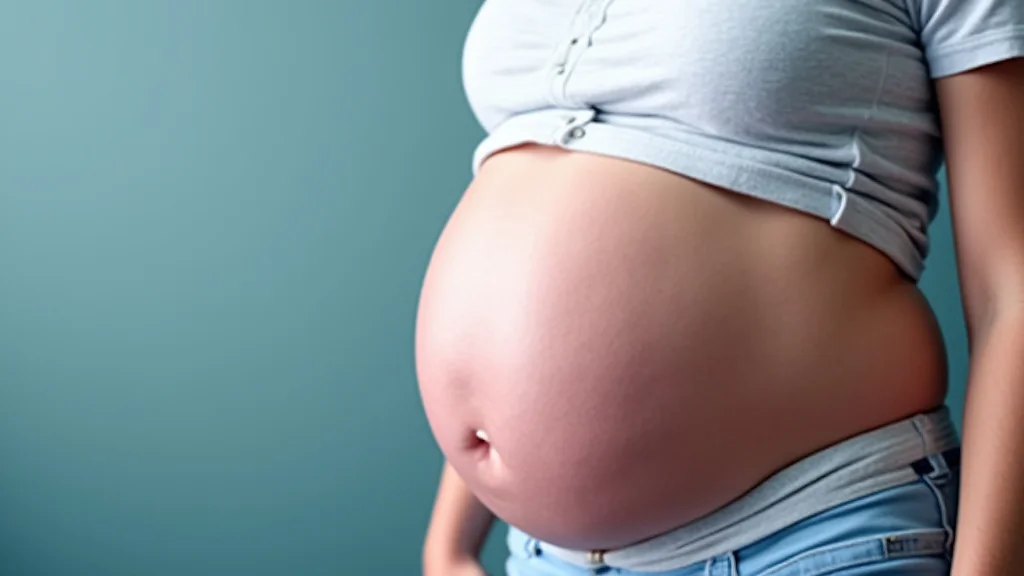
It can be super surprising when morning sickness seems to pop back up way into your third trimester. You might have thought you were in the clear, especially if it eased up earlier. This feeling is pretty common, and it can be really uncomfortable when you’re already dealing with a growing baby.
But don’t worry, feeling this way is okay, and there are simple things you can do to feel better. Let’s break down why third trimester nausea returns and how to manage it step by step.
Key Takeaways
- Understand why nausea can reappear late in pregnancy.
- Learn simple diet changes to ease discomfort.
- Discover effective lifestyle adjustments for relief.
- Find out when to seek professional medical advice.
- Gain confidence in managing this late-stage pregnancy symptom.
Understanding Why Third Trimester Nausea Returns
It might seem strange for nausea to make a comeback when you’re so close to meeting your little one. After all, many people expect morning sickness to fade away by the second trimester. However, the third trimester brings its own unique set of physical changes that can stir up that queasy feeling again.
Your body is working overtime to prepare for labor and delivery, and this can lead to a variety of new symptoms. Understanding these shifts can help you feel more in control.
Hormonal changes continue to play a big role throughout pregnancy, and even in the final weeks, they can influence how you feel. These hormones, like progesterone, help relax your muscles, which is great for preparing your body for birth, but it can also slow down digestion. This slower digestion means food stays in your stomach longer, which can sometimes lead to feelings of fullness, bloating, and yes, nausea.
The Growing Baby’s Impact
As your baby grows bigger, they take up more space inside your abdomen. By the third trimester, the uterus has expanded significantly to accommodate your little one. This puts increased pressure on your stomach and other internal organs.
Imagine a balloon filling up inside a box; it starts to push against the sides. Your stomach can get squished, making it harder for it to empty properly. This pressure can easily lead to a feeling of fullness and can trigger nausea, especially after eating.
This physical crowding is a major reason why third trimester nausea returns. Even small amounts of food can feel like a lot when your stomach is being compressed. It’s a direct consequence of the incredible growth happening within you, a sign that your baby is getting ready for the outside world.
Consider this: your uterus, which starts about the size of a pear, can grow to be the size of a watermelon by the end of pregnancy. This massive expansion pushes upwards and outwards, directly impacting your digestive system. The diaphragm, the muscle that helps you breathe, is also pushed up, which can sometimes contribute to heartburn and nausea.
Digestive System Changes
During pregnancy, your body produces more of a hormone called progesterone. This hormone is essential for maintaining the pregnancy, but it also has a relaxant effect on smooth muscles throughout your body, including those in your digestive tract. While this relaxation is helpful for preventing premature contractions, it can also slow down the movement of food through your stomach and intestines.
This condition is known as slowed gastric emptying.
When food takes longer to move through your system, it can cause a buildup. This can lead to feelings of bloating, indigestion, and a general sense of being overly full. For some, this lingering food in the stomach can trigger nausea, especially when combined with the pressure from the growing baby.
It’s a natural, albeit uncomfortable, part of the process.
Slowed gastric emptying means that the signals your brain receives about your stomach’s fullness can be altered. Even if you haven’t eaten much, your stomach might feel uncomfortably full, leading to that queasy sensation. This is a key factor in why third trimester nausea returns for many expectant mothers.
Hormonal Fluctuations
While the surge in human chorionic gonadotropin (hCG) is often blamed for morning sickness in the first trimester, hormonal shifts continue throughout pregnancy. Estrogen levels are high, and as mentioned, progesterone levels remain elevated to support the pregnancy. These ongoing hormonal influences can still impact your body’s systems, including your digestive system and your sensitivity to certain smells or tastes, which can then contribute to nausea.
The body is constantly adapting during pregnancy, and the final weeks are no exception. The intricate balance of hormones is crucial for preparing for labor and breastfeeding. These same hormones can, unfortunately, sometimes trigger or reintroduce symptoms like nausea that you thought were long gone.
It’s a reminder that your body is still undergoing significant changes.
Think of it like this: your body is fine-tuning its systems for the massive event of childbirth. This fine-tuning involves complex hormonal signaling that can have widespread effects. Even if you didn’t experience severe nausea earlier, these later hormonal fluctuations might surface in a way that affects you now.
Managing Third Trimester Nausea Through Diet
Dealing with nausea can make eating feel like a chore, but what you eat and how you eat it can make a big difference. The goal is to find foods that are gentle on your stomach, easy to digest, and provide necessary nutrients without triggering that queasy feeling. Small, frequent meals are usually much better than large ones.
When nausea hits, your appetite might decrease, making it hard to get enough calories. Focusing on nutrient-dense foods that are bland and easy to digest is key. Avoid anything too greasy, spicy, or strongly flavored, as these can often make nausea worse.
Plain toast, crackers, rice, and applesauce are good examples of go-to foods.
Small, Frequent Meals
Instead of trying to eat three large meals a day, aim for five or six smaller meals or snacks throughout the day. This helps to keep something in your stomach without overfilling it. When your stomach is empty for too long, it can sometimes make nausea worse, but a large meal can also overwhelm a sensitive stomach.
A balanced approach is best.
Eating smaller portions more often prevents your stomach from becoming too full, which can put pressure on it and trigger nausea. It also helps to keep your blood sugar levels more stable, which can sometimes reduce feelings of nausea. Try setting a timer to remind yourself to eat a small snack every couple of hours.
For instance, instead of a big breakfast, try a piece of dry toast and a few sips of water upon waking, followed by a small bowl of oatmeal an hour later, and then maybe some yogurt a couple of hours after that. This steady intake helps keep your digestive system moving gently.
Bland Foods for Sensitive Stomachs
Focus on foods that are easy to digest and less likely to irritate your stomach. Think of simple, plain options. Good choices include plain crackers, dry toast, rice, noodles, plain baked potatoes, and mild-flavored soups.
These foods provide carbohydrates for energy without a lot of fat or strong flavors that can worsen nausea.
When you feel queasy, the thought of certain foods can be off-putting. Sticking to a “BRAT” diet (Bananas, Rice, Applesauce, Toast) can be helpful. These foods are known for being gentle on the stomach and are often recommended for upset stomachs.
They are low in fiber and easy for your body to process.
Here’s a quick list of bland foods to consider:
- Plain crackers or rice cakes
- Dry toast or whole-wheat bread (if tolerated)
- White rice or plain pasta
- Boiled or baked potatoes (no skin)
- Unsweetened applesauce
- Plain yogurt
- Clear broths or soups
- Cooked cereals like oatmeal or cream of wheat
It’s about finding what works for you and sticking to it when you’re feeling unwell. If a particular bland food is triggering nausea for you, don’t force it. There are plenty of other options to explore.
Hydration Is Key
Staying hydrated is crucial for everyone, especially during pregnancy, but it can be tricky when you feel nauseous. Sip fluids slowly throughout the day rather than trying to drink a lot at once. Dehydration can actually worsen nausea, so it’s important to find ways to get enough fluids.
Water is always a great choice, but if plain water doesn’t appeal, try other options like diluted fruit juices, herbal teas (like ginger or peppermint), clear broths, or electrolyte drinks. Popsicles made from diluted juice can also be a refreshing way to get fluids in.
Consider freezing diluted sports drinks into ice cubes or making fruit ice pops. This allows you to consume fluids gradually and can be more appealing than drinking from a glass. Small sips are much more manageable than large gulps when you’re feeling queasy.
A helpful tip is to have a water bottle with you at all times and take small sips every 15-20 minutes. This consistent intake helps prevent your body from becoming dehydrated without overwhelming your stomach. For some, ice-cold beverages are more soothing than room temperature ones.
Foods to Avoid
Some foods are notorious for aggravating nausea. These typically include anything that is very greasy, fried, spicy, or has a strong smell. Processed foods, high-fat foods, and foods with artificial sweeteners can also be problematic.
Avoiding these can significantly reduce feelings of sickness.
Strong smells can also be a major trigger. Try to identify which smells bother you the most and avoid them. This might mean asking family members to cook certain meals elsewhere or opening windows to air out the house.
Even pleasant smells can become overwhelming during pregnancy.
Here are some categories of foods to be mindful of:
- Greasy or fried foods (fries, fried chicken, doughnuts)
- Spicy foods (curries, chili, hot sauces)
- Very sweet foods or desserts
- Foods with strong odors (certain cheeses, strong-smelling fish, cooking onions/garlic)
- Caffeinated beverages (coffee, some teas, sodas)
- Alcohol (which should be avoided throughout pregnancy)
Paying attention to your body’s signals is the best way to identify personal triggers. What makes one person nauseous might be perfectly fine for another. Keep a food diary to track what you eat and how you feel afterwards.
Lifestyle Adjustments for Nausea Relief
Beyond diet, several lifestyle changes can help manage the discomfort of nausea during the third trimester. These adjustments focus on reducing pressure on your stomach, staying active without overexerting yourself, and ensuring you get enough rest. Small tweaks can lead to significant improvements in how you feel day-to-day.
It’s easy to feel overwhelmed by pregnancy symptoms, but incorporating these simple habits can make a noticeable difference. They are designed to work with your body’s current state rather than against it, promoting comfort and well-being in these final weeks.
Rest and Relaxation
Getting enough sleep and taking breaks throughout the day can help your body cope with the demands of late-stage pregnancy. When you’re overtired, your body is more susceptible to feeling unwell, including nausea. Aim for 7-9 hours of sleep per night, and don’t hesitate to take naps if you feel tired during the day.
Finding moments of calm can also reduce stress, which can sometimes exacerbate nausea. Gentle activities like meditation, deep breathing exercises, or listening to calming music can be beneficial. Even just sitting quietly for a few minutes can make a difference.
Consider creating a relaxing bedtime routine. This could involve a warm bath, reading a book, or enjoying a cup of caffeine-free herbal tea. Avoiding screens for at least an hour before bed can also improve sleep quality.
If you wake up during the night, try not to stress about it; just focus on returning to sleep.
Avoiding Triggers
Identifying and avoiding personal triggers is a cornerstone of managing nausea. Triggers can include certain smells, sights, sounds, or even activities. Pay attention to what makes you feel worse.
This might be the smell of perfume, certain cooking odors, or even the motion of a car.
Once you identify a trigger, try to minimize your exposure to it. If cooking smells are a problem, perhaps a partner or family member can handle meal preparation, or meals can be prepared in advance and reheated. If certain smells in your environment are bothersome, try to ventilate the area or use air fresheners that are not overpowering.
Keeping a journal can be very helpful here. Note down what you were doing, what you were smelling, and how you felt afterwards. Over time, a pattern will likely emerge, allowing you to proactively avoid situations that tend to cause nausea.
For example, if the smell of your partner’s morning coffee makes you feel sick, ask them to enjoy their coffee outside or in another room. If the scent of cleaning products is an issue, switch to unscented or natural alternatives. Proactive avoidance is key to comfort.
Gentle Exercise
While it might seem counterintuitive, light physical activity can actually help alleviate nausea for some. Gentle exercises like walking, prenatal yoga, or swimming can improve digestion and circulation, which may reduce queasiness. However, it’s important not to overexert yourself.
Listen to your body and stop if you feel tired or experience any discomfort. Prenatal exercise classes can be a great way to stay active in a safe and supportive environment, and you might even find other pregnant people experiencing similar symptoms, offering a sense of camaraderie.
Walking for 20-30 minutes a day can be very beneficial. It aids digestion and can boost your mood. If you’re new to exercise, start slowly and gradually increase the duration and intensity as you feel comfortable.
Always consult your healthcare provider before starting any new exercise program during pregnancy.
Here are some safe and gentle exercises:
- Walking
- Prenatal yoga
- Swimming or water aerobics
- Light stretching
- Pelvic tilts and Kegel exercises
These activities can help release endorphins, which are natural mood boosters and pain relievers. They can also help your body prepare for labor and delivery by improving stamina and flexibility.
Acupressure and Acupunture
Some people find relief from nausea through acupressure or acupuncture. Acupressure involves applying pressure to specific points on the body, while acupuncture uses thin needles inserted into these points. The point often recommended for nausea is P6, located on the inner wrist, about three finger-widths down from the crease of your wrist.
Many pharmacies sell acupressure wristbands designed to relieve motion sickness and nausea. These bands apply gentle pressure to the P6 point. While scientific evidence varies, many individuals report significant relief from these methods.
It’s a non-medicinal approach that can be worth exploring.
If you’re considering acupuncture, it’s important to find a licensed practitioner who has experience treating pregnant women. They will be able to perform the treatment safely and effectively. Acupuncture is generally considered safe during pregnancy when performed by a qualified professional.
The idea behind these therapies is that they help to balance the body’s energy flow, known as Qi. By unblocking or balancing this energy, they can help to alleviate various symptoms, including nausea. Many find it a complementary therapy that works well alongside other management strategies.
When to Seek Medical Advice
While nausea in the third trimester is often a normal part of pregnancy, there are times when it’s important to contact your healthcare provider. If your nausea is severe, persistent, or accompanied by other concerning symptoms, it’s always best to err on the side of caution. Early medical attention can ensure both you and your baby are healthy.
Your doctor or midwife is your best resource for personalized advice and care. They can help rule out any underlying issues and provide specific recommendations based on your health history and current condition. Don’t hesitate to reach out to them with any concerns.
Severe or Persistent Vomiting
If you are vomiting multiple times a day, unable to keep any food or fluids down, you may be experiencing hyperemesis gravidarum, a more severe form of nausea and vomiting in pregnancy. This condition can lead to dehydration, weight loss, and electrolyte imbalances, which require medical treatment.
Persistent vomiting means you’re not just feeling sick occasionally; it’s happening frequently, making it very difficult to function. If you find yourself constantly running to the bathroom or unable to retain any sustenance, it’s a clear sign to seek professional help. Dehydration can set in quickly, so prompt medical attention is vital.
Signs of dehydration to watch for include decreased urination, dark-colored urine, dizziness, dry mouth, and fatigue. If you experience these symptoms along with severe vomiting, contact your doctor immediately. They may recommend IV fluids to rehydrate you and medications to control the vomiting.
Other Concerning Symptoms
Nausea can sometimes be a symptom of other pregnancy complications. If you experience nausea along with any of the following symptoms, contact your healthcare provider right away: severe abdominal pain, fever, chills, sudden swelling of your hands or face, severe headaches, changes in vision, or vaginal bleeding.
These symptoms, combined with nausea, could indicate a more serious issue such as preeclampsia, infection, or other conditions that require prompt medical evaluation and treatment. Your provider will be able to determine the cause and the best course of action to ensure your safety and well-being.
For instance, severe headaches and vision changes, especially when paired with nausea, can be a sign of preeclampsia, a serious condition characterized by high blood pressure. Early detection and management are critical for preventing complications for both mother and baby.
Medication Options
If lifestyle changes and dietary adjustments aren’t enough to manage your nausea, your doctor may discuss medication options with you. There are safe medications that can be prescribed during pregnancy to help relieve nausea and vomiting. Never take any medication without consulting your healthcare provider first.
Your doctor will consider your individual health needs and the stage of your pregnancy when recommending medication. They will also discuss potential side effects and how to use the medication safely. The goal is to find a solution that provides relief while prioritizing the health of you and your baby.
For example, Vitamin B6, often in combination with an antihistamine like doxylamine, is a commonly prescribed and generally safe option for managing nausea in pregnancy. Your doctor can advise on the correct dosage and ensure it’s appropriate for your specific situation. They are the best resource for determining if medication is the right path for you.
Common Myths Debunked
Myth 1: Third trimester nausea means something is wrong with the baby.
Reality: While severe nausea can sometimes be a sign of an issue, in many cases, third trimester nausea returns simply due to the normal physical pressures and hormonal changes of late pregnancy. It’s your body adapting to making room for a very large baby. Unless accompanied by other concerning symptoms, it is usually a normal, though uncomfortable, part of the process.
Your healthcare provider can confirm if everything is on track.
Myth 2: If I didn’t have morning sickness earlier, I won’t get it now.
Reality: Pregnancy symptoms can change throughout the trimesters. Hormonal levels and physical pressures evolve. It’s quite possible to have a relatively smooth first or second trimester and then experience nausea in the third as your body undergoes further significant changes to prepare for birth.
Your body’s response can shift over time.
Myth 3: Eating makes nausea worse, so I should eat as little as possible.
Reality: While large meals can certainly worsen nausea, completely avoiding food can often make it worse too. An empty stomach can sometimes trigger nausea. The key is to eat small, frequent, bland meals and snacks throughout the day rather than trying to eat infrequently and in large quantities.
This helps keep your stomach from becoming too empty or too full.
Myth 4: There’s nothing I can do to help the nausea.
Reality: This is far from true. While nausea can be challenging, there are many effective strategies. Dietary adjustments, staying hydrated, gentle exercise, and managing stress can all significantly reduce the intensity and frequency of nausea.
Even simple things like ginger or peppermint can provide relief for many.
Frequently Asked Questions
Question: Is it normal for nausea to come back in the third trimester?
Answer: Yes, it is quite common for nausea to return or appear for the first time in the third trimester. This is often due to the increased pressure on your stomach from the growing baby and ongoing hormonal changes.
Question: What are the best foods to eat when experiencing third trimester nausea?
Answer: Focus on bland, easy-to-digest foods such as dry toast, crackers, rice, applesauce, plain yogurt, and clear broths. Eat small, frequent meals instead of large ones.
Question: Are there any natural remedies for third trimester nausea?
Answer: Yes, natural remedies like ginger (in tea or candies), peppermint, acupressure wristbands, and staying well-hydrated with sips of water or diluted juices can offer relief for many.
Question: When should I be concerned about third trimester nausea?
Answer: You should contact your doctor if you are vomiting multiple times a day, cannot keep any fluids down, experience severe abdominal pain, fever, headaches, or vision changes along with the nausea.
Question: Will nausea affect my baby’s health?
Answer: Mild to moderate nausea is usually not harmful to your baby. However, severe nausea and vomiting that leads to dehydration and significant weight loss should be addressed by a healthcare provider to ensure both your and your baby’s well-being.
Summary
Experiencing nausea again in your third trimester is a common challenge. It’s often linked to your baby’s growth and hormonal shifts. By making smart food choices, staying hydrated, and adopting helpful lifestyle habits, you can find relief.
Always consult your doctor if symptoms are severe or concerning. You can manage this discomfort and enjoy these final weeks.