Blog

  • Third Trimester 3d Ultrasound Explained Simply

    Third Trimester 3d Ultrasound Explained Simply

    Seeing your baby in the third trimester with a 3D ultrasound is so exciting. It can feel a bit tricky for new parents, especially with all the new things to learn during pregnancy. But don’t worry!

    We’ll make understanding your third trimester 3d ultrasound easy, step-by-step. Get ready to see your little one in amazing detail.

    Key Takeaways

    • You will learn why a third trimester 3d ultrasound is often done.
    • We will explain what you can see during the scan.
    • Discover the best timing for your 3d ultrasound appointment.
    • Find out what to do to get the best images.
    • Understand the benefits of this special kind of ultrasound.
    • Learn about any safety considerations for the scan.

    Why Choose a Third Trimester 3d Ultrasound

    Many parents look forward to a third trimester 3d ultrasound because it offers a unique chance to see their baby’s face and features before they are born. This type of imaging goes beyond the standard 2D ultrasound, which shows flat, black-and-white slices. 3D ultrasounds create detailed, lifelike images by combining multiple 2D images.

    This makes it feel much more personal and helps parents bond with their unborn child. It’s a wonderful way to capture memories that will last a lifetime.

    The third trimester is typically the best time for these scans because the baby has put on enough weight and developed more distinct features, like a nose, lips, and eyes. Before this stage, the baby might be too thin, making the images less clear. Later in the third trimester, the baby might also be too big and crowded in the womb, which can also affect image quality.

    So, finding that sweet spot in the third trimester is key for the best results.

    When Is The Best Time For Your Scan

    Timing is super important for getting clear, beautiful images during your 3D ultrasound. Most experts suggest scheduling your scan between 26 and 32 weeks of pregnancy. This is because your baby is likely to have a good amount of baby fat by this point, which helps to define their facial features.

    Before 26 weeks, your baby might still be a bit too lean, and their features may not be as well-formed. After 32 weeks, the baby starts to get pretty snug in the uterus, and their features can become a little less distinct due to the lack of space. You might also see more bone than soft tissue, making the images look different.

    However, every pregnancy is different. Some people might get great images a little earlier or a little later. It really depends on the baby’s position and how much amniotic fluid is around them.

    If your provider offers 3D ultrasounds, they can help you decide on the perfect window for your scan based on how your pregnancy is progressing. It’s always a good idea to talk to your doctor or the ultrasound technician about the ideal timing for you.

    • The ideal window for a 3D ultrasound is typically between 26 and 32 weeks of pregnancy.
    • This timeframe allows the baby to develop sufficient facial fat for clearer imaging.
    • Scheduling too early may result in less defined features.
    • Scheduling too late can lead to reduced space for the baby, affecting image clarity.
    • Individual pregnancy factors can influence the best timing for optimal results.

    What To Expect During The Scan

    During your third trimester 3d ultrasound, you’ll lie down comfortably while a technician applies a warm gel to your belly. This gel helps the ultrasound waves travel better. A special probe is then moved gently over your skin.

    The ultrasound machine sends sound waves into your body, and they bounce back to create an image. For a 3D scan, the machine takes many 2D pictures from different angles and puts them together to build a detailed 3D image on a screen. You might see your baby’s profile, their hands, feet, and even their cute little face!

    The technician will work to get the best possible views. Sometimes the baby cooperates perfectly, turning to show their face. Other times, they might be shy and have their hands or the placenta in front of their face.

    The technician may ask you to shift positions, take a short break, or drink some water to encourage the baby to move. It’s a relaxing experience, and many parents find it incredibly emotional to see their baby so clearly before birth. You’ll usually get to take home pictures or even a video of the scan.

    Preparing For Your Ultrasound Appointment

    To get the clearest possible images during your third trimester 3d ultrasound, a few simple preparation steps can make a big difference. Staying well-hydrated is one of the most important things you can do. Drink plenty of water in the hours leading up to your appointment.

    This increases the amount of amniotic fluid surrounding your baby, which acts like a clearer medium for the ultrasound waves to travel through, resulting in better picture quality. A full bladder can also help to push your uterus up and provide a better angle for the technician.

    Try to eat a light meal or snack about an hour before your appointment. This can sometimes help wake up your baby, encouraging them to move around. Movement can lead to better pictures.

    Avoid wearing anything that is too restrictive, and wear comfortable clothing that allows easy access to your belly. If you have any specific requests or concerns, such as wanting to know the baby’s gender if it hasn’t been revealed yet, mention them to the technician before they start. They will do their best to accommodate you.

    • Stay well-hydrated by drinking plenty of water beforehand.
    • A full bladder can improve the clarity and angle of the images.
    • Consider a light snack to encourage baby’s movement.
    • Wear comfortable, loose-fitting clothing for easy access to your abdomen.
    • Communicate any specific requests or concerns to the technician in advance.

    Understanding The Technology Behind 3D Ultrasounds

    3D ultrasounds use a technology called volumetric imaging. Instead of capturing just one flat image at a time like traditional 2D ultrasounds, 3D ultrasound machines capture a series of 2D images from different angles very quickly. These images are then processed by powerful software that reconstructs them into a three-dimensional picture.

    Think of it like taking many slices of a loaf of bread and then being able to put them back together to see the whole loaf in its shape. The sound waves are used to build up a more complete picture of the baby’s surface and internal structures.

    This advanced imaging allows for much more detailed visualization of your baby’s external features. You can see the shape of their nose, the curve of their lips, and the outline of their fingers and toes in a way that is not possible with 2D imaging. The software works by analyzing the intensity and timing of the returning echoes from the sound waves.

    Different tissues reflect sound waves differently, and the software interprets these differences to create a textured, almost photographic, representation of the baby. This is why the images can look so realistic and are such a popular keepsake for expectant parents.

    What You Can See In A 3D Image

    With a successful third trimester 3d ultrasound, you can expect to see remarkably lifelike images of your baby. The most striking feature is often the baby’s face. You can clearly make out the shape of their nose, the fullness of their lips, and even the contours of their cheeks.

    It’s common to see them yawning, sucking their thumb, or even making funny little expressions. The detail can be so fine that you might recognize certain features that remind you of yourself or your partner.

    Beyond the face, 3D ultrasounds can show you your baby’s hands and feet with impressive clarity. You might see them wiggling their fingers or kicking their legs. It’s also possible to get views of their body, allowing you to see their general shape and size.

    While the primary focus is often on capturing a beautiful facial image, the technology can provide a comprehensive, albeit surface-level, view of your baby’s developing form. These images are treasured mementos, offering a tangible connection to your baby before their arrival.

    The Benefits Of This Special Scan

    One of the biggest benefits of a third trimester 3d ultrasound is the emotional connection it fosters. Seeing your baby’s face in such detail can make them feel more real and present, increasing anticipation and excitement for their arrival. It’s a powerful bonding experience for parents and can be shared with family members, creating lasting memories.

    Many families even use these images for gender reveals or to announce their pregnancy to loved ones.

    Beyond the emotional aspect, these ultrasounds can also provide valuable medical information, although they are primarily used for keepsake purposes. They can help healthcare providers assess fetal growth and development by providing more detailed measurements and visualizations than standard 2D scans. In some cases, they can help detect certain physical abnormalities, though they are not typically used as a primary diagnostic tool for this.

    The enhanced visualization allows for a more thorough visual inspection of the baby’s external features.

    Comparing 2D 3D and 4D Ultrasounds

    Understanding the differences between 2D, 3D, and 4D ultrasounds can help you choose the best imaging experience for you. 2D ultrasounds are the standard type of ultrasound you might have had throughout your pregnancy. They show flat, black-and-white images, like slices through your baby.

    They are excellent for medical assessments and seeing the baby’s internal structures and movements.

    3D ultrasounds take those 2D images and build them into a lifelike, three-dimensional picture. This allows you to see the surface features of your baby, like their face and limbs, in great detail. It’s like looking at a photograph of your baby.

    4D ultrasounds are essentially 3D ultrasounds in motion. They add the dimension of time, allowing you to see your baby moving in real-time. You can see them stretch, yawn, or even kick their legs.

    It’s like watching a short video of your baby inside the womb. Each type of ultrasound serves a different purpose, from medical diagnosis to capturing precious memories.

    Ultrasound Type Description Primary Use Visuals
    2D Ultrasound Standard flat, black-and-white images showing slices. Medical diagnosis, monitoring fetal growth and health. Like a blueprint or cross-section.
    3D Ultrasound Reconstructed from multiple 2D images to create a detailed, static 3D view. Viewing surface features, keepsake images, bonding. Like a photograph of the baby.
    4D Ultrasound 3D images in motion, showing real-time movements. Viewing baby’s actions, enhanced bonding, keepsake videos. Like a video of the baby.

    Common Myths Debunked

    Myth 1: 3D Ultrasounds Are Harmful To The Baby

    This is a common concern, but it’s not true. Ultrasound technology, including 3D and 4D ultrasounds, has been used for decades and is considered safe when performed by trained professionals. The sound waves used are very low energy and do not produce harmful radiation.

    Regulatory bodies like the FDA provide guidelines for the safe use of ultrasound equipment. The benefits of the bonding experience and visual information gained often outweigh any theoretical risks, which are generally considered negligible for diagnostic and keepsake ultrasounds.

    Myth 2: You Can See Everything Clearly No Matter When You Get The Scan

    While 3D ultrasounds are amazing, image clarity is heavily dependent on several factors. As mentioned, the timing during pregnancy is crucial; too early or too late can make features less distinct. The amount of amniotic fluid also plays a big role; more fluid means better image quality.

    The baby’s position is another major factor; if the baby is facing away from the probe or has their hands or the placenta in front of their face, it can obscure the view. So, while the technology is advanced, the actual outcome can vary.

    Myth 3: 3D Ultrasounds Are Only For Keepsake Photos

    While many parents opt for 3D ultrasounds primarily for keepsake photos and videos, they can also provide valuable medical insights. The detailed imaging can sometimes help healthcare providers identify certain fetal anomalies or assess fetal well-being more thoroughly. Although not typically the first-line diagnostic tool, the enhanced visualization offered by 3D technology can complement standard 2D ultrasounds and contribute to a more complete picture of the baby’s development and health.

    It offers a different perspective that can sometimes highlight subtle details.

    Myth 4: You Can Get Perfect Pictures Every Time

    The reality is that getting a perfect, clear picture every time is not guaranteed. Several factors influence the outcome of a 3D ultrasound. The baby’s position inside the womb is a major determinant; sometimes the baby is simply not in a cooperative pose.

    The amount of amniotic fluid, maternal tissue thickness, and even the baby’s gestational age all play a role. While technicians are skilled at maneuvering the probe and encouraging the baby to move, sometimes the best images are simply the result of good luck and a cooperative baby on the day of the scan.

    Frequently Asked Questions

    Question: How much does a third trimester 3d ultrasound usually cost

    Answer: The cost of a third trimester 3d ultrasound can vary greatly depending on your location, the clinic, and what packages they offer. Some packages might include just pictures, while others offer video clips, CDs, or USB drives of the images. Prices can range from around $100 to $300 or more.

    It’s best to call local ultrasound studios to compare prices and services.

    Question: Can my partner and other family members come to the scan

    Answer: Most clinics that offer 3D ultrasounds encourage family members to attend. They often have viewing rooms that can accommodate several people. It’s a wonderful way to share this special experience with your loved ones.

    It’s always a good idea to confirm their guest policy when you book your appointment.

    Question: Are 3D ultrasounds covered by insurance

    Answer: Typically, 3D ultrasounds done purely for keepsake or bonding purposes are not covered by insurance. Insurance usually covers ultrasounds that are medically necessary for monitoring your pregnancy and your baby’s health. If your doctor orders a 3D ultrasound for a specific medical reason, it might be covered, but you should always check with your insurance provider and the ultrasound clinic.

    Question: What is the difference between a 3D and a 4D ultrasound

    Answer: A 3D ultrasound provides a static, lifelike image of your baby, much like a photograph. A 4D ultrasound takes the 3D images and adds the element of time, showing your baby moving in real-time, like a video. So, 4D is 3D in motion.

    Question: Will I be able to see my baby’s gender with a 3D ultrasound

    Answer: Yes, if the baby is in the right position and the technician can get a clear view of the baby’s anatomy, you will likely be able to determine the baby’s gender during a 3D ultrasound, especially in the third trimester. Many parents choose this type of scan for gender reveals.

    Conclusion

    A third trimester 3d ultrasound offers a magical glimpse of your baby before they arrive. By timing your scan well, staying hydrated, and preparing a bit, you can help ensure clear, beautiful images. These scans provide more than just pictures; they offer a unique bonding experience for your growing family.

    Enjoy this special moment as you prepare to meet your little one.
  • Understanding The C Line On Pregnancy Test

    Understanding The C Line On Pregnancy Test

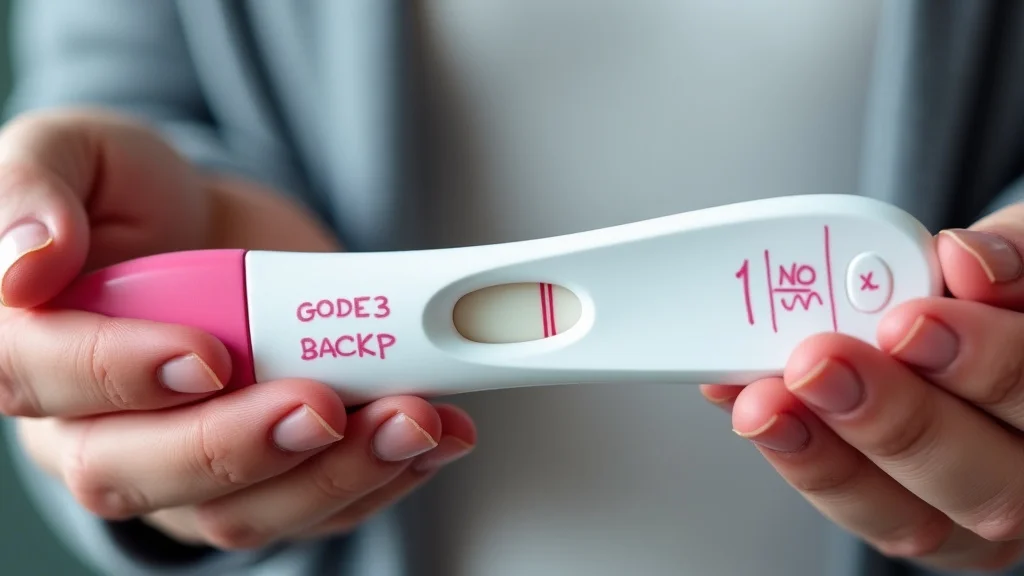
    Seeing a “C” line on a pregnancy test can sometimes feel confusing, especially if it’s your first time. Many people wonder what it means and if it means they are pregnant. This line is a normal part of how most tests work, and it’s usually a good sign that the test is working correctly.

    We’ll break down exactly what the C line means and what you need to look for next. It’s simpler than you might think!

    Key Takeaways

    • The “C” line indicates the control window on a pregnancy test.
    • A visible “C” line means the test has been performed correctly.
    • The “T” line is the test window, which shows a positive pregnancy result.
    • Both “C” and “T” lines appearing means a positive result.
    • Only the “C” line appearing means a negative result.
    • If no “C” line appears, the test is invalid and needs to be repeated.

    What Is A Pregnancy Test Control Line

    Pregnancy tests work by detecting a hormone called human chorionic gonadotropin (hCG) in your urine. This hormone is produced shortly after a fertilized egg attaches to the uterine lining. The test has a few parts, including a control window and a test window.

    The control window is where you’ll see the “C” line, and the test window is where you’ll see the “T” line. The control line is super important because it shows that the test is working correctly.

    Think of the control line like a little check mark from the test itself. It proves that the liquid you applied flowed through the test strip properly and that the test’s internal mechanisms are functioning as they should. Without this control line, you wouldn’t be able to trust the result shown in the test window.

    It’s a built-in reassurance that you’re getting a reliable reading.

    The presence of the c line on pregnancy test is a fundamental part of the testing process. It’s designed to be visible with every valid test, regardless of whether you are pregnant or not. This uniformity is key to interpreting the results accurately.

    Many manufacturers aim to make this line appear relatively quickly after you’ve performed the test, giving you an early indication of its functionality.

    How The Control Line Works

    The control line uses a special chemical reaction. When urine passes over the test strip, it encounters a set of antibodies. Some of these antibodies are designed to bind to the liquid that is moving through the strip, triggering the color change that forms the “C” line.

    This happens no matter what. It’s a consistent process that relies on the physical movement of the urine and the chemical properties of the test strip’s components.

    This process ensures that the test has received enough urine to function and that the internal elements are reacting. If the urine doesn’t reach the control line area, or if the antibodies in that area are faulty, the “C” line will not appear. This is why seeing the “C” line is the very first thing you should check after taking a pregnancy test.

    The color of the control line can sometimes vary between brands, but its presence is what matters most. Some tests have a pink control line, others blue. What’s important is that a distinct line forms in the designated “C” area within the specified time frame.

    This indicates that the test has successfully absorbed the urine and is ready to show a pregnancy result if hCG is present.

    Why The C Line Is Important For Accuracy

    The control line is your guarantee that the test is valid. If you see the “C” line, it means the test has worked properly, and you can trust the result shown in the “T” window. If the “C” line does not appear, it means the test is faulty.

    You cannot rely on any line that shows up in the test window if the control line is missing. This is a critical point for anyone trying to get an accurate pregnancy result.

    Imagine you’re baking a cake, and the oven light doesn’t turn on. You can’t be sure if the oven is heating up properly, so you wouldn’t trust the cake to be cooked. The control line is like that oven light for your pregnancy test.

    It tells you the “oven” (the test) is working correctly.

    When you take a pregnancy test, always wait for the recommended amount of time before reading the results. This time allows the urine to travel through the test strip and react with the chemicals. Reading it too early or too late can lead to misinterpretation, especially concerning the appearance of any lines, including the control line.

    Interpreting Pregnancy Test Results

    Understanding what the lines mean is key to getting the right answer. The result is a combination of what you see in the control window (C) and the test window (T). Most home pregnancy tests have clear instructions, but sometimes the lines can be faint or appear in unexpected ways.

    Let’s break down the common scenarios so you know exactly what to look for.

    The primary goal of the test is to detect hCG. The control line simply confirms the test is ready to do its job. The test line is where the magic happens for pregnancy detection.

    Its appearance, or lack thereof, directly relates to the presence of hCG in your urine.

    It’s always a good idea to read the instructions that come with your specific pregnancy test brand. While most work on similar principles, there can be slight variations in how results are displayed or read. Familiarizing yourself with the instructions beforehand can save you confusion later.

    Positive Pregnancy Result

    A positive pregnancy result is indicated by the presence of two lines: one in the “C” window and one in the “T” window. This means the test has detected hCG in your urine. Even if the line in the “T” window is faint, it is generally considered a positive result.

    Seeing two lines means your body is producing hCG, which is a strong sign of pregnancy. The intensity of the “T” line can sometimes indicate how far along you are in your pregnancy, with darker lines typically appearing later. However, even a very light “T” line warrants further confirmation.

    It’s important to remember that even a faint line is significant. It signals the presence of the pregnancy hormone. Some women experience very early pregnancies where the hCG levels are still low, leading to a faint “T” line.

    It’s always best to follow up with a healthcare provider to confirm a positive result.

    Negative Pregnancy Result

    A negative pregnancy result is shown by only one line appearing, and that line is in the “C” window. This means that no hCG was detected in your urine at the time of the test. It indicates that you are likely not pregnant, or that your hCG levels are too low to be detected by the test.

    If you get a negative result, but you still suspect you might be pregnant, it’s recommended to wait a few days and test again. Sometimes, hCG levels may not be high enough to be detected by the test yet. Repeating the test after a few more days, or at a time when your urine is more concentrated (like first thing in the morning), can provide a more accurate result.

    A negative result with a visible “C” line confirms the test worked correctly and that pregnancy hormones were not found. If you have missed your period and continue to get negative results, it may be worth discussing with your doctor to explore other potential reasons for the delay.

    Invalid Test Result

    An invalid test result occurs when the “C” line does not appear at all, even if a “T” line is present. In this situation, the test is not reliable, and you cannot interpret the result. This usually means there was an error in the testing process or the test itself is defective.

    If your test is invalid, you should discard it and take a new one. Make sure to follow the instructions carefully this time. Incorrectly performing the test, such as not using enough urine or using urine that is too diluted, can sometimes lead to an invalid result.

    An invalid test can be frustrating, but it’s better to know it’s not working than to trust a potentially false result. Double-checking the expiration date on the test kit is also a good practice, as expired tests can lead to inaccurate readings.

    Understanding hCG And Pregnancy Tests

    The core of any pregnancy test’s ability to work lies in its detection of human chorionic gonadotropin (hCG). This hormone is a vital indicator of pregnancy and is produced by the cells that will develop into the placenta. Once a fertilized egg implants in the uterus, hCG production begins.

    The amount of hCG in a woman’s body increases rapidly in the early stages of pregnancy. It typically doubles every 48 to 72 hours. This rising level is what pregnancy tests are designed to measure.

    Home pregnancy tests are sensitive enough to detect hCG in urine once it reaches a certain threshold.

    The development of home pregnancy tests has made early detection more accessible. They offer a convenient way for individuals to find out if they are pregnant without needing to visit a doctor immediately. The accuracy of these tests has improved significantly over the years, making them a reliable tool for many.

    What is hCG

    Human chorionic gonadotropin (hCG) is a hormone that your body starts producing soon after a fertilized egg attaches to the wall of your uterus. This is typically about six to ten days after conception. hCG is often called the “pregnancy hormone” because its levels are very high during pregnancy and it is not usually found in the body of a non-pregnant woman.

    The primary role of hCG in early pregnancy is to maintain the corpus luteum, a temporary gland that produces progesterone. Progesterone is essential for sustaining the uterine lining and supporting the pregnancy. Without hCG, the corpus luteum would break down, leading to a loss of pregnancy.

    The concentration of hCG in the blood and urine of a pregnant woman increases dramatically in the first trimester. This makes it a perfect marker for pregnancy tests. Different pregnancy tests have different sensitivities, meaning they can detect different minimum levels of hCG.

    Tests with higher sensitivity can detect pregnancy earlier.

    How Tests Detect hCG

    Pregnancy tests use a process called immunoassay. They contain antibodies that are specifically designed to bind to hCG molecules. When you urinate on the test strip, the urine travels through it.

    If hCG is present in the urine, it will bind to these antibodies.

    This binding action then triggers a chemical reaction that causes a colored line to appear. The “C” line, or control line, appears because it is designed to react with the flow of liquid itself, showing that the test is working. The “T” line, or test line, only appears if there are hCG molecules present in the urine that bind to the specific antibodies in that section of the test.

    The intensity of the colored lines can depend on the concentration of hCG. Higher levels of hCG will typically result in darker, more visible lines. This is why, in some cases, a faint “T” line can appear in very early pregnancy, and the line gets darker as the pregnancy progresses and hCG levels rise.

    When To Test For Best Results

    For the most accurate results, it’s best to take a pregnancy test after you have missed your period. Testing too early might result in a false negative because the hCG levels might not be high enough for the test to detect. Waiting until at least the first day of your missed period significantly increases the chances of getting an accurate positive result if you are pregnant.

    Another tip for accuracy is to use your first-morning urine. This urine is typically more concentrated, meaning it has a higher level of hCG if you are pregnant. Testing at other times of the day might yield less reliable results if you have been drinking a lot of fluids, which can dilute your urine.

    If you are tracking your ovulation or have a regular cycle, you can generally expect to get accurate results about 14 days after you ovulate. However, if your cycles are irregular, or if you are unsure about your ovulation dates, waiting until you miss your period is the most straightforward approach.

    Factors Affecting Pregnancy Test Accuracy

    While home pregnancy tests are quite accurate, several factors can influence their reliability. Understanding these factors can help you avoid common mistakes and ensure you get the most dependable result possible. It’s not just about following the steps; it’s about understanding the nuances that can make a difference.

    Even with the best intentions, errors can happen during the testing process. These can range from how the test is handled to when it is read. Being aware of these potential pitfalls can save you from unnecessary worry or confusion about your results.

    The technology behind these tests is advanced, but human error and biological variations can still play a role. Let’s explore some of the most common issues that can lead to inaccurate pregnancy test results.

    Diluted Urine

    As mentioned before, drinking a lot of fluids right before taking a pregnancy test can dilute your urine. This means that the concentration of hCG, if present, might be too low to be detected by the test. This is why using first-morning urine is often recommended, as it is less likely to be diluted.

    If you need to test at a time other than first thing in the morning, try to limit your fluid intake for a couple of hours beforehand. This helps ensure that your urine is concentrated enough to provide an accurate reading. A diluted sample can lead to a false negative result, making you think you are not pregnant when you actually are.

    It’s a delicate balance; you need enough urine for the test to work, but not so much fluid that it washes away the detectable levels of hCG. This is a common reason why some women get negative results on one day and positive results a few days later.

    Expired Tests

    Pregnancy test kits have an expiration date, just like any other medical or diagnostic product. The chemicals and antibodies within the test strip can degrade over time, making them less effective or completely non-functional. Using an expired test can lead to inaccurate results, either a false positive or a false negative.

    Always check the expiration date printed on the test packaging before using it. If the test is expired, it’s best to purchase a new one to ensure accuracy. Expired tests might not show a control line, or they might show incorrect results in the test window.

    Storing pregnancy tests properly is also important. Keep them in a cool, dry place away from direct sunlight and humidity. Extreme temperatures can also affect the integrity of the test components, even before the expiration date.

    Reading The Test Too Early Or Too Late

    Each pregnancy test has a specific timeframe for reading the results, usually indicated in the instructions. Reading the test before this time means the urine may not have fully flowed through the strip, and the chemical reactions might not have completed. This can lead to faint or no lines appearing.

    On the other hand, reading the test too late can also cause problems. Some tests might show “evaporation lines” after a certain period. These are faint, colorless lines that can appear as the urine dries on the test strip.

    They can be mistaken for a positive result, leading to a false positive.

    It’s crucial to stick to the recommended reading window. If you are unsure, it’s better to retest than to misinterpret a result. The instructions are there for a reason, and following them precisely is key to accuracy.

    Rare Medical Conditions

    In very rare cases, certain medical conditions or medications can affect the accuracy of a pregnancy test. For example, some fertility treatments involve hCG injections, which can lead to a false positive result if the test is taken too soon after the treatment. Certain rare tumors can also produce hCG.

    Some medical conditions that affect hormone levels might also cause unusual test results. If you have a medical condition or are taking medication that you suspect might affect a pregnancy test, it’s wise to discuss it with your doctor. They can advise you on the best course of action.

    It’s also important to note that some women have a very low baseline level of hCG even when not pregnant. This is extremely rare, but it could theoretically cause a false positive on highly sensitive tests. However, for most people, these rare conditions are not a concern.

    Common Myths Debunked

    Myth 1 The C line is the test line.

    The “C” line on a pregnancy test is actually the control line. It indicates that the test is working correctly. The “T” line is the test line, which shows whether hCG has been detected, suggesting pregnancy.

    Both lines need to be correctly interpreted to get the right result.

    Myth 2 A faint T line means the pregnancy is not viable.

    A faint “T” line usually means that hCG levels are present but might still be low, which is common in very early pregnancy. It does not necessarily mean the pregnancy is not viable. It’s a positive sign, and the line often gets darker as pregnancy progresses and hCG levels rise.

    Follow up with a doctor for confirmation.

    Myth 3 If I get a negative result, I’m definitely not pregnant.

    A negative result means that hCG was not detected at a detectable level at the time of testing. However, if you test too early, or if your urine is too diluted, you might get a false negative. If your period is still missed, it’s advisable to retest in a few days or consult a healthcare provider.

    Myth 4 You can tell if you’re pregnant just by looking at the test stick without reading the instructions.

    While many tests look similar, the specific way results are displayed can vary slightly between brands. Relying on general knowledge without reading the instructions can lead to misinterpretation. Always read the instructions for the specific test you are using to ensure accurate reading of the “C” line and the “T” line.

    Frequently Asked Questions

    Question: What does it mean if I see a C line and a T line on a pregnancy test?

    Answer: If you see both a “C” line (control line) and a “T” line (test line), it means the test has detected hCG in your urine, and the result is positive. You are likely pregnant.

    Question: What if only the C line appears on the pregnancy test?

    Answer: If only the “C” line appears, it means the test worked correctly, but no hCG was detected. This is a negative result, indicating you are likely not pregnant.

    Question: What should I do if no C line appears on my pregnancy test?

    Answer: If no “C” line appears, the test is invalid. This means the test did not function correctly, and you cannot rely on the result. You should discard the test and take a new one, following the instructions carefully.

    Question: Can I use an expired pregnancy test?

    Answer: It is not recommended to use an expired pregnancy test. The chemicals and antibodies in the test can degrade over time, leading to inaccurate results, including false positives or false negatives.

    Question: How soon after unprotected sex can I get an accurate result?

    Answer: For the most accurate results, it’s best to wait until after you’ve missed your period, usually at least 14 days after unprotected sex. Testing too early can lead to a false negative.

    Final Thoughts

    Understanding the meaning of the c line on pregnancy test is straightforward. It confirms the test is functional. A positive result requires both a C and T line.

    A negative result shows only the C line. If the C line doesn’t show, the test is invalid. Always follow instructions for the most reliable results.

  • Understanding Second Trimester Hot Flashes

    Understanding Second Trimester Hot Flashes

    Lots of moms-to-be feel a bit surprised when they start getting hot flashes during their second trimester. It’s not always something people talk about much, and that can make it feel a little strange or even worrying. You might be wondering why your body is doing this now, in the middle of your pregnancy.

    It’s totally normal, and we’ll walk through simple steps to help you feel more comfortable. Get ready to learn how to manage these unexpected waves of heat.

    Key Takeaways

    • Second trimester hot flashes are common due to hormonal changes.
    • Simple lifestyle adjustments can help manage the intensity of hot flashes.
    • Identifying triggers is key to preventing or reducing occurrences.
    • Staying hydrated and dressing in layers are effective strategies.
    • Seeking professional advice can offer personalized support.
    • Focusing on relaxation techniques can improve overall well-being.

    What Causes Second Trimester Hot Flashes

    The second trimester is a time of significant changes in a woman’s body. As your pregnancy progresses, your hormones are constantly shifting. These hormonal fluctuations, especially the rise and fall of estrogen and progesterone, can affect your body’s temperature regulation.

    Think of it like your internal thermostat getting a little confused. This confusion can lead to sudden feelings of intense heat, which we call hot flashes. It’s your body’s way of responding to these changing hormone levels.

    Many women experience this, so you are not alone. The intensity can vary from mild warmth to feeling like you’ve run a marathon. It’s a common pregnancy symptom that many women deal with.

    Hormonal Shifts Explained

    During pregnancy, particularly in the second trimester, your body experiences a surge in hormones like estrogen. Estrogen plays a role in regulating your body temperature. When estrogen levels fluctuate, it can send signals to your brain’s hypothalamus, the part of your brain that controls temperature.

    This can cause your body to suddenly think it’s too hot, even when the environment is cool. Blood vessels near your skin may widen to release heat, leading to flushing and sweating. This is the body’s attempt to cool down quickly.

    These changes are a normal part of preparing your body for childbirth and beyond. Sometimes, these hormonal shifts can be more pronounced, leading to more frequent or intense hot flashes for some individuals.

    Progesterone levels also rise significantly during pregnancy. While estrogen is often the primary suspect for hot flashes, progesterone can also play a role. Its effects on thermoregulation are not as well understood as estrogen’s, but it’s believed to contribute to the changes in body temperature.

    The interplay between these hormones creates a dynamic internal environment. This is why managing hot flashes involves understanding that it’s not just one hormone but a complex interaction. The body is working hard to support the growing baby, and these are just some of the side effects of that intense biological activity.

    Body Temperature Regulation

    Your body has an amazing system for keeping its temperature just right, around 98.6 degrees Fahrenheit. This system, called thermoregulation, is managed by the hypothalamus in your brain. During pregnancy, especially in the second trimester, hormonal changes can interfere with this system.

    Your body might mistakenly perceive a normal room temperature as too warm. It then tries to cool you down by increasing blood flow to the skin and making you sweat. This rapid cooling process is what you feel as a hot flash.

    It’s like your body has an overheating alarm that goes off unexpectedly. These surges can be quite noticeable and sometimes disruptive to daily activities.

    The increase in blood volume and metabolic rate during pregnancy also contributes to feeling warmer. Your body is working harder to supply nutrients to the baby and manage the extra demands of pregnancy. This naturally raises your core body temperature slightly.

    So, even without hormonal shifts, you might feel warmer than usual. When hormones add another layer to this, the hot flashes can become more apparent. Learning to recognize these signals from your body helps you respond effectively.

    It’s about adapting to these new physiological states that come with carrying a child.

    Managing Second Trimester Hot Flashes

    Dealing with sudden waves of heat can be uncomfortable, but there are many simple things you can do to feel better. The good news is that most of these strategies are easy to incorporate into your daily life. We’ll look at ways to cool yourself down when a flash hits and how to prevent them from happening as often.

    It’s all about making yourself more comfortable during this stage of pregnancy. These tips are designed to be practical and help you feel more in control. Let’s explore some effective methods to keep you cool and calm.

    Immediate Relief Strategies

    When a hot flash strikes, the most important thing is to cool down quickly. Keep a small, portable fan nearby, whether it’s at home, at work, or when you’re out and about. A gentle breeze can make a big difference.

    You can also sip on ice-cold water. The internal cooling effect can help your body temperature drop. Some women find it helpful to hold a cool cloth or an ice pack on their neck or wrists.

    These pulse points have large blood vessels close to the skin, so cooling them can lower your overall body temperature faster. Keep a spray bottle filled with water handy for a refreshing mist on your face and neck.

    Changing your environment can also provide relief. If you’re in a warm room, try to move to a cooler area or open a window. If you’re feeling a flash come on, try to step outside for some fresh air, if possible.

    The slight drop in temperature can be very effective. Sometimes, just taking a few slow, deep breaths can help calm your nervous system and reduce the intensity of the sensation. Focusing on your breath can distract you from the heat and help regulate your body’s response.

    These immediate actions are your first line of defense.

    Lifestyle Adjustments

    Making some changes to your daily habits can significantly reduce the frequency and intensity of hot flashes. Dressing in light, breathable layers is key. Opt for natural fabrics like cotton and linen, which allow your skin to breathe.

    Avoid synthetic materials like polyester, which can trap heat. Having multiple thin layers means you can easily remove one if you start to feel warm, and put it back on when you feel chilled. This ability to adapt to changing temperatures is crucial.

    It allows you to manage your comfort throughout the day.

    Paying attention to your diet is also important. Spicy foods, caffeine, and hot drinks can often trigger hot flashes. Try to identify if any specific foods or beverages seem to make your flashes worse and reduce your intake of those items.

    Staying well-hydrated by drinking plenty of water throughout the day is also beneficial. Dehydration can sometimes exacerbate temperature regulation issues. Aim for at least eight glasses of water daily.

    Making these small adjustments can lead to a noticeable improvement in your comfort levels. They help your body maintain a more stable internal temperature.

    Creating a Cool Environment

    Your bedroom environment can play a big role in managing hot flashes, especially during sleep. Keep your bedroom cool at night. Use a fan or open a window to ensure good air circulation.

    Consider using breathable bedding made from natural materials like cotton or bamboo. These fabrics wick away moisture and allow air to flow freely, helping you stay cooler. A lower room temperature can significantly reduce nighttime hot flashes, allowing for more restful sleep.

    Many women find that investing in a good quality fan or even a specialized cooling pillow can be a worthwhile expense for better sleep quality.

    During the day, try to spend time in cooler parts of your home. If you don’t have air conditioning, using fans strategically can help. Place a bowl of ice in front of a fan to create a makeshift air cooler.

    Keep windows open when the outside air is cooler than inside, especially in the early morning or late evening. If you work in an office, try to position your desk near a vent or a window. Bringing a small, personal fan to your workspace can also be a lifesaver.

    Creating a consistently cool environment reduces the chances of overheating and triggering hot flashes.

    Understanding Triggers for Hot Flashes

    While hormonal changes are the main reason for hot flashes, certain things can make them appear more often or feel stronger. Recognizing these triggers is a powerful tool for managing them. It’s like knowing when a storm might be coming so you can prepare.

    By spotting patterns, you can take steps to avoid or minimize the impact of these triggers. This makes you feel more in charge of your comfort during pregnancy. Let’s explore some common culprits that can set off those uncomfortable waves of heat.

    Common Environmental Triggers

    The temperature of your surroundings is a major factor. Being in a hot, stuffy room can easily bring on a hot flash. This includes crowded places with poor ventilation, such as public transport during peak hours or busy waiting rooms.

    Direct sunlight can also be a trigger, especially on a warm day. It’s wise to seek shade and wear protective clothing when you’re outdoors. Even a warm bath or shower can sometimes raise your body temperature enough to start a hot flash.

    While warmth is comforting, extreme heat can be a common trigger.

    Sudden changes in temperature can also be disruptive. For instance, walking from a cool air-conditioned building into the hot outdoors can sometimes shock your system. Similarly, moving from a warm environment to a very cold one might also have an effect.

    It’s about maintaining a stable and comfortable temperature as much as possible. Being aware of these environmental factors allows you to plan ahead. For example, carrying a light scarf can help you adjust if you enter a much cooler building from the heat outside.

    Dietary and Lifestyle Triggers

    What you eat and drink can have a significant impact on your body’s temperature. Spicy foods, like those with chili peppers, are notorious for triggering hot flashes. This is because they can temporarily raise your body temperature.

    Alcohol consumption, even in moderation, can also be a trigger for some women. Caffeine, found in coffee, tea, and chocolate, can also increase your body heat and blood pressure, potentially leading to hot flashes. Even hot beverages can contribute to raising your internal temperature, so consider opting for cooler drinks.

    Smoking is another lifestyle factor that is strongly linked to increased hot flashes. Nicotine can affect blood vessel function and hormone levels, contributing to the problem. Stress and anxiety can also play a role.

    When you’re feeling overwhelmed or anxious, your body releases stress hormones, which can affect your temperature regulation. Practicing relaxation techniques, as we’ll discuss later, can help mitigate this. Keeping a journal to track your food, activities, and when hot flashes occur can help you pinpoint your personal triggers.

    This awareness is the first step to managing them effectively.

    Emotional and Stress Triggers

    Your emotional state is closely linked to your physical sensations, and this is especially true during pregnancy. Stress and anxiety are common triggers for hot flashes. When you’re feeling stressed, your body goes into a “fight or flight” response, releasing adrenaline and other hormones.

    These hormones can cause your heart rate to increase and blood vessels to constrict and then dilate, which can lead to feelings of heat and flushing. It’s like your body is preparing for a threat by raising its temperature, even when there’s no real danger. Learning to manage stress is therefore very important.

    Strong emotions, whether positive or negative, can also sometimes trigger a hot flash. Excitement, anger, or even intense happiness can lead to a surge in adrenaline. This sudden hormonal shift can affect your body temperature.

    For example, a particularly exciting piece of news or a heated discussion might be followed by a wave of heat. Recognizing that your emotions can influence your physical symptoms is key. This understanding empowers you to employ coping mechanisms that address both your emotional well-being and your physical comfort.

    It’s about creating a sense of calm and control amidst the bodily changes of pregnancy.

    When to Seek Professional Advice

    While most hot flashes during the second trimester are normal and manageable with home remedies, there are times when it’s important to talk to your doctor or midwife. They can provide personalized advice and ensure that there isn’t another underlying issue. Don’t hesitate to reach out if your hot flashes are severe, persistent, or significantly affecting your quality of life.

    Your healthcare provider is there to support you through every stage of your pregnancy. They can offer reassurance and professional guidance. They can also help rule out any other potential concerns.

    Consulting Your Doctor or Midwife

    Your healthcare provider is your best resource for accurate information and support during pregnancy. If you are experiencing frequent or intense hot flashes that disrupt your sleep or daily activities, it’s a good idea to mention them at your next prenatal appointment. They can help determine if your hot flashes are a typical pregnancy symptom or if they might be related to something else.

    They will likely ask about the timing, frequency, and intensity of your hot flashes, as well as any other symptoms you might be experiencing. This information helps them assess your situation accurately.

    They can also offer more specific advice based on your individual health history and pregnancy. Sometimes, they might suggest dietary changes, hydration strategies, or even specific relaxation techniques that are best suited for you. In rare cases, if hot flashes are extremely problematic and not responding to lifestyle changes, they might discuss other options, though typically lifestyle management is the primary recommendation for pregnancy-related hot flashes.

    The goal is to ensure your comfort and well-being throughout your pregnancy, and your doctor is there to help you achieve that.

    When Hot Flashes Are a Concern

    While hot flashes are a common pregnancy symptom, there are a few situations where they might indicate a need for further medical attention. If your hot flashes are accompanied by other unusual symptoms, such as severe headaches, vision changes, persistent nausea, or dizziness, it’s important to get them checked out. These symptoms, combined with hot flashes, could sometimes point to conditions like preeclampsia, although hot flashes alone are not a primary symptom of preeclampsia.

    It’s always better to be safe and have any concerning symptoms evaluated by a healthcare professional. Don’t dismiss them.

    If the hot flashes are so intense that they prevent you from sleeping, eating, or carrying out your daily tasks, it’s also a sign to seek help. Chronic lack of sleep can negatively impact your health and the health of your baby. Your doctor can offer strategies to improve sleep quality and manage the severity of the flashes.

    They can also reassure you if your symptoms are within the normal range for pregnancy. Prompt consultation ensures you receive the right care and peace of mind. Your comfort and health are priorities during this special time.

    Common Myths Debunked

    Myth 1: Hot flashes only happen during menopause

    This is a very common misconception. While hot flashes are strongly associated with menopause, they can occur at other times in a woman’s life, including during pregnancy. The hormonal fluctuations of pregnancy, particularly in the second and third trimesters, can trigger similar responses in the body’s thermoregulation system.

    So, experiencing them while pregnant is not unusual and doesn’t mean you are menopausal.

    Myth 2: You can’t do anything about pregnancy hot flashes

    This is simply not true. While you can’t eliminate hormonal changes, there are many effective lifestyle adjustments and immediate relief strategies you can employ. From simple things like wearing layers and staying hydrated to identifying and avoiding personal triggers, you have a good amount of control over managing the discomfort.

    These methods can significantly reduce the frequency and intensity of hot flashes.

    Myth 3: All pregnant women get hot flashes

    Pregnancy symptoms vary greatly from one woman to another. While second trimester hot flashes are common, not every pregnant person will experience them. Some may have very mild episodes they barely notice, while others might have none at all.

    Your experience is unique to your body and your pregnancy. Not experiencing them doesn’t mean anything is wrong with your pregnancy.

    Frequently Asked Questions

    Question: How long do second trimester hot flashes usually last?

    Answer: The duration of hot flashes can vary greatly. Some women experience them for a few weeks, while others might have them throughout their pregnancy. They can come and go, and their intensity can change over time.

    Generally, they tend to be more common in the second and third trimesters and may lessen after the baby is born, although some women might experience them for a while postpartum.

    Question: Are second trimester hot flashes harmful to the baby?

    Answer: Second trimester hot flashes themselves are not considered harmful to the baby. They are a physiological response to hormonal changes and are a common part of pregnancy for many women. The main concern is your own comfort and well-being.

    If they are severely impacting your sleep or daily life, it’s worth discussing with your healthcare provider.

    Question: Can diet really affect my hot flashes?

    Answer: Yes, diet can play a significant role. Spicy foods, caffeine, alcohol, and hot beverages are known triggers for hot flashes in many individuals. By identifying and reducing your intake of these items, you may find a noticeable decrease in the frequency and intensity of your hot flashes.

    Staying hydrated with plenty of water is also beneficial.

    Question: What is the best way to cool down during a hot flash?

    Answer: The best immediate ways to cool down include sipping ice water, using a fan, applying a cool cloth to your neck or wrists, and moving to a cooler environment. Wearing breathable, layered clothing also helps you adjust quickly if you start to feel warm.

    Question: Should I worry if I start getting hot flashes late in my second trimester?

    Answer: No, you generally shouldn’t worry if you start getting hot flashes late in your second trimester. It’s quite common for these symptoms to appear or become more noticeable as your pregnancy progresses and hormones continue to shift. However, if they are severe or accompanied by other concerning symptoms, it’s always best to consult your doctor.

    Conclusion

    Second trimester hot flashes are a common and usually harmless part of pregnancy. They’re caused by shifting hormones that can temporarily affect your body’s temperature control. You can manage them with simple lifestyle changes like dressing in layers, staying hydrated, and avoiding known triggers.

    Focus on keeping your environment cool and practicing relaxation techniques for added comfort. If you’re ever concerned, your doctor is there to help guide you.

  • Your Weekly Magazine Latest Issue Guide

    Your Weekly Magazine Latest Issue Guide

    It can sometimes feel a bit tricky to talk about my weekly magazine latest issue, especially when you’re just starting out. You might wonder if you’re looking at the right pages or if you’re missing something important. But don’t worry at all!

    We’re going to break it all down step-by-step, making it super easy to follow. Get ready to see how simple it is to find exactly what you need.

    Key Takeaways

    • You will learn how to easily find and enjoy my weekly magazine latest issue.
    • Discover tips for making the most of your reading experience.
    • Understand where to look for current and past editions.
    • Get guidance on accessing digital and print formats.
    • Learn how to get the most value from your magazine subscription.

    Finding My Weekly Magazine Latest Issue

    Locating my weekly magazine latest issue is usually straightforward if you know where to look. Most magazines offer several ways to access their newest content. This includes picking up a physical copy from a newsstand or store, or going online to their official website.

    Digital versions often come out at the same time, or even a bit earlier, than the print ones. This section will guide you through the most common places to find it.

    Where to Buy My Weekly Magazine Latest Issue

    The most direct way to get your hands on my weekly magazine latest issue is by visiting a retail location. Think about places where magazines are sold regularly. This might be your local supermarket, a dedicated newsstand, a bookstore, or even a convenience store.

    These places stock current publications so you can browse and pick up the latest edition as soon as it’s released.

    • Local Supermarkets and Grocery Stores
      These are great places to check first. Most have a magazine rack near the checkout aisles. You can often find popular weekly magazines here. The selection might vary depending on the store’s size and location, but it’s usually a reliable spot for current issues.
    • Bookstores and Newsstands
      Larger bookstores and specialized newsstands often have a wider variety of magazines. They are a good option if you’re looking for something a little more niche or if your local supermarket doesn’t have your preferred title. These locations are dedicated to selling print media, so their stock is typically very up-to-date.
    • Convenience Stores
      Smaller convenience stores might carry a limited selection of the most popular weekly magazines. It’s worth a quick look if you’re already there, but don’t count on finding every title. They cater to impulse buys, so it’s usually the big names that make it to their shelves.

    Accessing the Digital Version

    Many magazines now offer digital versions of their issues. This means you can read my weekly magazine latest issue on your tablet, smartphone, or computer. To get the digital copy, you usually need to visit the magazine’s official website.

    You might need to purchase it as a single issue or as part of a digital subscription. This option is convenient for readers who prefer to carry their reading material electronically.

    • Official Magazine Website
      The primary place to find digital issues is the magazine’s own website. Look for a section labeled “Digital Edition,” “Buy Online,” or “Current Issue.” Here, you can often purchase a PDF or an interactive digital copy. Many sites also offer a preview of the issue before you buy.
    • Subscription Apps and Platforms
      Some magazines partner with digital subscription services or have their own dedicated app. If you subscribe digitally, you’ll get access to the latest issue automatically through this app. Popular platforms include Readly, Magzter, or specific apps created by the magazine publisher themselves. These often allow you to download issues for offline reading.
    • E-reader Stores
      Occasionally, you can find digital magazine issues on e-reader platforms like Kindle or Kobo. These stores sell digital content and may offer individual magazine issues for sale. Check the magazine’s page on these platforms to see if the latest issue is available for purchase there.

    Maximizing Your Reading Experience

    Once you have my weekly magazine latest issue, you’ll want to enjoy it fully. This means setting aside time to read and perhaps using some simple techniques to get the most out of the content. Whether you prefer to skim headlines or read every article, there are ways to make your reading time more rewarding and informative.

    Setting the Mood for Reading

    To truly enjoy my weekly magazine latest issue, create a comfortable reading environment. This might mean finding a quiet spot where you won’t be disturbed. Turning off notifications on your phone can also help you focus.

    Some people like to have a warm drink while they read, or they might prefer to read outside if the weather is nice. The goal is to make it a relaxing activity.

    • Find a Comfortable Space
      Choose a place where you feel relaxed and can concentrate. This could be your favorite armchair, a cozy nook on the sofa, or even a bench in a park. Ensure good lighting to avoid eye strain.
    • Minimize Distractions
      Put your phone on silent or ‘do not disturb’ mode. Let others in your household know you’d like some quiet time. If you have a lot of background noise, consider using noise-canceling headphones.
    • Set Aside Dedicated Time
      Don’t try to rush through your magazine. Allocate a specific amount of time, maybe an hour or two each week, solely for reading. This treats it as an important event, not just a casual pastime.

    Engaging with the Content

    Reading a magazine can be more than just looking at words and pictures. You can actively engage with the articles to better understand and remember what you read. This involves thinking about what the writer is saying and how it relates to your own life or interests.

    • Skim First, Then Read Deeply
      Start by quickly looking over the headlines and any images. This gives you an idea of what the issue covers. Then, go back and read the articles that interest you most in more detail. This helps you prioritize your reading.
    • Take Notes or Highlight
      If you’re reading a physical copy, don’t be afraid to jot down notes in the margins or highlight key points. For digital versions, many apps allow you to add annotations or bookmarks. This helps you remember important information or come back to interesting ideas later.
    • Discuss What You Read
      Share interesting articles or topics with friends or family. Talking about what you’ve learned can help solidify the information in your mind and often leads to new perspectives or discussions.

    Understanding Your Subscription Options

    When you are looking for my weekly magazine latest issue, you might also consider how you get it. Subscribing to a magazine is often more cost-effective and convenient than buying single issues. Subscriptions ensure you never miss an edition and often come with extra perks.

    Benefits of a Print Subscription

    A print subscription means my weekly magazine latest issue arrives right at your doorstep. This is ideal for those who enjoy the tactile experience of holding a magazine. You can collect issues and have a physical library of your favorite content.

    Print subscriptions also sometimes include bonus content or early access to special editions.

    • Convenience
      Never worry about missing an issue. It’s delivered directly to your home, saving you trips to the store.
    • Cost Savings
      Usually, a subscription is cheaper per issue than buying them individually. This makes it a more budget-friendly way to keep up with your favorite publication.
    • Exclusive Content
      Some print subscriptions offer exclusive articles, interviews, or supplements that aren’t available elsewhere.
    • Physical Collection
      For collectors, having a shelf full of your favorite magazines is a rewarding experience. You can revisit old issues anytime you like.

    Benefits of a Digital Subscription

    Digital subscriptions offer flexibility and accessibility. You can read my weekly magazine latest issue on any device, anywhere you have an internet connection. Many digital subscriptions also provide access to archives of past issues, giving you a wealth of content at your fingertips.

    • Portability
      Access your magazine on your phone, tablet, or laptop. This makes it easy to read while commuting, traveling, or simply relaxing at home.
    • Instant Access
      Receive the latest issue the moment it’s released, often before the print version is available in stores.
    • Searchability
      Digital archives often have search functions, allowing you to quickly find articles on specific topics from past issues.
    • Eco-Friendly
      Opting for a digital subscription reduces paper waste, making it a more environmentally conscious choice.

    Troubleshooting Common Issues

    Sometimes, getting my weekly magazine latest issue might not go as smoothly as planned. There could be a delay in delivery, a problem with a digital download, or a question about your subscription. Knowing how to handle these common issues can save you frustration.

    Delivery Problems with Print Issues

    If your print copy of my weekly magazine latest issue doesn’t arrive on time, the first step is to check the expected delivery date. Magazines often have a specific release date and a few days for delivery. If it’s well past that window, contact the magazine’s customer service.

    They can track your delivery or send a replacement copy. Sometimes, there are delays due to postal service issues or weather.

    • Check Publication Schedule
      Confirm the official release date of the issue. Sometimes, what you think is the “latest” might be a week behind the actual release.
    • Contact Customer Service
      The magazine’s customer service department is your best resource. They have the tools to check your subscription status and delivery history. Have your subscription number ready when you call or email them.
    • Report Missing Issues
      If an issue is consistently missed, politely explain the situation. They can often resend the missing copy or extend your subscription by an issue.

    Digital Access Difficulties

    Digital issues can sometimes be hard to access. If you can’t download or view my weekly magazine latest issue, try a few simple steps. First, ensure your internet connection is stable.

    Then, try closing and reopening the app or browser window. If the problem persists, check if there’s an update available for the app or if your subscription is still active.

    • Verify Internet Connection
      A weak or unstable Wi-Fi or cellular data connection can prevent downloads. Try moving to an area with a stronger signal or restarting your router.
    • Restart the App or Browser
      Sometimes, simply closing the application or browser tab and reopening it can resolve temporary glitches.
    • Check Subscription Status
      Make sure your digital subscription is current. An expired subscription will prevent you from accessing new issues. Log into your account on the magazine’s website to confirm.
    • Update the App
      If you’re using a dedicated magazine app, check the app store for any available updates. Developers frequently release patches to fix bugs and improve performance.

    Common Myths Debunked

    Myth 1: You must have the newest device to read digital magazines.

    This is not true. While newer devices offer a smoother experience, most digital magazines are designed to be readable on a wide range of devices. Older smartphones, tablets, and even some laptops can access digital magazines, especially if they use standard PDF formats or common e-reader apps.

    The key is having a device that can run the necessary app or browser and display text and images clearly.

    Myth 2: Buying single issues is always cheaper than subscribing.

    This is often a misconception. While a single purchase might seem like less commitment, the cost of buying individual issues over a year usually adds up to more than a subscription. Magazine publishers often offer significant discounts for annual or multi-year subscriptions.

    So, if you read a magazine regularly, subscribing is generally the more economical choice.

    Myth 3: Digital magazines are exactly the same as print ones.

    While digital magazines aim to replicate the print experience, they can differ. Digital versions may include interactive elements like videos, audio clips, or clickable links that aren’t possible in print. Conversely, some very special print editions might have unique textures or layouts that can’t be translated digitally.

    The core content is usually the same, but the delivery format can offer different features.

    Frequently Asked Questions

    Question: How can I be sure I am getting the absolute latest issue?

    Answer: Check the publication date printed on the cover or inside the magazine. For digital versions, look for the most recently released edition on the magazine’s official website or app.

    Question: Can I cancel my magazine subscription at any time?

    Answer: Most magazine subscriptions allow cancellation, but terms can vary. Check the subscription agreement for details on refunds and cancellation policies.

    Question: What should I do if I receive two copies of the same issue?

    Answer: Contact the magazine’s customer service. They can correct their records to prevent duplicate mailings and may offer a credit for the extra issue.

    Question: Are digital magazines accessible for people with visual impairments?

    Answer: Many digital magazine platforms support accessibility features like text resizing, screen reader compatibility, and adjustable contrast settings, but it varies by publisher.

    Question: How do I find older issues of my favorite magazine?

    Answer: Digital subscriptions often include access to archives. For print, check the magazine’s website for past issue sales or consider looking at used bookstores or online marketplaces.

    Final Thoughts

    Finding and enjoying my weekly magazine latest issue is easy. You can grab a copy at stores or get it online. Subscribing saves money and hassle.

    Enjoy your reading!

  • My Weekly Preview Magazine Tips

    My Weekly Preview Magazine Tips

    Getting started with my weekly preview magazine can feel like a puzzle at first. Many beginners wonder where to begin or what makes it tricky. Don’t worry, it’s simpler than it looks!

    This guide breaks everything down step-by-step, making it easy to follow. We will show you exactly how to create your own amazing preview magazine. Get ready to see how straightforward it can be.

    Key Takeaways

    • You will learn what makes my weekly preview magazine unique.
    • We explain how to plan and gather content for your magazine.
    • Discover easy ways to design and lay out your preview.
    • Find out how to share your finished magazine with others.
    • Simple tools and tricks will be shared to make it fun.

    Creating Your Weekly Preview Magazine

    This section is all about the foundational steps to get your my weekly preview magazine off the ground. Think of it as building the blueprint before you start constructing. We will cover the essential planning and content gathering that makes any magazine successful.

    This isn’t just about putting words on a page; it’s about crafting a compelling snapshot of what’s coming up. A well-planned preview magazine can build excitement and keep your audience engaged.

    What Is a Preview Magazine

    A preview magazine is a special publication that gives readers a sneak peek into upcoming events, new products, or future content. It’s like a teaser trailer for your news. The goal is to inform and excite people about what they can expect soon.

    This format is great for magazines, businesses, or even personal projects where you want to generate interest.

    • Purpose of a Preview: To create anticipation and inform readers about what’s next. It helps people decide what they want to engage with.
    • Target Audience Engagement: It helps you connect with your readers by showing them exciting upcoming content. This can increase readership and participation.
    • Content Focus: It highlights key items, events, or features that will be available in the near future. This keeps the content fresh and relevant.

    Planning Your Preview Content

    Before you write a single word or pick an image, good planning is key. You need to know what you want to show people. Think about the most exciting things happening in the next week.

    What will grab your readers’ attention the most? This might be a special event, a new article series, or a behind-the-scenes look at something interesting.

    • Brainstorming Topics: Jot down all the potential items for your preview. Don’t hold back; list everything that comes to mind.
    • Selecting Key Highlights: Choose the top 3-5 items that will create the most buzz. These should be the stars of your magazine.
    • Gathering Information: Collect all the necessary details for your chosen items. This includes dates, times, locations, and brief descriptions.

    Gathering Visuals

    People love to see pictures! Your preview magazine will be much more appealing with good photos or graphics. Think about what kind of images would best represent your upcoming content.

    Are they photos from an event, artwork for a new story, or pictures of a new product? High-quality visuals make a big difference in how attractive your magazine looks.

    • Image Sources: Use photos you have taken, stock images, or artwork created specifically for your preview.
    • Image Quality: Ensure your images are clear, well-lit, and the right size for your layout. Blurry or pixelated images can make your magazine look unprofessional.
    • Image Relevance: Pick images that directly relate to the content they are paired with. This helps readers quickly grasp what the preview is about.

    Designing Your Weekly Preview Magazine Layout

    Now that you have your content and visuals, it’s time to make it look good. The layout of your my weekly preview magazine is super important. It’s how you organize everything so it’s easy to read and visually pleasing.

    A good design guides the reader’s eye and makes the information accessible. We’ll explore simple design principles that anyone can use.

    Choosing A Simple Format

    You don’t need fancy software to make a great-looking magazine. Many common tools can do the job well. Think about what you’re comfortable with.

    A simple, clean format is often the most effective for a preview. It ensures your message comes across clearly without overwhelming the reader.

    • Software Options: Tools like Canva, Google Docs, or even Microsoft Word can be used. Canva is particularly user-friendly for design.
    • Template Use: Many programs offer templates that you can adapt. This saves time and gives you a professional starting point.
    • Page Structure: Decide how many items will appear on each page. A single item per page or a few items grouped together can work well.

    Typography and Color

    The words you use and the colors you choose play a big role in your magazine’s feel. Pick fonts that are easy to read. For titles, you can use something a bit more decorative, but body text should be very clear.

    Colors should complement each other and not be too distracting. Think about the mood you want to create.

    • Font Selection: Stick to one or two easy-to-read fonts. A clean sans-serif font is usually a safe bet for body text.
    • Color Palettes: Use colors that match your brand or the theme of your preview. Limit your palette to 2-3 main colors for a cohesive look.
    • Contrast: Make sure there is enough contrast between your text and the background so everything is legible.

    Organizing Content Flow

    How you arrange elements on the page is crucial. You want to guide the reader smoothly from one piece of information to the next. Start with the most important highlight and then move down the page.

    Use white space effectively to prevent the page from looking cluttered.

    1. Headline First: Place a clear, exciting headline at the top of each section or item.
    2. Visual Placement: Position your main image near the headline.
    3. Supporting Text: Follow with a short, punchy description of the item.
    4. Call to Action (Optional): If applicable, tell readers where to find more information.

    Sharing Your Weekly Preview Magazine

    You’ve put in the work to create your my weekly preview magazine. Now, it’s time to share it! Getting your preview into the hands of your audience is the final, vital step.

    How you share it can affect how many people see it and how they interact with it. We will look at the most effective ways to distribute your creation.

    Digital Distribution Methods

    In today’s world, sharing online is often the easiest and quickest way. Digital formats mean your preview can reach a wide audience almost instantly. It also allows for interactive elements if you choose.

    Think about where your audience spends their time online.

    • Email Newsletters: Sending your preview as a PDF attachment or a link in an email is very common. This directly reaches people who have subscribed.
    • Social Media: You can post a link to your preview on platforms like Facebook, Instagram, or X. Create an engaging graphic to go with the link.
    • Website/Blog: Uploading your preview to your own website or blog makes it easily accessible to visitors. You can embed it or offer it as a download.

    Print and Physical Sharing

    While digital is popular, don’t forget the power of print. Sometimes, a physical copy can feel more special and impactful. This might be suitable for certain events or if your audience prefers physical materials.

    It offers a tangible way to connect with them.

    • Local Distribution: If you have a local audience, you can print copies and leave them at community centers, cafes, or relevant businesses.
    • Event Handouts: Printing copies to hand out at events or meetings is a direct way to get your preview to interested parties.
    • Direct Mail: For a more personal touch, you could mail copies to a targeted list of subscribers or customers.

    Measuring Success

    How do you know if your preview magazine is working? It’s important to track what happens after you share it. This helps you understand what your audience likes and how to improve for next time.

    Simple tracking methods can give you valuable insights.

    • Website Analytics: If you share a link, you can see how many people clicked on it using tools like Google Analytics.
    • Social Media Engagement: Monitor likes, shares, and comments on your social media posts related to the preview.
    • Reader Feedback: Directly ask your audience what they thought. Comments, emails, or quick surveys can provide direct feedback.

    Common Myths Debunked

    Myth 1: My Weekly Preview Magazine Needs Professional Design Software

    Many people think they need expensive, complicated software to create a good-looking magazine. The reality is that user-friendly tools like Canva, Google Docs, or even Microsoft Word are perfectly capable of producing professional results. These platforms offer templates and drag-and-drop features that make design accessible to everyone, regardless of their experience level.

    Myth 2: Creating a Preview Magazine Takes Too Much Time

    It’s easy to believe that a magazine format is a huge time commitment. However, a preview magazine is by design short and to the point. By focusing on just a few key highlights and using templates, you can actually create a compelling preview in a surprisingly short amount of time.

    Planning ahead is the biggest time-saver.

    Myth 3: Preview Magazines Are Only For Big Companies

    There’s a misconception that only large organizations can benefit from or create preview magazines. This couldn’t be further from the truth. Small businesses, community groups, artists, or even individuals can use a preview magazine to announce events, new work, or special offers.

    It’s a versatile tool for anyone wanting to generate interest.

    Myth 4: Visuals Are Too Difficult To Source

    Some people worry about finding suitable images for their preview magazine. However, there are many easy ways to get great visuals. You can use your own photos, utilize free stock photo sites like Unsplash or Pexels, or even create simple graphics with online tools.

    The key is relevance and clarity, not necessarily professional photography.

    Frequently Asked Questions

    Question: How many items should I include in my weekly preview magazine?

    Answer: It’s best to keep it focused. Aim for 3 to 5 key items per preview to avoid overwhelming your readers. Quality over quantity is key.

    Question: What if I don’t have a lot of images to use?

    Answer: You can use graphics, illustrations, or even well-written text descriptions. Simple icons or color blocks can also add visual interest without photos.

    Question: Can I make my preview magazine interactive?

    Answer: Yes, if you share it digitally, you can include clickable links to more information or videos.

    Question: How often should I send out my preview magazine?

    Answer: “Weekly” in the title implies sending it out once a week. Consistency is important for building reader habits.

    Question: What’s the best way to get people to read my preview?

    Answer: Promote it! Let people know it’s coming and why they should look forward to it. Share it on channels where your audience is active.

    Conclusion

    Creating my weekly preview magazine is a straightforward way to share exciting upcoming news. Focus on picking the best highlights and presenting them clearly. Use simple design tools and share your work where your audience will see it.

    This process helps build anticipation and keeps everyone informed.

  • Understanding Second Trimester Hypertension

    Understanding Second Trimester Hypertension

    Having high blood pressure during pregnancy can feel scary, especially when you hear about issues like second trimester hypertension. It’s common to feel a bit overwhelmed, like you’re not sure where to start. Many new parents-to-be find this stage tricky because it brings new health concerns to think about. But don’t worry, this guide breaks it all down easily. We’ll walk through what’s happening and what you can do, step by step. Get ready to learn about managing this common pregnancy condition.

    Key Takeaways

    • Second trimester hypertension is high blood pressure that develops after the 20th week of pregnancy.
    • It is often a sign of preeclampsia a serious condition that needs monitoring.
    • Monitoring blood pressure regularly is key to early detection and management.
    • Lifestyle changes can play a significant role in managing blood pressure during pregnancy.
    • Working closely with your healthcare provider is essential for a healthy pregnancy outcome.
    • Recognizing warning signs of worsening hypertension is vital for timely medical attention.

    What Is Second Trimester Hypertension

    Second trimester hypertension refers to the onset of high blood pressure during pregnancy, specifically occurring after the 20th week of gestation. This condition is a significant concern for expectant mothers and their healthcare providers because it can signal the development of more serious pregnancy complications, most notably preeclampsia.

    When blood pressure rises above normal levels during this period, it indicates that the body may not be adapting to pregnancy as expected. The placenta, which is crucial for providing oxygen and nutrients to the developing baby, might not be forming or functioning correctly. This can lead to restricted blood flow, affecting both the mother’s and the baby’s health.

    Defining High Blood Pressure in Pregnancy

    High blood pressure during pregnancy is generally defined as a systolic blood pressure of 140 mmHg or higher, or a diastolic blood pressure of 90 mmHg or higher, recorded on two occasions at least four hours apart. For pregnant individuals, this definition is critical. It’s important to note that what is considered normal blood pressure can vary slightly from person to person, making regular checks by a doctor or nurse essential.

    A blood pressure reading of 140/90 mmHg or higher is the threshold that usually triggers further investigation. Your healthcare provider will consider your typical blood pressure before pregnancy and any changes observed during your prenatal care. This consistent monitoring helps establish a baseline and identify any concerning elevations.

    When Does It Occur

    The term “second trimester hypertension” specifically points to when this condition emerges. The second trimester typically spans from week 13 to week 28 of pregnancy. Therefore, if high blood pressure readings are first noted during this period, it falls under this classification.

    This timing is significant because the placenta is rapidly developing and becoming more established during the second trimester. Issues with placental development are often linked to the causes of hypertension in pregnancy. Early detection allows for timely interventions to protect both mother and baby.

    Preeclampsia A Related Concern

    A common and serious concern associated with second trimester hypertension is the development of preeclampsia. Preeclampsia is a disorder characterized by high blood pressure and signs of damage to other organ systems, most often the liver and kidneys. It typically occurs after 20 weeks of pregnancy.

    If left untreated, preeclampsia can lead to severe health problems for both mother and baby. These can include seizures (eclampsia), stroke, organ damage, and premature birth. Understanding the link between hypertension and preeclampsia is key to proactive prenatal care.

    Why It Matters for Moms and Babies

    The health implications of second trimester hypertension are considerable. For the mother, uncontrolled high blood pressure can increase the risk of stroke, damage to vital organs, and other serious conditions. For the baby, it can lead to reduced growth in the womb, premature birth, and other complications.

    Early detection and management are therefore paramount. Regular prenatal check-ups are designed to catch these changes early. Your doctor will monitor your blood pressure closely and may order additional tests to assess the health of your baby and your body’s response to pregnancy.

    Monitoring And Diagnosis Of Hypertension

    Keeping a close eye on blood pressure is the cornerstone of managing any hypertension during pregnancy. For second trimester hypertension, this vigilance is especially important due to the risks involved. The process involves regular checks and specific diagnostic steps to ensure accurate assessment and timely care.

    Your healthcare provider will use standard medical equipment to measure your blood pressure. These readings are not just numbers; they are vital indicators of your well-being and your baby’s health. Understanding how these measurements are taken and what they mean is empowering for expectant parents.

    Regular Blood Pressure Checks

    During your prenatal visits, your blood pressure will be measured at each appointment. This consistent monitoring allows your doctor to track any changes over time. A single high reading doesn’t necessarily mean you have hypertension, but a pattern of high readings does.

    It’s important to remain calm during the reading. Factors like stress or being in a hurry can temporarily elevate blood pressure. Your provider will likely have you rest for a few minutes before taking the measurement to ensure accuracy. They will be looking for readings consistently above 140/90 mmHg.

    Understanding The Readings

    Each blood pressure reading has two numbers. The top number, systolic pressure, measures the pressure in your arteries when your heart beats. The bottom number, diastolic pressure, measures the pressure in your arteries when your heart rests between beats.

    For example, a reading of 120/80 mmHg is considered normal. If your readings start to climb into the 130s for systolic or 80s for diastolic, your doctor will pay close attention. Readings of 140/90 mmHg or higher are the primary indicator of hypertension in pregnancy.

    Diagnostic Tests

    If your blood pressure is consistently elevated, your healthcare provider will likely recommend further tests to check for other signs of preeclampsia or organ damage. These tests help determine the severity of the condition and guide treatment.

    One common test is a urine test to check for protein. Protein in the urine can indicate that the kidneys are not filtering waste properly, which is a sign of preeclampsia. Blood tests may also be ordered to check liver function and platelet count.

    Home Monitoring

    In some cases, your doctor might suggest monitoring your blood pressure at home. This can provide more frequent data and help you and your provider stay informed about your blood pressure trends. If you are asked to monitor at home, it’s crucial to use a reliable, validated home blood pressure monitor.

    Your doctor will provide specific instructions on how often to take your blood pressure, when to record the readings, and what numbers warrant an immediate call to their office. This partnership in monitoring can be very effective in managing second trimester hypertension.

    What To Look For

    Beyond just blood pressure numbers, your doctor will also ask about other symptoms that can indicate preeclampsia. These include severe headaches, vision changes (like blurred vision or seeing spots), upper abdominal pain, and sudden swelling in your face or hands.

    Reporting any new or concerning symptoms to your doctor promptly is essential. These symptoms, combined with high blood pressure, are key indicators that require immediate medical attention. Early recognition of these signs can prevent serious complications.

    Managing Second Trimester Hypertension

    Dealing with high blood pressure during pregnancy requires a proactive approach and close collaboration with your healthcare team. The goal of management is to keep your blood pressure under control, prevent serious complications, and ensure a healthy outcome for both you and your baby. Thankfully, there are effective strategies to achieve this.

    The management plan will be personalized based on your specific blood pressure readings, the presence of other symptoms, and your overall health. It often involves a combination of lifestyle adjustments and, in some cases, medication.

    Lifestyle Modifications

    Simple changes in your daily life can make a significant difference in managing blood pressure. These modifications focus on reducing stress, ensuring adequate nutrition, and getting enough rest. They are a vital part of the treatment plan for second trimester hypertension.

    * Dietary Adjustments
    A healthy diet is crucial. This typically means reducing your intake of salt, processed foods, and excessive sugar. Instead, focus on consuming plenty of fruits, vegetables, lean proteins, and whole grains. Hydration is also key; drinking enough water helps maintain blood volume and supports kidney function. Your doctor or a registered dietitian can provide specific dietary recommendations tailored to your needs. They might suggest increasing your intake of potassium-rich foods, which can help balance sodium levels and support healthy blood pressure.

    * Rest And Stress Reduction
    Getting enough rest is essential during pregnancy, especially when managing hypertension. Aim for at least 7-8 hours of sleep per night. Finding ways to relax and reduce stress is also important. Techniques like deep breathing exercises, meditation, prenatal yoga, or simply spending quiet time doing enjoyable activities can be very helpful. Chronic stress can negatively impact blood pressure, so actively managing it is a priority.

    * Regular Gentle Exercise
    If approved by your doctor, engaging in regular, gentle exercise can be beneficial. Activities like walking, swimming, or prenatal yoga can improve circulation and overall cardiovascular health. However, it’s crucial to avoid strenuous activities and listen to your body. Always consult your doctor before starting or changing any exercise routine during pregnancy.

    Medication Options

    In many cases, lifestyle changes alone may not be enough to control blood pressure. If your blood pressure remains high or is increasing, your doctor may prescribe medication. The safety and effectiveness of these medications during pregnancy are well-studied.

    * Antihypertensive Medications
    Several types of blood pressure medications are considered safe for use during pregnancy. These may include methyldopa, labetalol, and nifedipine. Your doctor will choose the medication that is most appropriate for your specific situation, considering your blood pressure levels, any underlying health conditions, and the stage of your pregnancy. The goal is to lower your blood pressure without causing harm to you or your baby.

    For instance, methyldopa has been used for decades and is generally considered safe. Labetalol is another commonly prescribed medication because it effectively lowers blood pressure and has fewer side effects for some individuals. Nifedipine is often used when other medications are not sufficient or suitable. The choice depends on individual response and medical history.

    * Dosage And Monitoring
    The dosage of any prescribed medication will be carefully monitored and adjusted as needed. Your doctor will schedule follow-up appointments to check your blood pressure and assess how you are responding to the medication. It’s important to take your medication exactly as prescribed and not to stop taking it without consulting your doctor, even if you start feeling better.

    Consistency in taking medication is key. Skipping doses can lead to fluctuations in blood pressure, which can be dangerous. Your doctor will explain the potential side effects of the medication and what to do if you experience any. Open communication with your healthcare provider is vital to ensure the medication is working effectively and safely.

    Hospitalization

    In some instances, if blood pressure is very high or if there are signs of severe preeclampsia, hospitalization may be recommended. This allows for continuous monitoring of your blood pressure, fetal well-being, and other vital signs. It ensures you receive prompt medical attention if your condition changes rapidly.

    Hospitalization provides a controlled environment where medical staff can closely observe you and your baby. This might involve frequent blood pressure checks, monitoring fetal heart rate patterns, and administering medications intravenously if necessary. It is a measure taken to safeguard your health and the health of your baby during critical times.

    Delivery Considerations

    The timing and method of delivery are important decisions influenced by the severity of second trimester hypertension and whether preeclampsia has developed. In many cases, if blood pressure is well-controlled and there are no other complications, a vaginal birth may be possible at or near your due date.

    However, if hypertension is severe or if preeclampsia develops with significant symptoms or concerns about fetal well-being, your doctor might recommend delivering the baby earlier. This decision is made to protect your health and the baby’s health, weighing the risks of continuing the pregnancy against the risks of premature birth. Your healthcare team will discuss all these options thoroughly with you.

    Potential Risks And Complications

    While many cases of second trimester hypertension are managed effectively, it’s important to be aware of the potential risks and complications that can arise if the condition is not properly addressed. These risks can affect both the mother and the developing baby. Understanding these possibilities helps underscore the importance of diligent prenatal care.

    The severity of these risks often depends on how high the blood pressure is, how long it has been elevated, and whether other organs are being affected. Early detection and consistent management are key to minimizing these potential dangers.

    Risks For The Mother

    For the mother, uncontrolled high blood pressure during pregnancy can have serious consequences. Preeclampsia, which is often linked to second trimester hypertension, is a primary concern. This condition can escalate rapidly and lead to severe health issues.

    * Eclampsia
    Eclampsia is the most severe form of preeclampsia and occurs when high blood pressure leads to seizures. This is a life-threatening condition that requires immediate medical intervention. It can result in brain damage, coma, or even death if not managed swiftly. The risk of eclampsia highlights why prompt treatment of high blood pressure is critical.

    * Organ Damage
    High blood pressure can strain various organs in the body. This can lead to damage to the kidneys, liver, brain, and eyes. Kidney damage might be indicated by protein in the urine, while liver problems can cause abdominal pain and elevated liver enzymes. Neurological symptoms, like severe headaches or vision disturbances, can signal effects on the brain and eyes.

    * Stroke
    A stroke is a serious complication that can occur when blood flow to the brain is interrupted. High blood pressure significantly increases the risk of stroke during pregnancy. This is because the elevated pressure can weaken blood vessels, making them more prone to rupture or blockage.

    * Placental Abruption
    This is a condition where the placenta separates from the wall of the uterus before delivery. It can cause severe bleeding and is dangerous for both mother and baby. High blood pressure is a known risk factor for placental abruption. Prompt medical attention is crucial if this occurs.

    Risks For The Baby

    The baby developing inside the womb can also face significant risks from maternal hypertension. The placenta plays a vital role in nourishing the baby, and if it’s not functioning correctly due to high blood pressure, the baby may not receive enough oxygen and nutrients.

    * Intrauterine Growth Restriction (IUGR)
    IUGR occurs when a baby doesn’t grow at the expected rate in the uterus. This can be a direct result of reduced blood flow to the placenta caused by maternal hypertension. Babies with IUGR may be born underweight and may require special care after birth.

    * Premature Birth
    If severe hypertension or preeclampsia develops, doctors may recommend delivering the baby early to protect the mother’s health. While premature birth can allow the baby to avoid further complications in utero, premature babies often have underdeveloped organs and require intensive care in a neonatal unit.

    * Low Birth Weight
    Even if not classified as IUGR, babies born to mothers with hypertension are more likely to have a lower birth weight. This is due to the compromised nutrient supply from the placenta. Low birth weight babies may face increased health challenges in the newborn period.

    * Increased Risk Of Stillbirth
    In severe and untreated cases, maternal hypertension, particularly preeclampsia and eclampsia, can tragically increase the risk of stillbirth. This underscores the critical importance of regular prenatal care and prompt management of blood pressure issues.

    Long-Term Health Considerations

    It’s also worth noting that experiencing hypertension during pregnancy, especially preeclampsia, can increase a woman’s risk of developing high blood pressure and heart disease later in life. This makes ongoing health monitoring after pregnancy a sensible precaution.

    Common Myths Debunked

    There are many beliefs about pregnancy and high blood pressure that can cause confusion or unnecessary worry. Let’s clear up some common misconceptions about second trimester hypertension to help you feel more informed and confident.

    Myth 1: If I Don’t Have High Blood Pressure Before Pregnancy, I Won’t Develop It During Pregnancy

    Reality: This is not true. Many women develop high blood pressure for the first time during pregnancy, even if their blood pressure was normal before. This is known as gestational hypertension.

    Second trimester hypertension is a common form of this that arises in the middle part of pregnancy. Your body undergoes significant changes, and sometimes these can lead to elevated blood pressure readings.

    Myth 2: High Blood Pressure During Pregnancy Only Affects The Mother

    Reality: High blood pressure during pregnancy can impact both the mother and the baby. As discussed, it can lead to serious complications for the mother like preeclampsia and stroke. For the baby, it can result in restricted growth, prematurity, and other developmental issues due to reduced nutrient and oxygen supply through the placenta.

    The health of both is closely intertwined.

    Myth 3: All High Blood Pressure In Pregnancy Is Preeclampsia

    Reality: While second trimester hypertension can be a sign of preeclampsia, not all high blood pressure in pregnancy is preeclampsia. Gestational hypertension is high blood pressure that develops after 20 weeks without protein in the urine or other signs of organ damage. Preeclampsia is a more serious condition that involves high blood pressure along with damage to organs like the kidneys and liver.

    Your doctor will perform tests to distinguish between these conditions.

    Myth 4: I Can Ignore Mild High Blood Pressure Because It Will Go Away After Delivery

    Reality: While blood pressure often returns to normal after delivery, mild or moderate high blood pressure during pregnancy should never be ignored. It requires monitoring and management to prevent serious complications like eclampsia or placental abruption. Furthermore, having high blood pressure during pregnancy can be a warning sign that you may be at higher risk for high blood pressure and heart disease later in life.

    Frequently Asked Questions

    Question: What are the first signs of second trimester hypertension

    Answer: The most common first sign is an elevated blood pressure reading during a prenatal check-up, typically 140/90 mmHg or higher. Other subtle signs might include sudden swelling in the face or hands, or a persistent headache that doesn’t go away with rest. It’s important to report any new or concerning symptoms to your doctor immediately.

    Question: Can I still have a normal birth if I have second trimester hypertension

    Answer: Yes, in many cases. If your blood pressure is well-managed and you do not have other complications like preeclampsia, a vaginal birth may still be possible. Your healthcare provider will assess your situation and discuss the safest birth options for you and your baby.

    The goal is always to prioritize maternal and fetal health.

    Question: Are there any specific foods to avoid if I have high blood pressure in pregnancy

    Answer: It’s generally recommended to limit sodium intake, which means cutting back on processed foods, salty snacks, and heavily salted meals. Excessive sugar intake and highly processed foods should also be minimized. Your doctor or a dietitian can provide a personalized list of foods to eat and limit based on your needs.

    Question: How often should my blood pressure be checked if I have second trimester hypertension

    Answer: Your healthcare provider will determine the frequency of blood pressure checks based on your individual condition. If you have been diagnosed with second trimester hypertension, you will likely have your blood pressure checked at every prenatal visit, and possibly more often, especially if you are monitoring at home.

    Question: Is it safe to breastfeed if I had hypertension during pregnancy

    Answer: In most cases, yes, it is safe and beneficial to breastfeed. Many of the medications used to treat hypertension during pregnancy are also considered safe while breastfeeding. Your doctor will advise you on any specific precautions based on your medical history and any medications you are taking.

    Breast milk provides essential nutrients and antibodies for your baby.

    Final Thoughts

    Managing second trimester hypertension is a key part of a healthy pregnancy. Regular monitoring and open communication with your doctor are your best tools. Lifestyle changes and prescribed medications can effectively control blood pressure. Taking a proactive approach helps ensure a safe journey for both you and your baby, leading to a positive birth experience and beyond.

  • Third Trimester ACOG Guide Explained

    Third Trimester ACOG Guide Explained

    The third trimester acog can feel like a lot when you first start learning about it. There are many things to know, and it’s easy to get a little mixed up. But don’t worry!

    This guide is here to make everything super simple. We’ll break down what you need to know step by step. Get ready to feel confident about what’s coming next.

    Key Takeaways

    • You will learn the essential information about the third trimester according to ACOG.
    • Key signs and symptoms you should watch for will be covered.
    • Important appointments and tests you can expect will be explained.
    • Tips for staying healthy and comfortable during this time will be shared.
    • Information on when to call your doctor will be provided.

    Understanding The Third Trimester ACOG Guidelines

    This section helps you grasp the main points of what ACOG says about the final stage of pregnancy. It covers the typical timeline and what generally happens during these months. We’ll look at the key milestones and general recommendations that guide care during this period.

    It’s all about knowing what to expect as your baby gets ready to arrive.

    What Is The Third Trimester?

    The third trimester begins around week 28 of pregnancy and continues until your baby is born, typically around week 40. This is the home stretch where your baby grows a lot and prepares for life outside the womb. Your body is also making final adjustments to get ready for labor and delivery.

    It’s a time of significant development for your little one.

    ACOG, the American College of Obstetricians and Gynecologists, provides recommendations for prenatal care throughout pregnancy. These guidelines help ensure both mother and baby are as healthy as possible. They cover everything from routine check-ups to specific concerns that might arise.

    Following these recommendations is key for a safe and smooth pregnancy.

    Key Milestones In The Third Trimester

    During the third trimester, your baby gains weight rapidly and their organs continue to mature. Their lungs are one of the last things to fully develop. You might feel them moving more often, but these movements can feel stronger and sometimes more organized as they have less room to tumble around.

    Your body is also busy. You might experience more frequent Braxton Hicks contractions, which are practice contractions. Your center of gravity shifts, and you might feel more pressure in your pelvis.

    It’s a period of intense preparation for both of you.

    Common Signs And Symptoms To Watch For

    As you get closer to your due date, your body will show you some clear signs. Knowing these can help you feel more prepared and less worried. We’ll discuss the normal changes you can expect and when these changes might signal something that needs a doctor’s attention.

    It’s all part of staying informed and listening to your body.

    Baby’s Movements

    One of the most important things to monitor is your baby’s movement. You should feel your baby move regularly. Most healthcare providers suggest counting kicks daily.

    If you notice a significant decrease in your baby’s movements, you should contact your doctor or midwife right away. This is a critical signal that something might not be right.

    ACOG guidelines emphasize the importance of fetal movement monitoring. A sudden change in pattern, whether it’s fewer kicks or kicks that feel weaker, warrants immediate attention. It’s better to be safe and get checked out than to ignore a potential problem.

    Your doctor can perform tests to check on your baby’s well-being.

    Physical Changes And Discomforts

    In the third trimester, you might experience new or intensified discomforts. These can include back pain, swelling in your feet and ankles, heartburn, and fatigue. Your baby dropping lower into your pelvis, also known as “lightening,” can relieve some pressure on your diaphragm, making breathing easier, but it can increase pressure in your bladder, leading to more frequent urination.

    Braxton Hicks contractions, or “practice contractions,” may become more frequent and noticeable. These are typically irregular and don’t get stronger over time, unlike true labor contractions. Understanding the difference is important.

    You might also experience shortness of breath as your uterus grows, pushing up against your diaphragm.

    Warning Signs

    While many changes are normal, some are warning signs. These include vaginal bleeding, severe or persistent headaches, sudden swelling in your face or hands, changes in vision, intense abdominal pain, and leakage of fluid from your vagina. These symptoms require immediate medical attention.

    Don’t hesitate to reach out to your healthcare provider if you experience any of these.

    Vaginal bleeding, especially if it’s bright red, can indicate placental problems or other issues. Severe headaches might be a sign of preeclampsia, a serious condition. Blurred vision or seeing spots can also be related to high blood pressure.

    Any of these requires a prompt evaluation.

    Appointments And Tests In The Third Trimester

    Your healthcare provider will schedule regular check-ups during the third trimester to monitor your health and your baby’s growth. These visits are crucial for catching any potential issues early. We’ll go over the typical schedule and the kinds of tests you can expect to have done.

    Staying on top of these appointments is a key part of your prenatal care.

    Regular Prenatal Visits

    During the third trimester, prenatal visits usually become more frequent. You might see your doctor or midwife every week or every other week, depending on your individual situation and risk factors. These appointments are shorter than earlier ones but are packed with important checks.

    At these visits, your provider will check your weight and blood pressure, measure the size of your uterus (fundal height), and listen to your baby’s heartbeat. They will also ask about any symptoms or concerns you have. This consistent monitoring helps ensure everything is on track.

    Common Third Trimester Tests

    Several tests are commonly performed in the third trimester. These can include a Group B Strep (GBS) screening, usually done between 35 and 37 weeks. This involves a swab of your vaginal and rectal areas to check for bacteria that can be harmful to the baby during birth.

    If positive, you will receive antibiotics during labor.

    You may also have ultrasounds to check the baby’s growth and position, especially if there are any concerns. Blood tests might be repeated to check for anemia or other conditions. Your provider will discuss the necessity and results of each test with you.

    Preparing For Labor And Delivery

    Your doctor will discuss signs of labor with you, including when to go to the hospital. They will also talk about your birth plan and answer any questions you have about the delivery process. This is a good time to finalize your birth preferences and discuss them with your provider.

    You might also be advised to have a cervical check to see if your cervix is starting to thin and open. This can give an indication of how close labor might be, though it’s not always a precise predictor. Knowing what to expect can reduce anxiety.

    Staying Healthy And Comfortable

    The third trimester can be challenging, but there are many things you can do to feel better. This section offers practical advice on nutrition, exercise, and managing common discomforts. Small changes can make a big difference in your overall well-being during these last few months.

    Nutrition And Hydration

    Eating a balanced diet is crucial during the third trimester. Focus on nutrient-dense foods like lean proteins, whole grains, fruits, and vegetables. You’ll need extra calories to support your baby’s rapid growth and your own body’s needs.

    Aim for smaller, more frequent meals if you experience heartburn or feel full quickly.

    Staying well-hydrated is also vital. Drink plenty of water throughout the day. Dehydration can lead to fatigue, headaches, and even premature contractions.

    Limit your intake of sugary drinks and caffeine.

    Gentle Exercise

    Continuing with gentle exercise can help you stay active and manage some of the discomforts of late pregnancy. Activities like walking, swimming, and prenatal yoga are excellent choices. These exercises can improve circulation, reduce swelling, and help with sleep.

    Always listen to your body and avoid overexertion.

    Your doctor can advise you on safe exercises based on your health and pregnancy. Regular movement can also help prepare your body for labor. Even short walks can be beneficial.

    Managing Common Discomforts

    For back pain, try sleeping with a pillow between your knees and practicing good posture. Heat or cold packs can offer relief. Swelling can be reduced by elevating your feet whenever possible and avoiding long periods of standing.

    Heartburn can be managed by eating smaller meals, avoiding trigger foods, and not lying down immediately after eating. If fatigue is overwhelming, prioritize rest. Short naps during the day can be very helpful.

    When To Call Your Doctor

    Knowing when to contact your healthcare provider is essential for a safe pregnancy. We’ll outline the specific situations that warrant a call. Don’t hesitate to reach out if you have any concerns, no matter how small they may seem.

    It’s always better to get professional advice.

    Signs Of Preterm Labor

    Preterm labor is labor that begins before 37 weeks of pregnancy. Signs include regular contractions, a feeling of pelvic pressure, a constant lower backache, and a change in vaginal discharge. If you experience any of these symptoms before your due date, call your doctor immediately.

    It’s important to act quickly if you suspect preterm labor. Your doctor can assess your situation and may be able to stop or slow down labor. Early detection and intervention are key.

    Labor Signs

    True labor contractions usually become regular, stronger, and closer together over time. Other signs include your water breaking (rupture of membranes) and the loss of your mucus plug, which might be tinged with blood. When these signs appear, it’s time to contact your healthcare provider to know when to head to the hospital or birth center.

    The timing of when to go to the hospital can vary. Your doctor will give you specific instructions based on your history and circumstances. Don’t second-guess yourself; a quick call can provide peace of mind and ensure you get the care you need at the right time.

    Other Concerns

    Any significant decrease in fetal movement, severe abdominal pain, continuous vomiting, fever, or any unusual vaginal bleeding should be reported to your doctor. Don’t hesitate to call if you feel something isn’t right, even if it doesn’t match a specific symptom listed. Your intuition is important.

    ACOG emphasizes open communication between patients and providers. If you have questions or concerns, your healthcare team is there to help you through the final stages of your pregnancy. Trust your instincts and seek advice when needed.

    Common Myths Debunked

    Myth 1: You can’t exercise in the third trimester.

    Reality: This is not true. Gentle, approved exercises like walking, swimming, and prenatal yoga are not only safe but often beneficial in the third trimester. They can help manage discomfort, improve sleep, and prepare your body for labor.

    Always get clearance from your doctor before starting or continuing an exercise routine.

    Myth 2: You’ll feel your baby move constantly.

    Reality: While you should feel your baby move regularly, the pattern and intensity of movements can change as space becomes limited. Your baby will still have periods of rest and activity. The key is to notice your baby’s usual pattern and report any significant decrease in movement.

    Myth 3: All vaginal discharge changes in the third trimester are normal.

    Reality: While some increase in normal vaginal discharge (leukorrhea) is common, any significant changes, especially if the discharge is bloody, has a foul odor, or you suspect your water has broken, should be reported to your doctor immediately. Not all changes are harmless.

    Myth 4: Once you’re in the third trimester, you are guaranteed to go into labor on your due date.

    Reality: A “due date” is actually an estimate, and it’s perfectly normal for babies to arrive before or after this date. Most babies are born within a two-week window around their due date. Focusing too much on the exact date can add unnecessary stress.

    Frequently Asked Questions

    Question: What is considered the start of the third trimester?

    Answer: The third trimester typically begins around the 28th week of pregnancy.

    Question: How often should I have prenatal appointments in the third trimester?

    Answer: Appointments usually become more frequent, often every one to two weeks.

    Question: What is a common test done late in pregnancy?

    Answer: A Group B Strep (GBS) screening is common, usually done between 35 and 37 weeks.

    Question: Should I worry if my baby moves less in the third trimester?

    Answer: A significant decrease in your baby’s usual movements is a reason to call your doctor right away.

    Question: Is it normal to have swelling in my feet and ankles during the third trimester?

    Answer: Yes, mild swelling is common, but sudden or severe swelling should be reported to your doctor.

    Summary

    The third trimester acog guidelines offer a clear path for your final pregnancy months. You’ve learned about key developments, important signs to watch for, and necessary medical check-ups. Practical tips for comfort and health have been shared, along with crucial information on when to seek medical advice.

    You are well-prepared to welcome your baby.

  • Managing Second Trimester Hunger

    Managing Second Trimester Hunger

    Key Takeaways

    • Second trimester hunger is a normal part of pregnancy.
    • Snacking smartly helps manage energy levels and cravings.
    • Nutrient-dense foods are best for mom and baby.
    • Staying hydrated is important for managing hunger.
    • Listen to your body’s signals for hunger and fullness.
    • Meal planning can prevent unhealthy choices.

    Understanding Second Trimester Hunger

    The second trimester is often called the “golden period” of pregnancy. Many of the uncomfortable early symptoms, like morning sickness, start to fade. This is when your body really ramps up its energy production to support your growing baby.

    Your metabolism speeds up, meaning you burn more calories even at rest. This increased energy demand is the primary driver behind the intense feelings of hunger many women experience. Your baby is growing rapidly, developing vital organs and tissues, and this requires significant nutritional input.

    Your body is naturally signaling the need for more fuel to meet these demands.

    This surge in appetite can feel sudden and overwhelming if you’re not prepared. It’s a fundamental biological process designed to ensure both you and your baby get the nourishment needed for healthy development. For first-time mothers, this new level of hunger can be a bit of a puzzle, leading to worries about overeating or not knowing what to eat.

    The good news is that by understanding the “why” behind this hunger, you can approach it with confidence and make informed choices that benefit your pregnancy.

    Why Hunger Increases Now

    During the second trimester, roughly weeks 14 through 27, your baby experiences significant growth. Their brain, bones, and muscles are developing rapidly. This intense development requires a substantial increase in calories and nutrients.

    Your body responds by boosting your metabolism to provide this extra energy. Think of it like upgrading your body’s engine to handle a bigger load. This metabolic shift means you need to eat more to sustain yourself and your developing child.

    It’s a natural and healthy response to the demands of pregnancy.

    Signs You’re Experiencing Increased Hunger

    The most obvious sign is a persistent feeling of emptiness in your stomach, even shortly after eating. You might find yourself thinking about your next meal or snack much more frequently than before. Another indicator is a noticeable decrease in your energy levels if you skip meals or snacks, suggesting your body needs more fuel.

    Some women also experience more intense cravings for specific foods, as their bodies signal a need for particular nutrients. Paying attention to these signals helps you manage your eating habits effectively.

    Nutritional Needs in the Second Trimester

    Your nutritional needs increase to support your baby’s rapid growth and development. Protein is essential for building your baby’s tissues, while healthy fats are crucial for brain development. Calcium and Vitamin D are vital for strong bones.

    Iron is needed to support increased blood volume for both you and your baby, and to prevent anemia. Complex carbohydrates provide sustained energy, and fiber helps with digestion. Focusing on a balanced diet ensures you meet these growing requirements.

    The Role of Hormones

    Hormonal changes play a significant role in regulating appetite during pregnancy. Hormones like leptin and ghrelin, which control hunger and fullness signals, can be affected by pregnancy hormones such as progesterone and estrogen. Progesterone, in particular, can slow down digestion, which might contribute to feelings of fullness but also influence hunger cues.

    The interplay of these hormones ensures your body is primed to take in the necessary nutrients to support the pregnancy. This complex hormonal dance is a key reason behind increased appetite.

    Smart Snacking Strategies for Second Trimester Hunger

    Navigating the heightened appetite of the second trimester is all about smart choices. Instead of reaching for quick, sugary fixes that lead to energy crashes, focus on nutrient-dense snacks that keep you full and provide valuable vitamins and minerals. These snacks act as mini-meals, bridging the gap between your main meals and preventing extreme hunger that can lead to overeating later.

    Think about combining different food groups for a balanced energy release and sustained satiety. Planning ahead is key to ensuring you have healthy options readily available.

    Healthy Snack Ideas

    Opt for snacks that offer a good balance of protein, fiber, and healthy fats. These components slow down digestion, helping you feel satisfied for longer. Good examples include Greek yogurt with berries and a sprinkle of nuts, apple slices with almond butter, or a small handful of trail mix (without excessive candy).

    Hard-boiled eggs are an excellent source of protein. Vegetable sticks like carrots, celery, or bell peppers with hummus offer fiber and vitamins. Whole-grain crackers with cheese also provide a satisfying combination of nutrients.

    Keeping these options handy makes it easy to make good choices when hunger strikes.

    Portion Control Tips

    Even healthy snacks need to be consumed in appropriate portions. While you need more calories now, it’s not a license to eat unlimited amounts. Use smaller bowls or plates for snacks to help visually manage portions.

    Pre-portioning snacks into small bags or containers can also prevent mindless overconsumption. For example, instead of eating directly from a large bag of nuts, divide them into several small servings. This mindful approach helps you enjoy your snacks without overdoing it, ensuring you gain weight appropriately during your pregnancy.

    Timing Your Snacks

    Listen to your body’s hunger cues and snack when you feel genuinely hungry, not just bored or thirsty. It can be helpful to have a snack mid-morning and mid-afternoon to keep your energy levels stable. Eating regularly prevents you from becoming ravenously hungry, which can lead to less healthy food choices and overeating at mealtimes.

    Some women find that having a small, healthy snack before bed helps prevent nighttime hunger pangs. Experiment to find a snacking schedule that works best for your body and your pregnancy.

    Hydration and Hunger

    Sometimes, thirst can be mistaken for hunger. Before reaching for a snack, try drinking a glass of water. Staying well-hydrated is crucial during pregnancy for numerous reasons, including helping to regulate appetite.

    Dehydration can sometimes trick your brain into thinking you’re hungry when you’re actually thirsty. Aim to drink plenty of water throughout the day, spread out your intake, and you might find that some of your “hunger pangs” diminish. Water also aids digestion and helps carry nutrients to your baby.

    Nutrient-Dense Food Choices

    During the second trimester, your focus should be on nourishing your body and baby with foods that pack a punch in terms of vitamins, minerals, and essential nutrients. These aren’t just about satisfying hunger; they’re about building a healthy foundation for your pregnancy. Prioritizing whole, unprocessed foods ensures you get the best quality fuel.

    This approach benefits your energy levels, your baby’s development, and your overall well-being throughout this crucial stage.

    Importance of Protein

    Protein is a fundamental building block for your baby’s growth and development. It’s crucial for forming their organs, muscles, and tissues. For you, protein helps maintain your own body’s tissues and supports increased blood volume.

    Aim to include a good source of protein with every meal and snack. Excellent sources include lean meats, poultry, fish (low in mercury), eggs, dairy products like milk, cheese, and yogurt, as well as plant-based options like beans, lentils, tofu, and nuts. Adequate protein intake helps you feel fuller for longer, combating that second trimester hunger effectively.

    Fats for Brain Development

    Healthy fats are essential for your baby’s brain and eye development. Omega-3 fatty acids, in particular, play a vital role. Good sources include fatty fish like salmon (choose low-mercury options), flaxseeds, chia seeds, walnuts, and avocado.

    These fats also help your body absorb certain vitamins, like A, D, E, and K. Including healthy fats in your diet can contribute to better mood regulation for you and provide crucial building blocks for your baby’s nervous system. They also contribute to satiety, helping manage that persistent hunger.

    Vitamins and Minerals

    Your prenatal vitamin should cover many bases, but dietary sources are always best. Key nutrients to focus on include calcium for bone development (dairy, leafy greens, fortified foods), iron to support increased blood volume and prevent anemia (lean red meat, spinach, fortified cereals), folic acid for neural tube development (leafy greens, fortified grains), and vitamin C for immune function and iron absorption (citrus fruits, berries, bell peppers). A varied diet rich in fruits, vegetables, whole grains, and lean proteins will help ensure you and your baby get a broad spectrum of essential micronutrients.

    Whole Grains for Energy

    Whole grains are excellent sources of complex carbohydrates, providing sustained energy release rather than the quick spike and crash associated with refined grains. They are also rich in fiber, which aids digestion and helps prevent constipation, a common pregnancy issue. Choose whole wheat bread, brown rice, oats, quinoa, and whole-grain pasta.

    These foods help keep your blood sugar levels stable, contributing to a more even mood and energy throughout the day. This steady energy supply is vital for managing that increased second trimester hunger.

    Sample Meal Plan for the Day

    Meal 1: Breakfast
    Oatmeal made with milk, topped with berries and a tablespoon of chopped walnuts. This provides complex carbs, protein, healthy fats, and fiber. Snack 1: Mid-morning
    A hard-boiled egg and a small apple.

    Protein and fiber to keep you satisfied. Meal 2: Lunch
    A large salad with grilled chicken breast or chickpeas, mixed greens, cucumber, tomatoes, bell peppers, and a light vinaigrette dressing. A small whole-grain roll on the side.

    Lean protein, vitamins, minerals, and fiber for a balanced meal. Snack 2: Mid-afternoon
    Greek yogurt with a sprinkle of granola. Protein and a touch of sweetness.

    Meal 3: Dinner
    Baked salmon with roasted sweet potatoes and steamed broccoli. Omega-3s, complex carbs, and essential vitamins and minerals. Optional Snack 3: Evening
    A small handful of almonds or a glass of milk.

    Healthy fats or calcium if needed.

    Navigating Cravings and Emotional Eating

    Pregnancy can bring on a whole new world of cravings, and the second trimester is often when they intensify. It’s easy to fall into the trap of emotional eating, using food to cope with stress, fatigue, or mood swings. While indulging occasionally is fine, relying on food for comfort can lead to unhealthy eating patterns and excessive weight gain.

    Understanding the triggers for your cravings and emotional eating is the first step to managing them effectively. It’s about finding a balance between satisfying your desires and maintaining a healthy, balanced diet.

    Understanding Pregnancy Cravings

    Pregnancy cravings are common and can be very specific. They might be for sweet, salty, or even unusual food combinations. While the exact cause isn’t fully understood, hormonal changes and nutritional deficiencies are thought to play a role.

    Some theories suggest that cravings might be your body’s way of signaling a need for certain nutrients, although this is not always the case. It’s important to remember that cravings are normal and a part of the pregnancy experience for many women. They don’t necessarily mean you’re deficient in a specific nutrient, but they do indicate a desire that should be acknowledged.

    Distinguishing Hunger from Cravings

    It’s crucial to differentiate between true hunger and a craving. True hunger usually builds gradually and is accompanied by physical sensations like a growling stomach or weakness. Cravings, on the other hand, often come on suddenly and are specific to a particular food, regardless of whether you’ve just eaten.

    If you’re unsure, try drinking a glass of water and waiting 15-20 minutes. If the urge to eat a specific food persists intensely and is not satisfied by a healthy meal or snack, it might be a craving. Learning to recognize these cues is key to making healthier choices.

    Mindful Eating Techniques

    Mindful eating involves paying full attention to your food and your body’s signals. When you eat mindfully, you slow down, savor each bite, and become more aware of when you’re full. This can help you enjoy your food more and eat less overall.

    Before eating, take a moment to consider your hunger level. During your meal or snack, focus on the taste, texture, and smell of your food. Avoid distractions like TV or your phone.

    This practice can help curb overeating, especially when dealing with intense cravings and the pervasive second trimester hunger. It fosters a healthier relationship with food.

    Healthy Substitutions for Cravings

    When a craving strikes, try to find a healthier alternative that satisfies the same desire. For example, if you’re craving something sweet, try fruit, a small piece of dark chocolate, or a smoothie made with yogurt and fruit. If you’re craving something salty, opt for air-popped popcorn, a small handful of pretzels, or a savory snack like vegetable sticks with hummus.

    If you’re craving something creamy, try avocado or a yogurt-based dip. These substitutions allow you to indulge your craving without derailing your healthy eating plan. It’s about finding enjoyable alternatives.

    When to Seek Professional Advice

    If you find that cravings are overwhelming, leading to significant distress, or causing you to consume foods that make you feel unwell, it’s a good idea to speak with your healthcare provider or a registered dietitian. They can help you develop a personalized plan to manage cravings and ensure you’re meeting your nutritional needs. Persistent emotional eating or extreme food aversions can also be addressed with professional guidance.

    Don’t hesitate to seek support if you’re struggling to maintain a healthy diet during pregnancy.

    Common Myths Debunked

    Myth 1: You Need to “Eat for Two” Meaning Double the Food

    This is one of the most common misconceptions. While your nutritional needs do increase, you don’t need to eat twice as much. The second trimester typically requires an additional 300-350 calories per day, and the third trimester around 450-500 additional calories.

    Focusing on nutrient-dense foods ensures you’re getting the most benefit from these extra calories, rather than simply consuming large quantities of less healthy options. The phrase “eating for two” is more about the quality and nutrient richness of your food, ensuring both you and your baby thrive.

    Myth 2: All Cravings Indicate a Nutritional Deficiency

    While some cravings might be linked to nutrient needs, many are not. Hormonal fluctuations and the sheer novelty of pregnancy can lead to intense desires for foods that offer little nutritional value. For example, a craving for ice cream doesn’t necessarily mean you’re deficient in calcium or sugar.

    It’s more likely a response to taste preferences and comfort. Relying solely on cravings to guide your diet can lead to an unbalanced intake. A balanced diet and prenatal vitamins are more reliable sources for meeting your nutritional requirements.

    Myth 3: Increased Hunger Means You’re Having a Boy or Girl

    There’s no scientific evidence to support the idea that the intensity of your hunger or specific cravings can predict your baby’s sex. These are old wives’ tales that lack factual basis. The hormonal shifts and physical demands of pregnancy are the true drivers of appetite changes, regardless of your baby’s gender.

    Focusing on the biological and physiological reasons for hunger is far more accurate than relying on these anecdotal beliefs. Your body’s nutritional needs are the same for both sexes of babies.

    Myth 4: You Can’t Eat Any “Junk Food” During Pregnancy

    While the emphasis should always be on nutrient-dense foods, occasional small treats are generally fine in moderation, especially if they don’t cause you discomfort. The key is moderation and balance. A small piece of cake at a celebration or a favorite snack once in a while won’t harm your pregnancy.

    However, making these “junk foods” a staple of your diet can lead to excessive weight gain and a lack of essential nutrients for your baby. It’s about making healthy choices most of the time.

    Frequently Asked Questions

    Question: How much extra should I eat in the second trimester?

    Answer: In the second trimester, you generally need about 300-350 extra calories per day. This is not double your usual intake, but rather a moderate increase to support your baby’s growth.

    Question: Can I snack on sweets if I crave them?

    Answer: Yes, you can have sweets in moderation. The key is balance. Try to choose healthier sweet options like fruit or yogurt, but occasional small treats are acceptable.

    Question: What are the best foods for energy during pregnancy?

    Answer: Complex carbohydrates like whole grains, fruits, and vegetables provide sustained energy. Lean proteins and healthy fats also contribute to stable energy levels.

    Question: How can I stop feeling hungry all the time?

    Answer: Focus on eating regular, balanced meals and snacks that include protein and fiber. Staying hydrated also helps manage hunger. Listening to your body’s signals is important.

    Question: Is it okay to gain weight quickly in the second trimester due to hunger?

    Answer: While weight gain is normal and expected, rapid or excessive weight gain should be discussed with your doctor. Focus on healthy eating to manage weight gain appropriately.

    Summary

    Second trimester hunger is a natural and vital part of pregnancy, signaling your baby’s healthy growth. By focusing on nutrient-dense snacks and meals, staying hydrated, and listening to your body, you can manage this increased appetite effectively. Embrace these changes as a sign of a thriving pregnancy and enjoy nourishing yourself and your little one.

  • Cheap Pregnancy Tests Near Me Bulk Buying Guide

    Cheap Pregnancy Tests Near Me Bulk Buying Guide

    If you are looking for cheap pregnancy tests near me bulk, you might feel a little lost at first. It is a common search for many people, and sometimes finding the best deals can seem tricky. But do not worry.

    We will walk through this step by step. You will learn how to find great prices and get the tests you need without any fuss. Get ready to find out where to look and what to consider next.

    Key Takeaways

    • You will learn the best places to find inexpensive pregnancy tests in larger quantities.
    • Discover how to compare prices effectively to ensure you are getting the best value.
    • Understand important factors to consider when buying pregnancy tests in bulk.
    • Find out about different types of pregnancy tests and their accuracy.
    • Learn tips for storing pregnancy tests to maintain their effectiveness.
    • Understand when and how to use a pregnancy test for accurate results.

    Finding Cheap Pregnancy Tests Near Me Bulk

    Looking for cheap pregnancy tests near me bulk is a smart way to save money. When you need pregnancy tests regularly, buying them in larger packs makes a lot of sense. It is not just about the initial cost; it is also about convenience.

    You do not want to run out when you need one most. This section will help you discover the most common and effective places to source these tests. We will explore online retailers, wholesale clubs, and even pharmacies that might offer bulk discounts.

    Understanding these options will empower you to make informed decisions. We will cover what makes each option unique and how to spot the best deals.

    Online Retailers for Bulk Buys

    Online shopping has revolutionized how we buy almost everything, and pregnancy tests are no exception. Many large online marketplaces offer pregnancy tests in bulk packs at competitive prices. These sites often have lower overhead costs than physical stores, which can translate to savings for consumers.

    You can easily compare prices from different sellers on a single platform. Some popular online retailers also have their own generic brands, which are typically cheaper than name brands but just as accurate. Shopping online gives you access to a wider variety of options.

    You can read reviews from other buyers to gauge product quality and seller reliability. This convenience and variety make online shopping a top choice for many seeking bulk discounts.

    The Convenience of Online Shopping

    One of the biggest advantages of buying online is the sheer convenience. You can place an order from the comfort of your home, at any time of day or night. There is no need to drive to a store, search the aisles, or wait in line.

    Your purchase is shipped directly to your doorstep. This is especially helpful if you prefer discretion or have a busy schedule. Many online sellers also offer fast shipping options, so you can receive your tests quickly when needed.

    The ease of reordering is another plus. You can save your preferred items to a wishlist or reorder past purchases with just a few clicks. This simplifies the process for future needs.

    Comparing Online Prices

    To ensure you are getting truly cheap pregnancy tests near me bulk, comparison is key when shopping online. Most major e-commerce platforms have built-in comparison tools or allow you to easily open multiple tabs to compare. Look at the price per test, not just the total price of the pack.

    A larger pack might seem cheaper, but if the price per test is higher than a slightly smaller pack from another seller, it is not the best deal. Pay attention to shipping costs as well. Sometimes, a slightly higher product price with free shipping can be cheaper overall than a lower product price with high shipping fees.

    Always check for any discount codes or coupons that the seller might be offering.

    Wholesale Clubs and Their Benefits

    Wholesale clubs are another excellent avenue for finding cheap pregnancy tests near me bulk. Stores like Costco or Sam’s Club typically offer products in larger quantities at reduced prices compared to traditional supermarkets or drugstores. While you usually need a membership to shop at these clubs, the savings on bulk items can often justify the membership fee, especially if you buy other household necessities there too.

    They often carry popular, trusted brands and sometimes offer their own store-brand versions which are even more affordable. The advantage here is you can often see and touch the product before buying. You can also get them immediately without waiting for shipping.

    Membership Advantages

    The primary advantage of wholesale clubs is the pricing structure. By buying in bulk, you are getting a lower per-unit cost than you would typically find elsewhere. For items like pregnancy tests, which are often used periodically, this bulk purchasing can lead to significant long-term savings.

    Beyond just pregnancy tests, these clubs offer a wide range of other goods from groceries to electronics, allowing members to stock up on many essentials at a lower cost. This can make managing a household budget much easier. Many also offer exclusive member deals and discounts throughout the year.

    In-Store Availability

    One of the main draws of wholesale clubs is the immediate availability of products. When you need pregnancy tests, you can walk into the store and purchase them right away. This is a significant benefit if you require them on short notice.

    You do not have to wait for shipping times, which can be unpredictable. For people who prefer to see the product and its packaging before buying, or who are making a shopping trip anyway, this is a very convenient option. You can also easily compare different brands or pack sizes available in person.

    Pharmacies and Local Stores

    Local pharmacies and even some larger grocery stores can be surprising sources for cheap pregnancy tests near me bulk. While their individual pack prices might be higher than online or wholesale options, many pharmacies offer loyalty programs or run frequent sales that can make buying multiple packs more affordable. Some drugstores might have a “buy one, get one free” or “buy two, get one half off” type of promotion.

    It is worth checking the health and beauty aisles regularly. Even if they do not explicitly sell “bulk” packs, buying several individual packs during a sale can sometimes rival bulk prices. Always ask a pharmacist if they know of any upcoming sales or discount opportunities.

    Loyalty Programs and Sales

    Many pharmacies have loyalty programs where you earn points or rewards for your purchases. These rewards can often be redeemed for discounts on future buys, including pregnancy tests. Keeping an eye on weekly flyers or store apps can alert you to special sales.

    Sometimes, these sales are specifically for health products. Buying when items are on sale is a smart strategy to lower the cost of multiple tests. Do not overlook the store’s own brand.

    Many pharmacies offer their own brand of pregnancy tests, which are usually much cheaper than well-known national brands and are tested for accuracy.

    Local Availability Check

    Checking local stores is an essential part of finding deals. While you are looking for bulk, sometimes buying from a store right around the corner is more practical if they have a good sale. You can often check store inventories online or call ahead to see if they have the quantity you are looking for.

    This saves you a trip if they are out of stock. It is also a good way to support local businesses while still managing to find affordable options. For immediate needs, local stores are often the quickest solution.

    Types of Pregnancy Tests And How They Work

    Understanding how pregnancy tests work is important, even when you are looking for cheap pregnancy tests near me bulk. All home pregnancy tests detect the hormone human chorionic gonadotropin (hCG) in your urine. This hormone is produced by the body shortly after a fertilized egg attaches to the uterine lining.

    The accuracy of these tests is generally very high when used correctly. There are a few different types, but the most common for home use are urine tests. They come in various formats like dipsticks, midstream tests, and digital tests.

    Each works by having an absorbent tip that you expose to your urine. This tip contains antibodies that bind to hCG. If hCG is present, a chemical reaction occurs, and a line or symbol appears on the test indicator.

    The Science Behind hCG Detection

    Human chorionic gonadotropin (hCG) is the key indicator that a pregnancy has begun. This hormone starts to be produced by the cells that will form the placenta very soon after conception. It is detectable in a woman’s blood and urine.

    Home pregnancy tests are designed to detect this hormone in urine. The concentration of hCG in urine typically doubles every 48 to 72 hours in the early stages of pregnancy. This is why testing a few days after a missed period can yield more reliable results.

    The sensitivity of a pregnancy test refers to the lowest level of hCG it can detect. Tests with higher sensitivity can detect pregnancy earlier.

    Understanding Test Sensitivity

    Test sensitivity is measured in milli-international units per milliliter (mIU/mL). A lower mIU/mL number means the test is more sensitive and can detect lower levels of hCG. For example, a test with a sensitivity of 10 mIU/mL can detect pregnancy earlier than a test with a sensitivity of 25 mIU/mL.

    Most over-the-counter pregnancy tests are sensitive enough to detect pregnancy from the first day of a missed period. Some highly sensitive tests claim to detect pregnancy up to five days before a missed period, but results are more reliable when testing after your period is due. Choosing a more sensitive test might be beneficial if you want to test early.

    Different Test Formats

    Home pregnancy tests come in several convenient formats to suit different preferences. The most basic is the urine dipstick test. This involves dipping the absorbent end of the stick into a urine sample for a specified time.

    Another common type is the midstream test, which has a wider handle and an absorbent tip that you hold directly in your urine stream for a few seconds. Digital tests offer a more straightforward reading, displaying “Pregnant” or “Not Pregnant” on a screen, eliminating the need to interpret lines. While digital tests are often more expensive, their clarity can be reassuring for some users, especially when buying in bulk and looking for simplicity.

    Dipstick vs. Midstream Tests

    Dipstick tests are usually the most affordable option, making them a popular choice for buying cheap pregnancy tests near me bulk. They require collecting a urine sample in a clean cup and then dipping the test stick into it. Midstream tests offer a bit more convenience because you can urinate directly onto the absorbent tip without needing a separate collection cup.

    This can make testing feel simpler and quicker for some people. Both types are generally accurate if used according to the instructions. The choice between them often comes down to personal preference and price.

    Digital Pregnancy Tests

    Digital pregnancy tests offer a clear and unambiguous result. Instead of reading lines, which can sometimes be difficult to interpret, a digital screen will display words like “Pregnant” or “Not Pregnant.” Some digital tests also provide an estimate of how many weeks you have been pregnant. While these tests are often more costly per unit, they can reduce anxiety about interpreting the results.

    If you are buying in bulk and budget allows, they can be a good option for their clarity. However, for sheer cost savings when buying many tests, traditional dipstick or midstream tests are usually the way to go.

    Using Pregnancy Tests Correctly For Accuracy

    Getting an accurate result from a pregnancy test is vital, especially when you are using cheap pregnancy tests near me bulk. The most important factor is following the instructions precisely. Each test has specific guidelines for when and how to use it.

    Timing is crucial; testing too early can lead to a false negative result because hCG levels might not be high enough to detect. Using first-morning urine is often recommended because it is more concentrated and contains higher levels of hCG. Overhydration can also dilute urine, potentially affecting the test’s accuracy.

    Reading the results within the specified time frame is also important, as waiting too long can lead to evaporation lines that might be mistaken for positive results.

    Timing Your Test

    The best time to take a pregnancy test is after you have missed your period. Most home pregnancy tests are designed to detect hCG around the time of your expected period. Testing too early can result in a false negative, meaning the test says you are not pregnant, but you actually are.

    This is because hCG levels are still too low to be detected. If you get a negative result but suspect you might be pregnant, it is recommended to retest a few days later or after your period is a week late. Some highly sensitive tests can detect pregnancy a few days earlier, but accuracy increases significantly closer to your missed period.

    First Morning Urine Advantage

    Using your first morning urine is a common recommendation for pregnancy tests, especially when you are testing early or want the highest chance of an accurate result. During the night, your body is not consuming fluids, which means your urine becomes more concentrated. This concentration results in a higher level of hCG if you are pregnant.

    Testing with diluted urine, such as later in the day after drinking a lot of fluids, can make the hCG levels harder for the test to detect. Therefore, for the most reliable outcome, especially when you want to be sure, collect your first urine of the day.

    Reading and Interpreting Results

    Reading pregnancy test results correctly is essential to avoid confusion. Most tests will have a control line that appears to show the test is working. If this line does not appear, the test is invalid, and you will need to use a new one.

    A positive result is usually indicated by two lines, a plus sign, or a digital display showing “Pregnant.” A negative result typically appears as one line, a minus sign, or a digital display showing “Not Pregnant.” Be aware of evaporation lines, which can sometimes appear as faint, colorless lines in the result window after the test has expired. Always read the result within the time frame specified in the instructions, usually between 3 to 10 minutes.

    What a Faint Line Means

    A faint positive line on a pregnancy test usually indicates that hCG is present, but at a low level. This can happen if you tested very early in your pregnancy, or if you are pregnant with a less common condition like an ectopic pregnancy or molar pregnancy, though these are rare. It is generally recommended to confirm a faint positive line by retesting in a day or two with first-morning urine.

    If the line becomes darker or remains visible after the specified time, it is likely a true positive. If you are concerned or have a very faint line that does not darken, it is wise to consult a healthcare provider.

    Invalid Test Results

    An invalid test result means the test did not work correctly. This can happen for several reasons, such as not using enough urine, the test being expired, or a manufacturing defect. The most common sign of an invalid test is the absence of a control line.

    The control line is a benchmark that indicates the test is functioning properly. If you do not see this line, the test cannot be trusted, and you should discard it and use a new one. It is important to use a fresh test and follow the instructions exactly to get a valid result.

    Storage and Shelf Life Of Pregnancy Tests

    When buying cheap pregnancy tests near me bulk, it is important to think about how to store them. Pregnancy tests are sensitive medical devices. Proper storage ensures they remain accurate and effective until their expiration date.

    They should be kept in a cool, dry place, away from direct sunlight and humidity. Bathrooms are often not ideal storage locations because of the high humidity. Storing them in a medicine cabinet in a bedroom or a kitchen drawer might be better options.

    Always check the expiration date on the packaging before using a test. Using an expired test can lead to unreliable results.

    Ideal Storage Conditions

    To maintain the accuracy of your pregnancy tests, storing them correctly is essential. They should be kept at room temperature, ideally between 36°F and 86°F (2°C and 30°C). Avoid extreme temperatures, as heat or cold can damage the chemicals in the test.

    Humidity is also an enemy of pregnancy tests, so keeping them in a dry environment is critical. This is why the bathroom, often damp and steamy, is not the best place. A closet, a bedroom drawer, or a dry cupboard in the kitchen are better choices.

    Keeping them in their original sealed packaging until ready for use also helps protect them from moisture and light.

    Checking Expiration Dates

    Every pregnancy test has an expiration date printed on its packaging. This date is crucial because the chemicals in the test can degrade over time, leading to inaccurate results. Using a test past its expiration date is not recommended.

    If you have a large quantity of tests, make a habit of checking the expiration dates on the oldest ones first. When you are buying in bulk, look for packs with a reasonable shelf life so you can use them all before they expire. If you are unsure about a test’s validity, it is always better to get a new one.

    Understanding Shelf Life

    The typical shelf life of a home pregnancy test is usually around 2 to 3 years from the manufacturing date, provided they are stored correctly. This generous shelf life is why buying in bulk can be economical. You have a significant amount of time to use them.

    However, this is an estimate, and always defer to the expiration date printed on the individual test packaging. Factors like manufacturing processes and specific chemical components can influence the exact shelf life. Keeping them sealed and protected from environmental factors is the best way to ensure they last their intended duration.

    Common Myths Debunked

    Myth 1: You Must Use First Morning Urine For Any Test

    While first morning urine is often recommended for its concentration of hCG, it is not strictly necessary for all tests, especially if your period is already a week late and you are using a highly sensitive test. Later in the day, if you have not had much to drink, your urine might still be concentrated enough for an accurate result. However, for the earliest possible detection or if you are unsure, first morning urine is still the most reliable option.

    Myth 2: A Faint Line Means You Are Not Pregnant

    A faint line on a pregnancy test usually means hCG is present, but at a low level. This can still indicate a pregnancy. It is more common when testing early.

    A faint line is generally considered a positive result. The intensity of the line can vary based on the test’s sensitivity, how diluted your urine is, and how far along you are in the pregnancy. If you see a faint line, retesting in a day or two or consulting a doctor is advised.

    Myth 3: Digital Tests Are Always More Accurate Than Line Tests

    Digital tests and line tests are generally equally accurate when used correctly. The accuracy of any home pregnancy test is typically over 99% from the day of your missed period. Digital tests offer convenience and clarity by displaying words, which can reduce misinterpretation of faint lines or evaporation lines.

    Line tests rely on visual interpretation, which can sometimes be confusing for users. The technology behind detecting hCG is the same for both; it is the way the result is displayed that differs.

    Myth 4: You Can Tell You Are Pregnant Without A Test

    While some early signs of pregnancy like fatigue or nausea can occur, these symptoms are not exclusive to pregnancy and can be caused by many other factors. Symptoms like missed periods are more reliable indicators, but even they can be influenced by stress, illness, or other hormonal changes. The only way to confirm pregnancy definitively is through a pregnancy test that detects hCG or a medical examination by a healthcare professional.

    Relying on symptoms alone is not accurate.

    Frequently Asked Questions

    Question: Where can I find cheap pregnancy tests in bulk?

    Answer: You can find cheap pregnancy tests in bulk from online retailers, wholesale clubs, and sometimes through sales at local pharmacies or drugstores. Comparing prices across these options is key to finding the best deals.

    Question: Are store-brand pregnancy tests as accurate as name brands?

    Answer: Yes, store-brand pregnancy tests are generally just as accurate as name brands. They must meet the same FDA standards for accuracy and are designed to detect hCG at similar levels.

    Question: How early can I take a pregnancy test?

    Answer: Most pregnancy tests can detect pregnancy from the first day of your missed period. Some highly sensitive tests may be able to detect pregnancy a few days earlier, but accuracy is higher after your period is due.

    Question: Can I reuse a pregnancy test?

    Answer: No, pregnancy tests are designed for single use only. Reusing a test will not provide accurate results and can lead to confusion.

    Question: What should I do if my pregnancy test has an expired date?

    Answer: You should not use an expired pregnancy test. The chemicals in the test may degrade over time, leading to inaccurate results. Discard it and use a new, unexpired test.

    Summary

    Finding cheap pregnancy tests near me bulk is easy when you know where to look. Online stores and wholesale clubs offer the best value for larger quantities. Always check the expiration dates and store tests in a cool, dry place.

    Using them correctly, with accurate timing and proper interpretation, ensures reliable results. You have learned how to get the tests you need at a good price.

  • Understanding Third Trimester Abortion Colorado

    Understanding Third Trimester Abortion Colorado

    Learning about third trimester abortion colorado can feel like a big step, especially if it’s new to you. Many people find this topic a bit confusing at first because there’s a lot of information out there. It’s completely okay to feel that way, and we’re here to make it simple.

    We’ll walk through everything step by step, so it’s easy to grasp. Get ready to find the clear answers you need.

    Key Takeaways

    • Colorado law permits abortion later in pregnancy under certain conditions.
    • Understanding the legal framework is essential for anyone seeking or providing care.
    • Medical professionals play a vital role in assessing individual circumstances.
    • Support resources are available for individuals considering their options.
    • The focus is on patient well-being and safe medical practices.

    Understanding Third Trimester Abortion Colorado Law

    Colorado has specific laws regarding abortion that are important to know, especially when considering later-term procedures. These laws are designed to balance patient rights with ethical considerations. It is crucial to grasp these legal aspects to understand the landscape of reproductive healthcare in the state.

    This section will break down what these laws mean in simple terms.

    Colorado’s Legal Framework for Abortion

    Colorado law allows abortion at any point during pregnancy. However, after a certain gestational age, generally considered the start of the third trimester (around 24 weeks of gestation), there are specific considerations and procedures that must be followed. These often involve detailed medical assessments and, in some cases, specific justifications.

    The state’s approach is considered one of the most permissive in the United States. This means that decisions about abortion are largely left to the pregnant person and their medical provider, without the strict bans or early gestational limits found in many other states. This can be reassuring for individuals who need to consider their options later in pregnancy.

    Key elements of Colorado law include:

    • The absence of a general ban on abortion based on gestational age.
    • Requirements for medical providers to offer certain information to patients.
    • Specific protocols that may be followed by healthcare facilities.

    It is important to note that while the law is permissive, medical decisions are always guided by patient health and safety. Providers will discuss all options and potential outcomes with the patient.

    The Role of Gestational Age

    Gestational age, the time elapsed since the first day of the pregnant person’s last menstrual period, is a primary factor in medical decision-making. While Colorado law does not set a hard cutoff for abortion based on gestational age, medical practices and ethical considerations often lead to different approaches as pregnancy progresses.

    For abortions performed later in pregnancy, the complexity of the procedure increases. Medical providers must ensure the safety of the patient, and the availability of trained professionals and appropriate facilities becomes paramount. This is why the discussion around third trimester abortion colorado often involves detailed medical expertise.

    Considerations at different stages:

    • Early pregnancy abortions are typically simpler and involve less risk.
    • Later abortions, including those in the third trimester, require more specialized medical care.
    • The health and specific circumstances of the pregnant person are always the leading factors.

    This detailed medical attention ensures that decisions are made with the highest regard for the patient’s well-being.

    Patient Autonomy and Medical Judgment

    A core principle in Colorado’s abortion law is patient autonomy. This means that the pregnant person has the right to make decisions about their own body and healthcare. Medical providers are tasked with offering accurate information and counsel, allowing patients to make informed choices.

    However, this autonomy is always balanced with the professional judgment of healthcare providers. They are bound by medical ethics and standards of care to ensure that any procedure is medically sound and as safe as possible. This collaborative approach between patient and doctor is crucial, particularly in later-term pregnancies.

    The decision-making process often involves:

    • Open discussions about medical history and current health status.
    • Explanation of all available options and their potential outcomes.
    • Ensuring the patient fully comprehends the implications of their choices.

    This partnership helps guarantee that care aligns with both legal rights and medical best practices.

    Medical Considerations for Third Trimester Abortion

    When discussing third trimester abortion colorado, it is vital to understand the medical aspects involved. These procedures are less common and require a higher level of medical expertise and specialized care compared to abortions performed earlier in pregnancy. This section will outline the key medical factors.

    Procedure Types and Safety

    Abortion procedures in the third trimester are significantly different from those in the first or second trimesters. They typically involve more complex medical interventions to ensure the safety and well-being of the pregnant person. The type of procedure used depends on various factors, including the specific gestational age, the patient’s health, and fetal development.

    These procedures are generally performed in hospitals or specialized surgical centers equipped to handle complex medical situations. Medical teams will consist of experienced obstetricians, anesthesiologists, and nursing staff. The emphasis is always on minimizing risks and ensuring a safe outcome for the patient.

    Key aspects of later-term procedures include:

    • Increased medical supervision and monitoring.
    • Use of anesthesia to manage pain and ensure patient comfort.
    • Careful management of potential complications.

    These advanced protocols are in place to safeguard patient health throughout the process.

    Fetal Development and Viability

    During the third trimester, a fetus is developing rapidly and approaching viability, meaning it could potentially survive outside the womb with medical support. This stage of development introduces complex ethical and medical considerations for any pregnancy termination.

    When abortions are considered in the third trimester, it is often due to severe fetal abnormalities diagnosed late in pregnancy or serious health risks to the pregnant person. Medical professionals will conduct thorough evaluations, including detailed ultrasounds and diagnostic tests, to understand the specific medical circumstances.

    Fetal considerations often involve:

    • Comprehensive genetic and anatomical assessments.
    • Consultations with maternal-fetal medicine specialists.
    • Discussions with the pregnant person about the findings and their implications.

    These detailed assessments help inform the medical team and the patient about the best course of action, prioritizing the health of the pregnant individual.

    Health Risks and Complications

    Like any medical procedure, abortions in the third trimester carry potential health risks and the possibility of complications. However, medical advancements and stringent safety protocols have significantly reduced these risks over time. Healthcare providers are highly trained to manage and prevent complications.

    Potential risks, though rare, can include infection, heavy bleeding, or injury to surrounding organs. The medical team will closely monitor the patient before, during, and after the procedure to address any issues promptly. They also provide detailed post-procedure care instructions to aid recovery.

    Minimizing risks involves:

    • Thorough pre-procedure health assessments.
    • Careful surgical technique by experienced professionals.
    • Post-procedure monitoring and follow-up care.

    The goal is always to ensure the patient’s safety and swift recovery.

    Support and Resources in Colorado

    Navigating decisions about pregnancy, especially later in pregnancy, can be emotionally and practically challenging. Fortunately, there are dedicated support systems and resources available in Colorado. These organizations aim to provide comprehensive assistance and guidance to individuals facing these situations.

    Counseling and Emotional Support Services

    Emotional well-being is a critical part of the decision-making process. Counseling services offer a safe space for individuals to explore their feelings, concerns, and options without judgment. These services are often provided by licensed therapists or counselors specializing in reproductive health.

    Support can include:

    • Individual counseling sessions.
    • Group support meetings.
    • Referrals to other mental health professionals if needed.

    These services help individuals process complex emotions and make choices that feel right for them.

    Financial Assistance Programs

    The cost of healthcare, particularly for later-term procedures, can be a significant concern. Several programs and organizations in Colorado offer financial assistance to help individuals cover the costs of abortion care. These resources aim to ensure that financial barriers do not prevent someone from accessing necessary healthcare.

    Assistance may cover:

    • Procedure costs.
    • Travel and accommodation expenses.
    • Related medical expenses.

    Connecting with these programs can alleviate financial stress, allowing individuals to focus on their health.

    Navigating the Healthcare System

    Understanding how to access care within Colorado’s healthcare system is essential. This can involve knowing where to find specialized clinics, understanding appointment procedures, and knowing what to expect during consultations. Healthcare navigators or patient advocates can be invaluable in this process.

    Getting help means:

    • Identifying clinics that provide later-term abortion services.
    • Understanding the referral process if needed.
    • Preparing for medical appointments and what information to bring.

    These steps can make the process of seeking care smoother and less stressful.

    Common Myths Debunked

    Myth 1: Third trimester abortions are common.

    Reality: Abortions in the third trimester are rare. They usually occur when there are severe medical complications, such as a life-threatening condition for the pregnant person or a diagnosis of a severe fetal abnormality that is incompatible with life. Most pregnancies are resolved before the third trimester through birth or earlier abortion procedures.

    Myth 2: Colorado has no regulations on third trimester abortions.

    Reality: While Colorado has permissive abortion laws, all medical procedures, including third-trimester abortions, are subject to medical standards and safety protocols. Healthcare providers must follow established medical guidelines to ensure patient safety and well-being. These protocols often involve specialized care and extensive medical evaluations.

    Myth 3: Seeking a third trimester abortion is easy in Colorado.

    Reality: While legally permissible, obtaining a third-trimester abortion involves significant medical and logistical considerations. These procedures require specialized medical teams and facilities, which may not be as widely available as for earlier abortions. The process often involves extensive consultations and evaluations to ensure it is medically appropriate and safe for the individual.

    Frequently Asked Questions

    Question: What is considered the third trimester of pregnancy?

    Answer: The third trimester typically begins around the 28th week of pregnancy and continues until birth, generally around 40 weeks.

    Question: Are there specific legal requirements for third trimester abortions in Colorado?

    Answer: While Colorado law allows abortion at any point in pregnancy, medical providers follow professional standards and ethical guidelines that become more involved with gestational age, focusing on patient health and safety.

    Question: Where can I find medical professionals who provide third trimester abortion services in Colorado?

    Answer: Specialized reproductive health clinics and hospitals that offer comprehensive obstetrical and gynecological care are the best places to inquire. They can provide information and referrals.

    Question: What are the primary reasons for a third trimester abortion?

    Answer: These abortions are usually performed due to severe fetal anomalies diagnosed late in pregnancy or significant health risks to the pregnant person.

    Question: What kind of support is available for someone considering a third trimester abortion in Colorado?

    Answer: Support services include counseling, emotional support, and financial assistance programs to help individuals through the process.

    Conclusion

    If you are exploring options for third trimester abortion colorado, remember that the state’s laws support access to care. Medical providers follow strict safety standards for these procedures. Resources are available to help with medical, emotional, and financial needs.

    You are not alone in seeking information and care.