Blog

  • How to Check Pregnancy Test Results Easily

    How to Check Pregnancy Test Results Easily

    Figuring out how to use a pregnancy test can feel a bit confusing at first. You just want to know the answer, right? Many people wonder if they are doing it correctly.

    This guide is here to help make it super simple. We will walk through everything step by step so you can get your results clearly. Get ready for an easy way to check your results.

    Key Takeaways

    • Understand the different types of pregnancy tests.
    • Learn the best times to take a pregnancy test for accuracy.
    • Follow simple instructions for taking a urine sample correctly.
    • Know how to read and interpret the results of your test.
    • Discover what to do after you get your pregnancy test result.

    Understanding How Pregnancy Tests Work

    Pregnancy tests look for a specific hormone in your pee called human chorionic gonadotropin, or hCG. This hormone is only made when a fertilized egg attaches to the wall of your uterus. The test has special strips that change color or show a symbol when they detect hCG.

    The more hCG there is, the stronger the positive result will be. Home pregnancy tests are very good at detecting this hormone. They are designed for ease of use by anyone.

    The Science Behind hCG Detection

    Human chorionic gonadotropin (hCG) is a hormone produced by cells that will form the placenta after a fertilized egg implants in the uterus. It typically starts being produced shortly after implantation. The amount of hCG in a pregnant person’s body doubles roughly every 48 to 72 hours in the early stages of pregnancy.

    Home pregnancy tests are designed to detect specific levels of hCG in urine. When the urine flows over the test strip, it mixes with antibodies that bind to hCG. This binding triggers a chemical reaction, causing a visible change on the test window.

    The sensitivity of a pregnancy test is measured in milli-international units per milliliter (mIU/mL). Tests with lower mIU/mL ratings are more sensitive and can detect lower levels of hCG. This means they can often detect pregnancy earlier.

    For instance, a test rated at 10 mIU/mL can detect pregnancy sooner than a test rated at 25 mIU/mL. Choosing a sensitive test can give you an answer a few days before your missed period.

    Different Types of Pregnancy Tests

    There are a few main types of pregnancy tests you might encounter. Most are urine tests, which are the kind you buy at the store. These include digital tests and line tests.

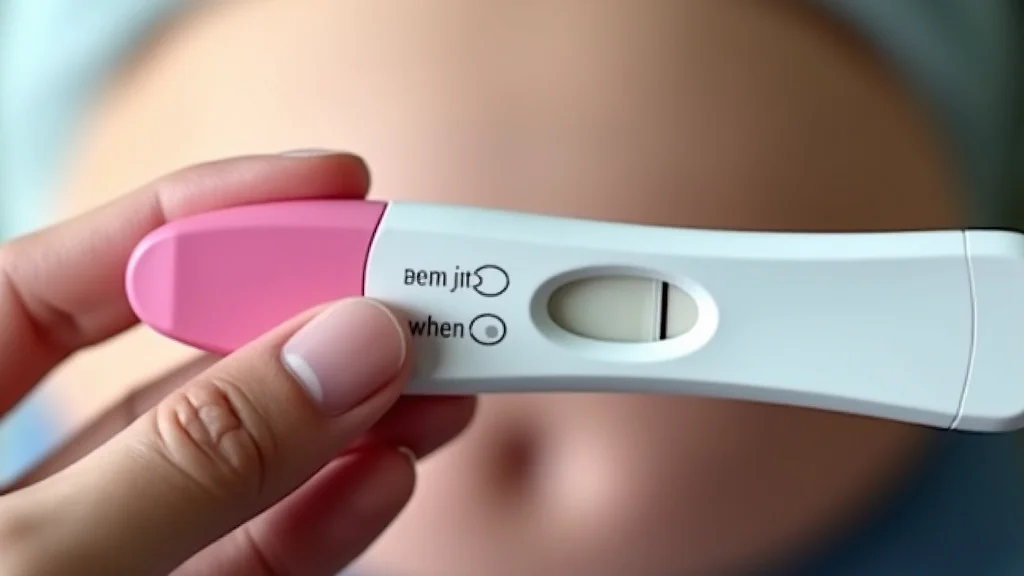
    Digital tests show words like “Pregnant” or “Not Pregnant.” Line tests show lines. Two lines usually mean pregnant, and one line means not pregnant. There are also lab tests that a doctor can do with a blood sample.

    These are usually done for more specific reasons or to confirm a home test.

    Dip-Style Tests

    Dip-style tests are common and affordable. You dip the absorbent end of the test stick directly into a cup of urine for a specified amount of time. This method requires you to collect urine in a clean container first.

    Make sure to follow the instructions carefully for how long to dip the stick. Over-dipping or under-dipping can affect the accuracy of the result. After dipping, you lay the test on a flat surface and wait for the result to appear.

    Midstream Tests

    Midstream tests are perhaps the most popular type for home use. They have a special end that you hold directly in your urine stream for a few seconds. This is often done while you are peeing.

    It’s very convenient because you don’t need a separate cup for your urine. The test stick is designed to absorb enough urine this way. You then place the cap back on and lay it flat to read the result.

    These are very easy to use and carry around if needed.

    Digital Tests

    Digital pregnancy tests offer a very clear result. Instead of lines, they display words like “Pregnant” or “Not Pregnant” on a small screen. Some digital tests can even estimate how many weeks pregnant you might be.

    While generally more expensive than line tests, they reduce the confusion that can come with interpreting faint lines. This clarity makes them a preferred choice for many people. They work the same way by detecting hCG.

    When to Take a Pregnancy Test

    Timing is everything when you want an accurate pregnancy test result. Taking a test too early can lead to a false negative. This means the test says you are not pregnant, but you actually are.

    The amount of hCG needs to build up enough for the test to detect it.

    After Missing Your Period

    The best time to take a pregnancy test is usually the day after you expect your period to start. By this time, if you are pregnant, there should be enough hCG in your urine for most home tests to detect. Waiting until your period is late significantly increases the chances of getting an accurate result.

    This is because hCG levels rise steadily in early pregnancy.

    Early Testing Options

    Some very sensitive tests, often called “early detection” tests, claim to detect pregnancy a few days before your missed period. These tests have lower detection thresholds for hCG. If you choose to test early, be aware that a negative result might not be definitive.

    If you get a negative result but still suspect you are pregnant, it’s wise to retest a few days later or when your period is due. This is especially true if you experience early pregnancy symptoms.

    Factors Affecting Early Testing

    Several things can influence whether an early test will be accurate. These include how concentrated your urine is and how sensitive the specific test is. Testing first thing in the morning is often recommended, especially for early testing.

    This is because your urine is most concentrated then, meaning it has the highest level of hCG. Drinking a lot of fluids right before testing can dilute your urine and potentially mask an early pregnancy.

    How to Use a Pregnancy Test Correctly

    Using a pregnancy test is straightforward. The most important thing is to read and follow the specific instructions that come with your test. Different brands might have slight variations.

    However, the general steps are very similar for most home urine tests.

    Preparing for the Test

    Before you start, gather everything you need. This includes the test, a clean cup if needed, and a timer or your phone. It’s also helpful to have a flat surface where you can place the test to read the results.

    Make sure the test is not expired, as expired tests can give inaccurate results.

    Reading the Instructions

    Always read the package insert thoroughly. This usually has diagrams and detailed steps specific to that test. Pay attention to how long you need to collect urine, how long to wait for results, and how to read the symbols or lines.

    Ignoring these instructions is the most common reason for getting an unclear or incorrect result.

    Collecting a Urine Sample

    For midstream tests, you will hold the absorbent end directly into your urine stream for the time specified in the instructions, typically about 5 to 10 seconds. For dip-style tests, you’ll need to collect your urine in a clean, dry container first. Then, dip the absorbent end of the test stick into the urine, again for the time stated in the instructions.

    Interpreting Your Results

    Once you have completed the test, you need to wait for the specified amount of time. This is usually between 2 and 5 minutes. Do not read the results too early or too late.

    Reading too early means there might not be enough hCG detected, and reading too late can sometimes lead to a false positive or evaporation lines that are misinterpreted.

    Positive Results

    A positive result generally means you are pregnant. On line tests, this often appears as two lines, even if one line is fainter than the other. Some digital tests will display the word “Pregnant.” If you get a positive result, it’s a good idea to schedule an appointment with your doctor to confirm the pregnancy and discuss next steps.

    A faint positive line is still a positive result. It indicates that hCG is present in your urine, though at a lower concentration. This can happen if you tested very early.

    The intensity of the line depends on the concentration of hCG and the sensitivity of the test. If you see any line, no matter how faint, it’s generally considered positive. Some people choose to retest with a different brand or wait a day or two to see if the line becomes darker.

    Negative Results

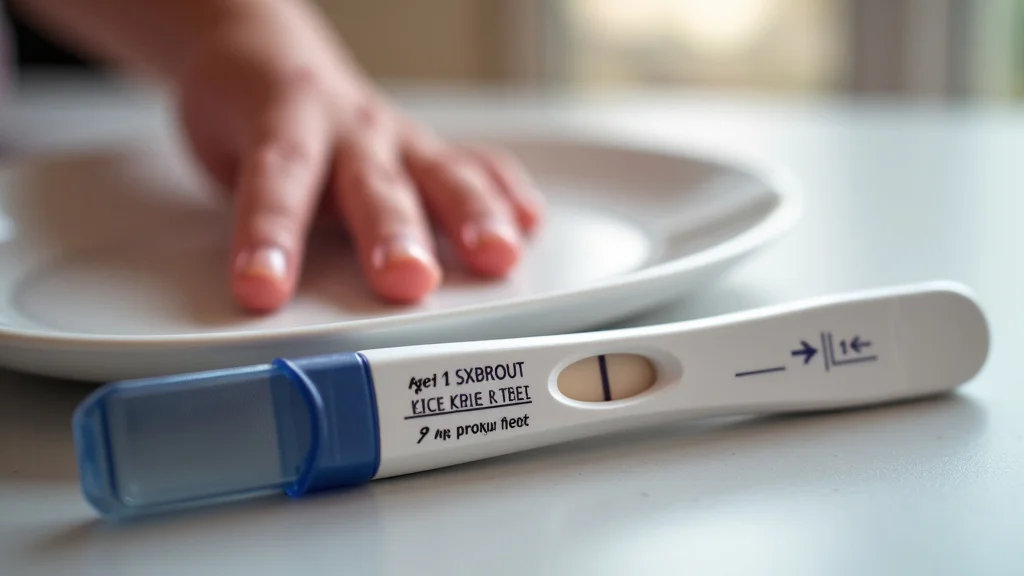
    A negative result typically means you are not pregnant. On line tests, this is usually shown as a single line. Digital tests will say “Not Pregnant.” If you get a negative result and your period is not yet late, you might have tested too early.

    If your period is late and you get a negative result, you can retest in a few days. If you continue to get negative results and your period still doesn’t arrive, consult your doctor to explore other reasons.

    Invalid Results

    Sometimes, a test might be invalid, meaning it didn’t work correctly. This could be due to not enough urine, too much urine, or a faulty test. An invalid result might look like no lines appearing, or a control line not appearing.

    If your test is invalid, you will need to use a new test to get a reliable result. Always check the instructions for what a control line should look like.

    What to Do After Getting Your Result

    Whether your result is positive or negative, there are next steps. If you get a positive result, congratulations. The next step is to contact a healthcare provider.

    They can confirm the pregnancy with blood tests or an ultrasound and start your prenatal care.

    If You Get a Positive Result

    A positive pregnancy test is an exciting moment. It’s important to follow up with a doctor or a clinic. They will help you understand how far along you are and what to expect.

    They will also discuss healthy habits for pregnancy. This includes diet, vitamins, and any necessary lifestyle changes. Your doctor will guide you through the entire pregnancy.

    If You Get a Negative Result

    If your test is negative and your period is not late, it’s okay. You might have tested too soon. Wait a few days and take another test.

    If your period is significantly late and you keep getting negative tests, it’s a good idea to see a doctor. There could be other reasons why your period is delayed.

    u check pregnancy test Accuracy and Factors

    The accuracy of a home pregnancy test, or how well it correctly identifies pregnancy, is very high when used properly. Most tests are over 99% accurate. However, several things can affect this accuracy.

    Understanding these factors helps you get the most reliable result when you u check pregnancy test.

    Factors Affecting Test Accuracy

    Several common issues can lead to an inaccurate result. These include testing too early, not following instructions, or using an expired test. Even things like drinking too much fluid before testing can dilute the hCG levels, making it harder for the test to detect pregnancy.

    Testing Too Early

    As mentioned before, this is a major reason for false negatives. The hCG hormone needs time to build up to detectable levels in your urine. If you test before your body has produced enough hCG, the test might show you are not pregnant, even if you are.

    This is why waiting until after you miss your period is so important.

    User Error

    Not reading or following the instructions is a frequent mistake. Forgetting to time the test correctly, dipping the stick for too long or too short, or reading the result outside the specified window can all lead to errors. Always take a moment to read the leaflet that comes with your test.

    Expired or Faulty Tests

    Pregnancy tests have an expiration date. Using an expired test can lead to unreliable results, either false positives or false negatives. Also, tests can sometimes be faulty from the factory.

    If you suspect a test is faulty or invalid, use a new one.

    Understanding Different hCG Levels

    The amount of hCG in your body changes daily in early pregnancy. This is why timing is so critical.

    HCG Levels by Days Past Ovulation

    Here is a general guide to hCG levels. Remember, these are averages and can vary.

    Days Past Ovulation (DPO) Typical hCG Range (mIU/mL)
    14 DPO 5 – 50
    16 DPO 15 – 150
    18 DPO 30 – 300
    20 DPO 50 – 500
    22 DPO 75 – 800

    This table shows how hCG levels rise. Sensitive tests can detect pregnancy as early as 10-12 days past ovulation, which is often around the time of your missed period. If you test very early, you might get a negative result simply because your hCG levels are below the detection limit of the test.

    Retesting a few days later, when hCG levels have likely doubled, can yield a positive result if you are pregnant.

    Implications for Testing

    These varying hCG levels explain why early testing can be tricky. A test might not be sensitive enough to pick up the lower levels present in the very early days of pregnancy. This is why doctors often recommend waiting until the day of your missed period or even a few days after for the most accurate result when you u check pregnancy test.

    When to Seek Medical Advice

    Even with a home pregnancy test, it’s important to consult a healthcare professional. They can offer confirmation and guidance.

    Confirming a Positive Result

    A positive home pregnancy test is a strong indicator, but your doctor will confirm it. This confirmation is important for starting any necessary medical care and ensuring the health of the pregnancy. They might perform a blood test or an ultrasound.

    Investigating Missed Periods

    If you have missed your period and consistently get negative results from pregnancy tests, it’s wise to see a doctor. There could be other reasons for a missed period, such as stress, hormonal imbalances, weight changes, or other medical conditions. A doctor can help identify the cause and provide appropriate advice or treatment.

    Common Myths Debunked

    Myth 1: A faint line on a pregnancy test is not a positive result

    This is a common misconception. A faint line on a pregnancy test still indicates the presence of hCG, which means you are likely pregnant. The line’s intensity depends on the concentration of hCG in your urine and the sensitivity of the test.

    If you see any line, no matter how faint, it’s generally considered a positive result. Many people retest to see if the line becomes darker, which is a good approach, but the initial faint line itself is a sign of pregnancy.

    Myth 2: You can get a false positive result from medication

    While some fertility treatments contain hCG and can cause a positive result, most common medications do not cause false positives on standard home pregnancy tests. Antibiotics, pain relievers, or birth control pills will not interfere with the test’s ability to detect hCG. If you are undergoing fertility treatment involving hCG injections, you should consult your doctor about when to test accurately.

    Myth 3: You need to use your first morning urine for every test

    While first morning urine is recommended for early testing because it’s most concentrated, it’s not always necessary after your period is late. Once your hCG levels are high enough, you can usually get an accurate result at any time of day. However, for very early testing or if you have been drinking a lot of fluids, first morning urine is still the best choice.

    Myth 4: Pregnancy tests can be inaccurate if you drink a lot of water

    Drinking a lot of water can dilute your urine, which can potentially lead to a false negative result, especially if you are testing very early. This is because the concentration of hCG in your urine will be lower. It’s best to limit fluid intake for an hour or two before testing if you’re concerned about dilution, particularly if you are testing for the first time or very early in your pregnancy.

    Frequently Asked Questions

    Question: How soon can I take a pregnancy test?

    Answer: You can usually get accurate results from a home pregnancy test starting on the day of your missed period. Some sensitive tests can detect pregnancy a few days earlier, but it’s best to wait until you’ve missed your period for the most reliable outcome.

    Question: What does it mean if I get two lines, but one is very faint?

    Answer: A faint line still indicates a positive result. It means hCG is present in your urine. You are likely pregnant.

    If you’re unsure, wait a day or two and test again to see if the line becomes darker.

    Question: Can stress cause a false positive pregnancy test?

    Answer: No, stress cannot cause a false positive pregnancy test. Stress can affect your menstrual cycle and cause a missed period, but it does not produce the hCG hormone that pregnancy tests detect.

    Question: How long do I need to wait after taking the test to read the results?

    Answer: You should wait for the specific time indicated in the test instructions, which is usually between 2 to 5 minutes. Reading the result too early or too late can lead to inaccurate readings.

    Question: Should I see a doctor even if my home pregnancy test is negative?

    Answer: If your period is significantly late and you continue to get negative pregnancy test results, it is a good idea to see a doctor to rule out other potential causes for your missed period.

    Final Thoughts

    Knowing how to properly use and read a pregnancy test is simple. When you u check pregnancy test, following the instructions is key. You are looking for the hCG hormone.

    Accurate results help you know what comes next. Trust the test and consult your doctor for any follow-up care.

  • What Does R Mean In Pregnancy Test

    What Does R Mean In Pregnancy Test

    Sometimes, looking at a pregnancy test can be a bit confusing. You might see letters or symbols and wonder what they mean. This is especially true if you’re taking a test for the first time.

    Don’t worry, it’s perfectly normal to have questions about what does r mean in pregnancy test. This guide will make it super simple. We’ll walk through everything step-by-step so you know exactly what your test result is telling you.

    Get ready for clear answers!

    Key Takeaways

    • You will learn what the letter ‘R’ signifies on a pregnancy test.
    • Understand how to read and interpret common pregnancy test results.
    • Discover the different types of pregnancy tests available.
    • Learn about the accuracy of home pregnancy tests.
    • Find out when is the best time to take a pregnancy test.

    Understanding Pregnancy Test Symbols

    Pregnancy tests are designed to be easy to use, but sometimes the symbols can cause a little confusion. The main goal of any home pregnancy test is to detect a hormone called human chorionic gonadotropin (hCG) in your urine. This hormone is produced shortly after a fertilized egg attaches to the uterine lining.

    If hCG is present, it’s a strong sign of pregnancy. The different symbols on the test are just ways to show you whether hCG was found.

    Most tests use either lines or a plus/minus sign to show a positive or negative result. Some digital tests might show words like “Pregnant” or “Not Pregnant.” However, some older or specific types of tests might use letters. Knowing what these mean helps you feel confident about your results.

    It’s all about looking for that little sign that tells you if you’re expecting.

    Common Pregnancy Test Indicators

    The most common indicators on pregnancy tests are lines. Usually, a test has two lines: a control line and a test line. The control line shows that the test is working correctly.

    If the control line doesn’t appear, the test is faulty and you’ll need to take another one. The test line is the one that indicates whether pregnancy hormones were detected.

    If both the control line and the test line appear, it usually means you are pregnant. Even a faint test line often means positive. If only the control line appears, and the test line is absent, it generally means you are not pregnant.

    Digital tests are even simpler, displaying “Pregnant” or “Not Pregnant” directly on the screen.

    The Meaning of ‘R’ on a Pregnancy Test

    Now, let’s talk about the letter ‘R’. In many older or specific types of pregnancy tests, the letter ‘R’ stands for “Result.” This might be paired with a symbol or another letter to indicate if you are pregnant or not. For example, you might see ‘R’ and ‘C’ on the test window.

    The ‘C’ typically stands for “Control,” and the ‘R’ stands for “Result.”

    If the ‘R’ window shows a line or a plus sign, and the ‘C’ window also shows a line, it means a result was detected, and usually, this indicates a positive pregnancy. If only the ‘C’ window shows a line, it signifies a negative result, meaning no pregnancy was detected. It’s important to read the instructions that come with your specific test, as the exact meaning can sometimes vary slightly between brands.

    How to Read Pregnancy Test Results

    Reading a pregnancy test result correctly is key to getting accurate information. Always start by reading the instructions that came with your test. They are written specifically for that test and will tell you exactly what to look for.

    Generally, you’ll need to wait a specific amount of time after taking the test before checking the results. This is usually between 3 to 10 minutes. Looking too early or too late can sometimes lead to incorrect readings, like an evaporation line which can look like a faint positive but isn’t.

    So, patience is important here.

    Interpreting Line Tests

    For tests that use lines, pay close attention to both the control line and the test line. The control line is usually darker and appears first to show the test is working. A positive result is typically shown by two lines: the control line and a test line.

    The test line might be faint, but if it’s there, it generally means you are pregnant.

    A negative result is shown by just one line: the control line. If no control line appears at all, the test is invalid. You will need to try again with a new test.

    Some people see a very faint line and wonder if it’s a positive. In most cases, a faint line is still considered a positive result, indicating the presence of hCG. If you’re unsure, it’s always best to retest or see a doctor.

    Interpreting Digital Tests

    Digital pregnancy tests are designed for ultimate simplicity. Instead of lines, they display words on a small screen. You’ll usually see either “Pregnant” or “Not Pregnant.” Some may also say “Yes+” or “No-“.

    These tests are often preferred because they eliminate the guesswork involved in reading faint lines.

    When using a digital test, simply follow the instructions, wait for the allotted time, and then read the clear message on the screen. If it says “Pregnant,” congratulations! If it says “Not Pregnant,” it means hCG was not detected at a level that the test can measure.

    Even with digital tests, taking them too early or not following instructions can affect the accuracy.

    Accuracy of Home Pregnancy Tests

    Home pregnancy tests are very accurate when used correctly. They can detect pregnancy with over 99% accuracy, according to many studies. However, this high accuracy depends on a few things.

    Using the test at the right time in your cycle and following the instructions carefully are the most important factors.

    These tests detect hCG, and the amount of this hormone increases as pregnancy progresses. Testing too early, before your body has produced enough hCG, can lead to a false negative result, meaning the test says you’re not pregnant when you actually are. This is why waiting until after you miss your period is generally recommended for the most reliable results.

    Factors Affecting Test Accuracy

    Several factors can influence the accuracy of a home pregnancy test. The most significant is the timing of the test. Testing too soon after conception is the leading cause of false negatives.

    For example, if you test just a few days after ovulation, you might not have enough hCG yet for the test to detect.

    Another factor is the concentration of hCG in your urine. The first-morning urine is typically the most concentrated, meaning it has the highest level of hCG. Testing with first-morning urine can increase the chances of detecting an early pregnancy.

    Also, drinking a lot of fluids before testing can dilute your urine, potentially making it harder for the test to detect hCG.

    False Positives and False Negatives

    While rare, false positive and false negative results can occur. A false positive means the test says you’re pregnant, but you’re not. This can sometimes happen due to certain medications that contain hCG, or in very rare cases, due to certain medical conditions like ovarian cysts or trophoblastic disease.

    An evaporation line, which is a colorless line that can appear after the test’s reading time has expired, can also be mistaken for a positive result.

    A false negative means the test says you’re not pregnant, but you are. As mentioned, this is most often caused by testing too early. Other reasons include not following the test instructions properly, or a faulty test kit.

    If you get a negative result but still suspect you might be pregnant, it’s a good idea to wait a few days and test again. If you continue to get negative results but your period doesn’t start, consult a healthcare provider.

    When to Take a Pregnancy Test

    Timing is everything when it comes to pregnancy tests. For the most accurate results, it’s best to wait until you’ve missed your period. Most home pregnancy tests are sensitive enough to detect pregnancy a few days after a missed period.

    Testing on the first day of your missed period can give you a reliable result.

    Some highly sensitive tests claim to detect pregnancy even a few days before your missed period. While these can be useful, they are more likely to give a false negative if you test too early. If you are testing before your missed period and get a negative result, it’s wise to retest after your period is due if it hasn’t arrived.

    Testing After Ovulation

    Conception typically happens around ovulation, which is usually about 14 days before your next period. After fertilization, the fertilized egg takes about 6 to 10 days to travel to the uterus and implant in the lining. It’s only after implantation that your body starts producing hCG.

    So, if you know when you ovulated, you can estimate when hCG levels might be high enough to detect. Generally, testing about 10 to 14 days after ovulation is a good time to get accurate results, which usually aligns with missing your period. For example, if you ovulate on day 14 of a 28-day cycle, you might test around day 24-28.

    Types of Pregnancy Tests

    There are two main types of pregnancy tests: urine tests and blood tests. Home pregnancy tests are urine tests, while blood tests are typically done at a doctor’s office. Both types detect the presence of hCG, but they do so in different ways and at different times.

    Urine tests are convenient, private, and can be bought over-the-counter. Blood tests are generally more sensitive and can detect pregnancy earlier than urine tests. They can also measure the exact amount of hCG, which can be helpful in some medical situations.

    Home Urine Pregnancy Tests

    These are the most common tests people use. They are readily available at pharmacies, supermarkets, and online. They work by detecting hCG in your urine.

    You can perform them at home in the privacy of your bathroom.

    As we’ve discussed, these tests come in various forms:

    • Dip-stick tests: You dip the absorbent tip of the test stick into a urine sample collected in a cup.
    • Midstream tests: You hold the absorbent tip directly in your urine stream.
    • Digital tests: These often use a midstream format but display results as words.

    Each type requires a urine sample and a waiting period to see the result.

    How Urine Tests Work

    Urine pregnancy tests contain antibodies that react with hCG. When urine containing hCG flows over the test strip, the hCG molecules bind to these antibodies. This binding triggers a chemical reaction that causes a line, symbol, or word to appear on the test window, indicating a positive result.

    The control line is a separate indicator that shows the test is functioning correctly. It contains a different set of antibodies that react to ensure the test has worked. If the control line doesn’t appear, the test is not valid, regardless of what appears in the result window.

    This mechanism is quite clever and allows for self-testing at home.

    Medical Blood Pregnancy Tests

    Blood pregnancy tests are performed in a doctor’s office or laboratory. They are generally more sensitive than urine tests and can detect pregnancy earlier. There are two types of blood tests:

    • Qualitative hCG test: This test simply checks if hCG is present in your blood. It’s similar to a urine test in that it gives a yes or no answer regarding pregnancy.
    • Quantitative hCG test (beta hCG): This test measures the exact amount of hCG in your blood. This can be very useful for monitoring the progress of a pregnancy, diagnosing certain conditions, or determining the age of the pregnancy more accurately.

    Blood tests can usually detect pregnancy as early as 6 to 8 days after ovulation. This is why they are often used when a very early confirmation is needed or when there are concerns about a pregnancy.

    Common Myths Debunked

    Myth 1: A Very Faint Line Always Means You’re Not Pregnant

    Reality: A very faint line on a pregnancy test usually means you are pregnant. The line’s intensity depends on how much hCG is in your urine and how concentrated it is. Even a faint line indicates the presence of hCG, which is produced after conception.

    If you see a faint line, it’s best to assume it’s positive and follow up with your doctor.

    Myth 2: You Can Get Pregnant from Kissing

    Reality: Pregnancy occurs when sperm fertilizes an egg. This requires sexual intercourse where sperm is introduced into the vaginal canal. Kissing is a form of physical affection and does not involve the exchange of reproductive cells needed for conception.

    Therefore, you cannot get pregnant from kissing.

    Myth 3: All Pregnancy Tests Are Exactly The Same

    Reality: While most pregnancy tests detect hCG, their sensitivity levels can vary. Some tests are more sensitive than others, meaning they can detect lower levels of hCG. This is why some tests can detect pregnancy a few days earlier than others.

    Also, the way results are displayed (lines, plus/minus, or digital words) differs.

    Myth 4: Morning Urine Is Always Necessary

    Reality: While morning urine is often recommended because it’s more concentrated and has higher hCG levels, it’s not always strictly necessary, especially if you are testing after you’ve missed your period. By that time, hCG levels are usually high enough to be detected at any time of day. However, if testing very early, morning urine can increase accuracy.

    Frequently Asked Questions

    Question: What does ‘R’ mean on an old pregnancy test

    Answer: On some older pregnancy tests, the letter ‘R’ typically stands for ‘Result’. It’s usually seen alongside a ‘C’ for ‘Control’. If both ‘R’ and ‘C’ show a line, it’s often a positive result, while only ‘C’ showing a line means negative.

    Question: Can a pregnancy test show a positive result if I’m not pregnant

    Answer: Yes, this is called a false positive. It’s very rare but can happen due to certain medications, recent miscarriage, or some medical conditions. An evaporation line can also be mistaken for a positive, which is a colorless line that appears after the reading time.

    Question: How soon can I take a pregnancy test after unprotected sex

    Answer: To get the most accurate result, it’s best to wait until after you miss your period. Home pregnancy tests detect hCG, which is produced after implantation. This usually happens 6-10 days after ovulation.

    So, waiting until at least 14 days after unprotected sex or until your missed period is recommended.

    Question: What if my pregnancy test has no lines at all

    Answer: If your pregnancy test shows no lines at all, it likely means the test is faulty or wasn’t performed correctly. You should try taking another test, making sure to follow the instructions precisely. Ensure the control line appears; if it doesn’t, the test is invalid.

    Question: Should I see a doctor if my home pregnancy test is positive

    Answer: Yes, if your home pregnancy test shows a positive result, it’s highly recommended to see a doctor. They can confirm the pregnancy with a blood test or ultrasound, discuss your next steps, and start prenatal care if you wish. This is an important step for your health and the health of the pregnancy.

    Conclusion

    When you see an ‘R’ on a pregnancy test, remember it most likely means ‘Result’. Paired with a ‘C’ for control, it helps you read if hCG was detected. Most modern tests use simpler symbols like lines or words, but knowing what ‘R’ meant can help with older tests.

    Always follow your specific test’s instructions for the most accurate reading.

  • Eating Well During Pregnancy

    Eating Well During Pregnancy

    Figuring out the right food choices when you’re pregnant can feel a little tricky, especially if it’s your first time. You might wonder what’s best to eat, or perhaps you’ve heard conflicting advice. It’s all about making sure both you and your growing baby get all the good stuff they need.

    Don’t worry, though! We’ll break down the second trimester diet in a super simple, easy-to-follow way. Stick around, and we’ll show you exactly how to nourish yourself without any confusion.

    Key Takeaways

    • You’ll learn what foods are super important for you and your baby during months four through six of pregnancy.
    • Discover simple ways to add more healthy foods to your meals and snacks.
    • Find out about nutrients that are especially helpful in the second trimester.
    • Get tips on managing common pregnancy discomforts through your diet.
    • Learn how to build balanced meals that give you energy and support your baby’s growth.
    • Understand what to limit or avoid to keep you and your baby healthy.

    Nourishing Your Body and Baby During the Second Trimester

    The second trimester is often called the “golden period” of pregnancy. Many women start feeling more energetic, and morning sickness usually calms down. This is a fantastic time to focus on giving your body and your developing baby the best possible fuel.

    Your baby is growing rapidly, building bones, muscles, and organs. This means your nutritional needs increase. A well-planned second trimester diet is key to supporting this growth, ensuring you have enough energy, and preparing your body for the third trimester and beyond.

    Key Nutrients for the Second Trimester

    Several vitamins and minerals become even more critical during these months. Your body is working overtime, and these nutrients help with everything from brain development to keeping your energy levels up. Focusing on them can make a big difference in how you feel and how your baby grows.

    • Iron: Your blood volume increases a lot during pregnancy. Iron is vital for making red blood cells, which carry oxygen to you and your baby. Low iron can lead to fatigue and anemia, which is common in pregnancy.
    • Getting enough iron is super important because your body needs to make more blood to supply oxygen to your growing baby. If you don’t get enough iron, you might feel very tired and weak. This condition is called iron-deficiency anemia.

      It’s a common issue for pregnant women, but eating the right foods can help prevent or fix it.

    • Calcium: This mineral is essential for building your baby’s strong bones and teeth. It also plays a role in your baby’s heart, nerves, and muscles functioning correctly.
    • Calcium is like the building block for your baby’s skeleton. It helps their bones and teeth form properly. It’s not just for the baby, though.

      Calcium also helps keep your bones strong and supports your baby’s developing heart and nervous system. Making sure you get enough calcium is vital for both of you during this stage.

    • Vitamin D: Vitamin D helps your body absorb calcium. Without enough Vitamin D, even if you eat plenty of calcium-rich foods, your body can’t use it effectively. It also supports your immune system.
    • Think of Vitamin D as the helper that lets your body use calcium. If you have enough Vitamin D, your body can soak up the calcium from your food much better. This is crucial for bone health for you and your baby.

      Vitamin D also helps your body fight off sickness, keeping you feeling your best.

    • Protein: Protein is the building material for your baby’s cells and tissues, including their brain. It’s also important for your own body’s repair and growth.
    • Protein is what makes up your baby’s body. It helps build all their muscles, skin, and organs. It is also very important for your own body to stay strong and repair itself.

      Eating enough protein each day ensures your baby has the best building blocks to grow well throughout your pregnancy.

    • Omega-3 Fatty Acids: Especially DHA, these are crucial for your baby’s brain and eye development.
    • Omega-3 fatty acids, particularly one called DHA, are like superfoods for your baby’s developing brain and eyes. They are essential components that help build these important parts of your baby’s body. Making sure you get enough of these good fats can support your baby’s cognitive and visual development right from this stage.

    Food Sources for Key Nutrients

    Knowing which foods are packed with these important nutrients makes planning your meals much easier. You don’t need to eat exotic foods; everyday items can provide what you need. Focusing on variety ensures you get a good mix of everything.

    Iron-Rich Foods

    • Lean red meats like beef and lamb
    • Poultry like chicken and turkey
    • Fish like salmon and sardines
    • Beans and lentils
    • Dark leafy greens like spinach and kale
    • Fortified cereals and breads

    To help your body absorb iron from plant sources, try pairing them with foods high in Vitamin C, like oranges or bell peppers. For instance, a spinach salad with strawberries or a lentil soup with a side of tomato slices can boost iron absorption. Heme iron found in meat is absorbed more easily than non-heme iron from plants, so a mix of sources is best.

    Calcium and Vitamin D Sources

    • Dairy products like milk, cheese, and yogurt
    • Fortified plant-based milks (e.g., almond, soy)
    • Tofu made with calcium sulfate
    • Dark leafy greens like kale and broccoli
    • Canned salmon or sardines with bones
    • Fortified orange juice

    Many foods are now fortified with Vitamin D, which is great because it’s one of the harder nutrients to get from food alone. Sunlight exposure also helps your body produce Vitamin D, but it’s important to balance this with sun safety. Some people may need a Vitamin D supplement, especially if they live in areas with less sunlight or have darker skin.

    Protein Powerhouses

    • Lean meats, poultry, and fish
    • Eggs
    • Dairy products
    • Beans, lentils, and chickpeas
    • Nuts and seeds
    • Tofu and tempeh
    • Quinoa

    Protein is incredibly versatile and can be incorporated into almost any meal or snack. A handful of almonds can be a great snack, while a serving of Greek yogurt offers a substantial protein boost. For vegetarians and vegans, combining different plant-based protein sources throughout the day can ensure they get all the essential amino acids their body needs.

    Omega-3 Rich Foods

    • Fatty fish like salmon, mackerel, and sardines (choose low-mercury options)
    • Flaxseeds and chia seeds
    • Walnuts
    • Fortified eggs
    • Algal oil supplements

    When choosing fish, opt for those lower in mercury to protect your baby. For instance, enjoying a baked salmon fillet a couple of times a week is an excellent way to get DHA. If you don’t eat fish, incorporating flaxseeds or walnuts into your diet, or considering an algal oil supplement, can provide the essential omega-3s you need.

    Building Balanced Meals

    A balanced meal includes a good mix of protein, healthy carbohydrates, and healthy fats, along with plenty of fruits and vegetables. This combination helps you feel full, provides sustained energy, and delivers a wide range of nutrients. It’s about creating plates that are colorful and satisfying.

    The Plate Method

    A simple way to visualize a balanced meal is the plate method. Imagine your plate divided into sections. About half of your plate should be filled with colorful fruits and non-starchy vegetables.

    One quarter of the plate can be lean protein, and the other quarter can be whole grains or starchy vegetables. Don’t forget a source of healthy fat.

    • Half Your Plate: Fruits and Vegetables
    • These provide essential vitamins, minerals, fiber, and antioxidants. Aim for a variety of colors to get a wide spectrum of nutrients. For example, dark leafy greens offer folate and iron, while berries are packed with Vitamin C and antioxidants.

    • One Quarter Your Plate: Lean Protein
    • This is crucial for building your baby’s tissues and keeping you feeling full. Choose options like grilled chicken, baked fish, beans, or tofu.

    • One Quarter Your Plate: Whole Grains or Starchy Vegetables
    • These provide energy and fiber. Examples include brown rice, quinoa, sweet potatoes, or whole-wheat pasta.

    • Healthy Fats
    • Include sources like avocado, nuts, seeds, or olive oil to help absorb fat-soluble vitamins and provide energy.

    Meal and Snack Ideas

    Planning is your best friend. Having healthy options readily available can prevent reaching for less nutritious choices when hunger strikes. Think about combining protein, fiber, and healthy fats for snacks to keep you satisfied.

    Breakfast ideas:

    • Oatmeal topped with berries, nuts, and a swirl of yogurt.
    • Scrambled eggs with spinach and whole-wheat toast.
    • Greek yogurt with granola and fruit.

    Lunch ideas:

    • Lentil soup with a side salad and whole-grain bread.
    • Tuna salad (made with Greek yogurt instead of mayo) on whole-wheat crackers with cucumber slices.
    • Grilled chicken or tofu salad with mixed greens, avocado, and a light vinaigrette.

    Dinner ideas:

    • Baked salmon with roasted sweet potatoes and steamed broccoli.
    • Chicken stir-fry with plenty of vegetables and brown rice.
    • Lean ground turkey chili with beans and a side of cornbread.

    Snack ideas:

    • Apple slices with peanut butter.
    • A handful of almonds and a piece of fruit.
    • Carrot sticks and hummus.
    • Hard-boiled eggs.
    • A small container of cottage cheese or yogurt.

    Managing Common Second Trimester Issues with Diet

    While the second trimester often brings relief from early pregnancy symptoms, some new or lingering issues can arise. Fortunately, many of these can be managed or improved with careful attention to your diet. Staying hydrated and eating fiber-rich foods are often key strategies.

    Constipation Relief

    Hormonal changes and pressure from the growing uterus can slow down digestion, leading to constipation. Increasing your intake of fiber and fluids is the most effective way to combat this.

    • Increase Fiber Intake: Aim for whole grains, fruits, vegetables, beans, and nuts. Gradually add more fiber to avoid gas and bloating.
    • Fiber acts like a broom in your digestive system, helping to move things along smoothly. When you increase your fiber, it absorbs water and adds bulk to your stool, making it softer and easier to pass. Foods like prunes, pears, and berries are excellent sources of natural fiber that can help ease constipation.

    • Stay Hydrated: Drink plenty of water throughout the day.
    • Water is essential for fiber to do its job. If you don’t drink enough, the fiber can actually make constipation worse because it absorbs water from your stool, making it harder. Aim for at least 8-10 glasses of water daily.

      Other fluids like herbal teas and clear broths can also contribute to your daily intake.

    • Consider Prunes or Prune Juice: They contain sorbitol, a natural laxative.
    • Prunes have long been known for their ability to help with constipation. They contain fiber and also a natural compound called sorbitol, which helps draw water into the intestines. A small serving of prunes or a glass of prune juice can often provide relief.

    Heartburn and Indigestion

    As your uterus grows, it can press on your stomach, and pregnancy hormones can relax the valve between your esophagus and stomach, leading to heartburn. Eating smaller, more frequent meals, avoiding trigger foods, and not lying down right after eating can help.

    • Eat Smaller, Frequent Meals: Avoid overloading your stomach.
    • Instead of three large meals, try having five or six smaller meals throughout the day. This prevents your stomach from becoming too full, which reduces the pressure on your lower esophageal sphincter and can lessen heartburn.

    • Identify Trigger Foods: Common culprits include spicy foods, fried foods, caffeine, and chocolate.
    • Pay attention to what you eat and when your heartburn occurs. Keeping a food diary can help you spot patterns. Once you know your triggers, you can either avoid them or eat them in smaller amounts.

    • Avoid Lying Down After Eating: Stay upright for at least 2-3 hours after a meal.
    • Gravity helps keep stomach contents down. If you lie down too soon, acid can easily flow back up into your esophagus, causing that burning sensation. Try propping yourself up with pillows when resting or sleeping.

    Managing Cravings and Aversions

    Cravings and aversions can continue in the second trimester. While it’s okay to indulge cravings in moderation, try to choose nutritious options when possible. For aversions, focus on the foods you can tolerate that provide essential nutrients.

    If you’re craving something sweet, try a piece of fruit with a dollop of yogurt or a small portion of dark chocolate. If you’re craving something salty, consider a handful of unsalted nuts or some air-popped popcorn. For aversions, if you can’t stand the sight or smell of chicken, try getting your protein from beans or eggs instead.

    The goal is to find healthy alternatives that still meet your nutritional needs.

    Sample Meal Plan for the Second Trimester

    Here’s a sample of what a day of eating might look like during your second trimester. Remember, this is just a guide, and you should adjust it based on your preferences, dietary needs, and any medical advice you receive.

    Meal Food Ideas Key Nutrients Supported
    Breakfast Oatmeal with sliced banana, walnuts, and a sprinkle of cinnamon. A glass of milk or fortified plant-based alternative. Fiber, Potassium, Omega-3s, Calcium, Vitamin D
    Mid-Morning Snack Greek yogurt with a handful of berries. Protein, Calcium, Antioxidants, Vitamin C
    Lunch Large salad with mixed greens, grilled chicken or chickpeas, cucumber, tomatoes, avocado, and a lemon-tahini dressing. Protein, Fiber, Healthy Fats, Vitamins A & C, Folate
    Afternoon Snack Apple slices with almond butter. Fiber, Healthy Fats, Vitamin E
    Dinner Baked salmon with quinoa and steamed green beans. Omega-3s, Protein, Fiber, B Vitamins, Iron
    Evening Snack (if needed) A few whole-wheat crackers with a slice of cheese or a small bowl of cottage cheese. Carbohydrates, Protein, Calcium

    This plan provides a good balance of macronutrients and includes several key vitamins and minerals needed during the second trimester. It emphasizes whole foods and variety. Remember to drink water consistently throughout the day, aiming for at least 8-10 glasses.

    Common Myths Debunked

    Myth 1: You Need to “Eat for Two” in Terms of Quantity

    While your nutrient needs increase, you don’t need to double your food intake. During the second trimester, you typically only need an extra 300-350 calories per day. Focusing on nutrient-dense foods rather than simply eating more is crucial.

    Eating excessively can lead to unhealthy weight gain, increasing risks of gestational diabetes and other complications.

    Myth 2: All Seafood Is Bad During Pregnancy

    Many types of seafood are safe and highly beneficial, especially fatty fish like salmon, which are rich in omega-3 fatty acids. The concern is primarily with fish high in mercury. Choosing low-mercury fish and consuming them in moderation (about 2-3 servings per week) is recommended.

    Always check local advisories for specific fish recommendations.

    Myth 3: You Can’t Have Any Caffeine

    Moderate caffeine intake is generally considered safe during pregnancy. The general recommendation is to limit caffeine to less than 200 milligrams per day. This is equivalent to about one 12-ounce cup of coffee.

    Many sources of caffeine, like tea, soda, and chocolate, also contain other ingredients to consider.

    Myth 4: Vegetarian/Vegan Diets Are Not Healthy Enough for Pregnancy

    With careful planning, vegetarian and vegan diets can be perfectly healthy and adequate for pregnancy. Key nutrients to pay attention to include B12, iron, calcium, vitamin D, zinc, and omega-3 fatty acids. Supplementation, particularly for B12, is often necessary for vegan diets, and it’s important to work with a healthcare provider or registered dietitian to ensure all nutritional needs are met.

    Frequently Asked Questions

    Question: What are the most important foods to eat in the second trimester?

    Answer: Focus on lean proteins, whole grains, healthy fats, and a wide variety of fruits and vegetables. Key nutrients to prioritize include iron, calcium, vitamin D, protein, and omega-3 fatty acids.

    Question: How much extra food should I eat in the second trimester?

    Answer: You typically need an extra 300-350 calories per day, focusing on nutrient-dense foods rather than just increasing portion sizes.

    Question: Is it safe to eat spicy foods during pregnancy?

    Answer: For most women, spicy foods are safe in moderation. However, if spicy foods trigger heartburn or indigestion, you may want to limit them.

    Question: How much water should I drink?

    Answer: Aim for at least 8-10 glasses (about 2-2.5 liters) of water per day to stay hydrated, which helps with digestion and nutrient transport.

    Question: When should I consult a doctor or dietitian about my diet?

    Answer: It’s wise to talk to your healthcare provider or a registered dietitian if you have specific dietary restrictions, concerns about nutrient deficiencies, a history of eating disorders, or if you’re following a vegetarian or vegan diet.

    Final Thoughts

    Focusing on a balanced second trimester diet means choosing nutrient-rich foods that support your baby’s growth and your own well-being. Simple meals with lean proteins, whole grains, and lots of colorful produce can provide all the necessary vitamins and minerals. Pay attention to hydration and fiber to manage common issues.

    You’ve got this!

  • Understanding Weight Gain Third Trimester

    Understanding Weight Gain Third Trimester

    The last few months of pregnancy can bring a lot of changes, and weight gain is a big one. For many moms-to-be, the weight gain third trimester feels especially noticeable. It’s totally normal for your body to add more pounds during this time as your baby grows bigger and stronger.

    Sometimes it can feel a bit overwhelming, but don’t worry! We’ll walk through why this happens and what you can expect in a simple, step-by-step way. Stick around to learn how to manage this final stretch of your pregnancy with confidence.

    Key Takeaways

    • Learn why weight gain is common and expected in the third trimester.
    • Discover what a healthy weight gain range looks like during this period.
    • Understand the factors contributing to increased weight in the third trimester.
    • Get tips for managing diet and exercise for healthy weight gain.
    • Find out when to discuss concerns about weight gain with your doctor.
    • Learn about common discomforts related to weight gain and how to ease them.

    Third Trimester Weight Gain Explained

    The third trimester is a period of rapid growth for your baby, and this directly impacts your body’s needs and weight. Your baby is getting ready for life outside the womb, and that means gaining a significant amount of weight, often doubling or tripling their birth weight. This substantial fetal growth is the primary driver behind the increased weight you’ll see on the scale.

    Your body also starts preparing for labor and breastfeeding by storing extra fat and fluid, which are essential resources for postpartum recovery and milk production.

    It’s important to remember that this weight gain is not just about the baby. Your placenta also weighs about a pound by the end of pregnancy. Additionally, the amniotic fluid surrounding your baby increases, providing a protective cushion.

    You’ll also notice an increase in blood volume, which can add several pounds. These are all natural and necessary components of a healthy pregnancy. Focusing on balanced nutrition and gentle activity will help ensure this weight gain is supporting a healthy pregnancy for both you and your little one.

    Baby’s Growth Spurts

    During the third trimester, your baby experiences significant growth. This is when they really pack on the pounds, adding muscle mass and fat. This rapid development requires a lot of energy, which comes directly from the nutrients you consume.

    As your baby grows, so does the space they occupy, leading to physical changes in your body.

    The average baby gains about half a pound per week during the last few weeks of pregnancy. By the time of birth, a healthy baby typically weighs between 5.5 and 10 pounds. This incredible transformation highlights the body’s amazing ability to nurture and grow new life.

    The consistent increase in fetal size and weight is a key reason for the noticeable weight gain in the third trimester.

    Maternal Body Changes

    Your body undergoes remarkable changes to support your growing baby. Increased blood volume is a prime example, with your blood volume increasing by as much as 50%. This extra blood is vital for delivering oxygen and nutrients to the placenta and baby.

    It also contributes to maternal weight gain.

    The breasts also become heavier and larger in preparation for breastfeeding, adding to overall weight. Fluid retention is also common, leading to swelling in the hands, feet, and ankles. This extra fluid helps prepare the body for labor and postpartum recovery.

    Understanding these normal maternal adaptations can help you feel more at ease with the physical changes of the third trimester.

    Nutritional Needs Increase

    As your baby’s development accelerates, so do your nutritional requirements. Your body needs more calories to fuel this growth and to support your own increased metabolic rate. Experts generally recommend an additional 450 calories per day in the third trimester compared to pre-pregnancy needs.

    This isn’t an excuse to overeat, but rather an indication to focus on nutrient-dense foods.

    Key nutrients like protein, calcium, iron, and omega-3 fatty acids are particularly important during this stage. Protein is essential for building tissues for both you and the baby. Calcium helps with bone development, and iron is critical for preventing anemia and ensuring adequate oxygen supply.

    Omega-3s support brain development. Ensuring you are meeting these increased demands through a balanced diet is crucial for healthy weight gain and fetal well-being.

    Healthy Weight Gain Guidelines

    The amount of weight a pregnant person should gain is influenced by their pre-pregnancy weight. This is because different starting weights carry different risks and energy needs. Healthcare providers use body mass index (BMI) to determine personalized weight gain recommendations.

    This ensures that the weight gain supports a healthy pregnancy without posing unnecessary risks.

    It’s a collaborative effort between you and your doctor to monitor your weight gain. They will help you understand what is considered a healthy range for your specific situation. Focusing on a gradual and steady increase, rather than sudden jumps, is usually the goal.

    This approach supports the baby’s development and your body’s adaptation to pregnancy.

    What Is A Healthy Range

    For most women who start pregnancy at a healthy weight (BMI between 18.5 and 24.9), the recommended total weight gain is about 25 to 35 pounds. In the third trimester, this typically translates to gaining around 1 pound per week. However, this is just a general guideline.

    Some variation is perfectly normal.

    Women who are underweight before pregnancy (BMI under 18.5) are usually advised to gain more, typically 28 to 40 pounds. Those who are overweight (BMI 25 to 29.9) are often recommended to gain 15 to 25 pounds. Women with obesity (BMI 30 or higher) may be advised to gain even less, around 11 to 20 pounds.

    Your doctor will provide the most accurate target for you.

    Tracking Your Progress

    Regular prenatal check-ups are crucial for tracking your weight gain. Your healthcare provider will weigh you at each visit and discuss your progress. They can identify if you are gaining too much or too little weight, which could indicate potential issues.

    Don’t hesitate to ask questions if you’re unsure about your weight gain. It’s a team effort to ensure a healthy outcome for you and your baby. Keeping a general awareness of your intake and activity levels can also be helpful.

    However, avoid obsessing over the numbers; focus on overall well-being and healthy habits.

    Factors Affecting Weight Gain

    Several factors can influence how much weight you gain. Genetics play a role, as does your metabolism. Some women naturally gain more or less than others, even with similar diets and activity levels.

    Your body’s individual response to pregnancy hormones can also affect weight distribution and retention.

    Lifestyle choices are also significant. Your diet, activity level, and even stress levels can impact weight gain. For example, consistently choosing nutrient-rich foods over processed options can lead to healthier weight gain.

    Similarly, engaging in regular, safe exercise can help manage weight and improve overall health during pregnancy. Your doctor can help you understand how these factors are influencing your specific experience.

    Managing Weight Gain Nutrition

    The food you eat in the third trimester is incredibly important. It’s not just about calories; it’s about getting the right nutrients to support your baby’s final growth stages and prepare your body for labor and postpartum. Focusing on whole, unprocessed foods will provide the vitamins, minerals, and energy you both need.

    Think about filling your plate with a variety of colorful fruits and vegetables, lean proteins, whole grains, and healthy fats. These foods offer essential nutrients like folate, iron, calcium, and fiber, all of which are vital for a healthy pregnancy. Planning your meals and snacks can help you make healthier choices consistently.

    Choosing Nutrient-Dense Foods

    Prioritizing nutrient-dense foods means selecting options that offer the most nutritional value for their calorie count. Instead of empty calories from sugary drinks and processed snacks, opt for foods packed with vitamins and minerals. This includes lean meats, fish (low in mercury), eggs, dairy products, legumes, nuts, seeds, and a wide array of fruits and vegetables.

    For example, a serving of Greek yogurt provides protein and calcium, while a handful of almonds offers healthy fats and vitamin E. Leafy greens like spinach are rich in folate and iron. These foods contribute to your baby’s healthy development and help maintain your energy levels throughout the day.

    Making these choices a habit ensures you and your baby are getting the best nutrition possible.

    Meal Planning Strategies

    Meal planning can be a lifesaver during the busy third trimester. Taking a little time each week to plan your meals and snacks can prevent last-minute unhealthy choices. It also helps ensure you are getting a balanced variety of nutrients.

    Start by creating a weekly menu, including breakfast, lunch, dinner, and snacks. Then, make a grocery list based on your menu. Preparing some meals or components ahead of time, like chopping vegetables or cooking grains, can save you time during the week.

    This organized approach makes healthy eating much more manageable.

    Hydration is Key

    Staying well-hydrated is crucial during pregnancy, especially in the third trimester. Water plays a vital role in many bodily functions, including nutrient transport, waste removal, and maintaining amniotic fluid levels. Proper hydration can also help alleviate common discomforts like constipation and swelling.

    Aim to drink plenty of water throughout the day. Carry a reusable water bottle with you as a reminder to sip frequently. Other healthy fluids like unsweetened herbal teas and milk also contribute to your daily intake.

    Listen to your body; thirst is a sign you need to drink more. Aim for around 8-10 glasses of water per day, but adjust based on your activity level and climate.

    Exercise and Activity in the Third Trimester

    Continuing to move your body during the third trimester is highly beneficial. Gentle exercise can help manage weight gain, improve your mood, reduce discomforts like back pain, and prepare your body for labor. However, it’s essential to listen to your body and modify activities as needed.

    Always consult with your healthcare provider before starting or continuing any exercise program during pregnancy. They can offer personalized advice based on your health status and the progression of your pregnancy. The goal is to stay active and healthy, not to push yourself to exhaustion.

    Safe Exercises to Consider

    Many forms of exercise are safe and effective in the third trimester. Walking is an excellent low-impact option that can be done almost anywhere. Swimming is another fantastic choice as the water supports your weight, reducing pressure on your joints.

    Prenatal yoga and Pilates can improve flexibility, strength, and balance.

    Stationary cycling can be a good way to get cardiovascular exercise without the risk of falling. Kegel exercises are also important for pelvic floor strength, which can help with labor and recovery. Remember to avoid exercises that involve lying flat on your back for extended periods, especially in the later stages of pregnancy, as this can restrict blood flow.

    Listening to Your Body

    This is perhaps the most important exercise advice for the third trimester. Your body is undergoing significant changes, and what felt comfortable a few weeks ago might not now. Pay attention to any signals of pain, dizziness, or shortness of breath.

    If you experience any of these, stop exercising immediately and rest.

    It’s also okay to have days where you have less energy. On those days, a gentle walk or some stretching might be all you can manage, and that’s perfectly fine. The key is to be consistent with moderate activity rather than striving for intense workouts.

    Your well-being and your baby’s health are the top priorities.

    When to Modify or Stop

    There are certain warning signs that indicate you should stop exercising and consult your doctor. These include vaginal bleeding, persistent contractions, significant fluid leakage, severe headaches, vision changes, or a decrease in fetal movement. If you experience any of these symptoms, seek medical attention promptly.

    Your doctor may also advise you to modify your activity level or stop exercising altogether if you have certain medical conditions, such as preeclampsia, heart conditions, or a history of preterm labor. Always err on the side of caution and discuss any concerns with your healthcare provider. They are your best resource for ensuring your safety and the health of your pregnancy.

    Common Discomforts and How to Manage Them

    As your body accommodates the growing baby, you might experience new aches and pains. These can range from backaches to swelling. While uncomfortable, many of these issues are normal parts of third-trimester weight gain.

    Fortunately, there are ways to find relief.

    Understanding the causes of these discomforts can help you address them effectively. Often, simple lifestyle adjustments and self-care practices can make a big difference. Staying positive and focusing on the approaching arrival of your baby can also help you manage these challenges.

    Swelling and Edema

    Fluid retention, or edema, is very common in the third trimester. The extra fluid your body is carrying, combined with pressure from the growing uterus on your veins, can cause swelling, especially in your feet, ankles, and hands. This can make your shoes feel tight and your hands feel puffy.

    To manage swelling, try to elevate your feet whenever possible. Lying down with your feet propped up on pillows can help. Avoid standing or sitting for long periods.

    Wearing comfortable, supportive shoes and avoiding tight clothing can also reduce discomfort. Staying hydrated is also important, as it helps your body flush out excess sodium. Some light exercise, like walking, can also improve circulation.

    Back Pain and Sciatica

    The increased weight of your belly shifts your center of gravity, which can strain your back muscles. Additionally, the hormone relaxin, which loosens ligaments in preparation for birth, can affect your posture and contribute to back pain. Sciatica, a sharp pain that radiates down the leg, can occur if the growing uterus presses on the sciatic nerve.

    To alleviate back pain, practice good posture. Wear comfortable, supportive shoes. A pregnancy support belt can also offer relief by lifting some of the abdominal weight.

    Gentle stretching, prenatal massage, and heat or cold packs can be soothing. Sleeping on your side with a pillow between your knees can also help align your spine.

    Heartburn and Indigestion

    As the uterus grows larger, it presses on your stomach, pushing stomach acid back up into your esophagus. This can lead to heartburn, a burning sensation in your chest. Hormonal changes can also slow down digestion, contributing to indigestion.

    To manage heartburn, eat smaller, more frequent meals rather than large ones. Avoid trigger foods like spicy, fatty, or acidic foods. Don’t lie down immediately after eating.

    Staying upright for at least an hour after meals can help. Some over-the-counter antacids are safe during pregnancy, but always check with your doctor first.

    When to Talk to Your Doctor

    While weight gain in the third trimester is normal, there are times when you should seek professional advice. Your healthcare provider is your best resource for monitoring your pregnancy and addressing any concerns. Don’t hesitate to reach out if you have questions or notice any unusual changes.

    Open communication with your doctor ensures that you and your baby are healthy and well throughout this final stage of pregnancy. They can offer personalized guidance and reassurance, helping you navigate any challenges with confidence.

    Concerns About Too Much Gain

    Gaining weight significantly faster than recommended can sometimes be a sign of conditions like gestational diabetes or preeclampsia. These conditions require medical attention. If you notice a sudden, rapid increase in weight, especially if accompanied by swelling in your face or hands, or severe headaches, contact your doctor immediately.

    Your doctor will assess your situation, which may involve blood tests and further monitoring. Early detection and management are key to ensuring a healthy outcome for both you and your baby. They can help you adjust your diet and activity to bring your weight gain back within a healthy range.

    Concerns About Too Little Gain

    Conversely, insufficient weight gain can also be a concern. It might indicate that your baby is not receiving enough nutrients or that there are other underlying issues. If you are struggling to gain weight or have lost weight unintentionally, discuss this with your healthcare provider.

    They can help determine the cause and recommend strategies to increase your calorie and nutrient intake. This might involve dietary changes, nutritional supplements, or further medical evaluations to ensure your baby is growing as expected. Ensuring adequate nutrition is vital for your baby’s development and your own well-being.

    Other Warning Signs

    Beyond weight gain itself, certain other symptoms in the third trimester warrant a call to your doctor. These include persistent nausea or vomiting, severe abdominal pain, frequent or painful urination, a significant decrease in fetal movement, or any signs of infection. Your doctor can assess these symptoms and provide appropriate care.

    It’s always better to be safe than sorry. Trust your instincts; if something doesn’t feel right, seek medical advice. Regular prenatal visits are designed to catch potential problems early, but immediate contact is necessary for urgent concerns.

    Your doctor is there to support you through every step of your pregnancy.

    Common Myths Debunked

    Myth 1: Eating for Two Means Eating Twice as Much

    This is one of the most common misconceptions. While your nutritional needs do increase in the third trimester, it’s not a license to double your food intake. The recommendation is typically for an additional 450 calories per day, which is about the size of a substantial snack, not a whole second meal.

    Focusing on nutrient-dense foods rather than sheer quantity is key to healthy weight gain.

    Myth 2: All Weight Gain Is Just Fat

    This is untrue. The weight you gain during pregnancy is a combination of several factors. It includes the baby, the placenta, the amniotic fluid, an increase in breast tissue, a rise in blood volume, extra body fluid, and yes, some necessary body fat stores.

    Each component plays a vital role in supporting your pregnancy and preparing for postpartum.

    Myth 3: You Can’t Exercise in the Third Trimester

    This is incorrect. As long as your pregnancy is progressing normally and you have your doctor’s approval, safe and moderate exercise is highly recommended in the third trimester. Gentle activities like walking, swimming, and prenatal yoga can help manage weight gain, improve comfort, and prepare your body for labor.

    Myth 4: Rapid Weight Gain Means the Baby Is Healthy

    While significant weight gain is expected, rapid, unchecked weight gain can sometimes signal underlying issues like gestational diabetes or excessive fluid retention. A healthy, steady weight gain within the recommended range is generally a better indicator of a healthy pregnancy than rapid increases.

    Frequently Asked Questions

    Question: How much weight should I gain in my third trimester?

    Answer: For women with a healthy pre-pregnancy BMI, aiming for about 1 pound per week during the third trimester is typical. The total recommended gain varies based on your starting weight, so consult your doctor for personalized guidance.

    Question: Is it normal to feel hungrier in the third trimester?

    Answer: Yes, it’s common to experience increased hunger as your baby grows and your body needs more energy. Focus on nutrient-dense foods to satisfy your hunger and provide essential nutrition.

    Question: What if I’m gaining weight too quickly?

    Answer: If you’re concerned about gaining weight too rapidly, speak with your healthcare provider. They can assess your situation, check for any underlying conditions, and help you adjust your diet and lifestyle.

    Question: Can weight gain in the third trimester cause discomfort?

    Answer: Absolutely. Increased weight can lead to discomforts like back pain, swelling, and fatigue. Simple strategies like proper posture, elevation of feet, and gentle exercise can help manage these issues.

    Question: Will I lose all pregnancy weight after birth?

    Answer: It takes time to lose pregnancy weight. While you will lose some immediately after birth (baby, placenta, fluids), the rest typically comes off gradually over weeks and months with healthy eating and exercise.

    Summary

    The third trimester brings expected weight gain as your baby rapidly grows. Your body also changes to support this final developmental push. By focusing on nutrient-dense foods and gentle activity, you can manage this weight gain healthily.

    Remember to stay hydrated and listen to your body. If you have concerns, always speak with your doctor for personalized support and guidance.

  • Understanding Second Trimester Dizziness

    Understanding Second Trimester Dizziness

    Feeling dizzy during your second trimester can be quite a surprise, especially if you’re new to pregnancy. It’s a common feeling many expectant mothers experience as their bodies make big changes. Don’t worry, though. This feeling is usually nothing to be alarmed about and there are simple ways to manage it. We’ll walk you through why it happens and what you can do to feel steadier.

    Key Takeaways

    • Second trimester dizziness often stems from changes in blood volume and pressure.
    • Staying hydrated is essential for managing pregnancy-related dizziness.
    • Sudden position changes can trigger feelings of lightheadedness.
    • Small, frequent meals help keep blood sugar levels stable.
    • Recognizing when to rest can prevent dizziness episodes.
    • Simple lifestyle adjustments can significantly improve comfort.

    Why Second Trimester Dizziness Happens

    The second trimester of pregnancy, often called the “golden period,” brings about significant physiological changes. As your baby grows, your body works overtime to support this development. One of the most notable changes is the increase in blood volume.

    Your heart is pumping much more blood to supply both you and your growing baby. This increased blood flow, coupled with the relaxation of blood vessels caused by pregnancy hormones, can lead to a drop in blood pressure. This drop is particularly noticeable when you stand up quickly or remain in one position for too long.

    This is a major reason why many women experience what is often referred to as second trimester dizziness. It’s your body’s way of adapting to the new demands placed upon it. Understanding these changes can help demystify the dizzy spells and empower you to manage them effectively.

    Blood Volume And Pressure Shifts

    During pregnancy, your blood volume can increase by up to 50%. This surge is necessary to nourish the placenta and your baby. However, the body’s capacity to expand blood vessels to accommodate this extra volume doesn’t always keep pace perfectly.

    Hormones like progesterone also play a role by relaxing the smooth muscles in your blood vessel walls, causing them to widen. This widening, known as vasodilation, helps increase blood flow to the uterus. While beneficial for the baby, it can sometimes cause your blood pressure to dip, especially when changing positions.

    This temporary drop in blood pressure is a primary culprit behind that feeling of lightheadedness or dizziness. It’s your body’s complex system adjusting to a truly remarkable transformation.

    For instance, when you stand up from sitting or lying down, gravity pulls blood towards your legs. Normally, your body quickly adjusts blood pressure to counteract this. But in pregnancy, with dilated blood vessels and a higher blood volume circulating, this adjustment can be slower.

    This can result in a temporary decrease in blood flow to your brain, leading to dizziness. It’s similar to how some people feel a little lightheaded after standing up too fast, but amplified by pregnancy’s unique physiological state.

    Hormonal Influences

    Pregnancy hormones, especially progesterone, are central to many of the bodily changes you experience. Progesterone is crucial for maintaining the pregnancy, but it also has a relaxant effect on smooth muscles throughout your body, including those in the walls of your blood vessels. This relaxation causes blood vessels to widen, or dilate.

    Vasodilation is important for increasing blood flow to the growing uterus and other vital organs. However, when blood vessels widen, it can lead to a decrease in blood pressure, as the same amount of blood is circulating in a larger space. This can contribute to feelings of dizziness, especially when combined with other pregnancy-related circulatory changes.

    Think of it like this: if you have a certain amount of water flowing through a narrow pipe, the pressure is higher. If that pipe suddenly becomes much wider, the pressure drops, even if the same amount of water is flowing. This is a simplified analogy for what happens to blood pressure when blood vessels dilate during pregnancy due to progesterone.

    It’s a natural and necessary process, but it can manifest as dizziness for the mother.

    Baby’s Growth And Pressure On Vessels

    As your uterus expands to accommodate your growing baby, it can exert pressure on major blood vessels, particularly the vena cava, which is a large vein that carries deoxygenated blood from the lower and middle body back to the heart. Lying on your back for extended periods can compress this vein. This compression can reduce the amount of blood returning to your heart, consequently decreasing the amount of blood pumped to your brain.

    This can lead to dizziness and even fainting. It’s why many healthcare providers advise pregnant women to avoid lying flat on their back after the first trimester and to sleep on their side, preferably the left side to promote optimal blood flow.

    Consider the feeling of a heavy backpack pressing down on a hose. Even if water is trying to flow through, the pressure can be significantly reduced. Similarly, the growing uterus pressing on the vena cava can impede blood flow.

    This mechanical pressure, combined with the hormonal and circulatory changes, creates a perfect storm for experiencing dizziness. Being aware of your sleeping positions and avoiding prolonged periods lying flat are simple yet effective strategies to mitigate this type of dizziness.

    Managing Second Trimester Dizziness At Home

    Experiencing dizziness during the second trimester can be unsettling, but thankfully, there are many practical and effective strategies you can implement at home to manage it. These methods focus on supporting your body’s changing circulatory system and maintaining stability. By making small adjustments to your daily routines and being mindful of your body’s signals, you can significantly reduce the frequency and intensity of dizzy spells.

    These simple remedies are designed to be easy to follow, ensuring you feel more comfortable and in control during this special time.

    Stay Hydrated

    Dehydration is a common trigger for dizziness, and it can be exacerbated during pregnancy due to increased fluid needs. Your body is working harder to support your baby, and this requires a significant amount of water. When you are dehydrated, your blood volume can decrease, leading to a drop in blood pressure.

    This can make you feel lightheaded. Aim to drink plenty of water throughout the day. Don’t wait until you feel thirsty, as thirst is often a sign that you’re already becoming dehydrated.

    Keeping a water bottle with you and taking frequent sips can make a big difference.

    A good rule of thumb is to monitor the color of your urine; it should be pale yellow. Dark yellow urine often indicates you need to drink more fluids. Besides water, you can also get fluids from fruits, vegetables, and other beverages like herbal teas.

    However, it’s wise to limit sugary drinks and excessive caffeine, as they can sometimes have a diuretic effect or affect blood pressure. Staying consistently hydrated is one of the simplest yet most powerful ways to combat dizziness.

    Studies have shown that adequate hydration is crucial for maintaining blood volume and pressure. For instance, one study published in the Journal of Obstetrics and Gynecology found that women who reported higher daily water intake experienced fewer instances of dizziness compared to those who did not. This highlights the direct link between fluid intake and circulatory health during pregnancy.

    Eat Small Frequent Meals

    Skipping meals or going too long without eating can lead to a drop in your blood sugar levels, a condition known as hypoglycemia. This can cause dizziness, weakness, and even shakiness. Your body needs a consistent supply of energy, and during pregnancy, this need is even greater.

    Eating small, frequent meals and healthy snacks throughout the day helps keep your blood sugar stable, which in turn helps maintain steady blood pressure.

    Instead of three large meals, try eating five or six smaller meals. For example, you might have a light breakfast, a mid-morning snack, a modest lunch, an afternoon snack, a balanced dinner, and perhaps a small bedtime snack. Good snack options include fruits, yogurt, nuts, or whole-grain crackers.

    These small, regular intakes of food provide your body with the continuous fuel it needs to function optimally and prevent those sudden dips that can lead to dizziness.

    A real-life example comes from Sarah, a mother of two, who found that eating a small handful of almonds every two hours prevented her mid-morning “fainting spells” during her second pregnancy. Before implementing this snack schedule, she would often feel lightheaded at her desk. After consistently snacking, she reported a significant improvement in her energy levels and a complete elimination of dizziness.

    Avoid Sudden Position Changes

    As mentioned earlier, standing up or sitting up too quickly can cause a temporary drop in blood pressure. This is because your body needs a moment to adjust the blood flow to your brain when you change positions. When you stand up rapidly, gravity pulls blood to your lower extremities, and your body’s regulatory mechanisms might not be quick enough to compensate, especially with the circulatory changes of pregnancy.

    This leads to that fleeting but often alarming sensation of dizziness.

    To avoid this, make a conscious effort to move slowly and deliberately. When getting out of bed, sit on the edge for a minute or two before standing. Similarly, when moving from a seated position, pause for a moment before you fully stand.

    This allows your circulatory system to adapt gradually, ensuring adequate blood supply to your brain. Taking your time is a simple yet incredibly effective strategy for managing this type of dizziness.

    This advice is echoed by obstetricians worldwide. Dr. Anya Sharma, a leading obstetrician, emphasizes that “teaching expectant mothers to move slowly, especially when transitioning from lying to sitting or standing, is a cornerstone of managing positional hypotension during pregnancy.” This patient education is key to preventing falls and discomfort.

    Rest When Needed

    Your body is undergoing immense changes and expending a lot of energy to support your baby. It’s crucial to listen to your body and rest whenever you feel tired. Pushing yourself too hard can lead to fatigue, which can, in turn, make you more susceptible to dizziness.

    If you start feeling dizzy, sit or lie down immediately in a safe place to prevent a fall. Lying on your left side is often recommended as it helps improve blood flow.

    Don’t underestimate the power of short naps or simply taking a few minutes to sit with your feet up. These moments of rest can help your body recover and regulate its systems, preventing dizziness from escalating. Prioritize self-care and allow yourself the downtime you need.

    It’s not a sign of weakness but a necessary part of maintaining your well-being during pregnancy.

    Wear Comfortable Clothing

    Tight clothing, especially around your waist or abdomen, can restrict blood flow. This is particularly important as your belly grows. Opt for loose-fitting, comfortable clothing made from breathable fabrics.

    This allows for better circulation and prevents unnecessary pressure on your body. This also applies to your footwear; comfortable shoes can help with balance and reduce fatigue, which indirectly aids in preventing dizziness.

    Choosing fabrics like cotton or linen can also help you stay cool, as overheating can sometimes contribute to dizziness. By ensuring your clothing is not constricting and allows your body to function optimally, you are taking another simple step towards managing discomfort.

    When To Seek Medical Advice

    While most instances of second trimester dizziness are normal and manageable with home remedies, there are times when it’s important to consult your doctor or midwife. These episodes can sometimes be a sign of an underlying issue that needs medical attention. It’s always better to be safe than sorry, and your healthcare provider is there to ensure your and your baby’s well-being.

    Don’t hesitate to reach out if you have concerns.

    Signs Of Concern

    There are specific signs that accompany dizziness which warrant a call to your doctor. If your dizziness is severe, lasts for a prolonged period, or is accompanied by other symptoms such as blurred vision, headaches, chest pain, numbness or tingling, or shortness of breath, you should seek immediate medical attention. These could indicate more serious conditions like preeclampsia, anemia, or other circulatory problems.

    Fainting, or losing consciousness, is another significant symptom that requires urgent medical evaluation. Even if you recover quickly, it’s essential to have it checked out to rule out any potential dangers. Pay attention to your body’s signals and report any concerning symptoms to your healthcare provider.

    Potential Underlying Conditions

    Several medical conditions can cause or contribute to dizziness during pregnancy. Anemia, particularly iron-deficiency anemia, is quite common in pregnant women. Red blood cells carry oxygen, and if you have too few of them, your brain might not get enough oxygen, leading to dizziness.

    Your doctor will likely screen for anemia through blood tests.

    Preeclampsia is a serious condition characterized by high blood pressure and signs of damage to other organs, often including protein in the urine. Severe headaches and dizziness can be symptoms of preeclampsia. Other possible causes include blood sugar fluctuations (diabetes or gestational diabetes), heart conditions, or neurological issues.

    Your healthcare provider will conduct a thorough assessment to identify and address any underlying causes.

    A 2022 report by the National Institute for Health and Care Excellence (NICE) highlighted that while mild dizziness is common, persistent or severe episodes, especially when coupled with other warning signs, require prompt medical investigation to exclude conditions like anemia or preeclampsia.

    Common Myths Debunked

    Myth 1: Second Trimester Dizziness Always Means Something Is Wrong

    This is a very common misconception. While dizziness can sometimes be a sign of a problem, in the majority of cases, second trimester dizziness is a normal physiological response to the many changes your body is undergoing. Hormonal shifts, increased blood volume, and the growing uterus all contribute to circulatory adjustments that can temporarily affect blood pressure and lead to lightheadedness.

    It’s usually your body adapting, not a sign of serious illness.

    Myth 2: You Should Just Ignore Dizziness

    Ignoring dizziness is not advisable, especially during pregnancy. While it may often be benign, dizziness can lead to falls, which can be dangerous for both you and your baby. Furthermore, persistent dizziness could be an indicator of an underlying issue that needs addressing.

    It’s important to listen to your body. If you feel dizzy, sit or lie down immediately to prevent injury and assess your situation. If it’s frequent or severe, it’s a signal to seek medical advice.

    Myth 3: Dizziness Only Happens When Standing Up

    While standing up quickly is a common trigger due to positional changes in blood pressure, dizziness can occur in other situations. It can happen when lying down for too long, especially on your back, due to pressure on the vena cava. It can also be triggered by heat, dehydration, hunger, or even emotional stress.

    Understanding these various triggers can help you anticipate and avoid them.

    Myth 4: There’s Nothing You Can Do About It

    This is far from true! There are many effective strategies to manage and reduce the occurrence of second trimester dizziness. Staying hydrated, eating regular small meals, moving slowly, resting when needed, and wearing comfortable clothing are all simple yet powerful interventions.

    These lifestyle adjustments can make a significant difference in your comfort and well-being.

    Frequently Asked Questions

    Question: How quickly should I see a doctor if I feel dizzy

    Answer: If your dizziness is severe, persistent, or accompanied by other concerning symptoms like blurred vision or headaches, contact your doctor immediately. For mild, occasional dizziness, talk to your doctor at your next scheduled appointment.

    Question: Can morning sickness affect dizziness

    Answer: Yes, morning sickness can contribute to dizziness, especially if it leads to dehydration or reduced food intake, causing blood sugar levels to drop.

    Question: Is it safe to drive if I feel dizzy

    Answer: It is not safe to drive if you are experiencing dizziness. You should pull over to a safe location and rest until the feeling passes. If dizziness is recurrent, discuss it with your doctor about driving.

    Question: What if I feel dizzy while lying down

    Answer: If you feel dizzy while lying down, especially on your back, try rolling onto your side, preferably your left. This can help improve blood flow and alleviate the dizziness.

    Question: Can I take medication for dizziness during pregnancy

    Answer: Always consult your doctor before taking any medication, including over-the-counter remedies, during pregnancy. They can advise on safe and appropriate treatments for your specific situation.

    Summary

    Feeling dizzy in your second trimester is common and often related to your body’s normal adjustments. Keeping hydrated, eating small, frequent meals, and moving slowly can help you feel better. If dizziness is severe or comes with other symptoms, speak with your doctor.

    You can manage these moments by listening to your body and making simple lifestyle changes.

  • Understanding 1 Line On Pregnancy Test Results

    Understanding 1 Line On Pregnancy Test Results

    Seeing just one line on a pregnancy test can be confusing. Many people wonder if they did something wrong or if it means they are definitely not pregnant. This post makes it super simple to figure out what that one line means.

    We will walk through it step-by-step so you can feel confident. Get ready to learn all about it!

    Key Takeaways

    • A single line on a pregnancy test usually means you are not pregnant.
    • It is important to know the different parts of the pregnancy test and how they work.
    • Timing your test correctly is key for accurate results.
    • Reading the test instructions carefully prevents common mistakes.
    • Knowing what a negative result looks like helps ease worries.
    • This guide clarifies what a 1 line on pregnancy test truly indicates.

    How Pregnancy Tests Work

    Pregnancy tests detect a hormone called human chorionic gonadotropin (hCG). Your body makes this hormone when a fertilized egg implants in your uterus. The test stick has a special chemical that changes color when it comes into contact with hCG in your urine.

    This color change is how the test shows you if it thinks you might be pregnant or not.

    The Role of hCG

    Human chorionic gonadotropin (hCG) is a protein hormone produced by cells from the placenta shortly after implantation. It is the hormone that most pregnancy tests detect. The levels of hCG rise rapidly in early pregnancy, doubling approximately every 48 to 72 hours.

    This rise is why testing too early might lead to a false negative result, even if pregnancy has occurred.

    Home pregnancy tests are designed to pick up even small amounts of hCG in your urine. They have a built-in indicator that reacts to the presence of this hormone. The concentration of hCG is what determines if the test will show a positive result.

    Test Components Explained

    Most home pregnancy tests have a few key parts. There is usually an absorbent tip where you place your urine. Then, there is a window where the result appears.

    This window has two lines that can potentially show up: the control line and the test line.

    The control line is important. It shows that the test is working correctly. You should always see the control line appear, no matter what the result is.

    If the control line does not show up, the test is faulty and you cannot trust the result.

    The test line is where the result is shown. If you are pregnant, you will typically see a second line appear in this area. The strength of this line can sometimes indicate how high your hCG levels are.

    Understanding these parts helps you read your test accurately. Seeing a 1 line on pregnancy test results becomes clearer when you know what each line signifies.

    How to Use a Pregnancy Test

    Using a pregnancy test is pretty straightforward. First, check the expiration date on the package to make sure the test is still good. Open the test carefully.

    You will usually need to hold the absorbent tip in your urine stream for a specific amount of time, often around 5 to 10 seconds.

    Alternatively, some tests require you to collect urine in a clean cup and dip the absorbent tip into it. Always follow the instructions that come with your specific test kit. They are there to help you get the most accurate reading.

    After applying urine, place the test on a flat surface with the result window facing up. You will then need to wait a specific amount of time for the lines to appear. This waiting period is crucial for the test to work properly.

    What One Line Means

    When you look at your pregnancy test and see only one line, it generally means the test did not detect enough hCG in your urine to indicate pregnancy. This is often called a negative result. It is important to remember that pregnancy tests are designed to be very sensitive, so if hCG were present at a detectable level, a second line would usually appear.

    The Control Line vs. The Test Line

    The single line you see is almost always the control line. This line is a built-in indicator that the test itself is functioning correctly. It acts as a reference point to ensure the test mechanism has worked.

    If the control line does not show up, the test is invalid, and you would need to use a new one.

    The test line is the second potential line that appears if hCG is detected. If you only see the control line and no test line, it signifies that the hCG levels in your urine were below the detection threshold of the test. This is the standard indication of a non-pregnant result.

    Therefore, when you see 1 line on pregnancy test results, it strongly suggests that you are not pregnant. However, there are a few situations where this might not be the whole story.

    Interpreting A Negative Result

    A negative result, indicated by a single line, means that based on the test’s sensitivity and the hCG levels in your urine at the time of testing, pregnancy has not been detected. This is the most common outcome for most people using pregnancy tests. It allows individuals to know their status and plan accordingly.

    It is always a good idea to re-read the instructions that came with your test. Sometimes, a faint line might be missed, or the waiting time might not have been fully observed. If you still get a single line and have concerns, waiting a few more days and testing again with morning urine can provide more certainty.

    Many factors can influence the hormone levels, including when ovulation occurred and when implantation might have happened. So, while a single line is a strong indicator, considering all possibilities can be helpful.

    Factors Affecting Test Accuracy

    While pregnancy tests are generally reliable, several factors can influence their accuracy. Understanding these can help you interpret your results correctly, especially when you see a single line on a pregnancy test. It’s not just about seeing the line; it’s about knowing what might have affected its appearance.

    Timing Is Crucial

    One of the most significant factors for test accuracy is timing. Pregnancy tests work by detecting hCG, and the levels of this hormone need to rise to a certain point before a test can detect them. Testing too early in your cycle, before your hCG levels have reached the test’s detection threshold, can lead to a false negative result, meaning you might be pregnant but the test shows a single line.

    It is generally recommended to wait until you have missed your period to take a pregnancy test for the most accurate results. Some early detection tests claim to detect pregnancy a few days before a missed period, but their accuracy might be lower in those early days.

    A good rule of thumb is to use the first-morning urine. This urine is usually more concentrated, meaning it has a higher level of hCG if you are pregnant, making it easier for the test to detect.

    Expired Tests

    Pregnancy tests have an expiration date printed on their packaging. Using an expired test can lead to inaccurate results. The chemicals in the test may degrade over time, making them less sensitive or completely ineffective.

    An expired test might fail to detect hCG even if it’s present, leading to a false negative (a single line when you might be pregnant).

    Always check the expiration date before using a pregnancy test. If the test is expired, it’s best to discard it and purchase a new one. This simple step ensures you are using a test that is designed to work correctly.

    An expired test might also show no lines at all, or it might show false lines. To avoid this, make sure your test is within its valid date range.

    Reading Instructions Carefully

    Each pregnancy test brand and type can have slightly different instructions for use and result interpretation. Failing to follow these instructions precisely can lead to errors. For instance, not using enough urine, using too much urine, or not waiting the correct amount of time for the result to appear can all skew the outcome.

    For example, if you read the test too early, the lines might not have had enough time to form, potentially showing only the control line. If you read it too late, evaporation lines can sometimes appear, which might be mistaken for a positive result.

    Make sure to read the entire instruction booklet that comes with your pregnancy test. Pay close attention to the recommended waiting time and how to interpret any lines that appear. This is especially important if you are seeing 1 line on pregnancy test results and are unsure if it’s truly negative.

    Diluted Urine

    Drinking a lot of fluids before taking a pregnancy test can dilute your urine. When your urine is diluted, the concentration of hCG may be lower, making it harder for the test to detect. This is why testing with first-morning urine is often recommended.

    If you have been drinking a lot of water or other fluids throughout the day, your urine might be too diluted to show an accurate result, especially in the very early stages of pregnancy.

    If you suspect you might be pregnant but got a negative result with diluted urine, try testing again later in the day or the next morning after limiting your fluid intake.

    When To Retest

    Sometimes, a single line on a pregnancy test is the correct result. Other times, it might be a sign to test again. Knowing when to retest can help you get a clear answer and peace of mind.

    If Your Period Is Late

    If you have a regular menstrual cycle and your period is late, and you get a single line on a pregnancy test, it is advisable to wait a few days and test again. Sometimes, ovulation can occur later in the cycle than usual, meaning pregnancy may have started more recently. In such cases, hCG levels might still be too low to be detected by the test.

    Retesting a few days later, especially with first-morning urine, can provide a more accurate result if pregnancy has occurred and hCG levels have increased.

    If your period continues to be significantly delayed and subsequent tests remain negative, it might be worth consulting a doctor to explore other reasons for missed periods.

    If You Have Pregnancy Symptoms

    Even with a single line on a pregnancy test, you might experience early pregnancy symptoms like nausea, breast tenderness, or fatigue. If you are experiencing these symptoms and have received a negative result, it is a good idea to retest. It is possible to be pregnant and have low hCG levels that are not yet detectable by the test.

    These symptoms can sometimes be caused by other factors, but if they persist and you suspect pregnancy, a repeat test is a sensible step.

    If subsequent tests continue to show a single line but symptoms persist, seeking advice from a healthcare provider is recommended. They can perform blood tests which are more sensitive to hCG.

    When In Doubt

    If you are feeling unsure about your pregnancy test result, even with a single line, it is always best to err on the side of caution and retest. You can try a different brand of test or use a digital test, which may offer clearer results.

    Taking another test after a few days, or consulting with a healthcare professional, can help resolve any doubts you may have. They can offer further guidance and testing options if needed.

    Remember that a 1 line on pregnancy test is usually a negative result, but giving yourself time and testing again can confirm the outcome.

    Common Myths Debunked

    Myth 1: A Faint Second Line Means You Are Not Pregnant

    Reality: A faint second line on a pregnancy test typically indicates a positive result. Even a faint line suggests that the test has detected hCG in your urine. The strength of the line can depend on the concentration of hCG and how sensitive the test is.

    If you see any hint of a second line, especially within the specified reading time, it’s a good idea to consider yourself pregnant and consult a healthcare provider.

    Myth 2: You Can Get Pregnant From Just Looking At A Pregnancy Test

    Reality: This is completely untrue and biologically impossible. Pregnancy occurs through the fertilization of an egg by sperm. Pregnancy tests work by detecting specific hormones produced by the body after implantation.

    Simply looking at a pregnancy test, or even having it near you, has absolutely no effect on conception or pregnancy.

    Myth 3: All Pregnancy Tests Give The Same Results

    Reality: While most pregnancy tests work on the same principle (detecting hCG), their sensitivity levels can vary. Some tests are more sensitive than others and can detect lower levels of hCG, potentially giving a positive result earlier. Using a less sensitive test might result in a single line even if you are pregnant, especially in the very early stages.

    Myth 4: A Single Line Always Means No Pregnancy

    Reality: While a single line is the most common indicator of a negative result, there are rare instances where it might not be entirely accurate. These include testing too early, using a faulty or expired test, or having very diluted urine. In most cases, the single line is correct, but it’s important to consider the circumstances of the test.

    Frequently Asked Questions

    Question: What does one line on a pregnancy test mean?

    Answer: Typically, one line on a pregnancy test means that the test did not detect enough human chorionic gonadotropin (hCG) in your urine to indicate pregnancy. This is considered a negative result.

    Question: Can I be pregnant if I see only one line?

    Answer: It is unlikely, but possible. If you tested too early, used an expired test, or your urine was very diluted, you might get a false negative. Retesting in a few days is recommended if your period is late or you have pregnancy symptoms.

    Question: Which line is the control line and which is the test line?

    Answer: The control line is the line that appears to confirm the test is working. The test line is the second line that appears if hCG is detected. If you see only one line, it is usually the control line.

    Question: When is the best time to take a pregnancy test for accurate results?

    Answer: The best time to take a pregnancy test is after you have missed your period, preferably using first-morning urine. This ensures the highest concentration of hCG is present.

    Question: What should I do if I get a single line but still feel I might be pregnant?

    Answer: If you have pregnancy symptoms or your period is late, wait a few days and test again with first-morning urine. If you are still unsure, consult a healthcare provider for more sensitive testing options.

    Summary

    Seeing a 1 line on pregnancy test results usually means you are not pregnant. This happens because the test did not detect enough pregnancy hormone. Always check the test is not expired and follow the instructions carefully.

    If you are concerned or have symptoms, waiting a few days and testing again can give you more certainty.

  • Understanding Third Trimester In Weeks

    Understanding Third Trimester In Weeks

    Getting to the third trimester in weeks can feel like a big step. For many, this final stretch brings new feelings and questions. It’s okay if you’re not sure what to expect week by week.

    This guide breaks down the third trimester in weeks simply. We will go through it step-by-step so you feel ready for what’s ahead.

    Key Takeaways

    • The third trimester starts around week 28 and lasts until birth.
    • Each week brings distinct developments for both baby and parent.
    • Common symptoms in the third trimester include fatigue, backaches, and swelling.
    • Monitoring baby’s movements becomes very important during this phase.
    • Understanding the timeline helps in preparing for labor and delivery.
    • This period involves more frequent doctor visits to ensure a healthy pregnancy.

    The Third Trimester Explained

    The third trimester marks the final stage of pregnancy. It begins around the 28th week and continues until the baby arrives. This phase is characterized by rapid growth and development of the baby.

    For expectant parents, it’s a time of anticipation and preparation. You’ll likely experience more physical changes and need to plan for the birth. Understanding what happens each week can ease worries and help you feel more in control.

    Starting the Third Trimester

    The 28th week of pregnancy officially kicks off the third trimester. This is a significant milestone. You are now in the home stretch.

    Your baby is growing quickly and getting ready for the outside world. You might start feeling more tired. Your body is working hard to support your growing baby.

    At this stage, your healthcare provider will likely increase the frequency of your check-ups. These visits are important for tracking your health and the baby’s development. They will monitor your blood pressure, check the baby’s position, and listen to their heartbeat.

    These regular appointments help catch any potential issues early.

    • Baby’s Development at Week 28: By 28 weeks, your baby can open and close their eyes. They may also be practicing breathing movements. Their weight is increasing steadily.
    • Parental Changes at Week 28: You might notice increased swelling in your feet and ankles. Braxton Hicks contractions could become more frequent.
    • Preparing for Check-ups: Make a list of any questions or concerns you have for your doctor. This ensures you get the most out of your appointments.

    This early part of the third trimester is all about consistent growth and monitoring. It’s a good time to start thinking more seriously about your birth plan and gathering baby essentials.

    Weeks 29 Through 32 The Final Push For Growth

    As you move from week 29 to 32, your baby continues to gain weight rapidly. Their skin starts to smooth out as they build up body fat. This fat layer helps regulate their body temperature after birth.

    Your baby’s lungs are also developing significantly, though they may not be fully mature. You might feel your baby moving more energetically. These movements are a good sign of their well-being.

    For you, these weeks can bring about increased discomfort. Backaches are common due to the growing uterus shifting your center of gravity. Heartburn can also become more bothersome.

    Shortness of breath might occur as the uterus presses on your diaphragm. It’s important to listen to your body and rest when you can. Staying hydrated and eating small, frequent meals can help manage some of these symptoms.

    • Baby’s Lanugo Disappears: The fine, downy hair covering the baby’s body, called lanugo, starts to disappear. This is replaced by vernix caseosa, a waxy coating that protects their skin.
    • Bones Are Hardening: While bones were forming earlier, they continue to harden during this period. This process is essential for the baby’s skeletal structure.
    • Increased Fetal Movement: You should be able to feel regular kicks and flutters. If you notice a significant decrease in movements, contact your healthcare provider immediately.
    • Preparing the Nursery: Many parents start setting up the nursery or preparing the sleeping area for the baby around this time.

    These weeks are crucial for your baby’s final development and for you to adapt to the increasing demands of pregnancy. Focusing on nutrition and rest is key.

    Weeks 33 Through 36 Getting Ready For Birth

    From week 33 to 36, your baby is getting very big. They have less room to move around freely, so their kicks might feel more like stretches or wiggles. Their weight gain continues, and their organs are almost fully developed.

    The brain is developing rapidly during these weeks. Your baby is likely in a head-down position by now, preparing for birth.

    As your baby drops lower into your pelvis, you might experience some relief from pressure on your diaphragm, making breathing easier. However, this can also increase pressure on your bladder, leading to more frequent bathroom trips. Swelling can intensify, and you might experience leg cramps.

    It’s important to stay active with light exercise if recommended by your doctor and to elevate your legs when possible. Many women also experience increased vaginal discharge.

    • Baby’s Apgar Score Readiness: Your baby’s lungs are maturing, and their body systems are preparing to function outside the womb. They are getting ready for the Apgar score assessment shortly after birth.
    • Palpating Baby’s Position: Your doctor can often feel the baby’s position during your appointments. This helps confirm if they are head-down.
    • False Labor Signs: You may experience more Braxton Hicks contractions. Learning to distinguish these from true labor is important.
    • Packing Your Hospital Bag: Many expectant parents pack their bags by week 35 or 36, just in case.

    This period is a critical transition. Your body and baby are both gearing up for the big event. Staying informed and listening to your doctor’s advice is paramount.

    Weeks 37 Through 40 Full Term And Beyond

    Congratulations, you’ve reached full term by week 37! While 40 weeks is the average due date, babies can be born anytime from 37 to 42 weeks. Your baby is now considered full-term and ready to be born.

    Their body fat continues to increase, and they are gaining a little more weight each day. Their lungs are mature and ready to breathe air.

    You may still be experiencing common third-trimester symptoms. The pressure on your pelvis can increase as the baby settles deeper. Some women experience a “nesting” instinct, feeling a surge of energy to prepare their home.

    It’s important to keep attending your regular prenatal appointments. Your doctor will monitor your health and the baby’s well-being closely. They will also discuss signs of labor and when to head to the hospital.

    • Signs of True Labor: These include regular, intensifying contractions that don’t stop, breaking of waters, and a bloody show.
    • Monitoring Fetal Movements: Continue to pay attention to your baby’s movements. Any significant change should be reported to your doctor.
    • Post-Term Pregnancy Considerations: If you go past your due date, your doctor will monitor you and the baby closely and discuss options for induction if necessary.
    • Emotional Preparedness: This is a time for mental readiness. Think about support systems and how you want to manage labor and the immediate postpartum period.

    Reaching full term is an amazing achievement. Focus on staying healthy, rested, and connected with your healthcare team as you await your baby’s arrival.

    Common Myths Debunked

    Myth 1: You will feel every single kick

    Reality: While you should feel your baby move regularly, you won’t necessarily feel every single kick. Some kicks might be too subtle, or the baby’s position might mean you feel their movements as rolls or wiggles rather than distinct kicks. The important thing is the consistency and pattern of movement.

    Myth 2: Labor always starts with your water breaking

    Reality: For many women, labor begins with contractions. Only a small percentage of women experience their water breaking before contractions start. If your water does break, it’s important to contact your doctor or midwife right away.

    Myth 3: You will gain a lot of weight in the last few weeks

    Reality: While weight gain does continue in the third trimester, the pace often slows down. The majority of weight gain happens in the second trimester. Focus on healthy eating rather than excessive weight gain.

    Myth 4: You can’t exercise in the third trimester

    Reality: Gentle exercise is often recommended and beneficial in the third trimester, provided your doctor approves. Activities like walking, swimming, or prenatal yoga can help with discomfort, circulation, and preparation for labor.

    Frequently Asked Questions

    Question: When does the third trimester officially start in weeks

    Answer: The third trimester of pregnancy officially starts around week 28.

    Question: How much weight should I expect to gain in the third trimester

    Answer: Weight gain typically slows down in the third trimester. Most healthcare providers recommend gaining about one pound per week during this period.

    Question: What are the most common symptoms in the third trimester

    Answer: Common symptoms include fatigue, backaches, swelling in the feet and ankles, heartburn, frequent urination, and shortness of breath.

    Question: How often are doctor visits in the third trimester

    Answer: Doctor visits become more frequent in the third trimester, often changing from monthly to every two weeks, and then to weekly appointments as your due date approaches.

    Question: How can I prepare for labor in the third trimester

    Answer: Prepare by attending childbirth classes, packing your hospital bag, creating a birth plan, and staying informed about the signs of labor.

    Summary

    The third trimester in weeks spans from roughly week 28 to birth. Each week brings significant baby growth and new physical experiences for you. Monitoring baby’s movements and attending appointments are key.

    This final stage is about preparation and anticipation for your baby’s arrival. Stay informed, rest well, and trust your body.

  • Category C Pregnancy Drugs Explained Simply

    Category C Pregnancy Drugs Explained Simply

    Figuring out which medicines are safe during pregnancy can feel like a puzzle. For many expecting parents, the term category c for pregnancy pops up, and it can be a bit confusing. What does it really mean for you and your baby?

    It’s a common question, and it doesn’t have to be scary. We’re here to break it all down in a way that’s easy to grasp. Let’s explore what this category involves and what it means for your health and your little one’s development.

    Get ready for a clear, step-by-step guide.

    Key Takeaways

    • Understanding drug safety in pregnancy is vital for expectant mothers.
    • Category C drugs for pregnancy mean animal studies show risks, but human data is limited or unavailable.
    • Many common medications fall into Category C, requiring careful doctor consultation.
    • We will cover how to weigh risks and benefits with your healthcare provider.
    • You will learn about specific examples and what to discuss during appointments.
    • The focus is on making informed decisions for a healthy pregnancy.

    Understanding Pregnancy Drug Categories

    When you’re pregnant, taking any medication requires extra thought. Doctors and scientists have created systems to help figure out how safe drugs are for expecting mothers and their babies. These systems are like a guide to help make choices.

    The main idea is to protect the baby’s growth and health while also making sure the mother stays well. It’s a balancing act, and these categories help weigh the good against the potential bad.

    The FDA Pregnancy Categories System

    The U.S. Food and Drug Administration (FDA) used to have a system with letters A, B, C, D, and X. This system was designed to give a quick idea of a drug’s risk during pregnancy.

    It looked at studies done in animals and, when possible, in people. Category A was considered the safest, with no risks found in studies. Category X was the most dangerous, with clear evidence of harm.

    The categories were meant to be a starting point for discussion between doctors and patients.

    However, this system had its limits. It was often hard to get good human studies for every drug. Animal studies don’t always show exactly what will happen in humans.

    This made some drugs hard to place with certainty. Because of these issues, the FDA changed how they present drug information for pregnant and breastfeeding women. They now use more detailed descriptions of risks and benefits, rather than just a single letter.

    But you will still hear older terms like Category C, so it’s good to know what they mean.

    What Category C For Pregnancy Means

    Let’s focus on what category c for pregnancy actually refers to. This category meant that studies in animals showed that the drug could cause harm to a developing baby. For example, it might have caused birth defects or problems with how the baby grew.

    However, there weren’t enough good studies done in pregnant women to know for sure if it would cause the same problems in humans. Or, there might have been no studies done in humans at all.

    So, for Category C, the risk was not clearly proven in people, but it couldn’t be ruled out either. This made it a category where doctors and patients had to carefully think about the pros and cons. They had to decide if the benefits of taking the medicine for the mother’s health were worth the possible risks to the baby.

    This often involved looking at how serious the mother’s condition was and if there were safer alternatives.

    Examples of Category C Medications

    Many different types of drugs have been labeled as Category C. For instance, some common antibiotics, antidepressants, and pain relievers have fallen into this category. Some examples that might have been considered Category C include certain types of ACE inhibitors, which are used for high blood pressure.

    Other examples could include some anti-anxiety medications or certain antihistamines.

    It’s important to remember that just because a drug was labeled Category C doesn’t automatically mean it’s unsafe. It simply means that more caution is needed. The actual risk can vary greatly from drug to drug.

    Some Category C drugs might have very low risks, while others might have higher ones. This is why talking with a doctor is so important. They can look at the specific drug and your personal health situation.

    Navigating Risks and Benefits

    When a medication is considered Category C, the decision to use it during pregnancy is a significant one. It involves a thorough discussion about the potential dangers versus the necessary benefits. The goal is always to protect both the mother and the developing fetus.

    This requires a clear understanding of what is known and what is still uncertain about the drug’s effects.

    Assessing Potential Harm to the Fetus

    The label of Category C for pregnancy implies that animal studies have indicated potential harm. This could manifest as birth defects, developmental issues, or other adverse effects on the fetus. However, these findings in animals do not always translate directly to humans.

    The way animals metabolize drugs can be different from how humans do. This is why a lack of definitive human data leaves room for uncertainty.

    Medical professionals carefully review the available research. They look for patterns in animal studies and any existing human case reports, even if they are limited. The stage of pregnancy also plays a role.

    Certain drugs might pose a higher risk during specific trimesters when different organs are developing. For example, the first trimester is a critical period for organogenesis, making it a time of heightened concern for potential teratogenic effects (drugs that can cause birth defects).

    Weighing Maternal Health Needs

    On the other side of the equation is the mother’s health. For many conditions, untreated maternal illness can pose a greater risk to the pregnancy than the medication itself. For example, if a mother has a severe infection, not treating it could lead to serious complications for both her and the baby.

    In such cases, the benefits of a Category C antibiotic might outweigh the potential, though uncertain, risks.

    Similarly, chronic conditions like asthma, diabetes, or epilepsy require ongoing management. Stopping essential medications for these conditions could destabilize the mother’s health. This instability can lead to complications such as preeclampsia, premature birth, or fetal growth restriction, which are significant risks to the pregnancy.

    Therefore, the medical team must evaluate whether the mother’s condition, if left untreated, would cause more harm than the medication.

    The Importance of Doctor Consultation

    This is where the guidance of a healthcare provider becomes absolutely essential. They are trained to interpret complex medical information and apply it to individual patient circumstances. When discussing a Category C medication, your doctor will consider:

    • The specific drug being considered.
    • The severity of your medical condition.
    • Whether safer alternative medications exist for your condition that are known to be safe in pregnancy.
    • Your individual health history and any specific risk factors.
    • The stage of your pregnancy.

    Your doctor will explain the known risks, the uncertainties, and the potential benefits of taking the medication. They will also discuss what to watch for and any necessary monitoring during your pregnancy. This collaborative approach ensures that the decision made is the most informed and safest one for you and your baby.

    Alternatives and Safest Options

    When considering medications during pregnancy, especially those that might have uncertain safety profiles, looking for safer alternatives is a top priority. Healthcare providers always aim to use drugs with the most established safety records first. This involves exploring options that have been extensively studied and proven to be low-risk.

    Exploring Category A and B Medications

    The FDA’s former system also included Category A and Category B drugs. Category A drugs were considered the safest. They had numerous controlled human studies showing no risk to the fetus.

    Examples might include certain prenatal vitamins or thyroid medications.

    Category B drugs were the next safest. These drugs had adequate studies in pregnant women that showed no risk, or animal studies showed potential risks but human studies did not confirm them. Many common and essential medications fall into Category B, such as certain antibiotics (like penicillin or cephalexin) and pain relievers (like acetaminophen).

    Whenever possible, doctors will try to prescribe medications from Category A or B.

    Non-Pharmacological Approaches

    Often, the first line of treatment for many pregnancy-related discomforts or conditions doesn’t involve medication at all. There are many effective non-pharmacological approaches that can be very helpful. For instance, for morning sickness, lifestyle changes like eating small, frequent meals, avoiding trigger foods, and getting enough rest can make a big difference.

    For common aches and pains, gentle exercise, stretching, and proper posture can often provide relief.

    Techniques like relaxation exercises, meditation, and prenatal massage can help manage stress and discomfort. For sleep issues, establishing a good sleep routine and creating a calming bedtime environment are often recommended. Even for more significant conditions like gestational diabetes, dietary changes and exercise are often the primary treatment before medication is considered.

    These methods are generally safe and can improve well-being without introducing any drug-related risks.

    When Category C Might Be Necessary

    Despite the desire to use safer categories or non-drug options, there are times when a Category C medication might be the best or only choice. This usually happens when the mother’s condition is serious and cannot be adequately managed by safer alternatives. For example, certain severe mental health conditions or serious chronic diseases might require medications that fall into Category C.

    In these situations, the medical team will make a decision based on a careful risk-benefit analysis. They will consider the potential harm of the Category C drug against the harm of an untreated maternal illness. They will also look for the lowest effective dose and the shortest possible duration of treatment.

    Close monitoring of both the mother and the fetus will be a key part of the management plan.

    Common Myths Debunked

    Myth 1: All Category C Drugs Cause Birth Defects

    This is not true. Category C means that animal studies showed potential harm, but human studies were lacking or inconclusive. It does not guarantee that a birth defect will occur in humans.

    Many Category C drugs have been used with no adverse effects observed in babies born to mothers who took them. The risk is uncertain, not definite.

    Myth 2: You Should Never Take Any Medicine When Pregnant

    This is also a myth. While it’s ideal to avoid unnecessary medications, some conditions require treatment to ensure a healthy pregnancy. For example, managing a serious infection or a chronic health condition is often vital.

    The key is to discuss all medication use, including over-the-counter drugs and supplements, with your doctor to determine what is safe and necessary.

    Myth 3: All Newer Drugs Are Safer Than Older Category C Drugs

    Drug safety categories are updated as more research becomes available. Newer drugs may have better safety profiles, but this isn’t always the case. Some older drugs might have extensive safety data in humans that newer drugs lack.

    It’s the specific drug and its available research, not just its age or category, that determines its safety.

    Myth 4: If A Doctor Prescribes It, It Must Be Perfectly Safe

    Doctors aim to prescribe the safest effective treatments. However, as we’ve discussed, pregnancy medication safety can be complex. Even with the best intentions, some risks may exist.

    This is why it is important for patients to actively participate in their healthcare decisions, ask questions, and ensure they understand the potential risks and benefits of any prescribed medication.

    Frequently Asked Questions

    Question: What should I do if I accidentally took a Category C drug before knowing I was pregnant?

    Answer: Don’t panic. Contact your doctor as soon as possible. They can assess the specific drug, the dosage, and the stage of your pregnancy to determine if any follow-up is needed.

    Question: Are all antidepressants Category C for pregnancy?

    Answer: Not all antidepressants are Category C. Some are in different categories, and the decision to use them depends on the specific medication and the mother’s health needs. Discuss options with your doctor.

    Question: Can I take herbal supplements if they are not FDA-approved prescription drugs?

    Answer: It’s best to be cautious with herbal supplements. Many have not been thoroughly studied for safety during pregnancy, and some can be harmful. Always discuss any supplement use with your healthcare provider.

    Question: How has the FDA’s approach to pregnancy drug labeling changed?

    Answer: The FDA has moved away from lettered categories to more descriptive labeling that details risks and benefits based on available human and animal data. This provides more nuanced information.

    Question: What if my doctor says a Category C drug is necessary?

    Answer: This means your doctor has carefully weighed the benefits of treating your condition against the potential risks to your baby. Ask questions about the specific risks and benefits, and discuss monitoring plans.

    Wrap Up

    Category C for pregnancy medications means animal studies showed possible harm, but human data is limited. It requires careful doctor consultation to weigh risks against benefits for both mother and baby. Always discuss your medications openly with your healthcare provider to make the safest choices for your health and your child’s development.

  • 2 Positive Pregnancy Tests 1 Negative The Cause

    2 Positive Pregnancy Tests 1 Negative The Cause

    It can be really confusing and a little scary when you get two positive pregnancy tests and then one negative. This mix-up happens more than you might think, especially if you are new to taking pregnancy tests. It’s totally normal to feel unsure about what these results mean.

    This post will break down exactly why this happens and what you can do next. We’ll go through it step by step so you can feel confident about your situation. Get ready to find out what those results actually tell you.

    Key Takeaways

    • You will learn about the reasons behind getting mixed pregnancy test results.
    • We will explain how different tests can show different outcomes.
    • You will find out what a faint positive line can mean.
    • We will discuss when to see a doctor for clarification.
    • You will understand how to perform pregnancy tests correctly.
    • This article will help you interpret your results with confidence.

    Understanding Mixed Pregnancy Test Results

    Getting a mix of positive and negative pregnancy tests, like with 2 positive pregnancy tests 1 negative results, can be quite a head-scratcher. This often happens because pregnancy tests work by detecting a hormone called human chorionic gonadotropin, or hCG. This hormone is made by your body when you are pregnant.

    The amount of hCG can change, and different tests might be more or less sensitive to these changes. Sometimes, a very early pregnancy might have just enough hCG for one test to pick up, but not enough for another, or the level might be right on the edge of detection for certain tests.

    It is also possible to have a chemical pregnancy. This is a very early miscarriage that happens shortly after implantation. In such cases, hCG levels might rise enough to give a positive test but then fall quickly, leading to a negative result on a later test.

    Hormone levels are key here. They fluctuate, especially in the very beginning. This is why you see these mixed signals.

    How Pregnancy Tests Work

    Pregnancy tests detect hCG in your urine. Your body starts producing this hormone after a fertilized egg attaches to the uterine wall. The amount of hCG doubles roughly every 48 to 72 hours in early pregnancy.

    Home pregnancy tests use antibodies that react to hCG. If hCG is present above a certain threshold, a line or symbol appears on the test, indicating a positive result. The sensitivity of a test determines how much hCG it needs to show a positive result.

    Test sensitivity is measured in milli-International Units per milliliter (mIU/mL). A test with a lower mIU/mL rating is more sensitive and can detect lower levels of hCG. For example, a test that detects 25 mIU/mL might show negative if your hCG level is only 20 mIU/mL, while a more sensitive test detecting 10 mIU/mL would show positive.

    This difference in sensitivity is a primary reason for getting mixed results.

    Factors Affecting Test Accuracy

    Several factors can influence the accuracy of a pregnancy test. The timing of the test is crucial. Testing too early, before your hCG levels have risen sufficiently, can lead to a false negative.

    Even with a positive test, if it’s very early, the line might be faint, and a subsequent test could be negative if your hCG hasn’t increased enough yet.

    The concentration of hCG in your urine also varies throughout the day. Testing with first-morning urine is generally recommended because it is more concentrated and likely to contain higher levels of hCG. If you test later in the day after drinking a lot of fluids, your urine might be diluted, potentially leading to a false negative even if you are pregnant.

    Expiration dates are another important factor. An expired test may not work correctly and could produce inaccurate results, either false positive or false negative. Always check the expiration date on the test packaging before use.

    Using a test past its prime is like using old medicine; it might not do its job properly.

    The Role of hCG Levels

    Human chorionic gonadotropin (hCG) is the hormone that pregnancy tests are designed to detect. After conception, the placenta begins to produce hCG. This hormone signals your body to maintain the pregnancy.

    The level of hCG in your blood and urine increases rapidly in the early weeks of pregnancy.

    In a healthy pregnancy, hCG levels typically start to rise around the time of your missed period. By the time you take a home pregnancy test, your hCG levels are usually high enough for a sensitive test to detect. However, if your pregnancy is very new, or if there are any complications, hCG levels might not be consistently high.

    This inconsistency is where the mixed results come into play.

    Sometimes, the hCG level might be just at the threshold of detection for one test. If that level drops slightly or fluctuates, a subsequent test might not pick it up. This can happen in cases of ectopic pregnancy or a chemical pregnancy, where the hCG levels may not rise as expected or might even decline.

    What is a Chemical Pregnancy

    A chemical pregnancy is a very early pregnancy loss that occurs within the first few weeks after conception. It happens when a fertilized egg implants in the uterus, and hCG levels rise enough to produce a positive pregnancy test. However, the pregnancy does not continue to develop, and the hCG levels drop.

    This typically occurs before a missed period or very shortly after.

    The positive test result in a chemical pregnancy can be confusing. You might see a faint positive line, and then a few days later, a negative result. This is because the hCG hormone, which is produced to support the pregnancy, is no longer being produced at a sufficient level after the pregnancy loss.

    It’s a natural process, but it can be emotionally difficult.

    It is estimated that up to 50% of all conceptions result in a chemical pregnancy. Many women may not even know they had one if they do not test early or frequently. The symptoms are often very mild, similar to premenstrual syndrome (PMS).

    Understanding that a chemical pregnancy can cause 2 positive pregnancy tests 1 negative results is key to interpreting these outcomes.

    Interpreting Faint Lines

    A faint positive line on a pregnancy test can be one of the most confusing results. It means that hCG has been detected, but the level is low. This could indicate a very early pregnancy.

    The intensity of the line depends on how much hCG is in your urine and the sensitivity of the test.

    Sometimes, a faint line can be a sign of a viable pregnancy, especially if you are testing very early. The line might become darker over the next few days as your hCG levels increase. However, a faint line can also sometimes be an evaporation line.

    This appears when urine evaporates from the test strip after the test has been read, leaving a colorless or faint mark.

    To get a clearer answer, it’s often best to retest after a day or two, preferably with first-morning urine. If the line gets darker, it’s a strong indication of pregnancy. If it remains faint or disappears, it might suggest a chemical pregnancy or a faulty test.

    Always read the test instructions carefully, as they can vary between brands.

    Evaporation Lines vs. Positive Lines

    Distinguishing between an evaporation line and a true positive line is crucial for accurate results. An evaporation line appears in the test window after the urine has dried on the test strip. These lines are typically colorless or have a grayish tint.

    They usually show up later than the specified reading time for the test.

    A true positive line, whether faint or dark, will have color. The color intensity depends on the hCG level. If you see a colored line within the recommended timeframe, even if it’s faint, it generally indicates the presence of hCG.

    However, it’s always wise to retest to confirm.

    Most tests have a specific window for reading results, often between 3 to 10 minutes. Reading a test too late can lead to misinterpreting an evaporation line as a positive. Always stick to the recommended reading time.

    If you are unsure, wait a couple of days and test again.

    Understanding Different Test Brands

    Different brands of pregnancy tests have varying sensitivities. This means some can detect lower levels of hCG than others. If you use two different brands, one might show a positive result while another shows a negative, even if your hCG level is the same.

    This is a very common reason for mixed results like 2 positive pregnancy tests 1 negative.

    More sensitive tests, often labeled as “early detection” tests, can detect hCG levels as low as 10-15 mIU/mL. Less sensitive tests might require 25 mIU/mL or more. If your hCG level is, for example, 20 mIU/mL, a 10 mIU/mL sensitive test will show positive, but a 25 mIU/mL less sensitive test will show negative.

    This difference in technology and design is a key factor.

    When you get mixed results, it’s often helpful to try a different brand or even the same brand again with first-morning urine. This helps to confirm whether the positive result was a true indication of pregnancy or a potential anomaly. The consistent use of one type of test can also help in tracking potential changes in hCG levels if pregnancy is confirmed.

    Sensitivity Levels Explained

    The sensitivity of a pregnancy test refers to the lowest concentration of hCG it can detect. This is usually measured in mIU/mL (milli-International Units per milliliter). A lower mIU/mL number means the test is more sensitive and can detect pregnancy earlier.

    For instance, a test with a sensitivity of 10 mIU/mL can detect pregnancy when hCG levels are as low as 10. A test with a sensitivity of 25 mIU/mL needs at least 25 mIU/mL of hCG to show a positive result. If your hCG level is fluctuating around 20 mIU/mL, you might get a positive from the 10 mIU/mL test and a negative from the 25 mIU/mL test.

    Understanding these sensitivity levels can help you choose the right test and interpret your results. For early testing, opt for tests with higher sensitivity (lower mIU/mL values). If you get a faint positive with a highly sensitive test, it’s often recommended to confirm with another test a day or two later, or a test with a slightly lower sensitivity to see if the result changes.

    Common Test Brands and Their Sensitivities

    Many popular pregnancy test brands are available, each with its own level of sensitivity. For example, some early detection tests from brands like First Response can detect as low as 6.5 mIU/mL of hCG. Other standard tests, like some digital tests or those from brands like EPT or Clearblue, may have sensitivities around 25 mIU/mL or higher.

    When you encounter mixed results, it’s useful to note the brand names of the tests you used. If you used a very sensitive test that showed a faint positive, and then a less sensitive test that showed negative, it could mean your hCG levels are just starting to rise or are in the process of declining. This information can be valuable when discussing your situation with a healthcare provider.

    Keeping track of which test gave which result can help in piecing together the puzzle. It’s not about one test being “right” and another “wrong,” but rather understanding the nuances of how each test interacts with your specific hCG levels at that moment.

    When to See a Doctor

    If you are experiencing 2 positive pregnancy tests 1 negative results, it is always a good idea to consult with a healthcare provider. They can offer professional advice and perform more accurate tests to determine your pregnancy status. A doctor can also help identify any underlying issues that might be causing the mixed signals.

    A doctor can order a blood test to measure your hCG levels precisely. Blood tests are generally more sensitive than urine tests and can detect pregnancy earlier. They can also track the progression of hCG levels, which is crucial for confirming a healthy pregnancy or identifying potential problems like an ectopic pregnancy or miscarriage.

    Do not hesitate to reach out to your doctor. They are there to help you understand your body and your health. Getting professional confirmation is the best way to gain peace of mind and ensure you receive appropriate care if you are pregnant or if there is another reason for the irregular test results.

    Doctor’s Diagnosis Methods

    When you visit a doctor with concerns about mixed pregnancy test results, they have several methods to confirm pregnancy. The most common and accurate is a blood test. There are two types of blood tests for hCG: qualitative and quantitative.

    A qualitative hCG blood test simply detects the presence of hCG in your blood. It will tell you if hCG is there, but not how much. A quantitative hCG blood test, also known as a beta hCG test, measures the exact amount of hCG in your blood.

    This test is very sensitive and can detect pregnancy much earlier than a urine test. It also allows doctors to monitor the rise or fall of hCG levels.

    In addition to blood tests, your doctor may also recommend a pelvic exam or an ultrasound. A pelvic exam allows the doctor to check for physical signs of pregnancy, such as changes in the cervix and uterus. An ultrasound can visualize the developing embryo or gestational sac in the uterus, providing definitive confirmation of pregnancy and its location.

    Potential Complications and Next Steps

    Mixed pregnancy test results can sometimes indicate potential complications. As mentioned, a chemical pregnancy is one possibility, where the pregnancy ends very early. However, other conditions like an ectopic pregnancy, where the fertilized egg implants outside the uterus (often in the fallopian tube), or molar pregnancies (abnormal growths in the uterus) can also cause unusual hCG levels and test results.

    Ectopic pregnancies are serious and require immediate medical attention. They can cause hCG levels to rise, but often not at the expected rate. Symptoms of an ectopic pregnancy can include sharp pelvic pain, vaginal bleeding, and dizziness.

    It’s vital to report any severe pain or unusual bleeding to your doctor right away.

    The next steps after seeing your doctor will depend on their diagnosis. If you are confirmed to be pregnant, they will guide you through prenatal care. If complications are suspected, they will outline the necessary treatment plan.

    If the tests are negative and no pregnancy is detected, your doctor can help investigate other reasons for missed periods or other symptoms you might be experiencing.

    Tips for Accurate Testing

    To ensure you get the most accurate results from your home pregnancy tests, follow these simple tips. First, always read the instructions that come with the specific test you are using. Different brands have slightly different procedures and reading times.

    What works for one test might not be exactly the same for another.

    Using your first-morning urine is highly recommended. Your hCG levels are typically most concentrated in the morning, reducing the chance of a diluted sample leading to a false negative. Avoid drinking large amounts of fluid for a few hours before testing.

    This keeps your urine concentrated and ready for detection.

    When you get a result, make sure to read it within the time frame specified by the manufacturer. Reading too early or too late can lead to misinterpretation. If you get an unclear result, such as a very faint line or a question mark, it’s best to wait and retest in a day or two.

    Best Practices for Testing

    Here are some best practices to follow for reliable pregnancy testing at home:

    • Choose the Right Time: Wait until you have missed your period for at least a day. Testing too early increases the chance of a false negative because hCG levels might not be high enough to detect. Some sensitive tests can detect pregnancy a few days before a missed period, but accuracy increases with time.
    • Use First-Morning Urine: As mentioned, this is when hCG is most concentrated. If you must test later in the day, try to limit your fluid intake for a couple of hours beforehand to ensure your urine is as concentrated as possible.
    • Follow Instructions Carefully: Each test is different. Pay close attention to how long to hold the test in your urine stream, how long to wait for the results, and how to read the display. Do not deviate from the instructions.
    • Check the Expiration Date: Using an expired test can lead to inaccurate results. Always check the packaging and discard any tests that are past their expiration date.
    • Store Tests Properly: Pregnancy tests are sensitive to heat and moisture. Store them in a cool, dry place, away from direct sunlight and humidity, as recommended by the manufacturer.

    Adhering to these practices can significantly increase the accuracy of your home pregnancy test results and help you avoid confusing outcomes like getting 2 positive pregnancy tests 1 negative.

    Troubleshooting Mixed Results

    If you’re still unsure after following best practices, here’s how to troubleshoot mixed results:

    1. Retest with a Different Brand: Try using a test from a different manufacturer, especially one with a different sensitivity level. This can help determine if the previous results were due to the specific test’s sensitivity or an actual variation in hCG.
    2. Retest After 48 Hours: Wait 48 to 72 hours and take another test, ideally with first-morning urine. If you are pregnant, your hCG levels should have doubled, likely resulting in a clearer positive result.
    3. Consider External Factors: Factors like certain medications (which contain hCG), recent miscarriage, or hormonal imbalances could theoretically affect test results, though these are less common.
    4. Seek Professional Advice: If the mixed results persist or you are experiencing any concerning symptoms, contact your healthcare provider. They can perform a blood test to provide a definitive answer.

    These steps can help you gain clarity and decide on the next course of action based on your findings.

    Common Myths Debunked

    Myth 1: A faint line always means you are not pregnant.

    Reality: A faint positive line on a pregnancy test indicates that hCG has been detected, but at a low level. This is common in very early pregnancy. If the line is colored and appears within the recommended timeframe, it is generally considered a positive result.

    The line may become darker over subsequent days as hCG levels rise.

    Myth 2: All pregnancy tests are the same.

    Reality: Pregnancy tests vary significantly in their sensitivity. Some are designed for early detection and can detect lower concentrations of hCG, while others require higher levels. This difference in sensitivity is a primary reason why you might get different results from different brands or even the same brand at different times.

    Myth 3: You can only get accurate results by testing in the morning.

    Reality: While first-morning urine is best because it is most concentrated, it is not the only time you can get an accurate result. If you are far enough along in your pregnancy, your hCG levels might be high enough to be detected at any time of the day. However, to maximize accuracy, especially in early stages, first-morning urine is preferred.

    Myth 4: Getting one negative result cancels out previous positive results.

    Reality: Mixed results, such as 2 positive pregnancy tests 1 negative, require careful consideration rather than simply dismissing one result. The negative result might be due to fluctuating hCG levels, a less sensitive test, or a very early pregnancy that is not yet consistently detectable. It’s crucial to investigate further rather than assuming one result is definitive.

    Frequently Asked Questions

    Question: Why did I get two positive tests and then one negative?

    Answer: This can happen due to the varying sensitivity of different pregnancy tests, very early hCG levels that fluctuate, or a chemical pregnancy where the pregnancy ends very early.

    Question: Is a faint positive line a reliable indicator of pregnancy?

    Answer: A faint positive line usually means hCG is present, indicating a possible pregnancy. It’s best to retest in a day or two to see if the line gets darker, confirming the pregnancy.

    Question: What is the best way to confirm pregnancy after mixed results?

    Answer: The most reliable way to confirm pregnancy after mixed results is to see a doctor for a blood test, which can accurately measure hCG levels.

    Question: Can medications affect pregnancy test results?

    Answer: Some medications, particularly those containing hCG (like certain fertility treatments), can cause a false positive result. Always inform your doctor about any medications you are taking.

    Question: How long should I wait before retesting after mixed results?

    Answer: Waiting 48 to 72 hours is generally recommended before retesting. This allows time for hCG levels to potentially increase, providing a clearer result.

    Conclusion

    Dealing with 2 positive pregnancy tests 1 negative can be confusing, but understanding how pregnancy tests work and what these results might mean is key. It often comes down to hCG levels, test sensitivity, and timing. Don’t panic; take a deep breath.

    Retesting, possibly with a different brand or after a short wait, can help. Your best next step is often a quick chat with your doctor to get a clear, professional confirmation.

  • Second Trimester Dos and Don’ts Guide

    Second Trimester Dos and Don’ts Guide

    Getting through pregnancy can feel like a lot, especially when you’re just starting out. You hear so much advice, and it’s hard to know what’s right for you. The second trimester dos and don’ts can be particularly confusing.

    It’s a time when things often feel better, but new questions pop up. Don’t worry, we’ll break it all down in an easy, step-by-step way. Let’s find out what’s best for you and your baby.

    Key Takeaways

    • Learn safe exercises for the second trimester.
    • Understand dietary needs for a healthy pregnancy.
    • Discover tips for managing common second-trimester discomforts.
    • Know which activities to avoid for your baby’s safety.
    • Find out how to maintain good mental and emotional well-being.
    • Get advice on preparing for the third trimester ahead.

    Navigating the Second Trimester What To Do

    The second trimester, often called the “golden period” of pregnancy, typically spans from week 13 to week 28. Many of the first trimester’s difficult symptoms, like extreme fatigue and nausea, start to fade. This is a wonderful time to reconnect with your body and your growing baby.

    You might start to feel your baby move, which is an amazing experience. It’s also a period when your energy levels often return, allowing you to be more active and engaged in your pregnancy. This section focuses on the positive actions you can take to support a healthy and enjoyable second trimester.

    Safe Movement And Exercise

    Staying active during pregnancy is very important for both you and your baby. It can help manage weight gain, reduce aches and pains, and prepare your body for labor. The key is to choose exercises that are safe and suitable for your changing body.

    Always listen to your body and stop if anything feels wrong.

    • Walking: A simple and effective way to stay active. Aim for brisk walks several times a week. This is great for cardiovascular health and can be done almost anywhere.

    • Swimming: The buoyancy of water supports your body, taking pressure off your joints. It’s a low-impact exercise that helps improve circulation and reduces swelling.

      A pregnant woman found that swimming three times a week helped her manage back pain and leg swelling. She reported feeling more energized after each session and found the water calming.

    • Prenatal Yoga: This specialized yoga focuses on poses that are safe for pregnant women. It helps with flexibility, strength, and relaxation, which can ease labor.

    • Stationary Cycling: If you enjoy cycling, a stationary bike offers a safe way to get a good cardio workout without the risk of falling. Adjust the handlebars and seat for comfort as your belly grows.

    Nourishing Your Body With Healthy Foods

    Your baby is growing rapidly during the second trimester, and your nutritional needs increase. Focusing on a balanced diet is essential for providing the nutrients your baby needs to develop and for keeping you healthy.

    • Lean Proteins: Essential for your baby’s growth and tissue repair. Include chicken, fish, beans, and tofu in your meals.

    • Whole Grains: Provide energy and fiber, which helps prevent constipation. Opt for oatmeal, brown rice, and whole wheat bread.

    • Fruits and Vegetables: Packed with vitamins, minerals, and antioxidants. Aim for a variety of colors to ensure you get a wide range of nutrients.

    • Healthy Fats: Important for your baby’s brain development. Sources include avocados, nuts, seeds, and olive oil.

      One study showed that pregnant women who consumed adequate omega-3 fatty acids, found in fish like salmon, had babies with better cognitive development scores. This highlights the importance of including healthy fats in your diet.

    • Calcium and Vitamin D: Crucial for your baby’s bone development. Dairy products, leafy greens, and fortified foods are good sources.

    Managing Common Discomforts

    While the second trimester often brings relief, new discomforts can emerge as your body continues to change. Many of these can be managed with simple lifestyle adjustments and self-care.

    • Heartburn: Eat smaller, more frequent meals. Avoid spicy or greasy foods. Sit up for a while after eating.

    • Swelling: Elevate your feet whenever possible. Wear comfortable, supportive shoes. Avoid standing for long periods.

    • Back Pain: Wear comfortable shoes with good support. Use proper lifting techniques. Sleep on your side with a pillow between your knees.

      A pregnant mother shared that using a pregnancy pillow significantly improved her sleep quality and reduced back pain. She found that the extra support made a huge difference in her comfort levels at night.

    • Leg Cramps: Stay hydrated. Stretch your calf muscles before bed. Gentle massage can also help.

    • Fatigue: While energy may return, listen to your body. Rest when you need to. Prioritize sleep.

    Navigating the Second Trimester What Not To Do

    The second trimester is a time of significant growth and development for your baby. While you might feel more energetic, it’s crucial to be mindful of certain activities and substances that could pose risks. This section outlines key things to avoid to ensure your pregnancy stays on track and your baby remains safe.

    Being aware of these potential hazards allows you to make informed choices throughout this important phase.

    Activities And Strains To Avoid

    As your body changes, some activities that were once fine might now be risky. It’s important to be aware of these limitations to protect yourself and your baby.

    • Contact Sports: Activities like basketball, soccer, or martial arts pose a high risk of abdominal injury and should be avoided.

    • Heavy Lifting: Avoid lifting objects that are very heavy or awkward. If you must lift something, bend your knees and lift with your legs, not your back.

    • Activities With A High Risk Of Falling: Skiing, horseback riding, and cycling on uneven terrain can be dangerous due to the risk of falls.

    • Lying Flat On Your Back For Extended Periods: After the first trimester, lying flat on your back can put pressure on major blood vessels, reducing blood flow to the uterus and baby. Try to sleep and rest on your side.

      A pregnant patient experienced dizziness and shortness of breath when lying flat for too long during a prenatal check-up. Her doctor explained this was due to the pressure on her vena cava and advised her to always sleep and rest on her side.

    • Scuba Diving: The change in pressure can be harmful to the baby.

    Substances And Exposures To Steer Clear Of

    Certain substances can cross the placenta and affect your baby’s development. It’s vital to be vigilant about what you consume and what you are exposed to.

    • Alcohol: There is no safe amount of alcohol during pregnancy. It can lead to fetal alcohol spectrum disorders.

    • Smoking and Vaping: Both are harmful and can cause low birth weight, premature birth, and other complications.

    • Certain Medications: Always talk to your doctor before taking any medication, including over-the-counter drugs and herbal supplements. Some can be harmful.

    • Excessive Caffeine: Limit your intake of caffeine. High consumption has been linked to increased risk of miscarriage and low birth weight.

      A study indicated that pregnant women consuming more than 300 mg of caffeine daily had a higher risk of their babies being born with a lower birth weight. This underscores the need for moderation.

    • Raw or Undercooked Foods: Avoid raw seafood, undercooked meat, and unpasteurized dairy products to prevent foodborne illnesses like listeria and salmonella.

    • Certain Chemicals: Be cautious around strong chemicals, pesticides, and cleaning agents. Ensure good ventilation and wear protective gear if necessary.

    Travel Considerations

    Traveling during the second trimester can be enjoyable, but there are some precautions to keep in mind. Your doctor can provide specific advice based on your health and destination.

    • Consult Your Doctor: Always discuss your travel plans with your healthcare provider before booking anything.

    • Avoid Risky Destinations: Steer clear of areas known for serious health risks like malaria or Zika virus, especially if there are no adequate medical facilities.

    • Stay Hydrated and Move Around: On long trips, especially flights, drink plenty of water and get up to walk around every hour or two to prevent blood clots.

      A traveler shared her experience of taking short walks on a long flight every hour. She found this helped prevent swelling in her legs and kept her feeling more comfortable throughout the journey.

    • Pack A Pregnancy Medical Kit: Include any necessary medications, prenatal vitamins, and a copy of your medical records.

    Second Trimester Dos and Don’ts For Emotional Well-Being

    Pregnancy is not just a physical journey; it’s an emotional one too. The second trimester can bring a mix of excitement, anxiety, and new emotions as you connect with your baby and prepare for parenthood. Prioritizing your mental and emotional health is just as important as physical health.

    This section offers guidance on how to nurture your well-being during this significant time.

    Connecting With Your Baby And Partner

    This period offers a unique opportunity to bond with your baby and strengthen your relationship with your partner.

    • Talk To Your Baby: Speak, sing, or read to your belly. Your baby can hear you and will begin to recognize your voice.

    • Share The Kicks: When you feel your baby move, invite your partner to feel too. This shared experience can be very special.

      A couple described the magical moment their partner first felt their baby kick. They said it made the pregnancy feel more real and connected them both to the growing life inside.

    • Plan Together: Discuss your hopes and fears about parenthood with your partner. Plan for the nursery, the birth, and life with a newborn.

    • Attend Prenatal Classes Together: These classes offer valuable information and can be a great way to bond with your partner and meet other expectant parents.

    Managing Stress And Anxiety

    It’s normal to experience some stress or anxiety during pregnancy. Finding healthy ways to cope is key.

    • Practice Relaxation Techniques: Deep breathing exercises, meditation, or mindfulness can help calm your mind.

    • Get Enough Sleep: Aim for 7-9 hours of quality sleep per night. Create a relaxing bedtime routine.

    • Seek Support: Talk to your partner, friends, family, or a support group. Don’t hesitate to reach out to your doctor or a mental health professional if you are struggling.

      One expectant mother found great relief by joining an online pregnancy support group. Sharing experiences and advice with others in similar situations helped reduce her feelings of isolation and anxiety.

    • Engage In Enjoyable Activities: Make time for hobbies and activities that you find relaxing and fulfilling.

    When To Seek Professional Help

    While some mood changes are normal, persistent or severe feelings of sadness, anxiety, or hopelessness warrant professional attention.

    • Persistent Sadness: If you feel consistently down or depressed for more than two weeks.

    • Intrusive Thoughts: If you have recurring thoughts about harming yourself or your baby.

    • Severe Anxiety: If you experience panic attacks or overwhelming worry that interferes with your daily life.

      A mental health expert notes that approximately 1 in 7 pregnant women experience symptoms of depression or anxiety. Early intervention is crucial for the well-being of both mother and child.

    Common Myths Debunked

    Myth 1: You Can Safely Dye Your Hair During The Second Trimester

    While many doctors believe it’s safe to dye your hair in the second trimester, some prefer to wait. The chemicals in hair dye can be absorbed by your body, and their effects on a developing fetus are not fully understood. It’s best to use natural hair dyes or postpone coloring until after pregnancy, or at least discuss it thoroughly with your healthcare provider.

    Myth 2: All Travel Is Unsafe After The First Trimester

    This is not true. The second trimester is often considered the safest time to travel for many pregnant women, as the risk of miscarriage decreases and morning sickness may have subsided. However, it’s essential to consult your doctor and consider the risks of your destination and the mode of transport.

    Long journeys and certain activities should still be approached with caution.

    Myth 3: You Need To Avoid All Exercise

    This is a significant misconception. Moderate, safe exercise is highly beneficial during pregnancy. Activities like walking, swimming, and prenatal yoga can help maintain fitness, reduce discomfort, and prepare your body for labor.

    The key is to choose appropriate exercises, listen to your body, and avoid high-impact or high-risk activities. Consulting with your doctor is always recommended before starting or continuing an exercise program.

    Myth 4: Eating For Two Means Eating Double The Food

    While your nutritional needs increase, you don’t need to double your food intake. The general recommendation is to add an extra 300-500 calories per day during the second and third trimesters, focusing on nutrient-dense foods. Overeating can lead to excessive weight gain, which can cause complications.

    It’s about quality, not just quantity.

    Frequently Asked Questions

    Question: How much weight should I gain during the second trimester?

    Answer: Weight gain recommendations vary based on your pre-pregnancy BMI. Generally, for a healthy weight, you might gain about one pound per week during the second trimester, totaling around 14 pounds over this period. Always discuss your specific weight gain goals with your doctor.

    Question: Can I continue my normal work routine?

    Answer: For most pregnancies, continuing a normal work routine is fine. However, if your job involves heavy lifting, prolonged standing, exposure to harmful chemicals, or significant stress, you may need to discuss modifications or time off with your employer and doctor.

    Question: Is it safe to get a massage during the second trimester?

    Answer: Yes, prenatal massages are generally safe and can be very beneficial for relieving muscle tension and reducing stress. It’s important to find a massage therapist experienced in prenatal massage and to inform them you are pregnant.

    Question: What kind of prenatal vitamins should I take?

    Answer: Most doctors recommend a prenatal vitamin that contains folic acid, iron, calcium, and vitamin D. Folic acid is crucial for preventing neural tube defects, and iron helps prevent anemia. Your doctor will advise on the best prenatal vitamin for you.

    Question: When will I start showing more prominently?

    Answer: Around the second trimester, most women start to show more visibly. Your uterus is growing significantly, and your belly will become more rounded. The exact timing can vary based on your body shape, whether this is your first pregnancy, and other factors.

    Summary

    The second trimester is a significant phase where careful choices support your health and your baby’s. Focusing on safe exercises, nutritious foods, and managing discomforts aids your well-being. Avoiding risky activities and harmful substances protects your baby.

    Nurturing emotional health through connection and stress management is also vital. Following these guidelines helps ensure a comfortable and healthy pregnancy ahead.