Are you at the end of second trimester weeks and feeling a bit unsure about what’s happening? It’s totally normal to have questions as this stage of pregnancy can feel like a big shift. Many first-time parents find this period a little confusing.
But don’t worry, we’ve got you covered! This post will walk you through everything you need to know in an easy-to-understand way. Get ready to feel more confident and prepared for what’s next!
Key Takeaways
- You will learn what the end of the second trimester means for your body and baby.
- Discover common signs and symptoms experienced during these weeks.
- Understand important health checks and preparations for this phase.
- Find out how to manage any discomforts and enjoy this stage.
- Get tips for staying healthy and comfortable as you approach the third trimester.
What Are The End Of Second Trimester Weeks
The end of the second trimester marks a significant point in pregnancy. This period typically falls between weeks 24 and 28. It’s a time when your baby is growing rapidly and your body is making many changes to prepare for birth.
Many people consider this the halfway point, although pregnancy is often divided into three 13-week trimesters. The weeks leading up to week 28 are particularly exciting as your baby becomes more developed and active. You might start to feel more distinct movements and notice your baby’s features becoming more defined.
This phase is crucial because many important developmental milestones for the baby are occurring. For instance, their senses are sharpening, and they are gaining weight quickly. For you, the expectant parent, this is often when common pregnancy discomforts might become more noticeable, but it’s also a time when you might feel more energetic compared to the first trimester.
Understanding these specific weeks helps you anticipate what’s coming and how to best care for yourself and your growing baby. It’s a bridge between the more established middle of pregnancy and the final stretch towards delivery.
Baby’s Development At This Stage
By the time you reach the end of the second trimester weeks, your baby is transforming rapidly. Their lungs are developing, though still immature. Tiny blood vessels are forming in the lungs, which will allow them to breathe air after birth.
Their skin is no longer transparent and starts to become pink and plumper as fat accumulates underneath. This stored fat will help regulate their body temperature outside the womb.
The baby’s movements become stronger and more coordinated. You might feel kicks, jabs, and even hiccups. This is a sign of their healthy growth and development.
Their brain is also developing rapidly, with complex structures forming. Their eyes are fully developed, and they can respond to light. Hearing is also well-established, and they can hear sounds from the outside world, like your voice and heartbeat.
The lanugo, a fine hair covering their body, may start to disappear, though some babies retain it until birth. The vernix caseosa, a white, cheesy coating, protects their skin from the amniotic fluid.
What To Expect For Your Body
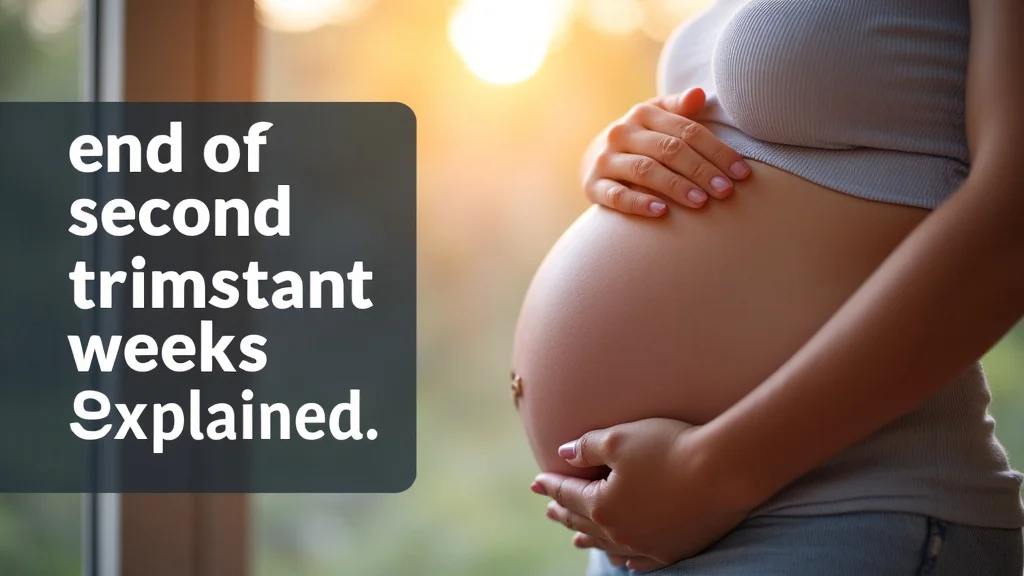
During the end of the second trimester weeks, your body continues to adapt. You’ll likely notice your baby bump growing more prominent. This means your uterus is expanding significantly to accommodate your growing baby.
You might experience increased hunger and cravings as your body needs more nutrients for both you and the baby.
Common physical changes include backaches due to the shift in your center of gravity and hormonal changes loosening ligaments. Swelling in your feet, ankles, and hands can also occur. You might also notice shortness of breath as the growing uterus presses on your diaphragm.
Skin changes like stretch marks and the linea nigra, a dark line down your abdomen, are also common. Some women experience Braxton Hicks contractions, which are practice contractions that help prepare your uterus for labor. These are usually irregular and painless.
Health Checks And Preparations
This period involves important health checks. Your healthcare provider will likely schedule appointments to monitor your health and the baby’s growth. These appointments often include checking your blood pressure, weight, and urine.
They will also listen to the baby’s heartbeat and measure the size of your uterus. A common check around this time is the glucose challenge test, which screens for gestational diabetes. This is important because managing gestational diabetes can help prevent complications for both you and the baby.
Preparations for birth also begin to intensify. You might start thinking about childbirth classes to learn more about labor, delivery, and pain management. It’s also a good time to start planning your birth preferences and discussing them with your healthcare provider.
Thinking about your birth plan, even if it’s just a general idea, can help you feel more in control and prepared. You might also start thinking about baby names and preparing your home for the baby’s arrival, such as setting up the nursery.
Navigating The End Of Second Trimester Weeks
As you reach the end of the second trimester weeks, you might encounter some new sensations and potential challenges. It’s a time when the physical demands of pregnancy become more apparent. Your body is working hard, and it’s important to listen to its signals.
While many women feel quite energetic during the second trimester, the approaching end can bring a shift as the baby’s size increases the pressure on your internal organs and body.
Managing discomforts is key to enjoying this stage. Things like fatigue can return, and sleep might become a bit more challenging as finding a comfortable position gets trickier. This is also when you might experience increased Braxton Hicks contractions.
Staying informed about these changes and knowing how to address them can make a significant difference. The goal is to feel as comfortable and prepared as possible as you transition into the final stages of pregnancy.
Managing Common Discomforts
Discomforts at the end of the second trimester weeks are common but manageable. Back pain is a frequent complaint. To ease it, try to maintain good posture, wear supportive shoes, and avoid standing or sitting for too long.
Sleeping with a pillow between your knees can also help align your spine. Gentle exercises like prenatal yoga or swimming can strengthen your back muscles and relieve tension.
Swelling, or edema, can make your hands and feet feel tight. Elevating your legs whenever possible can help reduce fluid buildup. Staying hydrated is also important, as it can actually help your body process excess fluid.
Avoid sitting or standing for long periods, and try to move around regularly. If swelling is sudden or severe, or accompanied by headaches or vision changes, contact your healthcare provider immediately, as this could indicate a more serious condition.
Heartburn and indigestion are also common as the growing uterus presses on your stomach. Eating smaller, more frequent meals can help. Avoid lying down immediately after eating and steer clear of trigger foods like spicy or fatty items.
Chewing gum or sipping on milk might offer some relief. For persistent heartburn, your doctor might suggest safe antacids.
Sleep disturbances can arise from discomfort, frequent urination, or vivid dreams. Try to establish a relaxing bedtime routine. A warm bath, reading a book, or listening to calming music can help.
Using extra pillows to support your body, especially your belly and back, can make sleeping more comfortable. Napping during the day, if possible, can also help combat fatigue.
Nutrition And Hydration Tips
Proper nutrition is vital during the end of the second trimester weeks. You need a balanced diet rich in essential nutrients to support your baby’s growth and your own well-being. Focus on lean proteins, whole grains, fruits, and vegetables.
Iron is crucial for preventing anemia, so include iron-rich foods like red meat, beans, and spinach in your diet. Vitamin C aids iron absorption.
Calcium and Vitamin D are important for your baby’s bone development. Dairy products, leafy greens, and fortified foods are good sources. Omega-3 fatty acids, found in fish like salmon (low-mercury varieties), walnuts, and flaxseeds, are beneficial for your baby’s brain and eye development.
Your healthcare provider might recommend a prenatal vitamin to ensure you are getting all the necessary nutrients.
Staying well-hydrated is equally important. Aim for at least 8-10 glasses of water per day. Water helps prevent constipation, reduces swelling, and supports the increased blood volume during pregnancy.
You can also include other fluids like herbal teas and diluted juices. Monitor your urine color; pale yellow indicates good hydration. Avoid excessive caffeine and sugary drinks, which can dehydrate you and contribute to weight gain.
Preparing For The Third Trimester
As you approach the end of the second trimester weeks, it’s wise to start thinking about the third trimester. This is when the baby’s growth becomes even more rapid, and you’ll likely feel their movements more intensely. You may want to finalize your birth plan and discuss any last-minute questions with your doctor or midwife.
Consider attending childbirth preparation classes if you haven’t already. These classes cover topics like labor stages, pain relief options, breathing techniques, and postpartum care. They can boost your confidence and help you feel more ready for the birthing process.
Also, start thinking about packing your hospital bag so you are prepared for labor and delivery at a moment’s notice. Ensure it contains essentials for you, your partner, and the baby.
Signs That Indicate You Should Contact Your Doctor
While many changes are normal, certain signs require immediate medical attention. If you experience sudden or severe swelling, especially in your face or hands, it’s crucial to contact your doctor. This, along with intense headaches, vision changes (like blurred vision or seeing spots), and upper abdominal pain, could be symptoms of preeclampsia, a serious pregnancy complication.
Decreased fetal movement is another critical sign. If you notice a significant reduction in your baby’s kicks or movements, contact your healthcare provider right away. Your baby’s activity level is a good indicator of their well-being.
Persistent, regular contractions before 37 weeks of pregnancy, leaking fluid from your vagina, or vaginal bleeding are also urgent symptoms that require immediate medical evaluation.
The Baby’s Final Touches In The Second Trimester
The end of the second trimester weeks is a period of remarkable development for your baby. They are no longer a tiny fetus but are starting to look more like the baby you will soon hold. Their organs are maturing, and their body is preparing for life outside the womb.
This stage is characterized by rapid growth in size and weight, with the baby filling out their space comfortably.
Sensory development is also advancing. The baby can now hear quite well, responding to loud noises or familiar voices. Their eyes are developing, and they can open and close them.
While they cannot see clearly yet, they can sense light. Taste development is also taking place; they can taste the amniotic fluid, which varies depending on your diet. This exposure might even influence their food preferences later in life.
Weight Gain And Size
At the end of the second trimester, your baby will have gained a significant amount of weight. They are filling out their skin, which was previously wrinkled and translucent. They now have a layer of subcutaneous fat that gives them a plumper appearance and helps with temperature regulation after birth.
This fat layer contributes to the baby’s smooth, rounded features.
A typical baby at the end of the second trimester can measure around 14 to 16 inches (35-40 cm) from head to toe and weigh between 2 to 3 pounds (0.9-1.4 kg). This rapid growth means they are taking up more space in your uterus. You will likely feel their movements more strongly and see visible bumps as they shift or kick against your abdominal wall.
This growth spurt is essential for their readiness for birth and survival outside the womb.
Sensory Development And Brain Growth
The baby’s brain is undergoing explosive growth during the end of the second trimester weeks. New neural connections are forming at an incredible rate. The brainstem, which controls vital functions like breathing and heart rate, is becoming more mature.
The cerebral cortex, responsible for higher-level functions like thinking and learning, is also developing rapidly, with grooves and folds appearing to increase its surface area.
Sensory development is equally impressive. The baby’s hearing is now well-developed, and they can clearly distinguish your voice, your partner’s voice, and other sounds from the outside world. They may react to loud noises with increased movement or a startled response.
Their sense of touch is also developing, allowing them to feel the amniotic fluid, their own body parts, and the uterine walls. The development of their taste buds means they can experience different flavors from the amniotic fluid, influenced by your diet.
Lung Maturation And Breathing Practice
Although your baby will not be able to breathe air independently until they are born, their lungs are actively preparing for this critical function. During the end of the second trimester weeks, tiny air sacs called alveoli begin to form in the lungs. These sacs are lined with surfactant, a substance that will prevent them from collapsing when the baby starts breathing air.
The production of surfactant will continue throughout the third trimester.
Your baby also practices breathing movements in the womb. They periodically inhale and exhale amniotic fluid. These movements are crucial for the development of the respiratory muscles and the maturation of the lungs.
While they are not actively oxygenating their blood through breathing at this stage (that is done via the placenta), these practice breaths are essential training for the moment they are born and take their first breath of air.
Common Myths Debunked
Myth 1 The end of the second trimester weeks means you are halfway through your pregnancy.
Reality: While the second trimester is often seen as the middle, pregnancy is typically divided into three 13-week trimesters. The end of the second trimester, around week 28, means you are two-thirds of the way through the entire pregnancy timeline if you count the full 40 weeks. So, you are actually further along than just halfway when you reach this point.
Myth 2 All babies are born around 40 weeks, so preparations can wait until the third trimester.
Reality: While 40 weeks is the average, many babies are born earlier or later. The end of the second trimester is an ideal time to start more serious preparations like attending childbirth classes, finalizing your birth plan, and mentally preparing for labor. Waiting too long can lead to unnecessary stress as you rush to get things done.
Myth 3 If you haven’t felt strong baby movements by the end of the second trimester, something is wrong.
Reality: Movement perception varies greatly among individuals and depends on factors like placenta position and body type. While strong, regular kicks are a positive sign, subtle flutters are also normal. If you are concerned about your baby’s movements, the best course of action is always to consult your healthcare provider for a professional assessment.
Frequently Asked Questions
Question: When do the end of second trimester weeks typically occur
Answer: The end of the second trimester weeks usually falls between week 24 and week 28 of pregnancy.
Question: What are the main physical changes for the mother at this stage
Answer: You may notice your baby bump growing more, experience backaches, swelling in your extremities, and possibly shortness of breath due to your uterus expanding.
Question: Is it common to feel Braxton Hicks contractions at the end of the second trimester
Answer: Yes, Braxton Hicks contractions, which are practice contractions, can begin or become more noticeable towards the end of the second trimester as your uterus prepares for labor.
Question: How much weight should a baby gain by the end of the second trimester
Answer: By the end of the second trimester, a baby typically weighs between 2 to 3 pounds and measures about 14 to 16 inches long.
Question: Should I be concerned if I haven’t felt my baby kick much yet
Answer: While feeling kicks is exciting, the frequency and strength can vary. If you are concerned about your baby’s movements, it’s always best to speak with your healthcare provider.
Conclusion
Reaching the end of the second trimester weeks is a wonderful milestone. You and your baby are growing and developing steadily. Focus on staying healthy with good nutrition and hydration.
Listen to your body, manage any discomforts gently, and remember that your healthcare provider is there to support you. Enjoy this phase as you prepare for the final stretch of your pregnancy.