Author: Admin

  • Week 4 of Pregnancy What to Expect

    Week 4 of Pregnancy What to Expect

    Finding out you are pregnant can be exciting and a little nerve-wracking, especially when it comes to understanding what happens when. The week 4 of pregnancy is often a confusing time because many people haven’t even missed a period yet, but big changes are already happening. It’s totally normal to feel unsure about everything right now.

    This guide is here to make things simple and easy to follow. We will walk you through all the important details step-by-step. Get ready to learn about the amazing developments and what to expect next.

    Key Takeaways

    • Understanding the early signs and symptoms of week 4 of pregnancy.
    • Learning about the rapid development of your baby at this stage.
    • Discovering common feelings and physical changes for the expectant parent.
    • Finding out what medical appointments or tests might be recommended.
    • Preparing for the upcoming weeks with practical tips and advice.

    Early Changes Week 4 Of Pregnancy

    Week 4 of pregnancy is a time of incredible growth and transformation, even though it might be one of the earliest stages a person can confirm a pregnancy. This is when many of the foundational developments for your baby take place. It’s also when some early pregnancy signs might start to show up, though they can be subtle and easily mistaken for other things.

    Understanding these changes can help you feel more prepared and less anxious about this exciting period. We will explore the biological events happening and what you might start to notice.

    The Implantation Process

    Implantation is the critical step where the fertilized egg, now called a blastocyst, attaches itself to the uterine wall. This usually happens about six to twelve days after fertilization. For many, this occurs around week 4 of pregnancy.

    The blastocyst is a tiny ball of cells that has already begun to divide. It needs to find a good spot in the uterus to grow and receive nutrients. Think of it like a seed finding fertile ground to sprout.

    Once attached, the blastocyst starts to burrow into the endometrium, the rich lining of the uterus. This process allows the developing embryo to connect with the mother’s blood supply. This connection is vital for providing oxygen and nutrients while removing waste products.

    The site of implantation will eventually develop into the placenta, the organ that supports the pregnancy throughout its duration. It’s a complex biological dance happening unseen.

    The hormones produced after implantation are key signals to the body that pregnancy has begun. These hormones are responsible for many of the early pregnancy symptoms. They tell the body to stop releasing eggs and to prepare the uterus to support a growing baby.

    This hormonal shift is what makes week 4 of pregnancy feel different for some.

    Hormonal Shifts and Early Symptoms

    The surge in pregnancy hormones, particularly human chorionic gonadotropin (hCG), is the main driver of early pregnancy symptoms. hCG is the hormone detected by pregnancy tests. Its levels rise rapidly in the first few weeks of pregnancy, more than doubling every 48 to 72 hours during this time.

    This hormonal flood can lead to a variety of physical changes.

    One of the most common early symptoms is fatigue. Your body is working overtime to support the new life, and this requires a lot of energy. You might find yourself feeling unusually tired, even after a full night’s sleep.

    It’s important to listen to your body and get as much rest as possible during this time. Extra sleep is not a luxury; it’s a necessity for your body’s amazing work.

    Another sign can be nausea, often referred to as morning sickness. This can happen at any time of day, not just in the morning. Some people experience mild queasiness, while others can have more severe nausea and vomiting.

    Eating small, frequent meals and avoiding trigger foods can help manage this symptom. Staying hydrated is also very important.

    Breast tenderness is also a common experience. Hormonal changes can make your breasts feel sore, swollen, or sensitive. You might also notice that your nipples are becoming darker or more prominent.

    These changes are preparing your body for future breastfeeding.

    What Is Happening With The Baby

    At week 4 of pregnancy, your baby is incredibly small, no bigger than a poppy seed. It is technically called an embryo at this stage. The embryo is made up of only a few hundred cells, but they are dividing and differentiating rapidly.

    This is a crucial period for the formation of the baby’s basic body structures.

    The embryo is developing into three distinct layers. The outermost layer, the ectoderm, will form the baby’s nervous system, including the brain and spinal cord, and the skin. The middle layer, the mesoderm, will develop into muscles, bones, heart, and blood vessels.

    The innermost layer, the endoderm, will form the digestive system and lungs.

    A very important structure called the neural tube is forming. This tube will eventually become the brain and spinal cord. It closes around day 28 of pregnancy.

    Taking folic acid supplements before and during early pregnancy is crucial to help prevent neural tube defects. This is why early prenatal care is so important, even before you might suspect you are pregnant.

    The embryo also has a primitive streak, which is the very first sign of segmentation in the embryo’s development. The heart is also beginning to form. It will soon start to beat, providing circulation for the growing cells.

    This is a significant milestone in embryonic development.

    Navigating Week 4 Of Pregnancy Challenges

    Week 4 of pregnancy, while incredibly exciting, can also bring about unique challenges. One of the biggest hurdles is the timing. Many women are still unaware they are pregnant at this stage, which can make managing symptoms or making lifestyle changes difficult.

    You might be continuing activities that you would later stop once you know you are pregnant. Awareness and understanding are key.

    Another challenge is the emotional rollercoaster. Hormonal fluctuations can cause mood swings, irritability, or feeling more sensitive than usual. It’s important to be kind to yourself and acknowledge these feelings.

    Sharing your experiences with a trusted partner, friend, or family member can be very helpful.

    The physical symptoms, even if mild, can also be disruptive. Fatigue can make daily tasks feel overwhelming. Nausea can affect your appetite and enjoyment of food.

    These symptoms, though normal, can impact your quality of life and require adjustments to your routine.

    Confirming The Pregnancy

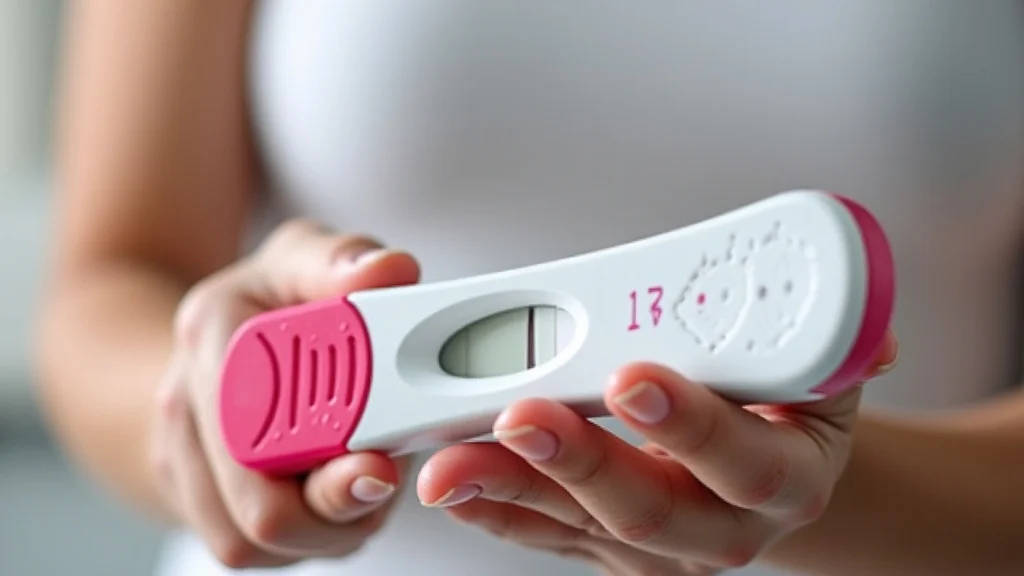
    Confirming a pregnancy at week 4 often involves a home pregnancy test. These tests detect hCG in your urine. For the most accurate results, it’s best to use your first-morning urine, as hCG levels are most concentrated then.

    If the test is positive, congratulations! The next step is typically to schedule an appointment with a healthcare provider.

    Your healthcare provider will likely want to confirm the pregnancy with another test, possibly a blood test, which can detect hCG earlier and in smaller amounts than urine tests. They will also discuss your medical history and may schedule an early ultrasound. Ultrasounds at this stage are often used to confirm the pregnancy is in the uterus and to estimate your due date.

    Seeing the gestational sac and maybe even a tiny flicker of a heartbeat can be a very emotional experience.

    It is also a good time to start thinking about prenatal vitamins if you haven’t already. Most healthcare providers recommend starting a prenatal vitamin containing folic acid before conception or as soon as you find out you are pregnant. This is crucial for the baby’s development.

    Potential Physical Discomforts

    Beyond fatigue and nausea, other physical discomforts can arise around week 4 of pregnancy. You might experience more frequent urination. This is due to hormonal changes and increased blood flow to the pelvic area.

    Your kidneys are working harder to process the extra fluid in your body.

    Some women also report food cravings or aversions. Certain smells or tastes might suddenly become appealing or repulsive. This can affect your diet and meal planning.

    It is important to try and maintain a balanced diet as much as possible, even with these changes.

    Mild cramping can also occur. This is often due to the implantation process or the uterus beginning to expand. However, if you experience severe cramping or bleeding, it is important to contact your healthcare provider immediately, as these could be signs of complications like an ectopic pregnancy or miscarriage.

    Always err on the side of caution and seek medical advice if you are concerned.

    Emotional Well-being

    The hormonal shifts during early pregnancy can significantly impact your emotional state. You might experience mood swings, feeling happy and excited one moment, and then sad or irritable the next. These fluctuations are normal and are a direct result of the rapid changes in your body’s hormone levels.

    It is important to practice self-care. This could involve getting enough sleep, eating nutritious foods, and engaging in gentle exercise if your body allows. Connecting with your support system is also vital.

    Talking about your feelings with your partner, a close friend, or a family member can provide comfort and reassurance.

    Consider joining an online or in-person pregnancy support group. Connecting with others who are going through similar experiences can be incredibly validating. You can share concerns, exchange tips, and feel less alone in this new phase of life.

    Week 4 Of Pregnancy Baby Development Milestones

    The development of your baby at week 4 of pregnancy is nothing short of miraculous. Although the embryo is still microscopic, it is undergoing rapid and fundamental changes. These milestones lay the groundwork for all future growth and development.

    Understanding these early stages can foster a deeper connection with your pregnancy.

    Formation of Key Organs

    As mentioned, week 4 is a critical time for the formation of the three germ layers that will give rise to all of the baby’s tissues and organs. From the ectoderm, the nervous system begins to take shape. The neural tube, which will become the brain and spinal cord, is actively closing.

    This is a crucial step for neurological development.

    The mesoderm is busy forming the circulatory system. The heart, a vital organ, starts as a simple tube that will soon begin to pump blood. This early circulation is essential for delivering nutrients and oxygen to the rapidly growing embryo and for removing waste products.

    Blood vessels are also forming throughout the embryo’s developing body.

    The endoderm layer is forming the lining of the digestive tract, including the stomach, intestines, and liver. The lungs also begin their development from this layer. Even at this tiny size, the basic blueprints for all of the body’s major systems are being laid down.

    It is a period of intense cellular activity and organization.

    The Primitive Heartbeat

    One of the most significant developments around week 4 is the beginning of the baby’s heartbeat. The heart starts as a simple tube, which then folds and begins to contract. This primitive heartbeat can often be detected by a transvaginal ultrasound around this time, though it may be as late as week 6 or 7 for some.

    The first heartbeat is a powerful symbol of life.

    This early heartbeat is much slower than an adult’s heart rate, typically around 100-160 beats per minute. The heart muscle is still developing, and the chambers are not yet fully formed. However, this rhythmic pumping is essential for circulating blood and nutrients throughout the embryo’s rapidly developing tissues.

    The detection of a heartbeat is often a major milestone for expectant parents. It makes the pregnancy feel more real and tangible. It is a powerful reassurance that everything is progressing as it should.

    Your healthcare provider will monitor the heart rate as part of your regular prenatal check-ups.

    Size and Appearance

    At week 4 of pregnancy, the embryo is incredibly small. It typically measures about 1-2 millimeters in length, which is about the size of a sesame seed or a poppy seed. It has a distinct head and tail end, and its body is curved.

    You wouldn’t be able to see it without a microscope.

    The embryo is surrounded by the amniotic sac, which is filling with fluid. This fluid will cushion and protect the developing baby throughout the pregnancy. The yolk sac is also present, providing early nourishment to the embryo before the placenta is fully developed and functional.

    The embryo is implanted in the uterine wall, which is thickening to support its growth.

    The appearance of the embryo at this stage is very primitive. It does not look like a miniature baby. Instead, it is a cluster of cells undergoing rapid division and differentiation.

    The groundwork for limbs, facial features, and organs is being established, but these structures are not yet discernible.

    Preparing For Your First Prenatal Visit

    When you confirm your pregnancy, scheduling your first prenatal visit is a vital step. This appointment, often called a dating scan or initial prenatal check-up, typically happens between weeks 8 and 12 of pregnancy, but some providers may want to see you earlier, especially if you have any concerns or a history of complications. It’s a great opportunity to discuss your health, get screened, and ask questions.

    Before your appointment, take some time to think about your medical history. This includes any previous pregnancies, surgeries, chronic conditions, allergies, and medications you are currently taking. Also, make a list of any questions or concerns you have about your pregnancy.

    Writing them down will help you remember everything during the appointment.

    Your healthcare provider will want to know the first day of your last menstrual period. This information is used to estimate your due date. They will likely perform a physical examination, including checking your blood pressure and weight.

    Blood tests will be done to check for various things like your blood type, Rh factor, and immunity to certain infections like rubella and hepatitis B. They will also check for anemia and screen for sexually transmitted infections.

    What To Expect At The Appointment

    At your first prenatal appointment, your healthcare provider will want to get a clear picture of your health and the early stages of your pregnancy. They will ask detailed questions about your menstrual cycle, any symptoms you’re experiencing, and your general health. This is also a good time to disclose any family history of genetic conditions or pregnancy complications.

    A pelvic exam might be performed to check the health of your reproductive organs. As mentioned, blood tests are standard. These tests help identify any potential issues that need to be addressed early on.

    Urine samples will also be collected to check for signs of infection or other health concerns.

    Depending on your individual circumstances and the clinic’s policies, an ultrasound may be performed. Early ultrasounds are primarily used to confirm the pregnancy, determine its location (to rule out an ectopic pregnancy), and establish a more accurate due date based on the size of the gestational sac or embryo. Seeing the first signs of your baby can be an incredibly moving experience.

    Importance Of Folic Acid

    Folic acid is a B vitamin that plays a crucial role in preventing serious birth defects of the baby’s brain and spine. These defects, known as neural tube defects, occur very early in pregnancy, sometimes even before you know you are pregnant. That is why starting folic acid supplements before conception is so highly recommended.

    The recommended daily intake of folic acid for women who are pregnant or trying to become pregnant is typically 400 micrograms (mcg). This amount is usually found in most prenatal vitamins. Ensure your prenatal vitamin contains adequate folic acid.

    If you have a history of neural tube defects, your doctor may prescribe a higher dose.

    Eating foods rich in folate, like leafy green vegetables, beans, and fortified cereals, is also beneficial. However, it is very difficult to get the recommended amount of folic acid from diet alone. Therefore, supplementation is considered essential for all pregnant women.

    It is one of the most effective ways to ensure a healthy start for your baby.

    Discussing Lifestyle Changes

    Your healthcare provider will discuss important lifestyle changes to support a healthy pregnancy. This includes advice on diet, exercise, and substance use. It is essential to avoid alcohol, smoking, and recreational drugs entirely.

    These substances can cause serious harm to the developing baby.

    They will also provide guidance on safe foods to eat and foods to avoid. For instance, certain types of fish should be limited due to mercury content, and raw or undercooked meats and eggs should be avoided to prevent foodborne illnesses. Proper food safety is paramount.

    Exercise is generally encouraged unless you have specific medical conditions or complications. Moderate, regular exercise can help manage weight gain, reduce back pain, improve circulation, and boost your mood. Your provider can help you determine what type and amount of exercise are safe and appropriate for you.

    Understanding The Embryo’s Structure

    At week 4 of pregnancy, the structure of the embryo is a fascinating biological marvel. It is a tiny, developing organism with specialized cells beginning to form the foundation of its entire body. Understanding these early structures helps appreciate the rapid pace of development.

    The Three Germ Layers

    The embryo is organized into three primary germ layers: the ectoderm, mesoderm, and endoderm. These layers are not just simple layers of cells; they are populations of cells destined to give rise to specific tissues and organs.

    • Ectoderm: This outermost layer is responsible for forming the nervous system, including the brain, spinal cord, and nerves. It also gives rise to the skin, hair, nails, and the sensory organs like eyes and ears. The development of the neural tube from the ectoderm is a hallmark of this stage.
    • Mesoderm: This middle layer develops into the musculoskeletal system, including muscles, bones, and cartilage. It also forms the circulatory system, comprising the heart, blood vessels, and blood cells. The kidneys and reproductive organs also originate from the mesoderm.
    • Endoderm: This innermost layer forms the lining of the digestive tract, from the esophagus to the intestines. It also gives rise to the lungs, liver, pancreas, and thyroid gland. These vital organs are essential for digestion, respiration, and metabolism.

    The careful organization and differentiation of these germ layers are crucial for proper embryonic development. Any disruptions during this period can have significant consequences for the baby’s health.

    The Neural Tube’s Role

    The neural tube is one of the earliest structures to form and is critical for the development of the central nervous system. It forms from the ectoderm layer and is essentially a hollow structure that will give rise to the brain and spinal cord. The closure of the neural tube is a complex process that occurs around the 28th day of gestation.

    If the neural tube does not close properly, it can result in neural tube defects (NTDs), such as spina bifida and anencephaly. These are serious birth defects that can affect the brain, spine, and spinal cord. This is why adequate folic acid intake is so vital during the early stages of pregnancy, as it helps support the healthy closure of the neural tube.

    The formation and closure of the neural tube are among the most critical developmental events in early pregnancy. It highlights the importance of maternal health and nutrition even before conception.

    Early Limb Buds

    Around week 4 of pregnancy, the very first signs of limb development begin to appear. These are known as limb buds. They are small, rounded bumps that emerge from the sides of the embryo’s body.

    These will eventually develop into the arms and legs.

    Initially, these limb buds are simple extensions of the embryonic body wall. Over the next few weeks, they will grow longer and develop into more defined structures. The fingers and toes will eventually form from these initial buds through a process of budding and separation.

    The appearance of limb buds signifies the continued complex patterning and growth occurring within the embryo. It is another indicator of how much development is packed into these very early stages of pregnancy.

    Common Myths Debunked

    Myth 1: You Will Immediately Know You Are Pregnant

    Reality: Many women do not suspect they are pregnant at week 4 of pregnancy. They might not have missed their period yet, and early symptoms like fatigue or mild nausea can easily be mistaken for premenstrual symptoms or general tiredness. It often takes a missed period and a positive pregnancy test for the realization to occur.

    Myth 2: All Pregnant Women Experience Morning Sickness

    Reality: While morning sickness is common, not every pregnant woman experiences it. Some have severe nausea and vomiting, others have mild queasiness, and some have no nausea at all. Pregnancy symptoms are highly individual, and the absence of morning sickness does not mean anything is wrong.

    Myth 3: The Baby Looks Like A Tiny Human At Week 4

    Reality: At week 4, the developing baby is an embryo, not a fetus, and is microscopic. It does not resemble a miniature human. Instead, it is a cluster of cells undergoing rapid division and differentiation, with basic structures like the neural tube and heart beginning to form.

    The recognizable human form develops much later.

    Myth 4: You Can Feel The Baby Moving At Week 4

    Reality: It is physically impossible to feel the baby move at week 4. The embryo is far too small, and the structures responsible for movement are still developing. The first faint sensations of fetal movement, known as quickening, typically occur between 16 and 25 weeks of pregnancy.

    Frequently Asked Questions

    Question: When should I take a home pregnancy test

    Answer: For the most accurate results, it is best to wait until after you have missed your period. Some sensitive tests can detect pregnancy a few days before your missed period, but testing too early might lead to a false negative result.

    Question: What if I had a glass of wine before I knew I was pregnant

    Answer: While it is best to avoid alcohol completely once you know you are pregnant, a single instance before you were aware of your pregnancy is unlikely to cause harm. Focus on eliminating alcohol from this point forward and discuss any concerns with your healthcare provider.

    Question: Can I continue my regular exercise routine

    Answer: For most women, moderate exercise is encouraged during pregnancy. However, it’s essential to discuss your exercise routine with your healthcare provider to ensure it is safe for you and your developing baby, especially as your pregnancy progresses.

    Question: Why is folic acid so important

    Answer: Folic acid is crucial for preventing neural tube defects, which are serious birth defects of the brain and spine. These defects develop very early in pregnancy, making folic acid supplementation vital even before you know you are pregnant.

    Question: How big is the embryo at week 4

    Answer: At week 4 of pregnancy, the embryo is very small, typically measuring about 1 to 2 millimeters in length. It is often compared to the size of a poppy seed or sesame seed.

    Summary

    Week 4 of pregnancy is a foundational stage filled with rapid development for your tiny embryo and early bodily changes for you. You learned about implantation, crucial hormonal shifts, and the beginnings of organ formation. We covered common symptoms and the importance of early prenatal care, including folic acid.

    This knowledge empowers you to embrace this exciting early phase.
  • Pregnancy Test 5 Days Before Missed Period

    Pregnancy Test 5 Days Before Missed Period

    Figuring out if you’re pregnant can bring up lots of questions, especially when you want to know as soon as possible. A common time people think about testing is a pregnancy test 5 days before missed period. This can be a bit tricky for beginners because early pregnancy signs can be subtle, and the hormone levels needed for a positive test might still be low.

    It’s completely normal to feel a little unsure. This guide will walk you through everything simply, step by step. We’ll cover when to test, how it works, and what your results mean.

    Key Takeaways

    • Learn the best time to take a pregnancy test for accurate results.
    • Understand how pregnancy tests detect the pregnancy hormone hCG.
    • Discover what a faint positive line means and how to interpret it.
    • Find out common mistakes to avoid when taking a home pregnancy test.
    • Get clear advice on what to do after getting your test results.

    Taking a Pregnancy Test Early

    How Early Can You Test For Pregnancy

    Knowing when to take a pregnancy test is super important for getting accurate results. Most home pregnancy tests work by detecting a hormone called human chorionic gonadotropin (hCG). Your body starts producing hCG shortly after a fertilized egg implants in the uterus.

    However, the amount of hCG increases over time. Testing too early means there might not be enough hCG for the test to detect, leading to a false negative result. This is why waiting until you’ve missed your period is generally recommended.

    But, for those eager to know, understanding the nuances of early testing is key.

    Understanding hCG Levels

    Human chorionic gonadotropin (hCG) is a hormone that is produced by the cells that will form the placenta. It’s often called the “pregnancy hormone.” After a fertilized egg attaches to the uterine lining, hCG starts to be released into your bloodstream and urine. The levels of hCG rise rapidly in early pregnancy, doubling approximately every 48 to 72 hours during the first few weeks.

    This hormone is what pregnancy tests look for. The sensitivity of a pregnancy test refers to how low a level of hCG it can detect. More sensitive tests can detect lower amounts of hCG, making it possible to get a positive result earlier.

    However, even with sensitive tests, there’s a point at which testing too early can still yield an inaccurate result because the hormone hasn’t built up enough.

    Understanding hCG levels helps explain why there’s a “sweet spot” for testing. If you test too early, the hCG concentration in your urine might be below the detection threshold of the test, even if you are pregnant. This can lead to a disheartening false negative.

    Conversely, testing too late might not be necessary if you’re keen to find out sooner, provided you use a sensitive enough test and follow the instructions carefully.

    The Science Behind Pregnancy Tests

    Home pregnancy tests are designed to be user-friendly and provide quick results. They work using a type of immunoassay that detects hCG in urine. The test strip contains antibodies that are sensitive to hCG.

    When you urinate on the absorbent tip of the test, your urine travels up the strip. If hCG is present, it binds to these antibodies.

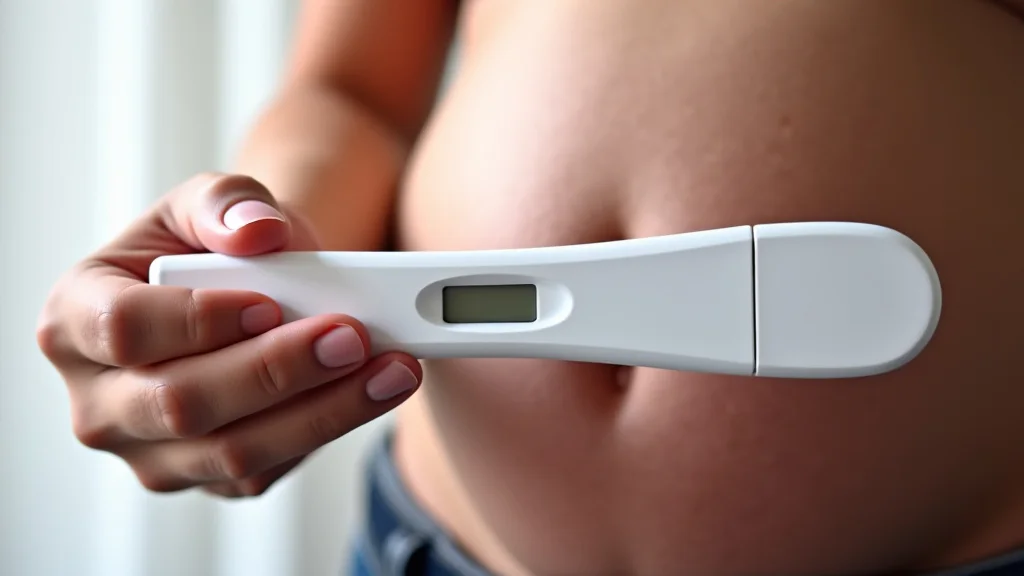
    This binding triggers a chemical reaction that causes a line, symbol, or digital word to appear in the result window. Different tests have different ways of showing results. Some use lines (one line for negative, two for positive), while others use plus or minus signs, or display words like “Pregnant” or “Not Pregnant” on a digital screen.

    The accuracy of these tests depends on several factors, including the sensitivity of the test, the concentration of hCG in your urine, and how correctly you follow the test instructions.

    The accuracy is highest when testing with first-morning urine because it’s usually the most concentrated, meaning any hCG present will be in a higher concentration. This makes it easier for the test to detect. While some tests claim to detect pregnancy several days before a missed period, their accuracy at these very early stages can be lower compared to testing on or after your missed period.

    It’s a trade-off between wanting an early answer and ensuring the result is reliable.

    When Is The Best Time To Test

    The most reliable time to take a pregnancy test is on the day your period is due, or a few days after you’ve missed it. At this point, hCG levels are generally high enough for most tests to detect accurately. However, if you’re eager to test earlier, many sensitive home pregnancy tests can detect hCG as early as 5 days before your missed period.

    It’s important to remember that testing this early might result in a false negative if your hCG levels are still too low.

    For the most accurate early results, it’s best to use first-morning urine. This is because your urine is most concentrated after a night’s sleep, meaning any hCG produced will be in a higher concentration. This increases the chances of a positive result if you are pregnant.

    If you get a negative result when testing early, but your period still doesn’t arrive, it’s a good idea to re-test a few days later.

    Consider tracking your ovulation if you’re trying to conceive. Knowing your ovulation date can help you pinpoint when implantation might occur and, consequently, when hCG levels might become detectable. This timing knowledge can make early testing more strategic.

    However, for absolute certainty, waiting until your period is late remains the gold standard.

    Pregnancy Test 5 Days Before Missed Period Accuracy

    Taking a pregnancy test 5 days before missed period is a common practice for many who are anxious to know if they are expecting. While many modern pregnancy tests are highly sensitive and can detect the pregnancy hormone hCG at lower levels, their accuracy is significantly impacted by the timing. Testing this early means you are relying on detecting very small amounts of hCG in your urine.

    The primary challenge with testing this early is the potential for a false negative. A false negative occurs when the test result indicates you are not pregnant, but you actually are. This happens because hCG levels might not have risen sufficiently in your system to be detected by the test.

    Even if a fertilized egg has implanted, it takes time for hCG to build up to detectable levels in urine.

    While some tests market themselves as being able to detect pregnancy up to 5 days before a missed period, their accuracy rates are usually lower at these earliest stages compared to testing on or after your missed period. For instance, a test might claim 99% accuracy on the day of your missed period, but its accuracy 5 days prior could be closer to 60-70%. This means there’s a considerable chance of getting an incorrect result if you test too soon.

    What A Faint Positive Line Means

    A faint positive line on a pregnancy test is usually a sign that you are pregnant. It means that the test has detected the presence of hCG in your urine, but the concentration is low. This is very common when testing early, such as 5 days before your missed period, because hCG levels are still building up in your system.

    When you see a faint line, it’s important not to dismiss it. Even a slight indication of a second line, provided it appears within the timeframe specified by the test instructions, generally signifies a positive result. The intensity of the line often correlates with the amount of hCG present.

    A darker line typically means higher hCG levels, while a fainter line suggests lower levels.

    It’s recommended to re-test a few days later, ideally on or after your missed period, using first-morning urine. If you are pregnant, you should see a darker, more distinct line. This follow-up test helps confirm the result.

    If the faint line was due to an evaporation line or a faulty test, a subsequent test will likely be negative. However, if you see a faint line and it develops within the correct time frame, it’s best to assume you are pregnant and consult with your doctor.

    False Negatives Explained

    A false negative pregnancy test result is when the test says you are not pregnant, but you actually are. This is the most common type of inaccurate result, especially when testing early. Several factors can contribute to a false negative when taking a pregnancy test 5 days before missed period.

    The primary reason is that your body may not have produced enough hCG yet for the test to detect. hCG is the hormone that pregnancy tests look for, and its levels are very low in the earliest days of pregnancy. If you test too soon after implantation, the concentration of hCG in your urine might be below the sensitivity threshold of even the most sensitive home pregnancy tests.

    Another reason could be diluted urine. If you drink a lot of fluids before taking the test, your urine may be too diluted to show a positive result, even if hCG is present. This is why using first-morning urine, which is more concentrated, is generally recommended for early testing.

    Incorrectly following the test instructions, such as not waiting long enough for the result or using an expired test, can also lead to false negatives.

    To minimize the risk of a false negative, it’s best to wait until your period is late to take a pregnancy test. If you choose to test early, use a highly sensitive test and use your first-morning urine. If you get a negative result but still suspect you might be pregnant, wait a few days and test again.

    False Positives Are Rare

    False positive pregnancy test results, where the test indicates you are pregnant but you are not, are very rare. Modern home pregnancy tests are highly accurate when used correctly. The vast majority of positive results are accurate.

    However, there are a few specific situations that can lead to a false positive. One is a chemical pregnancy, which is a very early miscarriage that occurs shortly after implantation. The test might detect the hCG produced by the early pregnancy before it ends.

    Another cause can be certain medications that contain hCG, such as those used in fertility treatments. If you are taking such medications, it’s important to discuss this with your doctor.

    Rarely, certain medical conditions can affect test results. For example, some tumors can produce hCG, leading to a false positive. Also, if a test is faulty or if a result is read after the designated time frame (an evaporation line), it might be misinterpreted as positive.

    Evaporation lines are faint, colorless lines that can appear as urine evaporates from the test strip.

    If you get a positive result, even if you suspect it might be false, it’s always best to confirm with your healthcare provider. They can perform further tests, such as a blood test or an ultrasound, to confirm the pregnancy and discuss your next steps.

    How To Take A Pregnancy Test Correctly

    Taking a pregnancy test correctly is crucial for obtaining accurate results, especially when testing early. While the process seems simple, following the instructions precisely can make a big difference. When you are looking to test pregnancy test 5 days before missed period, precision is even more important due to potentially low hormone levels.

    The first step is to read the instructions that come with your specific test. Different brands may have slight variations in how to use them. Generally, you’ll need to collect a urine sample.

    For the most reliable results, especially when testing early, it’s recommended to use your first-morning urine because it is the most concentrated. This means any pregnancy hormone, hCG, will be present in the highest amount.

    There are usually two main methods for testing: either by holding the absorbent tip of the test directly in your urine stream for a specified number of seconds, or by collecting urine in a clean cup and dipping the test strip into it. Whichever method you use, make sure you follow the time indicated on the instructions. Exposing the test to urine for too long or not long enough can affect the result.

    After exposing the test to urine, you need to wait a specific amount of time for the result to appear. This waiting period is critical. Do not read the result too early or too late.

    Most tests require you to wait for a few minutes. Reading the result outside the designated timeframe can lead to misinterpretation, such as mistaking an evaporation line for a positive result.

    Using First Morning Urine

    Using your first-morning urine is a key recommendation for taking a pregnancy test, particularly when you are testing early, like 5 days before your missed period. After you have been sleeping and haven’t consumed fluids for several hours, your urine becomes more concentrated. This concentration means that any pregnancy hormone, hCG, that your body is producing will be at its highest level in your system during that time.

    When hCG levels are higher in your urine, it makes it easier for the pregnancy test to detect. Sensitive tests are designed to pick up hCG even at low concentrations, but the more concentrated your urine, the better the chances of getting a clear and accurate positive result if you are pregnant. If you test with urine that has been diluted by drinking a lot of water, the hCG levels might be too low for the test to register, potentially leading to a false negative result.

    To collect your first-morning urine, simply urinate into a clean, dry container. Many tests allow you to either pee directly on the test stick or dip the stick into the collected urine. Ensure the container is clean to avoid any contamination that could interfere with the test.

    By using first-morning urine, you are maximizing the potential for the test to detect hCG accurately, especially during those crucial early days.

    Reading The Results

    Reading pregnancy test results correctly is vital for accurate interpretation. Most home pregnancy tests use either lines or digital displays to show the result. It’s crucial to read the test within the time frame specified in the instructions, usually between 3 to 10 minutes.

    Reading too early or too late can lead to confusion.

    For line tests, a negative result typically shows one line in the control window, indicating the test is working. A positive result usually shows two lines: one in the control window and another in the test window. The second line, even if faint, generally indicates a positive result.

    A faint positive line often means that hCG levels are present but still low, which is common when testing early.

    Digital tests are simpler to read, as they will display words like “Pregnant” or “Not Pregnant.” If you see a faint positive line on a line test, it’s usually best to confirm the result with another test a few days later, especially if you are testing before your missed period. If you see no lines or only a line in the test window (and not the control window), the test may be invalid and you should re-test with a new kit.

    Common Mistakes To Avoid

    When taking a pregnancy test, especially when aiming for an early result like pregnancy test 5 days before missed period, certain mistakes can lead to inaccurate outcomes. One of the most frequent errors is testing too early. While tests are sensitive, hCG levels might simply not be high enough for detection days before your period is due, resulting in a false negative.

    Another common mistake is using diluted urine. Drinking excessive fluids before taking the test can lower the concentration of hCG, making it harder for the test to detect. It’s best to use first-morning urine, which is more concentrated.

    Additionally, not reading the test within the specified time frame can cause confusion. Reading too early means the result might not be fully developed, while reading too late can lead to misinterpreting evaporation lines as positive results.

    Forgetting to check the expiration date of the test is also a pitfall. Expired tests may not work correctly. Lastly, improper storage of the test kits, such as in extreme temperatures, can affect their accuracy.

    Always store pregnancy tests in a cool, dry place. By being aware of these common mistakes and following the instructions carefully, you can significantly improve the reliability of your test results.

    Interpreting Your Results

    What To Do With A Positive Result

    If your pregnancy test shows a positive result, congratulations! This usually means you are pregnant. Even a faint positive line generally indicates the presence of hCG, the pregnancy hormone.

    The very next step you should take is to schedule an appointment with your healthcare provider, such as a doctor or a midwife. They can confirm your pregnancy with a blood test or an ultrasound and discuss your prenatal care options.

    Your healthcare provider will want to determine how far along you are, discuss your health history, and provide guidance on maintaining a healthy pregnancy. This includes advice on diet, exercise, and what to avoid. They will also schedule your first prenatal visit, which is usually around 8-12 weeks pregnant, but they may want to see you sooner depending on your circumstances.

    It’s important to remember that while home pregnancy tests are highly accurate, they are not a substitute for professional medical advice. Your doctor will provide the definitive confirmation and the necessary support as you begin your pregnancy journey. They can also address any questions or concerns you may have about your pregnancy or what to expect in the coming months.

    Embracing this exciting news and seeking professional guidance is the best path forward.

    What To Do With A Negative Result

    If your pregnancy test comes back negative, it usually means you are not pregnant. However, if you tested early, especially pregnancy test 5 days before missed period, it’s possible to get a false negative. This happens if hCG levels are still too low to be detected by the test.

    If your period is still late after a negative result, it’s advisable to re-test a few days later. Using first-morning urine can increase the accuracy of a repeat test. If you continue to get negative results but your period remains absent, or if you have concerns about your cycle, it’s a good idea to consult with your healthcare provider.

    There could be other reasons for a missed period, such as stress, hormonal imbalances, or changes in lifestyle.

    Your doctor can perform further tests to determine the cause of your missed period and offer appropriate advice. If you were trying to conceive and received a negative result, try not to feel discouraged. Continue tracking your cycle and consider when might be the best time for your next test.

    Patience and consistency are key when trying to conceive.

    Understanding Evaporation Lines

    An evaporation line is a faint, colorless line that can appear on a pregnancy test after the initial result window has passed. It forms when urine evaporates from the test strip, and it can sometimes be mistaken for a positive result. This is a common source of confusion, particularly when testing early or when the test is left sitting for too long.

    The key difference between an evaporation line and a true positive line is its color and timing. A true positive line, even if faint, will typically have a pink or blue hue (depending on the test) and appears within the timeframe specified by the test instructions. An evaporation line is usually colorless or grayish and shows up much later, often after the test has dried out.

    To avoid misinterpreting an evaporation line, always read your pregnancy test within the designated time frame mentioned in the instructions. If you see a faint line, wait a day or two and test again, preferably with first-morning urine. If the line is consistently faint but present within the correct time, it is likely a positive result.

    If it only appears much later or is colorless, it is likely an evaporation line, and you should assume the result is negative or re-test.

    Real-Life Scenarios And Advice

    Let’s look at some common situations people face when trying to determine pregnancy. Sarah is excited to test but her period isn’t due for another 6 days. She has a highly sensitive test.

    She uses first-morning urine and sees a very faint line appear within the 5-minute window. She knows this faint line could be an early positive, but she’s also aware of false negatives. Sarah decides to wait two days and test again with another sensitive test.

    Her second test shows a clear, definite positive line. This confirms her pregnancy.

    Another scenario involves Mark and Lisa. Lisa is usually very regular, but her period is a day late. She takes a standard pregnancy test with diluted afternoon urine.

    The test shows a negative result. Lisa feels disappointed but waits another two days. Her period still hasn’t arrived.

    She takes another test, this time using first-morning urine. The result is clearly positive. This highlights the importance of using concentrated urine and potentially re-testing if your period is still late.

    These examples show that early testing requires patience and careful interpretation. If you get an ambiguous result like a faint line, or if your period is late after a negative test, re-testing is often the best course of action. Always follow the test instructions closely and consider consulting a healthcare professional for confirmation and guidance.

    Testing Scenario Timing Relative to Missed Period Type of Test Urine Concentration Likely Outcome Recommended Action
    Early Bird Test 5 Days Before Highly Sensitive First Morning Urine Faint Positive or Negative Re-test in 2 days; Consult Doctor
    Standard Test 1 Day Late Standard Sensitivity Diluted Afternoon Urine Likely Negative (even if pregnant) Re-test in 2-3 days with first morning urine
    Late Period Test 1 Week Late Any Sensitivity First Morning Urine Clear Positive or Negative Consult Doctor

    Common Myths Debunked

    Myth 1 Early Testing Always Gives A Definitive Answer

    Many people believe that if you can test early, you’ll get a definite answer. This isn’t always true. While tests are sensitive, hCG levels are very low in the early days of pregnancy.

    Testing too soon can lead to a false negative, meaning the test says you’re not pregnant when you actually are. A definitive answer is best achieved by testing on or after your missed period.

    Myth 2 A Faint Line Means It’s Not Real

    Some think that if the second line on a pregnancy test is faint, it’s not a real positive. This is incorrect. A faint positive line indicates the presence of hCG, the pregnancy hormone, albeit in lower amounts.

    This is very common when testing early. Even a faint line that appears within the correct time frame is generally considered a positive result. It’s best to re-test in a few days for a darker line.

    Myth 3 All Pregnancy Tests Are The Same

    Not all pregnancy tests are created equal. They vary in sensitivity, meaning some can detect lower levels of hCG than others. Tests designed for early detection are more sensitive and can pick up pregnancy hormones sooner than standard tests.

    Using a highly sensitive test is crucial if you plan to test pregnancy test 5 days before missed period for a better chance at an accurate early result.

    Myth 4 It’s Impossible To Get A False Positive

    While false positives are very rare, they can happen. Situations like a chemical pregnancy (a very early miscarriage), certain medications containing hCG, or faulty tests can lead to a false positive result. If you get a positive result, it’s always recommended to confirm it with your doctor.

    Frequently Asked Questions

    Question: Can I test for pregnancy 5 days before my period is due

    Answer: Yes, you can test for pregnancy 5 days before your period is due, but the accuracy may be lower. Use a highly sensitive test and first-morning urine for the best chance at an accurate result.

    Question: What does a faint line on a pregnancy test mean

    Answer: A faint line usually means you are pregnant, but hCG levels are still low. It’s often seen when testing early. It is best to re-test in a few days to see a darker line.

    Question: Why is first-morning urine best for early testing

    Answer: First-morning urine is more concentrated, meaning it has a higher level of hCG if you are pregnant. This makes it easier for sensitive tests to detect the hormone.

    Question: What should I do if I get a negative result but my period is late

    Answer: If your period is late and you got a negative result, wait a few days and test again. If you continue to get negative results, or if you have concerns, consult your doctor.

    Question: How soon after implantation can a pregnancy test detect pregnancy

    Answer: A pregnancy test can typically detect pregnancy about 6-10 days after ovulation and implantation, when hCG levels rise enough to be measured in urine.

    Wrap Up

    Testing for pregnancy 5 days before your missed period is possible with sensitive tests. Remember that early testing carries a higher risk of false negatives due to low hCG levels. Always use first-morning urine and follow test instructions precisely.

    A faint positive line usually means you are pregnant, but re-testing is recommended. If your period is late and tests are negative, see your doctor. Trust the process and seek medical confirmation.

  • Your Pregnancy Week by Week Guide Made Easy

    Your Pregnancy Week by Week Guide Made Easy

    Many soon-to-be parents find the idea of tracking their pregnancy week by week a bit overwhelming. You might wonder where to start or what to expect each day. It’s completely normal to feel a little unsure!

    This guide is here to make things simple. We’ll break down what happens during your pregnancy, step by step. Get ready for clear, easy-to-follow information that answers all your questions.

    Key Takeaways

    • You will learn what to expect in each stage of pregnancy.
    • This guide explains common pregnancy changes and symptoms.
    • Discover tips for staying healthy and comfortable throughout your pregnancy.
    • Understand when to talk to your doctor about specific concerns.
    • Gain confidence in managing your pregnancy week by week.

    Understanding Your Pregnancy Week By Week

    Pregnancy is a truly amazing process, and following it week by week can help you feel more connected to your growing baby. Each week brings new developments for both you and your little one. Sometimes, it feels like a lot to take in.

    Knowing what to look for can ease worries and make the experience more enjoyable. This section will give you a clear overview of how your pregnancy progresses from the very beginning.

    The First Trimester Early Stages

    The first trimester covers weeks 1 through 12. This is a period of rapid development for your baby. Many early pregnancy signs appear now.

    These can include fatigue, nausea, and frequent urination. Your body is going through significant hormonal changes.

    What Happens Week by Week in the First Trimester

    • Week 1-4 Fertilization and Implantation Your pregnancy technically begins on your last menstrual period. Around week 2 or 3, fertilization may occur. The fertilized egg, now called a blastocyst, travels to the uterus and implants in the uterine lining. This is a critical early step.
    • Week 5-8 Embryonic Growth The embryo develops rapidly. Major organs like the brain, heart, and lungs begin to form. Tiny limb buds appear, and the heart starts to beat. You might experience stronger pregnancy symptoms like morning sickness.
    • Week 9-12 Fetal Development The embryo is now considered a fetus. All major organs are present, though not fully developed. The fetus starts to move, though you won’t feel it yet. Your first prenatal visit is likely within this period, where your doctor will confirm the pregnancy and discuss your health.

    By the end of week 12, your baby is about the size of a plum. They have tiny fingers and toes. Your body is also changing.

    You might notice your clothes feeling a bit tighter. It’s a good time to start thinking about maternity wear.

    The Second Trimester Middle Weeks

    The second trimester spans from week 13 to week 28. Many people find this the most comfortable part of pregnancy. Morning sickness often subsides, and your energy levels may increase.

    This is when your baby grows significantly, and you might start to feel them move!

    Baby’s Growth and Changes

    • Weeks 13-16 Developing Features Your baby’s facial features become more defined. They develop fingernails and toenails. Their muscles grow stronger, leading to more movement. You might feel the first fluttery kicks around this time.
    • Weeks 17-20 Quickening and Senses The first noticeable fetal movements, called quickening, are felt by many mothers. Your baby’s hearing develops, and they can start to hear your voice. Their skin is still thin and see-through.
    • Weeks 21-24 Weight Gain and Organ Maturation Your baby gains weight rapidly. Their lungs mature, preparing for breathing air. You may experience some discomforts like backaches or swelling. Your doctor will likely perform an anatomy scan to check your baby’s development.
    • Weeks 25-28 Preparing for Birth Your baby’s eyes can now open and close. Their body proportions become more like a newborn’s. You might feel stronger kicks and punches. This stage is crucial for the development of sleep-wake cycles.

    During the second trimester, your baby is growing from about the size of a lemon to a squash. Your belly will become more prominent, and people will start to notice you are pregnant. It’s a time for bonding and preparing for the next phase.

    The Third Trimester Final Stretch

    The third trimester lasts from week 29 to your baby’s birth, around week 40. This is a period of rapid growth and preparation for life outside the womb. You will likely experience more significant physical changes and might feel tired as your body works hard.

    Preparing for Arrival

    • Weeks 29-32 Rapid Growth and Fat Accumulation Your baby continues to gain weight, and their skin loses its wrinkled appearance. Their bones are hardening, except for the skull, which remains soft to allow for birth. You might experience Braxton Hicks contractions, which are practice contractions.
    • Weeks 33-36 Positioning and Lung Development Your baby’s lungs are maturing significantly. They are likely positioned head-down, preparing for birth. You may feel increased pressure in your pelvis. It is vital to monitor fetal movements closely.
    • Weeks 37-40 Full Term and Beyond At 37 weeks, your baby is considered full-term. They continue to grow and prepare for birth. Your body also gets ready for labor and delivery. You might have more frequent Braxton Hicks contractions.

    By the end of your pregnancy, your baby will be around 6 to 9 pounds and about 19 to 21 inches long. They have developed fully and are ready to meet you. This is a time to focus on rest and preparing your home for your new arrival.

    Common Pregnancy Changes and Symptoms

    Pregnancy brings about many bodily changes and symptoms. These are your body’s way of adapting to support your growing baby. Some are exciting, like feeling your baby move, while others can be uncomfortable.

    Understanding these changes helps you know what to expect and how to manage them.

    Early Pregnancy Symptoms

    The first few weeks can bring about noticeable changes. These are often the first signs that you might be pregnant. They can vary greatly from person to person.

    • Fatigue Feeling unusually tired is very common. This is due to increased progesterone levels. Your body is working hard to support the pregnancy.
    • Nausea and Vomiting Often called morning sickness, this can occur at any time of day. It usually starts around week 6 and often eases by the end of the first trimester.
    • Frequent Urination Hormonal changes and increased blood flow to your pelvic area can make you need to urinate more often.
    • Breast Changes Your breasts may become tender, swollen, or sensitive. They might also feel fuller and heavier. Veins may become more visible.
    • Food Cravings and Aversions You might find yourself craving certain foods or suddenly disliking foods you once enjoyed.

    These symptoms are usually temporary and part of the normal pregnancy process. Staying hydrated and eating small, frequent meals can help manage some of these changes.

    Second Trimester Changes

    As you move into the second trimester, some early symptoms may lessen, and new changes may appear.

    • Quickening The sensation of your baby moving is a significant milestone. It typically begins between 16 and 25 weeks.
    • Heartburn As your uterus grows, it can put pressure on your stomach, leading to heartburn.
    • Backaches The extra weight you are carrying can strain your back. Hormonal changes also loosen ligaments, contributing to back pain.
    • Skin Changes You might develop melasma (dark patches on the face) or a line from your navel to your pubic bone called the linea nigra.
    • Swelling Mild swelling in your hands, feet, and ankles is common, especially later in the day.

    These changes are generally normal. However, sudden or severe swelling could indicate a more serious condition, so it is important to discuss it with your doctor.

    Third Trimester Experiences

    The final weeks can bring more intense physical sensations as your body prepares for labor.

    • Shortness of Breath Your growing uterus can press on your diaphragm, making breathing feel more difficult.
    • Braxton Hicks Contractions These are practice contractions that help prepare your uterus for labor. They are usually irregular and do not increase in intensity.
    • Pelvic Pressure As your baby drops lower into your pelvis (lightening), you may feel more pressure in your pelvic area.
    • Difficulty Sleeping Finding a comfortable position and dealing with discomforts can make sleep challenging.

    Managing these symptoms often involves adjusting your posture, resting when possible, and staying hydrated. Your healthcare provider is your best resource for advice on managing any discomforts.

    Staying Healthy Throughout Your Pregnancy

    Maintaining a healthy lifestyle is essential for both you and your baby. This involves good nutrition, regular exercise, and adequate rest. These practices support your baby’s development and help you feel your best.

    Nutrition and Diet

    Eating a balanced diet provides the necessary nutrients for your growing baby. Focus on whole foods and ensure you are getting enough key nutrients.

    • Prenatal Vitamins Most healthcare providers recommend a prenatal vitamin to ensure you get enough folic acid, iron, and calcium. Folic acid is crucial for preventing neural tube defects in the early stages of pregnancy.
    • Protein Lean meats, poultry, fish, beans, and eggs are excellent sources of protein, vital for your baby’s tissue growth.
    • Fruits and Vegetables Aim for a variety of colorful fruits and vegetables. They provide essential vitamins, minerals, and fiber.
    • Whole Grains Choose whole wheat bread, brown rice, and oats for sustained energy and fiber.
    • Dairy or Alternatives Calcium is important for your baby’s bones and teeth. Milk, cheese, yogurt, or fortified plant-based alternatives are good sources.

    It is important to avoid certain foods during pregnancy, such as raw or undercooked meats and seafood, unpasteurized dairy products, and high-mercury fish. Always wash fruits and vegetables thoroughly. Talk to your doctor about specific dietary needs or concerns.

    Safe Exercise and Movement

    Regular physical activity is beneficial during pregnancy. It can help manage weight gain, improve mood, and prepare your body for labor. However, it’s important to choose safe exercises and listen to your body.

    • Walking This is a low-impact exercise that is safe and effective. Aim for brisk walks several times a week.
    • Swimming The buoyancy of water reduces pressure on your joints, making swimming a great option.
    • Prenatal Yoga This type of yoga is adapted for pregnant women and can improve flexibility and relaxation.
    • Strength Training Light weights or resistance bands can be used to maintain muscle strength.

    Always consult with your healthcare provider before starting any new exercise program. Avoid activities with a high risk of falling or abdominal trauma. Stop exercising if you feel pain, dizziness, or shortness of breath.

    Rest and Sleep

    Getting enough rest is vital for your well-being and your baby’s development. Your body needs extra energy to support the pregnancy.

    • Prioritize Sleep Aim for 7-9 hours of sleep per night. Consider taking naps during the day if you feel tired.
    • Sleep Positions Sleeping on your side, particularly your left side, is recommended during pregnancy. This improves circulation to your baby. Use pillows to support your belly, back, and legs.
    • Create a Relaxing Routine Establish a calming bedtime routine, such as reading a book or taking a warm bath, to help you unwind.

    If you experience persistent sleep problems, talk to your doctor. They can offer strategies to help you get better rest.

    When to Seek Medical Advice

    While many pregnancy symptoms are normal, some require immediate medical attention. Knowing when to call your doctor is crucial for a healthy pregnancy and birth.

    Warning Signs in Early Pregnancy

    Contact your healthcare provider if you experience any of the following:

    • Severe abdominal pain or cramping.
    • Vaginal bleeding, especially if it is heavy.
    • Unusual discharge.
    • High fever.
    • Severe nausea or vomiting that prevents you from keeping fluids down.

    These symptoms could indicate a complication, and prompt medical evaluation is necessary.

    Warning Signs in Later Pregnancy

    As your pregnancy progresses, be aware of these signs:

    • Decreased fetal movement.
    • Sudden or severe swelling of the face or hands.
    • Severe headache that does not improve with pain relief.
    • Changes in vision, such as blurred vision or seeing spots.
    • Vaginal bleeding.
    • Contractions that are regular, painful, and frequent before 37 weeks.
    • Leaking fluid from the vagina.

    These symptoms can be signs of conditions like preeclampsia or preterm labor. It is always best to err on the side of caution and contact your doctor or go to the nearest emergency room if you are concerned.

    Common Myths Debunked

    Frequently Asked Questions

    Question: How accurate is a week by week pregnancy guide?

    Answer: A week by week pregnancy guide is a general roadmap. Every pregnancy is unique, and babies develop at slightly different rates. These guides offer typical timelines and common milestones, but your personal experience may vary.

    Always consult with your healthcare provider for personalized information.

    Question: Can I eat anything I want when I’m pregnant?

    Answer: While you need more nutrients, some foods should be avoided or limited to ensure your baby’s safety. This includes raw seafood, unpasteurized dairy, and certain types of fish high in mercury. Your doctor can provide specific dietary recommendations.

    Question: Is it safe to exercise during pregnancy?

    Answer: Yes, moderate exercise is generally safe and beneficial during pregnancy. Activities like walking, swimming, and prenatal yoga are excellent choices. However, you should always consult your doctor before starting or continuing an exercise routine.

    Question: How can I tell if I’m in labor?

    Answer: True labor contractions are typically regular, get closer together, and become more intense over time. You might also experience a “bloody show” or a sudden gush of water. If you suspect you are in labor, contact your healthcare provider.

    Question: When will I feel my baby move for the first time?

    Answer: Most women feel their baby’s first movements, called quickening, between 16 and 25 weeks of pregnancy. If you haven’t felt movement by 25 weeks, mention it to your doctor. The sensation can feel like butterflies or gentle flutters.

    Summary

    Following your pregnancy week by week provides a clear path through this incredible time. You’ve learned about your baby’s amazing development and the common changes you may experience. We covered how to stay healthy with good nutrition and safe exercise.

    Remember to listen to your body and always consult your doctor. You are doing a wonderful job preparing for your new arrival!

  • Easy Second Trimester Meal Plan

    Easy Second Trimester Meal Plan

    So, you’re hitting the second trimester and suddenly thinking about what to eat. It’s common to feel a little unsure about creating a good second trimester meal plan. You want to give your growing baby all the right nutrients, but you also might be dealing with new energy levels or cravings.

    Don’t worry, it’s simpler than it seems! This guide will break it down step-by-step, making it easy for you to feel confident about your food choices.

    Key Takeaways

    • Understanding the nutritional needs of the second trimester is key for healthy growth.
    • This meal plan focuses on balanced meals with essential vitamins and minerals.
    • Simple meal ideas help combat common pregnancy discomforts and cravings.
    • Hydration is just as important as food for your well-being.
    • Snack ideas are included to keep energy levels stable throughout the day.
    • This plan offers flexibility to fit your personal tastes and schedule.

    Nourishing Your Second Trimester Body

    The second trimester is often called the “golden period” of pregnancy. Many of the early pregnancy symptoms like morning sickness start to fade, and you might feel a surge of energy. This is a great time to focus on building a healthy eating pattern to support your baby’s rapid development and your own changing body.

    Your baby is growing quickly, and they need plenty of good stuff from you. This means paying attention to protein, healthy fats, and essential vitamins and minerals.

    Why a Second Trimester Meal Plan Matters

    Creating a structured second trimester meal plan can help you stay on track with your nutrition. Without a plan, it’s easy to fall back on less healthy convenience foods, especially when you’re busy or feeling tired. A plan helps ensure you’re getting a wide variety of nutrients consistently.

    It also helps manage cravings by having healthier options readily available. Think of it as a roadmap to feeling your best and providing the best for your baby.

    Essential Nutrients for the Second Trimester

    During this phase, your body needs more energy and specific nutrients to support your baby’s growth and your increased blood volume. Key among these are protein, which builds your baby’s tissues, and iron, crucial for carrying oxygen to your baby and preventing anemia. Calcium and Vitamin D are vital for bone development in your baby, and folate remains important for preventing neural tube defects.

    Iron is a mineral that helps your body make hemoglobin, the protein in red blood cells that carries oxygen. Many women find their iron needs increase significantly in the second trimester. Good sources include lean red meat, poultry, fish, beans, and fortified cereals.

    Pairing iron-rich foods with Vitamin C sources, like citrus fruits or bell peppers, can help your body absorb iron better.

    Calcium is another vital nutrient for your baby’s developing bones and teeth. It also plays a role in your own bone health. Dairy products, leafy green vegetables like kale, and fortified plant-based milks are excellent sources.

    Vitamin D works with calcium to help the body absorb it effectively. You can get Vitamin D from fatty fish, fortified milk, and by spending some time in the sun, though dietary sources are often more reliable.

    Folate, also known as folic acid when supplemented, is incredibly important for preventing birth defects of the brain and spine. While it’s crucial throughout pregnancy, it remains a key nutrient in the second trimester. Leafy green vegetables, legumes, and fortified grains are good dietary sources.

    Many healthcare providers recommend a daily prenatal vitamin that includes folic acid to ensure adequate intake.

    • Protein helps build your baby’s muscles and tissues. Aim for about 70-100 grams per day.
    • Iron is essential for blood production for both you and your baby. Your recommended intake often doubles during pregnancy.
    • Calcium and Vitamin D are critical for your baby’s bone and teeth formation.
    • Folate continues to be important for your baby’s brain and spinal cord development.

    Crafting Your Second Trimester Meal Plan

    Designing your second trimester meal plan doesn’t have to be complicated. The goal is to create balanced meals that include a good mix of protein, healthy fats, complex carbohydrates, and plenty of fruits and vegetables. This approach ensures you get a wide range of nutrients and helps keep your energy levels stable throughout the day, preventing those energy dips that can lead to unhealthy snacking.

    Building Balanced Meals

    A balanced meal typically includes a lean protein source, a whole grain or complex carbohydrate, and plenty of vegetables or fruits. For example, a lunch could be grilled chicken breast with a side of quinoa and a large mixed green salad. Dinner might be baked salmon with roasted sweet potatoes and steamed broccoli.

    These combinations provide sustained energy and a variety of vitamins and minerals.

    Protein sources can include chicken, turkey, fish (low-mercury options like salmon, trout, cod), lean beef, eggs, beans, lentils, tofu, and Greek yogurt. Whole grains offer fiber and sustained energy; think brown rice, oats, whole wheat bread, and quinoa. Healthy fats are crucial for brain development and hormone production; avocados, nuts, seeds, and olive oil are excellent choices.

    Vegetables and fruits are packed with vitamins, minerals, and fiber. Aim for a rainbow of colors to ensure you’re getting a broad spectrum of nutrients. Dark leafy greens, berries, citrus fruits, and colorful vegetables like bell peppers and carrots are great additions to any meal or snack.

    When planning, think about variety. Eating the same few meals every day can lead to nutrient gaps and boredom. Try to incorporate different types of proteins, grains, and produce throughout the week to maximize your nutrient intake and keep your meals interesting.

    Sample Meal Plan Ideas

    Here are some simple ideas to get you started. Remember, these are just suggestions, and you can adjust them based on your preferences and what’s available.

    Breakfast Ideas

    • Oatmeal with berries, nuts, and a drizzle of honey.
    • Scrambled eggs with spinach and whole-wheat toast.
    • Greek yogurt with granola and sliced fruit.
    • Smoothie made with spinach, banana, protein powder, and almond milk.

    Oatmeal provides fiber to keep you full and steady energy. Adding berries gives you antioxidants and Vitamin C, while nuts offer healthy fats and protein. Scrambled eggs are a fantastic source of protein and choline, important for your baby’s brain development.

    Whole-wheat toast adds complex carbohydrates for energy. Greek yogurt is rich in protein and calcium. Smoothies are a quick way to pack in nutrients, especially if you’re not feeling very hungry.

    Lunch Ideas

    • Lentil soup with a side of whole-grain bread.
    • Tuna salad (made with Greek yogurt instead of mayo) on whole-wheat crackers with carrot sticks.
    • Chicken breast salad with mixed greens, cucumber, tomatoes, and a vinaigrette dressing.
    • Quinoa bowl with black beans, corn, avocado, and salsa.

    Lentil soup is packed with protein and fiber, making it very filling. Whole-grain bread offers complex carbs. Tuna salad provides protein and omega-3 fatty acids, though it’s best to consume it in moderation due to mercury concerns; opt for light tuna.

    Using Greek yogurt instead of mayonnaise adds protein and reduces fat. A chicken breast salad offers lean protein and a wide array of vitamins from the vegetables. The quinoa bowl is a complete meal with protein, fiber, and healthy fats.

    Dinner Ideas

    • Baked salmon with roasted sweet potatoes and asparagus.
    • Lean ground turkey stir-fry with brown rice and mixed vegetables.
    • Chicken breast with a side of steamed broccoli and a small baked potato.
    • Vegetarian chili with a dollop of Greek yogurt.

    Salmon is a powerhouse of omega-3 fatty acids, crucial for your baby’s brain and eye development. Sweet potatoes are rich in Vitamin A and fiber. Turkey stir-fry is a lean protein option with plenty of opportunities to add various vegetables for nutrients and fiber.

    Brown rice provides whole grains. Chicken breast is a versatile lean protein. Broccoli is a cruciferous vegetable packed with vitamins and fiber.

    Vegetarian chili is a great way to get protein and fiber from beans and lentils.

    Snack Smart

    Snacks are essential for keeping your energy up and preventing you from getting overly hungry, which can lead to poor food choices. Aim for snacks that combine protein and fiber for sustained fullness. About 2-3 snacks per day are usually recommended.

    • A handful of almonds and a piece of fruit.
    • Apple slices with peanut butter.
    • Hard-boiled eggs.
    • Carrot sticks with hummus.
    • A small container of cottage cheese or Greek yogurt.

    Almonds offer healthy fats, protein, and fiber. Fruits provide natural sweetness and vitamins. Apple slices with peanut butter combine fiber, vitamins, and protein for a satisfying snack.

    Hard-boiled eggs are a simple, portable source of protein. Carrot sticks with hummus provide fiber and plant-based protein. Cottage cheese and Greek yogurt are excellent sources of protein and calcium, helping to keep you satisfied between meals.

    Staying Hydrated And Managing Cravings

    Hydration is just as crucial as your diet during pregnancy. It helps prevent constipation, fatigue, and headaches, and it’s vital for amniotic fluid production and nutrient transport to your baby. Don’t forget that a good second trimester meal plan includes plenty of fluids!

    The Importance of Water

    Your body needs more fluids during pregnancy, especially in the second trimester. Aim for at least 8-10 glasses of water per day. If plain water feels boring, try infusing it with fruits like lemon, cucumber, or berries.

    Herbal teas (check with your doctor about safe options) can also contribute to your fluid intake.

    Dehydration can lead to uncomfortable symptoms like dizziness and fatigue. It can also increase your risk of urinary tract infections, which are more common during pregnancy. So, keep a water bottle with you throughout the day and sip on it regularly.

    Listen to your body; if you feel thirsty, drink up!

    Other healthy fluid options include milk (for calcium and protein), unsweetened juices in moderation, and clear broths. However, water should always be your primary beverage choice. Limit sugary drinks like soda and excessively caffeinated beverages, as they offer little nutritional value and can contribute to unwanted weight gain or interfere with sleep.

    Handling Pregnancy Cravings

    Cravings are a normal part of pregnancy. Your body might be signaling a need for certain nutrients, or it could just be hormonal. The key is to find a balance.

    If you crave something sweet, try a piece of fruit or a small portion of dark chocolate instead of a large candy bar.

    If you’re craving salty snacks, opt for air-popped popcorn, whole-grain crackers with a little cheese, or a small portion of mixed nuts. For crunchy cravings, try raw vegetables like carrots, celery, or bell peppers. Having healthier alternatives readily available makes it easier to satisfy your cravings without derailing your nutrition.

    It’s okay to indulge occasionally in things you truly desire, but focus on mindful eating. Enjoy the treat in a smaller portion and savor it. If a craving is persistent, try to incorporate it into a balanced meal or snack.

    For instance, if you’re craving ice cream, have a small scoop after a nutritious dinner. This way, you still get the satisfaction without overdoing it.

    Tracking your cravings can sometimes reveal patterns. Are you craving certain foods when you’re tired or stressed? Addressing the underlying feeling might help reduce the intensity of the craving.

    Sometimes, simply drinking a glass of water can help distinguish between thirst and a true craving.

    Sample Week-Long Second Trimester Meal Plan

    Here’s a sample week to give you a more concrete idea of how to structure your meals. This plan is rich in nutrients and designed for variety.

    Monday

    • Breakfast: Oatmeal with sliced banana and walnuts.
    • Lunch: Large salad with grilled chicken, mixed greens, cucumber, bell peppers, and a light vinaigrette.
    • Dinner: Baked cod with steamed broccoli and a side of brown rice.
    • Snacks: Apple slices with peanut butter, a handful of almonds.

    This day focuses on lean protein and whole grains. Cod is a good source of lean protein and omega-3s. Broccoli offers vitamins and fiber.

    The snacks provide sustained energy and healthy fats.

    Tuesday

    • Breakfast: Scrambled eggs with spinach and whole-wheat toast.
    • Lunch: Lentil soup with whole-grain bread.
    • Dinner: Turkey meatballs with whole wheat pasta and marinara sauce, served with a side salad.
    • Snacks: Greek yogurt with berries, carrot sticks with hummus.

    Lentils are a fantastic source of protein and iron. Turkey meatballs provide lean protein, and whole wheat pasta offers complex carbohydrates. Greek yogurt is a good calcium and protein source.

    Wednesday

    • Breakfast: Smoothie with kale, banana, protein powder, and almond milk.
    • Lunch: Quinoa bowl with black beans, corn, avocado, and salsa.
    • Dinner: Grilled salmon with roasted sweet potatoes and green beans.
    • Snacks: Hard-boiled egg, orange slices.

    This day emphasizes omega-3s from salmon and complex carbohydrates from quinoa and sweet potatoes. Kale adds a dose of vitamins and minerals.

    Thursday

    • Breakfast: Greek yogurt with granola and mixed berries.
    • Lunch: Tuna salad (made with Greek yogurt) on whole-grain crackers with cherry tomatoes.
    • Dinner: Chicken breast stir-fry with mixed vegetables (broccoli, carrots, bell peppers) and brown rice.
    • Snacks: Pear slices, small portion of mixed nuts.

    Tuna provides protein and omega-3s. The stir-fry is a great way to load up on vegetables and lean protein. Mixed nuts are good for healthy fats and fiber.

    Friday

    • Breakfast: Whole wheat pancakes with a small amount of maple syrup and a side of scrambled eggs.
    • Lunch: Leftover chicken stir-fry.
    • Dinner: Homemade whole wheat pizza with lean protein (chicken or turkey sausage) and plenty of vegetables.
    • Snacks: Cottage cheese with pineapple chunks, cucumber slices.

    Pancakes can be a weekend treat, balanced with protein from eggs. Pizza can be a healthier option when made with whole wheat and lean toppings. Cottage cheese is rich in casein protein for slow release.

    Saturday

    • Breakfast: Oatmeal with peaches and chia seeds.
    • Lunch: Veggie burger on a whole wheat bun with a side salad.
    • Dinner: Lean beef stew with root vegetables (carrots, potatoes, parsnips).
    • Snacks: A small handful of grapes, a hard-boiled egg.

    Chia seeds add fiber and omega-3s. A veggie burger provides plant-based protein and fiber. Beef stew offers iron and protein, with nutrient-rich root vegetables.

    Sunday

    • Breakfast: Omelette with mushrooms, onions, and a slice of whole-wheat toast.
    • Lunch: Leftover beef stew.
    • Dinner: Roasted chicken with a baked potato and steamed mixed vegetables.
    • Snacks: Banana with a tablespoon of almond butter, a small container of Greek yogurt.

    This day offers a balanced mix of protein, complex carbs, and vitamins. Almond butter provides healthy fats and protein. A roasted chicken dinner is a classic, nutritious meal.

    Common Myths Debunked

    Myth 1: You Need To Eat For Two

    While your calorie needs increase in the second trimester, it’s not double. You typically need an extra 300-350 calories per day, not an extra full person’s worth. Focusing on nutrient-dense foods is more important than simply increasing the quantity of food consumed.

    Myth 2: All Seafood Is Bad Due To Mercury

    This is not true. Many types of fish are safe and highly beneficial during pregnancy, offering essential omega-3 fatty acids. It’s important to choose low-mercury options like salmon, trout, sardines, and shrimp, while limiting high-mercury fish like shark, swordfish, and king mackerel.

    Always check local advisories for fish caught in local waters.

    Myth 3: You Can’t Eat Any Dairy

    Dairy products are an excellent source of calcium and vitamin D, which are vital for your baby’s bone development. As long as the dairy products are pasteurized, they are safe and recommended. Unpasteurized dairy can carry harmful bacteria.

    So, enjoy pasteurized milk, cheese, and yogurt!

    Myth 4: Craving Specific Foods Means You’re Deficient In That Nutrient

    While some cravings might hint at a need for certain nutrients, it’s often more complex. Hormonal changes, food aversions from morning sickness, and psychological factors can all play a role. It’s best to focus on a balanced diet overall rather than trying to satisfy every craving with specific foods, as this can lead to an unbalanced intake.

    Frequently Asked Questions

    Question: How much weight should I expect to gain in the second trimester?

    Answer: Typically, a healthy weight gain during the second trimester is about one pound per week, or roughly 12-15 pounds over the entire trimester. However, this can vary, and it’s best to discuss your specific weight gain with your healthcare provider.

    Question: Are there any specific vitamins I should focus on in the second trimester?

    Answer: While a balanced diet covers many needs, iron, calcium, Vitamin D, and folate remain particularly important. Your doctor may recommend a prenatal vitamin to ensure you’re getting enough of these and other essential nutrients.

    Question: What if I’m experiencing heartburn?

    Answer: Heartburn is common in the second trimester. Eating smaller, more frequent meals, avoiding lying down immediately after eating, and avoiding trigger foods like spicy or greasy items can help. Your doctor can also suggest safe remedies.

    Question: Can I eat spicy food during the second trimester?

    Answer: For most healthy pregnancies, spicy foods are generally safe. However, they can sometimes trigger heartburn or indigestion, so listen to your body. If spicy food makes you uncomfortable, it’s best to limit it.

    Question: How do I make sure I’m getting enough protein?

    Answer: Include a protein source at every meal and snack. Good sources include lean meats, poultry, fish, eggs, dairy products, beans, lentils, tofu, and nuts. Aim for about 70-100 grams of protein daily.

    Wrap Up

    Creating a healthy second trimester meal plan helps you nourish yourself and your baby. Focus on balanced meals with lean protein, whole grains, healthy fats, and plenty of fruits and vegetables. Stay hydrated and manage cravings with smart choices.

    You’ve got this!

  • Third Trimester Baby Tips For New Parents

    Third Trimester Baby Tips For New Parents

    It’s totally normal to feel a mix of excitement and a little bit of worry as your baby approaches their big arrival. The last few months, especially when you’re thinking about a third trimester baby, can feel like a lot to take in, especially if this is your first time. There are so many things to think about, and it’s easy to get overwhelmed.

    But don’t you worry! We’re going to break it all down super simply, step by step, so you feel ready and confident. Let’s get you prepped for meeting your little one.

    Key Takeaways

    • You will learn common signs that your baby is getting ready to arrive.
    • We will discuss how to prepare your home for a new baby.
    • You will discover simple ways to take care of yourself during these final weeks.
    • We will cover what to pack for the hospital or birth center.
    • You will find out how to handle common discomforts of the third trimester.
    • You will feel more ready to welcome your little one.

    Preparing For Your Third Trimester Baby

    The third trimester is when things start to feel very real as your baby grows bigger and closer to being ready for the outside world. This phase can bring new feelings and physical changes for expecting parents. It’s a time filled with anticipation, as well as practical steps to get ready.

    Thinking ahead helps make these last weeks smoother and less stressful. We will explore what to expect and how to prepare your home and yourself for your little one’s arrival.

    Getting Your Home Ready

    Setting up your home for a newborn is a key part of getting ready. This involves creating safe and comfortable spaces for your baby. It also means having essential items on hand.

    Think about where the baby will sleep, eat, and play. Planning these areas in advance makes life easier once the baby is home.

    • Nursery Setup

      Setting up the nursery doesn’t have to be complicated. A safe crib or bassinet is the most important item. Make sure it meets current safety standards.

      You might also want a comfortable chair for feeding and a changing table or pad. Keep the room temperature pleasant and free from drafts. Avoid using soft bedding like bumpers or loose blankets in the crib, as these can be a safety hazard.

      Ensure any paint or materials used are non-toxic.

    • Essential Baby Gear

      You’ll need a few key items beyond the nursery. A car seat is absolutely essential for bringing your baby home and for any travel. Make sure it’s installed correctly according to the manufacturer’s instructions.

      Strollers and baby carriers are also very useful for getting out and about. Think about a safe place for the baby to sleep when you’re not in the nursery, like a bassinet in your room for the first few months. Feeding supplies, whether for breastfeeding or bottle-feeding, are also necessary.

      Having a good supply of diapers and wipes is a must. You can start with a small box of newborn diapers to see what fits best. Clothing should be comfortable and easy to put on and take off.

      Onesies and sleep sacks are great choices. Remember to wash all new baby clothes before use.

    • Safety Checks

      Babyproofing your home is a process that starts before the baby arrives and continues as they grow. For the third trimester, focus on the immediate needs. Ensure there are no small objects within reach that the baby could swallow.

      Check that electrical outlets are covered if they are low to the ground. Secure any heavy furniture that could tip over. Make sure blind cords are out of reach.

      These simple steps create a safer environment for your little one.

    Taking Care of Yourself

    Your well-being is just as important as preparing for the baby. The third trimester can bring physical discomforts and increased fatigue. Prioritizing rest and self-care will help you feel stronger and more prepared.

    Listening to your body and making time for yourself is key.

    • Rest and Sleep

      Getting enough sleep can be a challenge. Your body is working hard, and it’s normal to feel tired. Try to nap when the baby naps, even if it’s just for a short period.

      Sleeping on your side, with a pillow between your knees, can help with comfort. Some women find a pregnancy pillow helpful for support.

      Creating a relaxing bedtime routine can also improve sleep quality. Avoid caffeine late in the day and try to wind down before bed. If sleep is a persistent problem, talk to your doctor.

      They can offer advice or suggest ways to manage sleep difficulties.

    • Nutrition and Hydration

      Eating well-balanced meals and snacks is important for your energy levels. Focus on foods rich in protein, fruits, vegetables, and whole grains. Staying hydrated is also crucial.

      Aim to drink plenty of water throughout the day. You might find yourself eating smaller, more frequent meals to help with digestion and reduce heartburn.

      Many healthcare providers recommend prenatal vitamins to ensure you are getting all the necessary nutrients. If you have specific dietary concerns or needs, discuss them with your doctor or a registered dietitian. They can provide personalized guidance.

    • Managing Discomforts

      Common third-trimester discomforts include backaches, swelling, heartburn, and Braxton Hicks contractions. Gentle exercise like walking or prenatal yoga can help with aches and pains. Wearing supportive shoes and avoiding standing for long periods can ease swelling.

      Elevating your feet when you can also helps. For heartburn, try avoiding trigger foods and eating upright after meals. Braxton Hicks contractions are practice contractions; they are usually irregular and not painful.

      If you are concerned about any symptoms, always consult your doctor.

    Hospital Bag Essentials

    Packing your hospital bag in advance means you won’t have to rush when labor begins. Having everything ready provides peace of mind. It ensures you and your baby have what you need for your hospital stay.

    Pack items for yourself, your partner, and the baby.

    What to Pack for Mom

    Focus on comfort and practicality for your hospital stay. You’ll want items that make you feel good during and after labor. Remember that hospitals often provide basic items, but bringing your own can enhance your comfort.

    • Comfortable Clothing

      Bring a couple of comfortable nightgowns or pajamas. Look for ones that open in the front for easy breastfeeding access. Comfortable robes and slippers are also good choices.

      You’ll want loose-fitting clothes to wear home, as you will likely still have some belly size.

    • Toiletries and Personal Items

      Pack your toothbrush, toothpaste, hairbrush, and any other personal hygiene items you use. Lip balm is great for dry lips. If you use any specific hair ties or headbands, bring those too.

      Consider bringing a few favorite snacks and a water bottle.

    • Entertainment and Relaxation

      Pack a book, magazines, or your tablet for downtime. Music or podcasts can be soothing during labor. A pillow from home can make the hospital bed feel more comfortable.

      If you have a birth plan, bring copies to share with your care team.

    What to Pack for Baby

    The hospital will provide diapers and basic clothing for the baby during your stay. However, it’s nice to have a few of your own items for the baby. The most important item is the car seat for the ride home.

    • Going-Home Outfit

      Choose a comfortable outfit for your baby to wear home. Consider the weather; a onesie and pants or a sleep sack might be appropriate. You’ll also want a hat and possibly a jacket or blanket depending on the season.

    • Extra Diapers and Wipes

      While the hospital provides these, you might prefer to use your own preferred brand. Bring a small pack of newborn diapers and a travel pack of wipes.

    • Baby Blanket

      A soft blanket is nice for wrapping your baby up for the ride home or for warmth. Choose one that is breathable and not too heavy.

    What to Pack for Your Partner

    Your partner or support person will be there for you throughout labor and delivery. Ensuring they are comfortable and have what they need will help them support you better.

    • Comfortable Clothes and Shoes

      Bring comfortable clothes for them to wear for an extended period. Snacks and drinks are also a good idea, as hospital cafeterias may not always be accessible.

    • Entertainment

      A book, phone charger, or headphones can help pass the time during long waits.

    • Important Documents

      Make sure they have insurance information and any other necessary paperwork.

    Recognizing Labor Signs

    As your due date approaches, you’ll start to notice changes in your body that signal labor is getting near. These signs can vary from person to person, but knowing what to look for can help you feel more prepared. It’s important to distinguish between true labor and Braxton Hicks contractions.

    Early Signs of Labor

    Several changes can indicate that your body is preparing for labor. These early signs are your body’s way of getting ready for the big event.

    • Lightening

      This is when the baby “drops” lower into your pelvis. You might feel it as an easier time breathing, but more pressure in your lower abdomen. It can happen weeks before labor for first-time mothers.

    • Bloody Show

      This is when the mucus plug that seals your cervix is released. It might look like thick, clear, pink, or slightly bloody mucus. It can happen a few days before labor or even a few weeks prior.

    • Nesting Instinct

      Some people experience a surge of energy and a strong desire to clean and organize their home. This “nesting” instinct is thought to be a preparation for the baby’s arrival.

    When to Go to the Hospital

    True labor signs are more consistent and intense. Your doctor or midwife will tell you when to head to the hospital or birth center.

    • Regular Contractions

      True labor contractions become regular, stronger, and closer together over time. They typically start in the back and move to the front. If your contractions are coming every 5 minutes and lasting for about a minute each, it’s often time to go.

      A useful way to time contractions is to note when one starts and when the next one starts. For example, if one starts at 1:00 PM and the next starts at 1:05 PM, that’s 5 minutes apart. If they continue to get closer, like every 4 minutes, then every 3 minutes, and they are strong, it’s time to call your provider.

    • Water Breaking

      This is when your amniotic sac ruptures, releasing the amniotic fluid. It can be a trickle or a gush. If your water breaks, call your doctor or midwife.

      They will advise you on the next steps, which usually involves heading to the hospital, especially if contractions haven’t started yet. Note the color and smell of the fluid, as this can be important information for your care team.

    • Other Concerns

      If you experience any severe bleeding, severe headaches, sudden swelling, or decreased baby movement, contact your doctor immediately. These could be signs of complications.

    Common Myths Debunked

    Myth 1: You will instantly know when labor starts.

    The reality is that labor often begins gradually with subtle signs like Braxton Hicks contractions or the “bloody show.” Not everyone experiences a dramatic “water breaking” moment. It’s important to pay attention to your body and consult with your healthcare provider if you’re unsure.

    Myth 2: You need a perfectly decorated nursery before the baby comes.

    While a welcoming space is nice, a perfect nursery is not essential for your baby’s arrival. The most important thing is a safe place for the baby to sleep and basic necessities like diapers and clothes. You can always add decorative touches later.

    Focus on safety and functionality first.

    Myth 3: You must have a detailed birth plan.

    While a birth plan can be helpful for communicating your preferences, it’s not required. Births can be unpredictable, and flexibility is key. Your healthcare team will work with you to ensure the best outcome, regardless of a rigid plan.

    Discussing your wishes with your partner and provider is more important than a formal document.

    Myth 4: You will be able to sleep through the night soon after the baby is born.

    Newborns have very different sleep patterns and need frequent feeding, often every 2-3 hours. Sleep deprivation is common in the early weeks and months. It’s important to accept this reality and focus on resting whenever you can, even if it’s not at night.

    Accepting help from others can also make a big difference.

    Frequently Asked Questions

    Question: How can I ease back pain in the third trimester?

    Answer: You can try gentle stretching, proper posture, sleeping on your side with a pillow between your knees, and wearing supportive shoes. Applying heat or cold packs might also help. Always consult your doctor before trying new exercises.

    Question: What if I feel anxious about labor and delivery?

    Answer: It’s very common to feel anxious. Talking to your healthcare provider, attending childbirth classes, practicing relaxation techniques like deep breathing, and having a strong support person with you can help ease your worries.

    Question: When should I start packing my hospital bag?

    Answer: It’s generally recommended to have your hospital bag packed by around 34-36 weeks of pregnancy. This gives you plenty of time in case your baby decides to arrive a bit early.

    Question: How much weight should I expect to gain in the third trimester?

    Answer: Weight gain in the third trimester varies, but typically it’s around one pound per week. Your doctor will monitor your weight gain and can advise you based on your individual needs and health.

    Question: What are some signs that labor might be starting soon?

    Answer: Signs can include increased pressure in your pelvis, changes in vaginal discharge (bloody show), more frequent or regular contractions (Braxton Hicks or true labor), and a nesting instinct. If you think labor is starting, contact your healthcare provider.

    Conclusion

    Preparing for your third trimester baby is all about taking small, manageable steps. You’ve learned about getting your home ready, taking care of yourself, packing your hospital bag, and recognizing labor signs. With these tips, you can feel more confident and less overwhelmed.

    Trust your body and your instincts as you get closer to meeting your little one. You are doing great!

  • Weekly NST During Pregnancy Explained Simply

    Weekly NST During Pregnancy Explained Simply

    Sometimes, your doctor might suggest having a weekly NST during pregnancy. This can sound a bit confusing or even worrying if it’s your first time. You might wonder what it is and why it’s needed.

    Don’t worry, it’s usually a simple way to check on your baby’s well-being. This post will break it all down for you, step by step, so you know exactly what to expect. We’ll cover what it is, why it’s done, and what happens during the test.

    Key Takeaways

    • You will learn what a Non-Stress Test (NST) is.
    • You will understand why doctors recommend weekly NSTs.
    • You will know what to expect before, during, and after the test.
    • You will discover how the test helps monitor your baby’s health.
    • You will find out common reasons for needing this test.

    What Is A Non-Stress Test NST

    A Non-Stress Test, or NST, is a common prenatal test used to check how your baby is doing. It’s called “non-stress” because it doesn’t put any strain on the baby. The main idea is to see if your baby’s heart rate speeds up when they move.

    This is a good sign that they are getting enough oxygen and their nervous system is working well. It’s a safe and simple way for your healthcare provider to get important information about your baby’s health. Many mothers find it reassuring to have this extra check-up during their pregnancy.

    How The NST Works

    During an NST, you’ll lie down comfortably, usually on your side or back. Two small devices, called transducers, will be placed on your belly. One transducer listens for your baby’s heart rate.

    The other tracks your contractions. You might be given a button to press whenever you feel the baby move. The test usually takes about 20 to 40 minutes.

    The machine records the baby’s heart rate over time. It also notes any changes in the heart rate that happen with fetal movement.

    • Fetal Heart Rate Monitoring: This is the core of the NST. A special sensor picks up your baby’s heartbeat. Doctors want to see if the heart rate increases naturally when the baby moves.
    • Uterine Activity Monitoring: Another sensor checks for any contractions you might be having. This helps the doctor see how your body is preparing for labor or if there are any issues with contractions.
    • Fetal Movement Recording: You play an active role by pressing a button when you feel your baby move. This helps link the baby’s movements to changes in their heart rate.

    The machine prints out a strip of paper that looks like a wavy line. This paper shows the baby’s heart rate pattern. It’s like a report card for your baby’s health during that time.

    The doctor or nurse will look at this strip to see if the heart rate is healthy and reacting as expected. It’s a snapshot of your baby’s well-being.

    What Doctors Look For

    Doctors are looking for specific signs on the NST strip. The most important thing is “reactivity.” This means that the baby’s heart rate speeds up a little bit when they move. For babies who are 32 weeks pregnant or further along, their heart rate should speed up at least twice during the 20-minute test, each time by 15 beats per minute or more, and last for at least 15 seconds.

    This shows that the baby’s nervous system is healthy and they are getting enough oxygen.

    If the baby’s heart rate doesn’t speed up with movement, it doesn’t always mean there’s a problem. Sometimes babies are just sleeping during the test. In these cases, the test might be extended, or they might use a gentle sound to try and wake the baby up.

    If the baby still doesn’t react, further tests might be needed to figure out why. This might include an ultrasound or a biophysical profile.

    Why A Weekly NST During Pregnancy Is Recommended

    A weekly NST during pregnancy is often recommended when there’s a concern about your baby’s health or if your pregnancy has certain risk factors. It’s a proactive step to ensure your baby is growing and developing well in the womb. The test provides valuable data that helps your doctor make informed decisions about your care and your baby’s delivery.

    Think of it as a regular check-in to make sure everything is on track.

    Conditions That May Lead To Weekly NSTs

    Several situations might lead your doctor to recommend weekly NSTs. These tests are usually ordered when there’s a higher chance of complications or if the baby isn’t growing as expected. It’s not a sign that something is definitely wrong, but rather a way to monitor closely and ensure the best outcome for you and your baby.

    These tests are a standard part of care for high-risk pregnancies.

    • Maternal Health Conditions: If the mother has conditions like diabetes or high blood pressure (preeclampsia), these can affect the baby’s well-being. Weekly NSTs help monitor the baby for any signs of distress caused by these conditions.
    • Fetal Growth Issues: If the baby is measuring smaller than expected (intrauterine growth restriction or IUGR) or larger than expected (macrosomia), the doctor may want to monitor the baby more closely.
    • Post-Term Pregnancy: If you go past your due date, especially by a week or two, the placenta might not work as efficiently. NSTs help check if the baby is still getting enough oxygen and nutrients.
    • Decreased Fetal Movement: If you notice that your baby is moving less than usual, this is a serious sign that needs immediate attention. A NST will be performed to check the baby’s condition.
    • Multiple Gestations: Carrying twins, triplets, or more can sometimes increase the risk of complications. Weekly NSTs can be part of the monitoring plan for these pregnancies.
    • Previous Pregnancy Complications: If you’ve had issues like stillbirth, preeclampsia, or placental problems in a previous pregnancy, your doctor might opt for closer monitoring in subsequent pregnancies.

    Benefits of Regular Monitoring

    The main benefit of having a weekly NST during pregnancy is early detection of potential problems. If the test shows that the baby is not tolerating the pregnancy well, doctors can intervene. This might mean inducing labor sooner rather than later.

    Early detection and intervention can prevent serious complications, including fetal distress or even stillbirth. It gives both the parents and the medical team peace of mind.

    These tests provide objective data about the baby’s health. This data helps doctors assess the risk and make the best decisions for delivery. For example, if the NST results are consistently reassuring, the pregnancy can continue as planned.

    If the results show the baby is struggling, the medical team can plan for an earlier delivery to ensure the baby’s safety. It’s all about making sure the baby is born at the right time and in the best possible condition.

    Understanding The Results

    The results of an NST are generally categorized as either “reactive” or “non-reactive.” A reactive NST is a good sign. It means the baby’s heart rate increased as expected with movement, indicating they are healthy and getting enough oxygen. A non-reactive NST means the baby’s heart rate did not show the expected accelerations.

    This doesn’t automatically mean there’s a problem. It could mean the baby was asleep during the test. Your doctor will likely recommend further testing if the NST is non-reactive.

    Further tests might include a biophysical profile (BPP) ultrasound, which looks at fetal movement, breathing, muscle tone, and amniotic fluid levels. Sometimes, a contraction stress test (CST) might be considered, but this is less common than a BPP if NST is already being done. The goal is always to get a clear picture of the baby’s well-being and determine the safest course of action for delivery.

    What To Expect During A Weekly NST

    Going for a weekly NST during pregnancy is usually a straightforward process. Knowing what to expect can help reduce any anxiety you might feel. The appointment is typically scheduled at your doctor’s office or a nearby hospital labor and delivery unit.

    The staff there are experienced with these tests and will guide you through each step. It’s a good idea to eat something before your appointment, as a full stomach can sometimes encourage the baby to be more active.

    Preparing For Your Appointment

    When you go for your NST, wear comfortable clothing. You’ll likely be asked to lie on a reclining chair or a comfortable bed. Bring something to keep yourself occupied, like a book or your phone, although many people prefer to relax and feel their baby move.

    It’s also a good idea to bring a snack and water, especially if you have a longer appointment or if the baby isn’t immediately cooperative.

    • What to Wear: Choose loose-fitting clothing that allows easy access to your abdomen.
    • What to Bring: A book, phone, snacks, and water can make the wait more comfortable.
    • Eating Beforehand: A light meal or snack can help stimulate fetal activity.
    • Hydration: Staying hydrated is always a good idea during pregnancy.

    Some women find it helpful to have a partner or friend accompany them to the appointment. Having someone there can provide emotional support and a second pair of eyes if needed. It also means you have someone to discuss your experience with afterward.

    Don’t hesitate to ask your healthcare provider any questions you have before or during the test.

    The Testing Procedure

    Once you are settled, a nurse or technician will apply a gel to your abdomen. This gel helps the transducers get a clear signal. Then, they will place two belts around your belly.

    One belt has a Doppler ultrasound device to monitor the baby’s heart rate. The other has a tocotransducer to detect any uterine contractions. You will be asked to press a button on a handheld device each time you feel your baby move.

    The test typically lasts between 20 and 40 minutes. If the baby is very active, it might be shorter. If the baby is sleeping, it could take longer, and the staff might use a gentle buzzer or vibration device to try and wake them up.

    The goal is to see if the baby’s heart rate accelerates in response to movement. This acceleration is a key indicator of a healthy nervous system.

    Interpreting The Results On The Spot

    In most cases, the healthcare provider will review the NST results with you immediately after the test. They will explain whether the test was reactive or non-reactive. A reactive test means the baby’s heart rate showed the expected increases with movement, which is reassuring.

    A non-reactive test will prompt further discussion and potentially more tests to assess the baby’s well-being.

    If the test is non-reactive, try not to panic. As mentioned, babies can be asleep. The medical team has protocols to follow in these situations.

    They will discuss the next steps with you, which might include a longer observation period, a biophysical profile ultrasound, or sometimes even the decision to induce labor if they feel it’s in the baby’s best interest. Your doctor will explain all options clearly.

    Potential Risks And Alternatives

    While NSTs are considered very safe, it’s always good to be aware of any potential concerns and to know what other options might be available. The risks associated with NSTs are minimal. The test itself does not involve any radiation and does not harm the baby.

    The primary concern with NSTs is the possibility of a false non-reactive result, meaning the test indicates a problem when there isn’t one.

    Minimal Risks Associated With NST

    The biggest “risk” with an NST is the stress it can cause the expectant parent if the result is non-reactive. This can lead to unnecessary worry and anxiety. However, it’s important to remember that a non-reactive result is often a sign to look closer, not a definitive diagnosis of a problem.

    The test itself does not pose any physical danger to the mother or the baby. It’s a non-invasive procedure designed to provide reassurance.

    • False Non-Reactive Results: This is the most common issue, where the test shows a potential problem that doesn’t actually exist. This can lead to unnecessary interventions or further testing.
    • Anxiety and Stress: Waiting for results or receiving a non-reactive result can cause significant stress for expectant parents.
    • Time Commitment: Regular NSTs can take up time from your week, which can be a factor, especially if you are working or have other responsibilities.

    It’s important to have open communication with your healthcare provider about any concerns you have regarding the NST or its results. They can provide context and reassurance based on your individual pregnancy and medical history. Understanding that these tests are tools to aid decision-making, rather than definitive answers, can help manage anxiety.

    Alternative Monitoring Methods

    While weekly NSTs are common, other methods might be used depending on the specific situation and your doctor’s preference. These alternatives also aim to monitor fetal well-being but may offer different types of information or be used in different circumstances. Sometimes, a combination of tests is used for a more comprehensive assessment.

    One common alternative is the Biophysical Profile (BPP). A BPP is an ultrasound that assesses several indicators of fetal well-being: fetal breathing movements, gross body movements, fetal tone, and amniotic fluid volume. It’s often used in conjunction with an NST or if an NST is non-reactive.

    Another related test is the Modified Biophysical Profile (MBPP), which is a quicker assessment focusing on the NST and amniotic fluid assessment.

    Sometimes, a Doppler ultrasound might be used to check blood flow to the placenta and the baby. This can give information about how well the placenta is functioning and whether the baby is receiving adequate oxygen and nutrients. The choice of test often depends on the specific concerns your doctor has about the pregnancy and what information they need to gather.

    When To Consider More Intensive Monitoring

    If your pregnancy has significant risk factors, your doctor might recommend more intensive monitoring than just weekly NSTs. This could involve more frequent testing, such as twice-weekly NSTs, or combining NSTs with BPPs. In some very high-risk situations, hospitalization might be considered to allow for continuous fetal monitoring.

    The decision for more intensive monitoring is always based on a careful assessment of your individual pregnancy. Factors like severe maternal health conditions, severe fetal growth restriction, or concerns about the baby’s oxygen levels will prompt a closer watch. The goal is to catch any signs of fetal distress early and act quickly to ensure the baby’s safety.

    Your healthcare team will explain why more intensive monitoring is recommended and what it involves.

    Common Myths Debunked

    Myth 1: A Non-Reactive NST Means My Baby Is In Danger

    This is a very common concern, but it’s not always true. A non-reactive NST simply means that the baby’s heart rate didn’t show the expected accelerations with movement during the test period. Babies sleep a lot in the womb, and sometimes they are simply taking a nap during the test.

    It’s like trying to get a teenager to be energetic when they’ve just woken up. A non-reactive result is a signal for the medical team to investigate further, not an immediate alarm bell for danger.

    Myth 2: NSTs Are Painful For Me Or The Baby

    NSTs are completely painless for both the mother and the baby. The procedure involves placing sensors on the outside of the belly. There is no insertion of instruments or any discomfort associated with the test itself.

    You might feel the pressure of the belts, but it is not painful. The baby is also unaffected by the monitoring devices.

    Myth 3: If My Pregnancy Is “Normal,” I’ll Never Need An NST

    While NSTs are typically recommended for high-risk pregnancies, sometimes they are performed in seemingly “normal” pregnancies. This can happen if the mother experiences a sudden change, like a significant decrease in fetal movement, or if the baby is overdue. It’s a precautionary measure to ensure everything is well.

    Doctors often err on the side of caution when it comes to monitoring fetal well-being.

    Myth 4: NSTs Are Only Done At The Very End Of Pregnancy

    While NSTs are more common in the third trimester, especially after 32 weeks, they can be performed earlier if there are specific concerns about fetal well-being. The timing of the NST depends entirely on the medical reasons for performing the test. For instance, if there’s a concern about a mother’s health condition affecting the baby early on, monitoring might start sooner.

    Frequently Asked Questions

    Question: How long does a weekly NST appointment usually take

    Answer: A weekly NST appointment typically takes about 20 to 40 minutes. However, it can sometimes take longer if the baby is not very active during the initial monitoring period.

    Question: Can I eat or drink before a weekly NST

    Answer: Yes, it’s generally recommended to eat or drink something before your appointment. A small meal or snack can sometimes encourage the baby to move more, which helps with the test results.

    Question: What happens if my weekly NST is non-reactive

    Answer: If your weekly NST is non-reactive, your healthcare provider will likely recommend further testing. This could include a biophysical profile (BPP) ultrasound or closer observation to assess your baby’s well-being.

    Question: Is it safe to have weekly NSTs throughout my pregnancy

    Answer: Yes, weekly NSTs are considered safe for both mother and baby. They are non-invasive and do not pose any known risks. They are a valuable tool for monitoring fetal health.

    Question: Can I feel the NST being done

    Answer: You will not feel the NST being done. The procedure involves placing sensors on your belly to listen to the baby’s heartbeat and monitor contractions. You may feel the pressure of the belts, but it is not painful.

    Final Thoughts

    Having a weekly NST during pregnancy is a common part of care for many expecting mothers. It’s a simple, safe test that gives your doctor important information about your baby’s health. Knowing what to expect can ease any worries you might have.

    This test helps ensure that your baby is thriving and that any potential issues are caught early.

  • Third Trimester Begins At What Week

    Third Trimester Begins At What Week

    Figuring out when the third trimester starts can feel a bit tricky, especially if this is your first time going through pregnancy. It’s a common question beginners ask: third trimester begins at what week. Don’t worry, it’s actually quite simple once you know the easy way to count.

    We’ll break it down step-by-step so you can feel confident about where you are. Ready to find out exactly when this exciting stage begins? Let’s get started.

    Key Takeaways

    • Pregnancy is divided into three trimesters.
    • The third trimester marks the final stage of pregnancy.
    • Knowing when it begins helps prepare for birth.
    • Each trimester has distinct developmental milestones.
    • The start of the third trimester is calculated based on weeks of gestation.
    • Understanding the timeline supports informed pregnancy care.

    Understanding Pregnancy Weeks And Trimesters

    Pregnancy is a long and amazing process, and it’s typically broken down into three main periods called trimesters. Each trimester lasts about three months and is marked by different changes for both the baby and the mother. Knowing which trimester you are in helps you and your doctor understand what to expect next.

    It also helps in tracking the baby’s growth and development. This system makes a complex nine-month period much easier to manage.

    Many expectant parents wonder about the exact timing of these stages. A common question is third trimester begins at what week. This is because the exact week can sometimes be confusing with how pregnancy is measured.

    The standard way to count pregnancy weeks starts from the first day of your last menstrual period, not from when you actually conceive. This method, known as the gestational age, is used by healthcare providers worldwide.

    Gestational Age Versus Fetal Age

    Gestational age is the standard used by doctors. It measures the time from the first day of your last menstrual period. This is usually about two weeks longer than the actual age of the fetus, which is called fetal age.

    Fetal age is the time since conception. So, when a doctor says you are 10 weeks pregnant, they usually mean 10 weeks of gestational age. This means the fetus is actually about 8 weeks old.

    Understanding this difference is key to knowing when trimesters begin. Most pregnancy resources and medical professionals use gestational age. This means the timeline for trimesters is based on this dating method.

    It’s important to clarify which age your doctor is referring to, but for general information and when discussing trimesters, gestational age is the standard. This consistency helps everyone stay on the same page regarding your pregnancy progression.

    Why The Confusion Around Pregnancy Dating

    The confusion often arises because conception doesn’t happen on the first day of your last period. Ovulation typically occurs about two weeks after the start of your period. Fertilization then happens a day or two after ovulation.

    So, at the beginning of your pregnancy, you are already considered a couple of weeks pregnant by the gestational dating method, even though the egg and sperm haven’t met yet. This two-week difference is why gestational age is longer than fetal age.

    This dating system, while standard, can be a source of misunderstanding. For example, if someone calculates their pregnancy based on their best guess of when they ovulated or had intercourse, they might get a different number of weeks than their doctor. This discrepancy is perfectly normal.

    The important thing is to rely on the dating your healthcare provider gives you, as they use standardized methods, often confirmed by early ultrasounds.

    The Standard Trimester Breakdown

    Pregnancy is generally divided into three trimesters, each lasting approximately 13 weeks. This division helps to track the significant developmental stages of the fetus and the physical changes in the mother. Each trimester has its own set of common symptoms, milestones, and healthcare recommendations.

    It’s a helpful way to organize and prepare for the different phases of pregnancy.

    The first trimester covers weeks 1 through 13. This is the period of rapid development for the baby, forming all major organs and body parts. The second trimester spans from week 14 through week 27.

    During this time, the baby grows significantly, and many mothers start to feel more energy and fewer early pregnancy symptoms. The third trimester begins after week 27 and lasts until birth, typically around week 40.

    Week By Week Pregnancy Tracking

    Tracking pregnancy week by week is a popular practice among expectant parents. Many apps, websites, and books provide daily or weekly updates on fetal development and maternal changes. This detailed tracking can be reassuring and informative, helping parents feel more connected to the pregnancy.

    It also allows them to anticipate upcoming milestones and prepare for potential symptoms or appointments.

    When following week-by-week guides, it’s crucial to be aware of the dating method used. Most reputable sources adhere to the gestational age system. This means that when they mention the start of a new trimester, they are referring to the end of the previous one based on this standard.

    For instance, if a guide states that the third trimester begins at week 28, it means you have completed 27 full weeks and are entering the 28th week.

    When Exactly Does The Third Trimester Begin

    The question of third trimester begins at what week has a clear answer based on the standard medical definition of pregnancy. Healthcare providers and most pregnancy tracking tools define the beginning of the third trimester as the start of the 28th week of gestation. This means that once you have completed 27 full weeks of pregnancy, you have entered the third and final stage.

    This marks a significant point in the pregnancy. The fetus is now much more developed, and the focus shifts towards growth, maturation of organs, and preparation for birth. For expectant parents, this can be a time of increased excitement, anticipation, and also preparation for labor and delivery.

    Knowing this specific week helps in planning and understanding what the final weeks of pregnancy entail.

    The 28-Week Mark Explained

    The 28-week mark is significant because it signifies the completion of the second trimester. At 28 weeks of gestational age, the fetus is typically well-formed and gaining weight rapidly. Many essential organs, like the lungs, are continuing to mature and prepare for life outside the womb.

    This is why 28 weeks is universally recognized as the start of the home stretch of pregnancy.

    This transition can sometimes be accompanied by new or intensified symptoms for the mother. As the baby grows larger, there can be increased pressure on the bladder, back pain, and shortness of breath. However, it’s also a time when many women feel a stronger connection to their baby and can begin to feel more distinct movements and kicks.

    The focus is now on continued growth and readiness for delivery.

    Visualizing The Pregnancy Timeline

    Imagine pregnancy as a calendar year divided into three parts. The first part is the first trimester, the second part is the second trimester, and the final, longest part is the third trimester. The third part begins as the second part ends.

    If we count the weeks like days on a calendar, the 28th week is the first day of that final section. It’s like turning the page to a new chapter.

    Seeing this visually can be very helpful. A common way to visualize it is a timeline. You start at week 0 (which is your last menstrual period).

    You move through weeks 1-13 for the first trimester. Then weeks 14-27 for the second. As soon as you hit the start of week 28, you are officially in the third trimester.

    This consistent numbering system makes it easy to follow along.

    Why This Timing Matters

    Knowing precisely when the third trimester begins is more than just a detail; it’s important for several reasons. It helps in planning for prenatal appointments, which may become more frequent in the final weeks. It also guides discussions with your healthcare provider about birth plans, potential complications, and preparing for labor.

    For many, it’s an emotional milestone, signaling that the baby’s arrival is drawing near.

    This timing also influences certain medical decisions and assessments. For example, some screenings or interventions are timed based on trimester. The general well-being and development of the baby are monitored closely during this period.

    Understanding the 28-week marker ensures that you and your medical team are aligned on these important aspects of your pregnancy care and planning.

    Preparing For The Final Stage

    Once you enter the third trimester, it’s a good time to focus on practical preparations. This includes things like packing your hospital bag, finalizing your birth plan, and making arrangements for when the baby arrives. Many parents also start attending childbirth classes during this period.

    These classes offer valuable information about labor, delivery, and early newborn care.

    It’s also a time to prioritize rest and self-care. As the pregnancy progresses, physical discomforts can increase. Listening to your body, eating nutritious foods, and staying hydrated are essential.

    Connecting with your partner and support system is also beneficial. The third trimester is a period of anticipation and readiness, and being prepared can make it a more comfortable and enjoyable experience.

    Third Trimester Milestones And Developments

    The third trimester is a period of significant growth and maturation for the baby, as well as important preparation for birth. From week 28 until delivery, the baby gains considerable weight and size, and their organ systems continue to develop and refine. This stage is critical for ensuring the baby is ready to thrive outside the womb.

    For expectant mothers, this trimester brings about noticeable physical changes and often a shift in energy levels. While the first trimester can be marked by fatigue and nausea, and the second by increased energy, the third can bring a return of some fatigue due to the growing baby’s demands on the body. Regular check-ups become even more important during this time to monitor both mother and baby.

    Fetal Growth And Maturation

    During the third trimester, the baby’s main task is to grow and prepare for life outside the uterus. They gain substantial weight, primarily from fat accumulation, which helps regulate body temperature after birth. The lungs are among the last organs to fully mature, developing alveoli (tiny air sacs) and producing surfactant, a substance that prevents them from collapsing.

    Other developmental milestones include the development of the immune system, the refinement of the digestive system, and the continued growth of the brain. The baby’s movements, often felt as kicks and rolls, become more coordinated. By the end of the third trimester, the baby is typically in a head-down position, preparing for birth.

    The average length of a full-term baby is around 19-21 inches, and they can weigh between 6-9 pounds.

    Key Fetal Developments Week By Week (Example)

    While the overall theme is growth, specific developments occur each week. For instance, around 30 weeks, the baby’s eyesight is developing further, and they can blink. By 32 weeks, their bones are hardening, although the skull remains flexible to aid in birth.

    Around 36 weeks, the baby usually settles into a head-down position.

    By 38-40 weeks, the baby is considered full-term. Their body is covered in vernix caseosa, a cheesy substance that protects their skin in the amniotic fluid. They also have lanugo, a fine, downy hair that may still be present.

    Their reflexes, such as sucking and swallowing, are well-developed, preparing them for feeding immediately after birth.

    Maternal Changes And Symptoms

    The mother’s body undergoes significant changes in the third trimester to support the growing baby and prepare for labor. The uterus continues to expand, putting pressure on internal organs like the bladder and stomach, leading to increased urination and heartburn. You might also experience shortness of breath as the uterus pushes up against the diaphragm.

    Swelling in the feet, ankles, and hands is common due to increased fluid retention. Backaches can become more pronounced as the baby’s weight shifts the center of gravity. Braxton Hicks contractions, or “practice contractions,” may become more frequent and noticeable.

    These are irregular, painless tightenings of the uterus that don’t lead to labor but help prepare the cervix.

    Common Discomforts And How To Manage Them

    Managing discomforts in the third trimester is key to staying comfortable. For back pain, try supporting your back with pillows when sitting or lying down, and practice good posture. For swelling, elevating your feet whenever possible can help.

    Wearing comfortable, supportive shoes is also beneficial.

    Heartburn can be managed by eating smaller, more frequent meals and avoiding spicy or fatty foods. Staying hydrated is important, but try to sip fluids between meals rather than with them. For sleep difficulties, try sleeping on your side with a pillow between your knees.

    If Braxton Hicks contractions are bothersome, try changing your position or drinking some water.

    Preparing For Labor And Delivery

    As the third trimester progresses, focus shifts towards preparing for the birth itself. This is the time to finalize your birth plan, which outlines your preferences for labor and delivery. It’s also a good opportunity to tour your chosen hospital or birth center and discuss any last-minute questions with your healthcare provider.

    Childbirth education classes are highly recommended during this stage. They cover topics such as stages of labor, pain management techniques, breathing exercises, and what to expect immediately after birth. Understanding these aspects can reduce anxiety and empower you during the birthing process.

    Your partner or support person can also learn valuable techniques to assist you.

    Signs Of Approaching Labor

    There are several signs that labor might be approaching. One common sign is the “lightening,” where the baby drops lower into the pelvis. This can relieve pressure on the diaphragm, making breathing easier, but may increase pressure on the bladder.

    You might also experience an increase in Braxton Hicks contractions, which can become stronger and more regular.

    Another sign is the loss of the mucus plug, a thick discharge that seals the cervix during pregnancy. It may come out all at once or gradually. Some women experience an “energy burst” or nesting instinct in the days or weeks before labor begins.

    The most definitive sign of labor is regular, increasingly strong contractions that occur every 5-10 minutes and do not stop when you change position or move.

    Common Myths Debunked

    Myth 1: The Third Trimester Starts At 30 Weeks

    This is a common misconception. While the third trimester is the longest, it actually begins earlier than many people think. Based on standard medical definitions using gestational age, the third trimester officially starts at the beginning of the 28th week of pregnancy.

    Completing 27 full weeks means you’ve entered this final stage.

    Myth 2: All Babies Are Born Exactly At 40 Weeks

    The 40-week mark is often referred to as full-term, but it’s more of an average than a strict deadline. A pregnancy is considered full-term when it lasts anywhere between 37 and 42 weeks. Babies born within this range are typically healthy and well-developed.

    It’s normal for babies to arrive a little before or after the 40-week estimate.

    Myth 3: You Can’t Travel In The Third Trimester

    While caution is advised, travel is often possible in the third trimester, especially for shorter distances and before 36 weeks. Many airlines have restrictions on flying close to the due date. It’s essential to discuss any travel plans with your doctor.

    They can advise on safety and any necessary precautions based on your individual health and the stage of your pregnancy.

    Myth 4: Braxton Hicks Contractions Mean Labor Is Starting

    Braxton Hicks contractions are often called “practice contractions” because they prepare the body for labor, but they do not cause cervical dilation or lead to actual labor. They are typically irregular, infrequent, and do not increase in intensity. True labor contractions are regular, become closer together, longer, and stronger, and do not stop with rest or movement.

    Frequently Asked Questions

    Question: At what week do most doctors say the third trimester starts

    Answer: Most doctors define the third trimester as beginning at the start of the 28th week of pregnancy, based on gestational age.

    Question: Is the third trimester the longest part of pregnancy

    Answer: Yes, the third trimester is typically the longest, lasting from about week 28 until delivery, which can be around week 40 or even up to 42 weeks.

    Question: Does the baby’s development stop after the second trimester

    Answer: No, the baby undergoes significant growth and maturation during the third trimester, focusing on weight gain and organ development, especially the lungs.

    Question: When should I start packing my hospital bag

    Answer: It’s generally recommended to have your hospital bag packed by week 32-35 of pregnancy, as the third trimester is well underway and labor can begin unexpectedly.

    Question: Are there any specific diets recommended for the third trimester

    Answer: While there isn’t a single “third trimester diet,” it’s important to focus on a balanced diet rich in protein, iron, calcium, and fiber. Staying hydrated is also crucial. Your doctor can provide personalized dietary advice.

    Conclusion

    Knowing that the third trimester begins at week 28 helps you track this final exciting stage of pregnancy. You’ve learned about the standard medical timing and why it matters. This knowledge supports your preparations for the baby’s arrival.

    Trust this timeline as you move towards meeting your little one.

  • Pregnancy Test 6 Days Sooner Explained

    Pregnancy Test 6 Days Sooner Explained

    Wondering if you can get a reliable result from a pregnancy test 6 days sooner than your missed period? It’s a question many people ask when they’re eager for an answer. Getting a test this early can feel a bit tricky, but it’s often possible!

    We’ll walk you through it simply, step by step. Get ready to learn what you need to know to get that answer you’re looking for, without any confusion.

    Key Takeaways

    • Learn when it’s best to take a pregnancy test for the most accurate results.
    • Discover how early pregnancy tests work and what they detect.
    • Understand the factors that affect early pregnancy test accuracy.
    • Find out how to interpret different types of pregnancy test results.
    • Get tips for when and how to use an early pregnancy test.
    • Know what to do after you get your pregnancy test result.

    Taking A Pregnancy Test 6 Days Sooner

    How Early Pregnancy Tests Work

    Early pregnancy tests work by detecting a special hormone in your body called human chorionic gonadotropin, or hCG. This hormone is only made when you are pregnant. It starts being produced shortly after a fertilized egg attaches to the wall of your uterus.

    The amount of hCG in your body increases very quickly in the early days of pregnancy, doubling about every two to three days.

    Home pregnancy tests, whether they are urine tests or blood tests, are designed to pick up this hCG hormone. The more sensitive the test, the lower the level of hCG it can detect. This sensitivity is what allows some tests to give a positive result days before your period is due.

    When you take a test early, you are hoping that enough hCG has built up for the test to find it.

    Understanding hCG Levels

    Human chorionic gonadotropin (hCG) is a hormone that your body makes after a fertilized egg implants in the uterus. It’s often called the “pregnancy hormone” because its presence is a strong indicator of pregnancy. Levels of hCG start low but rise rapidly in the first few weeks of pregnancy.

    For a home pregnancy test to be accurate, it needs to detect a certain minimum amount of hCG.

    Different pregnancy tests have different sensitivity levels. Some tests can detect hCG at very low concentrations, meaning they can potentially identify pregnancy a few days before a missed period. Other tests are less sensitive and require higher hCG levels to show a positive result.

    This is why choosing a sensitive test is important if you plan to test early.

    It is important to remember that hCG levels vary from person to person. Some women will naturally produce more hCG earlier in their pregnancy than others. This variability means that even with a sensitive test, an early result might not always be accurate.

    The timing of ovulation and implantation also plays a big role in when hCG starts to rise.

    The Role of Ovulation and Implantation

    For any pregnancy test, especially a pregnancy test 6 days sooner, understanding your ovulation and implantation timeline is key. Ovulation is when an egg is released from your ovary. If sperm are present, fertilization can happen.

    After fertilization, the egg travels down to the uterus and implants itself in the uterine lining.

    Implantation is the critical event that allows your body to start producing hCG. This typically happens about 6 to 12 days after ovulation. If you ovulate later in your cycle than you expect, or if implantation is delayed, your hCG levels will rise later.

    This is why testing too early, even with a sensitive test, can lead to a false negative result.

    Knowing your cycle helps estimate when implantation might have occurred. If you know when you ovulated, you can count about 7-10 days from then to estimate when implantation might happen. Testing a few days after this estimated implantation window gives your body more time to produce detectable levels of hCG.

    This increases the chances of an accurate early result.

    Sensitivity of Pregnancy Tests

    The sensitivity of a pregnancy test refers to the lowest level of hCG it can detect. This is usually measured in milli-International Units per milliliter (mIU/mL). A more sensitive test has a lower mIU/mL number, meaning it can detect smaller amounts of hCG.

    For example, a test with a sensitivity of 10 mIU/mL is more sensitive than one with a sensitivity of 25 mIU/mL.

    When you’re trying to get a result from a pregnancy test 6 days sooner, choosing a highly sensitive test is crucial. These tests are specifically designed to give a positive reading even when hCG levels are still relatively low. However, even the most sensitive tests have a limit and cannot detect hCG from the very first day of conception.

    It’s a balance. While high sensitivity offers the possibility of earlier results, it doesn’t guarantee accuracy. If a test is too sensitive and you test too early, you might get a false negative because implantation has just occurred, and hCG levels are not yet high enough.

    Always follow the test instructions carefully for the best chance of a correct result.

    When Is The Best Time To Test

    The most reliable time to take a pregnancy test is on the first day of your missed period. By this point, most pregnancies will have produced enough hCG for a standard home pregnancy test to detect it accurately. Testing on this day significantly reduces the chance of a false negative result.

    If you want to test even earlier, look for tests that advertise their ability to detect pregnancy a few days before your missed period. These are often called early detection pregnancy tests. They are more sensitive to hCG.

    However, it is important to remember that testing this early carries a higher risk of a false negative, especially if implantation happened later than usual or your hCG levels are lower.

    Consider what time of day you test. For the earliest testing, using your first morning urine is generally recommended. Your first urine of the day is typically the most concentrated, meaning it will have the highest level of hCG.

    This can help a sensitive test pick up even small amounts of the hormone.

    Testing Before A Missed Period

    Testing before your missed period can offer an early glimpse, but it comes with important considerations. Many people are eager to know if they are pregnant as soon as possible. This desire leads to looking for a pregnancy test 6 days sooner.

    Some tests are designed to detect hCG earlier than others.

    These early detection tests are more sensitive. They can pick up lower levels of hCG, which might be present a few days before your period is due. However, it’s important to note that hCG levels rise gradually.

    If you test too soon, even with a sensitive test, the level of hCG might not be high enough to be detected, leading to a false negative result.

    For the most accurate result when testing early, use your first morning urine. This is because your urine will be most concentrated at this time, and the hCG hormone will be at its highest level. Waiting until at least the day your period is due, or a day or two after, will give you the most reliable outcome.

    The Significance Of Your First Morning Urine

    Your first morning urine is often considered the gold standard for early pregnancy testing. This is because you have gone several hours without drinking or urinating, allowing your body to concentrate the hCG hormone. Think of it like this: if you’ve been drinking a lot of water, your urine becomes diluted.

    When your urine is more concentrated, any hCG present stands out more clearly to the test.

    Using your first morning urine is especially important if you are trying to get a result from a pregnancy test 6 days sooner. Even if your hCG levels are still on the lower side, the concentration in your first urine might be just enough for a sensitive test to detect it. This can make the difference between a positive and a negative result when testing early.

    While other times of the day can work, especially closer to your missed period, the morning sample offers the best chance for an early and accurate reading. If you have to test more than once, or if you are unsure about an early result, always try to use your first morning urine for subsequent tests.

    Understanding Your Cycle Length

    Knowing the typical length of your menstrual cycle is essential for accurately timing a pregnancy test, especially if you’re aiming for a pregnancy test 6 days sooner. A “typical” cycle is often considered 28 days, but cycles can vary greatly from person to person and even from month to month. They can range from 21 to 35 days or more.

    A shorter cycle means you’ll ovulate and potentially become pregnant sooner than someone with a longer cycle. If your cycle is consistently short, your “missed period” might come sooner, making early testing less feasible. Conversely, a longer cycle offers a wider window for early testing possibilities, but also means a longer wait to know if your period is truly late.

    Tracking your cycle can help you pinpoint your fertile window and estimate ovulation more precisely. This knowledge is invaluable. It allows you to better anticipate when implantation might occur and when hCG levels might become detectable.

    Without this understanding, choosing the right time for an early test becomes more of a guess, increasing the chance of inaccurate results.

    Types of Pregnancy Tests

    There are two main types of pregnancy tests: urine tests and blood tests. Both detect hCG, but they differ in how they are administered, their sensitivity, and when they can be used.

    Home urine tests are the most common. You can buy them at drugstores or supermarkets. They involve urinating on a test stick or dipping the stick into a urine sample.

    These are convenient and widely available, making them a popular choice for many.

    Blood tests are done by a healthcare provider in a clinic or lab. They are more sensitive than urine tests and can detect hCG earlier, sometimes as early as 6 to 8 days after ovulation. There are two types of blood tests: qualitative (which just tells you if hCG is present) and quantitative (which measures the exact amount of hCG).

    Home Urine Pregnancy Tests

    Home urine pregnancy tests are what most people think of when they consider taking a pregnancy test. They are readily available at most pharmacies and grocery stores. These tests detect the presence of hCG in your urine.

    They are designed to be used by the average person, with clear instructions provided on the packaging.

    There are different kinds of home urine tests. Some are dipstick tests where you immerse the stick in a collected urine sample. Others are midstream tests, where you hold the stick directly in your urine stream.

    Digital tests are also available, which display the result in words like “Pregnant” or “Not Pregnant” instead of lines.

    For taking a pregnancy test 6 days sooner, you will want to select a highly sensitive home urine test. These are often labeled as “early detection” tests. They can detect lower levels of hCG, giving you a chance at an earlier positive result.

    However, it’s still best to use your first morning urine for the most accurate outcome.

    Laboratory Blood Pregnancy Tests

    Laboratory blood pregnancy tests are conducted by healthcare professionals. They are generally more accurate and can detect pregnancy earlier than home urine tests. These tests measure the amount of hCG in your blood.

    Because blood tests are more sensitive, they can often detect hCG even before it reaches levels detectable in urine.

    There are two types of blood pregnancy tests: qualitative and quantitative. A qualitative blood test simply tells you whether or not hCG is present in your blood, indicating pregnancy. A quantitative blood test, also known as a beta hCG test, measures the exact amount of hCG in your blood.

    This can provide more detailed information to your doctor.

    Quantitative blood tests can be particularly useful for tracking the progression of a pregnancy or for diagnosing certain pregnancy-related issues. They can be performed about 6 to 8 days after ovulation, making them an option for very early pregnancy detection if needed. They are typically performed by a doctor or at a lab.

    Digital vs. Line Tests

    When you decide to take a pregnancy test, you might notice there are different types available. The two most common are line tests and digital tests. Both detect hCG, but they present the results in different ways.

    Line tests typically show plus (+) or minus (-) signs, or one or two lines. Two lines usually mean pregnant, while one line means not pregnant. Sometimes, a faint second line can appear, which might be confusing.

    It’s important to read the test instructions to understand what a faint line means for that specific test.

    Digital tests are usually easier to read because they display results in words, such as “Pregnant” or “Not Pregnant.” This eliminates any guesswork or confusion that can sometimes come with interpreting faint lines on traditional tests. For someone looking for a clear answer, especially when taking a pregnancy test 6 days sooner, a digital test can be reassuring.

    Interpreting Your Test Results

    Understanding how to read your pregnancy test is crucial for getting accurate information. Most home pregnancy tests provide clear instructions, and it’s vital to follow them carefully.

    For line tests, the presence of two lines generally indicates a positive result, meaning pregnancy is likely. Even a faint second line often means you are pregnant, as it signifies the detection of hCG. However, if you are concerned about a faint line, it’s wise to retest in a day or two or consult a healthcare provider.

    Digital tests are straightforward. They will clearly state “Pregnant” or “Not Pregnant.” If the test says “Pregnant,” it’s highly likely you are pregnant. If it says “Not Pregnant,” it means that at the time of testing, the hCG levels were not high enough to be detected by that particular test.

    Positive Results

    A positive pregnancy test result means that the test has detected hCG in your urine or blood, indicating that you are likely pregnant. For home urine tests, this usually means seeing two lines or a “Pregnant” display on a digital test. Even a very faint positive line on a home test usually signifies pregnancy.

    If you get a positive result from a pregnancy test 6 days sooner than your expected period, it’s exciting! However, it’s still recommended to confirm the result with your doctor. They can perform their own tests and schedule your first prenatal appointment.

    They will also help you understand how far along you are.

    It is rare, but a false positive can occur. This can happen due to certain medications containing hCG, recent miscarriage or abortion, or very rarely, certain medical conditions. Your doctor can help rule out these possibilities and confirm your pregnancy.

    Negative Results

    A negative pregnancy test result means that the test did not detect hCG at a level that indicates pregnancy. On a line test, this usually means seeing only one line. On a digital test, it will say “Not Pregnant.”

    If you receive a negative result, but you still suspect you might be pregnant, there are a few possibilities. You may have tested too early, and your hCG levels are not yet high enough to be detected. Implantation may have occurred later than you expected, or your ovulation date might have been different.

    In these cases, it is advisable to retest in a few days, especially if your period does not arrive.

    It’s also important to consider the possibility of a false negative. This can happen if the test is faulty, expired, or if you did not follow the instructions correctly. If you continue to get negative results but your period is significantly delayed, it is a good idea to consult your healthcare provider.

    They can perform further testing and investigate if there are other reasons for your missed period.

    Faint Lines and Uncertain Results

    Encountering a faint line on a pregnancy test can be confusing and lead to uncertainty. A faint line typically means that hCG was detected, but at a very low concentration. This can happen when you test very early in your pregnancy, like when using a pregnancy test 6 days sooner.

    The intensity of the line often depends on how much hCG is in your urine and the sensitivity of the test. A faint line usually indicates pregnancy, but it’s not as definitive as a strong, clear line. This is why many healthcare professionals recommend retesting in a few days if you see a faint line.

    If you get a faint line, try to use your first morning urine for any subsequent tests. This will give you the most concentrated sample of hCG. If the line becomes darker over a few days, it’s a good sign that your hCG levels are rising, confirming pregnancy.

    If the line disappears or remains very faint and your period is late, it might be worth a visit to your doctor.

    Tips for Early Testing

    If you are considering taking a pregnancy test 6 days sooner than your missed period, there are a few key things to keep in mind to maximize your chances of getting an accurate result.

    First, choose a highly sensitive early detection test. These tests are designed to pick up lower levels of hCG. Read reviews and look for tests that specifically state they can detect pregnancy a few days before a missed period.

    Second, and perhaps most importantly, use your first morning urine. As mentioned, this urine is the most concentrated, which means any hCG present will be at its highest level. This significantly increases the chance that a sensitive test can detect it, even if the level is still quite low.

    Choosing The Right Test Kit

    When you’re aiming to test for pregnancy early, the type of test kit you choose makes a big difference. Look for kits that are specifically advertised as “early detection” or “early result” pregnancy tests. These kits are more sensitive to the hCG hormone, which is produced by the body shortly after conception.

    The sensitivity is usually measured in mIU/mL. A lower number indicates higher sensitivity. For example, a test that can detect hCG at 10 mIU/mL is more sensitive than one that requires 25 mIU/mL.

    When looking for a pregnancy test 6 days sooner, aim for tests with a sensitivity of 10 mIU/mL or even lower if available.

    Reading reviews from other users can also be helpful. Many people share their experiences with early detection tests, mentioning when they received their first positive result. This can give you an idea of which brands are most reliable for early testing.

    Following Test Instructions Precisely

    Following the instructions that come with your pregnancy test kit is absolutely critical, especially when testing early. Each test is designed slightly differently, and using it correctly ensures the most accurate result possible.

    Pay close attention to details like how long to hold the test in your urine stream, how long to wait before reading the result, and whether you need to dip the test into a collected sample or hold it midstream. Even small deviations from the instructions can affect the outcome.

    For early testing, it is especially important to note any specific guidance the test provides regarding timing. Some tests may suggest waiting a longer period for early testing than they do for testing on the day of a missed period. Always read and follow these instructions to avoid a misleading result.

    What To Do If You Get An Uncertain Result

    If you get an uncertain result, like a very faint line, it’s natural to feel a bit anxious. The best approach is to stay calm and get more information. An uncertain result often means the hCG levels are on the borderline of detection for that particular test.

    Your next step should be to retest. It is highly recommended to wait at least 24 to 48 hours before taking another test. During this time, if you are pregnant, your hCG levels will increase.

    This can make the result clearer on your next test. Remember to use your first morning urine for this retest for the best concentration of hCG.

    If you continue to get uncertain results, or if you are still unsure after retesting, it’s time to contact your healthcare provider. They can perform a blood test, which is more sensitive, or a clinical evaluation to definitively determine if you are pregnant. They can also help you understand why you might be experiencing ambiguous results.

    Myths About Early Pregnancy Testing

    Myth 1: Any Test Can Accurately Detect Pregnancy Days Before A Missed Period

    This is a common misconception. While some pregnancy tests are designed for early detection due to their high sensitivity, not all tests can reliably detect pregnancy days before a missed period. Standard pregnancy tests require a certain minimum level of hCG to show a positive result.

    If implantation has just occurred, or if hCG levels are rising slowly, a less sensitive test will likely give a false negative result.

    Only highly sensitive early detection tests have the potential to detect pregnancy 6 days or more before a missed period. These tests are engineered to pick up much lower concentrations of hCG. However, even with these tests, accuracy is not guaranteed this early, as individual hCG production rates vary.

    Myth 2: A Faint Line Always Means You Are Not Pregnant

    This is not true. A faint line on a pregnancy test usually indicates that a small amount of hCG has been detected. This is often the case when testing very early in a pregnancy, such as when using a pregnancy test 6 days sooner.

    The faintness of the line is typically due to lower hCG levels at this early stage.

    If you see a faint line, it is generally considered a positive result. However, because the signal is weak, it’s wise to confirm with a follow-up test in a day or two, ideally using your first morning urine. A darker line on subsequent tests would indicate rising hCG levels and confirm pregnancy.

    Myth 3: Testing Too Early Is Always A Waste Of Time And Money

    While testing too early can sometimes lead to a false negative or an uncertain result, it’s not always a complete waste. For those seeking an early pregnancy test 6 days sooner, using a highly sensitive test with first morning urine can sometimes provide a positive result if pregnancy has occurred and hCG levels are sufficient. It can offer peace of mind or an early indication.

    The key is to understand the limitations. If you test too early and get a negative result, it doesn’t definitively mean you aren’t pregnant. It might simply mean it’s too soon for the test to detect the pregnancy hormone.

    Waiting a few days or until your missed period usually yields more reliable results.

    Myth 4: You Can’t Get Pregnant If You Have A Negative Test Result Early On

    A negative pregnancy test, especially when taken before a missed period, does not guarantee that you are not pregnant. It only means that at the time of the test, the level of hCG in your urine was not high enough for the test to detect. This is common when testing very early.

    Many factors influence hCG levels, including the exact timing of ovulation and implantation. If implantation happened later than expected, or if your hCG levels are rising more slowly, a negative test result is possible even if you are pregnant. Continuing to experience symptoms and having a delayed period warrants retesting or consulting a healthcare provider.

    Frequently Asked Questions

    Question: Can I get a pregnancy test 6 days sooner and be accurate?

    Answer: Yes, it is possible to get an accurate result with a pregnancy test 6 days sooner if you use a highly sensitive early detection test and your first morning urine. However, the accuracy is not as high as testing on or after your missed period, and a negative result might be a false negative if testing this early.

    Question: What is the earliest I can take a home pregnancy test?

    Answer: Some early detection tests can detect pregnancy as early as 6 days before your missed period. However, for the most reliable results, it is recommended to wait until the day of your missed period or a few days after. Testing too early increases the risk of a false negative result.

    Question: Why is my pregnancy test faint but positive?

    Answer: A faint positive line on a pregnancy test usually means that hCG has been detected, but at a low level. This often happens when you test early in pregnancy. It is generally considered a positive result, but it’s a good idea to retest in a day or two to see if the line becomes darker, indicating rising hCG levels.

    Question: What should I do if I get a negative result but my period is late?

    Answer: If you get a negative pregnancy test result but your period is late, you should retest in a few days. If you continue to get negative results and your period remains delayed, consult your healthcare provider. They can perform further tests to determine if you are pregnant or identify other reasons for a missed period.

    Question: How accurate are early pregnancy tests?

    Answer: Early pregnancy tests are generally accurate when used correctly and at the right time. However, their accuracy decreases the earlier you test before your missed period. Testing on the day of your missed period or later provides the highest accuracy.

    Always follow the test instructions for best results.

    Summary

    You can take a pregnancy test 6 days sooner for an early indication. Use a highly sensitive test and your first morning urine for the best chance. Remember that early testing carries a higher risk of false negatives.

    Always confirm results with a healthcare provider, especially if you get an uncertain or negative result but still suspect pregnancy.

  • Third Trimester Baby Size Explained

    Third Trimester Baby Size Explained

    Figuring out your baby’s size during the third trimester can feel a bit tricky at first. It’s a big milestone in pregnancy, and seeing how much your little one is growing can bring up lots of questions. You might wonder if their size is just right or if it’s something to keep an eye on.

    Don’t worry, we’ll break down the third trimester baby size in a super simple way. We’ll go step by step so you can feel confident about what’s happening. Get ready to learn what to expect next!

    Key Takeaways

    • Learn what ‘third trimester baby size’ means.
    • Understand how doctors check your baby’s growth.
    • Discover common factors that affect a baby’s size.
    • Know what a typical baby’s size is in the last months.
    • Find out when to talk to your doctor about baby size.
    • Feel more prepared about your baby’s development.

    Understanding Third Trimester Baby Size

    The third trimester is the home stretch of pregnancy, from week 28 until birth. This is when your baby really packs on the weight and gets ready for life outside the womb. Their organs are maturing, their lungs are developing, and they are practicing all sorts of movements like kicking and stretching.

    For expectant parents, especially those new to pregnancy, the concept of third trimester baby size can seem like a mystery. You hear numbers and percentages, and it’s natural to wonder what they all mean for your unique pregnancy. We’re here to make it clear.

    What is Third Trimester Baby Size

    Third trimester baby size refers to how large your baby is estimated to be during the final three months of pregnancy. This includes their weight and length. Doctors use this information to track your baby’s growth and development.

    It helps them ensure your baby is growing at a healthy rate. A baby that is too small or too large might need extra attention or specific care during pregnancy or at birth.

    This measurement is not an exact science, as it’s an estimation. However, it provides valuable insights. It helps healthcare providers identify potential issues early.

    For instance, if a baby is measuring significantly smaller than expected, it could indicate a growth restriction. Conversely, if a baby is measuring much larger, it might suggest gestational diabetes or other factors. The focus is always on ensuring the baby is healthy and developing as they should.

    How Doctors Measure Baby Size

    Healthcare providers use a few methods to estimate a baby’s size during the third trimester. The most common method is fundal height measurement. This involves measuring the distance from the top of your uterus (the fundus) to your pubic bone.

    This measurement, taken in centimeters, typically corresponds to the number of weeks pregnant you are, plus or minus a couple of centimeters. For example, at 30 weeks pregnant, your fundal height might be around 28-32 centimeters.

    Another key tool is ultrasound. Ultrasounds use sound waves to create images of your baby. They can provide more detailed measurements of your baby’s head circumference, abdominal circumference, and femur length (the thigh bone).

    By plugging these measurements into specific formulas, the ultrasound machine can estimate your baby’s weight. These estimates are usually given with a range, acknowledging that they are not perfectly precise.

    These measurements are crucial. They help your doctor understand if your baby is growing well. A consistent growth pattern is a good sign.

    If there are significant deviations, it prompts further investigation. This might involve more frequent ultrasounds or other diagnostic tests. The goal is always to ensure the best possible outcome for both mother and baby.

    Fundal Height Measurement Explained

    Fundal height measurement is a quick and simple way to track a baby’s growth. Your doctor or midwife will use a flexible tape measure. They place one end at your pubic bone and the other end at the top of your uterus.

    This measurement is usually done starting around week 20 of pregnancy. It’s a good indicator of how your baby is growing within the uterus.

    It’s important to remember that fundal height can be affected by several things. For example, the amount of amniotic fluid, whether you’re carrying multiples, or even how your baby is positioned can influence the measurement. This is why doctors often use it in conjunction with other assessments.

    It’s part of a bigger picture, not a standalone diagnosis.

    This method is very common because it requires no special equipment. It can be done at almost every prenatal visit. It provides a consistent point of reference over time.

    If the fundal height measurement is significantly different from what is expected, it signals a need for a closer look. This might involve an ultrasound to get a more precise assessment of the baby’s size.

    Ultrasound for Fetal Weight Estimation

    Ultrasound scans offer a more detailed look at your baby’s dimensions. They measure specific parts of the baby’s body. These include the head (biparietal diameter and head circumference), the abdomen (abdominal circumference), and the thigh bone (femur length).

    These measurements are then fed into a computer program.

    The program uses mathematical formulas, developed from studies of many pregnancies, to calculate an estimated fetal weight (EFW). This gives a range, often with a margin of error of about 10-15%. So, if an ultrasound estimates your baby’s weight at 6 pounds, the actual weight could be anywhere from about 5.1 to 6.9 pounds.

    This is why it’s an estimate, not a definitive number.

    Ultrasounds are particularly helpful if fundal height measurements are consistently outside the expected range. They can also be used to assess amniotic fluid levels, which can impact fetal growth. In some cases, if a baby is suspected to be very large or very small, detailed ultrasounds might be performed more frequently to monitor growth closely.

    Factors Affecting Third Trimester Baby Size

    Several factors can influence your baby’s size in the third trimester. Genetics play a big role; if you or your partner were larger babies, your baby might also be on the larger side. Your overall health during pregnancy is also key.

    Conditions like gestational diabetes can lead to larger babies, while other issues might affect growth.

    The amount of amniotic fluid surrounding the baby also matters. Too much or too little can affect growth. The position of the placenta and how well it’s functioning are also important.

    Nutrition is vital; a well-balanced diet provides the building blocks for your baby’s growth. Factors like stress and even the mother’s activity level can play a role too, though often to a lesser extent.

    It’s fascinating how many elements come together to determine a baby’s final size. Understanding these influences can help expectant parents feel more informed about their pregnancy. It also highlights why prenatal care is so important, as your doctor monitors these variables throughout your pregnancy.

    Maternal Health and Diet

    A pregnant person’s health is a primary driver of fetal growth. For example, if a mother has well-controlled gestational diabetes, her baby might grow larger than average. This is because high blood sugar levels can transfer to the baby, leading to increased fat storage.

    Conversely, if a mother has poor nutrition or is underweight, her baby might struggle to gain sufficient weight. This can lead to a smaller-than-average baby. Eating a balanced diet rich in proteins, healthy fats, and complex carbohydrates is essential.

    This provides the necessary nutrients for optimal fetal development.

    Hydration is also critical. Adequate water intake supports the increased blood volume during pregnancy and helps transport nutrients to the baby. Smoking and excessive alcohol consumption are harmful and can significantly stunt fetal growth, leading to smaller babies with potential health issues.

    Therefore, maintaining a healthy lifestyle, including regular, moderate exercise and avoiding harmful substances, is paramount for supporting a healthy third trimester baby size.

    Consider Sarah, who was diagnosed with gestational diabetes. Her doctor worked closely with her to manage her blood sugar through diet and exercise. They monitored her baby’s growth carefully.

    The baby grew steadily but within a healthy range for a larger baby, avoiding the extreme macrosomia that can occur with uncontrolled diabetes. This shows how proactive management can lead to good outcomes.

    Genetics and Family History

    Genetics are a powerful influence on a baby’s size. If both parents are tall and tend to be larger individuals, it’s quite probable that their child will also be on the larger side. This isn’t just about height; it also relates to bone structure and overall build.

    Similarly, if both parents were small babies, their child might also be predisposed to being smaller. This is a natural continuation of familial traits.

    Sometimes, a family history of macrosomia (babies born significantly larger than average) can be a predictor. This might be due to inherited tendencies related to how the body manages nutrients or hormones. Understanding your family’s history can give your healthcare provider a better idea of what to expect.

    They can then tailor your care accordingly, ensuring your baby’s growth aligns with your genetic predispositions.

    For example, Mark and Emily were both over six feet tall and had parents who delivered large babies. When Emily’s fundal height measurements were consistently on the higher side, her doctor wasn’t overly concerned. Ultrasounds confirmed the baby was robust and growing well, aligning with their family’s genetic tendency for larger size.

    They were prepared for a bigger baby at birth.

    Placental Function and Amniotic Fluid

    The placenta is your baby’s lifeline, providing oxygen and nutrients. If the placenta isn’t functioning optimally, it can limit the nutrients reaching the baby, potentially leading to a smaller-than-average size. This is known as placental insufficiency.

    It’s a key area doctors monitor, especially in later pregnancy.

    Amniotic fluid also plays a role. This fluid cushions and protects the baby. It also helps their lungs develop.

    If there’s too little amniotic fluid (oligohydramnios), it can sometimes indicate a problem with the baby’s kidneys or growth. If there’s too much (polyhydramnios), it can be linked to issues like gestational diabetes or fetal abnormalities, and can also affect the uterus’s ability to contract effectively after birth.

    Monitoring amniotic fluid levels, often through ultrasound, is an important part of prenatal care. It provides another piece of the puzzle when assessing the baby’s well-being and growth trajectory. Healthy fluid levels are essential for a baby’s development and comfort within the womb.

    Typical Third Trimester Baby Size Milestones

    As your pregnancy progresses through the third trimester, your baby experiences significant growth spurts. These stages are often marked by approximate weight and length measurements. While individual babies vary greatly, knowing these general milestones can be reassuring.

    It helps you envision your baby’s development in these final weeks.

    These benchmarks are derived from averages and studies of thousands of pregnancies. They provide a reference point for healthcare providers. However, it’s crucial to remember that ‘normal’ has a wide range.

    Your baby’s unique journey is what truly matters. Focusing too much on exact numbers can cause unnecessary worry.

    The key is consistent growth. Your doctor will look at the trend of your baby’s size over several appointments. This pattern is more informative than any single measurement taken in isolation.

    It ensures that your baby is progressing steadily toward their birth weight.

    Baby Size at 28 Weeks

    Around 28 weeks, your baby is officially entering the third trimester. They are now about the size of a rutabaga or a large eggplant. Their weight is typically around 2.5 pounds (about 1.1 kg), and they measure about 14.7 inches (about 37.5 cm) from head to heel.

    At this stage, their eyes can open and close, and they are actively practicing breathing movements, although their lungs are still maturing.

    The brain is also developing rapidly. They are starting to store more body fat, which will help regulate their body temperature after birth. This is a critical period for development, as the baby is getting closer to being considered “viable,” meaning capable of surviving outside the womb with medical support.

    Fundal height measurements at this stage are often around 26-30 cm.

    This is an exciting time as the final phase of pregnancy begins. You’ll likely feel more pronounced movements from your baby. Keeping track of these movements becomes increasingly important as your baby grows and has less space to move freely.

    It’s a sign of their well-being.

    Baby Size at 32 Weeks

    By 32 weeks, your baby is about the size of a large squash or a jicama. They typically weigh around 4 pounds (about 1.8 kg) and measure about 17 inches (about 43 cm) from head to heel. Their bones are hardening, except for the skull, which remains soft and flexible to help them pass through the birth canal.

    They have probably already settled into a head-down position, preparing for birth.

    Significant amounts of body fat are being accumulated, smoothing out their skin and preparing them for thermoregulation outside the womb. Their lungs are becoming more mature, producing surfactant, a substance that helps keep the air sacs open. Fundal height measurements are usually around 30-34 cm.

    This is a time when many parents start to feel the increased pressure and discomfort that comes with a growing baby. Your baby’s kicks might feel more powerful. It’s a sign of their robust health and development.

    Continue to monitor fetal movements diligently.

    Baby Size at 36 Weeks

    At 36 weeks, your baby is considered “early term.” They are roughly the size of a honeydew melon. Their weight is typically around 6 pounds (about 2.7 kg), and they measure about 18.5 inches (about 47 cm) from head to heel. Much of their early development is complete, and now the focus is on growth and gaining weight.

    Lanugo, the fine, downy hair that covered their body, is largely gone. Their skin is becoming pink and smooth as fat continues to accumulate. Their lungs are almost fully developed.

    They are likely to be quite cramped for space now, so their movements might feel more like stretches or wiggles rather than big kicks.

    Fundal height measurements are typically around 34-38 cm. Many babies will have descended further into the pelvis by this point, a process called “lightening,” which can make breathing easier for the mother but increase pressure on the bladder. This phase is all about final preparation for birth.

    Baby Size at 40 Weeks (Full Term)

    At 40 weeks, your baby is full term and ready for the world! They are about the size of a small watermelon. The average weight for a full-term baby is around 7.5 pounds (about 3.4 kg), and they measure about 20 inches (about 51 cm) in length.

    Their body is now well-proportioned, and all their organ systems are ready for functioning independently.

    Their lungs have produced enough surfactant to function well. They have a good layer of fat to help keep them warm. The vernix caseosa, a waxy coating that protected their skin in the womb, may still be present, though it’s often shed in the final weeks.

    Fundal height measurements might level off or slightly decrease as the baby drops lower into the pelvis.

    Birth is imminent! This is the culmination of months of growth and development. While the average weight is 7.5 pounds, babies born within a range of 5.5 to 10 pounds are generally considered healthy full-term babies.

    The exact size is less important than the baby’s overall health and readiness for birth.

    When to Discuss Third Trimester Baby Size Concerns

    It’s completely normal to have questions about your baby’s size throughout pregnancy. Your healthcare provider is your best resource for addressing these concerns. They monitor your baby’s growth at every prenatal visit and can provide personalized information based on your specific situation.

    There are times when a baby’s size might be outside the typical range. If your doctor notices your baby is measuring significantly larger or smaller than expected, they will likely order more tests. These might include ultrasounds or other monitoring to get a clearer picture.

    Early detection and management are key to ensuring a healthy outcome for you and your baby.

    Don’t hesitate to voice any concerns you have. Open communication with your doctor is vital. They can explain the measurements, what they mean for your pregnancy, and what steps, if any, need to be taken.

    Your peace of mind is important.

    What if My Baby is Measuring Small

    If your baby is measuring smaller than expected, your doctor will investigate the cause. This could be due to various factors, including genetics, placental function, or maternal health conditions. They may perform more detailed ultrasounds to assess fetal growth, organ development, and amniotic fluid levels.

    Sometimes, specific tests to check blood flow to the placenta might be ordered.

    Depending on the findings, your doctor might recommend increased rest, improved nutrition, or more frequent monitoring. In some cases, if the baby is not growing well and the environment is no longer ideal, an earlier delivery might be considered. However, most often, babies who measure small are healthy and catch up after birth.

    It’s about ensuring the baby is getting everything they need in the womb.

    One example is when a baby shows signs of Intrauterine Growth Restriction (IUGR). Doctors will monitor this closely. They will check the baby’s well-being with tests like Non-Stress Tests (NSTs).

    These tests monitor the baby’s heart rate. If the baby’s condition deteriorates, they might suggest delivery to ensure the baby is safer outside the womb.

    Intrauterine Growth Restriction (IUGR)

    Intrauterine Growth Restriction (IUGR) is a condition where a baby does not grow at the expected rate while in the mother’s womb. This can happen at any point during pregnancy but is often detected in the third trimester when growth monitoring becomes more frequent. There are two main types: symmetrical IUGR, where the baby is small in all aspects (head, abdomen, limbs), and asymmetrical IUGR, where the head is of normal size but the abdomen is smaller, often due to the baby prioritizing brain growth over fat accumulation.

    Causes of IUGR can be varied. They include issues with the placenta (placental insufficiency), maternal health problems like high blood pressure or diabetes, infections during pregnancy, or chromosomal abnormalities in the baby. Smoking, alcohol, and drug use by the mother can also contribute significantly.

    Early detection is vital for managing IUGR and ensuring the best possible outcome for the baby.

    Management strategies depend on the severity of the IUGR and the baby’s overall health. This may involve increased prenatal monitoring, such as more frequent ultrasounds and fetal well-being tests. In some situations, if the risks of remaining in the womb outweigh the benefits, medical professionals might recommend early delivery to provide the baby with the care they need outside of the uterus.

    The goal is always to support the baby’s health and development.

    What if My Baby is Measuring Large

    When a baby is measuring larger than average, your doctor will likely consider several possibilities. Gestational diabetes is a common cause. This is why glucose screening tests are standard.

    If gestational diabetes is diagnosed, it needs to be managed through diet, exercise, and sometimes medication to control blood sugar levels. This helps prevent the baby from growing excessively large.

    Other factors include genetics, your previous pregnancy history (if you’ve had large babies before), or even the sex of the baby (boys tend to be slightly larger on average). Your doctor might recommend a detailed ultrasound to get a more precise weight estimate and to check for any potential complications. They will also discuss potential delivery options.

    For very large babies, a Cesarean section might be recommended to ensure a safe delivery.

    It’s important not to panic if your baby is measuring large. Often, these estimates are just that—estimates. Many babies who are measured as large turn out to be perfectly healthy and within a normal range at birth.

    The extra monitoring is a precaution to ensure everything proceeds smoothly. They might also assess your pelvic structure to ensure a vaginal delivery is feasible.

    Macrosomia

    Macrosomia refers to a baby born significantly larger than average, typically weighing more than 8 pounds 13 ounces (4,000 grams) for a full-term infant. The most common cause of macrosomia is uncontrolled gestational diabetes. High maternal blood sugar levels lead to increased nutrient supply to the fetus, causing it to grow larger, especially in fat tissue.

    Other contributing factors include genetic predisposition, maternal obesity, and having had a previously large baby.

    Babies with macrosomia can face several risks during delivery. Their large size can make vaginal birth more difficult, increasing the chances of shoulder dystocia, where the baby’s shoulder gets stuck behind the mother’s pubic bone. This can lead to birth injuries for both mother and baby.

    There’s also a higher risk of the umbilical cord being compressed, reducing oxygen supply. For the baby, there can be an increased risk of hypoglycemia (low blood sugar) and breathing problems shortly after birth.

    Management of potential macrosomia involves careful monitoring throughout the third trimester. This includes regular ultrasounds to estimate fetal weight and assess growth patterns. If macrosomia is strongly suspected and poses significant risks for vaginal delivery, a Cesarean section might be planned.

    For mothers with gestational diabetes, strict blood sugar control is paramount to mitigate the risk of their baby developing macrosomia.

    Common Myths Debunked

    Myth 1: Ultrasound weight estimates are always accurate.

    Reality: Ultrasound estimations of fetal weight are very helpful but not perfectly accurate. They have a margin of error, typically around 10-15%. This means a baby estimated at 7 pounds could actually weigh closer to 6 or 8 pounds.

    They are best used as a guide to track growth patterns and identify potential issues, rather than a definitive prediction of birth weight.

    Myth 2: A baby measuring slightly small means there’s a serious problem.

    Reality: A slightly smaller measurement doesn’t always indicate a problem. Babies grow at different rates, and genetics play a significant role. Many babies who measure on the smaller side are perfectly healthy.

    Your doctor will look at the overall trend of growth and other factors to determine if there’s a genuine concern that needs further investigation.

    Myth 3: You can significantly change your baby’s size in the last month of pregnancy.

    Reality: While some final weight gain occurs, you can’t drastically alter your baby’s size in the last few weeks. The majority of your baby’s growth and development happens earlier. Focus on a healthy diet and lifestyle to support the baby’s final preparations for birth, rather than trying to manipulate their size.

    Myth 4: If my baby is large, I must have had gestational diabetes.

    Reality: While gestational diabetes is a common cause of large babies, it’s not the only one. Genetics, family history, and other factors can also contribute to a larger fetal size. Your doctor will assess all possibilities to determine the reason for your baby’s size.

    Frequently Asked Questions

    Question: How accurate is the fundal height measurement for third trimester baby size

    Answer: Fundal height measurement is a good general indicator of growth, but it’s not highly precise. It can be affected by factors like the amount of amniotic fluid, the baby’s position, and the mother’s body shape. It’s most useful when tracked over time to see a consistent growth pattern.

    Question: When do doctors start measuring third trimester baby size

    Answer: While fundal height measurements can be taken earlier, they become particularly relevant for tracking growth in the third trimester, usually starting around 20 weeks. Ultrasounds for more detailed size estimation are often done between 18-22 weeks and may be repeated later in the third trimester if needed.

    Question: Can my diet influence my baby’s size in the third trimester

    Answer: Yes, your diet is very important for your baby’s growth. Eating a balanced, nutrient-rich diet provides the building blocks for your baby to grow strong. However, you can’t drastically change your baby’s final size with diet alone in the last few weeks.

    Question: What is a normal weight for a baby at 30 weeks pregnant

    Answer: At 30 weeks pregnant, a baby typically weighs around 3 pounds 5 ounces (about 1.5 kg). However, this is an average, and a range of weights is considered normal. Your doctor will monitor your baby’s growth trend rather than focusing on a single number.

    Question: Should I worry if my baby’s size estimate changes significantly between ultrasounds

    Answer: A slight change in the estimated size between ultrasounds is often normal due to how measurements are taken and the different algorithms used. If there’s a significant or concerning change, your doctor will discuss it with you and likely perform further checks to ensure your baby is healthy.

    Wrap Up

    Understanding third trimester baby size helps you feel more informed about your pregnancy. Your baby is growing and developing steadily. Doctors use measurements like fundal height and ultrasounds to track this growth.

    Factors like genetics, your health, and placental function all play a role. If your baby measures larger or smaller, your doctor will monitor them closely. You are well-prepared to discuss these details with your healthcare team.

  • Second Trimester Miscarriage Symptoms Explained

    Second Trimester Miscarriage Symptoms Explained

    It can be really worrying when you’re expecting and you’re not sure what to look out for. Especially with second trimester miscarriage symptoms, it might feel confusing or scary because it’s not talked about as much. You might be wondering if what you’re feeling is normal or if it’s something to be concerned about.

    Don’t worry, we’re going to break this down in a simple way, step by step, so you know what to watch for. We’ll cover everything you need to know.

    Key Takeaways

    • You will learn about the main signs that might indicate a second trimester miscarriage.
    • This post will help you identify potential issues by explaining common symptoms in simple terms.
    • We will cover what physical changes to be aware of during this sensitive time.
    • You will find out when it’s important to seek medical help from a doctor.
    • The information provided is designed to be easy to understand for anyone.

    Understanding Second Trimester Miscarriage

    Recognizing the Signs Of Second Trimester Miscarriage

    When we talk about early pregnancy loss, most people think about the first few months. But a miscarriage can also happen later, during what’s called the second trimester. This part of pregnancy is from week 13 to week 28.

    It’s a time when many people start to feel their baby move and feel more connected. Because it’s a later loss, the signs can be different and sometimes harder to spot. It’s important for expecting parents to know these signs so they can get help quickly if needed.

    This section focuses on what these signs might be.

    Vaginal Bleeding

    Vaginal bleeding is often one of the first things people notice. It’s not always a lot of blood, and it can range in color. It might be light spotting, like a few drops, or it could be more like a period.

    The color can vary too, from bright red to a darker brown or even pink. Sometimes, there might be blood clots mixed with the bleeding. It’s important to remember that some spotting can happen in early pregnancy for other reasons, but with a second trimester miscarriage, it’s often more noticeable and persistent.

    Any bleeding during pregnancy, especially if it’s heavy or accompanied by other symptoms, should be checked by a doctor. They can help figure out what’s causing it and if there’s a problem. It’s better to be safe and get it looked at than to ignore it.

    A doctor can do tests to see how your pregnancy is doing.

    Abdominal Pain And Cramping

    Another common sign is pain in the abdomen or lower back. This pain can feel like strong menstrual cramps. It might start mild and get worse over time.

    Some people describe it as a dull ache, while others feel sharp, stabbing pains. The cramping might come and go, or it could be constant. It’s different from the round ligament pain that many experience during pregnancy, which is usually a sharp, brief twinge when you move a certain way.

    Second trimester miscarriage pain is typically more intense and persistent.

    This pain can also be accompanied by a feeling of pressure in the pelvic area. It’s your body’s way of reacting to something changing. Listening to your body is key.

    If the pain feels severe or different from what you’ve felt before, it’s a signal to seek medical advice. Don’t hesitate to call your doctor if you are experiencing this.

    Loss Of Pregnancy Symptoms

    Sometimes, the physical signs of pregnancy start to disappear. This can include things like morning sickness, breast tenderness, or fatigue. If you’ve been experiencing these symptoms and they suddenly stop, it could be a sign of a problem.

    For example, if you’ve been feeling very nauseous and then all of a sudden you don’t, it might be concerning. However, it’s also true that pregnancy symptoms can change and fluctuate. So, a complete loss of symptoms isn’t always a definitive sign, but it’s something to be aware of.

    It’s important not to panic if your symptoms change. Your doctor can help you understand what’s happening. They can monitor your pregnancy and provide reassurance.

    This symptom alone might not mean something is wrong, but combined with others, it becomes more significant. It’s one piece of the puzzle.

    Leaking Fluid From The Vagina

    Another sign that can occur is the leaking of fluid from the vagina. This fluid might be clear, pink, or even have a foul odor. It could be a small amount or a larger gush.

    This could indicate that your water has broken prematurely. If you notice any fluid leakage, it’s essential to contact your healthcare provider immediately. This is because it can sometimes lead to infection if the amniotic sac is compromised.

    The amniotic sac holds the baby and the fluid around them. If this sac breaks or leaks, it needs medical attention right away. This is a serious symptom that requires prompt evaluation by a medical professional.

    They will be able to assess the situation and advise on the next steps.

    What To Do If You Suspect A Miscarriage

    When To Seek Immediate Medical Help

    If you experience any of the signs of a second trimester miscarriage, it’s crucial to seek medical help right away. This is not a situation to wait and see. The sooner you get medical attention, the better your doctors can help you.

    They can perform tests to confirm what’s happening and offer support and treatment options if needed. Don’t hesitate to call your doctor’s office or go to the nearest emergency room. Your health and well-being are the top priority.

    It’s important to be clear with medical staff about your symptoms. Tell them exactly what you’re experiencing, including when it started and how severe it is. This information will help them assess your situation quickly and accurately.

    They are there to help you through this difficult time.

    The Role Of Your Healthcare Provider

    Your healthcare provider is your main resource when you have concerns about your pregnancy. They can perform examinations, ultrasounds, and blood tests to check on the baby and your health. They can also provide emotional support and guidance.

    Trust their expertise and follow their advice. They have the knowledge and tools to help you navigate this situation.

    Remember that medical professionals are trained to handle these situations with care and compassion. They will explain everything to you and make sure you feel as comfortable as possible. Don’t be afraid to ask questions.

    It’s your pregnancy, and you have a right to know what’s happening.

    Emotional Support And Self-Care

    Experiencing a suspected miscarriage can be emotionally devastating. It’s okay to feel a range of emotions, including sadness, anger, and confusion. Prioritize self-care during this time.

    Lean on your support system, whether it’s your partner, family, or friends. If you feel overwhelmed, consider speaking with a counselor or joining a support group. There are people who understand what you are going through and can offer comfort and advice.

    Taking care of yourself also means getting rest, eating well, and doing things that bring you comfort. This might be listening to music, spending time in nature, or engaging in gentle activities. Be kind to yourself.

    Healing takes time, and it’s a process.

    Common Myths Debunked

    Myth 1: All vaginal bleeding during pregnancy is a sign of miscarriage.

    The reality is that some light spotting or bleeding can occur during pregnancy for reasons other than miscarriage. This can happen after intercourse, a pelvic exam, or due to implantation bleeding early on. However, any bleeding, especially in the second trimester, should always be checked by a doctor to rule out any serious issues.

    Myth 2: If you don’t have symptoms like morning sickness, you’re likely to miscarry.

    Pregnancy symptoms vary greatly from person to person and can even change throughout a pregnancy. The absence of specific symptoms like morning sickness does not automatically mean a miscarriage is occurring. Many women have healthy pregnancies with very few or mild symptoms.

    Myth 3: Lifting heavy objects or strenuous exercise causes miscarriage.

    For most healthy pregnancies, moderate exercise and occasional lifting of moderate weights do not cause miscarriage. The risk factors for miscarriage are generally related to chromosomal abnormalities or other medical conditions, not everyday activities. However, it’s always wise to consult with your doctor about safe exercise routines during pregnancy.

    Frequently Asked Questions

    Question: Can a second trimester miscarriage be painless?

    Answer: While some second trimester miscarriages can cause significant pain and cramping, it is possible for some to be less painful or even painless, especially if the cervix has not dilated much. However, any significant bleeding or suspected loss warrants immediate medical attention.

    Question: What are the chances of having a healthy pregnancy after a second trimester miscarriage?

    Answer: Many women go on to have healthy pregnancies after experiencing a miscarriage. Doctors often recommend waiting for a certain period before trying to conceive again, but the chances of a successful pregnancy remain good for most individuals.

    Question: Is there anything I can do to prevent a second trimester miscarriage?

    Answer: While not all miscarriages can be prevented, maintaining a healthy lifestyle, avoiding smoking and excessive alcohol, and attending all prenatal appointments can contribute to a healthy pregnancy. If you have specific medical conditions, discuss them with your doctor.

    Question: How long does it take to recover from a second trimester miscarriage?

    Answer: Recovery time varies for each individual. Physical recovery can take a few weeks, while emotional recovery can take much longer. It’s important to allow yourself time and seek support as needed.

    Question: Will I need surgery after a second trimester miscarriage?

    Answer: Sometimes, surgical intervention may be necessary to remove pregnancy tissue from the uterus, especially if the body does not expel it naturally. Your doctor will discuss the best course of action based on your individual situation.

    Summary

    Knowing the signs of a second trimester miscarriage is important. Keep an eye out for bleeding, cramping, or changes in pregnancy symptoms. If you notice anything worrying, contact your doctor right away.

    You are not alone, and there are people ready to help you.