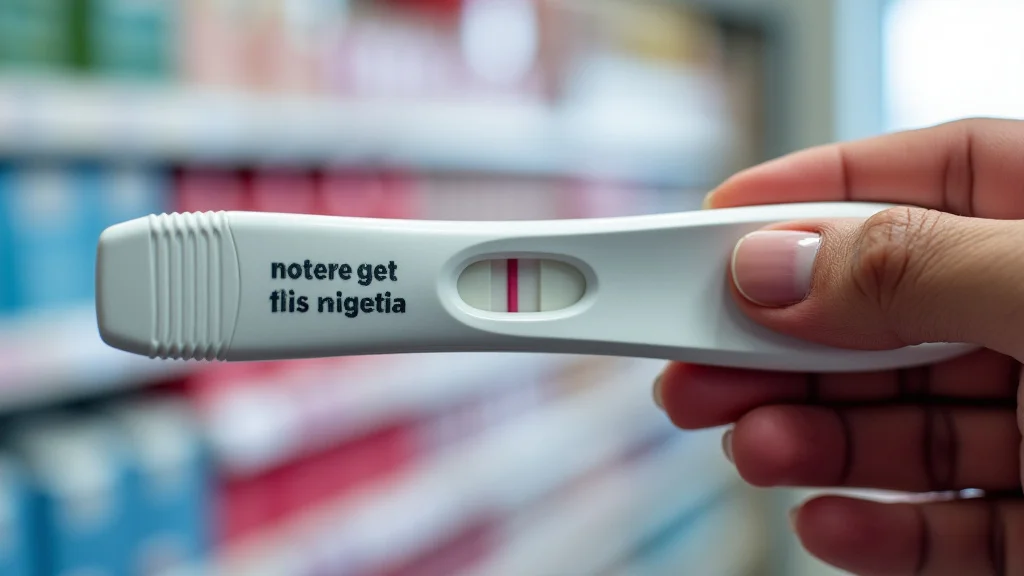
Many people wonder about pregnancy tests and how they work. It might seem a little tricky at first to figure out if a test can detect pregnancy. But don’t worry, it’s actually quite simple!
We will walk you through it step by step. You will learn exactly how pregnancy tests detect pregnancy and what makes them accurate.
Key Takeaways
- Pregnancy tests detect a hormone called hCG.
- hCG is produced after a fertilized egg implants.
- Different types of tests detect hCG at different levels.
- Following test instructions is very important for accuracy.
- Home pregnancy tests are highly reliable when used correctly.
Understanding How Pregnancy Tests Detect Pregnancy
The Science Behind Pregnancy Tests
Pregnancy tests work by looking for a specific hormone in your body. This hormone is called human chorionic gonadotropin, or hCG. Your body starts making hCG right after a fertilized egg attaches to the lining of your uterus.
This is the very first step in pregnancy. The amount of hCG in your body increases quickly in the early days of pregnancy. Home pregnancy tests and doctor’s office tests use this hormone to tell if you are pregnant.
They are designed to spot even small amounts of hCG.
What Is hCG
Human chorionic gonadotropin (hCG) is a hormone produced by cells that will eventually form the placenta. It is first detected in the blood and urine of pregnant women very soon after implantation of the embryo. Implantation is when the fertilized egg attaches itself to the wall of the uterus.
This typically happens about six to twelve days after fertilization.
The primary role of hCG is to signal the body to maintain the corpus luteum. The corpus luteum is a temporary endocrine structure in the ovary. It produces progesterone, a hormone essential for maintaining the pregnancy.
Without hCG, the corpus luteum would break down, and progesterone levels would drop. This would likely lead to the loss of the pregnancy. Therefore, hCG is a critical marker for confirming and sustaining an early pregnancy.
The levels of hCG rise rapidly during the first trimester of pregnancy. They can double as often as every 48 to 72 hours. This rapid increase is why pregnancy tests become more accurate the later they are taken after a missed period.
Early detection tests are designed to be sensitive enough to pick up lower levels of hCG. This allows for testing a few days before a missed period.
How hCG Levels Change
In the very early stages of pregnancy, hCG levels are low. They start at a level that most home tests cannot detect. As the pregnancy progresses, these levels climb very quickly.
This rise in hCG is key for pregnancy tests. A test waits for these levels to get high enough for its specific detection capability.
For example, a test might need 25 milli-international units per milliliter (mIU/mL) of hCG to show a positive result. Other, more sensitive tests might detect levels as low as 10 mIU/mL. This is why it’s important to know the sensitivity of the test you are using.
Testing too early, before hCG levels are high enough, can lead to a false negative result. This means the test says you are not pregnant when you actually are.
Once pregnancy is established, hCG levels will continue to increase. They usually peak around 8-11 weeks of pregnancy. After this peak, hCG levels begin to decline gradually.
They stay at a lower, but still detectable, level for the remainder of the pregnancy. This pattern of increase and then stabilization is something that all pregnancy tests rely on to work.
The Role of Hormones
It is not just hCG that matters. Other hormones play a background role. However, hCG is the star player for pregnancy detection.
It’s the unique marker that says “pregnancy is happening.” Think of it like a special key that only pregnancy tests can recognize. Other hormones are present throughout the body, but hCG is specifically linked to pregnancy. This makes it a reliable indicator.
Types of Pregnancy Tests
There are two main types of pregnancy tests: urine tests and blood tests. Both detect hCG, but they do it in different ways and at different times. Home pregnancy tests are usually urine tests.
They are very common because they are easy to use and private.
Home Urine Tests
Home urine tests are the most widely used method for pregnancy detection. They are available at almost any drug store or supermarket. These tests work by detecting hCG in your urine.
You typically hold the test stick in your urine stream or dip it into a collected urine sample.
The test stick contains a special material that reacts with hCG. If hCG is present, a line, symbol, or digital word will appear, indicating a positive result. The accuracy of these tests is very high, often over 99%, when used correctly.
Most are designed to be sensitive enough to detect pregnancy from the first day of a missed period. Some “early detection” tests can even detect pregnancy a few days before.
It is very important to read and follow the instructions that come with your specific test. Different brands may have slight variations in how they are used or how long you need to wait for a result. Waiting too long can sometimes lead to an evaporation line, which can be mistaken for a positive result.
Using the first-morning urine is often recommended. This is because hCG levels tend to be more concentrated in the morning.
One common scenario is a woman taking a test at home. She follows the instructions carefully, pees on the stick, and waits the recommended time. If she sees two pink lines or a “pregnant” message, she knows the test has detected hCG.
This gives her a clear answer.
Laboratory Blood Tests
Blood tests for pregnancy are usually done at a doctor’s office or a lab. They are generally more sensitive than urine tests. This means they can detect hCG earlier in the pregnancy, sometimes even before a missed period.
There are two types of blood tests.
The first is a qualitative hCG test. This test simply tells you if hCG is present in your blood, meaning you are likely pregnant. The second is a quantitative hCG test, also known as a beta hCG test.
This test measures the exact amount of hCG in your blood. Doctors sometimes order quantitative tests to track the progress of a pregnancy. They can also be used to monitor conditions like ectopic pregnancies or miscarriages.
Blood tests can detect pregnancy as early as 6 to 8 days after ovulation. This is significantly earlier than most urine tests. However, blood tests are not as convenient for home use.
They require a visit to a healthcare provider. The results also typically take a day or two to come back.
A sample scenario involves a woman who has irregular periods. She suspects she might be pregnant but isn’t sure when her period is due. Her doctor orders a quantitative blood test.
The results show a specific level of hCG, confirming pregnancy very early. This allows for prompt prenatal care to begin.
Sensitivity and Timing
The sensitivity of a test refers to how little hCG it needs to show a positive result. More sensitive tests can detect pregnancy earlier. However, they might also be more prone to false positives if not used correctly.
Timing is crucial. Taking a test too soon means there might not be enough hCG for detection.
Most home urine tests are designed to be accurate from the first day of a missed period. This is when hCG levels typically reach around 25 mIU/mL. Waiting until this point increases the chance of a reliable positive result.
If you test too early and get a negative result, it is often recommended to retest a few days later, especially if your period is still delayed.
Consider this: A woman has unprotected sex on day 14 of her cycle. Ovulation might occur around day 14. If fertilization happens, implantation could occur around day 24-26.
hCG production begins after implantation. By day 28, when her period might be due, hCG levels could be around 50 mIU/mL. A sensitive test could detect this.
If she tests on day 26, the hCG level might only be 10 mIU/mL, too low for many tests.
How Pregnancy Tests Detect hCG
Pregnancy tests use antibodies that bind to hCG. This binding causes a color change or a digital reading. The way this happens is quite clever.
It relies on chemical reactions within the test strip.
The Role of Antibodies
Pregnancy test strips contain antibodies. These are special proteins designed to recognize and attach to hCG molecules. When your urine or blood, containing hCG, comes into contact with the test strip, the hCG molecules bind to these antibodies.
This is like a lock and key mechanism.
There are typically two sets of antibodies involved in most urine tests. The first set is on the test line. If hCG is present, it binds to these antibodies.
This causes a visible reaction, like a colored line appearing. The second set of antibodies is usually in a control area. This area shows a line to confirm that the test itself is working correctly.
For example, imagine a test strip with a “T” for test and a “C” for control. If hCG is in the urine, it attaches to antibodies that move along the strip. These hCG-laden antibodies then attach to antibodies in the “T” zone, making a line appear.
The control “C” line will appear if the liquid has moved up the strip correctly, regardless of hCG presence. This confirms the test is functional.
Chemical Reactions and Visual Results
The magic happens through a process often called a “sandwich assay.” This is a common method in many diagnostic tests. When hCG is present, it acts as a bridge between two types of antibodies.
First, antibodies that are attached to a colored dye or enzyme are present on the test strip. When urine flows over the strip, if hCG is there, these antibodies will bind to the hCG. Then, these hCG-antibody complexes move along the strip.
They encounter another set of antibodies that are fixed in the test line area. These fixed antibodies capture the hCG-antibody complexes.
This capture process causes the dye or enzyme to accumulate in the test line area, creating a visible line. The intensity of the line often depends on the concentration of hCG. The more hCG, the darker the line.
A control line appears in a separate window. This line shows that the liquid has correctly moved through the test strip. It indicates the test is working as it should.
A common statistic is that over 99% of home pregnancy tests are accurate. This accuracy relies on the precise chemical reactions triggered by hCG. For instance, a study published in the American Journal of Obstetrics & Gynecology found that over 99% of women conceived were correctly identified by home pregnancy tests.
This highlights the effectiveness of these chemical detection systems.
Interpreting Test Results
Interpreting the results is the final step. Most tests have clear indicators. Two lines or a plus sign usually mean pregnant.
One line or a minus sign means not pregnant. Digital tests will spell out “Pregnant” or “Not Pregnant.”
It is critical to look at the test within the timeframe specified by the manufacturer. Waiting too long can lead to misinterpretation. For example, a faint line can sometimes appear after the specified reading time.
This is called an evaporation line. It’s caused by the drying of urine on the test strip. It is not a true positive result.
Always retest if you are unsure.
A realistic scenario: Sarah took a test first thing in the morning. She followed the instructions precisely. Within minutes, two pink lines appeared.
She knew instantly that the test had detected hCG. This was a clear positive result. She felt happy and a little nervous about the next steps.
Factors Affecting Test Accuracy
While generally very accurate, several factors can influence pregnancy test results. These include when you test, how you test, and certain medical conditions.
Testing Too Early
The most common reason for a false negative is testing too early. As mentioned, hCG levels need time to rise after implantation. If you test before your hCG levels are high enough for the test to detect, you might get a negative result even if you are pregnant.
This is why waiting until your missed period is generally recommended for the most reliable results. For instance, if a woman ovulates late in her cycle, implantation might happen later. This means hCG production starts later.
Testing too soon after intercourse, even if a period is missed, could lead to an inaccurate negative.
Statistics show that about 10-20% of pregnancies end in early miscarriage. Sometimes, a woman might test positive and then get a negative result a few days later. This can happen if the pregnancy does not continue to develop.
The hCG levels drop quickly in such cases.
Improper Test Use
Not following the test instructions carefully is another major cause of inaccurate results. This could mean not waiting long enough, using too much or too little urine, or misinterpreting the results.
For example, if you dip a test strip for too short a time, the antibodies may not have enough time to react with hCG. If you hold the test stick under the urine stream for too long, it can sometimes flood the test and cause it to malfunction. Always read the package insert.
It will tell you exactly how long to hold the stick in the urine or how long to soak it in a collected sample.
A practical tip is to set a timer when taking the test. This ensures you wait for the precise amount of time recommended by the manufacturer. Also, make sure the test is not expired.
Expired tests may not work correctly.
Diluted Urine Samples
Drinking a lot of fluids right before taking a urine test can dilute your urine. This can lower the concentration of hCG, potentially leading to a false negative.
For the most accurate results, it is often advised to use your first-morning urine. This sample is typically more concentrated. It has had a longer time to build up hCG.
If you need to test later in the day, try to limit your fluid intake for a few hours beforehand.
A scenario: A woman is anxious and drinks two large glasses of water just before taking a home pregnancy test. She gets a negative result. Later that day, she retests using her first-morning urine and gets a positive result.
This highlights how fluid intake can affect the concentration of hCG in urine.
Certain Medical Conditions and Medications
While rare, certain medical conditions can affect hCG levels or interfere with test results. Some fertility treatments involve hCG injections. If you are undergoing such treatment, it is crucial to inform the doctor performing the pregnancy test.
The hCG from the injection can cause a false positive result.
Certain rare tumors, like gestational trophoblastic disease, can also produce hCG. In these cases, hCG levels might be very high, or they might behave unusually. Some medications, other than hCG injections, can potentially interfere with test results, though this is uncommon.
Always tell your doctor about any medications or supplements you are taking.
A medical comparison:
| Test Type | Detects | When to Test | Accuracy |
|---|---|---|---|
| Home Urine Test | hCG in Urine | First day of missed period (or earlier with sensitive tests) | >99% when used correctly |
| Blood Test (Qualitative) | hCG in Blood | 6-8 days after ovulation | >99% |
| Blood Test (Quantitative) | Amount of hCG in Blood | 6-8 days after ovulation | >99% |
When To Take A Pregnancy Test
Deciding when to take a pregnancy test is key to getting an accurate result. Testing too early is the most common mistake. It can lead to disappointment and confusion.
After A Missed Period
The most reliable time to take a home pregnancy test is after you have missed your period. By this time, your body should be producing enough hCG for most tests to detect. This is typically around 14 days after ovulation.
If your menstrual cycles are regular, you will have a good idea of when your period is due. Missing your period is a strong sign that you might be pregnant. Testing around this time gives the best chance for a positive result if pregnancy has occurred.
For example, if your cycle is normally 28 days, your period is usually due on day 29. If it doesn’t arrive, day 29 or 30 is a good time to test. This allows for sufficient hCG production.
Using Early Detection Tests
Some tests are marketed as “early detection” tests. These are more sensitive and can detect lower levels of hCG. They can sometimes provide a positive result a few days before your expected period.
These tests can detect hCG levels as low as 10-15 mIU/mL. However, it is important to remember that if you test too early with an early detection test, you might still get a false negative. The hCG levels might not yet be high enough.
If you get a negative result with an early detection test and your period is still delayed, retest in a few days.
A realistic scenario: Emily usually has a 30-day cycle. She feels tired and her breasts are sore. She decides to use an early detection test five days before her period is due.
The test shows a faint positive line. She is hopeful but decides to wait and test again on the day her period was due. This time, the line is much darker, confirming her pregnancy.
If Your Period Is Irregular
If your menstrual cycles are irregular, it can be harder to know exactly when to test. In this case, it might be best to wait at least 21 days after your last unprotected sexual encounter.
Alternatively, you could track your ovulation. Ovulation predictor kits can help identify your fertile window. Knowing when you ovulated can help you pinpoint the right time to test.
If you are unsure, consult with a healthcare provider. They can help you determine the best timing or perform a blood test for earlier detection.
Consider this advice: If your period is always a surprise, try to note other early pregnancy symptoms. If you experience nausea, fatigue, or tender breasts, these could be signs. Testing about three weeks after your last unprotected sex is a good general guideline if your periods are very irregular.
Common Myths Debunked
Myth 1: You Can Get Pregnant Any Time Of The Month
This is not true. Conception can only happen during a woman’s fertile window. This is the time leading up to and including ovulation.
Sperm can live inside the female reproductive tract for up to five days. An egg is only viable for about 12 to 24 hours after ovulation. Therefore, the most fertile days are the few days before ovulation and the day of ovulation itself.
Having unprotected sex outside this window makes pregnancy unlikely.
Myth 2: You Can Feel Early Pregnancy Symptoms Immediately
While some women report feeling “different” very early on, most common pregnancy symptoms appear later. Symptoms like morning sickness, fatigue, and missed periods usually start a few weeks after conception. Some women may notice subtle changes, like breast tenderness, shortly after implantation.
However, these can also be signs of an impending period. Relying solely on symptoms for early detection is unreliable. A pregnancy test is the most accurate way.
Myth 3: All Pregnancy Tests Work Exactly The Same Way
While all pregnancy tests detect hCG, their sensitivity can vary. Some tests are more sensitive than others. More sensitive tests can detect lower levels of hCG, allowing for earlier testing.
Less sensitive tests require higher hCG levels, making them more accurate when taken after a missed period. The way the results are displayed also differs between analog (line/symbol) and digital tests.
Myth 4: A Faint Line Means You Are Not Pregnant
A faint positive line on a pregnancy test usually means you are pregnant. The faintness often indicates that hCG levels are still relatively low. This is common in early pregnancy or when using an early detection test.
As hCG levels rise, the line should become darker. If you see any line, even faint, it is generally considered a positive result. Retesting a few days later can confirm if the line gets darker.
Frequently Asked Questions
Question: Can I get a false positive pregnancy test?
Answer: False positive results are very rare. They can happen if you are taking fertility treatments that include hCG injections, or in very rare cases due to certain medical conditions that cause hCG to be produced. Sometimes, misinterpreting an evaporation line as a positive result can also lead to a false positive.
Question: How accurate are pregnancy tests?
Answer: Home pregnancy tests are over 99% accurate when used correctly and at the right time. Blood tests are also highly accurate and can detect pregnancy earlier. Accuracy depends on following instructions and testing after sufficient hCG has built up.
Question: Can stress affect a pregnancy test?
Answer: Stress itself does not directly affect the accuracy of a pregnancy test. Pregnancy tests detect the hormone hCG. However, extreme stress can sometimes disrupt your menstrual cycle, making it harder to know when to test.
It does not chemically alter the test result.
Question: Do pregnancy tests detect chemical pregnancies?
Answer: Yes, pregnancy tests can detect chemical pregnancies. A chemical pregnancy is a very early miscarriage that occurs shortly after implantation. Tests detect the hCG produced by the implanted embryo.
If the pregnancy doesn’t continue, hCG levels drop, and a subsequent test may be negative.
Question: Can I take a pregnancy test if I have had a miscarriage or abortion?
Answer: Yes, you can. hCG levels will remain in your system for some time after a miscarriage or abortion. It may take several days or even weeks for these levels to return to zero.
You should wait until your hCG levels have normalized before taking a pregnancy test to ensure an accurate result.
Summary
Pregnancy tests reliably detect pregnancy by identifying the hormone hCG. Home urine tests and laboratory blood tests both rely on this hormone. Following test instructions and timing your test correctly are key.
Understanding how these simple tests work helps provide clear and accurate answers when you need them most.