Author: Admin

  • Third Trimester Foods To Eat Made Easy

    Third Trimester Foods To Eat Made Easy

    As your pregnancy nears its end, what you eat becomes super important. You might wonder what exactly are the best third trimester foods to eat. It can feel a bit confusing with all the advice out there.

    But don’t worry, we’re going to break it down super simply. We’ll show you easy steps to make sure you’re getting the right nutrients. Get ready to feel confident about your food choices in these final weeks.

    Key Takeaways

    • You’ll learn which foods are packed with the nutrients you and your baby need most in the last trimester.
    • Discover simple meal ideas that are easy to prepare and digest.
    • Understand how certain foods can help manage common third trimester discomforts like heartburn and constipation.
    • Find out why hydration is key and how to incorporate more fluids into your diet.
    • Get practical tips for healthy snacking to keep your energy levels up.
    • Learn how to make informed food choices for a healthy and comfortable end to your pregnancy.

    Essential Nutrients for Your Third Trimester

    The third trimester is a time of rapid growth for your baby. They’re getting bigger and stronger, and that means they need a lot of good stuff from you. Your body is also working hard, preparing for labor and delivery.

    So, focusing on specific nutrients becomes even more vital. This phase is all about building up reserves and supporting your baby’s final development. Getting the right balance of vitamins and minerals helps with everything from your baby’s brain development to your own energy levels.

    It’s a critical period where your diet directly impacts both of you.

    Protein Powerhouses

    Protein is like the building blocks for your baby’s tiny body. It helps them grow muscles, organs, and tissues. For you, protein helps your body prepare for the demands of labor and recovery.

    It also helps keep you feeling full, which can be helpful for managing appetite. Aim to include a good source of protein with every meal and snack. This will ensure a steady supply of amino acids for both your baby and your own body.

    • Lean Meats: Chicken breast, turkey, and lean beef are excellent sources of protein. They also provide iron, which is crucial in the third trimester. Iron helps carry oxygen to your body and your baby’s.

    Including lean meats a few times a week can significantly boost your protein and iron intake. For instance, a 3-ounce serving of grilled chicken breast can offer around 26 grams of protein. This is a substantial contribution to your daily needs, which increase during pregnancy.

    Grilling, baking, or poaching are healthier cooking methods that avoid adding extra fats.

    • Fish Rich in Omega-3s: Salmon, sardines, and mackerel are great choices. Omega-3 fatty acids are vital for your baby’s brain and eye development. Choose fish that are low in mercury.

    These fatty fish are nutritional powerhouses. Salmon, for example, is not only high in protein but also rich in DHA and EPA, key omega-3 fatty acids. A 4-ounce serving of salmon can provide about 2,000 mg of omega-3s.

    This is well above the recommended daily intake for pregnant women. Making fish a regular part of your diet, perhaps two servings per week, offers significant benefits for your baby’s cognitive development. Always ensure fish is cooked thoroughly to avoid any foodborne illnesses.

    • Eggs: A versatile and affordable source of high-quality protein. Eggs also contain choline, important for brain development.

    Eggs are incredibly easy to incorporate into your meals. A large egg contains about 6 grams of protein and a good amount of choline. Choline is essential for fetal brain development and can help prevent certain birth defects.

    You can have them boiled, scrambled, or as part of a larger dish. Their versatility makes them a go-to for busy parents-to-be. Just be sure they are cooked until the whites and yolks are firm.

    • Dairy and Alternatives: Milk, yogurt, and cheese provide protein and calcium. Fortified plant-based milks and yogurts are good alternatives if you’re lactose intolerant.

    Yogurt, especially Greek yogurt, is a fantastic source of protein. A single cup can contain over 20 grams of protein. It also offers probiotics, which can aid digestion.

    Calcium from dairy is vital for your baby’s bone development and helps maintain your own bone health. If you opt for plant-based alternatives, check labels to ensure they are fortified with calcium and vitamin D.

    Fruits and Vegetables: Vitamins and Fiber

    These colorful foods are packed with essential vitamins, minerals, and fiber. Fiber is your best friend in the third trimester, helping to prevent constipation, a common discomfort. Vitamins and antioxidants support your immune system and your baby’s growth.

    Aim for a variety of colors to ensure you’re getting a wide range of nutrients.

    • Leafy Greens: Spinach, kale, and Swiss chard are rich in folate, iron, and vitamin K. Folate is crucial for preventing neural tube defects.

    Folate, also known as folic acid when supplemented, is incredibly important early in pregnancy but remains beneficial throughout. Leafy greens are natural sources of this B vitamin. For example, a cup of cooked spinach provides about 263 micrograms of folate, which is about two-thirds of the daily recommended intake for pregnant women.

    These greens also offer vitamins A, C, and K, along with minerals like iron and calcium, making them nutrient-dense choices.

    • Berries: Strawberries, blueberries, and raspberries are loaded with antioxidants, vitamin C, and fiber. Vitamin C helps your body absorb iron.

    Berries are not only delicious but also incredibly healthy. They are packed with antioxidants that help protect your cells from damage. A cup of raspberries contains about 8 grams of fiber, a significant amount to support digestive health.

    They also offer a good dose of vitamin C, which is key for iron absorption. This means that pairing your berries with an iron-rich food, like lean red meat or spinach, can enhance the iron’s usefulness to your body.

    • Sweet Potatoes: A fantastic source of vitamin A, which is important for your baby’s vision and immune system. They also provide fiber and vitamin C.

    Sweet potatoes offer a double benefit with their high beta-carotene content, which your body converts into vitamin A. Vitamin A is vital for the development of your baby’s eyes, skin, and organs. A medium baked sweet potato can provide well over the daily recommended amount of vitamin A for pregnant individuals.

    They are also a good source of complex carbohydrates for energy and contain potassium to help manage blood pressure.

    • Avocado: Rich in healthy fats, fiber, folate, and potassium. Healthy fats are crucial for your baby’s brain development.

    Avocados are a true superfood for pregnancy. Their creamy texture makes them a delightful addition to many meals. The healthy monounsaturated fats in avocados support fetal brain and eye development.

    They also provide a good amount of fiber, which is excellent for digestion. Plus, they contain potassium, a mineral that can help reduce water retention and ease leg cramps, a common pregnancy symptom.

    Whole Grains: Energy and Fiber

    Whole grains provide sustained energy, which you’ll need in your final weeks. They are also a good source of fiber, B vitamins, and minerals like magnesium. Choosing whole grains over refined grains means you’re getting more nutrients and better digestive support.

    • Oatmeal: A breakfast staple that’s high in fiber and can help with satiety. It also contains iron and magnesium.

    Starting your day with oatmeal is a smart move. It provides complex carbohydrates that release energy slowly, keeping you fueled for longer. The soluble fiber in oats, called beta-glucan, can also help manage cholesterol levels and promote a feeling of fullness.

    A half-cup of dry oats typically contains about 4 grams of fiber and a good amount of iron and magnesium. Magnesium is important for muscle function and energy production.

    • Quinoa: A complete protein, meaning it contains all nine essential amino acids. It’s also a good source of fiber and iron.

    Quinoa stands out because it’s one of the few plant-based foods that provides all the essential amino acids your body needs. This makes it a high-quality protein source, especially for vegetarians and vegans. A cooked cup of quinoa offers about 8 grams of protein and 5 grams of fiber.

    It’s also rich in iron, magnesium, and phosphorus, all important for a healthy pregnancy. Its versatility means it can be used in salads, as a side dish, or even as a breakfast porridge.

    • Brown Rice: A simple and accessible whole grain that provides fiber and B vitamins.

    Brown rice is a fantastic everyday staple. It offers more fiber, vitamins, and minerals than white rice. A cup of cooked brown rice contains about 3.5 grams of fiber and provides important B vitamins like niacin and thiamine.

    These B vitamins are crucial for energy metabolism and nerve function. It’s a great way to add satisfying bulk to meals without adding a lot of calories.

    Managing Third Trimester Discomforts with Food

    As your baby grows, you might experience some common discomforts. Luckily, your diet can play a significant role in easing these issues. From heartburn to constipation, the right food choices can make a real difference in your comfort level during these last months.

    Combating Constipation

    Constipation is a frequent visitor in the third trimester, often due to hormonal changes and the pressure of your growing uterus. Increasing your fiber intake and staying well-hydrated are the most effective ways to keep things moving smoothly. Foods rich in fiber add bulk to your stool, making it easier to pass.

    Water helps soften the stool, preventing it from becoming hard and difficult to pass.

    • High-Fiber Fruits: Pears, apples (with skin), and prunes are excellent choices. Prunes, in particular, are well-known for their natural laxative effect due to their sorbitol content.

    The natural sugars and fiber in these fruits work together to promote regularity. Pears, for instance, contain both soluble and insoluble fiber, offering a gentle yet effective solution. Apples, when eaten with their skin, provide a good dose of pectin, a type of soluble fiber that benefits gut health.

    Prunes, dried plums, are a concentrated source of fiber and sorbitol, a sugar alcohol that draws water into the intestines. A small serving of prunes can often provide relief within a few hours.

    • Vegetables with Fiber: Broccoli, Brussels sprouts, and beans (like black beans or kidney beans) are fiber champions.

    These vegetables are packed with nutrients and dietary fiber. Broccoli and Brussels sprouts are cruciferous vegetables that are not only high in fiber but also contain beneficial compounds that support overall health. Beans are nutritional powerhouses, offering protein, iron, and a significant amount of fiber.

    A half-cup of cooked black beans, for example, can provide about 7-8 grams of fiber. Incorporating a variety of these into your meals ensures you get a broad spectrum of nutrients and fiber.

    • Whole Grains: As mentioned before, oatmeal, brown rice, and whole-wheat bread contribute significantly to daily fiber intake.

    Choosing whole grain options over refined ones for your bread, pasta, and rice is a simple switch with big benefits. Whole grains retain their bran and germ, which are rich in fiber and nutrients. This makes them more effective in promoting digestive regularity compared to their processed counterparts.

    Ensure you’re reading labels and choosing products that clearly state “100% whole grain” or list a whole grain as the first ingredient.

    Easing Heartburn

    Heartburn is common in the third trimester because the growing uterus presses on your stomach, and pregnancy hormones can relax the valve between your esophagus and stomach. Eating smaller, more frequent meals and avoiding trigger foods can help. Opt for bland, easily digestible foods.

    • Dairy Products: Milk, yogurt, and cottage cheese can provide temporary relief by coating the esophagus.

    The creamy texture of dairy can offer a soothing effect, providing a short-term buffer against stomach acid. Milk, especially skimmed milk, is often recommended for its alkalinity. Yogurt can also be beneficial due to its probiotics, which support gut health.

    However, for some individuals, dairy can also trigger heartburn, so it’s important to listen to your body and see how you react.

    • Ginger: Ginger is known for its anti-inflammatory properties and can help settle the stomach. Ginger tea or ginger candies can be helpful.

    Ginger has been used for centuries as a natural remedy for digestive issues, including nausea and indigestion. Its anti-inflammatory compounds can help calm an upset stomach and reduce irritation in the esophagus. Sipping on ginger tea, made from fresh ginger root, or chewing on a small piece of crystallized ginger can provide relief.

    Be mindful of the quantity, as too much can sometimes have a mild laxative effect.

    • Lean Proteins: Baked or grilled chicken or fish are easier to digest than fatty or fried meats.

    Fatty foods take longer to digest, increasing the likelihood of heartburn. Lean proteins, on the other hand, pass through your digestive system more quickly. Grilling, baking, or steaming are preferred cooking methods as they require less oil and produce a lighter meal.

    This reduces the digestive burden on your stomach, making it less prone to acid reflux.

    Hydration and Healthy Snacks

    Staying hydrated is crucial throughout pregnancy, especially in the third trimester when your blood volume increases significantly. Water helps your body function properly, aids digestion, and can prevent swelling and preterm labor. Healthy snacks keep your energy levels stable and provide extra nutrients.

    The Importance of Water

    Water is essential for nearly every bodily process. In the third trimester, adequate water intake helps maintain amniotic fluid levels, supports nutrient transport to your baby, and aids in preventing constipation and urinary tract infections. Aim for at least 8-10 glasses of water per day, more if you are active or in a warm climate.

    If plain water is difficult to drink, try infused water with fruits like lemon, cucumber, or berries.

    • Carry a Water Bottle: Having a reusable water bottle with you at all times makes it easier to sip throughout the day.

    This simple habit can make a big difference. When water is readily available, you’re more likely to drink it consistently. Choose a bottle that you find appealing and easy to carry.

    Many bottles have markings that help you track your intake, turning hydration into a mini-challenge. Making hydration a priority becomes second nature when you have your trusty water bottle by your side.

    • Limit Dehydrating Drinks: Cut back on caffeine and sugary sodas, which can actually dehydrate you.

    While a cup of coffee might seem like a daily necessity, its diuretic effect can work against your hydration goals. Sugary drinks can also interfere with your body’s fluid balance. Opting for water, herbal teas (check with your doctor which ones are safe), or diluted fruit juices will better support your hydration needs.

    These choices also contribute fewer empty calories to your diet.

    Smart Snacking Choices

    Snacking between meals helps maintain stable blood sugar levels and prevents you from getting overly hungry, which can lead to overeating at meal times. Choose snacks that offer a good mix of protein, healthy fats, and fiber.

    • Fruit and Nut Butter: Apple slices with peanut butter or almond butter.

    This combination is a fantastic balance of carbohydrates from the fruit and protein and healthy fats from the nut butter. It’s satisfying and provides sustained energy. The fiber in the apple and the protein and fats in the nut butter work together to keep you feeling full longer.

    Just be mindful of portion sizes with nut butter, as it is calorie-dense.

    • Yogurt with Berries: Plain Greek yogurt topped with fresh berries.

    This snack is rich in protein, calcium, and antioxidants. The protein from the yogurt will keep you satisfied, while the berries add natural sweetness and fiber. It’s a refreshing and nutrient-dense option that’s quick to prepare.

    Look for plain Greek yogurt to avoid added sugars often found in flavored varieties.

    • Hard-Boiled Eggs: Portable and packed with protein.

    Hard-boiled eggs are a perfect grab-and-go snack. They are rich in protein and choline, essential for your baby’s development. They can be prepped ahead of time, making them a convenient option for busy days.

    A single egg provides a good amount of satiety, helping to bridge the gap between meals effectively.

    Cooking and Meal Preparation Tips

    Making healthy third trimester foods to eat a priority doesn’t have to be complicated. Simple preparation methods and a bit of planning can go a long way in ensuring you and your baby get the nutrients you need.

    Simple Meal Ideas

    Focus on meals that are easy to digest and require minimal cooking time. The goal is to nourish yourself without adding extra stress to your day.

    • Breakfast: Oatmeal with fruit and nuts, scrambled eggs with spinach and whole-wheat toast, or a smoothie with yogurt, fruit, and spinach.

    These breakfast options are designed for ease and nutrition. Oatmeal provides sustained energy, eggs offer protein, and smoothies are a quick way to pack in nutrients. Ensure your smoothie ingredients are well-balanced for a filling meal that won’t cause a sugar crash.

    • Lunch: Large salads with grilled chicken or beans, lentil soup with whole-grain bread, or a turkey sandwich on whole-wheat bread.

    Lunches should be balanced and easy to assemble. Salads offer a great way to get in lots of vegetables, while soups and sandwiches provide comforting and satisfying options. Prioritize lean proteins and whole grains for sustained energy throughout the afternoon.

    • Dinner: Baked salmon with roasted vegetables, chicken stir-fry with brown rice, or a hearty bean chili.

    Dinners can be simple yet nutritious. Baking or roasting allows for easy cooking with minimal cleanup. Stir-fries are quick and versatile, allowing you to use a variety of vegetables.

    Bean chili is a great make-ahead meal that’s packed with fiber and protein.

    Food Safety in the Third Trimester

    Food safety is paramount to protect yourself and your baby from foodborne illnesses. Certain foods are riskier during pregnancy and should be avoided.

    • Avoid Raw or Undercooked Meats, Poultry, Seafood, and Eggs: These can contain harmful bacteria like Salmonella and E. coli. Ensure all animal products are cooked thoroughly.

    Thorough cooking kills harmful bacteria that can cause serious illness in pregnant individuals and their babies. Use a food thermometer to ensure meat reaches safe internal temperatures. For example, poultry should reach 165°F (74°C) and ground meats 160°F (71°C).

    When in doubt, it’s safer to cook it longer.

    • Avoid Certain Cheeses: Soft cheeses made from unpasteurized milk, such as brie, feta, camembert, blue cheese, and queso fresco, should be avoided due to the risk of Listeria.

    Listeria is a dangerous bacterium that can cause severe illness and miscarriage. Opt for hard cheeses made from pasteurized milk, which are generally safe. Always check the label to ensure the cheese is made from pasteurized milk.

    If a cheese is listed as “made from pasteurized milk,” it is typically safe to consume.

    • Limit Fish High in Mercury: Avoid shark, swordfish, king mackerel, and tilefish. Opt for fish low in mercury like salmon, shrimp, canned light tuna, and tilapia.

    Mercury can harm a baby’s developing nervous system. Choosing low-mercury fish ensures you still get the benefits of omega-3 fatty acids without the associated risks. Pregnant individuals can safely consume about 8-12 ounces of low-mercury fish per week.

    Canned light tuna is a good source but consume it in moderation due to mercury content.

    Common Myths Debunked

    Myth 1: You Need to Eat “For Two” in the Third Trimester

    The reality is that while your nutritional needs increase, you don’t need to double your food intake. In the third trimester, you typically need only an additional 450-500 calories per day, which is about the size of a substantial snack. Focusing on nutrient-dense foods rather than simply eating more is key.

    Myth 2: Spicy Foods Will Induce Labor

    There’s no scientific evidence to support the claim that eating spicy foods can trigger labor. While spicy foods can sometimes worsen heartburn, they are unlikely to initiate labor contractions. Your body will go into labor when it’s ready.

    Myth 3: All Dairy is Bad During Pregnancy

    This is not true. While certain soft, unpasteurized cheeses should be avoided, dairy products like pasteurized milk, yogurt, and hard cheeses are excellent sources of calcium, protein, and vitamin D. These are vital for your baby’s bone development and your own health.

    Frequently Asked Questions

    Question: How much water should I drink in the third trimester

    Answer: Aim for at least 8-10 glasses (about 2-2.5 liters) of water per day. You might need more if you’re active or in a hot climate.

    Question: Can I eat sushi in the third trimester

    Answer: It’s generally recommended to avoid raw or undercooked fish, which is common in sushi, due to the risk of bacteria and parasites. Cooked sushi rolls made with safe ingredients are usually fine.

    Question: What are the best foods for energy in the third trimester

    Answer: Complex carbohydrates like whole grains, fruits, and vegetables provide sustained energy. Pair these with protein and healthy fats for longer-lasting fuel.

    Question: I have really bad heartburn, what foods should I avoid

    Answer: Common heartburn triggers include fried and fatty foods, spicy foods, chocolate, caffeine, and acidic foods like tomatoes and citrus fruits. Smaller, more frequent meals also help.

    Question: Is it okay to eat processed foods if I’m craving them

    Answer: While occasional treats are fine, it’s best to limit processed foods, especially in the third trimester. They often lack essential nutrients and can contribute to unwanted weight gain and digestive issues.

    Summary

    Focusing on nutrient-rich third trimester foods to eat supports your baby’s final growth and your own well-being. Prioritize lean proteins, plenty of fruits and vegetables, and whole grains. Stay well-hydrated and make smart snack choices.

    Simple meal prep and adherence to food safety guidelines will ensure a healthy and comfortable end to your pregnancy.

  • Decoding Pregnancy Test Meaning

    Decoding Pregnancy Test Meaning

    Figuring out what a pregnancy test means can feel a bit confusing at first. You might see lines or symbols and wonder what they really say about your situation. It’s totally okay if this is new to you.

    We’re going to walk through it all, step by step, so you’ll feel confident knowing what your test results mean. Get ready for a simple guide that makes everything clear.

    Key Takeaways

    • You will learn what different pregnancy test results typically indicate.
    • We will explain how pregnancy tests work at a basic level.
    • You will discover factors that can affect test accuracy.
    • We will cover what to do after getting your test results.
    • You will understand common questions about pregnancy tests.

    Understanding Pregnancy Test Meaning

    When you take a pregnancy test, you are looking for a sign that your body is pregnant. The tests work by detecting a special hormone called human chorionic gonadotropin, or hCG. This hormone is made after a fertilized egg attaches to the lining of your uterus.

    The amount of hCG in your body goes up quickly in early pregnancy. So, a pregnancy test looks for this hormone in your pee or blood. A positive result means hCG is detected, and a negative result means it’s not found.

    Knowing the pregnancy test meaning is super important for making your next steps. For many people, especially those trying to conceive or who are new to this, the results can be a mix of excitement, relief, or concern. That’s why it’s good to have a clear idea of what each outcome signifies.

    We’ll break down how these tests work and what to expect.

    How Pregnancy Tests Detect hCG

    Pregnancy tests, whether they are the ones you buy at the drugstore or those done at a doctor’s office, all rely on the same basic principle: detecting hCG. This hormone is only produced by the cells that will eventually form the placenta. It starts to be made very soon after implantation, which is when the fertilized egg burrows into the uterine wall.

    This usually happens about six to twelve days after fertilization.

    The tests use antibodies that are designed to bind to hCG. When your urine or blood sample comes into contact with these antibodies on the test strip or in the device, if hCG is present, it will cause a visible reaction. This reaction is what creates the lines, symbols, or digital readouts you see on the test.

    The more hCG there is, the stronger the signal.

    Types of Pregnancy Tests

    There are two main types of pregnancy tests: urine tests and blood tests. Urine tests are the most common and are readily available over-the-counter. They are convenient and can be used at home.

    Blood tests are typically done by a healthcare provider. They are more sensitive than urine tests and can detect hCG earlier in pregnancy. Blood tests can also measure the exact amount of hCG in your blood, which can be helpful in certain situations.

    Here’s a quick look at each:

    • Home Urine Tests: These are the tests you find at pharmacies and supermarkets. They are easy to use and give results in minutes. Most are quite accurate when used correctly.
    • Clinical Blood Tests: These are performed in a doctor’s office or lab. They are divided into two types: qualitative (which simply detects hCG presence) and quantitative (which measures the exact amount of hCG).

    Understanding Test Lines and Symbols

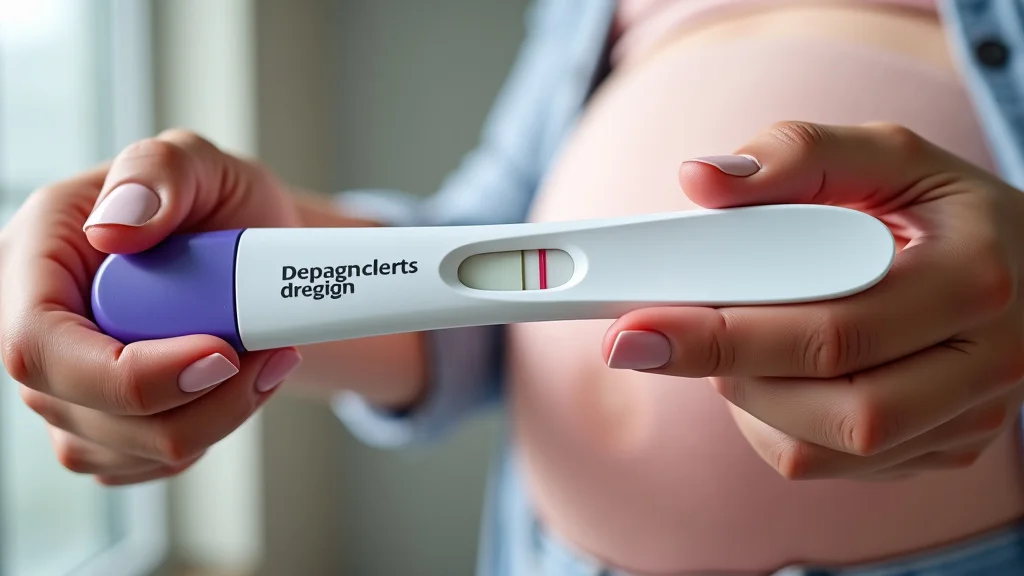
    The way a pregnancy test shows results can vary between brands. Most common are tests with lines. A positive result often means two lines appear, while a negative result shows only one line.

    Some digital tests will say “Pregnant” or “Not Pregnant” on a screen.

    It’s important to read the instructions that come with your specific test. Different brands might have different ways of showing a positive or negative result. For example, some tests might show a faint line for a positive result, while others require a clear, dark line.

    Digital tests are usually very straightforward.

    Let’s look at common line interpretations:

    • Two Lines: Typically indicates a positive pregnancy. Both the control line and the test line should be visible.
    • One Line: Usually means a negative result. Only the control line appears.
    • No Lines: The test may not have worked correctly. It’s best to retake the test with a new kit.
    • Faint Line: This can sometimes be tricky. A faint line often still means positive, as it indicates hCG is present, even if in smaller amounts.

    Factors Affecting Pregnancy Test Accuracy

    While pregnancy tests are very reliable, a few things can influence their accuracy. The most common reason for an inaccurate result is testing too early. If you test before there’s enough hCG in your system, you might get a false negative.

    This means the test says you’re not pregnant, but you actually are.

    Other factors can also play a role. For instance, drinking a lot of fluids right before taking a urine test can dilute your urine, potentially lowering the hCG concentration. This might also lead to a false negative.

    Additionally, expired tests or tests that have been stored improperly might not work correctly.

    When to Take a Pregnancy Test

    The best time to take a pregnancy test is after you have missed your period. Most home pregnancy tests are designed to detect hCG accurately from the first day of a missed period. Some highly sensitive tests can detect pregnancy a few days earlier, but the risk of a false negative is higher.

    Testing too early is a common mistake. If you test too soon, the level of hCG might be too low for the test to detect, even if you are pregnant. Waiting until you’ve missed your period significantly increases the chances of getting an accurate result.

    Here’s a guide to timing:

    • Missed Period: This is the ideal time to test. It provides the most reliable results.
    • A Few Days Before Period: Some sensitive tests claim to work, but accuracy is lower. You might get a false negative.
    • After Ovulation: Testing too soon after ovulation, even if you suspect pregnancy, is unlikely to give a positive result.

    The Role of hCG Levels

    Human chorionic gonadotropin (hCG) is the key hormone that pregnancy tests look for. After a fertilized egg implants in the uterus, the body starts producing hCG. The levels of this hormone rise steadily in the early weeks of pregnancy.

    They typically double every 48 to 72 hours.

    The concentration of hCG in your urine or blood is what determines if a test can detect it. If the hCG level is below the test’s detection threshold, the result will be negative, even if pregnancy has occurred. This is why waiting until your period is late is so important for an accurate reading.

    Consider this typical hCG progression:

    • Implantation: hCG begins to be produced.
    • Few Days After Implantation: hCG levels are usually too low to detect with home tests.
    • First Day of Missed Period: hCG levels are often high enough for most tests to detect accurately.
    • Weeks Following: hCG levels continue to rise, making detection easier.

    Potential for False Results

    While pregnancy tests are highly accurate, false results can happen. A false positive is when the test shows you are pregnant, but you are not. This can occur if you have certain medical conditions or are taking specific medications.

    For example, some fertility treatments include hCG, which could lead to a positive result.

    A false negative is when the test shows you are not pregnant, but you are. This is more common than a false positive. It often happens if you test too early, if your urine is too diluted, or if the test is faulty.

    Always follow the instructions carefully to minimize the chance of error.

    Here are some reasons for inaccurate results:

    • Testing too early: hCG levels are still too low to be detected.
    • Diluted urine: Drinking too much liquid before testing can lower hCG concentration.
    • Expired or damaged tests: These might not work as intended.
    • Certain medications: Some drugs, especially those containing hCG, can cause a false positive.
    • Rare medical conditions: Some conditions can interfere with test results.

    Interpreting Your Pregnancy Test Meaning

    Once you’ve taken a pregnancy test, the next step is to understand what the result means for you. A positive result is exciting news for many, while a negative result can bring a different set of emotions. It’s important to know that one test result is not always the final word, and there are clear next steps for both scenarios.

    The pregnancy test meaning is pretty straightforward: it’s about detecting hCG. But how you react and what you do next is a personal and often significant step. Whether you’re hoping for a positive or a negative, knowing what to expect can help you manage the situation.

    We’ll cover what to do with your results.

    What a Positive Result Means

    A positive pregnancy test usually means you are pregnant. Congratulations if this is what you were hoping for! The test has detected the presence of hCG in your urine or blood, which is a strong indicator of pregnancy.

    However, it’s always a good idea to confirm the result with a healthcare professional.

    Your doctor can perform further tests, such as a blood test or an ultrasound, to confirm the pregnancy and estimate your due date. They can also provide you with essential prenatal care information and advice. It’s an exciting time, and getting professional confirmation is the next important step.

    Steps after a positive result:

    • Schedule an appointment with your doctor or a healthcare provider.
    • Discuss your medical history and any concerns you may have.
    • Start learning about prenatal vitamins and healthy pregnancy practices.
    • Consider how you feel and who you want to share the news with.

    What a Negative Result Means

    A negative pregnancy test suggests that hCG was not detected in your urine or blood. This usually means you are not pregnant. If your period is significantly late and you still have negative results, it’s worth considering other reasons for your missed period, such as stress, illness, or hormonal changes.

    If you continue to suspect you might be pregnant or if your period remains absent, it’s a good idea to retest in a few days or consult your doctor. They can help identify the cause of your missed period or order further tests to rule out any underlying issues. Sometimes, a second test is needed for confirmation.

    What to do with a negative result:

    • If your period arrives soon after, no further action is usually needed regarding pregnancy.
    • If your period is still absent, consider taking another test in a few days or seeking medical advice.
    • Think about potential lifestyle factors that might affect your cycle.
    • If you were trying to conceive and are disappointed, give yourself time to process.

    When to Seek Medical Advice

    It’s always a good idea to see a doctor after you get a positive pregnancy test. They can confirm the pregnancy and discuss your health and the next steps for your pregnancy. Even with a negative result, if your period is very late or you have other symptoms that concern you, consulting a healthcare provider is recommended.

    Doctors can perform blood tests that are more sensitive than home tests, and they can also check for other conditions that might be causing your symptoms. They are the best resource for accurate information and support regarding your reproductive health and any potential pregnancy. Your health is the priority.

    Consult a doctor if:

    • You have a positive pregnancy test.
    • Your period is more than a week late, and you have negative test results.
    • You experience severe abdominal pain, unusual vaginal bleeding, or dizziness.
    • You have concerns about your reproductive health or menstrual cycle.

    Common Myths Debunked

    Myth 1: You can get a false negative if you drink water before testing.

    This is a common concern, but it’s more nuanced. Drinking a lot of water right before a urine test can dilute your urine. If your urine is very diluted, the concentration of hCG might be lower than the test’s detection limit.

    This could potentially lead to a false negative if you are indeed pregnant. However, testing with first-morning urine, which is typically more concentrated, is generally recommended for the most accurate results.

    Myth 2: A very faint positive line means you are not really pregnant.

    A faint positive line usually indicates a positive pregnancy. It means that hCG is present in your urine, but at a lower concentration. This can happen in early pregnancy or if you have certain conditions.

    Instead of dismissing a faint line, it’s best to consider it a positive result and confirm it with your doctor. They can perform more sensitive tests to verify the pregnancy.

    Myth 3: You can get pregnant right after taking a negative pregnancy test.

    A negative pregnancy test simply means that hCG was not detected at the time of the test. It does not prevent future pregnancy. If you are sexually active and not using contraception, you can become pregnant at any time you are ovulating, regardless of a previous negative test result.

    Pregnancy occurs when sperm fertilizes an egg.

    Myth 4: Home pregnancy tests are never as accurate as doctor’s tests.

    This is not true. Modern home pregnancy tests are very accurate, often over 99% accurate when used correctly and at the right time. They work by detecting the same hormone, hCG.

    While doctor’s office tests, especially quantitative blood tests, can provide more information and detect pregnancy slightly earlier, home tests are reliable for most people when used according to their instructions.

    Frequently Asked Questions

    Question: How soon can I take a pregnancy test after unprotected sex?

    Answer: It’s best to wait at least two weeks after unprotected sex or until you miss your period. Taking a test too soon might result in a false negative because hCG levels may not be high enough to detect yet.

    Question: What should I do if my pregnancy test has an error code?

    Answer: If your test shows an error code or is unclear, it’s best to get a new test. Follow the instructions on the new test carefully. If you continue to have issues or are concerned, see your doctor.

    Question: Can certain medical conditions affect pregnancy test results?

    Answer: Yes, some rare medical conditions, such as certain types of ovarian cysts or certain cancers, can produce hCG, potentially leading to a false positive. Also, kidney issues could affect how the body processes hCG.

    Question: If I’m not trying to get pregnant, should I still worry about a false positive?

    Answer: While false positives are rare, it’s good to confirm any positive result with a healthcare provider. They can investigate further if there’s any concern about what might be causing an elevated hCG level or a positive test.

    Question: How long do I need to wait to retake a pregnancy test if the first one was negative?

    Answer: If your period is still delayed and you received a negative result, wait a few days to a week before retaking the test. This gives your body more time to produce detectable levels of hCG if pregnancy has occurred.

    Summary

    Understanding pregnancy test meaning is simple. These tests detect hCG to tell you if you are likely pregnant. Test accurately by following instructions and waiting until you miss your period.

    Positive results should be confirmed by a doctor. Negative results are usually accurate, but retesting may be needed if your period is delayed. You’ve got this information now to feel confident.

  • Announcing Your Third Child Pregnancy

    Announcing Your Third Child Pregnancy

    Planning your pregnancy announcement 3rd child can feel a bit different from the first two times. You might wonder how to make it special or if people will find it exciting all over again. Don’t worry!

    Sharing this happy news should be fun and easy, and we’ve got simple ideas to help you. Let’s explore some creative ways to let everyone know your family is growing by one more.

    Key Takeaways

    • Discover fun and unique ways to announce your third pregnancy.
    • Learn how to involve older siblings in the announcement.
    • Get ideas for simple and creative photo or video announcements.
    • Understand how to share the news with different groups of people.
    • Find inspiration for announcements that feel personal and memorable.

    Pregnancy Announcement 3rd Child Ideas

    As your family grows with a third child, announcing the pregnancy becomes a joyous occasion that deserves a special touch. It’s a chance to share excitement with loved ones and celebrate the expanding family unit. Many parents find themselves looking for fresh ideas, wanting to capture the magic of this new beginning.

    This section offers a variety of creative ways to make your third child announcement memorable, blending tradition with personal flair.

    Creative Ways to Announce Your Third Pregnancy

    Announcing your third pregnancy is a wonderful opportunity to share joy. You can make it a fun event for your existing children. Consider how to involve them in a way that feels natural and exciting for everyone.

    These ideas aim to be simple yet impactful, making the announcement a highlight for your family and friends.

    • Sibling Involvement: Let your older children be the stars of the announcement.

    This is a fantastic way to build anticipation for the new baby and make your current kids feel important in the process. They can hold a sign, wear a special t-shirt, or even “reveal” the news themselves. Their excitement is contagious and will surely bring smiles to everyone who sees the announcement.

    For instance, a photo of your children holding a sign that says “Promoted to Big Brother/Sister for the Third Time!” is both cute and clear.

    • Unique Photo Ideas: Use props and creative staging to convey the news.

    Photography offers a visual storytelling method that’s perfect for pregnancy announcements. Think beyond just a simple belly picture. You could stage a scene with three pairs of baby shoes, or have your older children playfully interacting with your baby bump.

    Consider using a chalkboard sign with a fun message or incorporating favorite family activities into the photo. The goal is to create an image that is not only informative but also tells a bit of your family’s story and personality.

    • Personalized Messages: Craft a heartfelt message that reflects your family’s feelings.

    Your words carry a lot of weight. Write a short, sweet message that expresses your family’s excitement and anticipation for the new arrival. You can share this message along with your photos or videos.

    It could be as simple as “Our family is growing by two feet!” or something more personal about how the new baby will fit into your family dynamics. This adds an emotional layer to the announcement, making it more meaningful for recipients.

    Announcing Your Third Child Pregnancy With Siblings

    When announcing a third child, your existing children play a special role. Their reactions and involvement can make the announcement extra touching. Here are some ways to weave them into the big reveal.

    Big Sibling Roles

    Your older children are now seasoned pros at being siblings. For the third baby announcement, you can highlight their experience. They can wear t-shirts that declare their “third-time” status.

    Imagine a photo where one child is wearing “Big Brother,” another “Big Sister,” and the newest addition is represented by a tiny pair of baby shoes or a sonogram. This visually communicates the growing family dynamic.

    Another idea is to have them hold a sign. This sign could say “Guess What? We’re Having Another!” or perhaps something more specific like “Our Family is Growing to Five!” Their little hands holding the message adds an undeniable sweetness.

    Make sure they understand what they’re holding so they can share their excitement naturally when asked.

    Creative Sibling Interactions

    Capture candid moments of your children. Perhaps they are reading a book about babies or playfully tapping on your belly. A photo of them looking surprised or excited as they learn about the new baby can be incredibly powerful.

    Videos work well here too; film their genuine reactions as you tell them the news. These authentic moments often resonate more than staged photos.

    You can also create a countdown to the baby’s arrival with your children. This keeps them engaged and builds anticipation. They can help pick out baby items or decorate the nursery.

    This shared experience reinforces that the new baby is a family project, making them feel even more connected to the upcoming arrival.

    Photo and Video Announcement Ideas for Your Third Child

    Visual announcements are popular for a reason – they’re engaging and shareable. For a third child, you have many fun options that can build on past announcements or try something entirely new.

    Photo Concepts

    Consider a “growth chart” theme. Show your older children standing next to a wall where you’ve marked their heights. Then, add a small mark for the new baby, perhaps with a baby shoe or a sonogram picture placed at that level.

    This visually represents the family’s growth over time.

    Another idea is a “team” theme. If your family has favorite sports teams, you could show jerseys for each existing child and a tiny baby-sized one for the newcomer. This works well for active families.

    Or, a simple “coming soon” photo with a calendar marked with the due date, and your children pointing to it, can be very effective.

    For a touch of humor, consider a “guard duty” photo. Your older children can pose as bodyguards protecting your baby bump. This playful approach is sure to get laughs and likes on social media.

    Video Concepts

    A short, simple video can capture genuine emotion. Film your children opening an envelope with the sonogram inside. Their surprised faces and excited screams make for a memorable announcement.

    You can add music and text overlays to enhance the video.

    Another video idea is a “family meeting” scenario. You gather your family and announce, “We have some exciting news!” and then let your children share the big reveal. This feels very natural and spontaneous.

    Ensure good lighting and clear audio for the best viewing experience.

    Consider a time-lapse video of your children drawing pictures of the baby or decorating a sign. This shows their artistic contribution and builds anticipation as the final announcement is revealed at the end of the video.

    Sharing Your Pregnancy News

    Once you have your announcement ready, you’ll want to share it effectively. Consider who you’re telling and how they prefer to receive news. This section covers different audiences and ways to communicate your exciting update.

    Telling Close Family and Friends

    For your nearest and dearest, a more personal touch is often best. You might choose to tell parents, siblings, and best friends in person or over a video call. This allows for immediate hugs, congratulations, and shared excitement.

    A phone call can also be very personal, especially if distance is a factor. You can share your announcement details and hear their reactions live. For those who live far away, a heartfelt email or a private message on social media can also work well.

    The key is to make them feel like they are part of your special moment.

    Consider sending a small, personalized gift along with your announcement. This could be a small baby item for them to keep or a framed picture of your older children holding the announcement. It’s a thoughtful gesture that shows you value their connection to your growing family.

    Announcing on Social Media

    Social media is a popular platform for sharing pregnancy news with a wider circle of friends, extended family, and acquaintances. When posting, remember to consider your audience.

    Use a clear, attractive photo or video that aligns with your chosen announcement style. Write a concise caption that announces the pregnancy and perhaps expresses your joy. You can tag your partner and older children if they are involved in the photo.

    Hashtags can increase visibility, but use them thoughtfully. Popular pregnancy announcement hashtags include #ThirdBaby, #FamilyIsGrowing, #BabyOnTheWay, and #ThirdTrimester. Ensure your privacy settings are appropriate for the level of sharing you’re comfortable with.

    It’s also a good idea to be prepared for comments and messages. Respond to congratulations warmly. If you prefer to keep certain details private, such as the due date, you can simply state “Baby arriving soon!”

    Professional Announcements

    Some families prefer a more formal or professional announcement, especially if they have a significant social or professional network. This might involve sending out a beautifully designed card or creating a polished video that can be shared via email or a private link.

    Consider hiring a photographer to capture professional-quality images of your announcement. This ensures a high-quality visual that you can use across all your communication channels. A well-designed announcement card can be sent to family members, friends, and even colleagues who you wish to inform formally.

    For those who want to keep a record of their announcements, consider creating a small keepsake. This could be a printed copy of your announcement card or a framed print of your announcement photo. These items serve as lovely mementos of this special time in your family’s life.

    Choosing the Right Announcement for Your Family

    With so many options, selecting the perfect announcement can seem overwhelming. This section helps you narrow down the choices to find what feels most authentic to your family’s personality and circumstances.

    Assessing Your Family’s Style

    Think about your family’s typical communication style. Are you a fun-loving, playful bunch? Or do you lean towards sentimentality and heartfelt messages?

    Your announcement should reflect who you are.

    If your family is always cracking jokes, a humorous announcement might be best. This could involve a funny photo of your older kids looking bewildered or a witty caption. If you’re a more sentimental family, focus on touching moments and loving words.

    Consider your hobbies and interests. Do you love to travel? Show your family with suitcases and a “next destination: Baby!” theme.

    Are you avid readers? A photo with stacks of books and a new baby-themed addition might be perfect.

    Practical Considerations

    Beyond style, there are practical factors to consider. How much time do you have? Are you on a tight budget?

    Some announcement ideas are quick and inexpensive, while others require more planning and resources.

    A simple photo taken on your phone with a heartfelt caption is budget-friendly and can be done quickly. Hiring a photographer, ordering custom cards, or creating elaborate videos will naturally cost more and take more time. Choose what fits your lifestyle and resources best.

    Also, think about the timing of your announcement. Many people wait until the end of the first trimester. However, some choose to announce earlier.

    Consider when you feel most comfortable sharing the news publicly.

    Making It Personal and Memorable

    The most important aspect of any announcement is making it personal. It’s about celebrating your unique family. Even simple ideas can become memorable with a personal touch.

    Use inside jokes or family traditions as inspiration. If your family has a special song, incorporate lyrics into your announcement. If you have a beloved pet, include them in the photos or video!

    The goal is to create something that brings you joy when you look back on it. It’s a snapshot of your family at a specific moment in time, celebrating a new chapter. Your third child announcement should feel authentic to your family’s journey.

    Common Myths Debunked

    Myth 1: Announcing a third child is less exciting for people.

    This is a common misconception. While the novelty might shift slightly, the arrival of any new baby is a cause for celebration for those who care about your family. People are often delighted to see a family grow and will be happy to share in your joy, regardless of the number of children you already have.

    Focus on your own excitement; that energy is contagious.

    Myth 2: You need to do something elaborate for a third pregnancy announcement.

    Absolutely not. What matters most is the sincerity and love behind the announcement. Simple, heartfelt gestures often resonate more than over-the-top productions.

    A cute photo of your children, a sweet caption, or even a simple phone call to close family can be just as impactful, if not more so, than an elaborate event.

    Myth 3: Announcing a third child means you should just repeat what you did before.

    While you can certainly draw inspiration from past announcements, it’s also a great opportunity to be creative and try something new. Your family is different now with older siblings who have their own personalities and roles. Adapting your announcement to reflect your current family dynamic can make it feel fresh and special.

    Frequently Asked Questions

    Question: How can I involve my older children in the announcement without overwhelming them?

    Answer: You can involve them in simple ways like having them hold a sign, wear a special t-shirt, or be part of a photo. Keep it fun and age-appropriate. Let them know it’s a happy surprise you’re sharing.

    Question: Should I wait a certain amount of time before announcing my third pregnancy?

    Answer: There’s no strict rule. Many people wait until after the first trimester, but you can announce whenever you feel comfortable and ready to share the news with your loved ones.

    Question: What if my announcement doesn’t get as many likes or comments as my previous ones?

    Answer: Social media engagement can vary. Don’t focus too much on likes. The important thing is sharing your happy news with people who matter to you and celebrating your growing family.

    Question: Are there any specific announcement ideas that work well for families with a significant age gap between children?

    Answer: Yes, you can highlight the older sibling’s “senior” status. A photo of your older child holding a baby book or acting as a “helper” for the new baby can be very sweet and emphasize the age difference positively.

    Question: How can I make my third pregnancy announcement feel unique if I’ve already announced twice before?

    Answer: Focus on your family’s current stage. Highlight the older children’s personalities and their roles in the family. Incorporate new hobbies, inside jokes, or milestones your family has reached since the last announcement.

    Conclusion

    Announcing your third child brings a special kind of joy. It’s about celebrating your growing family and sharing happiness. You have many wonderful ways to share this news.

    Let your family’s personality shine through. Simple, heartfelt announcements are often the most memorable. Enjoy this exciting time as you prepare to welcome another little one.

  • Second Trimester In Weeks Guide

    Second Trimester In Weeks Guide

    Figuring out the exact week for the second trimester can feel a bit tricky, especially when you’re just starting out. You’re probably wondering when this special time really begins and how long it lasts. It’s totally normal to feel this way!

    This guide will make it super simple. We’ll break down the second trimester in weeks step by step so you know exactly where you stand. Get ready to feel more confident and prepared for what’s coming next.

    Key Takeaways

    • The second trimester begins around week 13 and ends around week 27.
    • This phase is often called the “golden period” of pregnancy.
    • You’ll likely feel more energy and less morning sickness.
    • Baby grows significantly, and movements might become noticeable.
    • Key developments occur for both mom and baby during this time.
    • Knowing your second trimester in weeks helps you plan and anticipate changes.

    Understanding the Second Trimester In Weeks

    The second trimester is a very exciting part of pregnancy. It generally starts at the beginning of your 13th week and wraps up around the end of your 27th week. This period is often seen as the most comfortable phase for many expectant mothers.

    The intense fatigue and nausea that can plague the first trimester usually fade. You might start to feel a surge of energy, allowing you to enjoy your pregnancy more. It’s a time when your baby is growing rapidly, and you can begin to experience those first fluttering kicks.

    Knowing your exact place within these weeks helps you track your baby’s development and your own bodily changes. It also gives you a clearer picture of when to expect certain milestones. For example, hearing your baby’s heartbeat on a Doppler at home might become possible in the later weeks of the second trimester.

    Understanding the structure of these weeks also aids in scheduling important prenatal appointments and tests.

    When Does the Second Trimester Start

    The second trimester officially kicks off at week 13 of pregnancy. This means you have completed 12 full weeks and are starting week 13. Think of it as moving from the first phase of pregnancy into the second.

    This transition is marked by significant shifts in how you feel and how your baby is developing. Many women report a noticeable improvement in their overall well-being as they enter this stage.

    The first trimester is often characterized by hormonal surges that can lead to fatigue, nausea, and mood swings. As your body adjusts and the placenta takes over more of the hormone production, these symptoms tend to lessen. This shift contributes to the feeling of renewed energy that many women experience around week 13.

    It’s a signal that your body is continuing to adapt wonderfully to support your growing baby.

    When Does the Second Trimester End

    Your second trimester concludes at the end of week 27. This means you have completed 27 full weeks and are about to enter week 28, which marks the beginning of the third trimester. The end of week 27 signifies a major milestone in your pregnancy, bringing you closer to meeting your little one.

    It’s a period of continued rapid growth for your baby and further preparation of your body for labor and delivery.

    As you approach the end of the second trimester, you might notice your baby’s movements becoming stronger and more frequent. Your own body will also be changing more visibly, with your belly continuing to grow. Understanding this endpoint helps you anticipate the final stretch of your pregnancy and prepare for the physical demands and excitement of the third trimester.

    Total Weeks In The Second Trimester

    The second trimester spans a total of 15 weeks. It starts at week 13 and continues through week 27. This extended period provides ample time for significant fetal development and for the mother’s body to adapt and prepare for childbirth.

    Each week within this trimester brings new changes and milestones for both mother and baby.

    This 15-week stretch is often filled with positive experiences. It’s when many women start to feel more comfortable and can engage more fully in activities they might have had to scale back on during the first trimester. The consistent growth and development of the baby during these weeks are remarkable, laying the foundation for the final stages of pregnancy.

    Key Developments During The Second Trimester In Weeks

    The second trimester is a period of incredible progress for your baby. Their organ systems are maturing, their features are becoming more defined, and they are rapidly gaining weight and size. For you, this phase is often marked by increased energy and a lessening of pregnancy discomforts.

    It’s a time when you can truly start to connect with your pregnancy and feel more like yourself again.

    This stage is also when many significant prenatal tests are performed, providing valuable information about your baby’s health and development. The ability to feel fetal movements, hear the heartbeat with more ease, and see your baby’s features clearly on ultrasound are just a few of the joys this trimester brings. It’s a vital period for establishing a strong foundation for the rest of your pregnancy.

    Baby’s Growth and Milestones

    By the time you reach week 13, your baby is about the size of a peach and has a recognizable human form. Their fingers and toes are no longer webbed, and their organs are developing rapidly. Around week 14-16, your baby’s nervous system begins to develop, and they might start to swallow amniotic fluid.

    This fluid is crucial for their growth and development.

    As you move through the weeks, your baby’s skeleton begins to harden, and they develop a protective waxy coating called vernix. By week 18-20, you might start to feel those first little kicks and flutters – a truly magical moment! Their hearing develops further, and they can start to respond to sounds.

    By week 22, their taste buds are formed, and their skin is becoming less transparent.

    Around week 24, your baby’s lungs start to develop tiny air sacs, preparing them for breathing outside the womb. Their eyebrows and eyelashes may also appear. By week 26-27, they can open and close their eyes, and their sleep-wake cycles become more regular.

    This rapid development showcases the incredible progress happening within you.

    Mom’s Body Changes

    For many mothers, the most welcome change in the second trimester is the return of energy. The exhaustion of the first trimester often subsides, making daily activities feel more manageable. You might also notice a significant decrease in nausea and vomiting.

    Your appetite may increase, and it’s a good time to focus on nutrient-dense foods to support your baby’s growth.

    Your body will also visibly change. Your belly will begin to round out and grow noticeably. You might experience skin changes, such as the linea nigra (a dark line appearing down your abdomen) or melasma (dark patches on your face).

    Some women experience backaches as their body shifts to accommodate the growing uterus. Swelling in the feet and ankles can also begin during this time.

    Another exciting development is the potential to feel your baby’s movements, often called “quickening.” These can start as gentle flutters and become stronger as your pregnancy progresses. Your breasts will continue to enlarge, preparing for breastfeeding. You might also notice increased vaginal discharge, which is normal as your body works to protect the baby.

    Important Prenatal Checks

    The second trimester is a crucial time for prenatal screenings and tests that monitor your baby’s health and development. One of the most significant is the anatomy scan, usually performed between weeks 18 and 22. This detailed ultrasound allows healthcare providers to examine your baby’s organs, limbs, and brain to ensure they are developing as expected.

    Depending on your individual health history and risk factors, your doctor might recommend other tests. These can include a glucose screening test to check for gestational diabetes, typically done between weeks 24 and 28. Blood tests may also be performed to check for anemia or other conditions.

    Regular check-ups with your obstetrician or midwife are essential during this period to monitor your health and your baby’s growth.

    These appointments are also a great opportunity to ask questions and discuss any concerns you might have. Your healthcare provider can offer guidance on nutrition, exercise, and managing any discomforts you’re experiencing. Open communication ensures that you and your baby are receiving the best possible care throughout your pregnancy.

    Navigating The Second Trimester In Weeks

    Once you know you’re in the second trimester, you can better plan for what’s ahead. This phase is often smoother sailing than the first, but it still requires attention to your health and well-being. Knowing the week-by-week progression helps you anticipate common changes and prepare for them.

    It’s about feeling empowered and informed as your pregnancy continues to blossom.

    This section will guide you through some practical aspects of managing the second trimester. We’ll look at how to maintain a healthy lifestyle, what to expect in terms of physical sensations, and how to prepare for the exciting milestones that lie ahead. Staying informed is key to enjoying this wonderful period of your pregnancy.

    Healthy Eating Habits

    During the second trimester, your body needs more nutrients to support your baby’s rapid growth. Focusing on a balanced diet is essential. This includes plenty of fruits, vegetables, whole grains, and lean proteins.

    Make sure you’re getting enough folic acid, iron, calcium, and vitamin D, which are vital for fetal development and maternal health.

    Iron is particularly important as your blood volume increases significantly. Good sources include lean red meat, beans, and fortified cereals. Calcium helps build your baby’s bones and teeth.

    Dairy products, leafy greens, and fortified foods are excellent sources. Remember to stay well-hydrated by drinking plenty of water throughout the day.

    Portion control is still important, as you don’t need to “eat for two” in terms of quantity, but rather “eat for two” in terms of quality. Avoid excessive amounts of processed foods, sugary drinks, and unhealthy fats. Small, frequent meals can help manage hunger and prevent heartburn, which can be more common in this trimester.

    Exercise and Activity

    Staying active during the second trimester can significantly improve your well-being. Moderate exercise can help maintain a healthy weight, reduce backaches, improve sleep, and boost your mood. Many types of exercise are safe and beneficial, such as walking, swimming, prenatal yoga, and stationary cycling.

    Listen to your body and avoid any activities that put excessive strain on your abdomen or involve a high risk of falling. It’s always best to consult with your healthcare provider before starting or continuing an exercise program during pregnancy. They can offer personalized advice based on your health status.

    Focus on exercises that strengthen your pelvic floor and core muscles. Prenatal yoga classes are excellent for this, as they combine stretching, strengthening, and relaxation techniques. Staying active also helps prepare your body for the physical demands of labor and delivery.

    Managing Common Discomforts

    While the second trimester is often more comfortable, some discomforts can still arise. Backaches are common due to the growing uterus shifting your center of gravity. Wearing supportive shoes and practicing good posture can help alleviate this.

    Gentle stretching and prenatal massage may also provide relief.

    Heartburn and indigestion can also become more frequent. Eating smaller meals, avoiding trigger foods (like spicy or fatty foods), and not lying down immediately after eating can help. Elevating your head with extra pillows when sleeping might also ease symptoms.

    Constipation can be another issue, so ensure you’re getting enough fiber and staying hydrated.

    Leg cramps, particularly at night, can be bothersome. Stretching your calf muscles before bed and ensuring adequate intake of minerals like magnesium and calcium might help. If you experience severe or persistent discomforts, always consult your healthcare provider.

    They can offer solutions and ensure there are no underlying issues.

    Second Trimester In Weeks Timeline Example

    To help visualize the progression, here’s a look at what you might experience week by week during the second trimester. Remember that every pregnancy is unique, and these are general guidelines. Your own experience may vary.

    Weeks 13-17 The “Golden Period” Begins

    By week 13, you’ve officially entered the second trimester! Morning sickness often subsides, and energy levels increase for many. Your baby is now about the size of a lemon, with fully formed limbs and developing features.

    Around weeks 16-17, some women begin to feel faint fluttering movements from the baby, known as quickening.

    Weeks 18-21 Growing and Discovering

    Your baby is growing rapidly, gaining weight and developing their senses. Their skin is less transparent, and they can hear sounds outside the womb. The anatomy scan, a detailed ultrasound, is typically performed during this period (weeks 18-22), allowing you to see your baby in detail and check their development.

    You’ll likely feel more pronounced fetal movements.

    Weeks 22-25 Further Development and Physical Changes

    Your baby’s lungs begin to develop air sacs, and their eyebrows and eyelashes may appear. They establish sleep-wake cycles. Your belly continues to grow significantly, and you might start to experience more noticeable symptoms like backaches or swelling.

    Gestational diabetes screening might be recommended soon.

    Weeks 26-27 Approaching The Third Trimester

    Your baby can now open and close their eyes, and their responses to stimuli are more evident. They are gaining weight steadily and their skin becomes smoother. By the end of week 27, you have completed the second trimester and are on the cusp of the final stage of pregnancy, preparing for the upcoming third trimester.

    Common Myths Debunked

    Myth 1: You need to eat double the amount in the second trimester.

    Reality: While your nutritional needs increase, you do not need to eat double the amount of food. The focus should be on the quality of your diet, ensuring you consume nutrient-dense foods that provide essential vitamins and minerals for both you and your baby. An extra 300-500 calories per day, depending on your activity level and pre-pregnancy weight, is generally recommended in the latter half of pregnancy.

    Myth 2: You will definitely feel the baby’s movements every day once they start.

    Reality: Fetal movements can be inconsistent, especially in the early stages of the second trimester. It’s normal for movements to vary from day to day. However, by the third trimester, healthcare providers recommend monitoring fetal movement patterns.

    If you notice a significant decrease or absence of movements, you should contact your doctor immediately.

    Myth 3: All women experience severe morning sickness throughout the first trimester and it completely stops at the start of the second.

    Reality: Morning sickness varies greatly among individuals. Some women experience very mild symptoms or none at all. For those who do experience it, it doesn’t always disappear abruptly at week 13.

    Symptoms can gradually decrease or persist for some throughout the second trimester, though it’s usually less intense.

    Myth 4: You can safely exercise intensely throughout the entire second trimester.

    Reality: While exercise is highly beneficial, certain activities become less safe as pregnancy progresses. High-impact sports, activities with a risk of falling, or those requiring you to lie on your back for extended periods should be avoided or modified. Always consult your healthcare provider about safe exercise practices tailored to your pregnancy.

    Frequently Asked Questions

    Question: When does the second trimester officially begin

    Answer: The second trimester officially begins at the start of week 13 of pregnancy.

    Question: How many weeks are in the second trimester

    Answer: The second trimester lasts for 15 weeks, from week 13 through week 27.

    Question: When can I expect to feel my baby move

    Answer: Many women start to feel faint fetal movements, known as quickening, between weeks 16 and 22 of pregnancy.

    Question: Is it normal to still feel tired in the second trimester

    Answer: While many women experience an energy boost, some may still feel tired. It’s important to listen to your body and get adequate rest.

    Question: What is the anatomy scan

    Answer: The anatomy scan is a detailed ultrasound performed in the second trimester, typically between weeks 18 and 22, to check your baby’s growth and development.

    Summary

    The second trimester in weeks, from week 13 to week 27, is a wonderful phase of pregnancy. It brings increased energy and a reduction in nausea for many. Your baby experiences significant growth and development.

    Knowing these weeks helps you anticipate milestones and take care of yourself. Enjoy this special time as you prepare for your baby.

  • Pregnancy Announcement Second Baby Ideas

    Pregnancy Announcement Second Baby Ideas

    Sharing news about a second baby is super exciting. Sometimes, figuring out the best way to announce your pregnancy announcement second baby can feel a little tricky, especially if it’s your first time doing it again. Don’t worry, we’ve got you covered!

    This guide breaks down simple and fun ways to tell everyone. Get ready to discover creative ideas to share your happy news!

    Key Takeaways

    • Discover creative and simple ways to announce your second pregnancy.
    • Learn how to involve older siblings in the announcement.
    • Find inspiration for photo and video announcement ideas.
    • Get tips for sharing the news with different groups of people.
    • Understand how to make your announcement feel special and unique.

    Announcing Your Second Pregnancy Joyfully

    Announcing a second pregnancy is a wonderfully happy occasion. It’s a time to share more joy with your loved ones. This announcement marks a new chapter for your growing family.

    It’s a chance to celebrate the love that continues to expand.

    Many parents look forward to this moment. They want to share their excitement in a way that feels authentic to them. The feeling of anticipation is often just as strong, if not stronger, than the first time around.

    This time, there’s the added element of an older sibling’s perspective to consider, which opens up unique announcement avenues.

    Involving Your First Child

    Your older child will play a special role in your second pregnancy announcement. They are transitioning into a big brother or big sister role. This makes them a natural star in your announcement photos or videos.

    Their reactions and involvement can add a lot of charm and personality.

    For instance, you could have your child hold a sign that says “Promoted to Big Brother/Sister.” Or, they could wear a special t-shirt announcing their new title. Another sweet idea is to have them “reveal” the baby bump, perhaps by gently touching your belly or holding a pair of baby shoes.

    Photo Announcement Ideas

    Photos are a classic way to share baby news. For a second pregnancy, you can build on familiar themes or try something new. Consider a family photo where the older sibling is the focus, perhaps looking at your growing belly with curiosity or excitement.

    You could also include a favorite toy or book that will be passed down to the new baby.

    Another visual idea is a “coming soon” announcement, similar to a movie poster. It could feature your family and a due date. You might also try a more humorous approach, like the older child looking slightly overwhelmed or grumpy about sharing their toys, but with an underlying sweetness.

    Creative Photo Concepts

    Think about props that tell a story. A pair of baby shoes next to the older child’s shoes is a simple yet powerful image. You could also use a chalkboard or whiteboard to write a message like “Our family is growing by two feet!” or “Adding another player to our team.”

    If you have pets, they can be included too! A dog with a sign around its neck saying “My humans are getting me a tiny human” is always a hit. The key is to make it personal and reflect your family’s personality.

    Digital and Social Media Announcements

    Social media platforms offer a wide reach for sharing your news. You can create a short video montage of your family, perhaps including ultrasound pictures and shots of the older sibling anticipating the baby’s arrival. A well-timed post on Facebook, Instagram, or Twitter can quickly get your announcement to friends and family.

    Consider using popular trends or creating your own unique format. A simple “We’ve got a secret.” post, followed by a reveal, can build anticipation. You can also use creative captions to add a personal touch.

    For example, “Our greatest adventure continues. Baby arriving .”

    Video Announcement Ideas

    Videos can capture emotions and reactions in a way photos can’t. A short, sweet video of your older child being told about the new baby and their reaction can be incredibly touching. You can film them opening a gift of baby clothes or reading a children’s book about becoming a big sibling.

    Another engaging video idea is a time-lapse of your belly growing, with the older sibling adding their handprints or drawings as the weeks go by. This creates a visual diary of your pregnancy. You might even stage a small “gender reveal” if you choose to share that information, using the older sibling’s excitement.

    Storytelling Through Video

    Think about the narrative you want to convey. You can create a mini-documentary style video showing the family’s excitement building. Include moments of you and your partner sharing the news, the older child’s initial reactions, and perhaps even a sneak peek at the nursery preparations.

    A popular approach is a “pregnancy announcement challenge” video. This could involve your older child trying to guess the baby’s arrival date or name, leading to a funny and heartwarming reveal. Remember to keep it authentic to your family’s dynamic and sense of humor.

    Personalized and Thoughtful Touches

    Beyond photos and videos, personal touches make your announcement memorable. Handmade items, custom gifts, or thoughtful wording can elevate the message. Think about what makes your family unique and incorporate that into your announcement.

    For example, if you love to bake, you could share photos of custom cookies or cupcakes with baby-themed decorations. If you’re a musical family, a short song announcing the pregnancy could be a delightful option. These personal flourishes show the care you’ve put into sharing your happy news.

    Creative Gift Ideas

    Sending small gifts to close friends and family can be a very special way to announce. This could be a onesie with “Coming Soon” or a tiny pair of socks. For grandparents, a framed ultrasound photo or a “Grandma/Grandpa est.

    ” mug is a lovely keepsake.

    Consider a personalized book for your older child. You can create a custom story where they are the main character, preparing for their new sibling. Sharing this book with them and then announcing the pregnancy can be an intimate and powerful moment.

    Announcing to Different Audiences

    The way you announce your pregnancy may differ depending on who you are telling. Close family might receive a more intimate announcement, perhaps in person or via a phone call. Friends and colleagues might be informed through social media or a group email.

    It’s important to consider the setting and the relationship you have with each group. For example, a workplace announcement might be more professional, focusing on the timeline and any necessary adjustments. A close-knit group of friends might appreciate a more casual and celebratory reveal.

    Family and Close Friends

    For immediate family and your closest friends, sharing the news in person is often preferred. This allows for immediate hugs, tears of joy, and shared excitement. You can plan a special dinner, a surprise gathering, or simply visit them to share the big news.

    Consider having your older child be the one to deliver the news. They could hand over a baby outfit or a “bun in the oven” related item. This makes the announcement a shared family experience and amplifies the emotional impact.

    Hearing the news directly from your child can be incredibly endearing.

    Workplace and Extended Circles

    When informing your workplace, it’s generally best to follow company policy and inform your direct manager first. This allows for proper planning regarding maternity leave and any necessary workload adjustments. A simple, professional email or in-person conversation is usually appropriate.

    For broader social circles or acquaintances, a well-timed social media post or a casual mention in a group setting can suffice. The goal here is to inform without oversharing or creating unnecessary attention if that’s not your preference. A general announcement allows everyone to share in your happiness.

    Common Myths Debunked

    Myth 1: You have to announce your second pregnancy immediately.

    Reality: There is no strict timeline for announcing a pregnancy. While some people prefer to share early, others wait until after the first trimester or a specific milestone. It’s entirely up to your comfort level and personal preferences.

    Some choose to wait to ensure everything is progressing smoothly before sharing widely.

    Myth 2: The announcement must be bigger or more elaborate than the first.

    Reality: Your second pregnancy announcement doesn’t need to be grander than your first. The focus should be on celebrating your growing family in a way that feels right for you. Sometimes, a simpler announcement can be just as meaningful, especially when it involves your older child.

    Myth 3: Your older child should always be the main focus of the announcement.

    Reality: While involving your older child is wonderful, they don’t have to be the sole focus. You can choose to highlight your growing family as a whole, or even focus on the anticipation from a parental perspective. The most important thing is that the announcement reflects your family’s dynamic.

    Myth 4: Announcing a second pregnancy is less exciting than the first.

    Reality: For many parents, the excitement of a second pregnancy is just as profound, if not more so. You’re building on existing love and experience. The anticipation of welcoming another child into your established family unit brings a unique kind of joy and fulfillment.

    Frequently Asked Questions

    Question: When should I announce my second pregnancy?

    Answer: You can announce your second pregnancy whenever you feel comfortable. Many people wait until after the first trimester, around 12-14 weeks, but there’s no right or wrong time. Some may choose to announce sooner or later based on personal reasons.

    Question: How can I make my older child feel included in the announcement?

    Answer: Involve them directly! Have them wear a “big brother” or “big sister” t-shirt, hold a sign, or “reveal” your baby bump. Their excitement and participation make the announcement even more special for everyone.

    Question: What if I want to keep the announcement private?

    Answer: That’s perfectly fine! You can choose to tell only close family and friends first. A private announcement can be done through personal calls, intimate dinners, or small, quiet gatherings.

    Question: Are there any special considerations for announcing at work?

    Answer: Yes, it’s generally best to inform your direct manager or HR department first, following company policy. This allows for proper planning regarding maternity leave and work adjustments. Keep it professional and informative.

    Question: Can I reuse ideas from my first pregnancy announcement?

    Answer: You can certainly draw inspiration from your first announcement, but consider adding new elements. Incorporating your older child’s perspective or using different props can make the second announcement feel fresh and unique.

    Wrap Up

    Announcing your second baby is a special time. You’ve learned simple ways to share your growing family’s news. From involving your older child to creative photo ideas, there are many joyful options.

    Pick what feels right for your family to celebrate this wonderful journey.

  • Pregnancy Test Mod Explained Simply

    Pregnancy Test Mod Explained Simply

    Many people find learning about the pregnancy test mod a bit tricky at first. It can seem like there’s a lot to know. But don’t worry, it’s easier than you think!

    We’ll walk through everything step-by-step, making it super clear. Get ready to feel confident about this topic as we explore what it means and how it works. What’s next will make things crystal clear for you.

    Key Takeaways

    • You will learn what a pregnancy test mod is.
    • We will cover how these modifications work.
    • You will see examples of common mods.
    • Understanding potential benefits and drawbacks is key.
    • We will address common questions and myths.

    What Is A Pregnancy Test Mod

    A pregnancy test mod refers to changes or alterations made to standard pregnancy tests. These modifications are not about changing how a test detects pregnancy. Instead, they focus on the test’s appearance, packaging, or the way results are displayed.

    Think of it like customizing a phone case or adding features to a basic app. People might do this for fun, for specific events, or to create novelty items. The core function of detecting hCG remains the same.

    Customization For Special Occasions

    One common reason for a pregnancy test mod is to celebrate or announce a pregnancy in a unique way. For example, someone might alter the packaging to look like a gift box or add a personalized message. The test itself might be decorated with ribbons or colors.

    This is often done for gender reveal parties or to surprise family members. The goal is to make the moment more memorable and personal.

    These modifications are purely aesthetic. They do not influence the test’s ability to detect pregnancy hormones. The internal strips and chemical reactions that detect hCG are untouched.

    This ensures that the test remains accurate and reliable for its intended purpose.

    Novelty And Gag Gifts

    Pregnancy test mods are also popular as novelty items or gag gifts. They can be designed to show a false positive or negative result for humorous purposes. For instance, a mod might be created to always show a positive result, making it a fun prank item.

    These are typically clearly labeled as novelty and not for actual diagnostic use. They play on the surprise and excitement associated with real pregnancy tests.

    The materials used for these mods are usually safe. They mimic the look of real tests but lack the sensitive chemical components. This allows for creative designs without compromising safety or misleading people about actual pregnancy status.

    It’s all about the humor and the prank element.

    Understanding The Technology Behind Pregnancy Tests

    To appreciate pregnancy test mods, it helps to know how regular tests work. A pregnancy test detects human chorionic gonadotropin (hCG) in urine. hCG is a hormone produced after a fertilized egg implants in the uterus.

    It’s a key indicator of pregnancy.

    The test strip contains antibodies that bind to hCG. When hCG is present in the urine, it binds to these antibodies. This binding causes a color change or a line to appear in a specific window on the test.

    Different tests use different systems, like lines, plus signs, or digital displays, but the underlying principle of detecting hCG is the same.

    These tests are incredibly sensitive and designed for accuracy. Even small amounts of hCG can trigger a positive result. This sensitivity is crucial for early detection, often within days of a missed period.

    How The Test Detects hCG

    Pregnancy test strips are made with a material called nitrocellulose. This material is embedded with specific antibodies. These antibodies are designed to recognize and attach to the hCG hormone.

    When you dip the test strip into urine, the liquid travels up the strip via capillary action.

    If hCG is present, it will be carried along with the urine. As the urine passes over the “test line” area, any hCG in the urine will bind to the antibodies there. This binding triggers a chemical reaction, often producing a visible line or symbol.

    This indicates a positive result for pregnancy.

    There’s also usually a “control line.” This line shows that the test is working correctly. It appears regardless of whether hCG is present. If the control line doesn’t appear, the test is invalid, and you should use a new one.

    The Role Of Antibodies

    Antibodies are proteins made by your immune system to fight off foreign invaders like bacteria and viruses. In a pregnancy test, scientists create specific antibodies that can recognize and bind to the hCG hormone. Think of it like a lock and key.

    The hCG hormone is the key, and the antibodies on the test strip are the locks.

    When the key (hCG) fits into the lock (antibodies), it causes a reaction. This reaction is what makes the test show a positive result. The antibodies used are highly specific, meaning they only bind to hCG and not other substances in urine.

    This specificity ensures the accuracy of the test.

    The antibodies are usually attached to tiny colored particles. When hCG binds to these antibodies, it forms a complex. This complex then gets trapped at the test line, concentrating the colored particles and making the line visible.

    It’s a clever use of biological principles for a practical application.

    Common Modifications Explained

    When people talk about a pregnancy test mod, they’re usually referring to changes in the physical appearance or packaging. These are not scientific or medical modifications to the testing mechanism itself.

    One very common mod is altering the packaging. A plain box might be

    Another mod involves changing the display on digital tests. Instead of showing “Pregnant” or “Not Pregnant,” a custom digital screen might be programmed to show a different message. This is more of a tech-based modification, often done by hobbyists.

    It alters the readout but not the detection of hCG.

    Altering The Packaging

    Modifying the packaging is perhaps the most straightforward and common type of pregnancy test mod. This involves creating new boxes, inserts, or wrappers for the test. The original packaging is removed, and a new, custom one is put in its place.

    For example, a couple might design a box that looks like a movie poster announcing their pregnancy. Or they might create a small, ornate box that looks like a jewelry box, with the pregnancy test inside as the “surprise.” This is often done for creative reveal ideas.

    The key here is that the test inside the modified packaging is still a functional, accurate pregnancy test. The packaging change is purely for the experience of receiving or revealing the news. It adds a personal and often emotional touch to the announcement.

    Customizing Digital Readouts

    For digital pregnancy tests, a more advanced mod involves customizing the digital display. Standard digital tests show simple messages like “Pregnant” or “Not Pregnant.” With a pregnancy test mod, this display can be altered.

    This type of modification usually requires some technical skill. It might involve reprogramming the test’s internal microchip or replacing the display with a custom LED screen. For instance, a digital test could be modded to display “Surprise!” or a specific date.

    Some hobbyists even create tests that display a custom image.

    It’s important to remember that these digital mods alter only what you see. They do not change how the test actually detects hCG. The underlying sensor and detection mechanism are untouched.

    So, while the display is custom, the result is still based on the test’s chemical detection of hormones.

    Benefits Of Pregnancy Test Mods

    The primary benefits of pregnancy test mods are rooted in personalization and emotional impact. They allow for creative expression and unique ways to share significant news. These mods turn a medical device into a tool for celebration and storytelling.

    They can make announcements more memorable. Instead of just showing a test, you can present it in a way that builds anticipation and excitement. This is especially true for things like gender reveals or surprise baby shower gifts.

    Furthermore, they can serve as fun, lighthearted novelty items. A gag gift pregnancy test mod can bring laughter and shared amusement among friends. It’s about making light of a situation or creating a fun keepsake.

    Enhanced Surprise And Announcement Value

    One of the biggest advantages of a pregnancy test mod is its ability to elevate a surprise or announcement. A standard test might be a straightforward piece of information, but a modded one creates an event. It adds layers of thought and care into how the news is delivered.

    Imagine presenting a test in a beautifully crafted box that says “The adventure begins” instead of a sterile plastic wrapper. Or a digital test that shows a playful animation announcing the news. These elements can make the moment far more impactful and emotionally resonant.

    This is particularly valuable for first-time parents or for sharing news with parents and close family. The modded test becomes a tangible part of the cherished memory, something that can even be kept as a memento of that special day.

    Creative Expression And Keepsakes

    Pregnancy test mods offer a canvas for creativity. They allow individuals to express their personality and excitement in a tangible way. This can be incredibly fulfilling, especially during a time of significant life change.

    These mods can also become cherished keepsakes. A specially decorated test or its unique packaging can be saved as a reminder of the moment the pregnancy was confirmed or announced. It turns a functional item into a personal artifact of a milestone.

    For those who enjoy crafts or personalized gifts, creating a pregnancy test mod is a fun project. It combines the joy of anticipation with the satisfaction of making something unique and meaningful for themselves or a loved one.

    Potential Drawbacks And Misconceptions

    While pregnancy test mods are generally harmless, there are a few points to consider. The main concern is ensuring that people understand these are not medical modifications. They do not change the accuracy of the test.

    A significant misconception is that these mods might somehow improve or alter the test’s sensitivity. This is not the case. The detection of hCG is a chemical process that remains constant in standard tests, regardless of external appearance.

    Another drawback could be if a modded test is accidentally used by someone who misunderstands its purpose. This could lead to confusion or false impressions. It’s vital that any modded test intended for novelty is clearly marked as such.

    Misinterpreting Accuracy

    A key misunderstanding surrounding pregnancy test mods is the belief that they can somehow alter the accuracy of the test. People might think that a visually “enhanced” test is more or less accurate. This is not true.

    The accuracy of a pregnancy test relies on its internal chemical components and the detection of hCG. Modifications to the casing, packaging, or digital display do not affect these core functions. The test sticks inside are standard, scientifically developed tools.

    It is crucial that anyone using a modified test understands that its original purpose and reliability are paramount. If a test is modded for novelty, it should never be used for actual pregnancy detection. Using a modded test for a real medical decision could lead to incorrect information.

    Using Novelty Tests For Real Situations

    A significant pitfall with pregnancy test mods is the temptation or accidental use of novelty or gag gifts for actual pregnancy testing. These items are designed for humor or decoration, not for medical diagnosis.

    If a test has been altered to always show a positive result or to have a fake display, using it to check for pregnancy would be misleading. It would not provide any real medical information about hCG levels. This can cause unnecessary worry or false reassurance.

    It’s essential to distinguish between a modded test for creative announcements and a standard, medically approved pregnancy test. Always use a test that has not been tampered with for any health-related decisions. The packaging and labeling should be clear about the test’s intended use.

    How To Make Your Own Pregnancy Test Mod

    Creating a pregnancy test mod can be a fun and rewarding project. The key is to focus on the creative aspects while ensuring the core functionality of the test remains intact. This means you’ll be working with the packaging or, for digital tests, the display.

    For packaging mods, you can use craft supplies like cardstock, markers, stickers, and ribbons. You might design a completely new box or create a custom insert for the existing one. The goal is to make the presentation unique and personal.

    If you’re looking to modify a digital test, this requires more technical know-how. You might need basic electronics skills to change the display or reprogram the chip. It’s often more about replacing parts or adding custom LEDs than altering the internal chemical sensors.

    Packaging And Presentation Mods

    Modifying the packaging is the most accessible way to create a pregnancy test mod. You can start by purchasing a standard pregnancy test. Then, design and create your own custom outer box or sleeve.

    Think about what message you want to convey. Is it a surprise for your partner? A reveal for your parents?

    You can use photos, special fonts, and colors that are meaningful to you. You can even add a small note inside the box.

    Materials like good quality cardstock, a printer, scissors, and glue are usually all you need. Many online tutorials can offer inspiration for creative box designs. The effort you put into the presentation makes the announcement feel extra special and thoughtful.

    DIY Digital Display Customization

    Customizing the digital display of a pregnancy test is a more advanced DIY project. It typically involves opening the test device carefully and working with its electronics.

    One approach is to

    It’s important to note that these modifications should only be done on tests that are no longer needed for actual pregnancy detection. Modifying a test for a real diagnosis is unsafe. This type of mod is for hobbyists who want to experiment with electronics and create unique novelty items.

    Common Myths Debunked

    Myth 1: Pregnancy Test Mods Make Tests More Accurate

    This is a common misunderstanding. Pregnancy test mods, especially those that alter the packaging or casing, have absolutely no impact on the test’s accuracy. The accuracy of a pregnancy test is determined by its internal chemical components, which detect the presence of hCG.

    Any external modifications do not change these scientifically designed elements. True pregnancy detection relies on the internal workings, not the outer appearance or added decorations.

    Myth 2: Digital Pregnancy Test Mods Can Change The Result

    While a pregnancy test mod can change what a digital test displays, it cannot change the actual result of the test. Digital tests work by having sensors interpret the chemical reaction on the test strip. If a modded digital test shows a different message, it’s because the display has been altered or reprogrammed.

    The underlying detection of hCG by the test strip remains the same. A fake result on a display does not mean the pregnancy status has changed.

    Myth 3: You Can Use A Modified Test For Medical Advice

    Absolutely not. Modified pregnancy tests, especially those made for novelty or gag gifts, should never be used for actual medical advice or diagnosis. They are not regulated for medical use and may not be reliable or even functional for detecting hCG.

    Always use a standard, unopened pregnancy test from a reputable source if you need to check for pregnancy. Relying on a modded test for health decisions could lead to serious errors.

    Myth 4: Pregnancy Test Mods Are Expensive To Make

    Many pregnancy test mods are quite affordable. For example, altering the packaging typically only requires basic craft supplies, which are inexpensive. Even some digital display modifications can be done with relatively low-cost electronic components if you’re a hobbyist.

    The cost depends on the complexity of the mod, but many creative and personalized options are budget-friendly.

    Frequently Asked Questions

    Question: Can a pregnancy test mod be used to prank someone?

    Answer: Yes, pregnancy test mods are often used as novelty items or for pranks. They can be designed to show a false positive or negative result for humorous effect. However, it’s important that the person being pranked understands it’s a joke and does not rely on it for any real information.

    Question: Do pregnancy test mods require special tools?

    Answer: For packaging modifications, common craft supplies like scissors, glue, and cardstock are usually sufficient. If you’re altering digital displays, you might need basic electronic tools like screwdrivers, soldering irons, and possibly a microcontroller if you’re doing advanced reprogramming.

    Question: Are there any legal issues with modifying pregnancy tests?

    Answer: Generally, no, as long as the modified tests are not intended for actual medical diagnosis and are clearly identified as novelty items. The primary concern is to avoid misleading people about their health. Modifying a test for personal creative expression or humor is typically acceptable.

    Question: How can I ensure my modded test is still accurate if I want to use it?

    Answer: You cannot ensure a modded test is accurate if it has been altered internally. If you want an accurate test, use a standard, unopened test from a pharmacy or store. Modifications to the appearance do not affect accuracy.

    If you are using a test for announcement purposes, the accuracy is handled by the original test stick inside the custom presentation.

    Question: What are some ideas for a pregnancy test mod announcement?

    Answer: Ideas include decorating the test box like a treasure chest, creating a custom digital display that says “Surprise!”, or designing a special announcement card to go with the test. You could also use a test as part of a larger gift basket or a gender reveal setup.

    Wrap Up

    Exploring the pregnancy test mod shows it’s about creativity, not science. These changes focus on appearance and presentation. They offer fun ways to announce news or create keepsakes.

    Always remember the original test’s accuracy is separate from any mods. Use standard tests for medical decisions. Enjoy personalizing your special moments.

  • Third Trimester Gas Relief Tips

    Third Trimester Gas Relief Tips

    Having trouble with third trimester gas? You are not alone! Many expectant mothers find this common pregnancy symptom a bit surprising and uncomfortable.

    As your body changes to make room for your growing baby, internal pressures can shift, leading to extra gas. It can feel like a lot, especially for first-time moms. But don’t worry, there are simple ways to manage it.

    This guide will walk you through easy steps to feel more comfortable. We’ll explore why this happens and what you can do about it next.

    Key Takeaways

    • Understand why increased gas is normal in the third trimester.
    • Learn about diet changes that can help reduce gas.
    • Discover simple exercises to ease digestive discomfort.
    • Explore lifestyle adjustments to find relief.
    • Find out when to seek professional advice for gas issues.

    Understanding Third Trimester Gas

    The third trimester of pregnancy brings about significant changes in a woman’s body. One common, yet often embarrassing, symptom is increased gas. This happens for several reasons related to hormonal shifts and the physical growth of the baby.

    Progesterone, a hormone that is vital for maintaining pregnancy, relaxes the smooth muscles throughout your body. This includes the muscles in your digestive tract. When these muscles relax, food moves more slowly through your intestines.

    This slower digestion gives bacteria more time to ferment food, producing more gas.

    As your uterus grows larger, it also puts increased pressure on your abdominal cavity. This pressure can push against your stomach and intestines, further slowing down digestion and trapping gas. The sheer physical space the baby occupies can make it harder for your digestive system to do its job efficiently.

    This combination of hormonal changes and physical pressure is why third trimester gas is so prevalent. It’s a normal part of pregnancy for many, but that doesn’t mean you have to suffer through it. Understanding these causes is the first step to finding effective relief.

    Hormonal Impact on Digestion

    Pregnancy hormones, especially progesterone, play a major role in how your body digests food. Progesterone is essential for supporting the pregnancy by preventing uterine contractions. However, this hormone also has a relaxing effect on muscles throughout your body.

    This includes the smooth muscles that line your digestive system, from your esophagus all the way down to your intestines. When these muscles relax, they don’t contract as strongly or as frequently.

    These weaker contractions mean that food and waste products move through your digestive tract at a slower pace. This process is known as reduced gastrointestinal motility. As food sits longer in your intestines, it provides more time for the naturally occurring bacteria in your gut to ferment the undigested carbohydrates.

    This fermentation process is a primary source of gas. Think of it like food sitting on a shelf for a long time; the longer it’s there, the more changes can occur, and in this case, those changes include producing more gas.

    The increased levels of progesterone can also affect the valve between your stomach and esophagus, potentially leading to heartburn, but it also contributes to slower overall digestion. This sluggishness is a direct contributor to that uncomfortable feeling of fullness and increased gas pressure. It’s a delicate balance your body is trying to maintain for the baby, and digestion often takes a backseat.

    Physical Pressure and Gas Trapping

    By the third trimester, your baby has grown significantly. This means your uterus has expanded considerably to accommodate this growth. The growing uterus takes up a lot of space in your abdomen.

    This increased size and weight can press on your internal organs, including your stomach and intestines. Imagine trying to fit a large balloon inside a box that’s already quite full; things get squeezed.

    This abdominal pressure can physically compress your digestive tract. When your intestines are compressed, it can make it harder for gas to pass through naturally. Gas can get trapped in loops of the intestine, leading to bloating, discomfort, and sharp pains.

    This trapped gas can feel like a tight band around your belly. The pressure can also contribute to slower movement of food, as mentioned before, creating a double effect on gas production and retention.

    This physical pressure is a unique challenge of the late stages of pregnancy. It’s not just about hormonal changes anymore; it’s about the physical space constraints. The baby’s position can also influence which organs are under the most pressure, sometimes leading to localized discomfort.

    Finding ways to alleviate this pressure, even slightly, can make a big difference in managing gas symptoms.

    Dietary Adjustments for Gas Relief

    What you eat has a direct impact on how much gas your body produces. Certain foods are known culprits for increased gas production. Identifying these foods and making smart substitutions can significantly reduce discomfort.

    For expectant mothers, focusing on easily digestible foods and avoiding common gas-producing items is key. This section will guide you through making dietary changes that are both safe for pregnancy and effective in combating third trimester gas.

    The goal is not to drastically change your diet, but to make conscious choices that support a more comfortable pregnancy. Simple swaps and mindful eating habits can make a world of difference. We will explore specific food groups to be mindful of and suggest alternatives.

    Foods That May Cause Gas

    Several types of foods are notorious for increasing gas. These often contain complex carbohydrates that are difficult for your digestive system to break down completely. When these pass into the large intestine, gut bacteria ferment them, releasing gas.

    Beans and legumes, like lentils, chickpeas, and kidney beans, are high in fiber and sugars called oligosaccharides, which are prime gas producers.

    Cruciferous vegetables, such as broccoli, cauliflower, Brussels sprouts, and cabbage, contain raffinose, a sugar that the body has trouble digesting. Onions and garlic also contain fructans, a type of carbohydrate that can cause gas. Some fruits, like apples, pears, and peaches, are high in fructose and sorbitol, both of which can ferment in the gut.

    Dairy products can also be problematic for some, especially if they have a degree of lactose intolerance that becomes more noticeable during pregnancy.

    Carbonated beverages, like soda and sparkling water, introduce extra air into your digestive system, which can lead to bloating and gas. Processed foods often contain artificial sweeteners or sugar alcohols that can also contribute to gas. Chewing gum and drinking through straws can cause you to swallow more air, which can also increase gas.

    Smart Food Swaps and Alternatives

    Making intelligent substitutions can help you enjoy nutritious foods without the discomfort. Instead of gas-inducing beans, try well-cooked lentils or opt for smaller portions of other legumes. If cruciferous vegetables cause issues, try cooking them thoroughly, which can break down some of the offending compounds, or choose other vegetables like spinach, carrots, or zucchini.

    For fruits, choose lower-fructose options like berries, bananas, and melons. If dairy is a problem, try lactose-free milk or dairy alternatives like almond milk or soy milk. Always check labels for added sugars or sugar alcohols.

    For drinks, stick to plain water, herbal teas (like peppermint or ginger, which can aid digestion), and avoid fizzy drinks.

    When eating, small, frequent meals are often better than three large ones. This helps your digestive system manage food more effectively. Eating slowly and chewing your food thoroughly also aids digestion and reduces the amount of air you swallow.

    Paying attention to your body’s specific reactions is crucial, as not everyone reacts to the same foods.

    Beneficial Foods and Drinks for Digestion

    Certain foods and drinks can actually help soothe your digestive system and reduce gas. Yogurt with live and active cultures can be beneficial, as the probiotics can help balance your gut bacteria. Fermented foods like kefir and sauerkraut (in moderation) can also introduce helpful probiotics.

    Ginger is well-known for its digestive properties. Drinking ginger tea or adding fresh ginger to your meals can help settle your stomach and reduce bloating. Peppermint is another excellent herb for digestion.

    Peppermint tea can relax the muscles of the digestive tract, helping to release trapped gas and ease cramps. Fennel seeds are also traditionally used to relieve gas and bloating; you can chew a small amount of seeds or drink fennel tea.

    Fiber is important during pregnancy, but it’s best to increase your intake gradually and ensure you drink plenty of water. Soluble fiber, found in oats, barley, and psyllium, is generally easier to digest than insoluble fiber. Hydration is key; water helps move food through your digestive system smoothly, preventing constipation, which can worsen gas.

    Lifestyle Changes and Physical Comfort

    Beyond diet, several lifestyle adjustments can make a significant difference in managing third trimester gas. These changes focus on improving digestive function, reducing stress, and physically easing discomfort. Often, a combination of dietary and lifestyle strategies offers the most comprehensive relief.

    Simple daily habits can be powerful tools. We will explore how movement, relaxation, and posture can positively impact your digestive well-being during this crucial stage of pregnancy.

    Gentle Exercise and Movement

    Staying active during pregnancy is beneficial for both you and your baby, and it can also help with digestion. Gentle exercises like walking, swimming, or prenatal yoga can stimulate your digestive tract, helping food and gas move through your system more efficiently. Even a short, brisk walk after a meal can encourage movement in your intestines.

    The physical motion of walking helps to contract the muscles in your abdomen and intestines. This natural peristalsis is what moves food and gas along. When these muscles are more active, gas is less likely to get stuck.

    Prenatal yoga often includes poses that gently massage the abdomen and can help release trapped gas. Always consult with your doctor or a qualified prenatal fitness instructor before starting any new exercise routine.

    It’s important to listen to your body and avoid any exercises that cause pain or discomfort. The goal is gentle stimulation, not strenuous exertion. The increased blood flow from exercise also supports overall bodily functions, including digestion.

    Stress Management Techniques

    Stress can have a profound impact on your digestive system. When you are stressed, your body releases hormones like cortisol, which can affect digestion. The “gut-brain connection” is very strong, and emotional stress can manifest as physical digestive issues, including increased gas and bloating.

    Finding effective ways to manage stress is therefore important for managing gas.

    Techniques like deep breathing exercises, meditation, or spending time in nature can be very helpful. Listening to calming music, engaging in gentle hobbies, or practicing mindfulness can reduce stress levels. Prioritizing rest and ensuring you get enough sleep is also vital.

    Chronic lack of sleep can increase stress hormones and negatively affect digestion. Creating a relaxing bedtime routine can improve sleep quality and, in turn, reduce stress-related digestive upset.

    Talking to a partner, friend, or therapist about your concerns can also alleviate emotional burden. Support systems are essential during pregnancy. Remember that feeling stressed about gas can create a cycle, so addressing the root cause of stress is key to breaking it.

    Comfortable Posture and Positions

    The way you sit and lie down can influence your digestive comfort. Slouching can compress your abdominal organs, including your intestines, making it harder for gas to pass. Sitting or standing up straight allows your digestive organs more space to function optimally.

    When resting, try lying on your left side. This position can help gravity assist in the passage of gas through the large intestine, as the colon curves towards the left side of your body. Some women find relief from gently rocking their pelvis back and forth or doing simple stretches that open up the abdominal area.

    Avoid lying flat on your back for extended periods in the third trimester, as this can also put pressure on your digestive system and other organs.

    Simple changes, like propping yourself up with pillows when lying down or ensuring your workspace allows for good posture, can make a difference. Even standing up and stretching for a few minutes every hour if you sit for long periods can help.

    When to Seek Medical Advice

    While third trimester gas is a common and usually harmless symptom, there are times when it might indicate something more serious. It’s always wise to be aware of your body’s signals and know when to consult a healthcare professional. Your doctor or midwife is your best resource for personalized advice and to rule out any underlying issues.

    This section will help you identify when gas might be a sign to speak with your doctor and what questions to ask. Your health and the health of your baby are the top priorities.

    Warning Signs to Watch For

    While gas is normal, certain accompanying symptoms should prompt you to seek medical attention. Severe or persistent abdominal pain that doesn’t improve with simple remedies could be a concern. If you experience gas along with nausea and vomiting, it might indicate a blockage or other digestive issue.

    Unexplained weight loss, or the inability to keep food down, also warrants a medical evaluation.

    Bloody stools, black tarry stools, or severe constipation or diarrhea that doesn’t resolve can be signs of more serious gastrointestinal problems. Fever along with abdominal pain and gas should also be reported to your doctor immediately. If the gas is accompanied by any of these more severe symptoms, it’s important not to delay seeking professional help.

    These symptoms are not typical for pregnancy-related gas.

    Your healthcare provider can perform necessary examinations and tests to determine the cause of your symptoms and ensure you and your baby are safe. They can differentiate between typical pregnancy discomforts and potential complications.

    Questions to Ask Your Doctor

    When you speak with your doctor about gas, be prepared to describe your symptoms clearly. Ask about the frequency and intensity of the gas, any accompanying pain, and what you have tried to alleviate it. Inquire about specific dietary changes that would be safe and effective for you during pregnancy.

    You might ask, “Are there any specific foods I should absolutely avoid in my third trimester that are known to cause severe gas?” or “What are the safest herbal teas or remedies for gas during pregnancy?” Discuss safe exercise routines and ask if there are any positions or movements you should avoid. Also, inquire about any over-the-counter medications that might be safe to use if discomfort becomes severe, though many are not recommended during pregnancy without doctor approval.

    Understanding your doctor’s recommendations and asking clarifying questions will help you feel more in control and ensure you are managing your symptoms safely and effectively. Don’t hesitate to voice any concerns you have, no matter how small they may seem.

    Common Myths Debunked

    Myth 1: All gas during pregnancy is the same

    Reality: While increased gas is common in pregnancy, the causes and severity can vary. Hormonal changes affect everyone differently, and the physical pressure of the growing uterus also plays a role. Some women experience mild, occasional gas, while others deal with more persistent bloating and discomfort.

    It’s also important to distinguish typical pregnancy gas from gas caused by unrelated digestive issues or infections, which might require different management.

    Myth 2: You just have to live with pregnancy gas

    Reality: While it’s a common symptom, you don’t have to suffer through excessive discomfort. By understanding the causes and implementing simple dietary and lifestyle changes, most women can significantly reduce their gas and bloating. Natural remedies, gentle exercise, and mindful eating can make a big difference.

    Ignoring persistent or severe discomfort is not recommended; seeking advice is always an option.

    Myth 3: Certain foods will always cause gas for everyone

    Reality: Food sensitivities can be very individual. While beans, broccoli, and carbonated drinks are common culprits, your personal reaction might differ. Some women find these foods cause no issues, while others are sensitive to different items.

    Paying attention to your own body and keeping a food diary can help you identify your specific triggers. What affects one pregnant person might not affect another in the same way.

    Frequently Asked Questions

    Question: How quickly can I expect relief after changing my diet

    Answer: Many people notice a difference within a few days to a week after making consistent dietary changes. If you cut out gas-producing foods, your digestive system has a chance to recover. Remember that digestion takes time, so patience is key.

    Question: Is it safe to drink peppermint tea for gas

    Answer: Peppermint tea is generally considered safe for most pregnant women and is often recommended for digestive relief. Its natural compounds can help relax intestinal muscles and ease bloating. However, it’s always best to check with your doctor, especially if you have any underlying health conditions.

    Question: Can my baby feel my gas or bloating

    Answer: Your baby is well-protected within the amniotic sac and is not directly affected by your gas or bloating. They don’t feel the discomfort you experience in your abdomen.

    Question: Should I avoid all fiber in the third trimester

    Answer: No, fiber is important for preventing constipation, which can worsen gas. The key is to increase fiber intake gradually and ensure you drink plenty of water to help your body process it. Focus on soluble fiber, which is often easier to digest.

    Question: Are probiotic supplements safe during pregnancy

    Answer: Many probiotic supplements are considered safe during pregnancy, and some women find they help balance gut bacteria and reduce gas. However, it’s crucial to discuss this with your doctor before taking any supplements to ensure they are appropriate for your specific situation and that you choose a reputable brand.

    Wrap Up

    Third trimester gas is common due to hormones and the baby’s growth. Simple changes in what you eat, like avoiding common gas triggers and choosing digestion-friendly foods, can help a lot. Moving your body gently and managing stress also eases discomfort.

    Pay attention to your body, try these tips, and talk to your doctor if you have serious concerns. You can find more comfort.

  • The Second Trimester Is How Many Weeks

    The Second Trimester Is How Many Weeks

    Many parents-to-be wonder about the exact timing of pregnancy milestones. Figuring out when the second trimester begins and ends can be a common question, especially for those who are new to pregnancy. It might seem a little confusing at first, but we’ll break it down simply for you.

    We promise to make it easy to follow. Let’s get this figured out so you can focus on this exciting part of your pregnancy.

    Key Takeaways

    • The second trimester spans from week 14 to week 27 of pregnancy.
    • It is often considered the most comfortable period of pregnancy.
    • Knowing these dates helps track baby’s development and schedule important appointments.
    • Pregnancy weeks are counted from the first day of your last menstrual period.
    • Each trimester has a specific range of weeks associated with it.

    Understanding Pregnancy Weeks

    Pregnancy is a long and amazing process, and it’s typically divided into three stages called trimesters. Each trimester marks a different phase of growth and development for your baby. Understanding these phases helps you and your doctor keep track of everything.

    It also lets you know what to expect as your pregnancy progresses. This is a common point of curiosity for expectant parents.

    When we talk about pregnancy weeks, it’s important to know how they are counted. Doctors and healthcare providers usually count pregnancy from the first day of your last menstrual period, or LMP. This might sound a bit strange because you aren’t actually pregnant yet on that day.

    However, it’s the standard way to establish a due date and track your pregnancy timeline accurately.

    Counting Pregnancy Weeks From Your LMP

    The first two weeks of what is considered your “pregnancy” are before you ovulate and conceive. So, when you take a pregnancy test and it’s positive, you are often considered to be about 4 weeks pregnant. This standard counting method ensures consistency across healthcare systems worldwide.

    This approach means that your due date will be about 40 weeks from your LMP. This is why you might hear that pregnancy lasts about 10 months, even though a month typically has 4 weeks. Forty weeks is a bit longer than 10 standard months.

    This dating system is crucial for all subsequent calculations regarding your pregnancy stages.

    The Significance of Trimesters

    Trimesters are a helpful way to divide pregnancy into manageable chunks. Each trimester lasts about three months, though the exact number of weeks can vary slightly depending on the definition used. These periods are marked by significant changes for both the mother and the developing baby.

    Knowing when each trimester begins and ends can help you prepare for common pregnancy symptoms, developmental leaps, and medical appointments.

    The first trimester is the earliest stage, usually from conception to around week 13. It’s a time of rapid cell development and organ formation. The second trimester follows, and then the third trimester leads up to birth.

    Understanding these divisions makes the entire pregnancy timeline feel less overwhelming and more organized.

    The Second Trimester Is How Many Weeks

    You’re likely asking, “The second trimester is how many weeks?” This is a great question because it marks a significant shift in your pregnancy experience. The second trimester is generally considered to begin around the start of your 14th week of pregnancy. It continues all the way through to the end of your 27th week of pregnancy.

    This means the second trimester spans a total of 14 weeks. It’s a substantial period where your baby continues to grow and develop. Many parents report feeling better during this time compared to the first trimester.

    Common early pregnancy symptoms often start to fade, and your body begins to adjust to the changes.

    When Does the Second Trimester Start

    The start of the second trimester is officially marked at the beginning of week 14. This means that once you have completed 13 full weeks of pregnancy, you enter week 14 and thus, the second trimester. Think of it as completing a stage and moving onto the next.

    It’s a milestone many expectant parents look forward to.

    This transition is often celebrated because it signifies moving past the highest risk period of early pregnancy. By week 14, the major organ systems of your baby have largely formed. The focus shifts to growth and maturation of these systems.

    It’s a time when many people choose to announce their pregnancy to friends and family.

    When Does the Second Trimester End

    The second trimester concludes at the end of week 27. This means that after you have finished 27 full weeks of pregnancy, you will then move into week 28, which marks the beginning of the third trimester. So, the entirety of the second trimester covers weeks 14 through 27.

    This boundary is important for tracking your baby’s development. By the end of the second trimester, your baby is becoming more developed and can even start to hear sounds from outside the womb. They are gaining weight rapidly and their features are becoming more distinct.

    This period is crucial for reaching a point where survival outside the womb becomes more possible, though still with significant medical support.

    Duration and Significance of the Second Trimester

    The second trimester lasts for approximately 14 weeks. This length makes it the longest of the three trimesters. It’s often referred to as the “golden period” of pregnancy for many reasons.

    Energy levels tend to rise, and the discomforts of early pregnancy like nausea and extreme fatigue may subside.

    This is also typically when many pregnant individuals start to feel fetal movements, often called “quickening.” These first flutters can be magical. Your baby is growing rapidly, and you might start to show more noticeably. Many important prenatal tests and screenings are also conducted during this trimester, allowing you to monitor your baby’s health and development closely.

    What Happens During The Second Trimester

    The second trimester is a period filled with exciting developments for both you and your baby. It’s when many tangible signs of pregnancy become more apparent. Your body continues to change significantly to accommodate your growing little one, and your baby is undergoing remarkable growth and refinement.

    This phase is often associated with increased energy and a decrease in some of the unpleasant symptoms experienced in the first trimester. It’s a time where many expectant parents feel more connected to their pregnancy and may start preparing more actively for the baby’s arrival. The focus shifts from the initial, delicate formation of life to substantial growth and development.

    Baby’s Development in Weeks 14-27

    During weeks 14 through 27, your baby transforms from a tiny embryo into a recognizable baby. At 14 weeks, they are about the size of a peach. By 27 weeks, they are about the size of a head of cauliflower, weighing around 2 pounds and measuring about 14.5 inches long.

    Major developmental milestones occur during this time. Your baby’s organs mature, and they start to develop a regular sleep-wake cycle. They can hear sounds, swallow, hiccup, and even suck their thumb.

    Their skin develops a protective coating called vernix caseosa, and hair begins to grow. Their skeleton continues to harden, and their senses become more acute.

    Changes in the Pregnant Person

    For the pregnant person, the second trimester often brings a welcome respite from early pregnancy symptoms. Nausea and fatigue typically lessen. Your appetite may increase as your baby’s nutritional needs grow.

    You will likely start to notice your baby bump becoming more prominent, and clothes may begin to feel tight.

    Other common changes include skin changes like the linea nigra (a dark line down the abdomen) and possible darkening of moles or freckles. You might experience swelling in your feet and ankles, as well as leg cramps. Some women also notice changes in their vision or experience heartburn.

    It’s a time of significant physical adaptation.

    Important Medical Appointments and Tests

    The second trimester is when several key prenatal appointments and diagnostic tests usually take place. A common appointment is the detailed anatomy scan, often performed between weeks 18 and 22. This ultrasound is crucial for a thorough examination of your baby’s anatomy, checking for any anomalies and confirming the baby’s sex if you choose to know it.

    Other important screenings may include the glucose tolerance test to check for gestational diabetes, typically done between weeks 24 and 28. You might also have further blood tests to monitor for anemia or other conditions. Regular check-ups with your healthcare provider will continue, focusing on your well-being and the baby’s steady growth and development.

    Comparing Trimester Timings

    Understanding the timeline of pregnancy is made clearer when you can compare the different trimesters. Each trimester has its own distinct characteristics and typical experiences. Knowing the week ranges for each helps in anticipating what to expect and when.

    The first trimester is the earliest and often the most critical for initial development. The second trimester is characterized by significant growth and a potential easing of early symptoms. The third trimester is focused on final development, weight gain, and preparing for birth.

    First Trimester vs. Second Trimester

    The first trimester runs from conception up to week 13. This is a period of rapid cell division and the formation of all major organs. Many women experience significant nausea, fatigue, and hormonal fluctuations.

    It’s a time of high caution due to the increased risk of miscarriage.

    The second trimester, from week 14 to week 27, marks a transition. Energy levels often rise, and nausea may subside. The baby’s organs are now formed and continue to mature.

    Visible signs of pregnancy, like a growing belly and fetal movements, become more noticeable. This period is often considered more comfortable and less alarming.

    Second Trimester vs. Third Trimester

    The second trimester ends at week 27, and the third trimester begins at week 28, continuing until birth (around week 40). During the third trimester, the baby gains significant weight and prepares for birth. Your body also undergoes final preparations, with increased discomforts like backaches, shortness of breath, and more frequent contractions (Braxton Hicks).

    The baby’s development in the third trimester is focused on rapid weight gain, lung maturation, and accumulating fat. Movement might feel stronger but could become less frequent due to space constraints. The focus for expectant parents shifts towards labor, delivery, and postnatal care.

    It’s a time of anticipation and readiness for the baby’s arrival.

    Trimester Start Week End Week Approximate Duration
    First Trimester Week 1 Week 13 ~13 weeks
    Second Trimester Week 14 Week 27 ~14 weeks
    Third Trimester Week 28 Week 40 ~13 weeks

    Common Myths Debunked

    Myth 1: Pregnancy Weeks Start From Conception

    Many people believe pregnancy counting begins at conception. However, as explained, healthcare providers use the first day of your last menstrual period (LMP) to calculate your due date. This means the first two weeks of pregnancy are before conception occurs.

    This standard method helps ensure everyone is on the same page for tracking development and medical care.

    Myth 2: The Second Trimester is Always Easy

    While the second trimester is often called the “golden period” and many symptoms improve, it’s not universally easy for everyone. Some individuals may continue to experience discomforts or develop new ones, such as round ligament pain, carpal tunnel syndrome, or persistent heartburn. Individual experiences can vary greatly, and what one person finds comfortable, another might not.

    Myth 3: You Can Feel Your Baby Move From the Very Beginning of the Second Trimester

    While fetal movements can begin as early as week 14 for some, it’s not a universal experience. Many first-time mothers don’t feel these initial flutters, often described as gas bubbles or butterflies, until closer to week 18 or even later. Factors like the position of the placenta and individual sensitivity play a role in when these movements are first perceived.

    Myth 4: All Babies Develop at Exactly the Same Pace

    While pregnancy follows general guidelines, there’s a natural variation in fetal development. Not all babies will reach the same milestones at the exact same week. Healthcare providers use ranges for development, and slight differences are usually not a cause for concern unless they fall significantly outside these expected ranges during ultrasounds and check-ups.

    Frequently Asked Questions

    Question: How do I calculate my second trimester if I don’t know my LMP

    Answer: If you do not know the exact date of your last menstrual period, your healthcare provider can estimate your pregnancy due date using an early ultrasound. This scan is most accurate in the first trimester and will help establish the timing of your trimesters.

    Question: Is it normal to feel tired in the second trimester

    Answer: While fatigue often decreases in the second trimester, some individuals may still experience it. This can depend on factors like sleep quality, iron levels, and overall health. If fatigue is extreme, it’s a good idea to discuss it with your doctor.

    Question: When should I feel the baby move

    Answer: Many pregnant people feel their first fetal movements, often called quickening, between 16 and 25 weeks of pregnancy. First-time mothers might feel it later than those who have been pregnant before.

    Question: What is the anatomy scan

    Answer: The anatomy scan is a detailed ultrasound typically performed between 18 and 22 weeks. It checks your baby’s organs, limbs, and overall development to ensure everything is forming correctly and to screen for potential birth defects.

    Question: Can I travel during the second trimester

    Answer: For many, the second trimester is the safest and most comfortable time to travel. However, it’s always best to discuss any travel plans with your healthcare provider to ensure it’s safe for your specific pregnancy.

    Conclusion

    The second trimester is how many weeks? It’s your journey from week 14 through week 27. This middle period of pregnancy brings many positive changes.

    Your energy levels often rise, and major baby development continues. You will likely start feeling those magical kicks. Knowing these weeks helps you track your health and your baby’s growth.

    Enjoy this comfortable and exciting phase of anticipation.

  • Pregnancy at 2 Weeks A Simple Guide

    Pregnancy at 2 Weeks A Simple Guide

    Finding out you are pregnant can bring up so many questions, especially if this is your first time. The timing of pregnancy, like at pregnancy at 2 weeks, can feel a bit confusing because you might not even know you’re pregnant yet! Many people start to wonder about what’s happening inside their bodies this early on.

    It’s totally normal to feel a little lost. This guide will make things super clear and simple, step by step, so you know exactly what to expect and can feel more confident.

    Key Takeaways

    • You might not have missed your period yet at two weeks pregnant.
    • Ovulation and conception typically happen around this time.
    • Early pregnancy symptoms can be very mild or not present at all.
    • It’s a good time to start thinking about healthy habits for your pregnancy.
    • Understanding the timing helps you know when to take a pregnancy test.

    Understanding Pregnancy at 2 Weeks

    When we talk about pregnancy at 2 weeks, it’s important to remember how doctors count these early days. They usually start counting from the first day of your last menstrual period, not from when you actually conceived. This means at what we call “two weeks pregnant,” you might not have actually conceived yet.

    For many, this is a time of great anticipation, a period where life is potentially beginning, but no outward signs might be visible. It’s a unique stage where the biological clock starts ticking, but the external world remains largely unaware.

    This early stage is crucial for understanding your body’s cycles. Knowing when you ovulate is key to pinpointing the time of conception. For those actively trying to get pregnant, this period is filled with hope.

    For others, it’s a time before they might even consider pregnancy, making the surprise of a positive test later on even bigger. The information here will help clear up any confusion about what happens during these very early moments of potential new life.

    Ovulation and Conception Explained

    Ovulation is a key event in the menstrual cycle. It’s when a mature egg is released from one of your ovaries. This usually happens about 14 days before your next period starts.

    Think of it as the moment your body is most ready to become pregnant. The egg then travels down the fallopian tube, where it can be fertilized by sperm. This is the point where conception, or fertilization, can occur.

    If sperm are present in the fallopian tube around the time of ovulation, one sperm might penetrate and fertilize the egg. This fertilized egg is now a zygote, the very first cell of a new human being.

    The timing of intercourse is very important for conception. Sperm can live inside the female reproductive tract for up to five days, while the egg is only viable for about 12 to 24 hours after ovulation. This means that having intercourse in the days leading up to ovulation, and on the day of ovulation, significantly increases your chances of getting pregnant.

    If fertilization does not happen, the egg will break down, and your body will prepare for your next menstrual period.

    The Role of Hormones

    Hormones play a huge role in your reproductive cycle and early pregnancy. Estrogen and progesterone are two of the main hormones involved. Estrogen helps to build up the lining of your uterus, preparing it to receive a fertilized egg.

    Progesterone is crucial for maintaining this uterine lining and supporting the early stages of pregnancy. After ovulation, the corpus luteum, a temporary structure in the ovary, produces progesterone. If fertilization occurs, the developing embryo will start producing its own hormone called human chorionic gonadotropin (hCG).

    This hCG hormone signals the corpus luteum to keep producing progesterone, which is vital for preventing the uterine lining from shedding, thus maintaining the pregnancy.

    These hormonal shifts are what cause many of the early signs of pregnancy, though they can also mimic symptoms of an impending period. For example, some women experience breast tenderness or mood swings due to these hormonal changes. Understanding the hormonal dance provides insight into why your body behaves the way it does during this sensitive time.

    What Is Happening Biologically

    At what is considered two weeks pregnant, the actual process of conception might be occurring or has just occurred. If ovulation has happened and sperm are present, fertilization can take place in the fallopian tube. The fertilized egg, now a single cell called a zygote, begins a remarkable journey.

    It starts dividing rapidly, forming a cluster of cells called a blastocyst. This journey from the fallopian tube to the uterus typically takes about three to five days. As the blastocyst travels, it is nourished by the fluid in the fallopian tube and the early divisions of its own cells.

    Once the blastocyst reaches the uterus, it will implant itself into the nutrient-rich lining of the uterine wall. This implantation is a critical step for a pregnancy to continue. It is the moment the embryo officially attaches to the mother’s body and begins to receive nutrients and oxygen.

    Implantation usually happens about six to 12 days after fertilization. So, at the two-week mark by the last menstrual period count, you might be right in the middle of this incredible developmental process, even before you miss your period or notice any symptoms.

    Cell Division and Development

    The initial moments after fertilization are a flurry of cell division. The zygote, formed by the union of sperm and egg, undergoes rapid mitosis. This means one cell divides into two, then two into four, and so on.

    This process creates a ball of cells that increases in size as it moves towards the uterus. By the time it reaches the uterine wall, it has developed into a structure called a blastocyst. The blastocyst has two main parts: an inner cell mass that will become the embryo itself, and an outer layer called the trophoblast, which will help form the placenta and support the growing fetus.

    This rapid multiplication of cells is an example of early embryonic development. It highlights the body’s incredible ability to create a complex organism from a single cell. Each division is precise, laying the groundwork for the specialized cells that will form different organs and tissues later on.

    The energy required for this growth comes from the yolk sac within the egg and the surrounding fluid.

    Common Experiences at Two Weeks Pregnant

    For many people, two weeks pregnant is a time of very little outward change. You might not have missed your period yet, and any early pregnancy symptoms could be mistaken for premenstrual symptoms (PMS) or simply a normal part of your cycle. Some individuals might start noticing subtle changes like increased fatigue, breast tenderness, or mild cramping.

    However, it is also very common to feel absolutely no different than you did before. This lack of noticeable symptoms can sometimes lead to uncertainty about whether pregnancy has occurred.

    This period is often characterized by a blend of hope and waiting, especially for those trying to conceive. The waiting can be the hardest part. You are anticipating your next period, and if it doesn’t arrive, that’s often the first real sign that something different might be happening.

    The biological processes are well underway, but they are too early to be easily detected externally or even by most pregnancy tests.

    Symptom Spotting versus Normal Fluctuations

    Many people start “symptom spotting” when trying to get pregnant, looking for any tiny sign that might indicate pregnancy. While some early symptoms like fatigue, breast tenderness, nausea, or frequent urination can be indicators, they are not exclusive to pregnancy. These same symptoms can also be caused by hormonal fluctuations during your regular menstrual cycle, stress, illness, or other lifestyle factors.

    At two weeks pregnant, these symptoms are often so mild and similar to PMS that it’s impossible to tell the difference.

    It’s best to try not to read too much into every little feeling during this early stage. Focusing too much on symptom spotting can increase anxiety. The most reliable way to know if you are pregnant is by taking a pregnancy test after you’ve missed your period, as hCG levels will be high enough to detect.

    Your body is undergoing changes, but these early cues are easily masked by normal cyclical bodily events.

    Timing Your Pregnancy Test

    Knowing when to take a pregnancy test is key to getting accurate results. For pregnancy at 2 weeks, it’s generally too early to test. Most home pregnancy tests detect the hormone human chorionic gonadotropin (hCG), which is produced by the placenta after implantation.

    Implantation typically happens six to 12 days after fertilization. Fertilization, in turn, happens around ovulation, which is often around week two of your cycle. Therefore, if you test too early, the levels of hCG might be too low for the test to detect, leading to a false negative result.

    The best time to take a pregnancy test is on the day of your missed period. For a standard 28-day cycle, this would be around four weeks after your last menstrual period began. Testing on this day gives your body enough time to produce a detectable amount of hCG.

    If your cycles are irregular, it might be harder to pinpoint the exact timing, but waiting at least 14 days after you think you may have ovulated is a good rule of thumb. Taking a test too early can be disappointing if it’s negative, only for you to get a positive result a few days later.

    Understanding hCG Levels

    Human Chorionic Gonadotropin (hCG) is the hormone that pregnancy tests look for. It’s sometimes called the “pregnancy hormone.” It is produced by cells that will form the placenta shortly after the fertilized egg implants in the uterine wall. The hCG level starts very low and then doubles roughly every 48 to 72 hours in early pregnancy.

    This rapid rise is why pregnancy tests become more accurate as time passes after implantation.

    A very sensitive pregnancy test might be able to detect hCG as early as 10 to 12 days after ovulation and implantation. However, most standard tests are designed to be taken when you miss your period, which is typically around 14 days or more after ovulation. If you get a negative result but still suspect you are pregnant, it’s recommended to retest a few days later.

    This allows time for hCG levels to rise further, making detection more likely. High hCG levels are a strong indicator of a viable pregnancy, though extremely high levels can sometimes indicate other conditions.

    Navigating Early Pregnancy Health

    Even at the earliest stages of pregnancy, taking care of your health is incredibly important. What you do now sets the foundation for your baby’s development. This involves making healthy food choices, staying hydrated, and avoiding harmful substances.

    It’s also a good time to start taking a prenatal vitamin. Prenatal vitamins contain essential nutrients like folic acid, which is vital for preventing neural tube defects in the developing baby. Starting these habits early ensures your body is in the best possible condition to support a growing pregnancy.

    Think of this phase as preparing your body and mind for the amazing journey ahead. Small, consistent efforts now can make a big difference. The goal is to create a healthy environment for conception and early development.

    This section will guide you through the essential steps you can take right away.

    Essential Nutrients for Early Pregnancy

    Folic acid, also known as folate, is perhaps the most critical nutrient during early pregnancy. It plays a vital role in the formation of the neural tube, which develops into the baby’s brain and spinal cord. Neural tube defects, such as spina bifida, occur very early in pregnancy, often before a person even knows they are pregnant.

    Therefore, starting a folic acid supplement before conception or as soon as you suspect pregnancy is highly recommended. Most healthcare providers recommend at least 400 micrograms (mcg) of folic acid daily.

    Other key nutrients include iron, which helps prevent anemia by supporting the increased blood volume needed during pregnancy. Calcium and Vitamin D are crucial for the development of your baby’s bones and teeth. Omega-3 fatty acids, particularly DHA, are important for brain and eye development.

    While a balanced diet should provide many of these, a prenatal vitamin acts as a safety net to ensure you’re meeting your increased nutritional needs.

    The Importance of Prenatal Vitamins

    Prenatal vitamins are specifically formulated to provide the extra vitamins and minerals pregnant women need. They are not just a multivitamin; they are designed with the unique demands of pregnancy in mind. Key components typically include higher amounts of folic acid, iron, iodine, and sometimes DHA.

    Iodine is important for thyroid function and fetal brain development. Iron is crucial for carrying oxygen to your body and to the baby.

    Many women find it challenging to get all the necessary nutrients from their diet alone, especially with potential food aversions or morning sickness early on. Prenatal vitamins offer a convenient and reliable way to bridge any nutritional gaps. It is generally advised to start taking prenatal vitamins at least one to three months before conception if possible, and to continue taking them throughout pregnancy and even while breastfeeding.

    Your doctor can recommend a specific brand and dosage that is right for you.

    Lifestyle Adjustments for a Healthy Start

    Making healthy lifestyle choices is a cornerstone of a healthy pregnancy, beginning from the earliest stages. This includes maintaining a balanced diet rich in fruits, vegetables, whole grains, and lean proteins. Limiting processed foods, excessive sugar, and unhealthy fats is also beneficial.

    Staying well-hydrated by drinking plenty of water is essential for supporting bodily functions and nutrient transport. Aim for at least eight glasses of water a day.

    It is also important to get regular, moderate exercise, if your doctor approves. Activities like walking, swimming, or prenatal yoga can help maintain fitness, improve mood, and prepare your body for labor. However, it’s vital to avoid strenuous activities or those that carry a risk of falling or abdominal impact.

    Consulting with your healthcare provider about safe and appropriate exercises is always the best approach.

    Avoiding Harmful Substances

    Certain substances can cause significant harm to a developing baby, even in the very early weeks of pregnancy. Alcohol should be avoided completely, as there is no known safe amount of alcohol consumption during pregnancy. Alcohol can lead to Fetal Alcohol Spectrum Disorders (FASDs), which can cause lifelong physical, behavioral, and learning problems.

    Smoking cigarettes or using any tobacco products is also strongly discouraged. Nicotine and other chemicals in tobacco can restrict blood flow to the baby, leading to premature birth, low birth weight, and other complications. It is also important to be aware of the risks associated with illicit drugs, which can cause severe birth defects and developmental issues.

    Additionally, certain medications can be harmful during pregnancy. Always consult with your doctor or pharmacist before taking any prescription, over-the-counter medications, or herbal supplements. Some common medications that are safe at other times may not be safe during pregnancy.

    Caffeine intake should also be limited. While moderate amounts are generally considered safe, excessive caffeine consumption has been linked to an increased risk of miscarriage and low birth weight.

    Common Myths Debunked

    Myth 1: You can feel pregnant from day one.

    Reality: While some women report feeling “different” very early on, many don’t experience any noticeable symptoms at pregnancy at 2 weeks. The hormonal changes and physical developments are still very subtle. Symptoms like fatigue, nausea, or breast tenderness can mimic PMS, making it hard to tell if you are pregnant or just about to start your period.

    The most reliable indicators are a missed period and a positive pregnancy test.

    Myth 2: All pregnant women experience morning sickness.

    Reality: Morning sickness, or nausea and vomiting during pregnancy, is common but not universal. Some women experience it severely, others mildly, and some not at all. It often starts around week 6 of pregnancy, but can vary.

    If you do experience it, it’s a sign that pregnancy hormones are active.

    Myth 3: You need to eat for two as soon as you’re pregnant.

    Reality: In the very early stages of pregnancy, your baby is tiny and doesn’t require significantly more calories. Your body’s nutritional needs increase, especially for specific vitamins and minerals, but you do not need to double your food intake. Focus on nutrient-dense foods rather than just increasing quantity.

    A slight increase in calories, around 300 extra per day, is generally recommended in the second and third trimesters.

    Myth 4: You can’t exercise while pregnant.

    Reality: For most healthy pregnancies, moderate exercise is not only safe but highly recommended. Exercise can help manage weight gain, reduce discomforts like back pain, improve mood, and prepare your body for labor. However, it’s crucial to consult with your doctor about safe exercises and to avoid high-impact or risky activities.

    Frequently Asked Questions

    Question: When should I take a pregnancy test?

    Answer: The best time to take a pregnancy test is on the day of your missed period. If your periods are irregular, wait at least 14 days after you believe you may have ovulated. Testing too early can lead to a false negative.

    Question: Can I have a glass of wine if I think I might be pregnant?

    Answer: It is safest to avoid alcohol entirely if you are trying to conceive or think you might be pregnant. There is no known safe amount of alcohol that can be consumed during pregnancy.

    Question: What are the first signs of pregnancy I might notice?

    Answer: Early signs can include a missed period, breast tenderness, fatigue, nausea, and frequent urination. However, these can also be signs of PMS, so they are not definitive indicators.

    Question: How important is folic acid before I even know I’m pregnant?

    Answer: Folic acid is extremely important. It helps prevent serious birth defects of the brain and spine, which form very early in pregnancy, often before you miss your period. It’s recommended to start taking folic acid supplements before conception if you are trying to get pregnant.

    Question: Is it normal to have some cramping around two weeks pregnant?

    Answer: Yes, mild cramping can be normal. It can sometimes be a sign of implantation, which is when the fertilized egg attaches to the uterine wall. However, severe or persistent cramping should be discussed with your doctor.

    Wrap Up

    At pregnancy at 2 weeks, your body is just beginning its incredible work. You might not feel pregnant yet, but conception could be happening or has just happened. Focus on healthy habits now like taking prenatal vitamins and eating well.

    This simple preparation supports a healthy beginning for you and your baby. You’ve got this!

  • Pregnancy Test Medical Term Explained Simply

    Pregnancy Test Medical Term Explained Simply

    Sometimes when you hear big words like “pregnancy test medical term” it can sound really complicated, especially if you’re new to learning about it. Don’t worry though, we’re here to make it super easy to understand. We’ll walk you through everything step-by-step so you know exactly what it means and why it matters.

    Get ready to feel confident about this topic, because we’re about to clear it all up for you.

    Key Takeaways

    • You will learn the simplest way to understand the phrase “pregnancy test medical term”.
    • Discover why this specific wording is used in healthcare settings.
    • Understand the basic science behind how pregnancy tests work.
    • Learn about different types of pregnancy tests and their accuracy.
    • Find out how test results are interpreted and what happens next.

    Understanding Pregnancy Test Medical Term

    When we talk about the pregnancy test medical term, we’re simply referring to the official language doctors and healthcare professionals use when discussing pregnancy tests. It’s not about one single, complex word, but rather the common phrases and scientific names associated with these tests. This terminology helps ensure clear communication in medical settings.

    For someone new to medical jargon, phrases like “human chorionic gonadotropin assay” might seem intimidating. However, these terms break down into understandable parts. Understanding this language is helpful for anyone wanting to grasp the details of pregnancy testing beyond just the drugstore kit.

    What is hCG

    The core of most pregnancy tests revolves around a hormone called human chorionic gonadotropin, often shortened to hCG. This hormone is produced shortly after a fertilized egg attaches to the uterine lining. It’s a sign that pregnancy has begun.

    The level of hCG in a woman’s body increases rapidly in the early weeks of pregnancy.

    This hormone is unique to pregnancy. This makes it a reliable marker for confirming if a pregnancy is present. Even very small amounts of hCG can be detected by modern pregnancy tests.

    This sensitivity allows for early detection, often before a missed period.

    How Pregnancy Tests Work

    Pregnancy tests, at their most basic level, detect the presence of hCG in a woman’s urine or blood. Home pregnancy tests, which are widely available, typically use urine samples. They contain antibodies that bind to hCG.

    When hCG is present, it triggers a chemical reaction that causes a line, symbol, or digital readout to appear, indicating a positive result.

    Blood pregnancy tests are performed in a medical setting and are generally more sensitive. They can detect hCG earlier than urine tests and can also measure the exact amount of hCG present. This quantitative measurement can sometimes provide more information to healthcare providers about the progression of a pregnancy.

    Common Terminology Used

    When doctors talk about pregnancy tests, they might use several terms. One common phrase is “qualitative hCG test.” This refers to a test that simply checks if hCG is present or not, giving a yes or no answer. Another term is “quantitative hCG test,” which measures the exact amount of hCG in the blood.

    You might also hear terms like “immunoassay” or “ELISA.” These refer to the specific laboratory techniques used to detect hCG. Even “urine hCG test” or “serum hCG test” are common ways to differentiate between the sample types. Understanding these terms helps you know exactly what type of test is being discussed.

    Types of Pregnancy Tests

    There are two main categories of pregnancy tests: urine tests and blood tests. Both work by detecting hCG, but they differ in sensitivity, timing, and where they are performed. Home pregnancy tests are urine tests, while blood tests are conducted at a doctor’s office or lab.

    Choosing the right test often depends on when you think you might be pregnant and how quickly you need results. While home tests are convenient, blood tests offer greater precision and can detect pregnancy earlier. Both are valuable tools in confirming pregnancy.

    Home Urine Pregnancy Tests

    Home urine pregnancy tests are the most common type. They are sold over-the-counter at pharmacies and supermarkets. These tests are designed for ease of use and privacy.

    Most instructions involve dipping the test stick into a urine stream or a collected urine sample.

    The accuracy of home urine tests is very high when used correctly and at the right time. Most are about 99% accurate. They detect hCG in urine, typically becoming accurate a day or two after a missed period.

    Some “early detection” tests claim to work a few days before a missed period, but their accuracy can be lower at that stage.

    Clinical Blood Pregnancy Tests

    Blood pregnancy tests are performed in a clinical setting by healthcare professionals. There are two types: qualitative and quantitative. A qualitative blood test simply detects the presence or absence of hCG.

    A quantitative blood test, also known as a beta-hCG test, measures the precise amount of hCG in the blood.

    Quantitative tests are more sensitive and can detect pregnancy earlier than urine tests, sometimes as early as 6 to 8 days after ovulation. They are also useful for monitoring the progression of a pregnancy or in cases of suspected miscarriage or ectopic pregnancy. The results from blood tests are typically available within a few hours to a day.

    Interpreting Test Results

    Interpreting pregnancy test results is usually straightforward. For home urine tests, a positive result is typically shown by two lines, a plus sign, or a digital display showing “pregnant.” A negative result usually shows one line, a minus sign, or a digital display showing “not pregnant.” Always read the specific instructions for your test, as designs can vary.

    For blood tests, a positive result indicates the presence of hCG above a certain threshold. Your doctor will explain what the specific hCG level means for your situation. Even a very faint line on a home test is generally considered a positive result, though some women may retest to confirm.

    When to Take A Pregnancy Test

    Timing is crucial for getting an accurate pregnancy test result. Taking a test too early can lead to a false negative, meaning the test says you’re not pregnant when you actually are. This is because hCG levels might not be high enough to be detected yet.

    Knowing the right time to test can save you the stress of inconclusive results. It ensures you get a clear answer as soon as possible. This allows you to plan accordingly and seek further medical advice if needed.

    After Missing Your Period

    The most reliable time to take a home pregnancy test is after you have missed your period. Most tests are designed to detect hCG accurately by this point. If your period is irregular, wait at least 21 days after your last unprotected sexual encounter.

    Missing a period is one of the most common early signs of pregnancy. Therefore, it serves as a good indicator that it’s time to take a test. Testing too soon after a missed period, especially within a few days, might still result in a false negative if implantation occurred late.

    Early Detection Tests

    Some home pregnancy tests are labeled as “early detection.” These tests are often more sensitive to hCG, meaning they can detect lower levels of the hormone. They might be able to detect pregnancy a few days before your expected period.

    While these tests can provide earlier results, it’s important to remember that they are not always 100% accurate if used too early. If an early detection test comes back negative but you still suspect you might be pregnant, it’s advisable to retest closer to your missed period. A negative result too early doesn’t rule out pregnancy.

    Understanding False Negatives and Positives

    A false negative occurs when a pregnancy test shows a negative result, but the person is actually pregnant. This usually happens when the test is taken too early, before hCG levels are high enough. Diluted urine samples can also contribute to false negatives.

    A false positive, where the test shows a positive result but the person is not pregnant, is very rare. It can sometimes be caused by certain medications containing hCG, recent miscarriage, or certain medical conditions. If you get a positive result, it’s always best to confirm with a healthcare provider.

    Common Myths Debunked

    Myth 1: You can tell if you’re pregnant without a test.

    Reality: While many early pregnancy symptoms like nausea or missed periods can suggest pregnancy, they are not definitive proof. Many common symptoms overlap with other bodily changes or premenstrual symptoms. A pregnancy test, either at home or through a medical provider, is the only way to accurately confirm pregnancy by detecting hCG.

    Myth 2: All pregnancy tests are the same.

    Reality: Pregnancy tests vary in sensitivity, the time frame in which they can detect hCG, and how they display results. Home urine tests range from standard sensitivity to highly sensitive early detection kits. Blood tests are generally more sensitive and can provide quantitative measurements.

    The “pregnancy test medical term” often refers to these different diagnostic methods.

    Myth 3: A faint positive line means you’re not really pregnant.

    Reality: A faint positive line on a home pregnancy test usually indicates that hCG is present, even if in low amounts. This can happen very early in pregnancy when hCG levels are just starting to rise. Any visible line, no matter how faint, is generally considered a positive result.

    Confirming with your doctor is still recommended.

    Myth 4: You must use your first morning urine for the test.

    Reality: While using your first morning urine is often recommended because it’s more concentrated and has higher hCG levels, it’s not always strictly necessary, especially if you are testing a week or more after your missed period. By that time, hCG levels are usually high enough that you can test accurately at any time of day. However, for earlier testing, first morning urine is best.

    Frequently Asked Questions

    Question: What is the most common medical term for a pregnancy test?

    Answer: While there isn’t one single “medical term” for every pregnancy test, common phrases used by healthcare professionals include “hCG test,” “pregnancy assay,” or “qualitative/quantitative hCG analysis.”

    Question: Can a doctor tell I’m pregnant without a blood test?

    Answer: A doctor can often suspect pregnancy based on symptoms and a physical exam. However, they will almost always confirm it with a urine or blood pregnancy test to detect hCG.

    Question: How soon can a blood pregnancy test detect pregnancy?

    Answer: Blood pregnancy tests are very sensitive and can often detect pregnancy as early as 6 to 8 days after ovulation, which is before a missed period.

    Question: What does it mean if my home pregnancy test is positive but my doctor’s test is negative?

    Answer: This can sometimes happen due to differences in test sensitivity or timing. It’s important to discuss any discrepancies with your doctor, as they may recommend retesting or further evaluation.

    Question: Are digital pregnancy tests more accurate?

    Answer: Digital pregnancy tests are generally as accurate as line-based home tests when used correctly. Their main advantage is the clear digital readout, which can be easier to interpret for some people.

    Conclusion

    Understanding the pregnancy test medical term is about recognizing the science behind detecting hCG. Whether using a home test or a clinical one, the goal is the same: to confirm pregnancy accurately. Knowing when to test and how to interpret results empowers you with clear answers.

    Always consult your doctor for personalized advice and confirmation.