Author: Admin

  • Pregnancy Test Symptoms Explained Clearly

    Pregnancy Test Symptoms Explained Clearly

    Figuring out if you’re pregnant can be confusing. Sometimes, your body does funny things, and it’s hard to know if it’s a sign you might be pregnant or just something else. Many people wonder about common early signs.

    We’ll break down pregnancy test symptoms in a simple way. No need to worry, we have a clear plan to help you understand everything step by step. Let’s look at what your body might be telling you.

    Key Takeaways

    • You can learn about early pregnancy signs.
    • We will explain why some signs are hard to spot.
    • This post offers a simple way to understand what to look for.
    • You will find out about common changes during early pregnancy.
    • We cover when to take a test and what it means.
    • Get clear answers about pregnancy test symptoms.

    Understanding Early Pregnancy Signs

    When you think you might be pregnant, your body can start showing signs. These signs can happen even before you miss your period. It’s common for people to be unsure about these early changes.

    They might feel like everyday aches or tiredness. Knowing what to look for helps you decide when to take a pregnancy test. This guide will make it much easier to understand.

    What Are Pregnancy Test Symptoms

    Pregnancy test symptoms are the physical and emotional changes a person might notice in their body when they are pregnant. These symptoms often appear soon after conception. They are the body’s way of signaling that a pregnancy has begun.

    Some people have very few symptoms, while others experience many. The timing and intensity of these symptoms can vary greatly from person to person.

    Many of these early symptoms can feel similar to premenstrual syndrome (PMS) symptoms. This similarity is a big reason why it can be confusing. For example, breast tenderness can occur both before a period and in early pregnancy.

    Fatigue is another common one that can be easily mistaken for general tiredness or stress. This overlap can make it challenging to know for sure what’s happening without a pregnancy test.

    It is important to remember that not everyone experiences all possible symptoms. Some women report no noticeable symptoms at all in the very early stages. Others might have one or two subtle changes that they attribute to other causes.

    The key is to pay attention to your body and any new or unusual feelings you may have.

    When Do Symptoms Start

    Pregnancy symptoms can begin surprisingly early, sometimes as soon as one to two weeks after conception. This is often around the time your next period would be due. For example, implantation, the process where the fertilized egg attaches to the uterine wall, can cause a slight spotting or cramping.

    This usually happens about 6 to 12 days after ovulation.

    Other symptoms, like morning sickness or fatigue, might take a bit longer to appear. These typically become more noticeable a few weeks into the pregnancy. Hormonal changes are the driving force behind most early pregnancy symptoms.

    The hormone human chorionic gonadotropin (hCG) is produced by the developing placenta, and its levels rise rapidly in early pregnancy. This hormone is what pregnancy tests detect.

    The exact timing of symptom onset is highly individual. Some people might feel a change very quickly after getting pregnant. Others might not notice anything unusual for several weeks.

    This is why it is hard to rely on symptoms alone to confirm a pregnancy. A pregnancy test remains the most reliable way to know for sure.

    Common Early Pregnancy Signs

    One of the most common early pregnancy signs is a missed period. If your menstrual cycle is regular, a late period is often the first clue. However, periods can be irregular for many reasons, so a missed period isn’t always a sign of pregnancy.

    Another frequent symptom is breast changes. Your breasts might become sore, tender, swollen, or feel heavier. The area around your nipples, called the areola, may also become darker and the small bumps on it might become more prominent.

    Nausea, often called morning sickness, is a well-known pregnancy symptom. It can happen at any time of day, not just in the morning. Some people feel only mild nausea, while others experience severe vomiting.

    Food cravings or aversions are also common. You might suddenly crave certain foods or find that foods you once enjoyed now make you feel sick.

    Increased urination is another common sign. You might find yourself needing to go to the bathroom more often. This is due to hormonal changes that increase blood flow to your kidneys and the growing uterus pressing on your bladder.

    Fatigue or extreme tiredness is also very common. This is likely caused by the surge in the hormone progesterone. You might feel exhausted even if you have had enough sleep.

    Some people also experience mild cramping or spotting, known as implantation bleeding, when the fertilized egg attaches to the uterine lining.

    Spotting and Cramping

    Implantation bleeding is light spotting that can happen about 10 to 14 days after conception. It’s usually lighter than a period, often pinkish or brownish in color, and may last for a short time. This is a sign that the fertilized egg has attached to the uterine wall.

    It’s a very early indicator that pregnancy may have occurred.

    Along with spotting, some people experience mild cramping. These cramps can feel similar to menstrual cramps, but they are usually less intense. They are often felt in the lower abdomen.

    This cramping is also linked to the implantation process and the stretching of the uterus.

    It is important to distinguish implantation bleeding and cramping from other types of bleeding or cramping. If you experience heavy bleeding, severe cramping, or bleeding at any point after a confirmed pregnancy, you should contact your doctor. These could be signs of other issues that need medical attention.

    The occurrence of implantation bleeding and cramping is not universal among pregnant people. Some individuals have no spotting or cramping at all. Others might mistake this for a very light period, further complicating the identification of early pregnancy symptoms.

    This is why combining observations with a pregnancy test is important.

    Taking a Pregnancy Test

    Pregnancy tests are designed to detect the presence of hCG, a hormone produced by the placenta after implantation. Home pregnancy tests are readily available and can provide results quickly and accurately. However, it’s crucial to use them correctly to get the most reliable outcome.

    Types of Pregnancy Tests

    There are two main types of pregnancy tests: urine tests and blood tests. Home pregnancy tests use urine. They are very convenient and can be done in the privacy of your own home.

    These tests come in various forms, including test strips, midstream tests, and digital tests that display a word like “pregnant” or “not pregnant.”

    Blood pregnancy tests are performed in a doctor’s office or lab. They can detect hCG earlier than urine tests and can also measure the exact amount of hCG in the blood. This can be useful in certain situations, such as monitoring the progression of a pregnancy or diagnosing certain complications.

    There are two types of blood tests: qualitative and quantitative. Qualitative tests simply say if hCG is present, while quantitative tests measure the amount of hCG.

    For most people, a home urine test is the first step. They are highly accurate when used correctly. The accuracy of these tests increases the longer you wait after your missed period.

    Most tests are about 99% accurate when taken on the day of a missed period or later.

    When to Take a Test

    The best time to take a home pregnancy test is after you have missed your period. Waiting until this time increases the accuracy of the test because hCG levels will have risen significantly. Taking a test too early can lead to a false negative result, meaning the test indicates you are not pregnant when you actually are.

    If you have irregular periods, it can be harder to know when to test. In such cases, it’s advisable to wait at least 19 days after unprotected sex. Some very sensitive tests claim to detect pregnancy a few days before a missed period, but waiting is still the most reliable approach.

    Using first-morning urine is often recommended for pregnancy tests. This is because your urine is more concentrated in the morning, meaning it contains a higher level of hCG if you are pregnant. This can help to detect even low levels of the hormone, increasing the chances of an accurate result.

    Interpreting Your Results

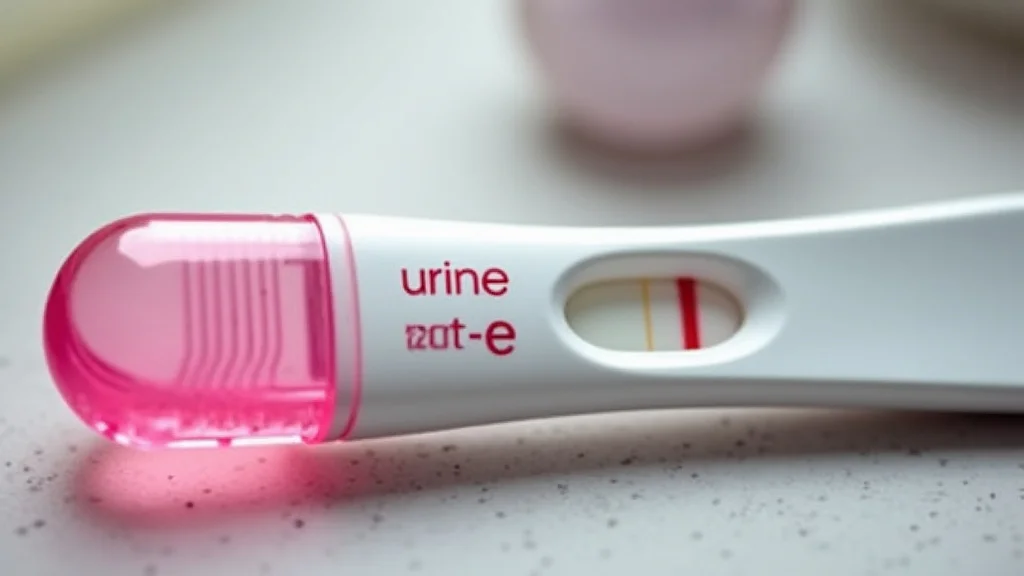
    Reading the results of a pregnancy test is usually straightforward. Most tests have control lines and test lines. If the control line appears, the test is working correctly.

    If the test line also appears, it usually means you are pregnant. Different tests have different ways of displaying results, so always read the instructions carefully.

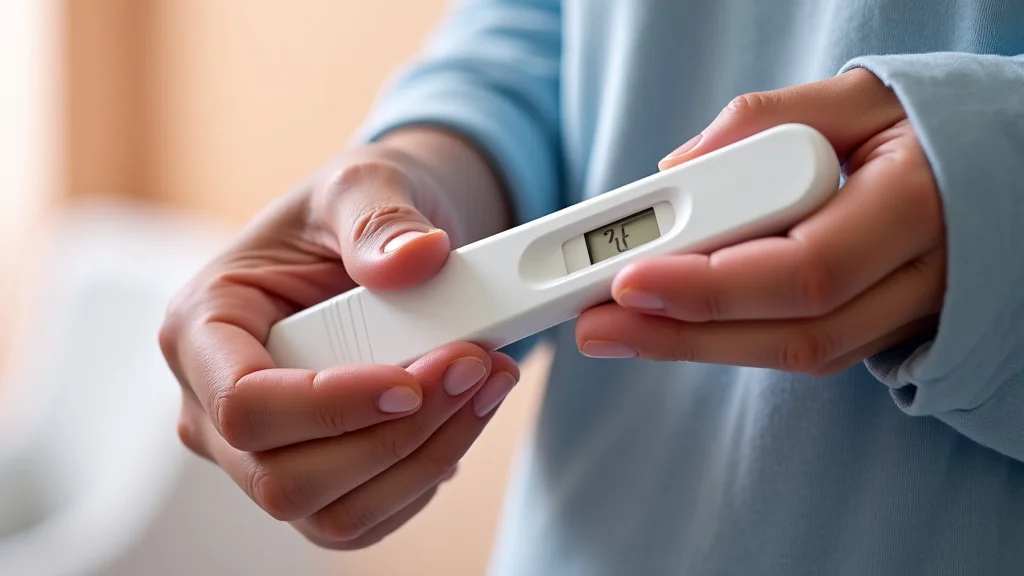
    Digital tests will display words like “Pregnant” or “Not Pregnant.” Some may even show how many weeks pregnant you are. If you get a positive result, it is highly likely that you are pregnant. You should schedule an appointment with your doctor or a healthcare provider to confirm the pregnancy and discuss next steps.

    A negative result means that the test did not detect hCG in your urine. If you tested before your missed period and got a negative result, it’s possible you tested too early. You may want to retest in a few days or a week if your period still hasn’t started.

    If you continue to get negative results and your period is significantly late, consult your doctor.

    A faint positive line usually indicates a positive result, even if it’s not very dark. This suggests that hCG is present, but at a lower level. It’s still a good idea to confirm this with your doctor.

    Some rare instances might result in a false positive, but this is uncommon with modern tests.

    Factors Affecting Accuracy

    While home pregnancy tests are generally very accurate, several factors can affect their reliability. Understanding these factors helps ensure you get the most accurate result possible and avoid unnecessary confusion or anxiety.

    Timing of the Test

    As mentioned, testing too early is a leading cause of false negatives. hCG levels need time to build up after implantation. If you take a test a day or two after potential conception, the hormone levels will likely be too low for the test to detect.

    This doesn’t mean you aren’t pregnant; it just means the test isn’t sensitive enough yet.

    A statistic from a study showed that about 10-15% of women experience a false negative when testing on the day of their missed period. This percentage drops significantly to less than 5% when testing a week after a missed period. This highlights the importance of patience.

    Conversely, a false positive is rare but can happen. This could occur if you have certain medical conditions, take specific medications that contain hCG, or if there was an error in the test’s manufacturing. If you get an unexpected result, it’s always best to consult a healthcare professional.

    Medications and Health Conditions

    Certain medications can interfere with pregnancy test results. The most common culprits are fertility drugs that contain hCG. If you are undergoing fertility treatment and take hCG injections, your urine may show a positive result even if you are not pregnant.

    It’s important to inform your doctor about any medications you are taking.

    Some health conditions can also affect test accuracy. For example, certain rare tumors can produce hCG, leading to a false positive. Similarly, medical conditions that affect kidney function might influence how the body processes and excretes hCG, potentially impacting test results.

    If you’ve had a recent miscarriage or abortion, residual hCG might still be in your system, leading to a positive test result even though the pregnancy is no longer viable. Your doctor can help you understand your specific situation.

    How You Take the Test

    Following the test instructions precisely is vital for accuracy. Over-diluting the urine sample by drinking too much fluid right before testing can lead to a false negative. Conversely, not dipping the test strip into the urine long enough or at all will render the test invalid.

    Expired tests can also be unreliable. Always check the expiration date on the packaging before use. Storing tests improperly, such as in extreme heat or humidity, can also degrade them and affect their accuracy.

    Using a clean, flat surface for the test and reading the results within the specified timeframe are also important. Waiting too long to read the results can sometimes lead to evaporation lines, which can be mistaken for positive results.

    Pregnancy Test Symptoms vs. Other Conditions

    It’s easy to get confused between early pregnancy symptoms and signs of other common conditions. This is because many early pregnancy symptoms overlap with symptoms of PMS, illness, or even just daily life stressors. Differentiating them often requires more than just observing the symptoms themselves.

    Comparing with PMS Symptoms

    Many women experience a range of symptoms in the days leading up to their period. These can include breast tenderness, bloating, mood swings, fatigue, and mild abdominal cramps. These PMS symptoms often mirror early pregnancy symptoms very closely.

    For instance, breast tenderness is a hallmark of both PMS and early pregnancy.

    The key difference often lies in the intensity and duration. Pregnancy symptoms tend to persist or even worsen after the expected period date, whereas PMS symptoms typically subside once menstruation begins. Also, some pregnancy symptoms, like a missed period and severe nausea, are less commonly associated with PMS.

    A helpful way to think about it is to consider the overall pattern. If you have your usual PMS symptoms, and then your period arrives, it’s likely PMS. If those symptoms persist beyond your expected period, and a new one like a missed period appears, then a pregnancy test becomes more relevant.

    When to See a Doctor

    If you get a positive result on a home pregnancy test, it’s essential to schedule an appointment with your doctor. They will confirm the pregnancy, usually through a blood test or an ultrasound, and discuss your prenatal care. Early prenatal care is vital for a healthy pregnancy.

    You should also see a doctor if you experience any concerning symptoms, even with a negative pregnancy test. This includes severe abdominal pain, heavy vaginal bleeding, fever, or unusual discharge. These could indicate an ectopic pregnancy, miscarriage, or other health issues that require immediate medical attention.

    If your period is significantly late and all home pregnancy tests are negative, a doctor can help determine the cause. Irregular periods can be caused by various factors, including stress, weight changes, hormonal imbalances, or underlying medical conditions.

    Importance of a Pregnancy Test

    While symptoms can be suggestive, they are never definitive proof of pregnancy. They are an indication that something is changing in your body and might warrant further investigation. Relying solely on symptoms can lead to misinterpretation and anxiety.

    Pregnancy tests are specifically designed to detect hCG, the hormone produced during pregnancy. They offer a reliable and objective way to confirm or rule out pregnancy. This objective data is crucial for making informed decisions about your health and well-being.

    Combining your awareness of your body’s signals with the accuracy of a pregnancy test gives you the clearest picture. It allows you to take appropriate steps, whether that’s beginning prenatal care or seeking medical advice for other potential causes of your symptoms.

    Common Myths Debunked

    Myth 1: You can feel pregnant immediately

    Reality: While some people notice early changes, true pregnancy symptoms like nausea or significant fatigue usually take a week or two to develop. The very earliest sign is often a missed period, and before that, subtle hormonal shifts are happening that may not be noticeable. A pregnancy test is the most reliable indicator.

    Myth 2: All women have morning sickness

    Reality: Morning sickness, or nausea and vomiting, is a common pregnancy symptom but not universal. Many women experience it, but a significant number do not. Its absence does not mean you are not pregnant.

    Symptoms vary greatly from person to person.

    Myth 3: A very faint line on a pregnancy test means you’re not pregnant

    Reality: A faint positive line generally indicates the presence of hCG, meaning you are likely pregnant. The line’s intensity can depend on the concentration of hCG in your urine and the test’s sensitivity. If you see any line, it’s usually considered a positive result.

    Confirming with your doctor is recommended.

    Myth 4: You can get pregnant if you have your period

    Reality: While it’s unlikely to conceive during your period, it’s not impossible. Ovulation can sometimes occur shortly after menstruation ends, especially for women with shorter or irregular cycles. This is why unprotected sex at any time carries a risk of pregnancy.

    Frequently Asked Questions

    Question: What is the earliest symptom of pregnancy

    Answer: The earliest noticeable sign of pregnancy for many people is a missed period. Some might experience very light spotting or mild cramping due to implantation, which happens about a week or two after conception.

    Question: Can stress cause pregnancy symptoms

    Answer: Yes, significant stress can sometimes mimic pregnancy symptoms like fatigue, nausea, or changes in appetite and sleep patterns. Stress can also affect your menstrual cycle, leading to missed periods.

    Question: How long after unprotected sex can I take a pregnancy test

    Answer: For the most accurate result, it’s best to wait until after your missed period. Some highly sensitive tests can detect pregnancy about 10-14 days after unprotected sex, but waiting longer increases accuracy.

    Question: Can I get a false negative pregnancy test

    Answer: Yes, a false negative can occur if you test too early before hCG levels are high enough, if the test is expired, or if you don’t follow the instructions correctly.

    Question: What should I do after getting a positive pregnancy test

    Answer: After a positive pregnancy test, you should schedule an appointment with your doctor or a healthcare provider. They will confirm the pregnancy and guide you on the next steps for prenatal care.

    Summary

    Pregnancy test symptoms offer early clues but are not definitive. Many signs overlap with other conditions, making them hard to interpret alone. Understanding common symptoms like missed periods and breast changes helps.

    Testing at the right time with an accurate test is key. Always confirm results with a healthcare provider for proper guidance.


  • Third Trimester Weeks ICD 10 Codes Explained

    Third Trimester Weeks ICD 10 Codes Explained

    Figuring out the right codes for pregnancy can seem tricky at first, especially when you’re dealing with specific times like the third trimester weeks icd 10. Many people find it a bit confusing to match the exact week of pregnancy with the correct ICD-10 code. But don’t worry, it’s simpler than it looks!

    We’ll break it down step-by-step to make it easy. Let’s get started on making these codes clear for you.

    Key Takeaways

    • You will learn how to correctly identify and use ICD-10 codes for the third trimester of pregnancy.
    • Understand the specific codes that apply to different weeks within the third trimester.
    • Discover why precise coding is important for medical billing and patient care.
    • Learn how to differentiate between codes for normal pregnancy progression and those for complications.
    • Gain confidence in applying ICD-10 coding for third trimester scenarios.

    Understanding Third Trimester Weeks ICD 10

    Coding for pregnancy is a big part of medical billing and health records. When we talk about the third trimester, we’re looking at a specific period of a pregnancy that has distinct coding needs. The ICD-10 system, which is used worldwide, has specific codes to describe the stage of pregnancy.

    This helps everyone involved, from doctors to insurance companies, understand exactly where a patient is in their pregnancy. It’s all about making sure the medical record is accurate and complete.

    The third trimester starts around week 28 and goes until birth. This is a critical time for both the mother and the baby. Doctors monitor many things closely during these weeks.

    Using the correct ICD-10 codes helps track these appointments, any tests done, and any health changes that might happen. It ensures that healthcare providers can give the best possible care.

    The Importance of Accurate ICD-10 Coding

    Accurate ICD-10 coding is super important. It’s not just about filling out forms. When codes are right, insurance companies can process claims quickly and correctly.

    This means healthcare providers get paid for their services.

    Good coding also helps in tracking health trends and research. By having clear data on pregnancy stages and outcomes, researchers can learn more about maternal and child health. This can lead to better medical practices and treatments in the future.

    Think of it like a language that doctors and insurers speak. If you use the wrong words, the message gets mixed up. So, learning the right codes for the third trimester weeks is key to clear communication in healthcare.

    What Defines the Third Trimester?

    The third trimester is the final stage of pregnancy. It generally spans from the beginning of week 28 until the baby is born. This period is marked by rapid growth of the fetus and significant physical changes for the mother.

    During this time, the baby’s organs are maturing, and they are gaining weight quickly. The mother will experience increased fatigue, discomfort, and more frequent doctor visits to monitor the baby’s health and prepare for delivery.

    The ICD-10 coding system reflects these stages to ensure that medical documentation accurately captures the patient’s status. This detailed approach helps in providing appropriate care and managing expectations throughout this final phase of pregnancy.

    Navigating Third Trimester Weeks ICD 10 Codes

    When you’re coding for a pregnancy in its third trimester, the specific week is often a key detail. The ICD-10 code set has categories that address pregnancy and childbirth, and within these, there are ways to specify the stage. For the third trimester, we usually use codes from the O00-O9A chapter, which covers pregnancy, childbirth, and the puerperium.

    The specific codes you’ll use often depend on whether the pregnancy is proceeding normally or if there are any complications. For a normal, healthy pregnancy in the third trimester, the main code you’ll often see is Z3A.xx, which represents weeks of gestation. This code is used alongside other codes that describe the mother’s health condition.

    For example, if a patient is 30 weeks pregnant and having a routine check-up with no issues, the coder might use a code like O80 Encounter for full-term uncomplicated delivery, or a code indicating a routine antenatal check-up, along with the Z3A.30 code for 30 weeks of gestation. It’s this combination that paints the full picture.

    Codes for Normal Third Trimester Progression

    For a healthy pregnancy progressing as expected, the ICD-10 system uses specific codes to denote the number of weeks of gestation. The primary code family for this is Z3A, which stands for “Weeks of gestation.” This code is not used alone but as a secondary code to provide more detail about the pregnancy’s stage.

    For instance, if a patient is 32 weeks pregnant and is attending a routine prenatal visit without any reported problems or symptoms, the documentation might include a code for the routine visit itself, plus the Z3A.32 code. This signifies that the pregnancy has reached 32 completed weeks.

    These codes are essential for tracking prenatal care. They help healthcare providers monitor fetal development against expected milestones for that specific gestational age. This ensures that any deviations from the norm can be identified and addressed promptly.

    • The Z3A codes specify the exact number of weeks a pregnancy has reached.
    • These codes are always used with other primary diagnosis codes that describe the patient’s condition or reason for the visit.
    • For example, Z3A.28 would indicate 28 weeks of gestation, the start of the third trimester.
    • Z3A.29 would then represent 29 weeks, and so on, all the way up to Z3A.40 for 40 weeks.
    • Using these codes accurately ensures claims are processed correctly and provides clear data for patient records.

    When Complications Arise in the Third Trimester

    Pregnancy can sometimes bring unexpected challenges. When complications occur during the third trimester, the ICD-10 coding becomes more detailed. The O codes are frequently used here, as they are designed for pregnancy-related conditions.

    For example, if a patient develops preeclampsia, which is high blood pressure during pregnancy, the coder would use a specific code for preeclampsia (e.g., O13.x for mild or moderate, or O14.x for severe) and combine it with the Z3A code for the current week of gestation. This tells the full story: the complication and how far along the pregnancy is.

    Other common third-trimester complications that require specific ICD-10 coding include gestational diabetes (O24.4x), placenta previa (O44.x), and premature rupture of membranes (O42.x). Each of these conditions has its own set of codes that must be used correctly with the weeks of gestation code.

    Common Third Trimester Complication Example ICD-10 Code (Primary Diagnosis) Example Weeks of Gestation Code
    Preeclampsia O14.9 (Unspecified gestational hypertension) Z3A.35 (35 weeks of gestation)
    Gestational Diabetes Mellitus O24.419 (Gestational diabetes mellitus in pregnancy, unspecified control) Z3A.31 (31 weeks of gestation)
    Placenta Previa O44.0 (Placenta previa without hemorrhage) Z3A.33 (33 weeks of gestation)
    Premature Rupture of Membranes O42.1 (Premature rupture of membranes, onset of labor within 24 hours) Z3A.30 (30 weeks of gestation)

    This table shows how different conditions are coded. The first column lists a common issue. The second column shows a possible primary code for that issue.

    The third column adds the weeks of gestation code to show how far along the pregnancy is when the issue occurs. This combination is vital for accurate medical records.

    Example Scenario: Routine Check-up at 34 Weeks

    Let’s imagine a patient comes in for a routine prenatal check-up. She is exactly 34 weeks pregnant and has no complaints or concerns. The doctor performs a standard examination and confirms everything is progressing normally.

    For this visit, the medical coder would select the appropriate ICD-10 code for a routine antenatal check-up. This might be code Z00.00 Encounter for general examination without abnormal findings. Then, to specify the stage of pregnancy, the coder adds the weeks of gestation code.

    In this case, since the patient is 34 weeks pregnant, the coder would use Z3A.34. So, the complete coding for this visit would be Z00.00 and Z3A.34. This tells insurance providers that it was a normal check-up at a specific point in the pregnancy.

    Example Scenario: Monitoring for Gestational Hypertension

    Consider another scenario. A patient at 36 weeks pregnant is visiting her doctor. The doctor notes that she has developed mild gestational hypertension.

    The patient is otherwise feeling well, and there are no other immediate concerns, but this condition needs to be monitored.

    The coder would first select the ICD-10 code for unspecified gestational hypertension, which could be O13.9. This code indicates that high blood pressure has developed during pregnancy.

    Next, to indicate the stage of pregnancy, the coder would add the weeks of gestation code. Since the patient is 36 weeks pregnant, the code Z3A.36 would be used. Therefore, the coding for this visit would be O13.9 and Z3A.36.

    This clearly documents the medical situation and the pregnancy stage.

    Common Myths Debunked

    Myth 1: Any Code for “Pregnancy” Is Sufficient

    Many people think that if they just use a general pregnancy code, it’s enough. However, the ICD-10 system is much more specific. For the third trimester, using a code that doesn’t specify the weeks of gestation, or one that is too general, can lead to incorrect billing and incomplete medical records.

    Precision matters.

    Myth 2: Weeks of Gestation Codes Replace Other Diagnosis Codes

    Some believe that the Z3A codes for weeks of gestation are standalone codes. This is not true. These codes are always secondary.

    They provide additional information to a primary diagnosis code that explains the patient’s condition or the reason for the visit. For example, a Z3A code would never be the only code used for a visit.

    Myth 3: All Third Trimester Visits Are Coded the Same Way

    It’s a common misunderstanding that every visit during the third trimester uses identical codes. This is incorrect. While Z3A codes for weeks of gestation are consistent for a given week, the primary diagnosis code will vary significantly based on whether the pregnancy is normal, if there are any signs of complications, or if specific tests or procedures are being performed.

    Myth 4: ICD-10 Codes Are Too Complex for Beginners

    The ICD-10 system can seem overwhelming at first glance due to its vastness. However, for specific areas like the third trimester weeks, the principles are quite straightforward. By understanding the basic categories and how codes are combined, beginners can quickly grasp the essentials.

    It’s about learning the patterns, not memorizing every single code.

    Frequently Asked Questions

    Question: What is the primary code for the third trimester?

    Answer: There isn’t one single primary code for the entire third trimester. Instead, you use codes like Z3A.xx to specify the exact number of weeks of gestation, which is then combined with other codes that describe the mother’s health condition or the reason for the visit.

    Question: How do I code for a normal pregnancy check-up at 29 weeks?

    Answer: For a normal check-up at 29 weeks, you would typically use a code for a general or antenatal check-up, such as Z00.00 (Encounter for general examination without abnormal findings) or O09.52 (Supervision of elderly primigravida, third trimester), along with the weeks of gestation code Z3A.29.

    Question: What if a patient has morning sickness in the third trimester?

    Answer: Morning sickness, even in the third trimester, is coded as nausea and vomiting of pregnancy. The primary code would be R11.10 (Nausea) or R11.2 (Nausea with vomiting, unspecified) or more specifically O21.x codes for vomiting complicating pregnancy, combined with the appropriate Z3A code for the weeks of gestation.

    Question: Do I need a separate code for each week of the third trimester?

    Answer: Yes, for precise record-keeping and billing, you should use the specific Z3A code that matches the exact number of weeks of gestation for each visit during the third trimester, from week 28 onwards.

    Question: How are complications like preeclampsia coded in the third trimester?

    Answer: Preeclampsia in the third trimester is coded using specific O codes for hypertension complicating pregnancy (e.g., O13.x for preeclampsia, or O14.x for eclampsia) along with the Z3A code that indicates the current weeks of gestation.

    Conclusion

    Using ICD-10 codes for the third trimester weeks is clear once you know the system. You combine codes for specific conditions or visits with codes like Z3A.xx to show the exact number of weeks pregnant. This accuracy ensures proper medical records and smooth insurance processing.

  • Understanding Third Trimester Week Range

    Understanding Third Trimester Week Range

    Figuring out exactly when your third trimester starts and ends can feel confusing, especially if you’re new to pregnancy. People often wonder about the specific weeks that make up this important part of their pregnancy journey. It’s a common question that pops up for many expecting parents.

    Don’t worry, though. We’ll break down the third trimester week range very simply. We will guide you step by step so you feel confident.

    Get ready to learn what you need to know to prepare for those final months.

    Key Takeaways

    • The third trimester typically begins around week 28 of pregnancy.
    • It concludes at the very end of your pregnancy, usually around week 40 or slightly beyond.
    • This period covers roughly the last 12 weeks of gestation.
    • Knowing the third trimester week range helps in planning for birth and baby’s arrival.
    • Understanding this timeframe eases anxiety about the upcoming delivery.
    • Each week in this range brings new developments for baby and changes for mom.

    What Is the Third Trimester Week Range

    The third trimester marks the final stretch of pregnancy. It is when your baby grows the most and gets ready to meet the world. This period is often filled with excitement and anticipation.

    It’s also when expecting parents might feel more tired and ready for delivery. Knowing the exact weeks helps in many ways. It helps doctors track your baby’s growth and development accurately.

    It also helps you prepare your home and your mind for the big day.

    Defining the Start of the Third Trimester

    The standard definition for the start of the third trimester is week 28 of pregnancy. This marks a significant milestone, as the baby has now completed two-thirds of the gestation period. From this point forward, the focus shifts towards final development and preparation for birth.

    Your body also starts to feel different as it accommodates the growing baby. Things like swelling, backaches, and shortness of breath can become more common.

    Many healthcare providers use this 28-week mark as a general guideline. It’s when routine checkups might become more frequent. They will monitor your blood pressure, baby’s position, and overall well-being.

    This increased attention ensures both mother and baby are healthy and progressing well towards the due date.

    When Does the Third Trimester End

    The third trimester officially concludes when your baby is born. However, pregnancy is typically considered full-term between 37 and 40 weeks. Some babies may arrive a bit earlier or later.

    A pregnancy reaching 40 weeks is calculated as 40 weeks and 0 days from the first day of your last menstrual period. A baby born after 40 weeks is still within a healthy range.

    The baby’s lungs and brain continue to mature until the very end of pregnancy. This is why going a little past 40 weeks is often considered normal and even beneficial for the baby’s development. Your doctor will monitor you closely if you go past your due date.

    They will make sure everything is still going well for both you and the baby.

    The Duration of the Third Trimester

    The third trimester lasts for approximately 12 to 14 weeks. This is because it starts around week 28 and goes until birth, which is typically around week 40. So, if you count the weeks from 28 up to 40, you get about 12 weeks.

    If a pregnancy goes to 41 or 42 weeks, the duration extends a bit more.

    This extended period is quite important for your baby’s final development. It’s when they gain weight and fat reserves, which help them regulate their body temperature after birth. Their organs, especially the brain and lungs, continue to refine their functions.

    For expectant mothers, this time can be a mix of physical discomfort and intense emotional preparation for motherhood.

    Key Milestones Within the Third Trimester Week Range

    The third trimester is packed with amazing changes for your baby. Each week brings them closer to being ready for life outside the womb. For you, it’s a time of significant physical and emotional adjustment.

    Understanding these milestones can help you appreciate this final stage of pregnancy. It also prepares you for what to expect as your due date approaches.

    Baby’s Development Week by Week

    In the early weeks of the third trimester, around 28-30 weeks, your baby is rapidly growing. They start to open their eyes more often. Their hearing is well-developed, and they can respond to sounds.

    Their skin is becoming smoother as fat deposits increase. By week 32, they have likely developed a regular sleep-wake cycle.

    As you move into the later weeks, around 34-36 weeks, the baby’s lungs are almost fully developed. They will begin to practice breathing by swallowing amniotic fluid. Their bones are hardening, but their skull remains soft and flexible to allow for passage through the birth canal.

    In the final weeks, from 37 weeks onwards, the baby is considered full-term. They will likely settle into a head-down position, ready for birth.

    Mom’s Physical and Emotional Changes

    During the third trimester, your body undergoes significant changes. Your growing baby puts more pressure on your bladder, leading to frequent urination. You might experience Braxton Hicks contractions, which are practice contractions for labor.

    Swelling in your hands and feet is also common due to fluid retention and pressure from the uterus.

    Emotionally, you might feel a mix of excitement and anxiety. It’s normal to feel eager to meet your baby but also nervous about labor and delivery. You may also experience nesting instincts, a strong urge to clean and prepare your home for the baby.

    Getting enough rest becomes more challenging, but it’s crucial for managing energy levels.

    Preparing for Labor and Delivery

    As the third trimester progresses, it’s essential to prepare for labor and delivery. This includes attending childbirth classes to learn about labor stages, pain management techniques, and what to expect. You will also want to pack your hospital bag in advance, including essentials for you, your baby, and your partner.

    Discussing your birth plan with your healthcare provider is also important. This allows you to communicate your preferences for labor and delivery. Knowing the signs of labor, such as regular contractions, water breaking, or bloody show, helps you know when to head to the hospital.

    Navigating the Third Trimester Week Range With Confidence

    The third trimester week range is a time of great anticipation. It’s the final push before you welcome your little one. While it can bring its own set of challenges, being well-informed makes all the difference.

    This knowledge helps you feel in control and prepared.

    Understanding Your Due Date

    Your due date is an estimate, not a strict deadline. It’s calculated based on the first day of your last menstrual period and assumes a 40-week pregnancy. Doctors often use an ultrasound in the first trimester to confirm the due date.

    However, it’s common for babies to arrive within a two-week window before or after the due date.

    Knowing your estimated due date is helpful for planning. It gives you a target for when to expect your baby. But remember, only a small percentage of babies are actually born on their due date.

    Most are born within a week or two before or after. This flexibility is normal and part of the pregnancy process.

    Common Discomforts and How to Manage Them

    Many expectant mothers experience physical discomforts during the third trimester. These can include back pain, heartburn, fatigue, and swelling. Simple strategies can help manage these issues.

    Gentle exercise, like walking or prenatal yoga, can alleviate back pain and improve circulation. Eating smaller, more frequent meals can help with heartburn.

    Getting adequate rest is vital, even if sleep is interrupted. Elevating your legs when sitting can reduce swelling. Staying hydrated is also important.

    If any discomforts become severe or concerning, always consult your doctor. They can offer personalized advice and medical support to ensure your comfort and well-being.

    Signs of Labor and When to Seek Medical Help

    Recognizing the signs of labor is crucial in the third trimester. The most common signs include regular, increasingly strong contractions that are about 5 minutes apart. Your water may break, which could be a trickle or a gush of fluid.

    You might also notice a bloody discharge, known as the bloody show.

    If you experience these signs, it’s time to contact your healthcare provider and potentially head to the hospital or birthing center. Other reasons to call your doctor immediately include decreased fetal movement, severe abdominal pain, high fever, or heavy vaginal bleeding. Staying calm and informed will help you respond appropriately when labor begins.

    Common Myths Debunked

    Myth 1: The Third Trimester Starts at 30 Weeks

    This is a common misconception. While many people think of the last 10 weeks as the third trimester, the generally accepted start for the third trimester is week 28 of pregnancy. This is based on standard obstetric guidelines.

    This 28-week mark signifies a major progression in fetal development and maternal physical changes.

    Myth 2: You Will Definitely Go Past Your Due Date

    While it is common for babies to arrive around their due date, or even a bit after, it is not a certainty. Many babies are born within the 37 to 40-week full-term window. Some may arrive earlier than expected.

    Relying solely on the due date can cause unnecessary anxiety. Focus on the entire third trimester week range as a preparation period.

    Myth 3: All Pregnant Women Experience Extreme Swelling

    Swelling, or edema, is very common in the third trimester. However, the severity varies greatly from person to person. Some women experience minimal swelling, while others have significant discomfort.

    Factors like diet, activity level, and individual body responses play a role. It’s not a universal experience of extreme discomfort for everyone.

    Myth 4: You Can’t Exercise During the Third Trimester

    Exercise is generally safe and beneficial during the third trimester, provided it’s approved by your doctor. Low-impact activities like walking, swimming, and prenatal yoga can help maintain fitness, reduce discomfort, and prepare your body for labor. It’s important to listen to your body and avoid strenuous activities or anything that causes pain.

    Frequently Asked Questions

    Question: When does the third trimester start?

    Answer: The third trimester typically begins around week 28 of pregnancy.

    Question: How long is the third trimester?

    Answer: The third trimester lasts for approximately 12 to 14 weeks, concluding at birth.

    Question: Is it normal for my baby to move less in the third trimester?

    Answer: While your baby’s movement patterns might change as they have less room, you should still feel regular movements. If you notice a significant decrease, contact your doctor immediately.

    Question: Can I travel in the third trimester?

    Answer: Travel policies vary by airline and trimester. Generally, it’s safe to travel up to 36 weeks, but always consult your doctor before making any travel plans.

    Question: What is considered a full-term pregnancy?

    Answer: A pregnancy is considered full-term when it reaches between 37 weeks and 0 days, and 40 weeks and 0 days.

    Conclusion

    The third trimester week range, from about week 28 to your delivery, is a vital period. It’s a time of significant baby development and preparation for birth. Understanding this timeframe helps ease worries and allows for better planning.

    Focus on the milestones and enjoy this last stage.

  • Understanding Pregnancy Test UCG Made Simple

    Understanding Pregnancy Test UCG Made Simple

    Are you wondering about pregnancy test ucg? It might seem a bit tricky at first, especially if this is your first time. Many people search for it, and it’s completely normal to feel a little unsure.

    We’re here to make it super easy. This guide will walk you through everything, step by step. Get ready to feel confident about what comes next.

    Key Takeaways

    • You will learn what “UCG” means in the context of pregnancy tests.
    • Discover how home pregnancy tests detect pregnancy.
    • Understand the difference between various types of tests.
    • Learn how to get the most accurate results from your test.
    • Know when to follow up with a doctor after testing.

    What Does Pregnancy Test UCG Mean

    When you hear about a pregnancy test ucg, it usually refers to a type of pregnancy test that detects a specific hormone. This hormone is called human chorionic gonadotropin, or hCG for short. Your body starts producing hCG shortly after a fertilized egg implants in the uterus.

    The amount of hCG doubles roughly every 48 to 72 hours in early pregnancy. This makes it a reliable indicator that pregnancy has begun.

    The term “UCG” itself isn’t an official medical term for a type of test. Instead, it’s a common misspelling or variation of hCG. People might type “UCG” when they are looking for information about tests that detect hCG.

    It’s the hCG hormone that most over-the-counter pregnancy tests look for. So, when you see “pregnancy test ucg,” think of it as a search for a standard hCG pregnancy test.

    These tests work by detecting the presence and amount of hCG in a person’s urine or blood. Urine tests are the most common type used at home. Blood tests, which are more sensitive and can detect pregnancy earlier, are usually performed by a healthcare provider.

    The Role of hCG in Pregnancy Detection

    Human chorionic gonadotropin (hCG) is a vital hormone. It’s only produced during pregnancy. It signals to the body that a pregnancy is established.

    Think of it as a signal flare for your body to support the developing pregnancy. It helps maintain the corpus luteum. This structure is important for producing progesterone.

    Progesterone is needed to keep the uterine lining intact.

    The level of hCG rises quickly in early pregnancy. This rapid increase makes it an excellent marker for detecting pregnancy. Home pregnancy tests are designed to find even small amounts of hCG in your urine.

    Different tests have different sensitivity levels. This means some can detect hCG earlier than others.

    A positive result on a pregnancy test indicates that hCG has been detected. This usually means pregnancy has occurred. However, false positives can happen.

    Also, levels of hCG can sometimes be elevated for other medical reasons. This is why a doctor’s confirmation is always recommended.

    Why “UCG” is Common Online

    The use of “pregnancy test ucg” online is often due to common typos or phonetic misspellings. Many people spell “hCG” phonetically, leading to variations like “UCG” or “HCG.” Search engines are designed to be forgiving and often understand these common misspellings. This allows people searching for “UCG” to still find relevant results for “hCG.”

    For example, someone might hear “aitch-see-jee” and spell it as they hear it. They might not know the exact spelling of hCG. This leads to searches like “pregnancy test ucg” or “hCG pregnancy test.” These searches, while misspelled, are still targeting the core information about pregnancy tests that detect this hormone.

    This phenomenon is common with many medical or technical terms. When a term has a specific abbreviation or spelling that isn’t intuitive, phonetic or accidental misspellings become widespread in online searches. Therefore, seeing “pregnancy test ucg” is simply a sign that people are actively seeking information about hCG testing, even if they aren’t using the precise medical spelling.

    How Home Pregnancy Tests Work

    Home pregnancy tests are simple devices. They use a chemical reaction to detect hCG in urine. Most tests come with a testing stick or a cup.

    You collect a urine sample and apply it to the test. The test strip inside contains antibodies. These antibodies are specifically designed to bind with hCG.

    If hCG is present in your urine, it binds to these antibodies. This binding process causes a chemical change. This change is what creates the visible result.

    The result usually appears as lines, symbols, or words on the test window. For example, two lines often mean pregnant, while one line means not pregnant. Digital tests might display “Pregnant” or “Not Pregnant.”

    The accuracy of these tests depends on several factors. The most important is using the test correctly. Another factor is the sensitivity of the test.

    Higher sensitivity tests can detect lower levels of hCG. This means they can detect pregnancy earlier.

    The Science Behind the Lines

    Inside a typical home pregnancy test strip is a material that absorbs urine. This material is embedded with special chemicals. One key component is a set of antibodies.

    These antibodies are engineered to react specifically with the hCG hormone. When hCG molecules from your urine come into contact with these antibodies, they attach.

    This attachment triggers a chain reaction. Imagine tiny magnets sticking to each other. When enough hCG molecules bind to the antibodies, they cause a visible indicator to appear.

    This indicator is often a colored dye. The dye is released and travels up the strip. It stops at specific points, forming the lines you see.

    A control line appears on all tests. This line confirms the test is working correctly. If the control line doesn’t show up, the test is invalid.

    The test line appears only if hCG is detected. The intensity of the test line can sometimes indicate the amount of hCG present. A darker line might mean more hCG, suggesting a more advanced pregnancy.

    However, this is not always a reliable indicator of how far along you are.

    Types of Home Pregnancy Tests

    There are several types of home pregnancy tests available. The most common are urine tests. These can be further divided into strip tests, midstream tests, and digital tests.

    • Strip Tests: These are usually the most affordable. You dip the strip into a collected urine sample for a specific amount of time.
    • Midstream Tests: These are the most popular. You hold the absorbent end in your urine stream for a few seconds. They are convenient and hygienic.
    • Digital Tests: These often provide a clear digital readout. They might also estimate how many weeks pregnant you are. They are generally more expensive but offer clear results.

    There are also blood pregnancy tests. These are done at a doctor’s office. They are more sensitive than urine tests.

    They can detect hCG earlier, sometimes as early as 6 to 8 days after conception. Blood tests can be quantitative (measuring the exact amount of hCG) or qualitative (simply stating if hCG is present).

    The choice of test often depends on personal preference, cost, and how early you want to test. All these tests rely on detecting hCG to confirm pregnancy. Even the most basic strip test is based on the same scientific principle as the more advanced digital ones.

    When to Take a Pregnancy Test

    The best time to take a pregnancy test is after you have missed your period. Waiting until your period is late increases the accuracy of the test. This is because hCG levels will have risen significantly by then.

    If you don’t have regular periods, it can be harder to know when to test. In such cases, waiting at least 19 to 21 days after unprotected sex is a good guideline. Some early pregnancy tests are highly sensitive.

    They claim to detect pregnancy a few days before a missed period. However, testing too early can lead to a false negative result. This happens if hCG levels are not yet high enough to be detected.

    Testing first thing in the morning is often recommended. Your urine is most concentrated at this time. This means hCG levels may be higher and easier to detect.

    If you test later in the day, drink plenty of fluids beforehand. This can dilute your urine, potentially making it harder for the test to detect hCG.

    Interpreting Your Pregnancy Test Results

    Once you have taken the test, it’s important to read the results carefully. Follow the instructions that came with your test. Different brands may have slightly different ways of showing results.

    A positive result usually means you are pregnant. This is indicated by two lines, a plus sign, or the word “Pregnant” on a digital test. Even a faint positive line generally means pregnancy.

    It’s a good idea to confirm with your doctor, even with a positive result.

    A negative result means no hCG was detected at a level the test could measure. This usually means you are not pregnant. However, if you tested too early, it’s possible to get a false negative.

    If your period still doesn’t arrive, it’s recommended to retest in a few days.

    Understanding Positive Results

    A positive pregnancy test is exciting news! It means the test detected hCG in your urine. This hormone is produced by your body when a fertilized egg implants.

    Most home pregnancy tests are highly accurate when used correctly. A positive result, even with a faint line, is usually accurate.

    The strength of the line does not always indicate how many weeks pregnant you are. It can sometimes relate to the concentration of hCG. This concentration can vary from person to person.

    It can also change throughout the day. If you get a positive result, the next step is usually to schedule an appointment with your healthcare provider.

    They will confirm the pregnancy, likely with a blood test or an ultrasound. They can also provide important information about prenatal care. This includes advice on diet, supplements, and lifestyle changes to support a healthy pregnancy.

    Dealing With Negative Results

    A negative pregnancy test means that the test did not detect hCG in your urine. This suggests you are likely not pregnant. However, there are a few reasons why you might get a negative result even if you are pregnant.

    One common reason is testing too early. If you test before your missed period, hCG levels might be too low for the test to detect. Another reason could be dilutes urine.

    If you drank a lot of fluids before testing, your urine might be too diluted. Also, some medications containing hCG can affect test results, though this is rare for over-the-counter tests.

    If your period is still late after a negative test, it is advisable to retest in a few days. If you continue to get negative results and your period hasn’t started, it’s a good idea to see a doctor. They can help determine why your period is delayed.

    This could be due to stress, hormonal imbalances, or other factors unrelated to pregnancy.

    When to See a Doctor

    It is always recommended to see a doctor after you get a positive pregnancy test. They will confirm the pregnancy and discuss next steps. This includes scheduling your first prenatal appointment.

    You should also see a doctor if you experience any unusual symptoms. These can include severe abdominal pain, heavy bleeding, or dizziness. These could be signs of an ectopic pregnancy or other complications.

    Even with a negative test, if your period is significantly late or you have concerns, consulting a doctor is wise.

    A doctor can provide a definitive diagnosis. They can also offer guidance and support throughout your pregnancy journey. They are your best resource for ensuring a healthy outcome for both you and your baby.

    Tips for Accurate Pregnancy Testing

    Getting an accurate result from a home pregnancy test is important. Following the instructions precisely is key. This ensures the test works as intended and you get reliable information.

    Using the first-morning urine sample is generally recommended. This is because it is the most concentrated. It has the highest chance of containing detectable levels of hCG if you are pregnant.

    Avoid drinking excessive fluids before testing. This can dilute your urine and potentially lead to a false negative result.

    Always check the expiration date on the test package. Expired tests may not work correctly. Store tests according to the package instructions to maintain their accuracy.

    Following Test Instructions Carefully

    Every pregnancy test comes with specific instructions. It is crucial to read and follow these instructions to the letter. Even small deviations can affect the accuracy of the result.

    Pay close attention to how long you need to hold the test in your urine stream. Also, note the amount of time you need to wait before reading the results. Reading the results too early or too late can lead to misinterpretation.

    For instance, some tests have a time window for reading results. Waiting too long might cause an evaporation line to appear. This can be mistaken for a positive result.

    Ensure you are using a clean container if you are collecting urine in a separate cup. For midstream tests, make sure the absorbent tip is pointed downwards during testing. This prevents urine from flowing into the result window prematurely.

    Using First-Morning Urine

    The concentration of hCG hormone in your urine is highest in the morning. This is because you haven’t consumed any fluids for several hours. This concentrated urine provides the best chance for the test to detect the hormone.

    While some highly sensitive tests can detect hCG at other times of the day, using first-morning urine offers the most reliable results. It is especially important if you are testing very early in your pregnancy. If you must test later in the day, try to avoid drinking liquids for at least two hours beforehand.

    This will help to concentrate your urine.

    If you are testing multiple times, it is still a good idea to use first-morning urine for at least one of those tests. This ensures you have the best possible sample for detection.

    Understanding Sensitivity Levels

    Pregnancy tests vary in their sensitivity. This refers to the lowest level of hCG they can detect. Sensitivity is usually measured in milli-international units per milliliter (mIU/mL).

    Tests with higher sensitivity can detect lower levels of hCG. For example, a test with 10 mIU/mL sensitivity can detect pregnancy earlier than a test with 25 mIU/mL sensitivity. Early result tests often have higher sensitivity.

    They can potentially detect pregnancy up to four days before a missed period.

    It’s important to match the test’s sensitivity to when you want to test. If you want to test early, choose a high-sensitivity test. If you are testing after a missed period, a standard sensitivity test will likely be accurate enough.

    Always check the packaging for the test’s sensitivity level and recommended testing time.

    Common Myths Debunked

    Myth 1: A faint positive line means you are not really pregnant.

    Reality: A faint positive line on a pregnancy test usually indicates that hCG is present in your urine. The intensity of the line can depend on the concentration of hCG, which can vary. It might also depend on the test’s sensitivity and when you took the test.

    A faint line is generally considered a positive result. It is still advisable to confirm with a healthcare provider.

    Myth 2: You can take a pregnancy test at any time of day and get an accurate result.

    Reality: While some tests are very sensitive, testing with first-morning urine is generally recommended. This is because urine is most concentrated in the morning. This makes it easier to detect the hCG hormone if it is present.

    Testing later in the day after consuming fluids can dilute your urine and potentially lead to a false negative result.

    Myth 3: All pregnancy tests are the same.

    Reality: Pregnancy tests vary in sensitivity, format (strip, midstream, digital), and price. Some tests are designed to detect pregnancy earlier than others. Digital tests offer clearer results and may even estimate how many weeks pregnant you are.

    It’s important to choose a test that suits your needs and follow its specific instructions.

    Myth 4: Home pregnancy tests are never wrong.

    Reality: Home pregnancy tests are highly accurate when used correctly, but false negatives and false positives can occur. False negatives can happen if you test too early or if your urine is too diluted. False positives are rare but can be caused by certain medical conditions or medications.

    Always confirm results with a healthcare professional.

    Frequently Asked Questions

    Question: What is the difference between hCG and UCG in pregnancy tests?

    Answer: UCG is a common misspelling or variation for hCG, which stands for human chorionic gonadotropin. hCG is the hormone that pregnancy tests detect. There is no medical test called a UCG test; it refers to an hCG test.

    Question: Can I take a pregnancy test if I am on medication?

    Answer: Most common medications do not affect the accuracy of home pregnancy tests. However, if you are taking fertility drugs that contain hCG, this can cause a false positive result. Always consult your doctor or pharmacist if you have concerns about your medications.

    Question: How soon after unprotected sex can a pregnancy test detect pregnancy?

    Answer: Highly sensitive tests may detect pregnancy as early as 10-14 days after unprotected sex. However, it is most accurate to wait until after you miss your period, which is typically around 14 days after ovulation.

    Question: What should I do if my pregnancy test is positive?

    Answer: If your pregnancy test is positive, you should schedule an appointment with your healthcare provider. They will confirm the pregnancy and discuss your next steps for prenatal care.

    Question: Can stress affect a pregnancy test result?

    Answer: Stress itself does not directly affect the accuracy of a pregnancy test. However, severe stress can sometimes disrupt your menstrual cycle, leading to a missed period. This might prompt you to take a test, but the stress doesn’t change the test’s ability to detect hCG.

    Summary

    Understanding pregnancy test ucg means knowing it refers to tests detecting hCG. These tests are simple, accurate when used correctly, and provide crucial early information. Follow instructions, test at the right time, and always confirm with your doctor for peace of mind.

  • What Second Trimester Of Pregnancy Means

    What Second Trimester Of Pregnancy Means

    Many new parents wonder about the second trimester of pregnancy and what it means. It is often a time when pregnancy symptoms change, and there are new things to expect. This can feel confusing if you are new to it all.

    But do not worry, we will break it all down in a simple way. We will walk you through everything you need to know, step by step. Get ready to feel more confident about this exciting stage.

    Key Takeaways

    • Understanding the common changes and feelings during the second trimester.
    • Knowing what to expect with baby’s growth and development.
    • Learning about important health checks and screenings.
    • Discovering ways to manage energy levels and well-being.
    • Preparing for the upcoming third trimester and birth.

    The Second Trimester Of Pregnancy Means New Experiences

    The second trimester of pregnancy is often called the “golden period” by many. This is because the really rough early pregnancy symptoms, like feeling very sick or extremely tired, often start to fade. For many people, this means feeling much better and having more energy.

    The feeling of relief can be huge, allowing you to enjoy this special time more. It is a period of growing comfort and visible changes, both for you and your baby.

    Feeling Better and More Energy

    Morning sickness, which can be quite unpleasant, usually gets better around the start of the second trimester. This improvement allows you to eat more normally and feel more like yourself. Many women also find that their fatigue lessens significantly.

    This newfound energy can be a welcome change, making it easier to go about your daily life. You might feel more like exercising, socializing, or even getting some nesting projects done around the house.

    • Less nausea and vomiting means enjoying food again.
    • Improved energy levels make daily tasks easier.
    • A greater sense of well-being and happiness often follows.

    The reduction in sickness means you can finally look forward to meals without feeling queasy. This is a big win for your appetite and overall nutrition. Feeling less drained allows you to engage more with your partner, family, and friends.

    It also gives you the physical capacity to prepare your home for the baby. This period is about rediscovering enjoyment in pregnancy.

    Visible Changes and Baby’s Movements

    During the second trimester, your baby grows significantly, and your belly will start to show more noticeably. This is when pregnancy becomes physically evident to others. You may need to start wearing maternity clothes as your regular wardrobe becomes too tight.

    One of the most exciting milestones is feeling your baby’s first movements, often called “quickening.” These can feel like gentle flutters or bubbles.

    • Your growing belly becomes apparent.
    • You will likely need maternity clothing.
    • Feeling the baby move is a remarkable experience.

    As the baby gets bigger, the pressure on your bladder might lessen, leading to fewer trips to the bathroom. Your breasts will also continue to change, preparing for breastfeeding. The visible changes in your body can be a constant reminder of the life growing inside you.

    This physical connection becomes stronger as you can feel the baby’s kicks and turns. It’s a tangible sign of development.

    Second Trimester Of Pregnancy Means Baby’s Rapid Growth

    The second trimester is a critical period for your baby’s development. They are growing rapidly and their organs are maturing. This stage is where many of the baby’s systems become functional.

    You will see significant changes in their size, features, and abilities. Knowing about this growth helps you appreciate the amazing process happening inside.

    Key Milestones in Baby’s Development

    By the end of the second trimester, your baby will have grown from a tiny embryo to a much more developed fetus. Their skin will develop a protective coating called vernix caseosa, which keeps their skin from getting wrinkled in the amniotic fluid. Their hair may start to grow, and they will develop fingernails and toenails.

    • Skin, hair, and nails begin to form and grow.
    • The baby’s senses, like hearing and sight, develop further.
    • Major organ systems become more functional.

    The baby’s brain is developing incredibly fast during this time. They can hear sounds from the outside world, like your voice and your heartbeat. Their eyes are developing too, and they might start to open them, though they will likely be sensitive to light.

    This stage is crucial for creating a complex, fully formed human being.

    Organ Development and Function

    All of the baby’s major organs continue to mature. The lungs are developing tiny air sacs called alveoli, but they are not yet ready to function outside the womb. The digestive system is developing, and the baby will swallow amniotic fluid, which helps their intestines develop.

    Their kidneys are producing urine.

    • Lungs develop air sacs for breathing.
    • The digestive system starts to process amniotic fluid.
    • Kidneys begin to function and produce urine.

    The baby’s heart is now pumping blood efficiently. Their nervous system is also growing more complex, allowing for more coordinated movements. This intricate development ensures that when the baby is born, their body is well-equipped to survive and thrive.

    Each organ plays a vital role in this growth process.

    How Baby Grows in the Second Trimester

    In the second trimester, a baby typically grows from about 3 inches long and weighing less than an ounce at the beginning to about 14 inches long and weighing around 2 pounds by the end. This is a period of tremendous physical growth. The baby’s body proportions start to look more human-like, with the head becoming a smaller proportion of the overall body size.

    • Significant increase in length and weight.
    • Body proportions become more adult-like.
    • Baby develops more facial features and expressions.

    The baby starts to develop a regular sleep-wake cycle, though it may not align with yours. They can stretch, kick, and even hiccup. These movements are essential for muscle development.

    The outer ear is formed, and the baby can respond to sounds. This stage truly brings the baby to life in a tangible way.

    Second Trimester Of Pregnancy Means Health And Wellness

    Maintaining your health and well-being is paramount during the second trimester. With improved energy, it is a good time to focus on healthy habits. Regular check-ups are also important to monitor your health and your baby’s progress.

    This trimester involves a balance of enjoying your pregnancy and ensuring everything is on track.

    Prenatal Care and Check-ups

    Your doctor or midwife will schedule regular prenatal appointments during the second trimester, usually once a month. These appointments are crucial for tracking your health and the baby’s growth. They will check your blood pressure, weight, and measure your growing uterus.

    They will also listen for the baby’s heartbeat.

    • Monthly doctor visits are standard.
    • Key health indicators like blood pressure are monitored.
    • The baby’s heartbeat is checked.

    These check-ups provide an opportunity to ask any questions you may have. It is your chance to voice any concerns about physical changes or symptoms. Your healthcare provider can offer guidance and reassurance.

    Consistent care ensures that any potential issues are identified and addressed early.

    Important Screenings and Tests

    Several important screenings and tests are typically offered during the second trimester. The anatomy scan, often done between 18 and 22 weeks, is a detailed ultrasound to check the baby’s physical development and organs. You may also be offered tests to screen for chromosomal abnormalities or genetic conditions, such as the alpha-fetoprotein (AFP) blood test or a more comprehensive panel.

    • Anatomy scan checks baby’s physical development.
    • Screening tests for genetic conditions may be offered.
    • These tests provide valuable information about the baby’s health.

    These tests are usually optional, and your healthcare provider will discuss the benefits and risks with you. They can help detect potential health issues that might require special care after birth. Understanding the results is key, and your doctor will guide you through them.

    Nutrition and Exercise

    With increased energy, the second trimester is an excellent time to focus on a healthy diet and regular exercise. A balanced diet provides the essential nutrients for both you and your growing baby. Foods rich in folate, iron, calcium, and protein are particularly important.

    Exercise can help manage weight gain, reduce back pain, and improve mood.

    • Focus on nutrient-rich foods like fruits, vegetables, and lean proteins.
    • Regular, moderate exercise is beneficial.
    • Stay hydrated by drinking plenty of water.

    Examples of good exercises include walking, swimming, prenatal yoga, and stationary cycling. Always consult your doctor before starting or significantly changing your exercise routine. They can advise on safe activities for your specific pregnancy.

    Proper nutrition fuels your body and supports the baby’s development.

    Second Trimester Of Pregnancy Means Preparing For The Future

    As the second trimester progresses, you’ll start to think more about the later stages of pregnancy and life with a newborn. This is a natural time to begin preparing your home and your mind for the arrival of your baby. Planning ahead can reduce stress as your due date approaches.

    Preparing Your Home

    Many parents use the energy boost of the second trimester to start preparing the nursery or a sleeping area for the baby. This can involve painting walls, assembling furniture, and organizing baby clothes and essentials. It is also a good time to childproof areas that will be accessible to the baby later on.

    • Set up a safe sleep space for the baby.
    • Organize baby clothes and supplies.
    • Begin childproofing your home.

    Think about the practicalities like where the changing table will go, how you will store diapers, and where you will keep feeding supplies. Having these things in order can make a big difference when the baby arrives. It reduces last-minute scrambling and helps you feel more in control.

    Thinking About Childbirth and Parenting

    This is also a good time to start thinking about childbirth and parenting classes. These classes can provide valuable information and support. You can learn about labor and delivery options, pain management, and basic newborn care.

    They also offer a chance to connect with other expectant parents.

    • Research childbirth education classes.
    • Consider classes on newborn care and breastfeeding.
    • Start thinking about your birth plan preferences.

    Discussing your preferences for labor and delivery with your partner and healthcare provider is also important. While plans can change, having a general idea of what you hope for can be empowering. This period is about gathering information and feeling prepared for the big event.

    Managing Discomforts and Changes

    While the second trimester is often easier, new discomforts can arise. These might include heartburn, constipation, leg cramps, and swelling in the hands and feet. Staying active, eating a balanced diet, and drinking plenty of water can help manage many of these.

    Your healthcare provider can also offer advice on safe remedies.

    • Address common issues like heartburn and constipation.
    • Find relief for leg cramps and swelling.
    • Prioritize rest and listen to your body.

    Getting enough rest is vital, even with more energy. Listen to your body and take breaks when you need them. Pregnancy is a marathon, not a sprint, and pacing yourself is key to a comfortable second trimester and beyond.

    Common Myths Debunked

    Myth 1: You will feel perfectly fine and energetic throughout the entire second trimester.

    While many women experience improved energy, it is not universal. Some may still feel tired or experience lingering symptoms from the first trimester. Hormonal changes and the growing baby can still cause fatigue or discomfort.

    It’s important to listen to your body and rest when needed.

    Myth 2: You can feel the baby move from the very beginning of the second trimester.

    The first feeling of the baby moving, known as quickening, typically happens between 16 and 25 weeks of pregnancy. For first-time mothers, it might be later in this range. These early movements are very subtle and can be mistaken for gas or indigestion.

    Myth 3: All pregnancy screenings are mandatory.

    Many prenatal tests and screenings are optional. Your healthcare provider will explain the purpose of each test, its potential benefits, and any risks involved. The decision to undergo these tests is entirely personal.

    Myth 4: You can eat whatever you want because you are “eating for two.”

    While your calorie needs do increase in the second trimester, it is not double the amount. Focus on nutrient-dense foods rather than simply increasing portion sizes or consuming unhealthy options. Quality over quantity is key for healthy pregnancy nutrition.

    Frequently Asked Questions

    Question: When does the second trimester of pregnancy usually start?

    Answer: The second trimester typically begins around the start of week 13 and ends around week 27 of pregnancy.

    Question: What is the most common symptom to disappear in the second trimester?

    Answer: The most common symptom that often improves or disappears is morning sickness or nausea.

    Question: How much weight should I expect to gain in the second trimester?

    Answer: Weight gain recommendations vary, but on average, around 1 pound per week is typical during the second trimester, totaling about 12-14 pounds for the trimester.

    Question: Will I feel the baby move for the first time in the second trimester?

    Answer: Yes, feeling the baby’s first movements, or quickening, is a significant event that usually occurs during the second trimester.

    Question: Is it safe to exercise during the second trimester?

    Answer: For most healthy pregnancies, moderate exercise is not only safe but also beneficial. Always consult your doctor first.

    Conclusion

    The second trimester of pregnancy means a shift towards more comfort and noticeable growth. You often feel better, and your baby develops rapidly. Regular check-ups and healthy habits are important now.

    Preparing your home and mind for the baby’s arrival also begins. This stage is about enjoying the growing connection with your child.

  • Second Trimester Pregnancy Pain Explained

    Second Trimester Pregnancy Pain Explained

    As you move into your second trimester, your body is going through some big changes. It’s totally normal to start feeling aches and pains. This can be a bit surprising when you’re not used to it.

    But don’t worry, we’re here to help! We’ll walk you through why these feelings happen and what you can do about them, step by step. Get ready to feel more comfortable and prepared for the rest of your pregnancy.

    Key Takeaways

    • The second trimester brings common pains due to your growing baby and body changes.
    • Hormonal shifts and weight gain are primary causes of discomfort.
    • Simple lifestyle adjustments can significantly reduce aches and pains.
    • Recognizing when to seek medical advice is important for your well-being.
    • Understanding these pains empowers you to enjoy this stage of pregnancy.

    Understanding Second Trimester Pregnancy Pain

    The second trimester of pregnancy, often called the “golden period,” is usually when morning sickness fades and energy returns. However, this doesn’t mean it’s entirely free of discomfort. Many women begin to experience new kinds of aches and pains during these months.

    This is largely because your baby is growing bigger and heavier, putting more strain on your body. Your ligaments loosen, your posture changes, and your internal organs shift to make room. These physical adjustments are completely natural but can lead to a variety of discomforts.

    It’s important for beginners to know that feeling these pains is a sign your body is doing its job. The stretching of your abdomen, the increased blood flow, and the pressure on your pelvis all contribute. Understanding the root causes can help ease anxieties and make you feel more in control.

    We will explore these reasons in detail so you know exactly what’s happening and how to best manage it.

    Body Changes Causing Discomfort

    During the second trimester, your uterus expands significantly to accommodate your growing baby. This expansion stretches the muscles and ligaments in your abdomen and pelvis. The round ligaments, which support the uterus, can become particularly sensitive and cause sharp pains, often felt in the groin or lower abdomen, especially when you move suddenly like standing up or rolling over in bed.

    This is a very common experience and is generally not a cause for concern.

    Another major factor is weight gain. As your pregnancy progresses, you gain weight, and this extra weight shifts your center of gravity. This change forces your posture to adjust, often leading to an increased curve in your lower back (lordosis).

    This can result in back pain, which is one of the most frequently reported complaints. The pressure on your spine and the surrounding muscles can become quite noticeable. Simple changes in how you stand and sit can make a difference here.

    Hormonal changes also play a role. The hormone relaxin, which is produced in large amounts during pregnancy, helps to relax ligaments and joints to prepare your body for childbirth. While essential, this relaxation can also lead to joint pain, particularly in the pelvis and hips.

    The instability it creates can make everyday movements feel different and sometimes uncomfortable. Keeping these changes in mind helps demystify the feelings you’re experiencing.

    Common Aches and Pains to Expect

    Lower back pain is incredibly common during the second trimester. As your belly grows, the increased weight pulls your pelvis forward, straining the muscles of your lower back. Your posture changes to compensate, which can lead to stiffness and pain.

    Many women find relief with gentle exercises and improved posture.

    Pelvic girdle pain (PGP) is another frequent issue. This can include pain in the pubic bone, hips, or lower back. It’s caused by the increased looseness of the pelvic joints due to relaxin.

    This pain can make walking, climbing stairs, or even turning in bed difficult. It’s a good idea to be mindful of how you move to avoid aggravating this pain.

    Leg cramps, often occurring at night, are also a common complaint. While the exact cause isn’t fully understood, factors like increased pressure on nerves, changes in circulation, and mineral deficiencies (like magnesium or calcium) are thought to contribute. Stretching your leg muscles before bed can sometimes help prevent these uncomfortable spasms.

    Keeping hydrated is also key.

    Why This Stage Is Challenging For Some

    For first-time parents, the physical sensations of the second trimester can be a bit overwhelming. Before pregnancy, you might not have experienced significant body aches, so these new feelings can be concerning. The fact that your body is visibly changing and experiencing discomfort can sometimes lead to anxiety, especially if you’re unsure about the cause or how to manage it effectively.

    It’s easy to worry if the pain is normal or something more serious, even when it’s perfectly typical for pregnancy.

    The sheer variety of potential discomforts can also be challenging. From backaches to round ligament pain, each sensation can feel new and unpredictable. Without prior experience, it’s hard to know what to expect or how to respond.

    This is why having clear, simple information is so important. Knowing that these pains are normal and understanding simple ways to find relief can make a huge difference in how you experience this stage of your pregnancy.

    Managing Second Trimester Discomfort

    Fortunately, there are many practical ways to manage and reduce the discomforts of the second trimester. Simple lifestyle adjustments, mindful movement, and appropriate support can make a significant difference. The goal is to find comfort and maintain an active, healthy pregnancy without being sidelined by aches and pains.

    We’ll explore these strategies in detail, providing actionable advice you can implement right away.

    Posture and Body Mechanics

    Maintaining good posture is vital during pregnancy, especially as your belly grows. When standing, try to stand up straight with your shoulders back and relaxed. Avoid locking your knees.

    Imagine a string pulling you up from the top of your head. This alignment helps distribute your weight more evenly and reduces strain on your back and pelvis.

    When sitting, use a chair that supports your back. You can also place a small pillow or rolled-up towel behind your lower back for added support. Avoid sitting for long periods.

    If you must sit for a while, get up and walk around for a few minutes every hour. This movement helps to prevent stiffness and improve circulation.

    When lifting objects, always bend your knees and keep your back straight. Lift with your legs, not your back. Never twist your body while lifting.

    This simple technique can prevent back strain and protect your spine. Being mindful of how you move your body throughout the day is one of the most effective ways to manage pregnancy discomfort.

    Exercise and Movement

    Gentle exercise is not only safe but highly recommended during the second trimester. Activities like walking, swimming, and prenatal yoga can help strengthen muscles, improve circulation, and relieve tension. Swimming is particularly beneficial as the water supports your weight, reducing pressure on your joints and back.

    Prenatal yoga can help improve flexibility, balance, and strength. It also teaches breathing techniques that can be useful during labor. Look for classes specifically designed for pregnant women, as they will focus on safe and appropriate poses.

    Always listen to your body and avoid any movements that cause pain.

    Stretching is also very important. Gentle stretches for your back, legs, and hips can help relieve muscle tightness and improve flexibility. Hamstring stretches, calf stretches, and pelvic tilts are particularly helpful for common pregnancy discomforts.

    Hold each stretch for about 20-30 seconds without bouncing.

    Here are some simple stretches that can help:

    • Cat-Cow Stretch: Start on your hands and knees. Inhale as you drop your belly and lift your head and tailbone (Cow pose). Exhale as you round your spine and tuck your chin and tailbone (Cat pose). Repeat 10-15 times.
    • Pelvic Tilts: Lie on your back with knees bent and feet flat on the floor. Gently flatten your lower back against the floor by tightening your abdominal muscles and tilting your pelvis upward slightly. Hold for a few seconds and release. Repeat 10-15 times.
    • Child’s Pose Modified: Kneel on the floor with your knees wide apart. Rest your torso between your thighs and extend your arms forward, resting your forehead on the floor. This can be a very relaxing pose.

    Supportive Clothing and Gear

    Wearing supportive clothing can make a significant difference in your comfort levels. Maternity support garments, such as belly bands or maternity support belts, can help lift and support your growing abdomen. This can reduce the strain on your back and ligaments.

    They work by distributing the weight of your belly more evenly.

    Choosing the right footwear is also important. Opt for comfortable, low-heeled shoes or flats that provide good arch support. Avoid high heels, as they can exacerbate back pain and affect your balance.

    Wide-toed shoes can also be beneficial, especially if you experience swelling in your feet.

    A supportive mattress and pillows can also greatly improve your sleep and reduce aches. Many pregnant women find relief using a full-body pregnancy pillow, which can be positioned to support your belly, back, and hips while sleeping. Sleeping on your side, with a pillow between your knees, is generally recommended.

    Hydration and Nutrition

    Staying well-hydrated is crucial during pregnancy for many reasons, including helping to prevent muscle cramps and constipation, which can sometimes contribute to discomfort. Aim to drink plenty of water throughout the day. Dehydration can make you feel more fatigued and can worsen leg cramps.

    A balanced diet rich in essential nutrients supports your body’s needs and can help alleviate certain pains. Ensure you are getting enough calcium, magnesium, and potassium, as deficiencies in these minerals have been linked to leg cramps and general muscle discomfort. Foods like leafy green vegetables, dairy products (if tolerated), nuts, seeds, and bananas are good sources.

    If you suspect a nutritional deficiency, it’s always best to discuss this with your healthcare provider. They can recommend appropriate supplements or dietary adjustments. Proper nutrition helps your body adapt to the changes of pregnancy more smoothly.

    When to Seek Professional Help

    While most pregnancy pains are normal, there are times when you should contact your doctor or midwife. If you experience severe or sudden pain, especially if it’s accompanied by bleeding, fever, or unusual discharge, seek immediate medical attention. These could be signs of a more serious complication.

    Persistent or worsening pain that significantly impacts your daily life should also be discussed with your healthcare provider. They can rule out any underlying issues and offer personalized advice or treatments. This might include physical therapy, prescription pain relief, or other specialized care.

    Don’t hesitate to voice your concerns; your well-being is paramount.

    Common Myths Debunked

    Myth 1: All Pain During Pregnancy Means Something Is Wrong

    This is a common misconception. While severe pain can be a warning sign, many aches and pains during pregnancy are completely normal. Your body is undergoing immense changes to support a growing baby.

    Stretching ligaments, increased pressure, and hormonal shifts naturally lead to discomfort. It’s more about understanding what’s typical and what might require medical attention.

    Myth 2: You Can’t Do Anything About Pregnancy Pains

    This is far from the truth. While you can’t stop all discomfort, many strategies can significantly reduce or manage pregnancy pains. Gentle exercise, proper posture, supportive clothing, hydration, and rest can make a world of difference.

    Many women find that proactive management greatly improves their comfort levels.

    Myth 3: Leg Cramps Are Just Unavoidable

    While leg cramps can be frustrating, they aren’t always unavoidable. Dehydration, mineral imbalances (like low magnesium or calcium), and pressure on nerves are often contributing factors. Increasing fluid intake, ensuring adequate nutrient intake through diet or supplements, and performing regular leg stretches can often reduce their frequency and intensity.

    Myth 4: Only Very Heavy or Unfit Women Experience Significant Pain

    Pregnancy pain can affect women of all body types and fitness levels. While weight and fitness can play a role, hormonal changes, the physical demands of carrying a baby, and individual anatomy are significant factors for everyone. Even very fit individuals can experience discomfort as their bodies adapt.

    Frequently Asked Questions

    Question: Is it normal to have sharp pains in my lower belly during the second trimester

    Answer: Yes, sharp pains in the lower belly, often felt on one or both sides, are typically caused by round ligament pain. This happens as the ligaments supporting your uterus stretch. It’s usually a quick, stabbing sensation that occurs with sudden movements like standing up or coughing, and it’s generally not a cause for concern.

    Question: How can I relieve my lower back pain

    Answer: To relieve lower back pain, focus on improving your posture, sleeping on your side with a pillow between your knees, and doing gentle stretches. Wearing a supportive belly band can also help by taking some of the pressure off your back. Avoid standing or sitting for too long without moving.

    Question: Are exercise classes safe during the second trimester

    Answer: Yes, moderate exercise like walking, swimming, and prenatal yoga is generally safe and beneficial during the second trimester. Always inform your instructor that you are pregnant and listen to your body. Avoid strenuous activities or anything that causes pain or discomfort.

    Question: How much weight gain is normal during the second trimester

    Answer: Average weight gain during the second trimester is about one pound per week. However, this can vary. Your healthcare provider will monitor your weight gain and can advise you on what is appropriate for your individual situation and pre-pregnancy weight.

    Question: Can I take over-the-counter pain relievers for pregnancy aches

    Answer: It’s essential to consult your doctor before taking any medication, including over-the-counter pain relievers. Acetaminophen (Tylenol) is often considered safe for pain relief during pregnancy when used as directed, but always get your doctor’s approval first. Avoid NSAIDs like ibuprofen and naproxen unless specifically advised by your doctor.

    Final Thoughts

    Second trimester of pregnancy pain is a common experience that your body handles with amazing adaptation. Understanding the reasons behind aches and pains, from stretching ligaments to changes in posture, is key. Simple steps like mindful movement, good posture, and staying hydrated offer real relief.

    You can manage these discomforts and enjoy this special time more fully.

  • Understanding Pregnancy Test Urine ICD 10 Codes

    Understanding Pregnancy Test Urine ICD 10 Codes

    Sometimes medical coding can feel a little tricky, especially when you’re new to it. Terms like pregnancy test urine icd 10 might pop up, and it can seem confusing at first. You might wonder why this specific combination is so common or where to even begin.

    Don’t worry, it’s much simpler than it looks. We’re going to walk through it step by step, making sure it’s easy to follow. Get ready to learn what you need to know without any fuss.

    Key Takeaways

    • You will learn the primary ICD-10 codes used for pregnancy tests.
    • Discover the reasons why a pregnancy test might be ordered.
    • Understand how to select the correct code based on the patient’s situation.
    • Find out when other related ICD-10 codes might be needed.
    • Learn how accurate coding helps with healthcare records.

    ICD-10 Codes for Pregnancy Testing

    ICD-10 codes are like a special language doctors and hospitals use to describe medical conditions and reasons for visits. When someone comes in for a pregnancy test, especially using urine, there are specific codes they use to tell insurance companies and other medical professionals why the visit happened. These codes are very important for keeping track of health information and for billing purposes.

    Knowing the right codes makes sure everything is recorded correctly.

    The Main Code for Pregnancy Tests

    The most common reason someone gets a pregnancy test is for screening or to confirm if they are pregnant. For these general reasons, we often look at codes that describe the patient’s symptoms or the reason for the encounter. A very common code used when a pregnancy test is done for screening purposes, or when a woman has a suspected pregnancy, is Z32.0.

    This code signifies “Pregnancy test positive.”

    However, if the test is done as a routine check-up and the outcome isn’t yet known, or if the patient is just seeking confirmation and the result is pending, other codes might apply. For example, Z32.9 “Pregnancy test unspecified” can be used if the specific outcome isn’t documented or if the context is broader than just a positive result.

    It’s important to remember that the code chosen often depends on the physician’s documentation. If the doctor writes “patient presents for rule out pregnancy,” then a code reflecting that clinical intent is used. The coding system is designed to be precise.

    When a Test is Part of a Larger Reason for Visit

    Sometimes, a pregnancy test is ordered because of a specific symptom a patient is experiencing. For instance, a woman might miss her period, and that’s the primary reason she seeks medical attention. In such cases, the code for the symptom is used alongside, or sometimes instead of, a general pregnancy test code, depending on the payer rules and the clinical encounter’s focus.

    The code for amenorrhea, which is the absence of menstruation, is N92.4. If amenorrhea is the symptom leading to the pregnancy test, N92.4 might be the primary diagnosis code for the encounter.

    Another common scenario is when a patient experiences nausea and vomiting, which can be early signs of pregnancy. The ICD-10 code for nausea and vomiting is R11.2. If a pregnancy test is performed to rule out pregnancy as the cause of these symptoms, R11.2 would be the leading code.

    The clinical note should clearly indicate that the pregnancy test was done because of these symptoms.

    The selection of the primary code helps to accurately reflect the patient’s immediate health concern. This ensures that the healthcare services provided are properly justified and documented. The goal is always to provide the most accurate picture of the patient’s health status and the reasons for their medical care.

    Specific Symptoms Leading to Testing

    • Missed Period (Amenorrhea): When a woman’s menstrual period is absent, it’s often the first sign that prompts a pregnancy test. The ICD-10 code N92.4 is used for amenorrhea. This code directly points to the underlying issue that leads to the pregnancy test.
    • Nausea and Vomiting: Early pregnancy can cause morning sickness, characterized by nausea and vomiting. The code R11.2 represents nausea and vomiting. This is a frequent reason for a physician to order a pregnancy test to rule out pregnancy as the cause.
    • Unusual Vaginal Bleeding: While it might seem counterintuitive, some women experience spotting or light bleeding even when pregnant, especially in early pregnancy. The code for abnormal uterine and vaginal bleeding is typically found in the N93 category. For example, N93.8 is used for other specified abnormal uterine and vaginal bleeding. This can also lead to a pregnancy test being ordered.
    • Breast Tenderness or Swelling: Changes in the breasts, such as increased tenderness or swelling, can be early indicators of pregnancy. While there isn’t a specific ICD-10 code for “breast tenderness” as a standalone symptom leading to a pregnancy test, it might be documented as part of a broader exam for suspected pregnancy or hormonal changes.

    These symptoms are all valid reasons for a healthcare provider to conduct a pregnancy test. The ICD-10 coding system allows for these specific reasons to be documented, ensuring that the medical record reflects the complete clinical picture. Accurate coding here is vital for proper medical documentation and billing processes.

    Coding for Pregnancy Confirmation and Counseling

    Once a pregnancy is confirmed, or if a patient is seeking counseling about a suspected pregnancy, different ICD-10 codes might be utilized. The primary goal here is to document the stage or status of the pregnancy rather than just the test itself.

    For example, if a pregnancy test is positive and the patient is now being seen for confirmation and prenatal care, codes from the Z33 and Z34 categories might become relevant. Z33.1, “Pregnancy state, incidental,” is often used when a condition arises during pregnancy that is unrelated to the pregnancy itself, or when pregnancy is an incidental finding. However, it is crucial to differentiate this from codes specifically for the pregnancy itself.

    A more direct code for counseling related to pregnancy, or when a patient is seeking information about a potential pregnancy, is Z35.9, “Supervision of high-risk pregnancy, unspecified.” While this code implies high risk, it can also be applied in contexts where a patient is seeking significant medical advice related to pregnancy status. For general counseling about pregnancy, if no specific risk factors are identified yet, a less specific code might be used, or the counseling might be considered part of the initial visit for symptoms.

    The codes used will evolve as the patient moves through their pregnancy. Early on, the focus might be on confirming the pregnancy and addressing symptoms. Later, the codes will reflect the stages of prenatal care and any complications that may arise.

    The key is accurate and timely documentation.

    When a Pregnancy Test is Negative

    It’s also important to consider the codes used when a pregnancy test is negative. If a patient undergoes a pregnancy test due to specific symptoms like amenorrhea or nausea, and the test comes back negative, the original symptom code remains the primary reason for the visit. For instance, if a patient presented with amenorrhea (N92.4) and the pregnancy test was negative, N92.4 would still be the principal diagnosis.

    In cases where the pregnancy test was a screening and the result is negative, and there are no other symptoms or conditions to report, specific ICD-10 codes might be used to indicate a negative pregnancy status or a non-pregnant state. However, often, the encounter is coded based on the reason for the test. If a patient sought a test solely for confirmation and it was negative, and no other issues were present, the physician’s documentation would guide the coding.

    A code that might be considered in some contexts, although less common for a simple negative test, is Z32.1, “Pregnancy test negative.” This code is more specific to the result itself. However, many payers prefer the encounter to be coded based on the patient’s signs, symptoms, or the reason for seeking the test, rather than just the test result in isolation, especially if the symptoms persist despite a negative result.

    The documentation should always support the selected ICD-10 code. If the test was negative, but the patient still has concerning symptoms, those symptoms need to be coded. This ensures that the medical record is comprehensive and reflects the patient’s ongoing health needs.

    Understanding the “Unspecified” Codes

    Medical coding involves a lot of precision. However, there are times when the exact details might not be fully documented, or the situation is broad. This is where “unspecified” codes come into play.

    For pregnancy tests, the code Z32.9, “Pregnancy test unspecified,” is used when the documentation doesn’t provide enough detail to choose a more specific code. This could happen if the notes mention a pregnancy test was done but don’t specify if it was for confirmation, screening, or if the result was positive or negative. It’s a catch-all code for when specificity is lacking.

    Using unspecified codes is generally discouraged if a more specific code is available and supported by documentation. However, in certain clinical settings or for historical data collection where detailed notes might not be kept, these codes serve a purpose. They ensure that an encounter related to a pregnancy test is at least recorded in the system.

    When coding, it’s always best practice to review the physician’s notes carefully. Look for any keywords that might help you select a more precise code. For instance, if the note says “patient requests pregnancy test for family planning,” this might lead to a different coding path than “patient presents with severe nausea.” The goal is always to be as accurate as possible.

    When to Use Z32.0 vs. Z32.9

    Choosing between Z32.0 (“Pregnancy test positive”) and Z32.9 (“Pregnancy test unspecified”) is a common point of decision for coders. The key difference lies in the certainty of the pregnancy status. Z32.0 is straightforward: the test result was positive.

    This indicates that the patient is indeed pregnant, and the code reflects this confirmation.

    Z32.9, on the other hand, is for situations where the outcome of the test is not clearly documented, or the test itself was performed without a clear indication of the expected result. For example, if a doctor orders “pregnancy test” without specifying the reason or outcome in their notes, Z32.9 might be used. It signals that a pregnancy test occurred, but the specific details are missing.

    Consider a scenario where a patient comes in for a routine physical, and as part of the standard check, a pregnancy test is performed. If the notes simply state “routine physical, pregnancy test done,” and the result isn’t immediately available or documented for that specific encounter, Z32.9 might be the most appropriate. However, if the notes clearly state “Pregnancy test performed, results pending,” Z32.9 is still often the code of choice because the outcome is not yet determined.

    The aim in coding is always to be as specific as the medical record allows. If there is any ambiguity, it’s better to seek clarification from the healthcare provider than to select a code that may not accurately reflect the clinical encounter. This ensures the integrity of the medical record.

    Common Myths Debunked

    Myth 1: All pregnancy tests use the same ICD-10 code.

    This is not true. While Z32.0 (Pregnancy test positive) and Z32.9 (Pregnancy test unspecified) are common, the specific ICD-10 code depends on the reason for the test. If symptoms like amenorrhea (N92.4) or nausea (R11.2) are the reason, those codes are often used.

    The code reflects the clinical context, not just the test itself.

    Myth 2: You only need a pregnancy test code if the result is positive.

    That’s incorrect. ICD-10 codes are used to describe the reason for the medical encounter. If a woman comes in with a missed period and gets a pregnancy test, and the result is negative, the code for the missed period (N92.4) would still be primary.

    The test itself is part of the evaluation for that symptom, regardless of the outcome.

    Myth 3: “Pregnancy test urine” is a specific ICD-10 code.

    There isn’t a single ICD-10 code that says “pregnancy test urine.” The codes describe the situation, not the method. ICD-10 codes like Z32.0, Z32.9, or symptom codes are used regardless of whether the test is performed via urine, blood, or another method. The documentation should support the code used.

    Myth 4: Unspecified codes are always acceptable for pregnancy tests.

    While Z32.9 (Pregnancy test unspecified) exists, it should only be used when more specific information is truly unavailable in the medical record. Coders should always try to find documentation supporting a more precise code, such as the reason for the test or a confirmed positive result. Overusing unspecified codes can lead to less accurate health records.

    Frequently Asked Questions

    Question: What is the main ICD-10 code for a positive pregnancy test?

    Answer: The primary ICD-10 code for a confirmed positive pregnancy test is Z32.0, which means “Pregnancy test positive.”

    Question: If a patient has nausea and gets a pregnancy test, what code is used?

    Answer: If nausea is the reason for the visit and the pregnancy test is done to rule out pregnancy, the code for nausea and vomiting, R11.2, is often used as the primary diagnosis.

    Question: Do I need to add a code for the urine method of testing?

    Answer: No, ICD-10 codes describe the medical condition or reason for the encounter, not the specific method of testing. The codes used are for the reason the test was performed.

    Question: What code is used if the pregnancy test result is unknown or not documented?

    Answer: If the result of a pregnancy test is not documented or is still pending, the code Z32.9 “Pregnancy test unspecified” is often used.

    Question: Can I use a code for a missed period if a pregnancy test is negative?

    Answer: Yes, if a patient presents with a missed period (amenorrhea) and the pregnancy test is negative, the code for amenorrhea, N92.4, would typically be the primary diagnosis for the visit.

    Summary

    Understanding the ICD-10 codes for pregnancy tests like pregnancy test urine icd 10 involves looking at the reason for the test. Codes like Z32.0, Z32.9, or symptom-related codes accurately capture why a test was done. Always rely on clear medical documentation.

    This ensures your coding is precise and helpful for everyone.

  • Third Trimester Workout PDF Guide

    Third Trimester Workout PDF Guide

    Key Takeaways

    • You can find safe and effective exercises for your third trimester.
    • A good workout plan helps manage common pregnancy discomforts.
    • Proper form is important to avoid injury during pregnancy workouts.
    • Listen to your body and adjust exercises as needed.
    • Staying active can boost your mood and energy levels.
    • Having a printable workout guide makes it easy to follow at home.

    Finding Your Third Trimester Workout PDF

    The third trimester brings a lot of changes. Your body is getting ready for birth, and you might feel tired or have new aches and pains. This is where a well-designed third trimester workout pdf can be a lifesaver.

    It offers structured exercises specifically chosen for this stage of pregnancy. These guides often break down movements into easy-to-follow steps, perfect for someone who isn’t a seasoned gym-goer. The goal is to maintain fitness, ease discomfort, and prepare your body for labor and recovery.

    Why a PDF is Helpful

    A PDF format is great because you can download it and use it anywhere. You don’t need an internet connection to access your exercises once you have it saved. This makes it easy to work out at home, in the park, or even while traveling.

    You can print it out and stick it on your fridge for a daily reminder. It’s a convenient way to keep your fitness routine consistent throughout those final months.

    Many women worry about what exercises are safe as their belly grows. A good PDF will address this by focusing on movements that are low-impact and supportive. You’ll find exercises that strengthen your pelvic floor, improve posture, and relieve back pain.

    The visual aids often included in these guides are also very helpful. They show you exactly how to do each move correctly, which is key to getting the benefits and avoiding strain.

    What to Look for in a PDF Guide

    When you’re searching for a third trimester workout pdf, keep a few things in mind. First, ensure it’s created by a qualified professional, like a prenatal fitness expert or a physical therapist. This ensures the exercises are safe and appropriate.

    Look for guides that explain the “why” behind each exercise. Knowing how a movement helps you can be very motivating.

    It should also offer modifications. Every pregnancy is different, and you might need to adjust an exercise based on how you feel that day. A great PDF will suggest ways to make movements easier or harder.

    Variety is also important. You want a plan that includes a mix of exercises for different muscle groups. This helps ensure a balanced workout that benefits your whole body.

    Benefits of Staying Active

    Continuing to exercise during the third trimester offers many benefits. It can help manage weight gain, reduce swelling, and improve your sleep quality. Many women find that staying active helps them feel more in control of their changing bodies.

    It also builds strength and stamina that can be incredibly useful during labor and the postpartum period. A consistent workout routine can also boost your mood and reduce stress.

    One common benefit is improved circulation. As your body grows, it’s normal for blood flow to change. Gentle exercises can help keep your blood moving well, which is good for you and your baby.

    It can also help prevent common issues like constipation and leg cramps that many pregnant people experience in the later stages.

    Safe Exercises for the Third Trimester

    Focusing on safe, effective movements is paramount in the third trimester. Your body is carrying extra weight, and your center of gravity has shifted. Exercises should support your changing body, not strain it.

    Think about movements that build strength in areas that will be important for carrying your baby and for labor. These often include your core, pelvic floor, and back muscles.

    Pelvic Floor Strength

    The pelvic floor muscles are crucial for supporting your uterus, bladder, and bowels. Strengthening these muscles can help with bladder control during pregnancy and after birth. It also plays a role in labor and recovery.

    Exercises like Kegels are a staple, but a comprehensive guide will offer variations and proper technique.

    Kegel exercises involve contracting and relaxing the pelvic floor muscles. To do them correctly, imagine you are trying to stop the flow of urine or prevent passing gas. Squeeze those muscles, hold for a few seconds, and then relax.

    Doing sets of these throughout the day can make a big difference. A third trimester workout pdf often includes detailed instructions on how to find and engage these muscles effectively.

    Beyond Kegels, other exercises can also support pelvic floor health. Some prenatal yoga poses, like Cat-Cow or squats with proper alignment, can engage these muscles gently. It’s important to learn how to relax these muscles too, which is vital for labor.

    A good guide will teach you both contraction and relaxation techniques.

    Core Stability

    Your core muscles play a vital role in supporting your back and pelvis. As your belly expands, these muscles stretch. Keeping them strong and engaged in a safe way can help reduce back pain and improve your posture.

    Exercises that focus on deep core muscles, like the transverse abdominis, are particularly beneficial.

    Safe core exercises in pregnancy often involve movements where you maintain a stable spine. Examples include bird-dog, where you extend opposite arm and leg while keeping your torso still. Another is the pelvic tilt, where you gently arch and flatten your lower back.

    These movements help strengthen your core without putting undue pressure on your abdomen.

    It’s important to avoid traditional crunches or sit-ups, which can put too much strain on the abdominal muscles. A good third trimester workout pdf will clearly outline which core exercises to avoid and offer safe alternatives. The emphasis is on controlled, stable movements that support your growing belly.

    Back Care and Posture

    As your baby grows, the extra weight shifts your center of gravity forward, often leading to increased back pain and poor posture. Strengthening your back muscles and focusing on proper alignment can alleviate this discomfort. Exercises that gently stretch and strengthen the muscles along your spine are very helpful.

    Simple stretches like the child’s pose (modified if needed), gentle spinal twists while seated, and thoracic spine mobility exercises can make a big difference. Standing tall and being aware of your posture throughout the day is also a form of exercise. Imagine a string pulling you up from the crown of your head.

    A physical therapist or prenatal fitness instructor can offer personalized advice on back care. They can identify specific muscle imbalances and provide targeted exercises. Many online PDFs will include stretches and strengthening moves that focus on improving posture and reducing strain on the lower back.

    These can include exercises that target the glutes and hamstrings, which also support your back.

    Low-Impact Cardio

    Maintaining cardiovascular health is important throughout pregnancy. Low-impact activities are ideal in the third trimester as they are easier on your joints and don’t carry a high risk of falling. Walking, swimming, and stationary cycling are excellent options.

    These activities help keep your heart healthy, improve stamina, and can aid in managing energy levels.

    Walking is one of the most accessible forms of cardio. Aim for brisk walks that allow you to talk but not sing. Pay attention to your footwear; supportive shoes are a must.

    Swimming is another fantastic option because the water supports your body weight, making movement feel much easier and relieving pressure on your joints and back.

    Stationary cycling is also a safe bet, especially if you have a recumbent bike which offers more back support. Ensure your handlebars are adjusted for comfort. The key is to find an activity you enjoy and can do consistently.

    A third trimester workout pdf might suggest specific durations or intensities for these activities.

    Stretching and Mobility

    As your body becomes heavier and less flexible, gentle stretching and mobility work are essential. These exercises help maintain range of motion, reduce stiffness, and prepare your body for the demands of labor and delivery. Focus on areas that tend to get tight, such as your hips, hamstrings, and shoulders.

    Hip openers, like butterfly pose or pigeon pose (modified), can be very beneficial for easing tightness in the hips. Hamstring stretches, done carefully to avoid overstretching, can relieve lower back tension. Shoulder and chest stretches can counteract the tendency to round the shoulders forward as your belly grows.

    Remember to move slowly and deliberately through stretches. Never push to the point of pain. Holding stretches for a moderate duration, around 20-30 seconds, is usually recommended.

    Prenatal yoga classes often incorporate these types of stretches and mobility exercises in a safe and guided way.

    Creating Your Workout Plan

    Putting together a safe and effective workout routine for your third trimester doesn’t have to be complicated. A good third trimester workout pdf acts as your blueprint. It will outline what exercises to do, how many repetitions, and how often.

    The key is consistency and listening to your body’s signals.

    Frequency and Duration

    For most pregnant individuals, aiming for 3-4 days of moderate exercise per week is a good target. The duration can vary depending on your fitness level and how you are feeling. Starting with 20-30 minutes per session and gradually increasing if you feel comfortable is a sensible approach.

    Some days you might only have energy for 15 minutes, and that’s perfectly fine.

    It’s vital to avoid overexertion. You should be able to hold a conversation while exercising. If you become breathless or feel overheated, it’s time to slow down or stop.

    A third trimester workout pdf might suggest specific workout structures, like alternating strength training days with cardio or stretching days.

    Warm-up and Cool-down

    Every workout should begin with a warm-up and end with a cool-down. The warm-up prepares your muscles for activity, increasing blood flow and reducing the risk of injury. This could include 5-10 minutes of light cardio, like marching in place or gentle arm circles.

    The cool-down helps your body gradually return to its resting state. It also allows for some static stretching to improve flexibility and reduce muscle soreness. Holding gentle stretches for major muscle groups worked during your session is ideal.

    A good PDF will often include specific warm-up and cool-down routines.

    Modifications and Listening to Your Body

    This is perhaps the most important aspect of third trimester workouts. Your body is undergoing significant changes, and what felt good last week might feel different today. Learn to tune into your body’s signals.

    Pain, dizziness, shortness of breath, or bleeding are all signs to stop exercising and consult with your healthcare provider.

    A great third trimester workout pdf will often include modifications for common exercises. For example, if a squat feels too difficult, it might suggest doing it against a wall or using a chair for support. It will also emphasize that it’s okay to skip an exercise or shorten a workout if you’re not feeling up to it.

    Prioritizing rest and recovery is just as important as the exercise itself.

    For instance, if you’re doing an exercise that requires lying on your back, and you feel dizzy or uncomfortable, switch to a side-lying position. Many PDFs will suggest using pillows for support to alleviate pressure. This attention to detail ensures the exercises are truly safe and beneficial for your changing body.

    Sample Weekly Schedule

    Here is a sample structure that a third trimester workout pdf might suggest. Remember to adjust based on how you feel each day.

    1. Monday: Strength Training (focus on legs and glutes), followed by 10 minutes of stretching.
    2. Tuesday: 30 minutes of brisk walking or swimming.
    3. Wednesday: Rest or light stretching/mobility work.
    4. Thursday: Strength Training (focus on upper body and core), followed by 10 minutes of stretching.
    5. Friday: 30 minutes of prenatal yoga or a gentle Pilates class.
    6. Saturday: Active rest, like a leisurely walk or light household chores.
    7. Sunday: Rest.

    This sample schedule provides a good balance of different types of activities. Strength training helps maintain muscle mass, cardio improves endurance, and flexibility work keeps your body supple. The rest days are crucial for muscle repair and overall recovery.

    Common Myths Debunked

    Myth 1: You Should Stop Exercising Completely in the Third Trimester

    This is a very common misconception. While it’s true that you need to be more cautious and adjust your routine, stopping all exercise is generally not recommended and can be detrimental. Moderate, safe exercise is beneficial for both the mother and the baby during this period.

    It helps manage discomforts, improve sleep, and prepare the body for labor.

    Myth 2: Any Exercise is Fine as Long as You Feel Okay

    While listening to your body is essential, it’s not the only factor. Certain exercises that might have been safe earlier in pregnancy can become risky as your body changes. For example, exercises that involve a high risk of falling, lying flat on your back for extended periods, or heavy abdominal strain should be avoided.

    A qualified guide, like a third trimester workout pdf, will highlight these restrictions.

    Myth 3: You Can’t Do Strength Training After the First Trimester

    Strength training can and should continue throughout pregnancy, with modifications. The focus shifts from lifting heavy weights to maintaining strength with lighter weights and higher repetitions, or using bodyweight exercises. This helps preserve muscle tone and can aid in recovery.

    A third trimester workout pdf will often include safe strength exercises that target major muscle groups.

    Myth 4: Intense Workouts Are Necessary to Stay Fit

    In the third trimester, the goal is often about maintenance, comfort, and preparation, not peak performance. Moderate-intensity exercise is usually sufficient and much safer. High-intensity workouts can put too much strain on your body and increase the risk of complications.

    Focus on consistency and safe, effective movements rather than pushing your limits.

    Frequently Asked Questions

    Question: Is a third trimester workout pdf safe for everyone

    Answer: While these PDFs offer general guidance, it’s crucial to consult with your healthcare provider before starting any new exercise program, especially during pregnancy. They can advise if the exercises are appropriate for your specific health condition and pregnancy.

    Question: How can I find a good third trimester workout pdf

    Answer: Look for PDFs created by certified prenatal fitness instructors, physical therapists, or reputable maternal health organizations. Check reviews and see if the guide includes clear instructions, modifications, and information about safety precautions.

    Question: What if I feel tired or have low energy

    Answer: It’s completely normal to have days with low energy in the third trimester. On these days, opt for very light activity like gentle stretching or a short, slow walk. Rest is just as important as exercise.

    Listen to your body and don’t push yourself.

    Question: Can I still do exercises that involve lying on my back

    Answer: Generally, it’s recommended to avoid lying flat on your back for extended periods after the first trimester. The weight of your uterus can compress a major blood vessel, potentially causing dizziness or reduced blood flow. Many PDFs will suggest modifications or alternative positions.

    Question: How do I know if an exercise is too hard

    Answer: If you experience pain, dizziness, shortness of breath (where you can’t talk easily), or feel overheated, the exercise is too hard or you need to stop. A good rule of thumb is the “talk test” – you should be able to carry on a conversation comfortably while exercising.

    Conclusion

    Finding a reliable third trimester workout pdf empowers you to stay active safely. These guides offer clear, step-by-step exercises designed for your changing body. They help ease common pregnancy discomforts and prepare you for birth.

    Remember to always prioritize listening to your body and consulting your doctor. Consistent, gentle movement can make a big difference in how you feel during these final months.

  • Second Trimester Pregnancy NHS Guide

    Second Trimester Pregnancy NHS Guide

    The second trimester of pregnancy can feel like a whole new chapter. For many, it’s when morning sickness eases up and you start to feel more like yourself again. But knowing what to expect and what steps to take can still seem a bit confusing, especially when looking for trusted advice like the second trimester of pregnancy nhs information.

    Don’t worry, we’ll break it all down super simply, step by step, so you know exactly what’s coming next and how to manage it.

    Key Takeaways

    • Understand the typical timeline and changes in the second trimester.
    • Learn about common symptoms and how to manage them.
    • Discover the importance of antenatal appointments and tests.
    • Find out about nutrition and exercise recommendations.
    • Know when to seek professional medical advice.
    • Prepare for feeling your baby’s movements.

    Your Second Trimester Explained NHS

    The Middle Months of Pregnancy

    The second trimester typically spans from around week 13 to week 28 of pregnancy. Many expectant parents find this phase more comfortable than the first. The tiredness often lessens, and the dreaded morning sickness may subside.

    You might start to feel a surge of energy, making it a good time to plan and prepare for your baby’s arrival. This period is often characterized by visible changes as your baby grows and develops rapidly. It’s a significant part of your pregnancy journey, bringing new experiences and milestones.

    This stage is also when many couples choose to announce their pregnancy, as the risk of miscarriage significantly decreases. Physically, your body is adapting to support your growing baby. You’ll likely notice your belly starting to show, and some common pregnancy discomforts might emerge.

    It’s essential to stay informed about what’s happening with your body and your baby during these crucial months. Consulting NHS resources is a reliable way to get accurate and up-to-date guidance.

    This part of pregnancy brings about physical and emotional shifts. Many women report feeling more connected to their baby as they start to feel kicks and movements. The second trimester is often a time of excitement and anticipation.

    Staying healthy and informed is key to enjoying this special period. We will explore the common experiences and provide clear, actionable advice.

    What Happens in the Second Trimester

    During the second trimester, your baby goes through incredible growth and development. Organs mature, bones harden, and your baby develops features like hair and fingernails. You’ll notice your abdomen expanding as your uterus grows to accommodate the baby.

    This growth can lead to new sensations and physical changes. The placenta is fully formed and takes over hormone production, which can affect how you feel.

    Your body is working hard to nurture your growing baby. You might experience increased appetite and new cravings. Some women find their skin changes, perhaps developing melasma or stretch marks.

    Your breasts will continue to enlarge, preparing for breastfeeding. It’s a time of significant transformation for both mother and child. Staying aware of these changes helps you manage them effectively.

    Here are some key developments for your baby and your body during this time:

    • Baby’s Growth: Your baby’s weight and length increase significantly. By the end of the second trimester, they can be around 14-16 inches long and weigh 2-3 pounds.
    • Organ Development: Major organs like the lungs, brain, and digestive system continue to mature. The baby starts to hear sounds from outside the womb.
    • Physical Changes for You: Your belly will become more prominent. You might experience backaches, leg cramps, and swollen ankles.
    • Baby’s Movements: You will likely start to feel your baby move, often described as flutters or kicks. This is a wonderful milestone for many mothers.
    • Energy Levels: Many women experience a boost in energy levels compared to the first trimester.

    Common Symptoms and How to Cope

    While many women feel better in the second trimester, new symptoms can arise. These are generally normal parts of pregnancy, but knowing how to manage them can make a big difference. The NHS provides excellent advice for dealing with these changes.

    Some common symptoms include:

    • Heartburn: As the uterus grows, it can put pressure on your stomach, leading to heartburn. Eating smaller, more frequent meals and avoiding trigger foods can help. Sitting upright after eating is also beneficial.
    • Constipation: Hormonal changes and pressure from the uterus can slow down your digestive system. Increasing your fiber intake and staying hydrated are key. Gentle exercise can also aid digestion.
    • Backaches: Your growing belly changes your center of gravity, leading to back pain. Wearing supportive shoes and practicing good posture can help. A pregnancy support belt might also offer relief.
    • Leg Cramps: These can be painful and often strike at night. Stretching your calf muscles before bed and ensuring adequate intake of calcium and magnesium might help. Staying hydrated is also important.
    • Swollen Feet and Ankles: Fluid retention is common. Elevating your feet whenever possible, avoiding long periods of standing, and wearing comfortable, non-restrictive shoes can ease swelling.

    Remember, if any symptom is severe or worrying, always speak to your midwife or doctor. They can offer personalized advice and ensure everything is alright.

    Importance of Antenatal Appointments

    Antenatal appointments are crucial throughout your pregnancy, and the second trimester is no exception. These regular check-ups with your midwife or doctor are designed to monitor your health and your baby’s development. They provide an opportunity to ask questions and receive professional guidance.

    During these visits, your midwife will typically:

    • Check your blood pressure and urine.
    • Measure the growth of your uterus.
    • Listen to your baby’s heartbeat.
    • Discuss any concerns or symptoms you are experiencing.

    These appointments are also when important screening tests are offered. For example, the anomaly scan, often called the 20-week scan, happens in the second trimester. This scan checks your baby for any potential abnormalities.

    Blood tests may also be done to check for conditions like gestational diabetes or anaemia. Attending all your scheduled appointments ensures you and your baby receive the best possible care.

    The NHS strongly recommends attending all antenatal appointments. These are vital for identifying any potential issues early. For example, screening for gestational diabetes typically occurs between weeks 24 and 28.

    Early detection and management can prevent complications for both mother and baby. Statistics show that regular antenatal care is linked to better birth outcomes.

    Nutrition and Exercise During Pregnancy

    What you eat and how active you are significantly impact your pregnancy. During the second trimester, your nutritional needs increase as your baby grows. Focusing on a balanced diet is key.

    Recommended foods include:

    • Lean proteins: Chicken, fish, beans, and lentils provide essential amino acids for baby’s growth.
    • Fruits and vegetables: Aim for a variety of colors to get a wide range of vitamins and minerals.
    • Whole grains: Brown rice, whole wheat bread, and oats offer fiber and energy.
    • Healthy fats: Avocados, nuts, and seeds contribute to brain development.
    • Dairy or alternatives: Milk, yogurt, and cheese (or fortified plant-based options) provide calcium.

    It’s important to stay hydrated by drinking plenty of water. Limit caffeine and avoid certain foods like unpasteurized dairy and raw or undercooked meats due to the risk of foodborne illnesses.

    Exercise is also highly beneficial. Moderate activity can help maintain a healthy weight, reduce backaches, improve sleep, and prepare your body for labor. Walking, swimming, and prenatal yoga are excellent options.

    Always consult your healthcare provider before starting or continuing an exercise program during pregnancy. They can advise on safe activities and intensity levels.

    A study published in the British Journal of Sports Medicine found that regular physical activity during pregnancy was associated with a lower risk of gestational diabetes and pre-eclampsia. For instance, women who engaged in moderate exercise for at least 30 minutes most days of the week showed these benefits. This highlights the importance of staying active.

    Feeling Your Baby Move

    One of the most exciting milestones in the second trimester is feeling your baby’s movements. These early sensations, often called “quickening,” are a sign that your baby is active and developing well. Initially, they might feel like little flutters, bubbles, or gas.

    When to expect it:

    • First-time mothers: You might start to feel movements between 18 and 24 weeks.
    • Mothers who have been pregnant before: You may feel movements earlier, sometimes around 16 to 18 weeks, as you are more likely to recognize the sensations.

    The feeling of movement will become stronger and more distinct as your baby grows. You’ll start to feel kicks, rolls, and stretches. It’s a powerful connection to your baby.

    If you are concerned about your baby’s movements or notice a significant change, always contact your midwife or maternity unit straight away. They are there to reassure you and check on your baby if needed.

    NHS guidelines emphasize that while movements can vary, any significant reduction or change in your baby’s pattern of movement should be reported. For example, if you usually feel your baby move several times an hour, and you notice a significant decrease, it is important to get it checked. Early reporting can ensure prompt medical attention if required.

    Second Trimester Pregnancy NHS Scan Details

    Understanding Your Second Trimester Scans

    The second trimester is a key time for important medical checks, especially scans. The NHS offers these scans to monitor your baby’s health and development. The most well-known is the anomaly scan, often called the 20-week scan.

    This detailed ultrasound is a vital part of antenatal care, providing valuable information about your baby’s anatomy.

    These scans are performed by trained sonographers. They use ultrasound waves to create images of your baby. The primary goal is to check for any physical abnormalities.

    However, they also offer parents a wonderful opportunity to see their baby moving and growing in the womb. It is a moment many couples look forward to throughout their pregnancy.

    The information gained from these scans helps healthcare professionals provide the best possible care for you and your baby. They can also help you prepare for any specific needs your baby might have after birth. Early detection of potential issues allows for planning and support from the earliest stages.

    The Anomaly Scan (20-Week Scan)

    The anomaly scan is a comprehensive ultrasound examination typically performed between 18 and 20 weeks of pregnancy. Its main purpose is to check for any physical abnormalities in your baby. The sonographer will carefully examine all parts of your baby’s body, including their head, face, heart, spine, limbs, and internal organs.

    What the anomaly scan checks for:

    • Physical Development: It assesses the baby’s physical structure to ensure all parts are developing as expected. This includes checking for conditions like spina bifida or cleft lip.
    • Organ Function: The scan looks at the structure and development of major organs such as the heart, brain, kidneys, and stomach.
    • Growth: The sonographer will measure the baby’s size to ensure they are growing at a healthy rate.
    • Placenta and Amniotic Fluid: The position of the placenta and the amount of amniotic fluid are also checked.

    While the anomaly scan is very thorough, it’s important to remember that it’s a screening test, not a diagnostic test. Not all abnormalities can be detected, and sometimes findings require further investigation or discussion with specialists. Your sonographer will explain what they are looking for during the scan and will discuss the findings with you afterwards.

    In the UK, the NHS offers this scan as part of routine antenatal care. According to NHS Digital data, over 95% of pregnant women in England receive at least one ultrasound scan during their pregnancy, with the anomaly scan being a significant component of this care. This high uptake reflects its importance in monitoring fetal health.

    Other Potential Tests and Screenings

    Besides the anomaly scan, other important tests might be offered during the second trimester, depending on your individual circumstances and medical history. These are usually offered by the NHS to further assess your baby’s health or your own well-being.

    Examples include:

    • Maternal Blood Tests: These tests can screen for conditions like anaemia (low iron levels) and gestational diabetes. Gestational diabetes is a type of diabetes that can develop during pregnancy and usually disappears after the baby is born. Screening typically occurs between 24 and 28 weeks.
    • Non-Invasive Prenatal Testing (NIPT): This is a private test, not routinely offered on the NHS for all pregnancies, but may be available in certain circumstances or as an enhanced screening option. It analyzes a sample of your blood to check for chromosomal conditions such as Down’s syndrome, Edwards’ syndrome, and Patau’s syndrome.
    • Fetal Echocardiogram: This is a specialized ultrasound of your baby’s heart. It may be recommended if there’s a family history of heart conditions or if the anomaly scan suggests a potential heart issue. This detailed scan can provide a clearer picture of the baby’s cardiac system.

    Your midwife or doctor will discuss these tests with you, explaining the benefits, limitations, and what the results mean. They will help you make informed decisions about which tests, if any, are right for you and your pregnancy.

    For instance, if a routine blood test reveals low haemoglobin levels, your doctor might diagnose anaemia. They would then prescribe iron supplements and advise on iron-rich foods to boost your levels, which is crucial for carrying oxygen to your baby and preventing fatigue.

    What to Expect During a Scan

    Going for an ultrasound scan can be an exciting experience. You’ll usually be asked to lie down, and a sonographer will apply a cool gel to your abdomen. This gel helps the ultrasound transducer (a wand-like device) make good contact with your skin and transmit the sound waves needed to create images.

    The sonographer will move the transducer over your belly, viewing your baby on a screen. They will take various measurements and look closely at different parts of the baby’s body. You might be asked to change position or hold your breath briefly to get clearer pictures.

    Here’s a general idea of what happens:

    1. Preparation: You’ll likely be asked to drink water beforehand to ensure your bladder is full, which helps to provide a clearer image of the pelvic organs and your baby.
    2. The Scan: The sonographer will systematically scan your baby, looking at their head, face, spine, limbs, heart, stomach, and other organs. They will also check the umbilical cord, placenta, and amniotic fluid.
    3. Discussion: The sonographer will usually point out your baby’s features and answer any immediate questions. They will then prepare a report of their findings for your doctor or midwife.
    4. Optional 3D/4D Scans: Some private clinics offer 3D or 4D scans, which provide more detailed, moving images of your baby’s face and body. These are usually for bonding and keepsake purposes and are not part of standard NHS care.

    It’s natural to feel a mix of excitement and nervousness before a scan. Remember that the healthcare team is there to support you. If any concerns arise during the scan, they will discuss them with you in a sensitive and informative way.

    Second Trimester Pregnancy NHS Advice

    Navigating Daily Life and Well-being

    The second trimester often brings a sense of feeling more settled in pregnancy. With energy levels potentially higher and nausea reduced, many women find this a good time to focus on their overall well-being. The NHS provides comprehensive advice to support you through these months, covering everything from diet and exercise to preparing for birth.

    Making informed choices about your lifestyle during this period is crucial for both your health and your baby’s development. This includes continuing to eat a nutritious diet, engaging in safe physical activity, and managing any discomforts that may arise. It’s also a time to start thinking more concretely about the birth and what support you might need.

    This section will explore practical advice from the NHS on how to make the most of your second trimester, ensuring you feel comfortable, healthy, and prepared for the weeks ahead.

    Maintaining a Healthy Lifestyle

    A healthy lifestyle is fundamental throughout pregnancy, and the second trimester is an excellent time to solidify good habits. This involves a balanced diet, regular physical activity, and adequate rest. The NHS emphasizes that healthy eating during pregnancy isn’t about ‘eating for two’ in terms of quantity, but rather ‘eating smart’ in terms of quality.

    Key aspects of a healthy lifestyle:

    • Balanced Diet: Focus on a varied diet rich in fruits, vegetables, lean proteins, whole grains, and healthy fats. Ensure you are getting enough essential nutrients like folic acid, iron, calcium, and vitamin D. Your midwife can provide specific dietary advice.
    • Hydration: Drinking plenty of water is essential for preventing dehydration, constipation, and urinary tract infections. Aim for at least 8-10 glasses of water a day.
    • Gentle Exercise: Continue with or start a gentle exercise routine. Activities like swimming, walking, antenatal yoga, and Pilates are beneficial. Exercise can help manage weight gain, improve mood, reduce back pain, and prepare your body for labour. Always listen to your body and avoid strenuous or high-impact activities.
    • Rest: While energy levels might be higher, it’s still important to get enough sleep and rest. Listen to your body’s signals and take naps when you need them.

    The NHS website offers numerous resources on healthy eating and exercise in pregnancy. For example, they detail recommended calorie increases after the first trimester, typically around an extra 200 calories per day, to support fetal growth. This ensures adequate nutrition without unnecessary weight gain.

    One case study highlighted a pregnant woman who, advised by her midwife, incorporated daily brisk walks and increased her intake of leafy green vegetables and lean poultry. This led to better energy levels, reduced constipation, and a healthy weight gain, contributing to a smoother pregnancy experience.

    Preparing for the Birth

    As you move through the second trimester, it’s a natural time to begin thinking about the birth. While the actual birth is still some way off, starting to gather information and make plans can reduce anxiety and empower you. The NHS provides a wealth of resources to help you prepare.

    Key preparation steps include:

    • Antenatal Classes: Many NHS trusts offer antenatal classes, which are highly recommended. These classes cover various aspects of pregnancy, labour, and the postnatal period. They can help you and your partner understand the stages of labour, pain relief options, and how to care for your newborn.
    • Birth Plan: You might want to start thinking about your preferences for the birth, often compiled into a birth plan. This can include where you want to give birth (home, midwife-led unit, or hospital), pain relief preferences, and who you want with you. Discussing this with your midwife is essential.
    • Choosing Your Birth Partner: Decide who you would like to support you during labour and birth. This is often your partner, a family member, or a close friend. Encourage them to attend antenatal classes with you.
    • Learning About Pain Relief: Understand the different pain relief options available during labour, from non-medical methods like massage and breathing techniques to medical options like pethidine or epidurals. Your midwife will discuss these with you.

    The NHS website provides detailed information on all these topics, guiding you through the decision-making process. For example, information on pain relief options clearly outlines the pros and cons of each method, empowering you to make informed choices aligned with your birth plan and medical advice.

    A survey on maternity services found that women who attended antenatal classes reported feeling more prepared and confident about labour and birth. This suggests that proactive preparation significantly contributes to a positive birth experience.

    When to Seek Professional Advice

    While the second trimester is often a smoother period, it’s vital to know when to contact your midwife or doctor. Trust your instincts; if something feels wrong, it’s always best to get it checked. The NHS provides clear guidance on when to seek immediate medical attention.

    You should contact your midwife or maternity unit urgently if you experience:

    • Vaginal Bleeding: Any significant bleeding, especially if it’s bright red, should be reported immediately.
    • Reduced Fetal Movements: If you notice a significant decrease in your baby’s usual movements, contact your maternity unit straight away.
    • Severe Abdominal Pain: Intense or persistent pain in your abdomen warrants medical assessment.
    • Premature Labour Signs: This includes regular contractions before 37 weeks, a ‘show’ (mucus discharge, possibly with blood), or your waters breaking.
    • Severe Headaches or Visual Disturbances: These symptoms, especially if they come on suddenly, could be signs of pre-eclampsia, a serious condition.
    • Swelling of Face or Hands: Sudden or severe swelling, particularly of the face or hands, can also be a sign of pre-eclampsia.

    Your midwife is your primary point of contact for any concerns throughout your pregnancy. They are there to provide support, answer your questions, and ensure your well-being and your baby’s. Don’t hesitate to reach out if you are worried about anything at all.

    Statistics from maternity safety reviews consistently highlight the importance of prompt reporting of concerns. For example, delays in recognizing reduced fetal movements have been linked to adverse outcomes. Therefore, acting quickly when you notice a change is crucial.

    Common Myths Debunked

    Myth 1: Morning Sickness Always Ends After the First Trimester

    While many women find that morning sickness subsides by the second trimester, this is not universally true. Some women continue to experience nausea and vomiting throughout their pregnancy, albeit often with less severity. For some, the symptoms might lessen but not disappear entirely.

    The NHS acknowledges that this can vary greatly from person to person and is influenced by individual hormonal responses.

    Myth 2: You Can’t Exercise During the Second Trimester

    This is entirely false. In fact, moderate exercise is highly recommended during the second trimester for most pregnant women. It offers numerous benefits, including improved mood, better sleep, reduced back pain, and preparation for labour.

    The key is to choose safe, low-impact activities and to listen to your body. Always consult your healthcare provider before starting a new exercise routine.

    Myth 3: You Need to Eat Double the Amount Because You’re Eating for Two

    This is a common misconception. While your nutritional needs do increase in the second and third trimesters, you do not need to double your food intake. The NHS recommends an additional 200 calories per day in the second trimester and around 400 extra calories per day in the third trimester.

    This equates to roughly one or two extra healthy meals or snacks, not an entire extra person’s worth of food. The focus should be on nutrient-dense foods.

    Myth 4: You Can Feel Your Baby’s Movements From the Very Beginning of the Second Trimester

    While the second trimester is when most women start feeling movements, it’s not guaranteed to happen right at the start. For first-time mothers, it can often take until 18-24 weeks to feel those initial flutters. Even then, the movements may be very subtle and easily mistaken for gas.

    Mothers who have been pregnant before might feel them sooner, around 16-18 weeks.

    Frequently Asked Questions

    Question: What are the biggest changes to expect in the second trimester?

    Answer: You’ll likely experience a decrease in morning sickness, increased energy levels, and start to feel your baby move. Your belly will also become more visible as your baby grows.

    Question: Is it safe to have sex during the second trimester?

    Answer: For most uncomplicated pregnancies, sex is safe throughout pregnancy, including the second trimester. Your baby is well protected inside the uterus. If you have any concerns, speak to your midwife or doctor.

    Question: When is the anomaly scan usually performed?

    Answer: The anomaly scan, also known as the 20-week scan, is typically carried out between 18 and 20 weeks of pregnancy.

    Question: Should I worry if my baby’s movements are irregular?

    Answer: While movements can vary, any significant decrease or change in your baby’s usual pattern of movements should be reported to your midwife or maternity unit immediately. They will check on your baby.

    Question: What are the recommended supplements during the second trimester?

    Answer: The NHS recommends continuing with folic acid and taking a vitamin D supplement. Your midwife may also suggest iron supplements if you are found to be anaemic.

    Summary

    The second trimester is a significant phase of pregnancy, often marked by increased energy and the exciting milestone of feeling your baby move. The NHS provides comprehensive guidance on managing common symptoms, understanding essential scans like the anomaly scan, and maintaining a healthy lifestyle through diet and exercise. Prioritizing regular antenatal appointments and knowing when to seek medical advice ensures a safe and positive experience for both you and your baby, helping you feel prepared and confident.

  • Pregnancy Test Urine Cpt Guide

    Pregnancy Test Urine Cpt Guide

    Figuring out the right codes for medical services can sometimes feel tricky. When you need to talk about a pregnancy test urine cpt, it might sound like a lot at first. But don’t worry, it’s simpler than it seems!

    We’ll walk through this step by step. This guide will make it clear and easy for everyone. Ready to learn more about what comes next?

    Key Takeaways

    • You will learn what CPT codes are for pregnancy tests.
    • We will explore different types of pregnancy tests and their codes.
    • This post will clarify common questions about billing for these tests.
    • You will gain a better grasp of how these codes are used in healthcare.
    • We will help you understand why accuracy in coding is important.

    Understanding Pregnancy Test Urine CPT Codes

    CPT codes are used by healthcare providers to report medical services and procedures to insurance companies. These codes are essential for billing and record-keeping. When it comes to pregnancy tests performed using urine, there are specific CPT codes that accurately describe the service.

    These codes help ensure that providers are reimbursed correctly for the tests they perform and that medical records are clear and consistent. Understanding these codes is vital for anyone working in medical billing or for those who want to know how their healthcare services are documented.

    What Are CPT Codes?

    CPT stands for Current Procedural Terminology. These codes are a set of descriptions and identifying numbers maintained by the American Medical Association. They are used by physicians, hospitals, and other healthcare providers to report medical, surgical, and diagnostic services.

    Think of them as a universal language for medical procedures. Every service, from a simple blood draw to a complex surgery, has a corresponding CPT code.

    The codes are updated annually to reflect new procedures and changes in medical practice. This ensures that the system remains current and relevant. For example, if a new type of diagnostic test is developed, a new CPT code might be created for it.

    This allows for precise reporting of the services rendered.

    Why Are They Important for Pregnancy Tests?

    For pregnancy tests that use urine samples, CPT codes are crucial. They allow doctors and clinics to specify exactly what kind of test was performed. This is important for a few reasons.

    Firstly, it helps insurance companies understand the service provided for billing purposes. Secondly, it aids in tracking patient care and health trends. Finally, accurate coding helps maintain consistent medical records across different healthcare facilities.

    When you see a doctor for a potential pregnancy, the lab or clinic will use a specific code to report the urine test to your insurance.

    The Basics of Urine Pregnancy Testing

    Urine pregnancy tests detect the hormone human chorionic gonadotropin (hCG). This hormone is produced shortly after a fertilized egg attaches to the uterine lining. The test can be performed in a doctor’s office or at home.

    Both types detect hCG, but the laboratory tests are usually more sensitive and provide a quantitative result, meaning they can measure the exact amount of hCG present. Home tests typically give a qualitative result – either positive or negative.

    The procedure itself is very straightforward. A urine sample is collected, usually in a sterile cup. For office tests, the sample is then analyzed using specific laboratory equipment.

    For home tests, the user follows the instructions on the test kit, which usually involves dipping a test strip into the urine or placing it under a urine stream. The results are then interpreted based on the presence or absence of lines or symbols on the test.

    Common Pregnancy Test Urine CPT Codes

    When a healthcare provider orders a urine pregnancy test, they use specific CPT codes to bill for this service. The most common codes are related to detecting the presence of hCG. These codes help differentiate between different types of tests, such as qualitative (yes/no) and quantitative (measuring the amount) tests.

    It is important for providers to select the correct code to ensure accurate billing and proper documentation of the service performed.

    Qualitative hCG Tests

    A qualitative hCG test tells you whether or not hCG is present in your urine. It’s the most common type of pregnancy test. These tests are good for confirming pregnancy in its early stages.

    They simply look for the presence of the hormone.

    The primary CPT code for a qualitative urine hCG test is 81025. This code specifically covers a urine test, pregnant or not pregnant. It’s used for tests performed in a clinical setting, like a doctor’s office or lab.

    The test itself is simple, often taking just a few minutes to get a result.

    Key characteristics of qualitative hCG tests:

    • Detects the presence of hCG hormone.
    • Provides a “yes” or “no” answer regarding pregnancy.
    • Typically performed with a urine sample.
    • Less sensitive than quantitative tests but sufficient for early detection.

    These tests are widely used because they are quick and relatively inexpensive. They are a first step for many people trying to determine if they are pregnant. The results are usually clear and easy to interpret, often involving lines appearing on a test strip.

    Quantitative hCG Tests

    A quantitative hCG test measures the exact amount of hCG in your blood or urine. These tests are more detailed than qualitative tests. They are often used to monitor pregnancies, diagnose certain pregnancy complications, or check for issues with a potential miscarriage.

    The results are given as a specific number, indicating the concentration of hCG.

    For quantitative urine hCG tests, the relevant CPT codes are generally found within the 84702 range. Specifically, 84702 is for a chorionic gonadotropin (hCG) blood test, quantitative. While this code is primarily for blood tests, similar principles apply to quantitative urine analysis when it’s specifically ordered and billed for.

    It’s important to note that quantitative tests are more common in blood than in urine for clinical tracking.

    Why use quantitative tests:

    • Provides an exact measurement of hCG.
    • Useful for tracking pregnancy progression.
    • Helps identify potential issues like ectopic pregnancies or miscarriages.
    • Can be used to monitor treatment for certain types of cancer related to hCG.

    These tests require more sophisticated laboratory equipment to get precise measurements. They are not typically performed as a quick office check but rather as part of a more thorough medical evaluation or monitoring protocol.

    Other Related Codes

    Sometimes, a pregnancy test is part of a larger panel of tests. In such cases, other CPT codes might be involved. For instance, if a urine sample is collected for multiple types of analysis, the collection itself might have a code.

    Also, if the healthcare provider performs counseling or interpretation related to the test, those services could also be billed separately using different codes.

    For example, some health screenings might include a pregnancy test as one component. The overall screening would have its own CPT code, and then the specific pregnancy test would be listed using its appropriate code. This ensures all services rendered are accounted for.

    Considerations for related codes:

    • Specimen collection: Sometimes, the act of collecting the sample itself can be coded, especially if it’s a more complex collection process.
    • Panel tests: When multiple tests are run on one sample, a panel code might be used, or individual codes for each test.
    • Provider interpretation: A doctor’s time spent explaining results or discussing options can sometimes be billed separately.

    It’s always best practice for healthcare providers to consult the latest CPT manual or a medical billing expert to ensure they are using the most accurate and up-to-date codes. This avoids claim denials and ensures proper reimbursement.

    How Pregnancy Test Urine CPT Codes Are Used

    The application of pregnancy test urine cpt codes is a core part of medical billing. Healthcare providers use these codes to accurately document the services they provide. This information is then sent to insurance companies for payment.

    The correct use of codes ensures that the billing process is smooth and efficient, and that providers are compensated fairly for their services.

    The Billing Process

    After a urine pregnancy test is performed, the lab or clinic generates a claim. This claim includes patient information, provider details, and the CPT code(s) for the services rendered. For a qualitative urine hCG test, code 81025 would be listed.

    If a quantitative blood test was performed, 84702 might be used.

    This claim is then submitted to the patient’s insurance company. The insurance company reviews the claim to verify that the service is covered and that the coding is correct according to their policies. If everything checks out, they process the payment.

    If there are issues, the claim might be denied, requiring correction and resubmission.

    Steps in the billing process:

    1. Patient receives a urine pregnancy test.
    2. Healthcare provider documents the service and assigns the correct CPT code.
    3. A claim is created containing patient, provider, and service information.
    4. The claim is submitted to the insurance company.
    5. Insurance company adjudicates the claim (approves or denies).
    6. Payment is issued to the provider, or the patient is billed for any remaining balance.

    Insurance Coverage and Reimbursement

    Insurance plans vary in their coverage for pregnancy tests. Most plans cover medically necessary diagnostic tests, and a pregnancy test is often considered medically necessary. However, the number of tests covered and the co-pays or deductibles will depend on the specific insurance policy.

    Some plans might require prior authorization for certain tests or may only cover tests performed at in-network facilities.

    Reimbursement rates for CPT codes are determined by agreements between healthcare providers and insurance companies. These rates can differ significantly. The amount a provider receives for performing a urine pregnancy test using code 81025 will depend on their contract with each insurer.

    This is why accurate coding is so important; it ensures that providers receive appropriate compensation.

    Factors influencing reimbursement:

    • The specific CPT code used (e.g., 81025 vs. 84702).
    • The negotiated rates between the provider and the insurance company.
    • Whether the service is considered medically necessary by the insurer.
    • The patient’s insurance plan benefits (deductibles, co-pays, co-insurance).

    For patients, understanding these aspects can help them better anticipate their out-of-pocket costs. It’s always a good idea to check with your insurance provider about coverage for specific services before you receive them.

    Accurate Coding Best Practices

    Accurate coding is not just about getting paid; it’s about patient care and data integrity. Using the correct CPT code ensures that medical records accurately reflect the services provided. This is vital for continuity of care if a patient sees multiple providers.

    It also helps in public health tracking and research.

    Medical coders and billing specialists follow strict guidelines. They regularly update their knowledge with the latest coding rules and regulations. Regular training and audits are common to maintain high accuracy rates.

    Even small errors in coding can lead to claim denials or overpayments, which can have financial consequences for both providers and patients.

    Tips for accurate coding:

    • Always use the most current version of the CPT manual.
    • Understand the specific definitions and guidelines for each code.
    • Document services thoroughly in patient records; documentation supports the code.
    • Seek clarification from coding experts or professional organizations when unsure.
    • Stay informed about any changes or updates to coding policies from payers.

    Factors Affecting Pregnancy Test CPT Codes

    Several factors can influence which CPT code is used for a pregnancy test, and how it’s billed. It’s not always as simple as just picking one code. The context of the test, the technology used, and the specific questions the test is meant to answer all play a role.

    Understanding these nuances helps ensure that the correct code is selected.

    Test Type and Purpose

    As discussed, the main distinction is between qualitative and quantitative tests. A qualitative test is a simple “yes” or “no.” A quantitative test provides a specific number. This difference directly affects the CPT code.

    Code 81025 is for qualitative urine tests, while codes like 84702 are related to quantitative blood tests. While quantitative urine tests exist, they are less common for routine billing under a distinct code like 81025.

    The purpose of the test also matters. Is it a routine check for pregnancy, or is it part of a workup for infertility, miscarriage, or another medical condition? While the CPT code for the test itself might not change, the medical necessity documented in the patient’s chart can impact insurance coverage and reimbursement.

    Test types and their impact:

    • Qualitative urine hCG (e.g., 81025): Detects presence of hCG. Common for initial pregnancy confirmation.
    • Quantitative blood hCG (e.g., 84702): Measures exact amount of hCG. Used for monitoring, diagnosis of complications.
    • Purpose of test: Initial screening, monitoring pregnancy, diagnosing complications, etc.

      Affects medical necessity documentation.

    Laboratory vs. Point-of-Care Testing

    Pregnancy tests can be performed in a traditional laboratory setting or at the point-of-care (POC). POC testing happens right where the patient is, such as in a doctor’s office, clinic, or even at home. While the underlying technology might be similar, how the service is coded and billed can sometimes differ.

    For a standard office visit where a urine pregnancy test is done, code 81025 is typically used. This covers the test performed by the clinic’s staff using their equipment. If a patient uses a home pregnancy test, they purchase it themselves, and there isn’t a CPT code for that personal purchase.

    However, if a doctor’s office uses a specific POC testing device that is distinct and billed separately by the facility, there might be other associated codes or facility fees.

    Key distinctions:

    • Laboratory testing: Often involves more advanced equipment and may produce quantitative results. Usually billed with specific lab CPT codes.
    • Point-of-care testing: Performed at the patient’s location. Simpler tests, quicker results.

      Often billed as part of a physician’s service using codes like 81025.

    • Home testing: Consumer purchases the test kit. No CPT codes involved for the patient.

    The key is that CPT codes are for services rendered by a healthcare professional or facility. They are not for over-the-counter products.

    Provider Documentation

    The documentation in a patient’s medical record is paramount for accurate coding. For a urine pregnancy test to be properly coded and reimbursed, the physician or healthcare provider must document the service. This includes noting that the test was ordered, performed, and the results.

    Good documentation should specify the reason for the test (medical necessity), the type of test performed (qualitative or quantitative, if different from the default code), and the outcome. For example, a note might say “Patient presents with amenorrhea, rule out pregnancy. Urine hCG performed, result positive.” This supports the use of code 81025.

    Elements of good documentation:

    • Reason for the test (e.g., symptoms, pre-operative requirement).
    • Date the test was performed.
    • The actual test performed (e.g., qualitative urine hCG).
    • The result of the test.
    • Provider’s signature or electronic verification.

    Without adequate documentation, insurance companies can deny claims, as they cannot verify that the service was medically necessary and properly rendered. This underscores the critical link between clinical practice and administrative coding.

    Common Myths Debunked

    Myth 1: All pregnancy tests use the same CPT code.

    This is not true. While 81025 is common for qualitative urine tests, quantitative blood tests use different codes like 84702. The type of test (qualitative vs.

    quantitative) and the sample used (urine vs. blood) dictate the appropriate CPT code.

    Myth 2: CPT codes are only for billing, not for medical records.

    CPT codes serve a dual purpose. They are essential for billing and insurance claims, but they also provide a standardized way to record medical services in a patient’s chart. This ensures clarity and consistency in medical documentation.

    Myth 3: Home pregnancy tests have CPT codes.

    CPT codes are for services provided by healthcare professionals and facilities. Home pregnancy tests are over-the-counter products purchased by consumers. Therefore, there are no CPT codes associated with buying or using a home pregnancy test kit.

    Myth 4: Once a CPT code is assigned, it never changes.

    CPT codes are updated annually by the American Medical Association to reflect advancements in medicine and new procedures. Healthcare providers and coders must stay current with these changes to ensure accurate billing and reporting.

    Frequently Asked Questions

    Question: What is the most common CPT code for a urine pregnancy test?

    Answer: The most common CPT code for a qualitative urine pregnancy test is 81025.

    Question: Does insurance always cover pregnancy tests?

    Answer: Insurance coverage varies by plan. Most plans cover medically necessary pregnancy tests, but it’s best to check your specific policy details.

    Question: Can a doctor’s office use a home pregnancy test and bill for it?

    Answer: A doctor’s office typically uses a clinical-grade test, not an over-the-counter home test kit, for billing purposes. They would use a code like 81025.

    Question: What is the difference between a qualitative and quantitative hCG test regarding CPT codes?

    Answer: Qualitative urine hCG tests are generally coded as 81025. Quantitative hCG tests, especially blood tests, use different codes like 84702, as they measure the exact amount of the hormone.

    Question: What happens if the wrong CPT code is used for a pregnancy test?

    Answer: Using the wrong CPT code can lead to claim denials, delayed payments, or incorrect billing to the patient. It’s crucial to use the correct code for accurate processing.

    Final Thoughts

    Understanding pregnancy test urine cpt codes like 81025 is straightforward when you break it down. These codes help ensure that medical services are clearly documented and billed correctly. Knowing the difference between qualitative and quantitative tests and how they relate to coding empowers you.

    This simple system makes healthcare administration flow smoothly.