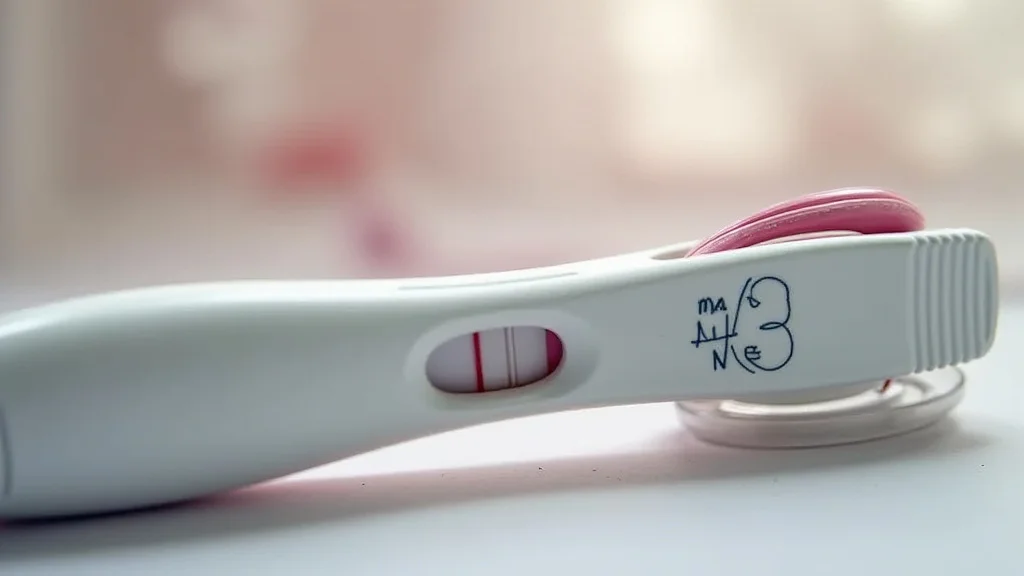
Figuring out when to take a pregnancy test can feel a bit confusing, especially if it’s your first time. You might wonder if you’re testing too early or too late, and all that uncertainty can be stressful. But don’t worry, we’ll break down the pregnancy tests timeline in a way that’s easy to follow.
We’ll guide you step-by-step so you know exactly when to get the most accurate results.
Key Takeaways
- When to take a pregnancy test depends on your menstrual cycle.
- Home pregnancy tests detect the hormone hCG.
- Testing too early can lead to false negatives.
- The best time to test is after a missed period.
- Some early detection tests exist but have limitations.
- Understanding the timeline helps reduce anxiety.
Understanding Pregnancy Tests and hCG
Pregnancy tests, whether the ones you buy at the store or clinical ones done by a doctor, work by looking for a specific hormone called human chorionic gonadotropin, or hCG. This hormone is only produced when a fertilized egg implants in the uterus. It starts at very low levels and then doubles about every 2 to 3 days in early pregnancy.
Because hCG levels start so low, testing too soon means the hormone might not be high enough for the test to detect, even if you are pregnant. This is why timing is so important for getting a reliable result.
What Is hCG?
Human chorionic gonadotropin (hCG) is a hormone that is produced by the cells that will eventually form the placenta. After a fertilized egg attaches to the wall of the uterus, these cells begin to release hCG into your bloodstream. Think of it as your body’s signal that pregnancy has begun.
The amount of hCG in your body increases rapidly in the first few weeks of pregnancy. Home pregnancy tests, as well as blood tests performed by healthcare providers, are designed to detect this hormone. The sensitivity of the test determines how low a level of hCG it can pick up.
More sensitive tests can detect pregnancy earlier.
The presence of hCG is the most definitive sign of pregnancy, although it can also be elevated in certain rare medical conditions. However, in the context of trying to determine pregnancy, it’s the primary target. Levels are typically undetectable before implantation and rise steadily thereafter.
Monitoring hCG levels can also be used by doctors to track the progress of a pregnancy or to diagnose certain issues.
How Pregnancy Tests Detect hCG
Home pregnancy tests use antibodies that are designed to bind to hCG. When you urinate on the test strip, if hCG is present, it will bind to these antibodies. This binding triggers a chemical reaction that causes a line, plus sign, or digital word to appear on the test, indicating a positive result.
The sensitivity of a pregnancy test is measured in milli-international units per milliliter (mIU/mL). Standard tests might detect levels around 25 mIU/mL, while very sensitive or early detection tests can pick up levels as low as 10 mIU/mL.
It is important to read the instructions that come with your specific pregnancy test kit very carefully. Different brands and types of tests can have different sensitivity levels and instructions for use. Using the test correctly, such as holding it in your urine stream for the recommended amount of time and waiting for the specified development period, is crucial for accurate results.
If you test too early, even with a sensitive test, the hCG levels might still be too low to be detected, leading to a negative result when you are actually pregnant.
The Ideal Pregnancy Tests Timeline
The most common and accurate time to take a pregnancy test is after you have missed your period. For those with regular cycles, this means waiting at least 14 days after ovulation. Ovulation usually occurs about 14 days before your next period is due.
So, if your period is usually 28 days long, ovulation might happen around day 14, and you would ideally test around day 28 or later. Testing on the day your period is expected or a few days after will give you the best chance of detecting hCG if pregnancy has occurred.
If your periods are irregular, it can be more challenging to pinpoint the exact right time. In such cases, it’s often recommended to wait at least 3 weeks after unprotected sex to take a test. This allows enough time for implantation and for hCG levels to rise sufficiently.
Waiting until you notice other early signs of pregnancy, like nausea or unusual fatigue, can also be a helpful, though less precise, indicator that it might be time to test. However, relying solely on symptoms can be misleading as they can also be caused by other factors.
Testing After a Missed Period
Waiting until your period is officially late is the gold standard for taking a home pregnancy test. By this point, if you are pregnant, your body should have produced a detectable amount of hCG. Most standard home pregnancy tests are sensitive enough to detect hCG levels present around the time of a missed period.
This significantly reduces the chance of a false negative result, which happens when the test reads negative even though you are pregnant. A missed period is one of the earliest and most reliable signs of pregnancy, making it the most logical time to confirm.
If you get a negative result after taking a test on or after the day your period is due, but your period still doesn’t arrive, it’s a good idea to retest in a few days. Sometimes, ovulation can occur later than expected in a cycle, meaning hCG levels might not yet be high enough for detection. Repeating the test a few days later, especially if you still haven’t gotten your period, can provide a more accurate answer.
Staying hydrated is also important, but avoid drinking excessive amounts of fluid right before testing, as this can dilute your urine and potentially lower hCG concentration.
When Is It Too Early to Test?
Testing too early is one of the most common reasons for receiving a false negative result. Implantation, the process where a fertilized egg attaches to the uterine wall, typically happens 6 to 12 days after ovulation. hCG production begins after implantation.
If you test, say, a week after potential conception, the hCG levels will likely be too low for even the most sensitive tests to detect. This leads to disappointment and unnecessary confusion. It’s better to be patient and wait for the optimal window for testing.
For example, if you had unprotected sex on day 14 of your cycle, and implantation occurs on day 10, hCG might only start being produced then. By day 18 of your cycle, the level might still be only 5-10 mIU/mL, which is below the detection limit of many tests. Waiting until day 28, when your period is due, would mean at least 14 days of hCG production, potentially reaching levels of 50-100 mIU/mL or higher, making detection much more likely.
This waiting period, though difficult, is crucial for accuracy.
Early Detection Tests and Their Accuracy
Some tests claim to detect pregnancy a few days before a missed period. These are known as early detection tests and are more sensitive, meaning they can detect lower levels of hCG (sometimes as low as 10 mIU/mL). While these can offer the advantage of an earlier result, their accuracy is not as high as tests taken after a missed period.
If you use an early detection test and get a negative result, but your period still doesn’t arrive, you should retest with a standard pregnancy test once your period is officially late.
For instance, if you ovulate a bit later in your cycle, say on day 18 instead of day 14, and then conceive and implant soon after, the hCG levels might not be high enough for an early detection test on day 26, even though day 26 is a few days before your usual period. However, by day 30, when your period is missed, hCG levels will have risen substantially, and a standard test will likely be accurate. The potential for a false negative is higher with early tests because you are testing when hCG levels are at their lowest and most variable.
Factors Affecting Pregnancy Test Results
Several factors can influence the accuracy of a pregnancy test, beyond just the timing. The concentration of hCG in your urine is paramount, which is why testing with first-morning urine is often recommended. First-morning urine is typically more concentrated because you haven’t consumed fluids for several hours, leading to higher hCG levels if you are pregnant.
Diluted urine can result in a weaker signal, even if hCG is present.
The expiration date of the test is another crucial factor. Over time, the chemicals in pregnancy tests can degrade, making them less accurate or completely ineffective. Always check the expiration date on the packaging before using a test.
Storing the tests properly, away from excessive heat and moisture, also helps maintain their efficacy. Using an expired test or one that has been stored incorrectly significantly increases the risk of unreliable results, whether positive or negative.
Concentration of Urine
The concentration of hCG in your urine is directly related to how much liquid you have consumed and when you last urinated. When you first wake up, after a night’s sleep, your urine is typically at its most concentrated. This means that any hCG present will be in a higher concentration, making it easier for the test to detect.
If you drink a lot of water throughout the day and test later, your urine will be more diluted. Even if you are pregnant, the hCG might be diluted to levels that the test cannot pick up.
Imagine you are pregnant, and your hCG level is 50 mIU/mL. If you test with first-morning urine, that 50 mIU/mL might be concentrated enough to be easily detected. However, if you drink four glasses of water before testing in the afternoon, that same 50 mIU/mL could become diluted to, say, 15 mIU/mL.
If your test’s sensitivity is 25 mIU/mL, it will show positive with the concentrated urine but negative with the diluted urine. Therefore, using first-morning urine maximizes your chances of an accurate result, especially when testing early.
Expiration Dates and Storage
Pregnancy tests contain chemicals that can break down over time, rendering them less effective or completely inaccurate. It is essential to check the expiration date printed on the box or on the individual test wrapper before you use it. A test that is past its expiration date may not be able to detect hCG correctly, potentially leading to a false negative.
Conversely, in rare cases, an expired test might give a false positive, though this is less common.
Proper storage is also key. Pregnancy tests should be stored in a cool, dry place, away from direct sunlight and high humidity. Bathrooms, which can be humid, are not always the ideal storage location.
If tests are exposed to extreme temperatures or moisture, the reagents can be damaged, affecting their performance. Keeping them in their original sealed packaging until you are ready to use them is the best practice to ensure they remain functional and reliable.
Following Test Instructions
Each pregnancy test kit comes with specific instructions, and it is vital to follow them precisely. These instructions will detail how to collect the urine sample, how long to immerse the test stick in the urine, and how long to wait for the results to appear. Different tests have different sensitivities and require slightly different procedures.
For example, some tests require dipping the stick into a collected urine sample, while others are designed for direct urination.
One common mistake is not waiting long enough for the result, leading to a premature negative reading. Another is waiting too long. Most tests have a specific window for reading the results (e.g., 5-10 minutes).
Reading the test too early means the chemical reaction may not have fully completed. Reading it too late, beyond the specified time, can sometimes lead to a “evaporation line,” which can be mistaken for a positive result. Always adhere to the recommended reading time for the most accurate interpretation.
When To Seek Professional Medical Advice
While home pregnancy tests are quite accurate when used correctly, there are situations where consulting a healthcare professional is recommended. If you have taken multiple home pregnancy tests, following the instructions carefully, and you are still getting conflicting or unclear results, it’s time to see your doctor. They can perform more sensitive laboratory tests that can confirm pregnancy with a very high degree of accuracy and can also provide valuable guidance.
Furthermore, if you have a confirmed pregnancy and are experiencing unusual symptoms, such as severe pain, heavy bleeding, or dizziness, you should seek medical attention immediately. These could be signs of complications like an ectopic pregnancy or miscarriage. Your doctor can properly diagnose your situation and provide appropriate care.
Early prenatal care is also essential for a healthy pregnancy, so scheduling your first appointment after a positive test is a crucial step.
Confirming Pregnancy with a Doctor
After a positive home pregnancy test, or if you suspect pregnancy but have consistent negative results from home tests, your doctor can provide a definitive confirmation. They typically use blood tests, which are more sensitive than urine tests and can detect hCG earlier and in smaller amounts. Blood tests can also measure the exact amount of hCG, which can help estimate how far along the pregnancy is or monitor its progression.
Your doctor will also discuss your medical history, perform a physical examination, and may order an ultrasound to visualize the pregnancy and confirm its location and viability. This professional confirmation is important for establishing proper prenatal care and addressing any concerns you may have. It marks the official beginning of your pregnancy journey and ensures you receive the best possible support and monitoring.
Dealing with Pregnancy Symptoms
Pregnancy symptoms can vary widely from person to person and even from pregnancy to pregnancy. Some common early signs include a missed period, nausea (morning sickness), fatigue, frequent urination, tender breasts, and food cravings or aversions. It’s important to remember that these symptoms are not exclusive to pregnancy and can be caused by other factors like stress, hormonal changes, or illness.
This is why relying solely on symptoms to self-diagnose can be unreliable.
If you are experiencing these symptoms and suspect you might be pregnant, taking a pregnancy test is the best course of action. If the test is positive, your doctor can help you understand and manage these symptoms throughout your pregnancy. For example, dietary changes, hydration, and rest can help alleviate nausea and fatigue.
Open communication with your healthcare provider is key to addressing any concerns related to pregnancy symptoms.
Common Myths Debunked
Myth 1: You can take a pregnancy test right after unprotected sex.
Reality: Pregnancy does not occur instantly after unprotected sex. Sperm can live in the female reproductive tract for up to 5 days, and conception (fertilization of the egg by sperm) happens after ovulation, which may not occur for several days. Then, implantation takes another 6-12 days.
hCG, the hormone detected by pregnancy tests, is only produced after implantation. Therefore, testing immediately after sex will not detect pregnancy and will always result in a negative, or inaccurate, result.
Myth 2: A very faint line on a pregnancy test means you are not pregnant.
Reality: A faint positive line generally indicates that hCG is present in your urine, meaning you are likely pregnant. The intensity of the line depends on the concentration of hCG, which rises over time. A faint line often occurs when testing early in pregnancy.
If you see a faint line, it’s recommended to retest in a few days to see if the line becomes darker. Always follow the test’s instructions regarding how to interpret lines.
Myth 3: It’s better to use diluted urine for a pregnancy test.
Reality: The opposite is true. Pregnancy tests detect the hormone hCG. The higher the concentration of hCG in your urine, the more likely the test is to detect it accurately, especially when testing early.
Diluted urine, which results from drinking a lot of fluids before testing, can lower the concentration of hCG, potentially leading to a false negative result. For best results, especially when testing before a missed period, use first-morning urine, which is typically the most concentrated.
Myth 4: All pregnancy tests are equally accurate.
Reality: While most modern home pregnancy tests are highly accurate (often over 99% accurate when used correctly and at the right time), their sensitivity can vary. Some tests are more sensitive and can detect lower levels of hCG, allowing for earlier testing. However, more sensitive tests also carry a higher risk of false negatives if used too early, as hCG levels are still very low.
Always check the sensitivity of the test (usually listed in mIU/mL) and compare it to the manufacturer’s recommendations for when to test.
Frequently Asked Questions
Question: How many days after ovulation can I take a pregnancy test?
Answer: You can typically detect pregnancy about 10-14 days after ovulation. Testing around or after your missed period is most accurate.
Question: Can stress affect my pregnancy test results?
Answer: Stress itself does not directly affect pregnancy test results, as they measure the hormone hCG. However, stress can sometimes affect ovulation and your menstrual cycle, making it harder to pinpoint when to test.
Question: What if I got a negative result but my period is still late?
Answer: This could mean you tested too early, or there might be other reasons for a late period. It’s recommended to wait a few days and retest. If your period remains absent, consult a healthcare provider.
Question: Can certain medications interfere with pregnancy tests?
Answer: Most common medications, like antibiotics or birth control pills, do not interfere with home pregnancy tests. However, fertility drugs containing hCG can cause a false positive result.
Question: Is it possible to have a positive pregnancy test and not be pregnant?
Answer: While rare, false positives can occur due to certain medical conditions, medications containing hCG, or user error like misinterpreting an evaporation line.
Summary
Knowing the right time to take a pregnancy test is key for accuracy. Testing after a missed period gives you the best results because your hCG levels will be detectable. Early detection tests can offer results sooner but with a higher chance of error.
Always follow test instructions and consider consulting a doctor for confirmation and prenatal care.
Leave a Reply