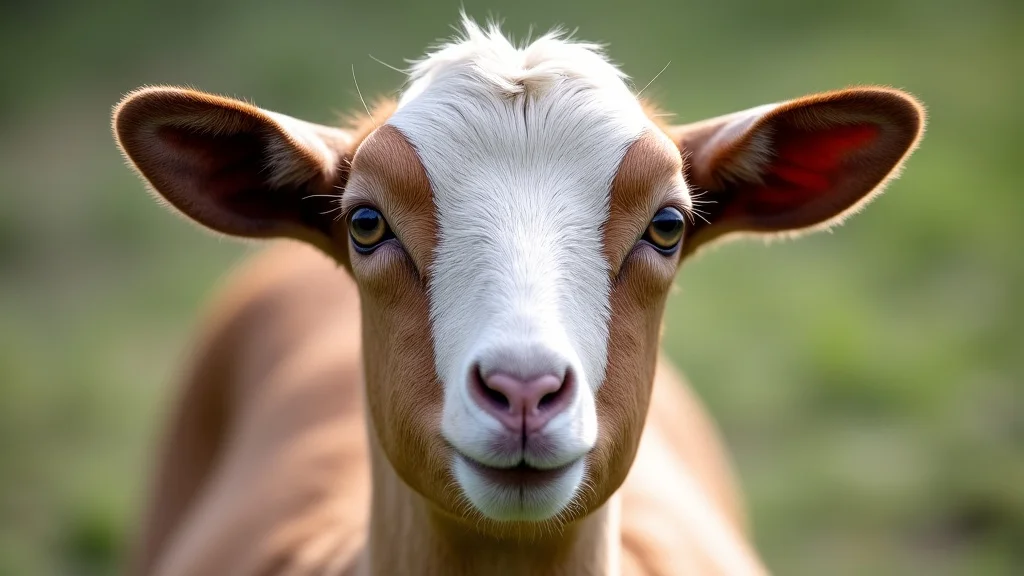
Figuring out if your goat is pregnant can feel a bit tricky at first, especially if you’re new to raising goats. You might wonder about the best ways to know for sure without stressing your animals. This guide makes it super easy to learn all about pregnancy tests for goats.
We’ll walk you through each step so you can feel confident. Get ready to discover how simple it can be to confirm your goat’s pregnancy.
Key Takeaways
- You can learn about different methods for pregnancy testing goats.
- Understand the timing and accuracy of various goat pregnancy tests.
- Discover how to prepare your goat for a pregnancy test.
- Learn what results mean and what to do next.
- Identify common issues and how to solve them.
Understanding Goat Pregnancy Tests
Pregnancy Tests For Goats Options Explained
Knowing if your goat is expecting is important for her health and for planning your herd. There are several ways to check, and each has its own benefits. Some methods are quick and easy, while others require a bit more effort or a visit to the vet.
We will explore the most common and effective techniques available for confirming pregnancy in your does.
Visual Signs of Goat Pregnancy
Observing your goat’s behavior and physical changes can offer early clues about pregnancy. While not definitive, these signs are often the first indicators that something is happening. Look for changes in her appetite, energy levels, and social interactions.
Some goats might become more withdrawn, while others might be hungrier than usual. Pay attention to her udder development, though this is usually more noticeable closer to kidding.
- Udder Development: In the final stages of pregnancy, a doe’s udder will begin to enlarge and fill with milk. This is a very strong indicator that kidding is near, typically within a week or two. The skin on the udder may also appear fuller and smoother.
- Behavioral Changes: Some does become more independent and less interested in flocking with other goats. Others might seem more affectionate or restless. Changes in appetite can also occur, with some eating more and others less, especially in the early stages.
- Physical Changes: While difficult to see in shaggy-coated goats, a slight swelling in the belly area might occur. However, this is often subtle and can be confused with bloat or other conditions.
These visual cues are helpful starting points, but they are not a substitute for more accurate testing methods. They serve as preliminary indicators that might prompt you to pursue a more definitive test.
Palpation For Goat Pregnancy
Palpation involves a veterinarian or experienced individual feeling the goat’s abdomen to detect pregnancy. This is a hands-on method that requires skill and knowledge. The goal is to feel for the presence of fetuses, fetal fluids, or changes in the reproductive organs.
It’s best performed by someone trained to avoid any harm to the doe or her potential pregnancy.
- Timing of Palpation: This method is most effective between 30 and 60 days of gestation. Before 30 days, the fetuses might be too small to feel reliably. After 60 days, the uterus can become quite large, making it harder to isolate and feel individual fetuses.
- Procedure: The examiner typically uses one hand to gently feel the abdomen and the other to support the doe. They are looking for the characteristic “slippery” feel of amniotic sacs or the firm structure of fetuses.
- Accuracy: The accuracy depends heavily on the skill of the person performing the palpation and the stage of pregnancy. In experienced hands, it can be quite accurate within the optimal window.
This technique is valuable for early detection, but it does require a trained professional. If you are unsure, it’s always best to have a vet perform this examination.
Ultrasound For Goat Pregnancy
Ultrasound is a highly accurate and non-invasive method for detecting pregnancy in goats. It uses sound waves to create images of the reproductive organs and developing fetuses. This technology allows for early and precise confirmation of pregnancy.
- Early Detection Capability: Ultrasound can detect pregnancy as early as 20-25 days of gestation. This allows for very early confirmation, which is beneficial for managing breeding programs and understanding doe health.
- What Ultrasound Shows: The technician can identify the presence of amniotic sacs, fetal heartbeats, and sometimes even see fetal movement. This provides clear visual evidence of pregnancy.
- Professional Requirement: Performing ultrasound requires specialized equipment and training. Typically, a veterinarian or a trained technician will conduct this test.
Ultrasound offers excellent accuracy and can even estimate litter size in some cases. It is considered one of the most reliable methods available for diagnosing pregnancy in goats.
Blood Tests For Goat Pregnancy
Blood tests detect specific hormones associated with pregnancy. The most common hormone tested for is called Pregnancy-Associated Glycoprotein (PAG). These tests are typically performed by a veterinary laboratory.
- PAG Hormone Detection: PAGs are produced by the placenta and are a reliable indicator of pregnancy in ruminants like goats. They can be detected in the blood as early as 28 days post-breeding.
- Accuracy and Timing: Blood tests can be highly accurate, especially after the initial detection window. They are generally reliable from about 4 weeks onwards.
- Laboratory Analysis: Samples need to be sent to a laboratory for analysis. This means there will be a waiting period for results, unlike on-farm physical examinations or ultrasound.
Blood tests provide objective results that are less dependent on the skill of an individual compared to palpation. They are a good option when early confirmation is needed and immediate on-farm results are not critical.
| Test Method | Earliest Detection | Accuracy | Professional Needed |
|---|---|---|---|
| Visual Signs | Variable (Late Pregnancy) | Low | No |
| Palpation | 30 Days | Moderate to High (Skill Dependent) | Yes (Experienced) |
| Ultrasound | 20-25 Days | High | Yes |
| Blood Test (PAG) | 28 Days | High | Yes (Lab) |
Choosing the right pregnancy test for your goats depends on your budget, the stage of pregnancy you want to confirm, and the availability of veterinary services. Each method offers a different level of insight and convenience.
Preparing For Pregnancy Tests For Goats
Getting your goat ready for a pregnancy test helps ensure the test is accurate and less stressful for her. Proper preparation minimizes any potential confusion and makes the process smoother for both you and your veterinarian.
Gathering Information
Before any test, having accurate breeding records is vital. Knowing the exact date of breeding or when your buck was with your does is the most important piece of information. This helps the veterinarian determine the best time to perform the test and interpret the results correctly.
- Breeding Dates: Record the exact dates your doe was exposed to a buck. If you use artificial insemination, record that date. This is the cornerstone for timing all other tests.
- Estrus Cycle History: Knowing your goat’s typical heat cycle can help confirm if she has returned to heat, which would indicate she is not pregnant.
- Previous Pregnancies: Information about her past kidding experiences can sometimes provide context, though it doesn’t directly influence the testing process itself.
Accurate record-keeping is fundamental. It forms the basis for all diagnostic efforts and ensures that the tests are performed at their most effective times, leading to reliable outcomes.
Handling and Restraint
Goats can be flighty animals, so proper handling and restraint are key to a successful and safe examination. You want to ensure the doe is calm and secure so she doesn’t injure herself or the person performing the test.
- Calm Environment: Choose a quiet, familiar area for the test. Avoid noisy or chaotic surroundings that could agitate the goat.
- Secure Restraint: A well-maintained goat stand or a sturdy chute is ideal. If these aren’t available, a simple rope halter and lead can work, but always ensure the goat cannot get tangled or injured.
- Assistance: It is often helpful to have an extra person to assist with holding and calming the goat, especially for more involved tests like palpation or ultrasound.
Gentle but firm handling is crucial. The goal is to keep the goat still and relaxed for the duration of the examination, making the entire process more efficient and less stressful.
Pre-Test Diet Considerations
For most pregnancy tests, there are no strict dietary restrictions. However, for tests involving palpation or ultrasound, it’s beneficial if the goat’s rumen isn’t overly full. This can make it easier to feel or see the reproductive organs.
- Avoid Overfeeding Before Test: Do not feed a large meal right before the examination. A full rumen can obscure findings.
- Hydration is Key: Ensure the goat has access to fresh water. Dehydration can affect various bodily functions and potentially impact test accuracy, though this is less of a concern for typical pregnancy tests.
- Routine Diet is Fine: For blood tests, diet generally has no impact. Continue feeding your goat her regular diet.
The main idea is to prevent temporary physical states, like a very full stomach, from interfering with the diagnostic process. Otherwise, maintain your goat’s normal feeding schedule.
Interpreting Pregnancy Test Results
Once a pregnancy test is done, understanding what the results mean is the next step. This helps you make informed decisions for your goat’s care and future breeding plans.
Positive Results
A positive result means your goat is confirmed to be pregnant. This is typically indicated by the detection of fetal fluids, placentomes (cotyledons), fetal heartbeats, or specific pregnancy hormones. What you do next depends on your breeding goals.
- Confirmation of Pregnancy: This signifies that conception has occurred and the doe is carrying fetuses.
- Nutritional Adjustments: A pregnant doe requires more nutrients, especially in the later stages. You’ll need to adjust her diet to support the developing kids and her own health.
- Kidding Preparation: Start preparing a clean, safe kidding pen. Ensure you have all the necessary supplies for when she gives birth.
A positive diagnosis is excellent news, allowing you to focus on proper gestation care and preparing for the arrival of new life.
Negative Results
A negative result means the test did not detect signs of pregnancy. This usually indicates that the doe is not pregnant from that breeding cycle. However, it’s important to consider why the test might be negative.
- Non-Pregnancy Confirmation: The doe is likely open and not carrying a pregnancy.
- Retest or Rebreed: If you are certain she was bred and you suspect the negative result might be due to testing too early or an error, consider retesting. Otherwise, you can plan to rebreed her during her next heat cycle.
- Investigate Infertility: If a doe repeatedly fails to get pregnant, further investigation into potential fertility issues might be warranted.
A negative result isn’t a failure; it’s an opportunity to reassess and plan for the next steps in your breeding program.
Inconclusive Results
Occasionally, a test might yield inconclusive results. This can happen if the test was performed too early, if there was an issue with the sample, or if the findings were ambiguous. It’s best not to make a definitive decision based on an inconclusive result.
- Re-testing Recommended: In most cases of inconclusive results, a retest is advised. This allows for a second confirmation, ideally at a slightly later stage or with a different method.
- Consult Your Veterinarian: Discuss the inconclusive findings with your vet. They can help determine the best course of action, whether it’s a repeat test or observation for other signs.
- Consider Other Factors: While waiting for retesting, observe the doe for any visual signs of pregnancy or heat cycles.
Inconclusive results simply mean more information is needed. They are a signal to investigate further rather than a final answer.
Common Myths Debunked
Myth 1: You Can Tell If A Goat Is Pregnant Just By Looking At Her Belly
It’s a common belief that a visibly rounded belly means a goat is pregnant. However, this is often not the case, especially in the early or middle stages of pregnancy. A goat’s belly can appear larger due to various reasons, such as overeating, bloat, parasites, or even just being a naturally larger-framed animal.
While a significantly enlarged, pendulous belly can be a sign in late pregnancy, it’s not a reliable indicator early on. Accurate pregnancy detection requires more scientific methods.
Myth 2: All Pregnancy Tests For Goats Are Expensive
While some advanced tests like ultrasound can be costly, not all methods for pregnancy testing goats are expensive. Visual observation of signs like udder development and behavior is free, though less accurate. Palpation by an experienced person can be affordable, and blood tests, while requiring lab fees, are often less expensive than ultrasound.
The cost varies greatly depending on the method chosen and whether you use a veterinarian.
Myth 3: You Can Use Human Pregnancy Tests On Goats
Human pregnancy tests detect human chorionic gonadotropin (hCG), a hormone specific to human pregnancy. Goats produce different pregnancy hormones, such as Pregnancy-Associated Glycoproteins (PAGs). Therefore, human pregnancy tests are completely ineffective for determining pregnancy in goats and will yield false negative results.
Myth 4: A Goat That Doesn’t Show Heat Is Definitely Pregnant
While a doe that stops showing heat cycles after being bred is a strong indicator of pregnancy, it’s not an absolute guarantee. Several factors can cause a doe to stop cycling without being pregnant. These can include stress, illness, poor nutrition, or even issues with the buck’s fertility that led to non-conception.
Relying solely on the absence of heat can be misleading; confirmation through other tests is always best.
Frequently Asked Questions
Question: How soon can I test my goat for pregnancy
Answer: You can start seeing signs visually very late in pregnancy, but reliable tests like ultrasound can detect pregnancy as early as 20-25 days. Blood tests are accurate from about 28 days, and palpation is best done after 30 days.
Question: What is the most accurate pregnancy test for goats
Answer: Ultrasound and blood tests (detecting PAGs) are generally considered the most accurate methods for confirming pregnancy in goats.
Question: Can I do a pregnancy test on my goat myself
Answer: While you can observe visual signs yourself, accurate internal testing like palpation, ultrasound, or blood analysis typically requires a trained veterinarian or technician.
Question: What if my goat shows signs of pregnancy but tests negative
Answer: This could mean the test was too early, or there’s an issue with conception. It’s best to retest after a week or two or consult your veterinarian for further evaluation.
Question: How often should I pregnancy test my goats
Answer: You typically only need to pregnancy test your goats once after they have been bred and the appropriate testing window has passed. Retesting is usually only done if the initial results were inconclusive or negative but you suspect pregnancy.
Wrap Up
Confirming pregnancy in your goats is a vital step for responsible herd management. By exploring visual cues, palpation, ultrasound, and blood tests, you have clear options. Always consider the timing and accuracy of each method.
Preparing your doe properly ensures reliable results. Now you can confidently select the best approach to confirm your goat’s pregnancy and plan for happy, healthy kids.
Leave a Reply