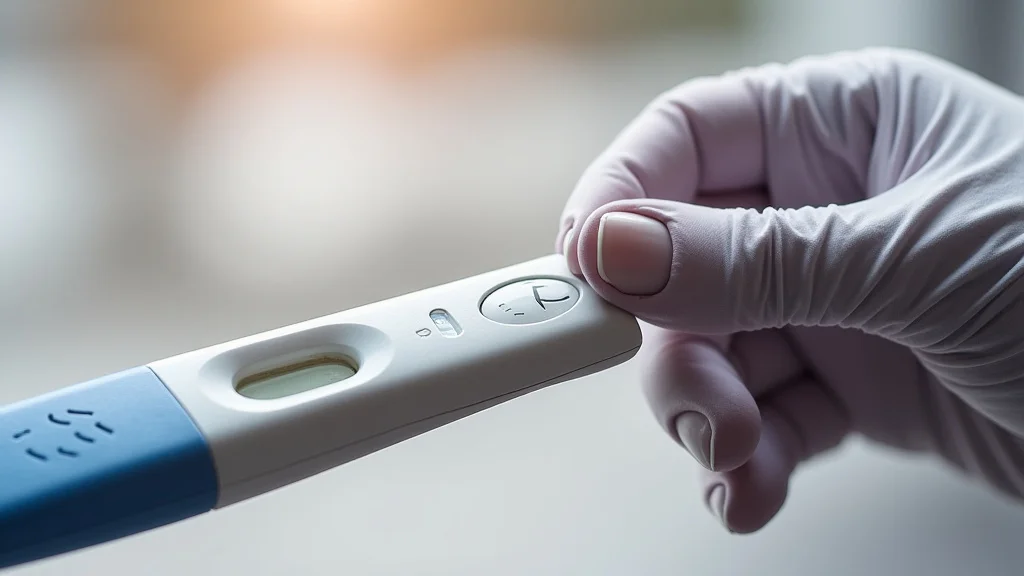
It can be tricky figuring out if you need a pregnancy test or a COVID test, especially when you feel under the weather. Many people get confused because both involve taking a sample and waiting for results. This is a common worry for first-timers.
Don’t fret, though. We’re going to break down the pregnancy test vs covid test puzzle in a super easy way. You’ll learn exactly what each one is for and how they’re different.
Key Takeaways
- Pregnancy tests detect hCG hormones to confirm pregnancy.
- COVID tests identify the SARS-CoV-2 virus to diagnose infection.
- They use different testing methods and detect different biological markers.
- Each test has specific instructions for accurate results.
- Understanding the difference ensures you use the right test for your concerns.
Understanding Pregnancy Tests
Pregnancy tests are designed to tell you if you are pregnant. They work by detecting a hormone your body produces when you’re expecting. This hormone is called human chorionic gonadotropin, or hCG.
It starts showing up in your blood and urine shortly after a fertilized egg implants in the uterus.
There are two main types of pregnancy tests: urine tests and blood tests. Urine tests are the ones you buy at the drugstore and do at home. Blood tests are done at a doctor’s office and can often detect hCG earlier than urine tests.
Home pregnancy tests are very accurate when used correctly. They typically involve peting on a stick or dipping it into a cup of urine. After a few minutes, lines or symbols appear to show the result.
How Pregnancy Tests Work
The magic behind pregnancy tests is their ability to spot hCG. This hormone is made by cells that will eventually form the placenta. Even in the very early stages of pregnancy, hCG levels rise rapidly.
Home pregnancy tests have a special strip inside that reacts with hCG in your urine. If hCG is present, it causes a colored line or symbol to appear on the test window.
The sensitivity of these tests varies. Some are more sensitive and can detect lower levels of hCG, meaning they can give you a positive result a few days before your missed period. Others are less sensitive and work best once your period is late.
It’s always best to read the instructions that come with your specific test to know when to take it for the most accurate reading.
- Hormone Detection: Pregnancy tests specifically look for hCG. This hormone is only produced by the body during pregnancy.
- Accuracy Rates: When used correctly, home pregnancy tests are over 99% accurate. This means they correctly identify a pregnancy the vast majority of the time.
- Timing is Key: Taking the test too early can lead to a false negative result because hCG levels may not be high enough to detect. Waiting until after a missed period greatly increases accuracy.
- Two Lines Mean Pregnant: Most tests show two lines or a plus sign for a positive result. One line or a minus sign usually means negative. Always check the test’s guide for symbol meanings.
Types of Pregnancy Tests
The most common type is the urine pregnancy test, often called a home pregnancy test. These are affordable and easy to use. You can buy them at pharmacies and supermarkets.
There are two main ways to use a urine test: the midstream test, where you pee directly on the absorbent tip, and the dip test, where you collect urine in a cup and dip the test stick into it. Both methods require you to wait a few minutes for the results to show up.
Blood pregnancy tests are another option, usually done at a doctor’s office. These tests are more sensitive and can detect pregnancy earlier than urine tests, sometimes as early as 6-8 days after ovulation. There are two types of blood tests: qualitative, which simply tells you if hCG is present, and quantitative, which measures the exact amount of hCG in your blood.
This measurement can give doctors more information about the pregnancy’s progress.
Example Scenario: Sarah missed her period and felt tired. She bought a home pregnancy test from the pharmacy. She followed the instructions carefully, peed on the stick, and waited.
Two pink lines appeared, indicating she was pregnant. She then scheduled an appointment with her doctor to confirm.
Understanding COVID Tests
COVID-19 tests are used to detect if you currently have the virus that causes COVID-19, which is called SARS-CoV-2. These tests are crucial for identifying infections, helping to stop the spread, and guiding treatment decisions. Unlike pregnancy tests, which look for a hormone, COVID tests look for the virus itself or its genetic material.
There are a few different types of COVID-19 tests. The most common ones are viral tests, which detect the presence of the virus. These include PCR tests and antigen tests.
Antibody tests are also available, but they detect whether you have had COVID-19 in the past, not if you are currently infected.
How COVID Tests Work
Viral tests for COVID-19 work by looking for parts of the SARS-CoV-2 virus. PCR (polymerase chain reaction) tests are considered the gold standard for detecting active infection. They work by finding tiny amounts of the virus’s genetic material (RNA) in a sample, such as a nasal swab or saliva sample.
Antigen tests are quicker than PCR tests and can often be done at home. They detect specific proteins on the surface of the virus. While antigen tests are convenient, they might be less sensitive than PCR tests, meaning they could miss some infections, especially in people who have no symptoms or are in the very early stages of infection.
A positive antigen test is usually reliable, but a negative result might need to be confirmed with a PCR test if symptoms persist.
- Virus Detection: COVID tests look for the SARS-CoV-2 virus or its components. This confirms an active infection.
- Sample Collection: Swabs from the nose or throat, or saliva, are typically used. The way the sample is collected can affect the test’s accuracy.
- Types of Viral Tests: PCR tests detect viral RNA, while antigen tests detect viral proteins. Both are used for active infection diagnosis.
- False Negatives Are Possible: Especially with antigen tests, a negative result doesn’t always mean you don’t have COVID-19. Symptoms warrant further testing.
Types of COVID-19 Tests
There are two main types of viral tests for COVID-19: PCR tests and antigen tests. PCR tests are highly accurate and can detect even very small amounts of the virus. They are usually performed in a lab and can take a day or two for results.
Antigen tests are faster and can often be used at home. They detect specific proteins on the surface of the virus. Results are usually available within 15-30 minutes.
While convenient, antigen tests may be less sensitive than PCR tests, meaning they might not detect the virus if the amount is very low.
Antibody tests are different. They detect antibodies that your body makes in response to a COVID-19 infection. These tests show if you have been infected in the past.
They are not used to diagnose a current infection.
Example Scenario: John started coughing and had a fever. He thought it might be COVID-19. He took an at-home antigen test.
The test showed a positive result. He then isolated himself and contacted his doctor for advice on treatment and follow-up testing.
Pregnancy Test vs Covid Test Key Differences
The most significant difference between a pregnancy test and a COVID test lies in what they are designed to detect. A pregnancy test looks for the hormone hCG, which is only present in a pregnant individual. A COVID test, on the other hand, searches for the SARS-CoV-2 virus or evidence of its presence.
Their purposes are entirely separate. You use a pregnancy test to confirm or rule out pregnancy. You use a COVID test to diagnose an active viral infection.
Because they detect different things, they use different biological samples and different scientific methods.
What They Detect
Pregnancy tests detect hCG. This hormone is a clear indicator of pregnancy. Its presence or absence is the sole factor in a pregnancy test result.
Even very small amounts of hCG can be detected by sensitive pregnancy tests.
COVID tests detect the SARS-CoV-2 virus. This can be done by finding the virus’s genetic material (RNA) using PCR tests or by identifying specific proteins on the virus’s surface using antigen tests. The goal is to confirm the active presence of the virus in your body.
Purpose and Usage
The purpose of a pregnancy test is straightforward: to determine if conception has occurred. It’s a diagnostic tool for a biological state, not an illness. It’s typically used when a person suspects they might be pregnant, often after missing a menstrual period.
The purpose of a COVID test is to identify a current infectious disease. It’s used when someone has symptoms suggestive of COVID-19, has been exposed to someone with the virus, or needs to be tested for travel or work requirements. The results help manage public health and individual care.
How Results Are Interpreted
Interpreting a pregnancy test usually involves looking for lines or symbols. Two lines or a positive symbol mean pregnant. One line or a negative symbol means not pregnant.
It’s a simple yes or no answer regarding pregnancy.
Interpreting a COVID test can be more nuanced. A positive result clearly indicates an active infection. A negative result means the virus was not detected at the time of the test, but it doesn’t guarantee you aren’t infected or won’t become infected later.
Repeated testing or confirmation with a more sensitive test might be needed in some cases.
Comparison Table
| Feature | Pregnancy Test | COVID Test |
|---|---|---|
| What it Detects | Human Chorionic Gonadotropin (hCG) hormone | SARS-CoV-2 virus (RNA or proteins) |
| Primary Purpose | Confirm pregnancy | Diagnose COVID-19 infection |
| Typical Sample | Urine (sometimes blood) | Nasal swab, throat swab, saliva |
| Result Timeframe | Minutes (home tests) to hours (lab tests) | Minutes (antigen) to hours/days (PCR) |
| When to Use | Suspected pregnancy, missed period | Symptoms of COVID-19, exposure, screening |
When To Use Which Test
Deciding between a pregnancy test and a COVID test comes down to your symptoms and circumstances. If your primary concern is whether you might be pregnant, a pregnancy test is what you need. This is usually the case if you have missed your period, are experiencing nausea, or have other early signs of pregnancy.
If your concern is about feeling sick with symptoms like fever, cough, sore throat, or loss of taste or smell, then a COVID test is appropriate. These symptoms are commonly associated with COVID-19, and testing helps identify the cause of your illness and prevent spread.
Symptoms That Point to Pregnancy
Several symptoms can suggest pregnancy. A missed period is often the first and most obvious sign. Other common early pregnancy symptoms include tender or swollen breasts, nausea with or without vomiting, increased urination, and fatigue.
Some people also experience food aversions or cravings, or mild cramping and spotting as the fertilized egg implants.
It’s important to remember that these symptoms can sometimes be similar to those of other conditions, including premenstrual syndrome (PMS) or even a cold or flu. This is why a pregnancy test is the definitive way to know. If you suspect pregnancy, take a test at the right time for the most reliable result.
- Missed Period: If your period is late, this is a strong indicator.
- Nausea: Often called “morning sickness,” this can occur at any time of day.
- Fatigue: Feeling unusually tired is common in early pregnancy.
- Breast Changes: Breasts may become sore, tender, or feel fuller.
- Frequent Urination: You might find yourself needing to go to the bathroom more often.
These are general signs, and not everyone experiences them. The best way to confirm pregnancy is through a test.
Symptoms That Point to COVID-19
COVID-19 can present with a wide range of symptoms, and they can vary in severity. Common symptoms include fever or chills, cough, shortness of breath or difficulty breathing, fatigue, muscle or body aches, headache, new loss of taste or smell, sore throat, congestion or runny nose, nausea or vomiting, and diarrhea.
Some people with COVID-19 have very mild symptoms, while others become severely ill. Some individuals may even be asymptomatic, meaning they have the virus but show no symptoms. If you develop any of these symptoms, especially after contact with someone who has COVID-19, it’s recommended to get tested.
- Fever or Chills: A common sign of infection.
- Cough: Often a dry cough, but can produce mucus.
- Shortness of Breath: Difficulty breathing can be a serious symptom.
- Loss of Taste or Smell: A distinctive symptom for many with COVID-19.
- Fatigue and Aches: Feeling generally unwell, tired, and achy.
It’s wise to get tested if you have any of these symptoms, particularly if you’ve been around others who are sick.
When Symptoms Overlap
Sometimes, symptoms can overlap between pregnancy and COVID-19, or other illnesses. For example, fatigue and nausea can occur in early pregnancy and also with COVID-19. A runny nose or sore throat can be a symptom of a common cold, flu, or COVID-19, but can also sometimes occur in early pregnancy due to hormonal changes.
This is precisely why having the right tests available is important. If you have symptoms that could be either pregnancy-related or infectious, it’s best to address both possibilities. Use a pregnancy test if pregnancy is a concern, and use a COVID test if an infection is suspected.
This approach helps ensure you get accurate information about your health.
Real-Life Example: Maria had a missed period and felt tired and nauseous. She took a pregnancy test, which was positive. A few days later, she developed a cough and fever.
She then took a COVID test, which came back positive. She spoke to her doctor about managing her pregnancy and her COVID-19 infection separately.
Common Myths Debunked
Frequently Asked Questions
Question: Can I use a COVID test to see if I’m pregnant
Answer: No, a COVID test is designed to detect the SARS-CoV-2 virus, not the hCG hormone that indicates pregnancy. Using a COVID test for pregnancy will not give you an accurate result.
Question: Can I use a pregnancy test to see if I have COVID-19
Answer: No, a pregnancy test detects hCG hormone and has no ability to detect the SARS-CoV-2 virus. It will not tell you if you have COVID-19.
Question: Are pregnancy tests and COVID tests taken the same way
Answer: No, while both may involve a swab or urine sample, the specific method and what is being collected are different. Pregnancy tests typically use urine, while COVID tests often use nasal or throat swabs, or saliva.
Question: Can I have symptoms for both pregnancy and COVID-19 at the same time
Answer: Yes, some symptoms like fatigue or nausea can overlap. If you have concerning symptoms, it’s best to test for both conditions if you suspect either is possible.
Question: Where can I get these tests
Answer: Pregnancy tests are widely available at pharmacies and supermarkets. COVID-19 tests can be found at pharmacies, some clinics, and sometimes through public health programs.
Final Thoughts
Distinguishing between a pregnancy test and a COVID test is straightforward once you know what each one does. Pregnancy tests check for hCG to confirm pregnancy. COVID tests detect the virus to diagnose infection.
Use the right test for your situation to get accurate health information and make informed decisions.
Leave a Reply